



Leave Your Message
Precision-engineered titanium products designed to meet the demanding requirements of electrolytic nickel and hydrometallurgical industries worldwide.
In the electrolytic nickel industry, the cathode material plays a decisive role in determining product purity, energy efficiency, and overall process economics. Titanium cathodes have emerged as the gold standard, replacing traditional stainless steel and copper substrates due to their exceptional combination of properties: outstanding corrosion resistance in aggressive sulfate and chloride electrolytes, a smooth non-reactive surface that promotes clean nickel deposit release, and structural integrity that survives thousands of stripping cycles without degradation.
The global electrolytic nickel market — valued at over USD 15 billion and growing steadily — depends on high-purity cathode nickel (99.98%+ Ni) for applications ranging from lithium-ion battery precursors and aerospace superalloys to electroplating and specialty chemical catalysts. Titanium cathodes are the enabling technology that makes this purity achievable at industrial scale.
Key Insight: Titanium cathodes reduce stripping downtime by up to 40% compared to conventional materials, directly improving plant throughput and reducing per-kilogram production costs — a critical advantage in a commodity-driven market.
Macro-level shifts in energy, mining, and advanced manufacturing are accelerating the adoption of premium titanium cathode technology across global nickel refining operations.
The exponential growth of electric vehicles has created unprecedented demand for Class I nickel (electrolytic-grade, ≥99.8% purity) used in NMC and NCA battery cathode materials. Titanium cathodes are essential to producing the ultra-high-purity nickel that battery manufacturers require, driving major capacity expansions at refineries worldwide.
Aging nickel refineries in Russia, Canada, Australia, and Southeast Asia are undergoing significant capital upgrades. Titanium cathode retrofits are a primary focus, as operators seek to extend tank house lifespans, improve current efficiency (targeting 96–98%), and reduce maintenance intervals — all while meeting tighter environmental discharge standards.
High-Pressure Acid Leach (HPAL) and atmospheric leach technologies are unlocking vast laterite nickel deposits previously considered uneconomic. These processes produce nickel intermediate solutions that feed directly into electrowinning circuits, creating substantial new demand for titanium cathode blanks, hanger bars, and complete cathode assemblies.
China's rapid build-out of integrated nickel-to-battery material supply chains — anchored by major players in Guangxi, Shandong, and Xinjiang — is creating a massive domestic market for titanium cathode components. Domestic producers with ASTM-grade titanium capabilities and ISO-certified quality systems are positioned to capture this growth.
Electrolytic nickel production is energy-intensive (typically 4,000–6,000 kWh per tonne of nickel). Regulatory and ESG pressures are pushing operators to optimize cell voltage and current density. Titanium cathodes with precisely controlled surface roughness (Ra 0.4–0.8 μm) minimize deposit adhesion energy and contribute to measurable reductions in specific energy consumption.
Next-generation titanium cathodes incorporate surface treatments — including controlled oxide layers, micro-texturing, and anti-passivation coatings — that enhance nickel nucleation uniformity and simplify mechanical stripping. R&D investment in this area is accelerating, with leading manufacturers like TGTI driving innovation through materials science partnerships.
From primary nickel electrowinning to specialty refining, titanium cathodes serve critical functions across the entire electrolytic nickel production ecosystem.
In electrowinning operations, titanium cathode blanks (typically 1000×1000mm to 1500×1500mm, 3–6mm thick, Grade 1 or Grade 2 Ti) are the primary substrate onto which nickel is deposited from purified electrolyte. The cathode's dimensional stability under continuous thermal and mechanical cycling — without warping or pitting — is critical to maintaining uniform current distribution and consistent deposit quality across hundreds of parallel cells.
In nickel electrolytic refining, impure cast nickel anodes are dissolved and redeposited onto titanium cathode starting sheets. The titanium substrate's chemical inertness prevents contamination of the pure nickel deposit, while its smooth surface finish enables clean mechanical stripping — a process repeated every 5–10 days per cathode. Service life of quality titanium cathodes in this application typically exceeds 10–15 years.
High-Pressure Acid Leach circuits processing laterite ores produce nickel-cobalt mixed hydroxide precipitate (MHP) or mixed sulfide precipitate (MSP) that is subsequently dissolved and refined via electrowinning. The aggressive sulfuric acid electrolytes (pH 2–4, 50–65°C) in these circuits demand titanium cathodes with superior acid resistance — a requirement that Grade 1 titanium meets definitively, outperforming all alternative materials.
The Falconbridge chloride process and similar technologies use concentrated nickel chloride electrolytes for refining. Titanium cathodes demonstrate exceptional stability in these chloride-rich environments where stainless steel would suffer severe crevice corrosion. The passive oxide film on titanium remains intact even at elevated chloride concentrations and temperatures, ensuring cathode longevity and electrolyte purity.
The production of high-purity nickel sulfate (NiSO₄) for lithium-ion battery precursors increasingly involves electrochemical dissolution and purification steps using titanium electrodes. Titanium cathode components in these circuits must meet stringent purity specifications to prevent trace metal contamination that would disqualify the nickel sulfate from battery-grade classification. TGTI's Grade 1 titanium cathodes meet these ultra-low contamination requirements.
Modern nickel refineries increasingly co-produce electrolytic cobalt from the same leach circuits. Titanium cathodes used in cobalt electrowinning sections must perform reliably in electrolytes with complex chemistry including ammonia, sulfate, and chloride species. The chemical versatility of titanium makes it the universal cathode material of choice across all metal electrowinning applications in integrated hydrometallurgical facilities.

 World-Class Quality — Unparalleled Standards
 Custom-Tailored Solutions — Swift Execution
 Streamlined Logistics — Global Reach
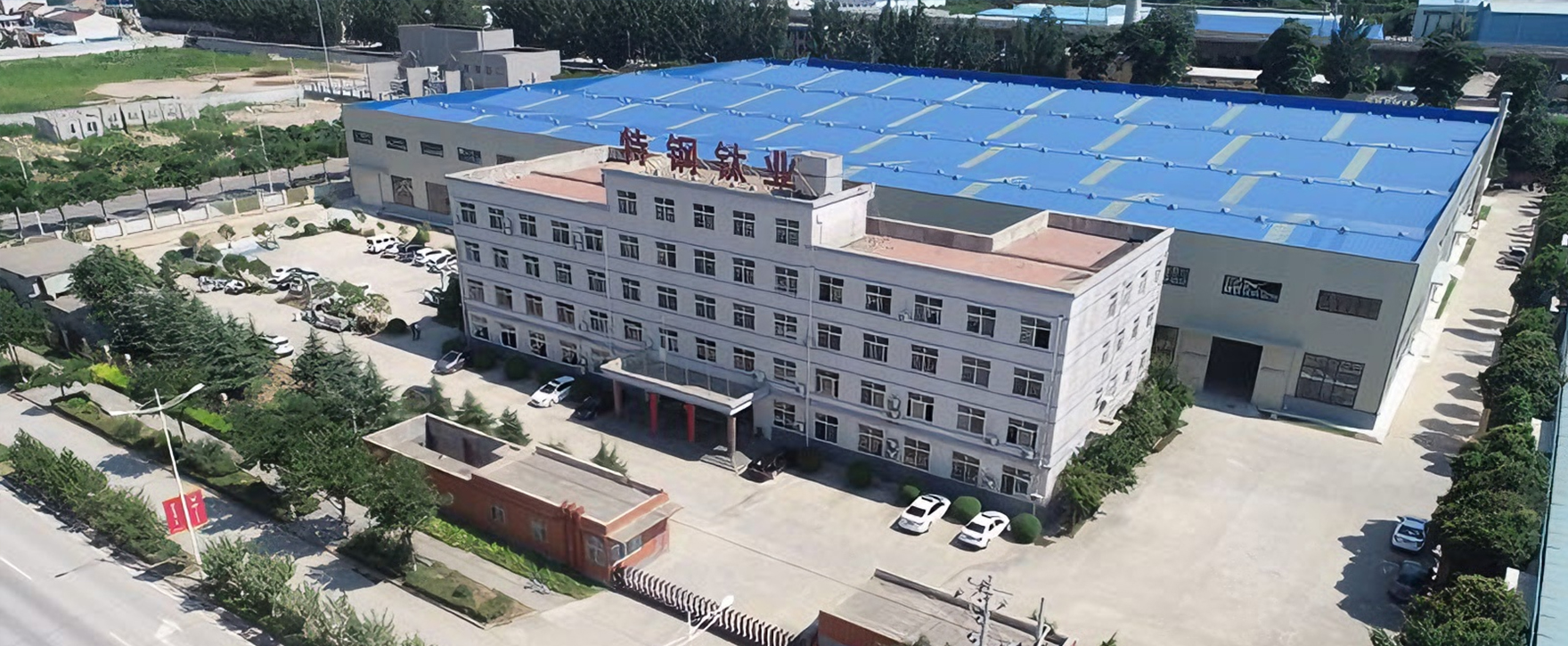
Baoji Special Steel Titanium Industry Co., Ltd. (TGTI) is a joint-stock industrial enterprise specializing in the research, development, manufacturing and sales of titanium, nickel, zirconium and other metal pipes and metal composite materials. The company was founded in 1997, located in Shaanxi Baoji National High-tech Industrial Development Zone — a globally recognized hub for titanium manufacturing excellence. The factory covers an area of 41,000 square meters and operates with an annual production capacity of 3,000 tonnes, serving clients across the electrolytic nickel, hydrometallurgy, chemical engineering, electroplating, and energy sectors worldwide.
FIND OUT MORE
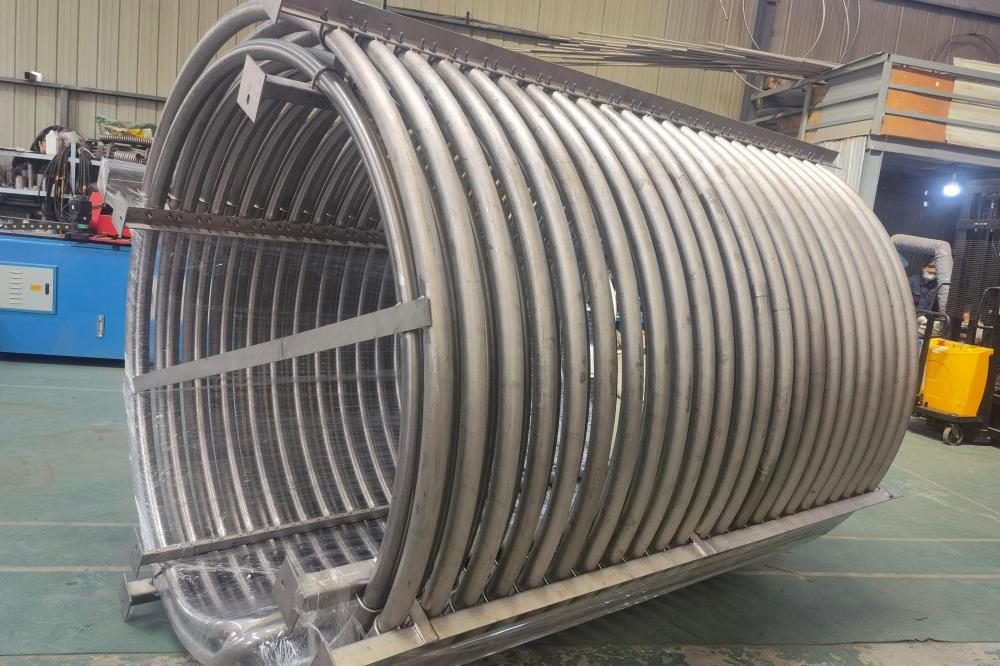
TGTI titanium cathodes and related products serve critical roles across multiple high-value industrial sectors, each with unique electrochemical and mechanical demands.




Best Practices



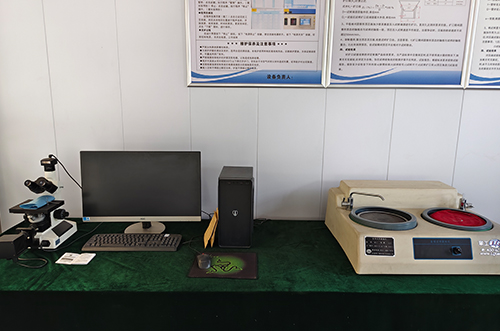
TGTI's titanium cathodes are manufactured under rigorous quality management systems, certified to international standards that global nickel producers rely on.
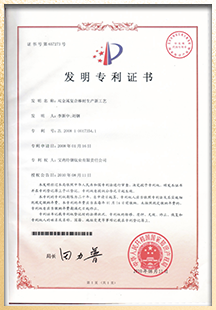
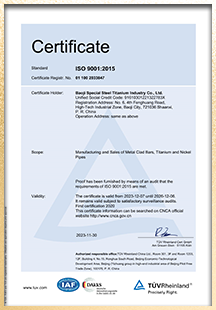
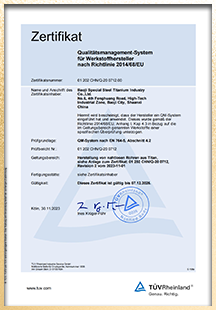
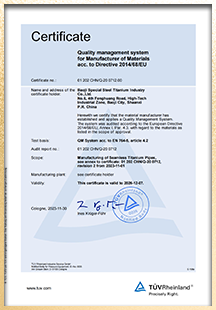
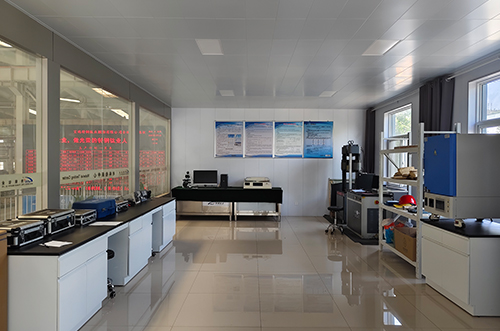
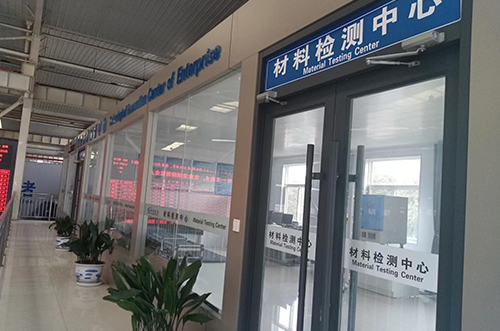
TGTI titanium cathodes are produced and tested to the most stringent international quality standards: IATF 16949 · CE · FMEA · PPAP · APQP · SPC · MSA — with 100% dimensional and material testing on all cathode products. Our quality system ensures every titanium cathode delivered to electrolytic nickel operations meets precise specifications for thickness tolerance (±0.1mm), flatness, surface roughness, and chemical composition per ASTM B265 Grade 1/Grade 2.
Explore our comprehensive range of titanium cathodes, anodes, plates, tubes, and composite electrode products — all engineered for demanding electrochemical environments.



