Leave Your Message
Explore our core range of titanium cathode solutions — precision-manufactured for demanding electroplating production environments worldwide.
As global manufacturing standards evolve, titanium cathodes have become the backbone of modern electroplating production lines — delivering unmatched performance, longevity, and environmental compliance.
The global electroplating market was valued at over USD 18 billion in 2023 and is projected to exceed USD 26 billion by 2030. Titanium cathodes account for a rapidly growing segment as manufacturers replace conventional stainless steel cathodes for superior corrosion resistance and extended service life.
Leading electroplating facilities in Germany, Japan, South Korea, and North America have shifted more than 70% of their production lines to titanium-based cathode systems since 2018. China's domestic adoption is accelerating rapidly, driven by stricter environmental regulations and quality upgrade demands.
China remains the world's largest producer of titanium cathodes for electroplating, with Baoji — known as the "Titanium Valley" — being the primary manufacturing hub. Products from this region supply major industrial economies including the EU, USA, Japan, Norway, and Southeast Asia.
Titanium's exceptional combination of low density, high strength, outstanding corrosion resistance in acidic and alkaline electrolytes, and long operational lifespan (often exceeding 10 years) makes it the material of choice for permanent cathode systems in copper, nickel, zinc, and precious metal electroplating processes. Compared to 316L stainless steel, titanium cathodes reduce replacement frequency by up to 5× and deliver a flatter, more uniform deposit surface — critical for electronics and aerospace component plating.
Engineered for the most demanding electroplating environments — from high-current copper foil lines to precision electronics plating.
Titanium naturally forms a stable TiO₂ passive oxide layer that resists attack from sulfuric acid, hydrochloric acid, nickel sulfamate, and copper sulfate electrolytes — environments that rapidly degrade stainless steel or copper cathodes. This ensures consistent plating quality over years of continuous operation.
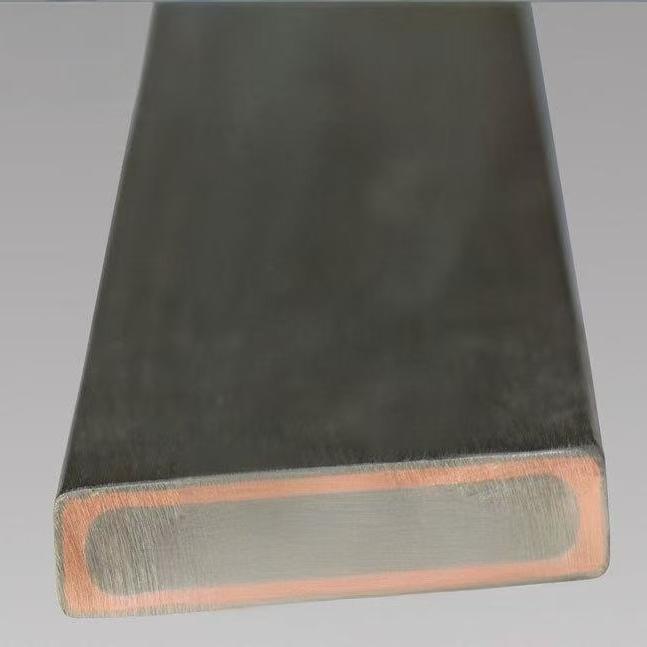
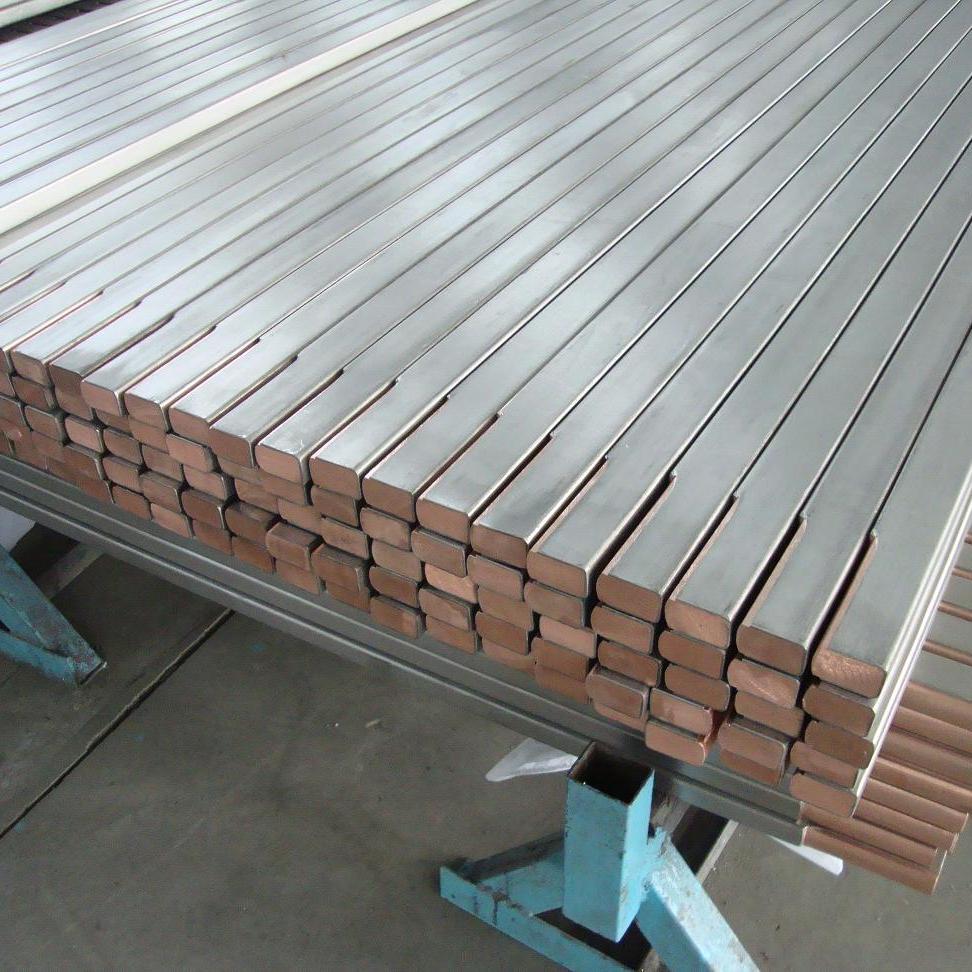
The smooth titanium surface allows electrodeposited metals (copper, nickel, cobalt) to be stripped cleanly without surface damage. Titanium clad copper hanger bars further optimize electrical conductivity while maintaining corrosion resistance at contact points — a critical design feature for high-throughput production lines.
Precision-rolled titanium cathode plates maintain tight flatness tolerances (typically ±0.2mm over 1000mm length), ensuring uniform current distribution across the plating bath. This directly translates to consistent deposit thickness and superior surface finish — essential for PCB copper foil and decorative chrome applications.
When combined with titanium clad copper conductor bars, the composite cathode system achieves near-copper-level electrical conductivity at the bus bar connection while maintaining full titanium corrosion protection in the electrolyte zone — reducing energy consumption and heat generation in high-current density operations.
Titanium cathodes typically offer 8–15 years of service life in copper electrowinning and electroplating applications, dramatically reducing waste and replacement costs. Their recyclability aligns with the growing global push for circular economy practices in industrial manufacturing.
Titanium cathodes maintain structural integrity and surface properties across a broad temperature range (−50°C to 300°C), making them suitable for both ambient-temperature decorative plating baths and elevated-temperature industrial processes such as nickel sulfamate plating at 50–60°C.
Titanium cathodes serve a diverse range of high-value industrial sectors — each with unique technical requirements that titanium is uniquely positioned to meet.
Electrodeposited copper foil for printed circuit boards demands ultra-flat, contamination-free cathode surfaces. Titanium permanent cathodes in copper foil electroforming lines enable sub-micron surface roughness control, supporting the production of ultra-thin foils (6–12μm) for 5G flexible circuit boards and EV battery current collectors.
High-volume automotive component plating lines require cathodes that withstand aggressive chrome plating baths (CrO₃/H₂SO₄) and high current densities (30–60 A/dm²). Titanium cathodes with titanium clad copper hanger bars are the standard choice for bumper, trim, and wheel plating systems in Tier 1 automotive suppliers globally.
As the aerospace industry transitions from hexavalent chrome to trivalent chrome and alternative plating processes, titanium cathodes play a key role in new HEEF-25 and Cr(III) bath systems. Their chemical inertness ensures no cross-contamination of the plating deposit — critical for flight-safety components.
The explosive growth of lithium-ion batteries for EVs and energy storage has created massive demand for electrolytic copper foil. Titanium cathode drums and flat cathode plates are central to this process, with global capacity expansions in China, South Korea, and Europe driving unprecedented demand for premium titanium cathode materials.
Gold, silver, rhodium, and palladium plating for jewelry and luxury goods require cathodes with exceptional surface smoothness and chemical compatibility with cyanide and non-cyanide electrolytes. Titanium cathodes provide the necessary inertness and surface quality for high-value decorative applications.
Industrial zinc plating for fasteners, structural components, and sheet metal uses titanium cathodes in both acid zinc sulfate and alkaline zinc systems. The combination of corrosion resistance in zinc-rich environments and ease of deposit stripping makes titanium the preferred cathode material for high-throughput barrel and rack zinc plating lines.
The titanium cathode market is undergoing rapid transformation driven by technological innovation, sustainability mandates, and the electrification megatrend.
Global EV production targets — exceeding 40 million vehicles per year by 2030 — are creating an unprecedented demand surge for electrolytic copper foil. This directly translates to massive investment in titanium cathode production capacity, with leading manufacturers in China, South Korea, and Japan announcing multi-billion-dollar copper foil plant expansions requiring thousands of titanium cathode sets annually.
Increasingly stringent environmental regulations (EU REACH, RoHS, China GB standards) are accelerating the phase-out of hexavalent chromium and other toxic plating chemistries. Titanium cathodes are central to the adoption of next-generation green plating processes, including trivalent chrome, functional nickel-free systems, and electroless plating alternatives.
Modern electroplating production lines are integrating IoT sensors, AI-driven process control, and automated cathode handling systems. Titanium cathodes with embedded RFID tracking and precision surface coatings are enabling real-time monitoring of cathode wear, deposit quality, and bath chemistry — reducing human intervention and improving yield consistency.
R&D investment in titanium cathode surface treatments — including electropolishing, micro-texture engineering, and anti-adhesion coatings — is enabling next-generation ultra-thin copper foil production below 4μm. These innovations are critical for next-generation solid-state batteries and advanced semiconductor packaging applications.


Titanium and titanium alloy, nickel and nickel alloy, zirconium and zirconium alloy mainly non-ferrous metal pipe;
Non-ferrous metal composite materials mainly composed of titanium clad copper, including: titanium clad copper, zirconium clad copper, ladle copper, composite wire, multilayer composite metal, etc.;
Titanium cathode is the main product of the composite electrode series, including: titanium cathode, stainless steel permanent cathode, nickel anode, titanium-based lead dioxide anode, and so on.
A series of nickel materials products mainly consisting of nickel plates, nickel rods and nickel strips.
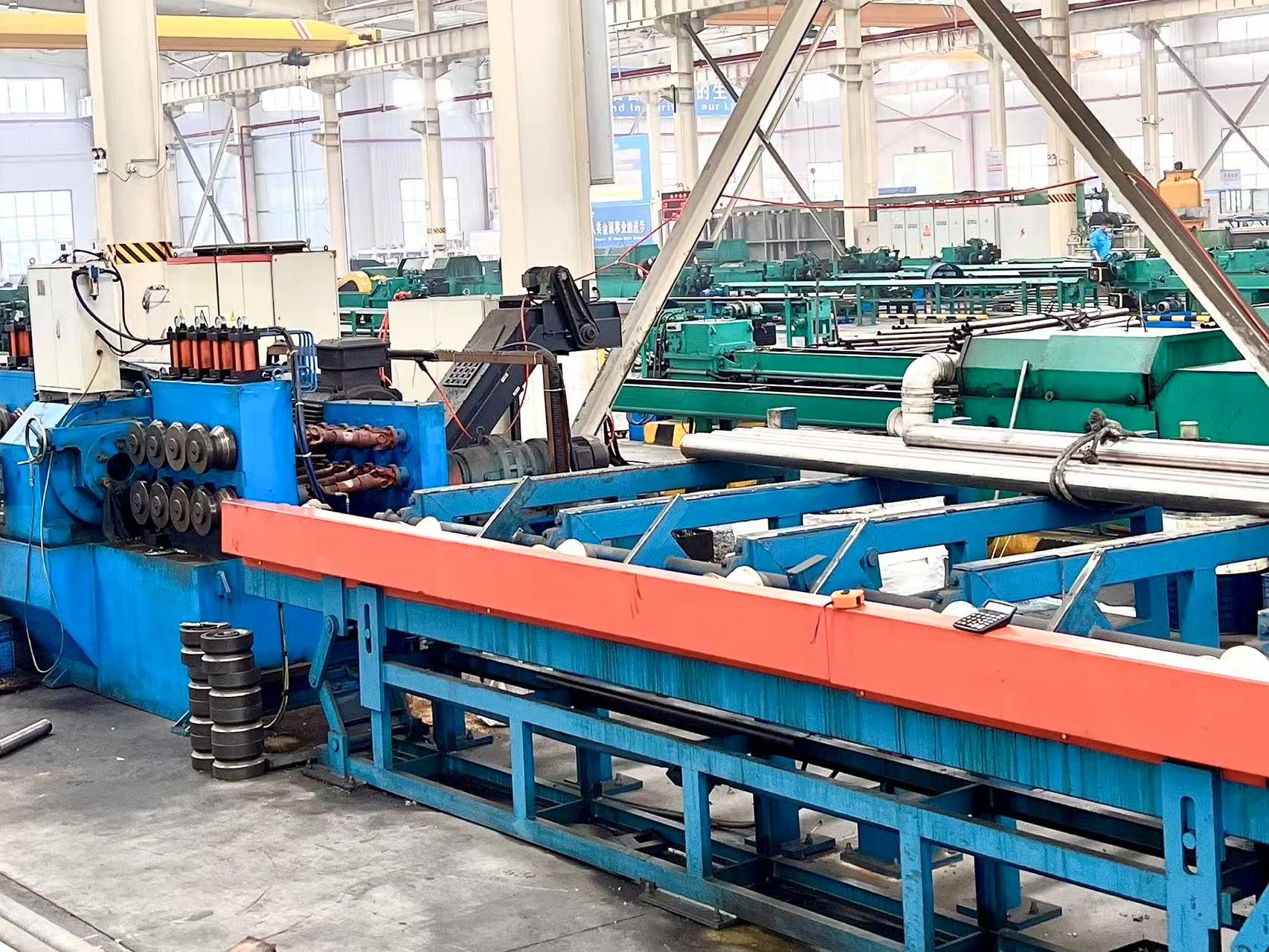
Since its establishment, the company has always adhered to the development strategy of continuous innovation and continued to expand the market with new technology and new products as the fulcrum. After more than 20 years of development and accumulation, the products have entered the markets of Germany, Japan, the United States, Norway, Finland, South Africa, Singapore, India and other countries and Taiwan regions, also have been highly praised. Stable product quality, integrity as the core of the business philosophy, by the world's customers trust.
To build an excellent enterprise team, continuously improve the management and manufacturing methods, so that every customer can get the maximum benefit from each product" is the eternal pursuit of special steel titanium industry personnel.
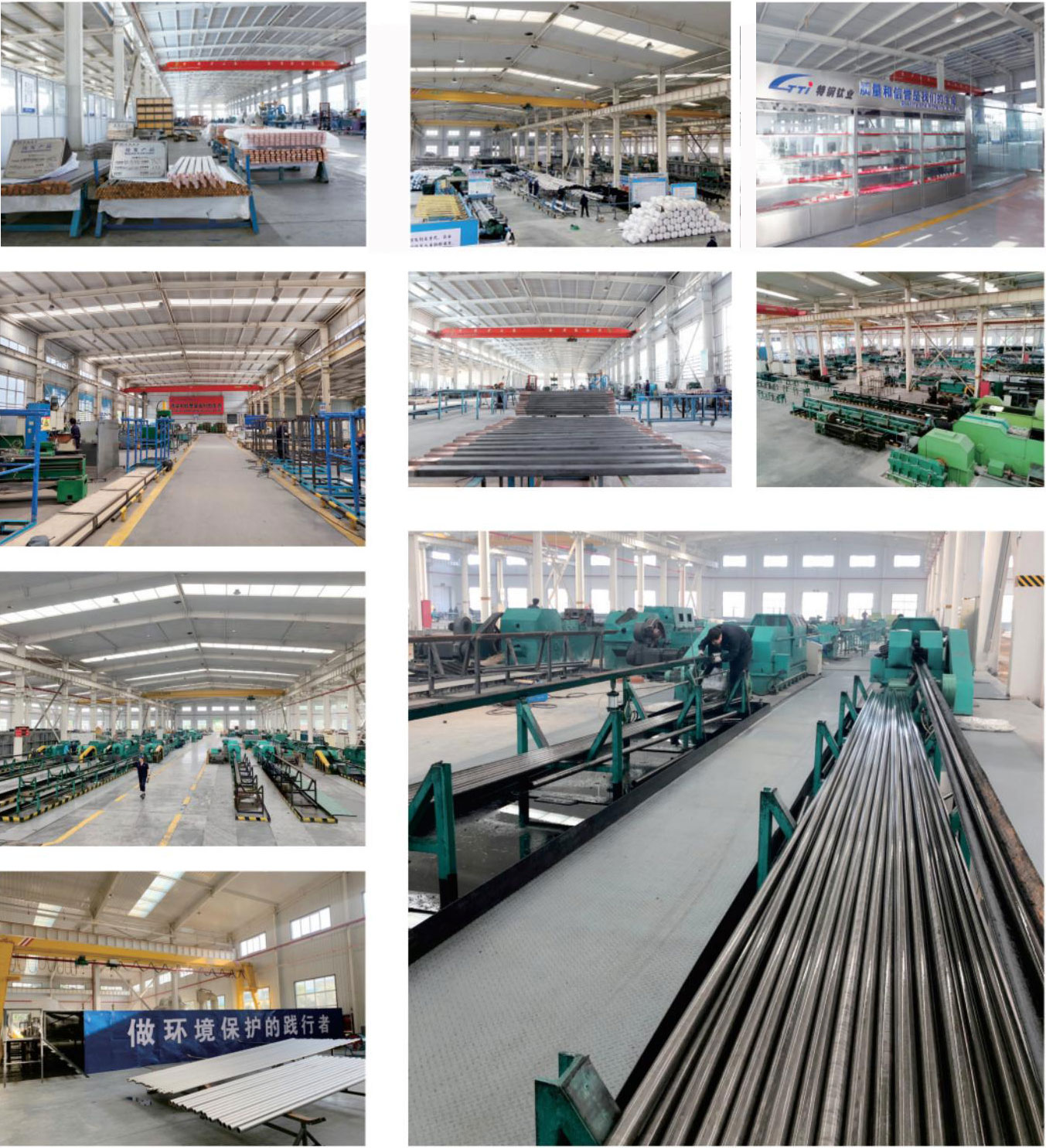
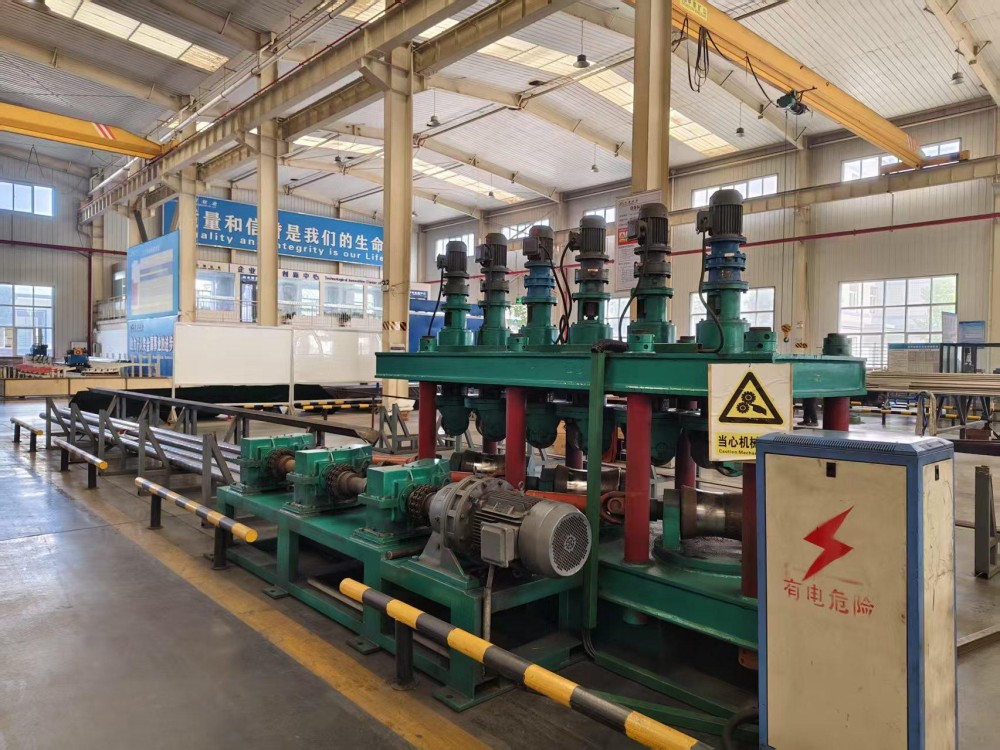
State-of-the-art manufacturing equipment ensures every titanium cathode meets the highest precision and quality standards for electroplating production lines.
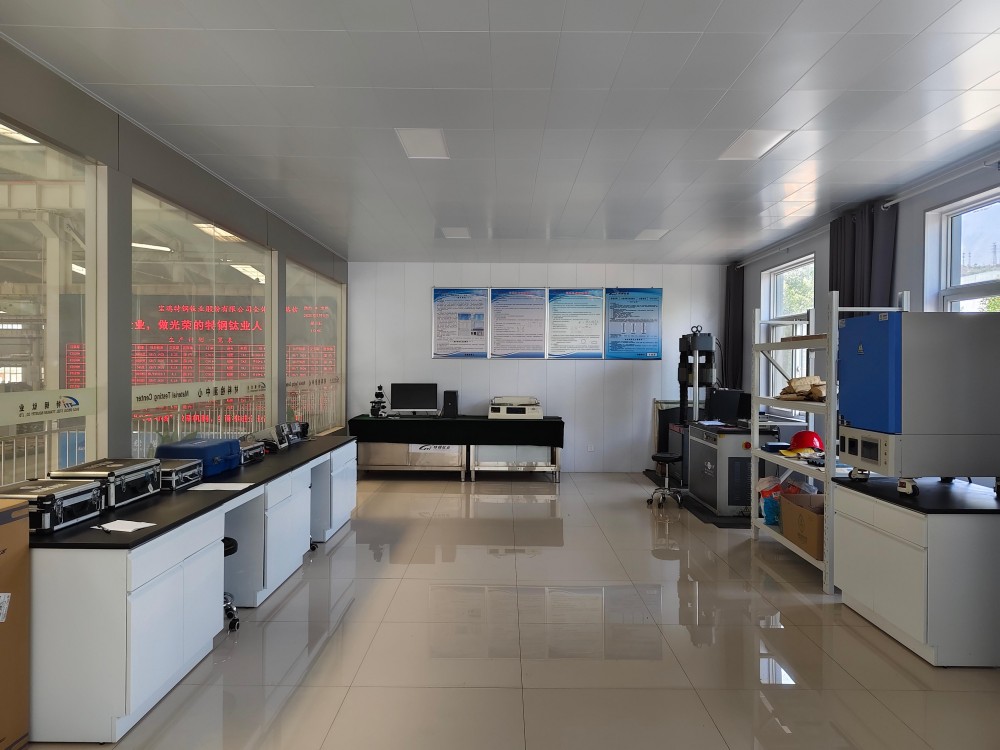
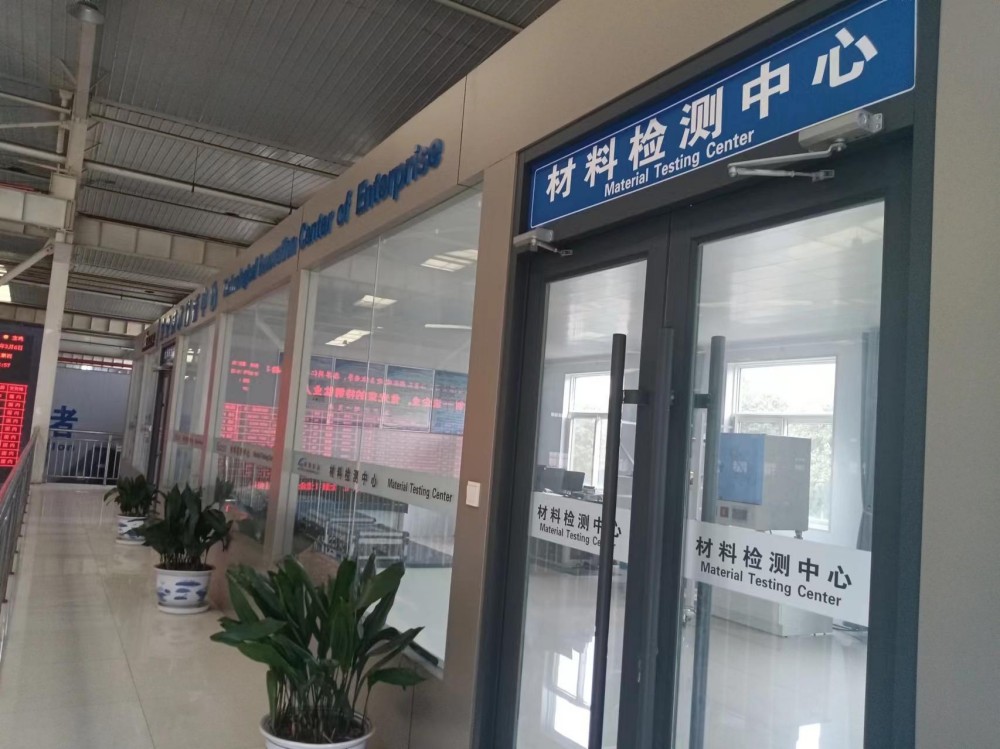
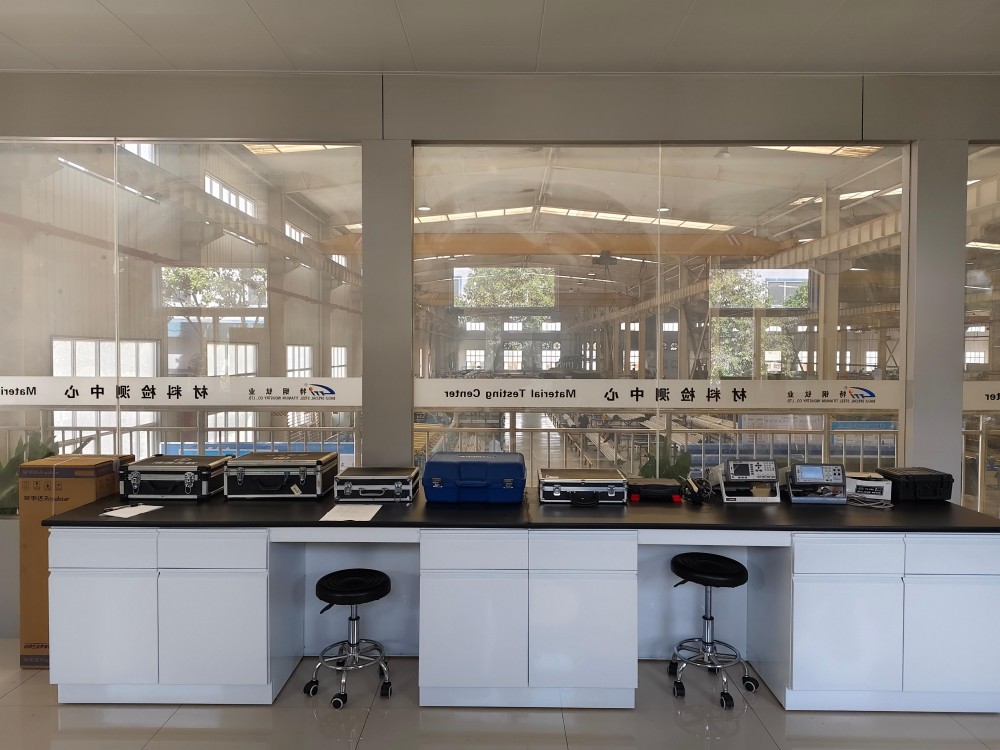
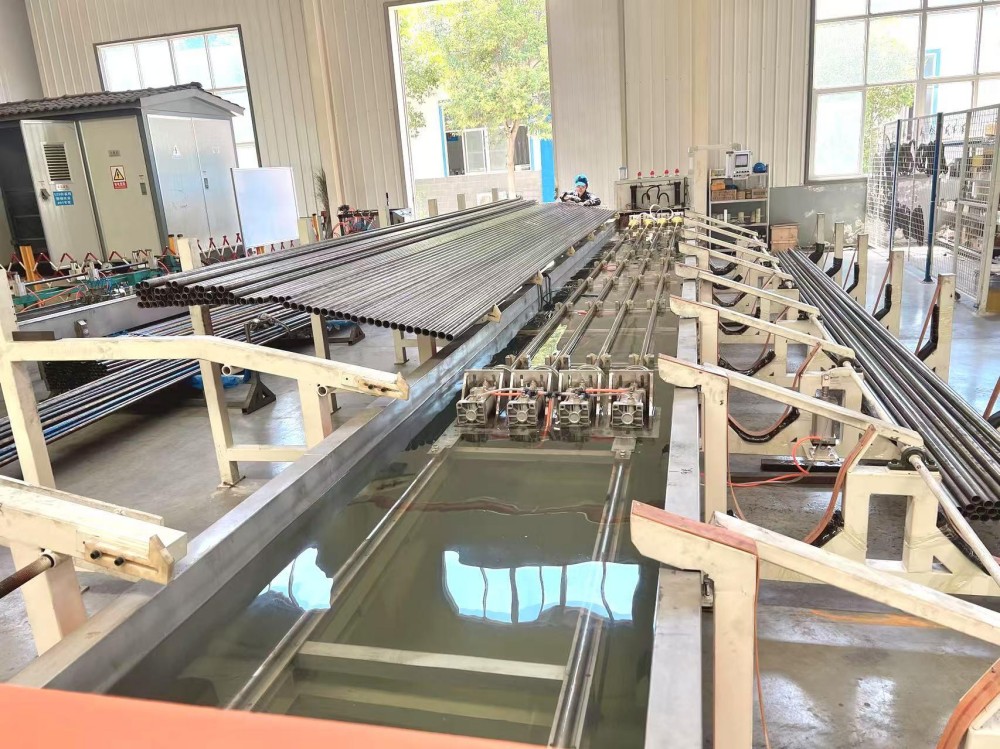
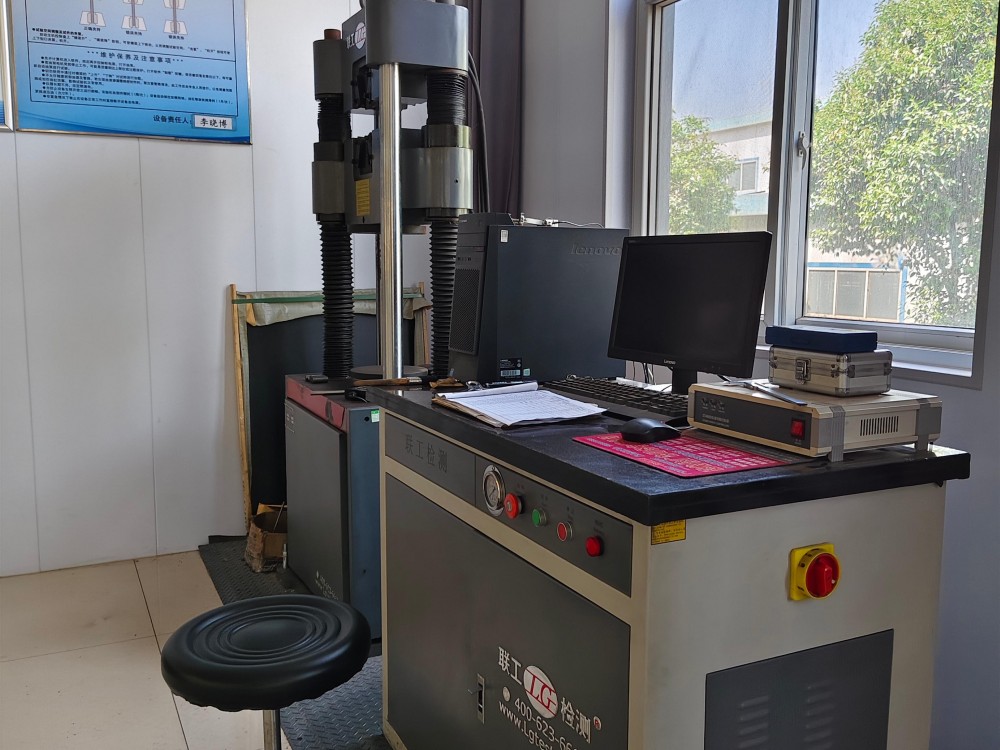
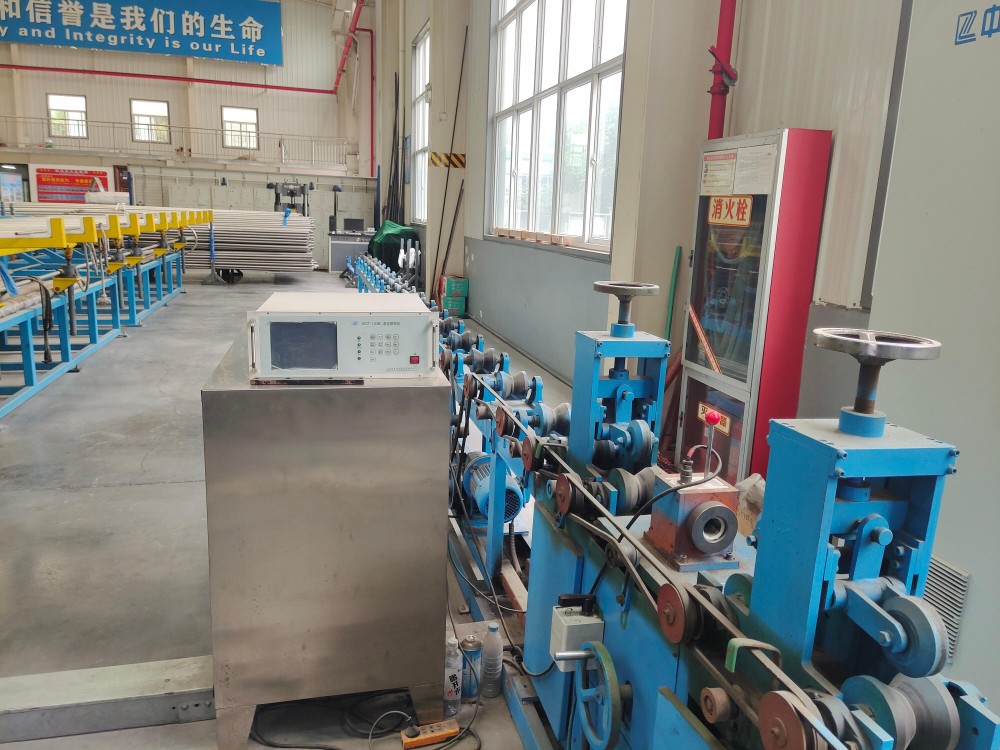
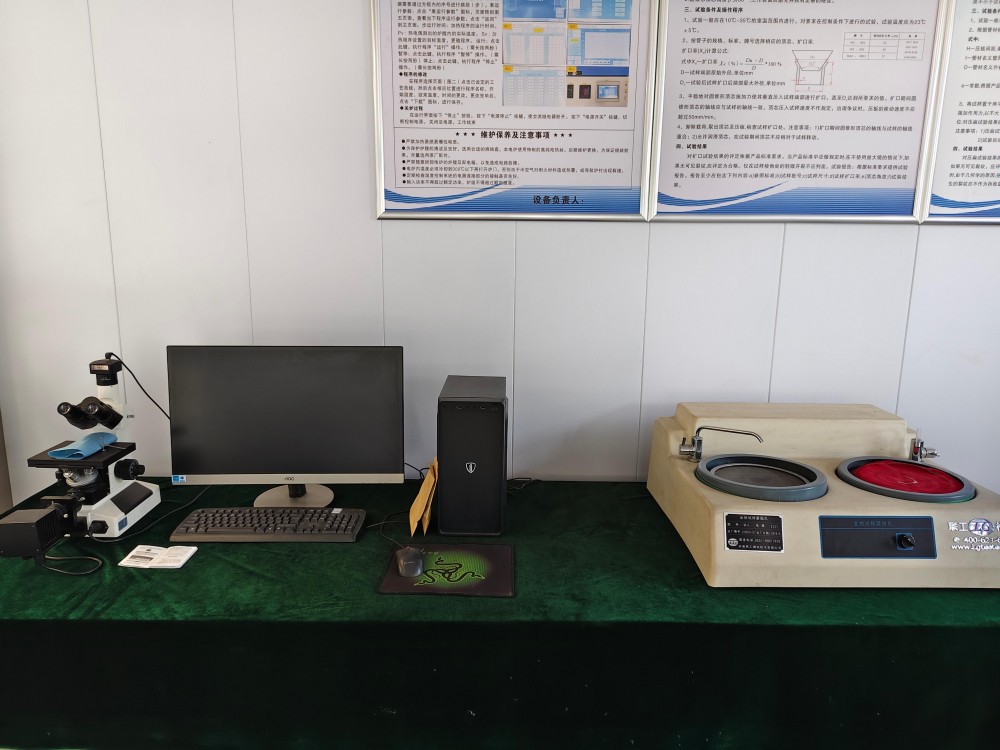
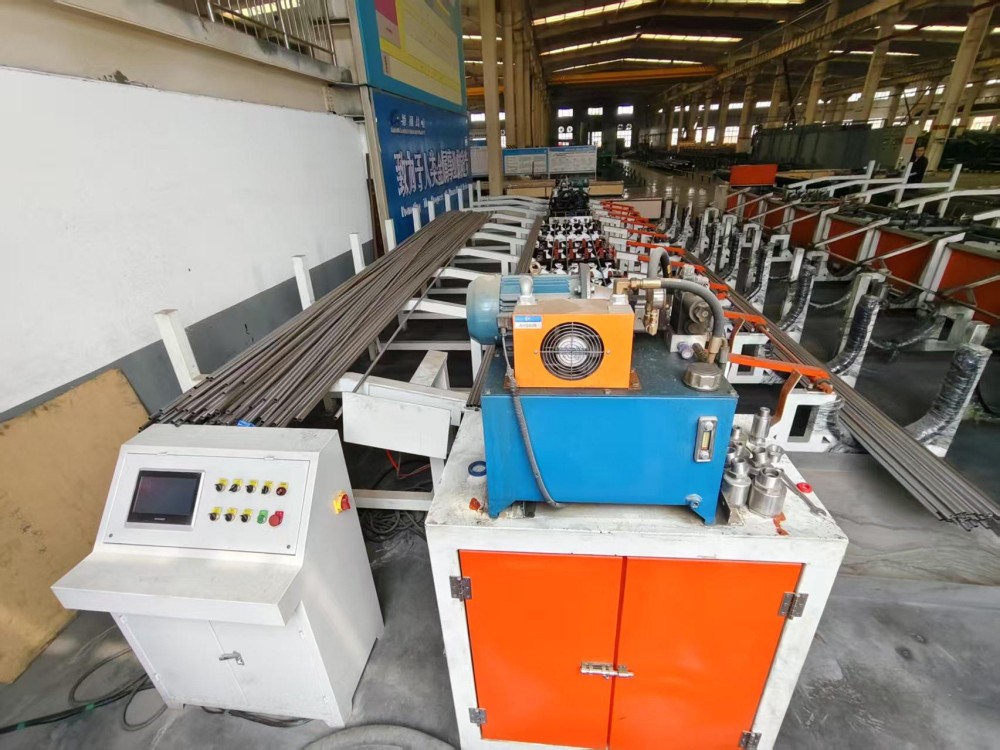
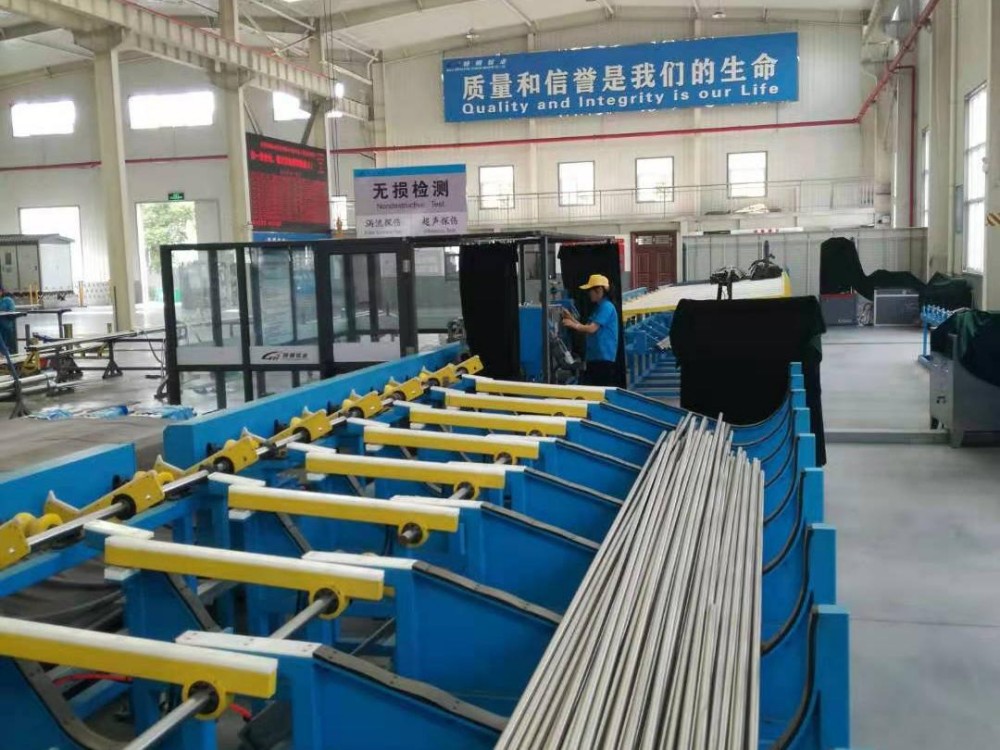
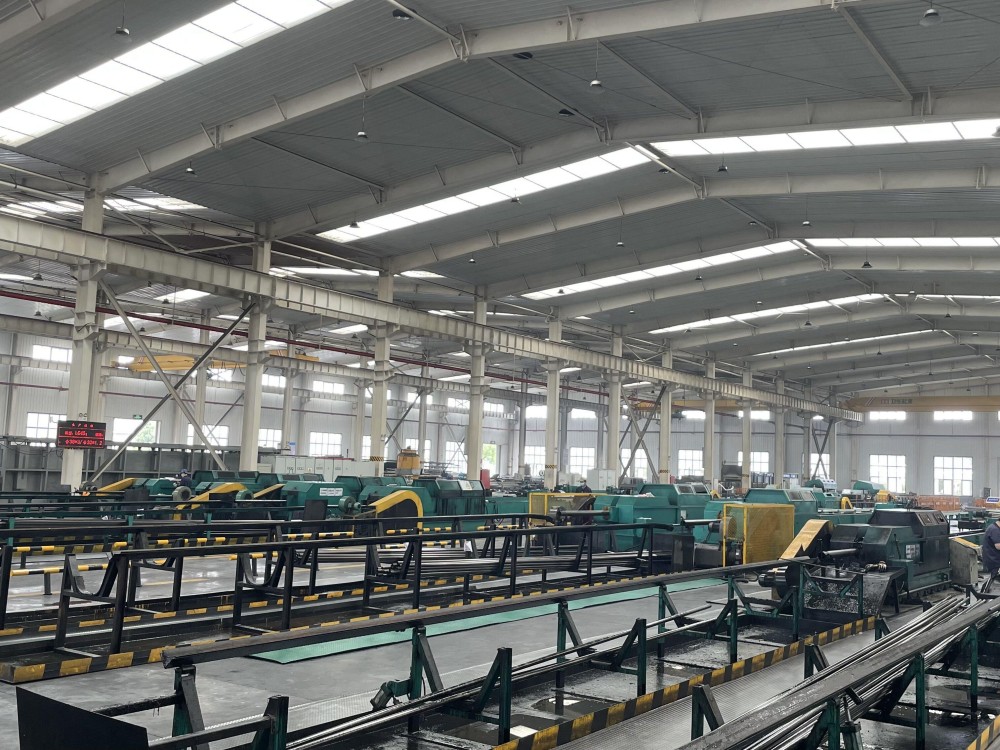
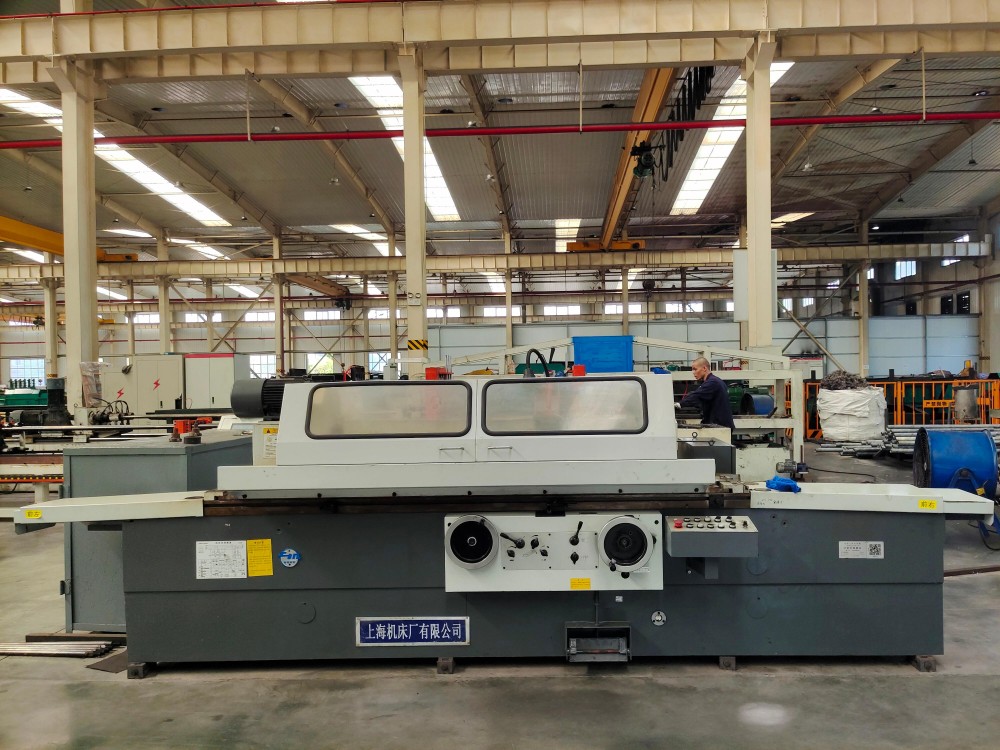
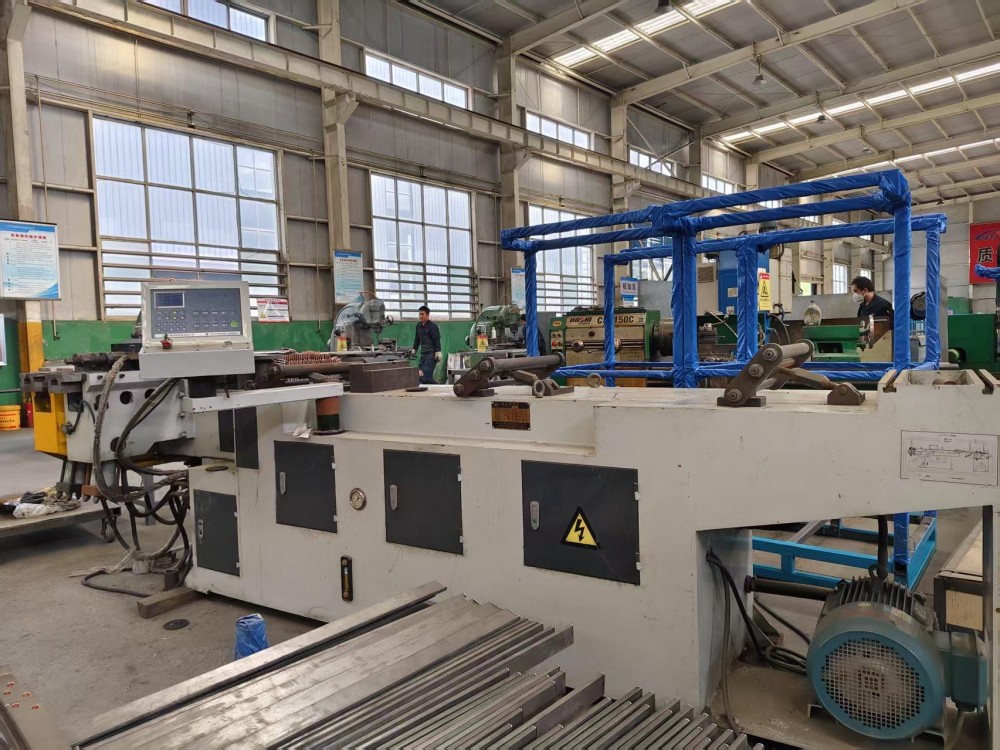
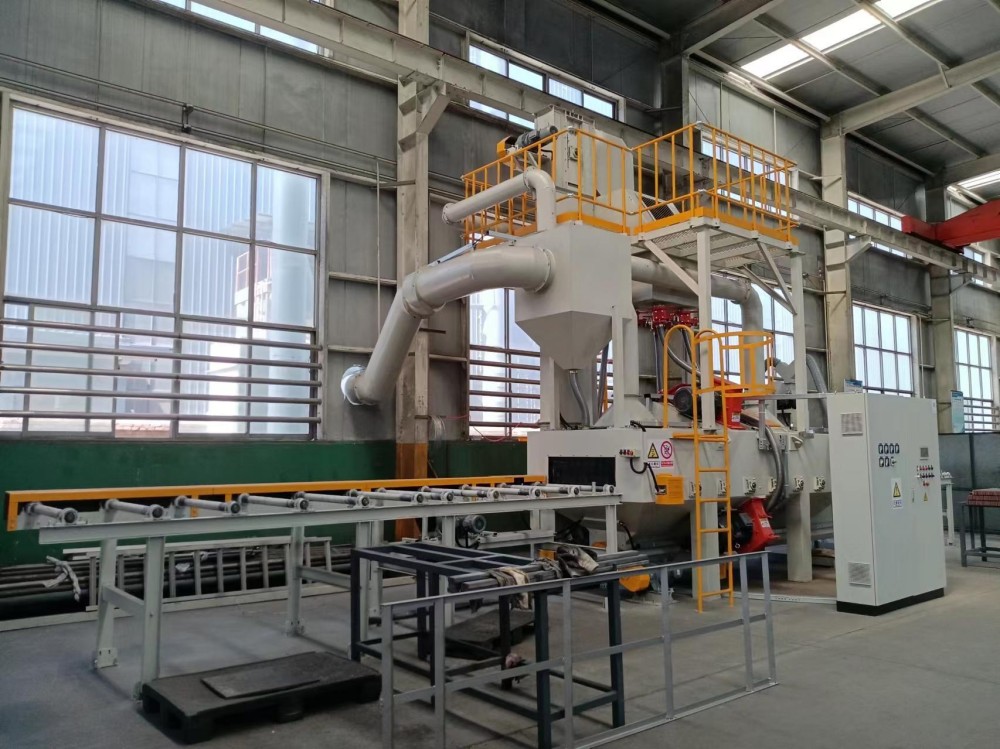
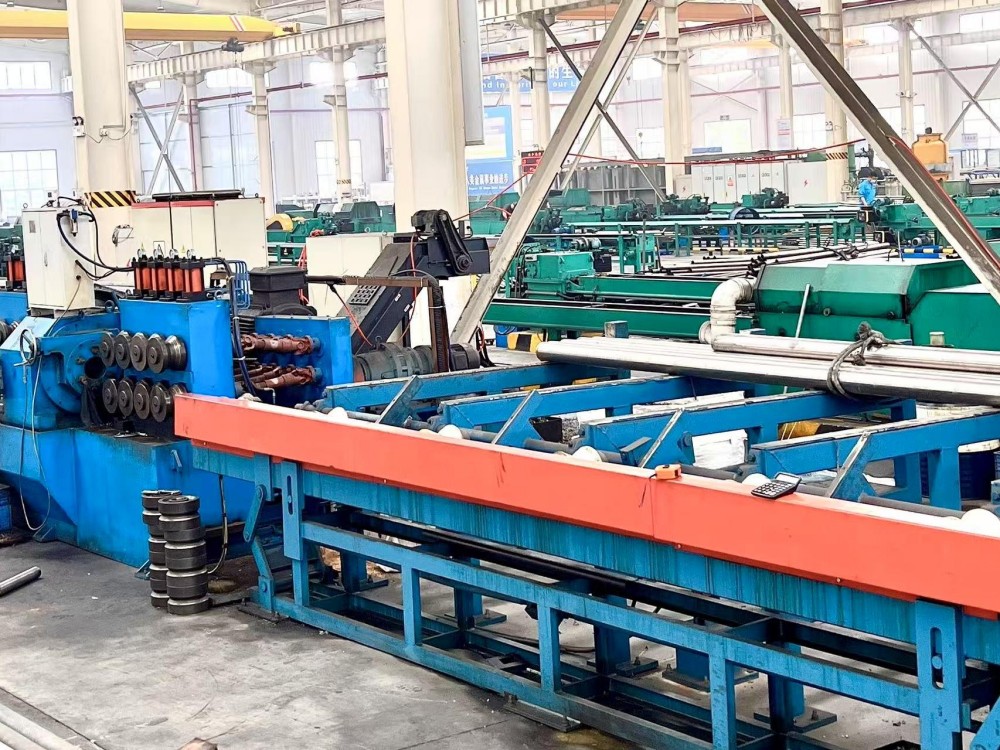
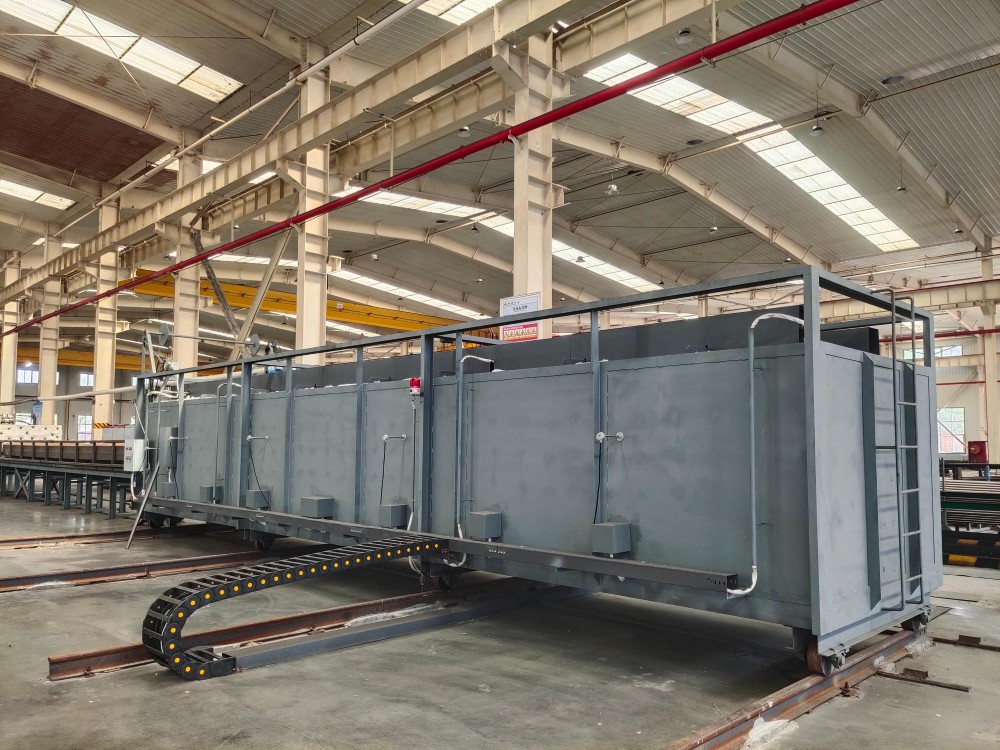
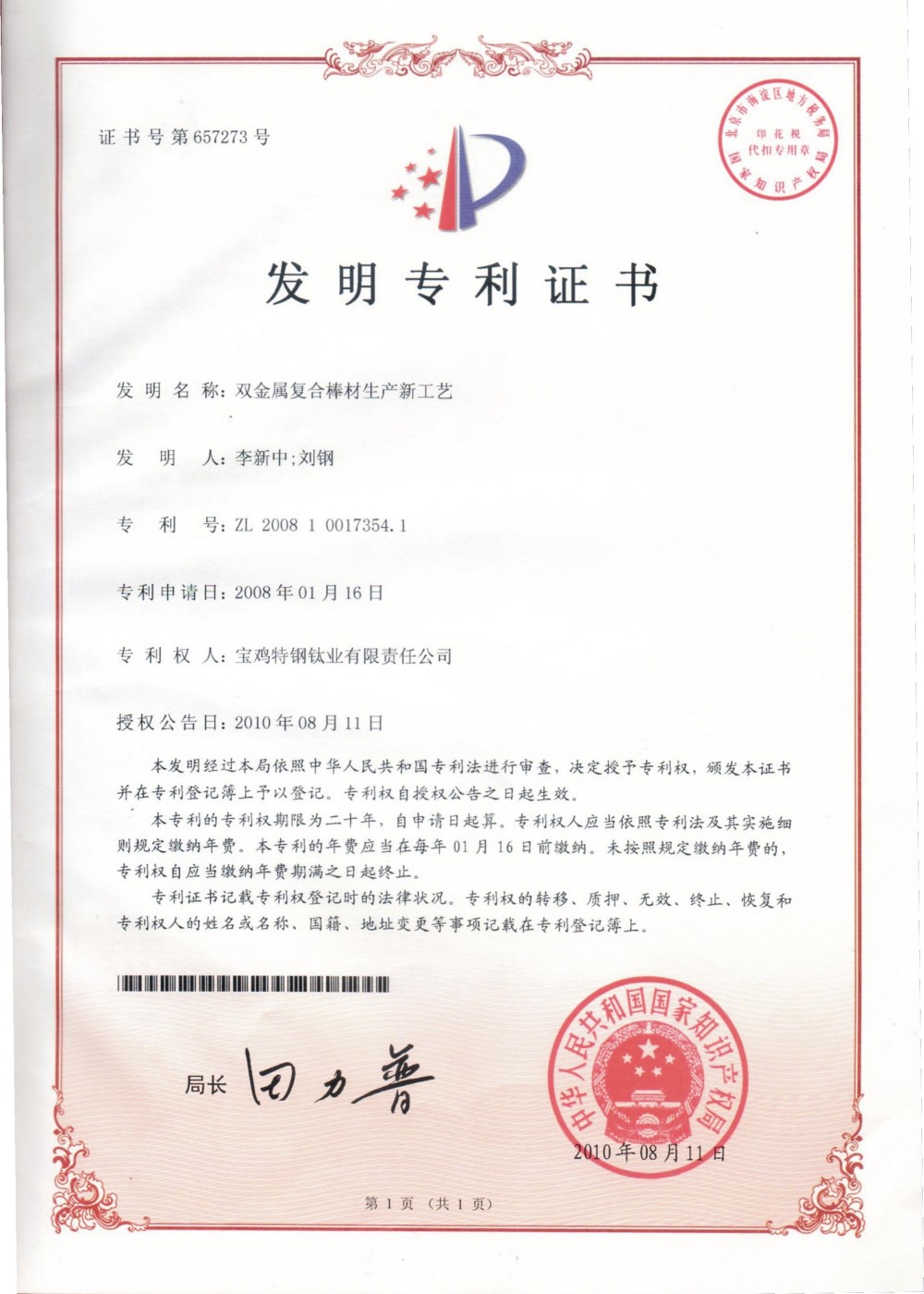
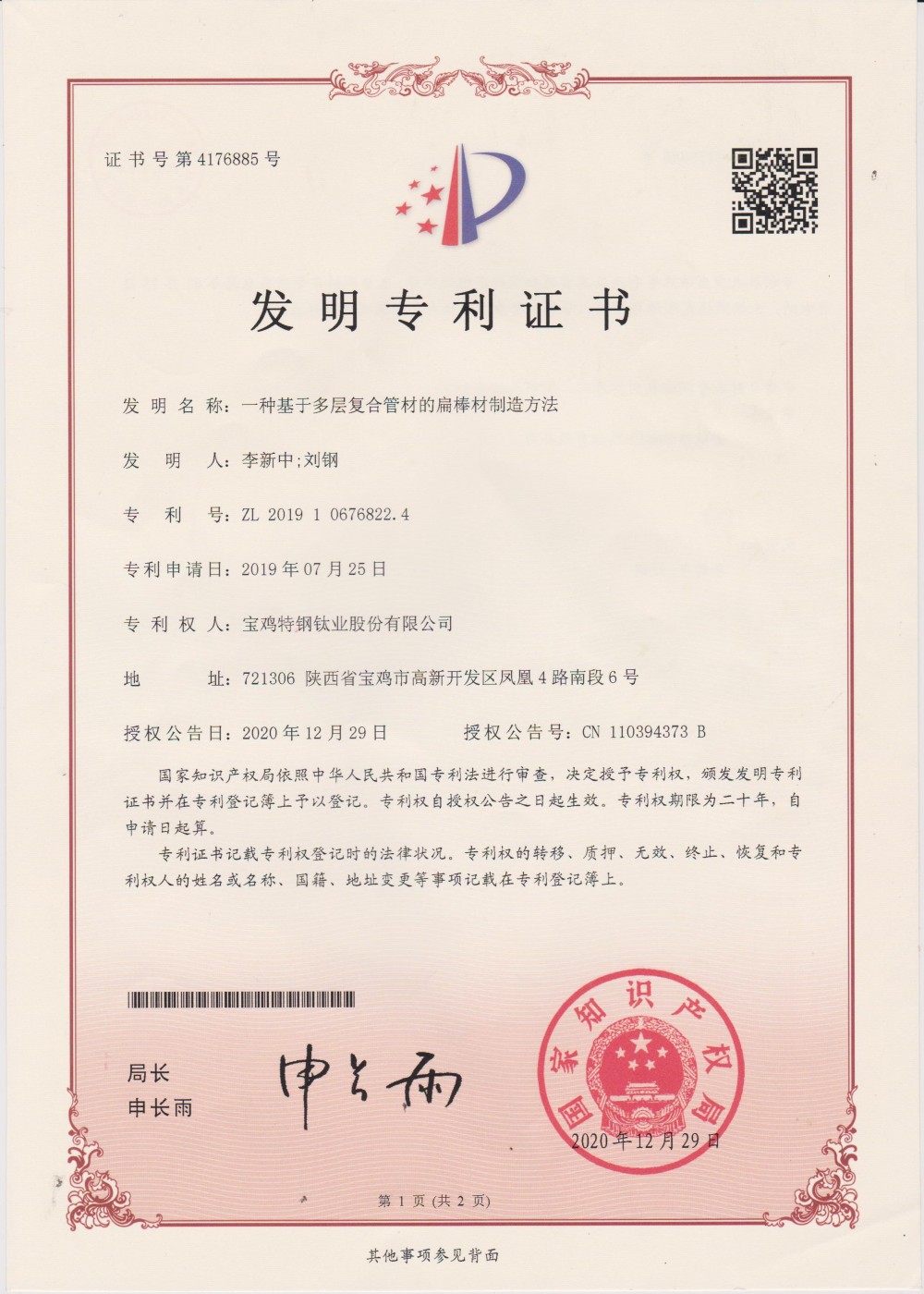
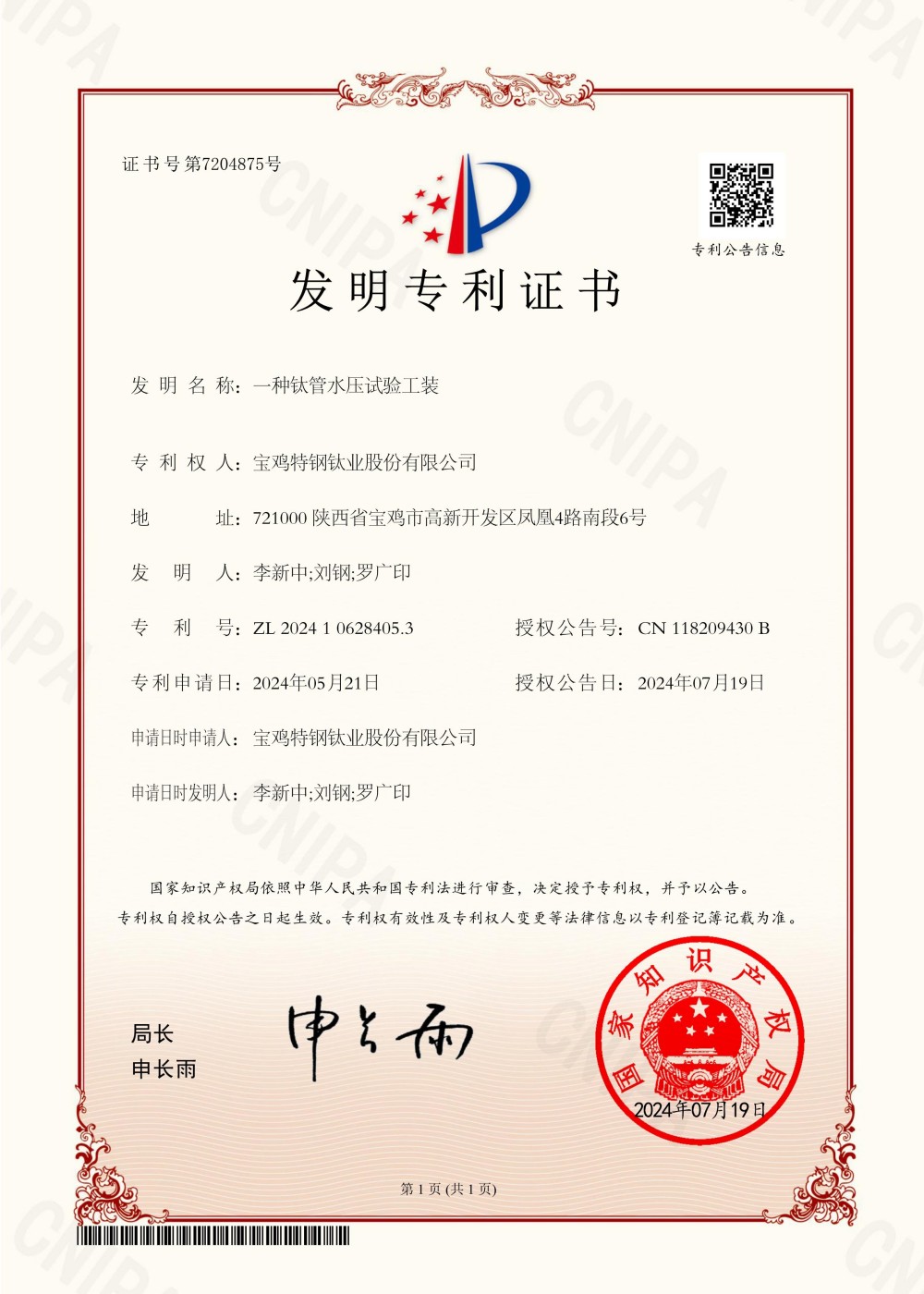
Our titanium cathode products are backed by internationally recognized quality certifications, ensuring compliance with global electroplating industry standards.
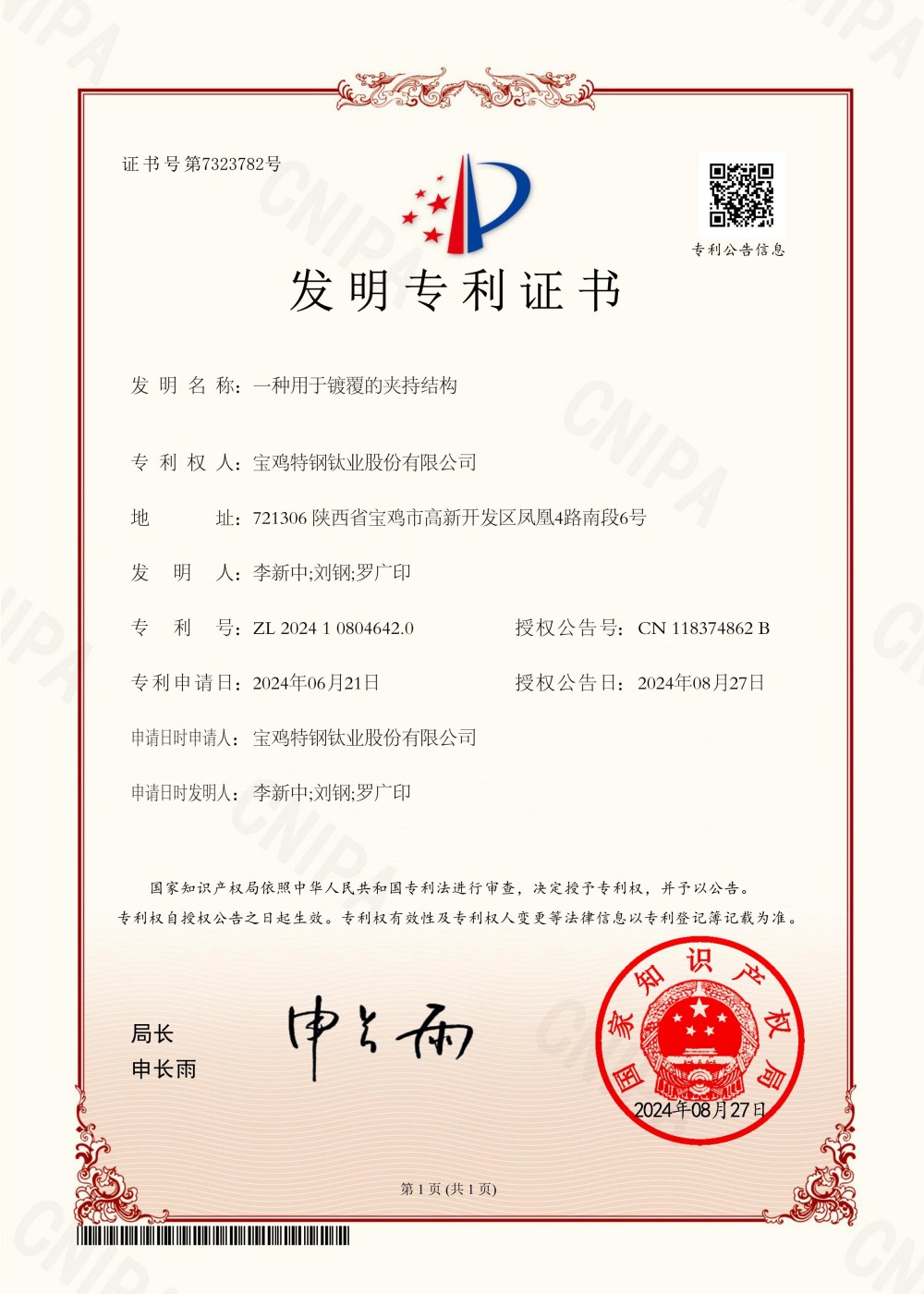
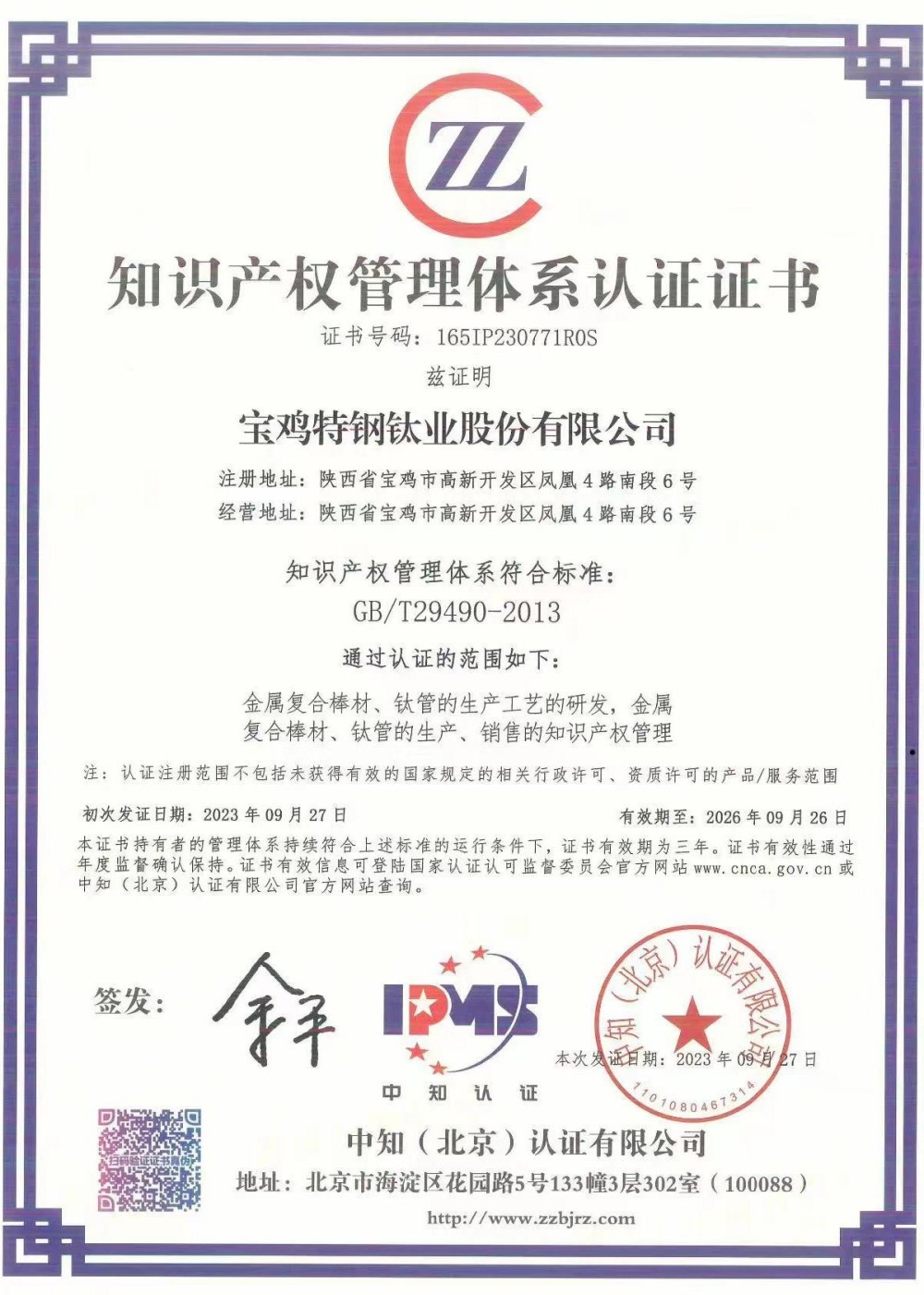
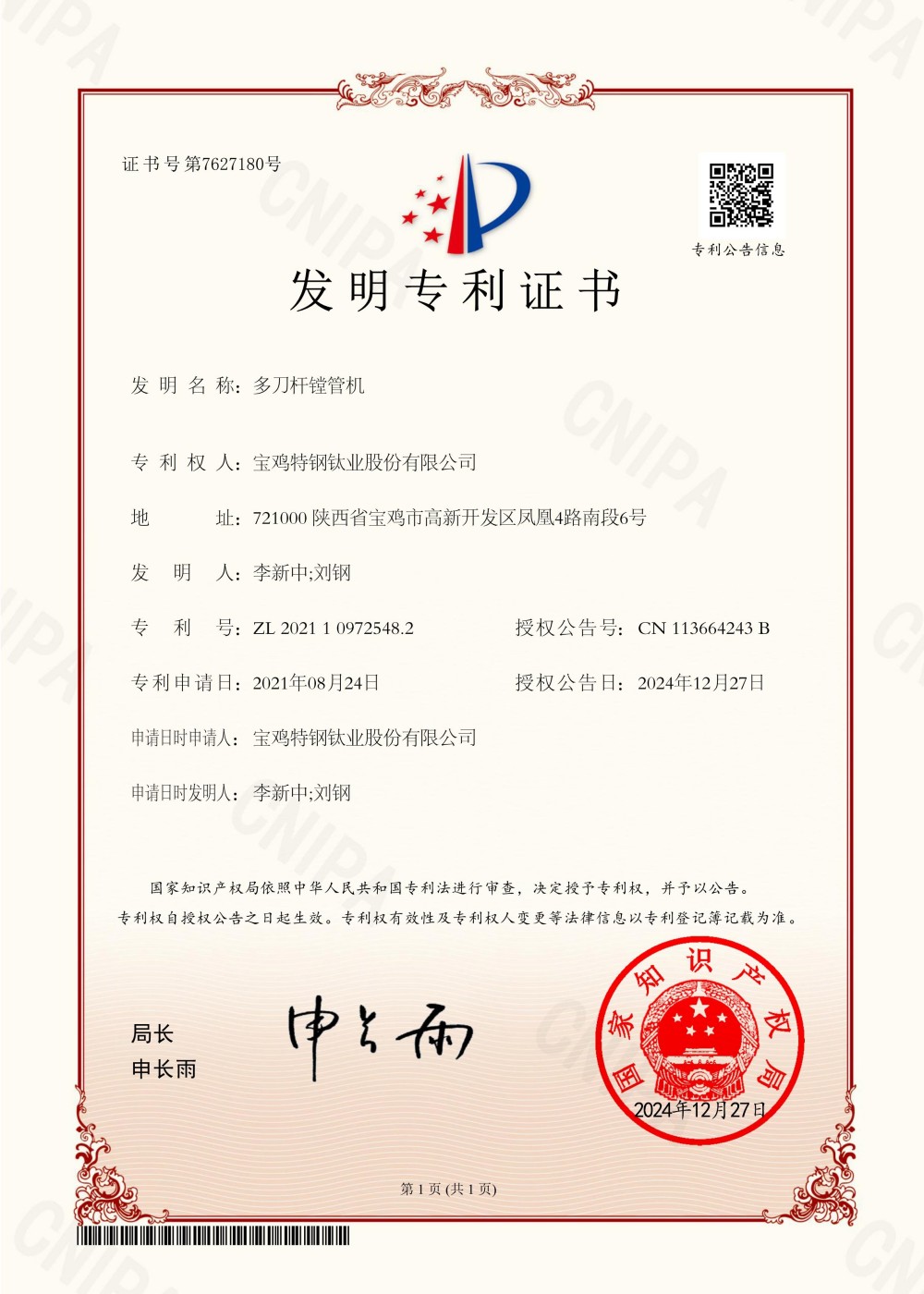
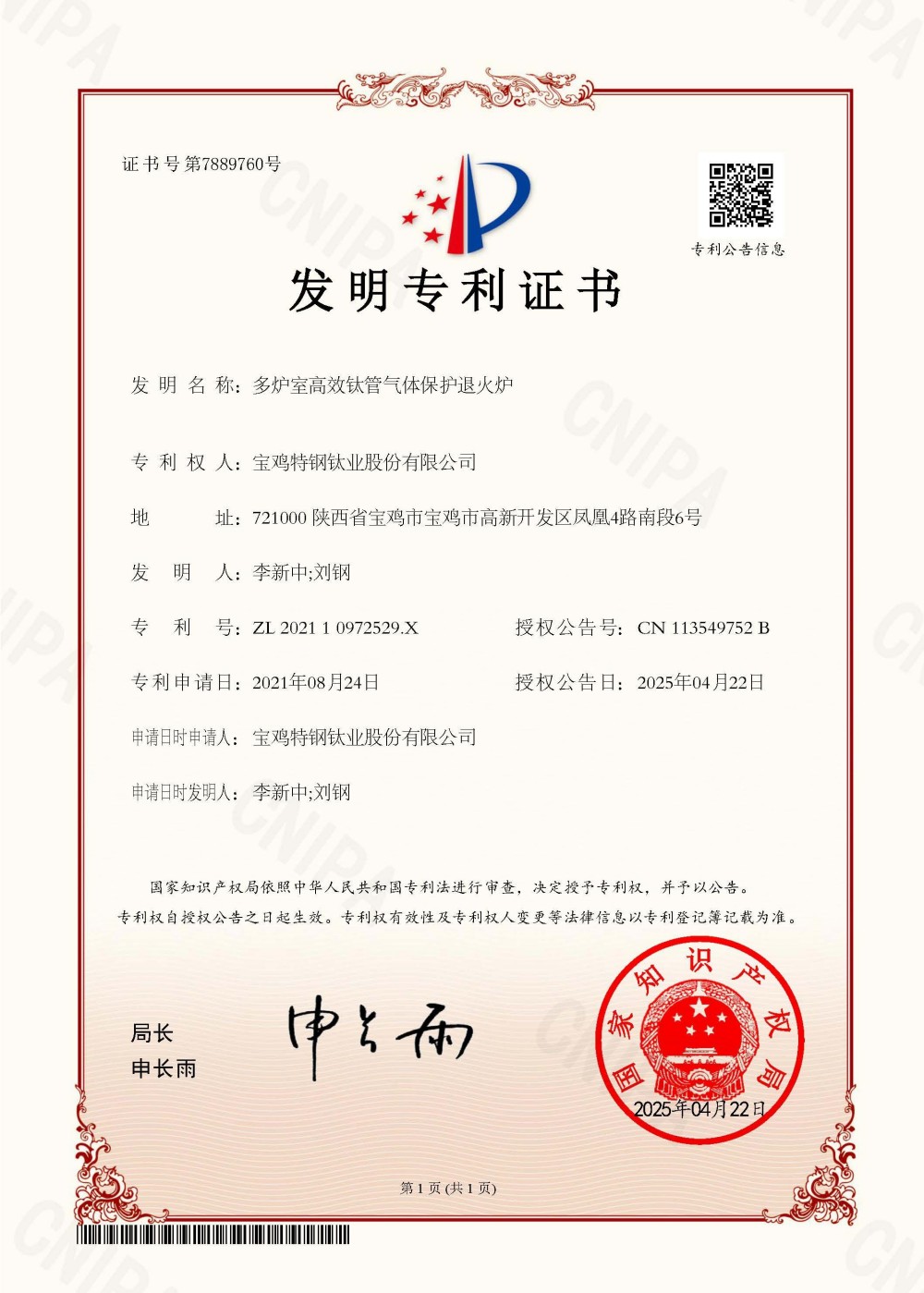
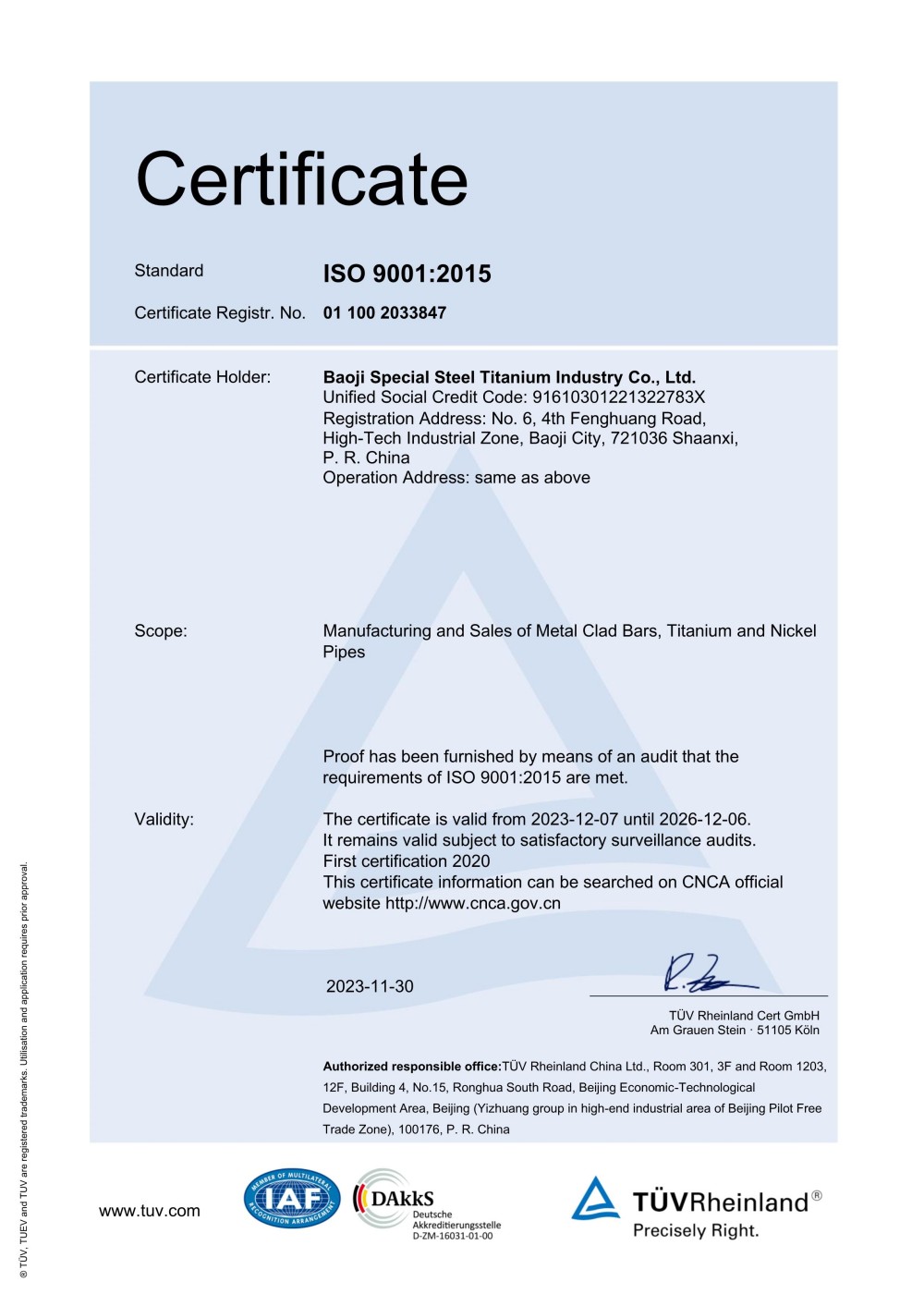
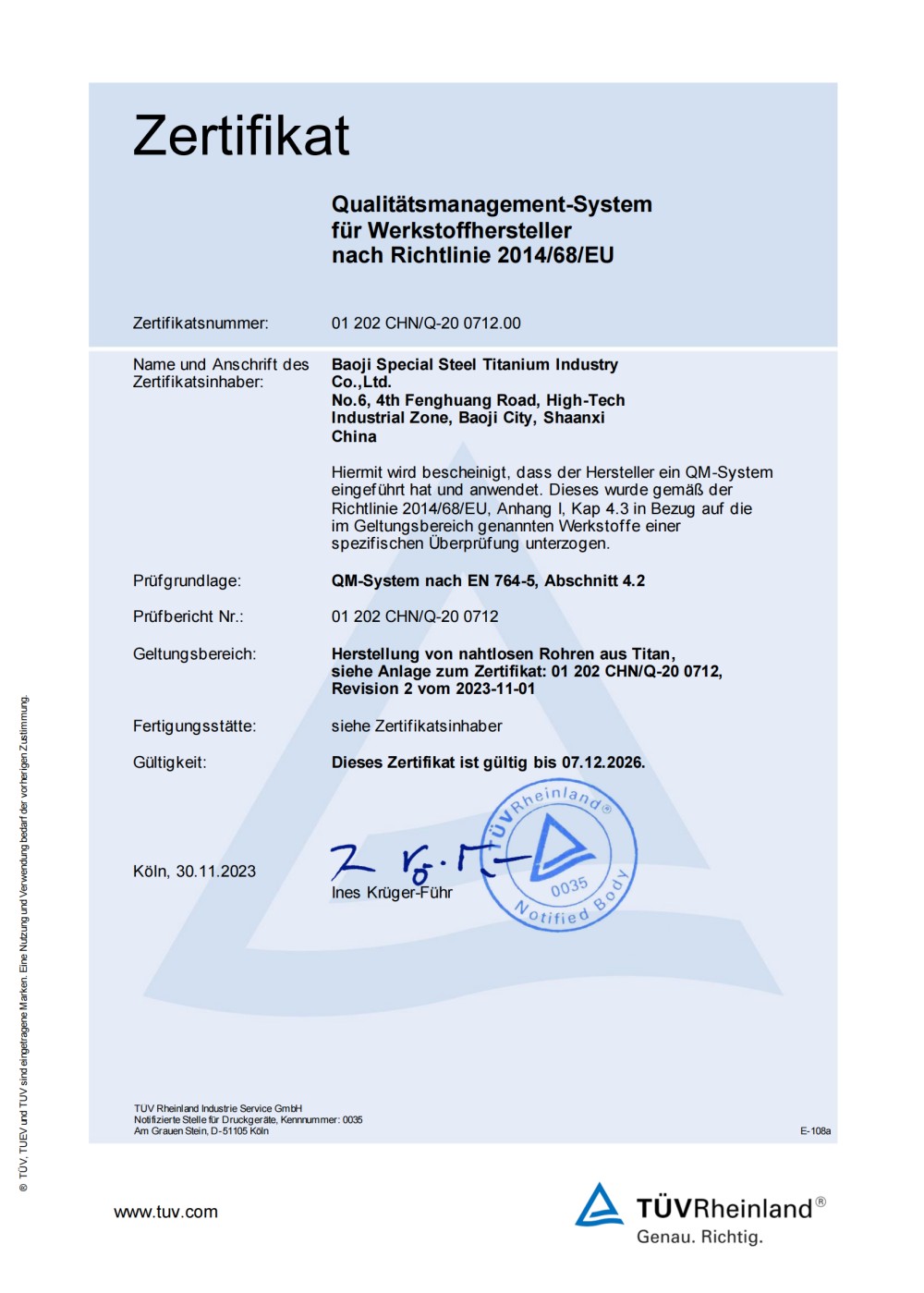
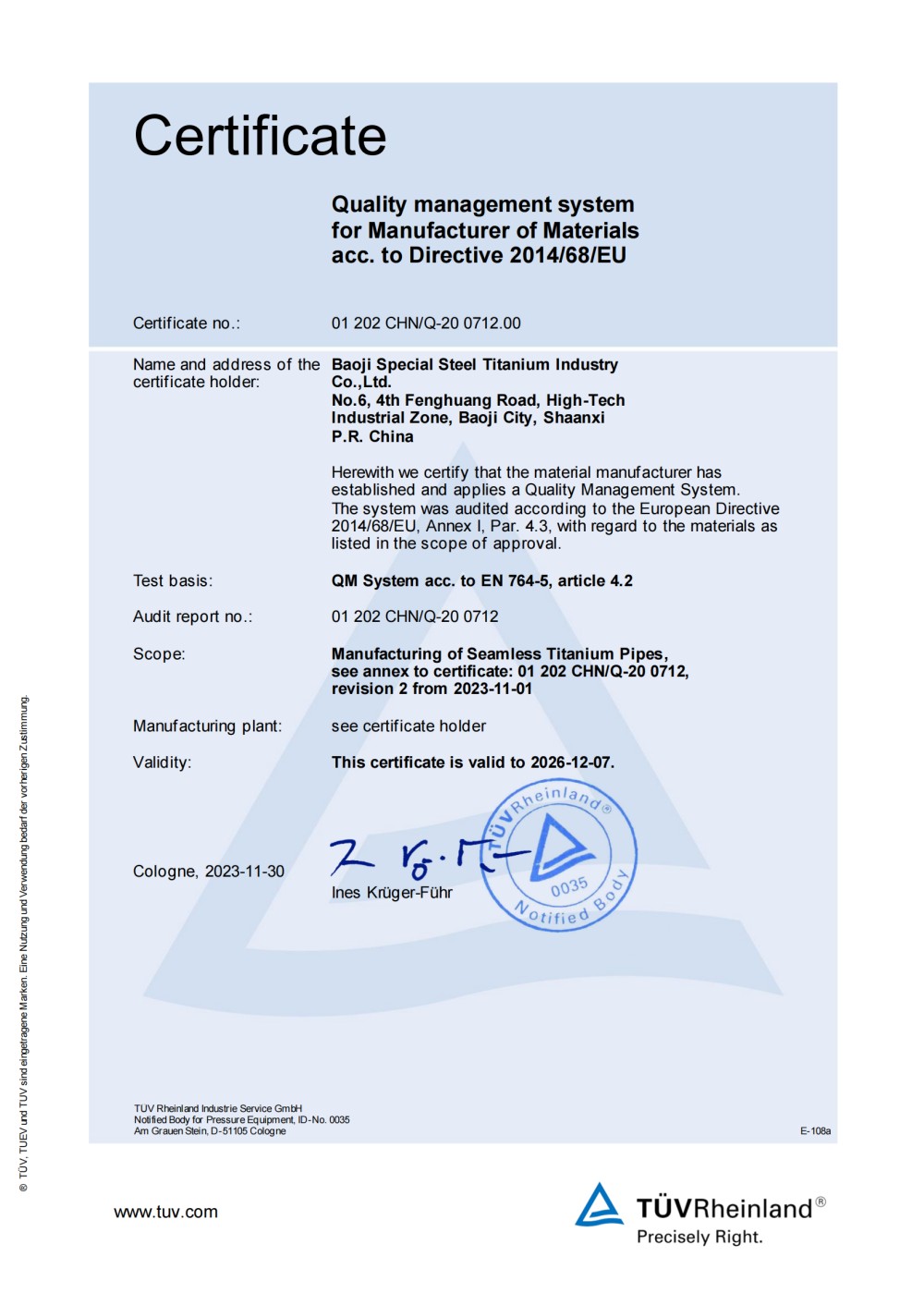
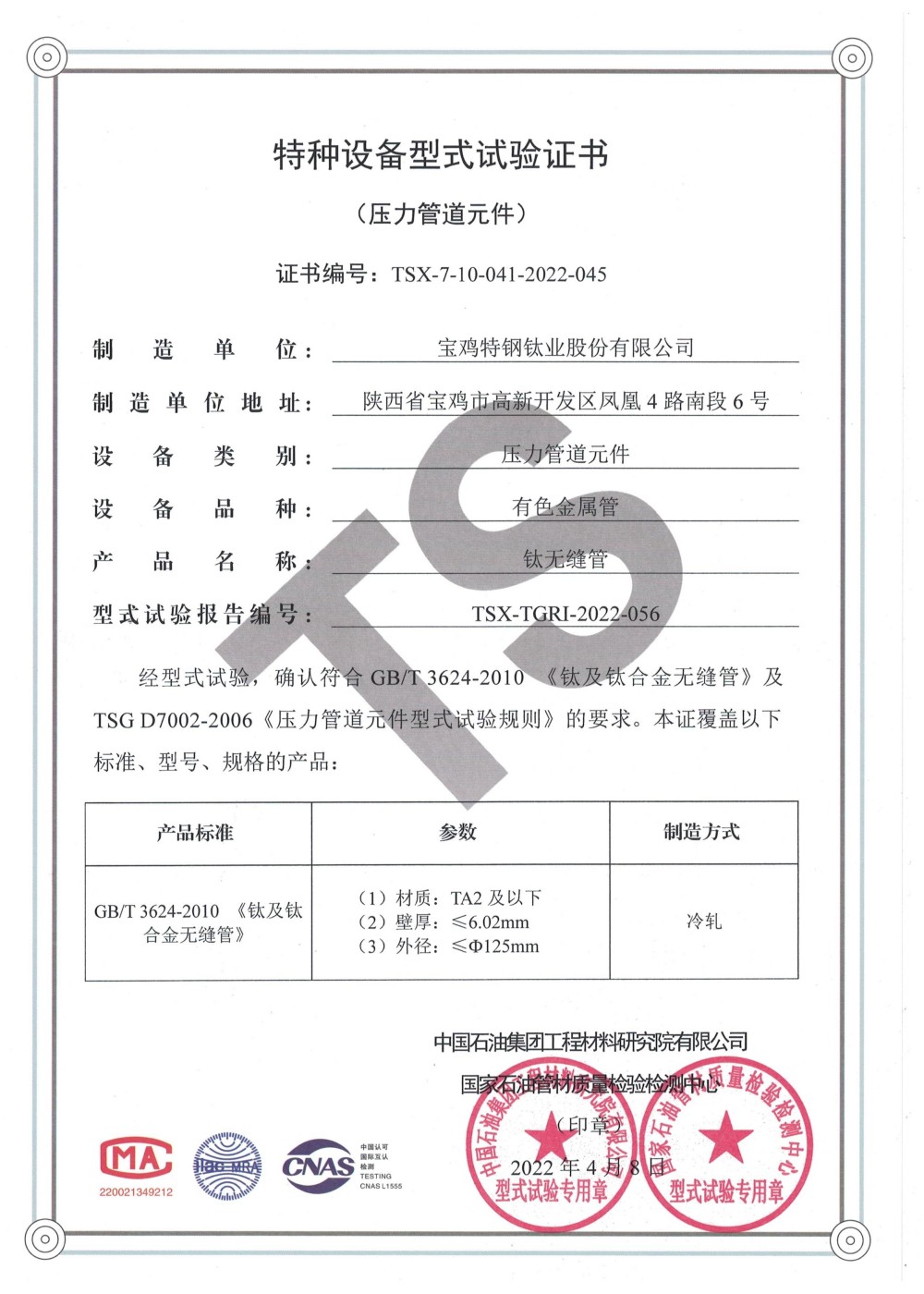
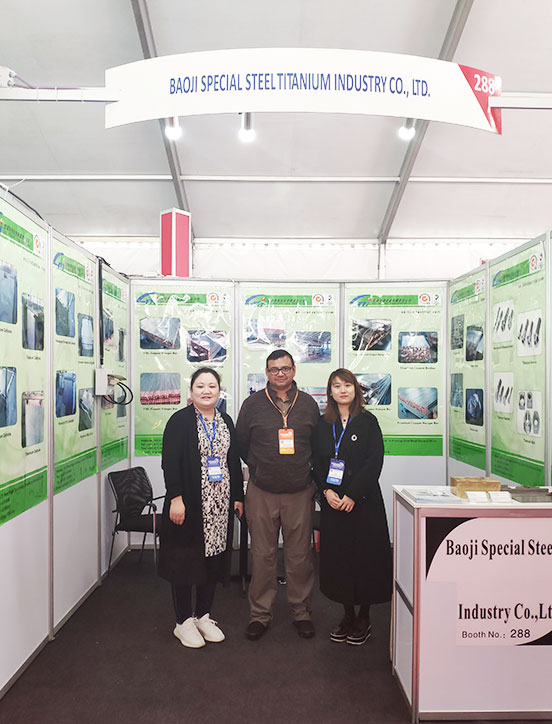
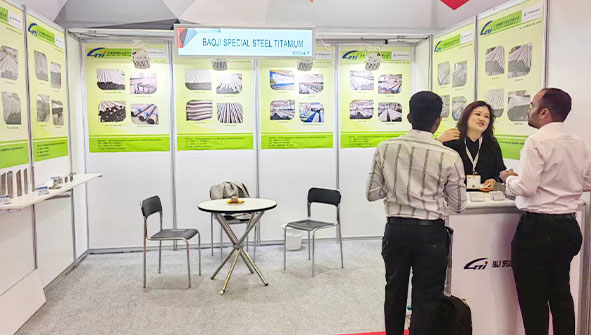
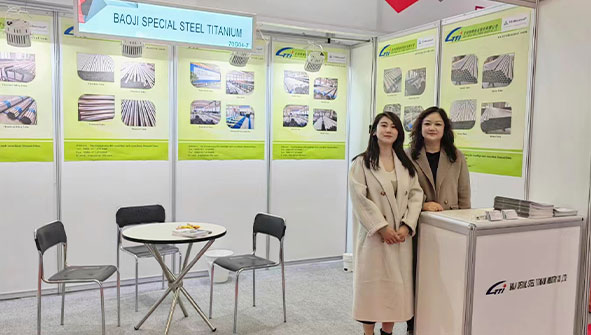
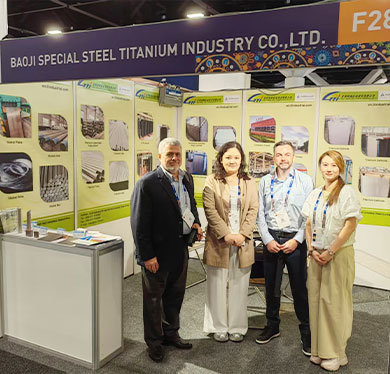
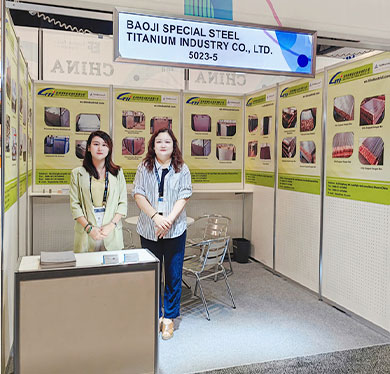
We actively participate in global industrial exhibitions, showcasing our latest titanium cathode innovations for electroplating production lines to customers worldwide.

A comprehensive selection of titanium-based materials and composite electrode products supporting every stage of your electroplating production process.

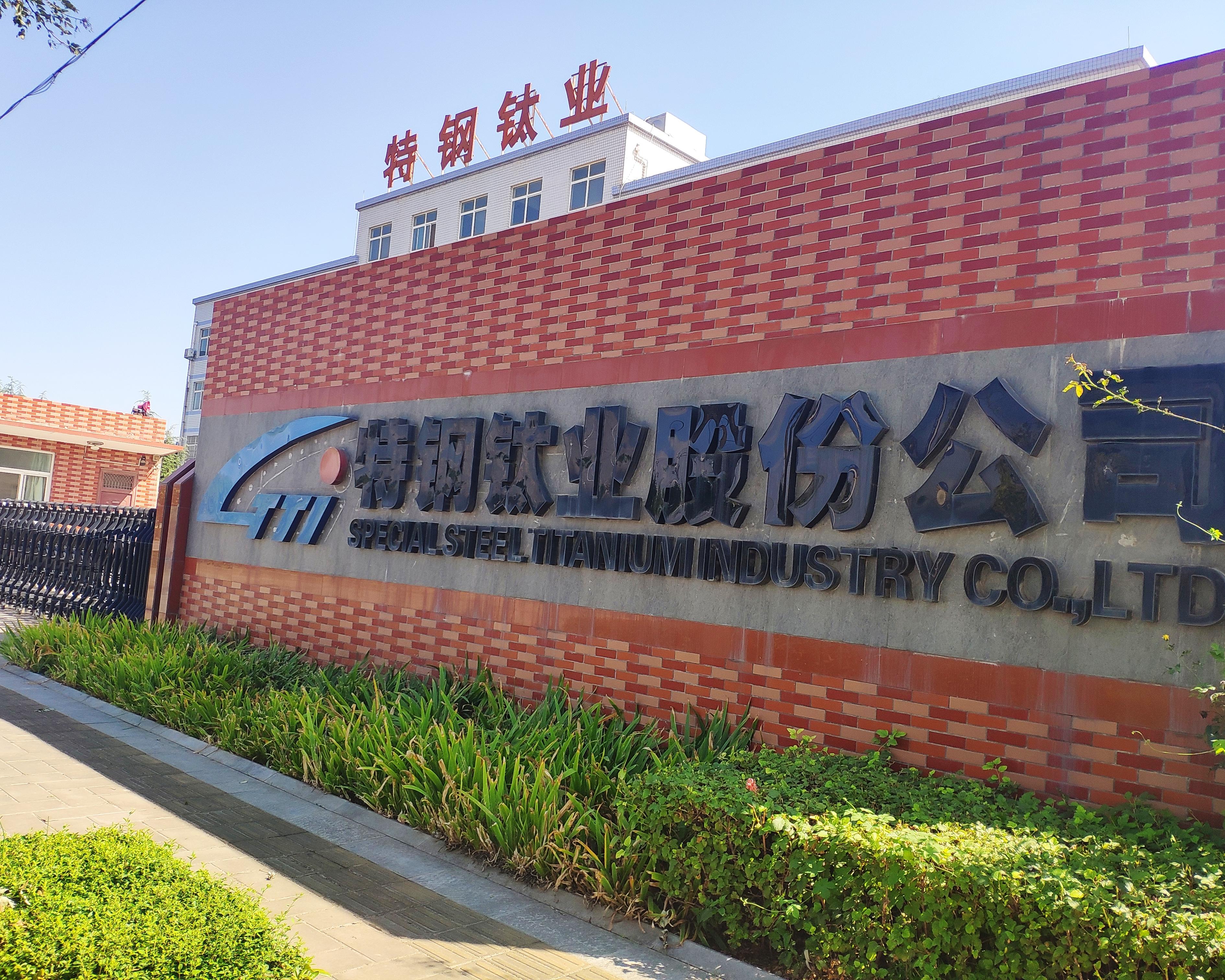
Partner with Baoji Special Steel Titanium Industry Co., Ltd. — your trusted source for premium titanium cathodes, composite electrodes, and titanium clad copper systems. 25+ years of manufacturing excellence, ISO certified, serving 20+ countries worldwide.
Explore All Products