Leave Your Message
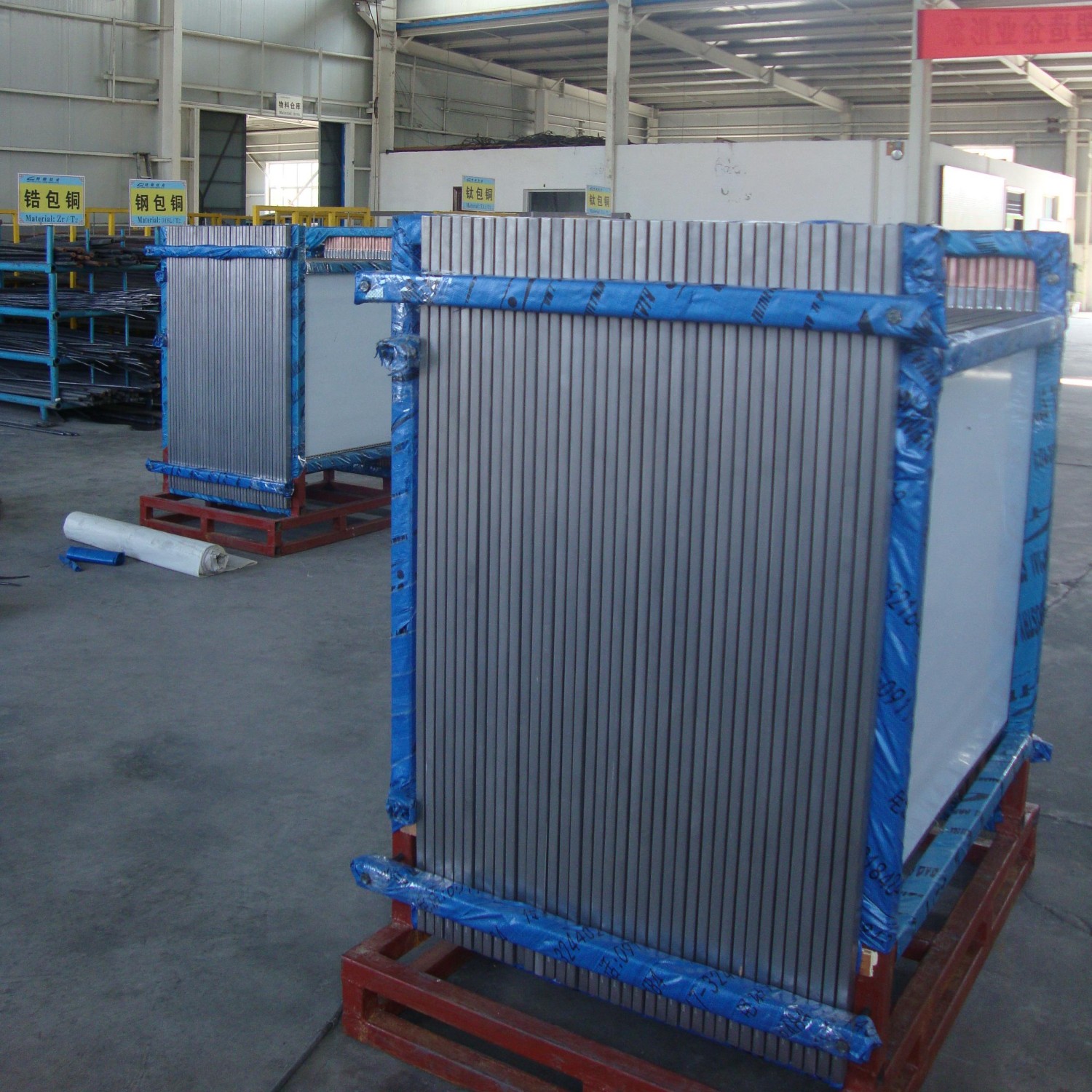
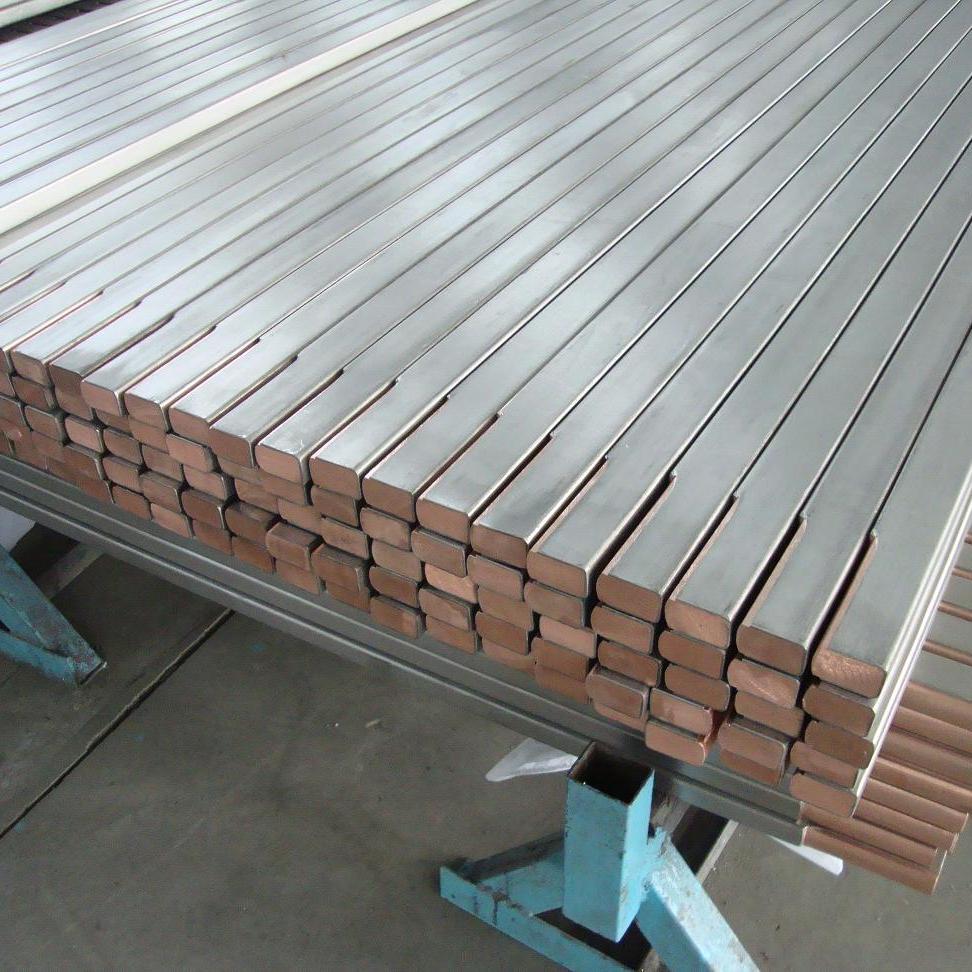
The electrolytic nickel industry plays a pivotal role in the global transition towards sustainable energy and advanced manufacturing. Nickel is a critical component in the production of stainless steel, superalloys, and increasingly, lithium-ion batteries that power electric vehicles (EVs). However, the extraction and refinement of high-purity nickel through electrowinning and electrorefining demand highly specialized equipment capable of enduring extreme chemical and electrical environments. At the heart of this rigorous process lies the Titanium Clad Copper Clad Steel Hanger Bar—an engineering marvel designed to optimize conductivity, structural integrity, and corrosion resistance.
Historically, traditional hanger bars were manufactured using solid copper or simple steel structures. While copper offers exceptional electrical conductivity, it is highly susceptible to the aggressive, acidic mists generated during the electrolytic nickel process. Over time, the corrosive environment degrades copper, leading to increased electrical resistance, frequent maintenance downtimes, and contaminated electrolyte baths. Conversely, solid steel provides the necessary strength but lacks the electrical efficiency required to maintain low energy consumption. The introduction of the Titanium Clad Copper Clad Steel Hanger Bar revolutionized the industry by synergizing the distinct advantages of three different metals into a single, cohesive unit.
Today, the electrolytic nickel sector faces unprecedented pressure to maximize output while minimizing its carbon footprint and operational costs. Global environmental regulations are tightening, compelling refineries to adopt cleaner, more energy-efficient technologies. Energy consumption accounts for a significant portion of the operational expenses in nickel electrowinning. Any resistance in the electrical circuit—often caused by corroded or inefficient hanger bars—translates directly into wasted thermal energy and inflated electricity bills.
Furthermore, the demand for ultra-high-purity nickel, particularly for the battery sector, requires an uncontaminated electrolytic bath. Traditional exposed copper bars can dissolve into the acidic solution, introducing impurities that compromise the quality of the final nickel cathode. The Titanium Clad Copper Clad Steel Hanger Bar addresses these challenges head-on. By utilizing a copper core for unhindered electron flow, a steel layer for robust mechanical support, and an outer titanium cladding for impenetrable corrosion resistance, refineries can achieve continuous, high-efficiency production cycles with virtually zero metal contamination.
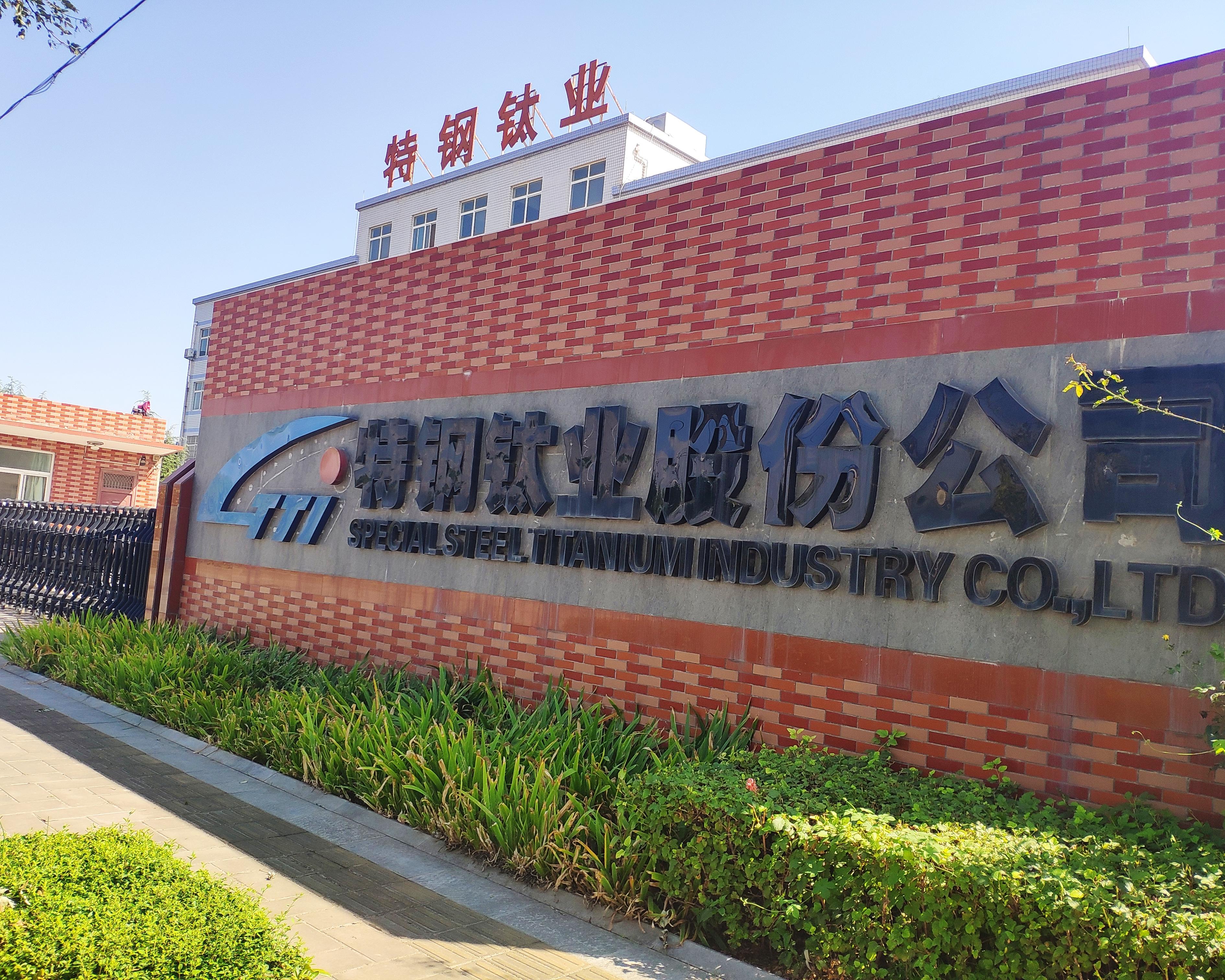
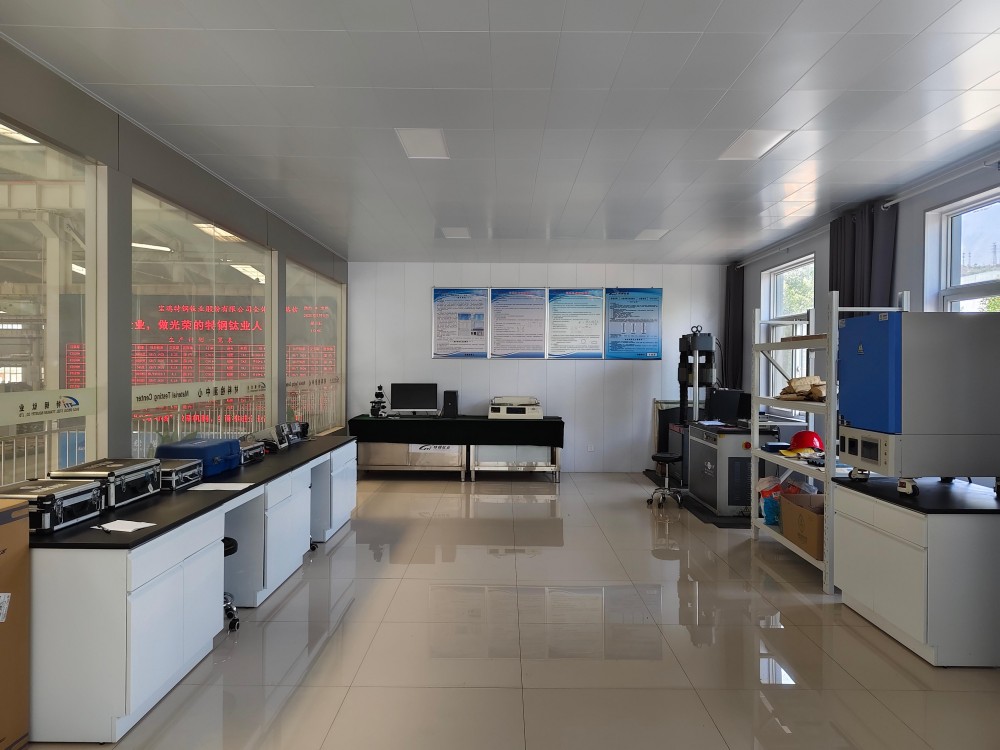
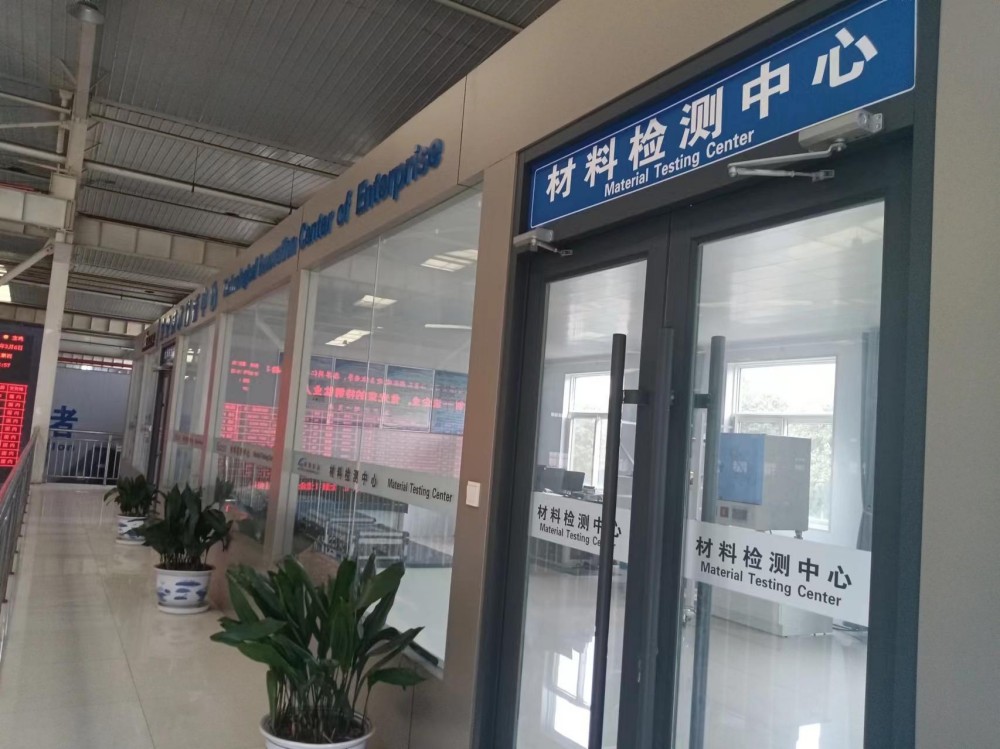
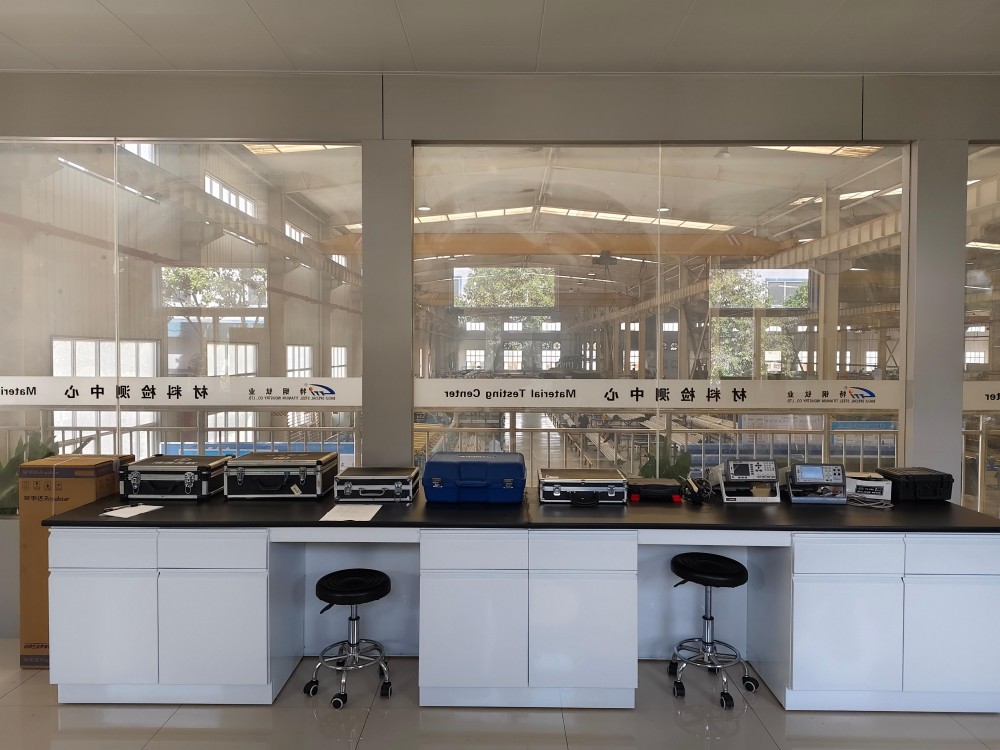
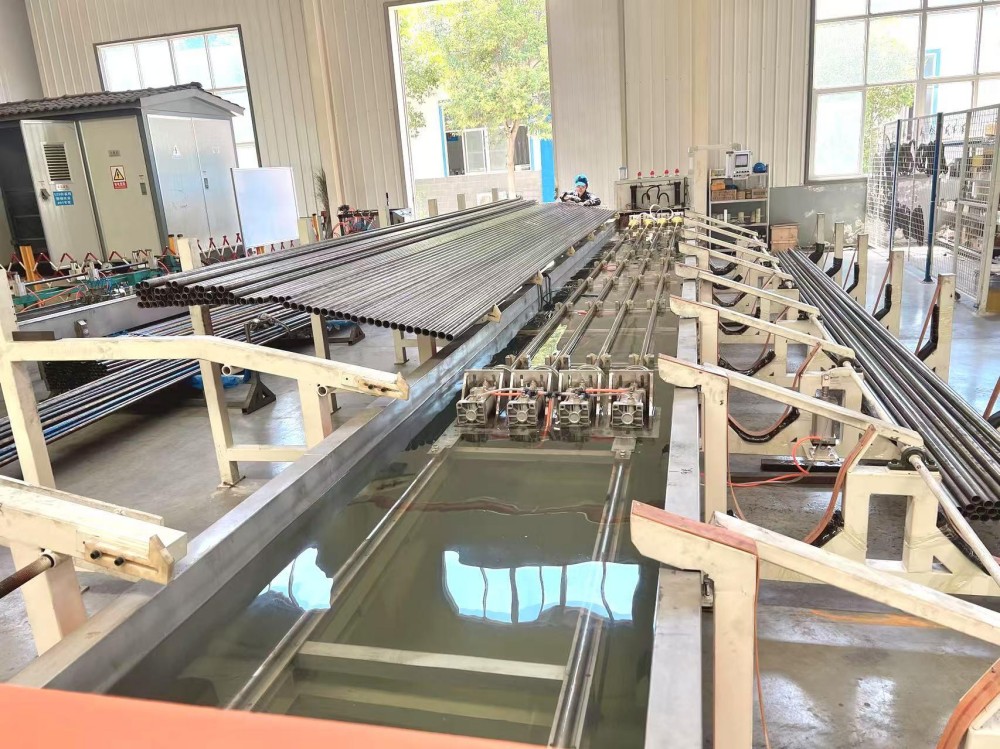
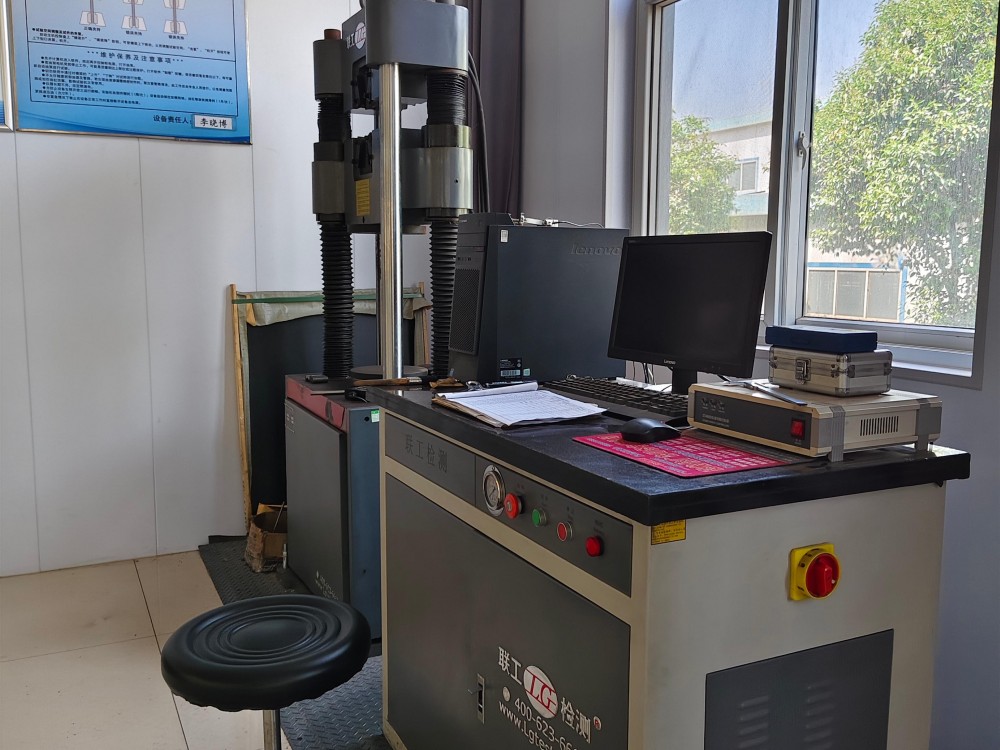
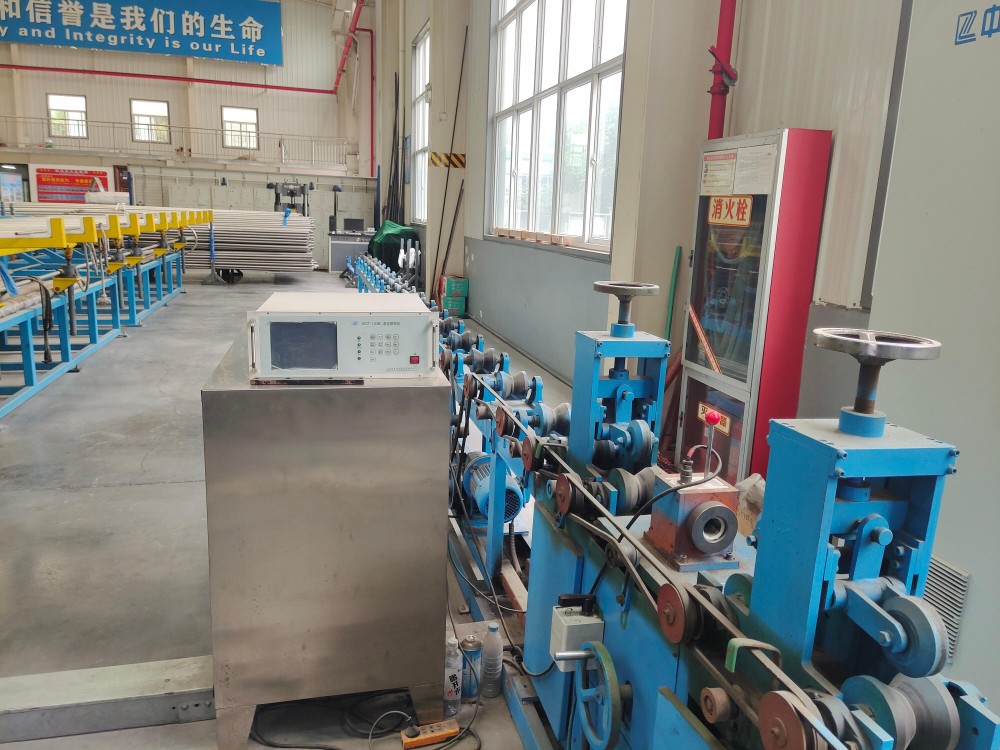
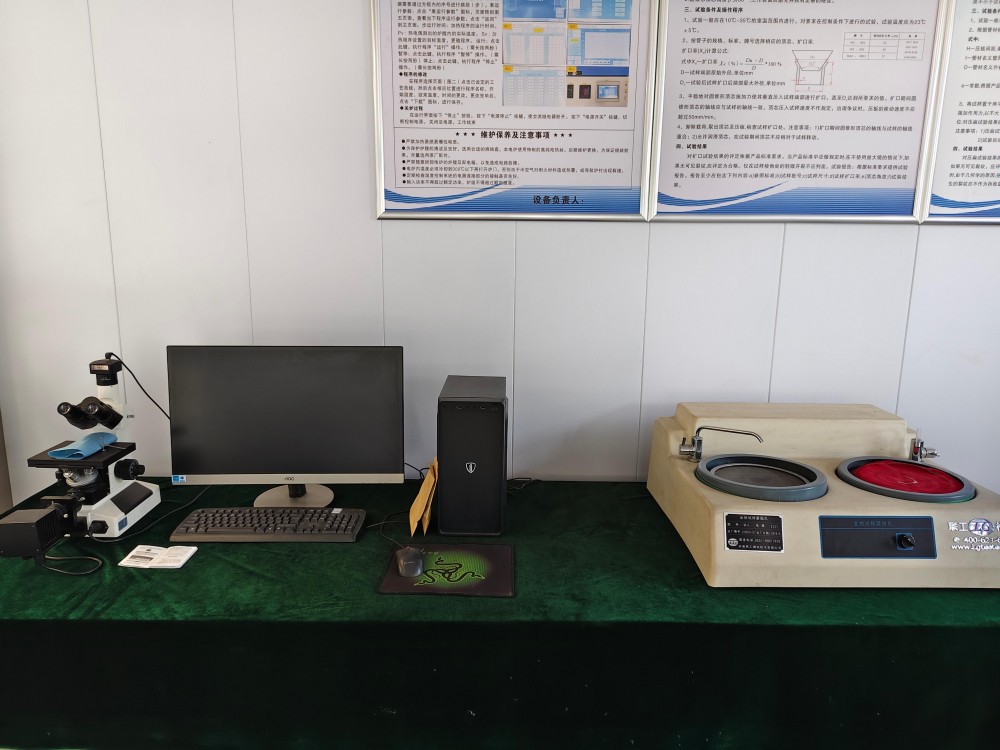
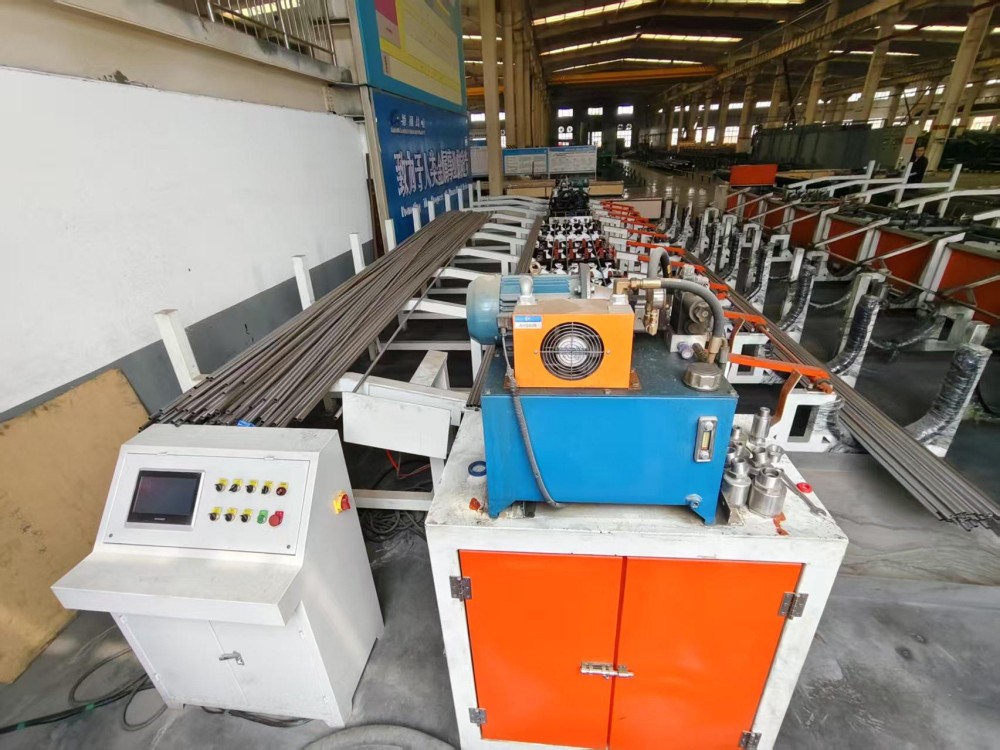
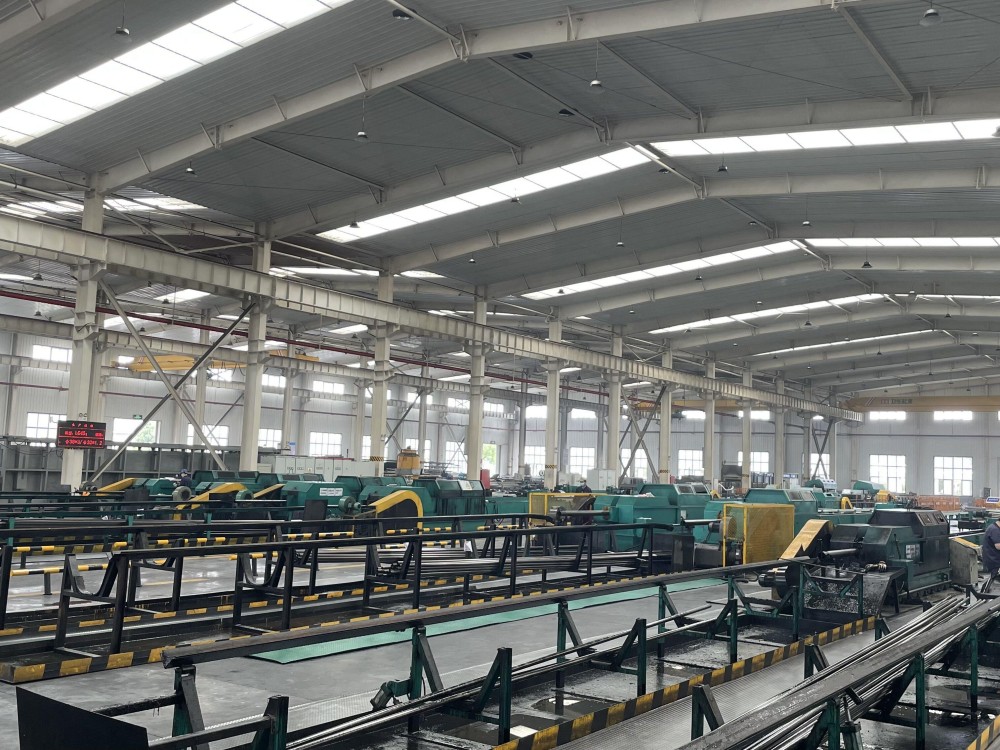
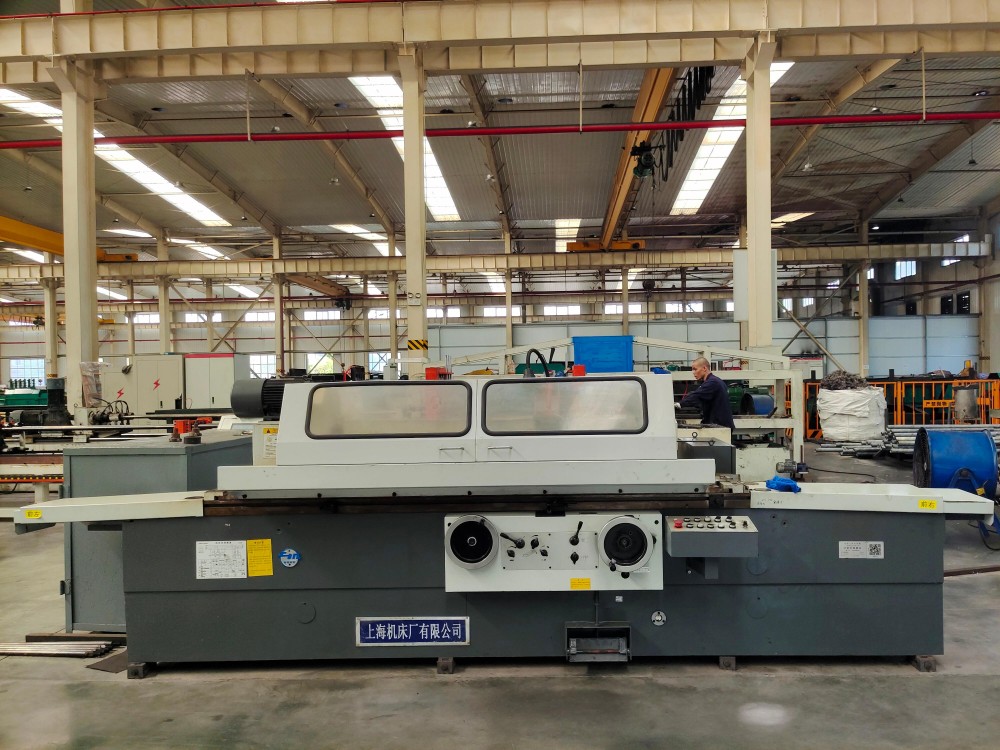
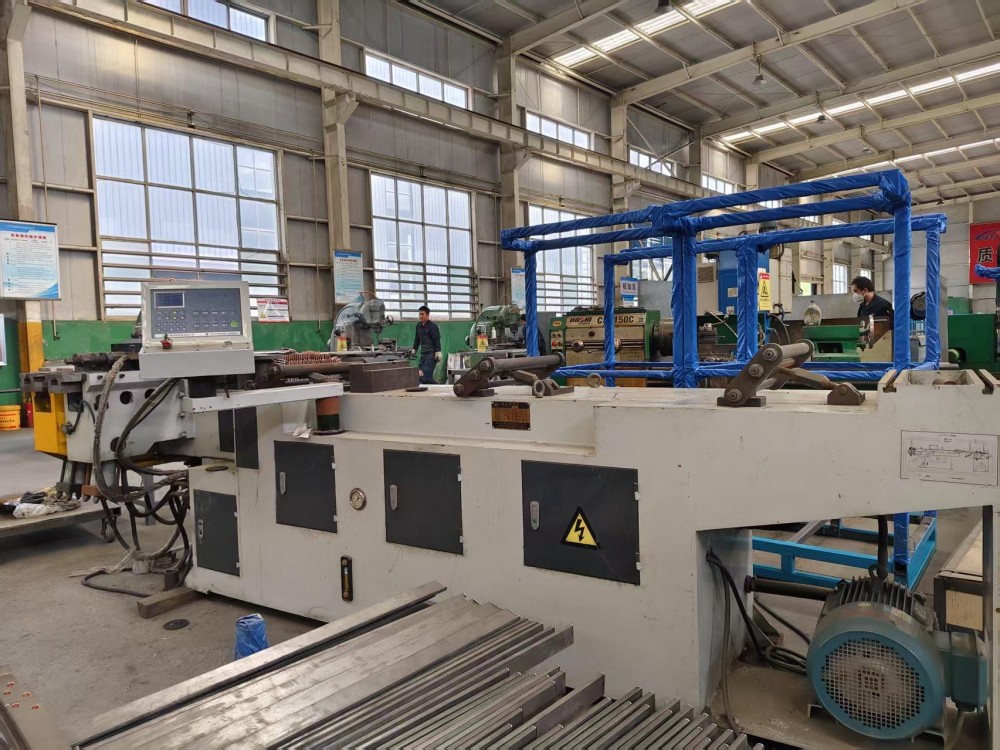
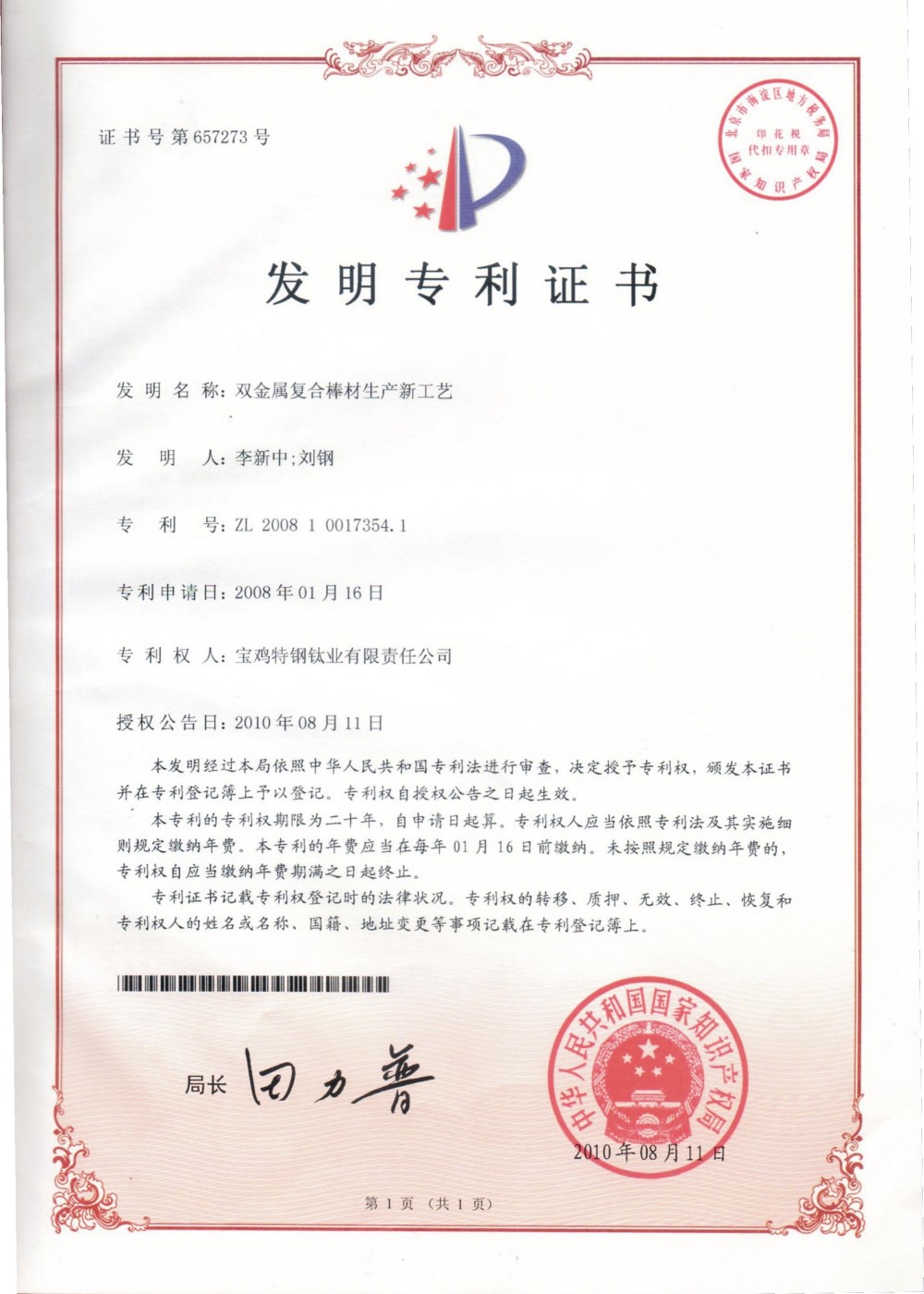
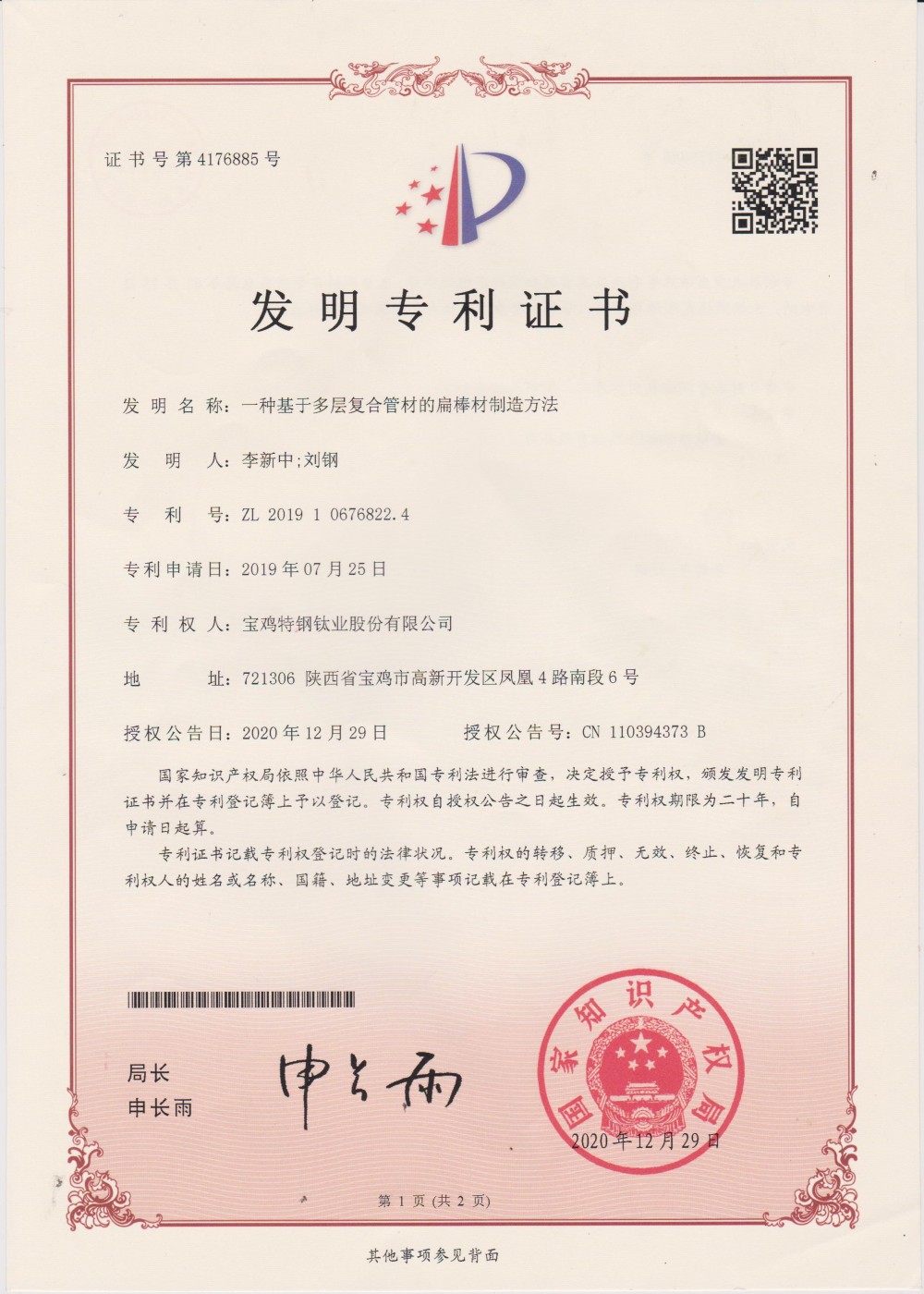
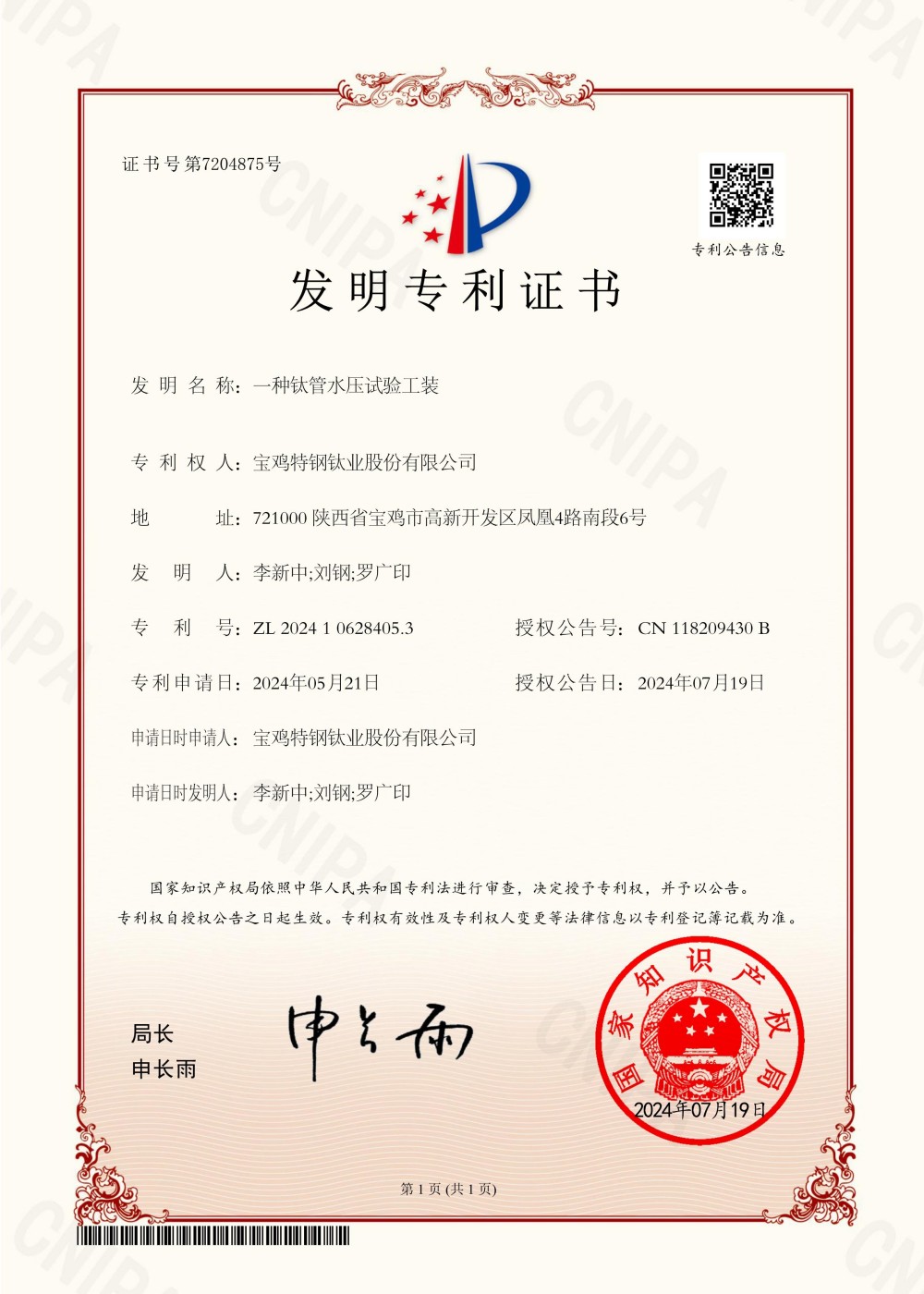
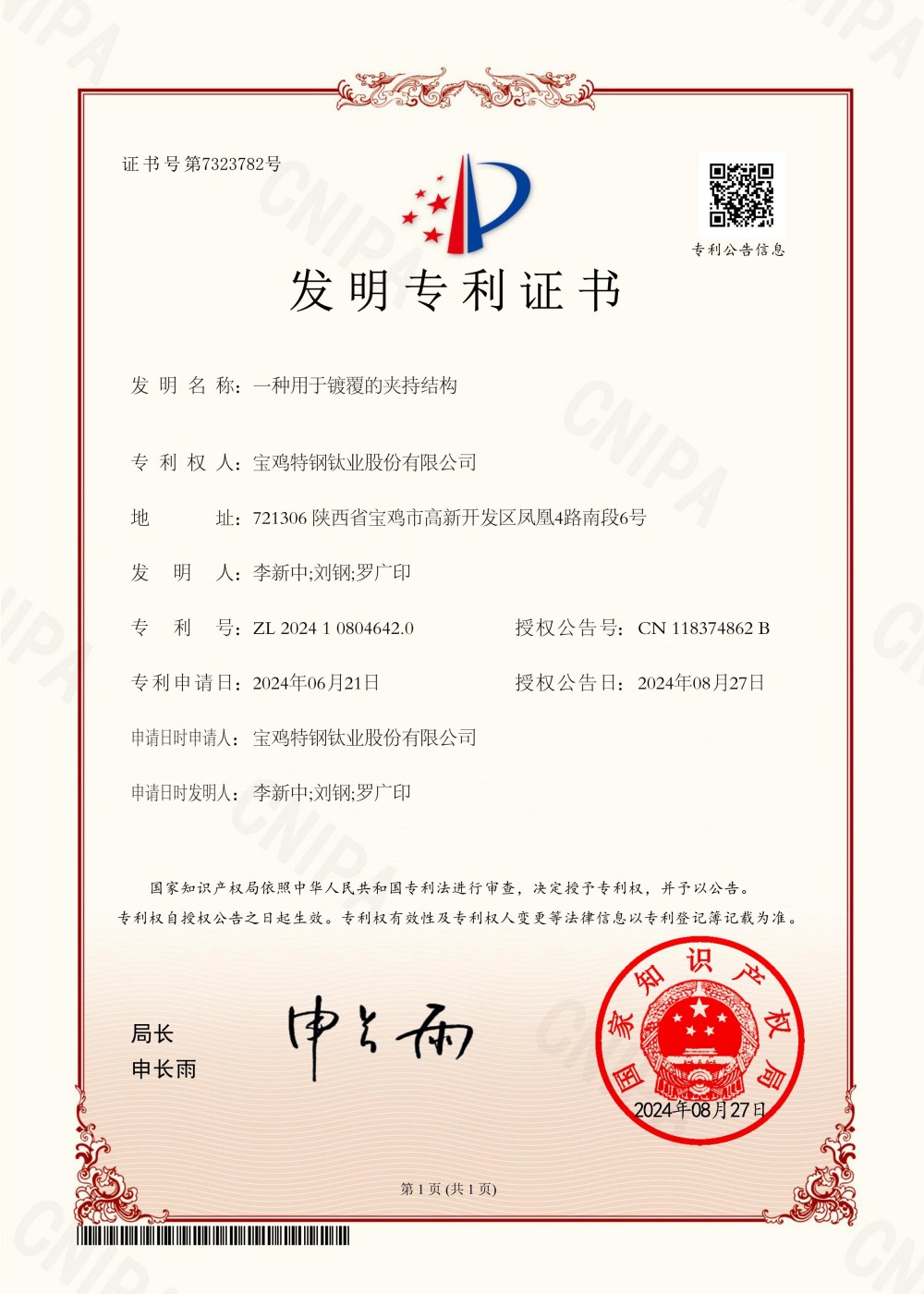
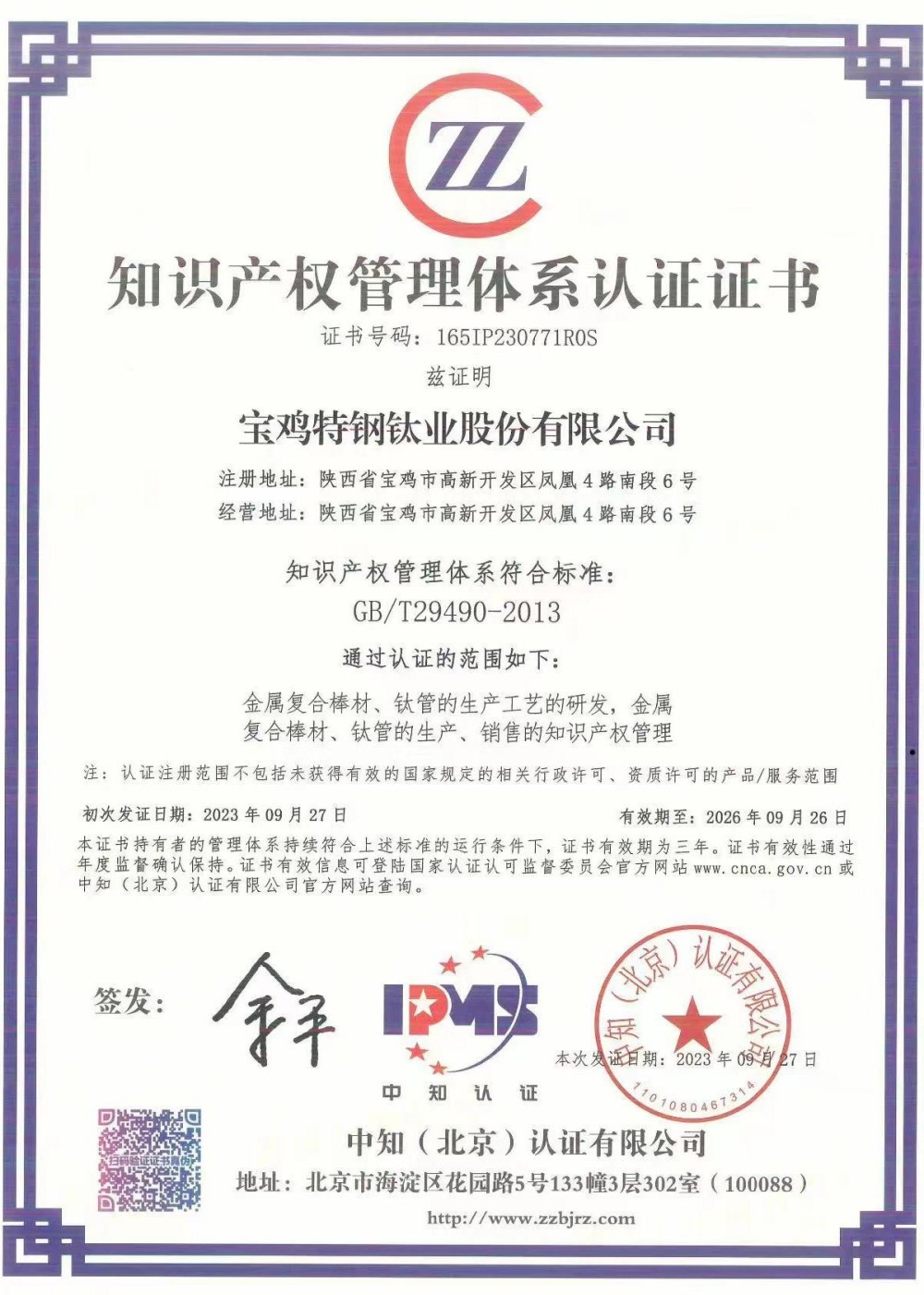
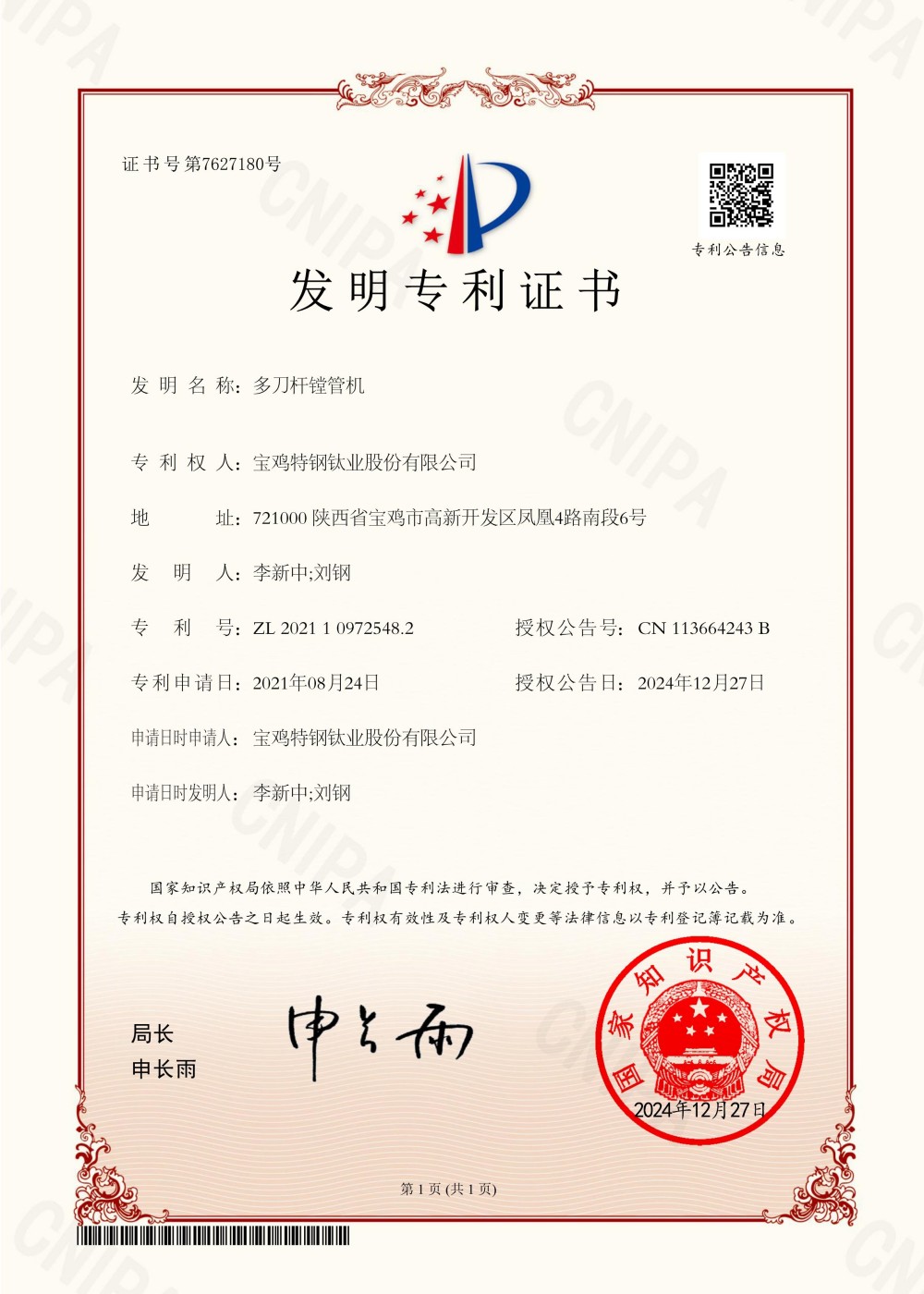
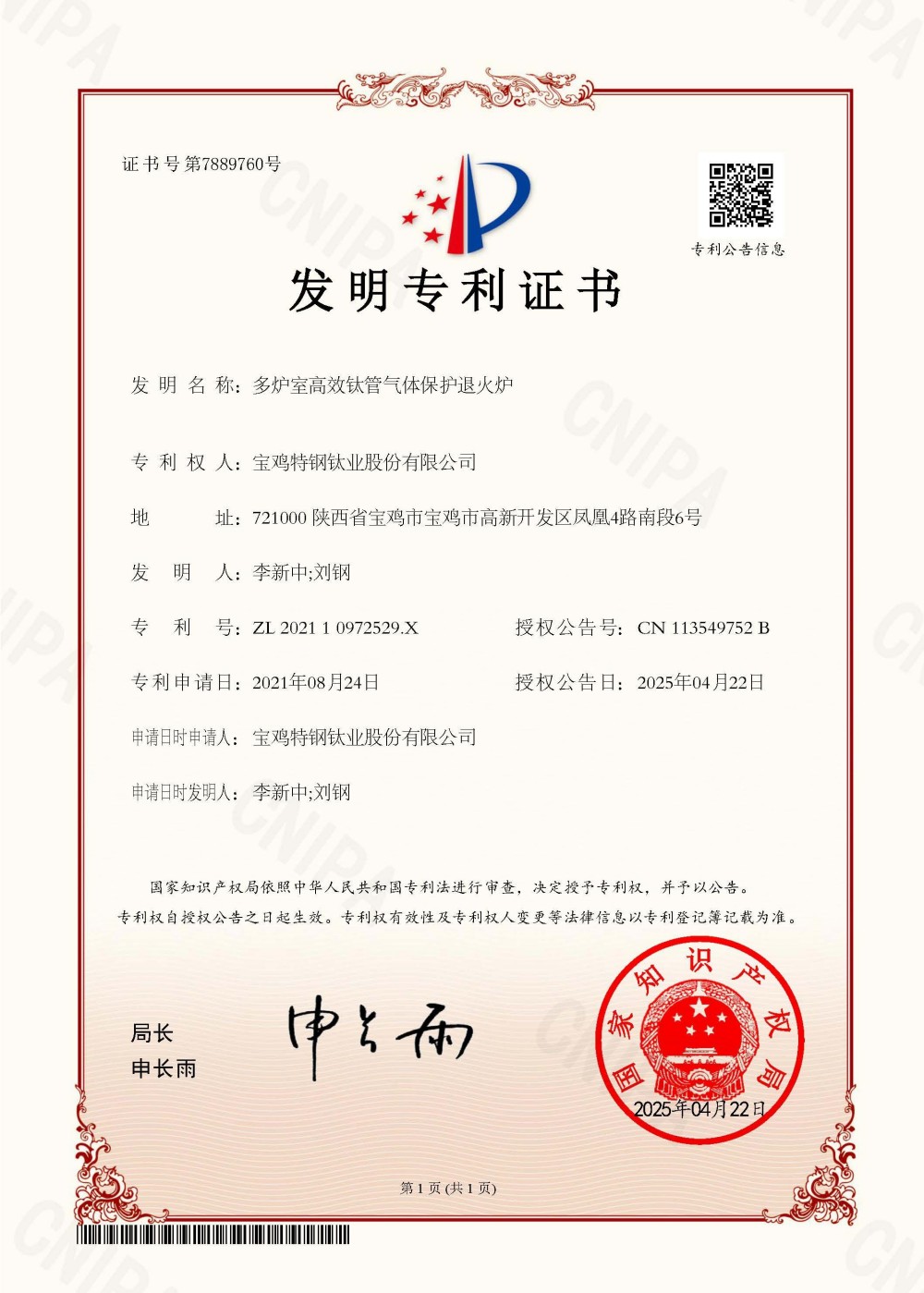
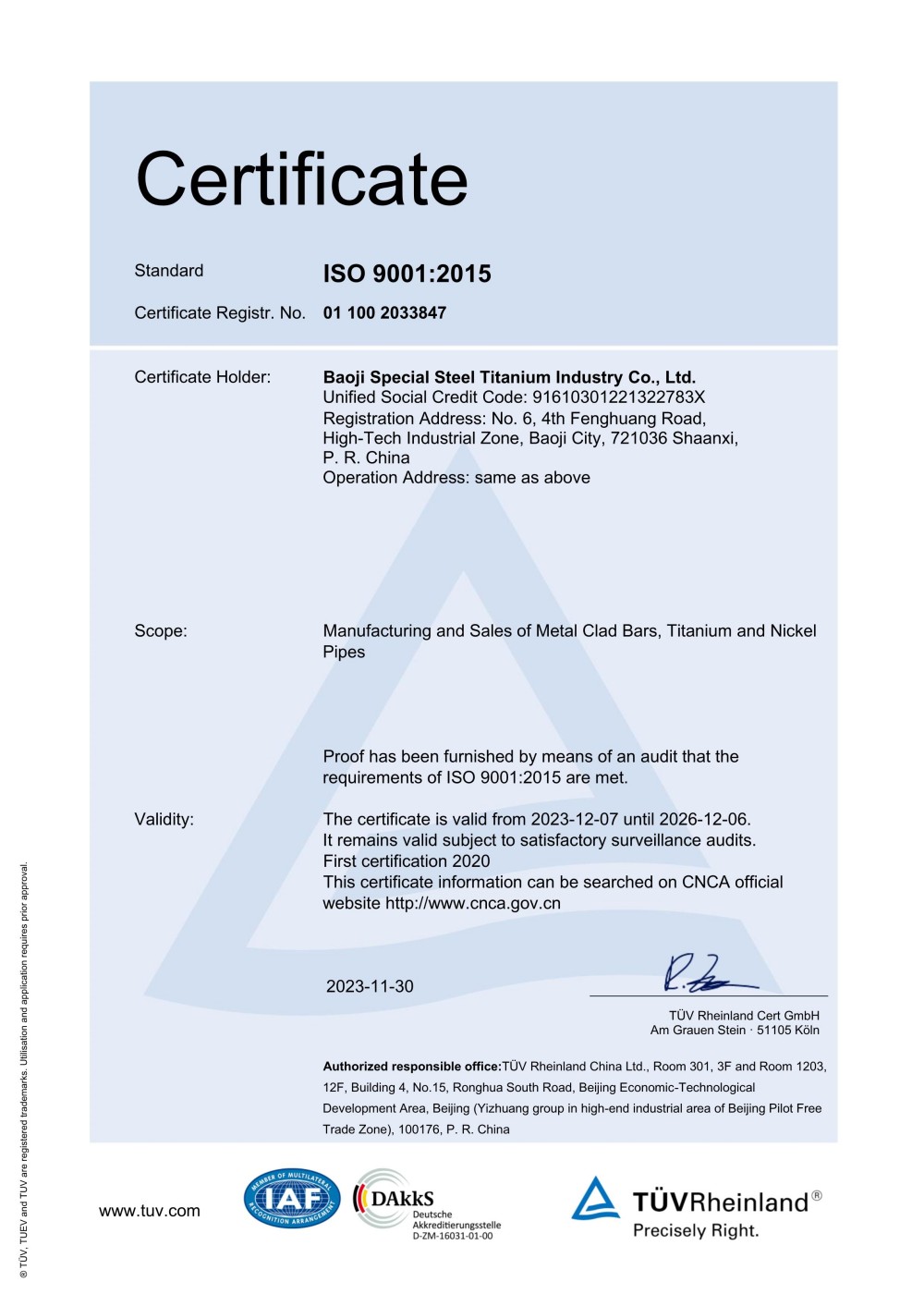
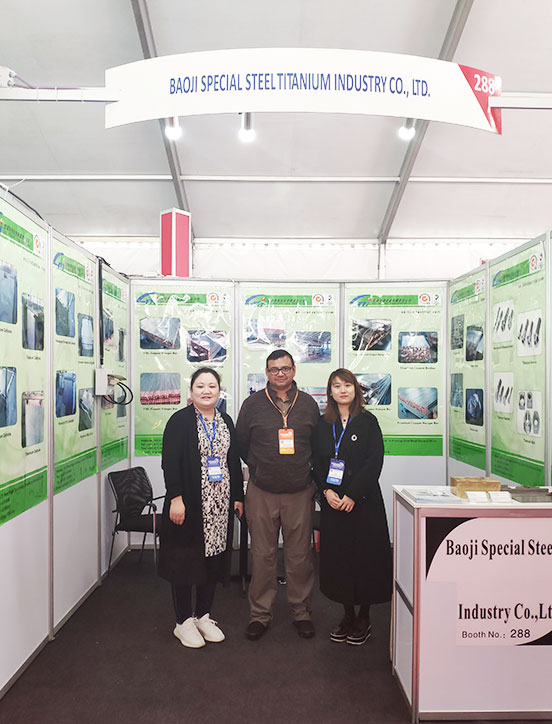
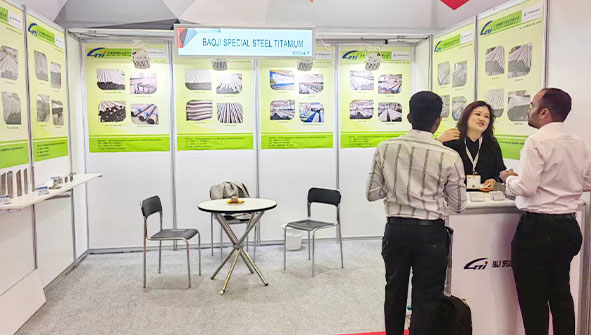
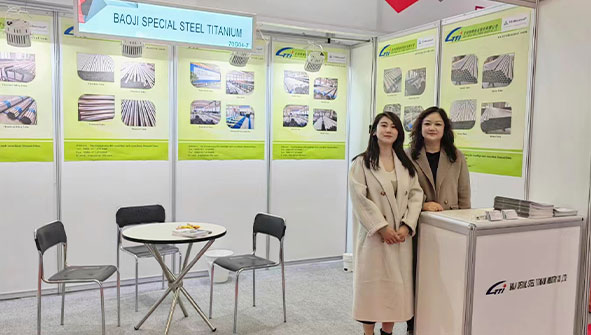
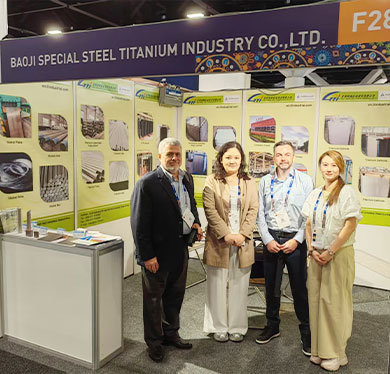
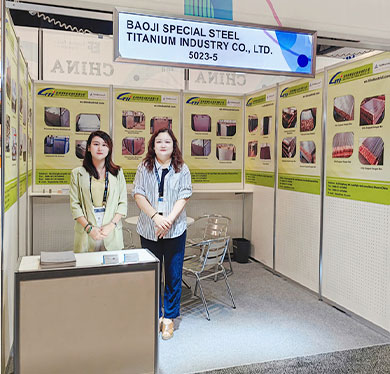
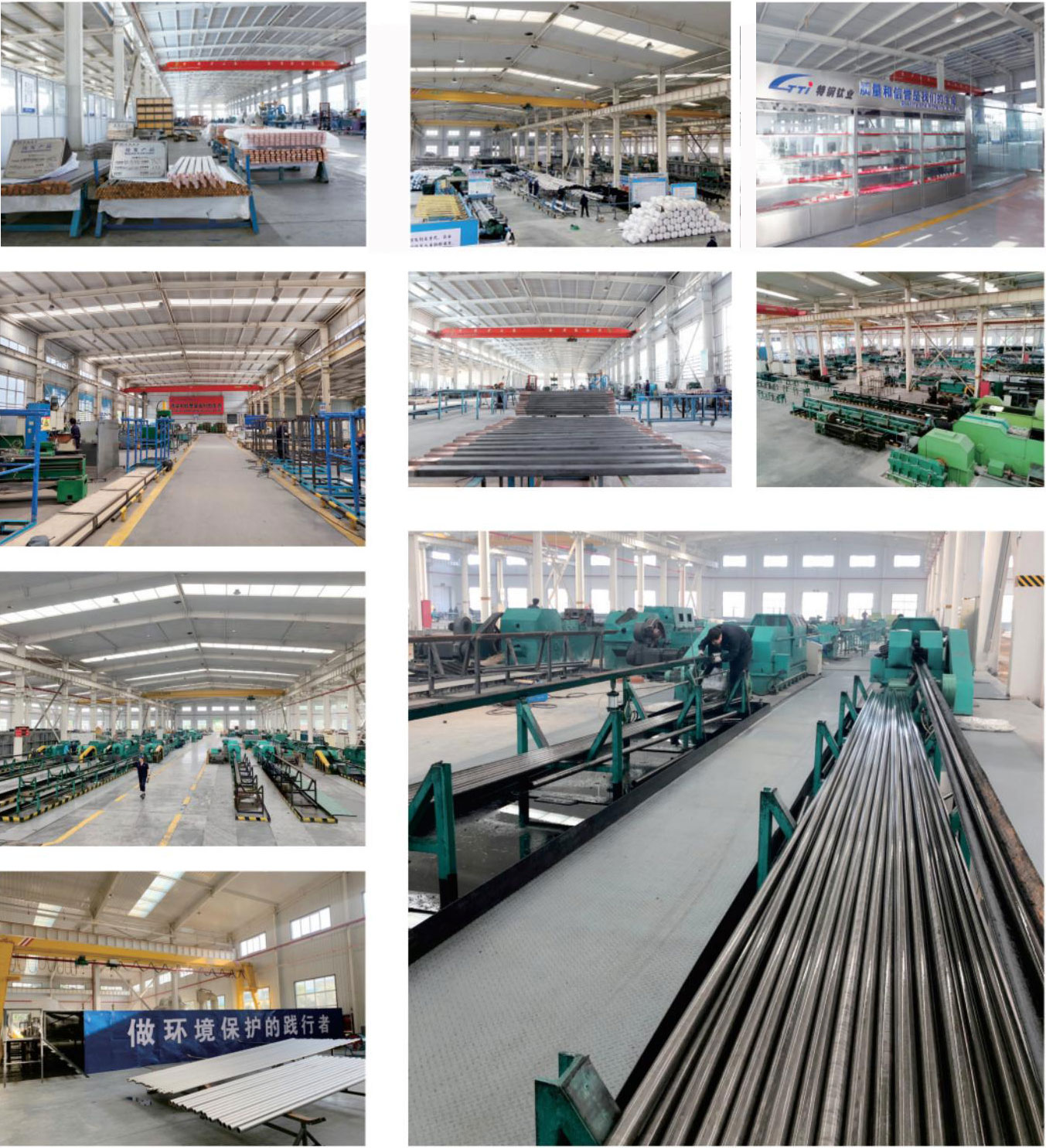
Is a joint-stock industrial enterprise specializing in the research, development, manufacturing and sales of titanium, nickel, zirconium and other metal pipes and metal composite materials. The company was founded in 1997, located in Shaanxi Baoji National High-tech Industrial development Zone, the factory covers an area of 41,000 square meters. The company has an annual production capacity of over 3000 tons of non-ferrous metal pipes, composite materials and various deep processing products such as titanium, zirconium, nickel, tantalum and copper, etc., and a series of products according to varieties and specifications have reached more than 500 kinds, the annual export accounted for more than 30% of the company's total output, is an export-oriented industrial enterprise with a strong growth momentum. The company has obtained the national high and new technology enterprise certification and has been listed in the first batch of industries encouraged to develop by the National Development and Reform Commission.


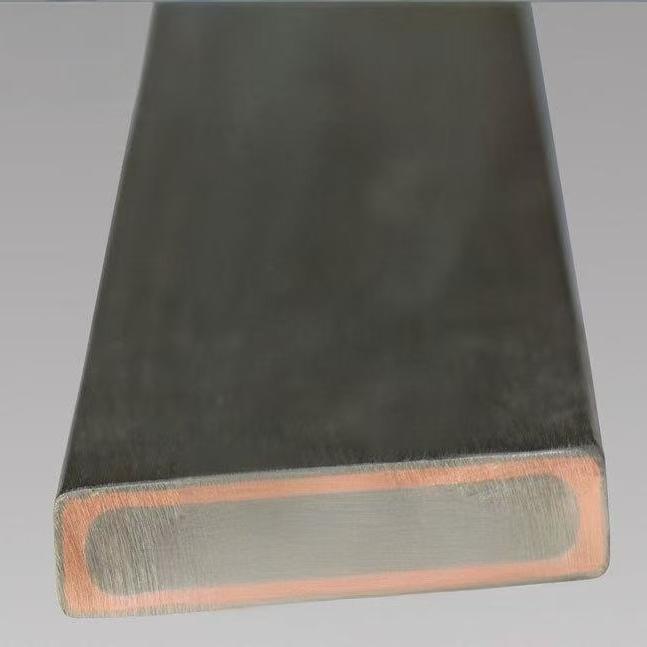
Understanding the profound impact of the Titanium Clad Copper Clad Steel Hanger Bar requires an examination of its metallurgical architecture. The manufacturing process of these tri-layered composite materials typically involves explosive bonding or advanced hot-rolling techniques. These methods ensure a metallurgical bond between the distinct layers, preventing delamination under extreme thermal and mechanical stress.
1. The Copper Core (High Conductivity): Copper is the primary conduit for the heavy direct currents (DC) utilized in nickel electrorefining. By placing copper at the core, the hanger bar ensures minimal voltage drop across the electrical circuit. This high electrical efficiency directly reduces the energy required per ton of nickel produced, significantly lowering operational costs and contributing to a greener metallurgical footprint.
2. The Steel Layer (Structural Integrity): In large-scale electrolytic cells, hanger bars must support massive nickel cathodes that can weigh hundreds of kilograms. Copper alone is too soft and prone to bending or creeping under high temperatures and heavy loads. The integration of a steel layer provides the rigid mechanical framework necessary to keep the cathodes perfectly aligned within the bath. Proper alignment is crucial to prevent short circuits and ensure an even deposition of nickel.
3. The Titanium Cladding (Corrosion Resistance): The outermost layer of titanium acts as an impenetrable shield. The electrolytic nickel bath is a highly corrosive mixture of sulfuric acid and nickel sulfate, often operating at elevated temperatures. Titanium forms a stable, passive oxide layer that effortlessly withstands this harsh environment. It prevents the acidic solution from attacking the inner copper and steel, thereby extending the lifespan of the hanger bar from mere months to several years.
Beyond standard electrowinning, these advanced hanger bars are increasingly utilized in highly specialized refining scenarios. For instance, in the extraction of nickel from laterite ores via High-Pressure Acid Leaching (HPAL) followed by electrowinning, the chemical environment is exceptionally aggressive. The presence of chlorides and other impurities demands the utmost resilience from all submerged and semi-submerged equipment. The titanium-clad composite ensures that the electrorefining phase remains stable, preventing catastrophic equipment failure and costly production halts.
Moreover, as the industry shifts towards automated, robotic harvesting of nickel cathodes, the dimensional stability of the hanger bars becomes paramount. A warped or bent bar can jam robotic lifting mechanisms, causing severe disruptions. The steel-reinforced core of the Titanium Clad Copper Clad Steel Hanger Bar guarantees that the bars maintain their precise geometry, seamlessly integrating with modern AI-driven and automated refinery operations.
The commercial landscape for Titanium Clad Copper Clad Steel Hanger Bars is experiencing robust growth. As the global push for decarbonization accelerates, the demand for Class 1 high-purity nickel—essential for EV battery cathodes—is skyrocketing. Refineries are heavily investing in upgrading their legacy infrastructures to meet this surging demand. Upgrading to advanced composite hanger bars represents a high-ROI (Return on Investment) strategy. While the initial capital expenditure for titanium-clad equipment is higher than traditional alternatives, the total cost of ownership is drastically lower due to extended service life, reduced energy consumption, and minimized maintenance downtime.
Geopolitically, the supply chains for critical metals like titanium and nickel are becoming increasingly strategic. Manufacturers who can provide high-quality, reliable composite materials are positioned at the forefront of the metallurgical supply chain. The ability to customize the thickness of the titanium, copper, and steel layers to meet the specific electrochemical parameters of different refineries offers a significant competitive advantage in the global market.
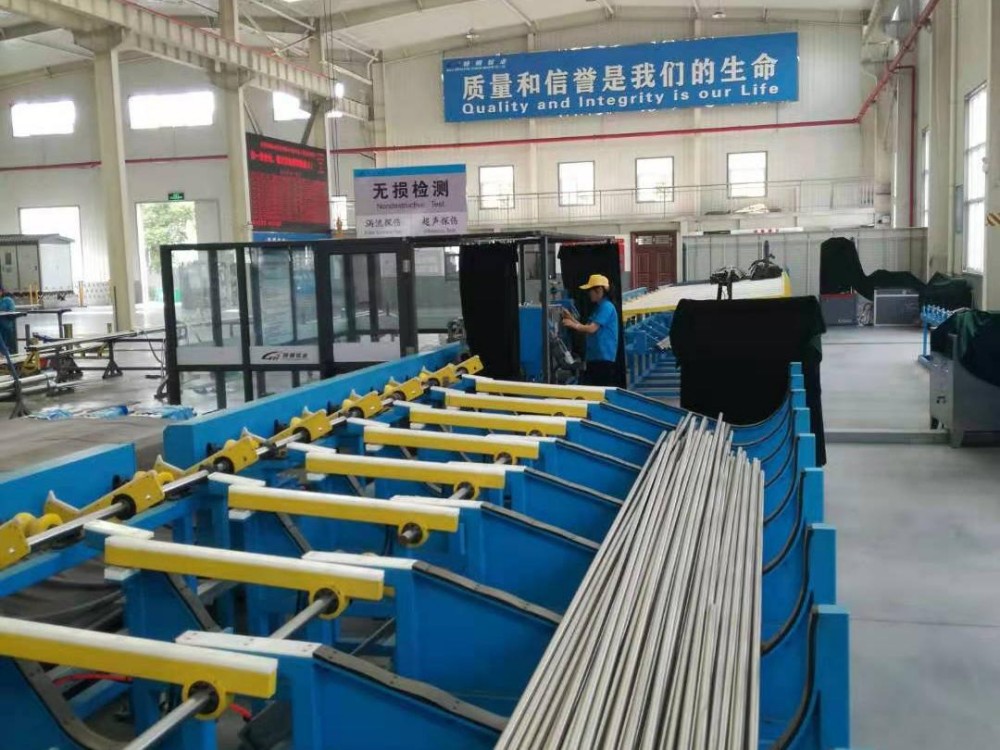
Looking to the future, the manufacturing of these composite bars is being revolutionized by AI and smart technologies. Advanced non-destructive testing (NDT), powered by machine learning algorithms, is now used to inspect the metallurgical bond between the titanium, copper, and steel layers at a microscopic level. This ensures zero defects and absolute reliability in the field. Furthermore, AI-driven predictive maintenance models are being integrated into modern refineries. By monitoring the voltage and temperature across the hanger bars in real-time, plant operators can predict optimal harvesting times and detect potential anomalies before they lead to energy loss or equipment damage.
Sustainability is another driving force. The long lifespan of Titanium Clad Copper Clad Steel Hanger Bars means less frequent replacement, thereby reducing the carbon emissions associated with manufacturing and transporting heavy industrial equipment. At the end of their exceptionally long service life, the composite materials can be efficiently recycled, aligning perfectly with the principles of a circular economy in the metallurgical industry.
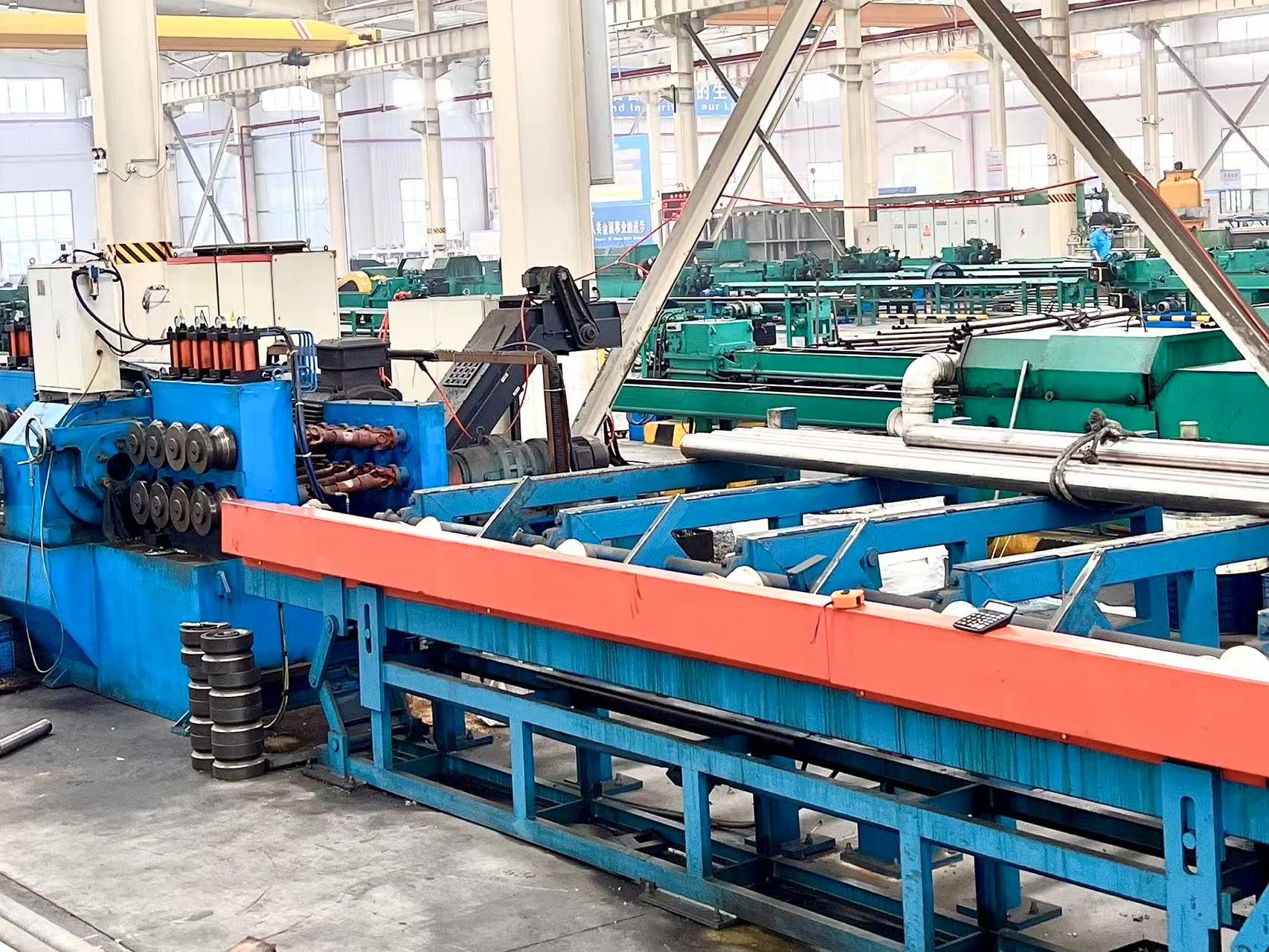
Since its establishment, the company has always adhered to the development strategy of continuous innovation and continued to expand the market with new technology and new products as the fulcrum. After more than 20 years of development and accumulation, the products have entered the markets of Germany, Japan, the United States, Norway, Finland, South Africa, Singapore, India and other countries and Taiwan regions, also have been highly praised. Stable product quality, integrity as the core of the business philosophy, by the world's customers trust.
"To build an excellent enterprise team, continuously improve the management and manufacturing methods, so that every customer can get the maximum benefit from each product" is the eternal pursuit of special steel titanium industry personnel.