Leave Your Message
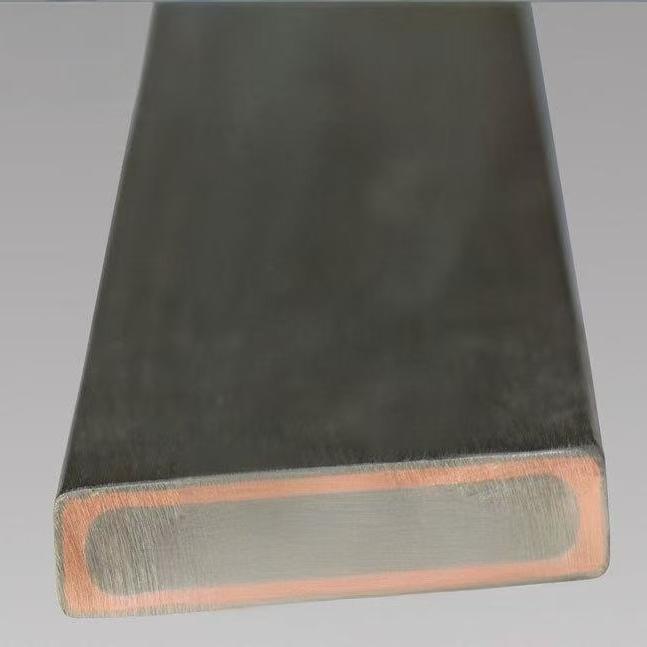
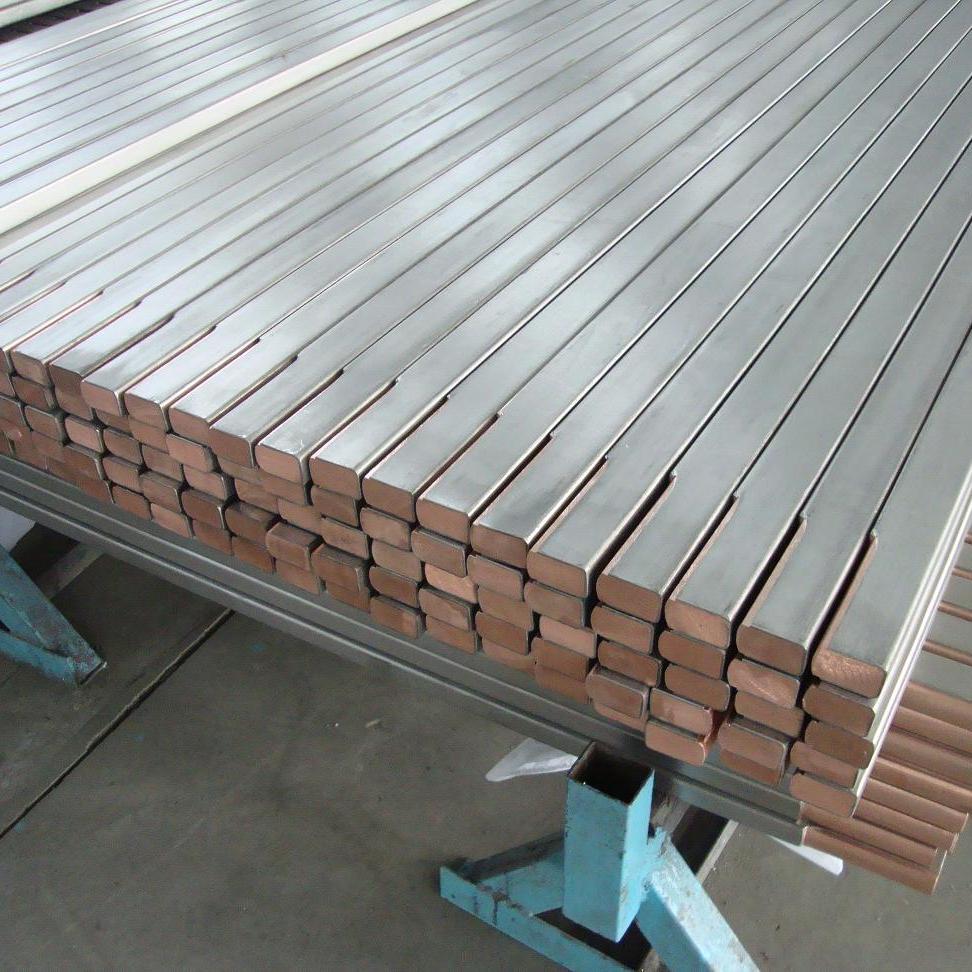
The global marine engineering sector is undergoing a massive transformation, driven by the increasing demand for sustainable offshore energy, deep-sea exploration, and advanced desalination facilities. In these harsh environments, traditional materials often fail due to severe galvanic corrosion, immense hydrostatic pressure, and extreme saltwater exposure. This is where the Titanium Clad Copper Clad Steel Hanger Bar emerges as a revolutionary solution. By combining the unparalleled corrosion resistance of titanium, the excellent electrical conductivity of copper, and the structural strength of steel, these composite hanger bars are becoming the industry standard for marine engineering applications worldwide.
Currently, the market for marine-grade composite metals is experiencing exponential growth. Offshore oil and gas platforms, offshore wind farms, and subsea pipeline networks are increasingly retrofitting their electrolytic and structural systems with titanium-clad materials. The initial investment in these advanced composite bars is quickly offset by drastically reduced maintenance costs, minimized downtime, and extended operational lifespans. As global regulations regarding marine environmental protection tighten, industries are compelled to adopt leak-proof, corrosion-free materials, further propelling the commercial viability of titanium-clad copper-clad steel hanger bars.
Marine environments are notoriously unforgiving. The presence of chloride ions in seawater acts as a powerful catalyst for crevice and pitting corrosion. A standard copper or steel hanger bar would deteriorate rapidly, leading to catastrophic electrical failures in marine hydrometallurgy or cathodic protection systems. The titanium outer layer of our composite bars forms a stable, self-healing oxide film that is virtually immune to seawater corrosion. Meanwhile, the copper core ensures that electrical currents are transmitted with maximum efficiency, and the steel layer provides the necessary mechanical rigidity to withstand the physical stresses of ocean currents and platform vibrations.
Baoji Special Steel Titanium Industry Co., LTD. is a joint-stock industrial enterprise specializing in the research, development, manufacturing, and sales of titanium, nickel, zirconium, and other metal pipes and metal composite materials.
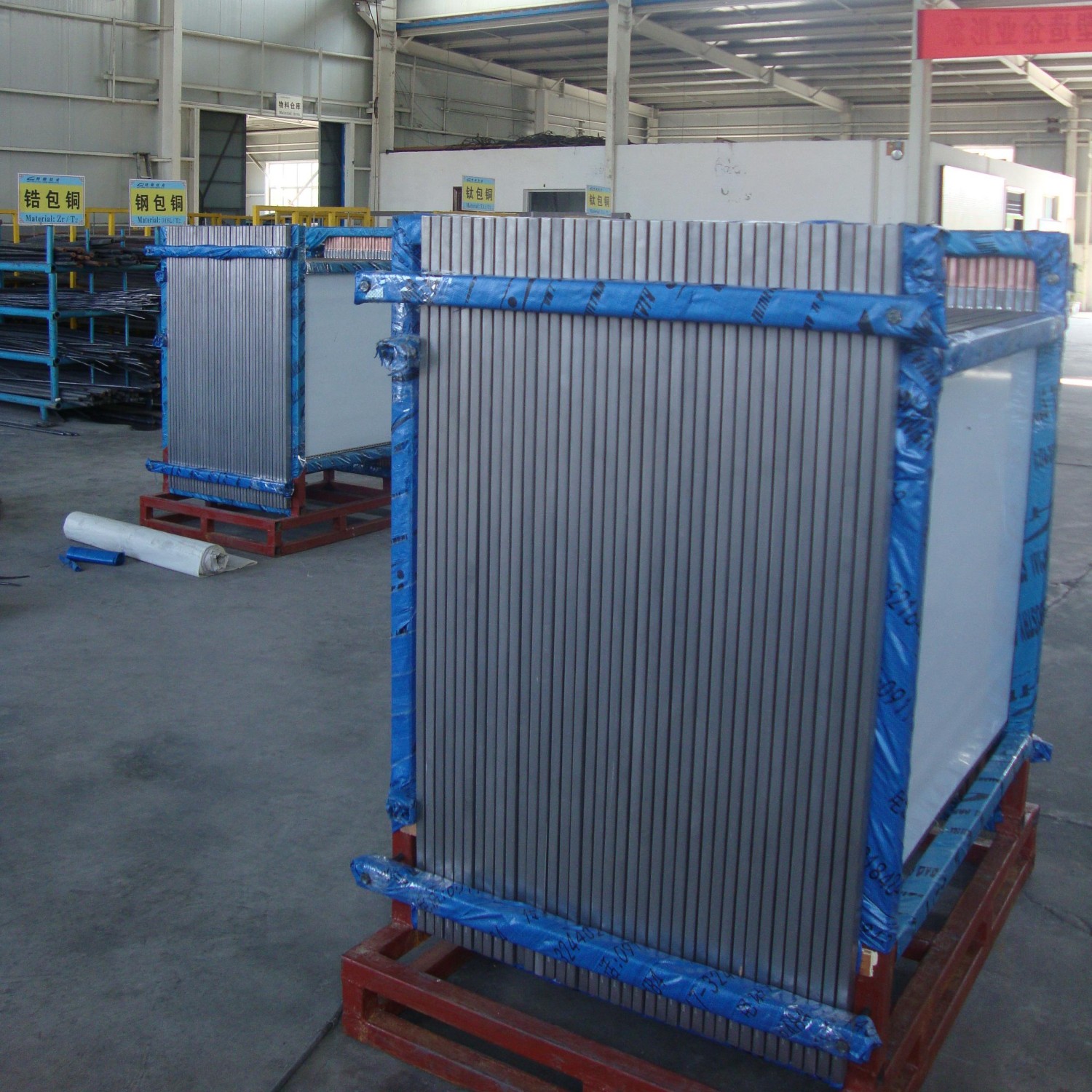
Founded in 1997 and located in the Shaanxi Baoji National High-tech Industrial Development Zone, our factory covers an area of 41,000 square meters. We are dedicated to providing world-class quality, unparalleled standards, and custom-tailored solutions for global marine and industrial applications.

World-Class Quality

Custom Solutions

Global Reach
The versatility of the Titanium Clad Copper Clad Steel Hanger Bar makes it an indispensable component across various sub-sectors of marine engineering. Its unique tri-layered composition is specifically tailored to resolve the complex engineering challenges found offshore.
On offshore oil and gas extraction platforms, cathodic protection systems are critical to preventing the structural degradation of steel pilings and subsea pipelines. The hanger bars used in these Impressed Current Cathodic Protection (ICCP) systems must deliver high electrical currents consistently over decades without degrading. Our titanium-clad copper-clad steel hanger bars ensure that the electrical connection remains pristine, preventing localized overheating and eliminating the risk of galvanic corrosion at the connection points.
As global freshwater scarcity accelerates, large-scale seawater desalination plants (Reverse Osmosis and Multi-Stage Flash distillation) are being constructed along coastlines globally. These facilities utilize massive electrochlorination systems to prevent biofouling in water intake pipelines. The hanger bars supporting the electrolytic cells in these systems are constantly exposed to highly concentrated brine and chlorine gas. The titanium cladding provides absolute chemical inertness, while the copper core ensures the electrochlorination process operates at peak electrical efficiency, significantly reducing the energy consumption of the desalination plant.
Delivering superior performance, conductivity, and durability across critical offshore and subsea industrial sectors.




Looking toward the future, the integration of advanced metallurgy in marine engineering is set to accelerate. The push for renewable marine energy, such as offshore wind, tidal, and wave energy converters, requires materials that can survive 25 to 50-year lifecycles with zero maintenance. Titanium clad copper clad steel hanger bars are at the forefront of this trend. Innovations in explosive bonding and hot-rolling technologies have significantly improved the metallurgical bond strength between the titanium, copper, and steel layers, ensuring zero delamination even under extreme thermal cycling and mechanical stress.
Furthermore, the trend towards deep-sea mining for rare earth minerals necessitates equipment that can withstand immense hydrostatic pressures while performing complex electrolytic processes on the ocean floor. The robust steel core of our composite bars provides the necessary tensile and yield strength, making them the ideal choice for next-generation deep-sea mining ROVs and processing nodes.
While the initial procurement cost of titanium-clad composite materials is higher than traditional monolithic metals, the Return on Investment (ROI) in marine engineering is exceptionally high. Traditional copper bars require frequent replacement, causing costly operational shutdowns and requiring expensive offshore logistical support. By utilizing Titanium Clad Copper Clad Steel Hanger Bars, marine operators effectively eliminate replacement cycles. The prevention of electrical energy loss due to corroded contacts also translates into massive energy savings over the lifespan of a project. In large-scale marine electrowinning or desalination, a 2% increase in electrical efficiency can save millions of dollars annually.
Stable product quality and integrity as the core of our business philosophy, trusted by global marine engineering clients.

Powering global offshore operations with precision titanium composite solutions, drastically reducing maintenance downtime in subsea environments.

Implementing titanium-clad copper hanger bars for deep-water pipeline cathodic protection systems.

Custom-engineered hanger bars providing structural integrity and unmatched conductivity for offshore wind farm substations.
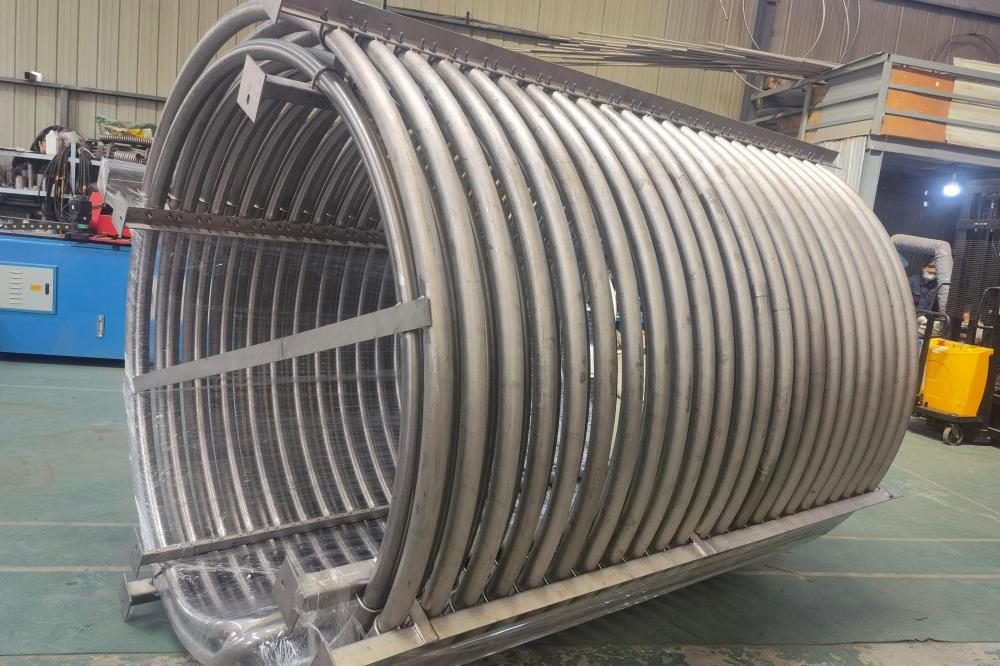
Upgrading electrochlorination cells with our tri-layer composite bars to combat severe chloride corrosion.
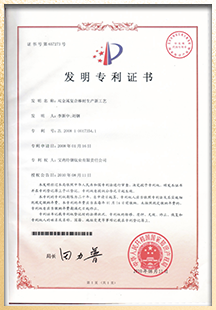
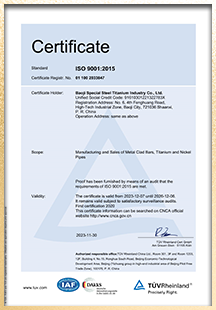
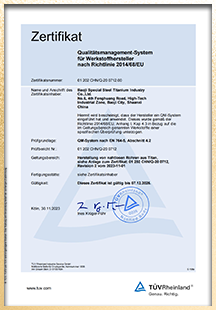
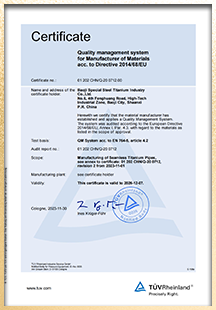
IATF 16949, CE, FMEA, PPAP, APQP, SPC AND MSA 100% TEST
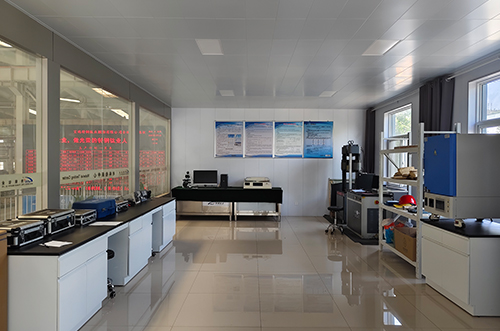
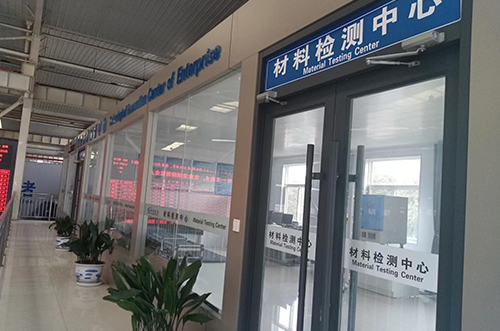
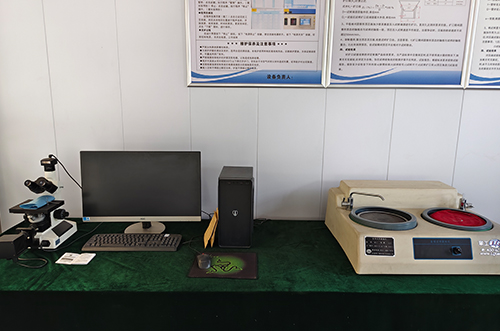
Since 1997, our commitment to metallurgical excellence has driven our manufacturing processes. Every Titanium Clad Copper Clad Steel Hanger Bar undergoes rigorous non-destructive testing (NDT), ultrasonic inspection, and electrical conductivity assessments to ensure it meets the stringent demands of marine engineering applications.
Modern marine engineering is not just about performance; it is equally focused on environmental sustainability. Leaching of heavy metals from corroding infrastructure poses a significant threat to marine ecosystems. By utilizing titanium-clad components, the risk of copper or steel leaching into the ocean is entirely mitigated. The inert titanium surface ensures that the surrounding marine flora and fauna remain undisturbed. Furthermore, the extended lifecycle of these composite materials reduces the carbon footprint associated with the frequent manufacturing, transportation, and installation of replacement parts.
When specifying materials for marine engineering applications, engineers must consider the specific electrolytic environment, anticipated mechanical loads, and required current densities. Our engineering team at Baoji Special Steel Titanium Industry Co., LTD. collaborates closely with project managers to design custom Titanium Clad Copper Clad Steel Hanger Bars. We adjust the thickness of the titanium cladding, the grade of the copper core, and the structural properties of the steel to perfectly match the operational parameters of your specific offshore or subsea project.
In summary, the Titanium Clad Copper Clad Steel Hanger Bar represents the pinnacle of metallurgical engineering for marine applications. It successfully bridges the gap between high electrical conductivity and extreme corrosion resistance, providing a robust, long-lasting, and economically sound solution for the world's most demanding marine environments. As we continue to push the boundaries of oceanic exploration and offshore energy generation, these advanced composite materials will remain the foundational building blocks of a sustainable and efficient marine industrial future.