Leave Your Message
Optimized tri-layer and double-layer composite configurations engineered specifically for aggressive hydrometallurgical tankhouses and corrosive mineral processing circuits.
In modern extractive metallurgy and mineral processing operations, Solvent Extraction-Electrowinning (SX-EW) and Electrorefining (ER) have become standard pathways for recovering high-purity non-ferrous metals such as copper (Cu), nickel (Ni), cobalt (Co), zinc (Zn), manganese (Mn), and precious metals. As global ore grades decline, hydrometallurgical processing facilities operate under intensified conditions: higher current densities (up to 320–420 A/m²), aggressive electrolyte acidities (150–220 g/L H₂SO₄), elevated bath temperatures (45–70°C), and harsh acid-mist cell atmospheres.
Historically, electrowinning tankhouses relied on solid copper bars or basic lead-sheathed conductors. However, solid copper bars experience severe anodic chemical corrosion from sulfuric acid mist and chloride ions, leading to rapid interface degradation, uneven current distribution, high contact resistance, and frequent bar replacements. On the other hand, conventional titanium clad copper bars (Ti-Cu), while resolving corrosion on the exterior surface and maintaining electrical conductivity, exhibit structural deflection (sagging) over prolonged exposure to heavy cathode weights (such as 150–250 kg deposited copper plates) across long cell spans. This deflection distorts inter-electrode spacing, generates hot spots, induces dendrite short circuits, and severely undermines current efficiency.
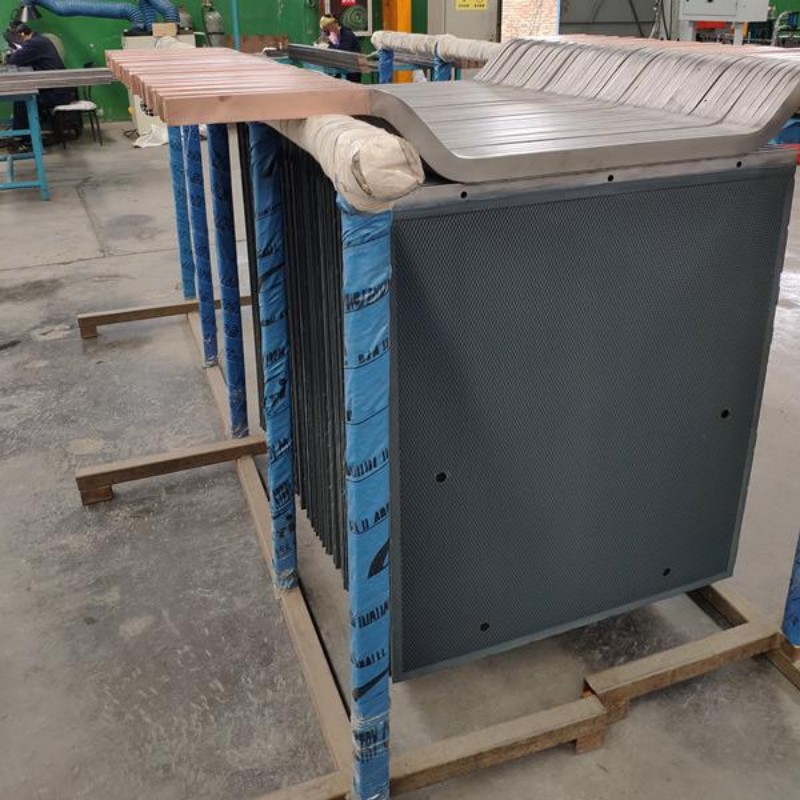
To overcome these systemic industrial challenges, the development of the Titanium Clad Copper Clad Steel (Ti/Cu/Steel) Tri-layer Composite Hanger Bar represents a breakthrough in metallurgical composite engineering. By uniting three distinct metallic layers via advanced explosive bonding or hot-extrusion diffusion welding, this tri-layer architecture establishes an unbeatable trifecta: impervious chemical barrier protection from titanium, ultra-low bulk electrical resistivity from high-grade OFHC copper, and unyielding mechanical stiffness from the structural steel core. Today, tier-one global mining houses and smelting complexes in North America, South America (Chile, Peru), Africa (DRC, Zambia), and Asia-Pacific are systematically retrofitting their tankhouses with tri-layer composite hanger bars to achieve lower Levelized Cost of Refining (LCOR) and near-zero unscheduled maintenance.
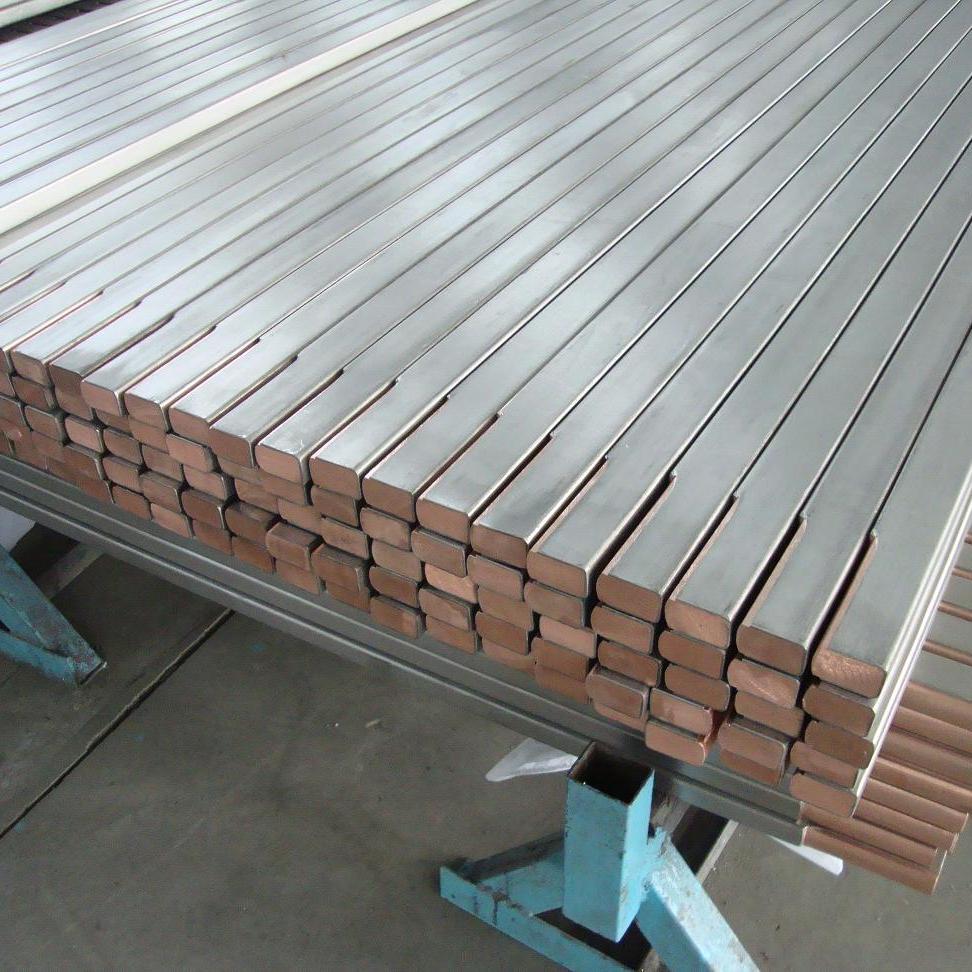
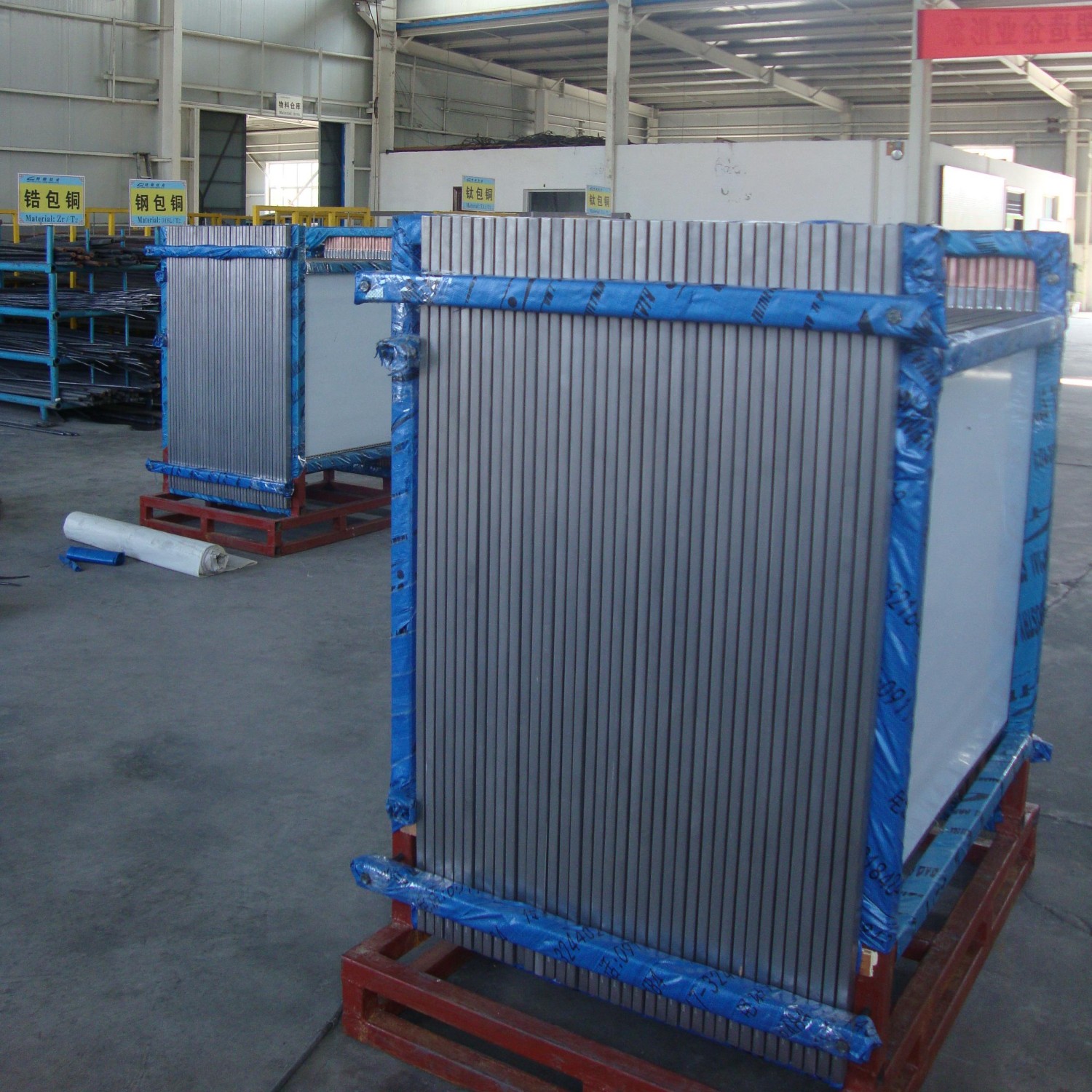
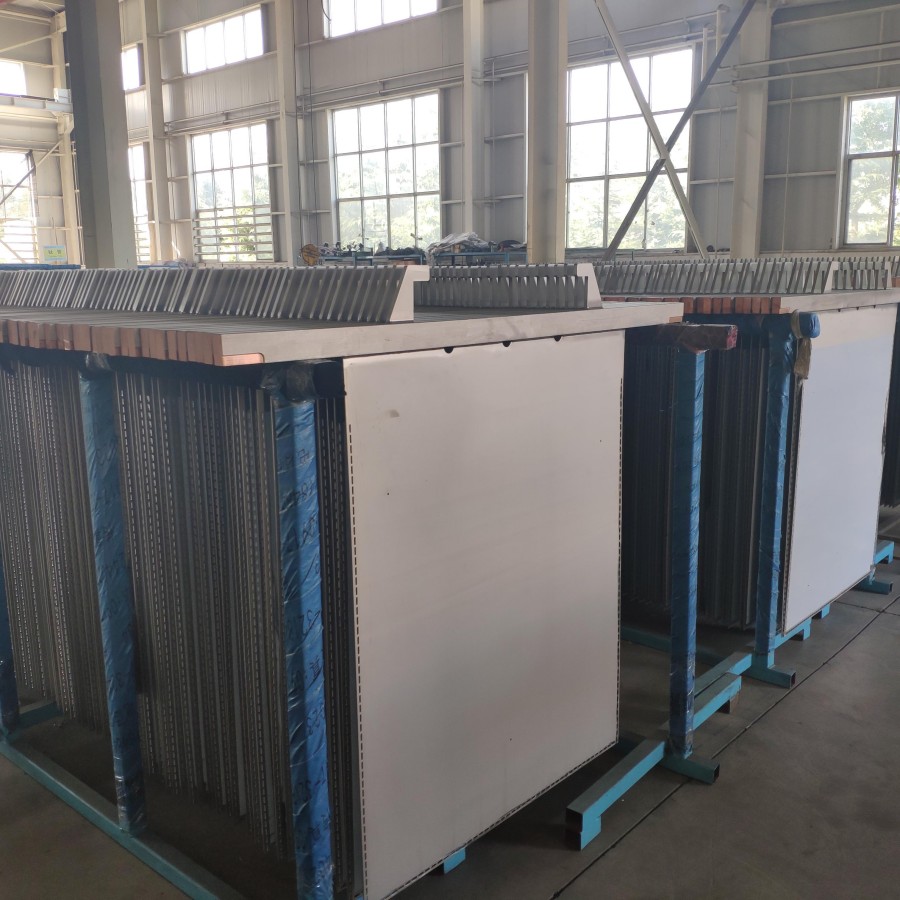
Combines ASTM B265 titanium outer cladding for zero-corrosion longevity, C11000 electrolytic copper intermediate layer for minimal voltage drop, and high-tensile steel core for zero-sag vertical alignment.
Reduces contact voltage drops to under 10–15 mV across cell contact points, eliminating resistive heating loss and saving millions of kilowatt-hours annually in large-scale SX-EW tankhouses.
Exceptional mechanical rigidity preserves precise vertical cathode verticality without permanent bending, perfectly accommodating high-speed automated robotic cathode stripping machines.
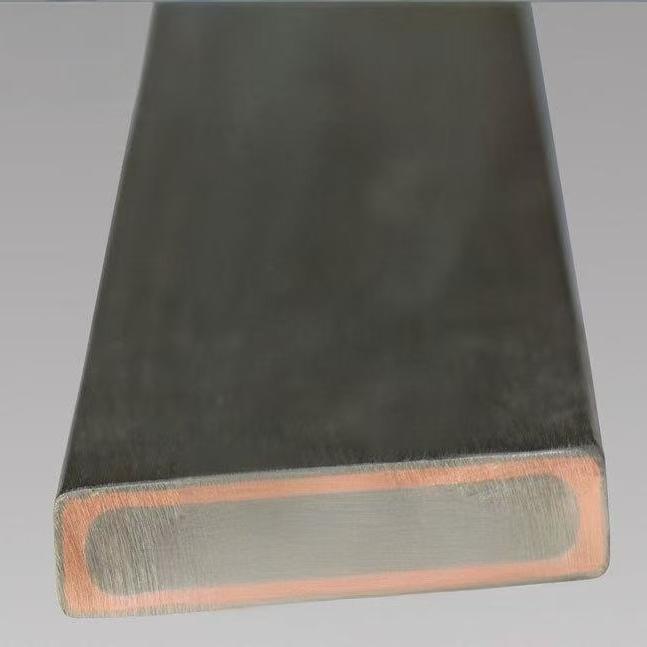
The tri-layer composite hanger bar (Titanium / Copper / Steel) is an optimized sandwich matrix where each metallic constituent is precisely deployed to leverage its singular physical and chemical advantages while mitigating the weaknesses of single-metal or dual-metal alternatives:
1. Outer Titanium Cladding (ASTM B265 Gr.1 / Gr.2): Possesses a natural, instantly self-healing TiO₂ passive oxide film that is inert to concentrated sulfuric acid electrolytes, chlorine gas evolution, and acidic aerosols. It guarantees that the interior conductive metals remain dry and hermetically isolated, completely eliminating electrolytic crevice corrosion and galvanic couples.
2. Intermediate Copper Interlayer (C11000 / OFHC Copper): Provides the vital conduit for electrical transmission. With high electrical conductivity (≥ 98% IACS), this layer ensures uniform current distribution down into the cathode blank or anode mesh, avoiding current crowding and maintaining consistent metal electrodeposition rates across the entire submerged cathode surface.
3. Central Carbon or Stainless Steel Core (Q235B, 304, or 316L): Provides the mechanical backbone. Carbon steel or structural stainless steel delivers superior Young's modulus (approx. 200–210 GPa) and flexural rigidity compared to pure copper (approx. 110–120 GPa) or titanium (approx. 105–115 GPa). This core prevents hanger bar bowing under static and dynamic loading cycles during 7-to-10-day plating campaigns.
| Structural Layer | Primary Material Grade | Core Engineering Function | Typical Thickness |
|---|---|---|---|
| Outer Shell | Titanium Gr.1 / Gr.2 | Acid-mist barrier, corrosion immunity, weldability to cathode blade | 1.0 mm – 2.5 mm |
| Intermediate Ring | C11000 / ETP Copper | Low-loss electric current conduction, heat dissipation | 3.0 mm – 8.0 mm |
| Inner Core | Q235B / 304 / 316L Steel | High flexural strength, anti-sagging rigidity, crane load support | 10 mm – 25 mm (Core Ø) |
| Bond Interface | Intermetallic Diffusion Zone | 100% metallurgical bond, zero micro-voids, shear strength >140 MPa | Microscopic layer |
Engineered to excel in the most challenging hydrometallurgical refining circuits worldwide.
In high-capacity copper SX-EW plants, hundreds of electrolytic cells operate continuously. Tri-layer hanger bars support 316L stainless steel permanent cathode plates, maintaining strict verticality between interleaved lead-alloy or DSA anodes. This eliminates edge shorts, reduces nodulation, and guarantees premium Grade A copper cathode purity (99.9935%+ Cu).
Downstream electrowinning of nickel and cobalt from High-Pressure Acid Leaching (HPAL) or Caron process liquors involves mixed sulfate-chloride electrolytes at elevated temperatures (65–85°C). Titanium-clad composite hanger bars resist pitting from chloride ions while supplying steady mega-amperage without localized thermal hot spots.
Zinc EW circuits handle exceptionally high electrolyte acidity (up to 180–200 g/L free H₂SO₄) and heavy aluminum cathode assemblies. The rigid steel-cored hanger bar resists repeated bending moments caused by automated high-speed stripping knives and mechanical plate vibrators during daily zinc stripping operations.
In precious metal elution circuits (e.g., Zadra and Anglo American Research Laboratory processes), electrolyte security is vital. Titanium clad composite bars eliminate chemical leaching contamination into precious metal slimes, ensuring near 100% recovery of gold, silver, and platinum-group metals.
As black mass hydrometallurgical recycling and brine direct lithium extraction (DLE) scale rapidly, electrodialysis and membrane electrolysis cells demand corrosion-proof, high-density current busbars. Ti/Cu/Steel bars provide the necessary compact footprint and zero contamination risks for battery-grade cathode synthesis.
Manganese electrowinning produces severe scaling and anode sludge accumulation. The extreme mechanical durability of tri-layer composite bars ensures that cell harvesting cranes can safely lift fully laden cathode assemblies without plastic deformation or fatigue fracture.
A rigorous engineering evaluation underscores why major international mining operators are transitioning from solid copper and basic dual-layer bars to high-performance Titanium Clad Copper Clad Steel hanger bars:
| Performance Parameter | Tri-Layer (Ti / Cu / Steel) | Standard Ti-Cu Bar | Solid Copper Bar | Lead/Polymer Coated Copper |
|---|---|---|---|---|
| Acid-Mist Corrosion Resistance | Exceptional (Passivated TiO₂ Shell) | Exceptional (Passivated TiO₂ Shell) | Poor (Rapid surface oxidation & mass loss) | Moderate (Cracks, pinholes, peeling) |
| Flexural Rigidity & Sag Resistance | Superior (Young's Modulus ~205 GPa) | Moderate (Subject to creep over 1.5m spans) | Low (High plastic creep under 200kg load) | Low (Heavy self-weight causes sagging) |
| Interface Bonding Quality | 100% Metallurgical (Shear >135 MPa) | Mechanical or Extruded (Shear 80–110 MPa) | Monolithic | Mechanical Adhesion Only (Prone to delamination) |
| Electrical Voltage Drop Across Bar | Minimal (< 10–18 mV per bar) | Minimal (< 10–15 mV per bar) | Lowest Initial (< 8 mV, but surges as corroded) | High (Excessive contact resistance at interfaces) |
| Operating Service Lifespan | 15 to 25+ Years | 8 to 12 Years | 2 to 4 Years | 3 to 5 Years |
| Maintenance & Straightening Frequency | Zero to Negligible | Periodic straightening required | Frequent manual dressing & replacement | Frequent coating repair and recoating |
| Total Cost of Ownership (10-Yr TCO) | Lowest (Fast payback via energy savings) | Moderate | Very High (Energy losses + scrap replacements) | High (High maintenance downtime) |
Achieving defect-free cohesion among titanium, copper, and steel requires sophisticated metallurgical mastery. Titanium and copper form brittle intermetallic phases (such as TiCu, Ti₂Cu, and TiCu₄) if exposed to unmanaged high temperatures during traditional welding. Our manufacturing facility implements proprietary explosive-rolling composite technology and vacuum hot-extrusion diffusion bonding to guarantee atomic-level metallic bonding without brittle phase embrittlement.
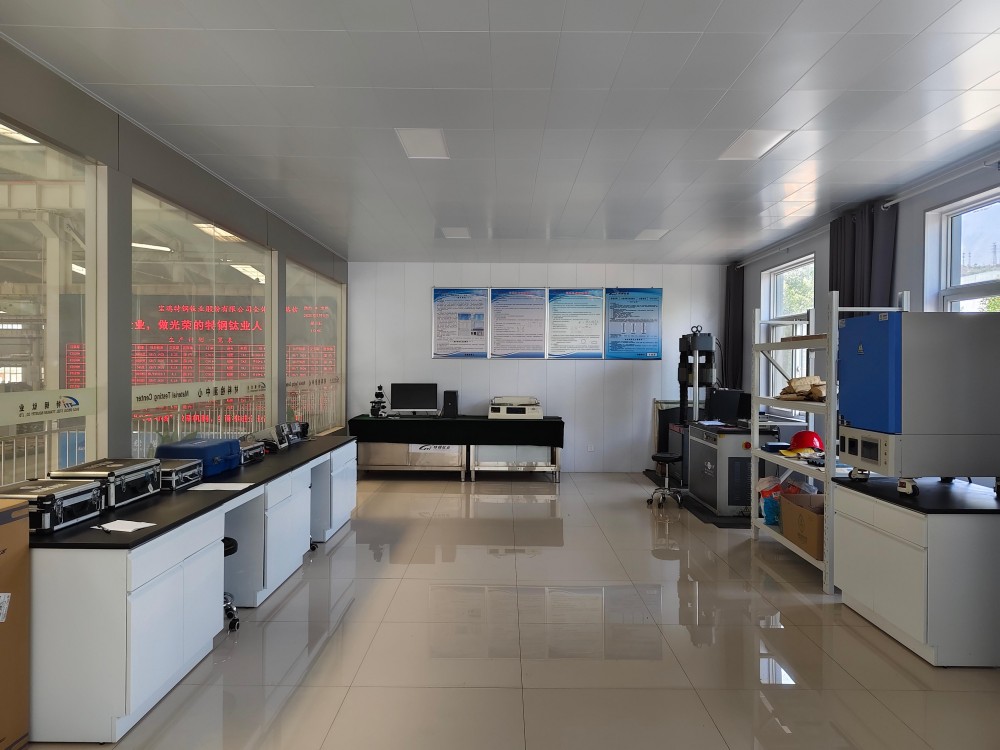
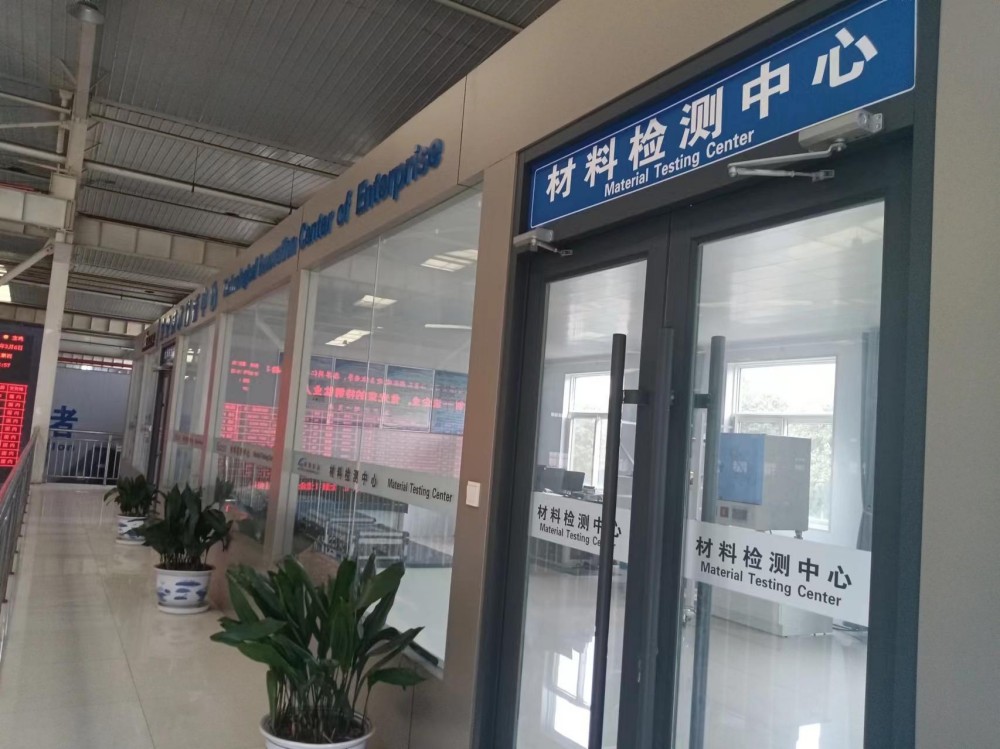
Every hanger bar undergoes rigorous Quality Assurance (QA) protocols:
Cladding Materials: ASTM B265 Gr.1, Gr.2 Titanium | Zr 702 Zirconium (Optional)
Conductive Core: ASTM B152 C11000 / C10200 OFHC Pure Copper (IACS ≥ 98%)
Structural Core: Q235B, 20# Carbon Steel, AISI 304, AISI 316L Stainless Steel
Cross-Section Profiles: Rectangular, Square, Round, Octagonal, Custom Extrusions
Standard Dimensions: Width 20–150 mm | Height 20–180 mm | Length up to 6500 mm
Bonding Rate: ≥ 99.9% Full Metallurgical Bond (UT Level 1 Certified)
Corrosion Warranty: 10+ Years Full Tankhouse Immersion & Mist Service
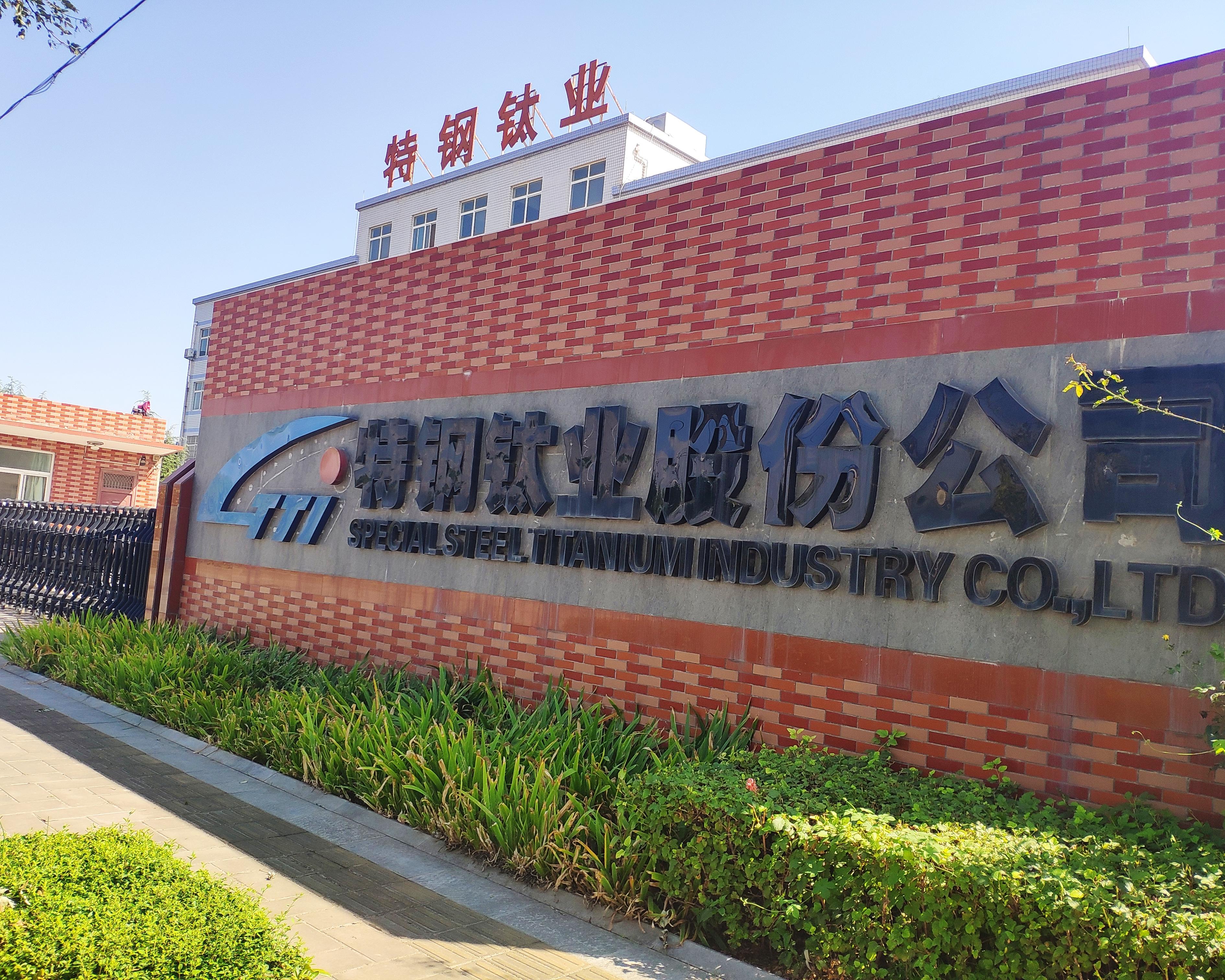
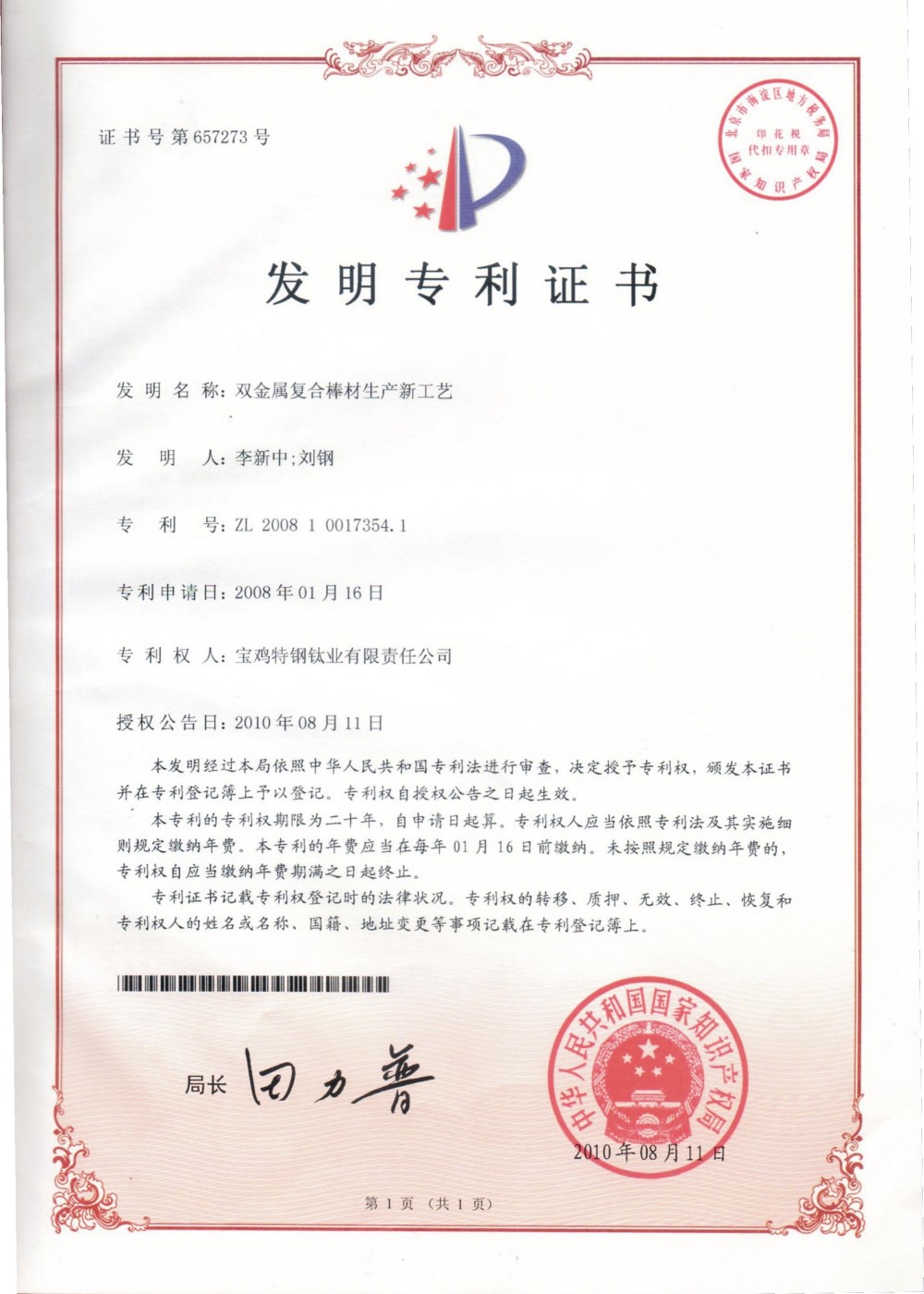
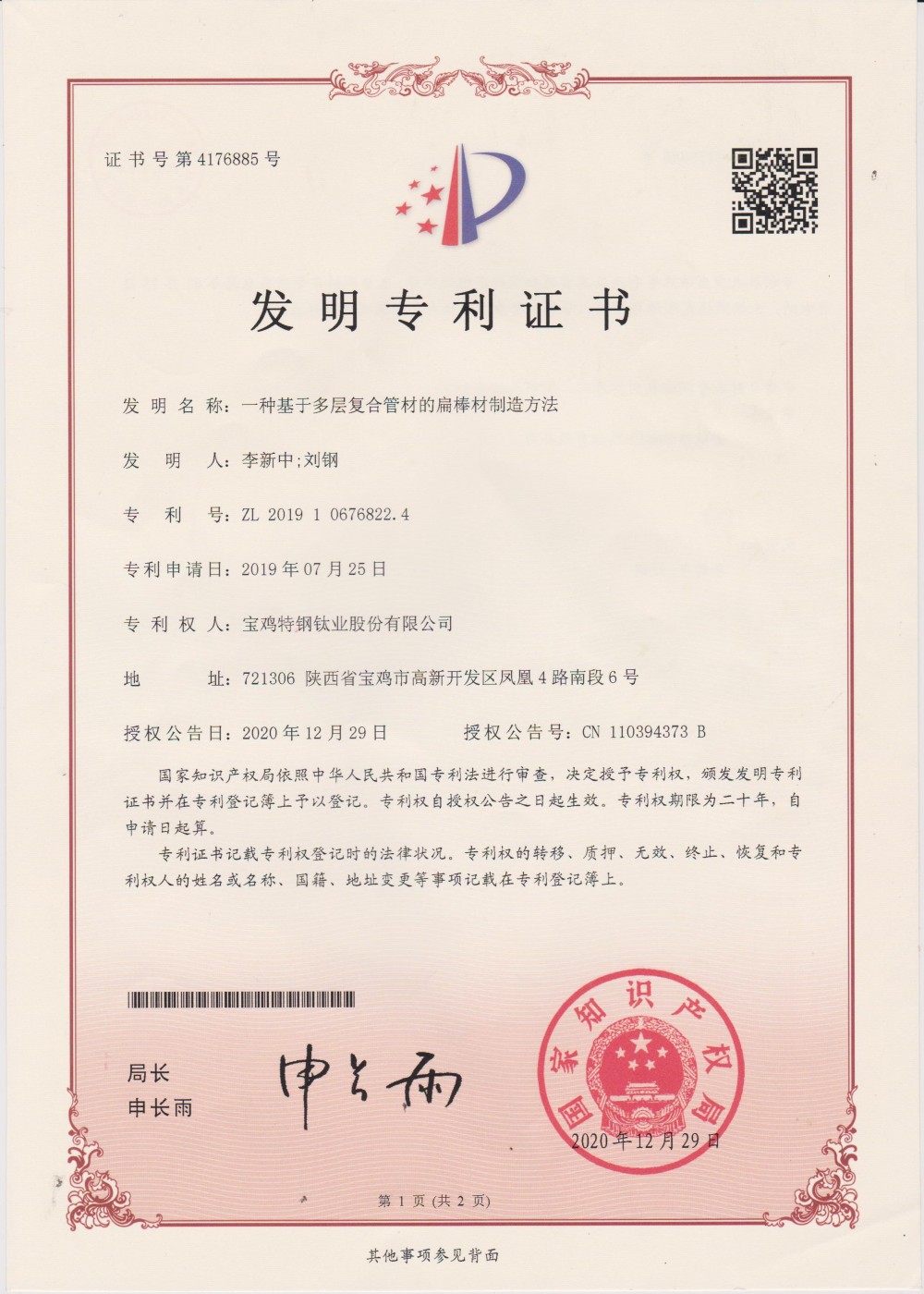
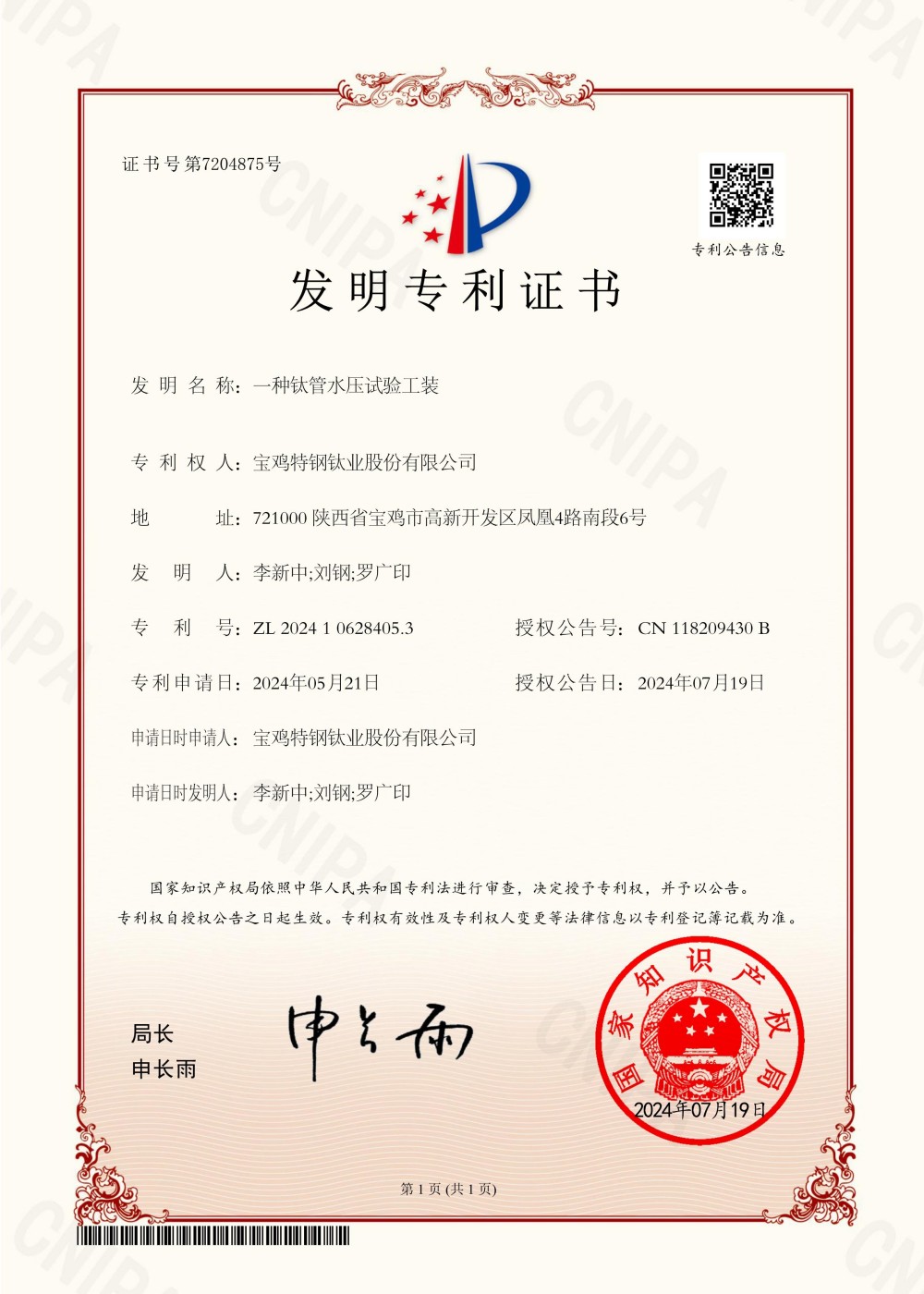
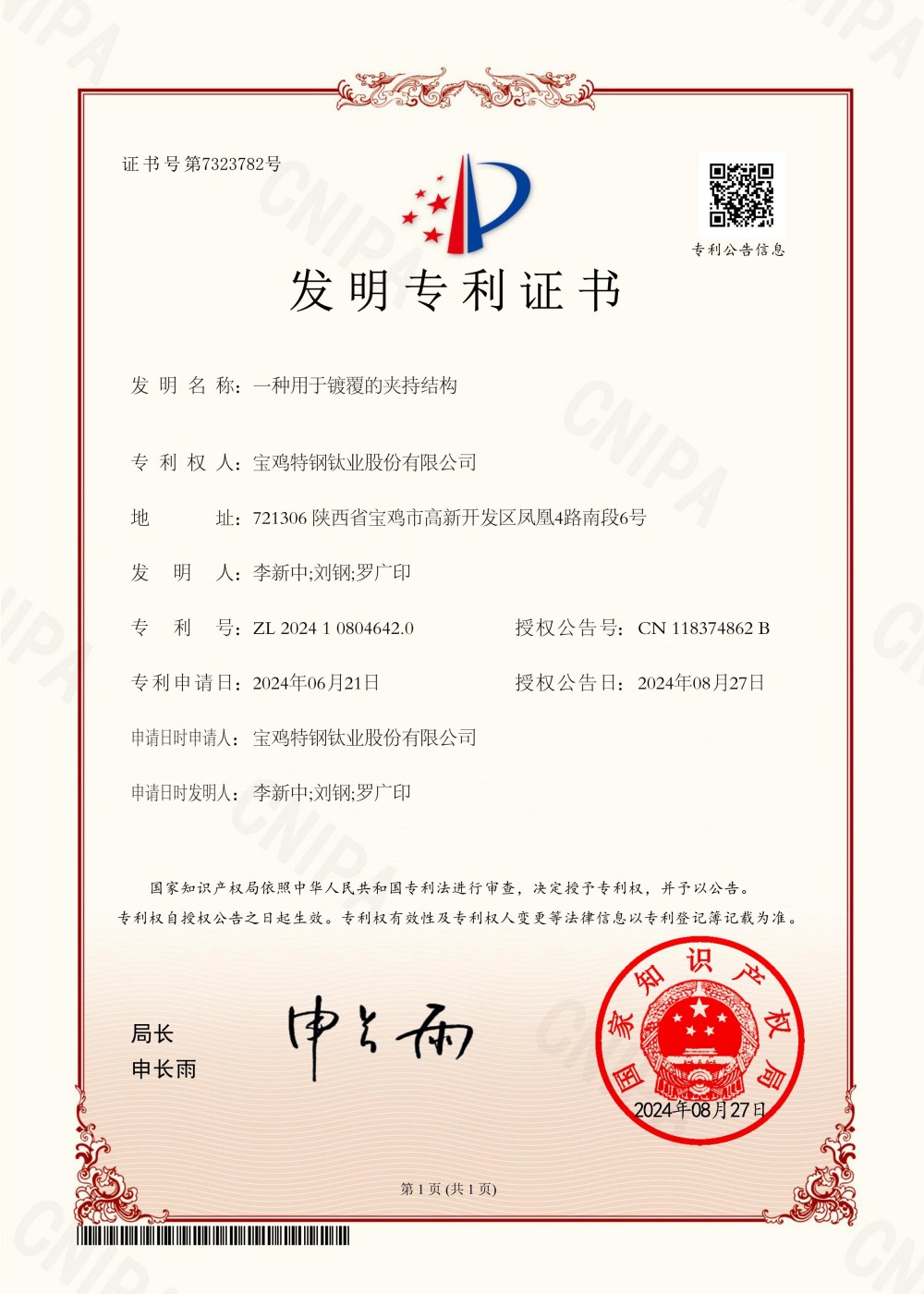
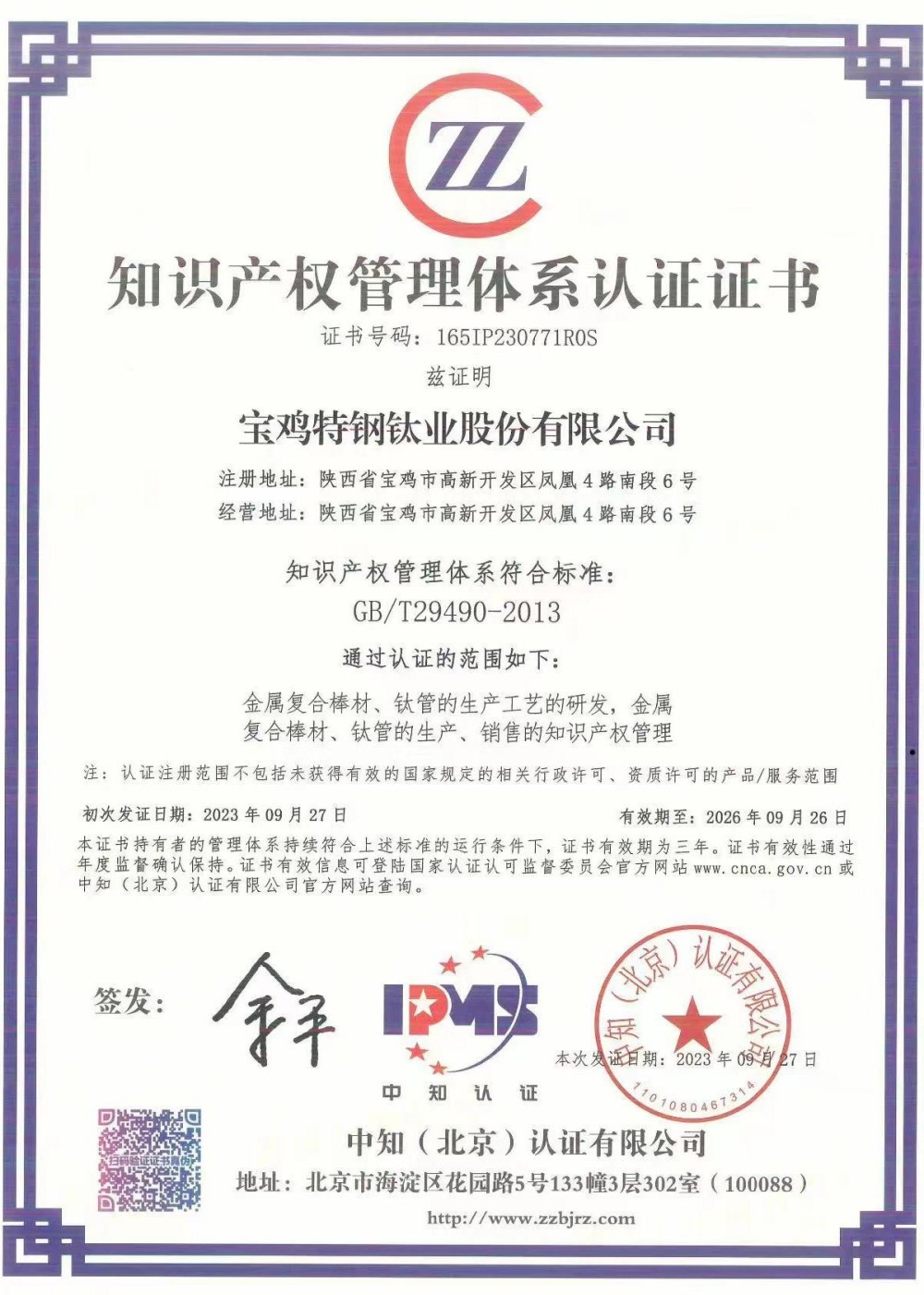
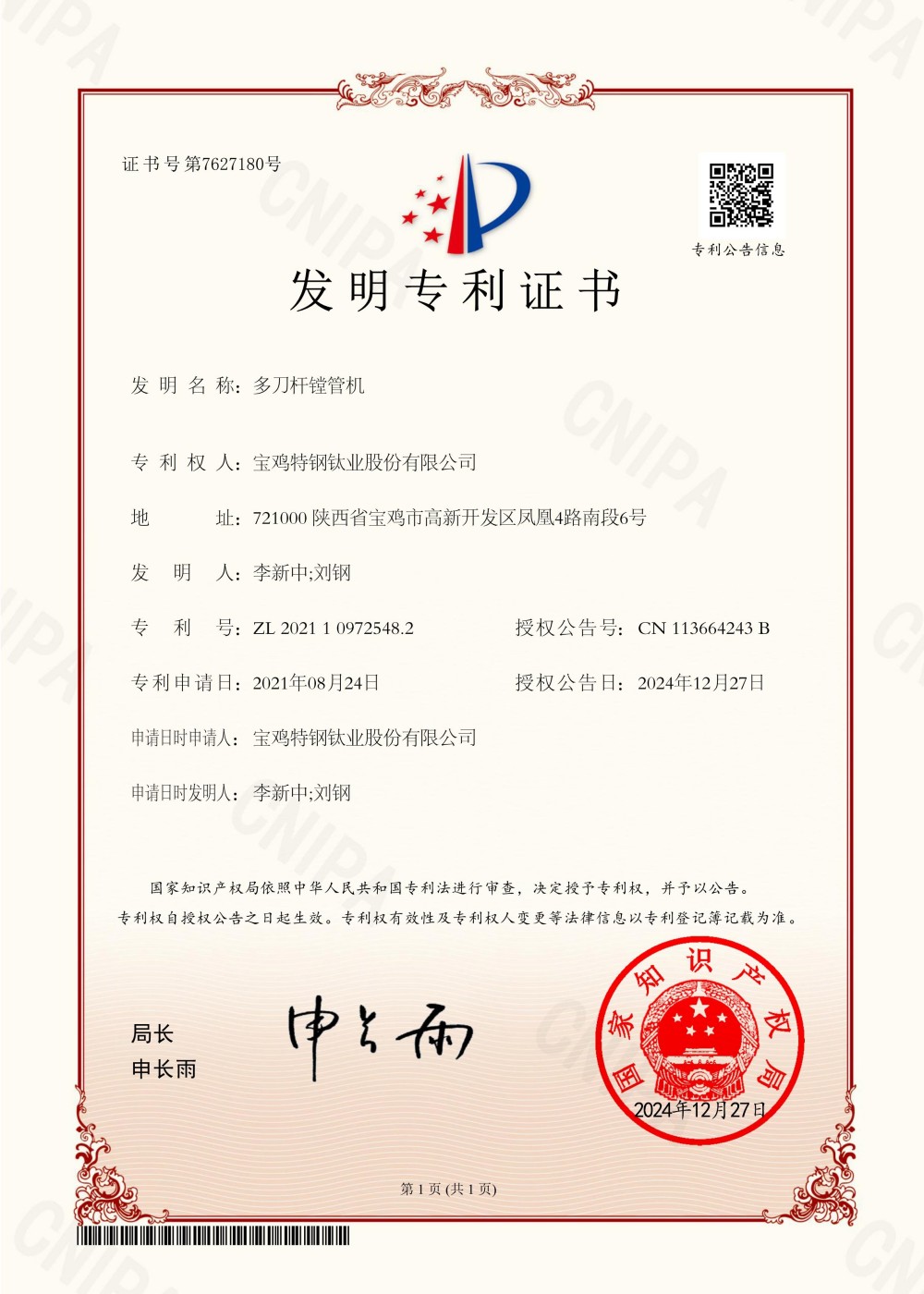
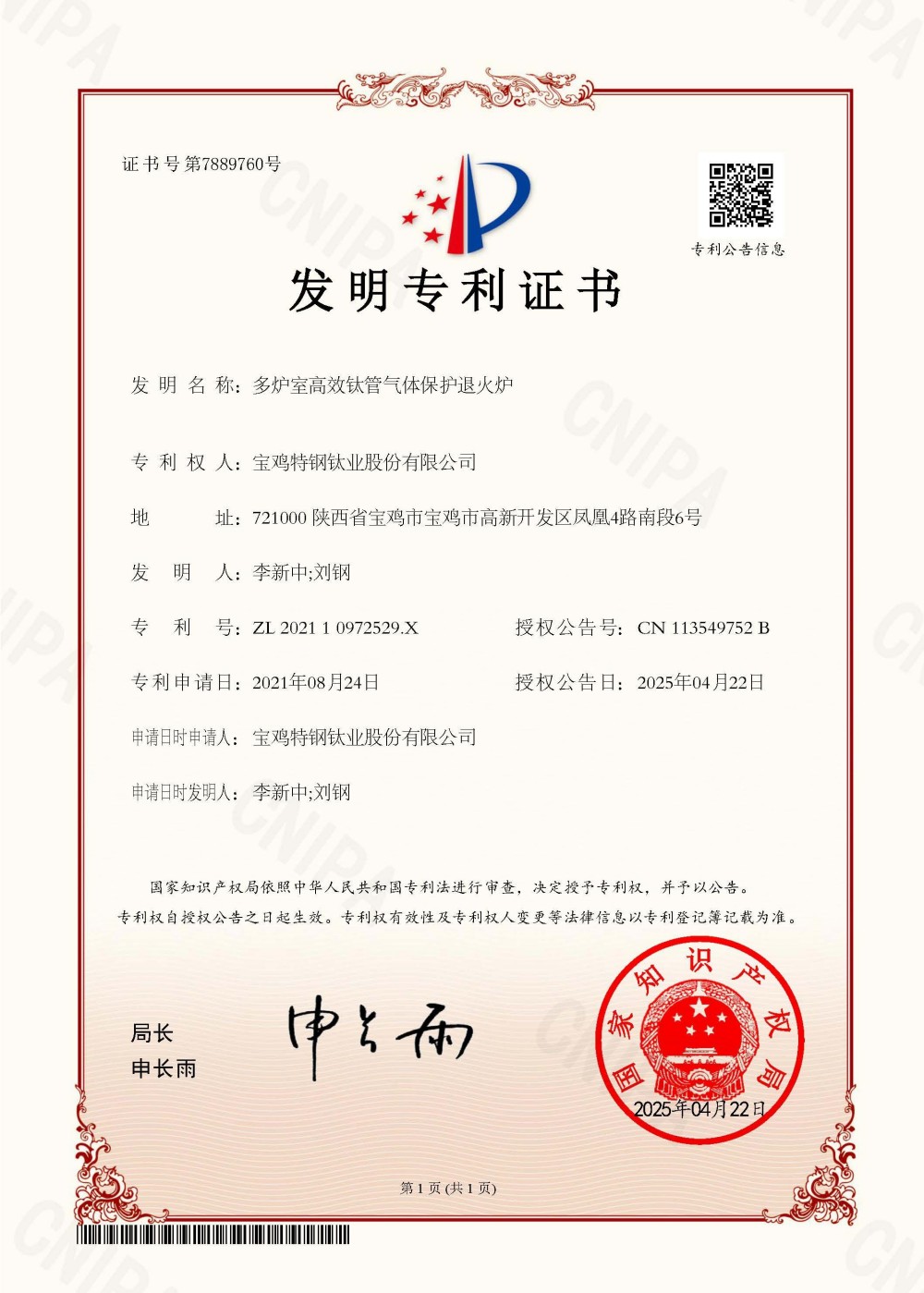
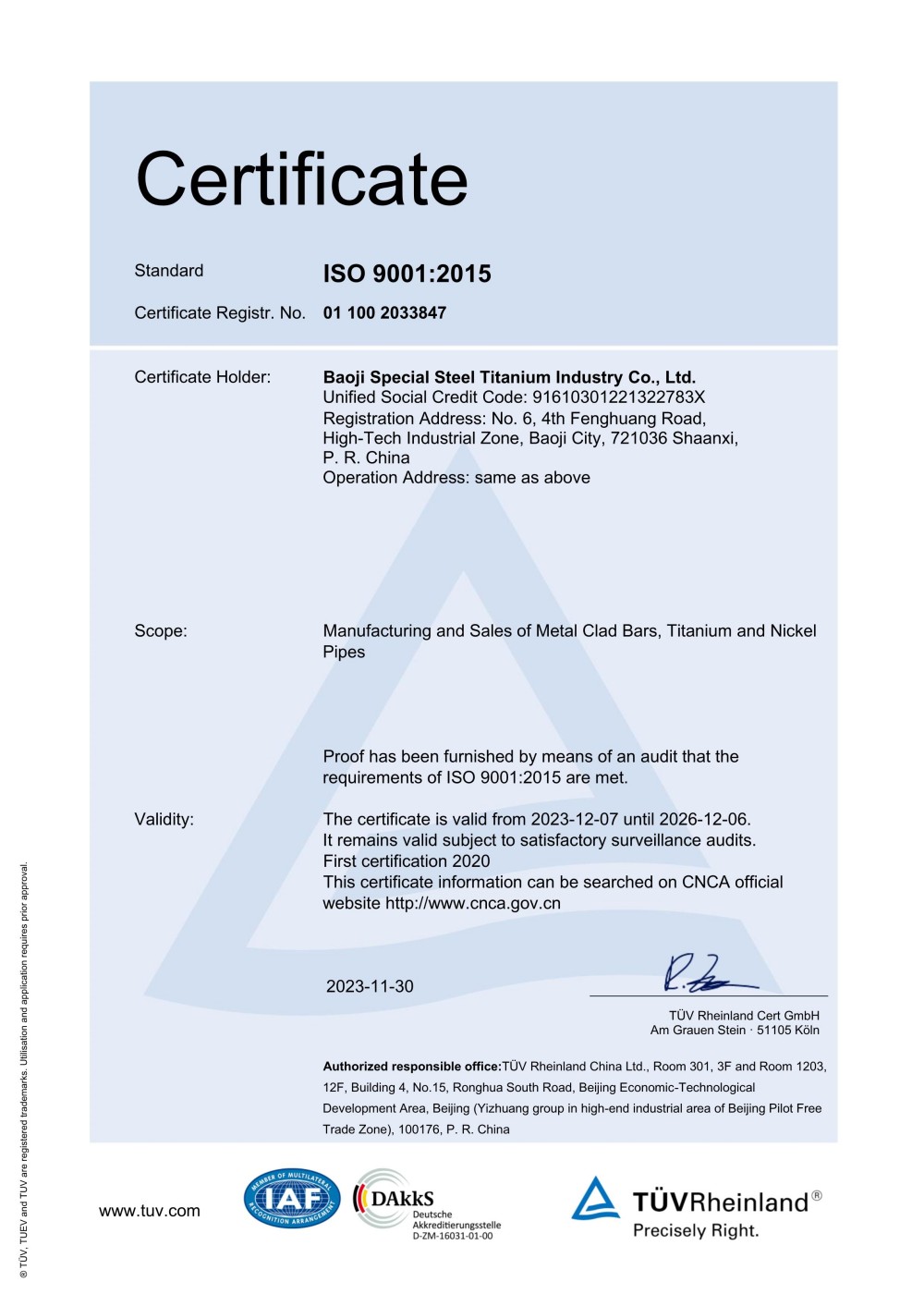
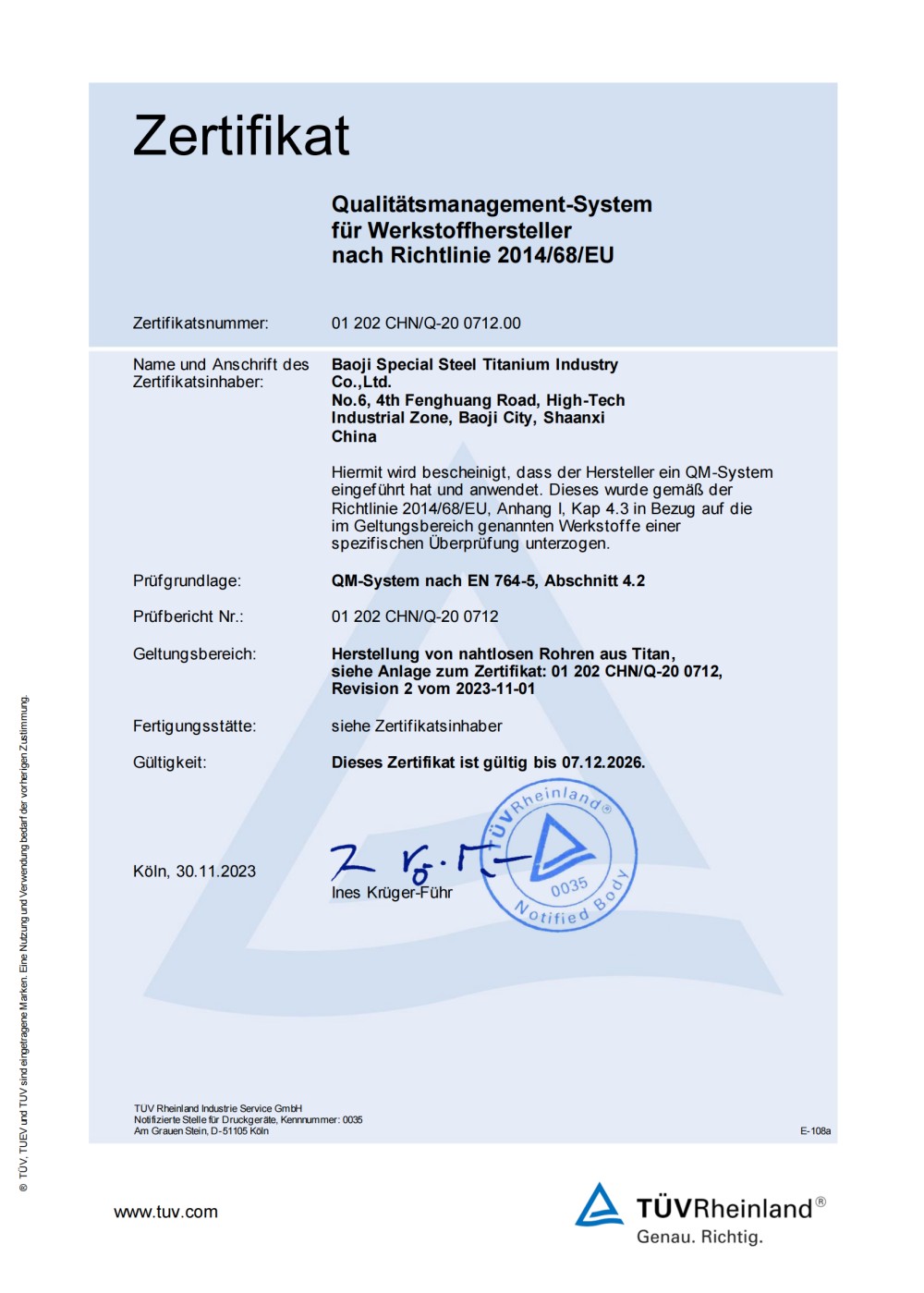
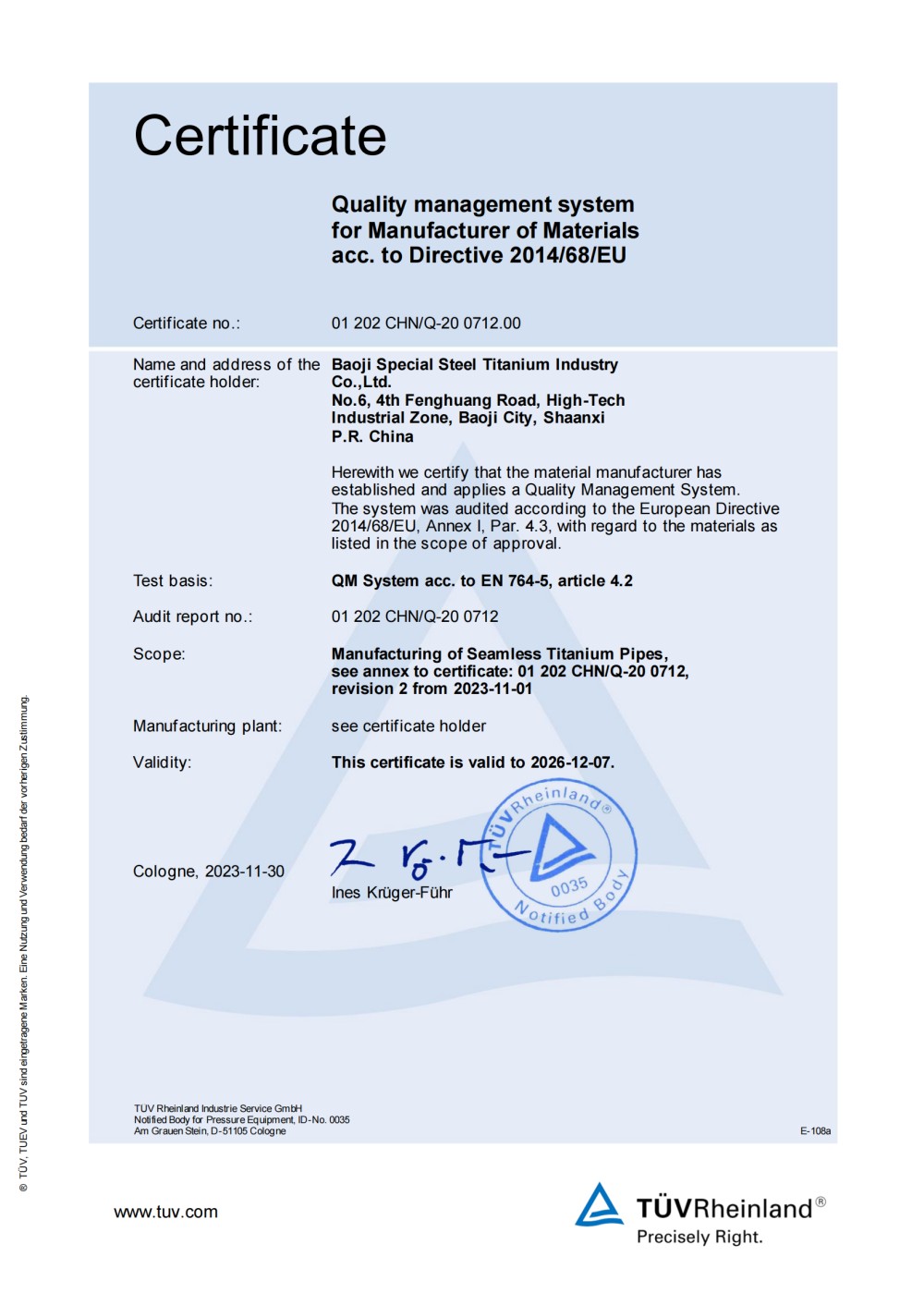
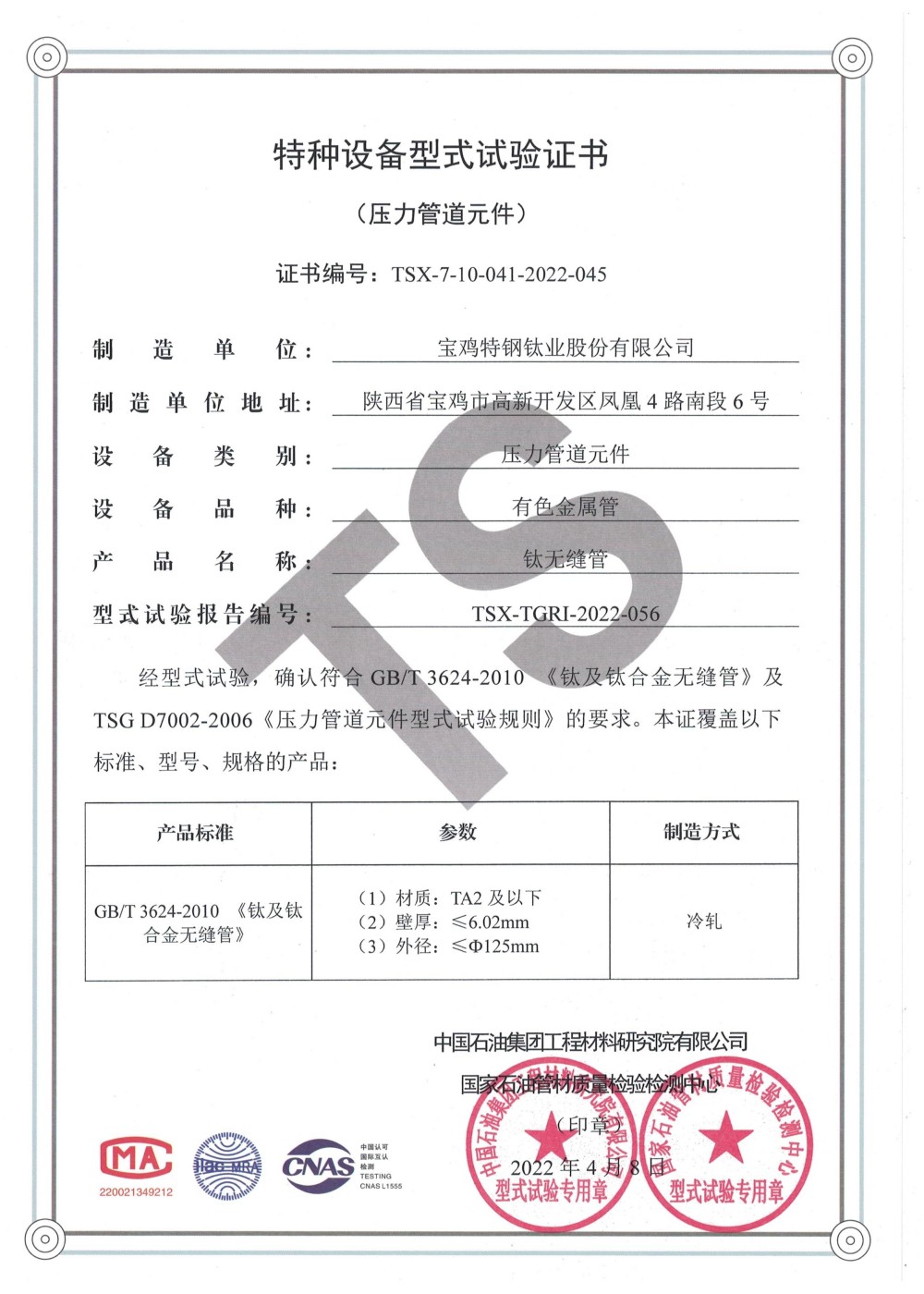
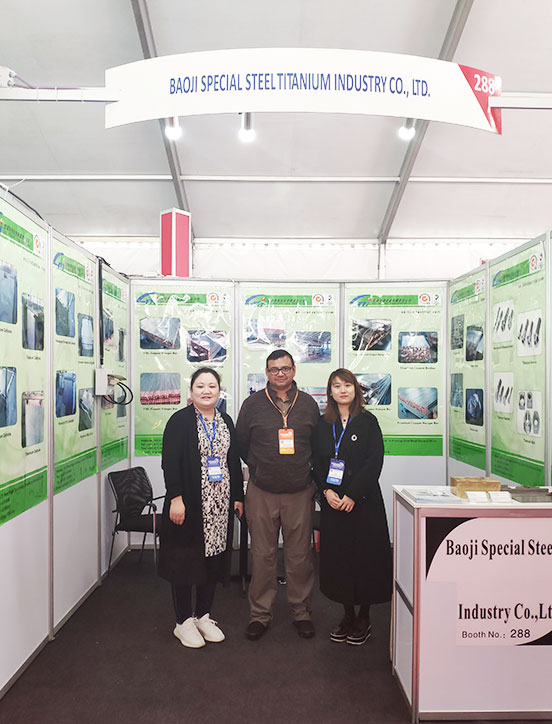
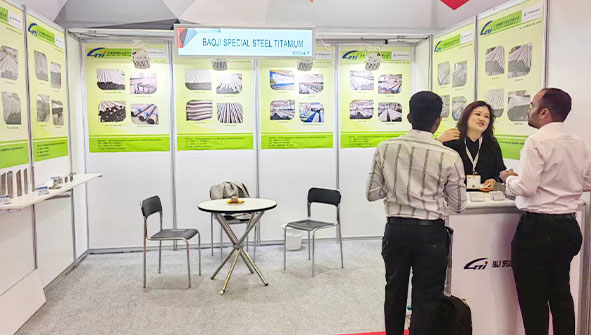
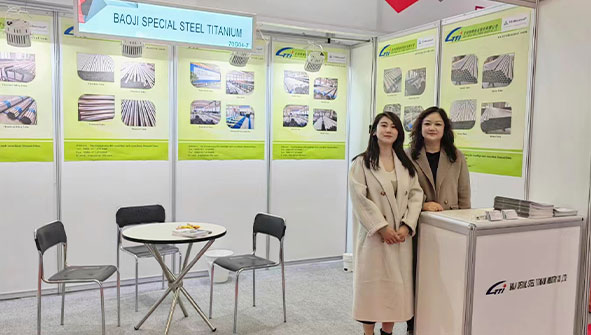
Baoji Special Steel Titanium Industry Co., Ltd. is a joint-stock industrial enterprise specializing in the research, development, manufacturing and sales of titanium, nickel, zirconium and other metal pipes and metal composite materials.
The company was founded in 1997, located in Shaanxi Baoji National High-tech Industrial development Zone, the factory covers an area of 41,000 square meters. The company has an annual production capacity of over 3000 tons of non-ferrous metal pipes, composite materials and various deep processing products such as titanium, zirconium, nickel, tantalum and copper, etc., and a series of products according to varieties and specifications have reached more than 500 kinds, the annual export accounted for more than 30% of the company's total output, is an export-oriented industrial enterprise with a strong growth momentum.
The company has obtained the national high and new technology enterprise certification and has been listed in the first batch of industries encouraged to develop by the National Development and Reform Commission.


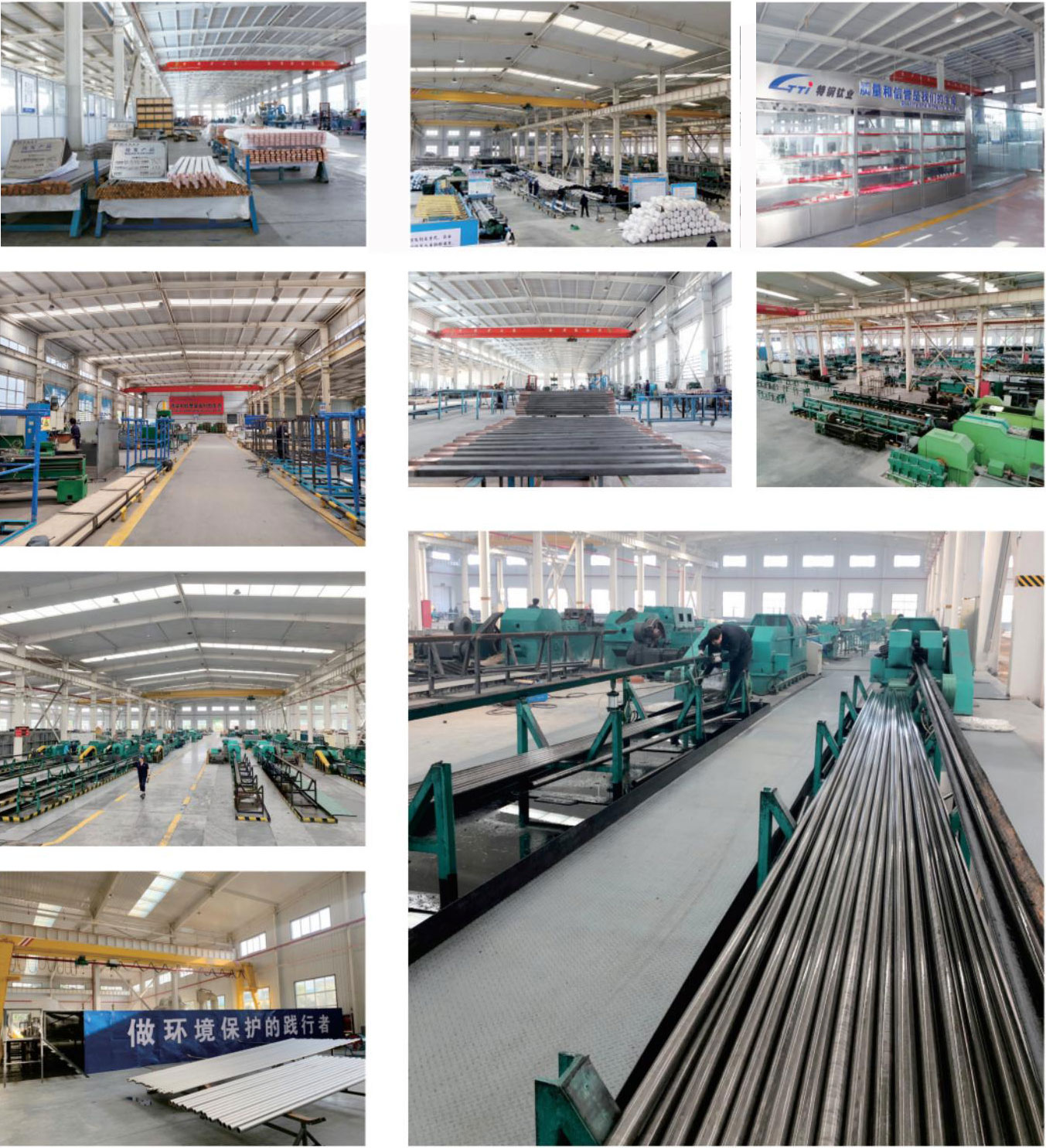
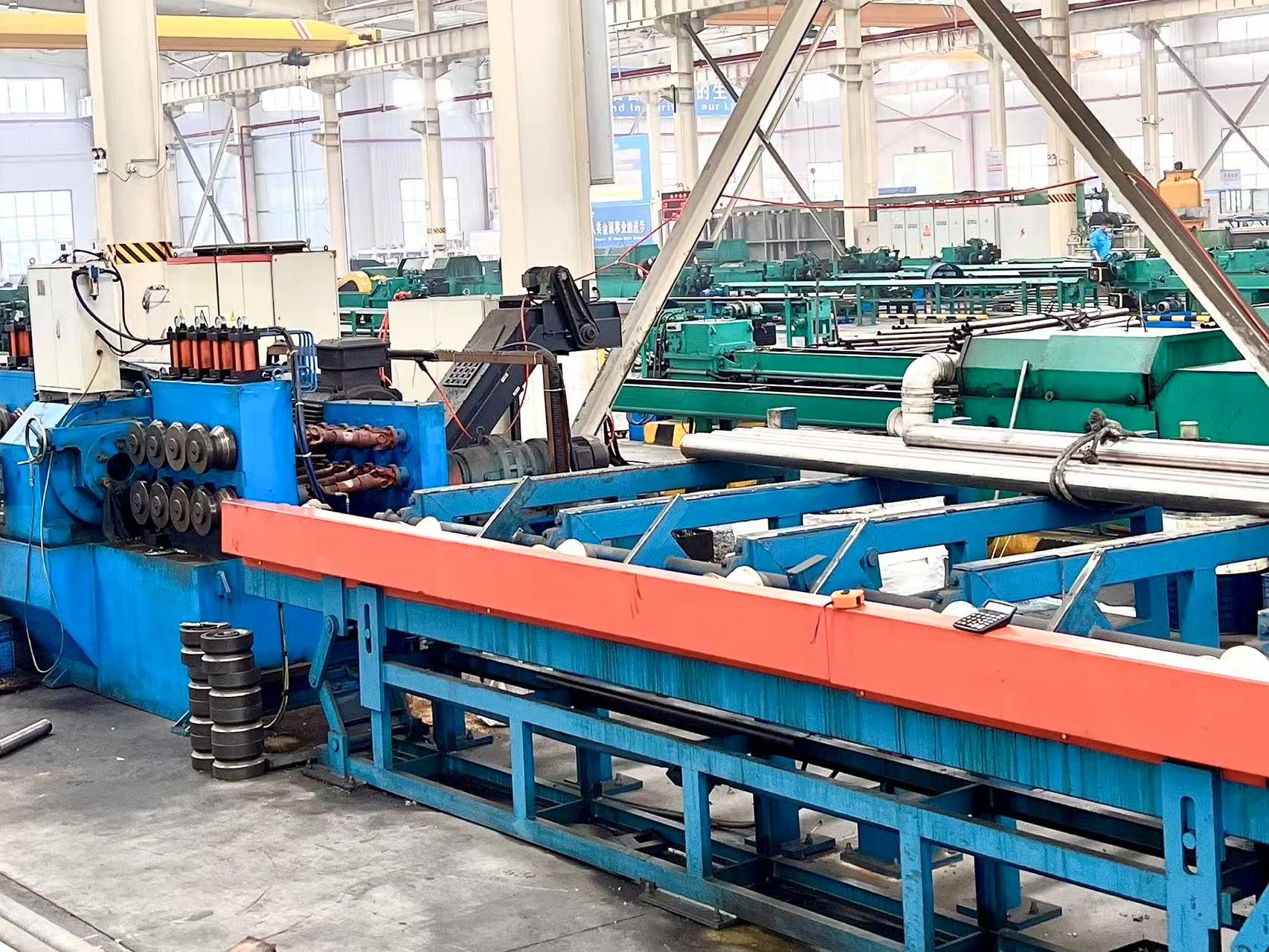
Since its establishment, the company has always adhered to the development strategy of continuous innovation and continued to expand the market with new technology and new products as the fulcrum. After more than 20 years of development and accumulation, the products have entered the markets of Germany, Japan, the United States, Norway, Finland, South Africa, Singapore, India and other countries and Taiwan regions, also have been highly praised. Stable product quality, integrity as the core of the business philosophy, by the world's customers trust.
"To build an excellent enterprise team, continuously improve the management and manufacturing methods, so that every customer can get the maximum benefit from each product" is the eternal pursuit of special steel titanium industry personnel.
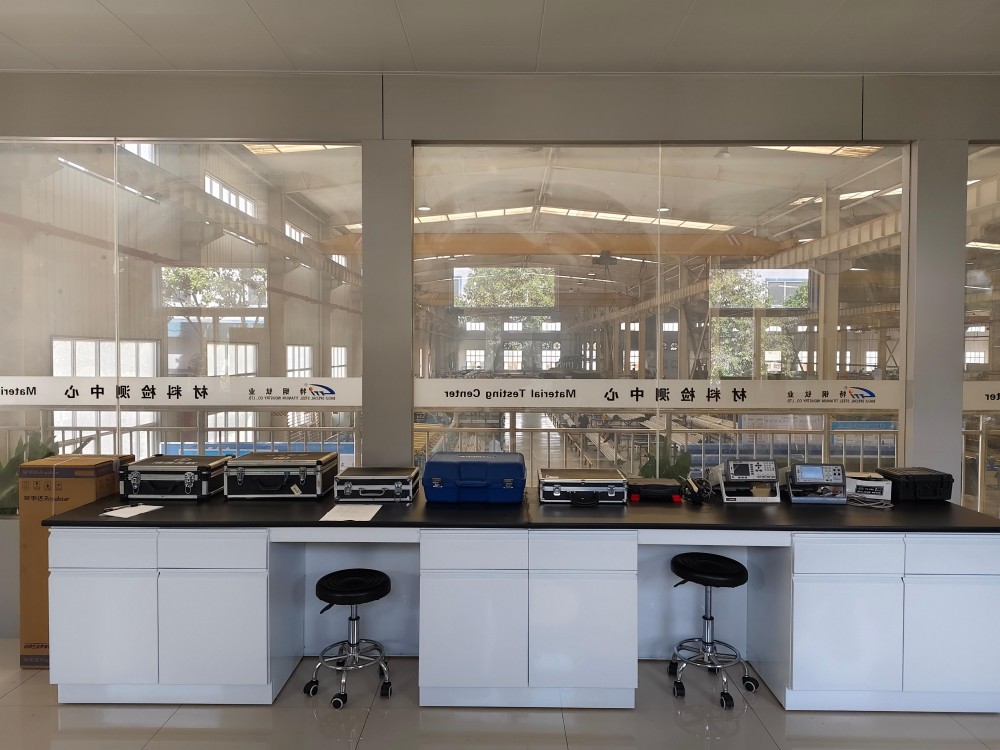
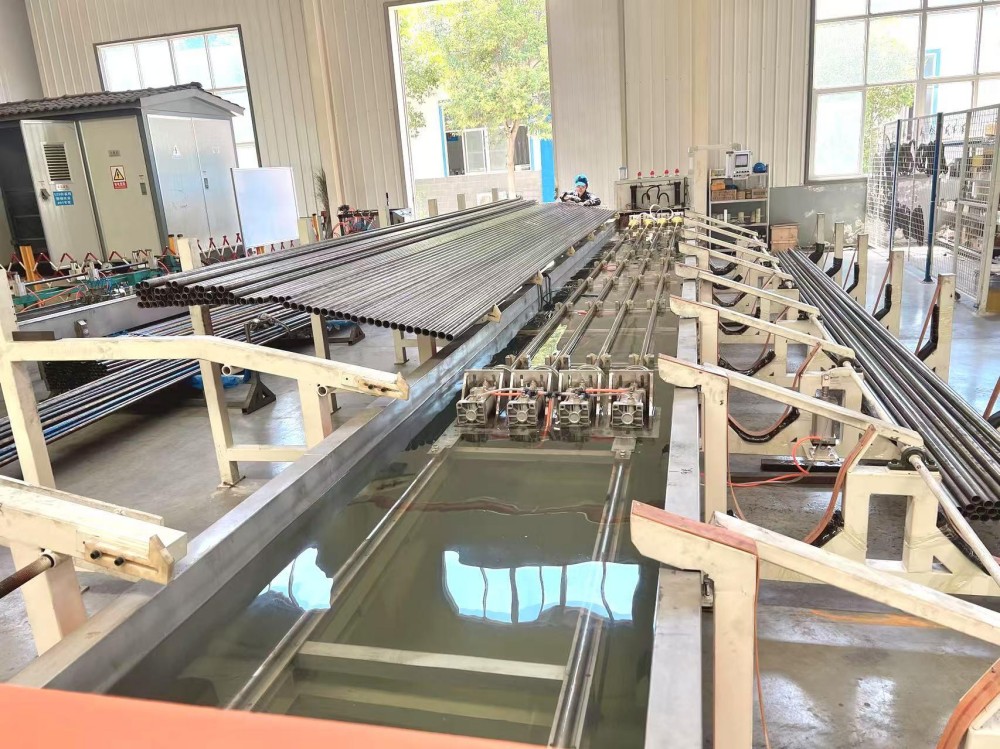
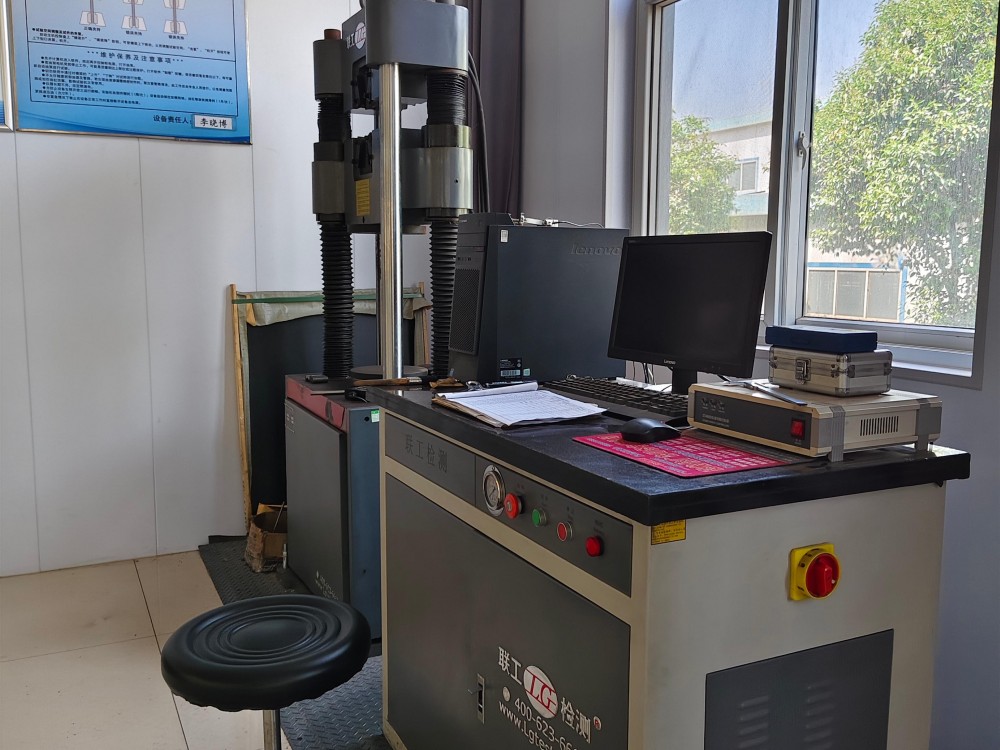
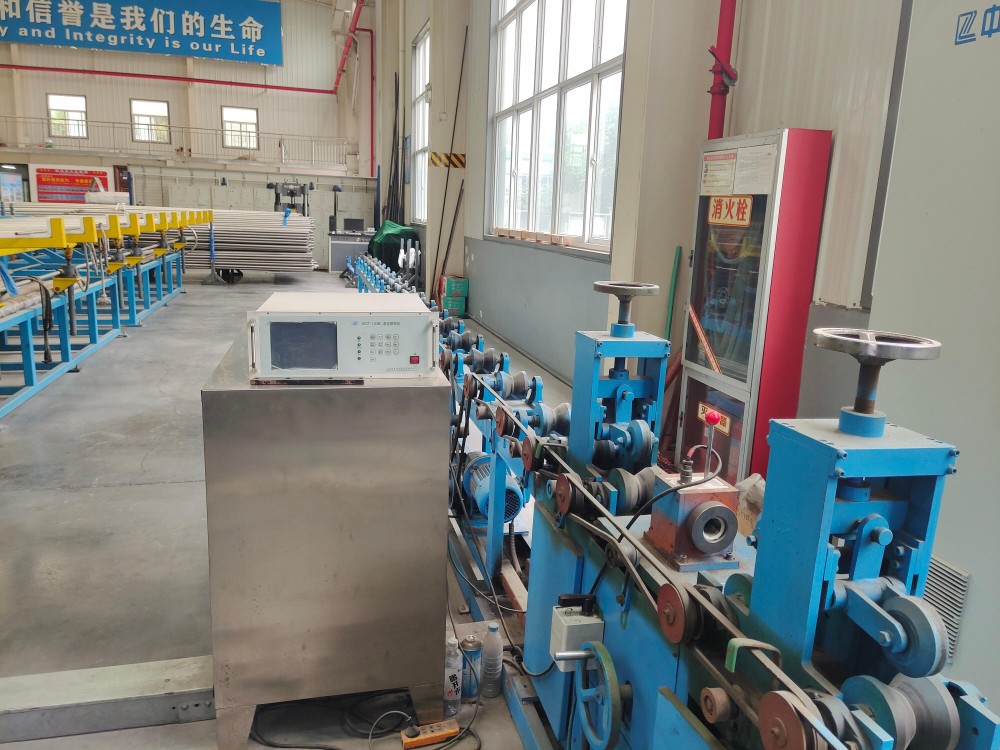
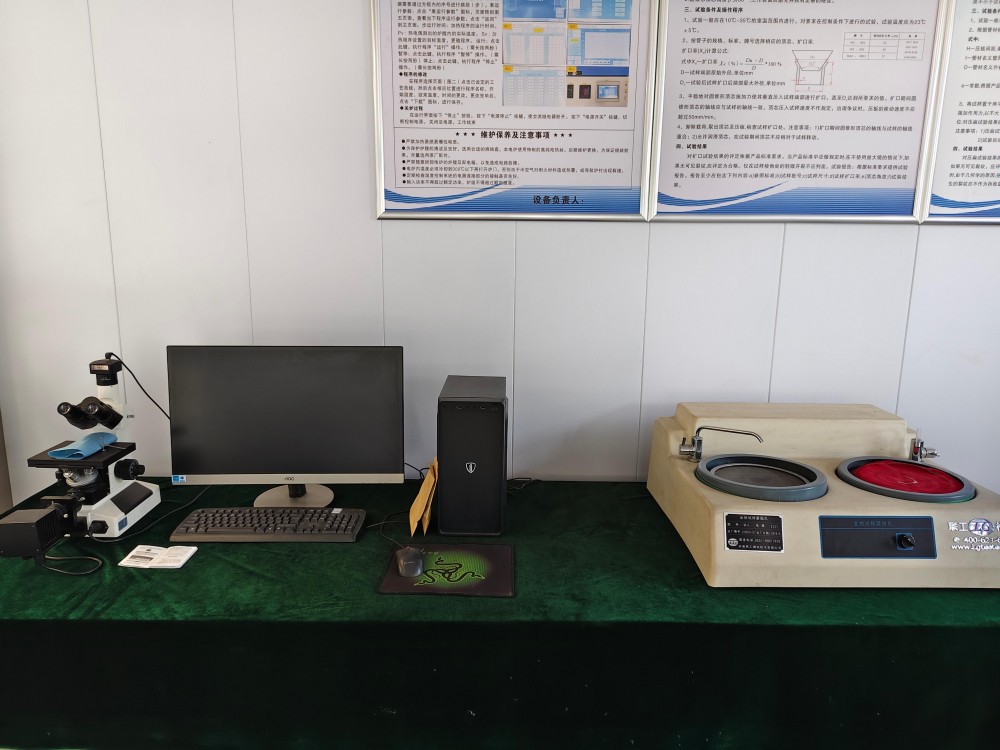
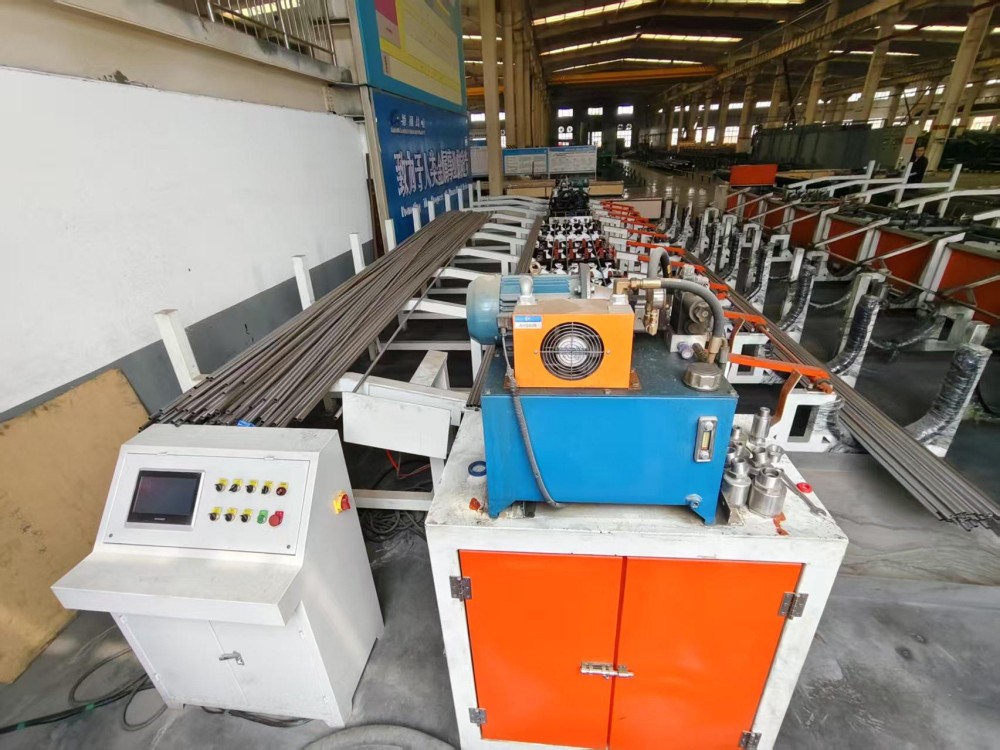
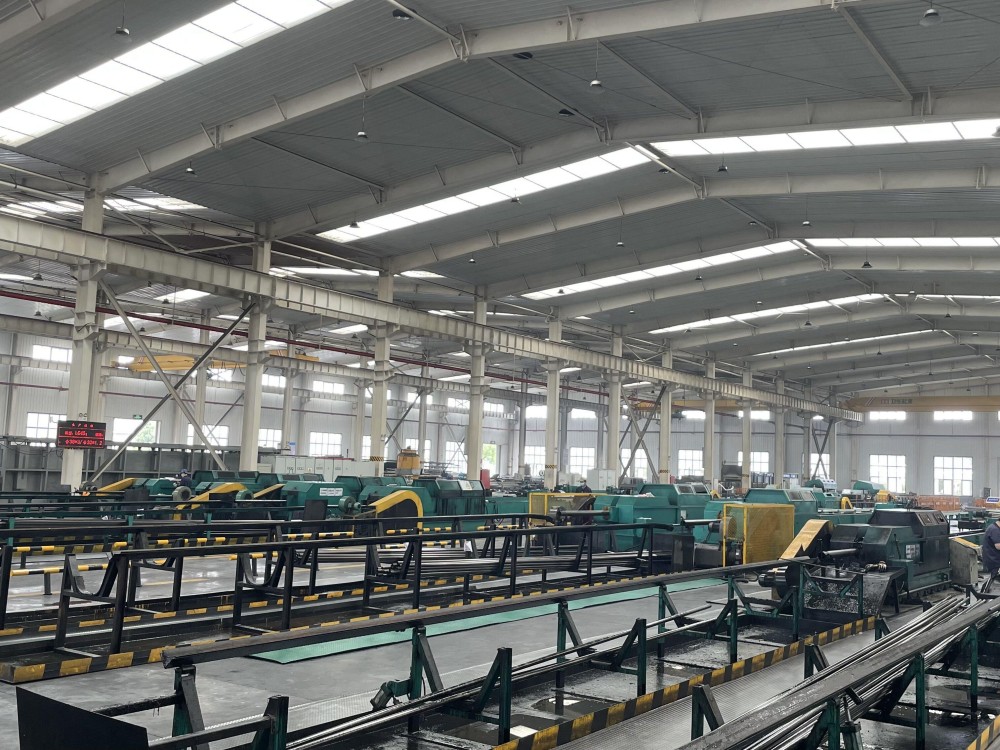
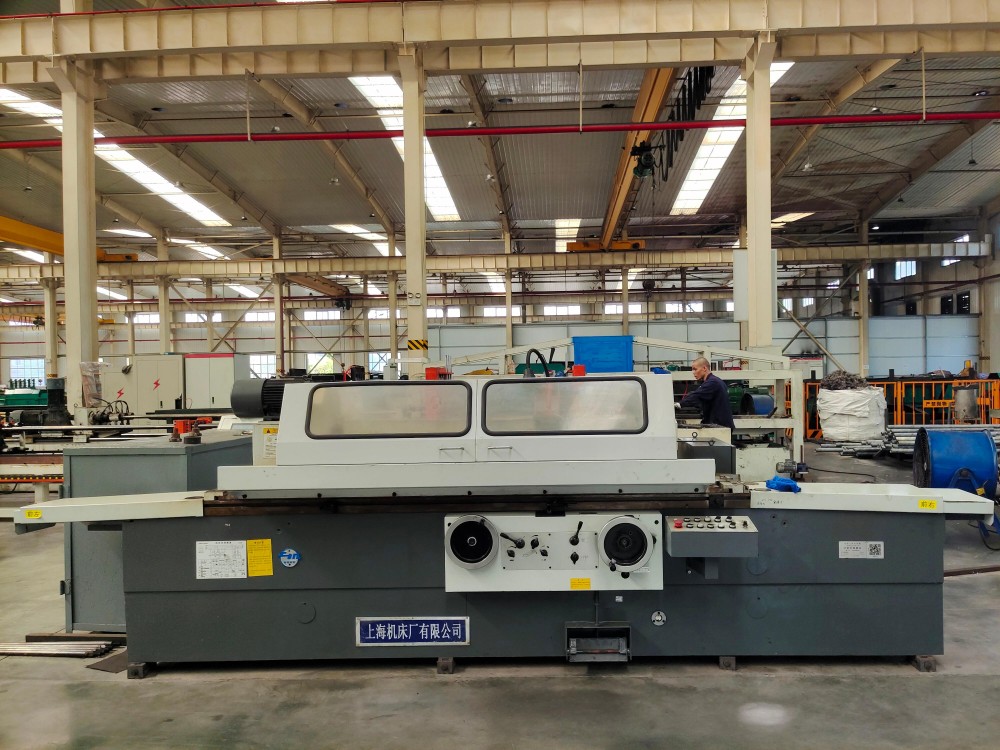
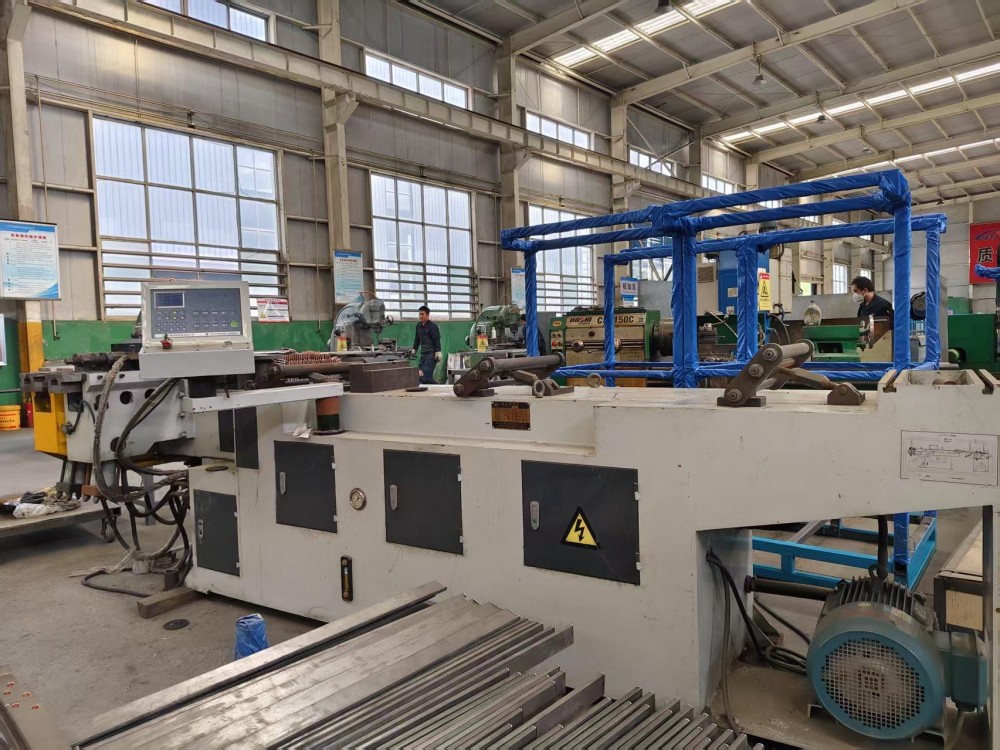
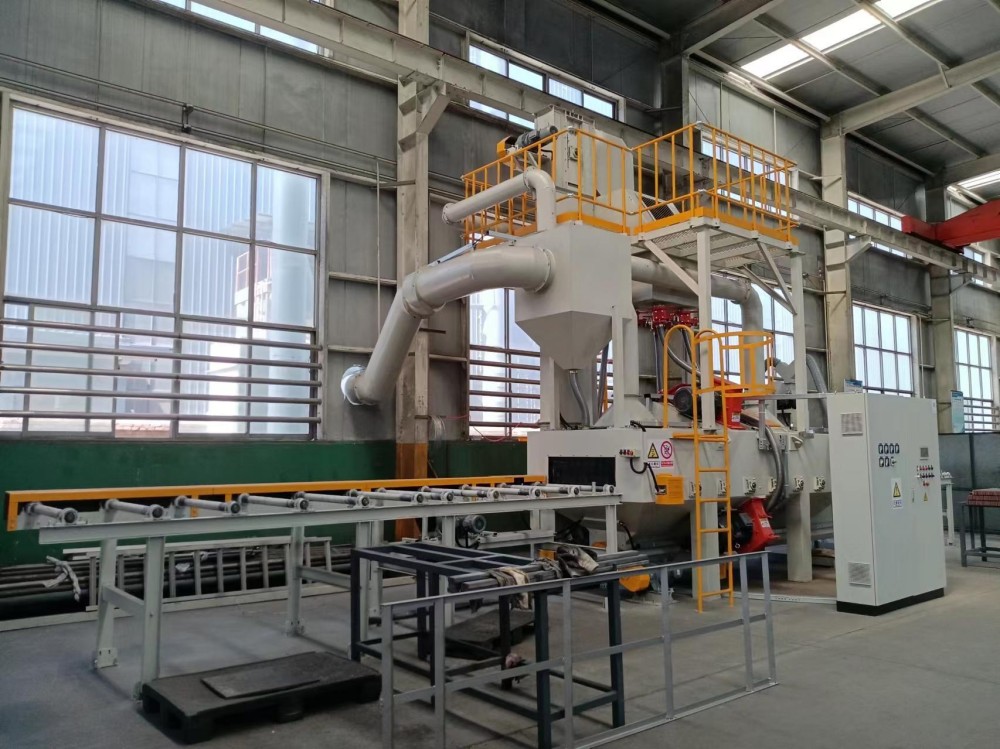
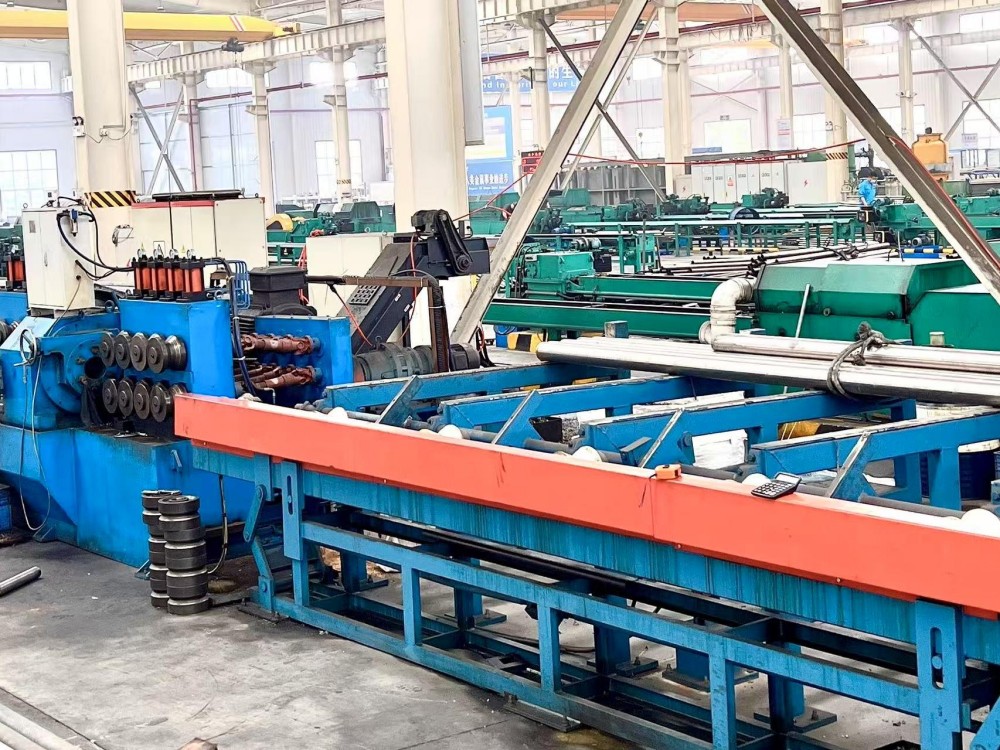
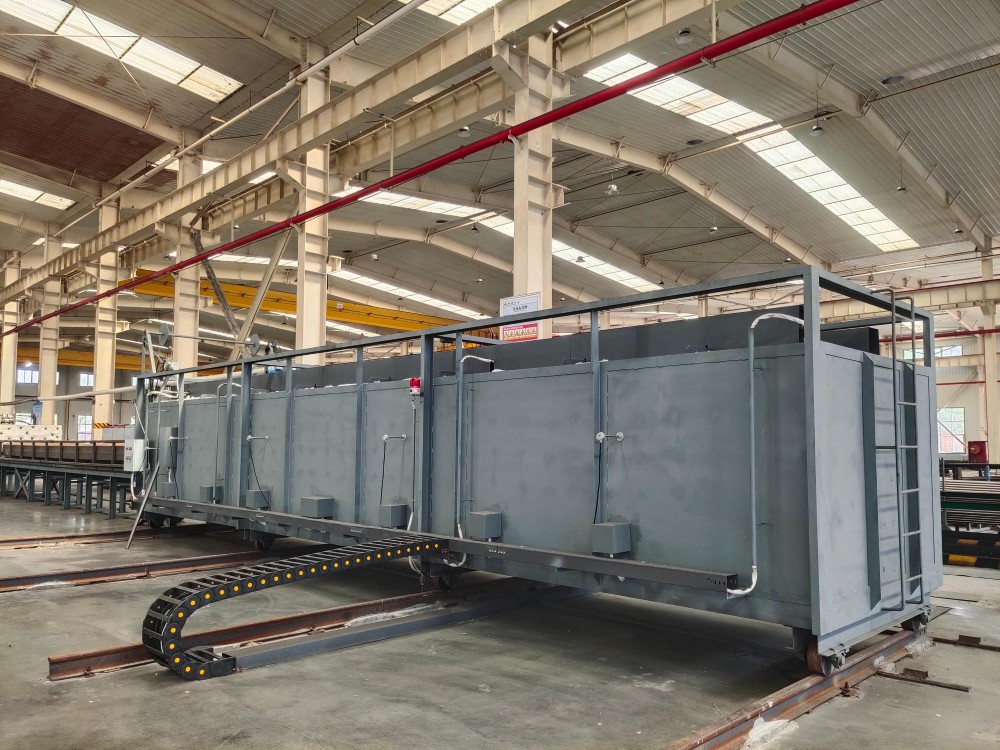
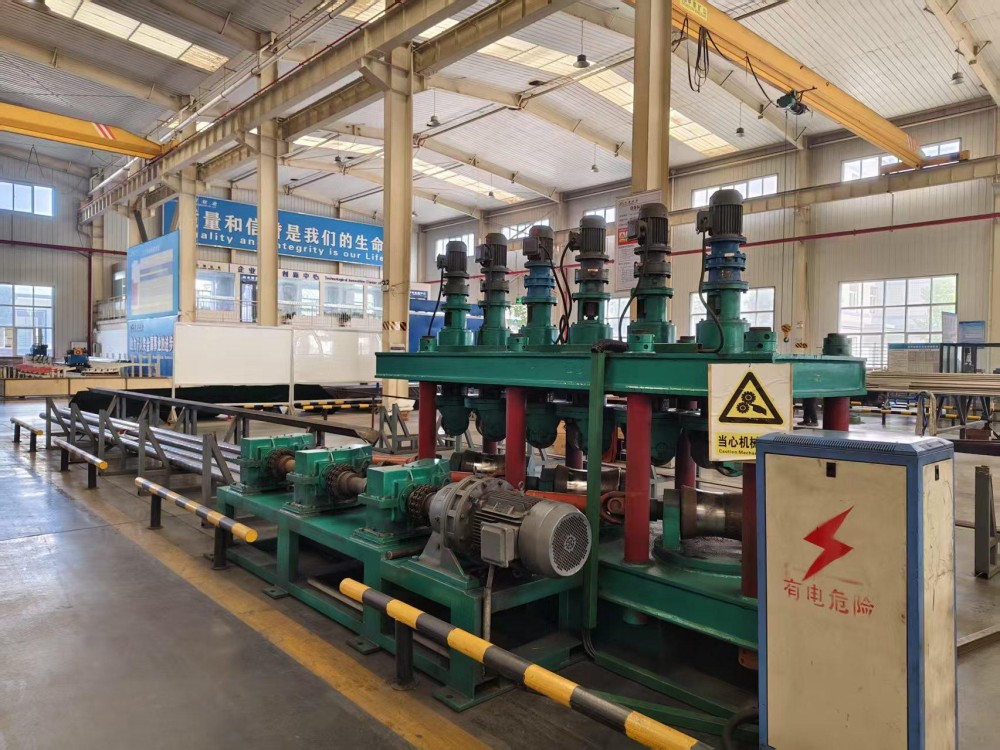
Equipped with heavy extrusion presses, cold-drawing benches, vacuum annealing furnaces, automated straightening units, and precision ultrasonic testing systems.
Dual-layer Titanium Clad Copper bars deliver corrosion protection and electrical conductivity, but pure copper has a relatively low modulus of elasticity (approx. 110 GPa). When supporting heavy cathode deposits (180–250 kg) across long spans, dual-layer bars gradually experience plastic creep and permanent sagging. The tri-layer design embeds a carbon or stainless steel core (modulus ~205 GPa) inside the copper layer, effectively doubling flexural rigidity and eliminating sagging without sacrificing current-carrying efficiency.
By preventing hanger bar bowing, the tri-layer bar maintains uniform anode-to-cathode spacing across all cells. This avoids current crowding, minimizes localized short-circuits caused by cathode nodules, and lowers overall bath voltage drops by 15–30 mV, which translates directly to a 2%–5% gain in tankhouse current efficiency.
Both longitudinal ends of the composite hanger bar are hermetically sealed using precision-machined titanium end caps that are welded under an inert argon atmosphere via specialized TIG techniques. This prevents corrosive sulfuric acid aerosols or wash water from contacting the interior copper and steel cores.
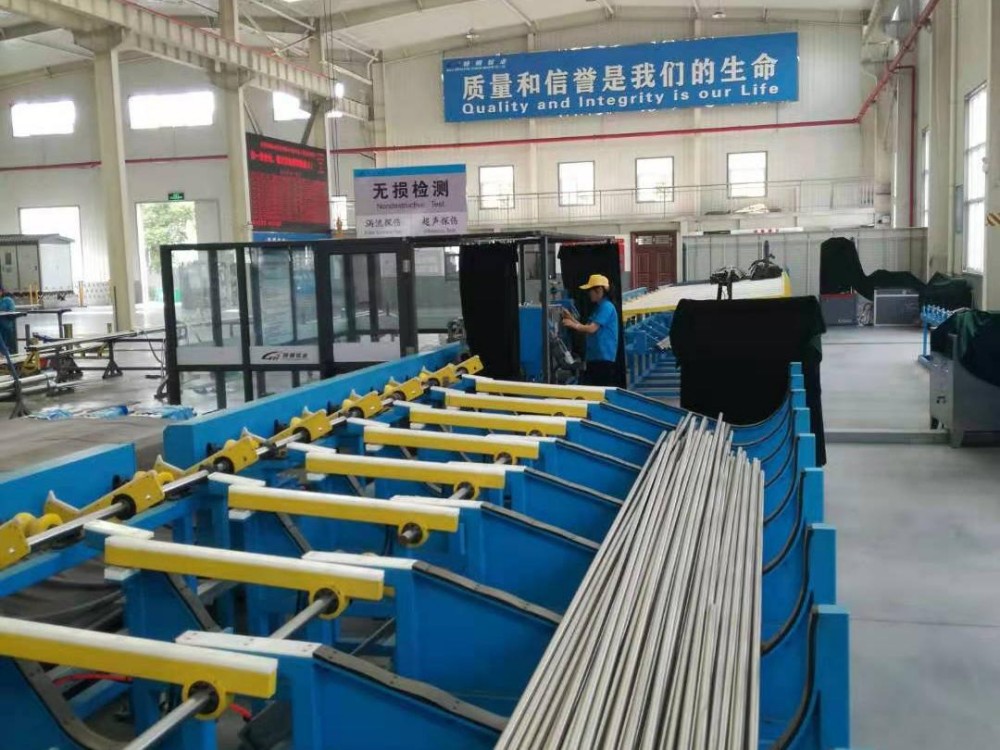
We execute 100% automated Ultrasonic C-Scan testing along the entire length of every bar in accordance with ASTM B898 standards. Only bars achieving greater than 99.9% bonding rate with zero interface micro-delamination are approved for shipment.
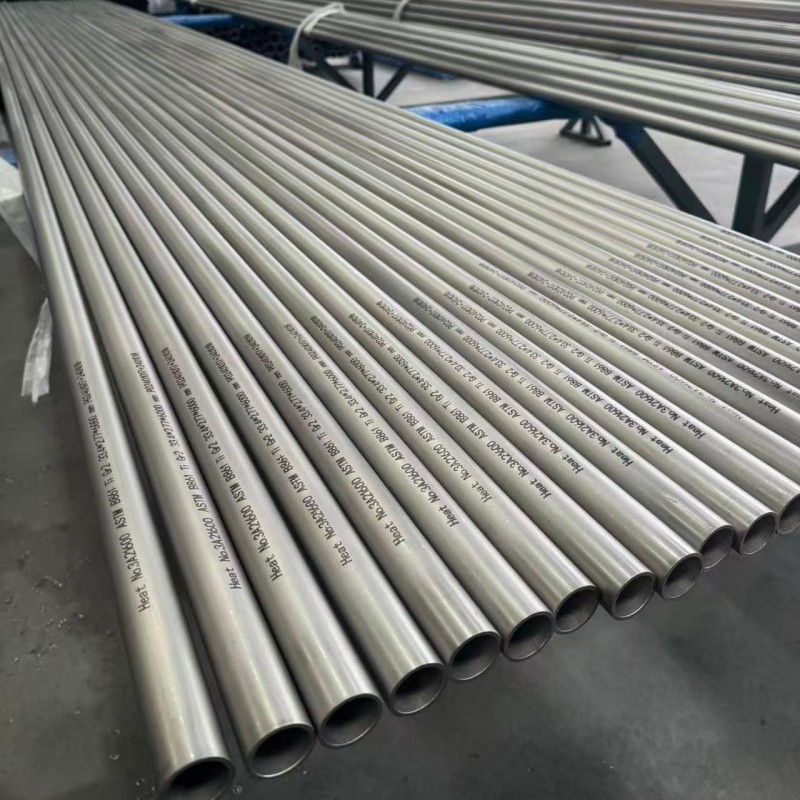
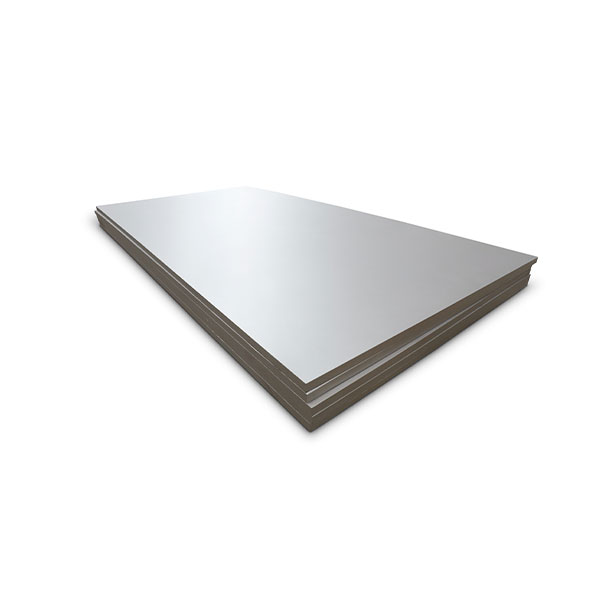
Explore our full line of clad composite conductors, titanium tubes, titanium sheets, permanent cathode assemblies, and insoluble anodes for mineral processing.