Leave Your Message
The modern industrial landscape relies heavily on electroplating technology to enhance the surface properties of various metals and non-metals. Electroplating is a sophisticated electrochemical process that deposits a thin layer of metal onto a substrate, improving its corrosion resistance, wear resistance, electrical conductivity, and aesthetic appeal. In the heart of these complex electroplating production lines lies a seemingly simple yet fundamentally critical component: the hanger bar. Hanger bars are responsible for suspending the workpieces (cathodes) or the plating materials (anodes) into the highly corrosive electrolytic baths while simultaneously conducting massive amounts of electrical current required to drive the electrochemical deposition process.
Historically, hanger bars were made purely of copper or brass due to their excellent electrical conductivity. However, pure copper hanger bars face severe limitations in modern electroplating environments. The electrolytes used in plating—such as sulfuric acid, hydrochloric acid, chromic acid, and various cyanide solutions—are exceptionally aggressive. Pure copper quickly corrodes when exposed to these chemicals or their fumes. This corrosion not only degrades the structural integrity of the hanger bar, leading to potential mechanical failures and production halts, but it also contaminates the plating bath with copper ions, which can completely ruin the quality of the plated products. To combat this, the industry introduced the Titanium Clad Copper Hanger Bar, a revolutionary composite material that perfectly marries the outstanding electrical conductivity of copper with the unparalleled corrosion resistance of titanium.
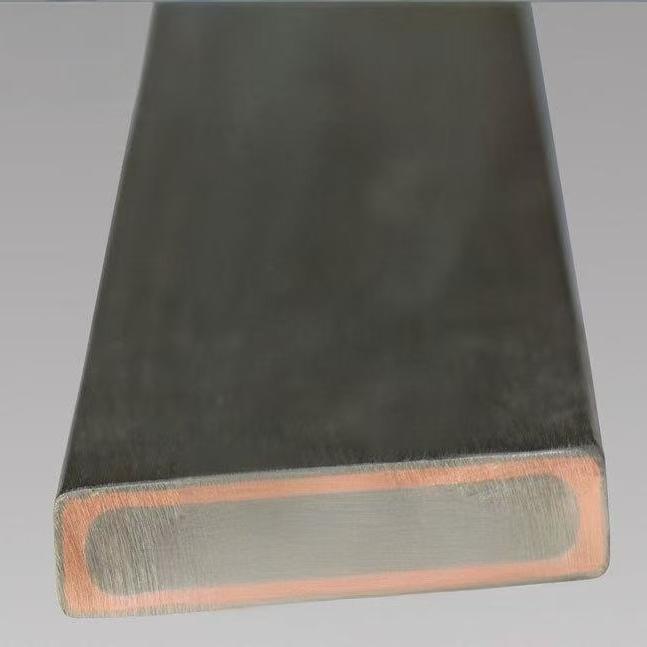
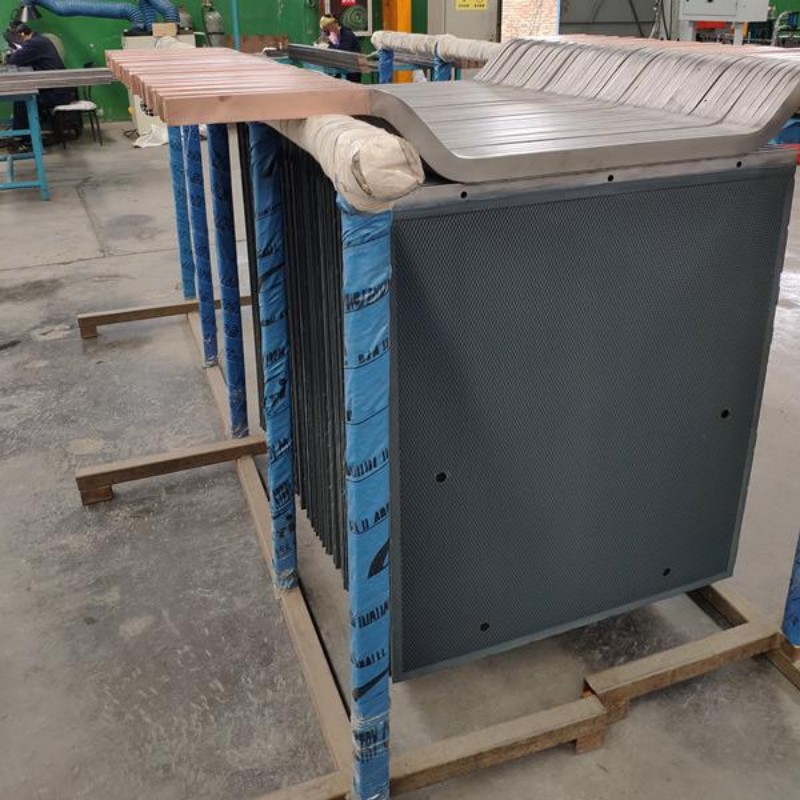
A Titanium Clad Copper Hanger Bar is an advanced bimetallic composite. It typically consists of a high-purity oxygen-free copper core (such as T2 or TU1 copper) tightly encased within a seamless layer of commercial pure titanium (such as Grade 1 or Grade 2 titanium). The manufacturing process of these bars is highly specialized, usually involving explosive bonding, hot extrusion, or a combination of explosive rolling techniques. These processes ensure a true metallurgical bond between the titanium cladding and the copper core, rather than a mere mechanical joint. This metallurgical bond is crucial because it ensures zero electrical resistance at the interface between the two metals, allowing the electrical current to flow seamlessly from the power supply, through the titanium shell, into the copper core, and finally to the electrodes.
The brilliance of this design lies in its synergistic effect. The copper core provides the necessary cross-sectional area to handle thousands of amperes of electrical current without significant voltage drop or excessive heat generation. Meanwhile, the outer titanium layer acts as an impenetrable shield. Titanium possesses a remarkable ability to form a passive oxide film (TiO2) almost instantaneously when exposed to oxygen or moisture. This oxide layer is incredibly stable and highly resistant to attack by most acids, alkalis, and chloride solutions found in electroplating production lines. Therefore, the Titanium Clad Copper Hanger Bar remains completely unaffected by the harsh chemical environment, ensuring a long operational lifespan, maintaining bath purity, and providing consistent, reliable electrical conductivity throughout its service life.
In the current global industrial market, the demand for Titanium Clad Copper Hanger Bars is experiencing exponential growth. This surge is driven by the rapid expansion of high-tech industries that require precise and flawless electroplating. The printed circuit board (PCB) manufacturing sector, which is the backbone of all modern electronics, is one of the largest consumers. As electronic devices become smaller, faster, and more complex, the PCBs inside them require increasingly precise copper plating for microvias and fine-line circuitry. Any fluctuation in electrical current or contamination in the plating bath can lead to catastrophic defects in the final electronic product. Titanium clad copper hanger bars guarantee the stability and purity required for high-density interconnect (HDI) PCB manufacturing.
Furthermore, the global push towards sustainable and green manufacturing practices has elevated the commercial status of these composite bars. Traditional copper bars require frequent replacement and maintenance, generating significant metal waste and downtime. In contrast, titanium clad copper bars have a service life that can be tens or even hundreds of times longer than pure copper in corrosive environments. Although the initial capital investment is higher due to the cost of titanium and the complex manufacturing process, the total cost of ownership (TCO) is drastically lower. Industrial facility managers and electroplating plant operators now recognize that utilizing Titanium Clad Copper Hanger Bars minimizes maintenance costs, reduces bath purification expenses, eliminates production downtime caused by equipment failure, and significantly improves the overall yield rate of the plating line. Consequently, they have become the industry standard for any serious, large-scale electroplating operation worldwide.
To truly understand the value of Titanium Clad Copper Hanger Bars, we must delve into their specific application scenarios across various demanding industries:
A. Printed Circuit Board (PCB) and Semiconductor Electroplating: In the fabrication of advanced PCBs and semiconductor wafers, copper electroplating is used to create the conductive pathways. The plating baths often contain organic additives and highly corrosive acids. The hanger bars used to suspend the copper anodes must not dissolve into the bath, as excess copper or other metallic impurities will disrupt the delicate chemical balance of the organic additives, leading to uneven plating thickness or nodule formation. Titanium clad copper hanger bars ensure that the anode baskets are securely held and perfectly powered without introducing any foreign contaminants into the ultra-pure plating solution.
B. Automotive Surface Treatment: The automotive industry relies on electroplating for both functional and decorative purposes. Hard chrome plating is used on engine components, shock absorbers, and hydraulic cylinders to provide extreme wear resistance. Decorative chrome plating is used on grilles, emblems, and interior trims. Chrome plating baths are notoriously aggressive, utilizing high concentrations of chromic acid and operating at elevated temperatures. Pure copper hanger bars would dissolve rapidly in such an environment. Titanium clad copper hanger bars withstand the chromic acid effortlessly, ensuring stable high-current delivery, which is essential for achieving the hard, bright, and uniform chrome deposits required by automotive standards.
C. Aerospace and Defense Anodizing: While technically an oxidation process rather than electroplating, the anodizing of aluminum and titanium parts for aerospace applications shares similar equipment and environmental challenges. Aerospace components require anodizing to prevent corrosion in extreme flight conditions. The anodizing baths, typically sulfuric or chromic acid, require precise current control. Titanium clad copper hanger bars are extensively used here because they do not contaminate the anodizing bath, ensuring that the critical aerospace components receive a flawless, specification-compliant protective oxide layer.
D. Precious Metal Plating: In the jewelry industry and for specialized electronic connectors, plating with gold, silver, palladium, or rhodium is common. These precious metal plating baths are incredibly expensive. Any contamination from a corroding hanger bar would require the entire bath to be refined or discarded, resulting in massive financial losses. Titanium clad copper hanger bars offer absolute chemical inertness in these cyanide or acid-based precious metal baths, protecting the massive investment in the plating solution.
Looking ahead, the development of Titanium Clad Copper Hanger Bars is tightly coupled with the evolution of electroplating technology itself. One prominent trend is the move towards higher current densities. To increase production throughput, modern electroplating lines are pushing more current through the baths to accelerate the deposition rate. This requires hanger bars with even lower electrical resistance and better thermal management capabilities. We are seeing the development of optimized core-to-cladding ratios, where the copper core is maximized for conductivity while the titanium cladding is engineered to be as thin as structurally permissible to reduce weight and cost, without compromising corrosion resistance.
Another significant trend is the integration of smart manufacturing technologies. Future Titanium Clad Copper Hanger Bars may incorporate embedded sensors to monitor real-time electrical current, temperature, and mechanical stress. This data can be fed into the factory's automated control systems to predict maintenance needs, optimize the plating process dynamically, and prevent catastrophic failures before they occur. Furthermore, advancements in metallurgical bonding techniques, such as friction stir welding or advanced roll bonding, are expected to further improve the interface quality between the titanium and copper, reducing manufacturing costs and making these high-performance bars accessible to a broader range of small and medium-sized electroplating enterprises.
In conclusion, the Titanium Clad Copper Hanger Bar is not merely a structural support; it is a critical enabler of modern, high-precision, and sustainable electroplating production. As industries continue to demand superior surface finishes, tighter tolerances, and greener manufacturing processes, the reliance on these advanced bimetallic composite materials will only intensify, solidifying their position as an indispensable component in the future of surface engineering.
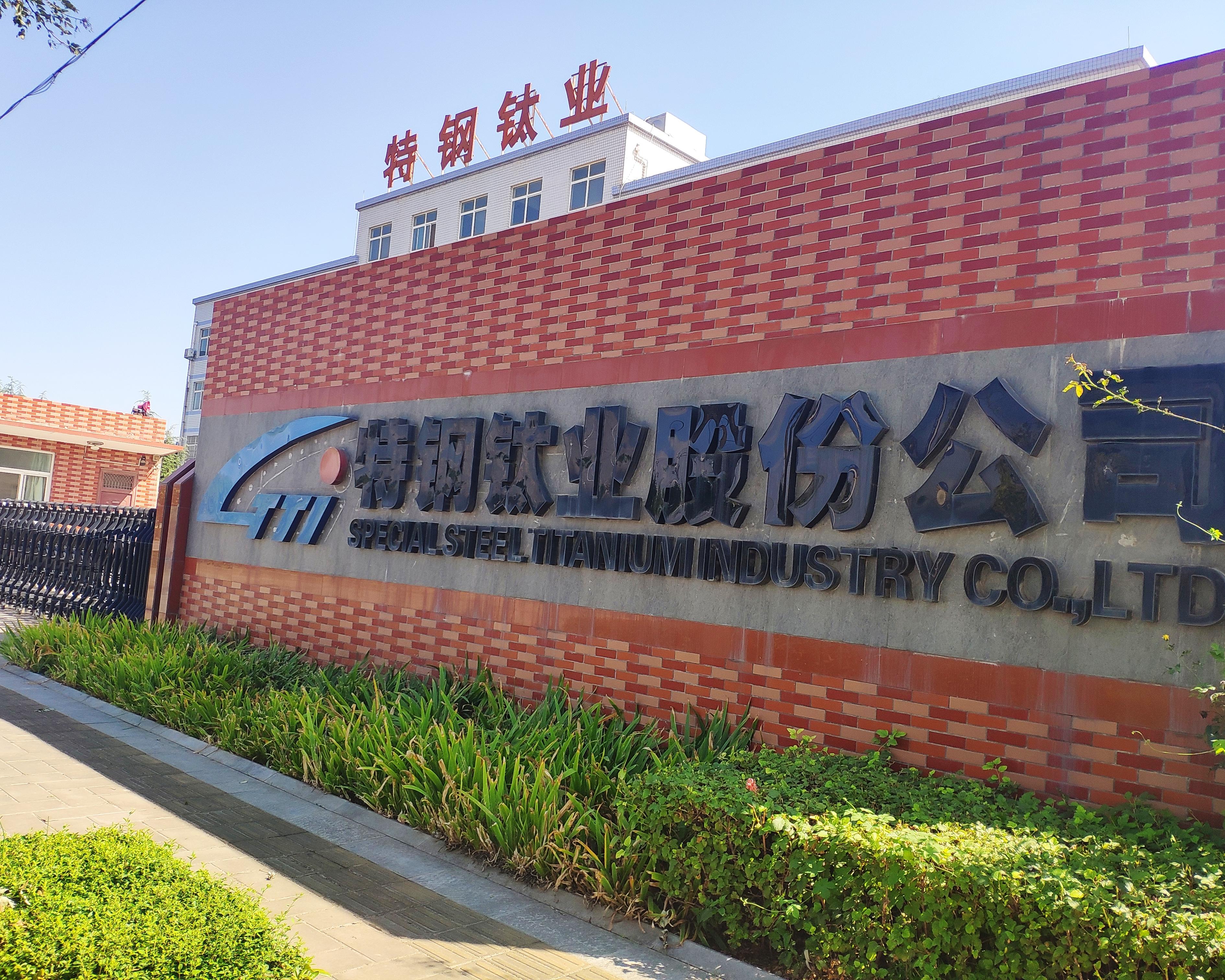
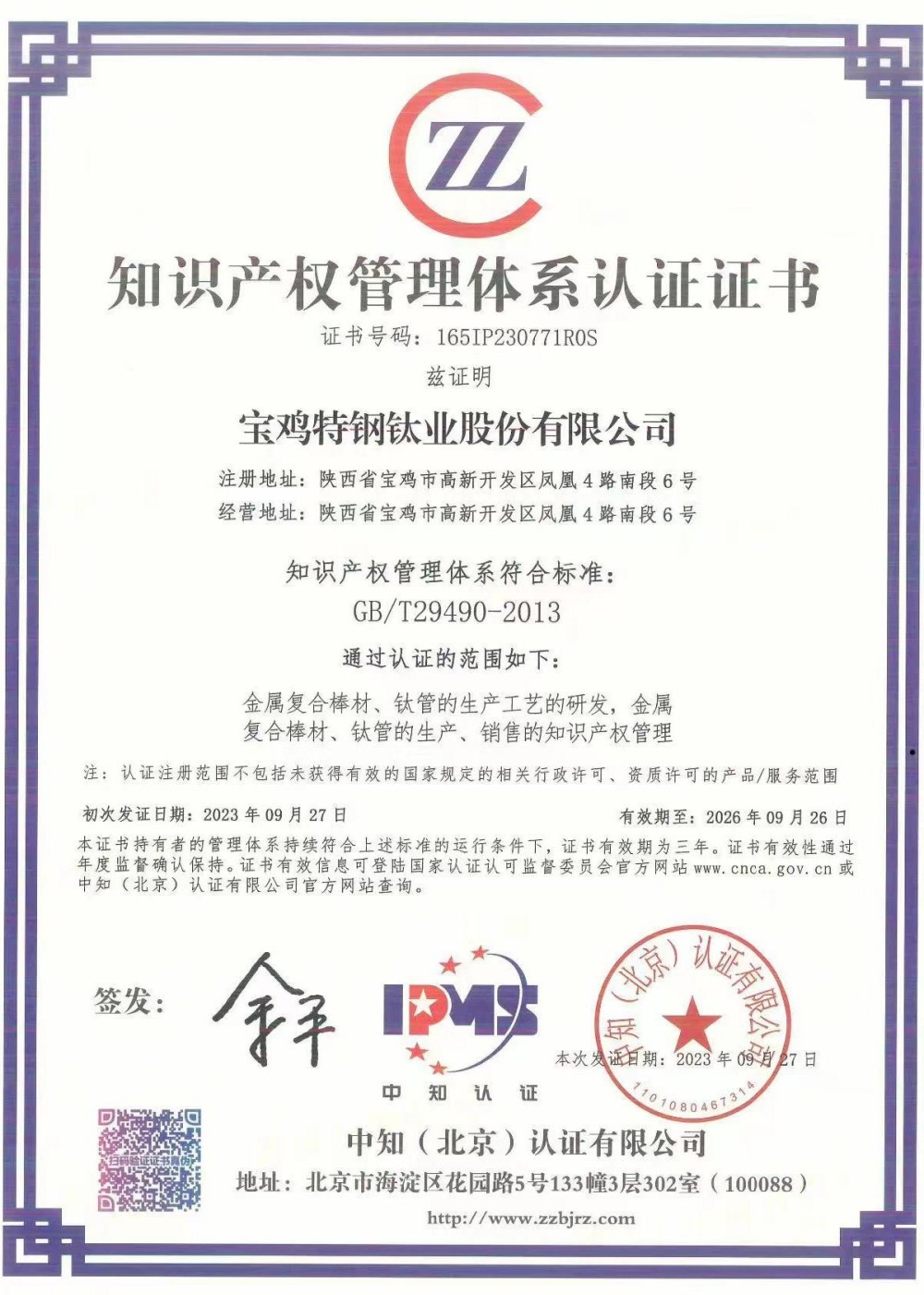
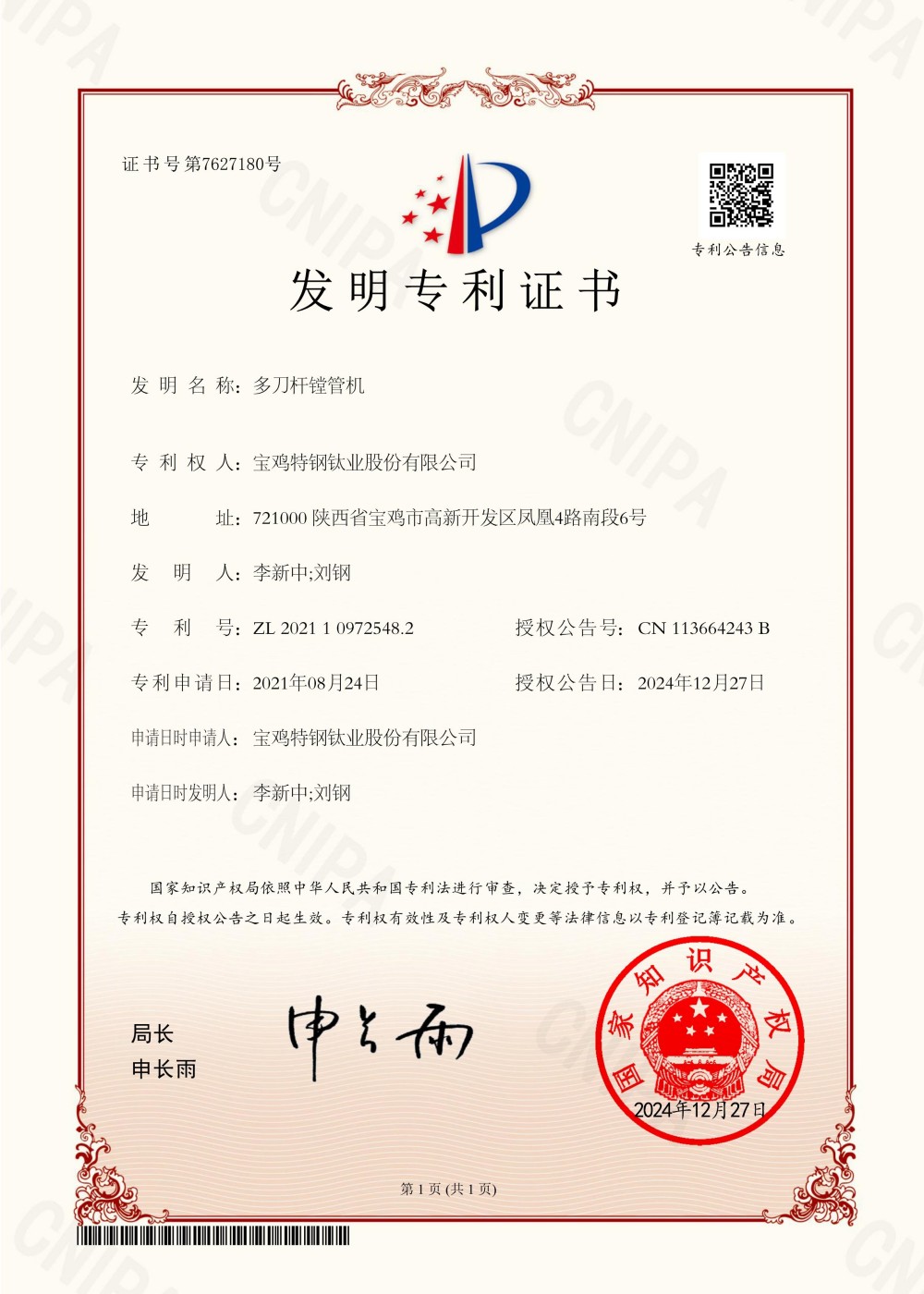
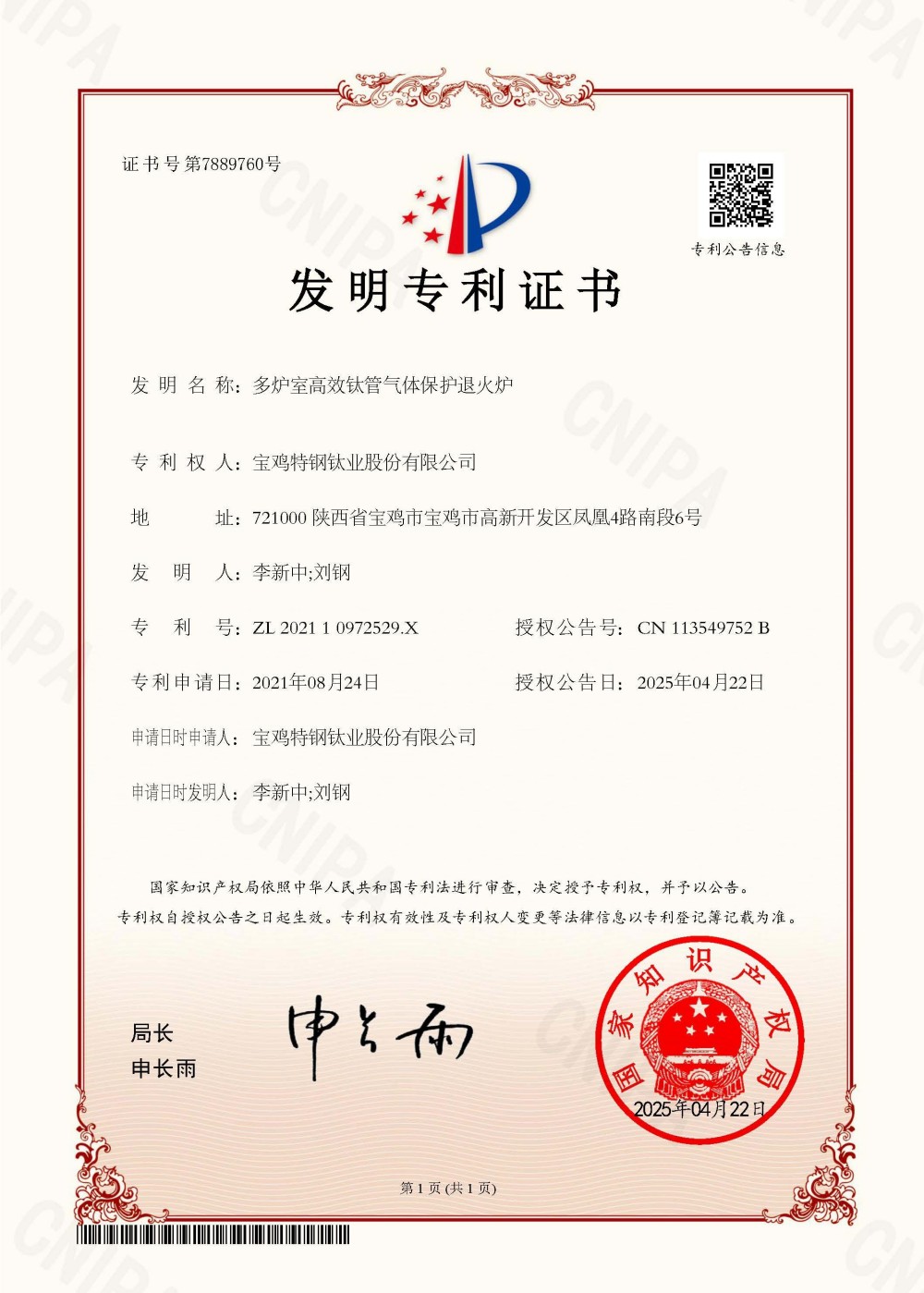
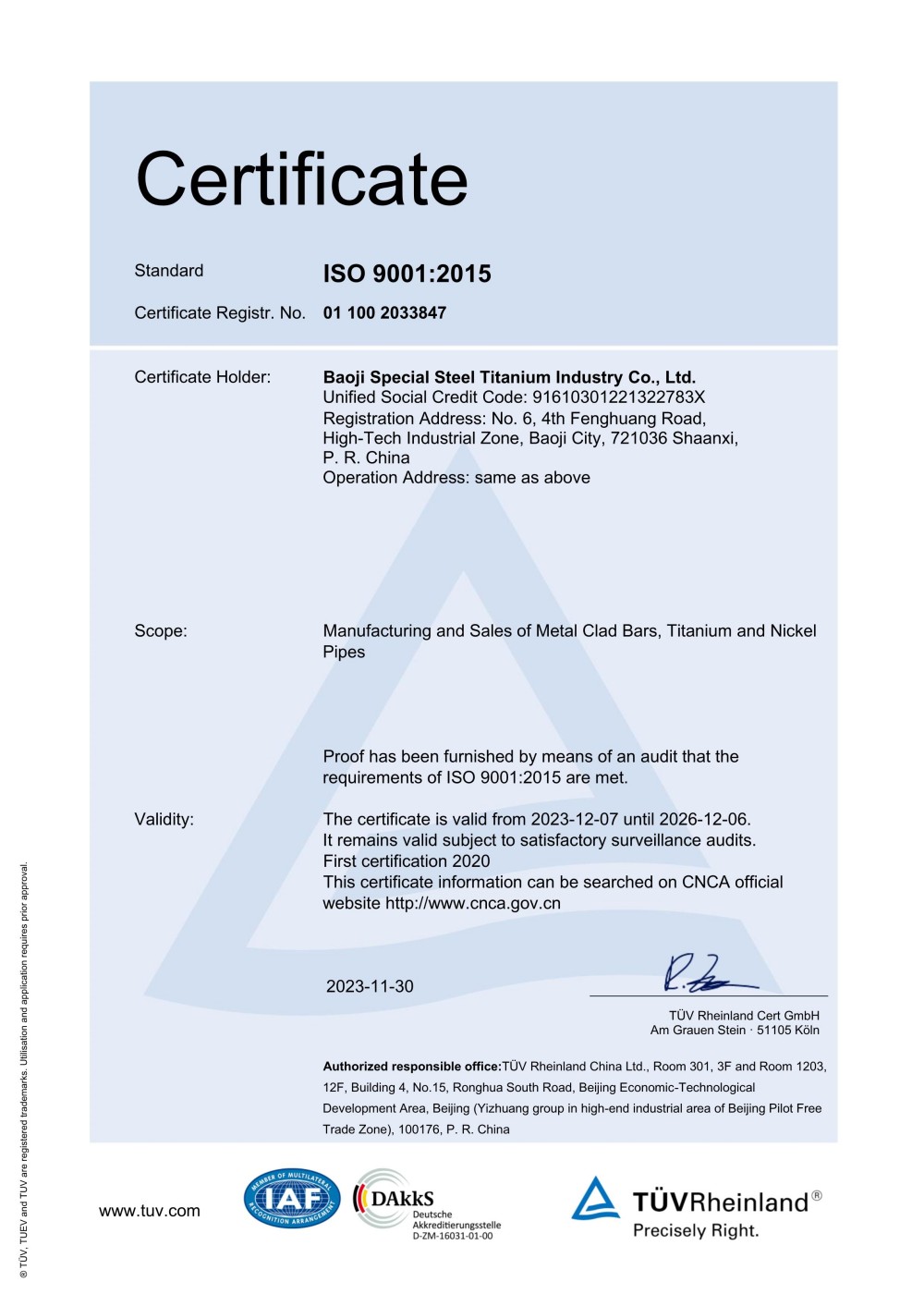
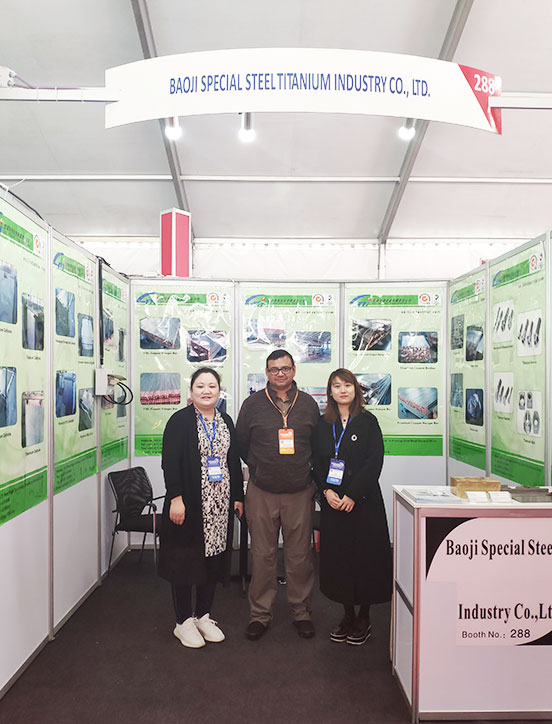
Is a joint-stock industrial enterprise specializing in the research, development, manufacturing and sales of titanium, nickel, zirconium and other metal pipes and metal composite materials. The company was founded in 1997, located in Shaanxi Baoji National High-tech Industrial development Zone, the factory covers an area of 41,000 square meters.
The company has an annual production capacity of over 3000 tons of non-ferrous metal pipes, composite materials and various deep processing products such as titanium, zirconium, nickel, tantalum and copper, etc., and a series of products according to varieties and specifications have reached more than 500 kinds, the annual export accounted for more than 30% of the company's total output, is an export-oriented industrial enterprise with a strong growth momentum.
The company has obtained the national high and new technology enterprise certification and has been listed in the first batch of industries encouraged to develop by the National Development and Reform Commission.


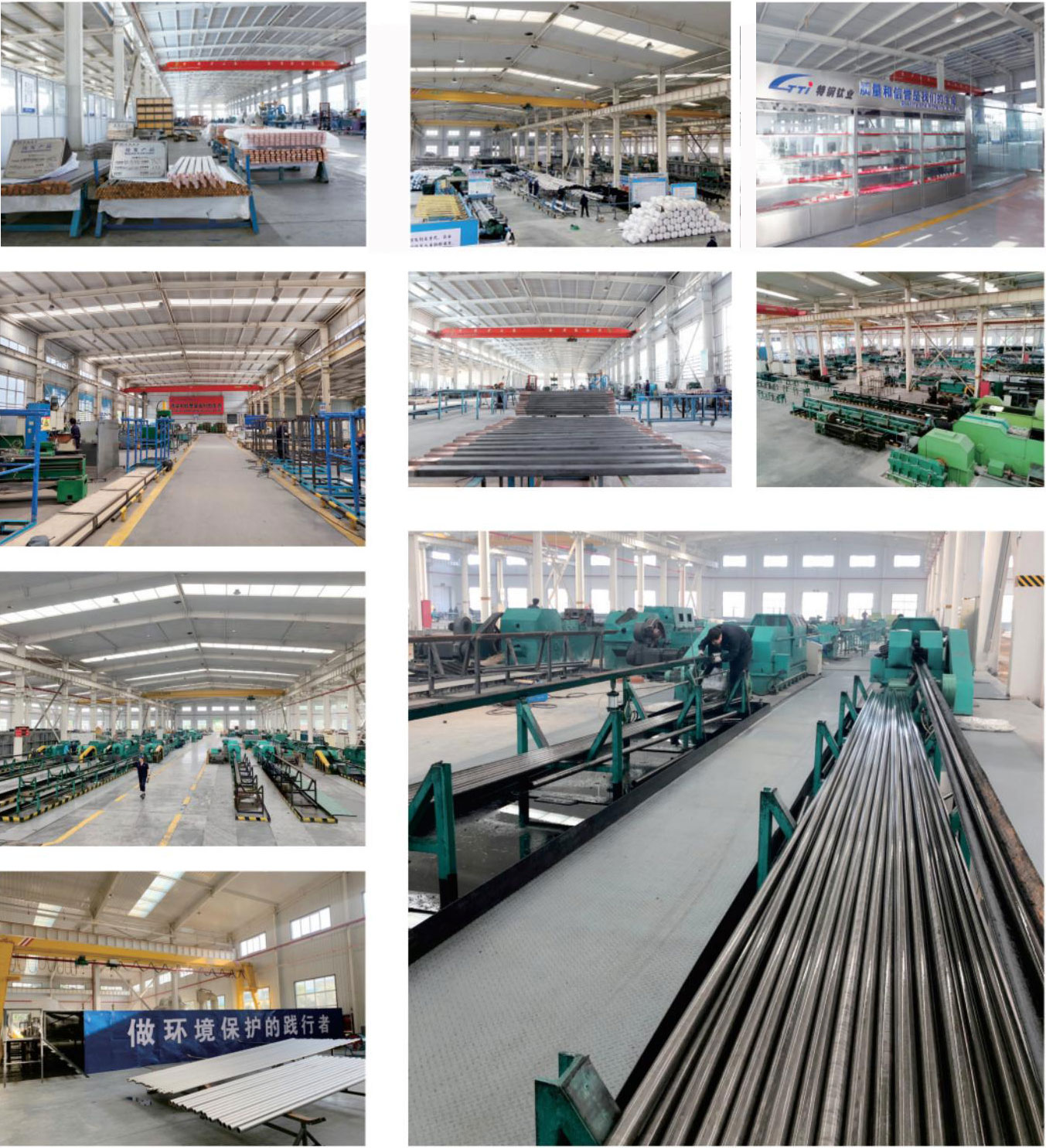
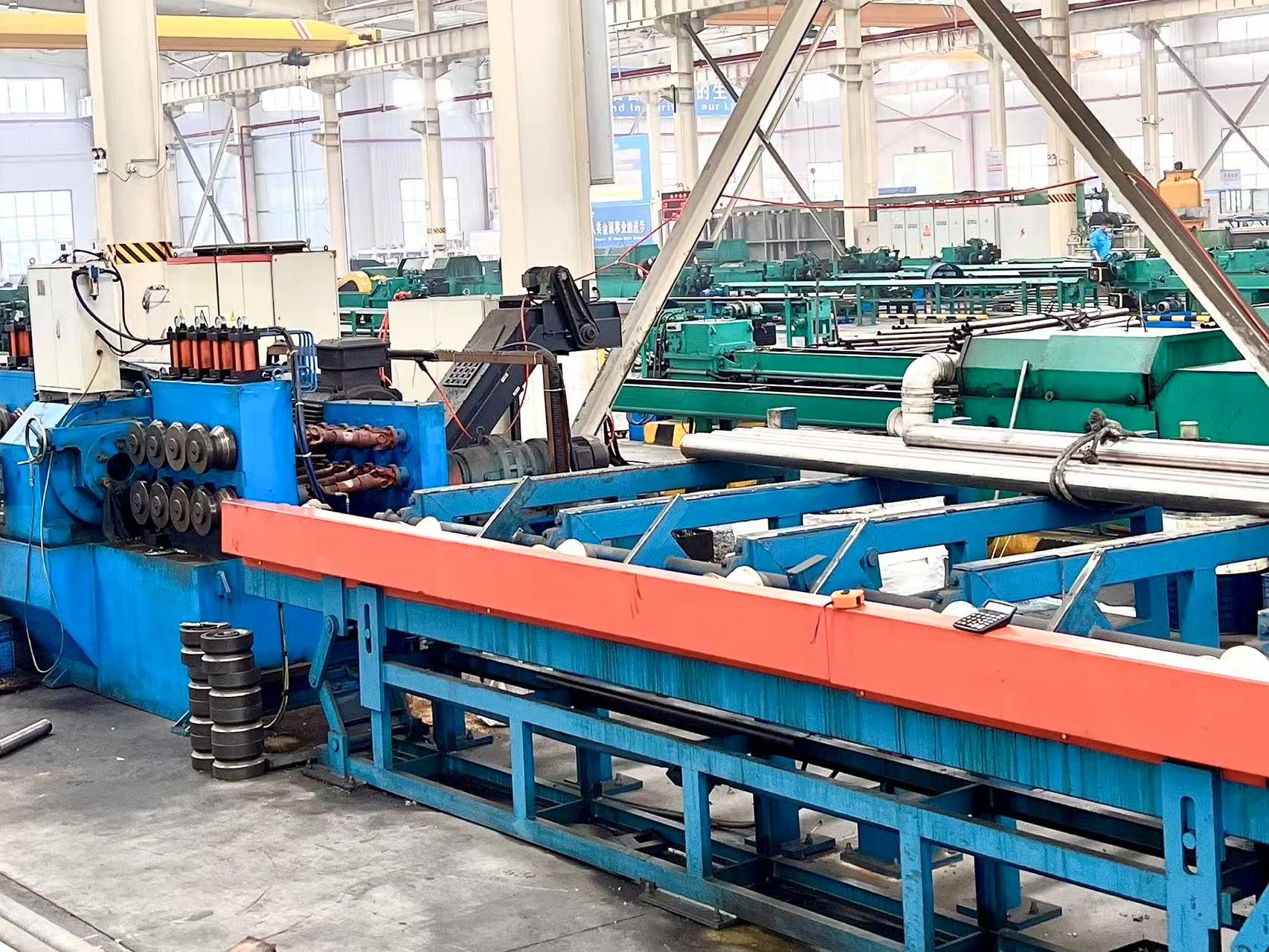
Since its establishment, the company has always adhered to the development strategy of continuous innovation and continued to expand the market with new technology and new products as the fulcrum. After more than 20 years of development and accumulation, the products have entered the markets of Germany, Japan, the United States, Norway, Finland, South Africa, Singapore, India and other countries and Taiwan regions, also have been highly praised. Stable product quality, integrity as the core of the business philosophy, by the world's customers trust.
To build an excellent enterprise team, continuously improve the management and manufacturing methods, so that every customer can get the maximum benefit from each product" is the eternal pursuit of special steel titanium industry personnel.