



Leave Your Message
Precision-engineered titanium clad copper hanger bars and composite electrode products for hydrometallurgy plant applications.

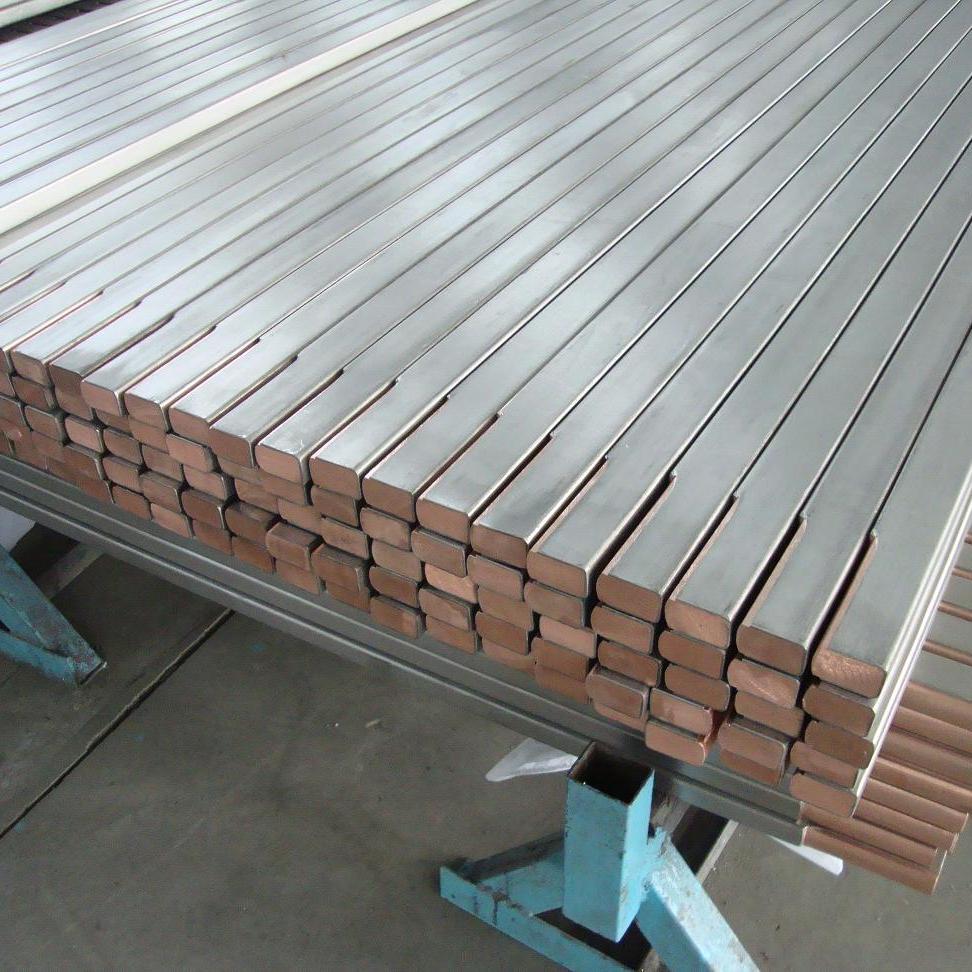
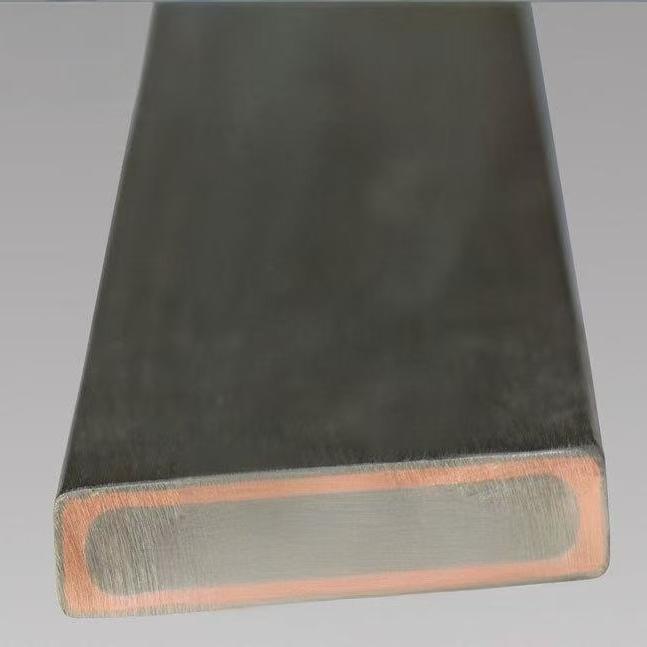
A Titanium Clad Copper Hanger Bar is a bimetallic composite conductor specifically designed for use in electroplating, electrowinning, and electrorefining processes within hydrometallurgy plants. It combines a pure copper core — prized for its outstanding electrical conductivity — with an outer titanium cladding that delivers exceptional corrosion resistance in aggressive acidic electrolyte environments.
This unique combination addresses one of the most persistent challenges in hydrometallurgy: maintaining reliable current distribution while resisting chemical degradation from sulfuric acid, copper sulfate, and other corrosive media present in electrowinning cells.
Manufactured through advanced explosion welding or roll bonding techniques, the metallurgical bond between titanium and copper ensures zero delamination risk even under thermal cycling and mechanical stress — critical for continuous hydrometallurgical operations running 24/7.
Understanding the commercial and industrial landscape driving demand for titanium clad copper hanger bars worldwide.
Global copper electrowinning capacity is projected to exceed 7 million tonnes per year by 2030, driven by EV battery manufacturing and renewable energy infrastructure. This directly fuels demand for high-performance hanger bars capable of sustaining continuous high-current operation in large-scale tankhouses.
The rapid expansion of lithium-ion battery supply chains has accelerated investment in hydrometallurgical refining of cobalt, nickel, and manganese. Titanium clad copper hanger bars are increasingly specified in new HPAL (High Pressure Acid Leach) and SX-EW (Solvent Extraction-Electrowinning) facilities serving battery material producers.
Zinc electrowinning plants across China, Europe, and South America are upgrading aging electrode infrastructure. Titanium clad copper hanger bars replace traditional pure copper or lead-alloy bars, offering a 3–5× improvement in service life while maintaining the low contact resistance essential for energy-efficient zinc deposition.
Stricter environmental regulations and ESG commitments are pushing hydrometallurgy operators to minimize waste and energy consumption. Titanium clad copper hanger bars reduce electrode replacement frequency and lower overall plant carbon footprint — aligning with green mining initiatives adopted across Tier-1 producers.
China, particularly Baoji in Shaanxi Province — known as the "Titanium Valley" — has emerged as the world's leading manufacturer of titanium composite materials. Chinese suppliers now supply titanium clad copper hanger bars to smelters in Norway, Finland, South Africa, India, Singapore, and beyond, combining cost competitiveness with ISO-certified quality standards.
Mining majors and mid-tier producers are committing record capital to greenfield and brownfield hydrometallurgy projects. According to industry reports, global SX-EW copper production capacity investments surpassed USD 12 billion in 2023–2024, with electrode infrastructure representing 8–15% of total tankhouse CAPEX.
Titanium clad copper hanger bars serve as the backbone of current distribution across a wide range of hydrometallurgical processes.
In copper SX-EW operations, hanger bars support cathode blanks spanning 1–1.5 m widths and carry currents exceeding 400 A per cathode. The titanium cladding resists sulfuric acid concentrations of 150–200 g/L, while the copper core maintains contact resistance below 0.1 mΩ — directly reducing energy consumption per tonne of copper produced.
Zinc EW cells operate in highly acidic zinc sulfate electrolytes at 30–40°C. Titanium clad copper hanger bars outperform aluminum and bare copper alternatives by eliminating acid-induced corrosion at the bar-busbar contact point, a common failure mode that causes voltage drops and uneven current distribution across cell banks.
High-purity nickel and cobalt refining demands precise current control and contamination-free electrode systems. Titanium clad copper hanger bars prevent metallic contamination from bar corrosion products, ensuring final metal purity meets LME Grade A specifications required by battery-grade material producers.
Manganese EW operates under uniquely challenging conditions including ammonium sulfate electrolytes and high anode gas evolution. Titanium clad copper hanger bars maintain structural integrity and electrical performance across thousands of hours of operation, reducing the maintenance intervention frequency that plagues conventional bar materials.
In gold and silver electrorefining circuits, electrode material purity is paramount. Titanium's inertness prevents any cross-contamination of precious metal deposits. Titanium clad copper hanger bars are specified in Wohlwill and Miller process refineries where product purity targets exceed 99.99%.
High Pressure Acid Leach (HPAL) circuits for nickel laterite processing produce electrolyte streams containing mixed sulfates at elevated temperatures. Downstream electrowinning stages for nickel, cobalt, and manganese recovery rely on titanium clad copper hanger bars to withstand the complex corrosive chemistry while delivering consistent cathode quality for battery precursor manufacturing.
Key technology and market trends shaping the next generation of titanium clad copper hanger bars for hydrometallurgy.
Advances in explosion welding and roll bonding technology are enabling manufacturers to produce titanium clad copper hanger bars with titanium layers as thin as 0.5–1.0 mm, maximizing the copper cross-section for even lower electrical resistance. This trend is driven by tankhouse operators seeking to reduce rectifier energy consumption by 3–8% through improved current efficiency.
Next-generation hanger bars are being designed with embedded temperature and current sensors to enable real-time monitoring of electrode performance. IoT-connected electrode systems allow plant operators to identify underperforming cells, predict maintenance needs, and optimize current distribution across large tankhouse installations with hundreds of cells.
Research into multilayer metal composites — incorporating interlayer metals such as zirconium or tantalum between titanium and copper — is producing hanger bars with tailored corrosion resistance profiles for specific electrolyte chemistries. These advanced composites address the most aggressive operating environments in chloride-containing or high-temperature electrolytes.
Major mining companies are pushing suppliers toward standardized hanger bar dimensions and modular electrode systems that simplify inventory management and reduce replacement lead times. Chinese manufacturers with 500+ product variants are well-positioned to serve this trend with rapid customization capability and large-volume production capacity.
End-of-life titanium clad copper hanger bars are increasingly being reclaimed and reprocessed. The high intrinsic value of both titanium and copper makes reclamation economically attractive, and closed-loop programs are being developed between manufacturers and major hydrometallurgy operators to recover and recycle composite materials at scale.
Is a joint-stock industrial enterprise specializing in the research, development, manufacturing and sales of titanium, nickel, zirconium and other metal pipes and metal composite materials. The company was founded in 1997, located in Shaanxi Baoji National High-tech Industrial Development Zone, the factory covers an area of 41,000 square meters.
The company has an annual production capacity of over 3,000 tons of non-ferrous metal pipes, composite materials and various deep processing products such as titanium, zirconium, nickel, tantalum and copper, etc., and a series of products according to varieties and specifications have reached more than 500 kinds. The annual export accounted for more than 30% of the company's total output, making it an export-oriented industrial enterprise with strong growth momentum.
The company has obtained the national high and new technology enterprise certification and has been listed in the first batch of industries encouraged to develop by the National Development and Reform Commission.


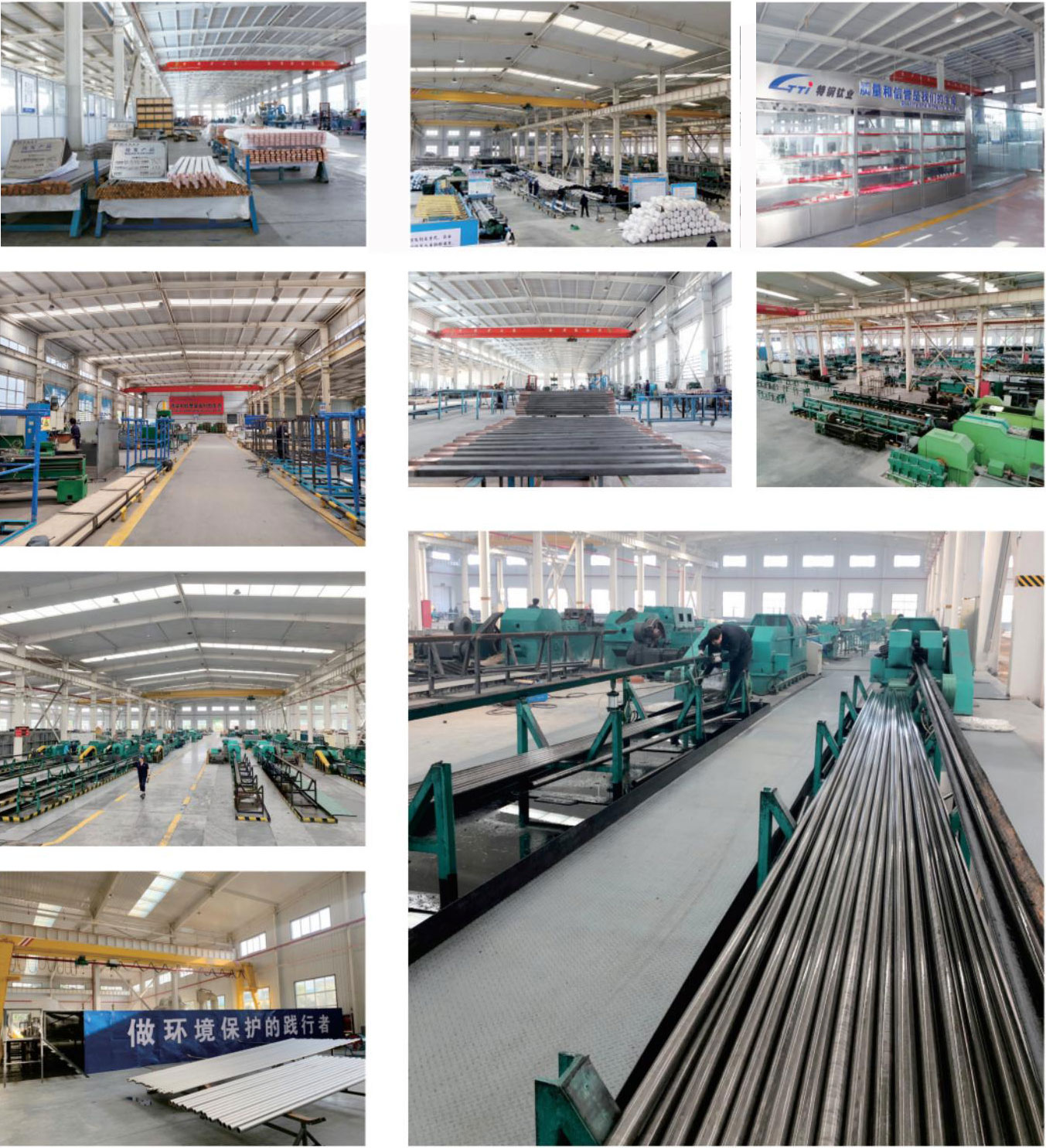
Since its establishment, the company has always adhered to the development strategy of continuous innovation and continued to expand the market with new technology and new products as the fulcrum. After more than 20 years of development and accumulation, the products have entered the markets of Germany, Japan, the United States, Norway, Finland, South Africa, Singapore, India and other countries and Taiwan regions, and have been highly praised.
Stable product quality and integrity as the core of the business philosophy have earned the trust of customers worldwide. Our titanium clad copper hanger bars are deployed in some of the world's largest copper, zinc, and nickel electrowinning operations, delivering consistent performance across millions of operating hours.
"To build an excellent enterprise team, continuously improve the management and manufacturing methods, so that every customer can get the maximum benefit from each product" — this is the eternal pursuit of Baoji Special Steel Titanium Industry personnel.
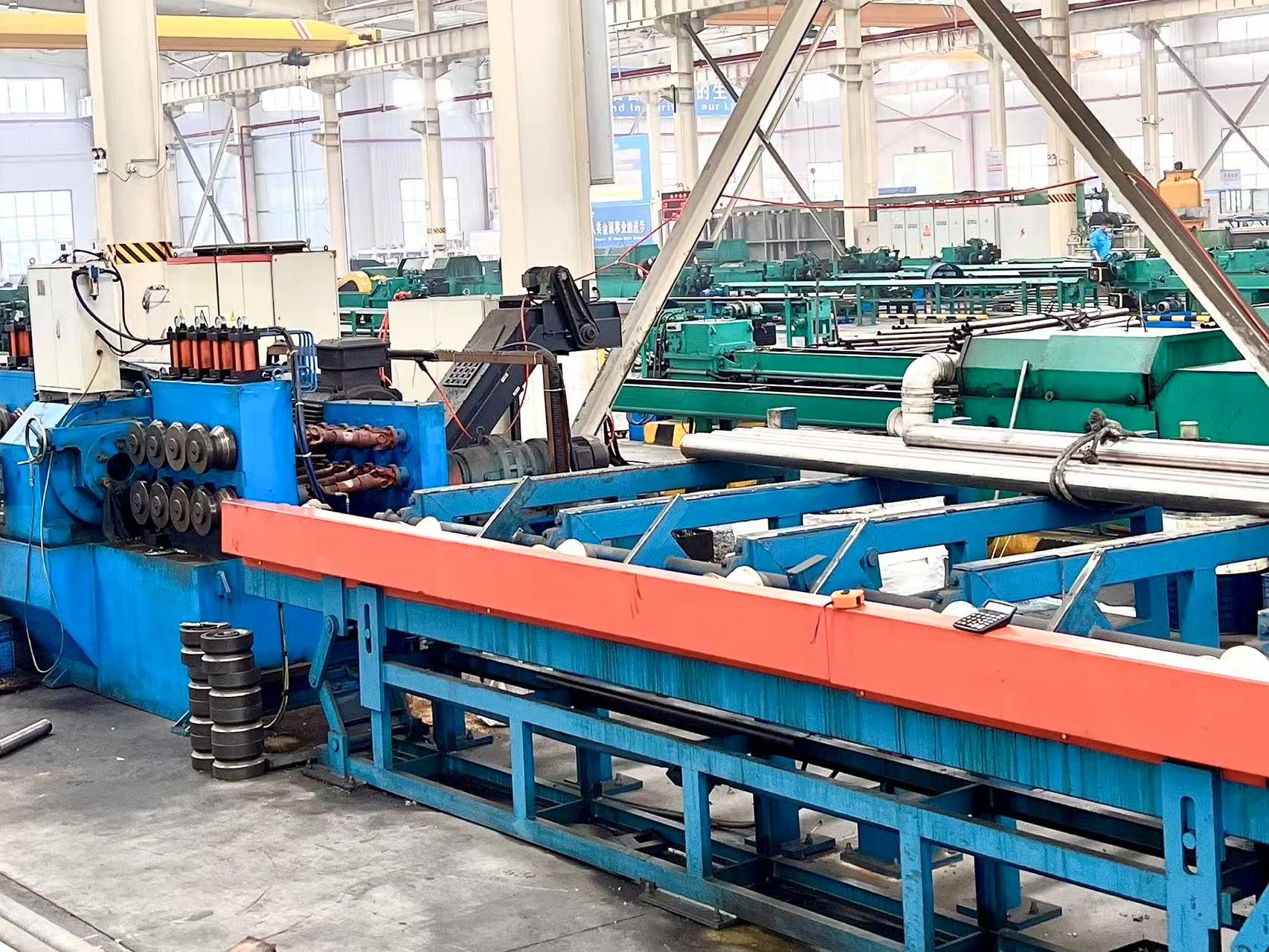
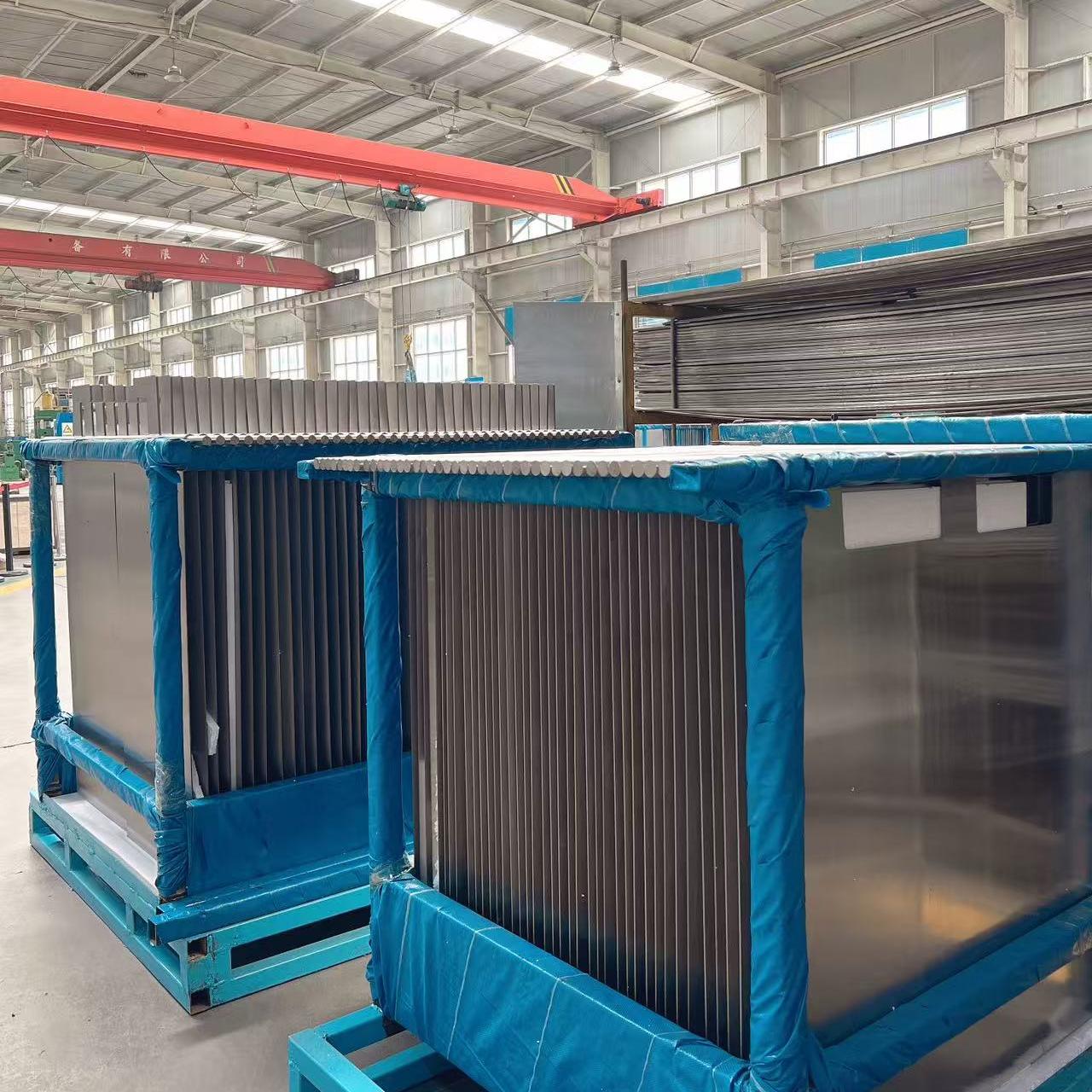
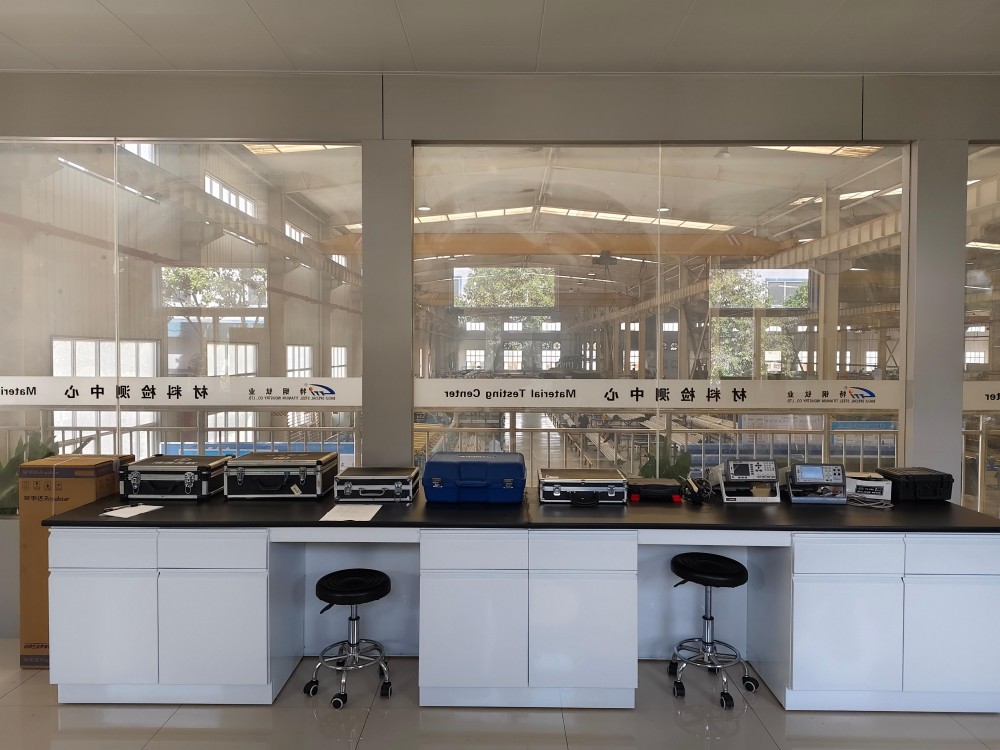
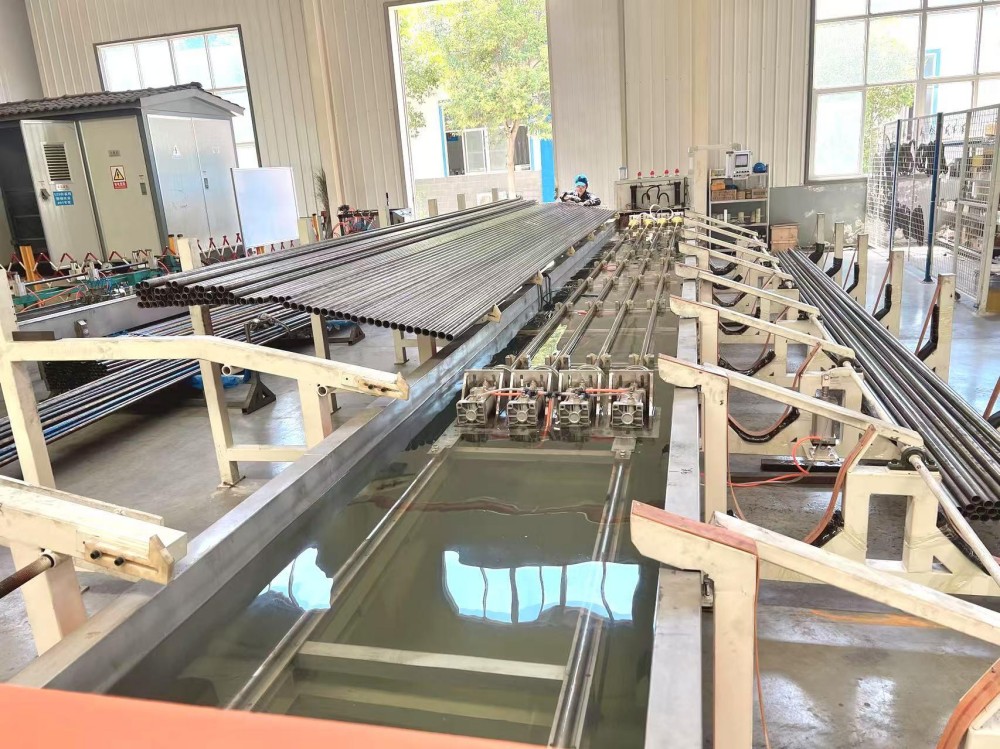
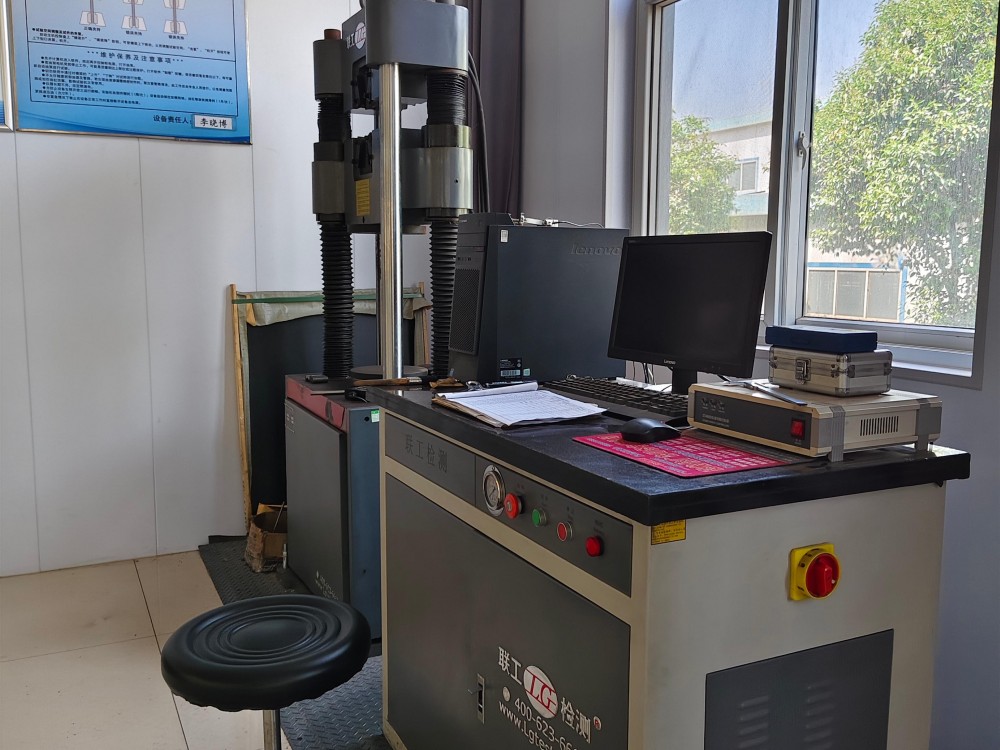
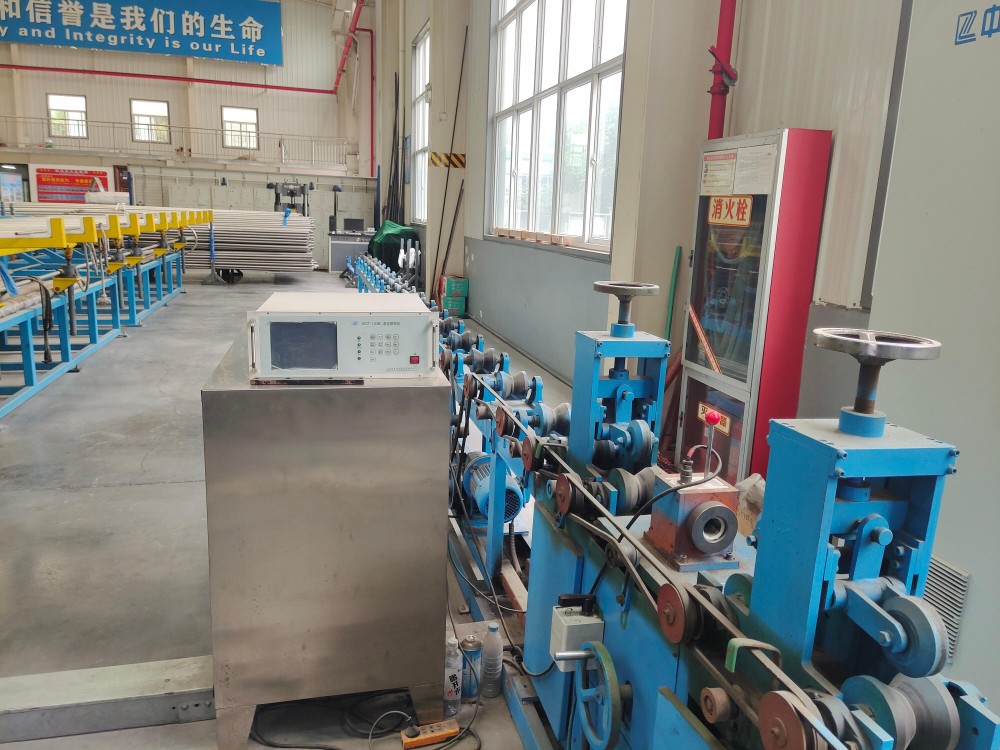
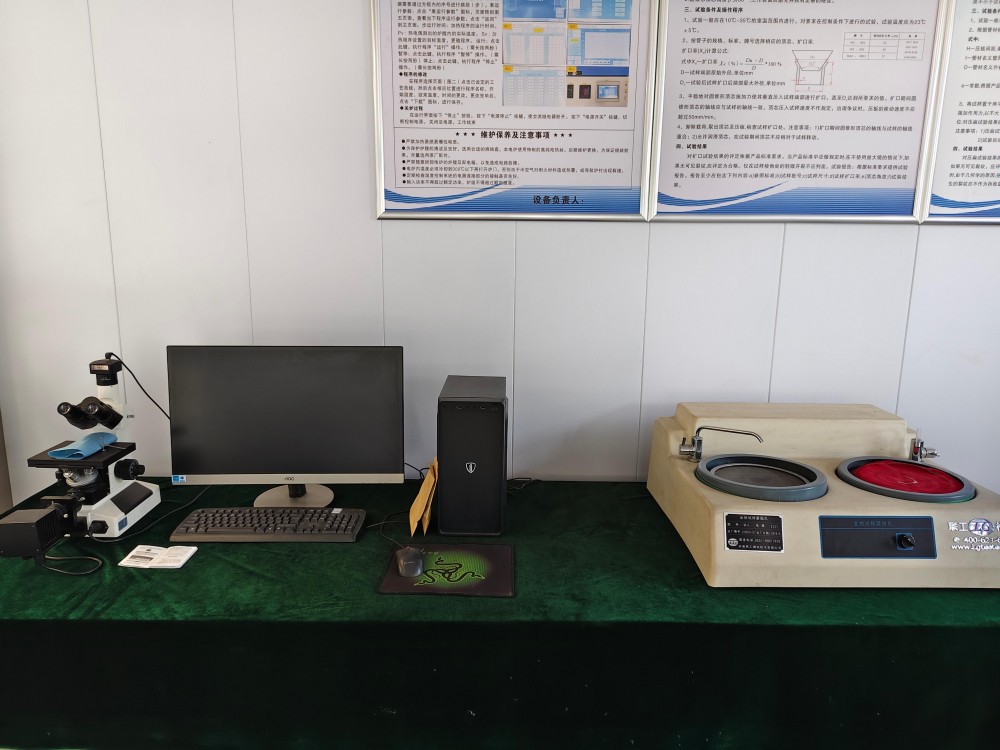
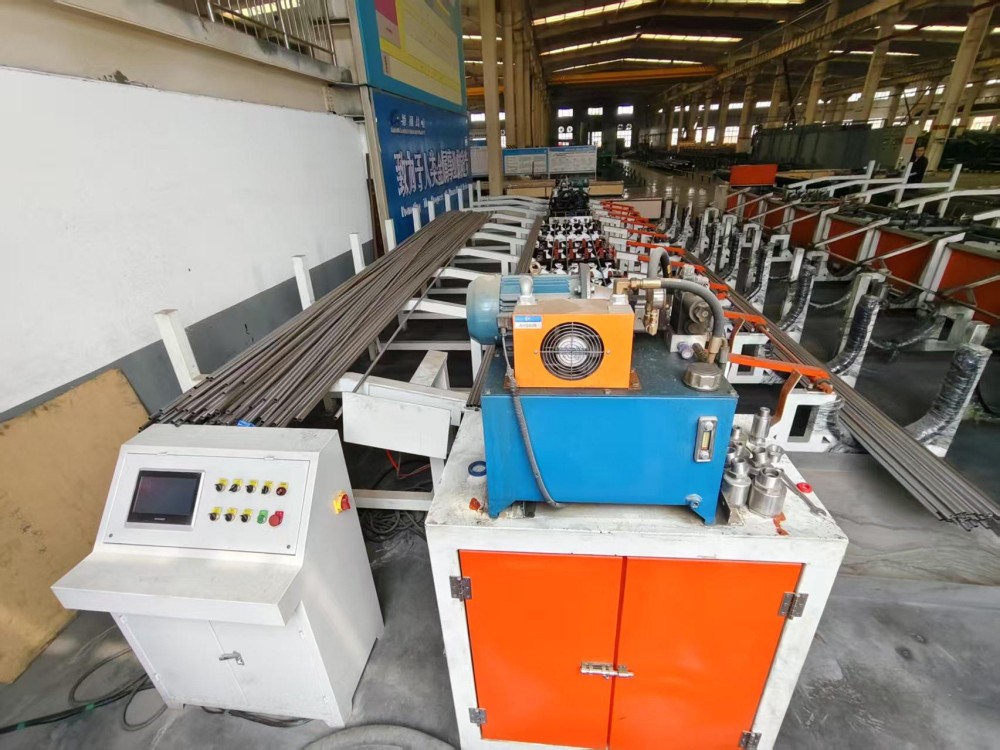
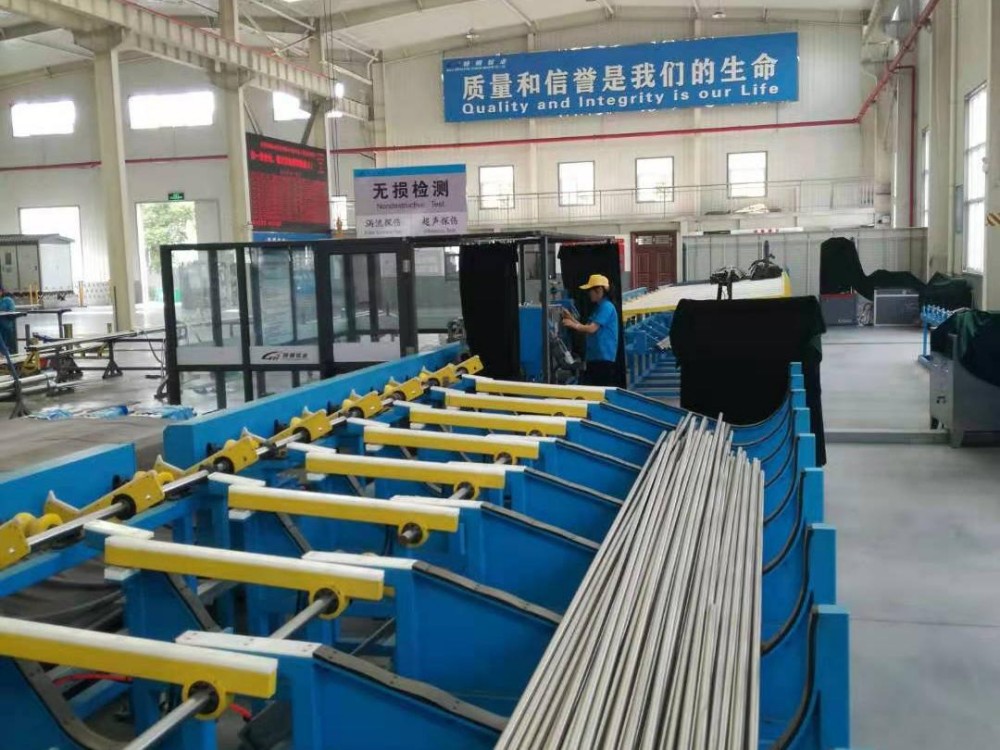
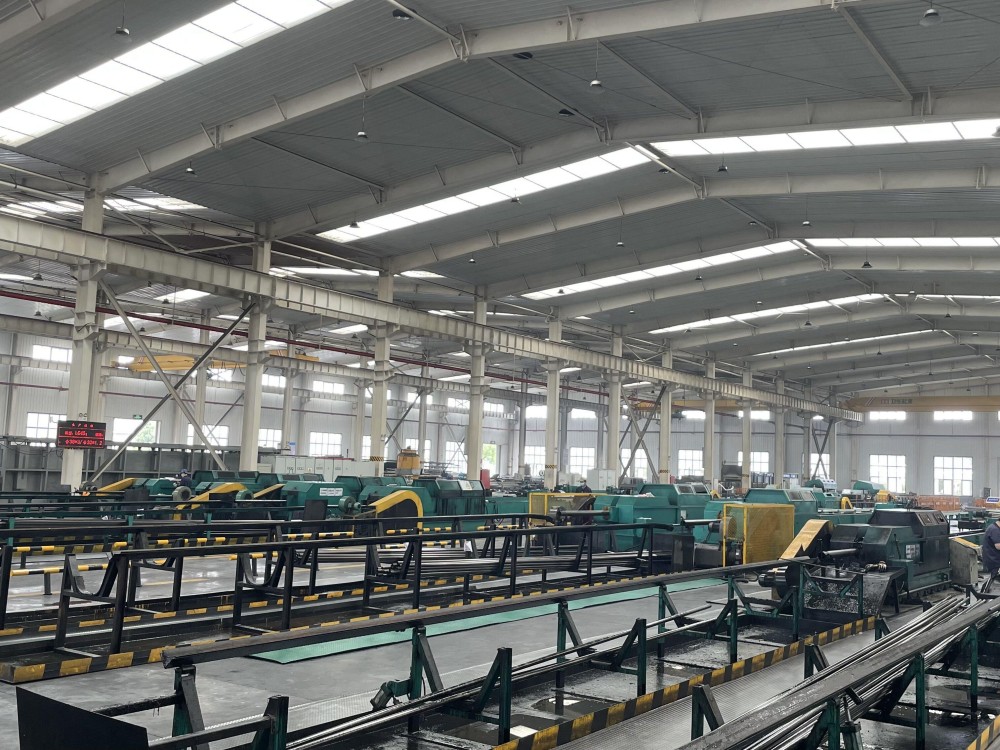
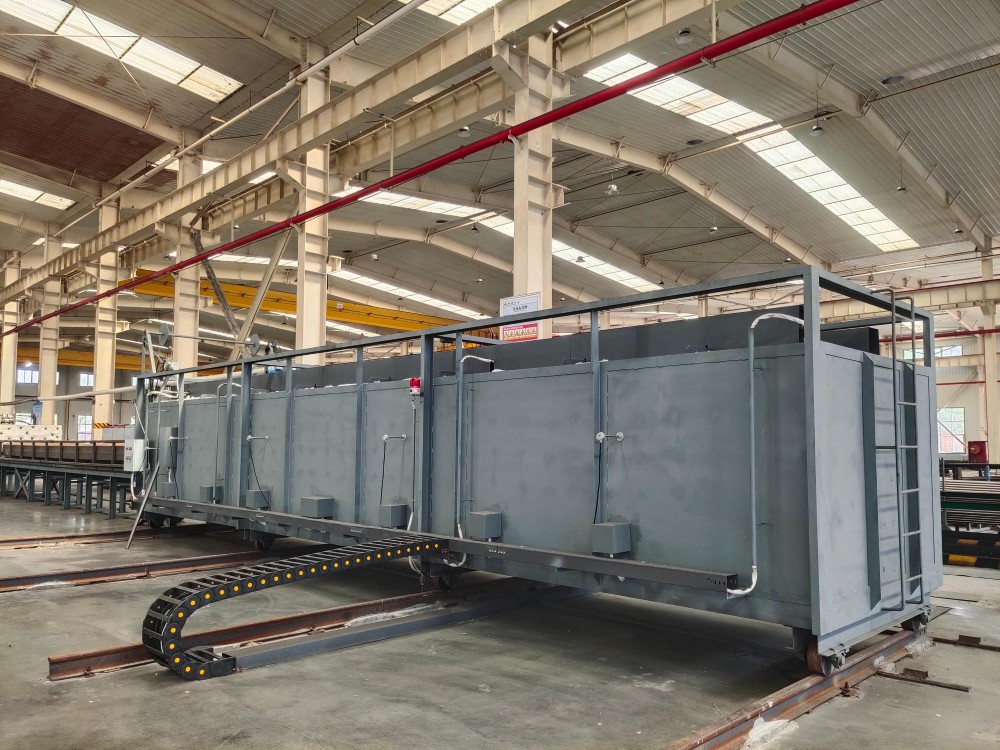
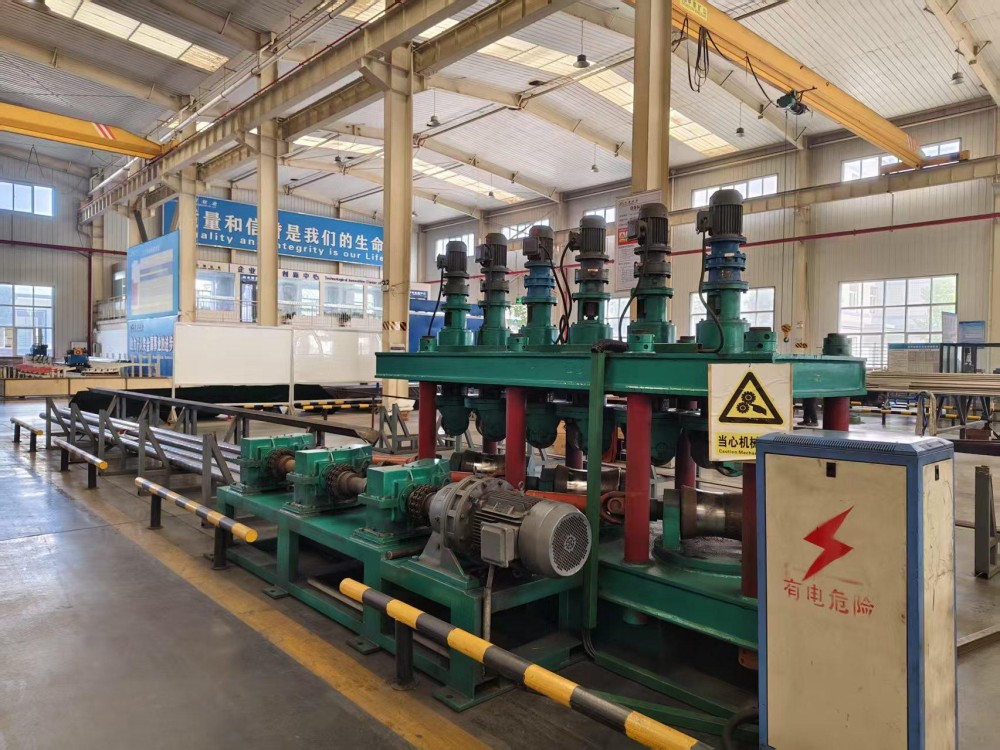
State-of-the-art production facilities for titanium clad copper hanger bars and composite electrode materials.
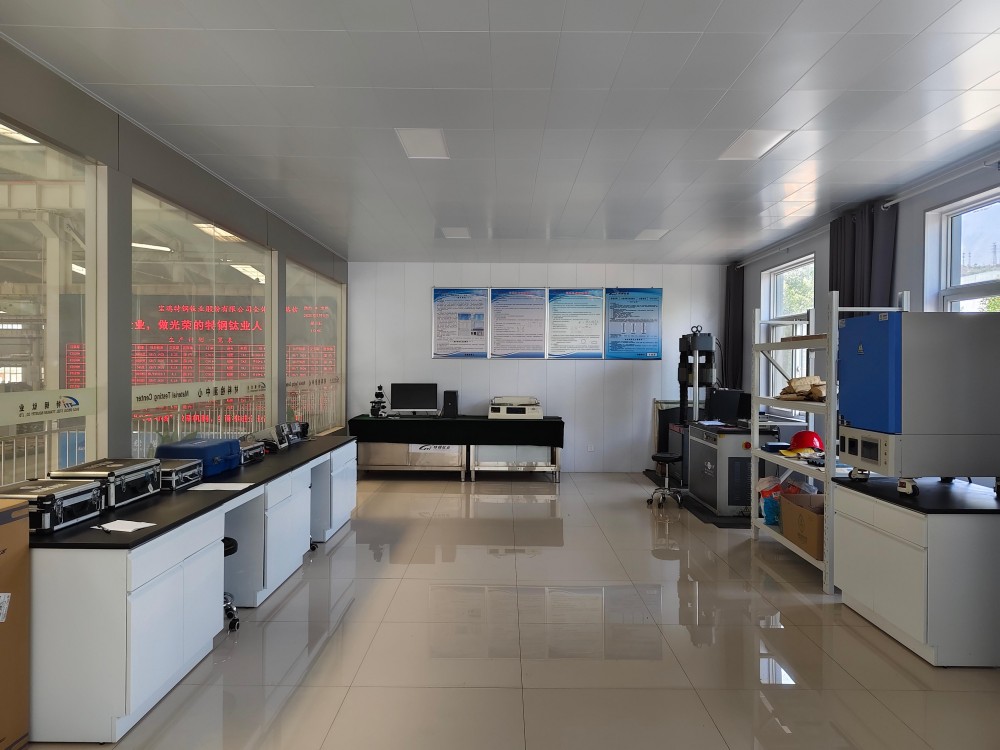
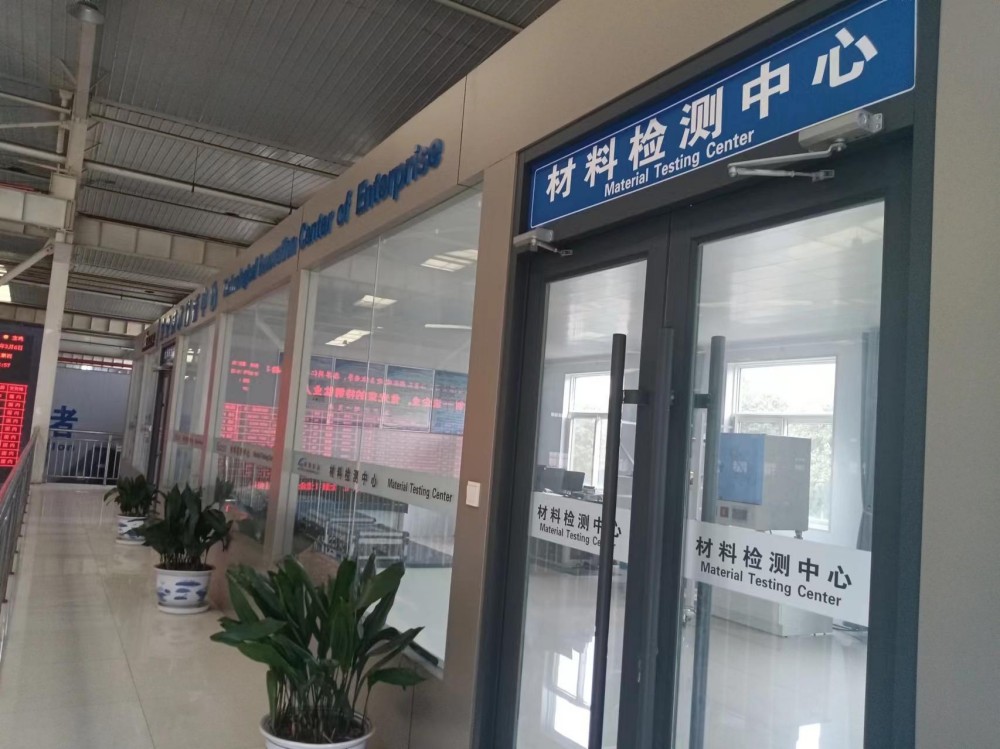
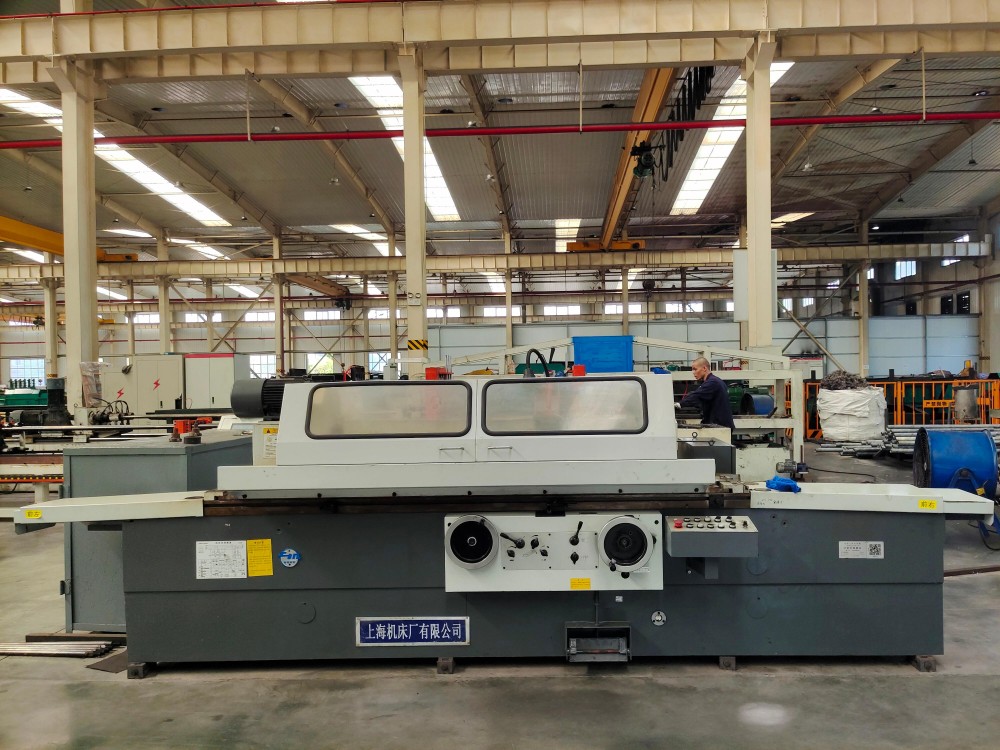
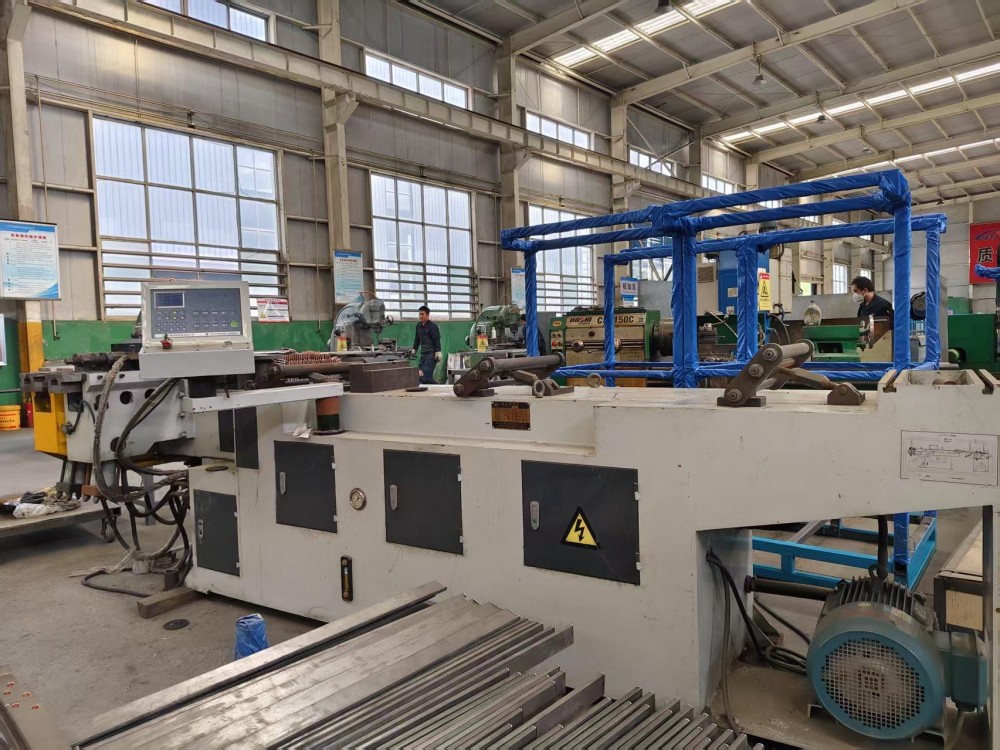
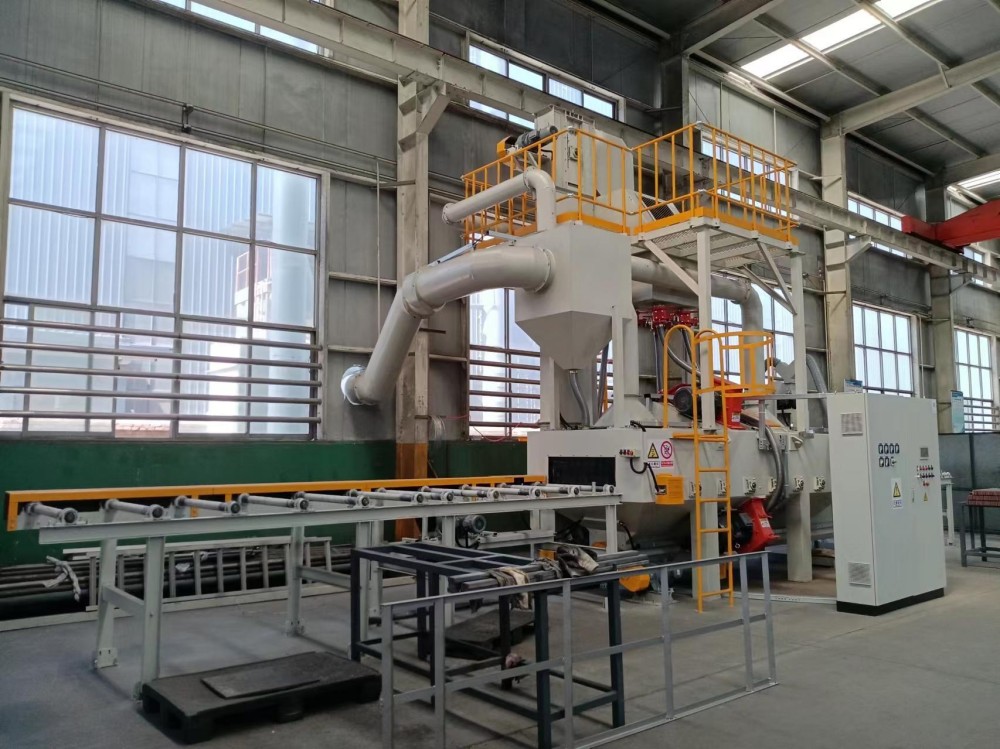
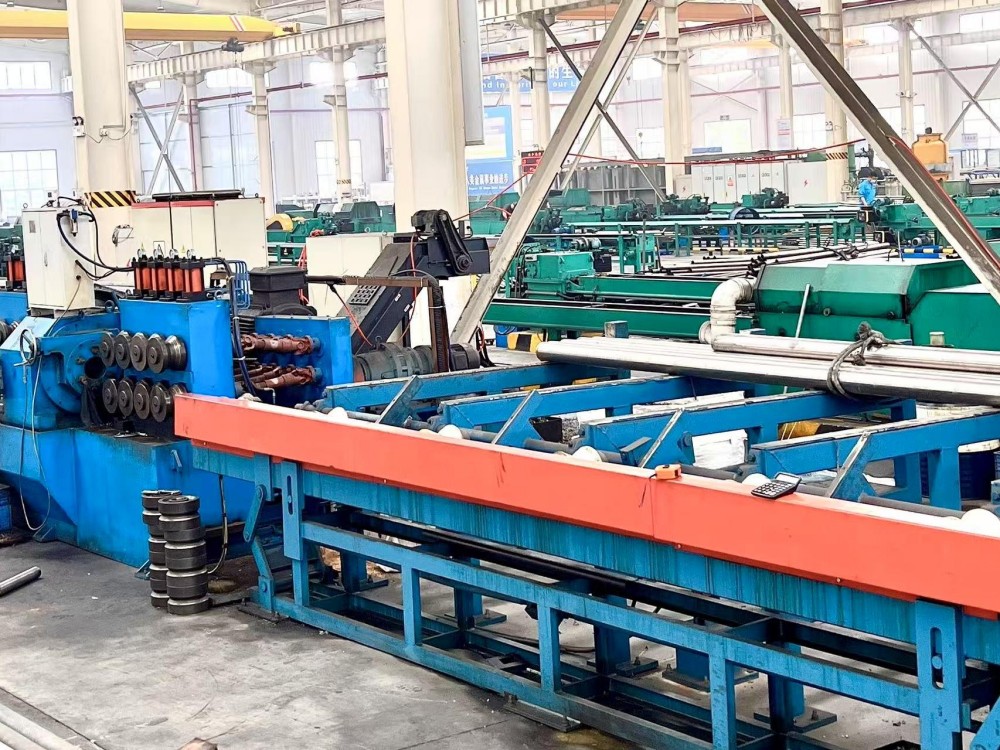
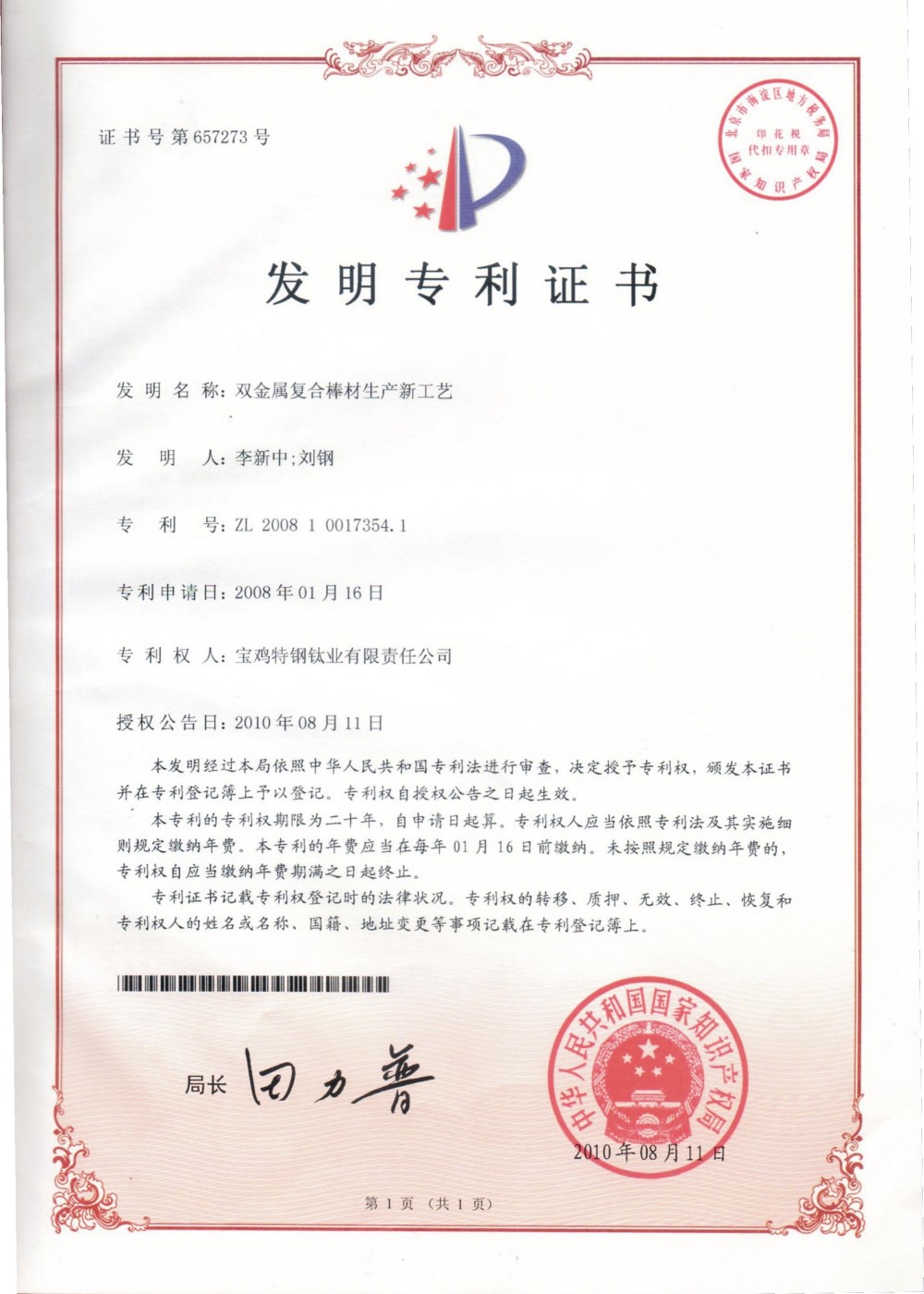
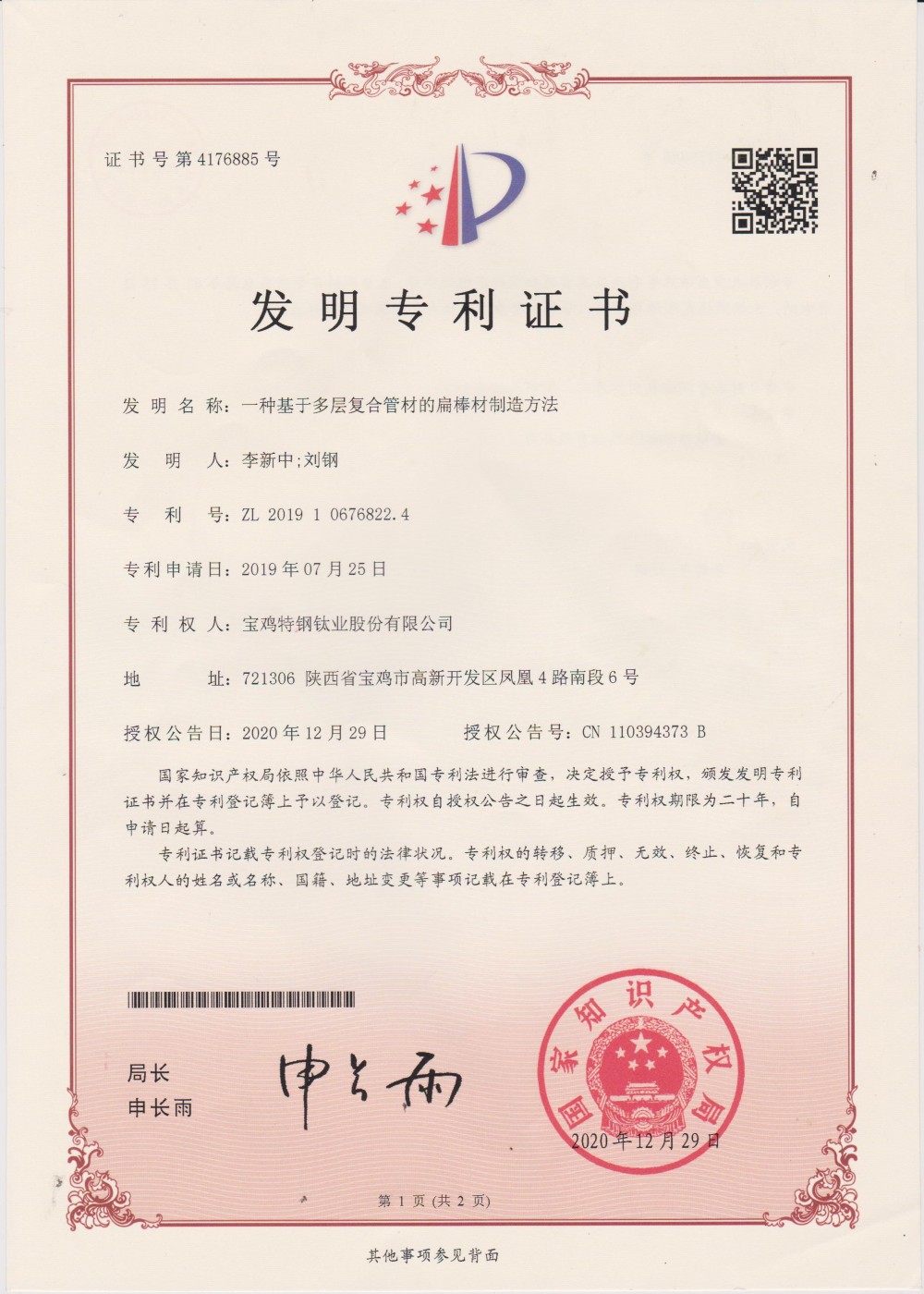
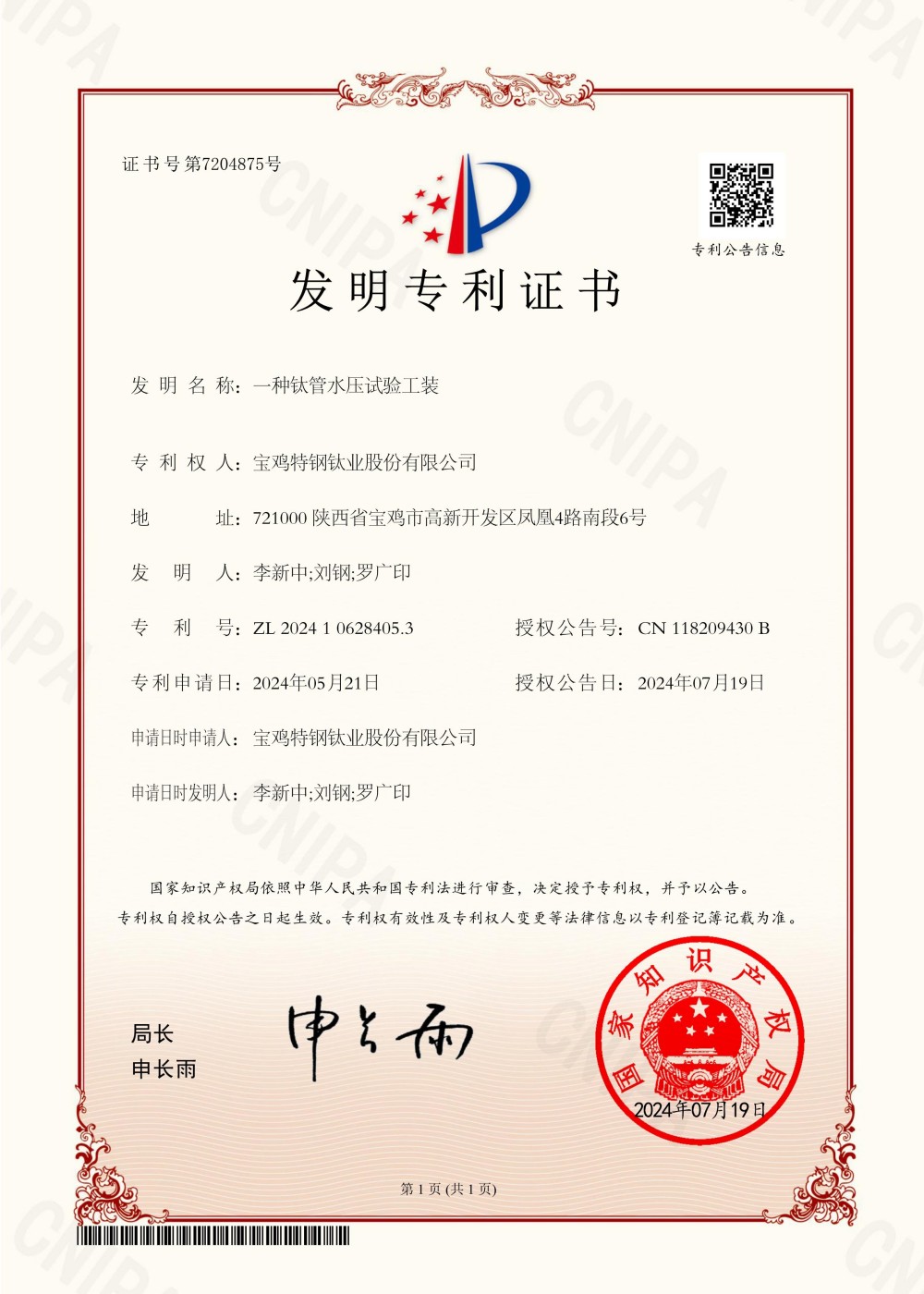
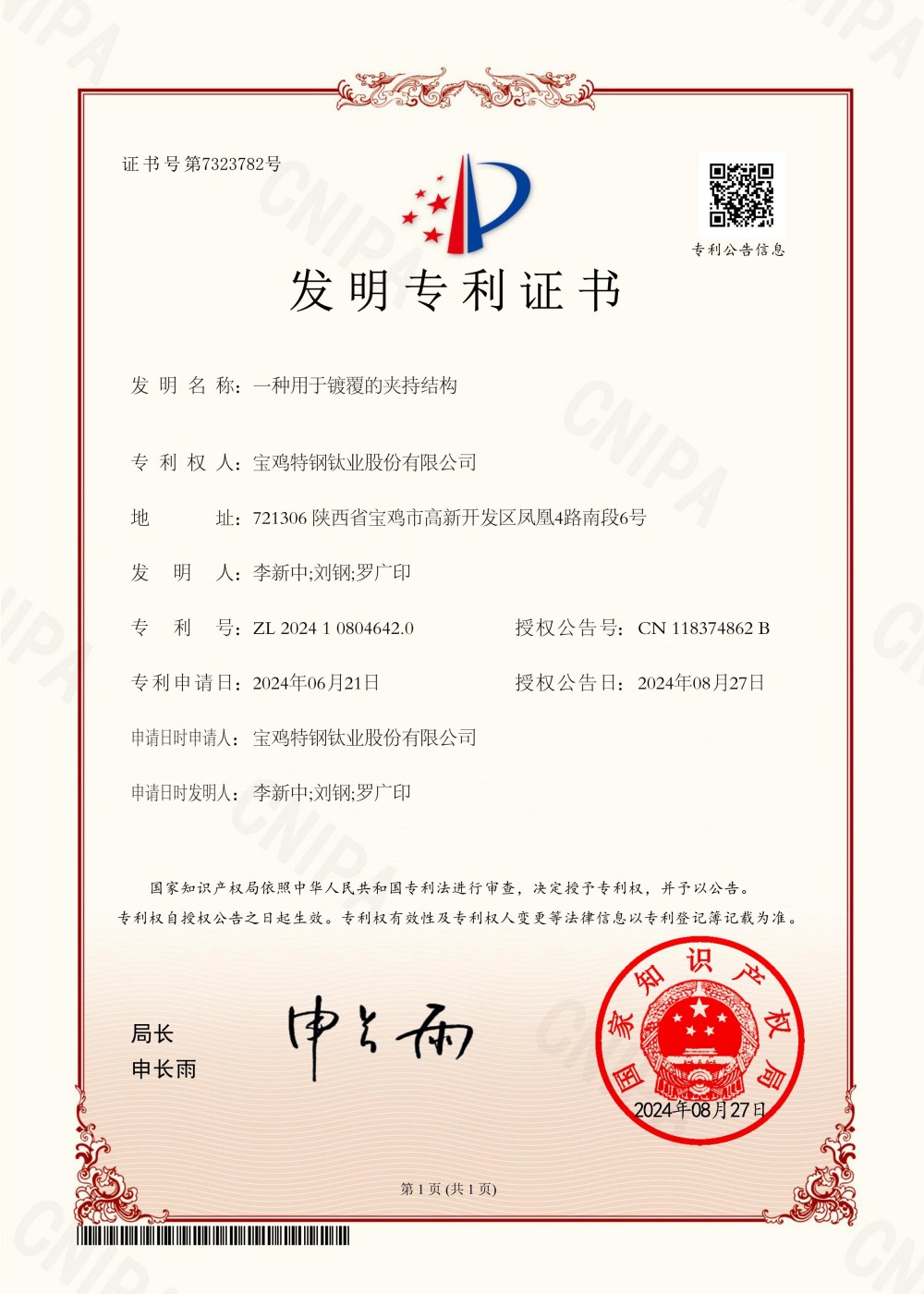
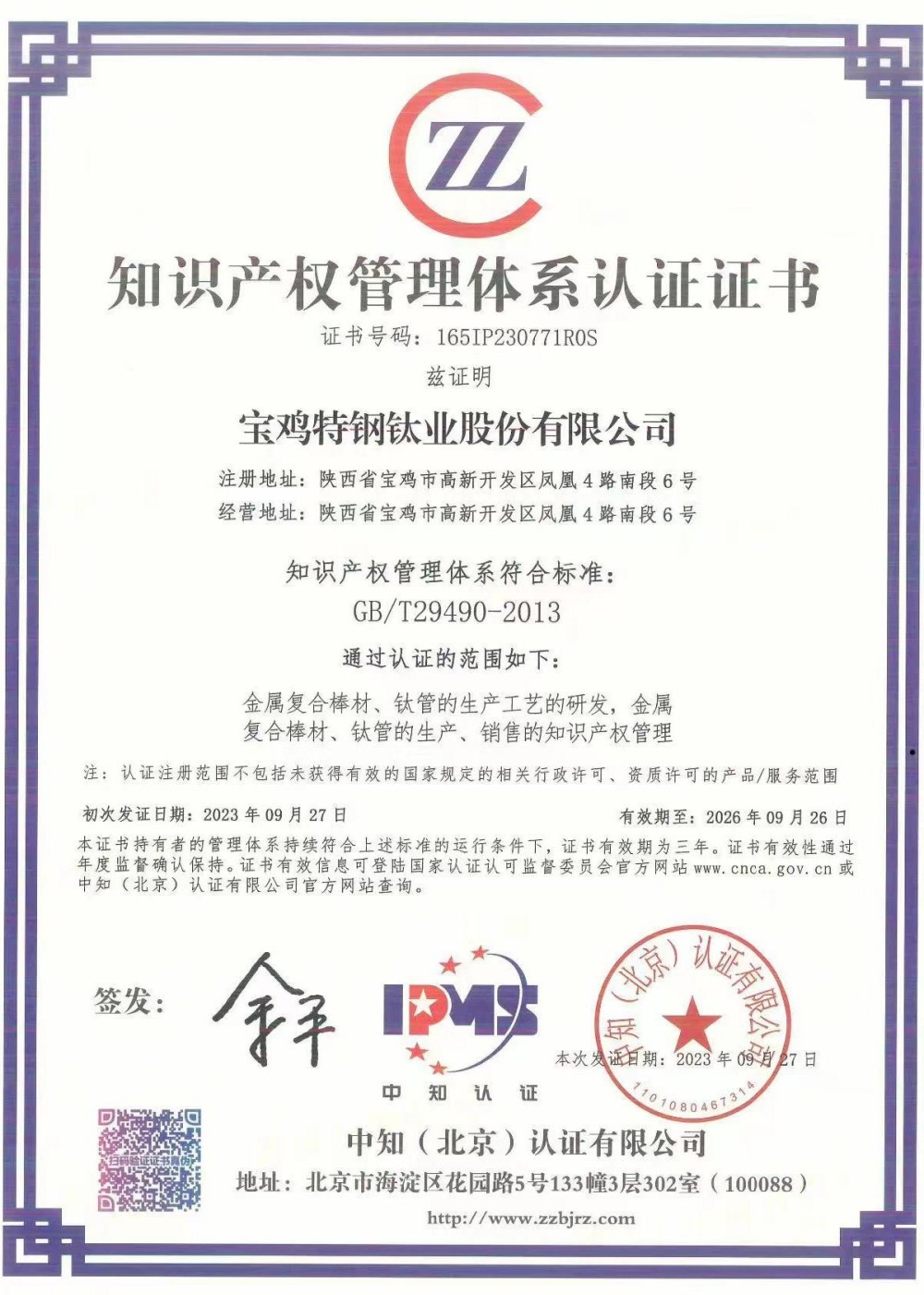
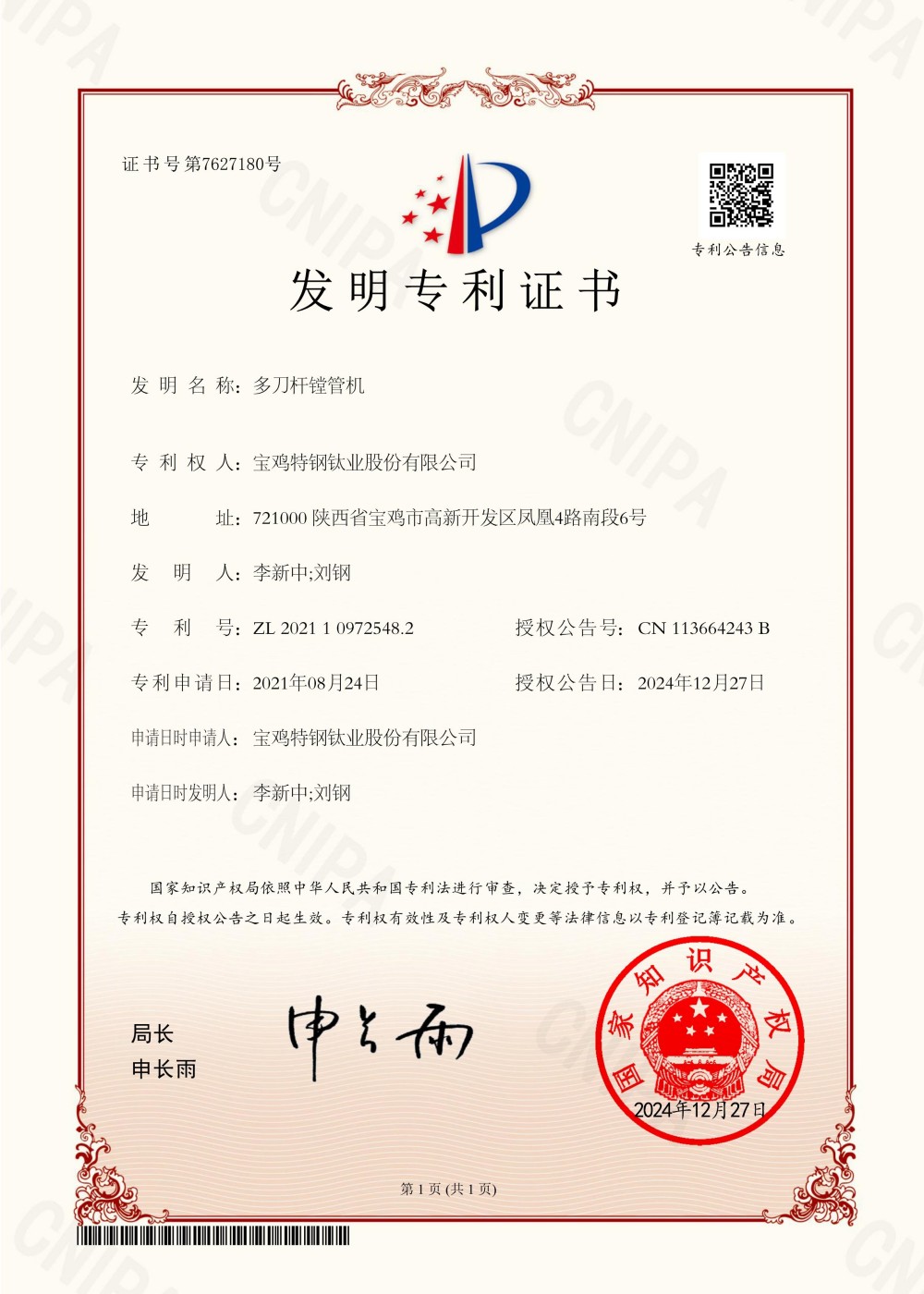
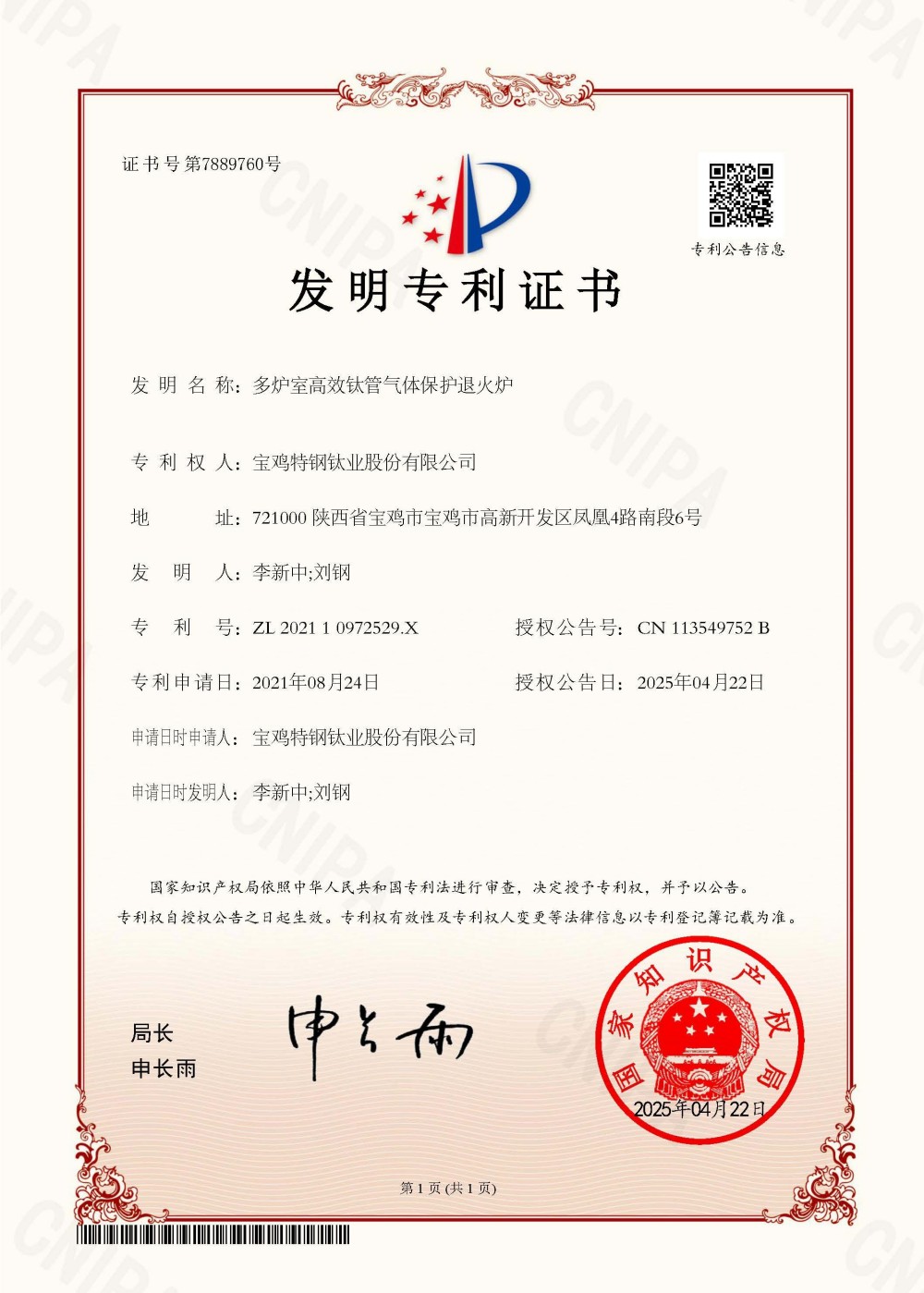
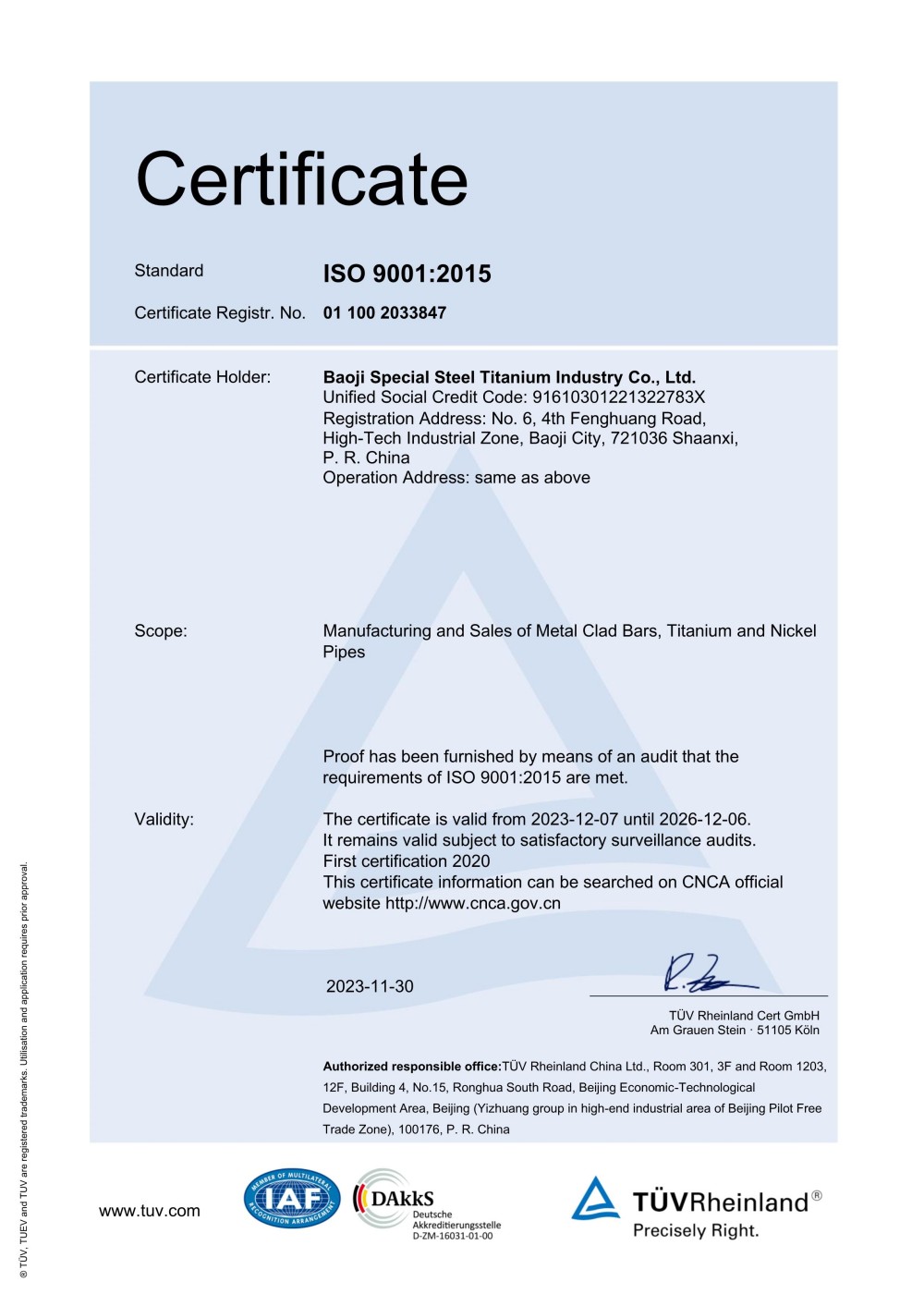
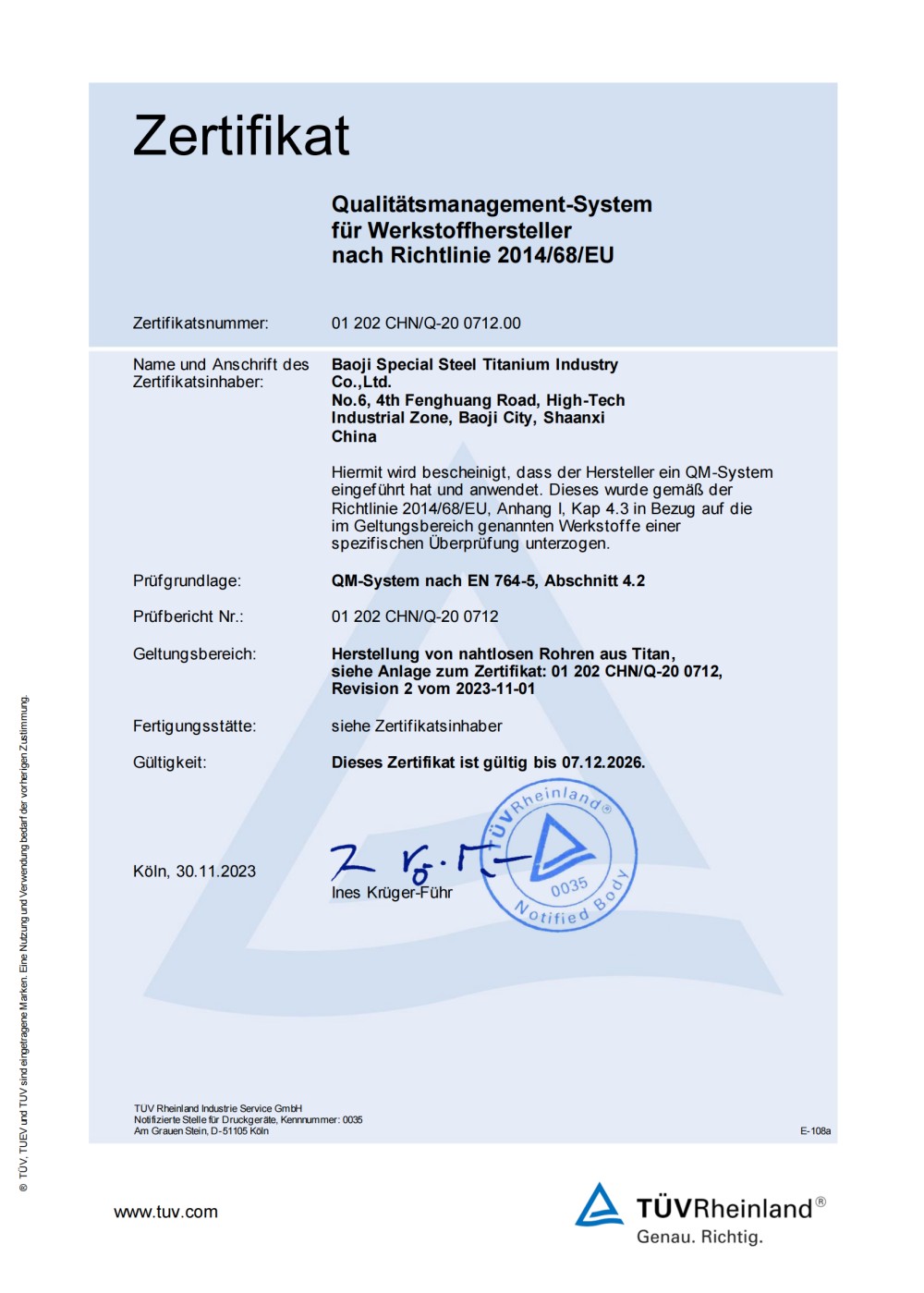
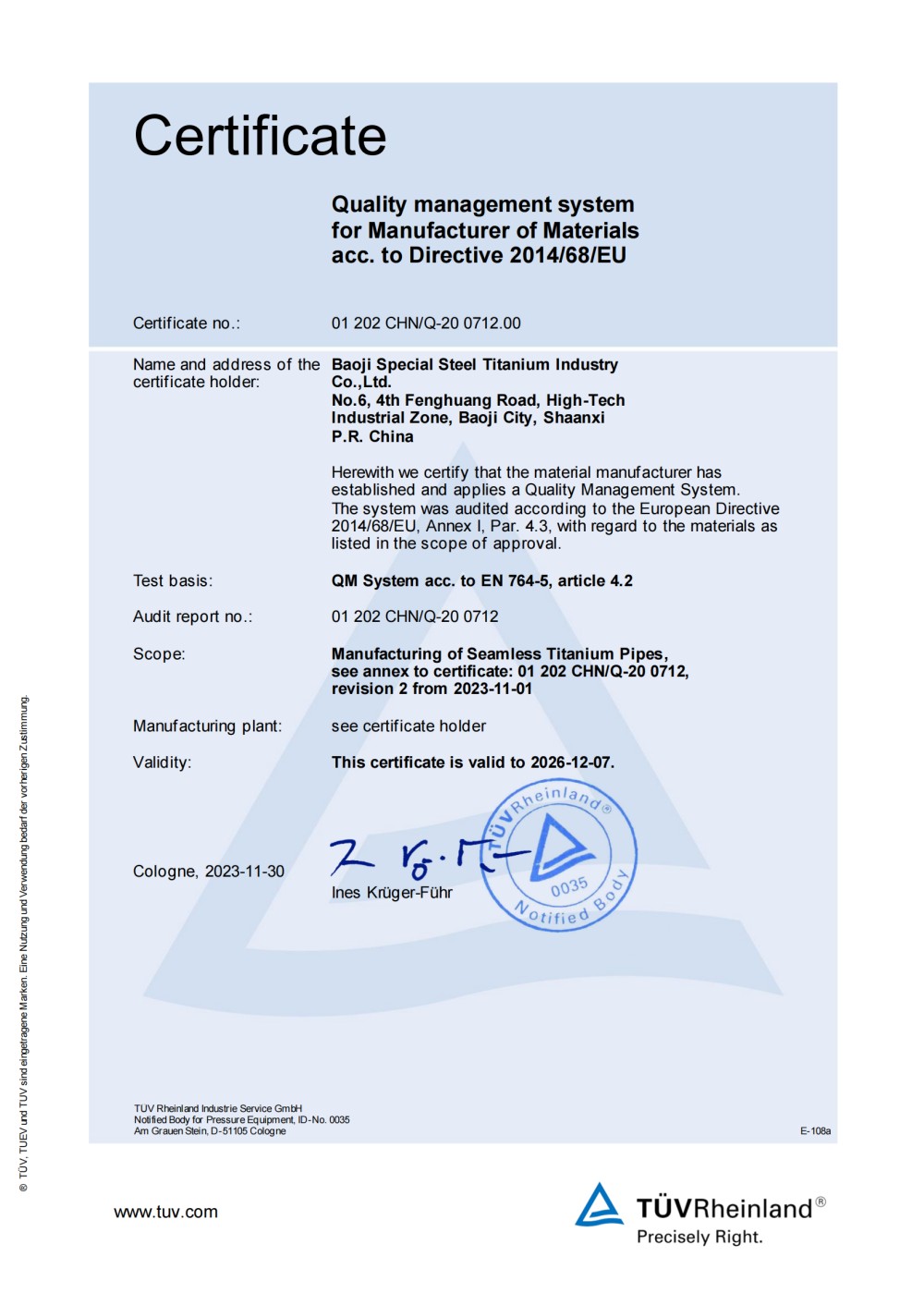
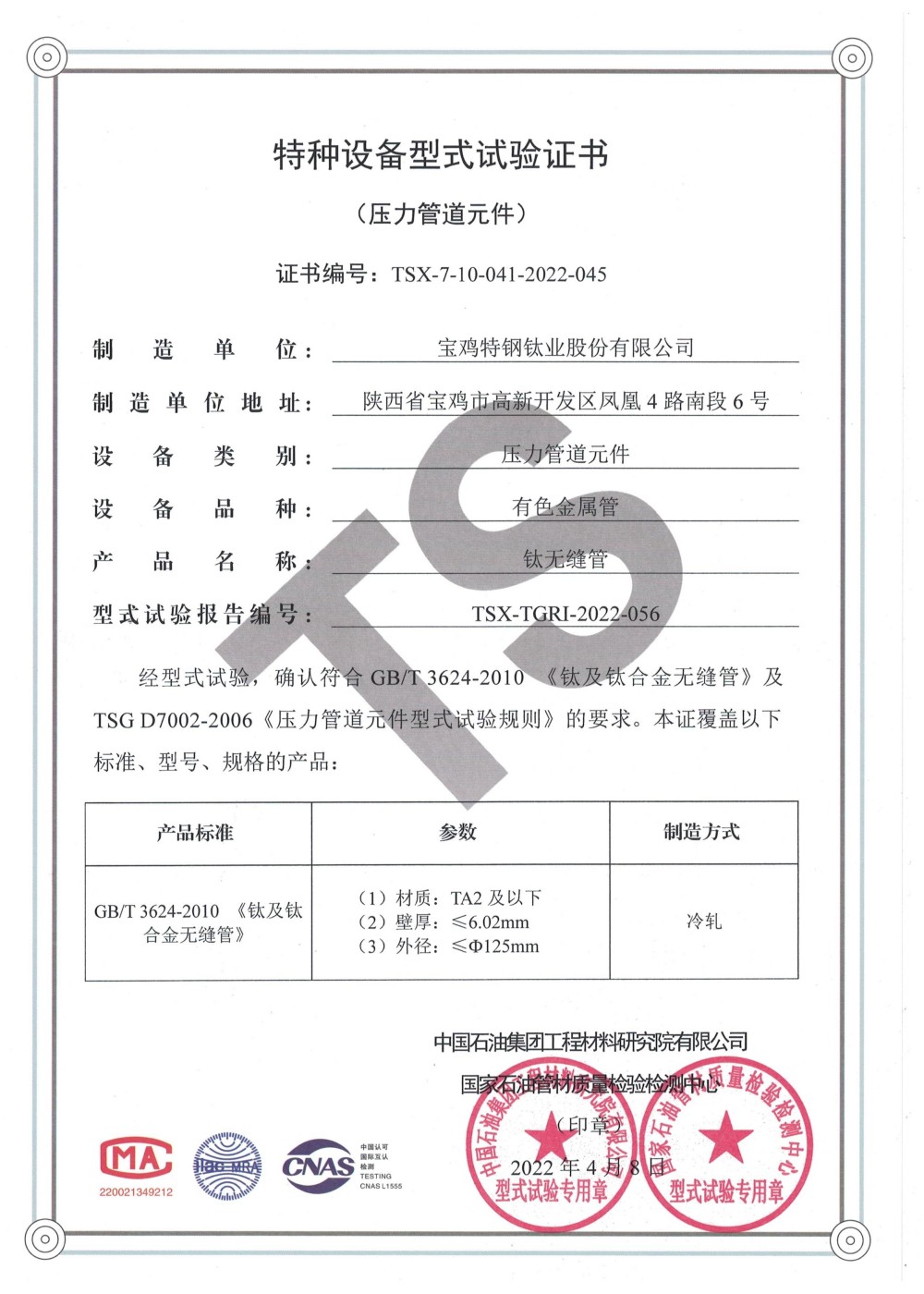
Quality certifications demonstrating our commitment to international standards in titanium composite manufacturing.
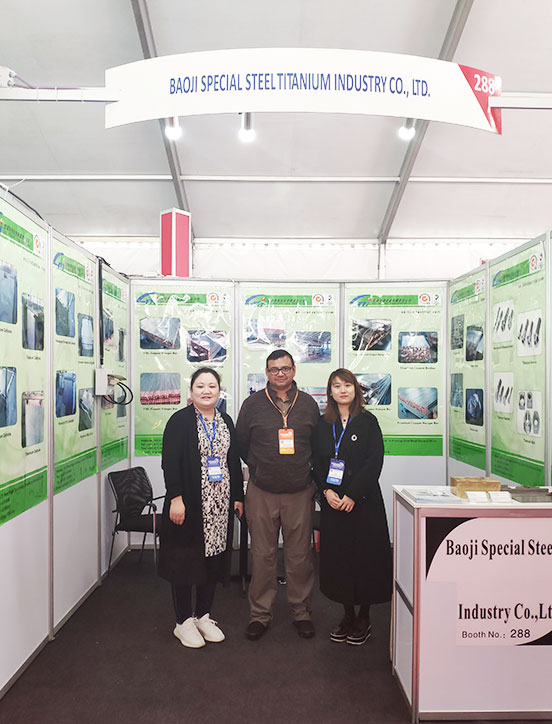
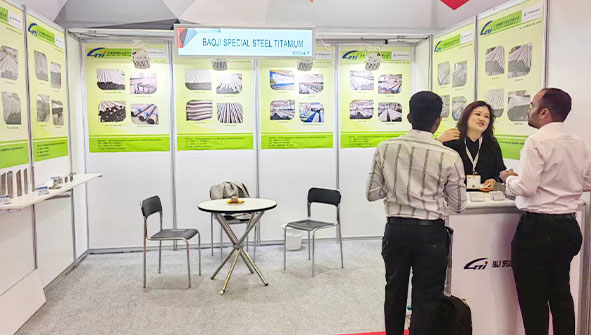
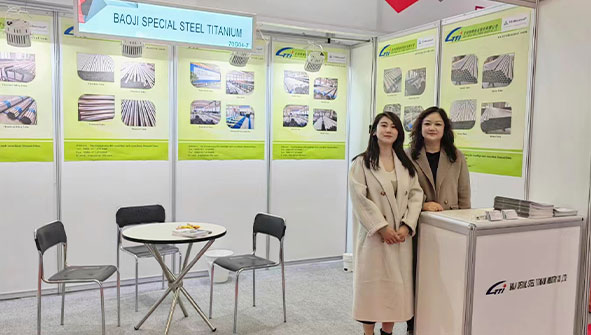
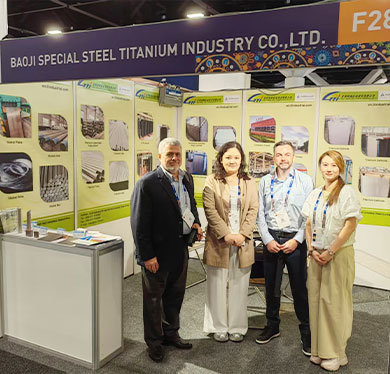
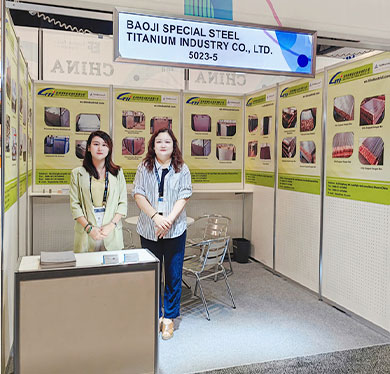
Showcasing our titanium clad copper hanger bars and composite electrode products at international trade exhibitions.
Explore our full range of composite electrode materials, hanger bars, and specialty metals for electrowinning and electrorefining plants.
