



Leave Your Message
Standard and custom titanium mill solutions built to ASTM specifications for petrochemical, marine, and electro-chemical industries.

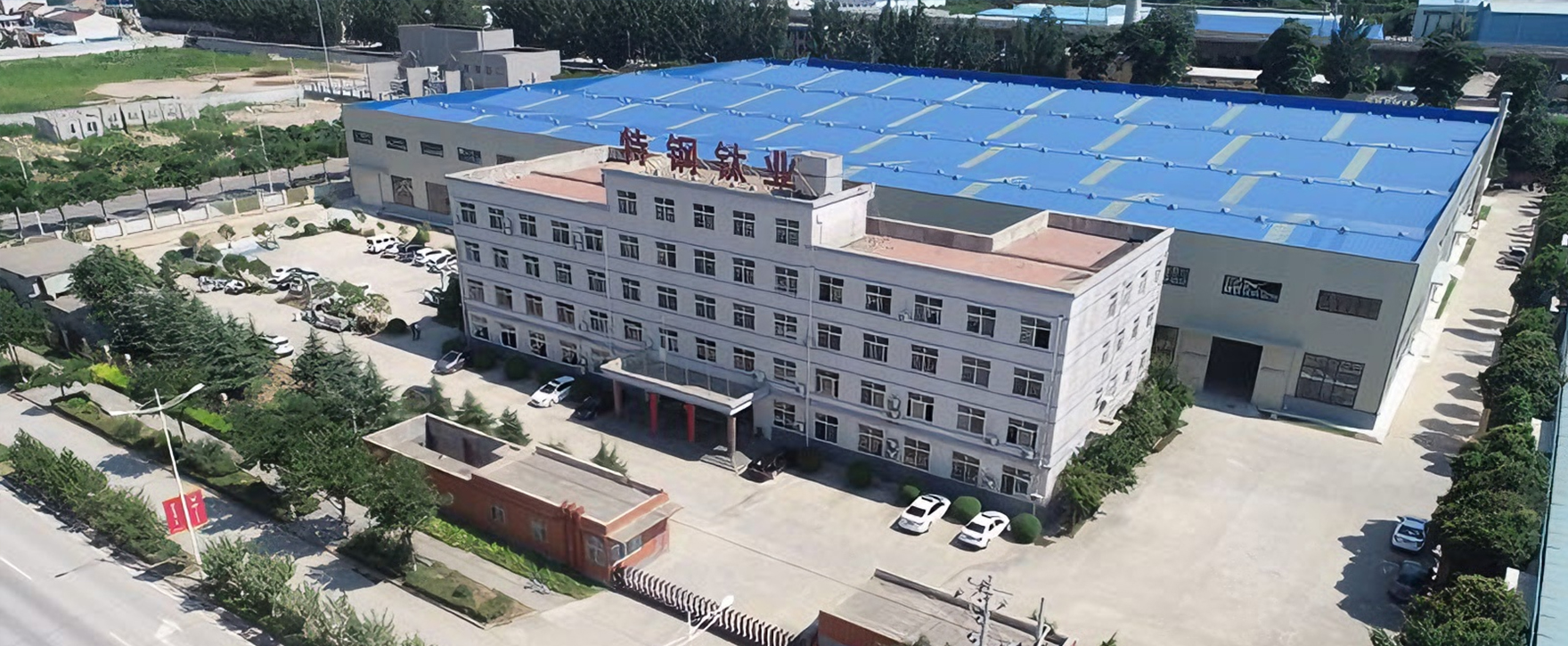


Strategic insights into titanium materials processing, manufacturing supply chains, and rising industrial infrastructure demands in Thailand.
Thailand has rapidly advanced from an assembly-centric automotive and electronics hub into a highly sophisticated manufacturing nexus in Southeast Asia. Under the national framework of the "Thailand 4.0" economic model and the extensive expansion of the Eastern Economic Corridor (EEC)—spanning Rayong, Chonburi, and Chachoengsao—the demand for advanced metallurgical engineering materials has skyrocketed. Among these, non-ferrous, corrosion-resistant metals, specifically titanium, nickel, and zirconium alloys, represent vital structural materials sustaining heavy industrial infrastructure.
While domestic primary titanium smelting is limited across ASEAN, Thailand maintains world-class metal processing, fabrication, high-precision machining, and surface engineering clusters. Petrochemical complexes in Map Ta Phut, deep-sea exploration rigs in the Gulf of Thailand, and modern automotive EV battery plants rely heavily on high-grade imported titanium sheets, pipes, wire, and specialized dimensional anodes (MMO/PbO2). For engineering contractors and industrial operators across Bangkok, Rayong, and Samut Prakan, sourcing ASTM, ASME, and ISO-certified titanium materials from established international manufacturers is essential to guarantee plant lifespan, reduce maintenance cycles, and meet strict safety and operational parameters.
The operational environment in Thailand presents acute metallurgical challenges: tropical coastal atmospheres with elevated ambient humidity, extreme salt-fog marine environments, and intensive corrosive chemical media. Titanium's exceptional strength-to-weight ratio, superior passivation layer formation (TiO2), and thermal transfer efficiencies render it irreplaceable in key applications:
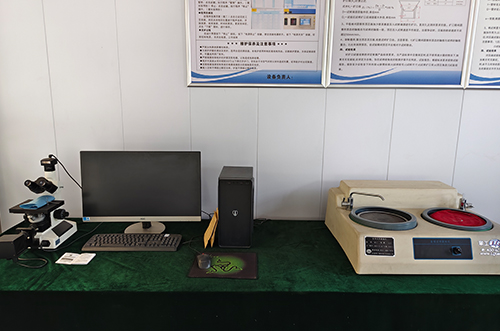
Driven by digitalization and AI-assisted metallurgical diagnostics, procurement standards in the Thailand manufacturing corridor have evolved. Industrial operators now require complete traceability: microscopic chemical composition analyses, non-destructive ultrasonic testing (UT), hydrostatic pressure validation, and precise dimensional control through automated CNC cutting. Sustainable manufacturing has also stimulated the adoption of titanium over toxic coatings or short-lifecycle steels, offering full life-cycle recyclability and lower carbon footprints across Thailand's heavy industrial ecosystem.
Engineered to withstand the most corrosive and rigorous manufacturing environments worldwide.




Stable product quality, integrity as the core of the business philosophy, trusted by the world's leading chemical and mining conglomerates.



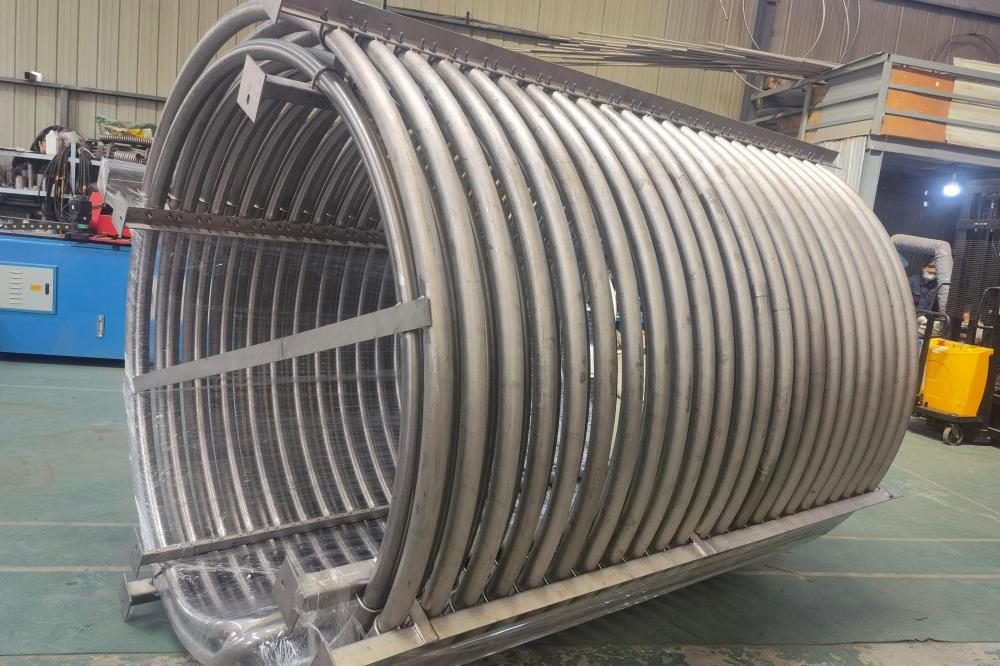
IATF 16949, CE, FMEA, PPAP, APQP, SPC AND MSA 100% TESTED SINCE 1997
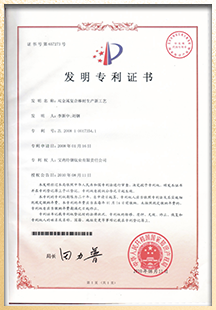
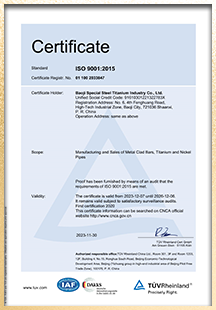
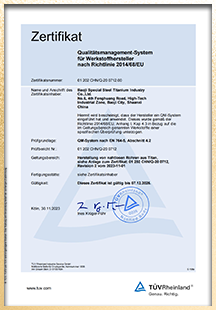
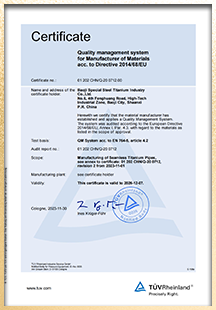
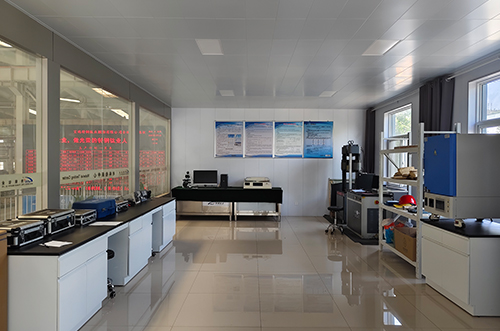
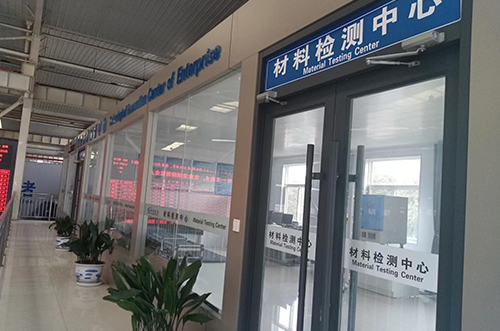
Complete metallurgical procurement options engineered for extreme environments, chemical plants, and marine infrastructure.




