Leave Your Message
Titanium's remarkable resistance to corrosion stems from its ability to spontaneously form a stable, adherent, and self-repairing titanium dioxide (TiO₂) passive film on its surface when exposed to oxygen-containing environments. This passive oxide layer, typically only a few nanometers thick, provides exceptional protection against a wide spectrum of aggressive media — including seawater, chlorine, oxidizing acids, and many organic compounds.
Unlike stainless steel, which can suffer from pitting, crevice corrosion, or stress corrosion cracking in chloride-rich environments, titanium piping systems maintain structural integrity under conditions that would rapidly degrade conventional alloys. This makes titanium materials an indispensable solution for industries where pipeline failure carries catastrophic safety and economic consequences.
⚡ Titanium piping can last 20–50 years in highly corrosive environments — significantly outlasting stainless steel, copper, and polymer alternatives, delivering superior lifecycle cost efficiency.
The global titanium piping market has been experiencing robust growth, driven by increasing demand from the chemical processing, desalination, offshore oil & gas, and pharmaceutical sectors. Market analysts project the titanium alloy pipe segment to grow at a CAGR exceeding 6.5% through 2030, as industries worldwide transition away from less durable materials toward high-performance metals capable of meeting stringent environmental and safety standards.
The commercial adoption of titanium piping systems has accelerated substantially over the past decade. In the desalination industry alone, large-scale seawater reverse osmosis (SWRO) plants in the Middle East, Southeast Asia, and North Africa have installed thousands of meters of titanium Grade 2 and Grade 7 piping to handle high-salinity brine streams that would corrode alternative materials within months.
In the chemical processing sector, titanium's resistance to nitric acid, wet chlorine, and hypochlorite solutions has made it the material of choice for heat exchangers, condenser tubing, reaction vessels, and transfer piping. Major chemical manufacturers in Germany, Japan, and the United States have standardized on ASTM B338-compliant titanium tubes for their most demanding process streams.
The offshore oil and gas industry represents another significant growth driver. Subsea pipeline systems operating in deepwater environments with high hydrogen sulfide (H₂S) and CO₂ concentrations increasingly specify titanium alloy risers and flowlines, where the combination of corrosion resistance, high strength-to-weight ratio, and fatigue resistance delivers compelling operational advantages.
Pharmaceutical and food-grade processing facilities are also adopting titanium piping for ultra-pure fluid handling, leveraging titanium's biocompatibility and non-contaminating surface characteristics to meet FDA and GMP regulatory requirements.
Titanium resists attack from seawater, chlorides, oxidizing acids, and industrial chemicals that rapidly degrade stainless steel, copper, and polymer piping systems — ensuring long-term structural integrity.
With a density of only 4.51 g/cm³ — roughly 60% of steel — titanium delivers comparable or superior mechanical strength, enabling lighter piping systems that reduce structural support requirements and installation costs.
Titanium piping maintains mechanical performance across a broad temperature range, from cryogenic conditions to elevated service temperatures above 300°C, making it suitable for diverse thermal process environments.
Titanium is non-toxic and fully biocompatible, with a non-reactive surface that prevents contamination of process fluids — critical for pharmaceutical, food processing, and medical-grade applications.
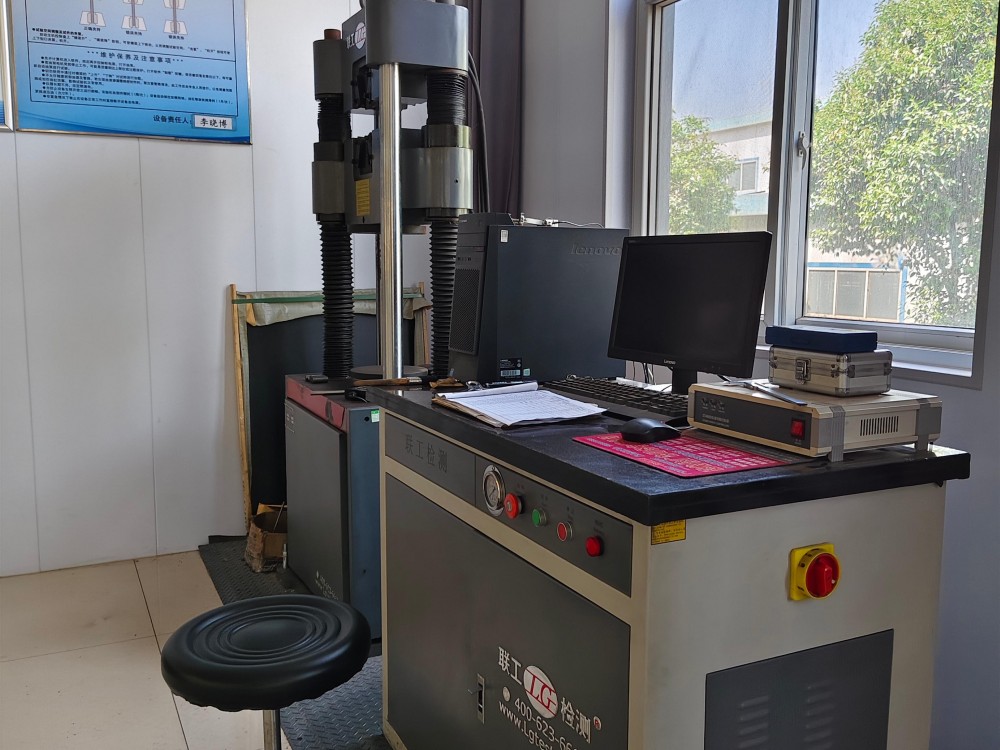
Our titanium tubes and pipes comply with ASTM B338 and plates with ASTM B265, ensuring consistent material properties, dimensional accuracy, and traceability for critical engineering applications worldwide.
Titanium is 100% recyclable and its exceptional longevity — often 30+ years in service — dramatically reduces lifecycle replacement costs, material waste, and environmental impact compared to conventional piping materials.
Titanium piping systems are deployed across a diverse spectrum of demanding industrial environments where conventional materials fail to deliver the required performance, safety, and longevity.
SWRO and MSF desalination plants rely on titanium Grade 2 piping for brine heaters, condenser tubes, and seawater intake systems, where chloride concentrations would corrode stainless steel within months.
Titanium piping handles chlorine, nitric acid, sulfuric acid (dilute), and oxidizing media in chemical plants, providing leak-free operation in environments where safety regulations demand zero tolerance for pipe failure.
Subsea risers, flowlines, and injection piping fabricated from titanium alloys withstand H₂S, CO₂, and high-pressure deepwater environments while offering significant weight savings over carbon steel alternatives.
Ultra-pure fluid transfer in pharmaceutical manufacturing and food processing applications benefits from titanium's non-contaminating, FDA-compliant surface properties that maintain product purity and regulatory compliance.
Nuclear and fossil fuel power plants use titanium condenser tubing and heat exchanger piping in once-through cooling water systems, where resistance to biofouling and microbiologically influenced corrosion (MIC) is essential.
Titanium cathodes, anodes, and electrode support structures in chlor-alkali, electroplating, and electrowinning operations leverage titanium's electrochemical stability and resistance to anodic dissolution.
Shipboard piping systems, heat exchangers, and firefighting water mains constructed from titanium alloys offer unparalleled service life in marine environments, eliminating the corrosion maintenance costs of copper-nickel alternatives.
Wastewater treatment, flue gas desulfurization (FGD), and industrial effluent handling systems employ titanium piping to manage aggressive slurries, oxidizing chemicals, and high-chloride process streams safely.
The global transition to green hydrogen production via electrolysis is creating substantial new demand for titanium piping in electrolyzers and associated fluid handling systems, where titanium's electrochemical stability is unmatched.
With over 150 million m³/day of desalination capacity projected globally by 2030, titanium piping demand from the water treatment sector is set to grow significantly, particularly in the Middle East and Asia-Pacific regions.
New titanium alloy grades — including Ti-0.15Pd (Grade 7), Ti-3Al-2.5V, and near-alpha alloys — are being developed to extend performance in even more aggressive chemical environments and higher-temperature service conditions.
3D printing of titanium piping components and fittings is emerging as a cost-effective manufacturing route for complex geometries, reducing material waste and enabling rapid prototyping for custom industrial applications.
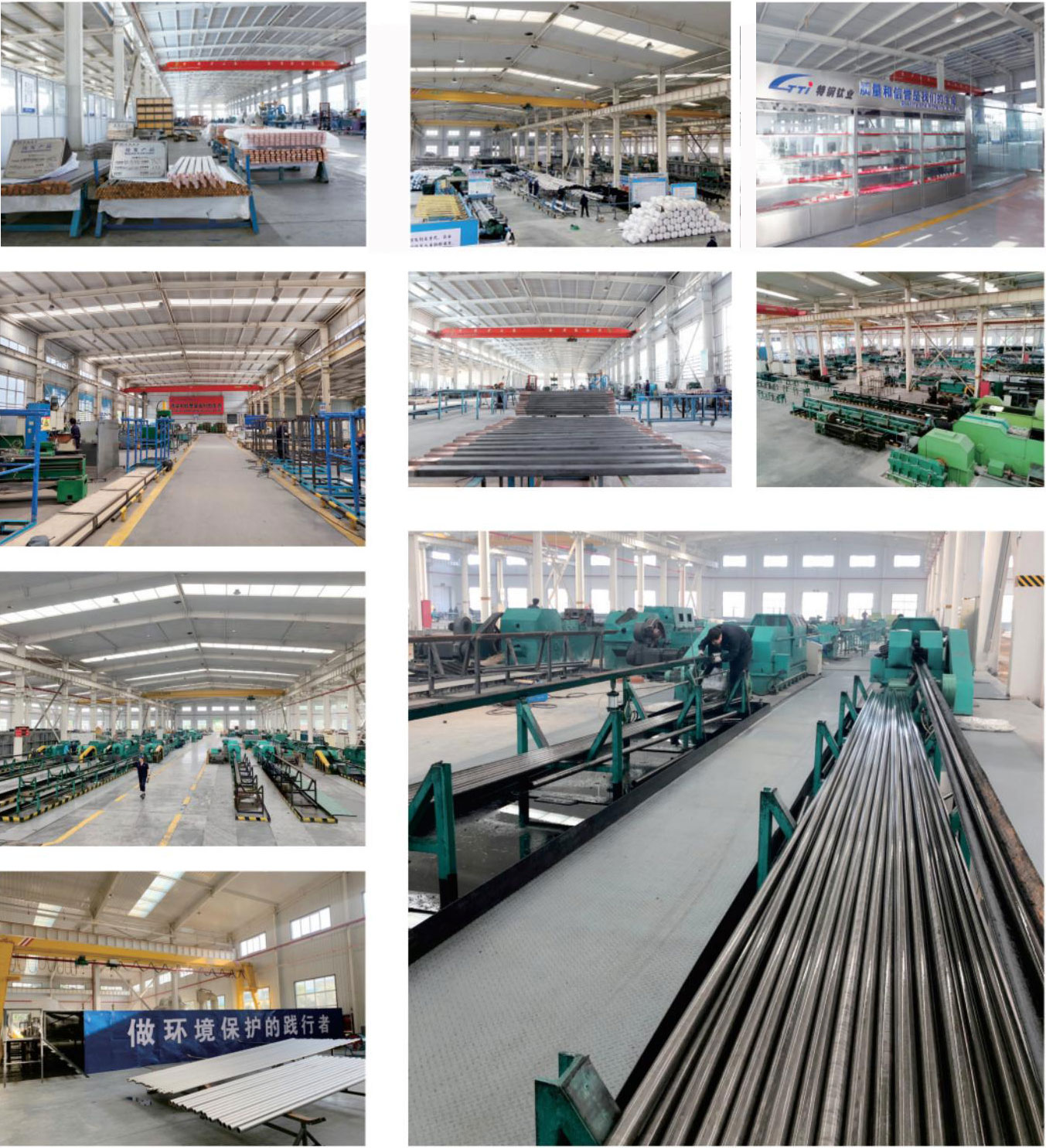
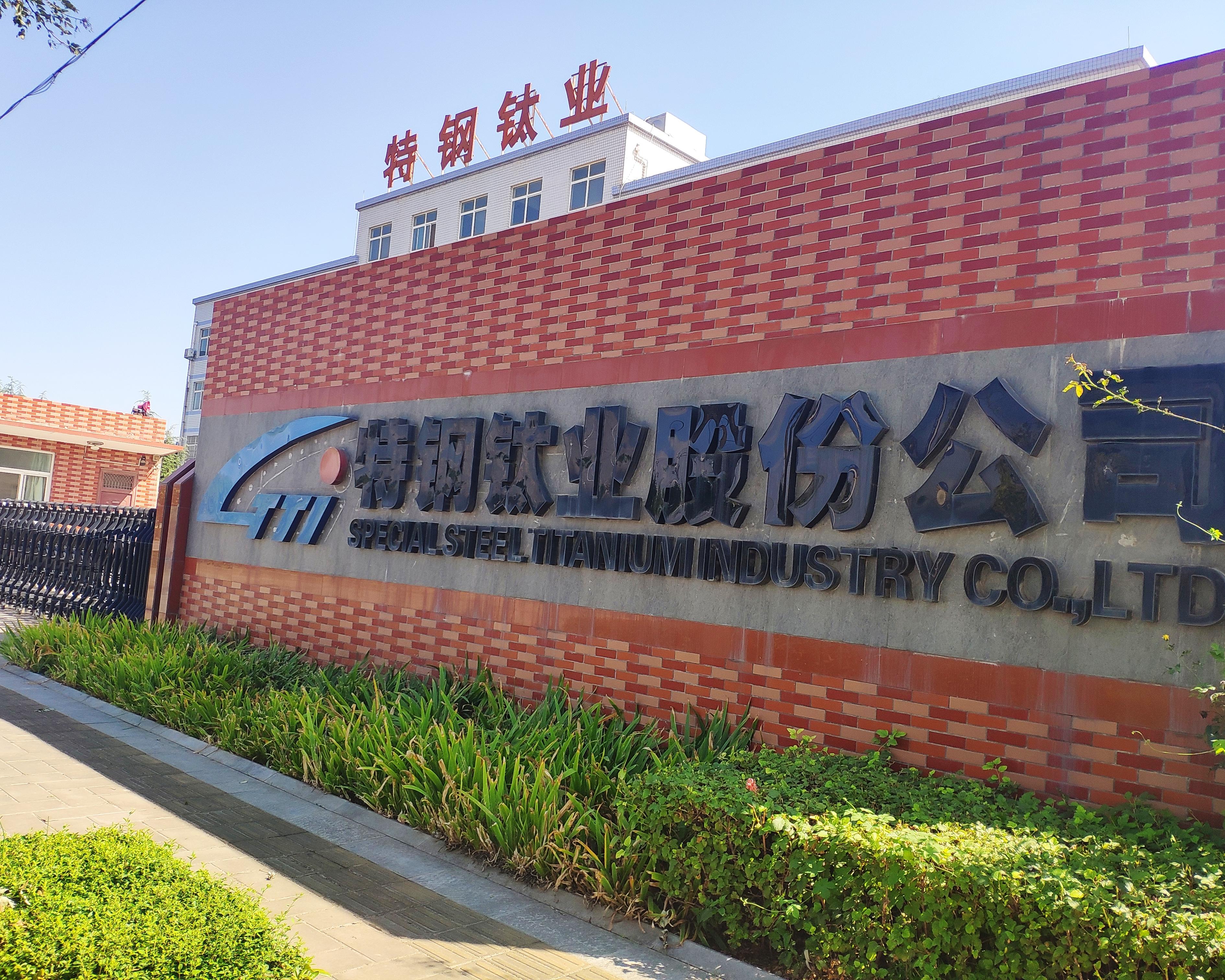
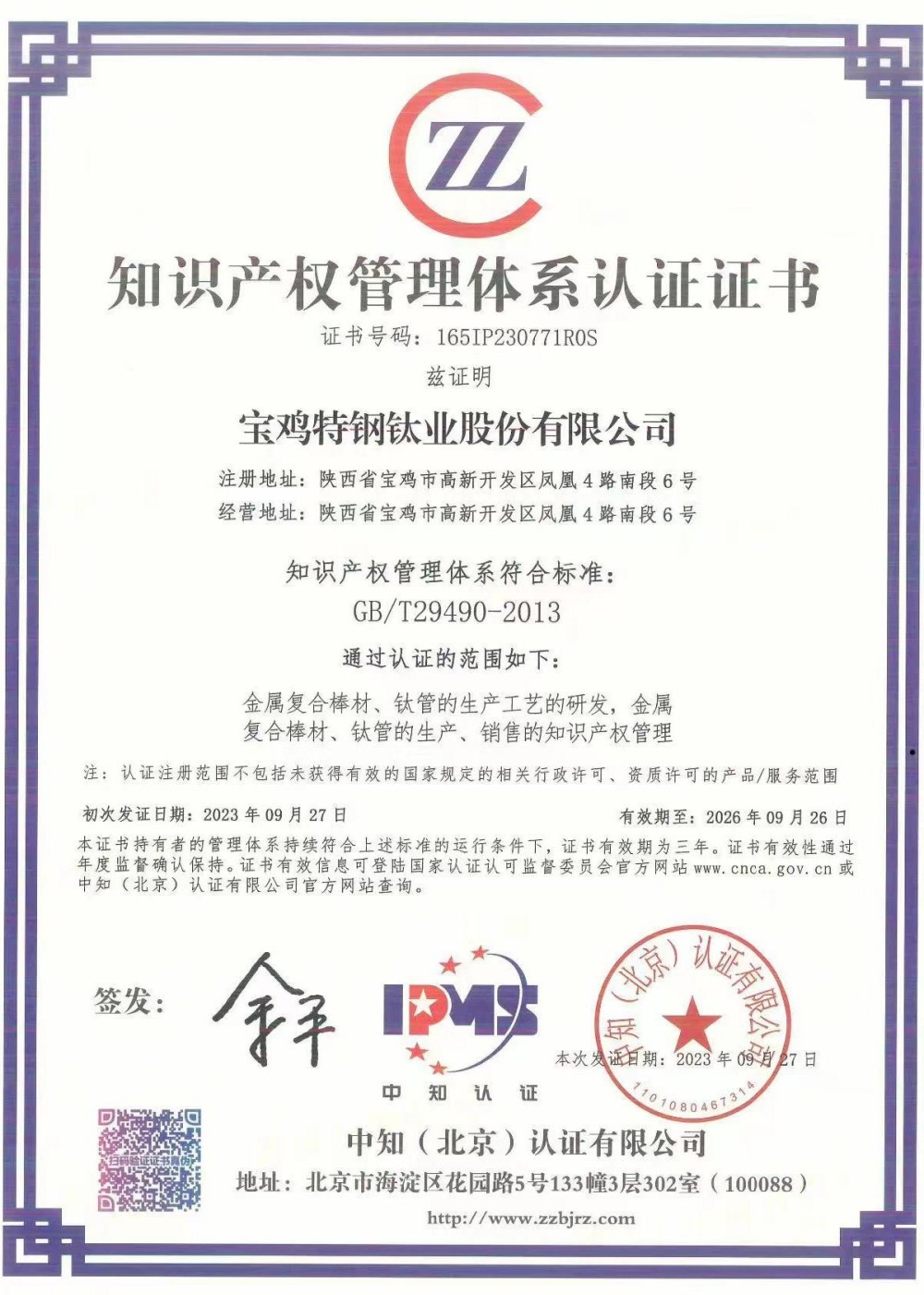
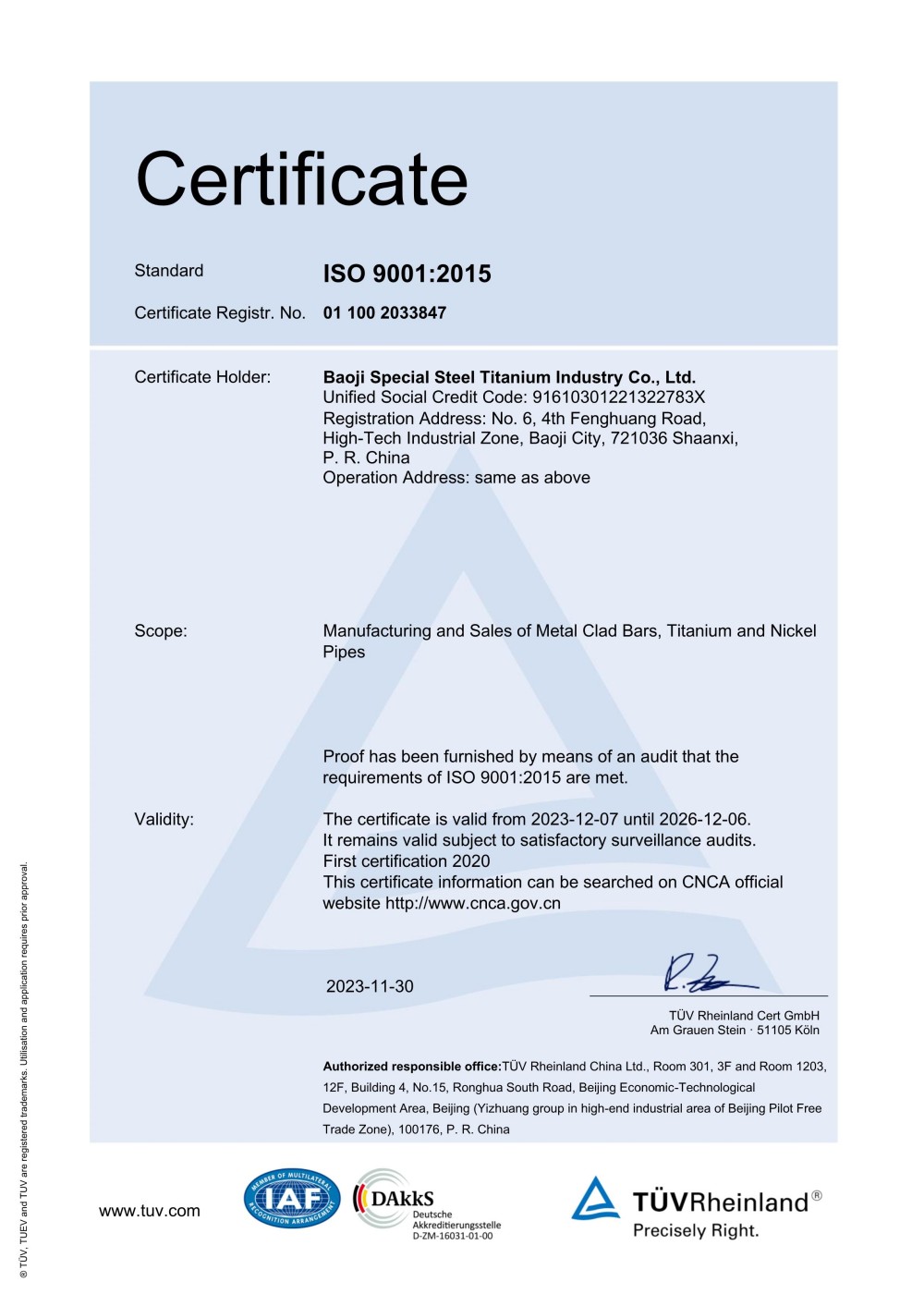
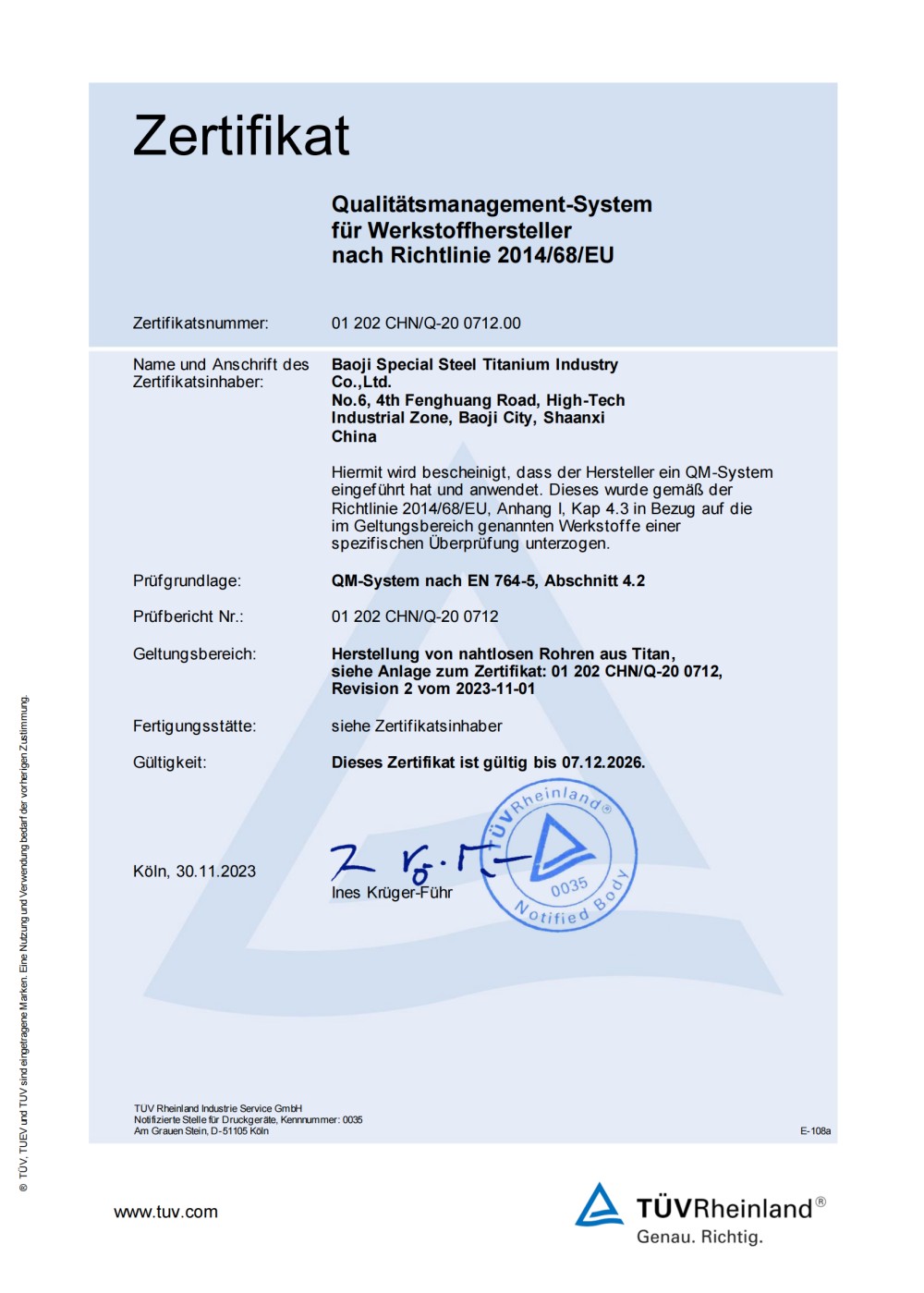
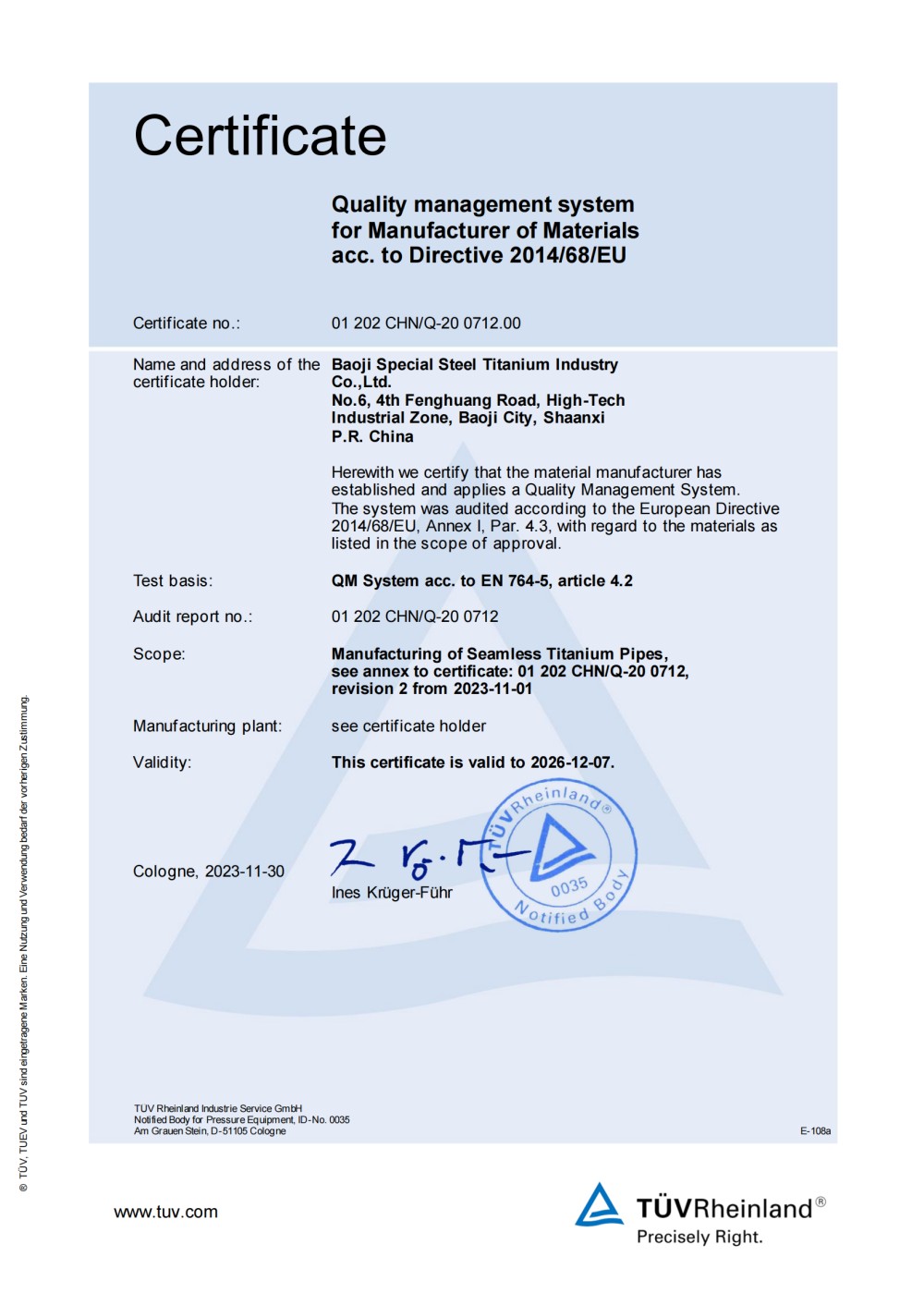
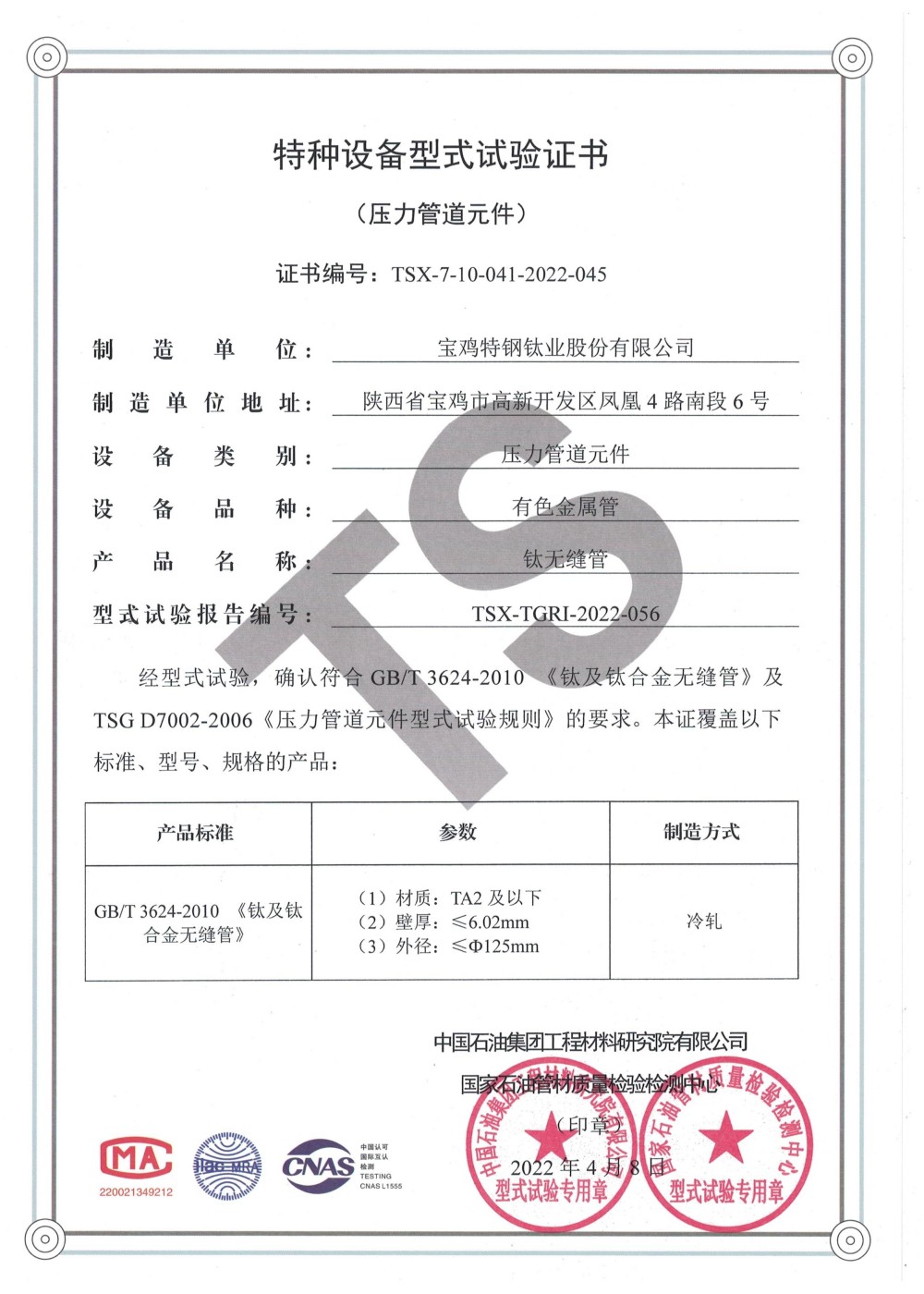
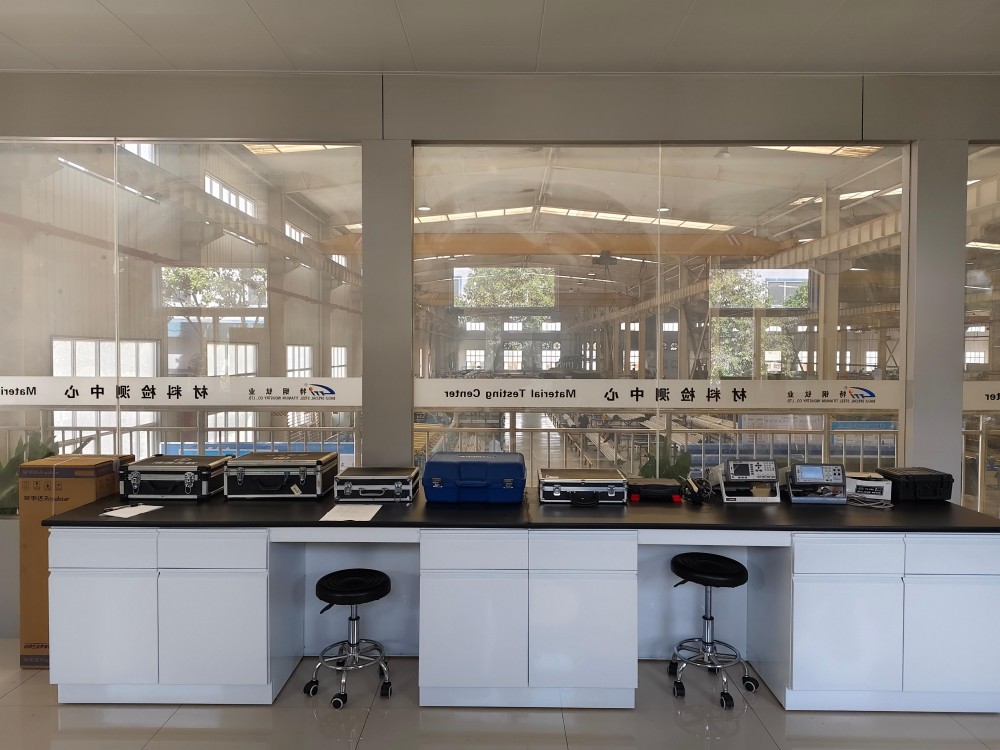
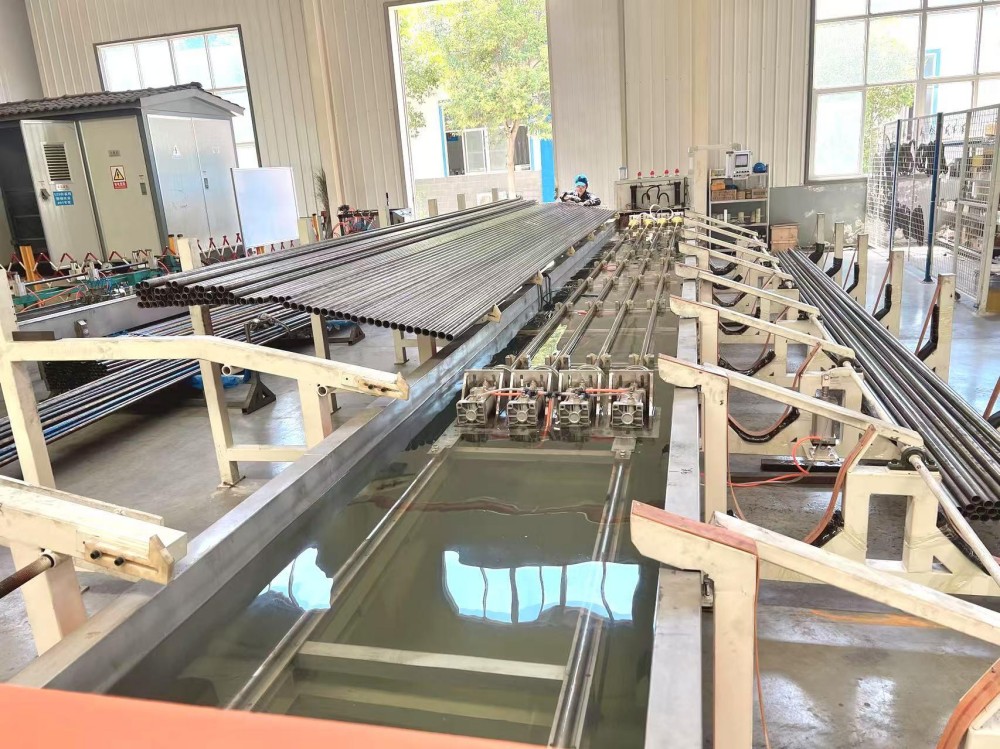
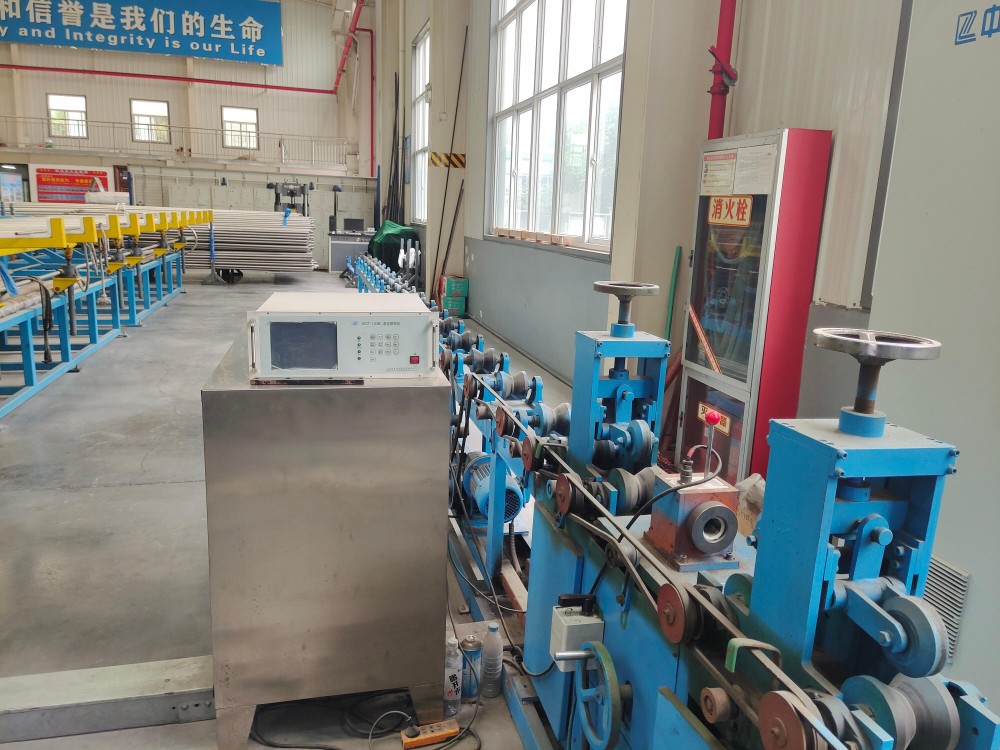
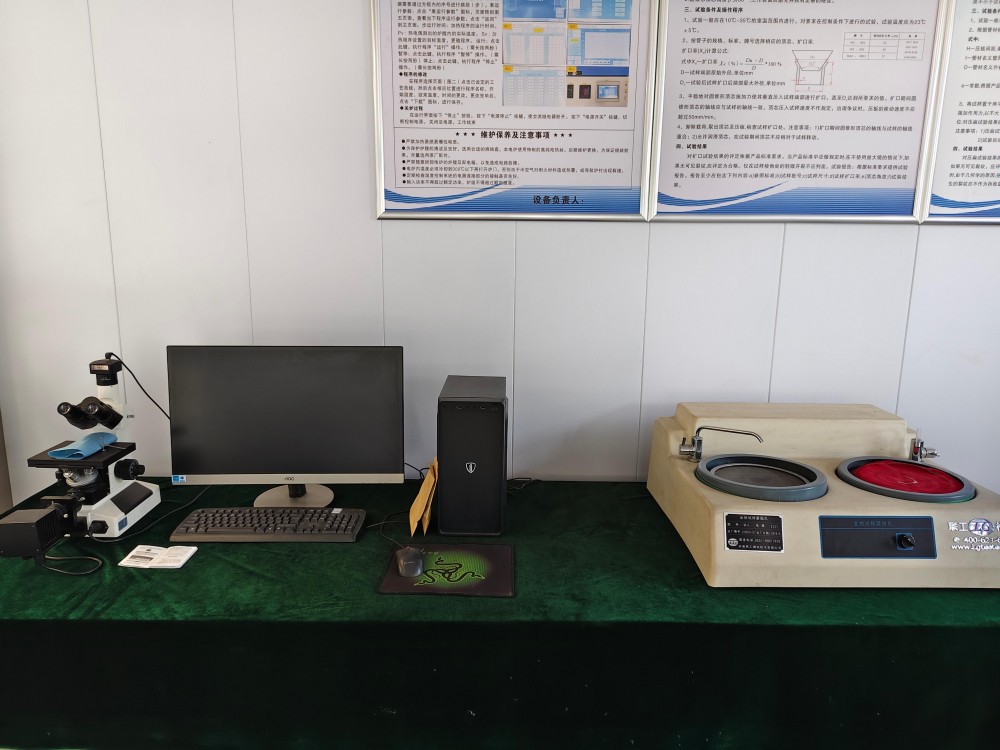
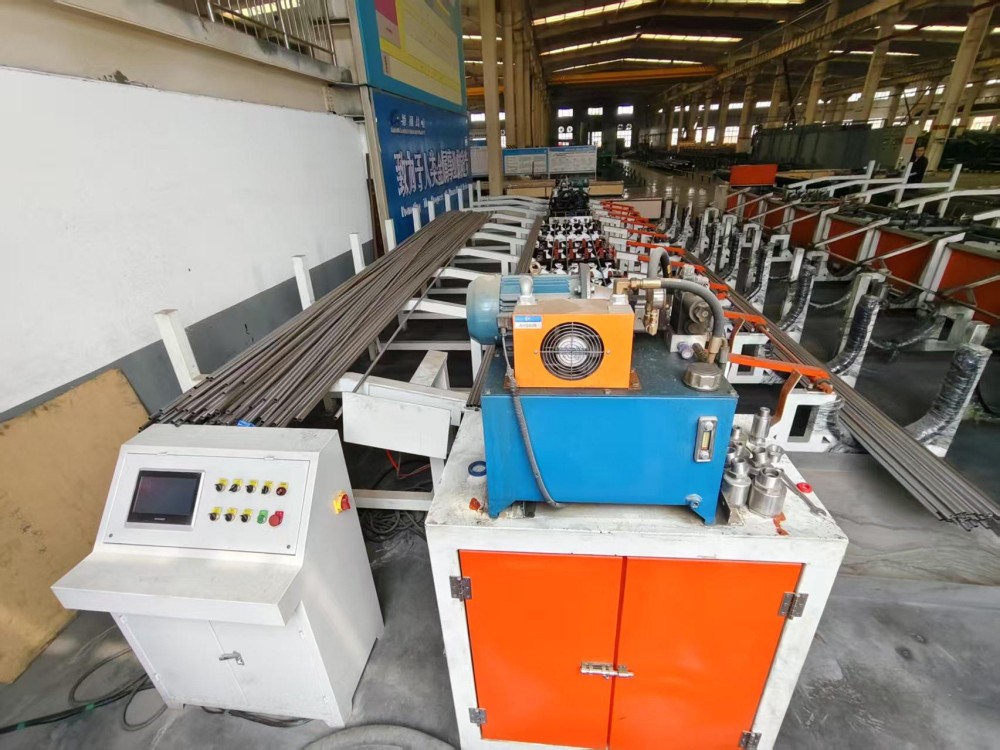
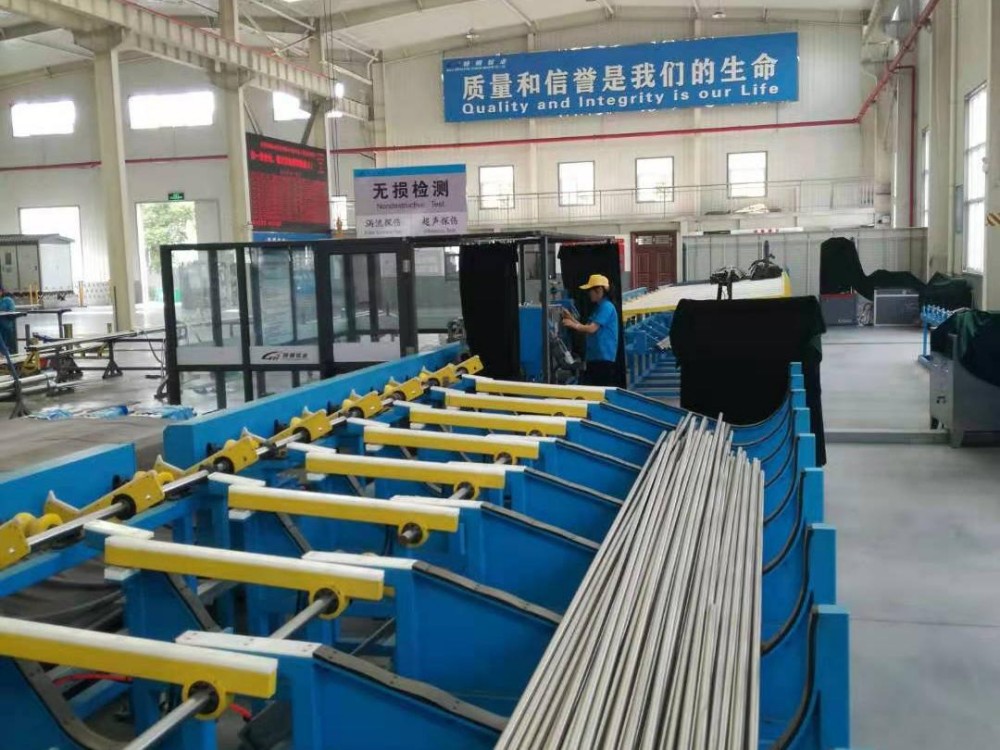
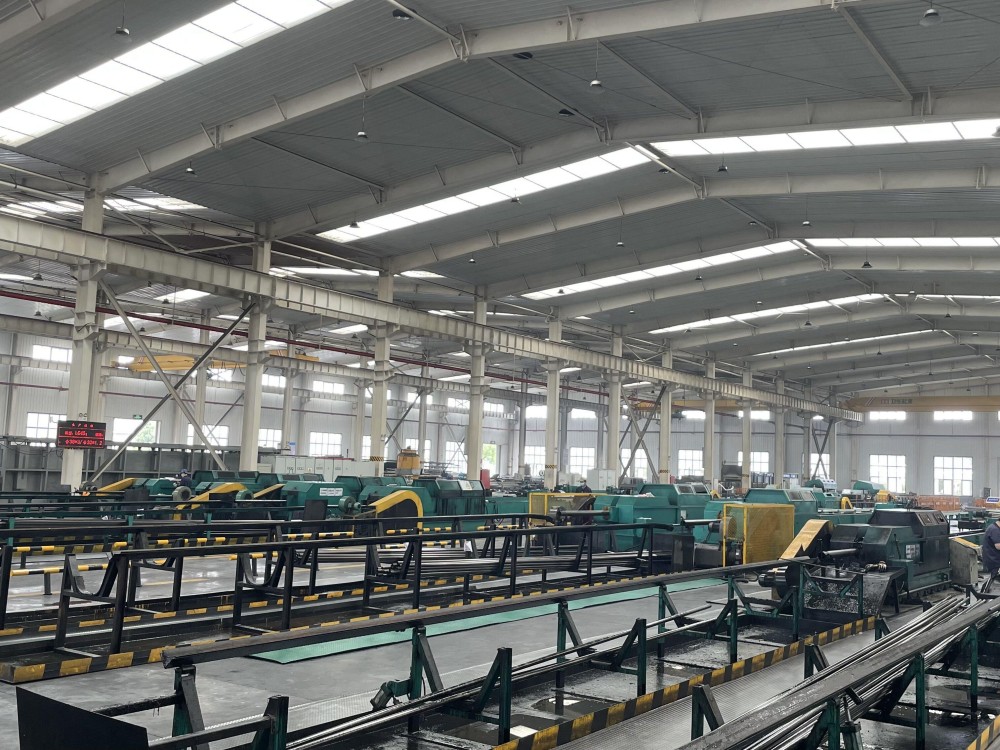
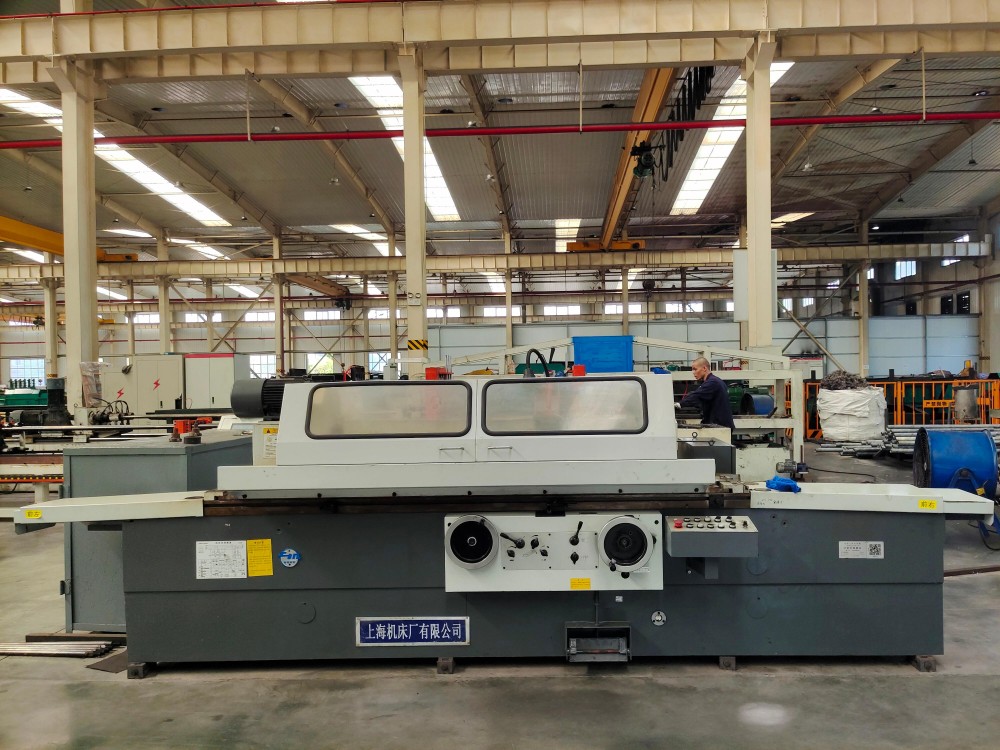
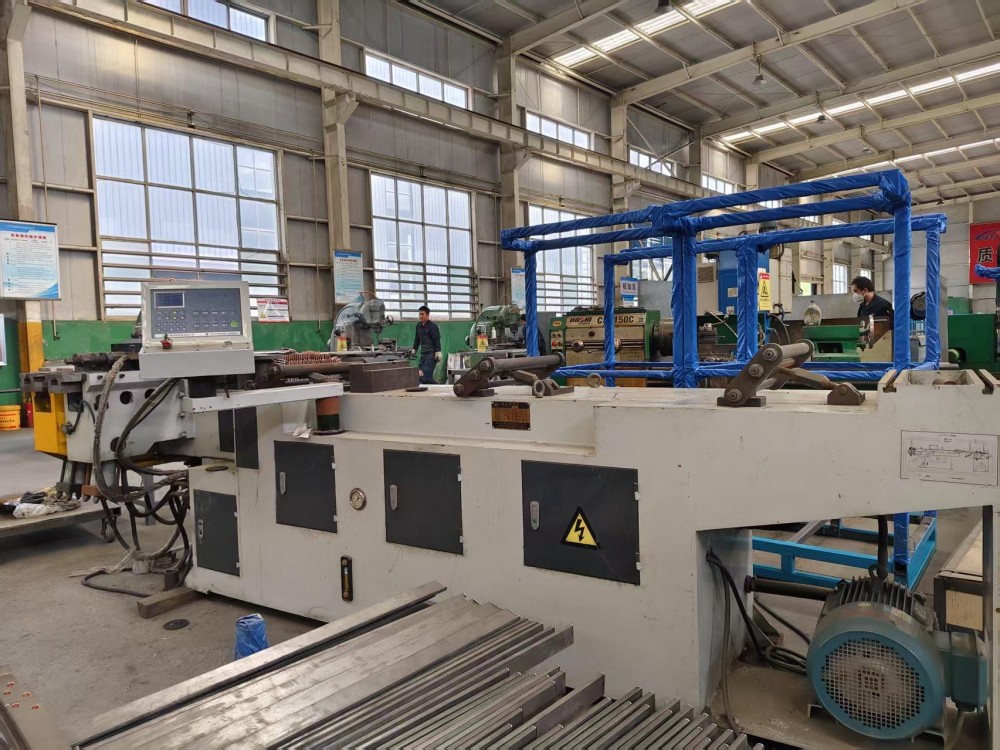
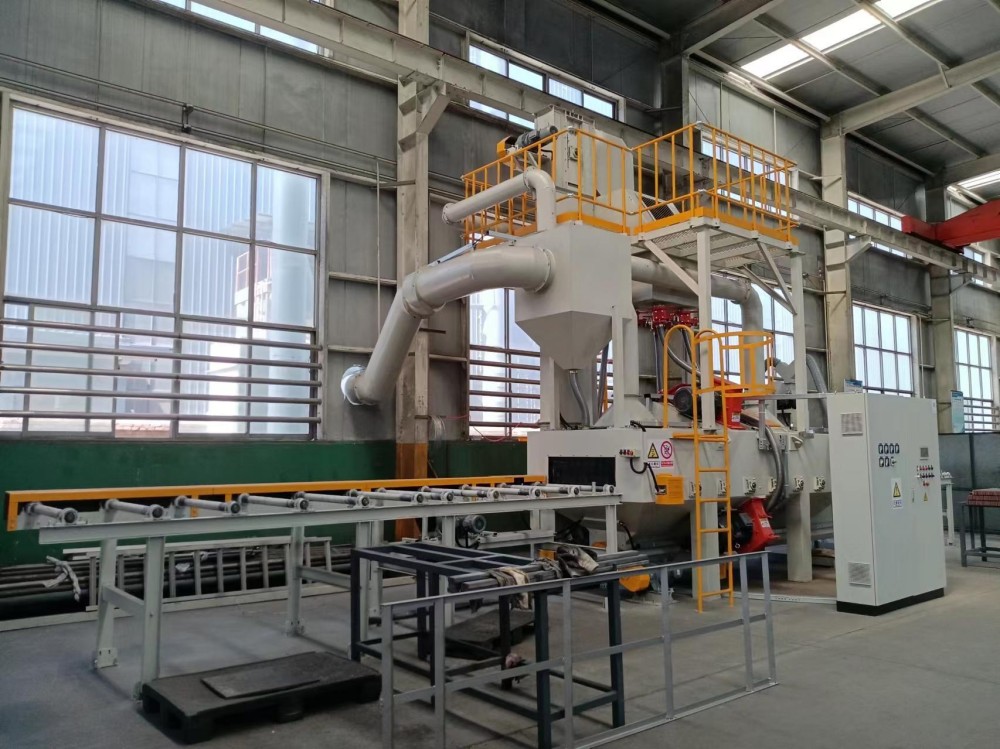
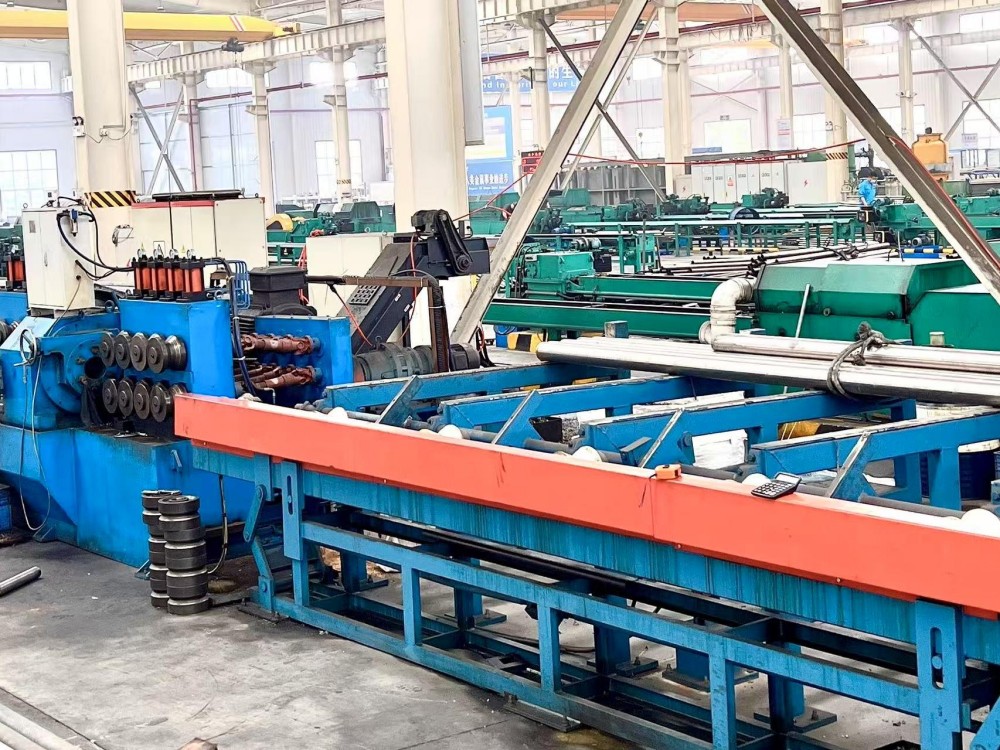
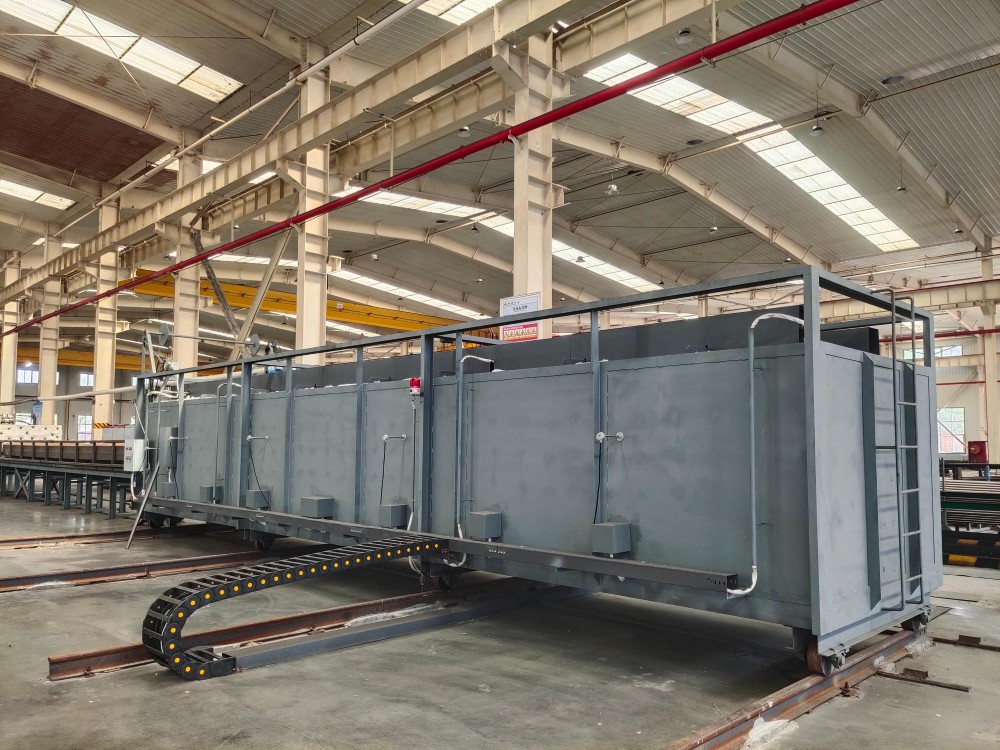
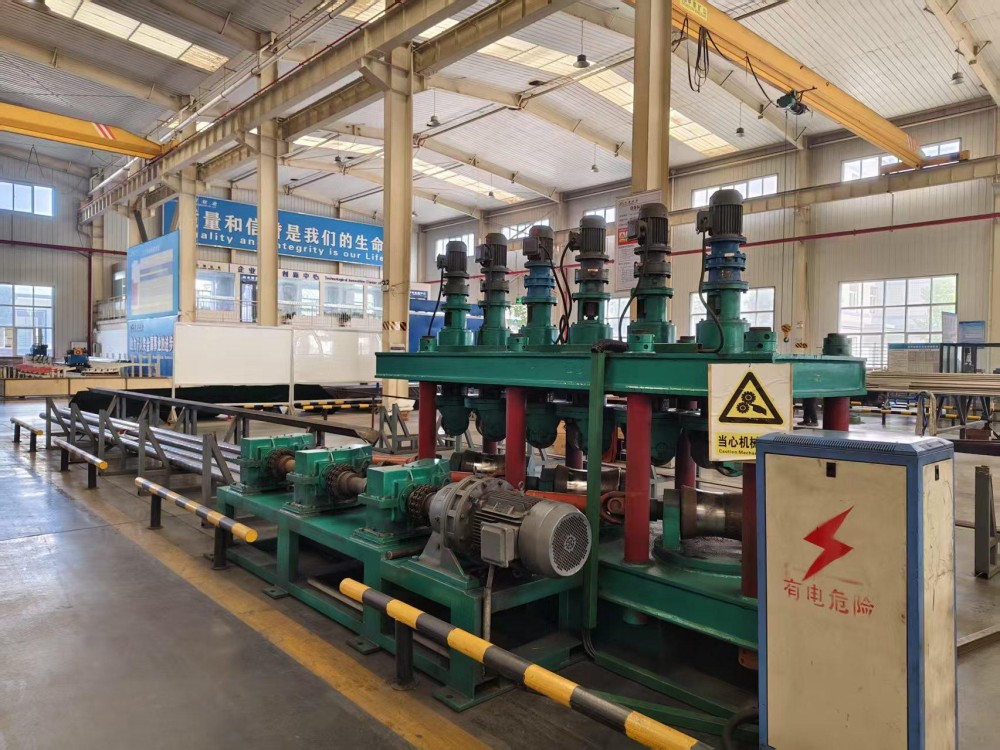
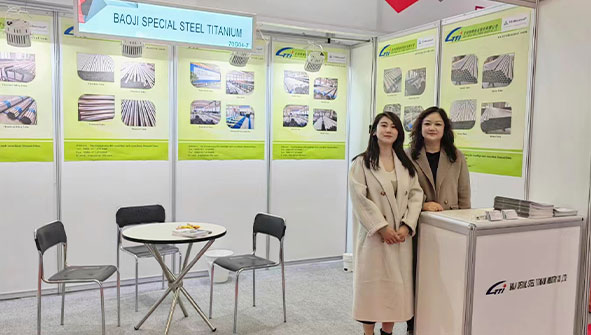
Is a joint-stock industrial enterprise specializing in the research, development, manufacturing and sales of titanium, nickel, zirconium and other metal pipes and metal composite materials. The company was founded in 1997, located in Shaanxi Baoji National High-tech Industrial development Zone, the factory covers an area of 41,000 square meters.
The company has an annual production capacity of over 3000 tons of non-ferrous metal pipes, composite materials and various deep processing products such as titanium, zirconium, nickel, tantalum and copper, etc., and a series of products according to varieties and specifications have reached more than 500 kinds, the annual export accounted for more than 30% of the company's total output, is an export-oriented industrial enterprise with a strong growth momentum.
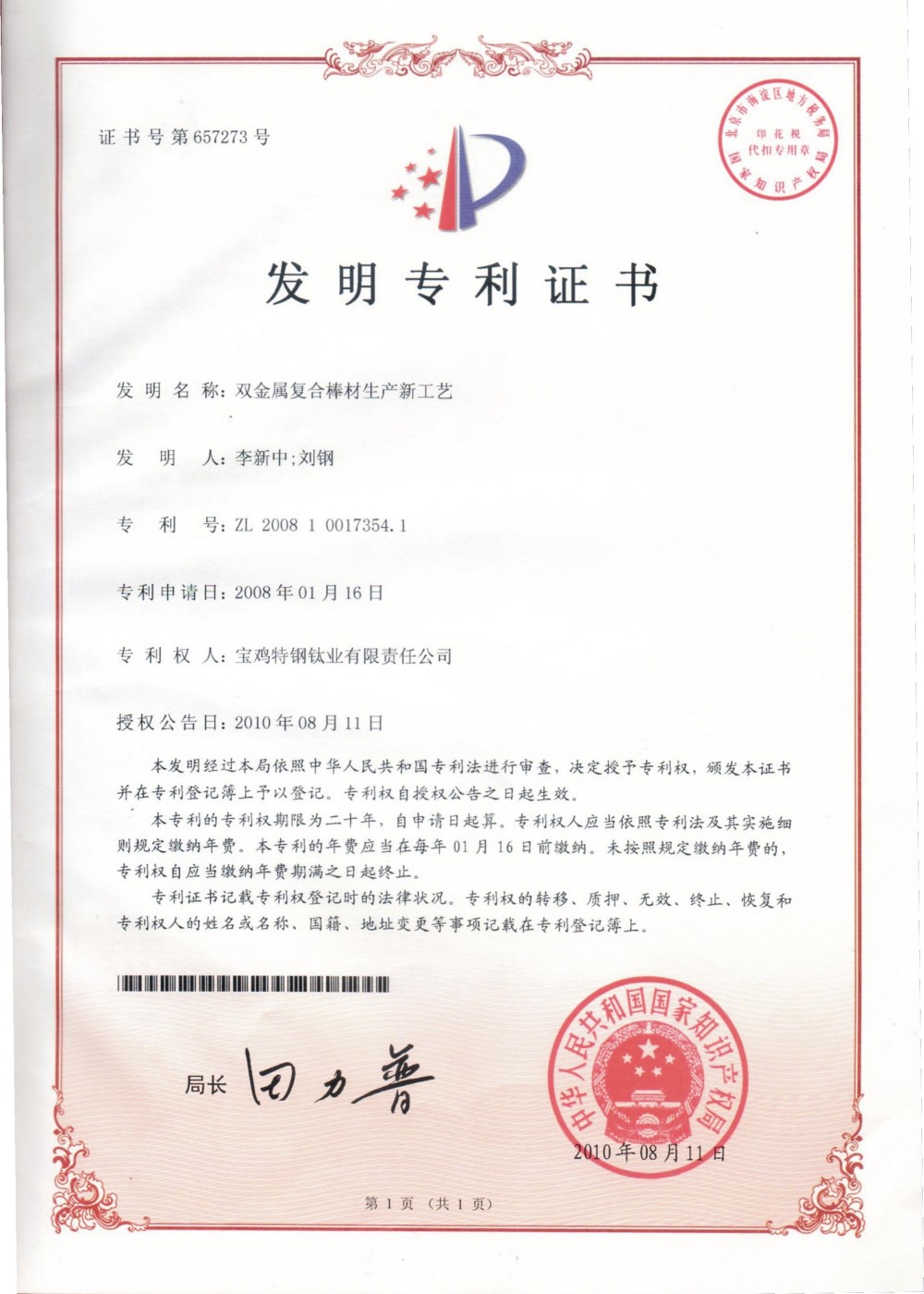
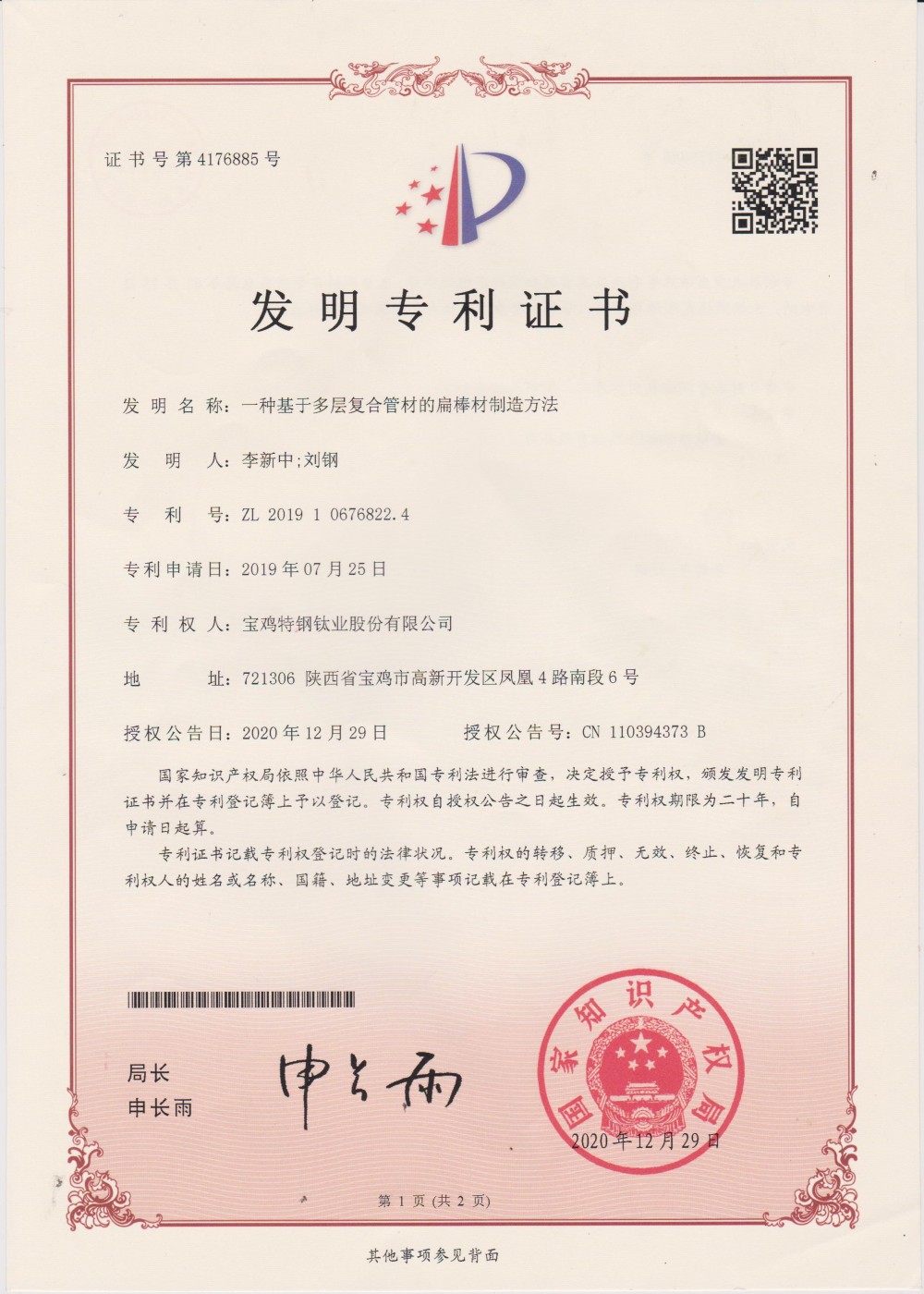
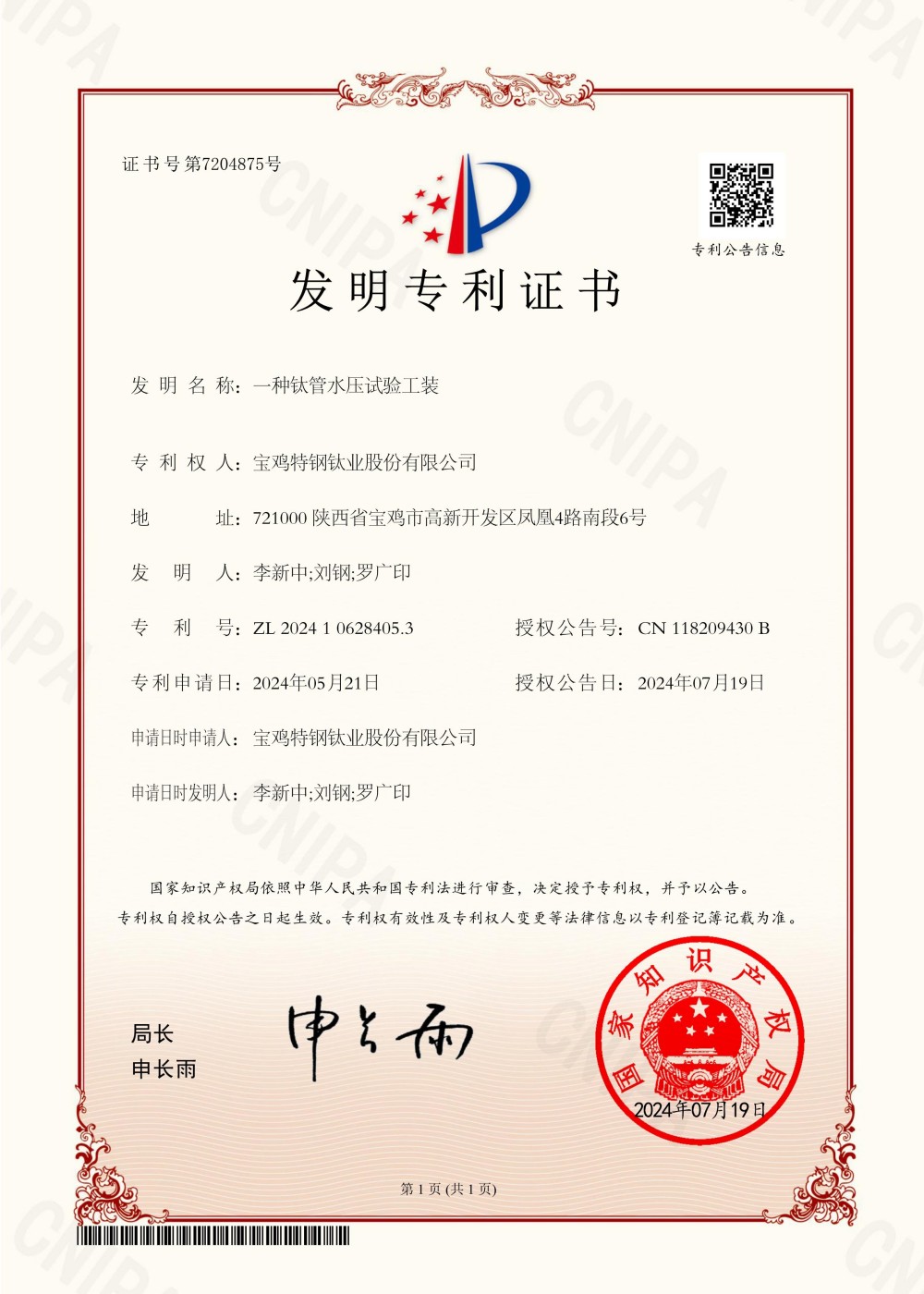
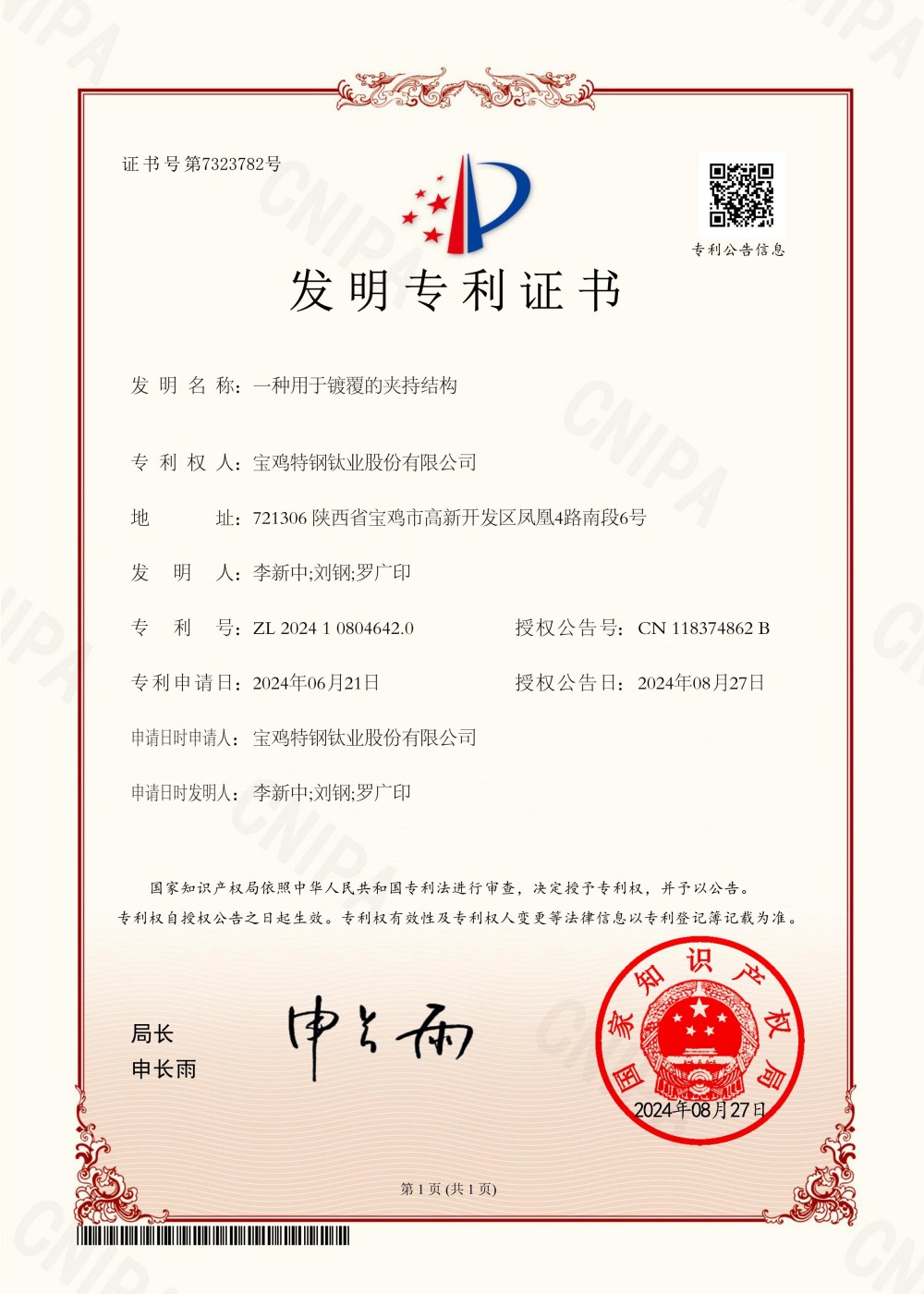
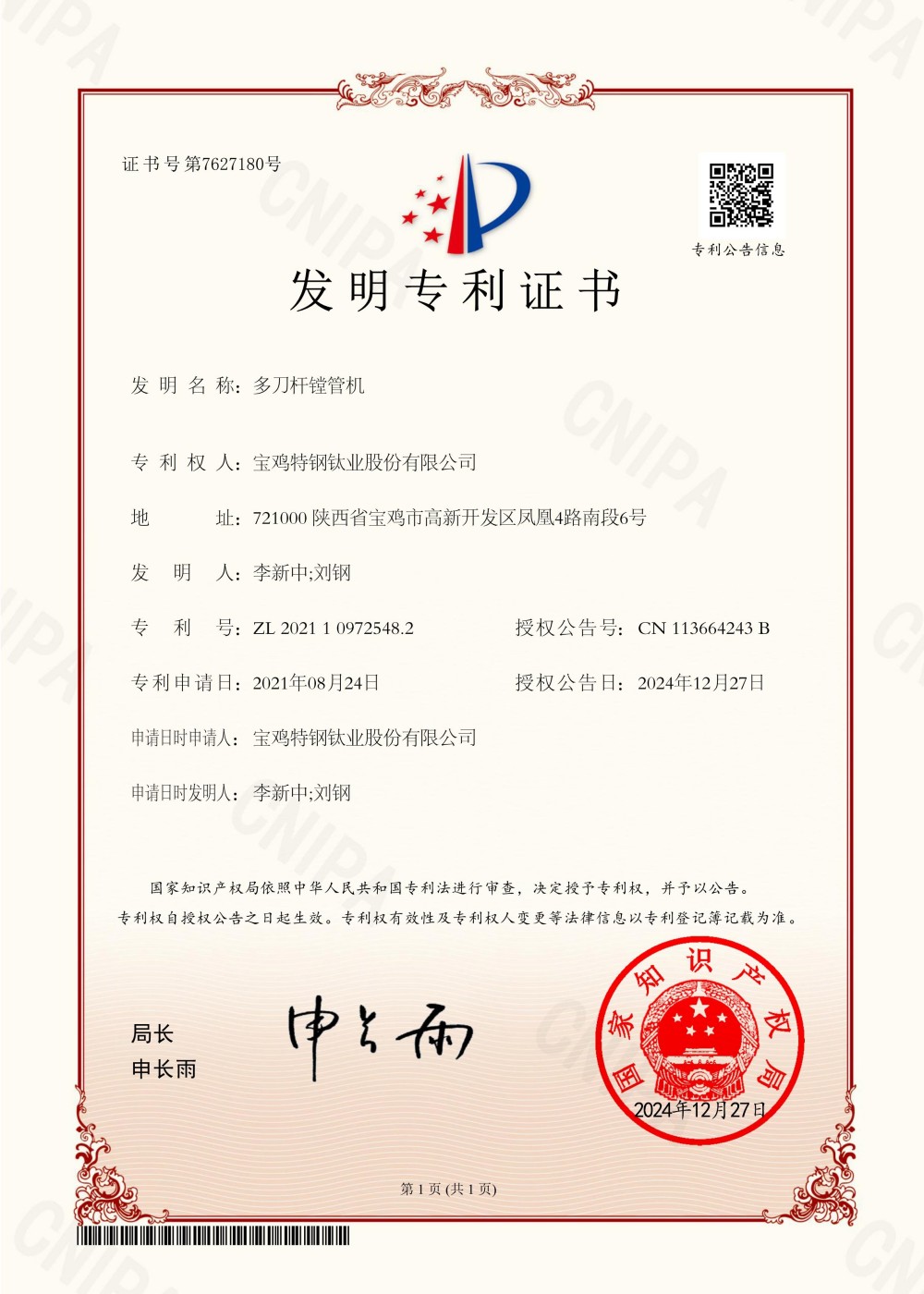
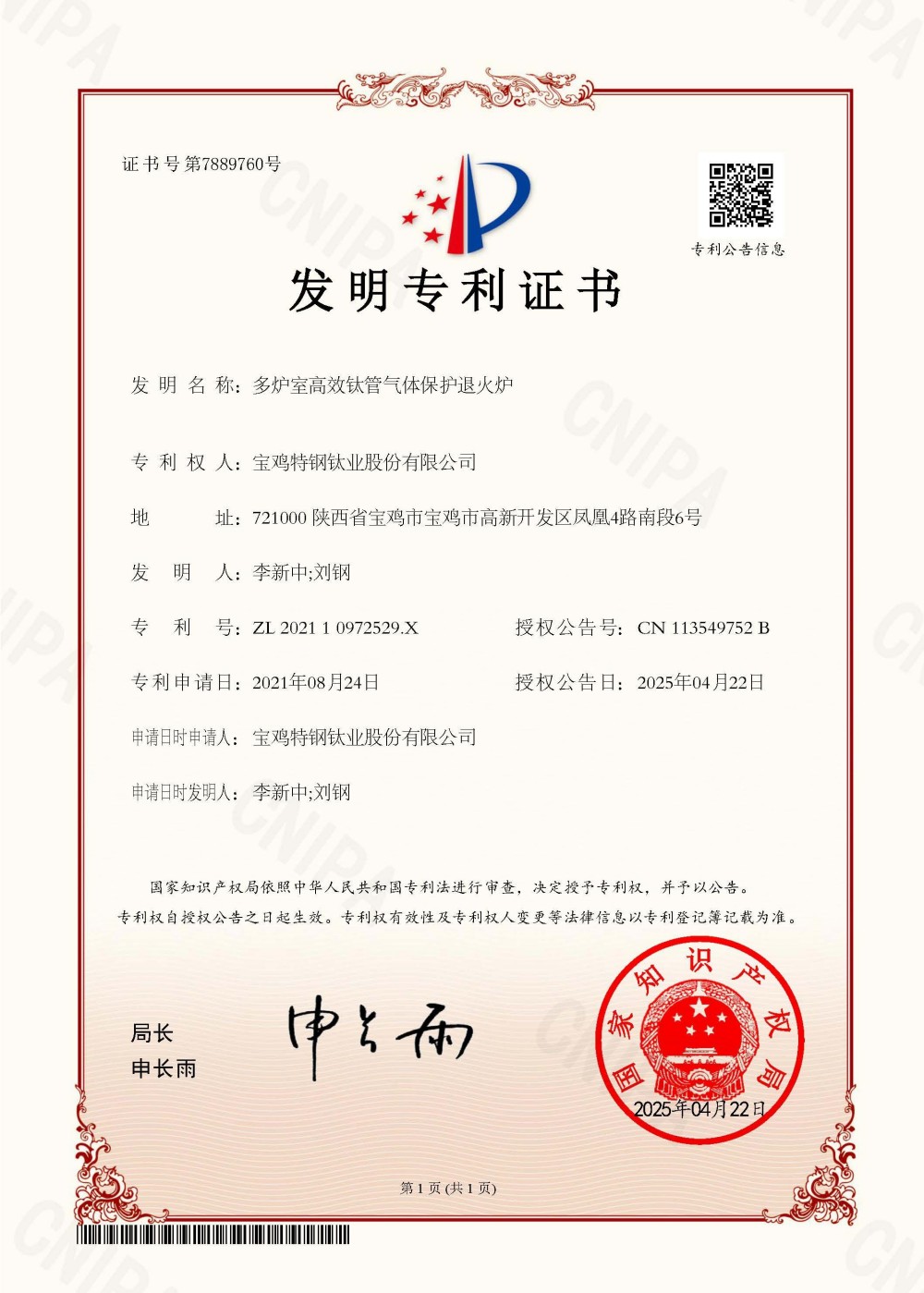
The company has obtained the national high and new technology enterprise certification and has been listed in the first batch of industries encouraged to develop by the National Development and Reform Commission.
 41,000 ㎡
Factory Covers an Area
 500+
Product Types
 3,000 Tons
Annual Production Capacity
 1997
Founded In
Titanium and titanium alloy, nickel and nickel alloy, zirconium and zirconium alloy mainly non-ferrous metal pipe — engineered for corrosion-resistant piping systems across chemical, marine, and energy industries.
Non-ferrous metal composite materials mainly composed of titanium clad copper, including: titanium clad copper, zirconium clad copper, ladle copper, composite wire, multilayer composite metal, etc.
Titanium cathode is the main product of the composite electrode series, including: titanium cathode, stainless steel permanent cathode, nickel anode, titanium-based lead dioxide anode, and so on.
A series of nickel materials products mainly consisting of nickel plates, nickel rods and nickel strips — providing comprehensive non-ferrous metal solutions for global industrial applications.
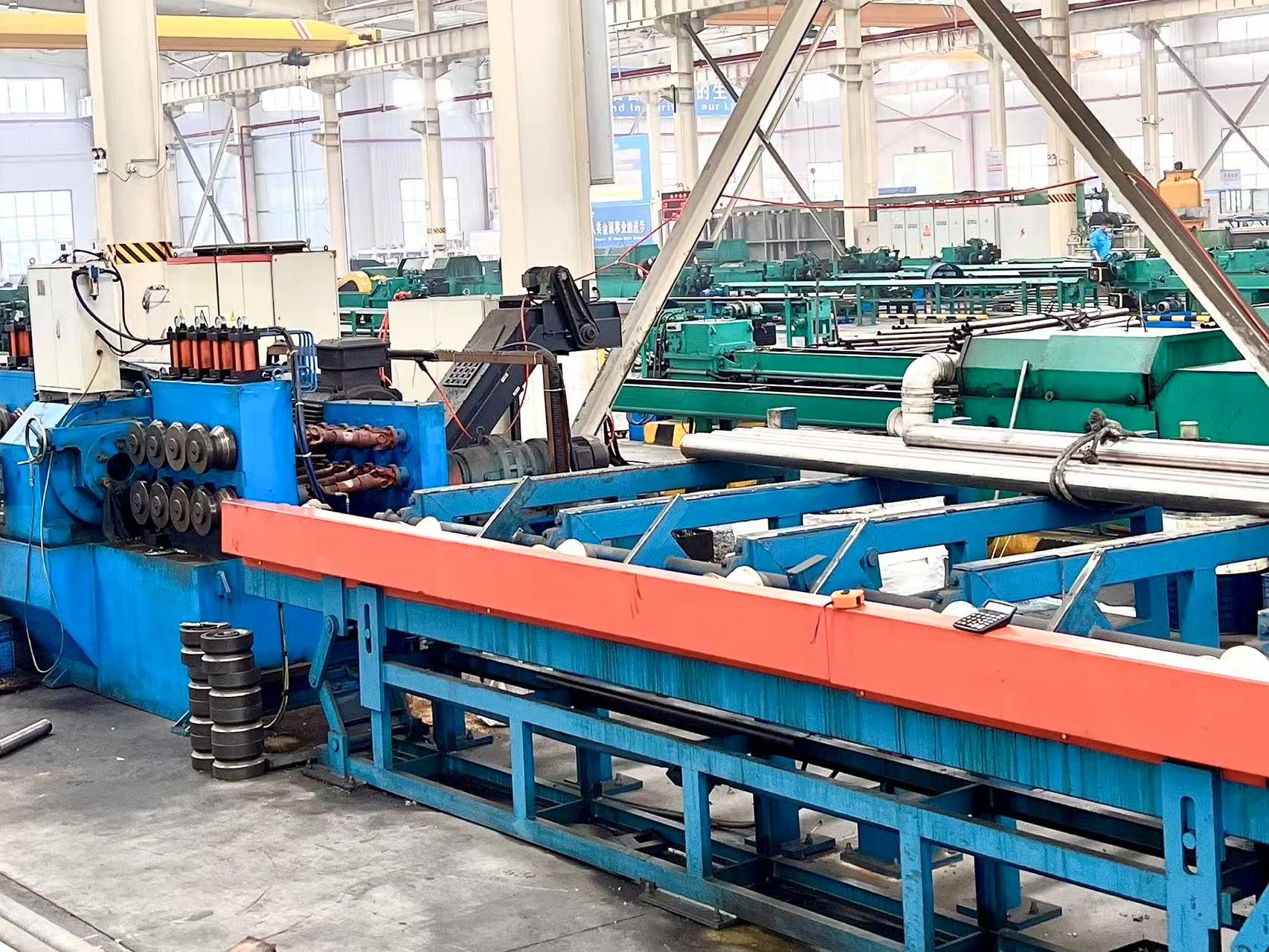
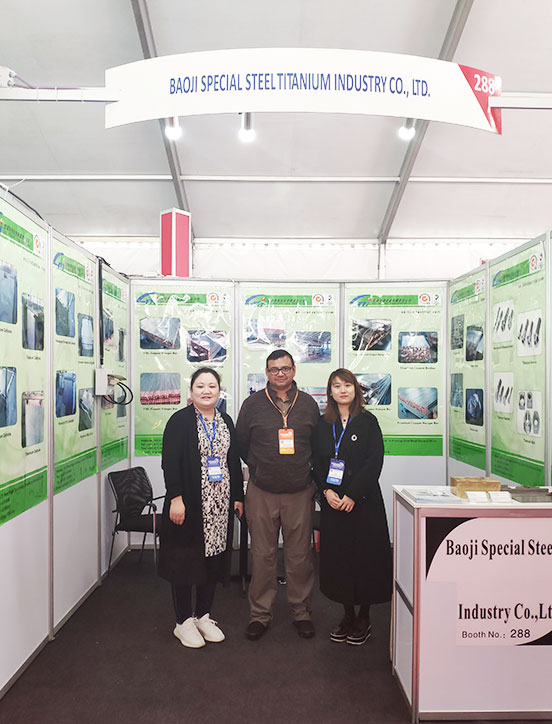
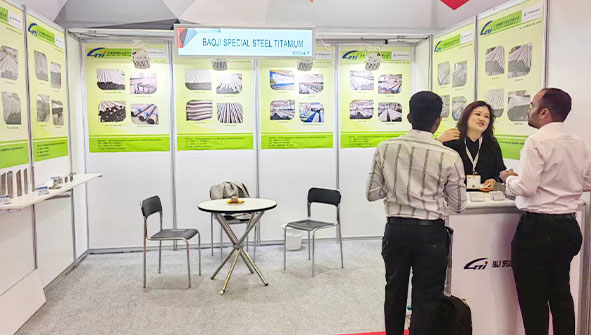
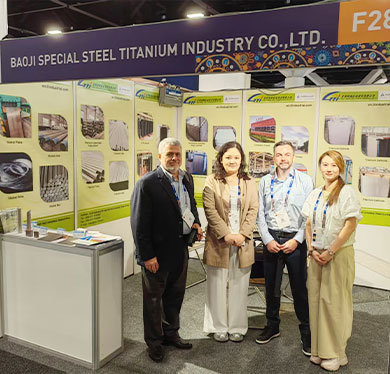
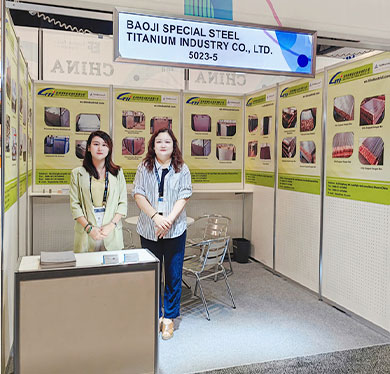
Since its establishment, the company has always adhered to the development strategy of continuous innovation and continued to expand the market with new technology and new products as the fulcrum. After more than 20 years of development and accumulation, the products have entered the markets of Germany, Japan, the United States, Norway, Finland, South Africa, Singapore, India and other countries and Taiwan regions, also have been highly praised.
Stable product quality, integrity as the core of the business philosophy, by the world's customers trust. To build an excellent enterprise team, continuously improve the management and manufacturing methods, so that every customer can get the maximum benefit from each product — is the eternal pursuit of special steel titanium industry personnel.
Our R&D team continuously develops next-generation titanium alloy formulations and advanced manufacturing processes, ensuring our corrosion-resistant piping systems stay at the forefront of global industrial material technology.
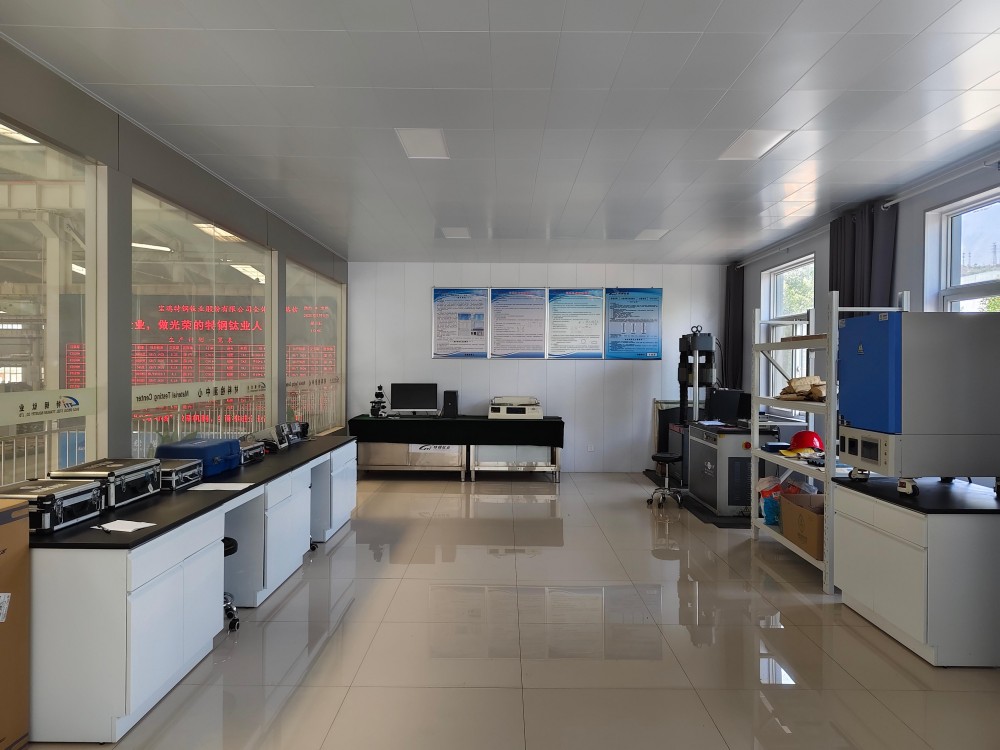
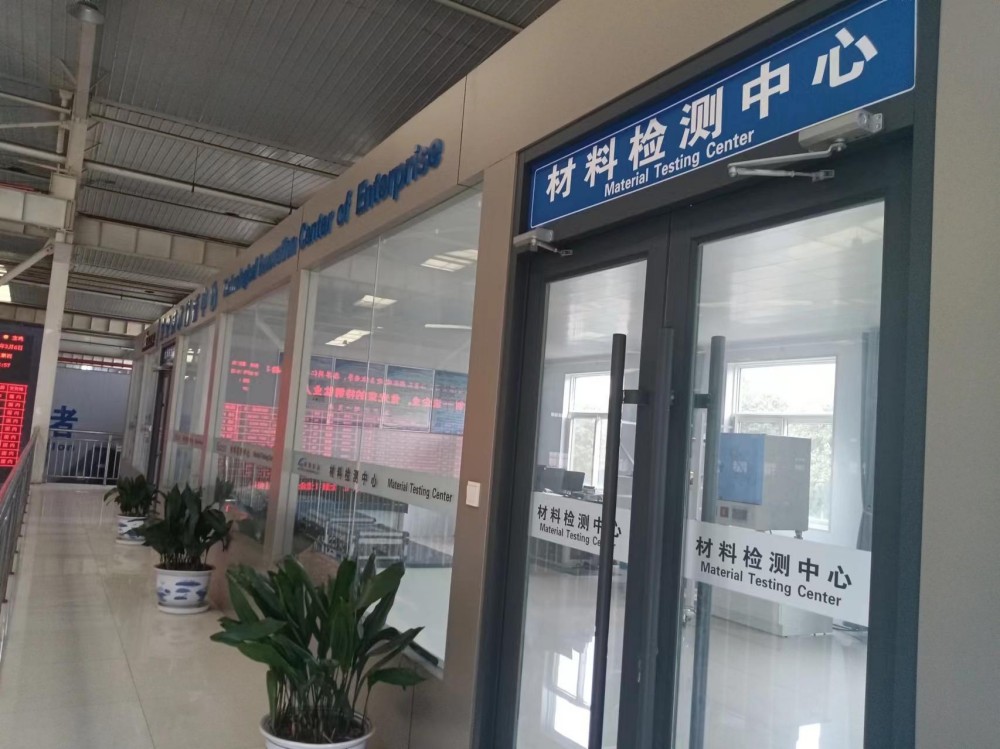

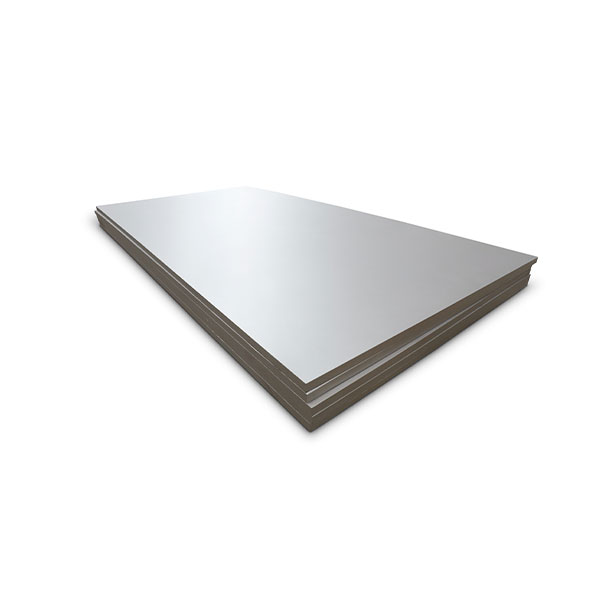 Titanium Plate & Sheet for Corrosion-Resistant Piping — ASTM B265
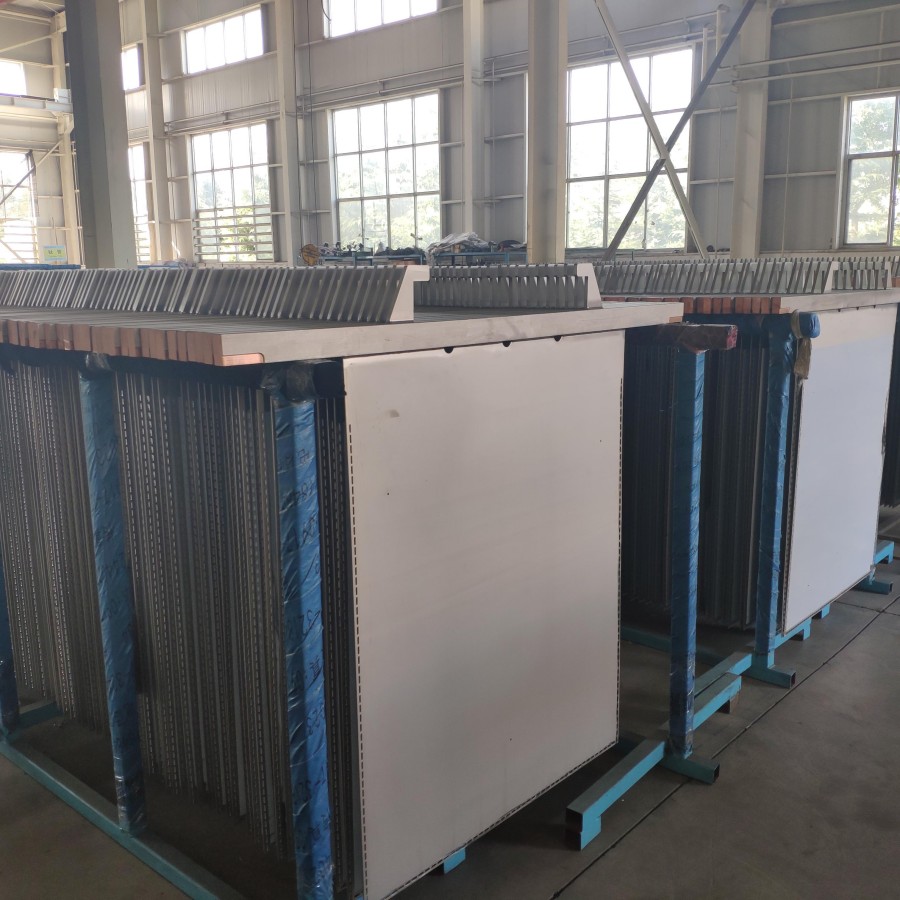 Titanium Cathodes for Corrosion-Resistant Electrochemical Systems
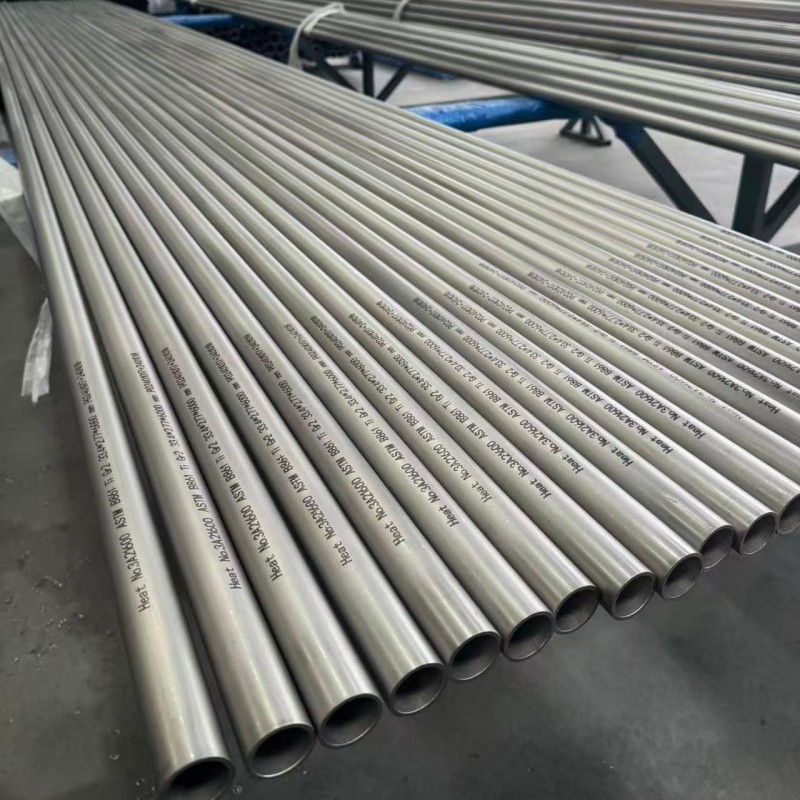 Titanium Tube & Pipe for Corrosion-Resistant Piping Systems — ASTM B338
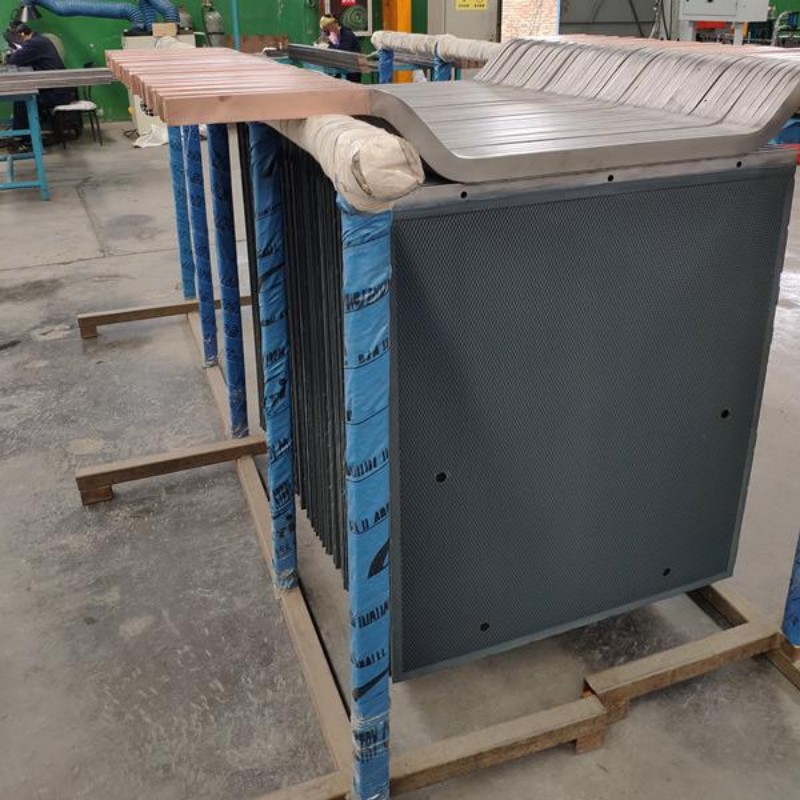 Titanium-Based Lead Dioxide Anode for Corrosion-Resistant Systems
Titanium Plate & Sheet for Chemical Corrosion-Resistant Piping
Premium Titanium Cathodes — Industrial Corrosion-Resistant Applications
Titanium Pipe for Offshore & Marine Corrosion-Resistant Systems
Titanium Anode for Desalination Corrosion-Resistant Piping Systems
Partner with Baoji Special Steel Titanium Industry Co., Ltd. — over 25 years of expertise in titanium materials for corrosion-resistant piping systems, trusted by customers across 20+ countries worldwide.
Explore All Products