



Leave Your Message
Engineered for extreme corrosion resistance, exceptional current uniformity, and prolonged operational lifespan in aggressive acidic and alkaline electrodeposition baths.
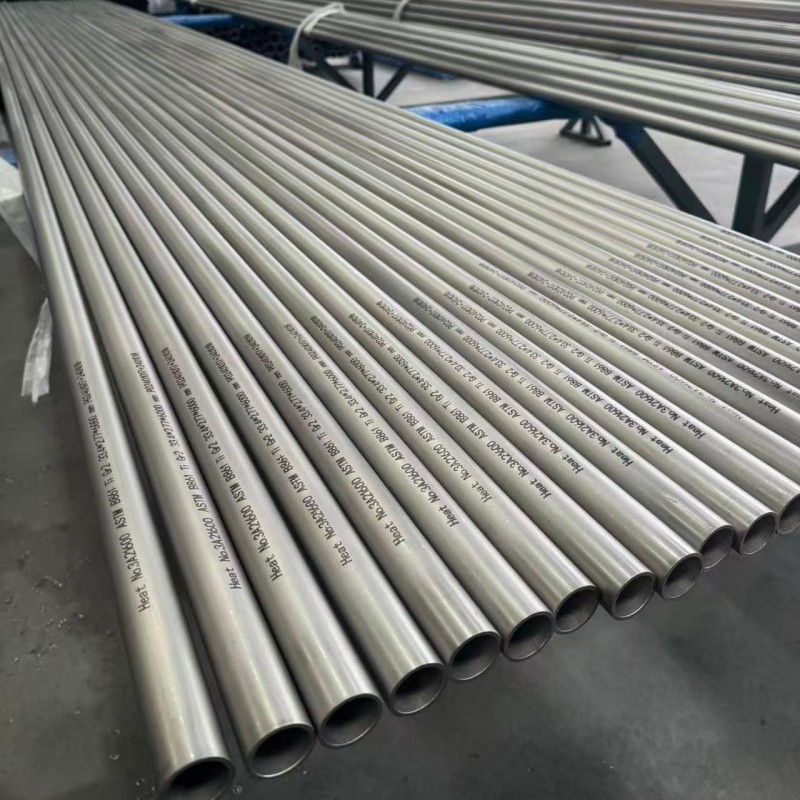
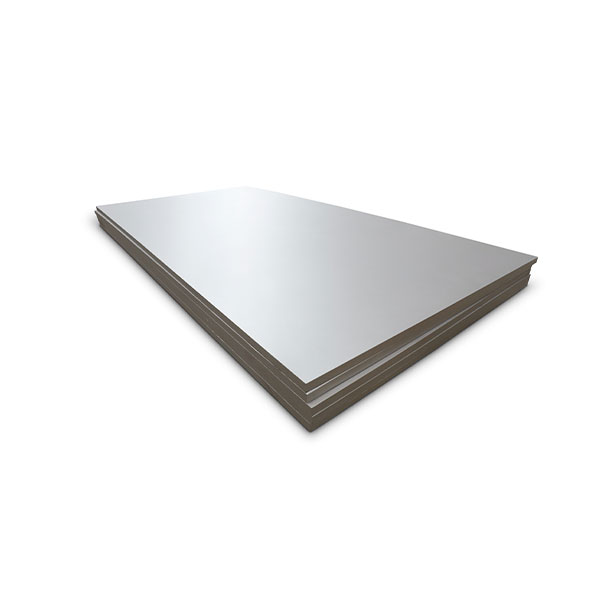
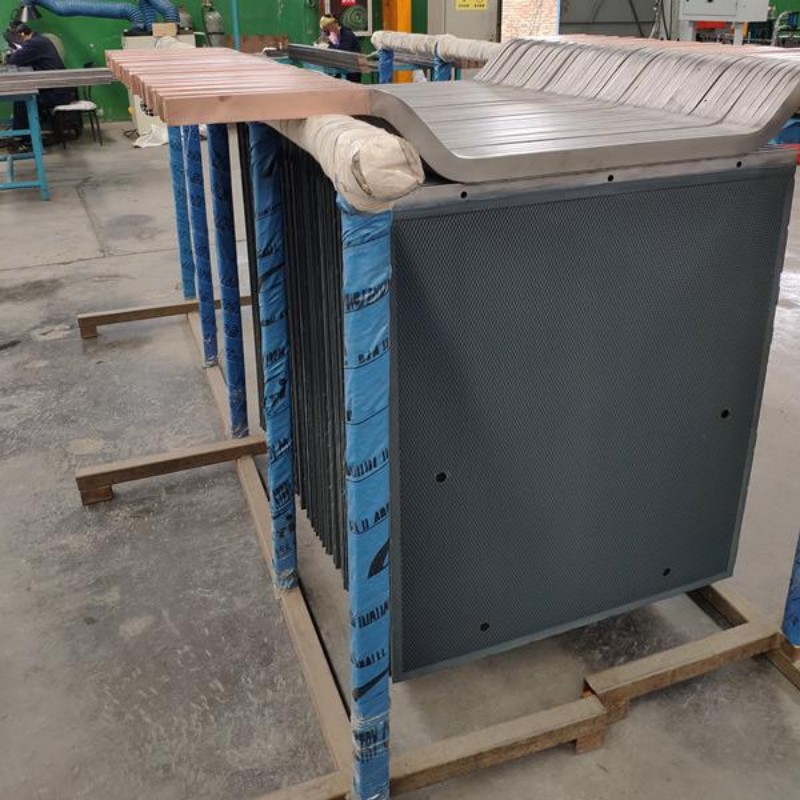

How non-ferrous metallurgy solves critical chemical resistance and energy consumption challenges in 21st-century electroplating lines.
Titanium spontaneously forms a self-healing, chemically stable titanium dioxide (TiO₂) oxide layer. This inert film makes titanium fully impervious to highly aggressive plating electrolytes, including chromic acid, sulfuric acid, fluoroboric acid, and hot cyanide baths without ion leaching.
Through advanced metallurgical cladding—such as titanium-clad copper busbars—electroplating lines achieve the electrical conductivity of pure oxygen-free copper combined with the total chemical immunity of external grade-1/grade-2 titanium, reducing bath IR drop by up to 25%.
Eliminating frequent equipment downtime caused by pitting and lead sludge formation in traditional lead or graphite anodes. Titanium materials provide continuous operational duty cycles exceeding 5 to 10 years, driving sustainable total cost of ownership (TCO).
The global electroplating and surface finishing industry is undergoing a monumental paradigm shift toward cleaner production, micro-electronics miniaturization, and closed-loop hydrometallurgy. As environmental regulations tighten against hazardous heavy metal effluents and energy consumption standards escalate, modern surface finishing facilities are replacing conventional lead anodes, graphite fixtures, and low-grade stainless steels with high-performance titanium materials. Titanium's exceptional mechanical strength-to-weight ratio, extreme electrochemical stability across broad pH ranges, and superior resistance to localized pitting make it the foundational substrate for next-generation automated plating lines.
Modern electroplating facilities require tight thermal management within chemical baths. Titanium immersion heat exchangers and steam coil tubes fabricated according to ASTM B338 standards ensure optimum thermal transfer while completely neutralizing the risks of tube rupture and bath contamination. Simultaneously, titanium cathode starter sheets and mother plates enable smooth mechanical stripping in electrowinning and precious metal recovery systems without metallurgical adhesion or substrate degradation.
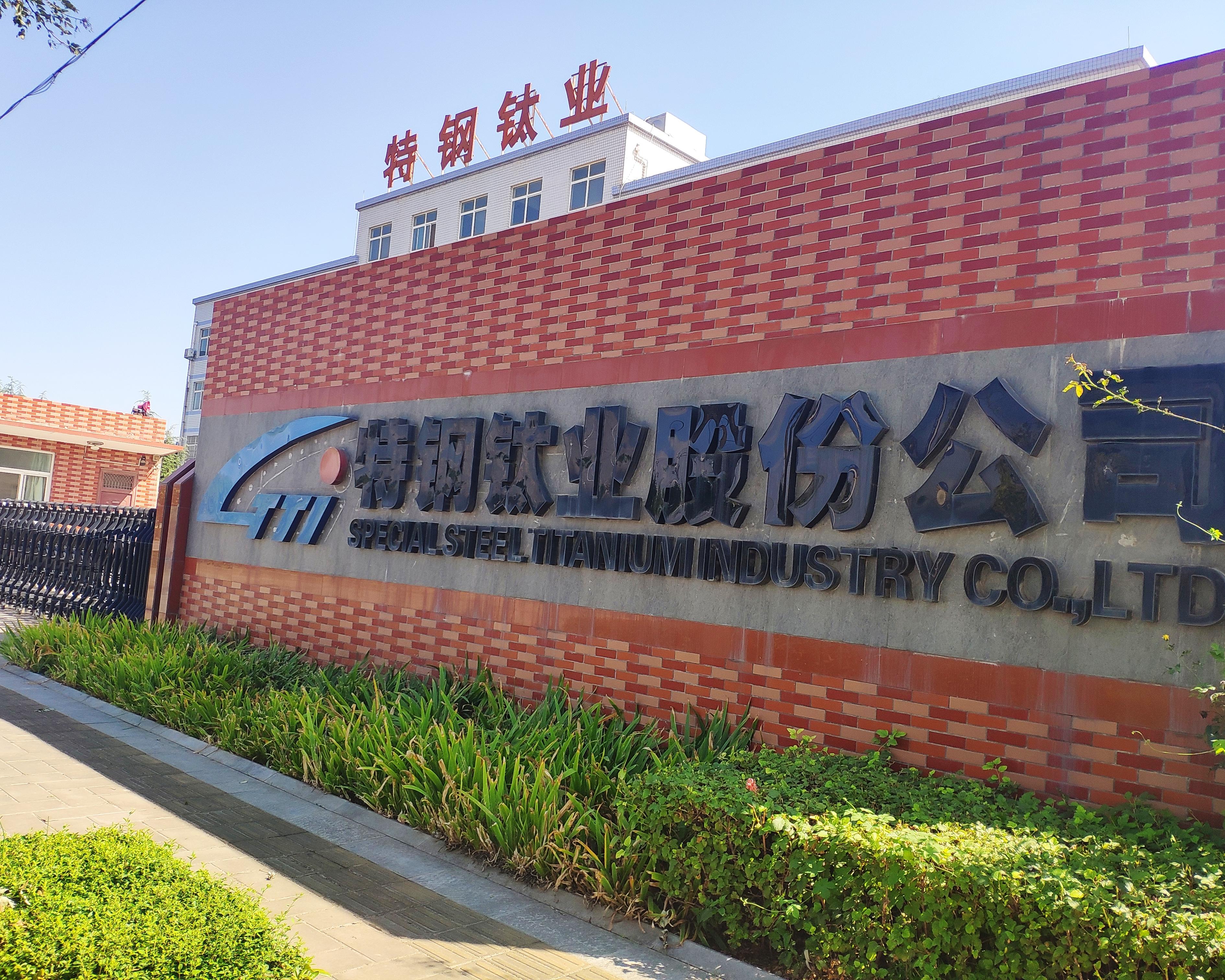
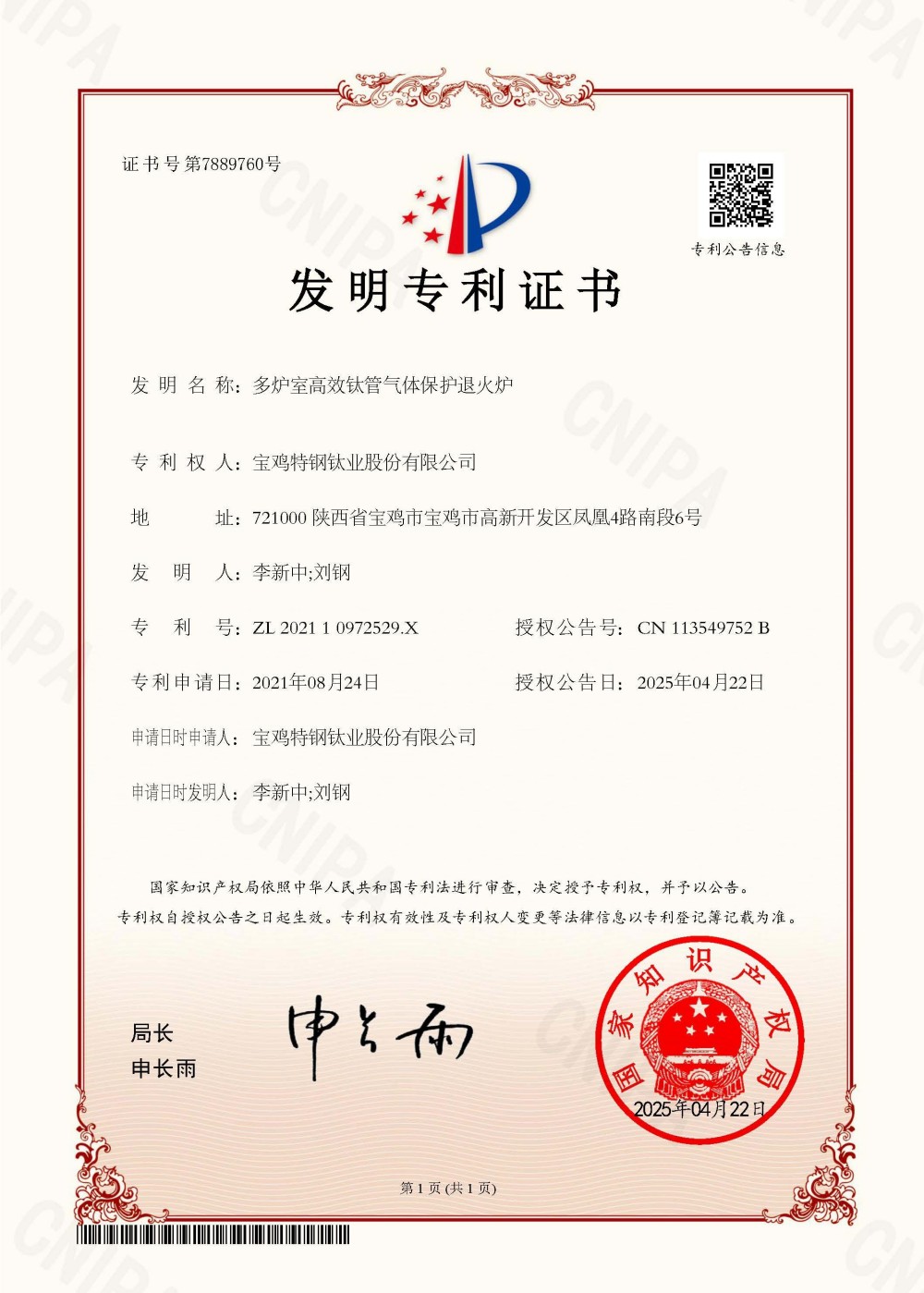
Baoji Special Steel Titanium Industry Co., Ltd. is a joint-stock industrial enterprise specializing in the research, development, manufacturing, and sales of titanium, nickel, zirconium, and other non-ferrous metal pipes, composite materials, and high-precision electroplating infrastructure components.
The company was founded in 1997, located in Shaanxi Baoji National High-tech Industrial Development Zone (known globally as China's "Titanium Valley"). The modern manufacturing facility covers an expansive area of 41,000 square meters. With an annual production capacity exceeding 3,000 tons of non-ferrous metal pipes, composite materials, and deep-processed titanium, zirconium, nickel, tantalum, and copper products, our catalog encompasses more than 500 distinct product specifications.
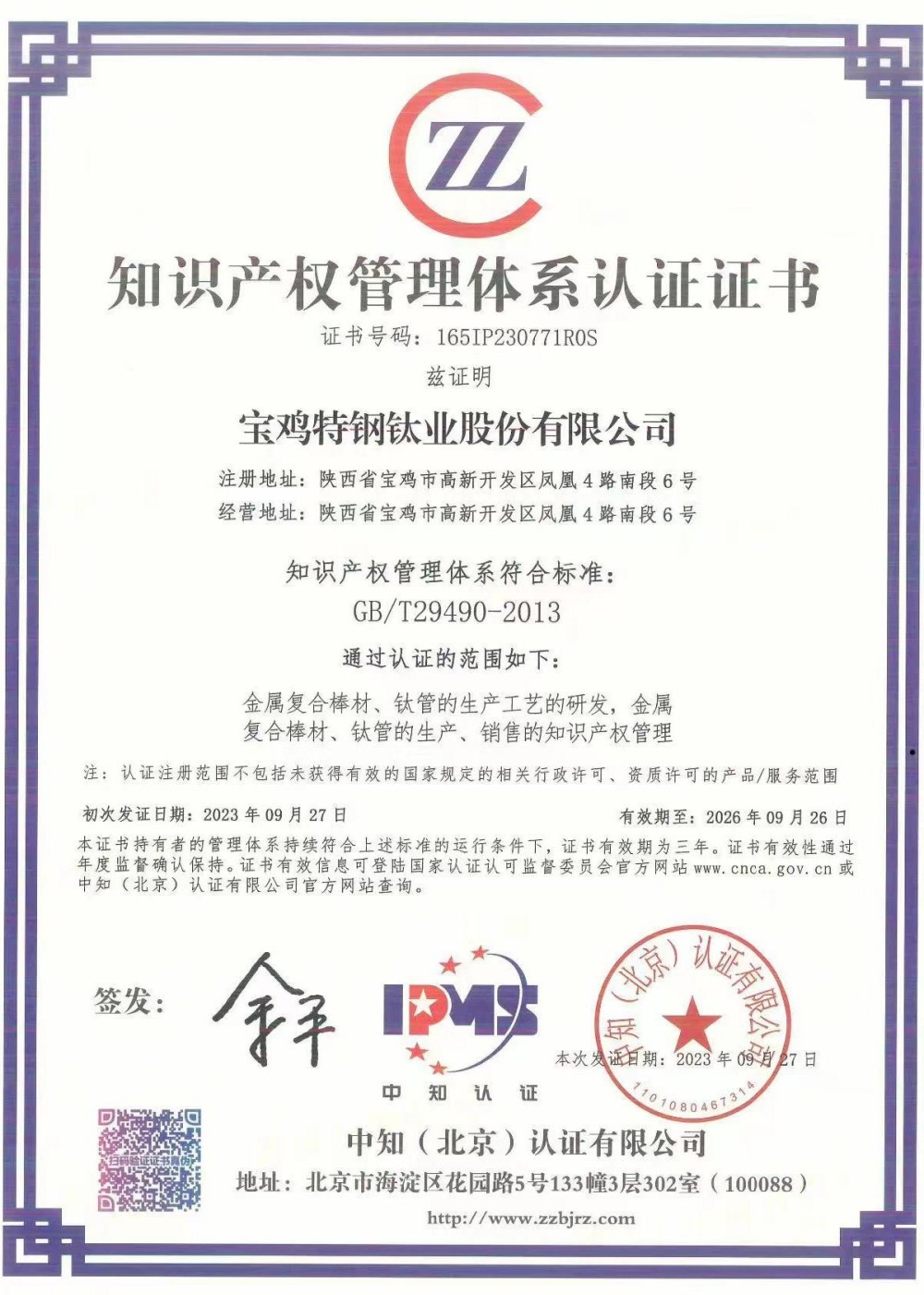
Annual exports account for over 30% of total company output, establishing our brand as a trusted global partner for electroplating, aerospace, chemical processing, and metallurgical plants across Germany, the USA, Japan, Singapore, and Europe. The company is certified as a National High and New Technology Enterprise and is listed in the first batch of industries encouraged for development by the National Development and Reform Commission.


From raw non-ferrous piping to specialized composite conductor bars and electrocatalytic anode systems, our product lineup supports every stage of the modern plating line life cycle.
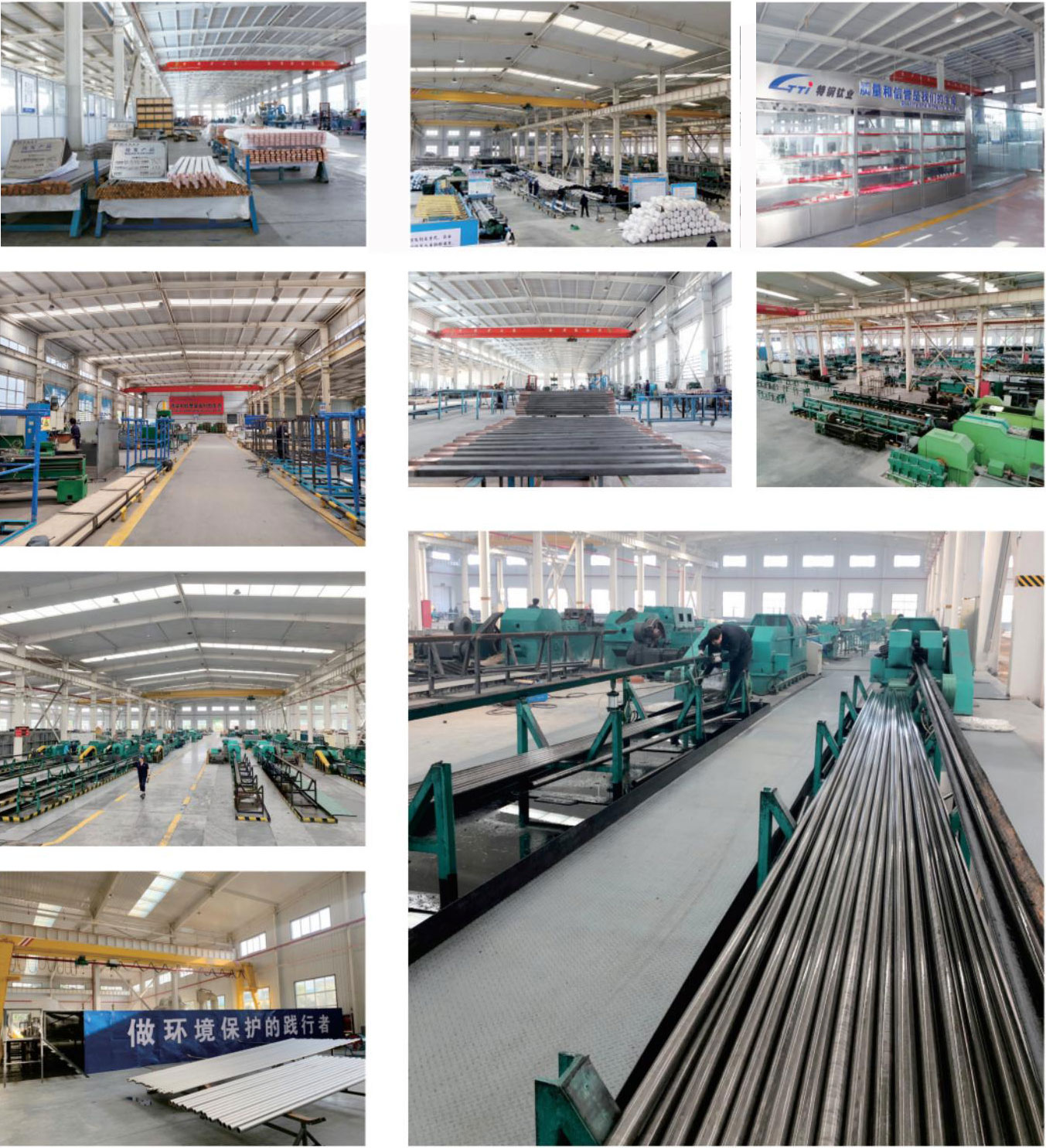
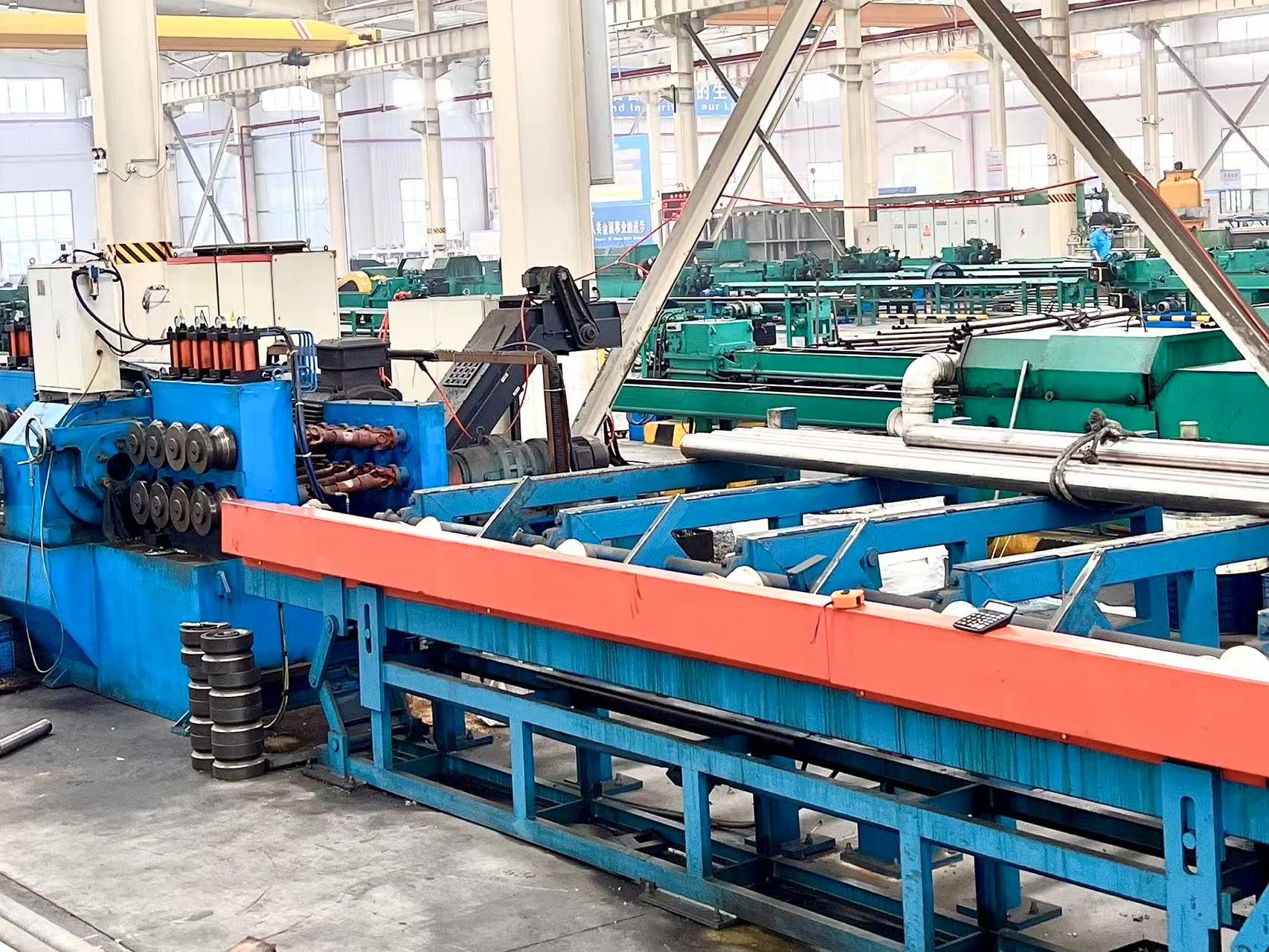
Since its establishment, the company has always adhered to the development strategy of continuous innovation and continued to expand the market with new technology, advanced metallurgy, and precision-engineered products as the fulcrum.
After more than 20 years of relentless technical development and process optimization, our products have successfully penetrated high-barrier markets across Germany, Japan, the United States, Norway, Finland, South Africa, Singapore, India, and Taiwan, earning unanimous acclaim from top-tier electroplating line operators and chemical plant engineering contractors.
Our commitment to rigorous testing protocols—including ultrasonic flaw detection, eddy current inspection, hydrostatic testing, and electron microscope metallographic analysis—ensures that every titanium tube, cathode sheet, and composite busbar operates with zero failure in continuous electrodeposition environments.
How titanium materials deliver operational resilience in the most demanding electrolytic surface treatment environments.
In microelectronic printed circuit board (PCB) and continuous strip plating, precise current density is critical. Titanium-clad copper busbars prevent bath overheating and voltage drops, while dimensionally stable titanium anodes guarantee sub-micron thickness tolerances across high-speed copper and gold plating runs.
Hexavalent and trivalent chromium solutions rapidly attack conventional metal substrates. Titanium-based lead dioxide (PbO₂) anodes provide an insoluble, high-efficiency oxygen evolution surface that eliminates lead contamination, cuts chemical waste, and extends bath life by over 300%.
For the electrowinning extraction and electrorefining of copper, zinc, cobalt, and nickel, our precision permanent titanium cathode plates ensure uniform metal deposit release, pristine electrical contact with copper hanger bars, and extreme resistance to mechanical edge peeling.
Fabricated from ASTM B265 titanium sheets and expanded mesh, titanium anode baskets hold active metal pellets (nickel, copper, zinc) with zero basket dissolution, maximizing electrical contact while preventing sludge dispersion into the plating electrolyte.
ASTM B338 Grade 2 titanium serpentine heat exchanger tubes provide thermal stability in aggressive electroless nickel and acid gold baths, maintaining exact electrolyte temperatures without risk of tube wall pinholing or electrolyte leakage.
Electroplating rinse water recovery cells employ high-surface-area titanium mesh cathodes and MMO anodes to selectively deposit and reclaim precious gold, silver, and palladium from dilute wastewater streams at minimal energy expenditure.
Equipped with vacuum cold rolling mills, automatic hydraulic tube straighteners, high-temperature vacuum annealing furnaces, and ultrasonic non-destructive testing rigs.
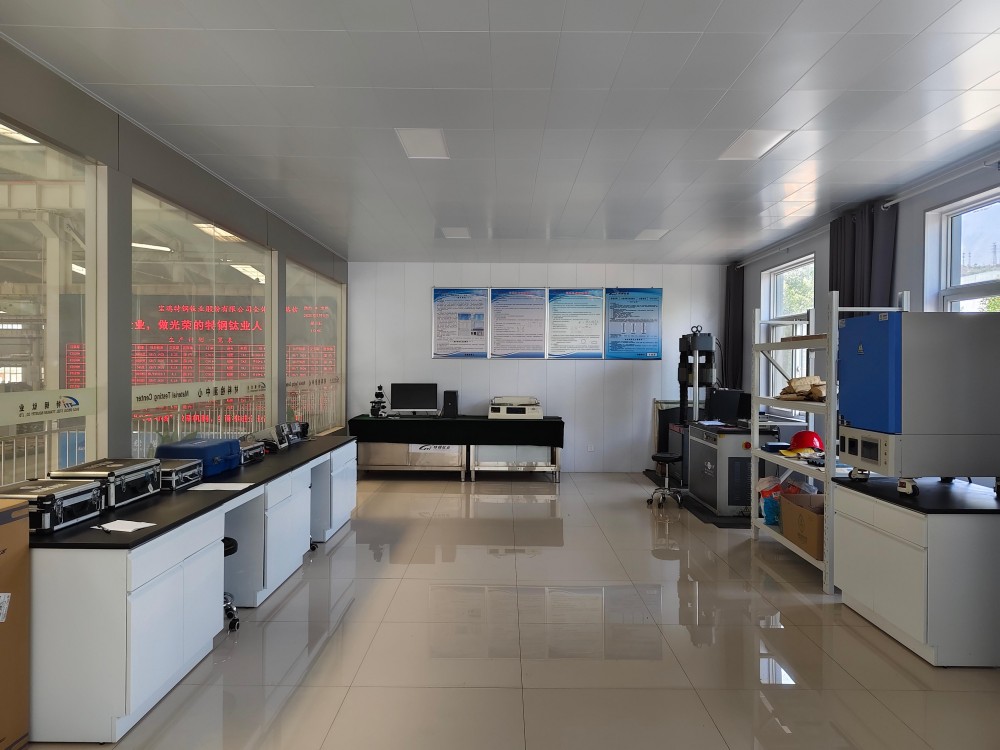
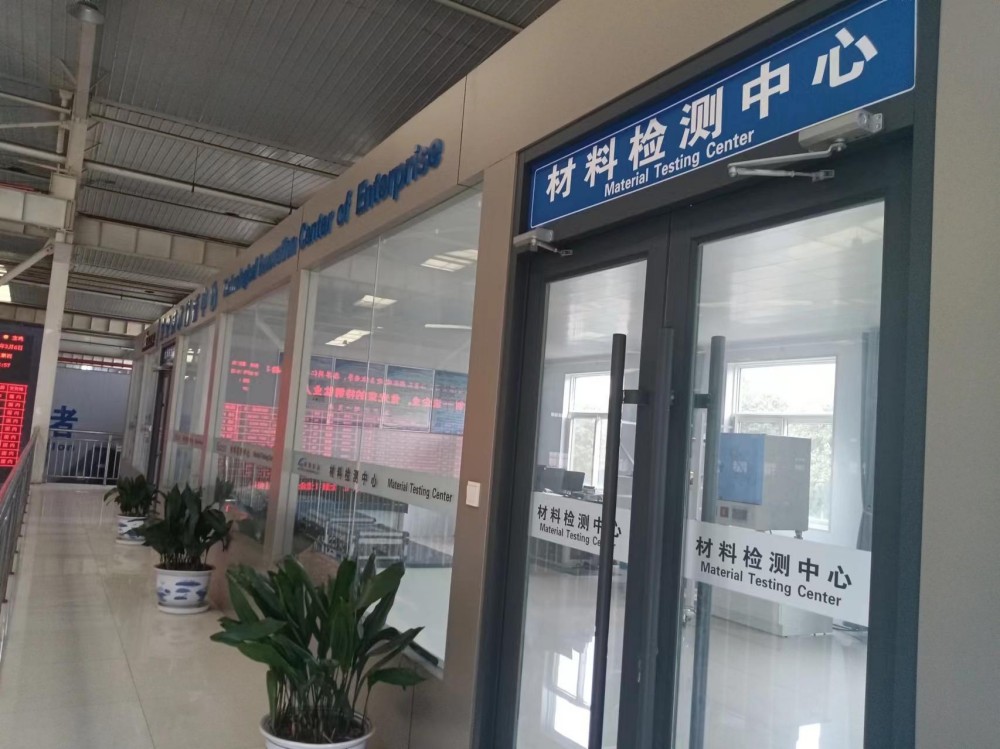
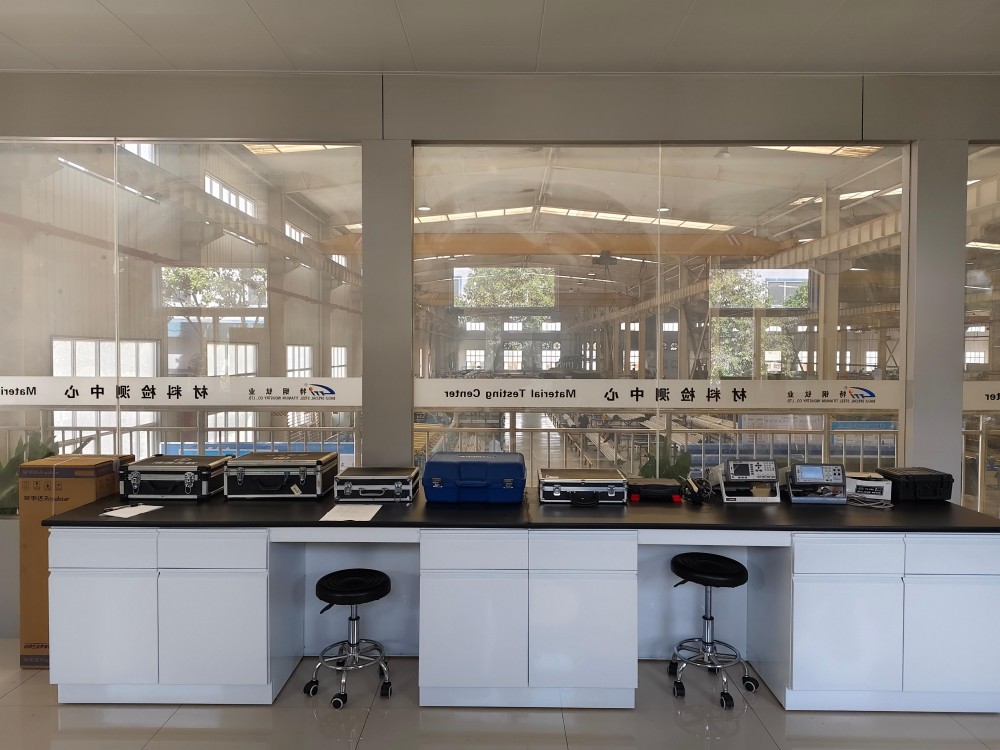
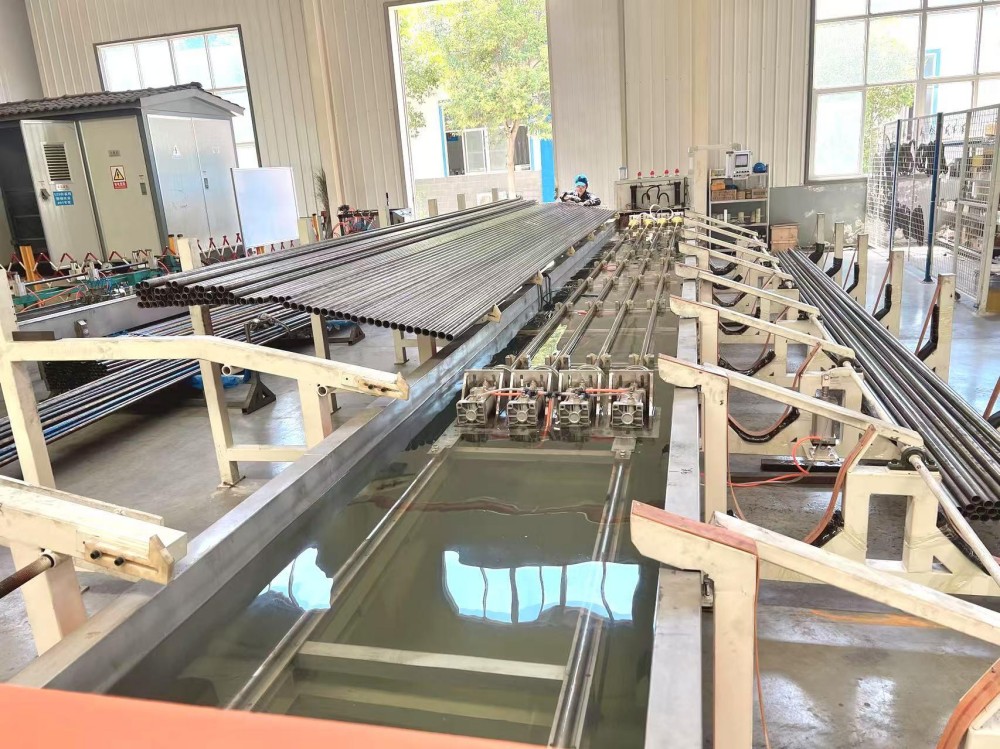
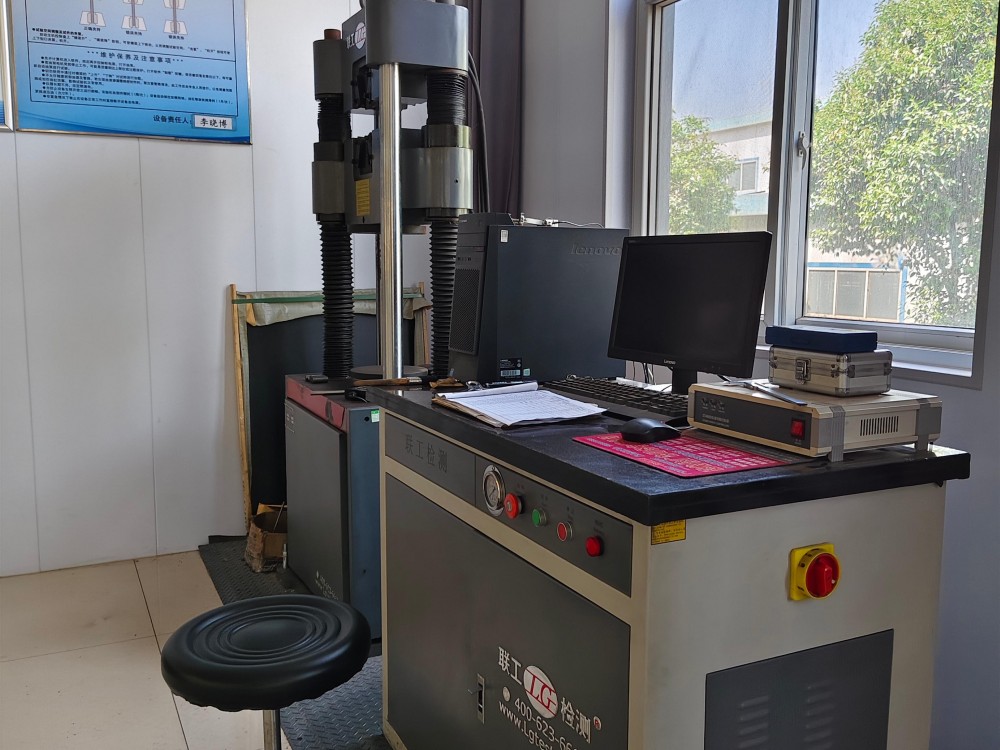
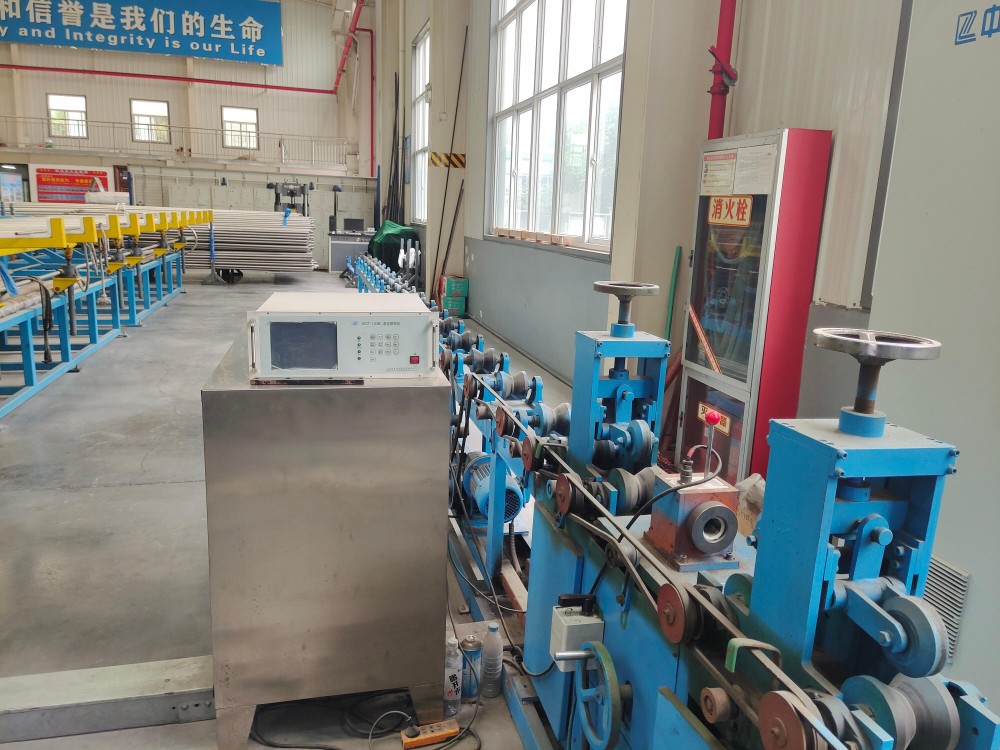
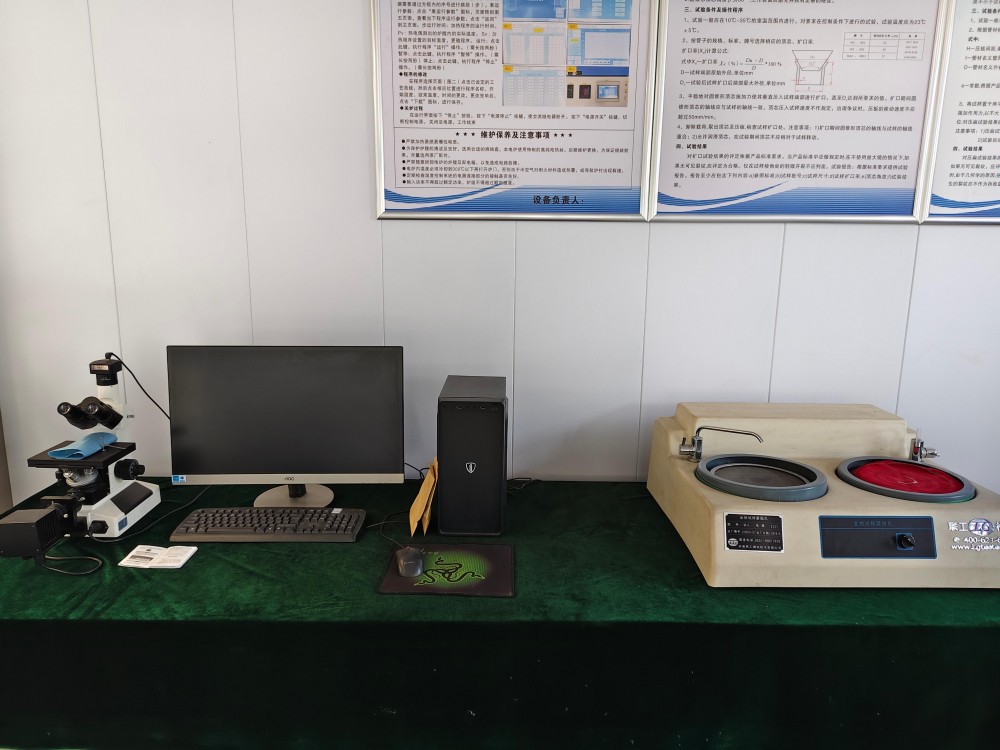
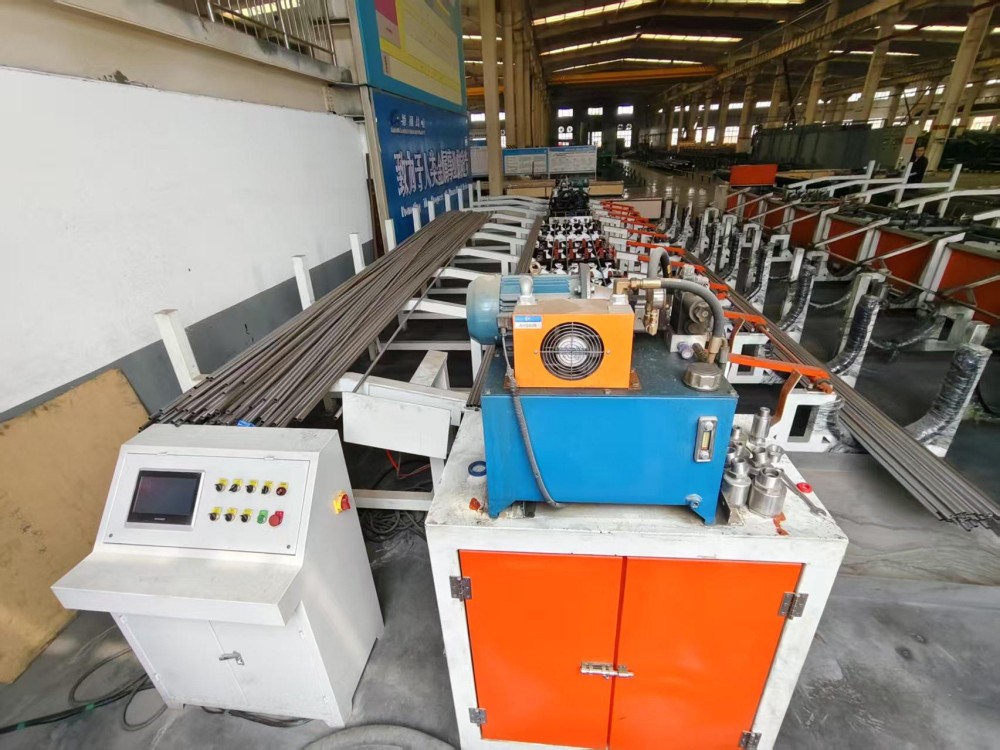
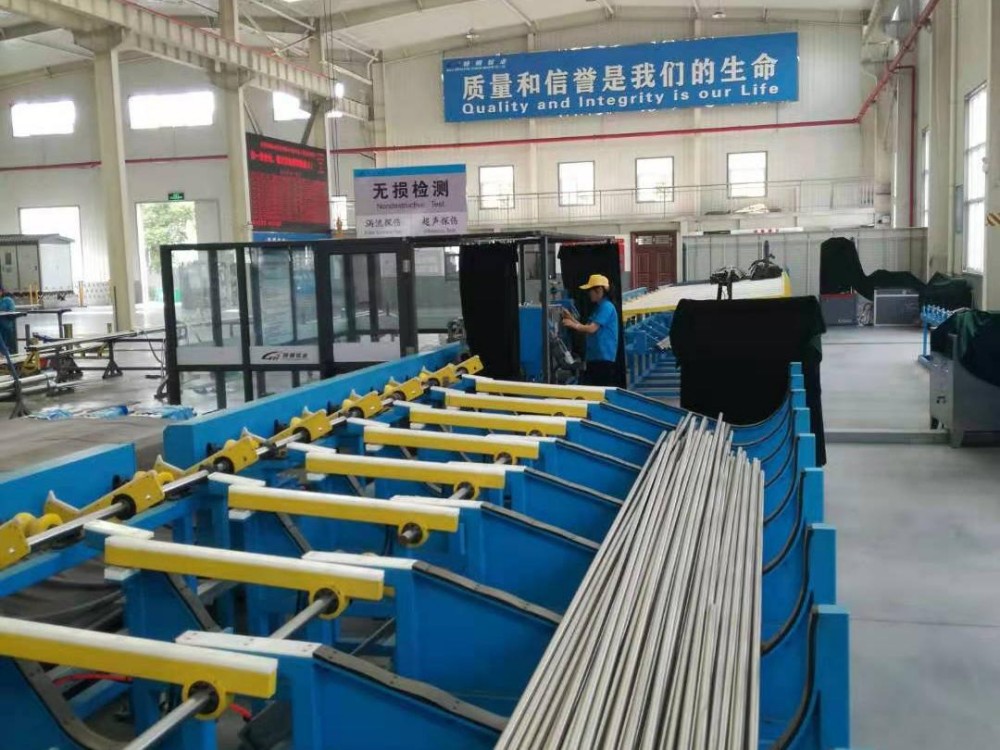
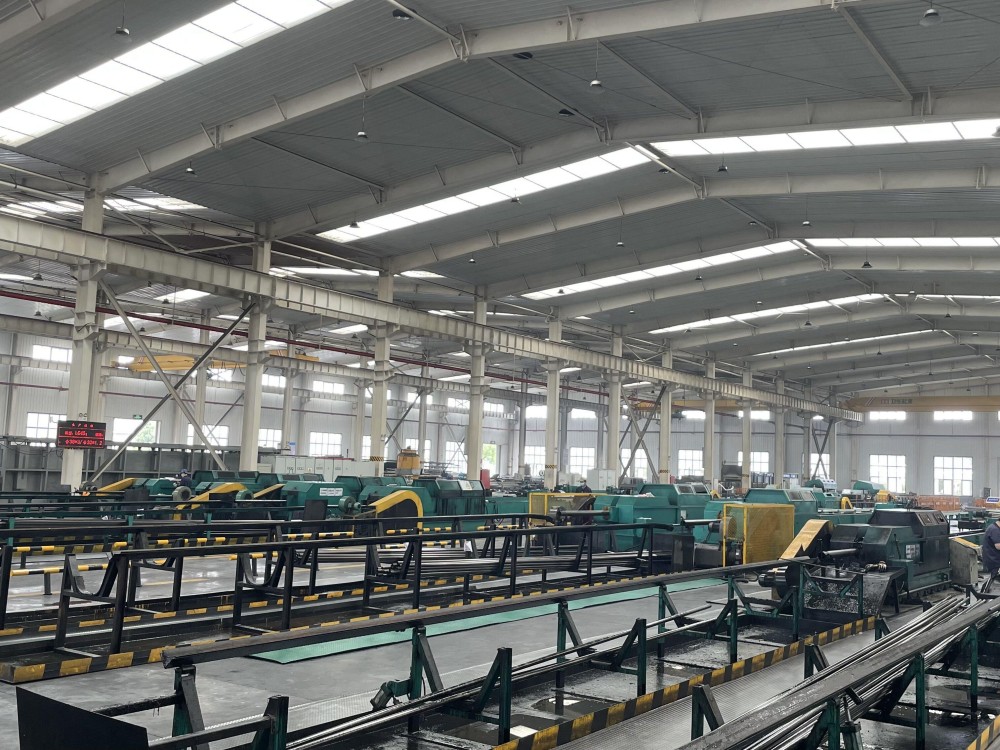
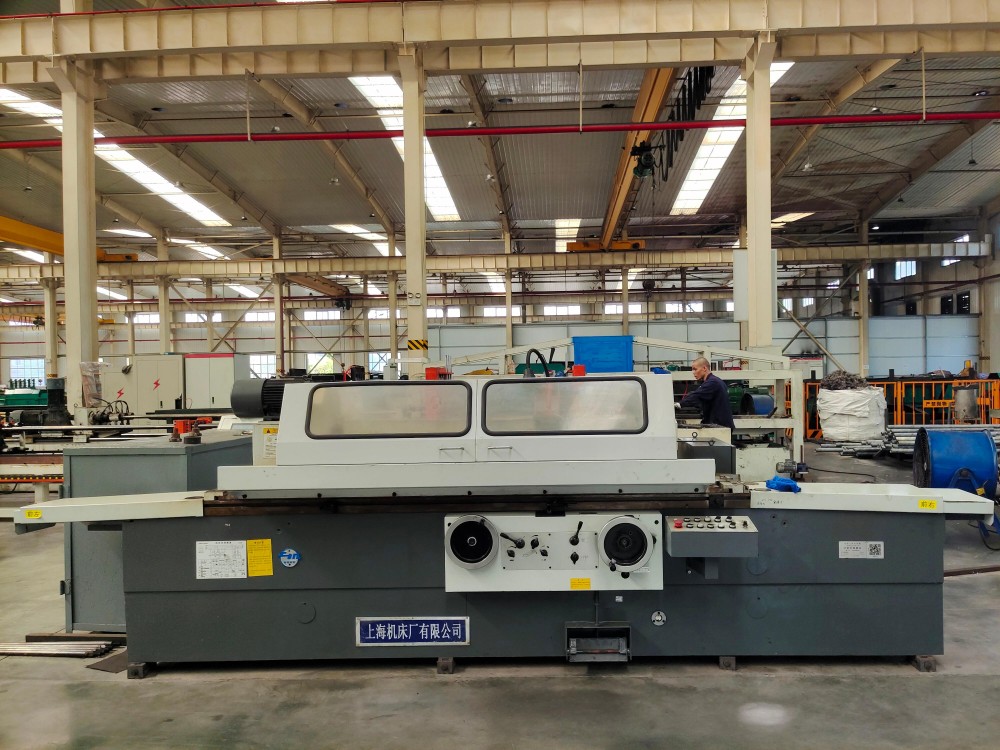
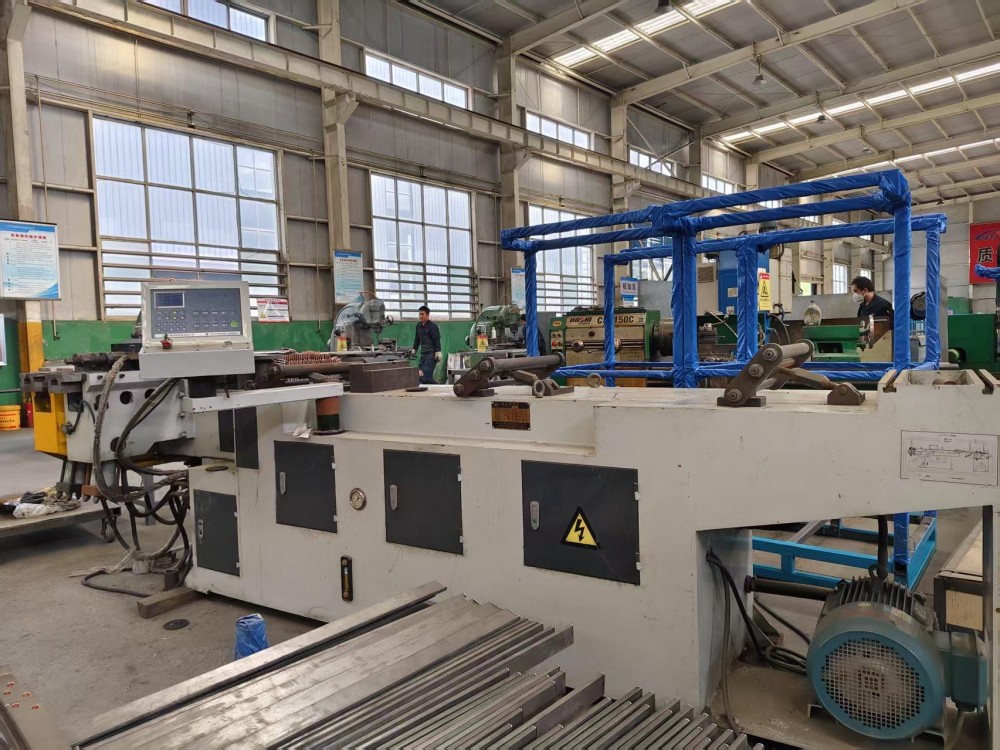
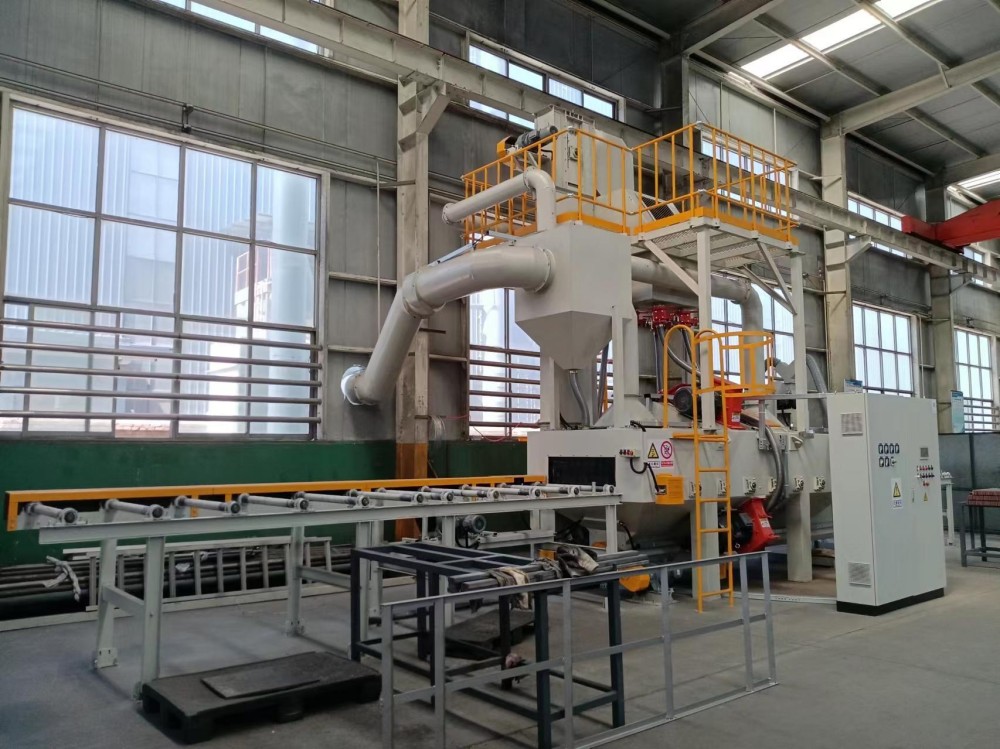
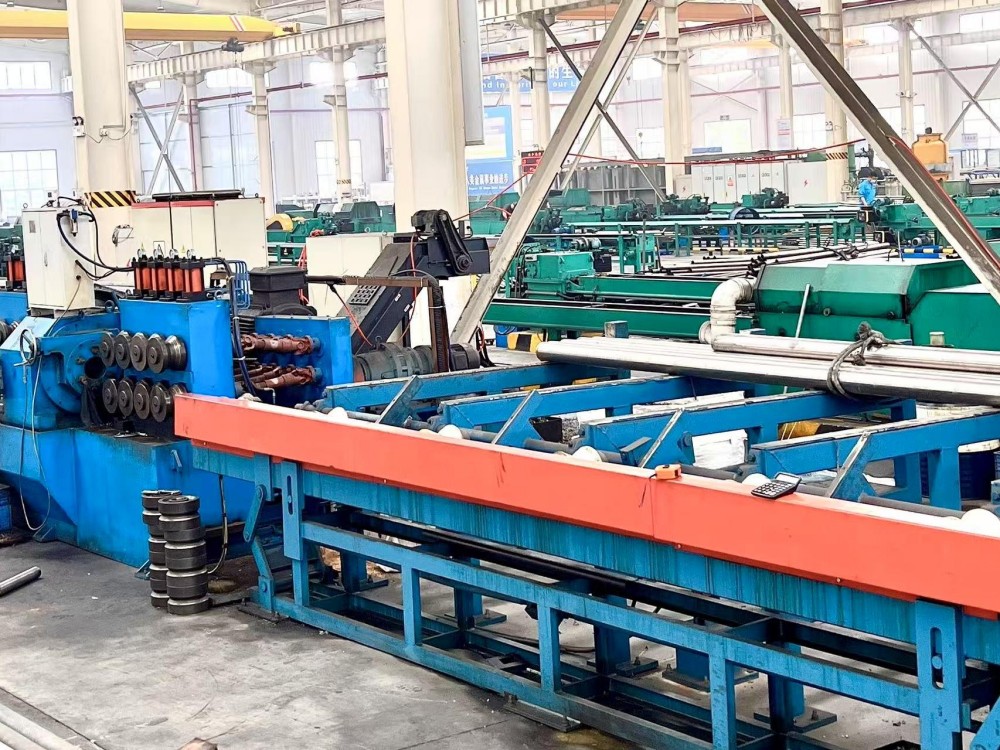
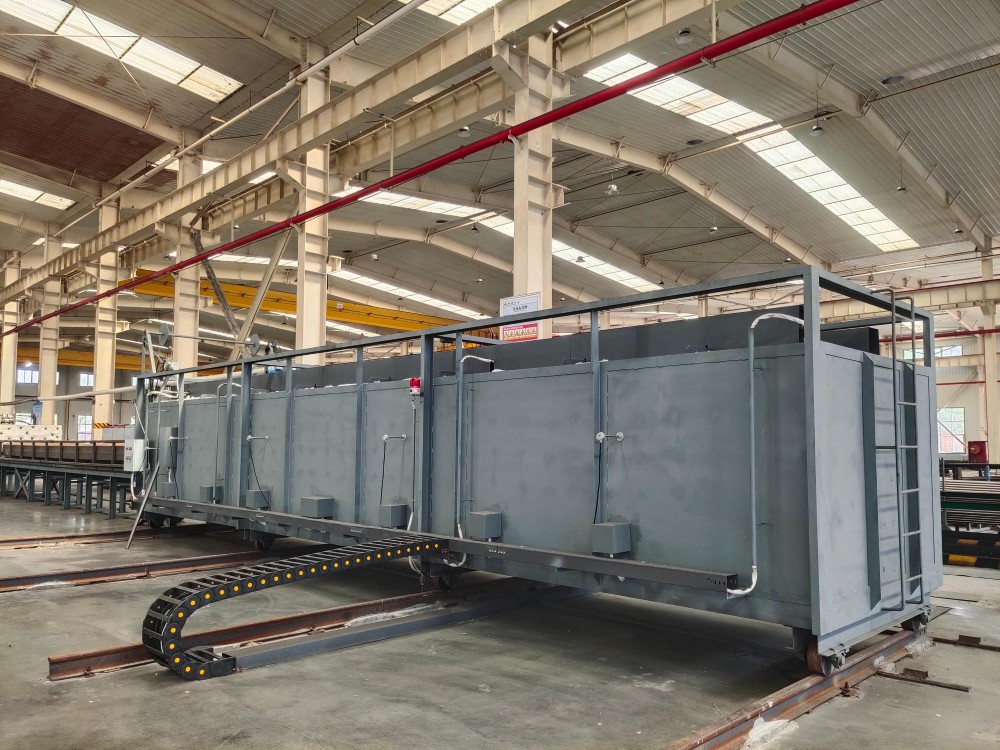
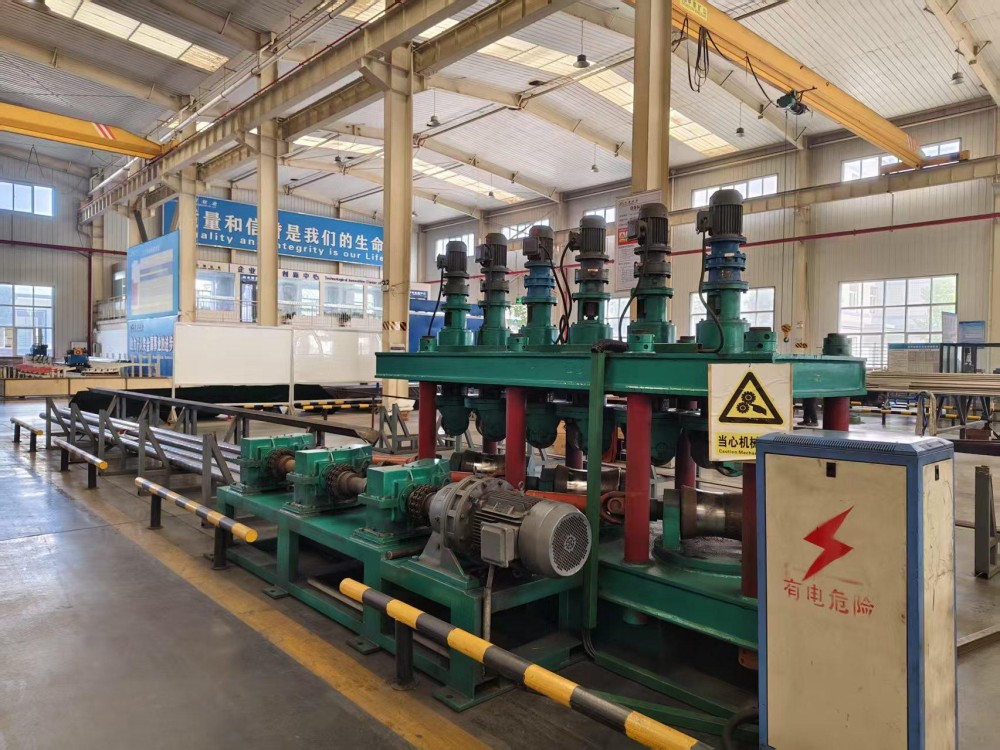
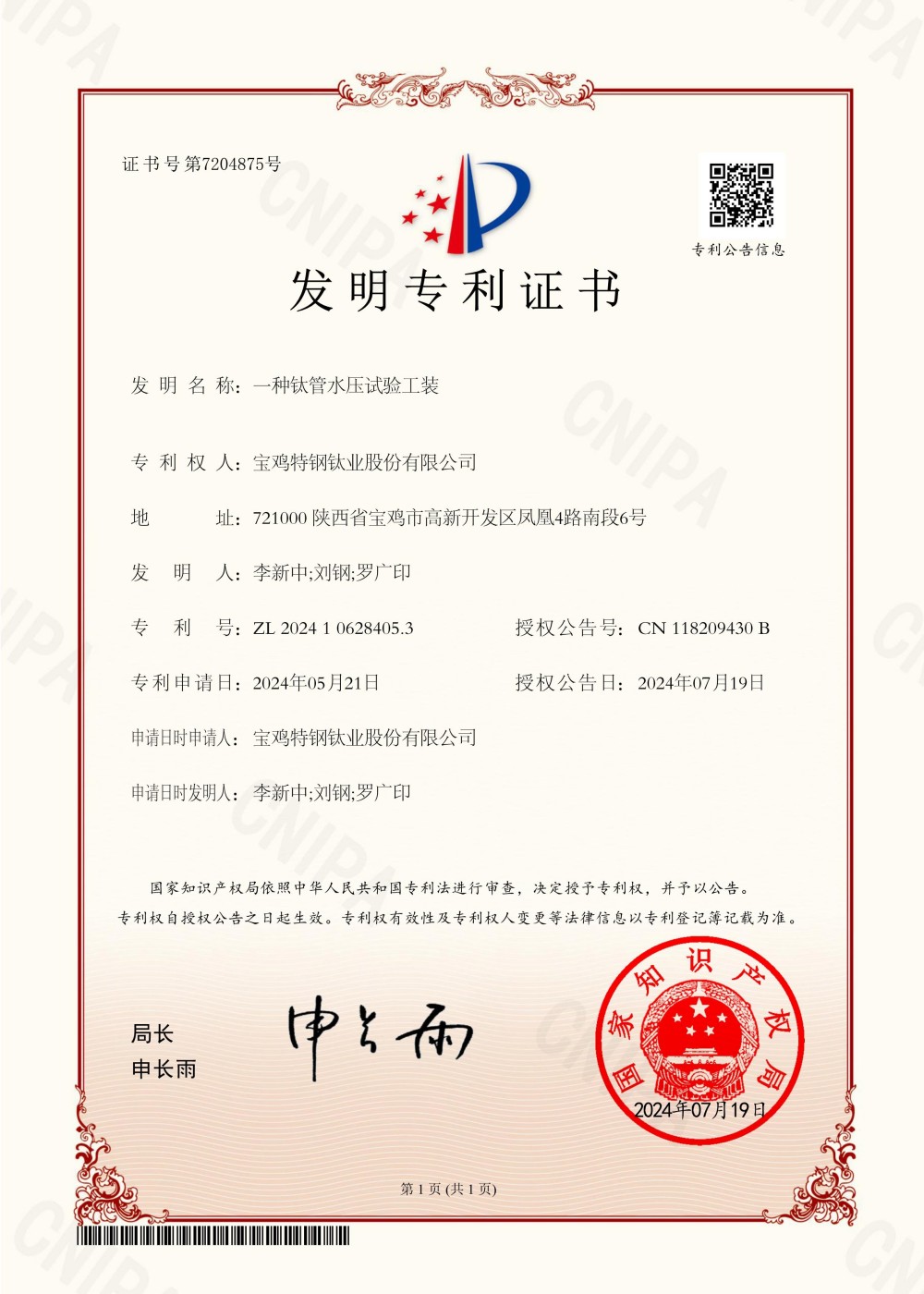
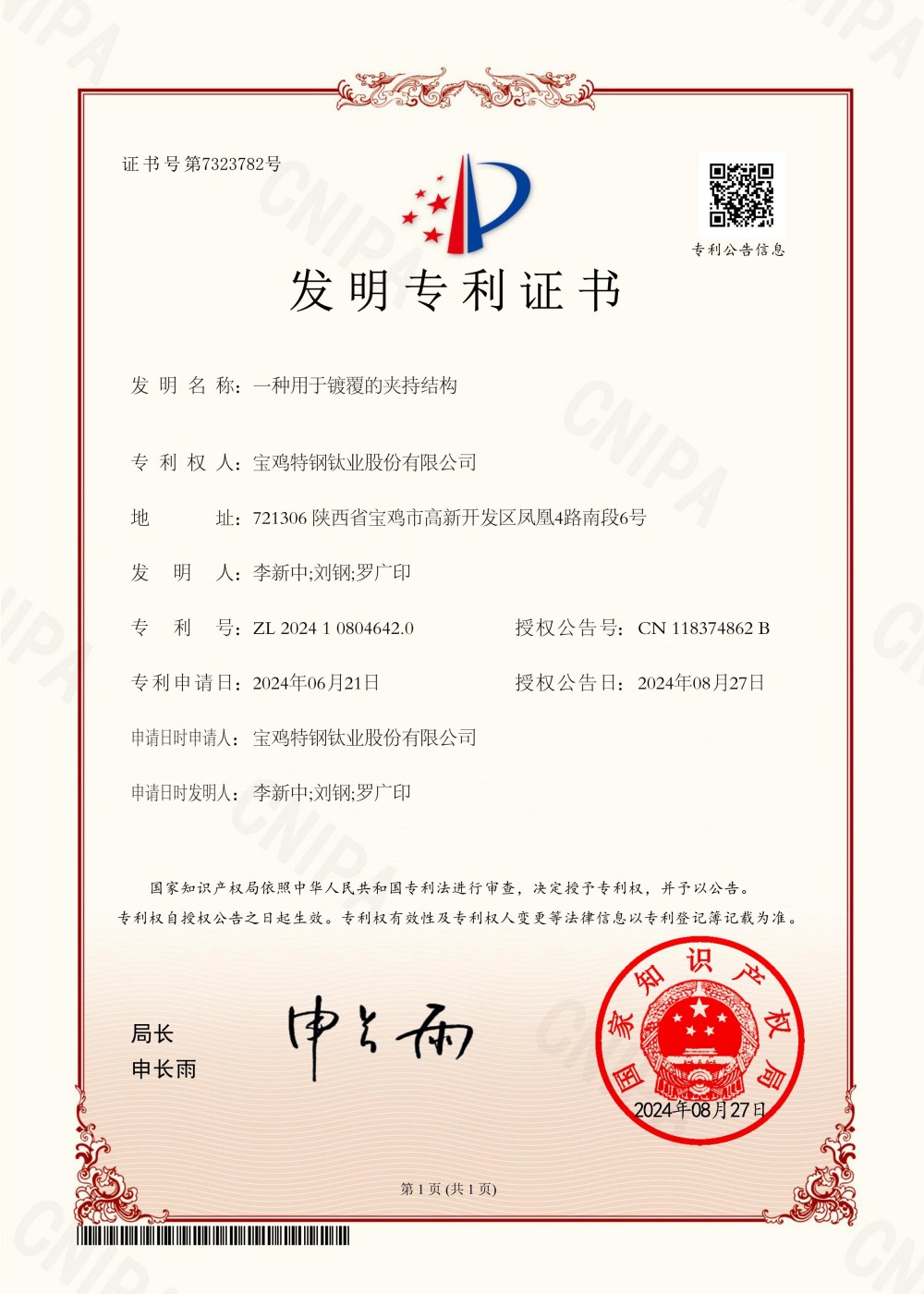
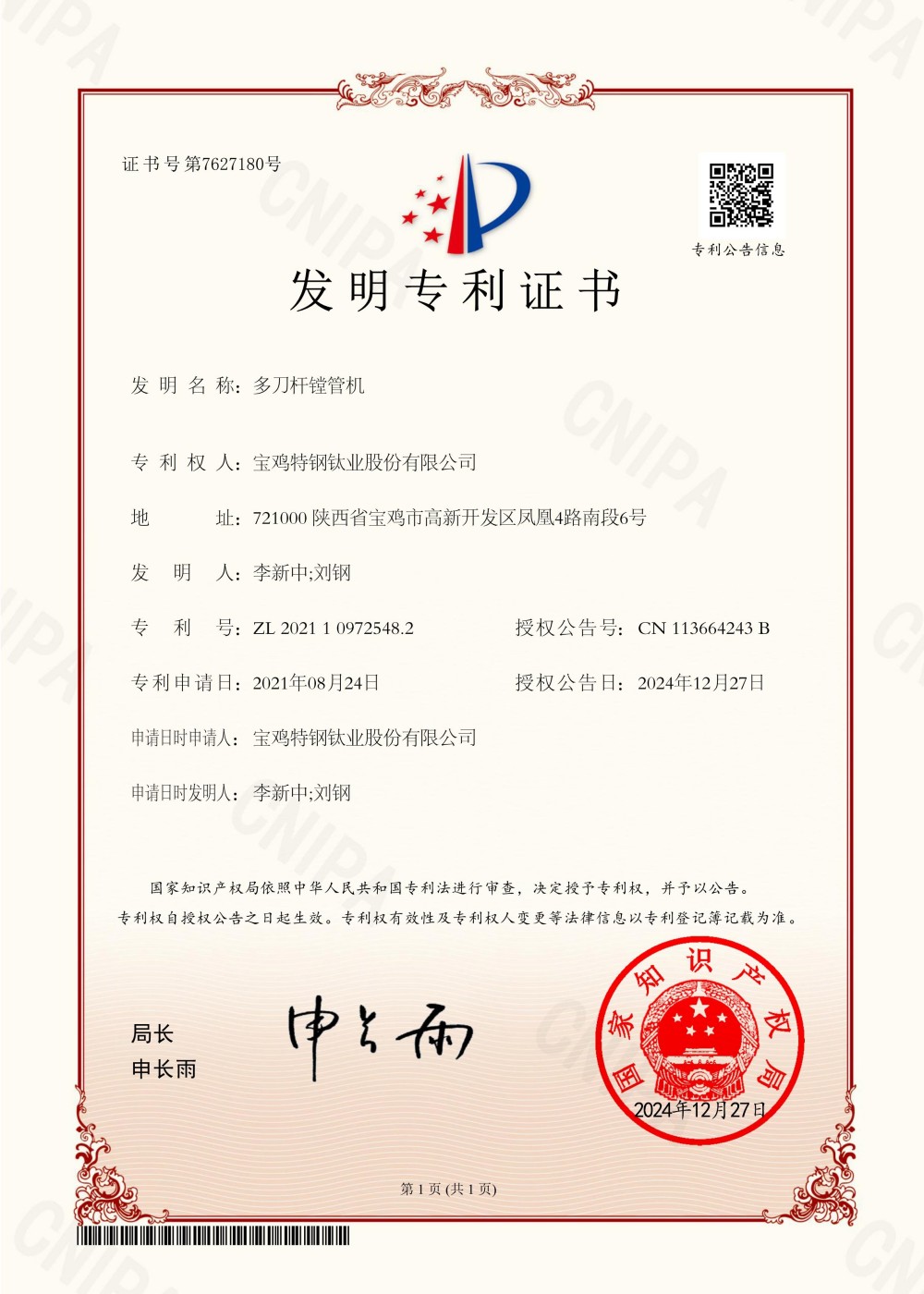
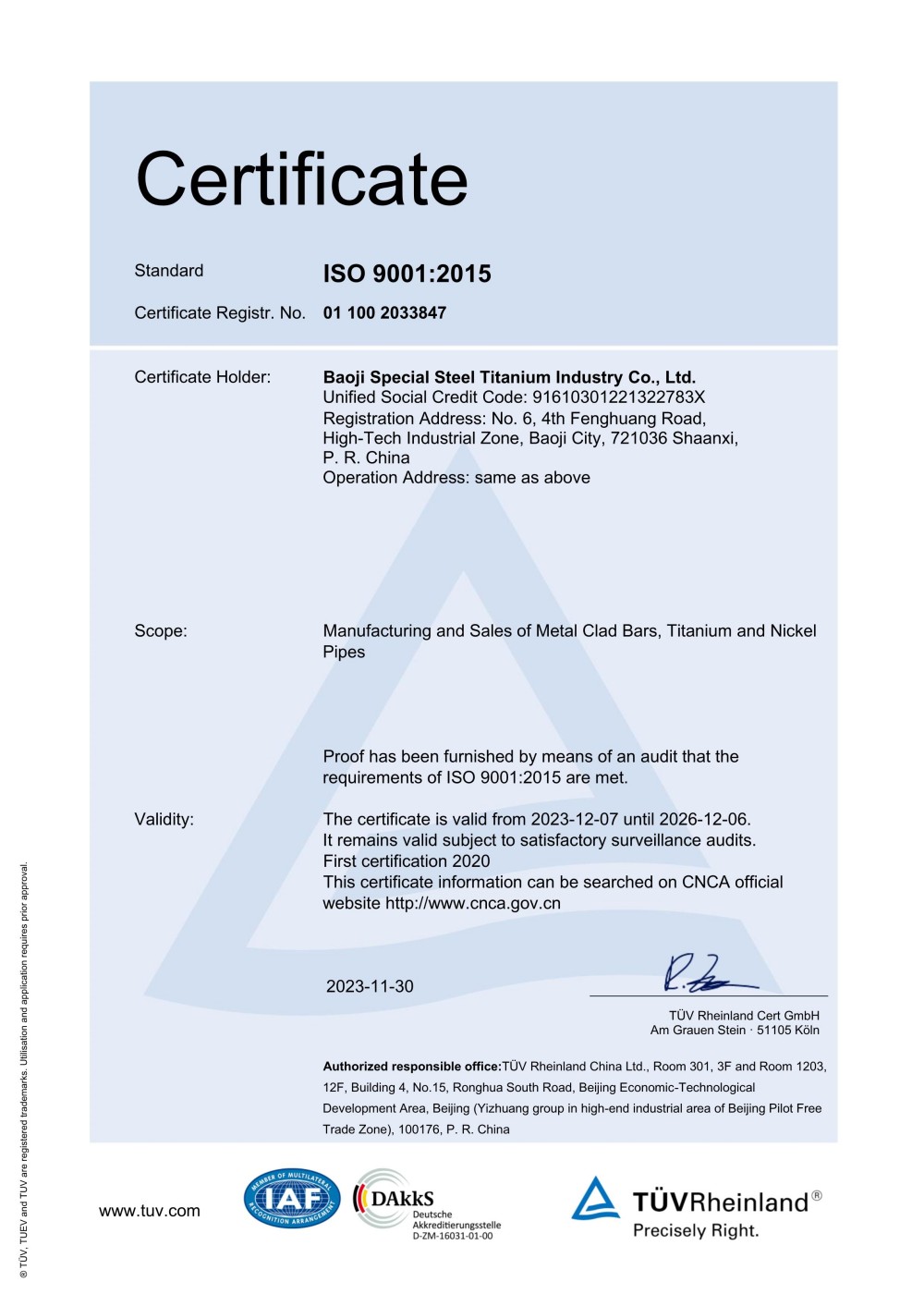
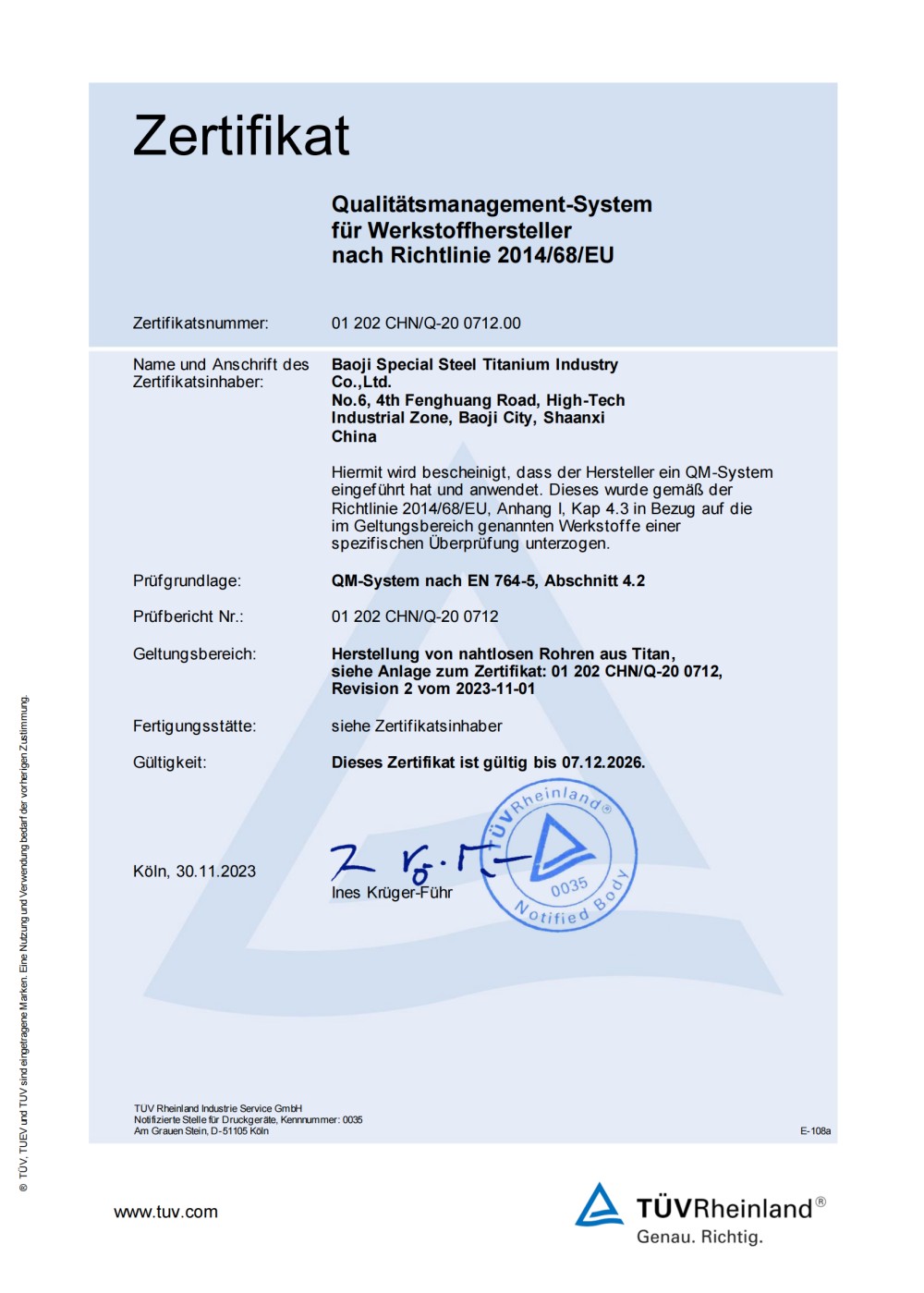
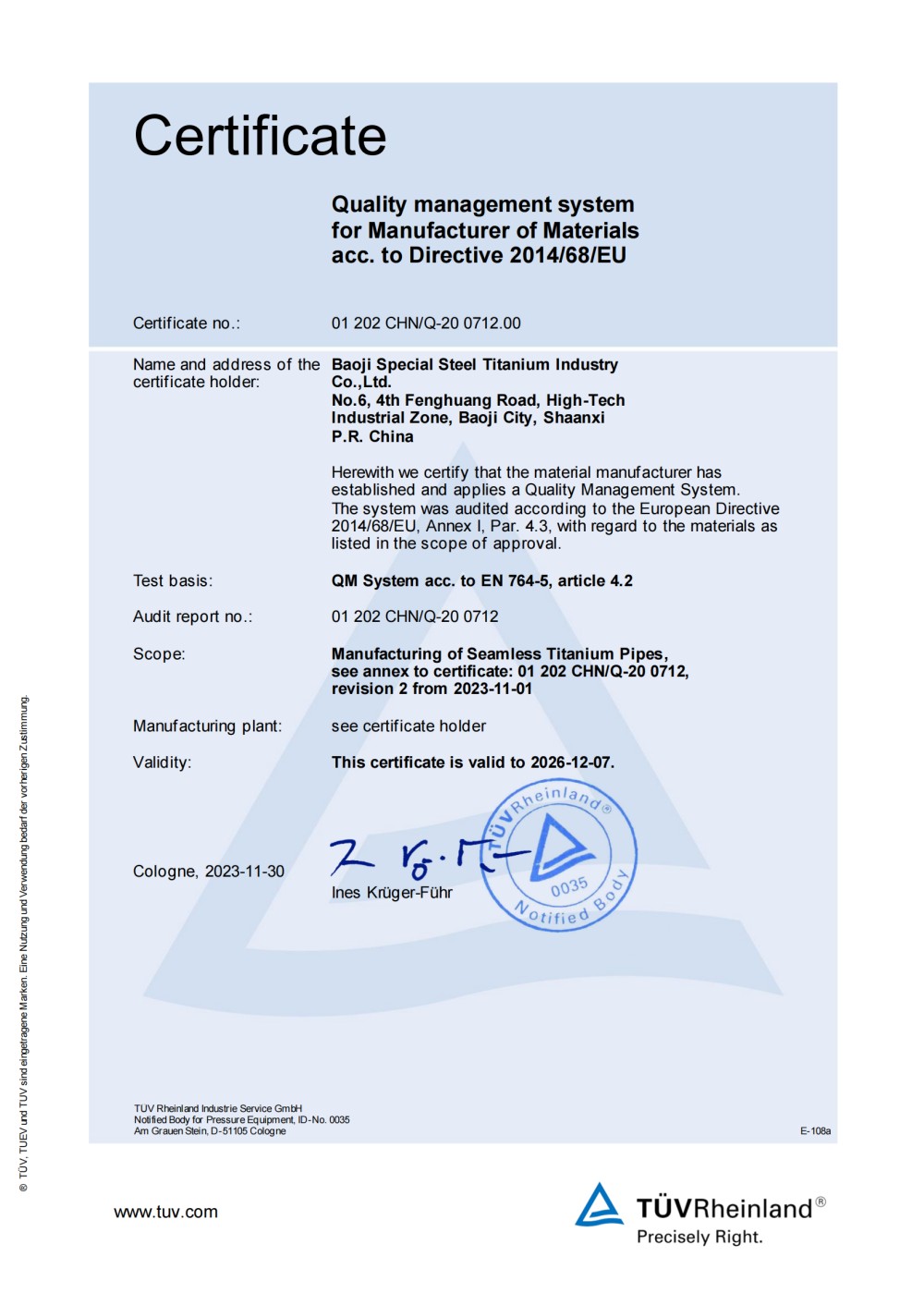
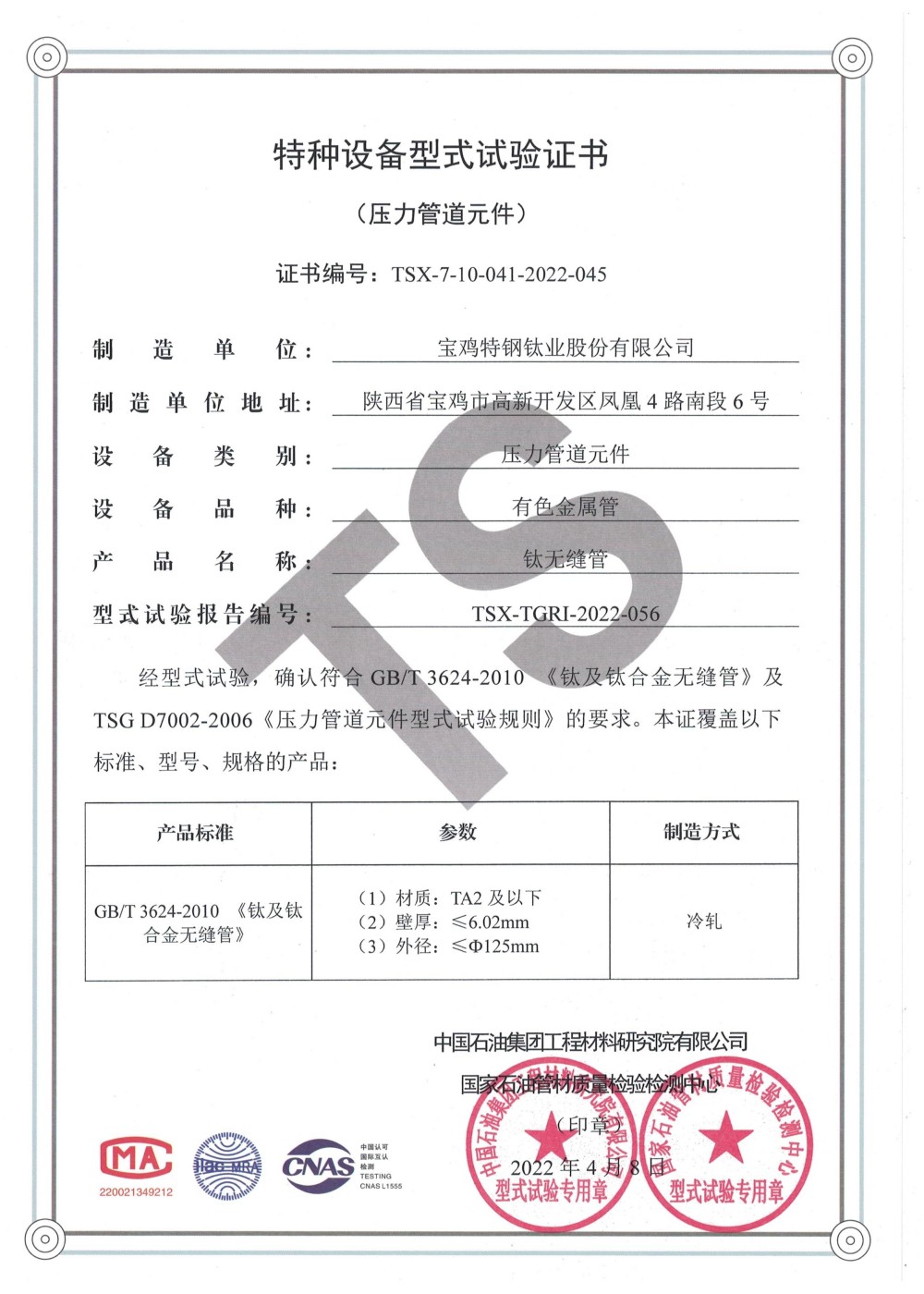
All titanium electroplating pipes, clad metals, and electrodes adhere strictly to ISO9001, ASTM B338, ASTM B265, and ASME standards.
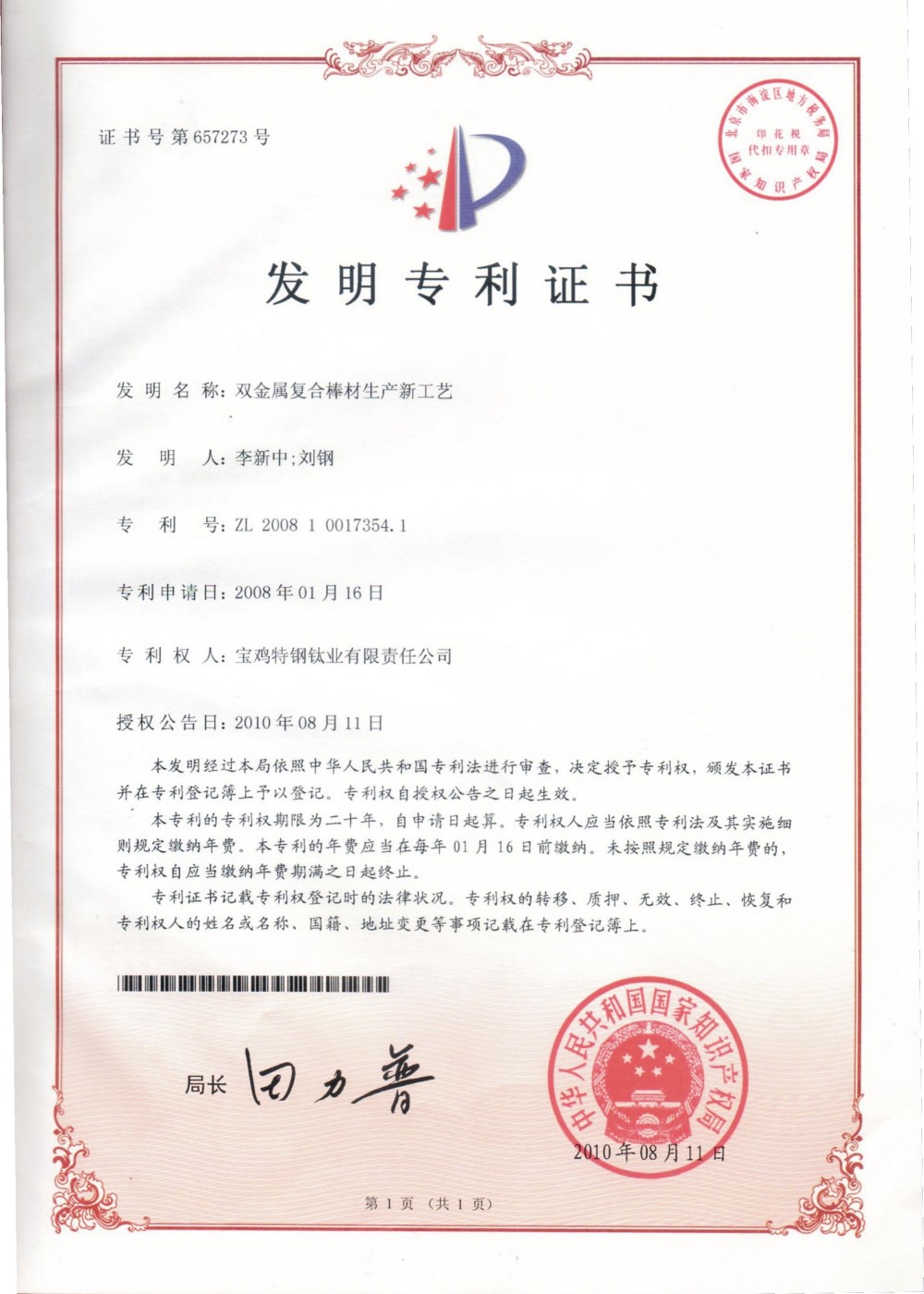
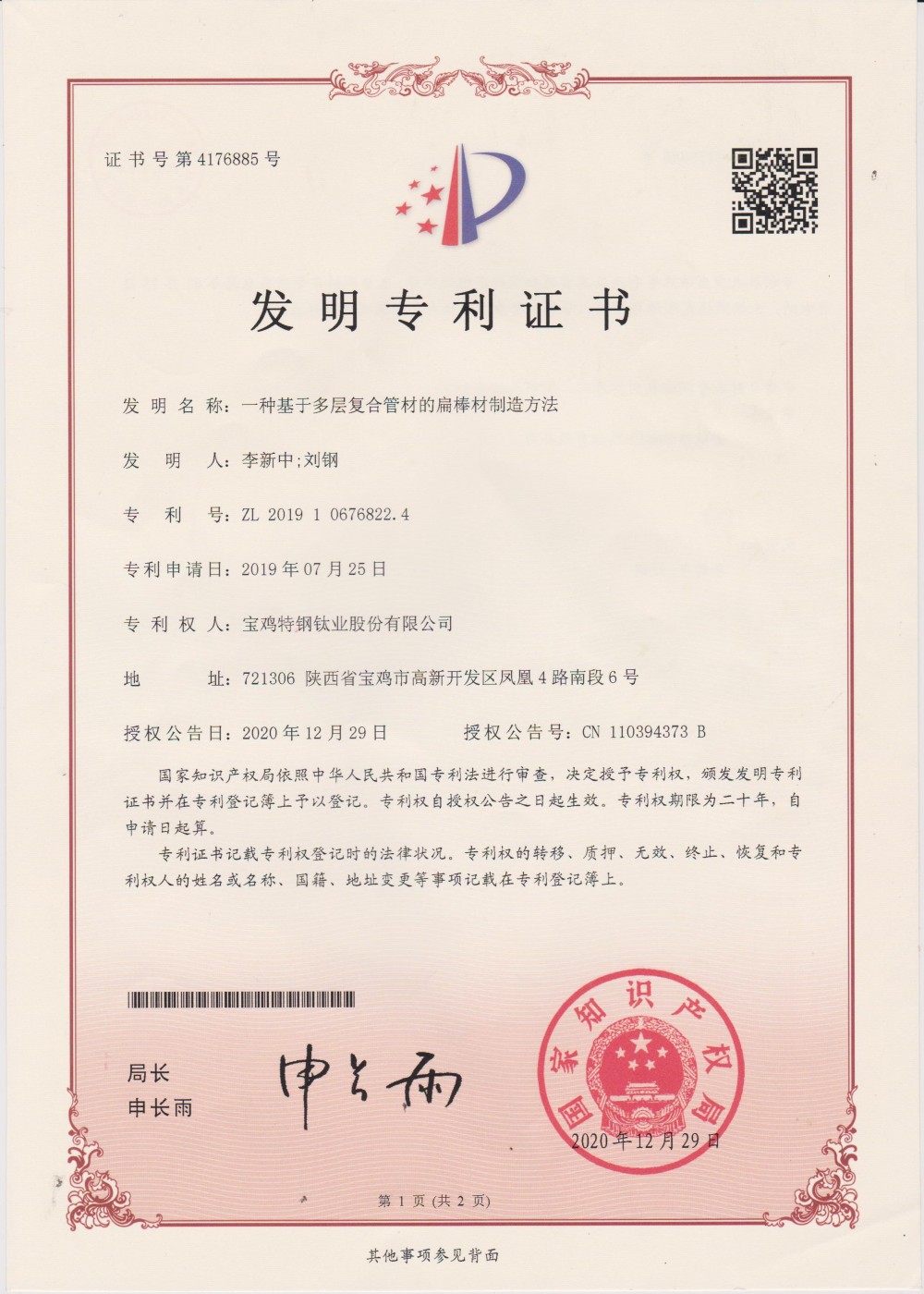
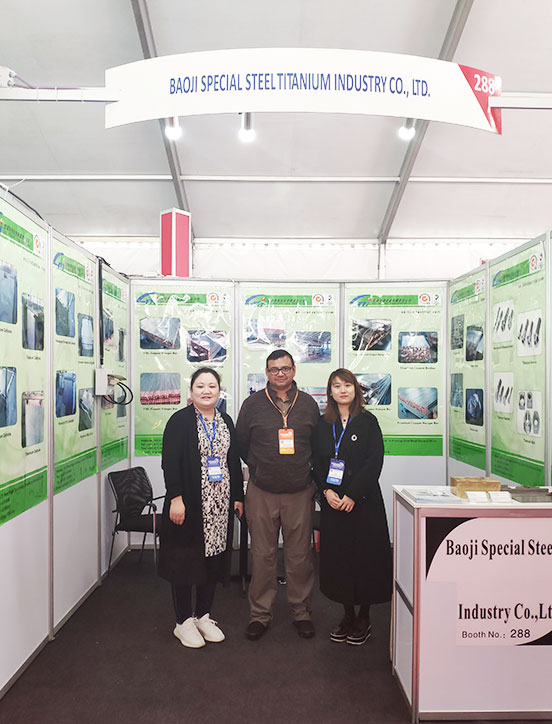
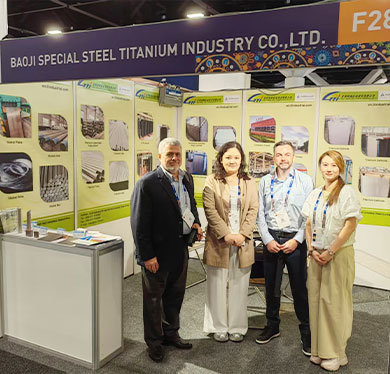
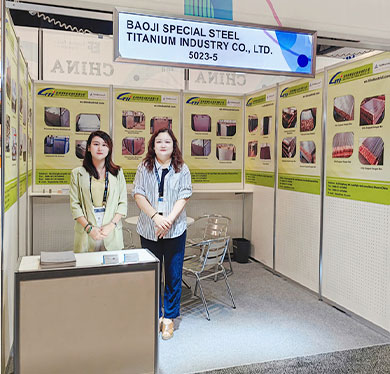
Connecting with world-leading surface finishing engineers, chemical plant builders, and metallurgists at leading industrial expos.
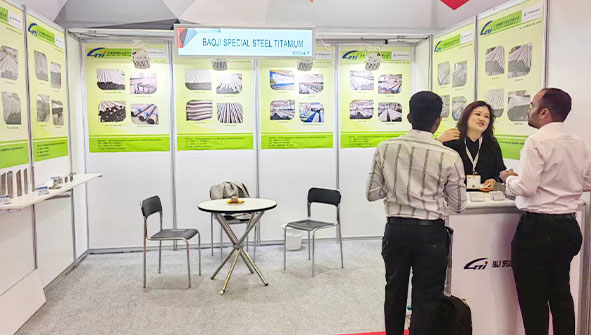
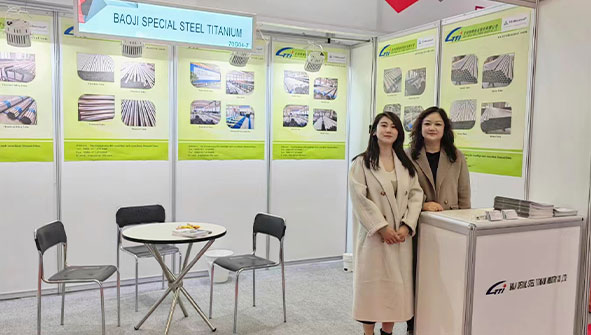
Select from our certified range of titanium tubing, plate linings, high-durability composite anodes, and permanent cathodes tailored to your bath chemistry.