Leave Your Message
Pioneering titanium components engineered to withstand extreme conditions in global energy and power generation facilities.


A comprehensive analysis of why titanium has transitioned from an aerospace specialty metal to a cornerstone of modern power generation and energy infrastructure.
In the modern industrial landscape, energy and power projects operate under increasingly aggressive environmental and mechanical stresses. Whether it is thermal power stations utilizing brackish cooling water, offshore oil platforms drilling in deep-sea wells, or next-generation hydrogen electrolyzers operating in acidic media, traditional metals like copper, carbon steel, and even high-grade stainless steels often fall short. They suffer from rapid corrosion, stress cracking, and galvanic degradation, leading to costly maintenance shutdowns and catastrophic failures.
This is where titanium materials for energy and power projects become indispensable. Titanium exhibits an unparalleled strength-to-weight ratio, exceptional resistance to localized corrosion (such as pitting and crevice corrosion), and a naturally forming, self-healing oxide layer (TiO₂) that remains stable across a wide range of temperatures and pH levels. This ensures that critical systems like condensers, heat exchangers, and composite electrodes operate continuously with minimal maintenance for decades.
Titanium materials maintain high fatigue strength in corrosive environments like seawater, making them the ultimate choice for marine energy platforms, desalination-coupled power plants, and coastal nuclear cooling loops.
The commercial landscape for titanium has shifted significantly over the past two decades. Historically dominated by aerospace applications, the industrial sector—specifically energy production, chemical processing, and hydrometallurgy—now accounts for a major portion of global titanium consumption. China has emerged as the global powerhouse for titanium production and fabrication, with Baoji City in Shaanxi Province widely recognized as "China's Titanium Valley."
Companies like Baoji Special Steel Titanium Industry Co., Ltd. have been at the forefront of this industrial shift. By optimizing manufacturing techniques, such as vacuum arc remelting (VAR), precision tube rolling, and advanced explosion cladding for composite materials, manufacturers have successfully lowered the cost barrier for titanium implementation. Consequently, energy developers can now achieve a significantly lower Total Cost of Ownership (TCO) by utilizing titanium materials that outlast alternative metals by a factor of three to five.
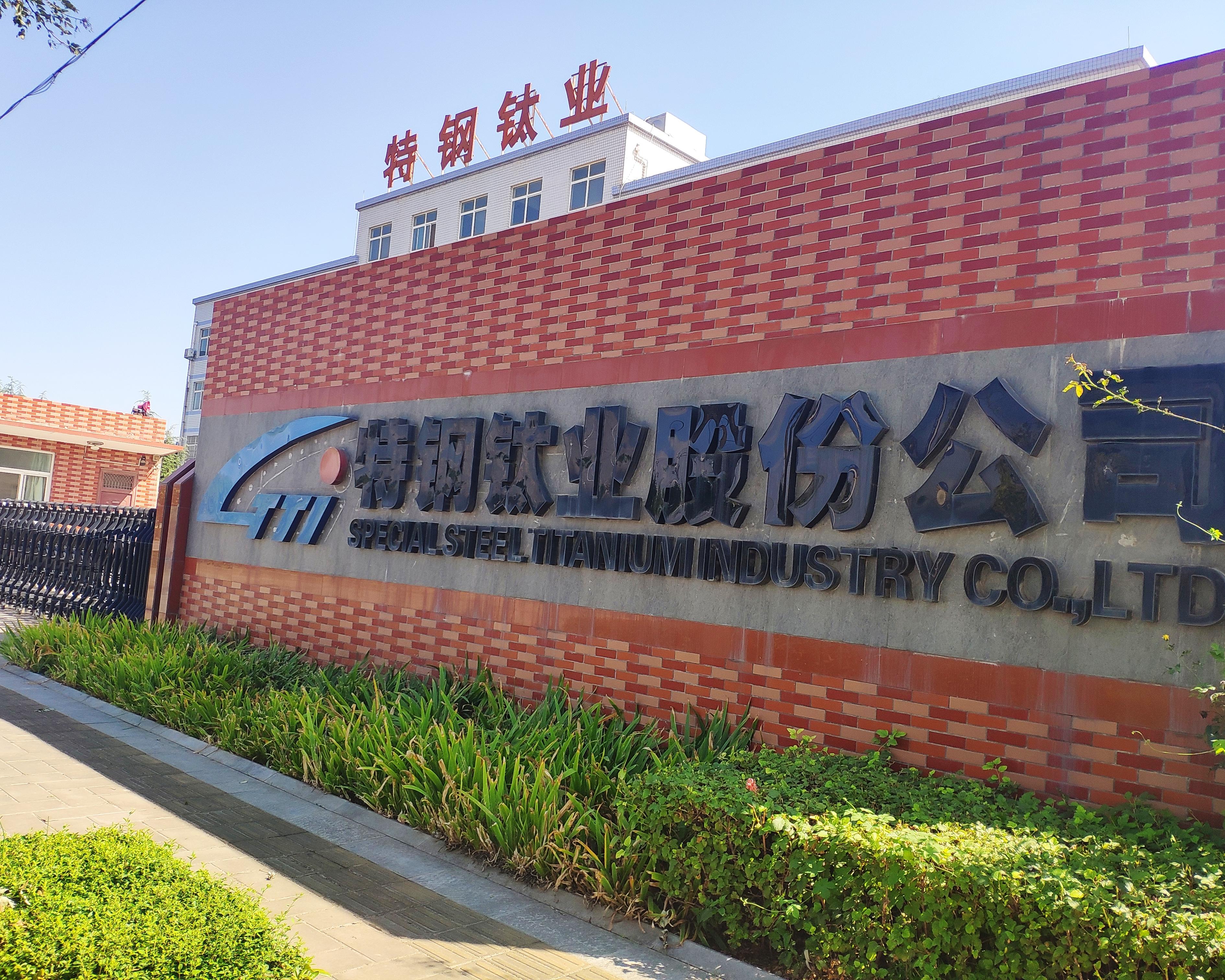
Baoji Special Steel Titanium Industry Co., Ltd. is a joint-stock industrial enterprise specializing in the research, development, manufacturing and sales of titanium, nickel, zirconium and other metal pipes and metal composite materials. The company was founded in 1997, located in Shaanxi Baoji National High-tech Industrial Development Zone, the factory covers an area of 41,000 square meters.
The company has an annual production capacity of over 3,000 tons of non-ferrous metal pipes, composite materials and various deep processing products such as titanium, zirconium, nickel, tantalum and copper, etc. Our product catalog features more than 500 varieties and specifications. With exports accounting for more than 30% of our total output, we are an export-oriented industrial enterprise with strong growth momentum, recognized as a national high and new technology enterprise.


Our comprehensive manufacturing capabilities allow us to deliver high-precision products across three major industrial categories, engineered specifically for high-stress energy applications:
Non-Ferrous Metal Pipes: Premium titanium and titanium alloy, nickel and nickel alloy, zirconium and zirconium alloy pipes, built for extreme corrosion resistance.
Composite Materials: High-performance composite materials including titanium clad copper, zirconium clad copper, ladle copper, composite wire, and multi-layer composite metals.
Composite Electrodes & Cathodes: Advanced titanium cathodes, stainless steel permanent cathodes, nickel anodes, and titanium-based lead dioxide (Ti/PbO₂) anodes.
Nickel Material Products: A specialized series consisting of high-purity nickel plates, nickel rods, and nickel strips for batteries and electronics.
Since our establishment, we have adhered to a development strategy of continuous innovation, utilizing new technologies and products as our market lever. Over more than 20 years of research and production accumulation, our products have successfully entered premium markets in Germany, Japan, the United States, Norway, Finland, South Africa, Singapore, India, and Taiwan, earning widespread acclaim.
By maintaining stable product quality and centering our business philosophy on integrity, we have won the trust of global clients. Our eternal pursuit is to build an excellent enterprise team, continuously improve management and manufacturing methods, and ensure that every customer receives maximum benefit from each product.
An in-depth technical analysis of where and why titanium materials are specified in advanced power generation, clean energy, and electrochemical industries.
In thermal and nuclear power plants, steam condensers are critical for overall cycle efficiency. These condensers require miles of tubing cooled by external water sources—often seawater or polluted river water. Stainless steel and copper-nickel tubes in these environments frequently fail due to erosion-corrosion, pitting, and ammonia attack.
Using ASTM B338 Titanium Tubes solves these issues permanently. Titanium's immunity to seawater corrosion allows for thinner-walled tubes (often 0.5mm to 0.7mm), which compensates for titanium's lower thermal conductivity compared to copper. Furthermore, titanium's high fatigue resistance prevents tube failures caused by flow-induced vibrations inside the condenser shell. In nuclear power plants, where safety is paramount, titanium tubes eliminate the risk of cooling water leaking into the high-purity steam cycle, preventing radioactive contamination risk and boiler water chemistry upsets.
As the global energy transition accelerates, hydrogen has emerged as a key clean energy carrier. Green hydrogen is produced via water electrolysis, where Proton Exchange Membrane (PEM) electrolyzers operate in highly corrosive, acidic environments under high voltages. Bipolar plates and gas diffusion layers (GDLs) within these electrolyzers must maintain low contact resistance while resisting corrosion.
ASTM B265 Titanium Plates and Sheets are the industry standard for PEM bipolar plates. When coated with noble metals like platinum or iridium, titanium plates provide excellent electrical conductivity and complete corrosion resistance, ensuring the electrolyzer operates efficiently for over 80,000 hours. Titanium's mechanical strength also allows for the fabrication of ultra-thin plates, reducing the overall footprint and stack weight of hydrogen fuel cells and electrolyzers.
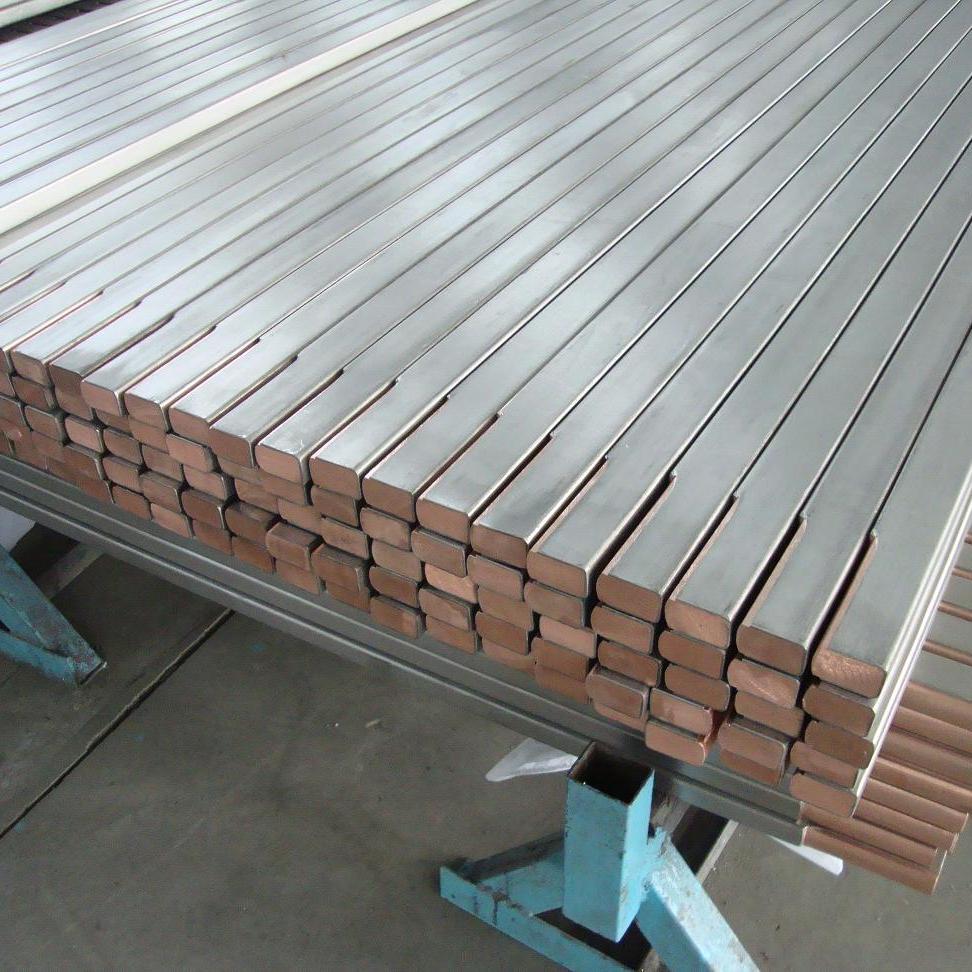
By metallurgically bonding titanium to a high-conductivity copper core, titanium clad copper hanger bars combine the extreme corrosion resistance of titanium with the outstanding electrical conductivity of copper. This is a game-changer for high-current electrochemical and hydrometallurgical processes.
In the extraction of metals like copper, nickel, cobalt, and zinc through electrowinning, electrodes are suspended in highly acidic electrolytes. Traditional lead anodes degrade over time, contaminating the harvested metal and creating environmental hazards.
Modern hydrometallurgical plants utilize Titanium Cathodes and Dimensionally Stable Anodes (DSA), such as Titanium-based Lead Dioxide (Ti/PbO₂) Anodes. Titanium cathodes provide a smooth, corrosion-resistant surface that allows for the easy peeling of deposited metals, while Ti/PbO₂ anodes offer high electrocatalytic activity, low oxygen evolution overpotential, and extreme durability in sulfuric acid baths. The use of Titanium Clad Copper Hanger Bars ensures uniform current distribution across the electrodes, maximizing electrical efficiency and reducing energy consumption by up to 15%.
Geothermal energy projects harness heat from deep underground reservoirs. However, geothermal fluids (brines) are highly corrosive, containing high concentrations of silica, chlorides, hydrogen sulfide, and carbon dioxide at temperatures exceeding 200°C. Standard carbon steels and stainless steels fail rapidly under these conditions.
Titanium alloys, particularly Grade 7 (palladium-alloyed) and Grade 12, offer exceptional resistance to acidic brines and crevice corrosion at high temperatures. Titanium pipes, casings, and heat exchangers are increasingly used in binary-cycle geothermal power plants to ensure safe, uninterrupted heat extraction, protecting the environment from underground fluid leaks.
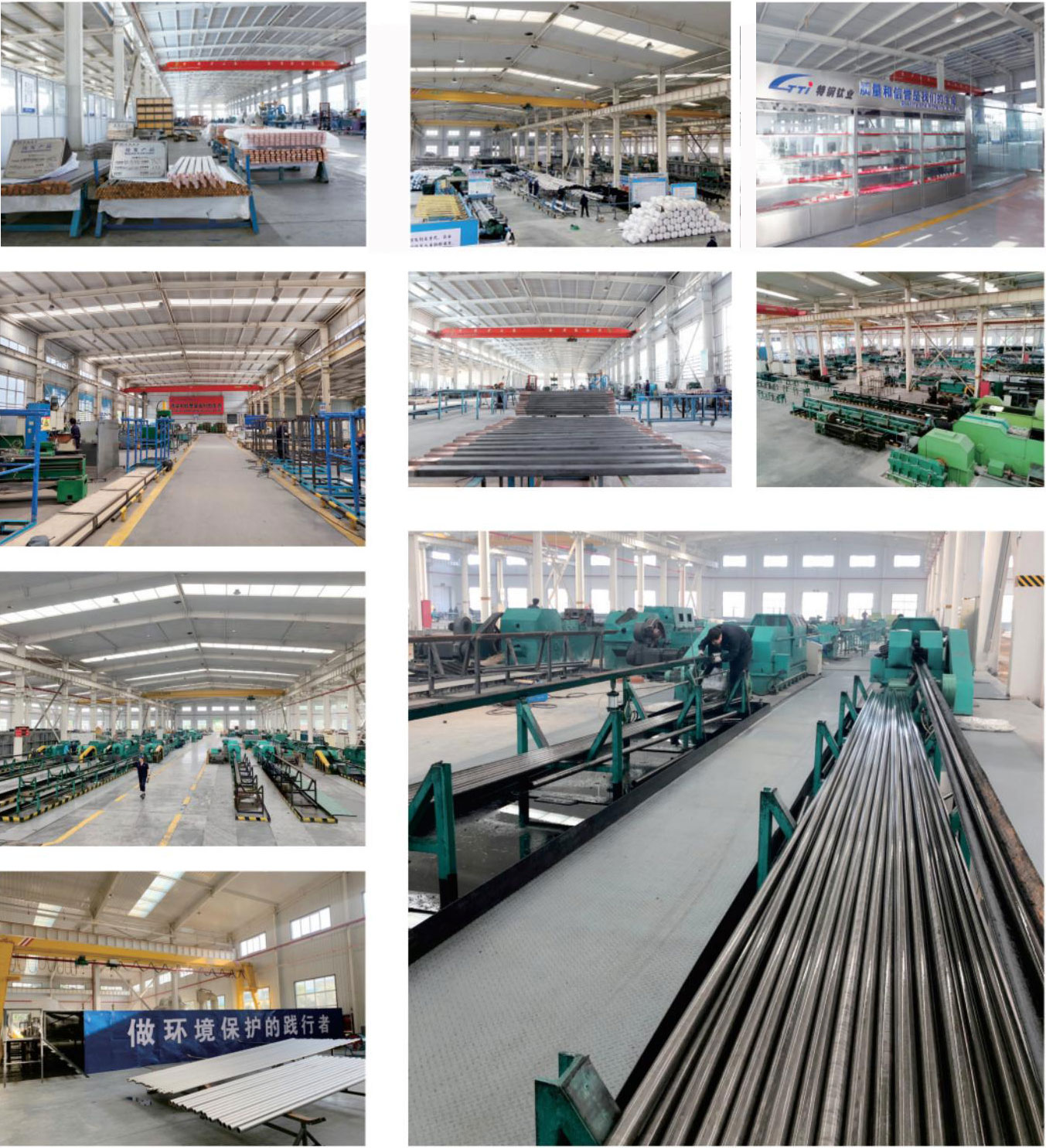
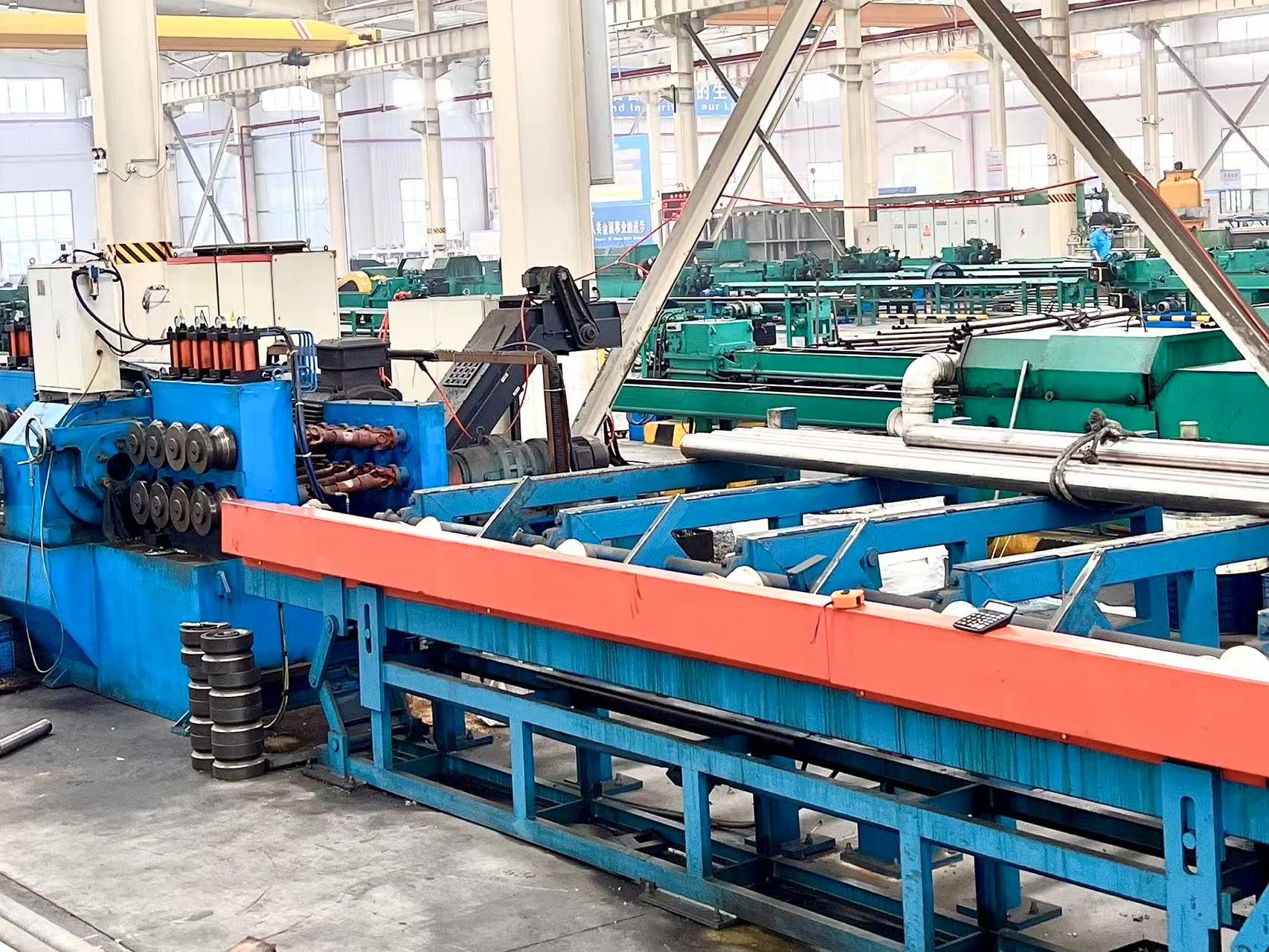
Equipped with state-of-the-art production and testing machinery to guarantee the highest quality standards for global energy projects.
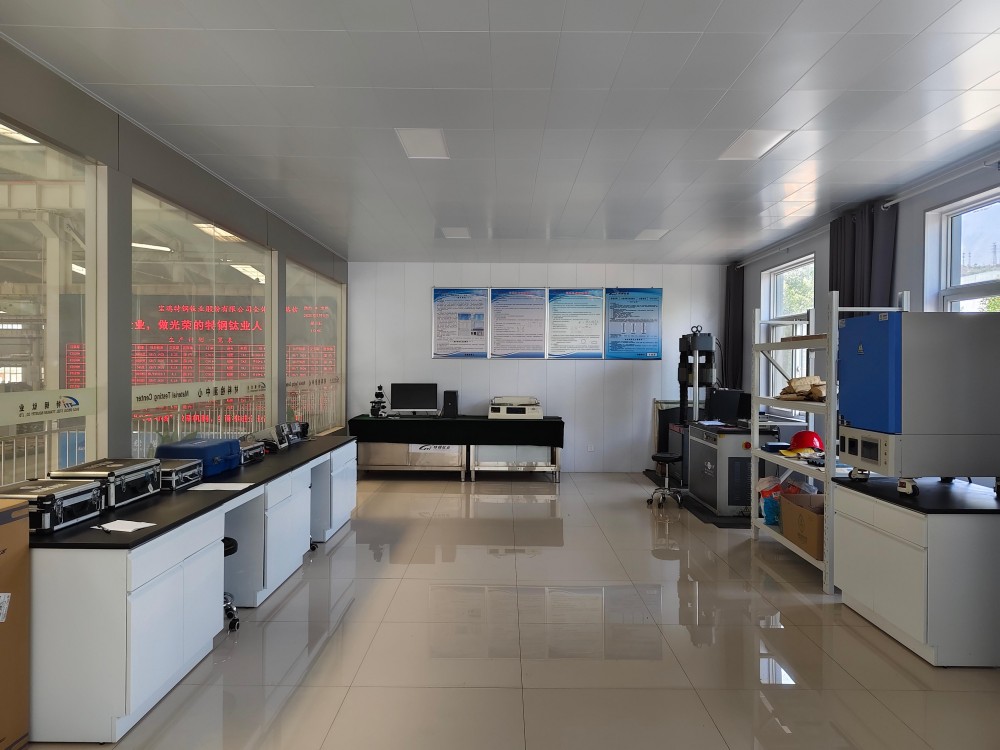
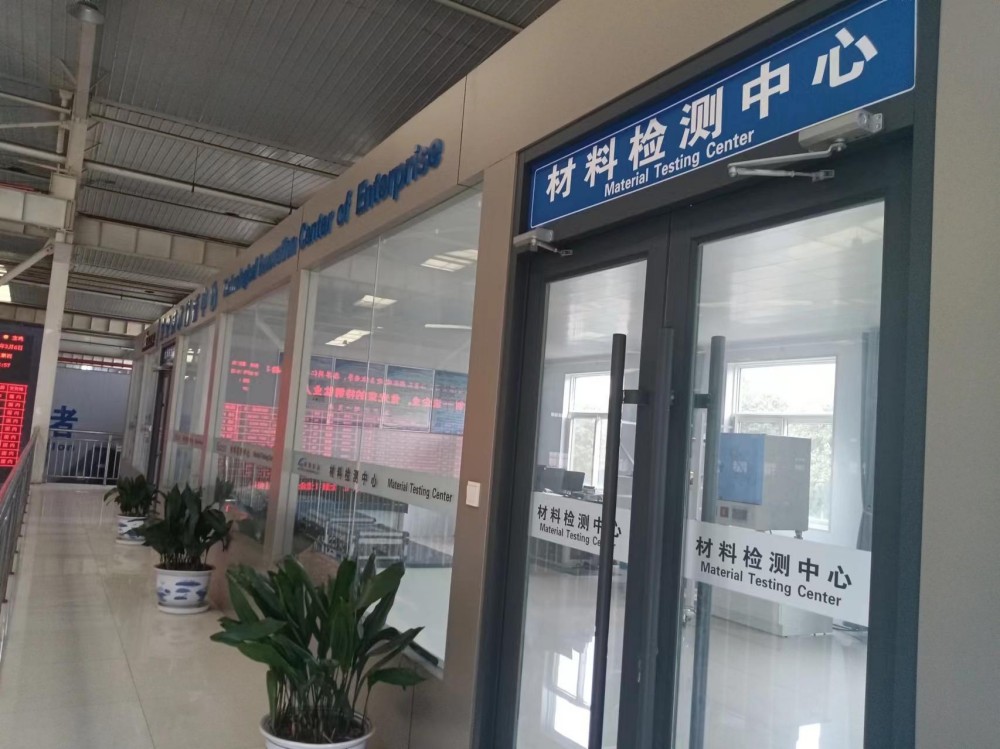
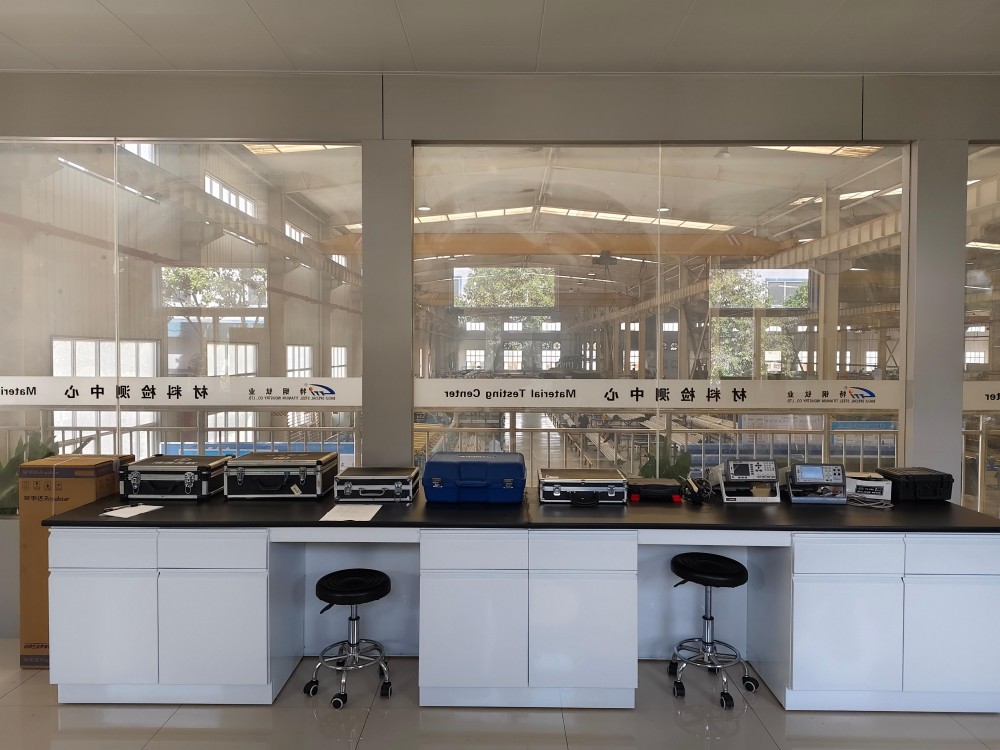
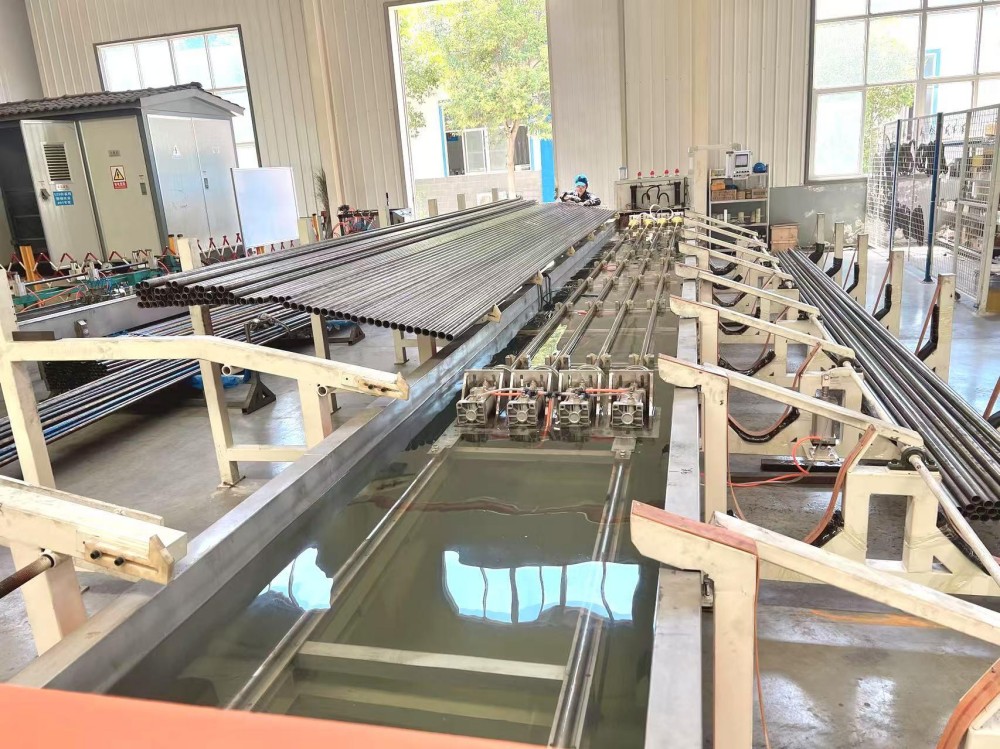
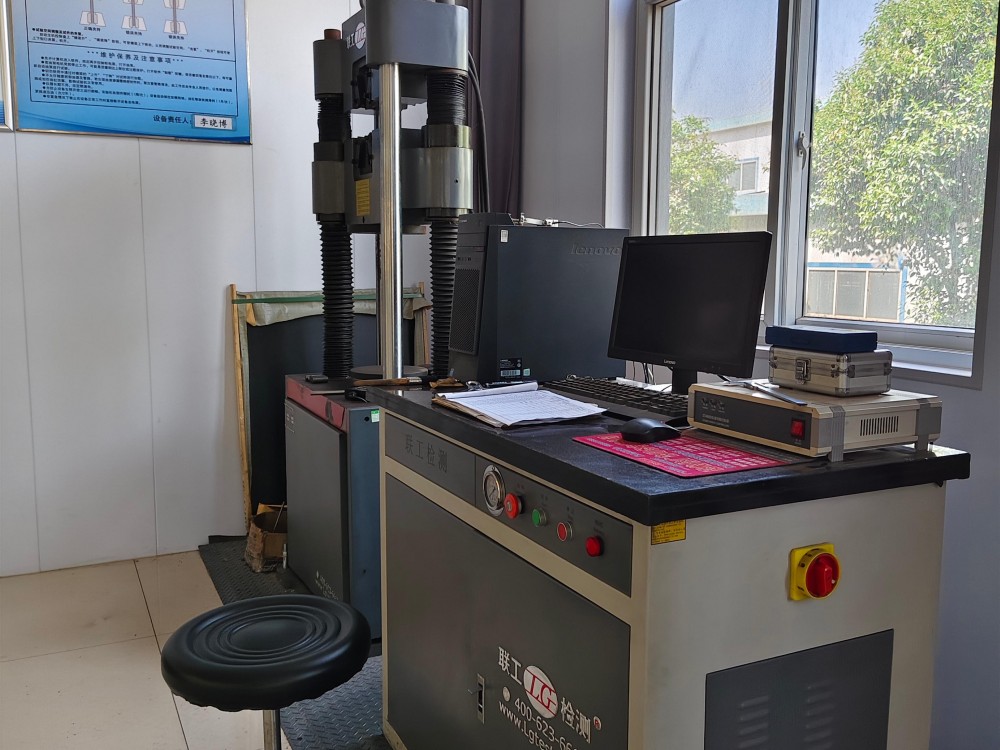
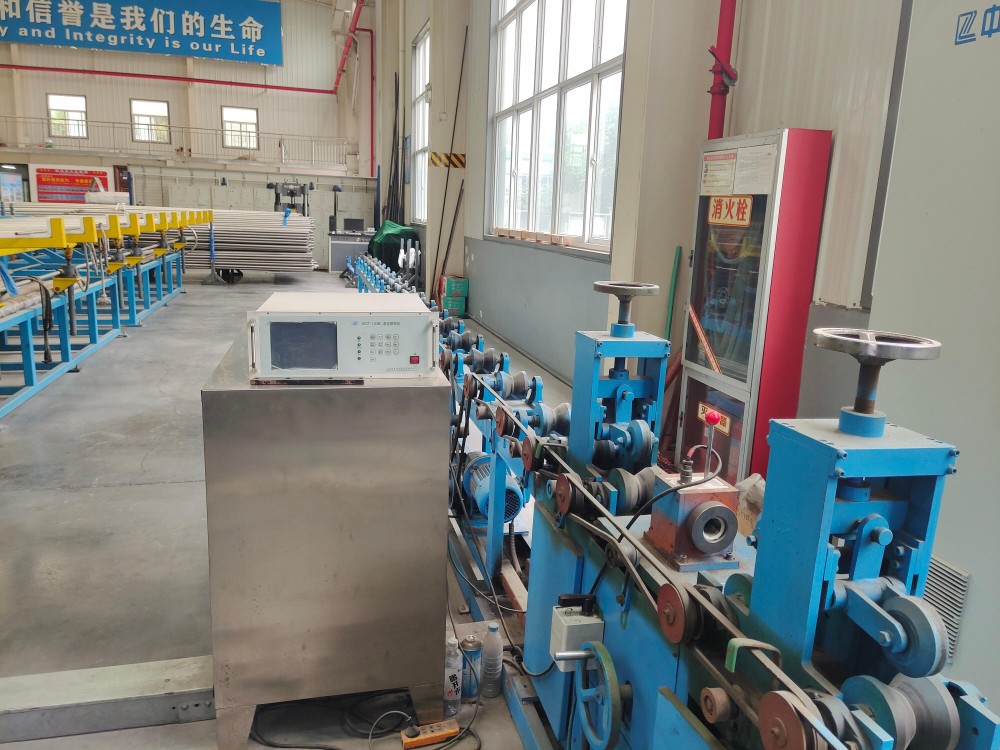
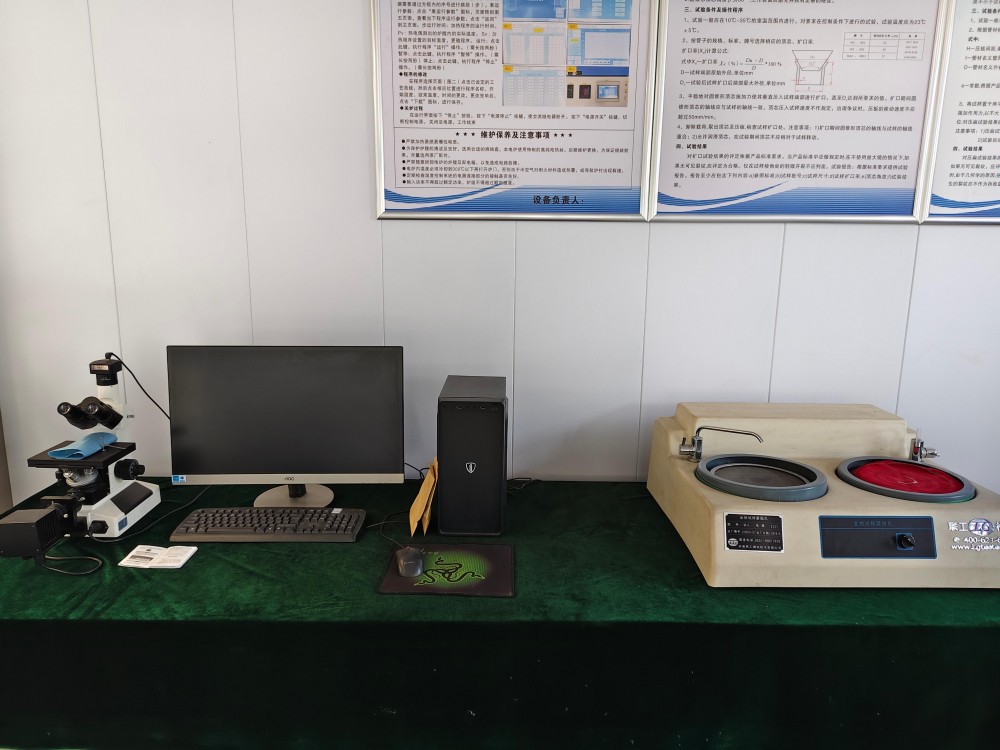
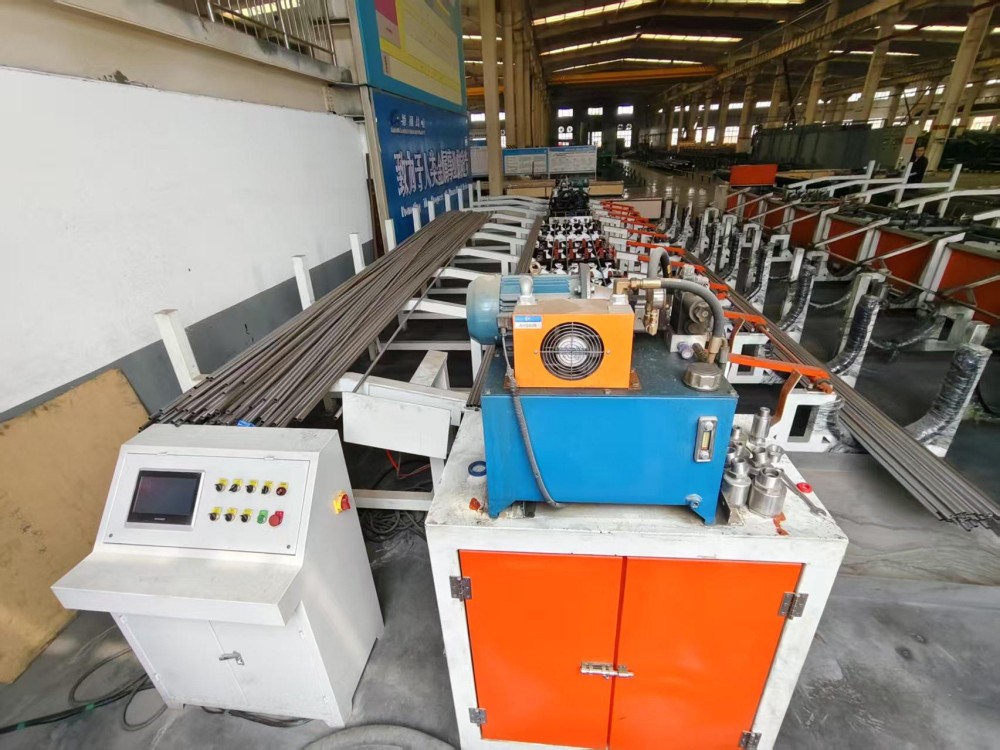
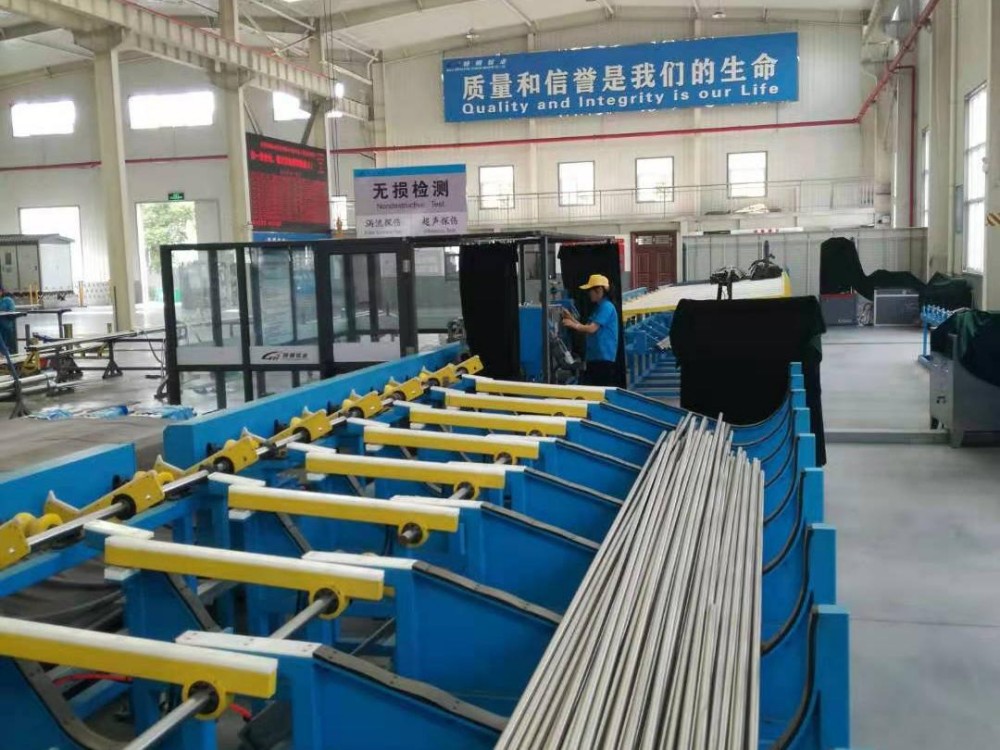
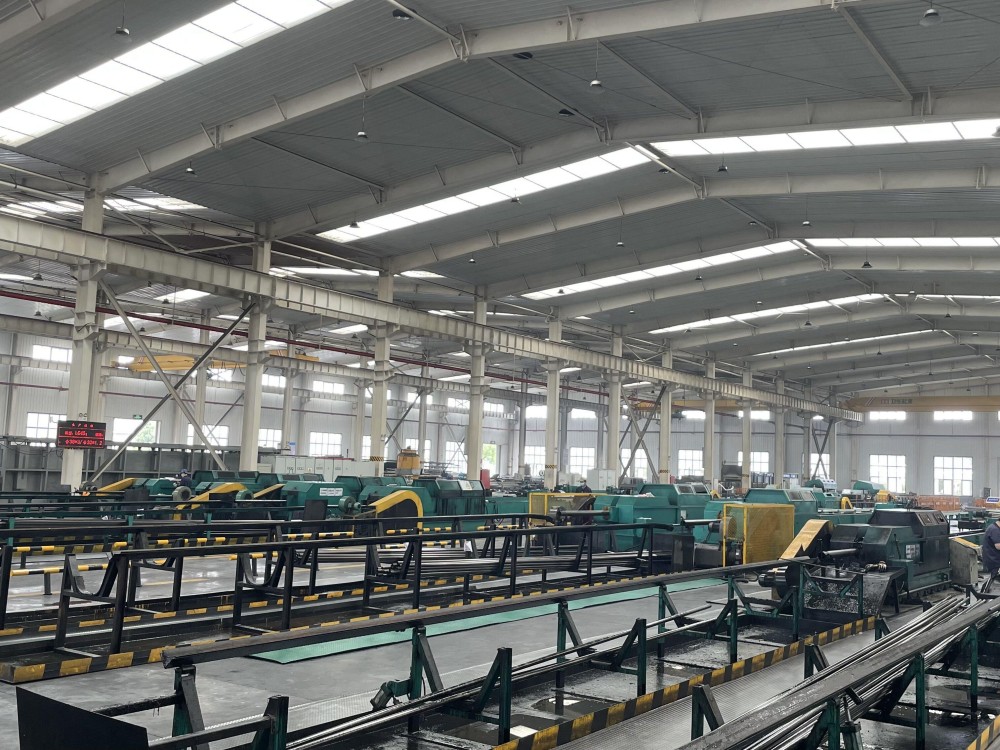
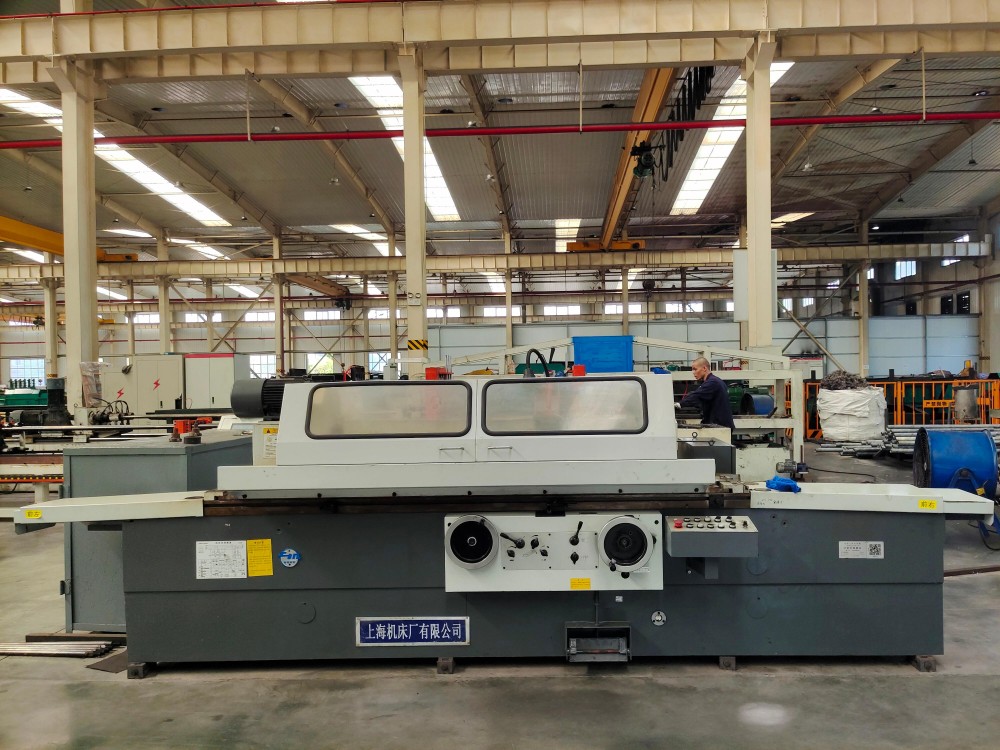
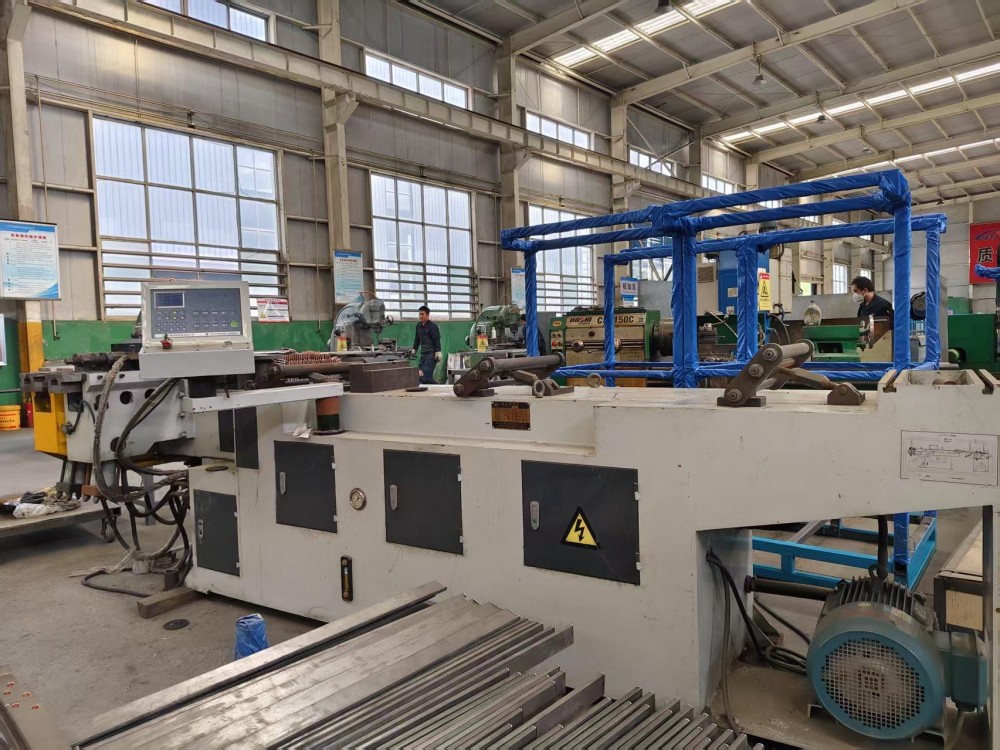
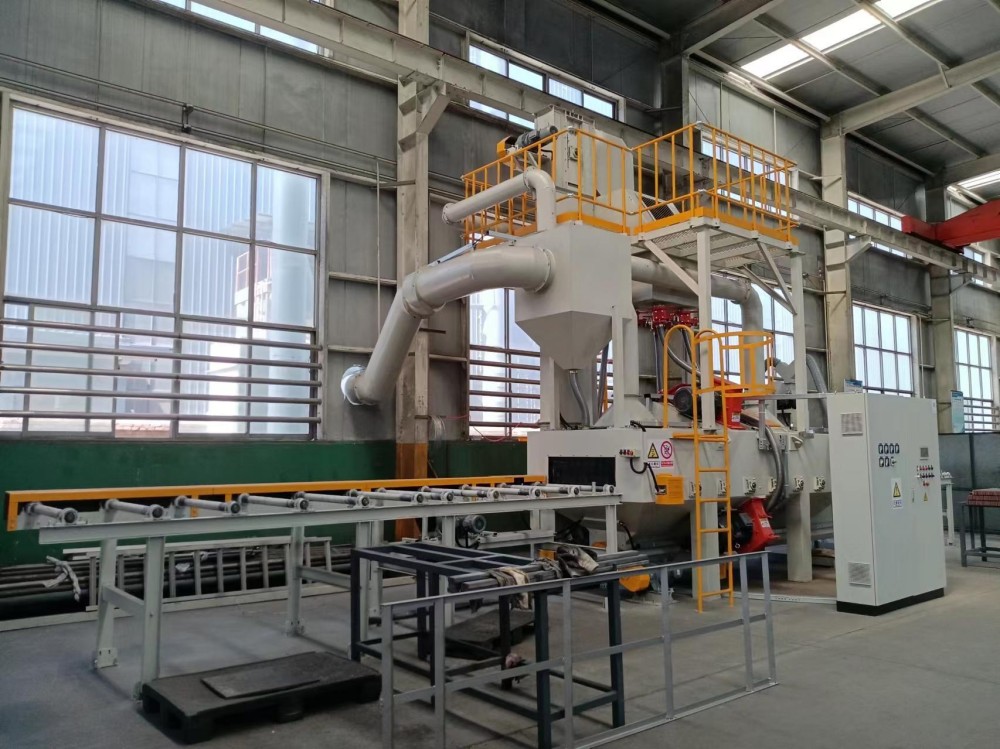
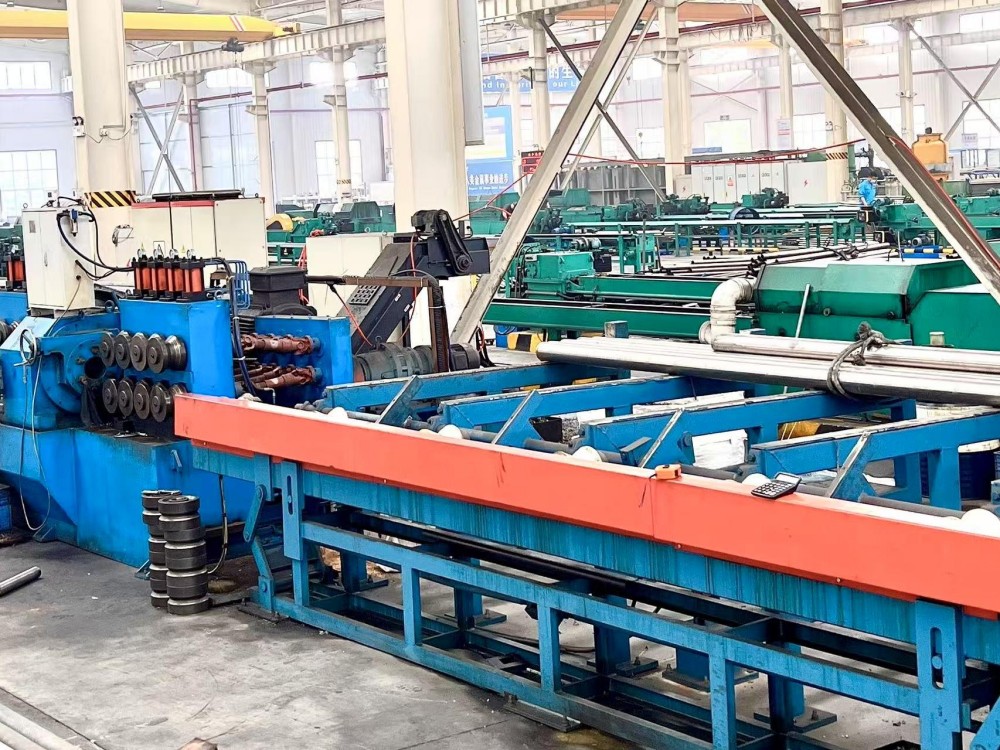
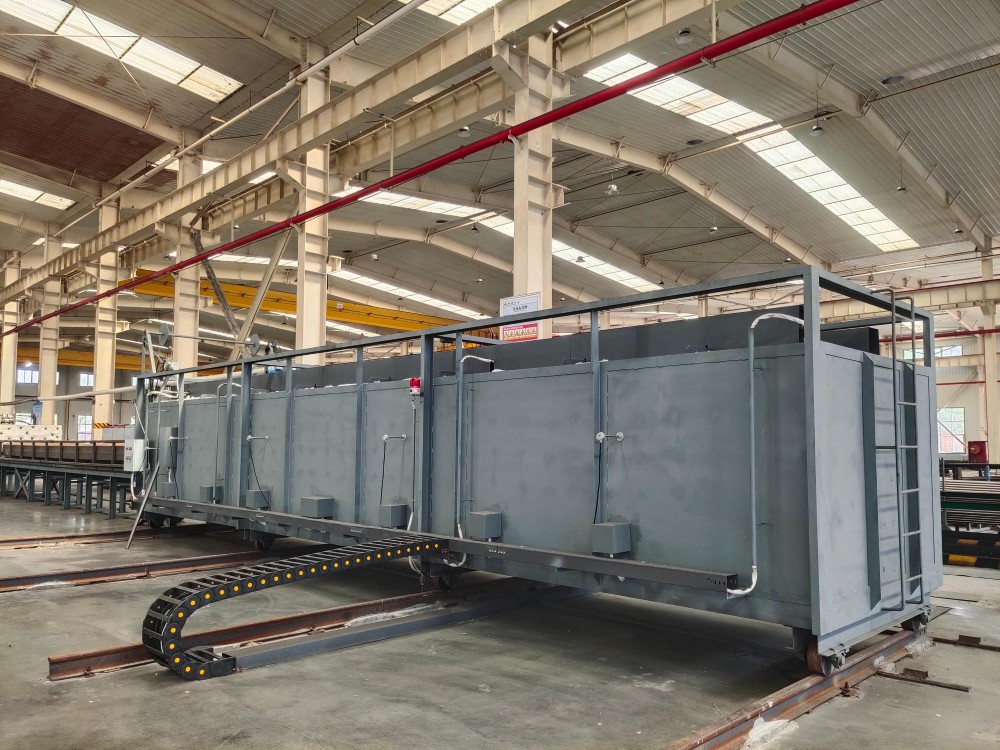
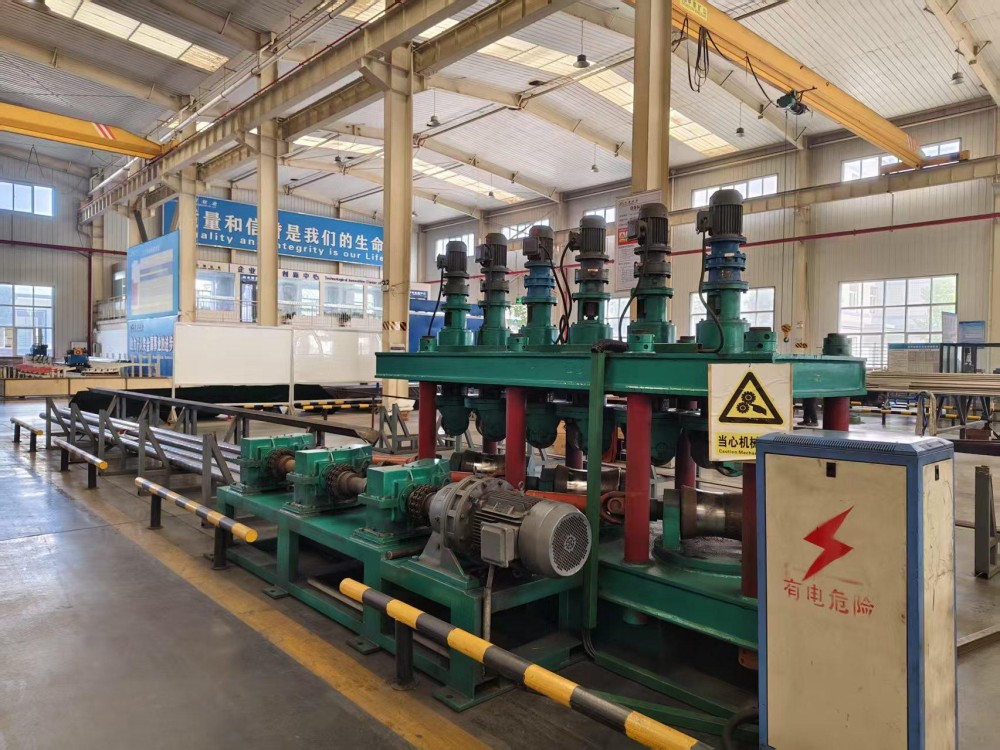
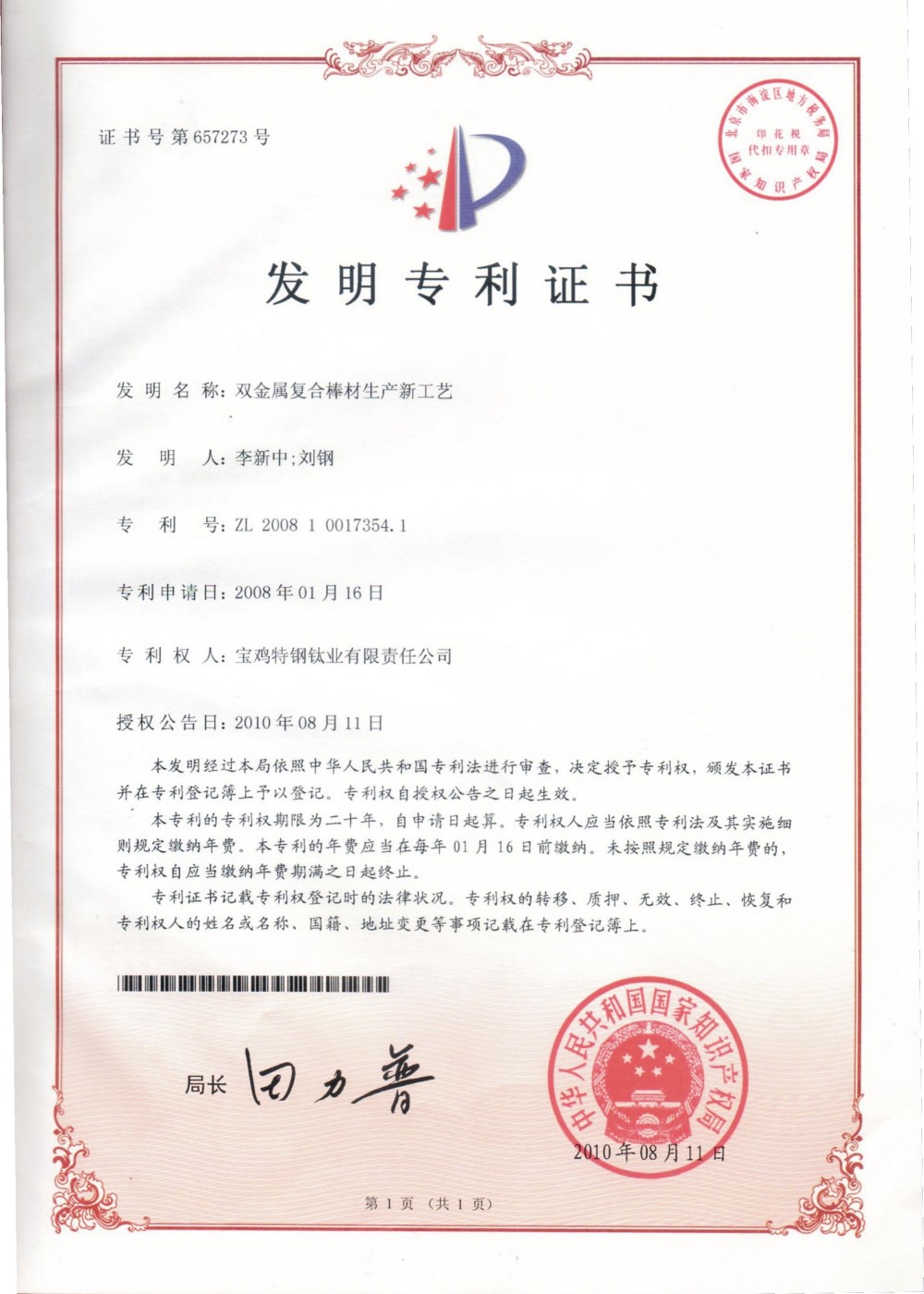
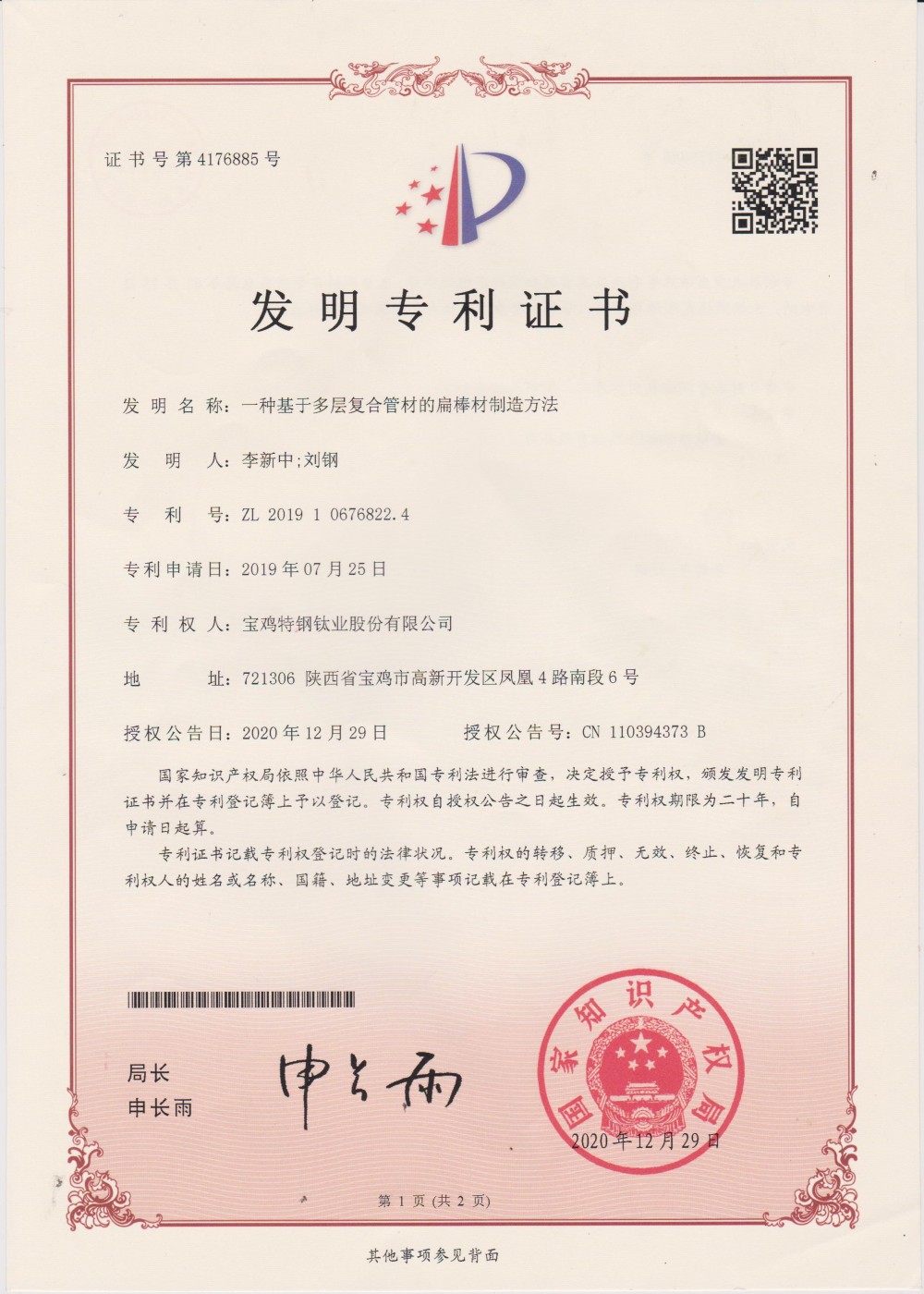
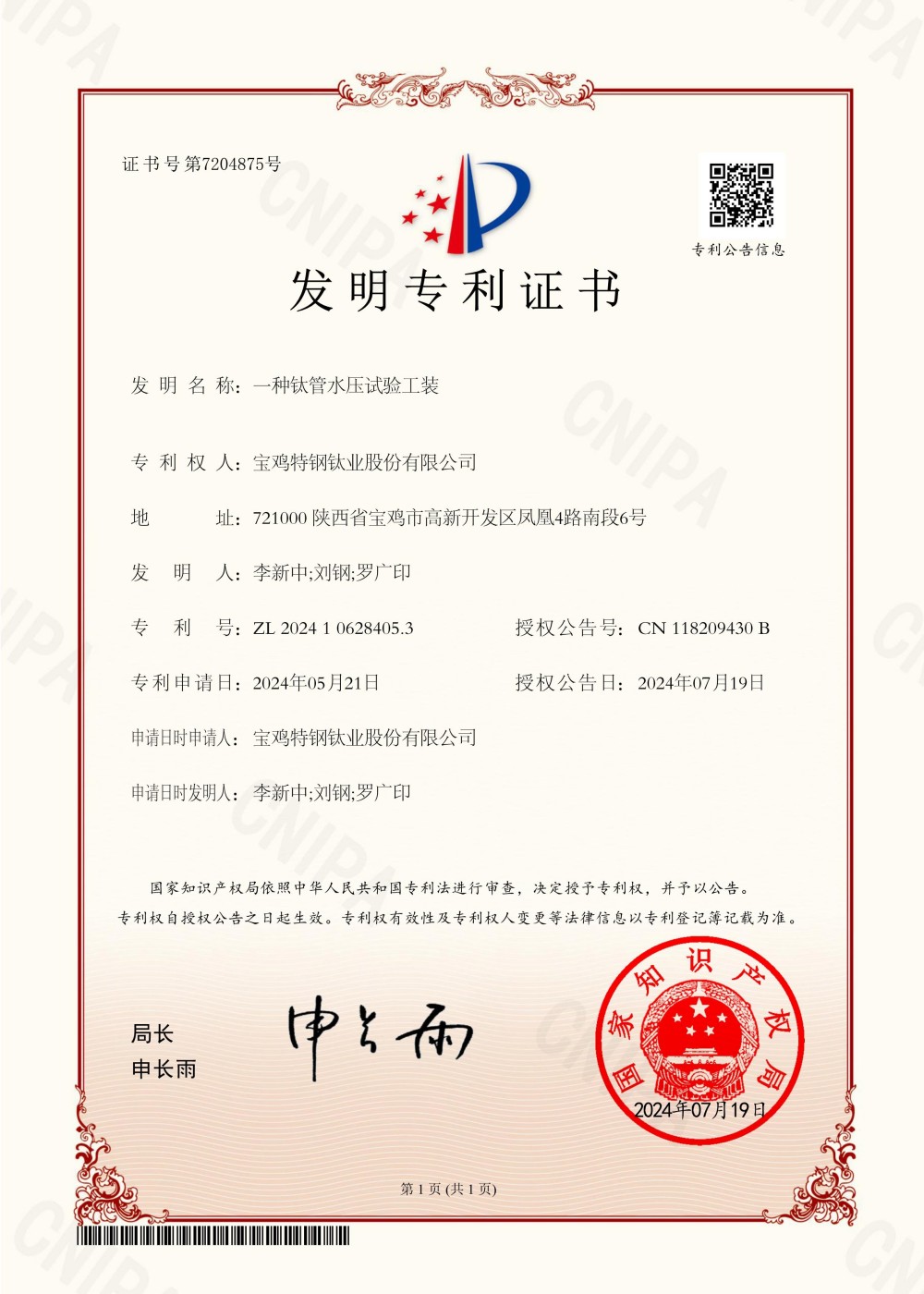
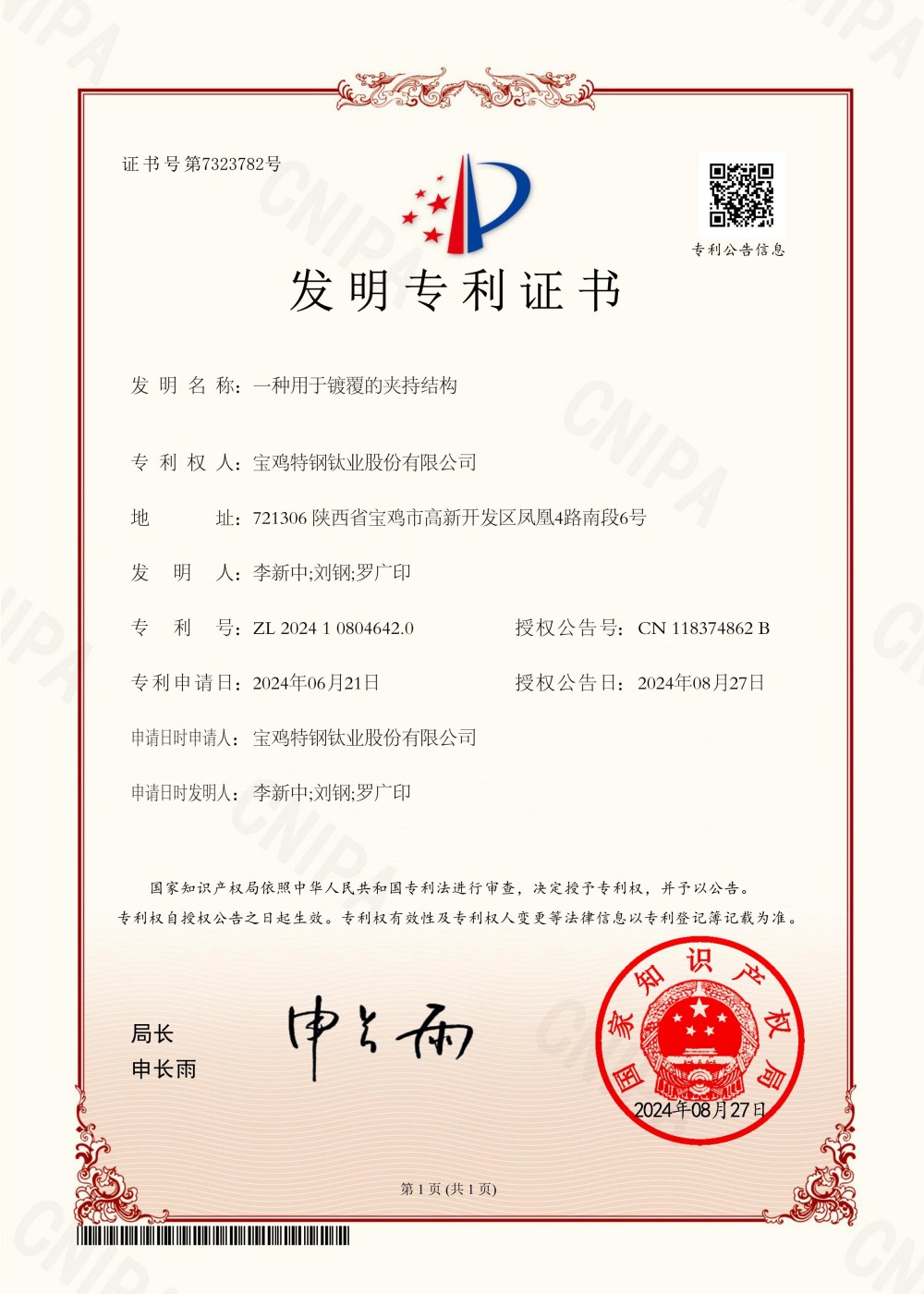
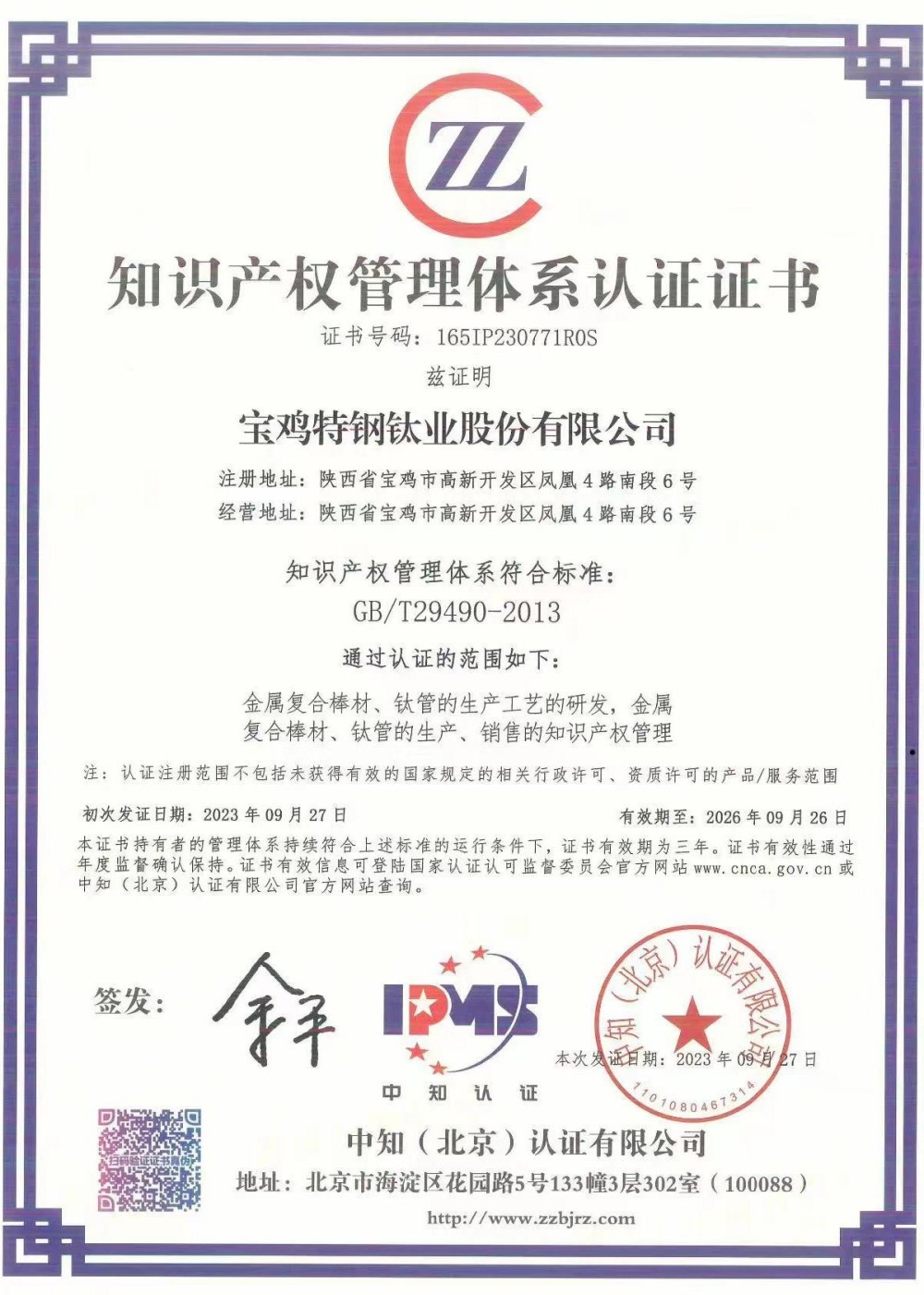
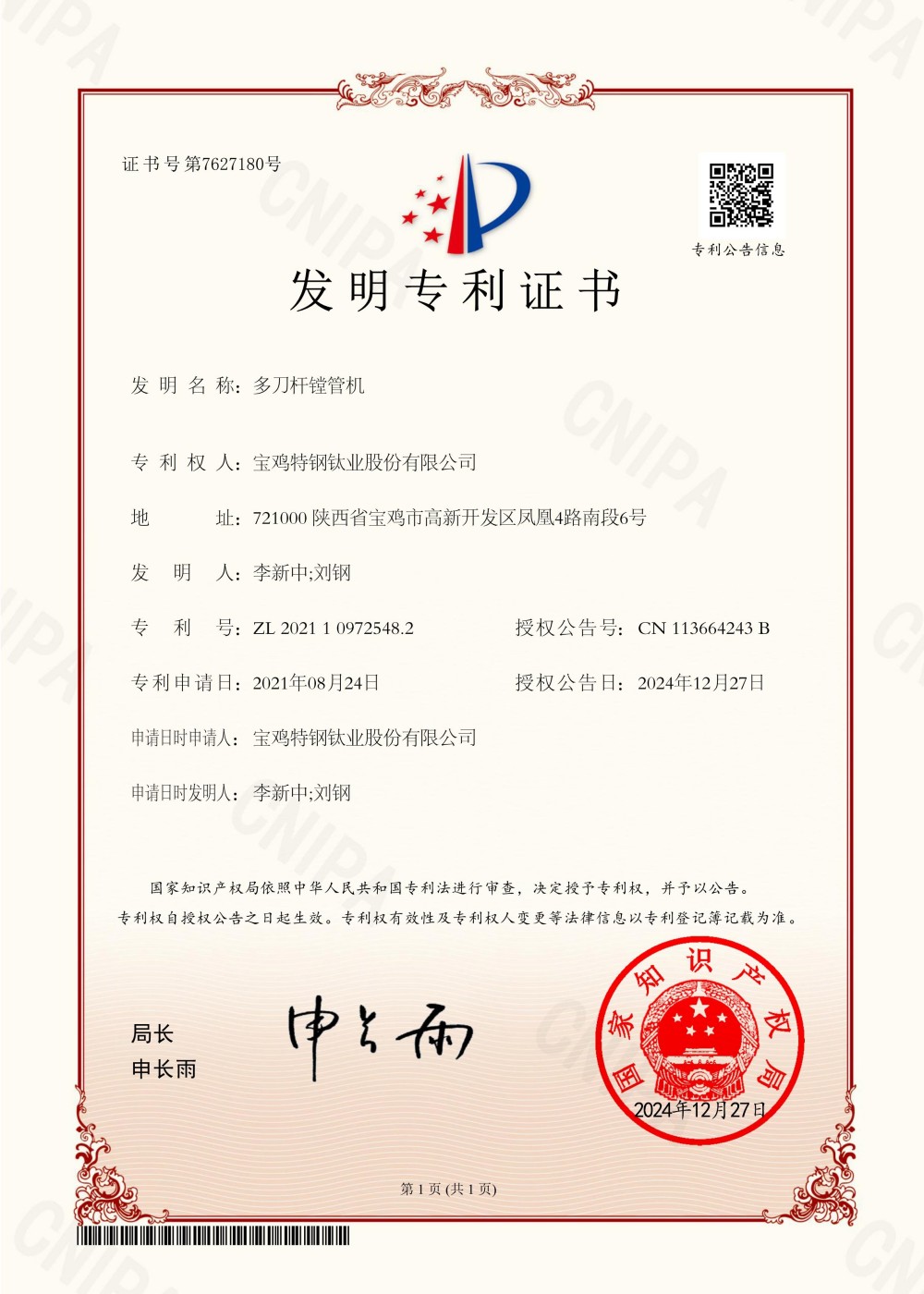
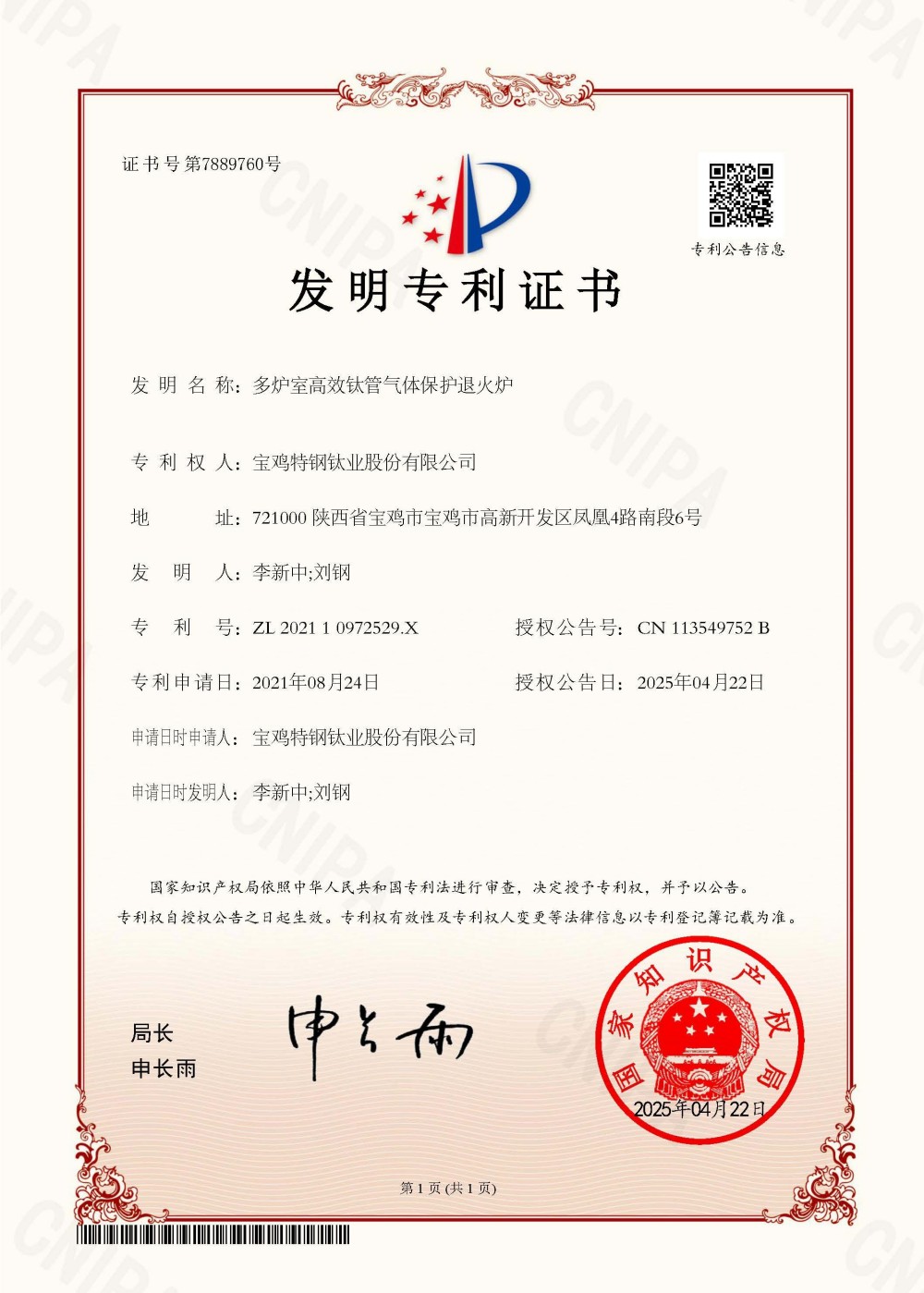
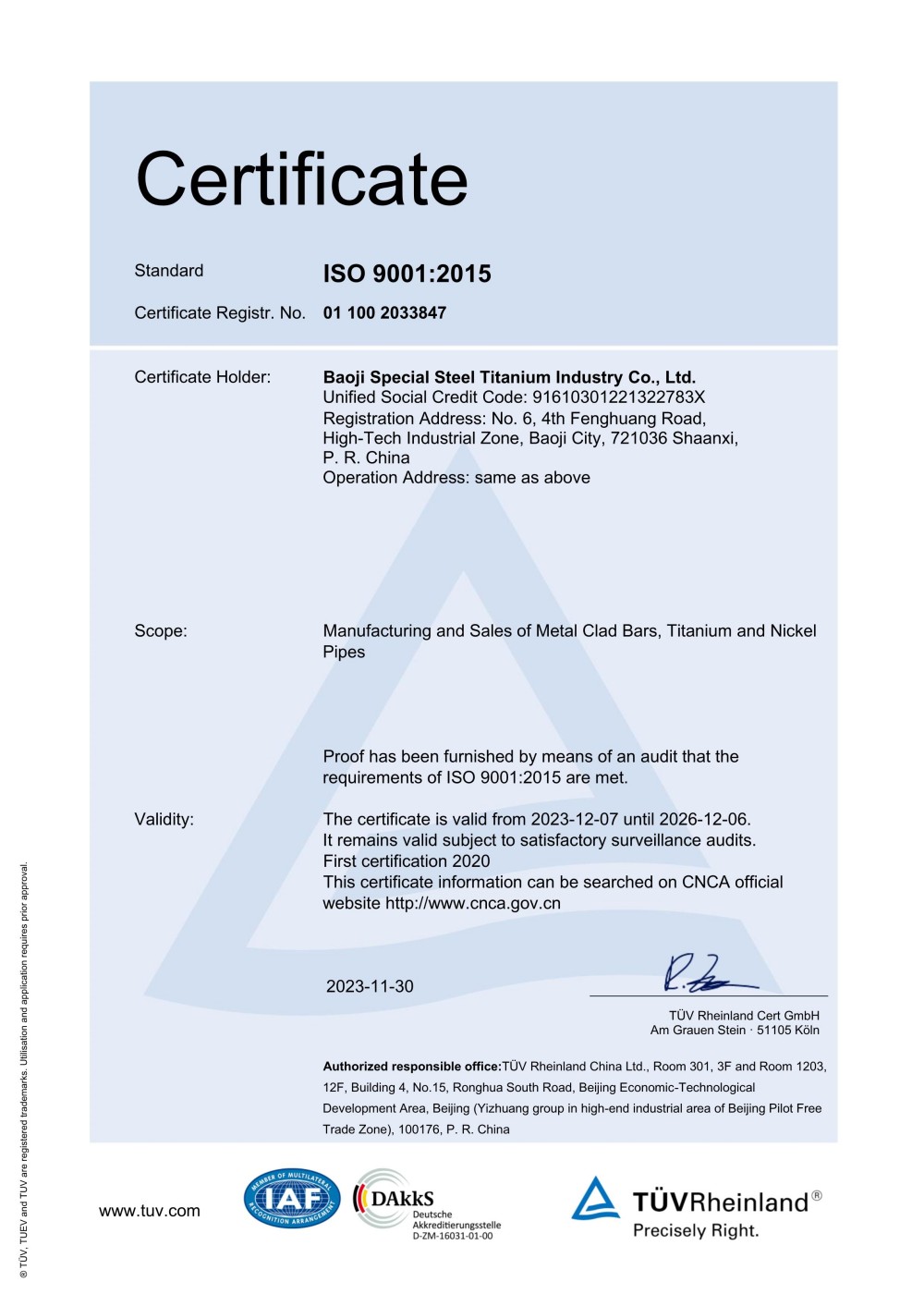
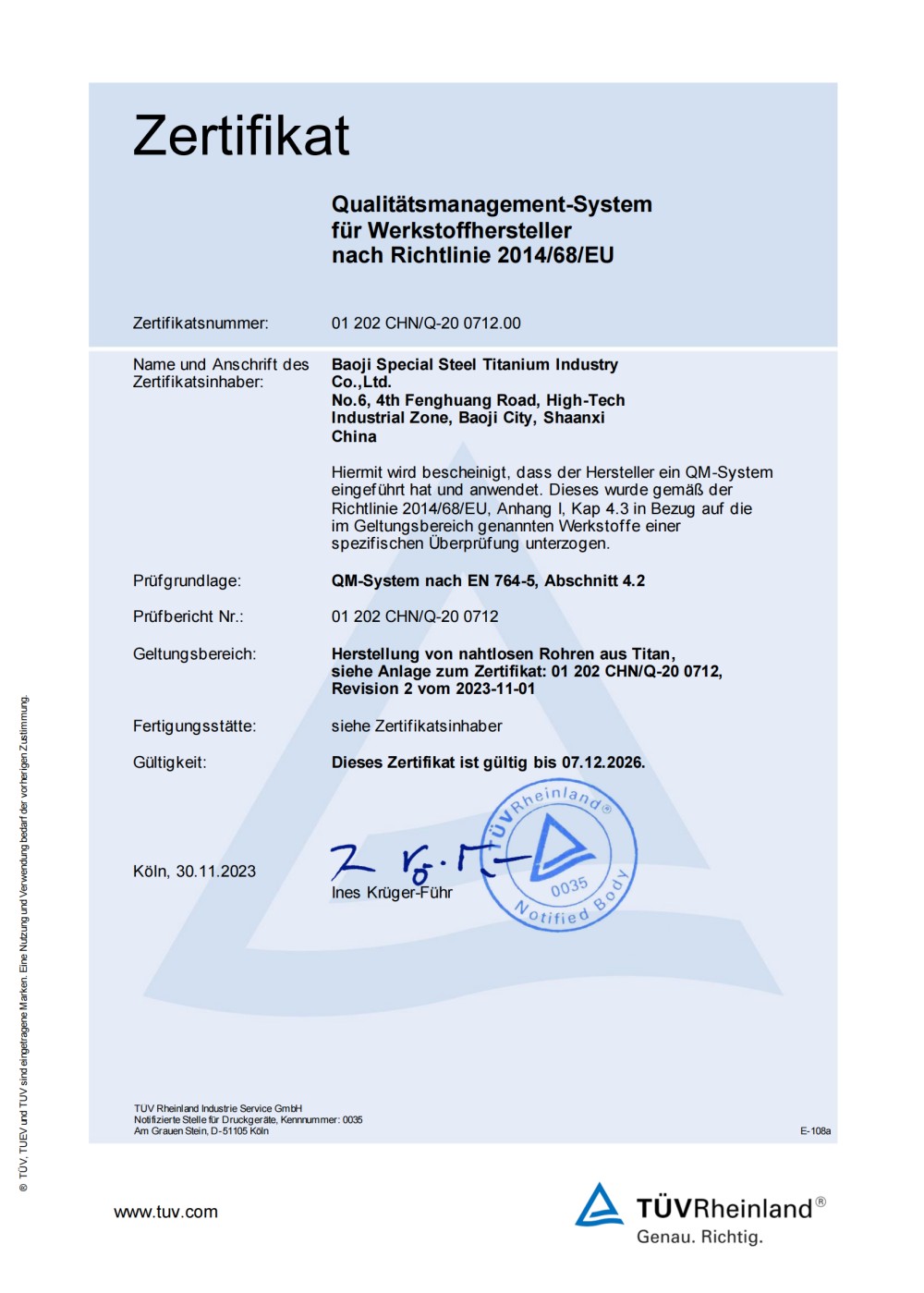
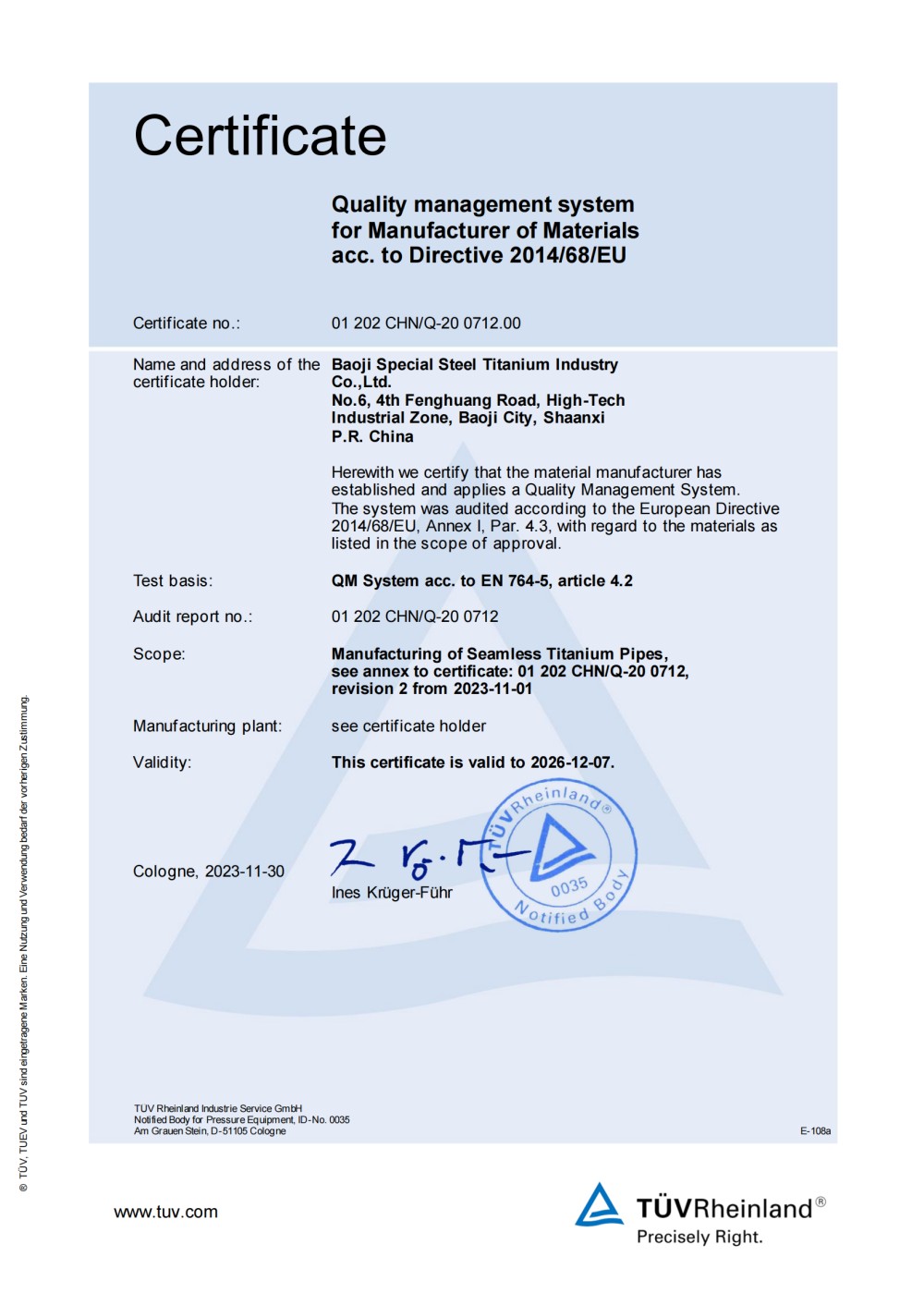
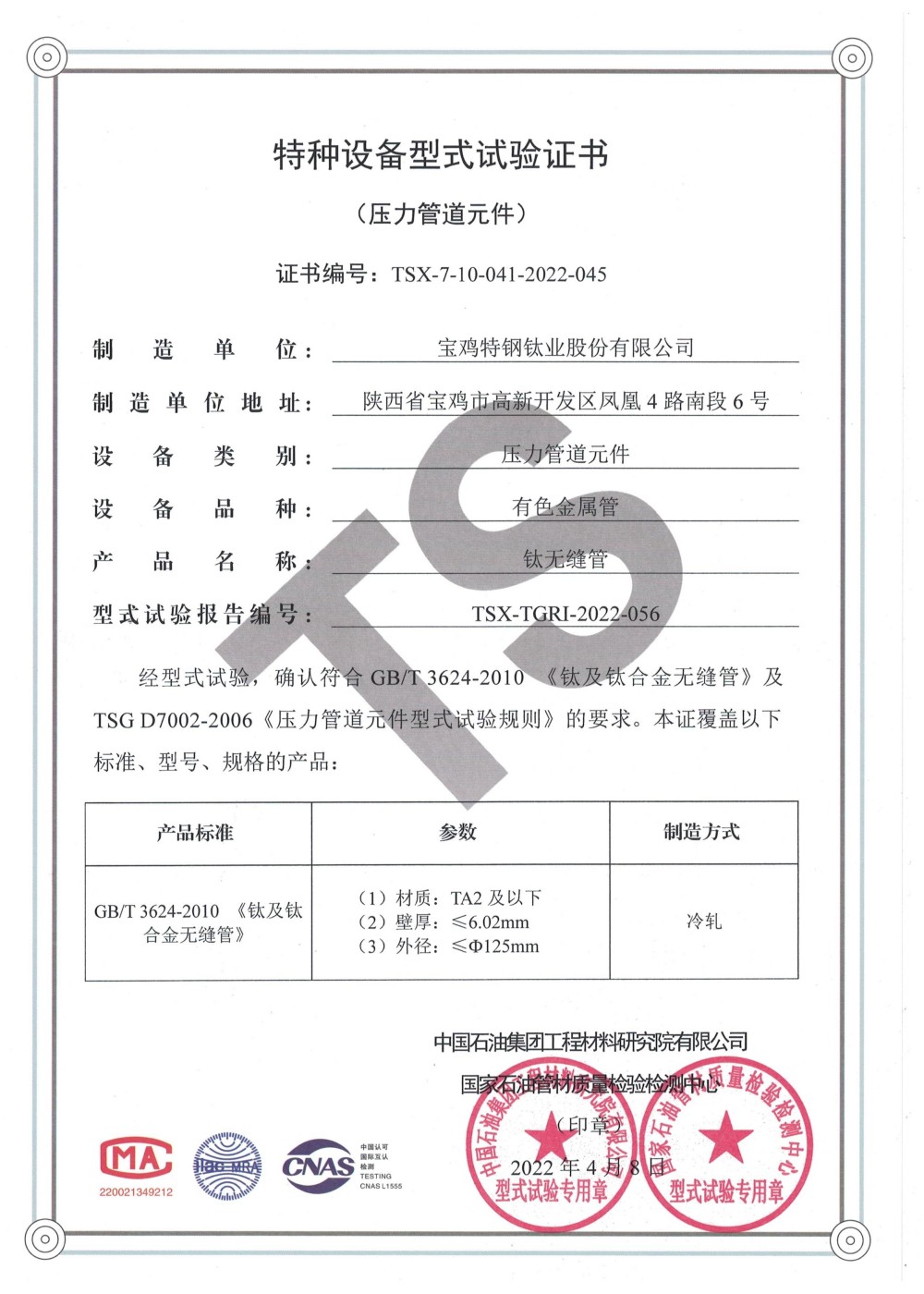
Our commitment to excellence is backed by international quality management and production certifications.
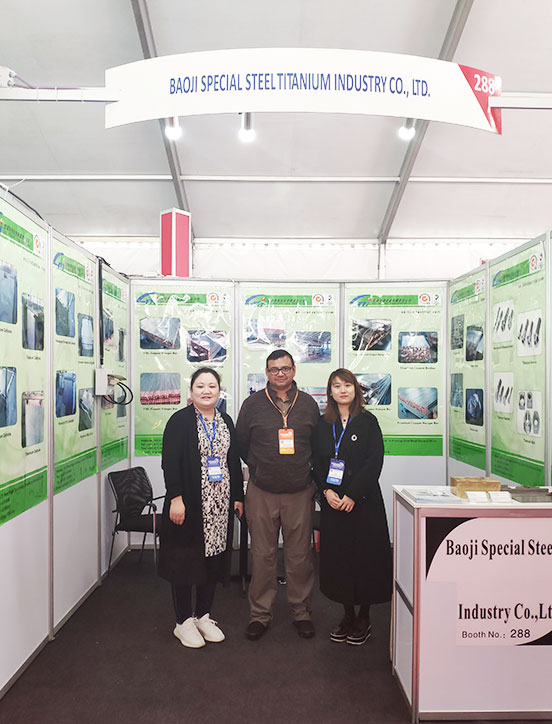
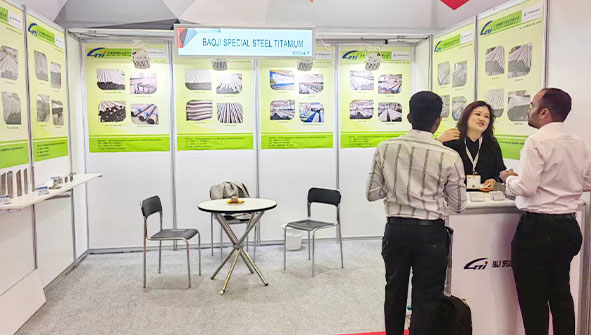
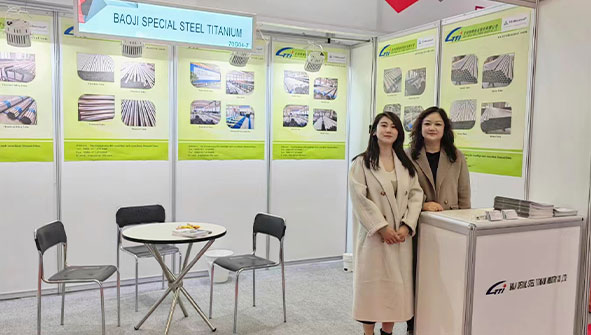
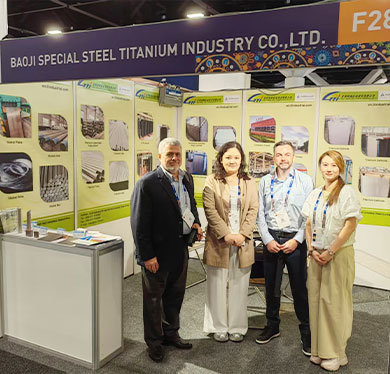
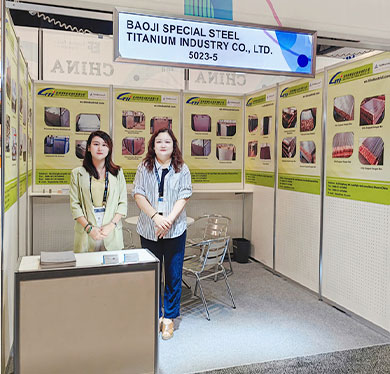
Active engagement with global industry leaders and showcasing our customized metal solutions at international expos.

Browse our complete range of titanium plates, tubes, cathodes, and composite materials designed for heavy-duty industrial applications.