


The Role of Titanium Materials in Modern Marine Engineering
Marine environments present some of the most hostile conditions on Earth. The combination of high salinity, extreme hydrostatic pressures, fluctuating temperatures, dissolved oxygen, and aggressive biological activity creates an environment where traditional engineering metals like carbon steel, copper alloys, and even standard stainless steels rapidly degrade. Corrosion, pitting, crevice corrosion, and biofouling are constant threats that lead to catastrophic structural failures, costly downtime, and intensive maintenance cycles.
In this challenging context, titanium and its alloys have emerged as the ultimate solution for marine engineering. Often referred to as the "marine metal," titanium possesses an extraordinary combination of properties: near-zero corrosion rates in seawater, high specific strength, low density, excellent fatigue resistance, and absolute immunity to marine bio-corrosion. As offshore exploitation pushes into deeper waters and harsher environments, the selection of high-performance titanium materials has transitioned from a premium design option to an absolute operational necessity.
"Titanium's natural passivity forms an instantaneous, self-healing oxide film (primarily TiO2) when exposed to oxygen. This film remains stable across a wide range of pH levels, temperatures, and electrochemical potentials, making it virtually indestructible in natural seawater."
Commercial & Industrial Landscape
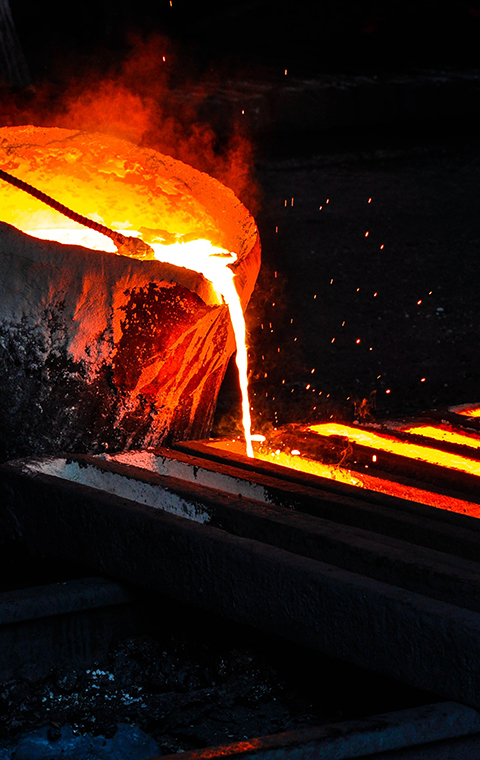
The global market for titanium materials in marine engineering is experiencing unprecedented growth. Historically restricted to high-budget naval defense applications and specialized aerospace components due to extraction and processing costs, titanium has now firmly established itself across commercial marine sectors. This shift is driven by advances in manufacturing technologies, such as vacuum arc remelting (VAR) and electron beam cold hearth melting (EBCHM), which have significantly optimized production efficiency.
Today, the industrial demand is spearheaded by offshore oil and gas exploration, particularly in deep-water and ultra-deep-water fields where equipment must operate reliably for decades without maintenance. Additionally, the global push for fresh water has accelerated the construction of large-scale seawater desalination plants, which rely heavily on titanium heat exchangers to withstand aggressive brine concentrates at elevated temperatures. According to industry analyses, the marine sector is projected to consume a growing share of global titanium mill products, with a compound annual growth rate (CAGR) reflecting the urgent need for long-lifespan, low-maintenance infrastructure.
Deep-Dive into Marine Application Scenarios
Titanium's utility in marine systems is highly diverse, spanning structural, mechanical, and electrochemical domains:
- Offshore Drilling and Subsea Production Systems: In offshore oil and gas fields, titanium is widely used in subsea risers, drilling pipes, downhole equipment, and structural components. Titanium Grade 5 (Ti-6Al-4V) and Grade 9 (Ti-3Al-2.5V) are particularly valued for their high strength-to-weight ratio, allowing offshore platforms to reduce top-side weight and minimize the tension on floating structures. Titanium risers can withstand the massive dynamic loads exerted by ocean currents and wave action while resisting internal sour gas corrosion containing hydrogen sulfide (H2S) and carbon dioxide (CO2).
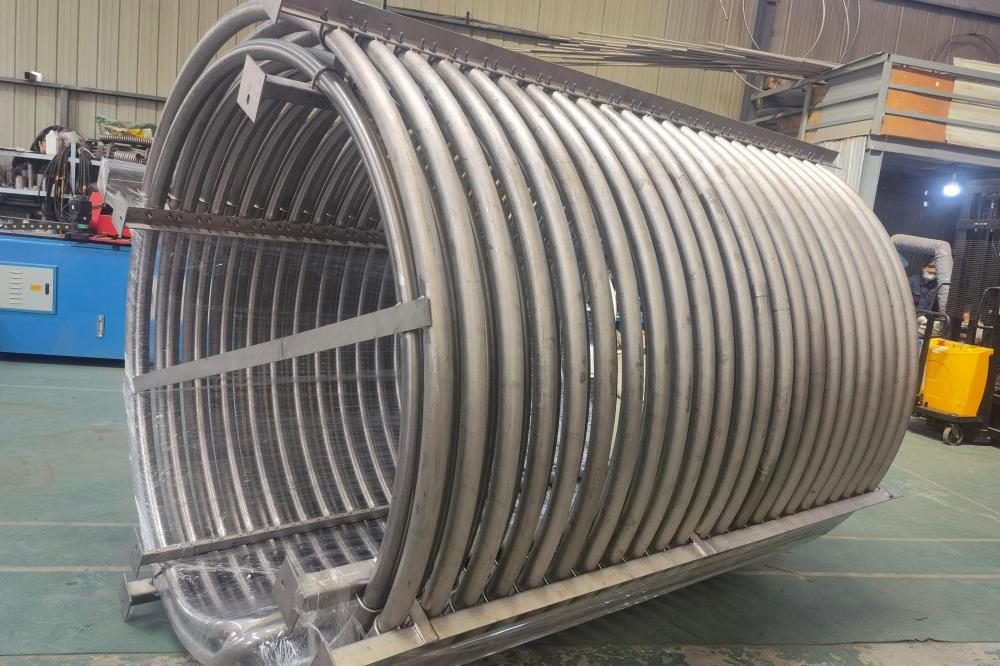
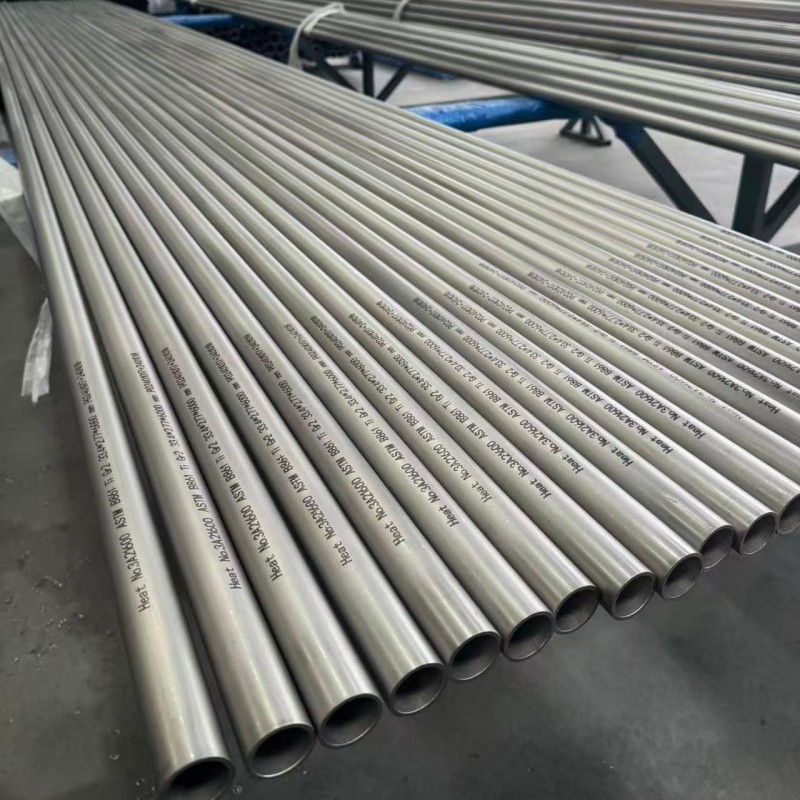
- Seawater Desalination and Coastal Power Stations: Desalination plants using Multi-Stage Flash (MSF) or Multiple Effect Distillation (MED) processes operate under conditions of high temperature and high salinity. Under these conditions, copper-nickel alloys suffer from erosion-corrosion, and stainless steels are prone to pitting. Titanium tubes (typically conforming to ASTM B338 Grade 2) offer complete immunity to corrosion in these environments, allowing for thinner tube walls, higher heat transfer coefficients, and operational lifetimes exceeding 30 years. Similarly, coastal power plants utilize titanium-tubed steam condensers cooled by raw seawater, preventing leakage that could contaminate the steam cycle.
- Deep-Sea Submersibles and Marine Exploration: As humanity explores the abyssal plains, pressure hulls for manned and unmanned submersibles must withstand hydrostatic pressures exceeding 100 MPa. Titanium alloys, with their exceptional yield strength and low density, allow for the construction of lightweight, high-strength pressure spheres. The famous submersibles like 'Jiaolong' and 'Alvin' utilize titanium alloy hulls to ensure structural integrity at depths of up to 10,000 meters. Beyond hulls, titanium is used in robotic arms, hydraulic systems, and deep-sea sensor housings, where magnetic neutrality is also a critical benefit.
- Shipbuilding and Naval Propulsion: Modern naval vessels and high-speed commercial ships utilize titanium for propulsion shafts, propellers, sonar domes, and seawater piping systems. The use of titanium in propulsion systems reduces rotational inertia and weight, leading to higher fuel efficiency and speed. Titanium seawater piping networks eliminate the risk of galvanic corrosion when connected to other marine components, drastically reducing shipboard maintenance and dry-dock cycles.
Technical Evolution: ASTM B265 and ASTM B338 Standards
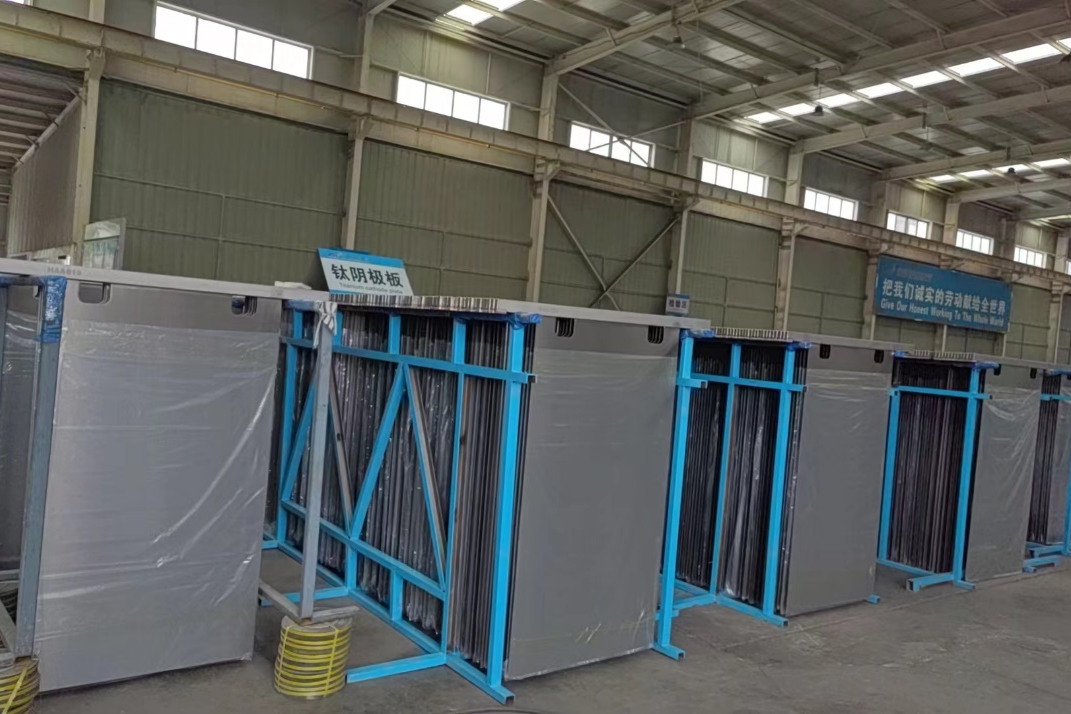
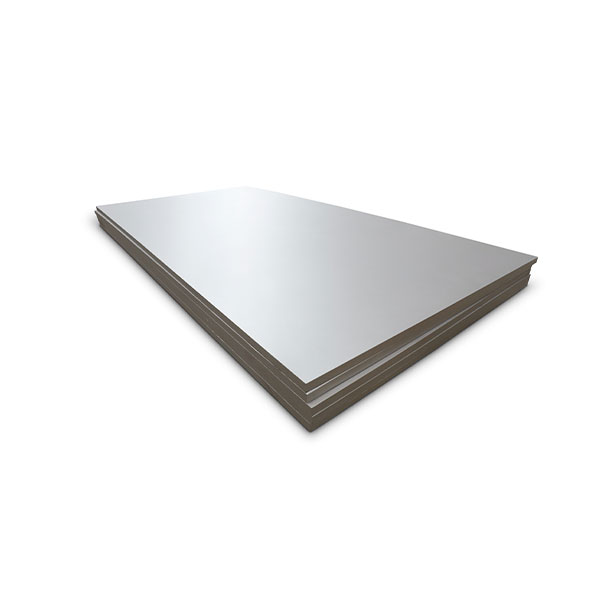
The standardization of titanium materials has been crucial for their widespread adoption in marine engineering. ASTM B265 specifies the requirements for titanium and titanium alloy strip, sheet, and plate. These plates are the building blocks for marine heat exchangers, vessel hulls, and structural brackets. On the other hand, ASTM B338 covers seamless and welded titanium and titanium alloy tubes designed for condensers and heat exchangers.
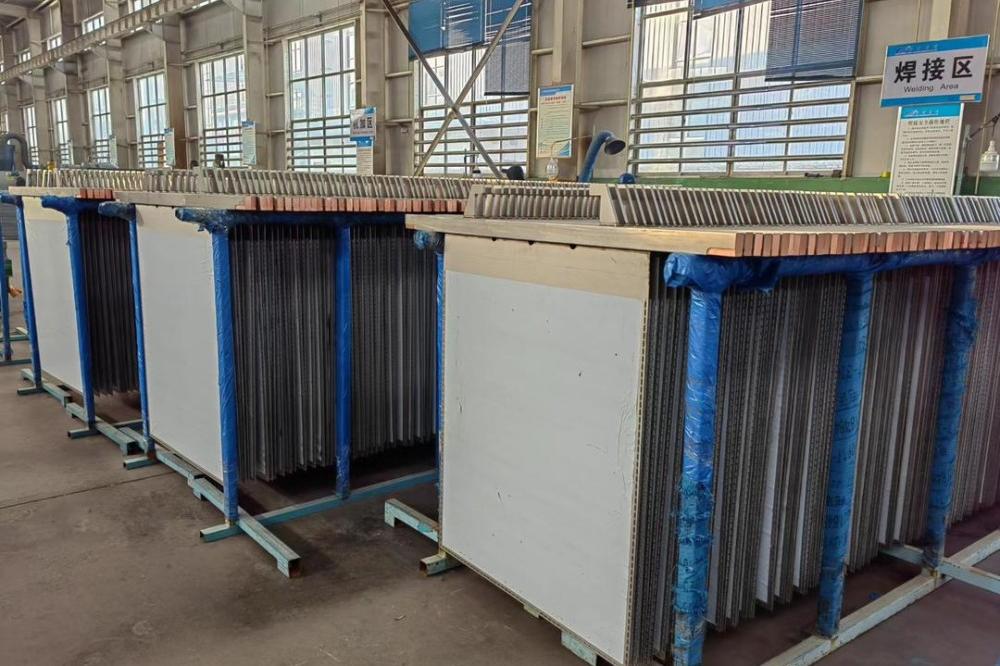
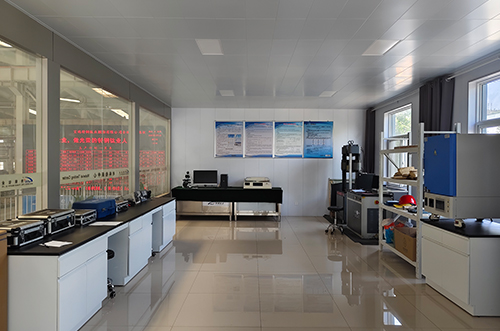
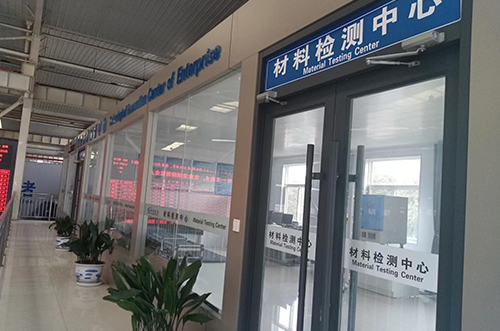
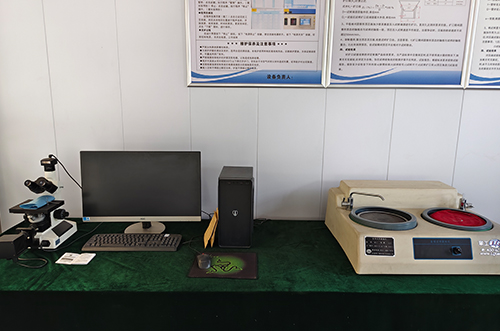
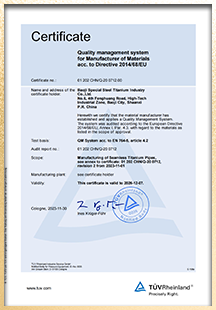
Ensuring strict compliance with these ASTM standards guarantees that the chemical composition, mechanical properties (such as tensile strength, yield strength, and elongation), and microstructural integrity meet the rigorous safety margins required for offshore and subsea deployments. Manufacturers like Baoji Special Steel Titanium Industry Co., LTD. employ advanced non-destructive testing (NDT) methods, including ultrasonic and eddy current testing, to ensure zero-defect supplies to global marine projects.
Future Trends: Additive Manufacturing and Advanced Composites
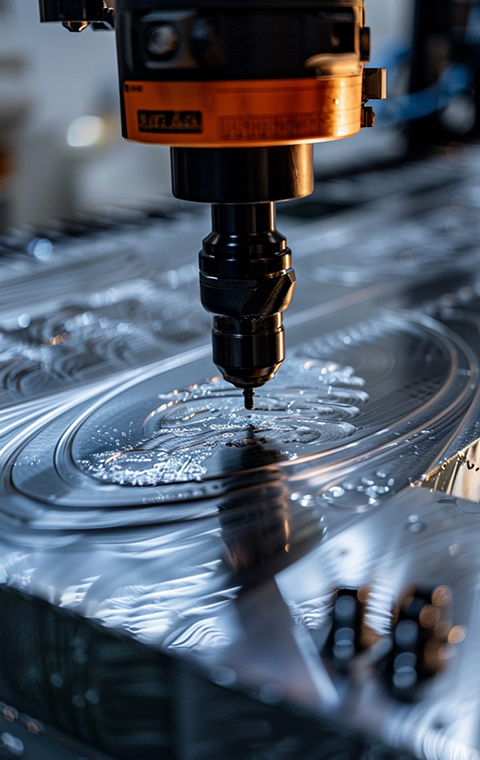
Looking forward, the integration of additive manufacturing (3D printing) is set to revolutionize the production of complex marine titanium components. Custom valves, pump impellers, and structural connectors can now be printed with minimal material waste, overcoming the traditional machining difficulties associated with titanium.
Another emerging trend is the development of titanium-steel clad plates, which combine the cost-effectiveness of carbon steel with the supreme corrosion resistance of titanium. This composite material is increasingly used in large-scale marine structures and chemical tankers. Furthermore, research into marine biofouling has led to the development of micro-textured titanium surfaces and specialized coatings that prevent the adhesion of marine organisms without releasing toxic chemicals, making titanium the most environmentally sustainable choice for marine applications.