Leave Your Message
Featured Engineering Products


In modern industrial manufacturing, chemical processing equipment must withstand some of the most aggressive and hostile environments on Earth. High temperatures, intense pressures, and highly corrosive substances like hot chlorides, nitric acid, organic acids, and wet chlorine gas constantly threaten structural integrity. Selecting the right piping material is not just a matter of operational efficiency; it is a critical safety and financial decision. Titanium pipe for chemical processing equipment has emerged as the premier engineering solution to combat severe corrosion while optimizing heat transfer and ensuring long-term structural reliability.
Titanium possesses an extraordinary affinity for oxygen. When exposed to oxygen-containing environments, a thin, tenacious, and self-healing protective oxide film (primarily TiO2) forms instantaneously on its surface. This passive layer provides unparalleled resistance to corrosion, pitting, and crevice attack. In the chemical process industries (CPI), utilizing titanium pipes translates to minimized maintenance downtime, extended equipment lifecycles, and zero product contamination, which is especially vital in pharmaceutical and fine chemical manufacturing.
Not all titanium piping is created equal. Depending on the specific operating conditions of your chemical processing equipment, different grades of titanium are utilized:
Compliance with international standards such as ASTM B338 (for seamless and welded titanium and titanium alloy tubes for condensers and heat exchangers) and ASTM B861 (for titanium alloy seamless pipe) guarantees that the piping systems can withstand high-pressure operations without structural failure.
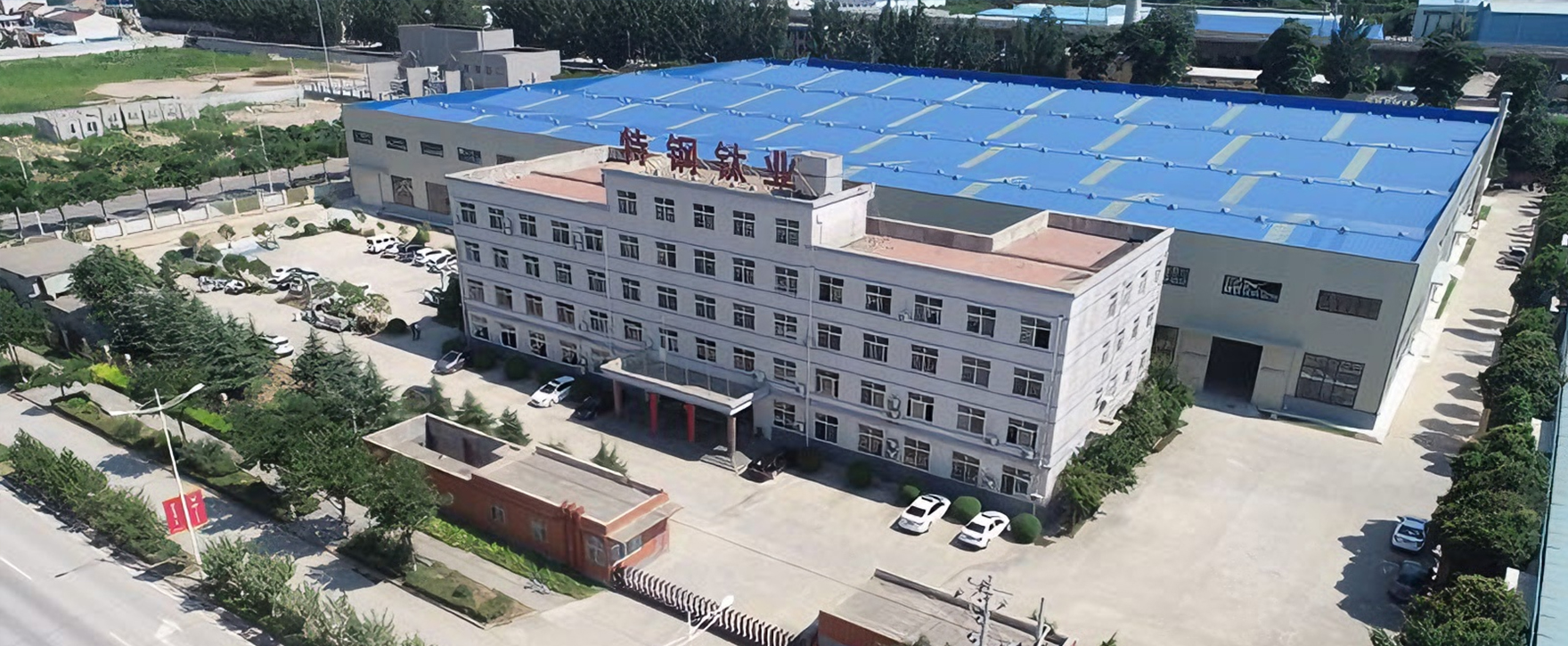

Baoji Special Steel Titanium Industry Co., LTD. is a joint-stock industrial enterprise specializing in the research, development, manufacturing, and sales of titanium, nickel, zirconium, and other metal pipes and metal composite materials. The company was founded in 1997, located in Shaanxi Baoji National High-tech Industrial Development Zone, and the factory covers an area of 41,000 square meters.


Founded in 1997, leading the industry with decades of metallurgical expertise.
Annual production capacity delivering raw materials and finished fabrications worldwide.
State-of-the-art manufacturing footprint located in Baoji High-tech Zone.
Comprehensive product categories including pipes, sheets, anodes, and custom components.
The global market for titanium products in chemical processing has witnessed steady growth over the past decade. Historically regarded as an exotic, high-cost material reserved only for aerospace and military applications, titanium is now widely recognized as a highly cost-effective option when evaluated on a Life Cycle Cost (LCC) basis. While the initial capital expenditure (CAPEX) of titanium piping systems is higher than that of carbon steel or copper-nickel alloys, its virtually maintenance-free operation and long lifespan (often exceeding 30 to 40 years) drastically reduce operational expenditure (OPEX).
Modern chemical plants operate on tight margins where unscheduled shutdowns can cost millions of dollars per day. Traditional materials like stainless steel (e.g., 316L) often suffer from stress corrosion cracking (SCC) or localized pitting in chloride-rich environments. Titanium completely eliminates these failure modes, ensuring that chemical processing plants run continuously at peak efficiency.
Several critical trends are currently shaping the production and application of titanium pipes in industrial settings:
Versatile Engineering Solutions
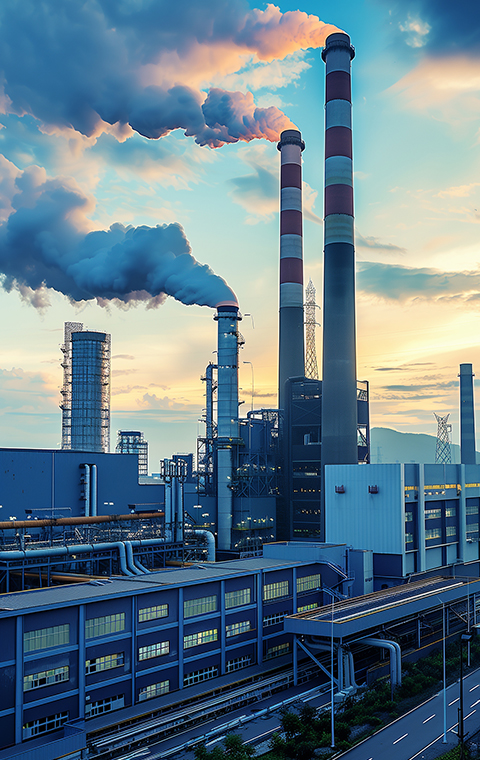
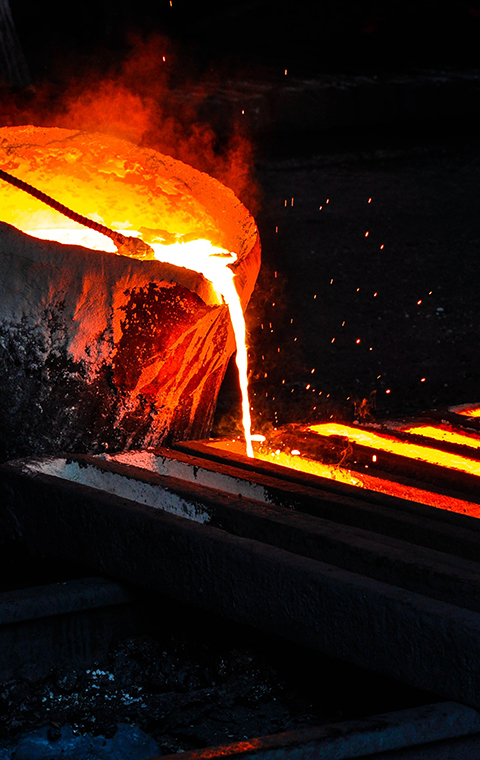
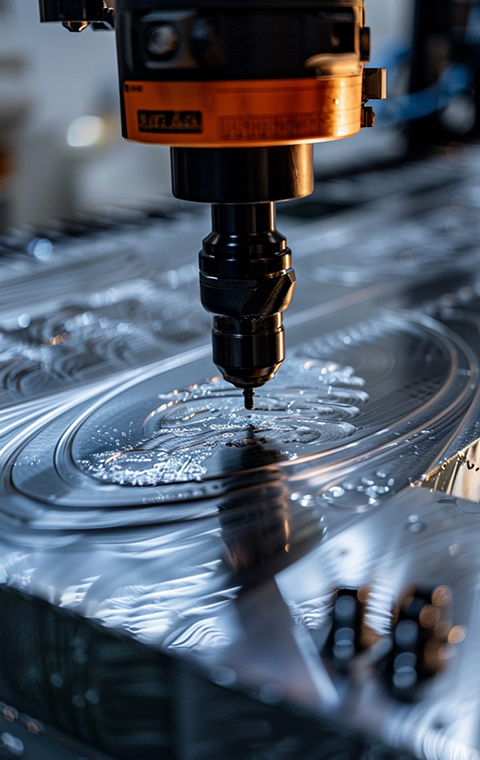

Titanium's unique properties make it the material of choice for several critical components within chemical plants. Below is a detailed analysis of these key application scenarios:
Heat exchangers are vital for transferring thermal energy between fluids in chemical reactors, condensers, and evaporators. Because titanium has excellent thermal conductivity (comparable to stainless steel but much higher than zirconium or nickel alloys) and can be manufactured with very thin walls due to its high strength, it is widely used in ASTM B338 heat exchanger tubes. The resistance to high-velocity fluid erosion ensures that titanium tubes do not suffer from localized wear even under turbulent flow conditions.
The chlor-alkali industry produces chlorine gas, hydrogen, and sodium hydroxide (caustic soda) through the electrolysis of brine. This process involves extremely corrosive wet chlorine gas and hot brine solutions. Titanium piping systems, titanium-based anodes (such as lead dioxide or MMO coated anodes), and titanium cathodes are the only materials that can survive these conditions without rapid degradation. The passive oxide film on titanium remains stable in chlorine-saturated solutions, preventing pitting and galvanic corrosion.
In organic synthesis and polymer production, reactions often take place under high temperatures and pressures in the presence of acidic catalysts. Titanium-lined reactors or solid titanium vessels utilize titanium pipes for reactant feed lines, heating coils, and discharge systems. This setup prevents contamination of the chemical products, which is crucial for producing high-purity pharmaceutical ingredients and specialty polymers.
To comply with environmental laws, coal-fired power plants and chemical incinerators use scrubbers to remove sulfur dioxide (SO2) from flue gases. The scrubbing slurry contains high concentrations of sulfuric acid, sulfurous acid, and chlorides at elevated temperatures. Titanium piping is extensively used in the spray headers, nozzle arrays, and ductwork of FGD systems to prevent corrosion and ensure continuous operation of emission control systems.
Proven Performance in the Field
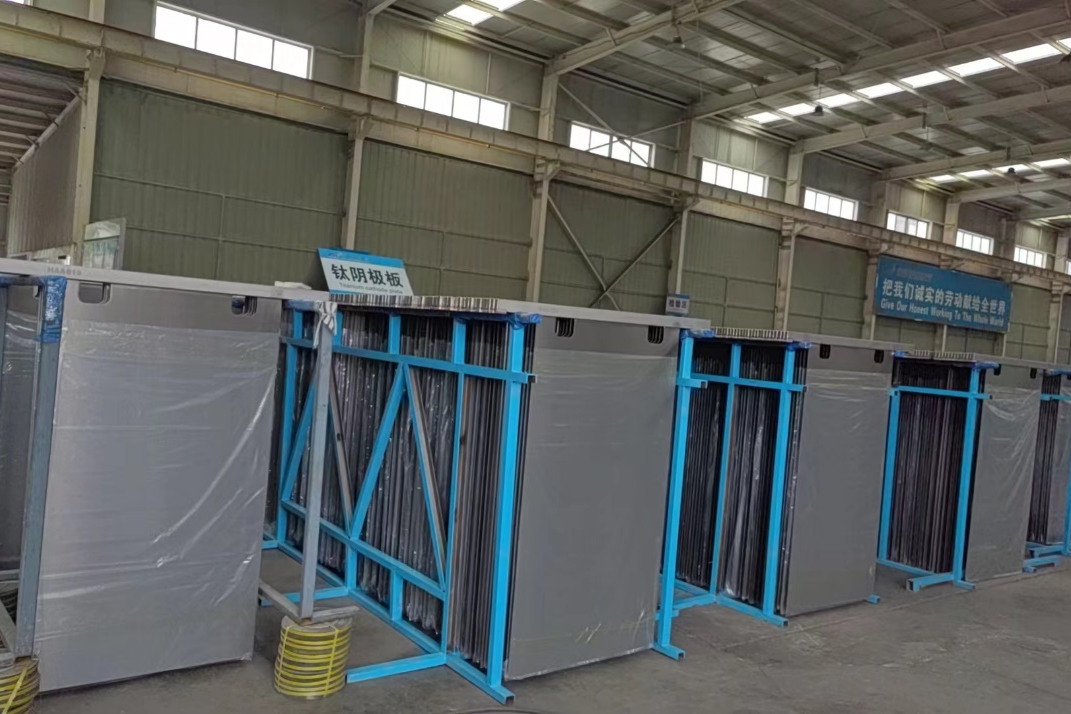
Powering Global Mining Operations with Precision Titanium Solutions, ensuring maximum uptime and efficiency in harsh extraction processes.
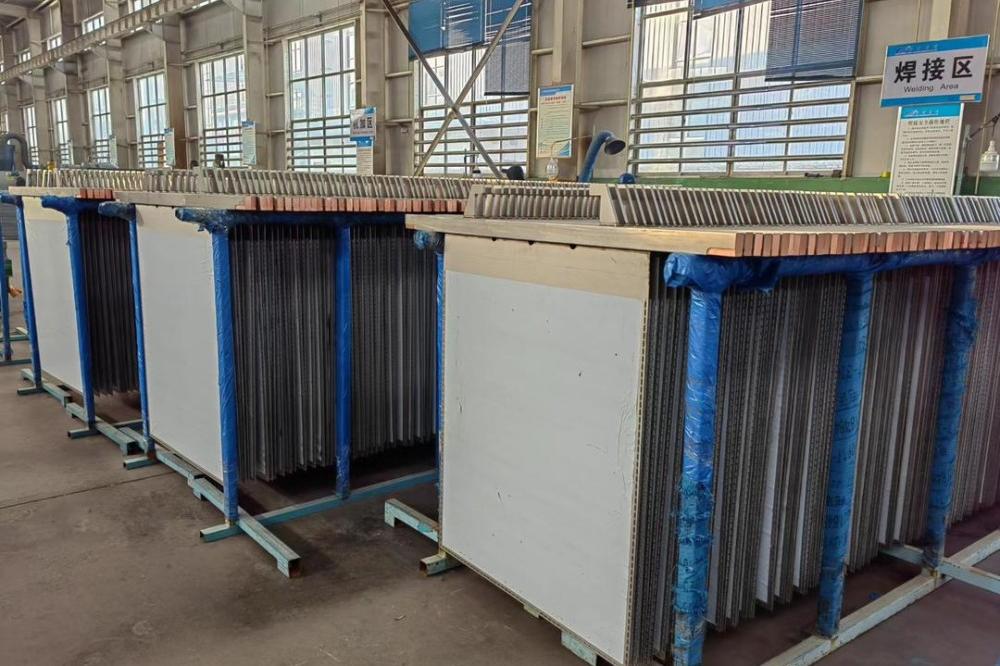
Providing high-grade titanium piping networks to handle corrosive slurry transport and high-temperature autoclave processes.
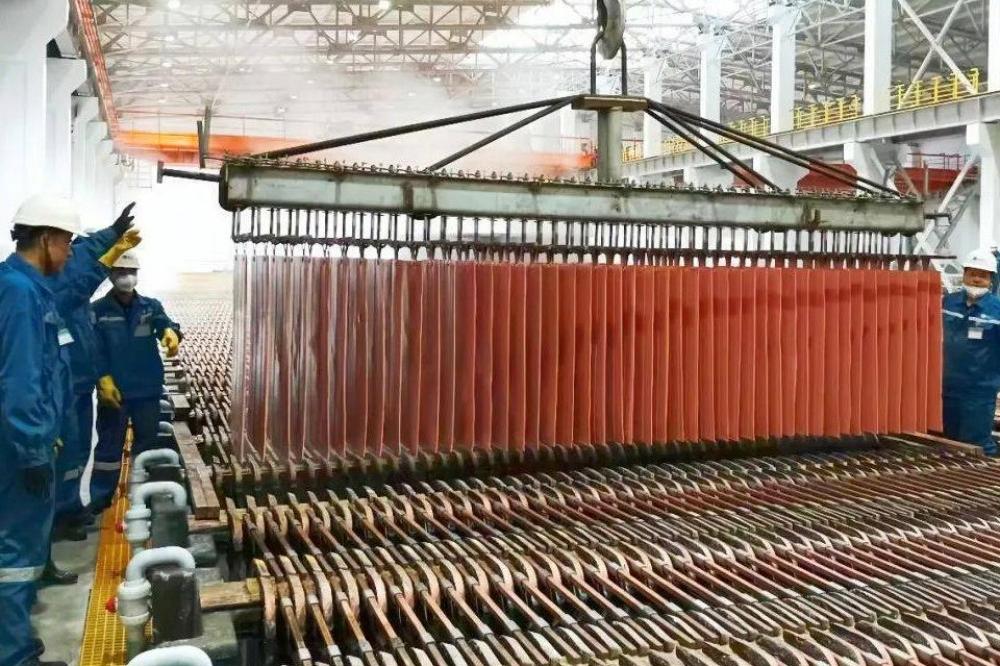
Supplying customized ASTM B338 titanium piping systems for high-pressure acid leaching (HPAL) of nickel and cobalt.
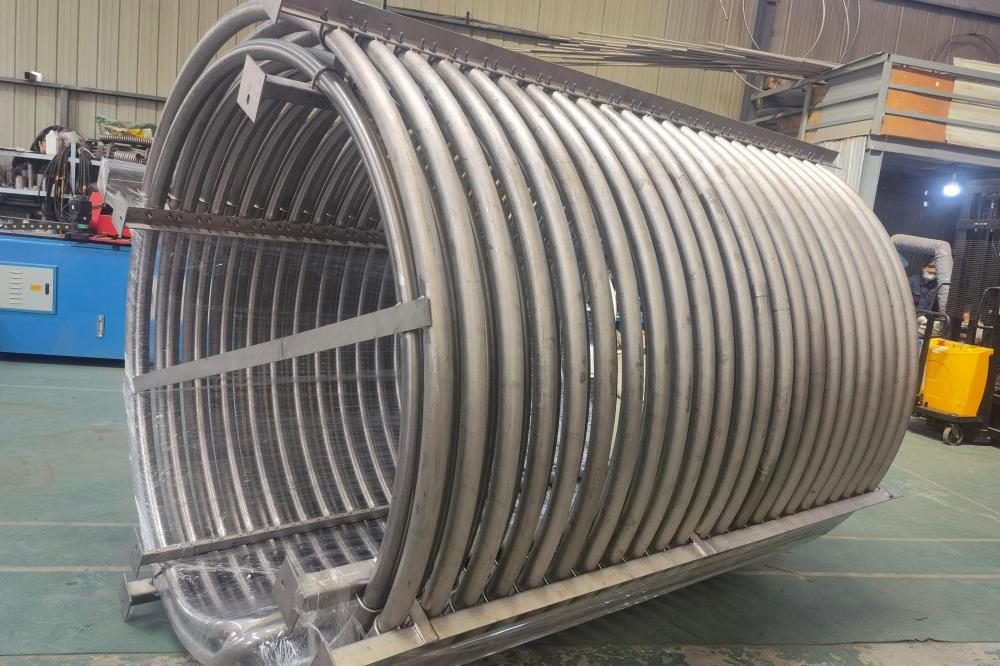
Delivering large-diameter industrial titanium piping to support chemical synthesis and polymer production plants.
IATF 16949, CE, FMEA, PPAP, APQP, SPC, and MSA 100% TESTED. Our rigorous quality control processes ensure that every pipe and component meets strict international standards before dispatch.
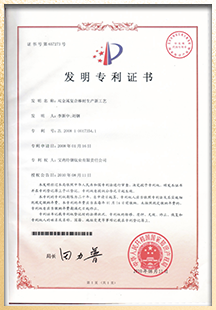
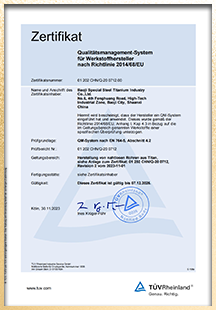
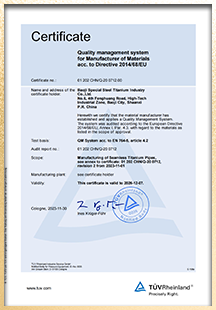
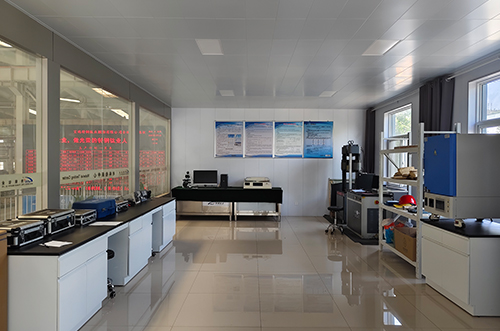
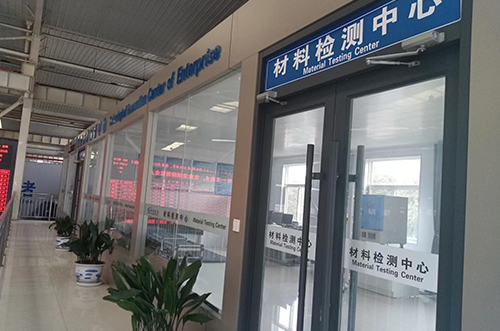
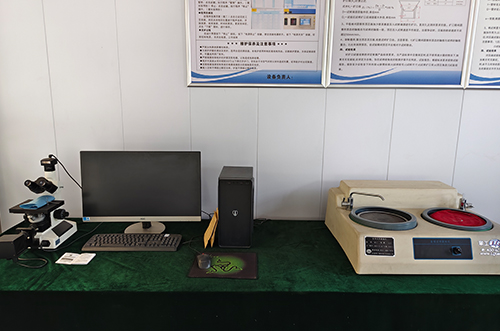
Choosing the right manufacturer for your titanium pipe for chemical processing equipment is essential to guarantee the safety and longevity of your operations. At Baoji Special Steel Titanium Industry Co., LTD., we bring over 28 years of specialized manufacturing experience to the table. Our integrated production facility in China's "Titanium Valley" allows us to manage quality at every stage of production—from raw material melting and ingot casting to pipe extrusion, cold rolling, heat treatment, and non-destructive testing.
To ensure that our products can withstand the demanding conditions of chemical processing plants, we perform a comprehensive suite of tests on every batch of titanium pipes:
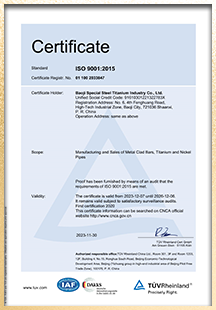
Our commitment to quality is backed by international certifications including ISO 9001 and IATF 16949, ensuring our products meet the strict requirements of global engineering firms and chemical giants.
Complete Product Inventory