Leave Your Message
In the highly specialized field of electrometallurgy, the electrolytic nickel industry stands as one of the most chemically aggressive and demanding industrial sectors. The process of extracting high-purity nickel via electrowinning or electrorefining relies heavily on hot, highly acidic electrolyte solutions containing high concentrations of nickel sulfate ($NiSO_4$), nickel chloride ($NiCl_2$), boric acid ($H_3BO_3$), and free sulfuric acid ($H_2SO_4$). Operating temperatures typically range from 60°C to 70°C, creating a highly corrosive dynamic that quickly degrades standard stainless steel and polymer piping infrastructures.
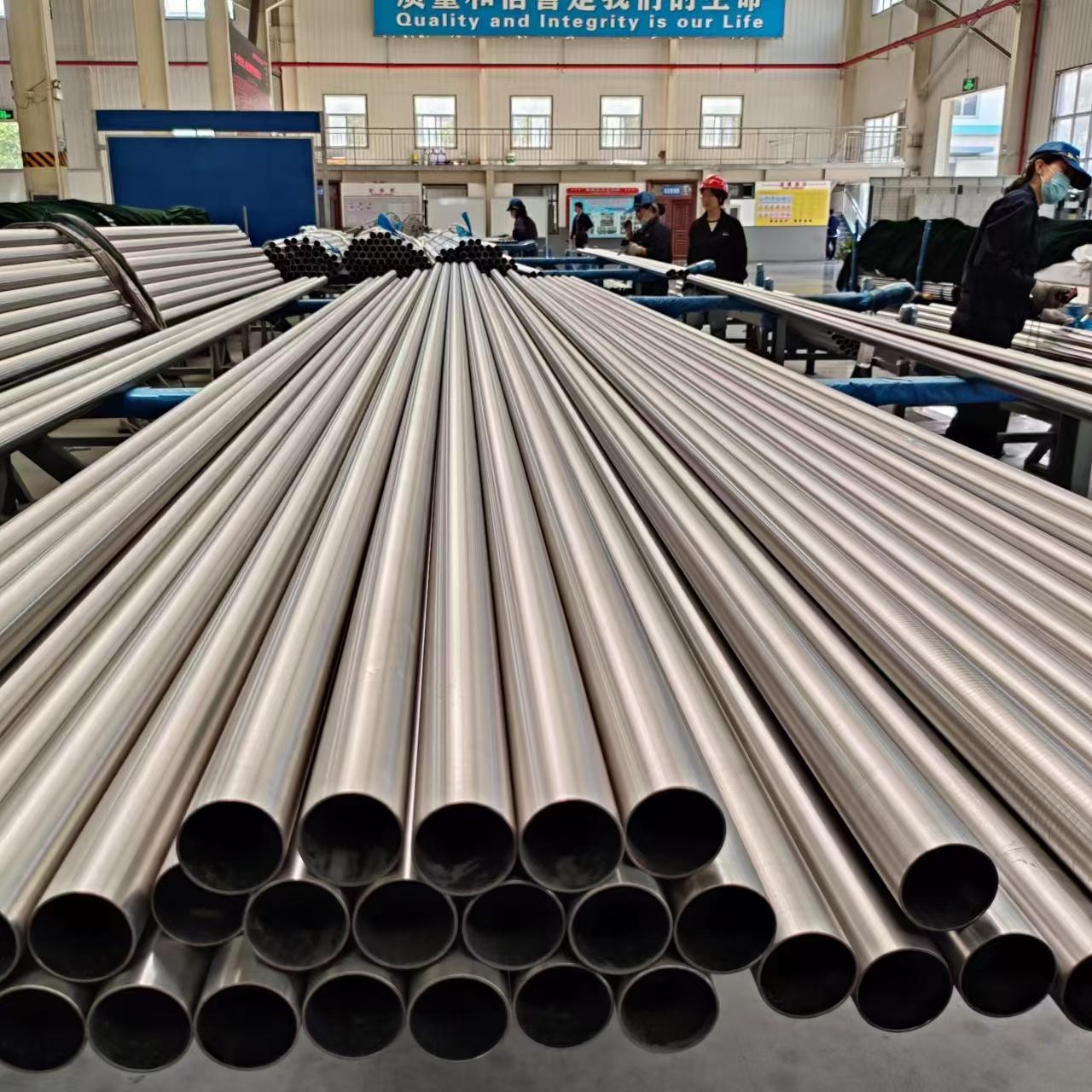
This is where high-performance Titanium Pipes become an indispensable asset. Due to its exceptional natural affinity for oxygen, titanium instantaneously forms a highly stable, continuous, and self-healing protective oxide film ($TiO_2$) on its surface when exposed to air or moisture. This passive barrier renders titanium virtually impervious to localized pitting, crevice corrosion, and general attack in acidic and chloride-rich environments—conditions that are fatal to conventional metals. Utilizing titanium piping systems ensures consistent flow rates, prevents iron or heavy-metal contamination of the ultra-pure nickel deposit, and guarantees decades of maintenance-free operation.
Industrial Insight: With the global transition toward electric vehicles (EVs), the demand for high-purity Class 1 nickel (greater than 99.8% purity) has surged exponentially. Achieving this grade of nickel requires highly optimized electrowinning circuits where fluid integrity, temperature regulation, and zero contamination are critical. High-grade titanium piping systems are the backbone of these modern, sustainable refining plants.
To fully appreciate the value of titanium within an electrolytic nickel plant, we must analyze the specific processing zones where titanium pipes, tubes, and fittings are deployed:
When sourcing titanium pipes for the electrolytic nickel industry, adherence to strict global material standards is non-negotiable. Seamless titanium pipes (conforming to ASTM B861) and welded titanium pipes (conforming to ASTM B862), along with heat exchanger tubes conforming to ASTM B338, represent the industrial benchmark. Grade 2 Titanium (commercially pure) is the absolute workhorse of the industry, offering an optimal balance of high tensile strength, excellent ductility, and outstanding weldability. For highly localized crevice corrosion threats in extreme high-temperature chloride zones, palladium-alloyed Grade 7 or ruthenium-alloyed Grade 26 titanium pipes offer enhanced thermodynamic stability, ensuring absolute security against chemical breakthrough.
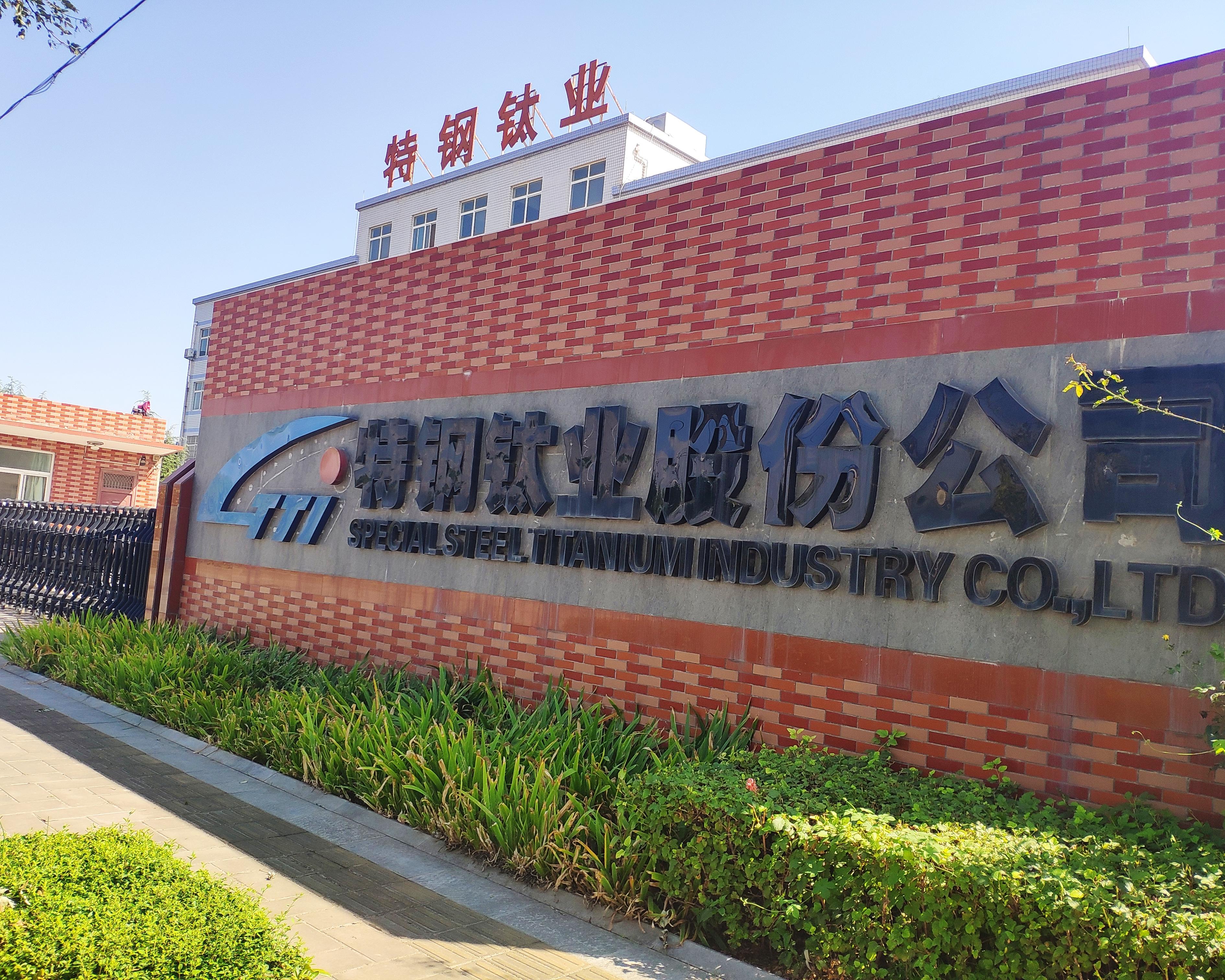


Our comprehensive manufacturing capabilities cover high-performance non-ferrous metals and clad composites tailored for extreme industrial environments.
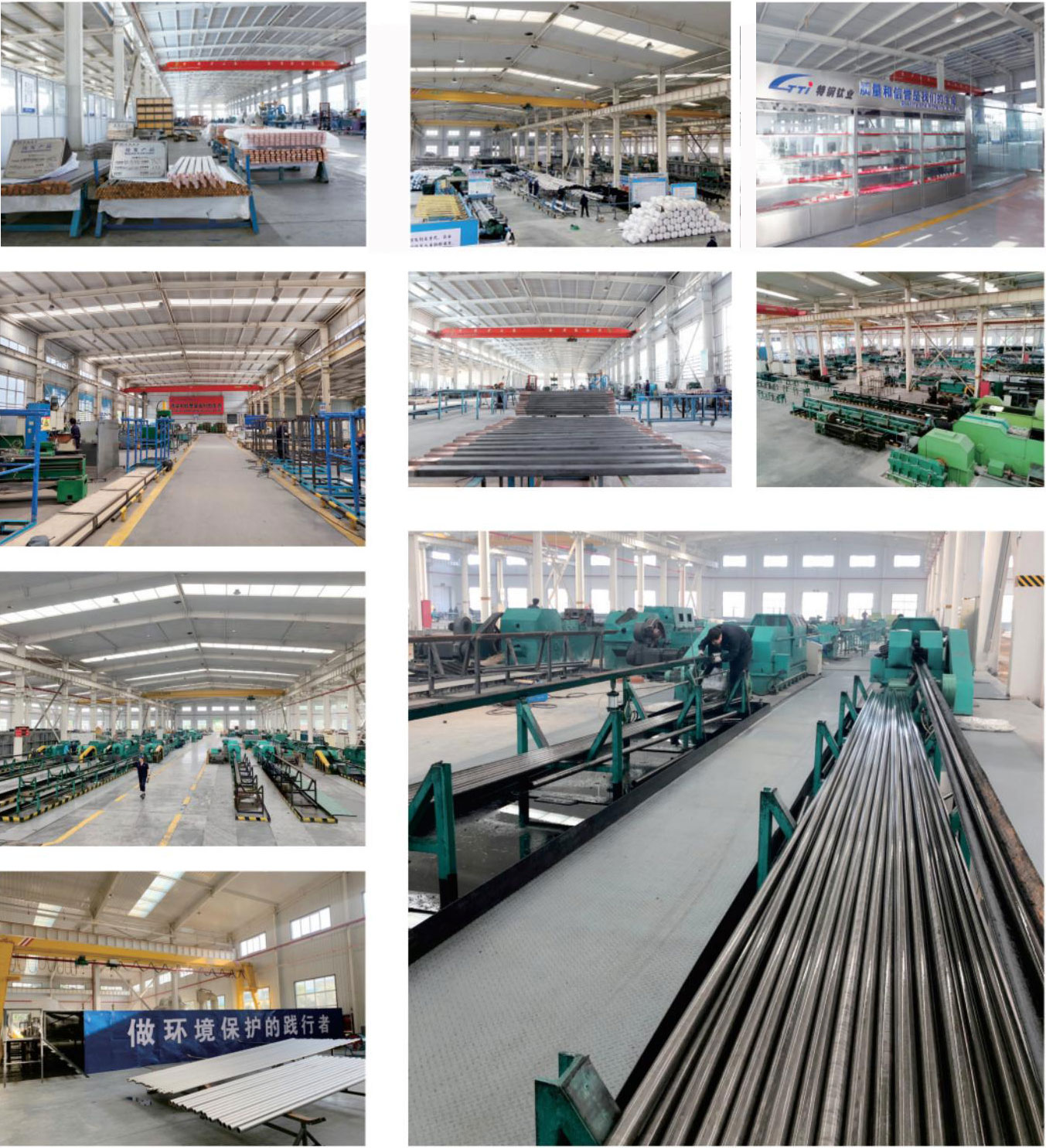
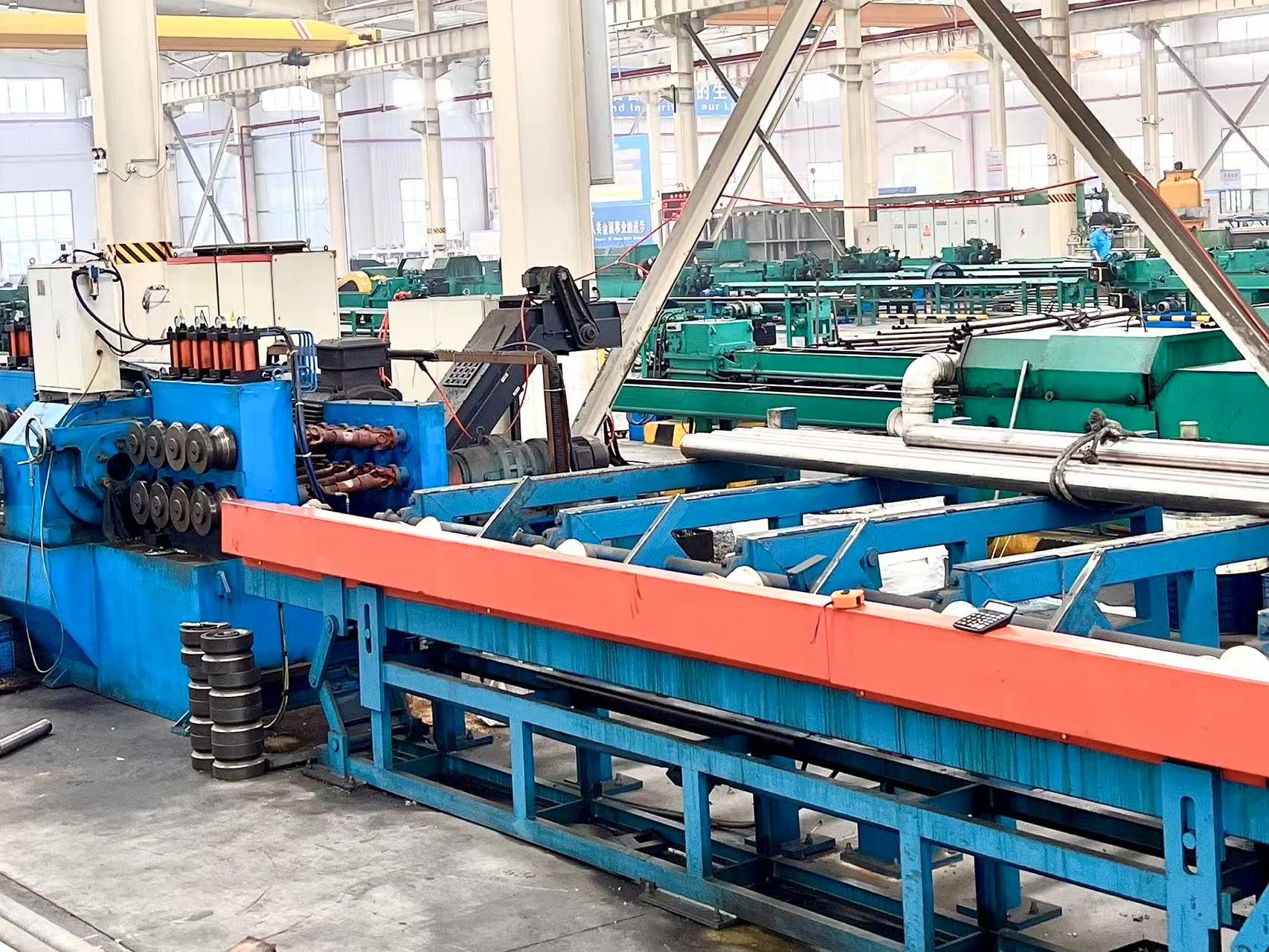
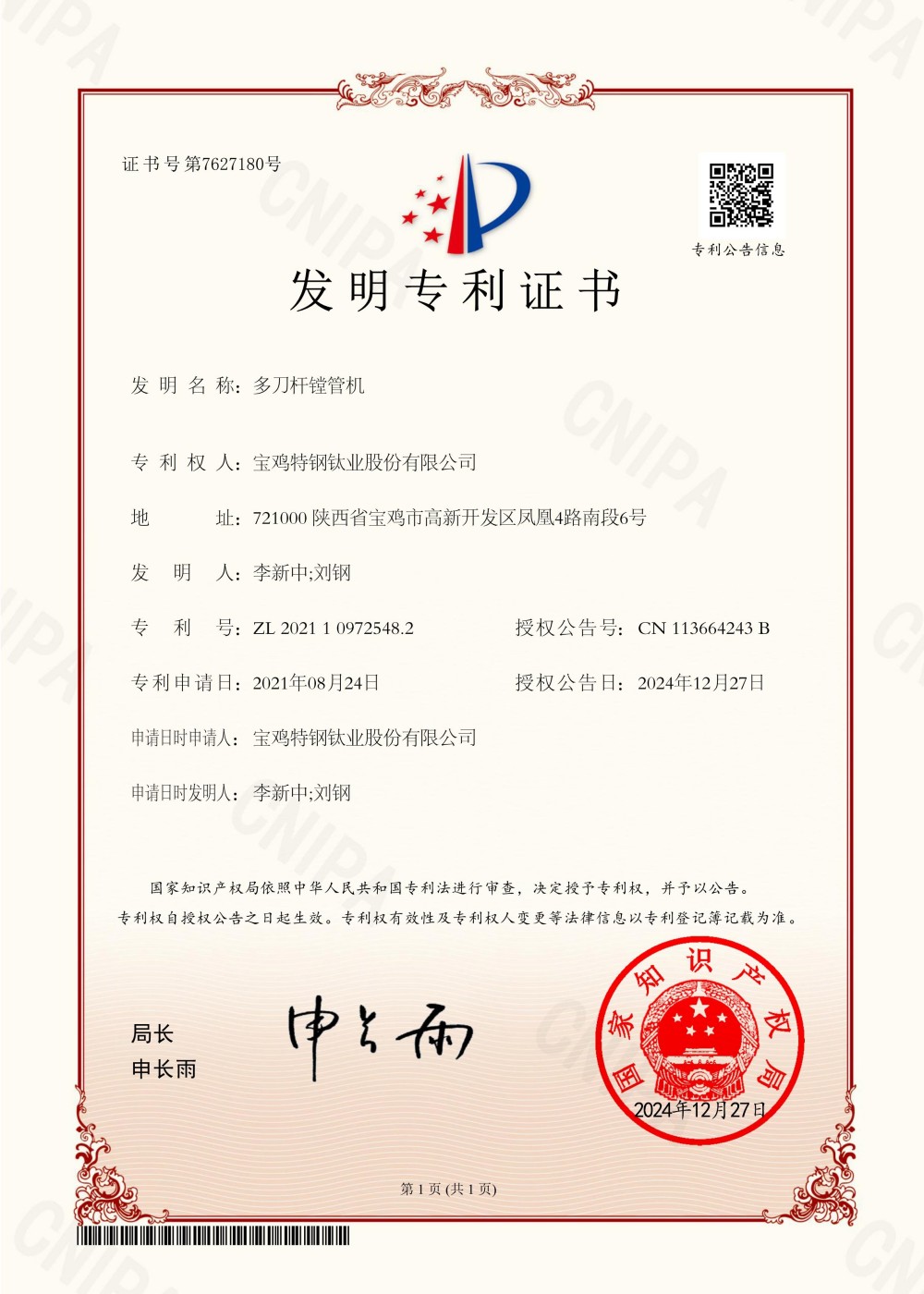
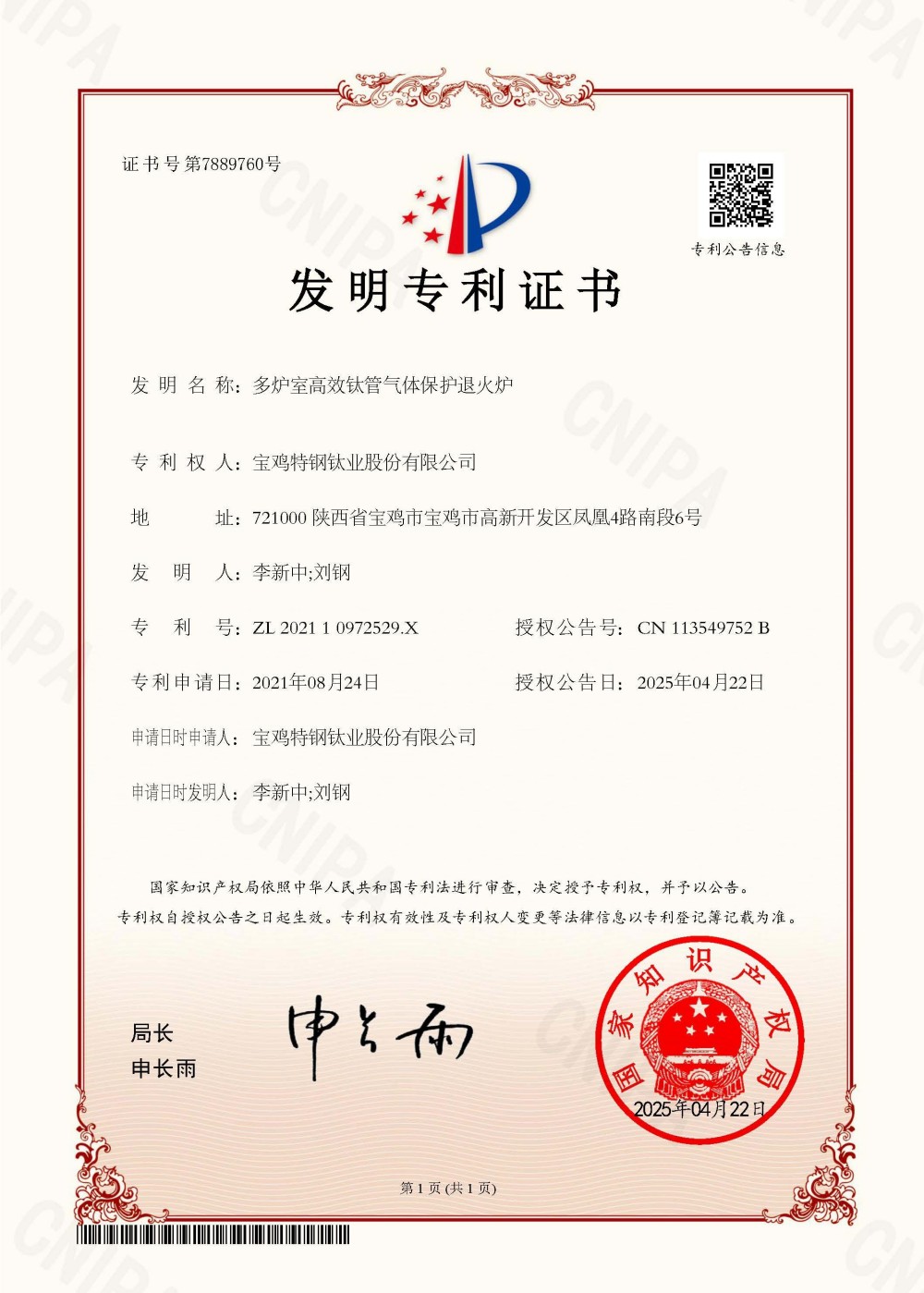
Equipped with state-of-the-art cold rolling mills, vacuum annealing furnaces, hydraulic press systems, and ultrasonic testing instruments to ensure absolute precision in titanium pipe production.
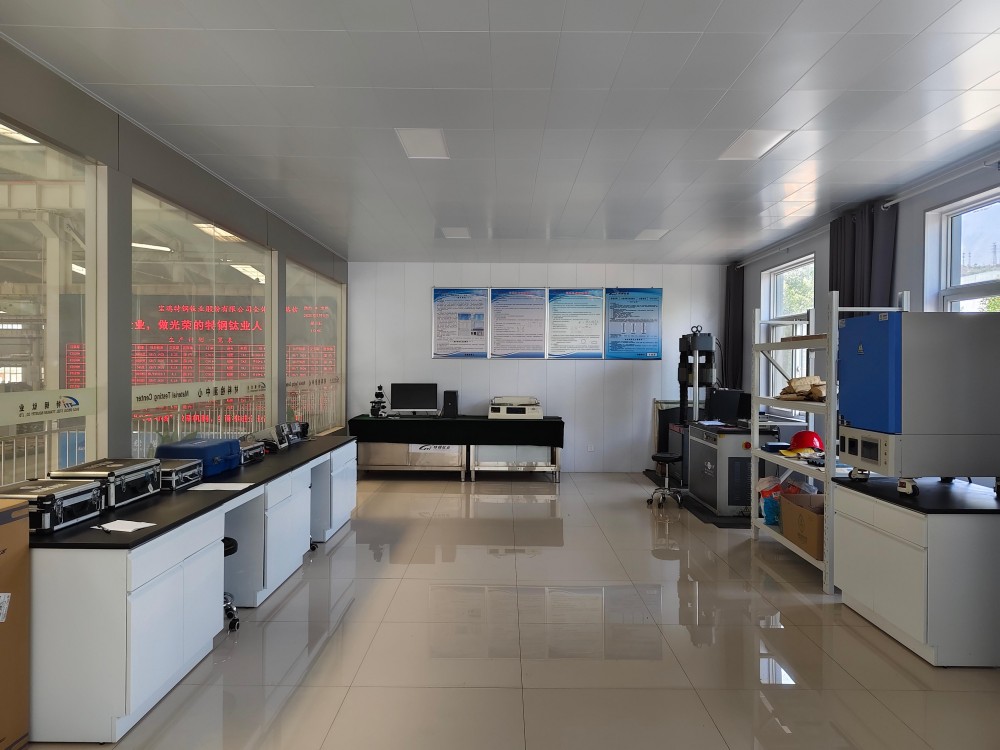
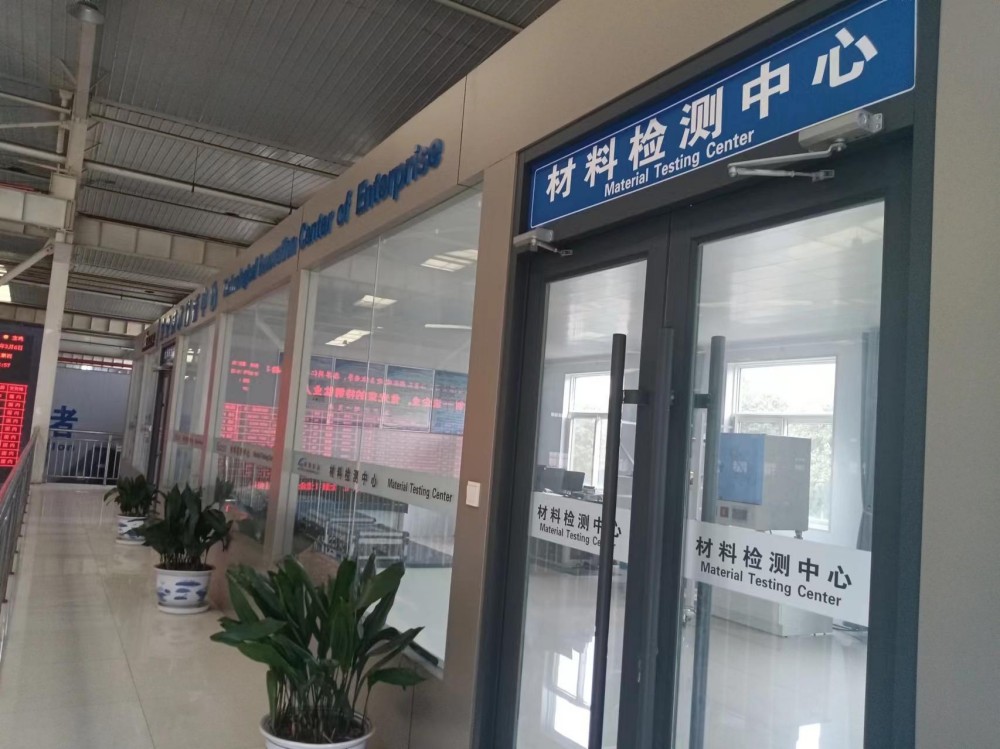
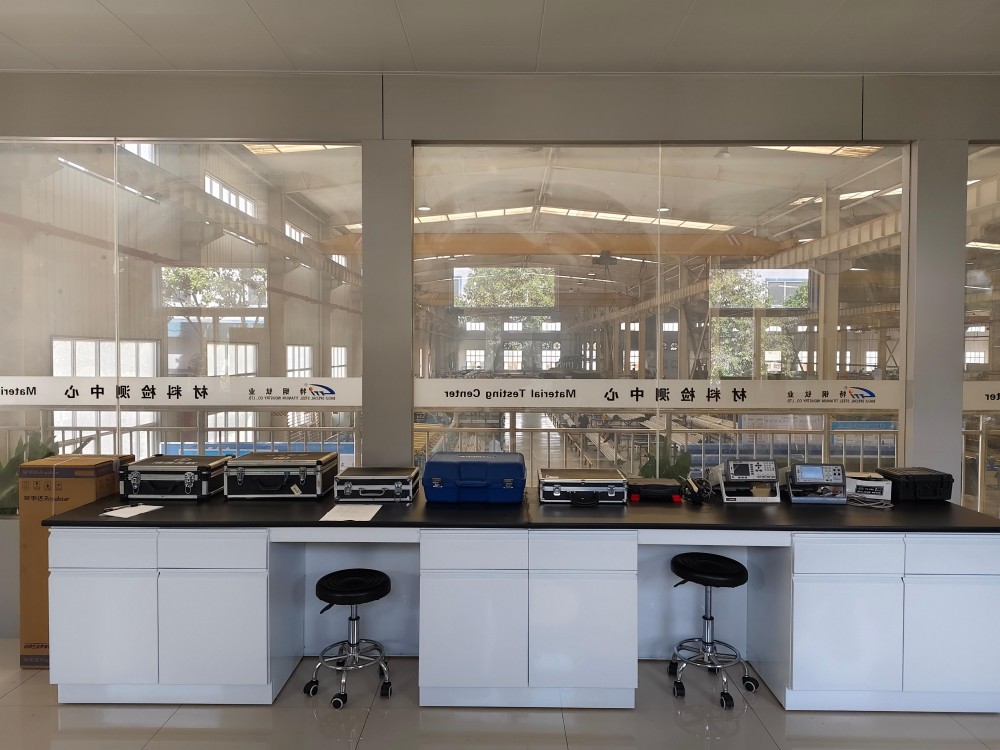
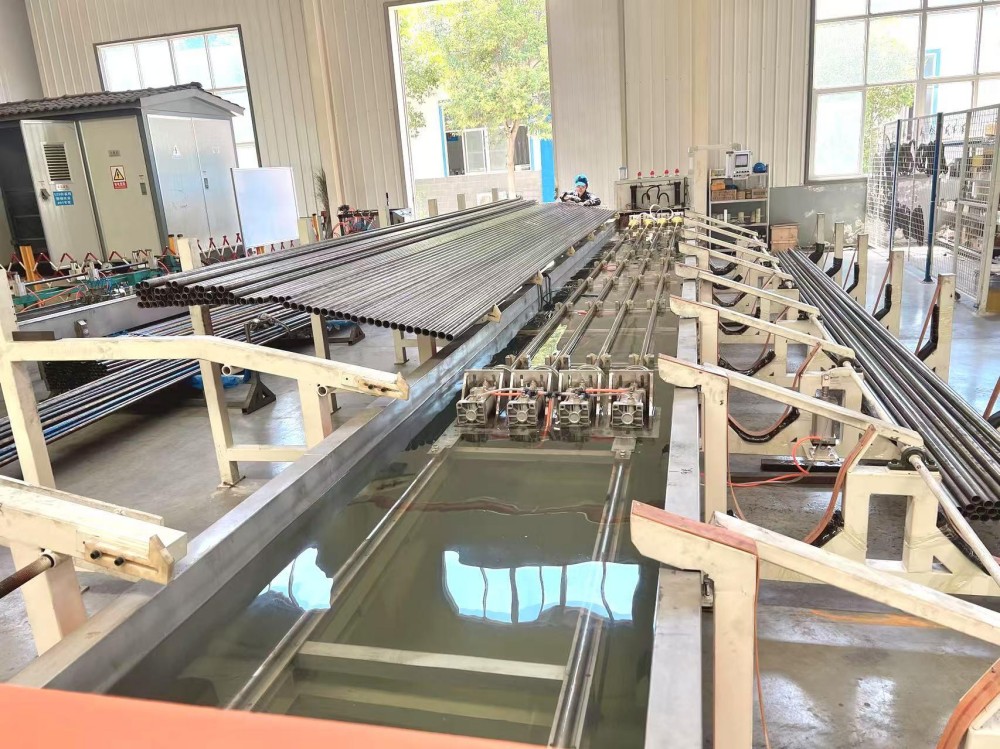
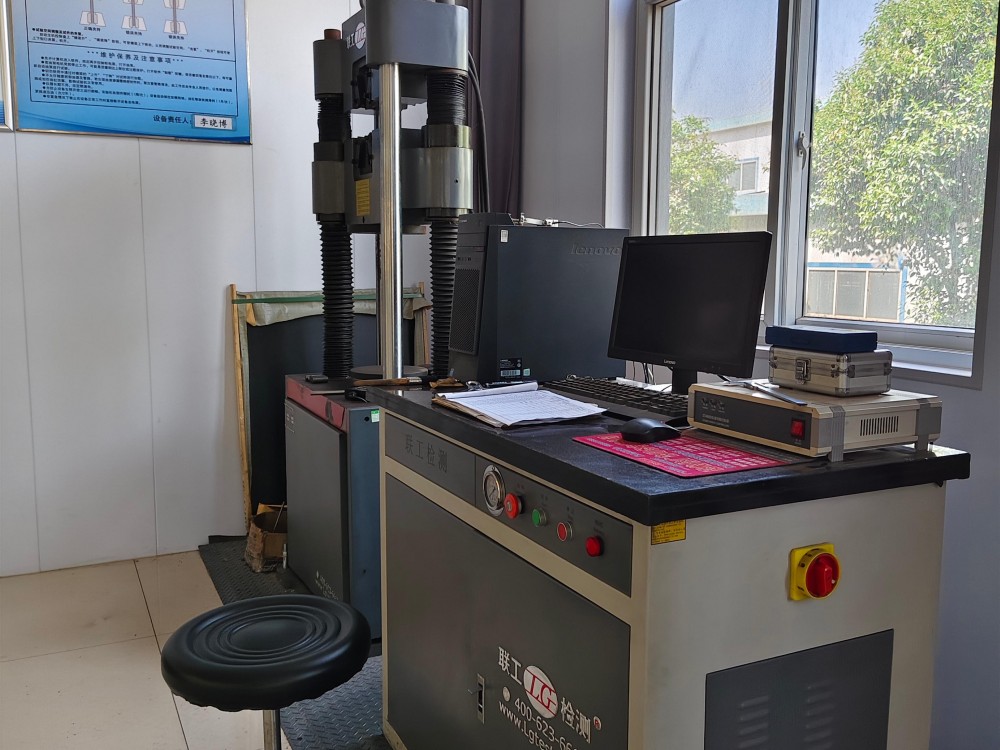
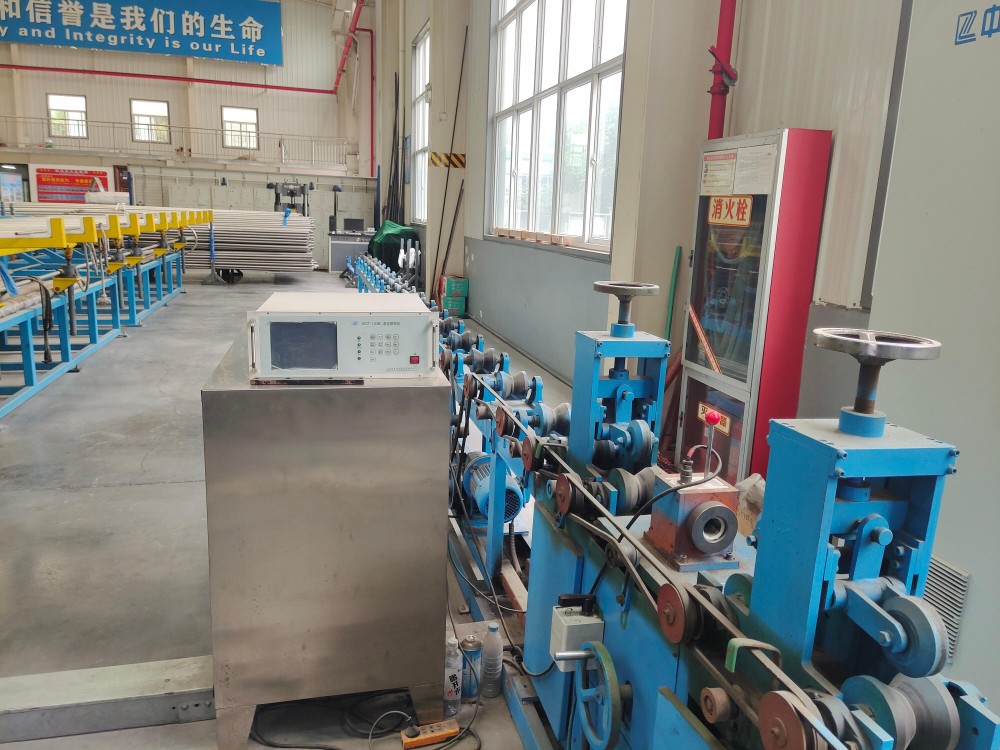
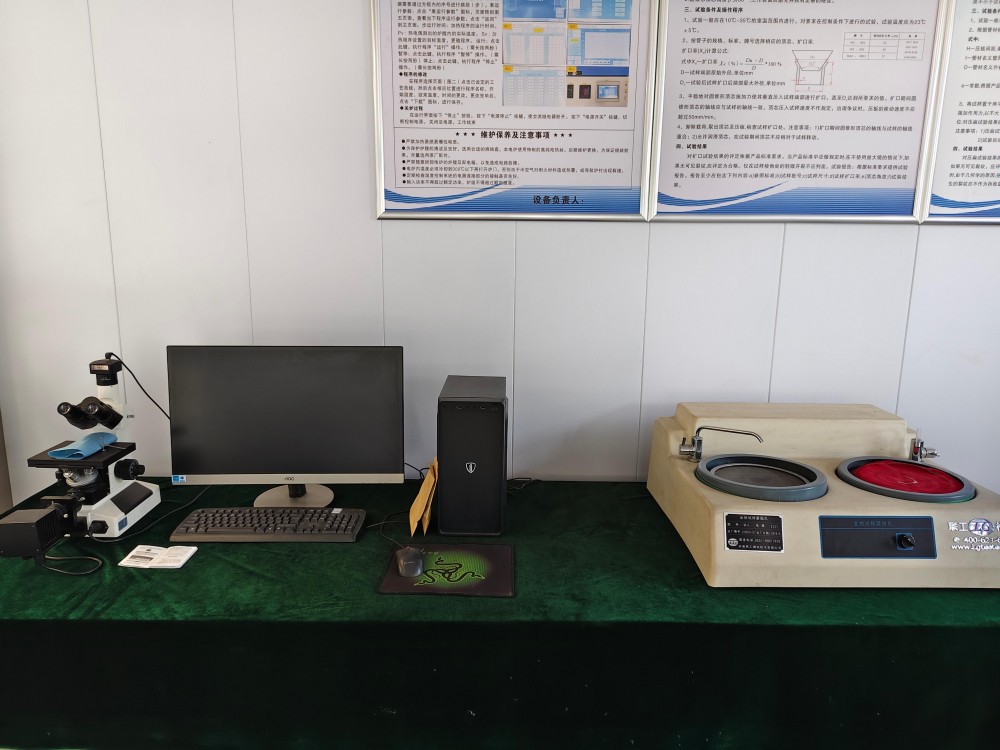
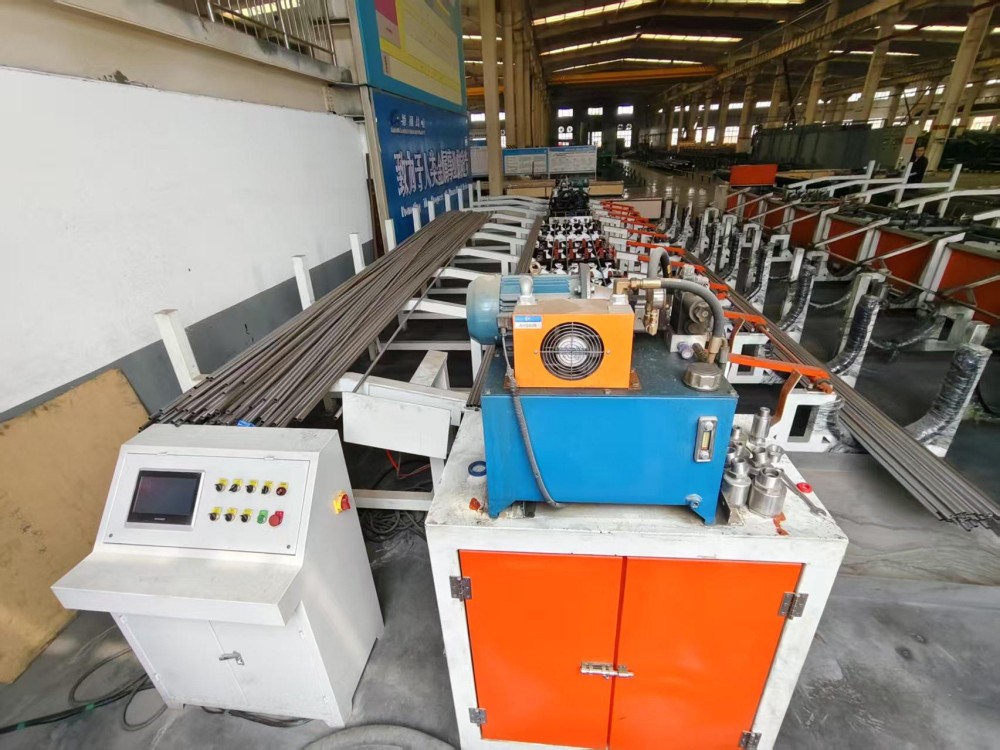
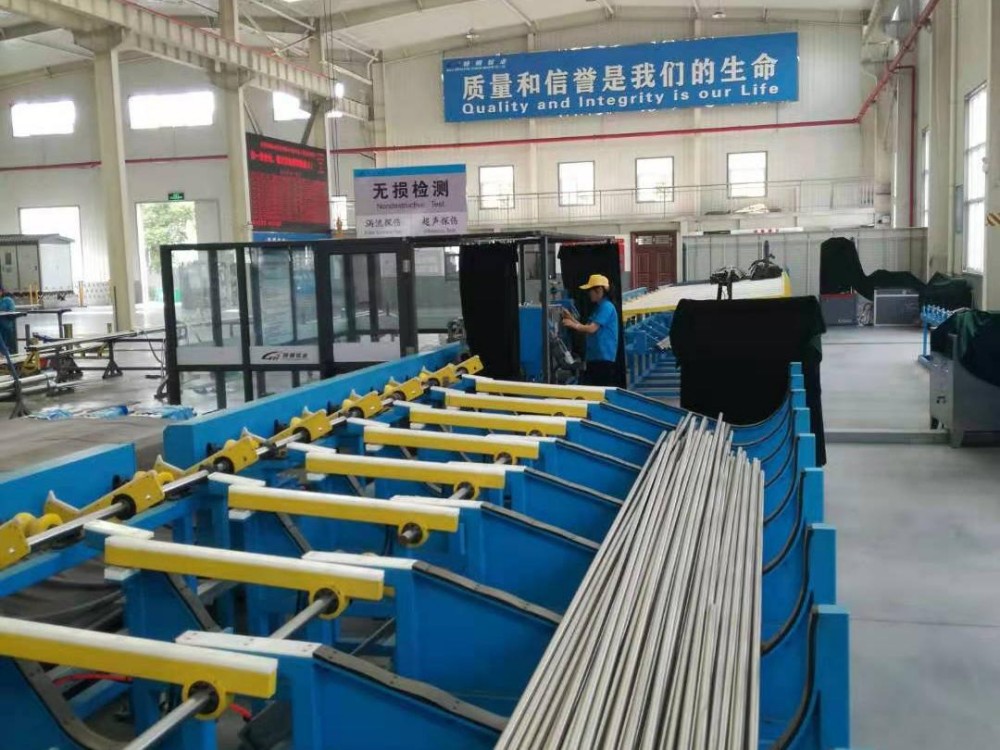
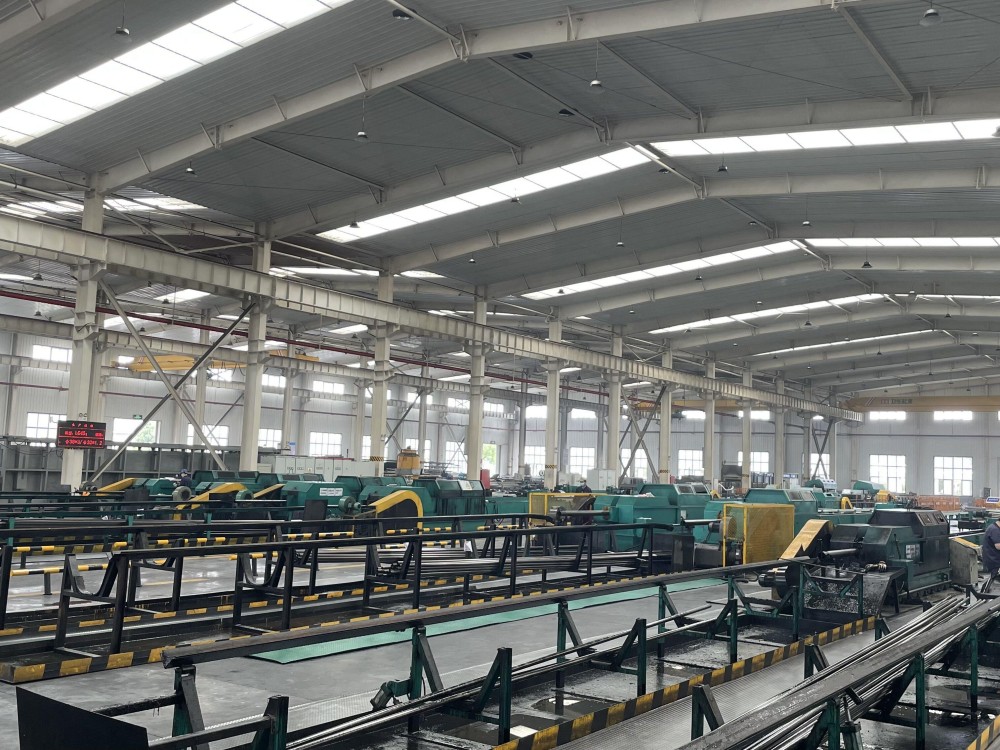
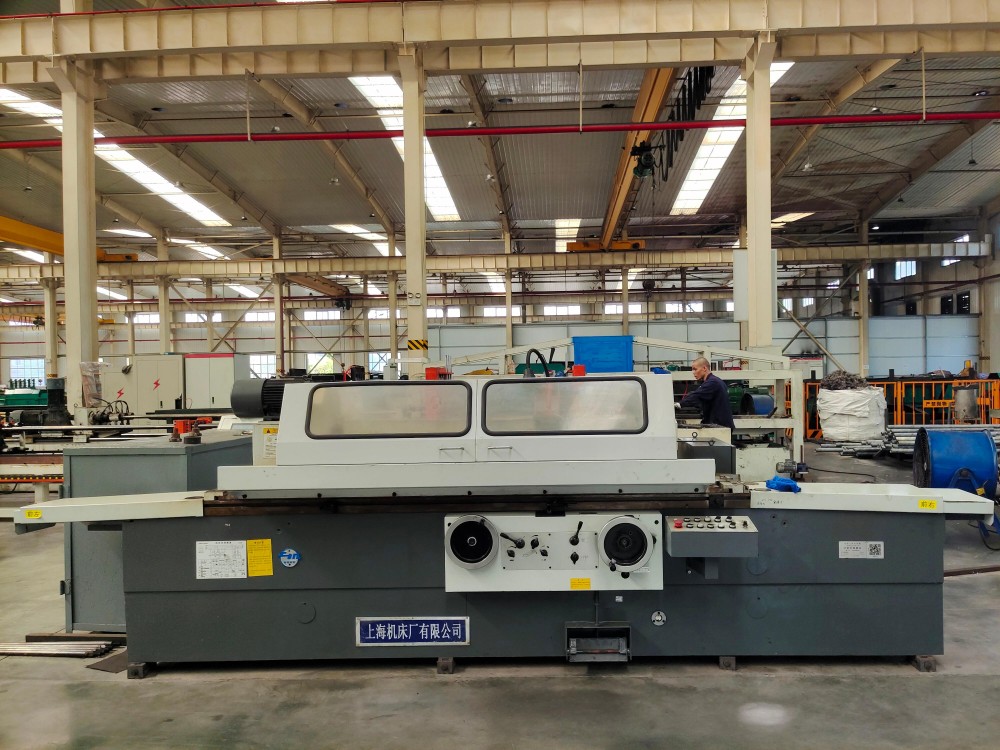
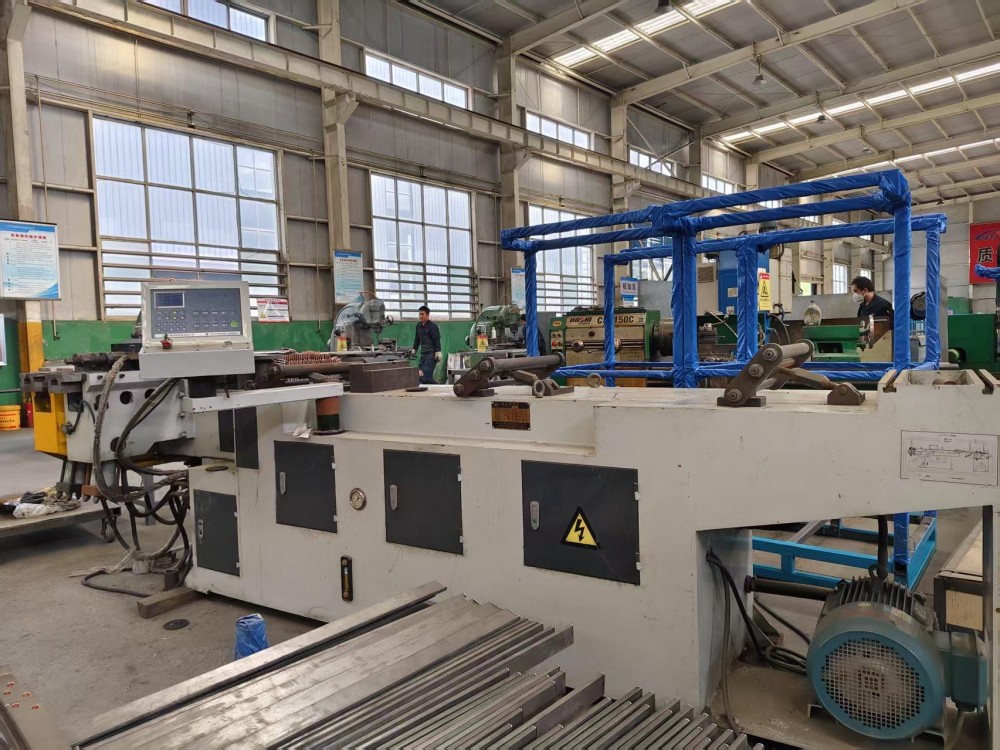
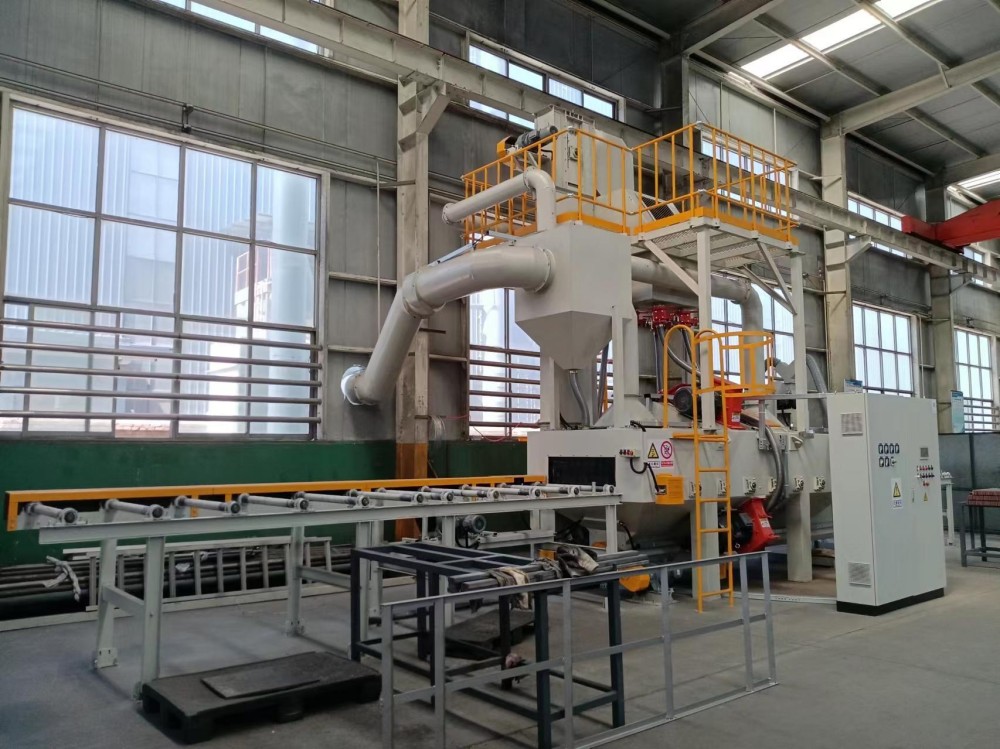
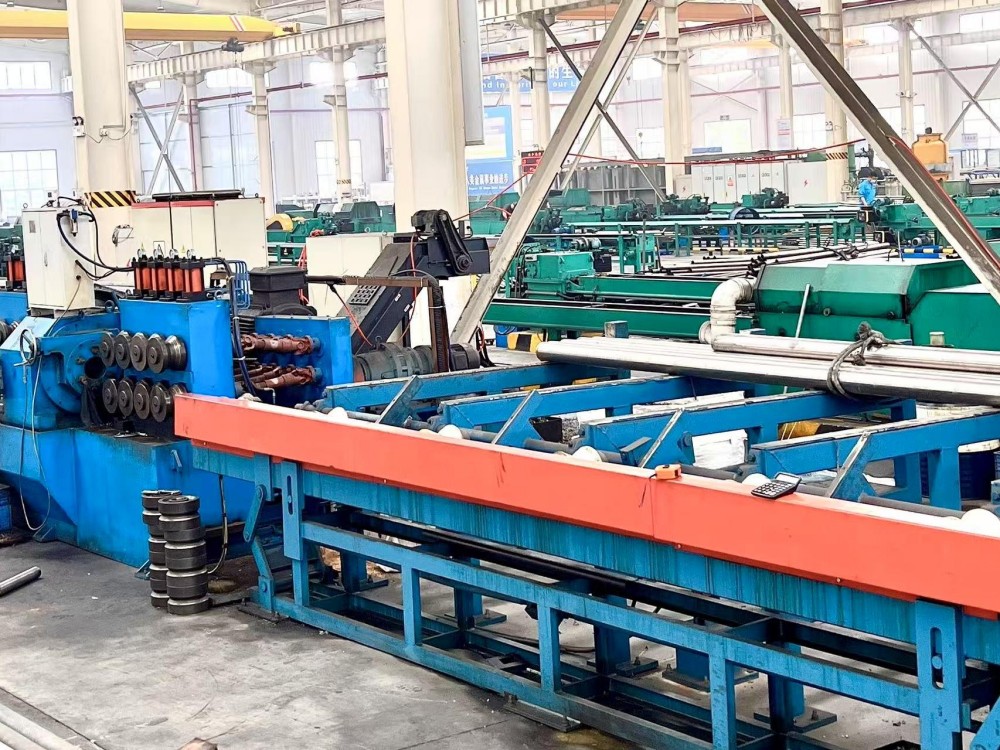
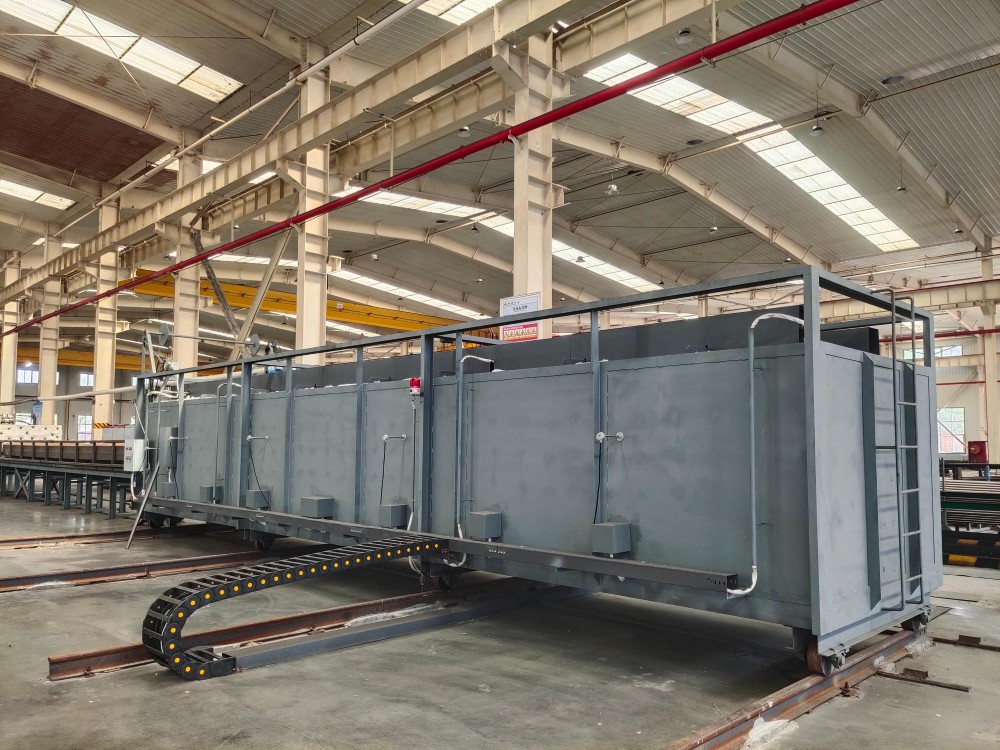
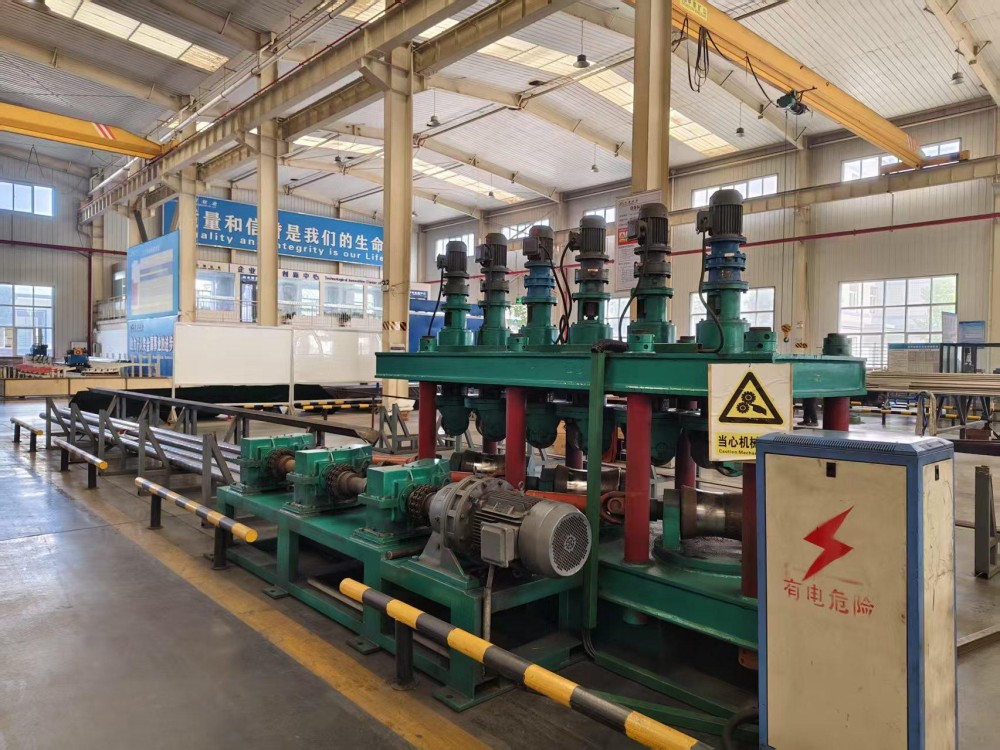
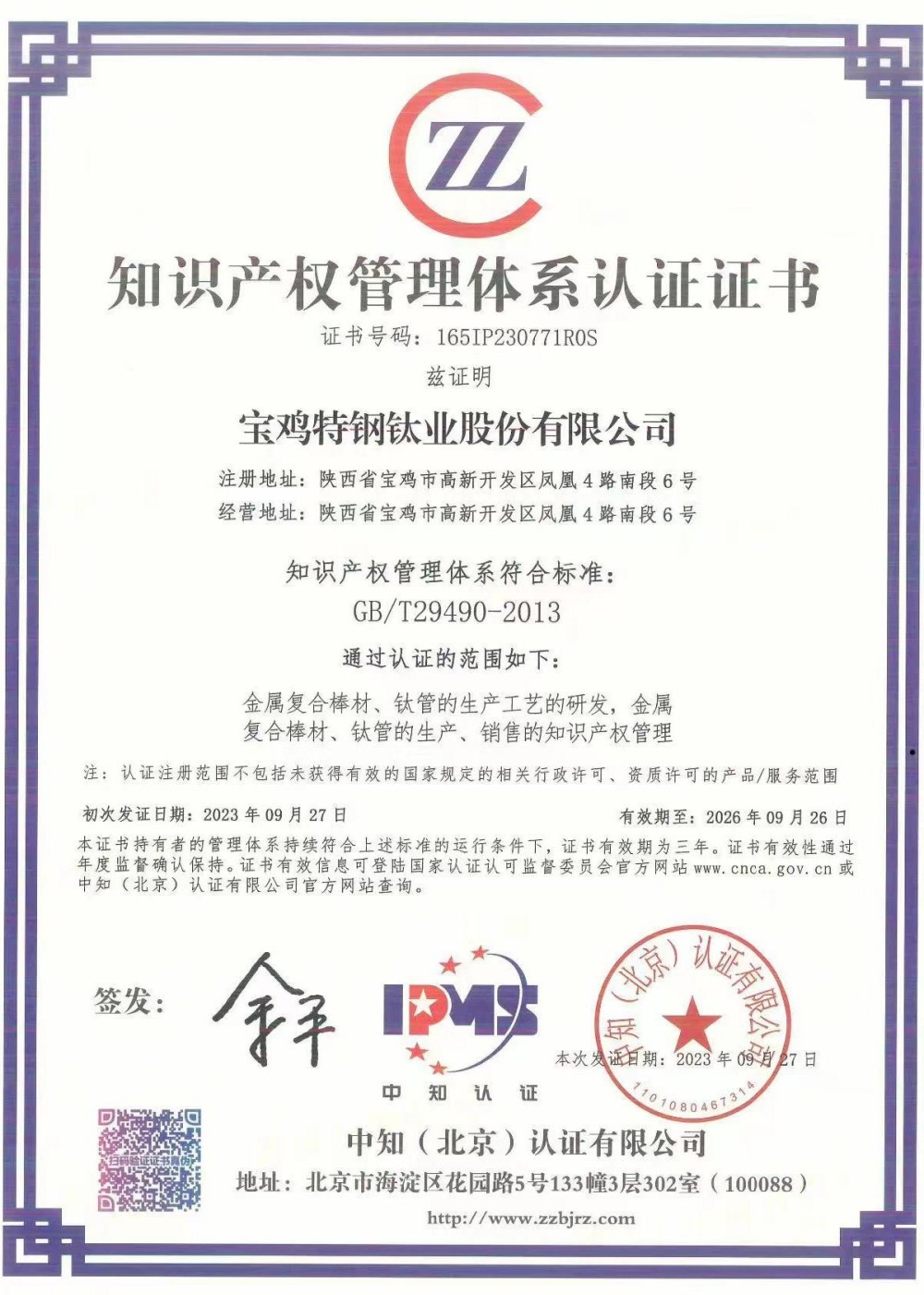
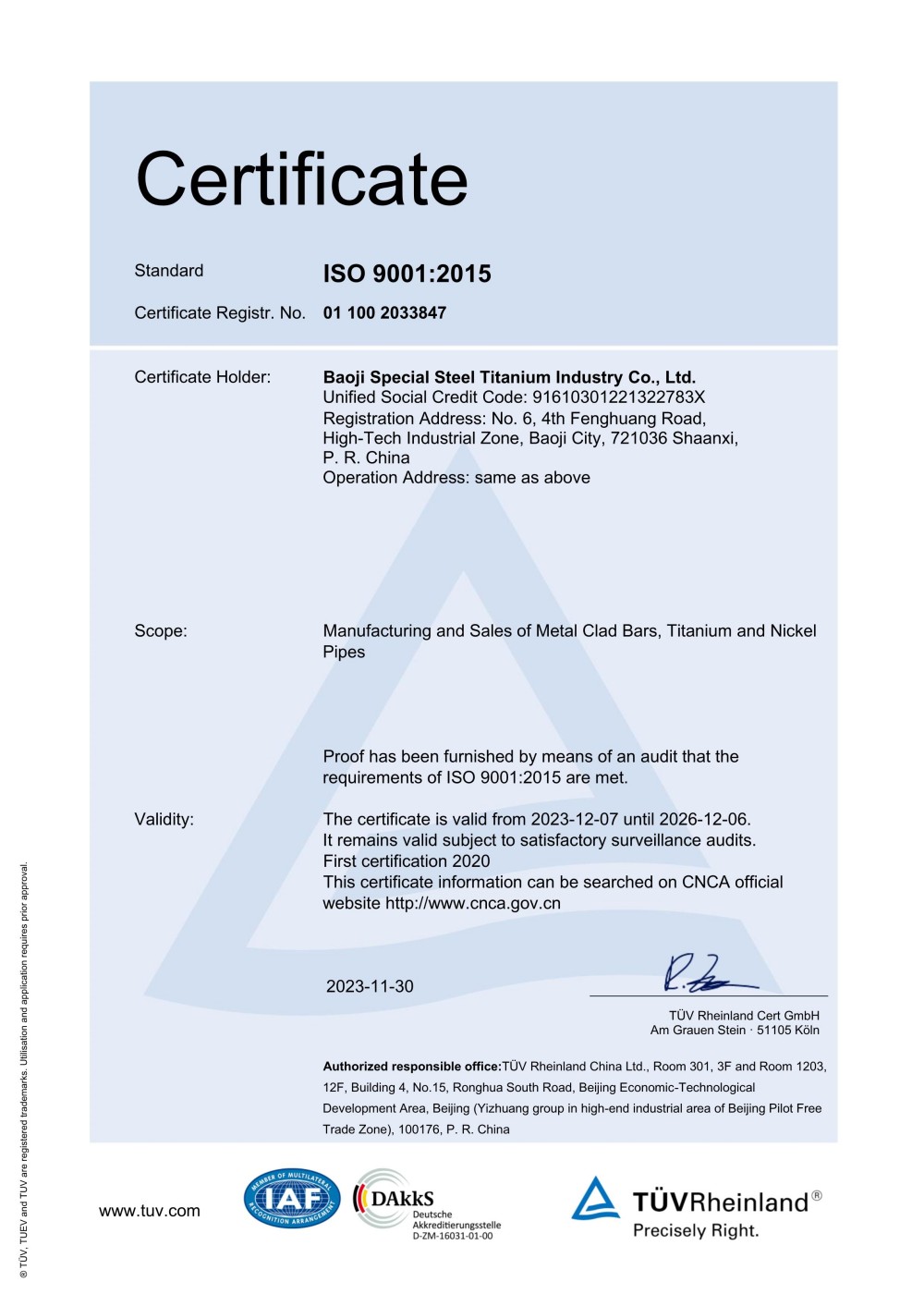
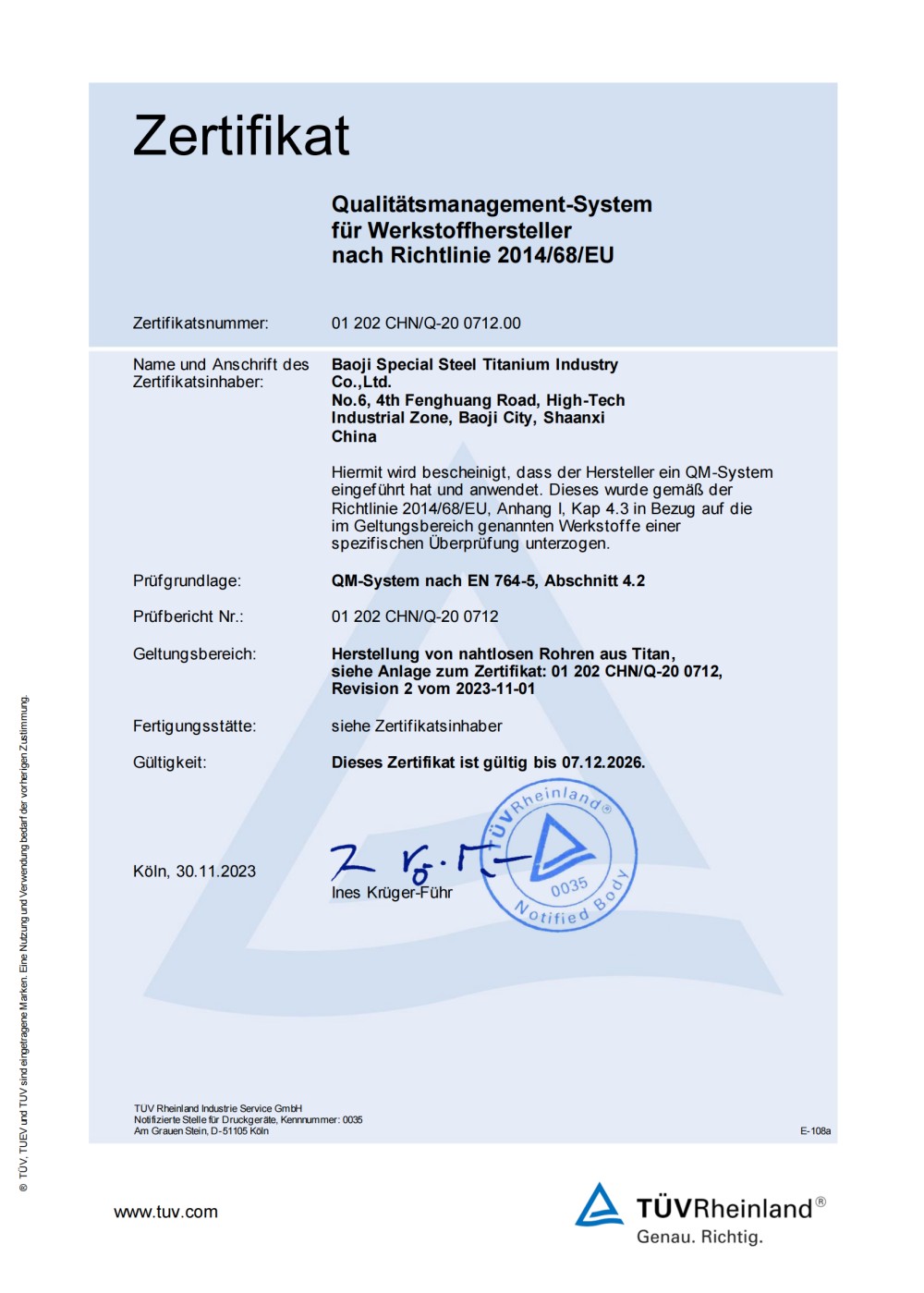
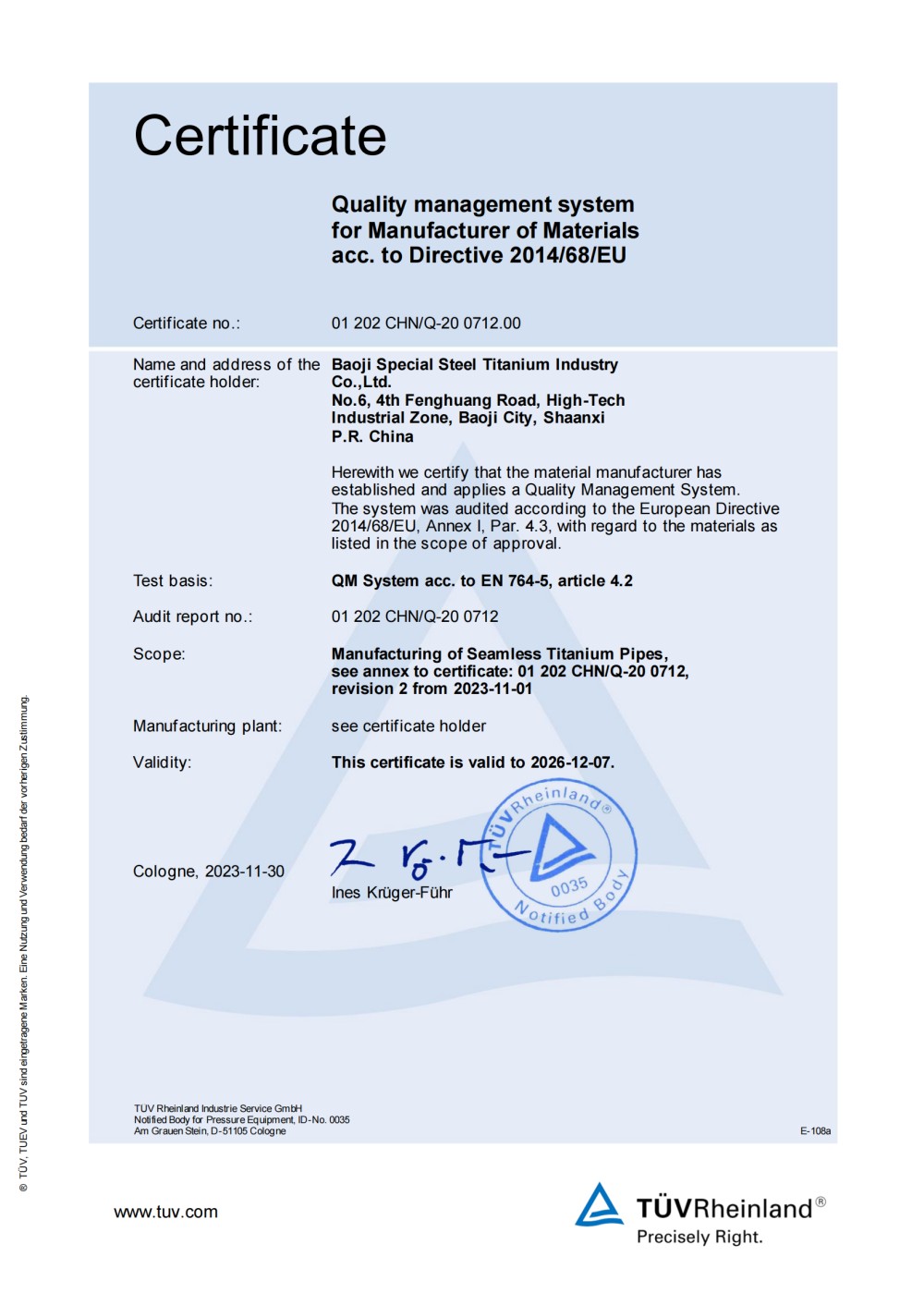
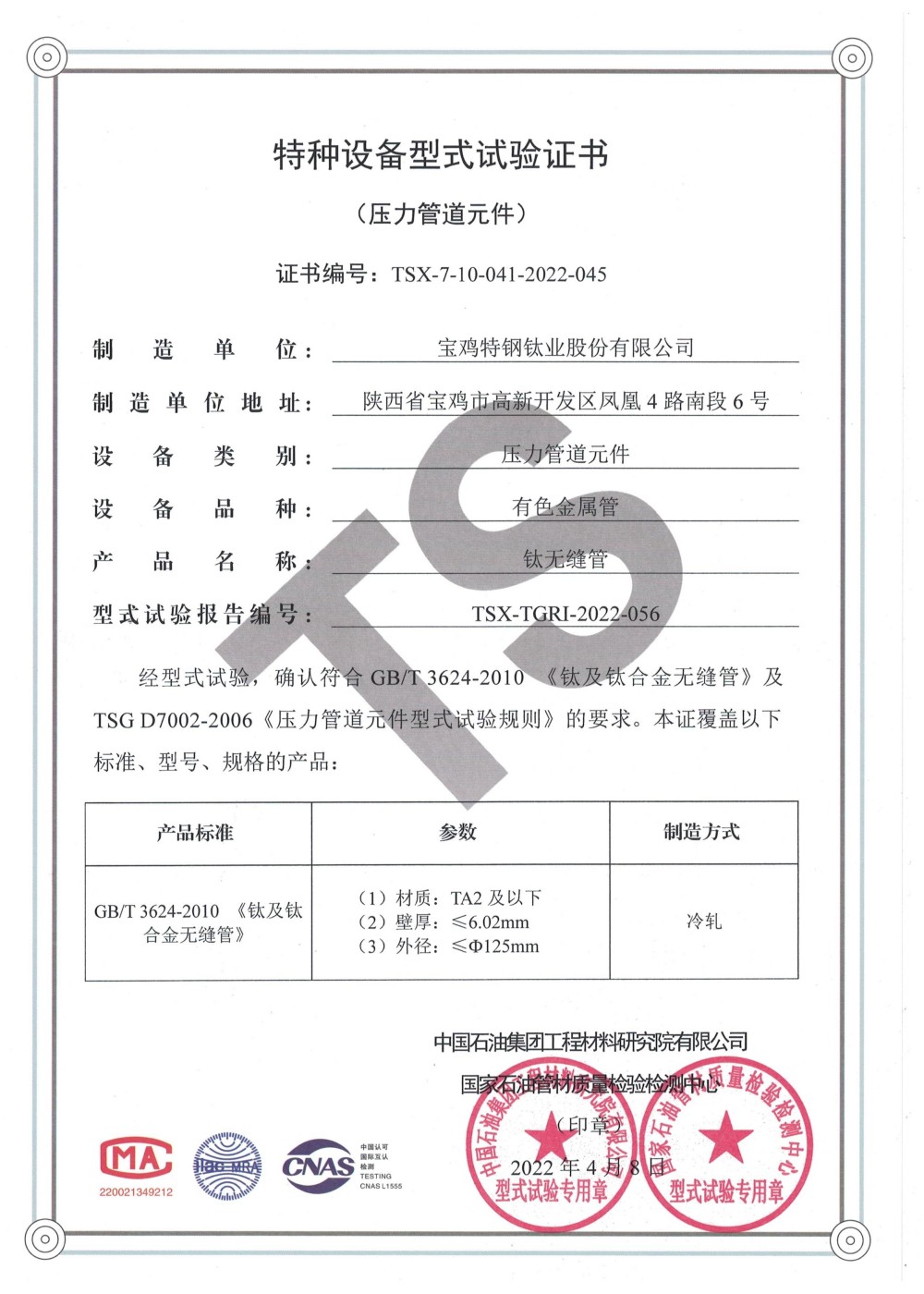
Our commitment to excellence is backed by rigorous compliance with global quality management standards, ensuring absolute safety and performance in deep chemical and metallurgical applications.
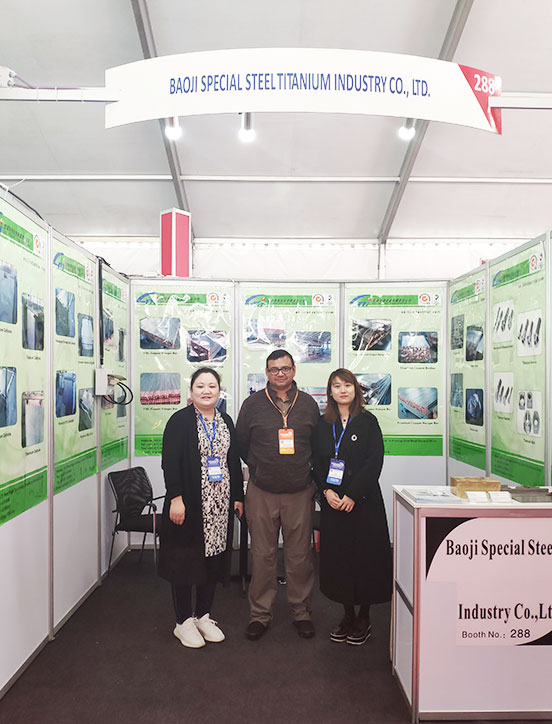
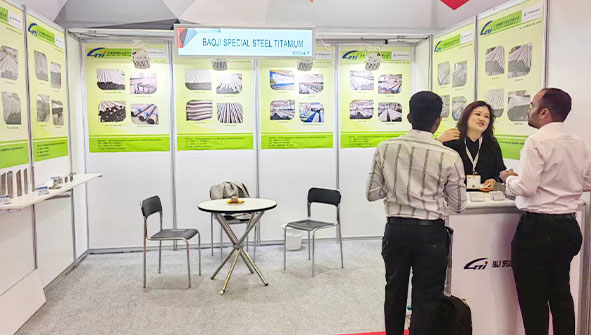
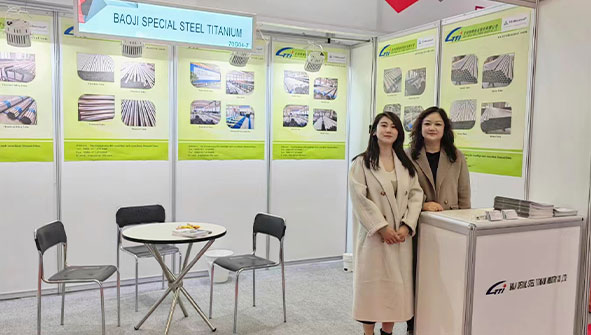
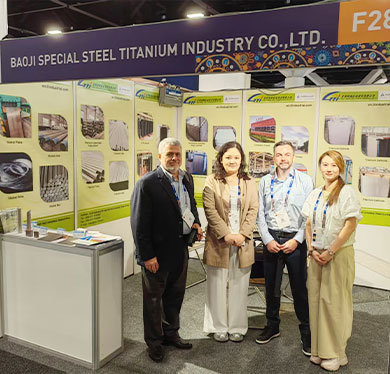
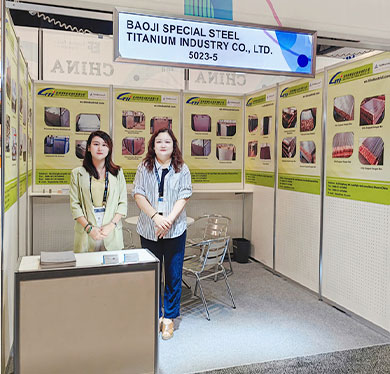
Showcasing our proprietary metallurgical piping and electrode innovations at leading global trade fairs, connecting with industry leaders worldwide.

Explore our complete range of highly engineered titanium, nickel, and composite products specifically optimized for the electrolytic nickel industry.