Leave Your Message
High-precision titanium piping, anodes, cathodes, and composite products tailored to aggressive electrolytic conditions.
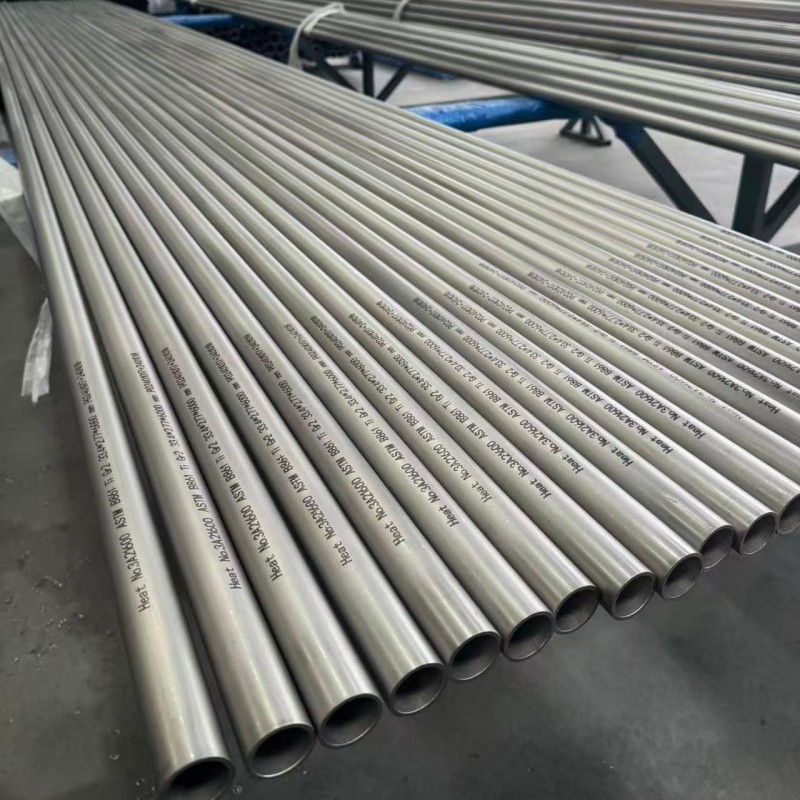
In high-capacity automated electroplating and chemical surface finishing lines, fluid handling systems are exposed to some of the most destructive working environments in modern manufacturing. High concentrations of hot sulfuric acid, chromic acid, hydrochloric acid, fluoroboric acid, copper sulfate, nickel sulfamate, and organic brighteners create severe corrosive and electrochemical degradation risks. The transition from legacy materials—such as lead-lined steel, rubber-lined carbon steel, CPVC, and graphite—to seamless and welded Titanium Pipes (Grade 1, Grade 2, Grade 7 Ti-Pd, and Grade 12) represents a pivotal milestone in surface finishing engineering, maximizing productivity, eliminating bath contamination, and ensuring multi-decade operational lifespans.
Forms an instantaneous, dense, self-healing titanium dioxide (TiO₂) oxide layer upon contact with oxygen and oxidizing electrolytes, preventing chloride pitting and stress corrosion cracking.
100% inert in non-reducing acids, eliminating ionic metal leaching that degrades bath chemistry, causes catastrophic coating defects, and ruins high-purity plating runs.
Withstands high operational steam pressures and severe thermal cycling up to 300°C without mechanical sagging, thermal fatigue, or brittle cracking inherent to polymer piping.
The global electroplating industry has undergone aggressive technological disruption driven by stringent automotive anti-corrosion standards, semiconductor miniaturization, aerospace hard anodizing, and printed circuit board (PCB) micro-via copper filling. Historically, chemical feed lines and internal heating/cooling coils utilized fluoroplastics (PTFE, PVDF) or rubber-lined metallic conduits. However, these systems present serious industrial drawbacks:
Consequently, titanium pipe has evolved into the mandatory baseline standard across tier-one automotive electroplating facilities, continuous strip plating steel mills, roll-to-roll PCB manufacturing, and continuous reel-to-reel connector plating machinery worldwide.
Titanium piping serves multiple mission-critical functions across the continuous wet process layout:
Electroplating reactions require stringent bath temperature control, typically within ±1°C tolerances (e.g., bright nickel baths at 55–65°C; acid copper at 20–28°C; chromic acid anodizing at 38–42°C). Seamless titanium tubes and pipes conform into serpentine, helical, or U-shaped immersion heat exchangers. Titanium’s high structural rigidity permits thin-wall pipe configurations (such as 0.8mm to 1.5mm wall thickness under ASTM B338), dramatically improving thermal heat transfer coefficients while offering absolute immunity to chromic and nitric acid attack.
Uniform plating deposit thickness across complex three-dimensional automotive grilles or aerospace components demands turbulent, uniform solution agitation. Titanium pipe manifolds equipped with high-velocity eductor nozzles distribute filtered electrolyte directly across cathodic workpieces without the risk of metal flake shedding or localized erosion-corrosion.
Aggressive vapors containing hexavalent or trivalent chromium mists, chlorine gas, and vaporized pickling acids rapidly destroy conventional stainless steel (316L/904L) exhaust stacks. Lightweight titanium welded pipes and ducting networks capture toxic off-gases, operating maintenance-free in corrosive vapor condensates for decades.
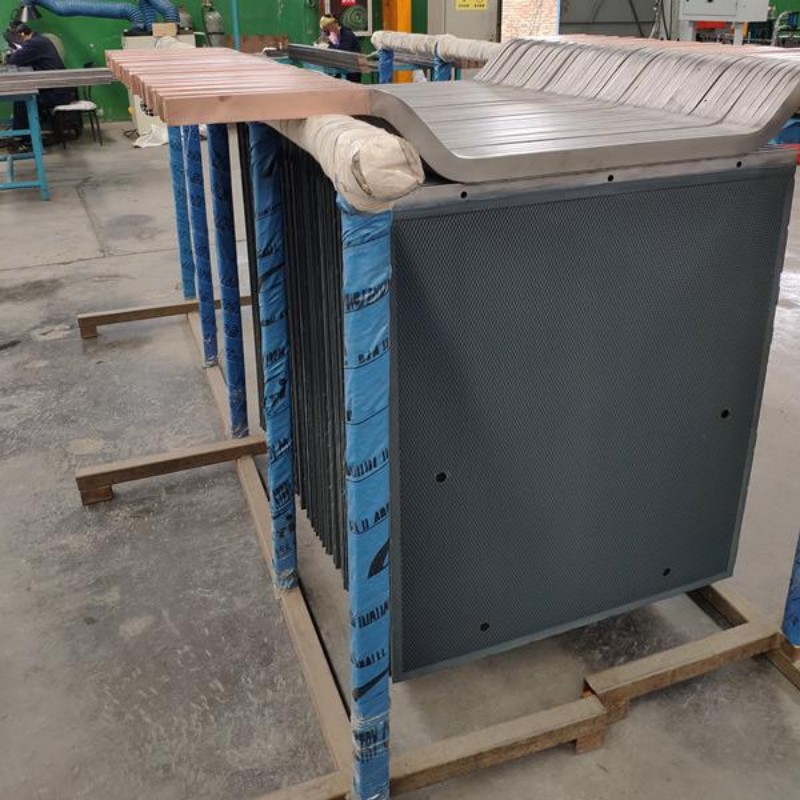
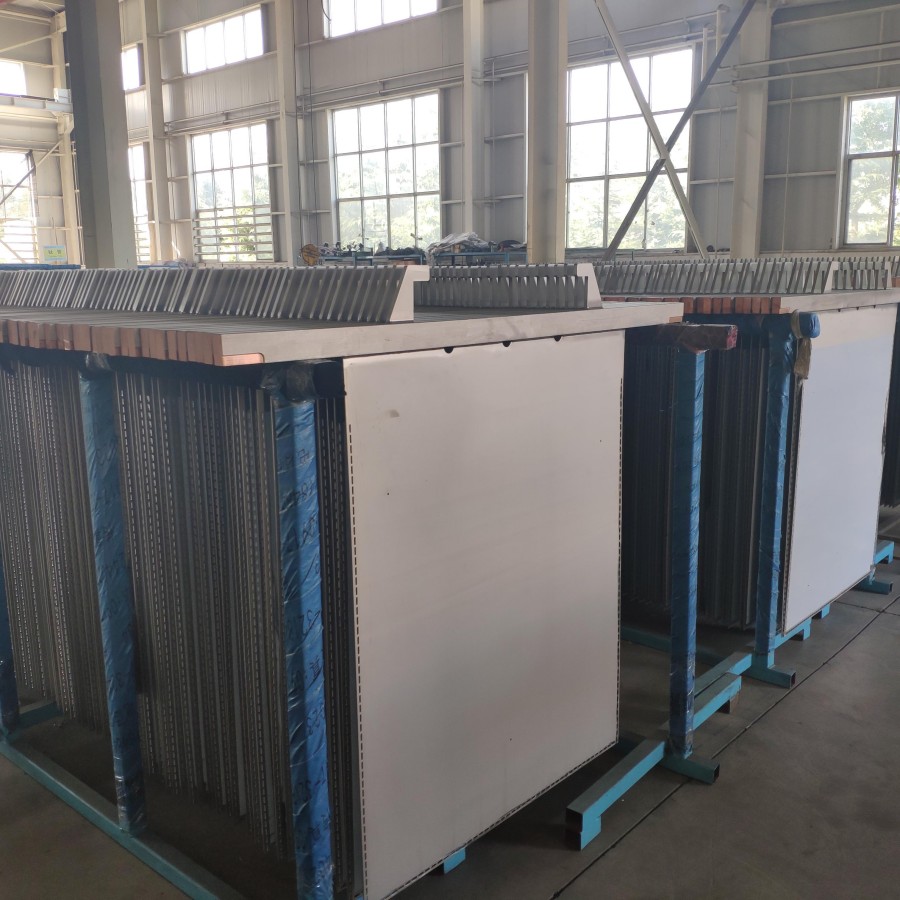
Beyond simple fluid transport, heavy-wall titanium pipes serve as high-integrity conductive structural conduits. Titanium clad copper composite pipes provide electrical conductivity combined with external chemical resistance, routing megawatts of direct current directly into the plating solution without bath overheating or corrosive dissolution.
| Performance Metric | Titanium Pipe (Gr 2 / Gr 7) | 316L Stainless Steel | PVDF / CPVC Plastic | PTFE Lined Carbon Steel |
|---|---|---|---|---|
| Corrosion Resistance (Hot Acid/Chlorides) | Exceptional (Passivated TiO₂ film) | Poor (Rapid pitting & stress cracking) | Good (Chemically inert to most acids) | High (Subject to permeation) |
| Maximum Operating Temperature | Up to 350°C (662°F) | Up to 400°C | Limited to 80°C - 100°C | Up to 150°C - 200°C |
| Mechanical Impact & Rigidity | Extremely High (Tensile >345 MPa) | High | Very Low (Brittle, sag prone) | High (External steel shell) |
| Electrolyte Contamination Risk | Zero (No ion shedding) | Catastrophic (Fe, Ni, Cr leaching) | Medium (Leaches plasticizers) | Low (If liner remains intact) |
| Thermal Conductivity & Coil Efficiency | High (21.9 W/m·K) | Moderate (16.3 W/m·K) | Very Low (Thermal insulator) | Low (Liner thermal barrier) |
| Average Service Life in Plating Line | 20 – 30+ Years | 6 Months – 2 Years | 3 – 5 Years (Degrades UV/Heat) | 5 – 8 Years (Delamination risk) |
To ensure total reliability in pressurized chemical circuits, titanium pipes must strictly comply with international metallurgical standards:
With environmental regulations accelerating worldwide, plating facilities are implementing closed-loop Zero Liquid Discharge (ZLD) wastewater recovery plants. These systems rely on high-vacuum thermal evaporators, crystallizers, and membrane filtration units where rinse waters are concentrated into dry salts while pure water is recirculated. Titanium piping and titanium heat exchanger tubes are indispensable in these recovery units, resisting hyper-saline heavy-metal concentrates at boiling temperatures where all other industrial alloys fail.
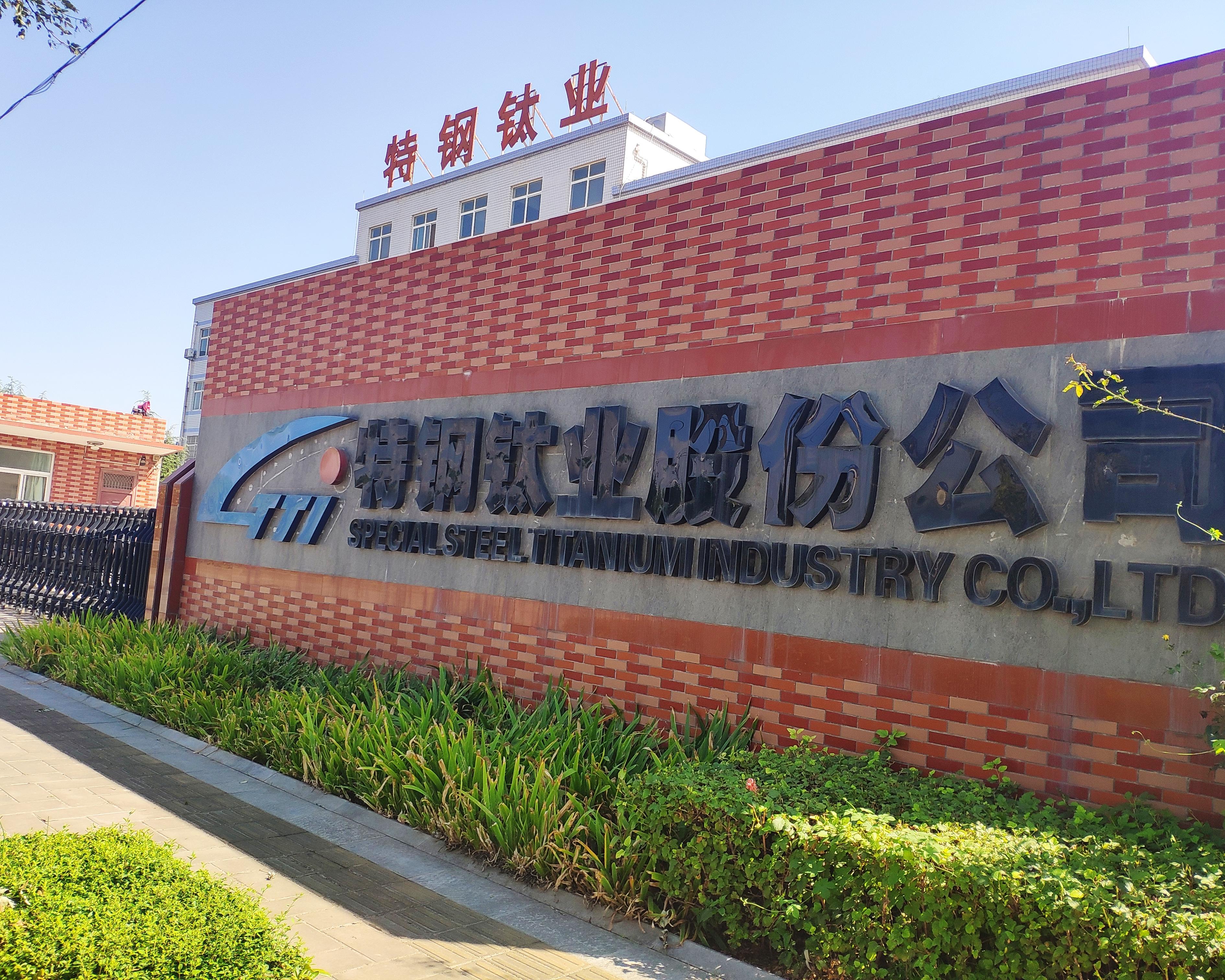
Is a joint-stock industrial enterprise specializing in the research, development, manufacturing and sales of titanium, nickel, zirconium and other metal pipes and metal composite materials. The company was founded in 1997, located in Shaanxi Baoji National High-tech Industrial development Zone, the factory covers an area of 41,000 square meters.
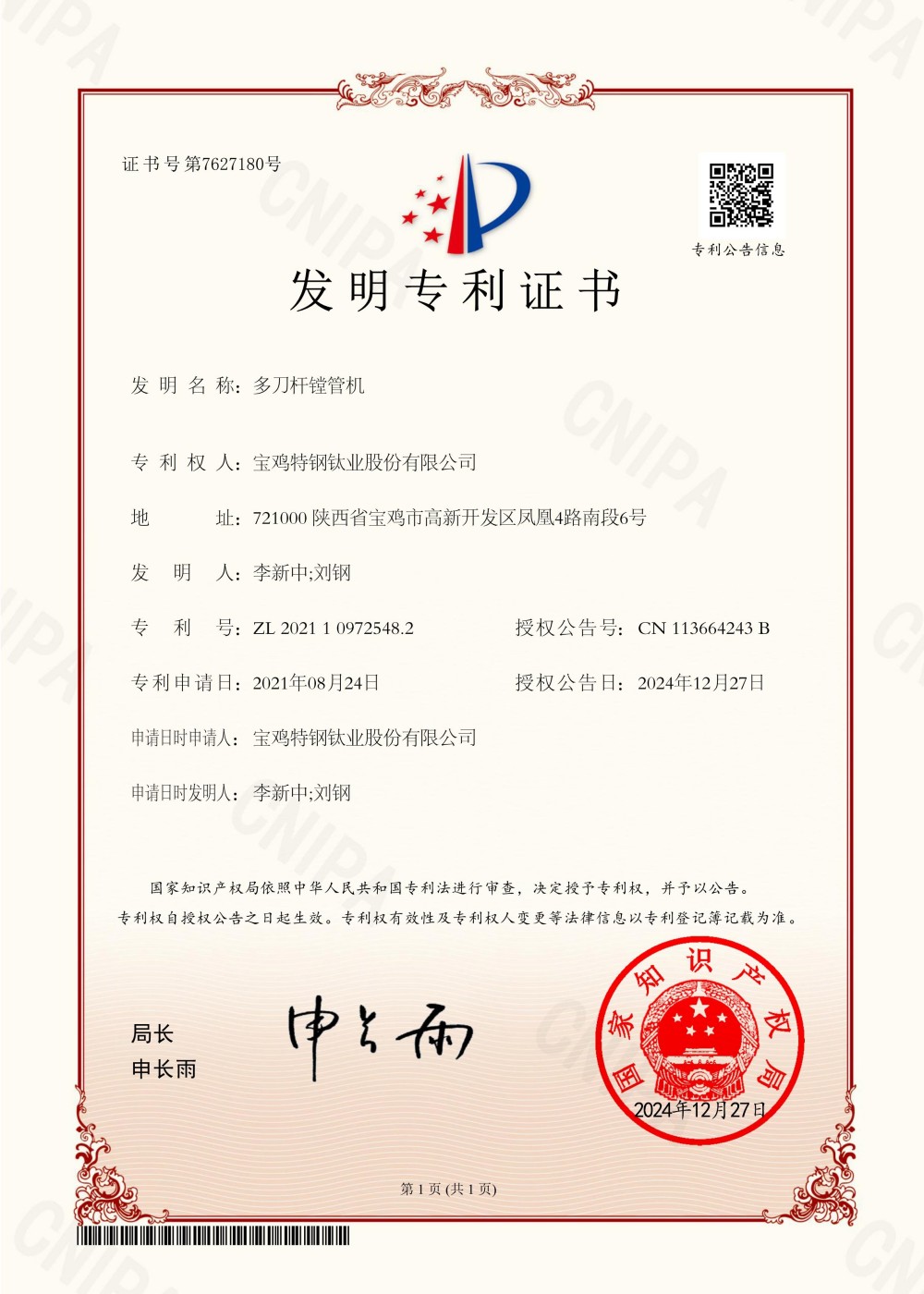
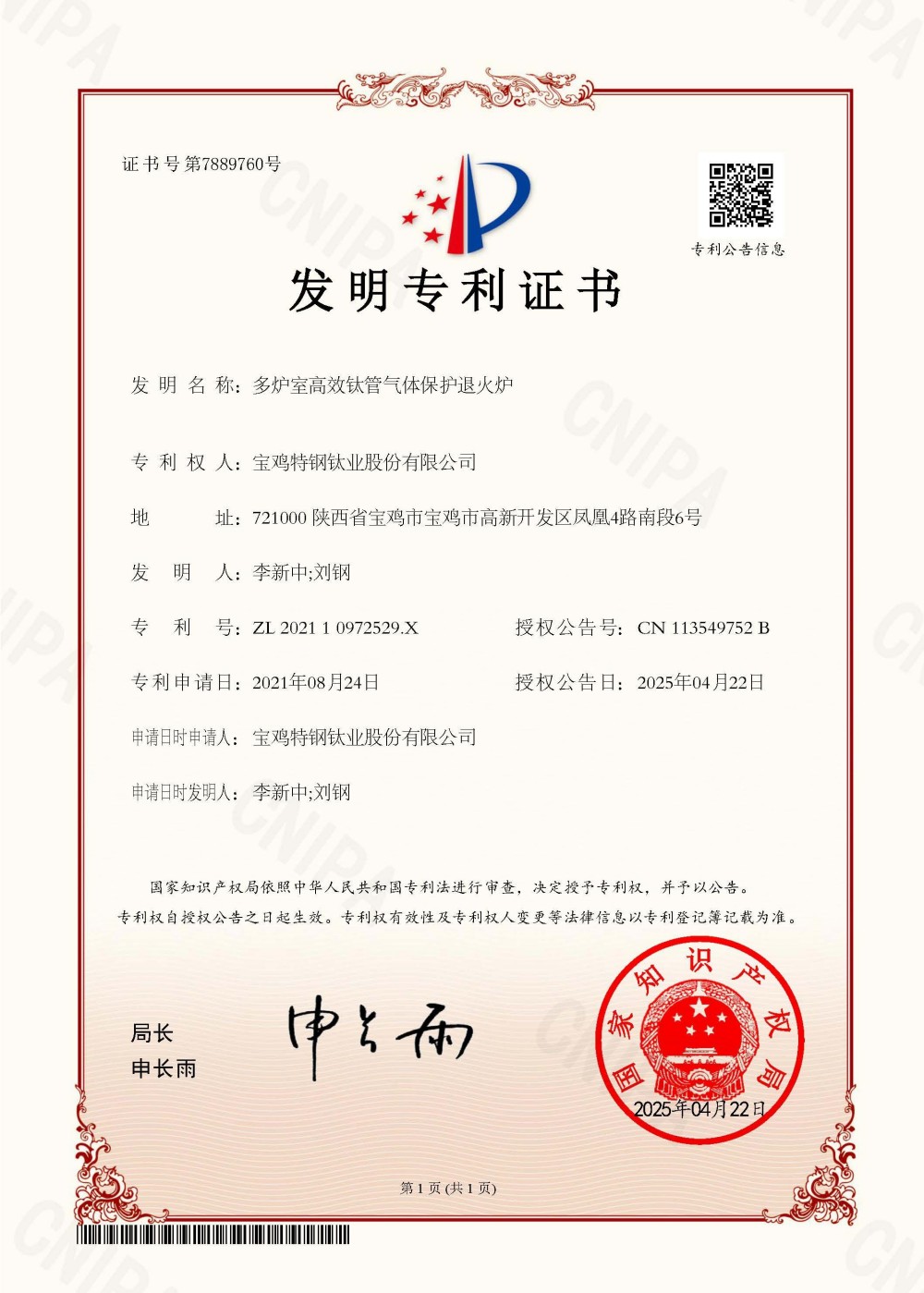
The company has an annual production capacity of over 3000 tons of non-ferrous metal pipes, composite materials and various deep processing products such as titanium, zirconium, nickel, tantalum and copper, etc., and a series of products according to varieties and specifications have reached more than 500 kinds, the annual export accounted for more than 30% of the company's total output, is an export-oriented industrial enterprise with a strong growth momentum. The company has obtained the national high and new technology enterprise certification and has been listed in the first batch of industries encouraged to develop by the National Development and Reform Commission.


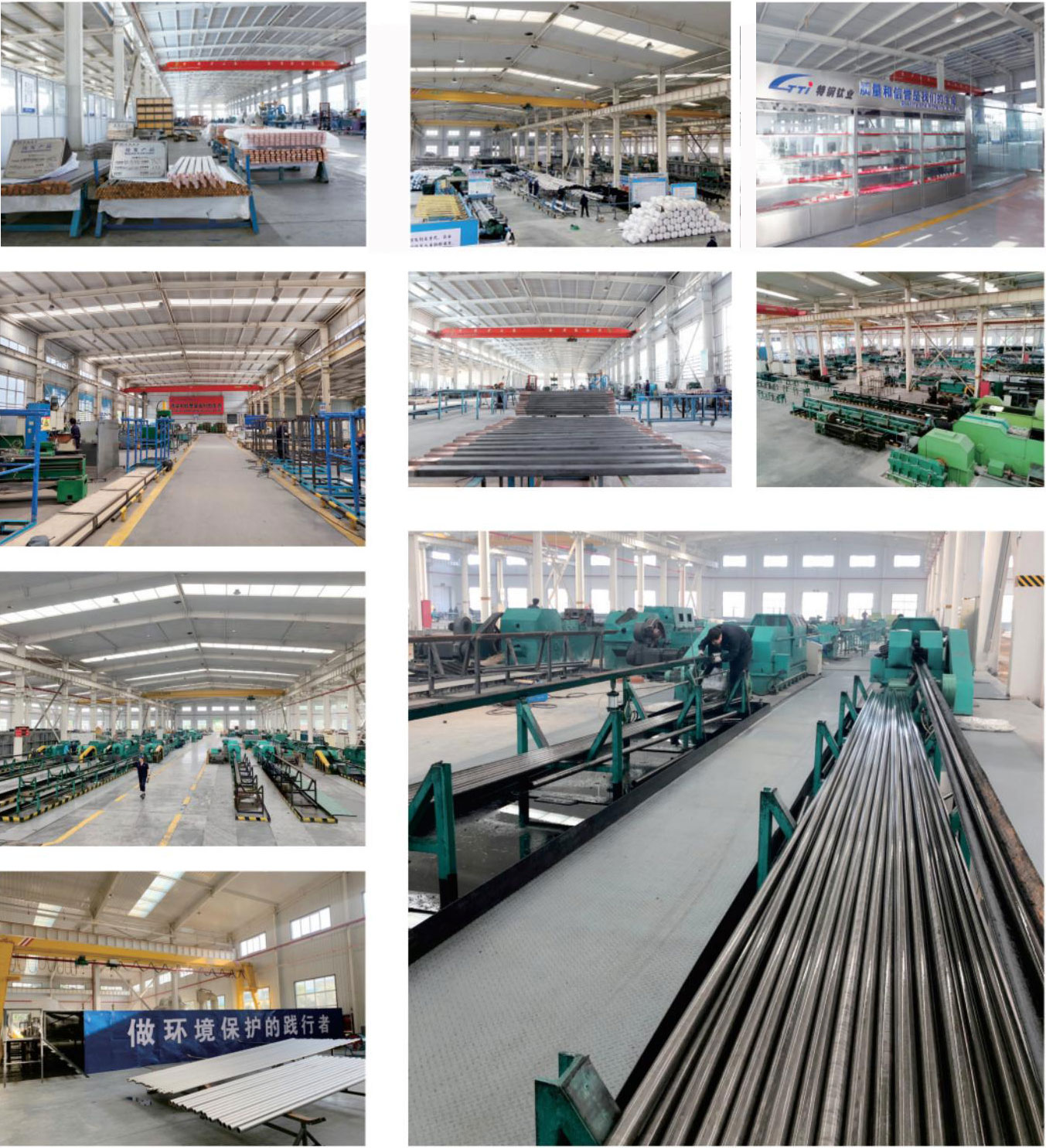
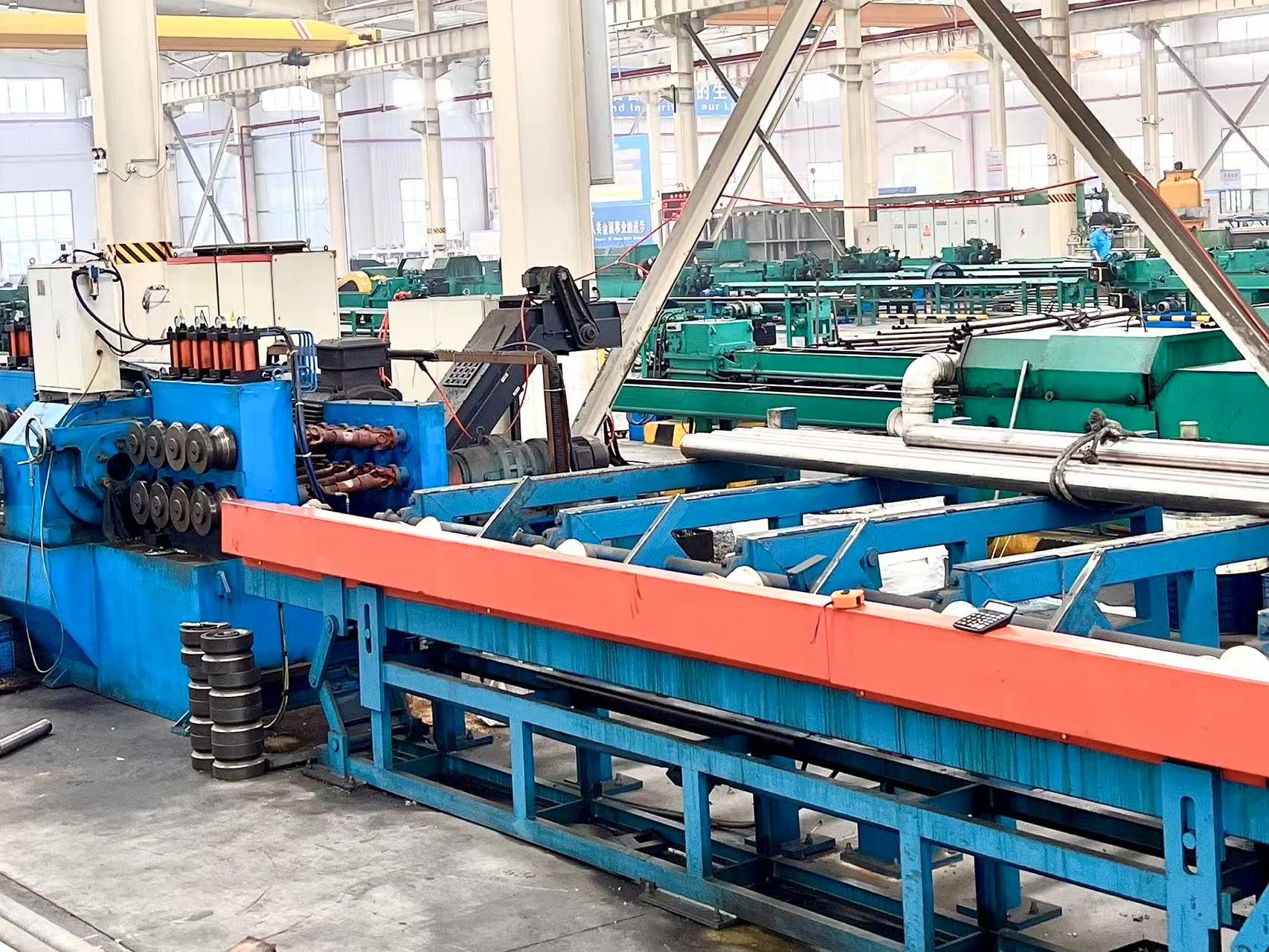
Since its establishment, the company has always adhered to the development strategy of continuous innovation and continued to expand the market with new technology and new products as the fulcrum. After more than 20 years of development and accumulation, the products have entered the markets of Germany, Japan, the United States, Norway, Finland, South Africa, Singapore, India and other countries and Taiwan regions, also have been highly praised. Stable product quality, integrity as the core of the business philosophy, by the world's customers trust.
"To build an excellent enterprise team, continuously improve the management and manufacturing methods, so that every customer can get the maximum benefit from each product" is the eternal pursuit of special steel titanium industry personnel.
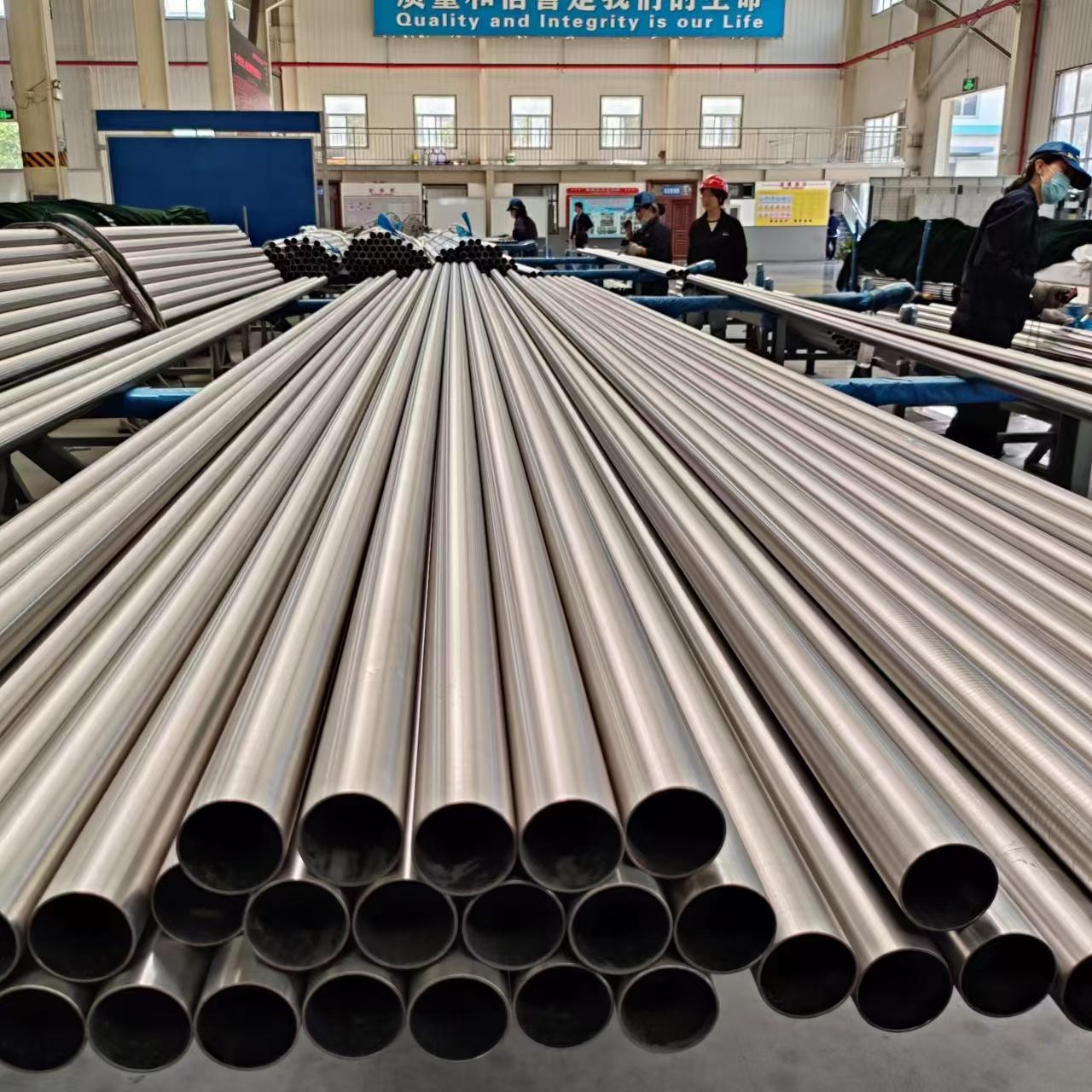
Equipped with state-of-the-art cold rolling mills, vacuum annealing furnaces, hydrostatic testing units, and non-destructive testing systems ensuring flawless titanium pipe production.
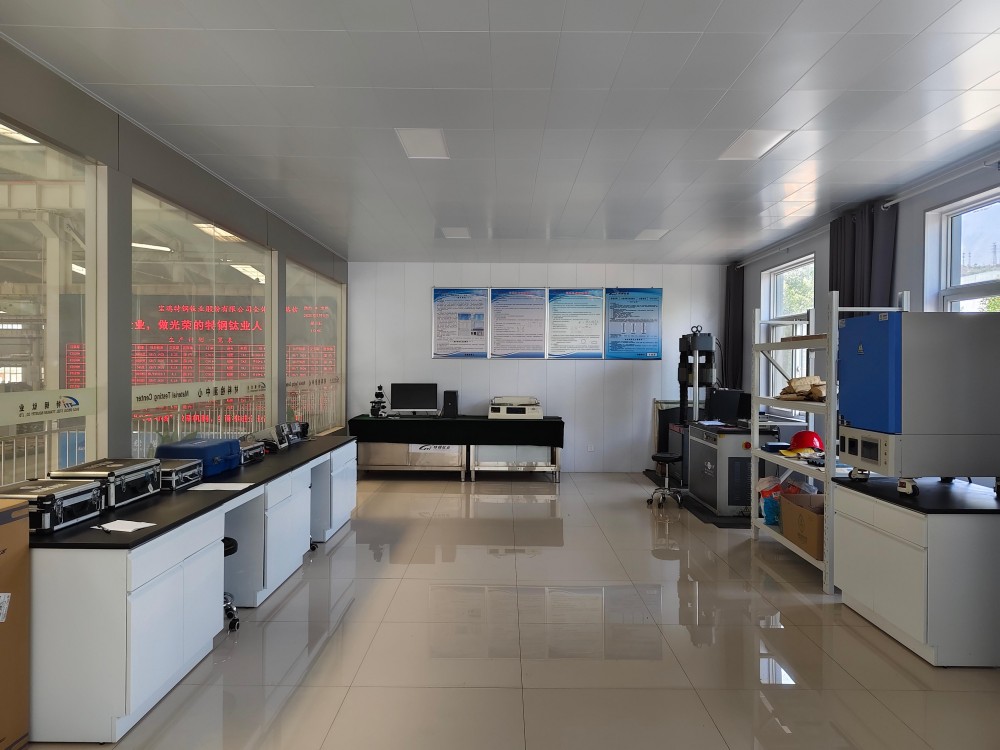
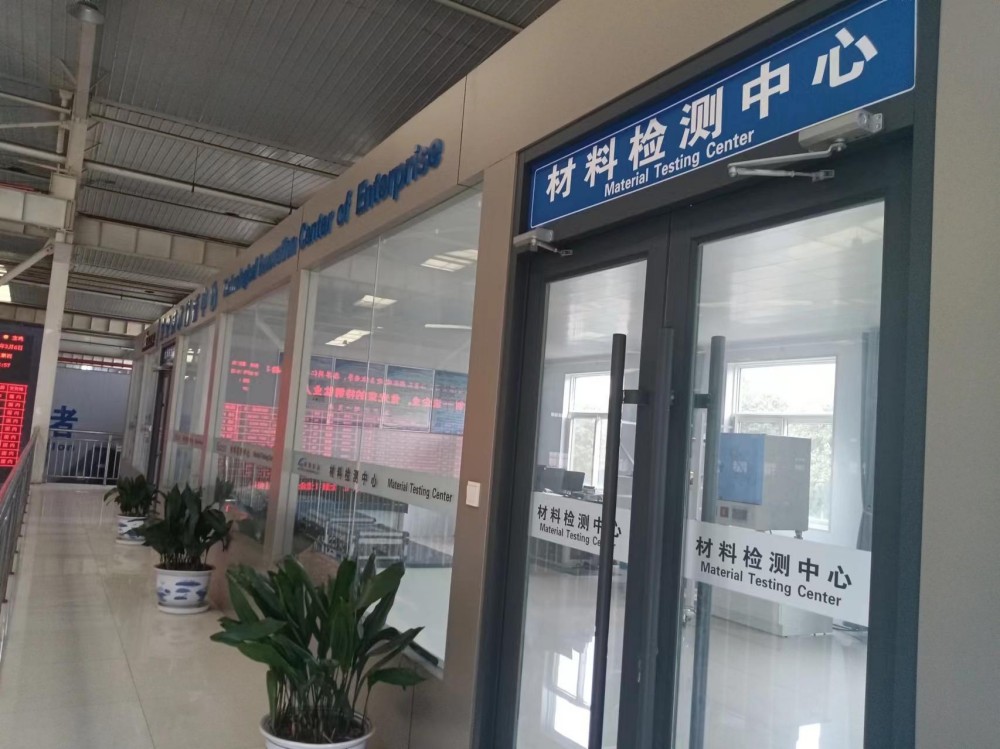
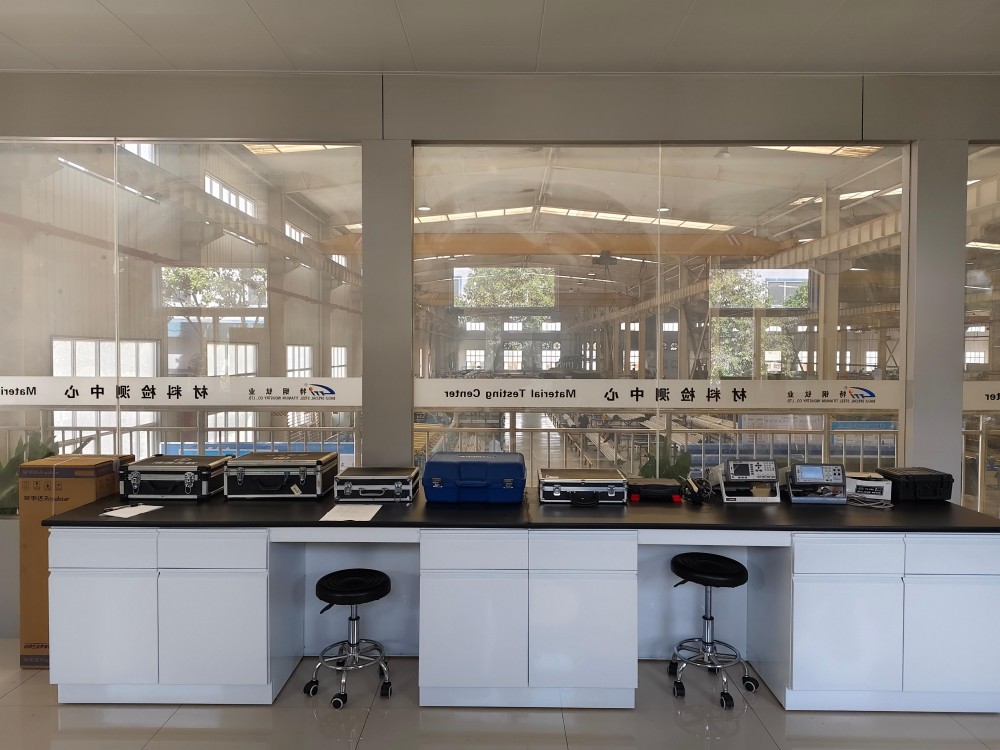
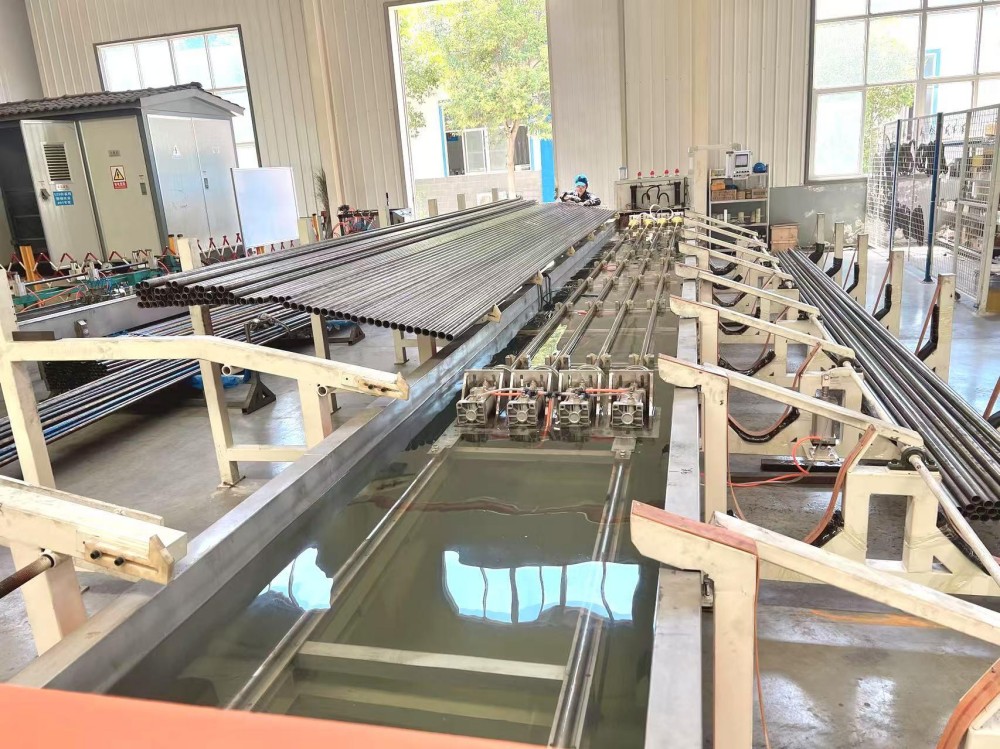
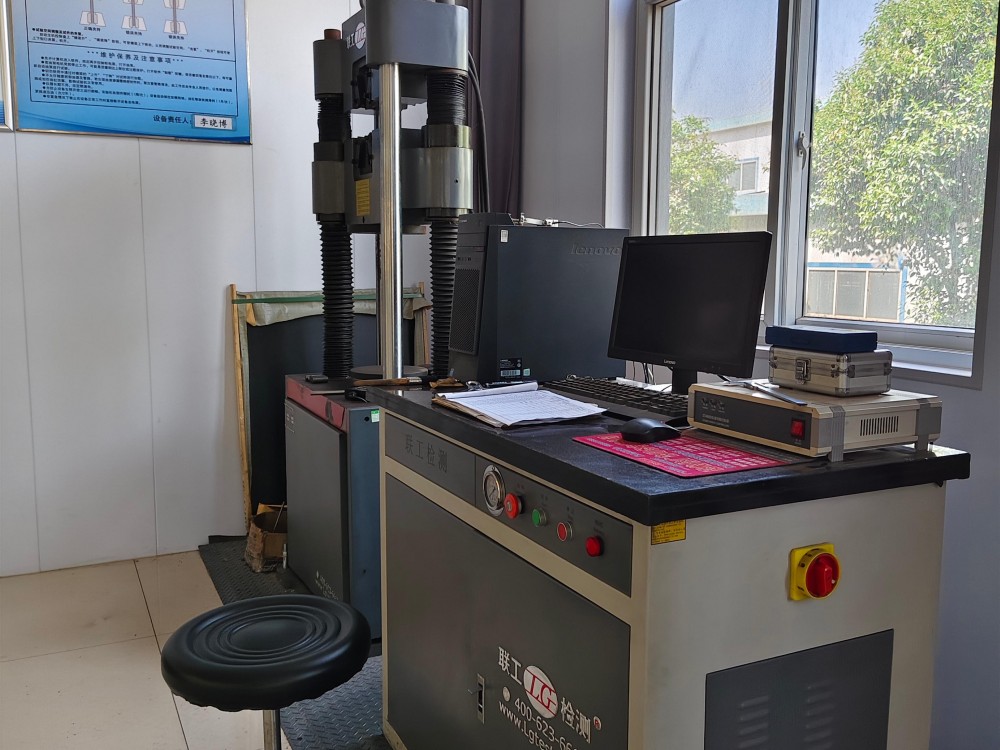
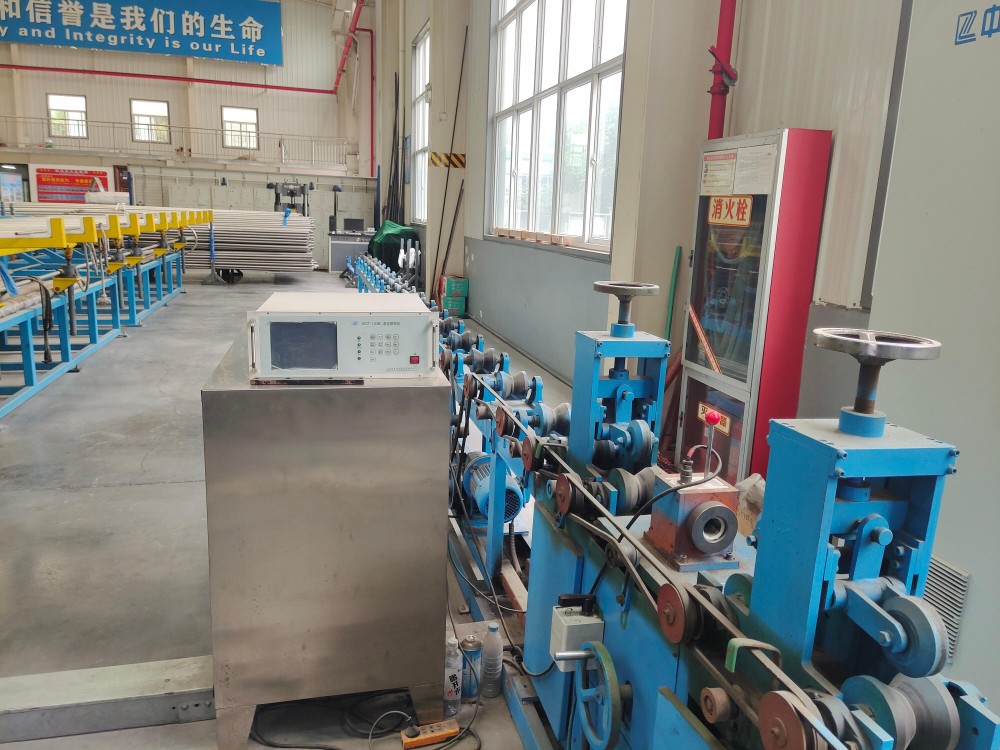
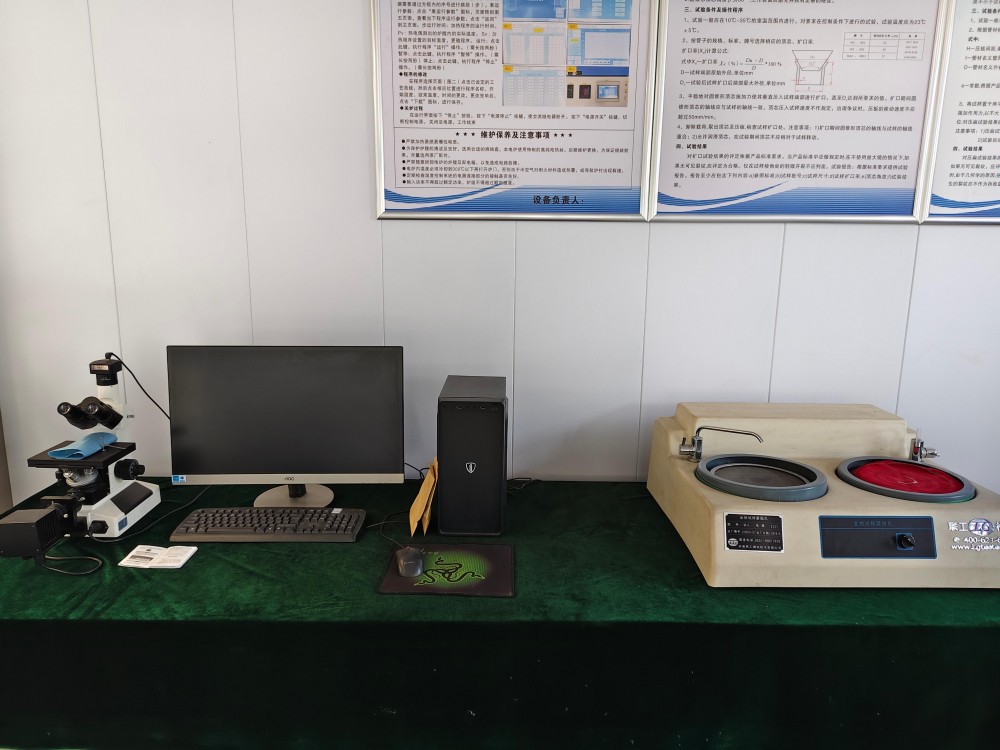
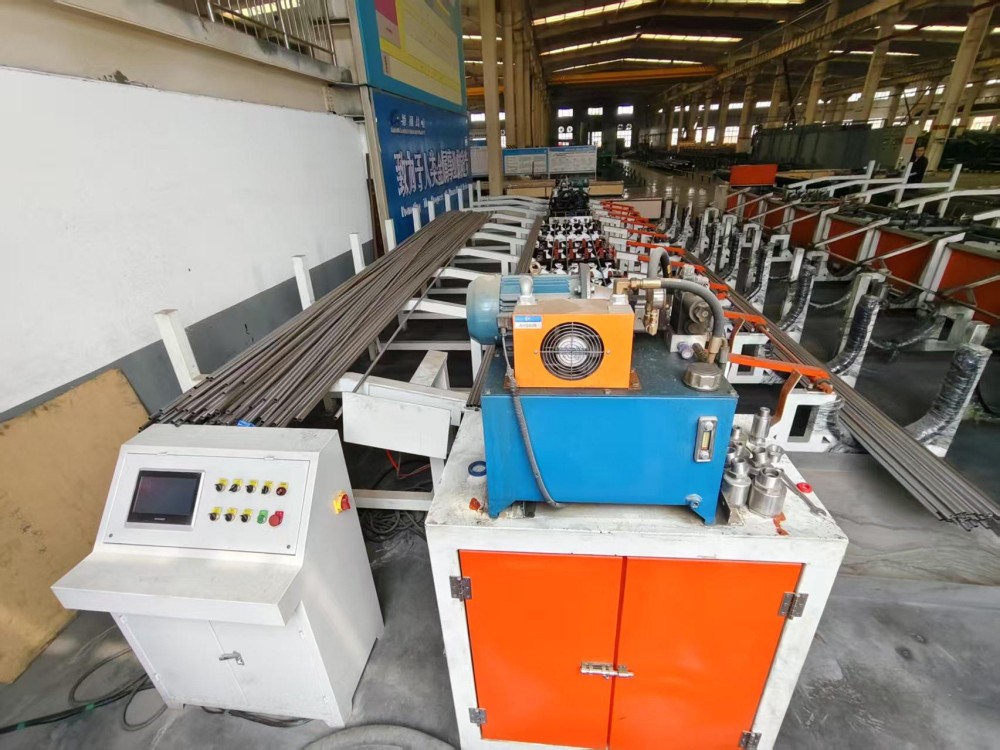
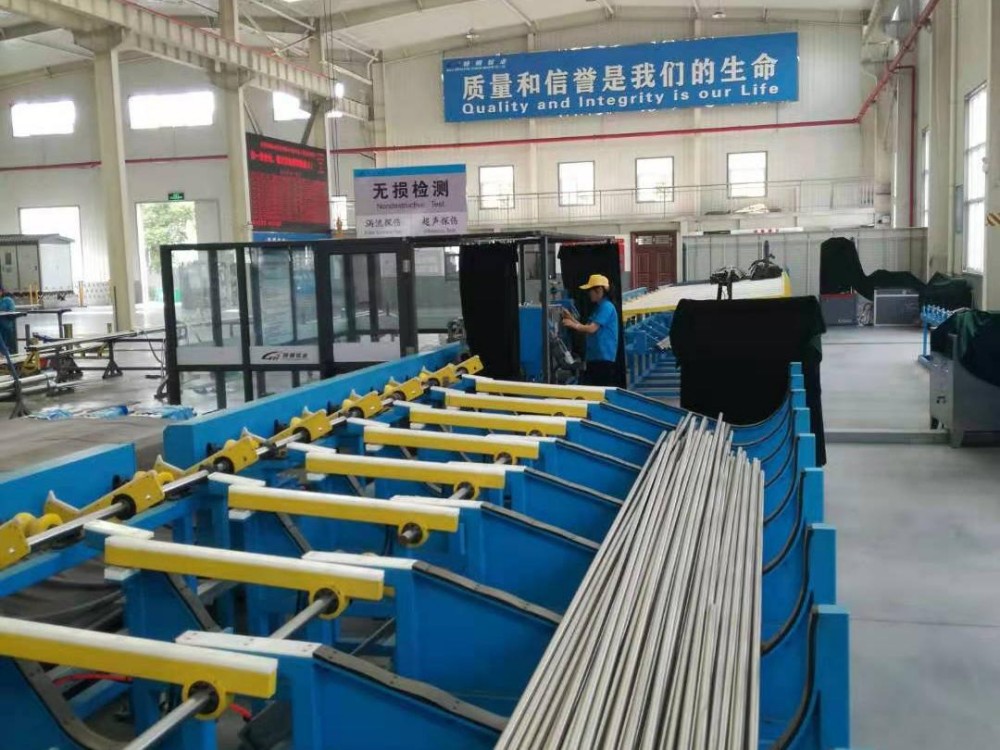
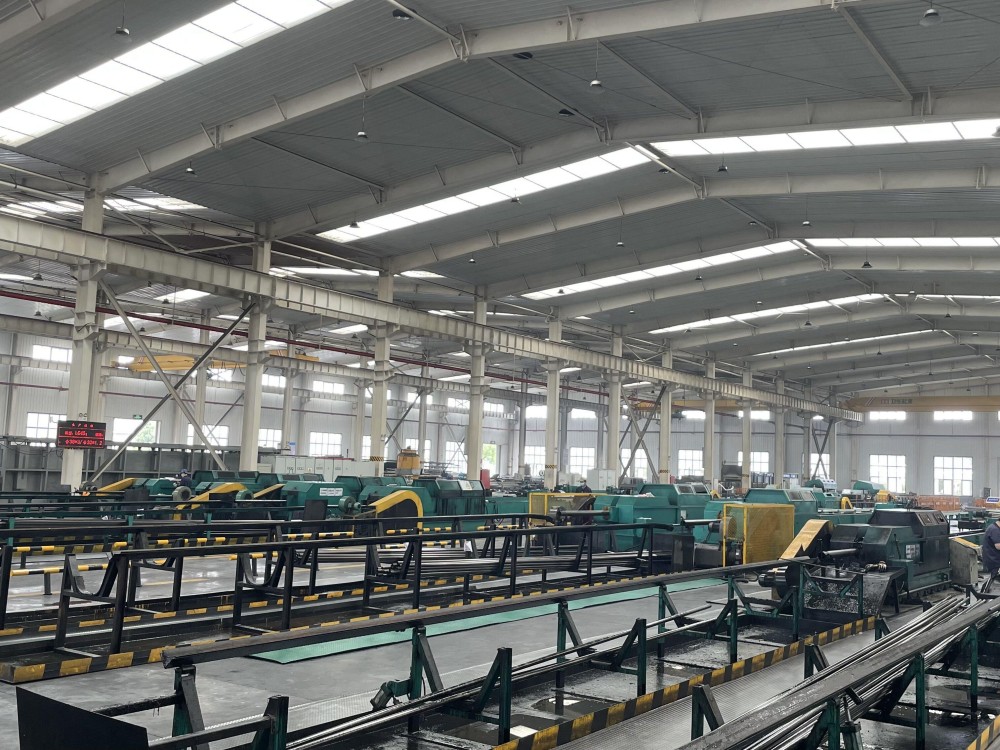
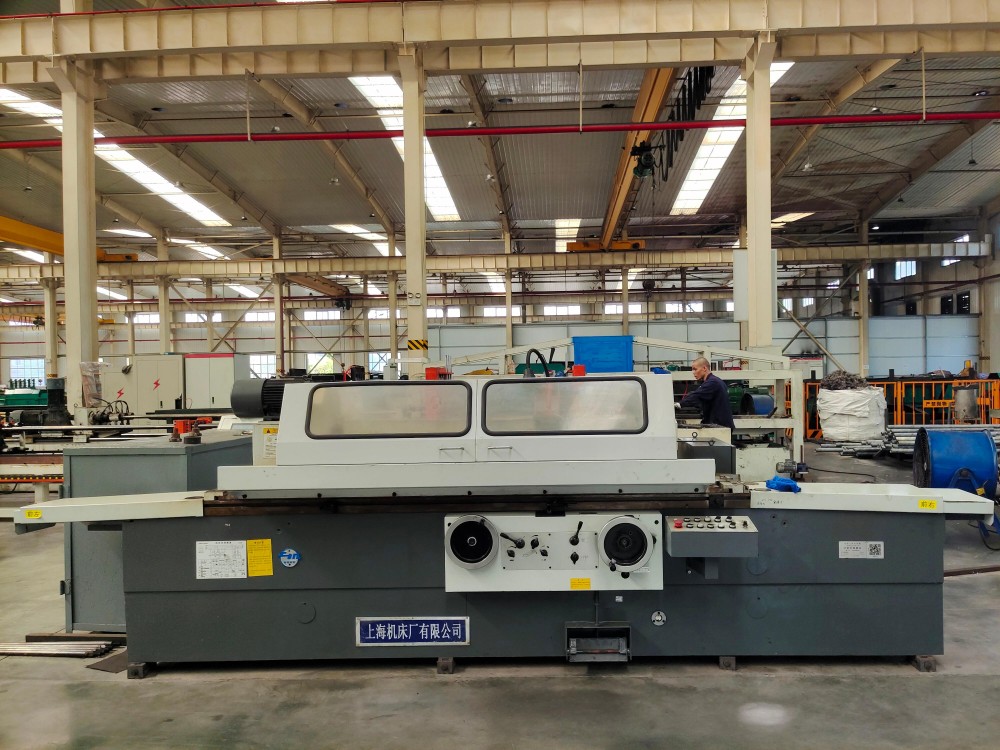
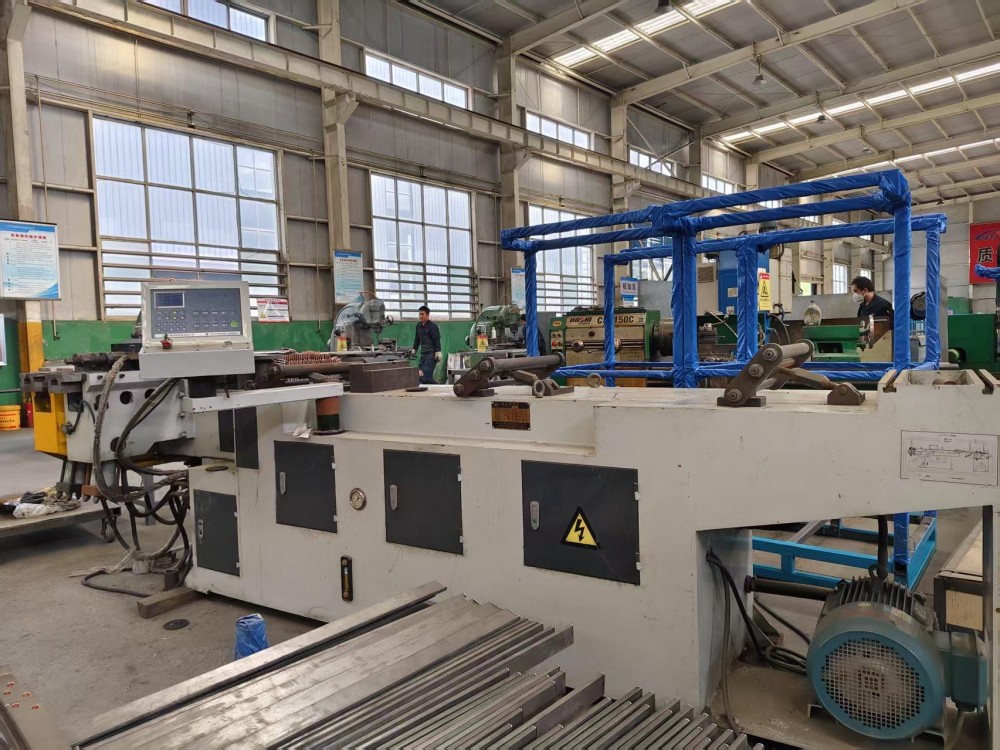
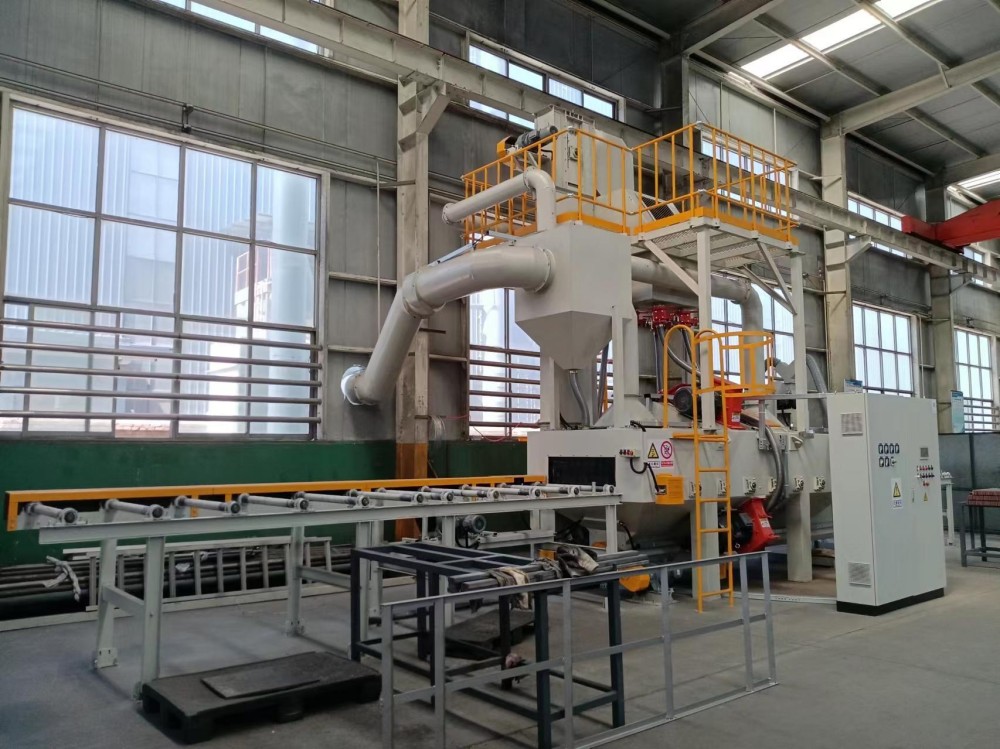
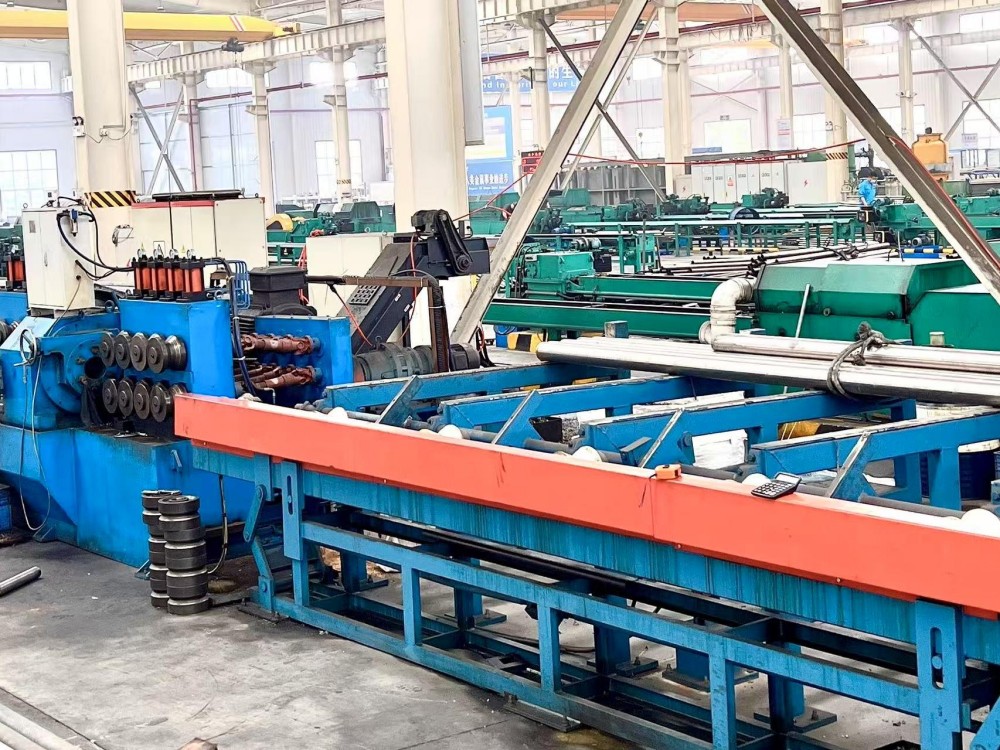
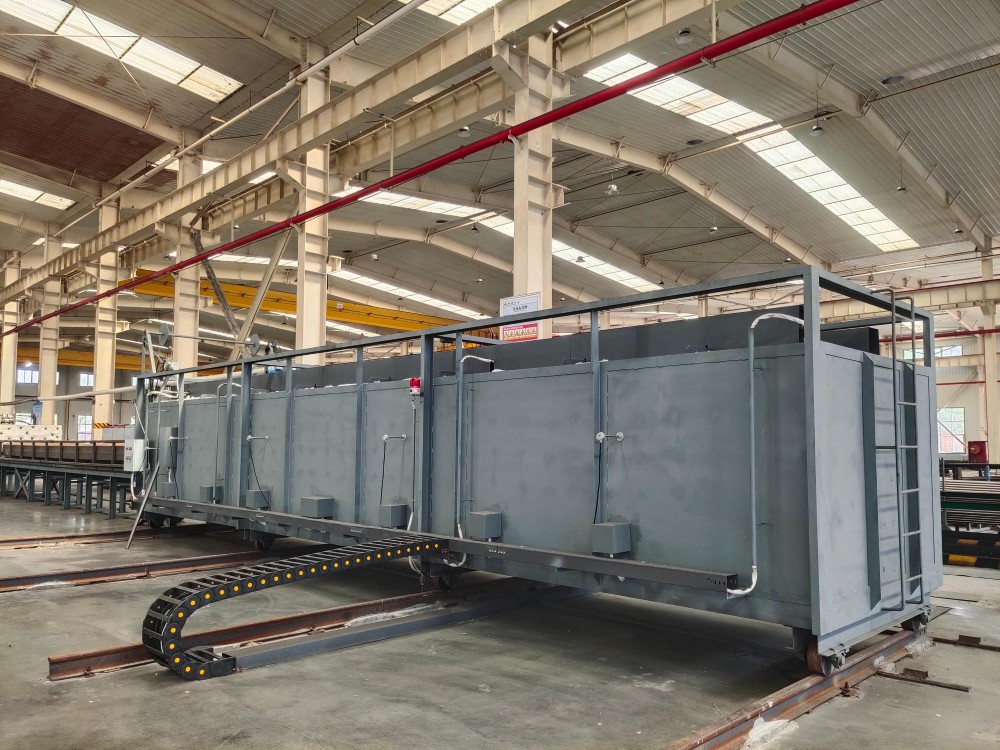
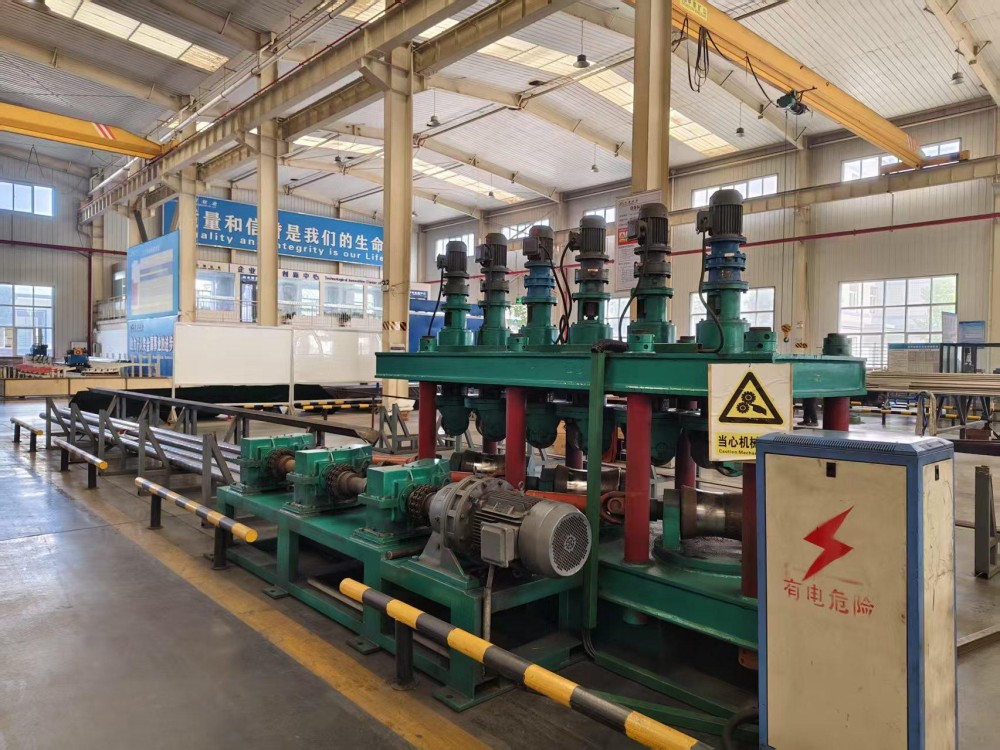
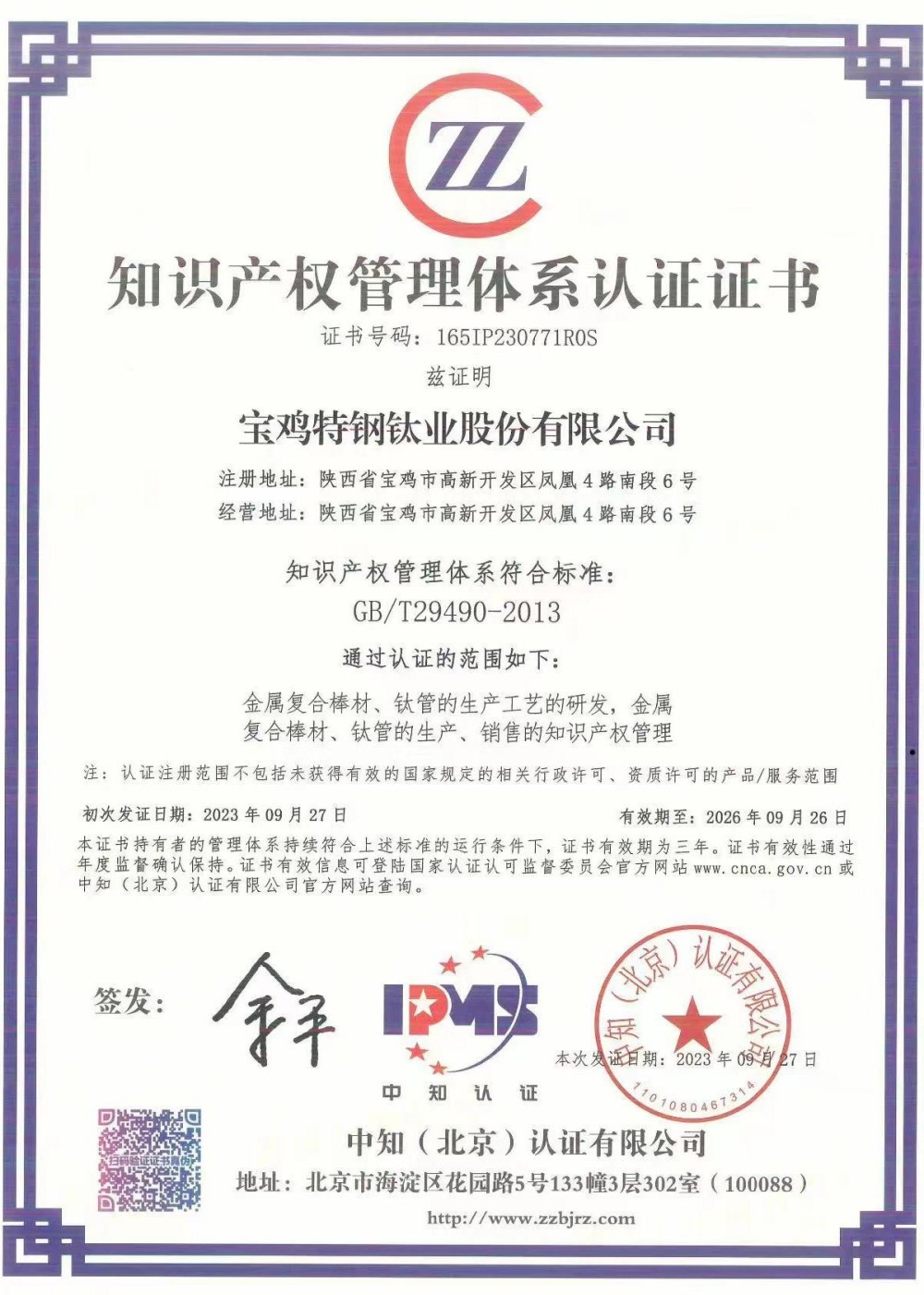
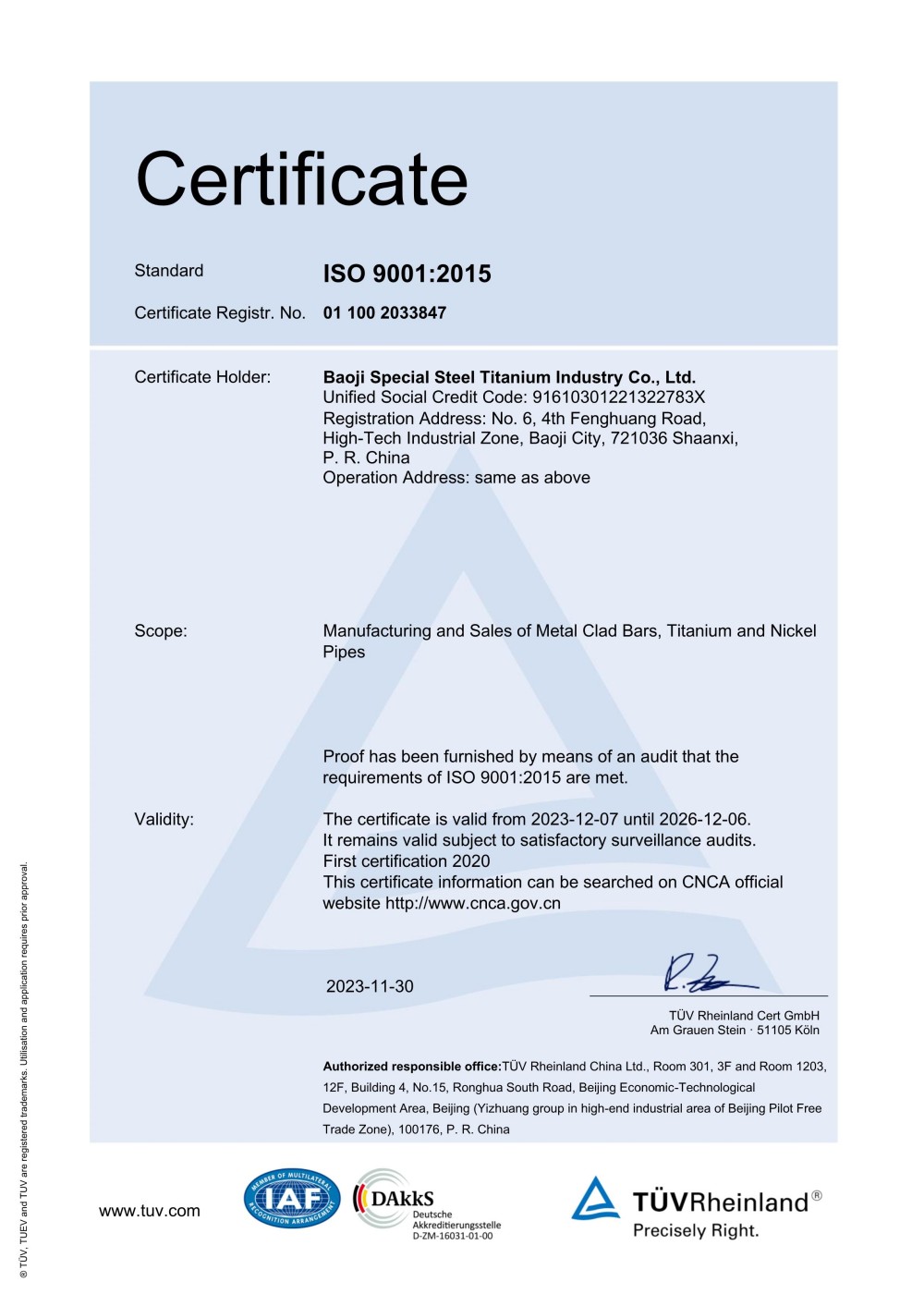
Certified according to ISO 9001, PED, and global quality management systems for high-integrity non-ferrous manufacturing.
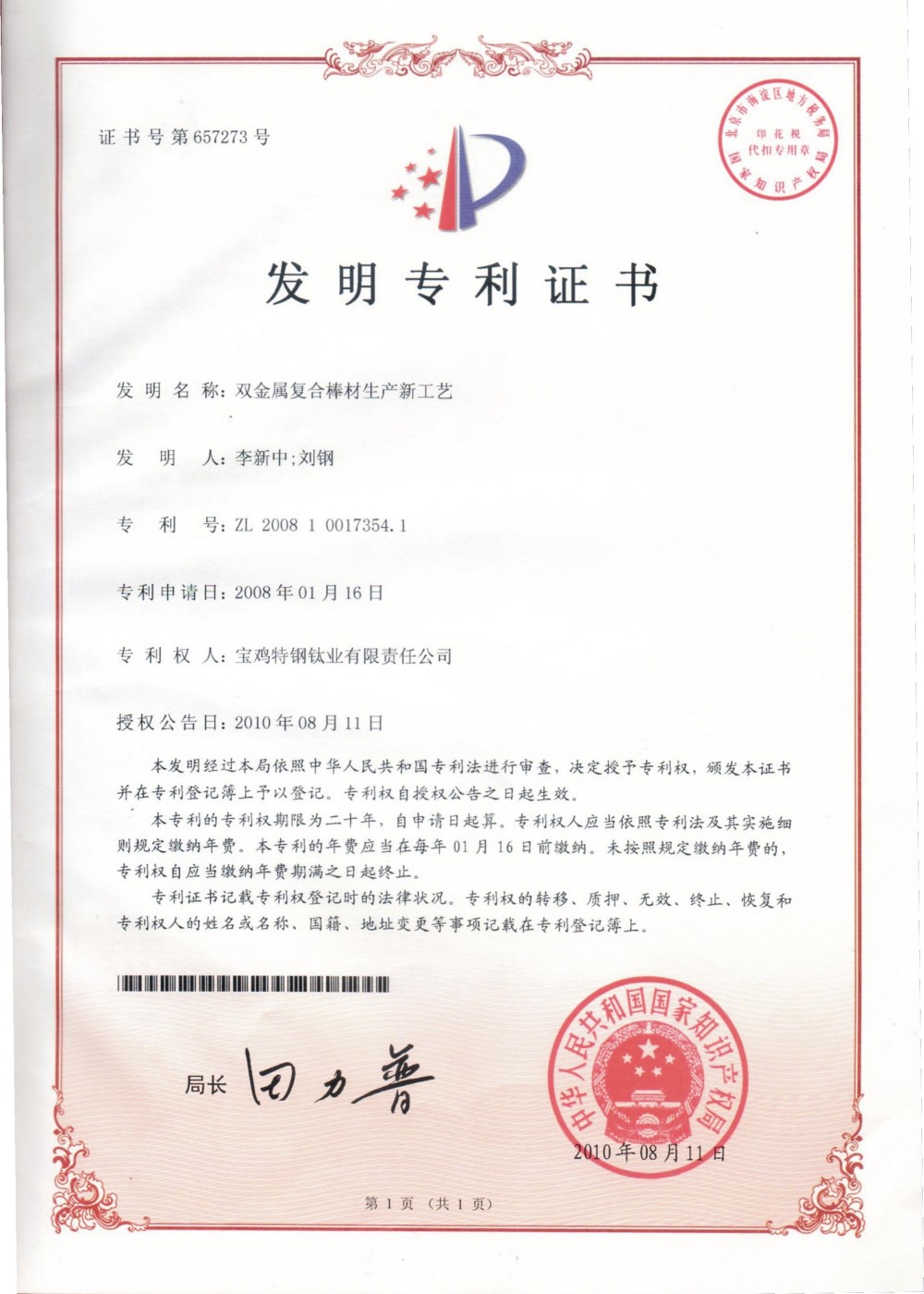
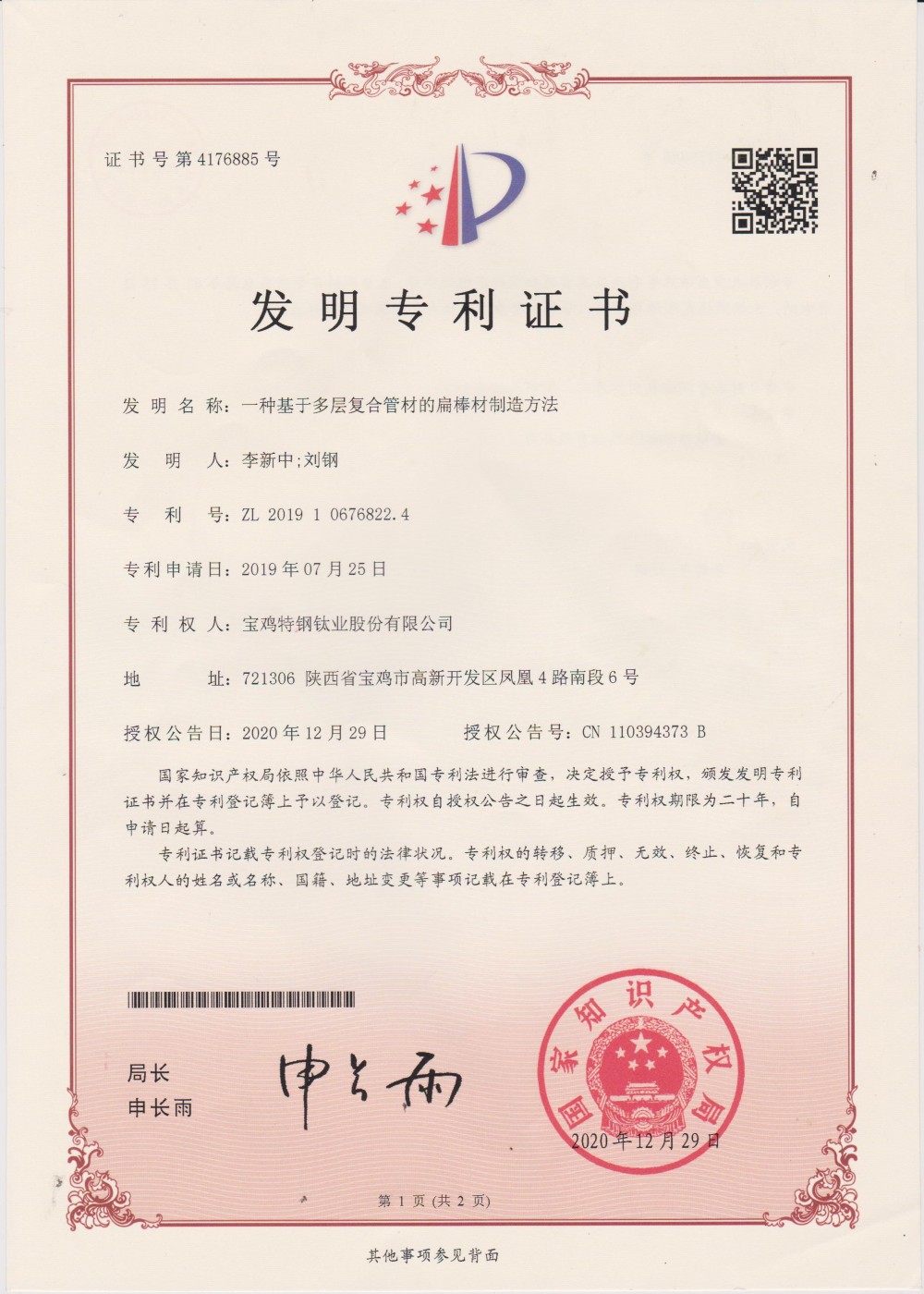
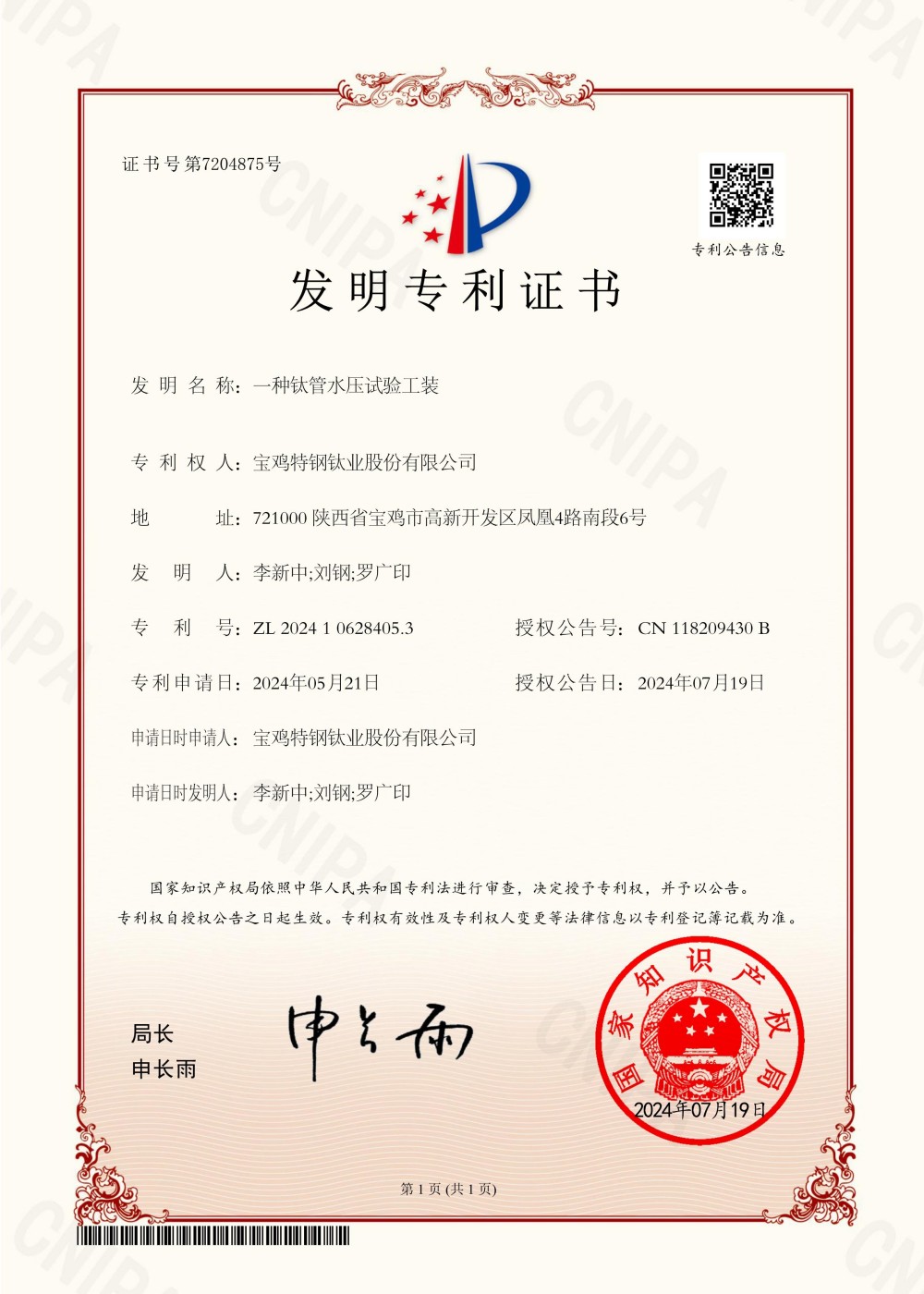
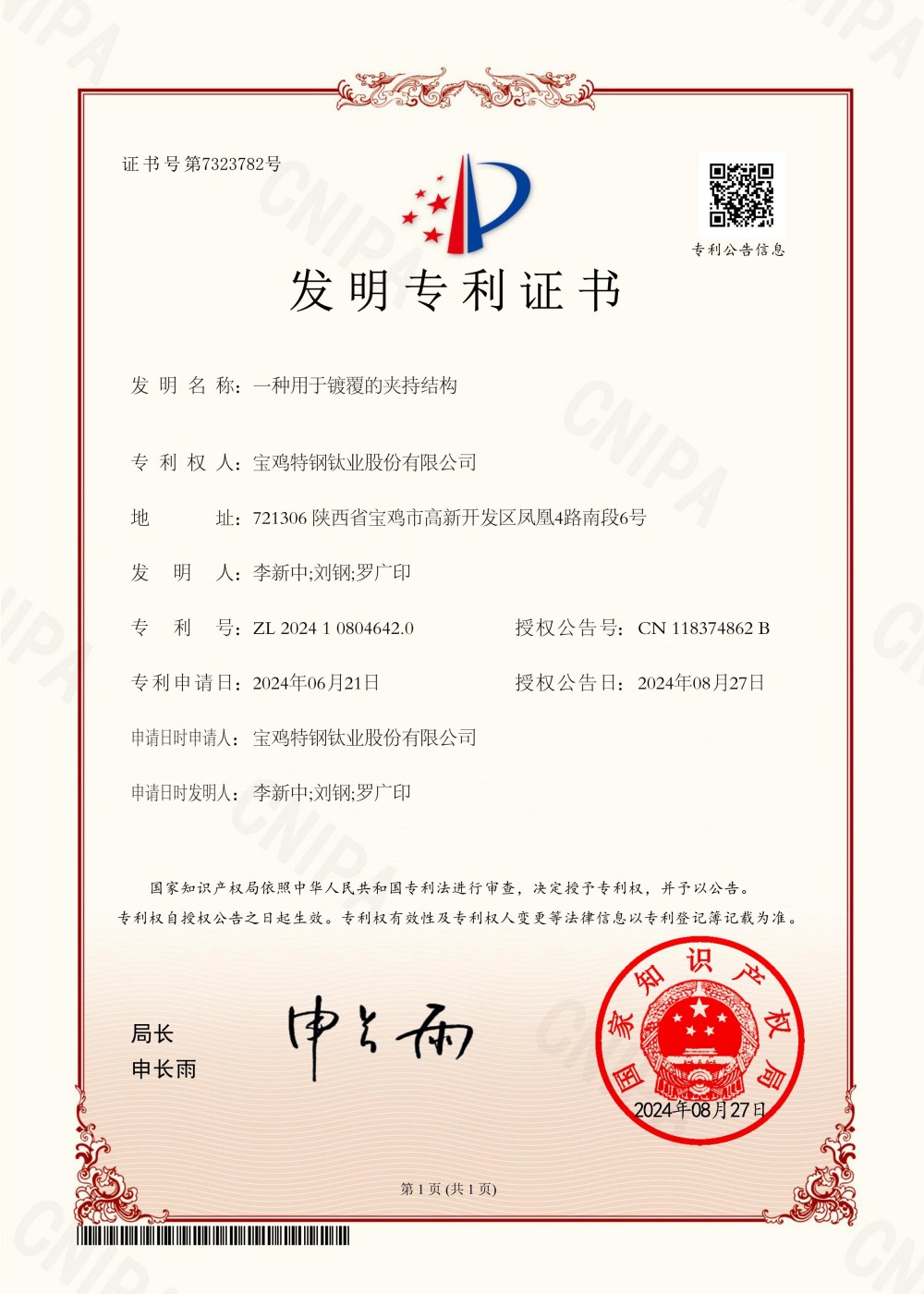
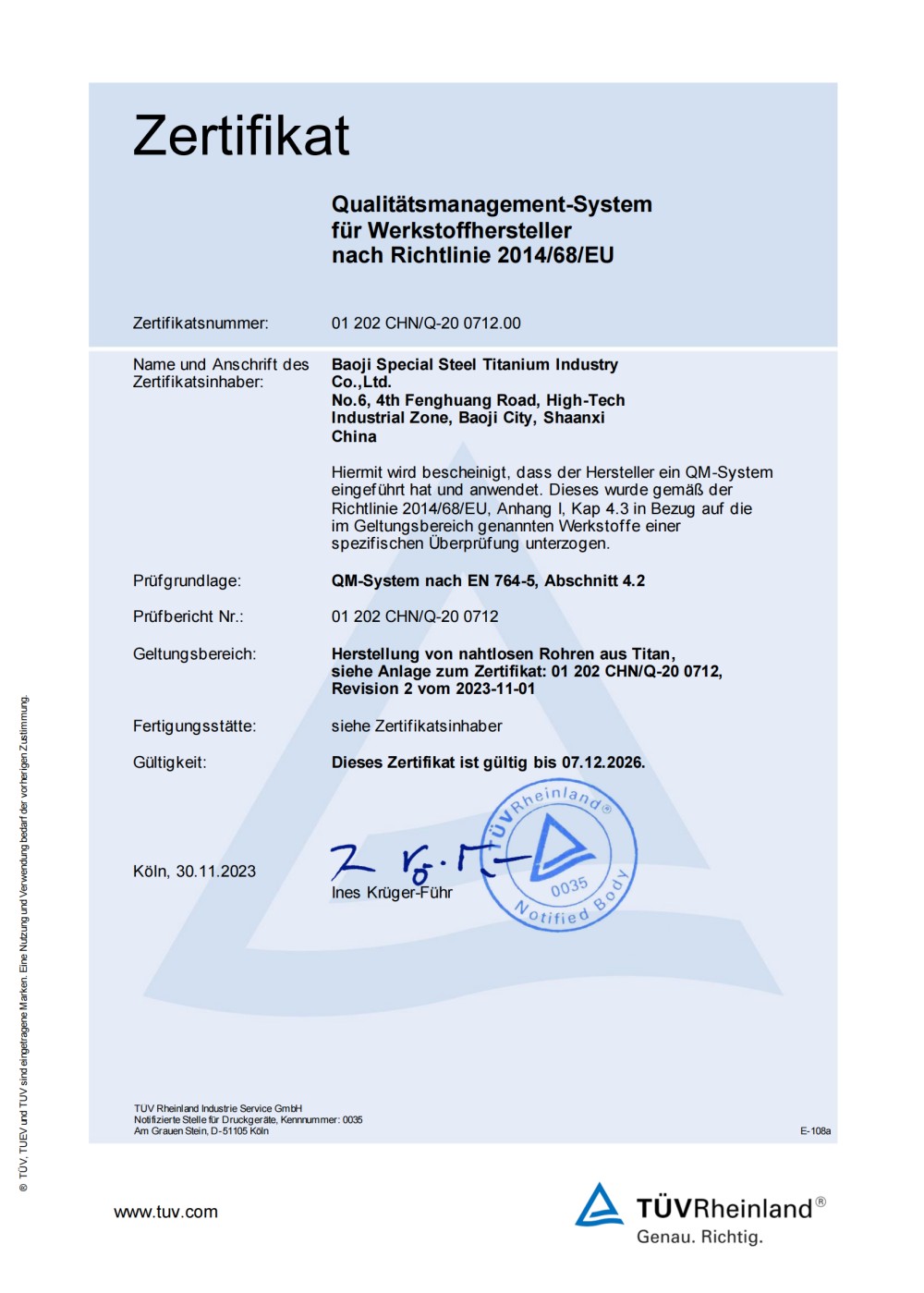
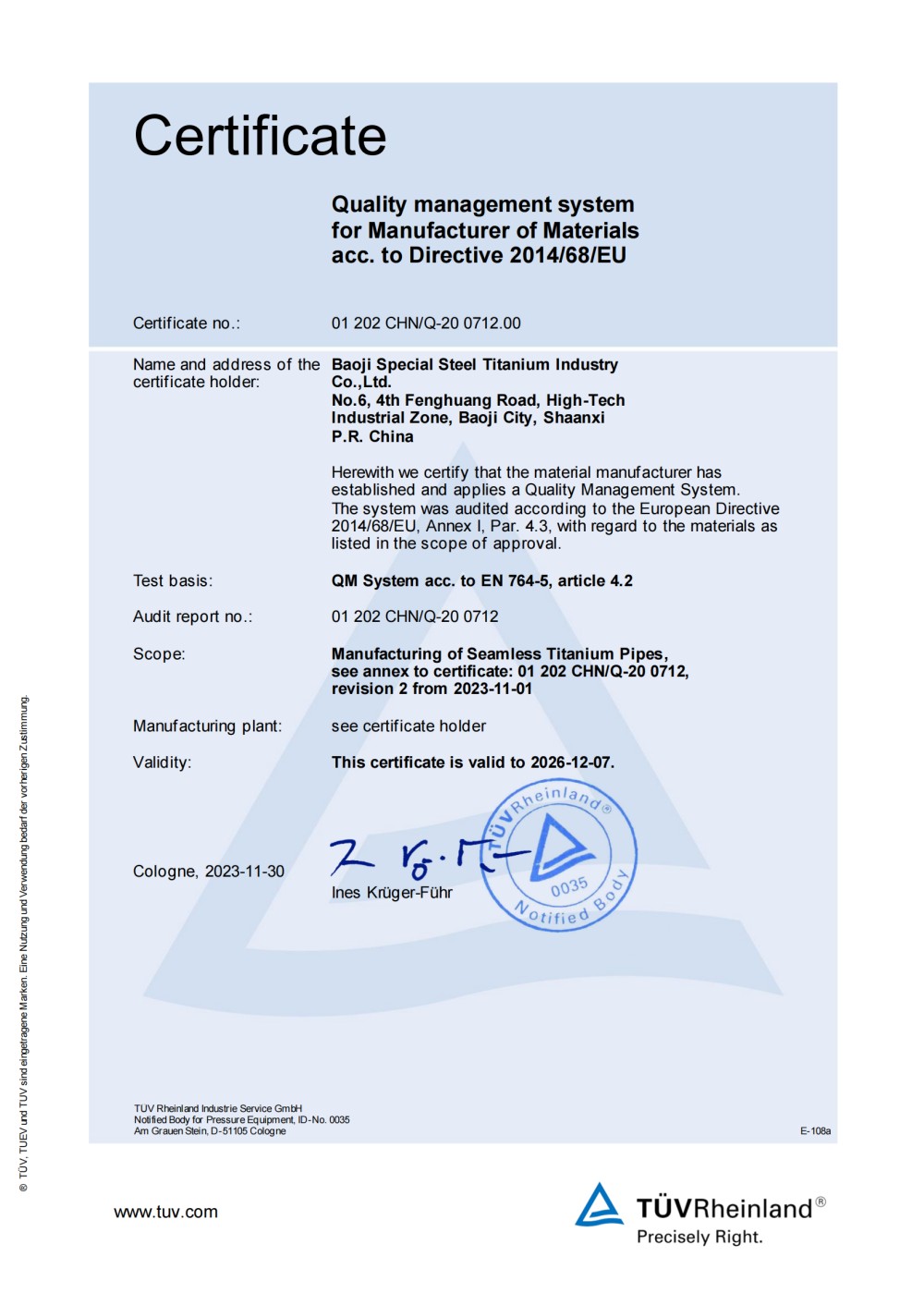
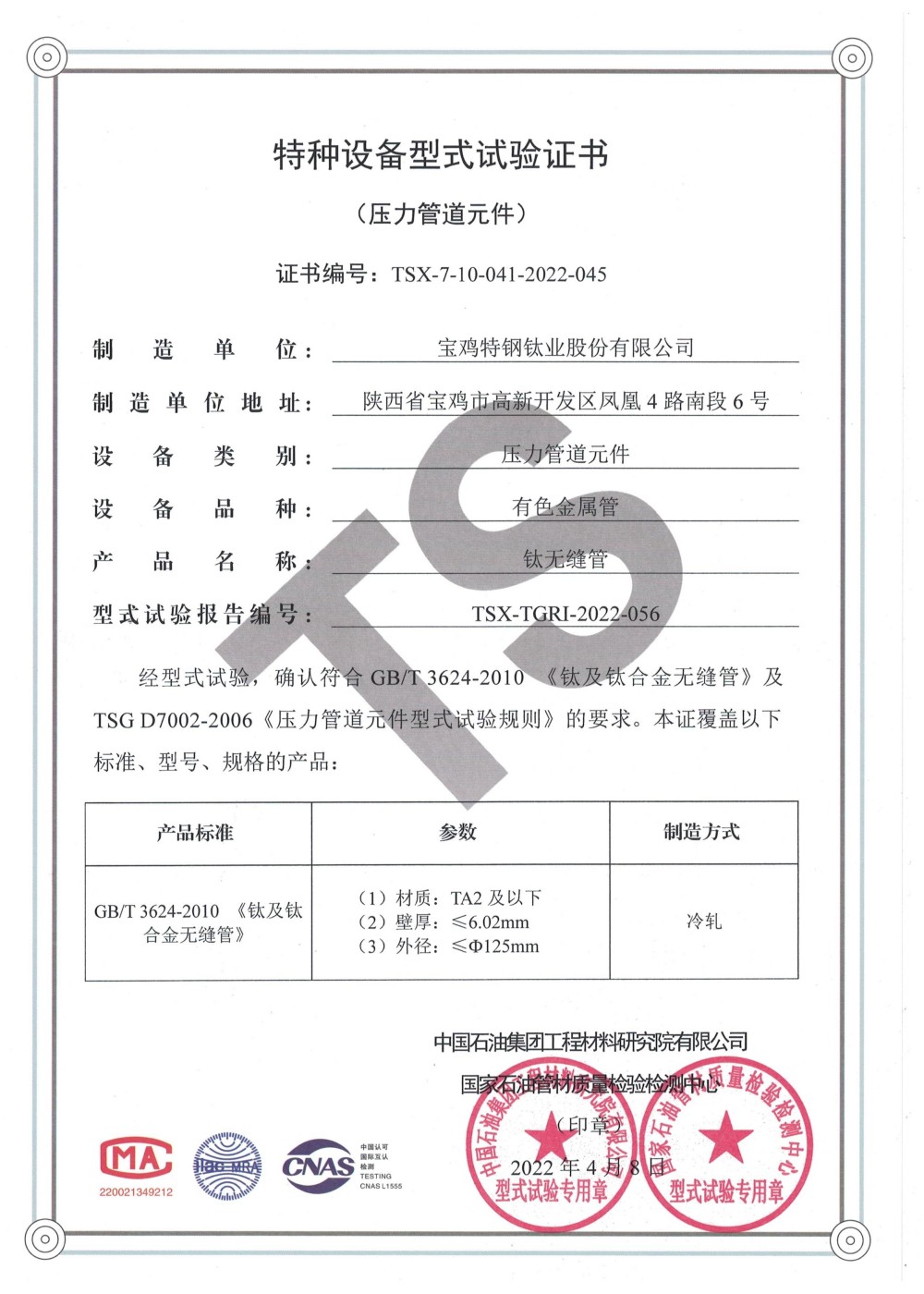
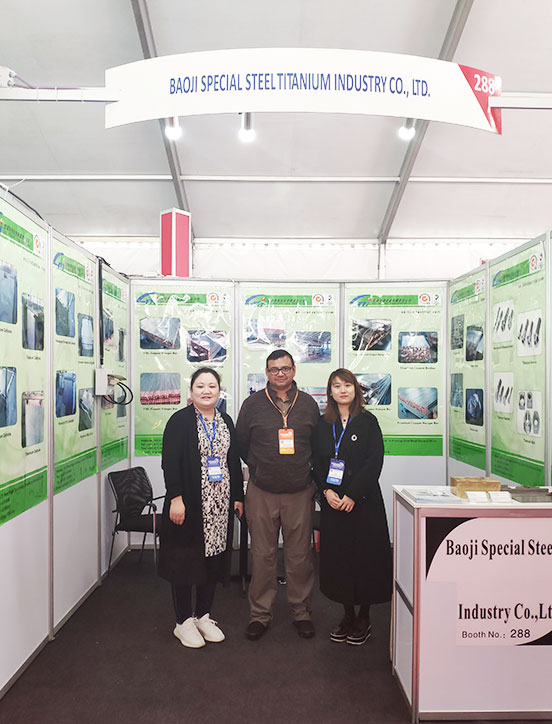
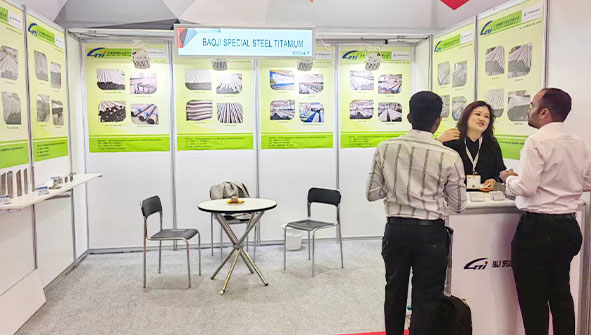
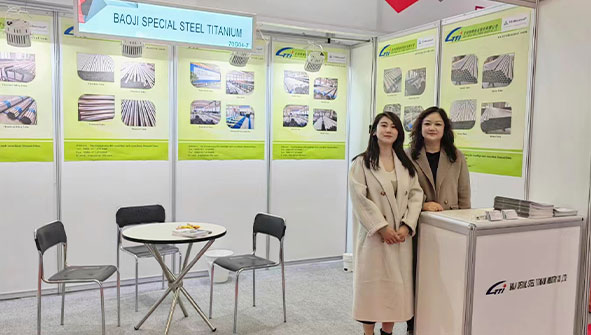
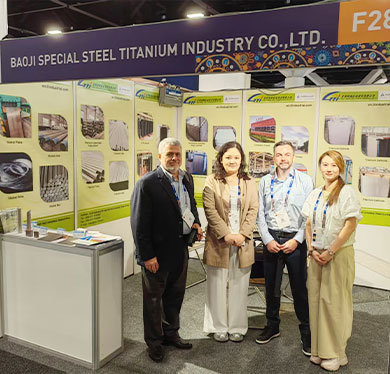
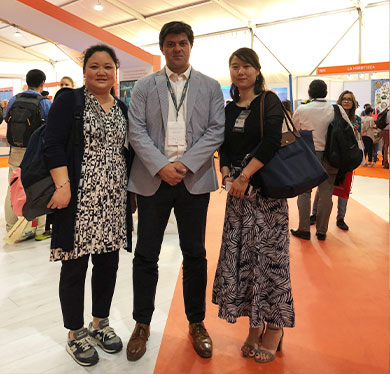
Showcasing cutting-edge titanium tube, cathode, and anode solutions across international metallurgy and electroplating trade fairs.
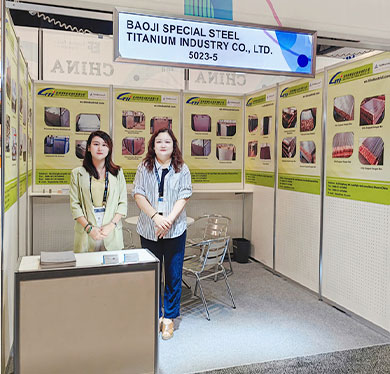
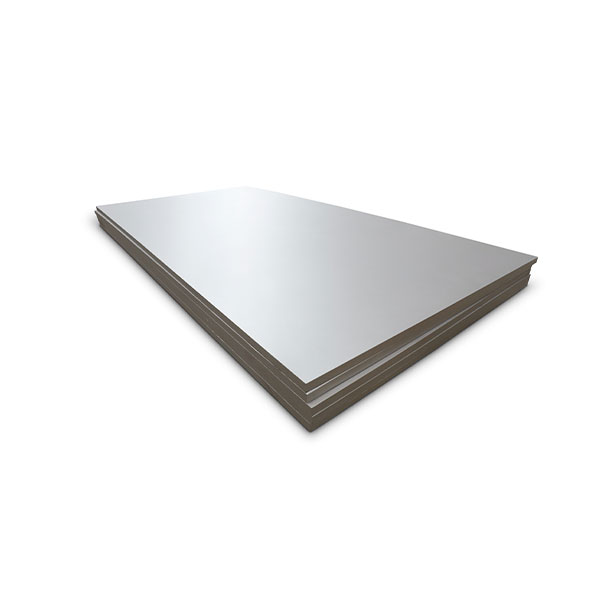
Complete line of titanium tubes, electrodes, nickel pipes, and alloy plates engineered for high-precision electroplating operations.