Leave Your Message
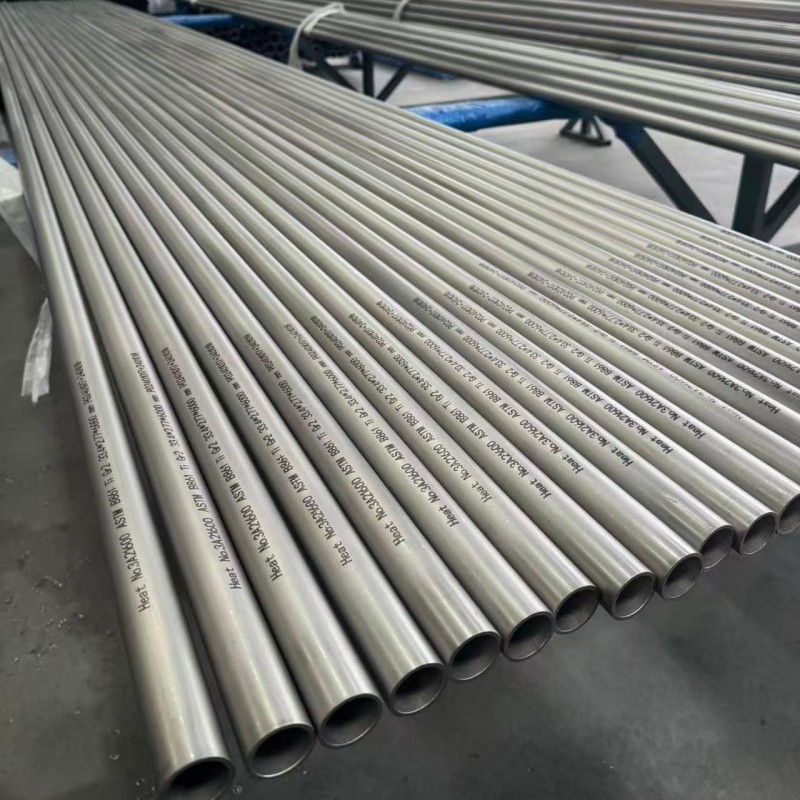
Precision manufactured tubes and electrodes certified for aggressive marine environments
In modern oceanic engineering, materials endure some of the planet’s most punishing mechanical and environmental regimes: hyperbaric hydrostatic pressure, pervasive chloride-ion attack, dynamic wave surges, and virulent microbiologically influenced corrosion (MIC). For decades, traditional marine systems relied on copper-nickel alloys (such as Cu-Ni 90/10 and 70/30), duplex stainless steels, and coated carbon steels. While initially economical, these conventional materials require constant inspection, cathodic maintenance, and periodic replacement due to pitting, crevice corrosion, and erosion under high flow velocities.
Today, a strategic metallurgical transition is sweeping the marine engineering sector. Commercial shipbuilders, offshore oil and gas operators, and naval architecture firms are standardizing on seamless and welded titanium pipe for marine engineering applications. According to recent oceanic materials market studies, titanium alloy usage in offshore energy, deep-sea submersibles, and large-scale seawater desalination is expanding at a Compound Annual Growth Rate (CAGR) exceeding 8.2%. The reduction of lifecycle operating expenditure (OPEX) coupled with titanium's indefinite service life in natural seawater makes it the premier structural and conduit material for long-term oceanic infrastructure.
Titanium spontaneously generates an impervious, thermodynamically stable titanium dioxide (TiO₂) passivation layer that instantaneously heals upon abrasion, eliminating localized pitting.
Offering a density roughly 45% lighter than steel with equal or greater tensile yield strength, titanium significantly mitigates topside load and riser string tension on floating platforms.
While copper-nickel alloys deteriorate at fluid velocities above 3-4 m/s, titanium pipes comfortably withstand seawater velocities exceeding 20 m/s without protective film breakdown.
The operational scope of titanium tubing in marine operations spans from shallow coastal water treatment plants down to ultra-deep benthic exploratory vessels operating beyond 6,000 meters below sea level.
As offshore exploration pushes past the continental shelf into ultra-deepwater plays (such as the Gulf of Mexico, the North Sea, and the South China Sea), traditional steel drill strings and production risers face catastrophic weight limits. Heavy riser assemblies introduce massive hook-load demands on Floating Production Storage and Offloading (FPSO) units. Grade 29 and Grade 5 titanium pipes serve as stress joints, catenary risers, and downhole production tubing. Titanium absorbs extreme flexural stress and cyclically dampens marine vortex-induced vibrations (VIV) without fatigue failure, all while offering total resistance to hot sour crude oil containing high concentrations of H₂S and CO₂.
Seawater Reverse Osmosis (SWRO) facilities and marine shipboard cooling circuits operate under continuous hydrodynamic exposure to saline electrolytes. ASTM B338 Grade 2 titanium tubes form the critical core of shell-and-tube heat exchangers, surface condensers, and high-pressure brine headers. Because titanium does not degrade via biofouling-induced pitting, tube wall thicknesses can be safely engineered down to 0.5 mm – 0.7 mm, markedly enhancing thermal heat transfer efficiency without risking wall breach.
Deep-sea operational submersibles and underwater autonomous vehicles (AUVs) utilize Grade 5 (Ti-6Al-4V) and Grade 9 (Ti-3Al-2.5V) seamless titanium pipes for hydraulic control lines, pressure-hull penetrators, and sensor conduits. Non-magnetic characteristics guarantee zero interference with marine acoustic sonar equipment and onboard navigational instruments.
| ASTM Grade | Material Composition | Yield Strength (MPa) | Primary Marine Applications |
|---|---|---|---|
| ASTM B338 Grade 2 | Commercially Pure (CP) Titanium | ≥ 275 | Seawater cooling loops, ballast piping, desalination heat exchangers |
| ASTM B861 Grade 5 | Ti-6Al-4V (Alpha-Beta Alloy) | ≥ 828 | Deep-sea pressure casings, subsea structural framing, high-pressure conduits |
| ASTM B338 Grade 9 | Ti-3Al-2.5V (Near-Alpha) | ≥ 483 | Subsea hydraulic lines, offshore riser systems, high-pressure coiled tubing |
| ASTM B861 Grade 12 | Ti-0.3Mo-0.8Ni | ≥ 345 | High-temperature brine lines, marine chemical injection systems |
The manufacturing landscape for marine titanium pipe is undergoing a paradigm shift driven by metallurgical automation and smart processing:
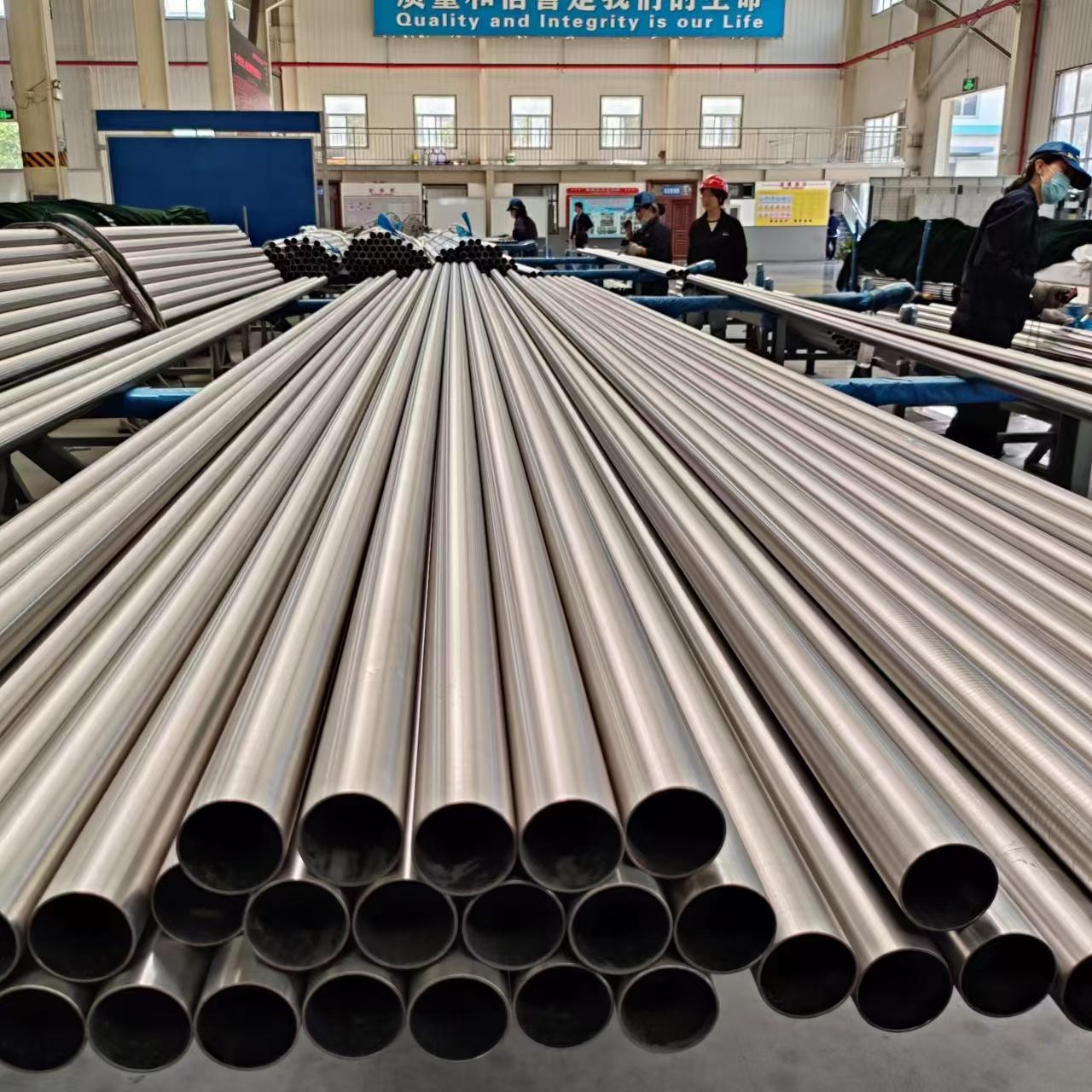
1. Automated Cold Pilgering of Ultra-Long Tubes: Modern subsea installations demand extensive pipe lengths to minimize circumferential field welding. The expansion of high-ratio cold pilgering and vacuum annealing enables continuous seamless titanium pipe runs exceeding 25 meters with precise dimensional tolerances.
2. Explosive & Roll Bonding in Bimetallic Composites: To optimize capital expenditure, bimetallic composite piping (such as carbon steel pipes clad internally with a thin metallurgical layer of Grade 1 or Grade 2 titanium) has emerged as an attractive hybrid solution for large-diameter seawater fire mains and industrial ballast lines.
3. Advanced Orbital TIG & Laser-Hybrid Welding: Automated field welding in inert gas chambers ensures titanium welds maintain zero oxygen contamination, delivering joint efficiencies equivalent to the parent pipe material.


Baoji Special Steel Titanium Industry Co., LTD. is a joint-stock industrial enterprise specializing in the research, development, manufacturing and sales of titanium, nickel, zirconium and other metal pipes and metal composite materials. The company was founded in 1997, located in Shaanxi Baoji National High-tech Industrial development Zone, the factory covers an area of 41,000 square meters.
FIND OUT MORE

High-integrity non-ferrous piping engineered for extreme chemical and maritime environments

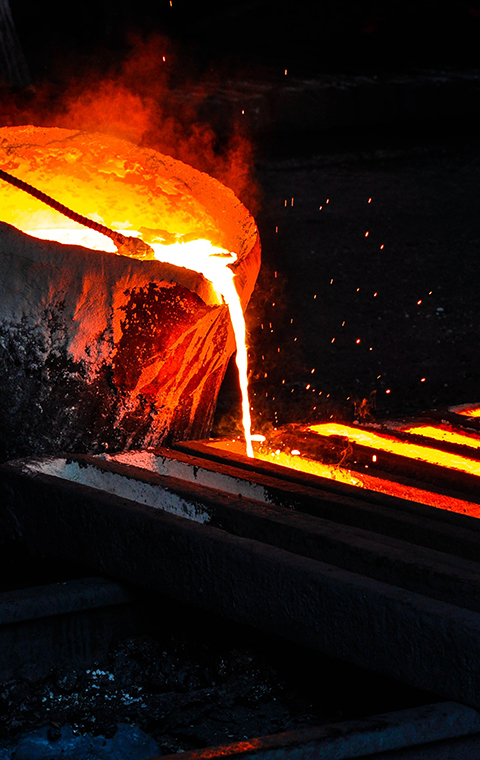
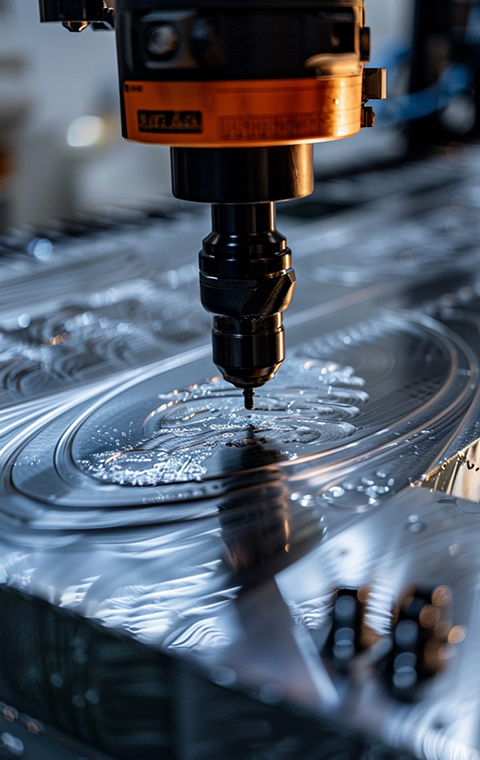

Stable product quality, integrity as the core of the business philosophy, trusted by global leaders
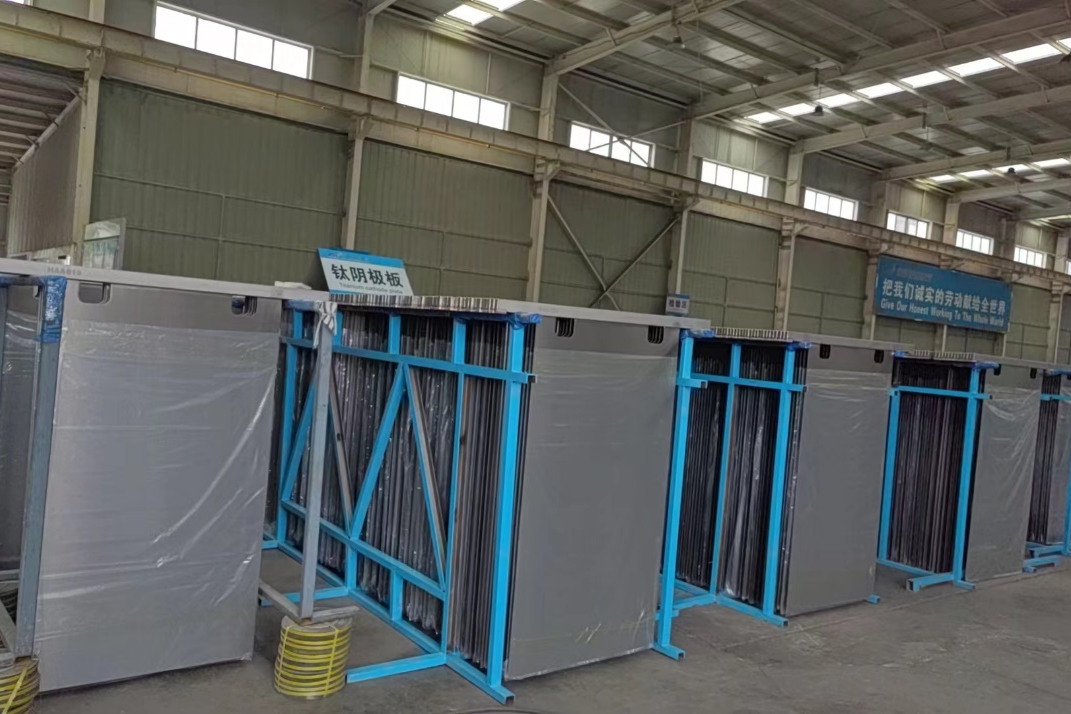
IATF 16949, CE, FMEA, PPAP, APQP, SPC and MSA 100% Quality Inspected.
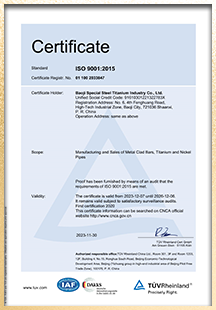
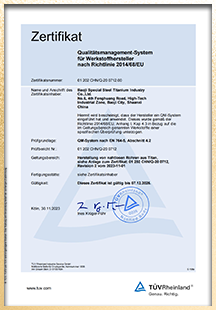
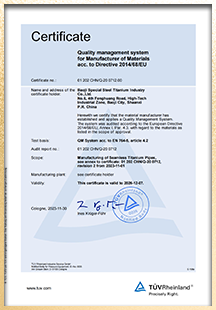
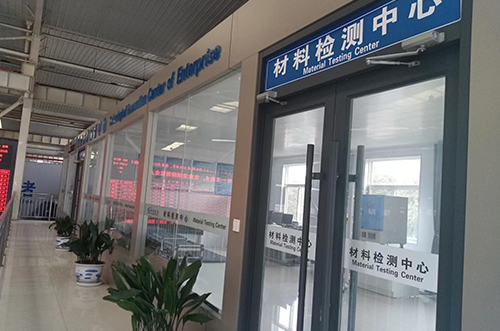
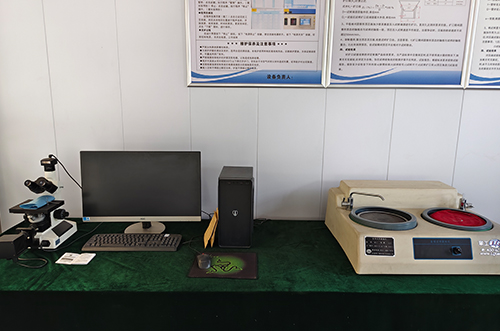
Rigorous non-destructive testing, hydrostatic verification, and ultrasonic flaw detection tailored to marine standards.
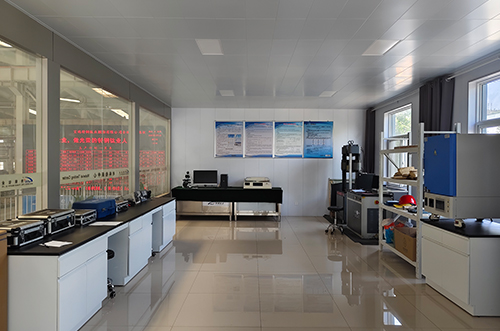
High-performance ASTM certified pipes, plates, and specialized electro-catalytic electrodes