Leave Your Message
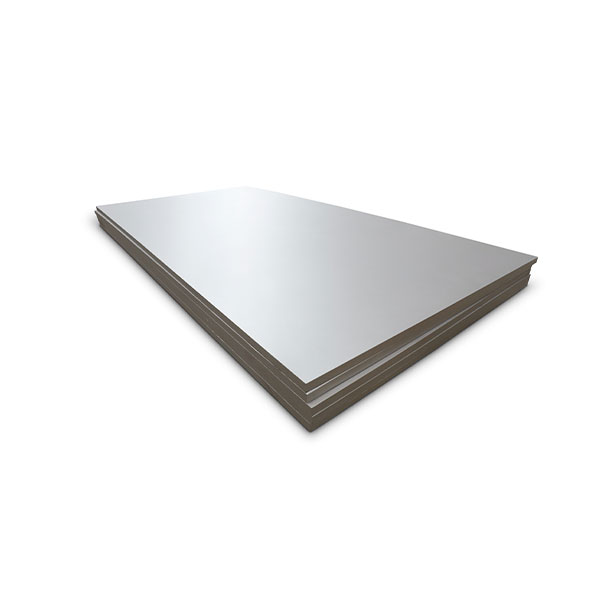
In the modern hydrometallurgical landscape, the Electrolytic Nickel Industry demands materials that can withstand extreme corrosive environments while maintaining high electrical conductivity. Titanium plates, specifically those conforming to ASTM B265 standards, have emerged as the gold standard for cathode mother plates and equipment lining.
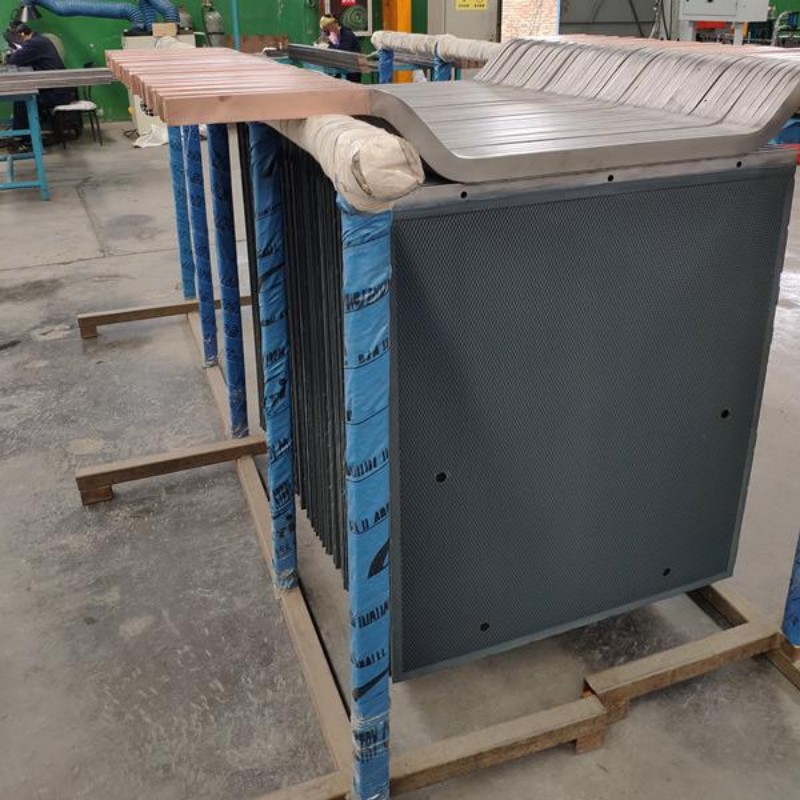
The electrolytic process involves the migration of nickel ions from the electrolyte to the cathode. Using a Titanium Plate as the permanent cathode provides a smooth, corrosion-resistant surface that allows for easy stripping of the nickel deposit, significantly reducing labor costs and improving product purity.
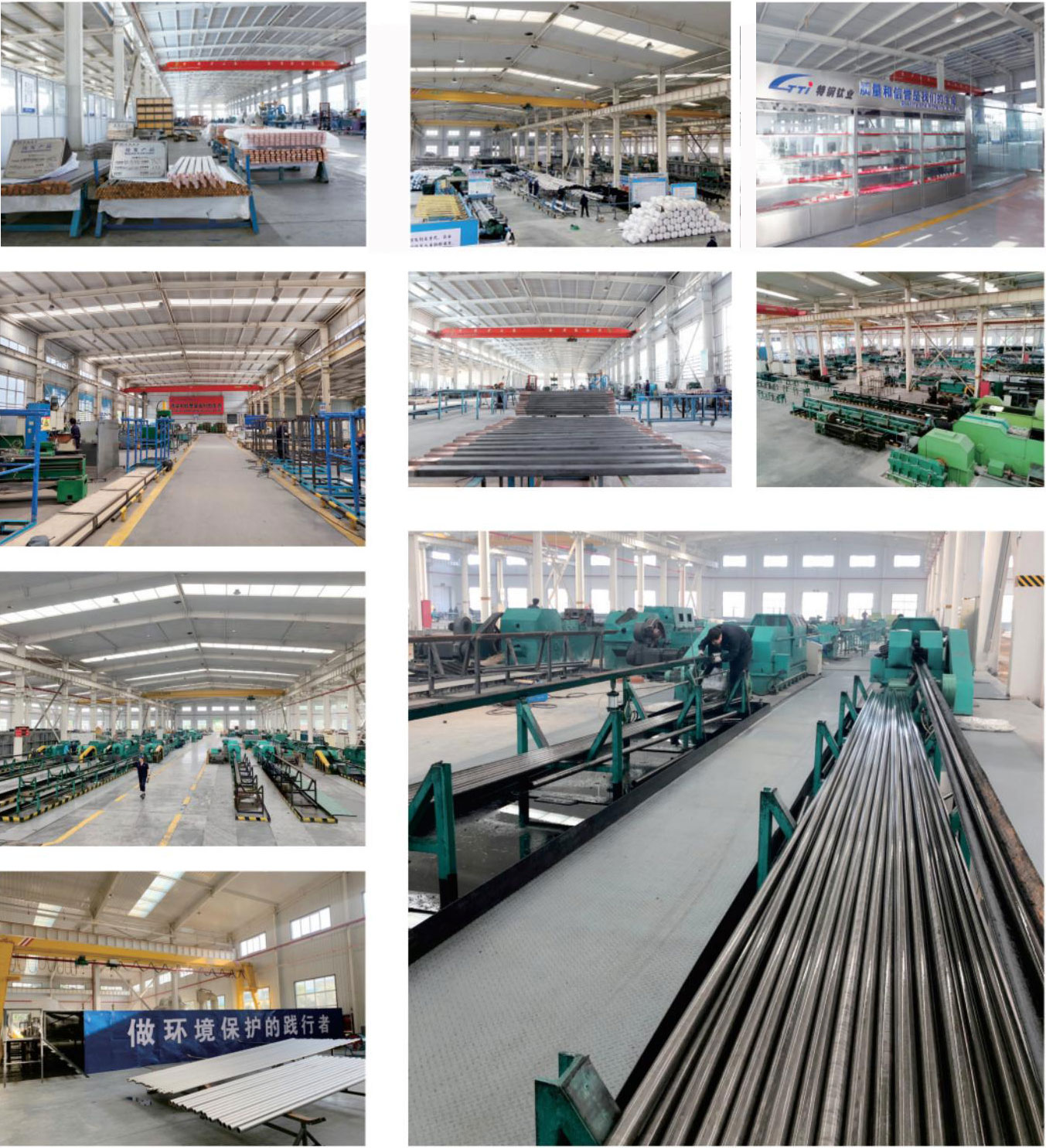
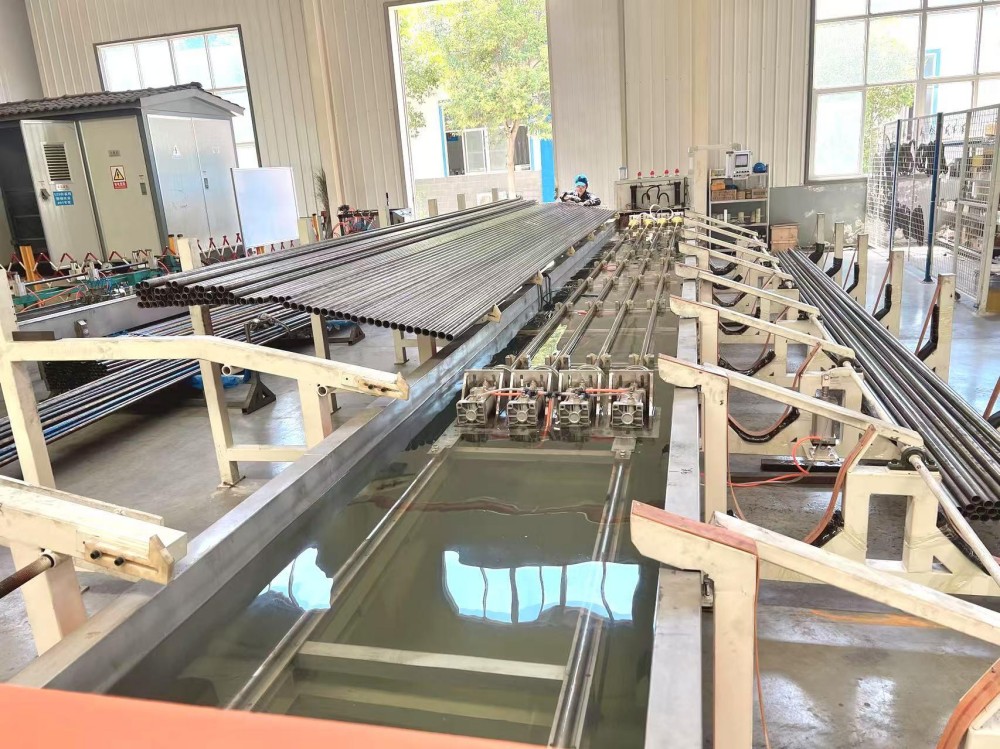
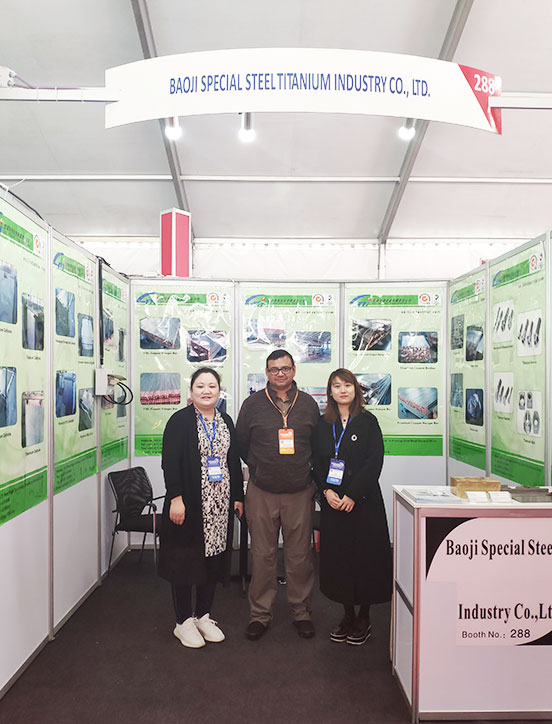
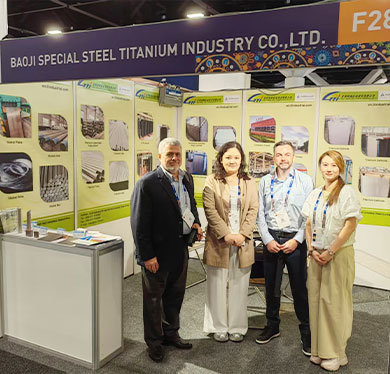
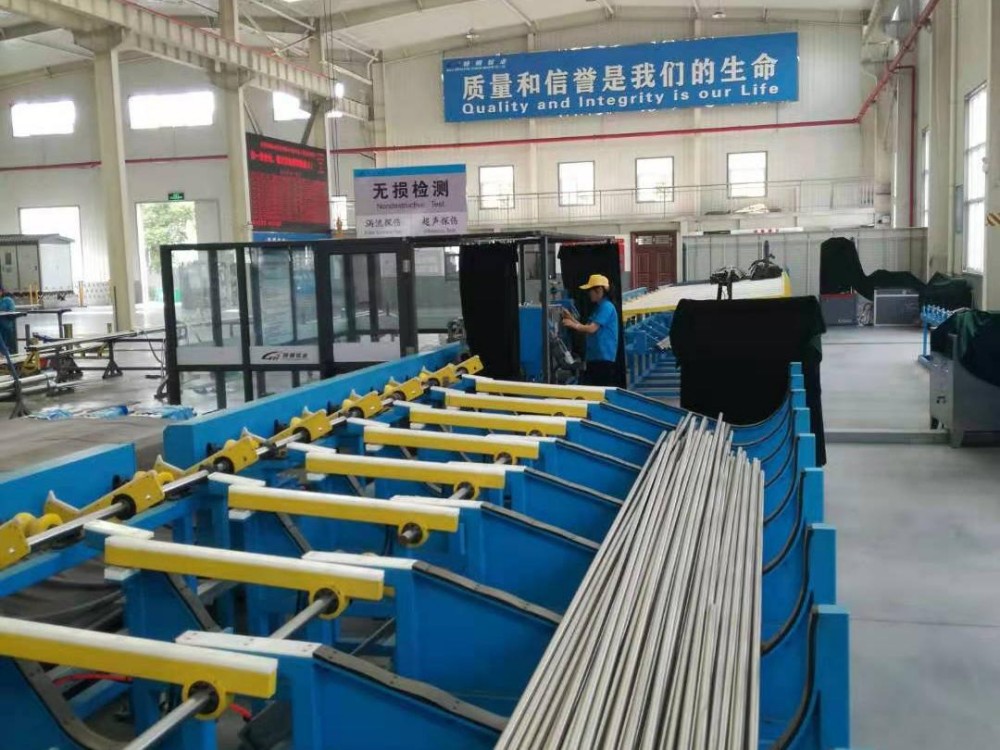
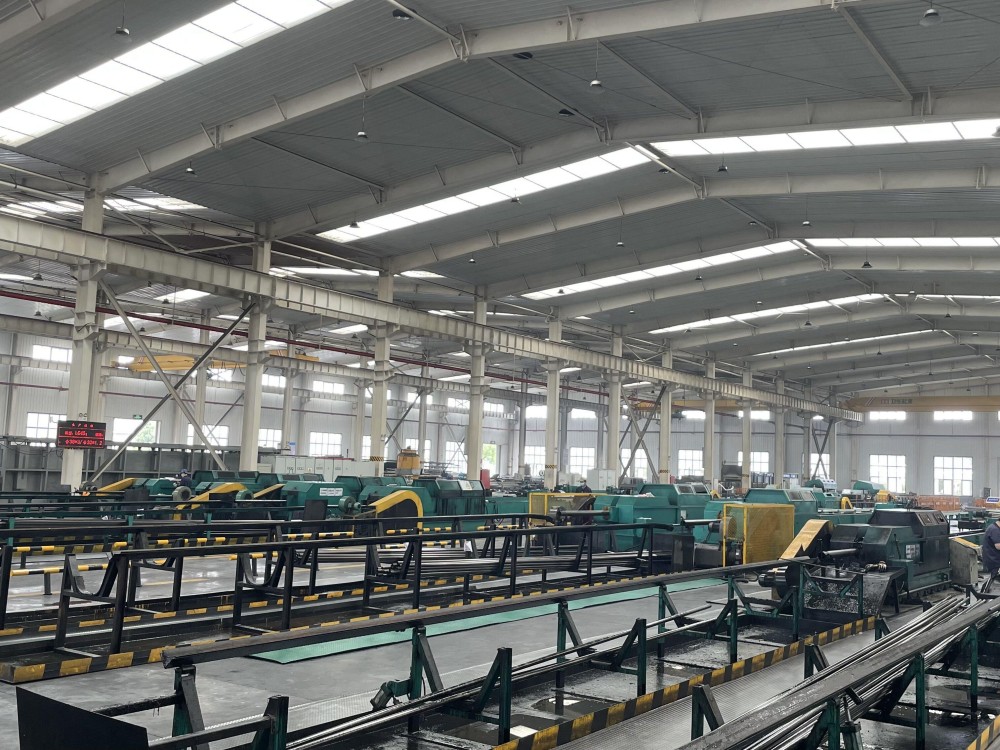
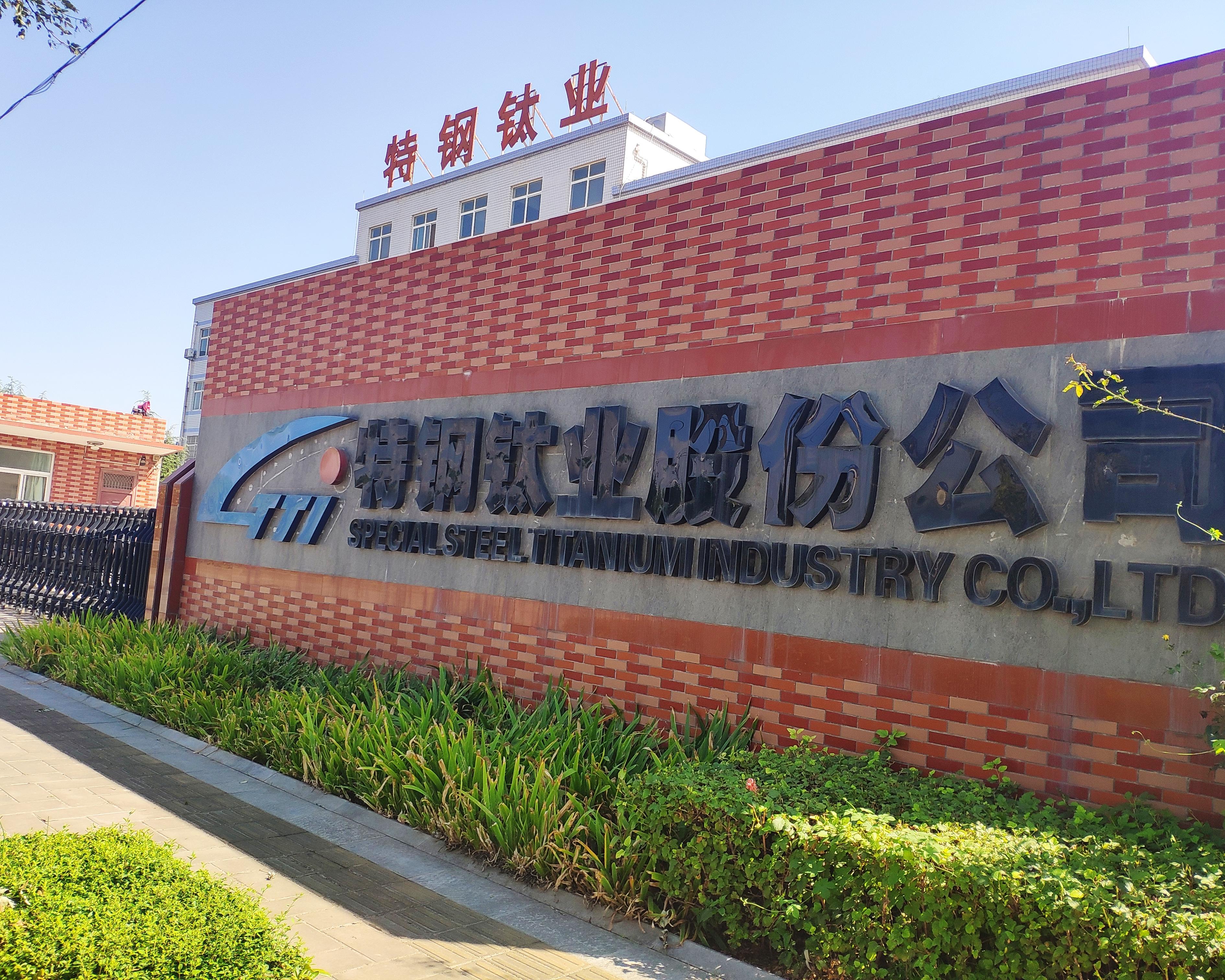
Founded in 1997, we are a joint-stock industrial enterprise specializing in the research, development, manufacturing, and sales of titanium, nickel, zirconium, and other metal pipes and composite materials. Located in the Shaanxi Baoji National High-tech Industrial Development Zone, our factory covers 41,000 square meters.
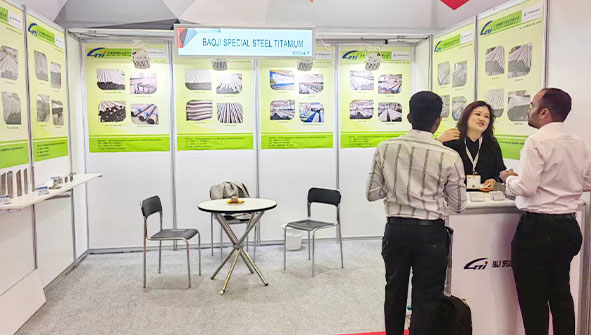
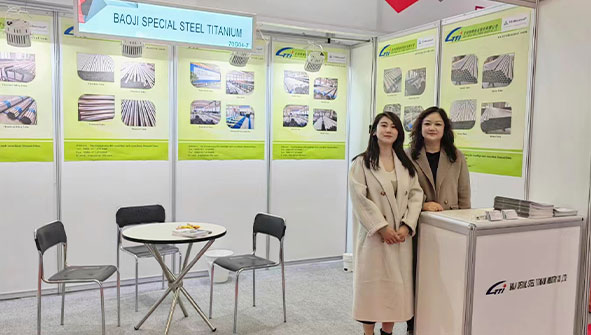
With an annual production capacity of over 3,000 tons, we are a leading global supplier of titanium solutions for the electrolytic nickel industry. Our products are exported to over 30 countries, including Germany, Japan, the USA, and India.
In the electrolytic nickel industry, electrolytes often contain high concentrations of sulfuric acid and chloride ions. Titanium's natural oxide layer provides unparalleled protection, ensuring a lifespan 5-10 times longer than stainless steel.
Modern titanium plates for the electrolytic nickel industry are often designed as composite materials (e.g., Titanium Clad Copper). This combines the corrosion resistance of titanium with the ultra-high conductivity of copper, reducing voltage drops and energy consumption by up to 15%.
As global mining operations move toward greener practices, the durability of titanium reduces the frequency of equipment replacement, lowering the carbon footprint of nickel refineries. Our ASTM B265 titanium plates are fully recyclable, aligning with circular economy goals.
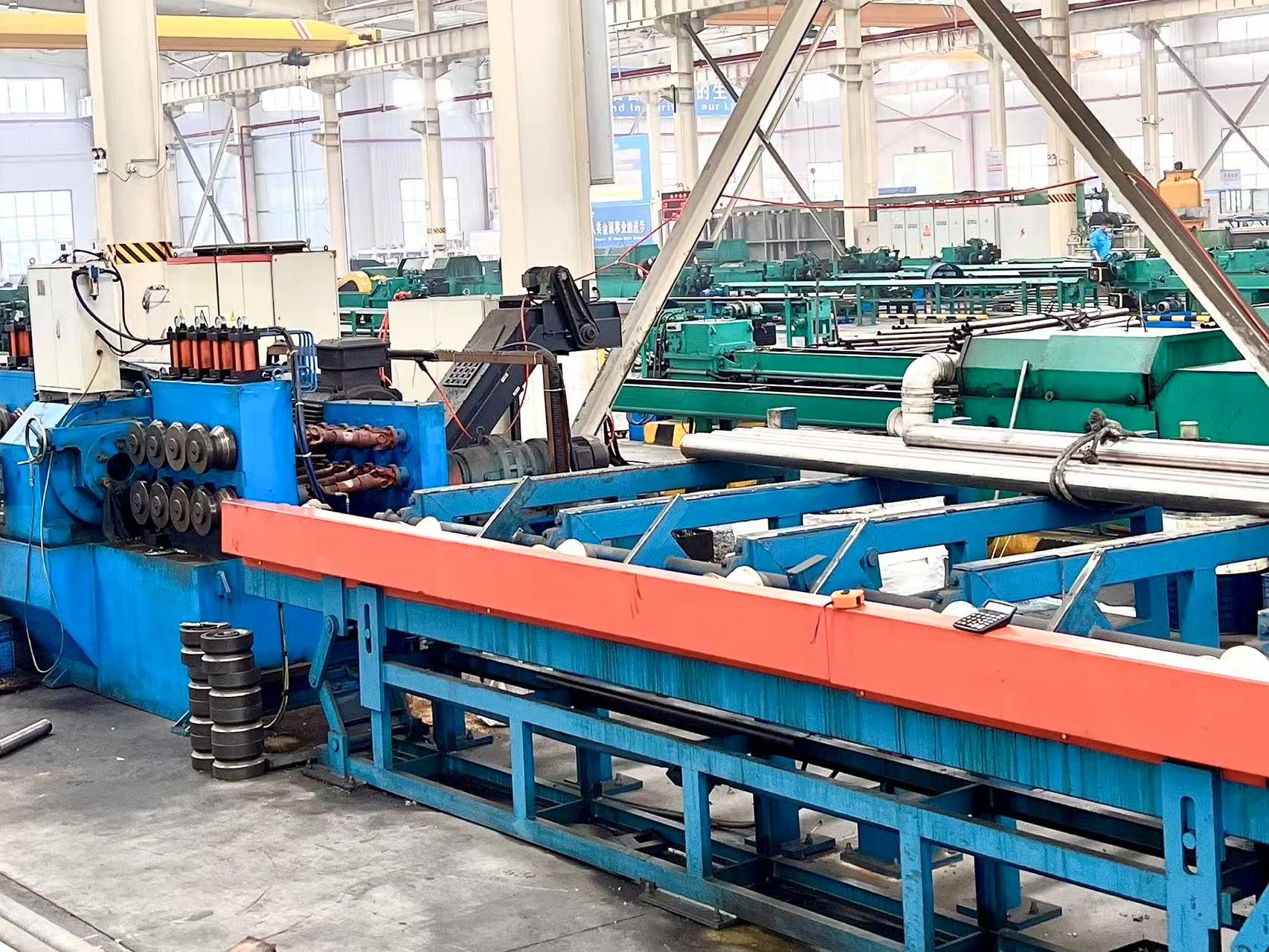
Our titanium plates are precision-ground to ensure a specific surface roughness. This is critical for nickel electrowinning, where the nickel "starter sheet" or final deposit must adhere during growth but strip easily during harvest. This eliminates the need for separation agents, ensuring the highest purity of the nickel product.
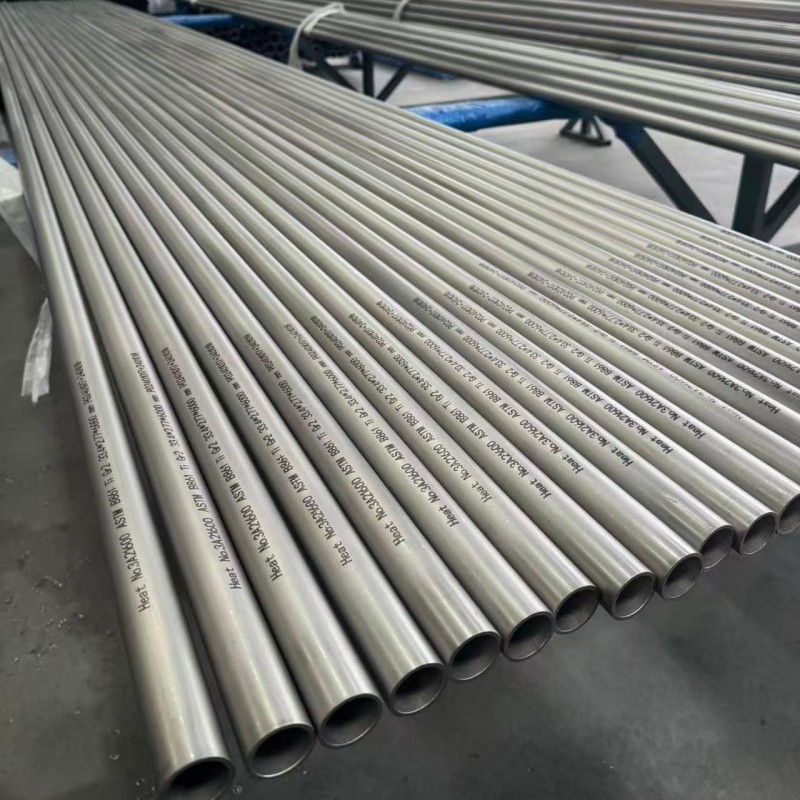
Using titanium tubes and plates in heat exchangers ensures that the corrosive electrolyte is maintained at the optimal temperature (usually 60-70°C) without the risk of metal contamination from the heating elements.
In the electrolytic nickel industry, the mechanical stability of the anode is vital. Our titanium-clad copper bars provide the structural integrity and electrical efficiency required to support heavy lead or nickel anodes while preventing corrosion at the solution interface.
Titanium plates are used in the construction of evaporators and crystallizers that process spent electrolyte, allowing refineries to recover valuable acids and minimize environmental discharge.