Leave Your Message
Discover how high-grade titanium materials optimize energy efficiency and resist harsh acidic environments in modern hydrometallurgical tankhouses.
The electrolytic nickel industry demands materials that can withstand aggressive chemical exposure while maintaining excellent electrical conductivity and structural integrity. Titanium rods have emerged as the premier engineering solution for these challenges. In the electrowinning and electrorefining processes, nickel is deposited onto cathode plates from an acidic electrolyte solution, typically containing high concentrations of sulfuric acid (H₂SO₄) and nickel sulfate (NiSO₄), often at elevated temperatures.
Under these highly corrosive conditions, traditional metals like copper, lead, or standard steel suffer from rapid degradation, leading to electrolyte contamination and frequent equipment replacements. Titanium, with its natural ability to form a stable, protective oxide film (TiO₂), offers unparalleled corrosion resistance. This ensures that the titanium components remain inert, preventing impurities from entering the high-purity nickel deposit.

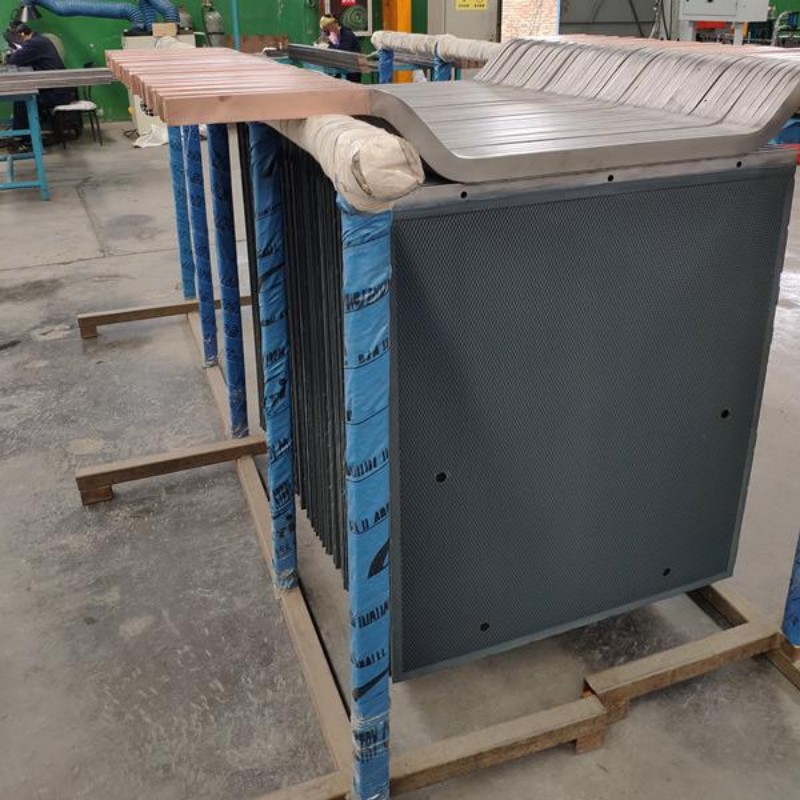
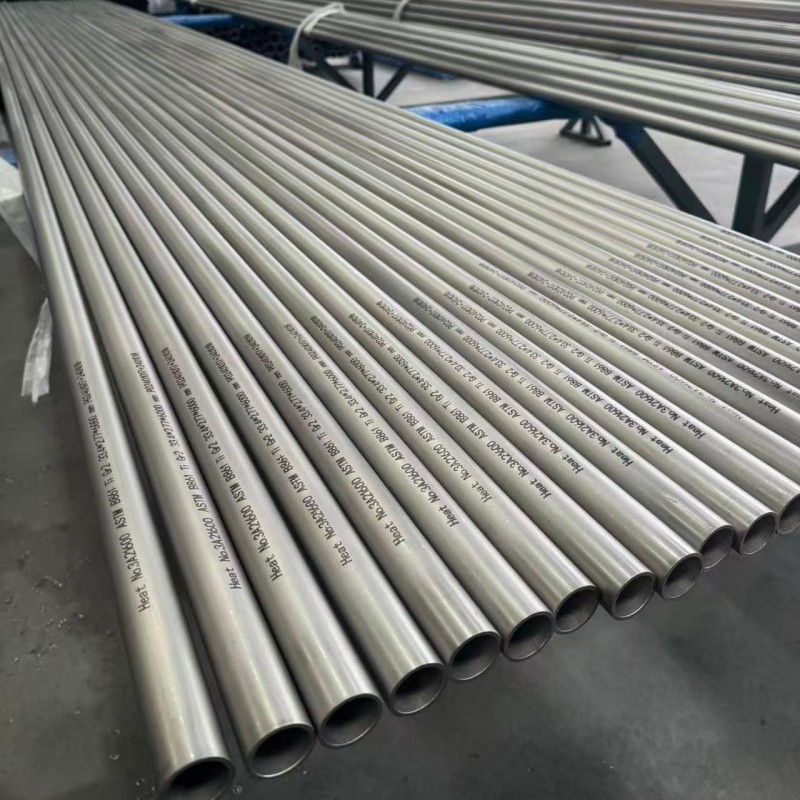
In electrolytic cells, titanium rods serve several vital functions. Primarily, they are utilized as structural support bars, electrical hanger bars, and substrate elements for Dimensionally Stable Anodes (DSA). The combination of mechanical strength and chemical passivity makes them the ideal choice for holding heavy cathode or anode plates in precise alignment within the bath.
One of the most critical challenges in electrowinning is maintaining uniform current density across the entire surface of the electrodes. Any deformation or corrosion of the hanger bars can lead to poor electrical contact, localized overheating, and uneven nickel deposition. Titanium rods, especially when engineered as Titanium Clad Copper Rods (combining the high conductivity of copper with the corrosion resistance of titanium), ensure optimal electrical pathing and minimal voltage drops, translating directly into energy savings and consistent product quality.
Selecting the correct grade of titanium is crucial for optimizing the performance of titanium rods in nickel electrolysis. The most commonly used grades include:
Commercial Pure (CP) Titanium, particularly Grade 2, is the workhorse of the electrolytic industry. It offers an excellent balance of high corrosion resistance, formability, and weldability. Grade 1 is chosen when superior ductility is needed for complex component forming.
For environments where crevice corrosion is a severe threat—such as under gaskets, bolted joints, or in highly concentrated chloride solutions—Grade 7 (containing 0.12% to 0.25% palladium) provides the ultimate protection, albeit at a higher material cost.
This grade offers enhanced strength and superior crevice corrosion resistance at elevated temperatures compared to Grade 2, making it a highly cost-effective alternative to palladium-bearing grades in specific tankhouse applications.
At Baoji Special Steel Titanium Industry Co., LTD. (TGTI), our titanium rods are manufactured in strict compliance with international standards such as ASTM B348. We employ advanced vacuum arc remelting (VAR) processes to ensure high chemical purity, uniform grain structure, and the absence of internal defects. This meticulous quality control ensures that each rod performs reliably under the demanding cyclic loads and thermal stresses of the electrolysis tankhouse.
The global transition toward green energy and electric vehicles (EVs) has triggered an unprecedented surge in the demand for high-purity nickel. Class 1 nickel (purity ≥ 99.8%) is a critical precursor material for lithium-ion battery chemistries, such as NMC (Nickel Manganese Cobalt) and NCA (Nickel Cobalt Aluminum). As a result, mining and metallurgical companies worldwide are expanding their hydrometallurgical processing capacities, specifically utilizing High-Pressure Acid Leaching (HPAL) followed by solvent extraction and electrowinning.
This industrial shift has placed a spotlight on refinery efficiency. Modern tankhouses are operating at higher current densities and temperatures to maximize throughput. Consequently, the demands placed on the electrochemical hardware have intensified. Titanium rods and clad materials are no longer viewed simply as structural components, but as critical assets for reducing operational expenses (OPEX) and carbon footprints. By minimizing electrical resistance and eliminating downtime associated with corrosion failures, high-performance titanium rods directly support the industry's drive toward sustainable and energy-efficient metal extraction.
Furthermore, automation in nickel tankhouses—such as robotic stripping machines for cathode deposits—requires extremely tight dimensional tolerances. Any warping or misalignment of the cathode hanger bars can disrupt the automated handling systems. TGTI’s precision-engineered titanium rods provide the exact dimensional stability and mechanical strength required to interface seamlessly with modern automated harvesting equipment.
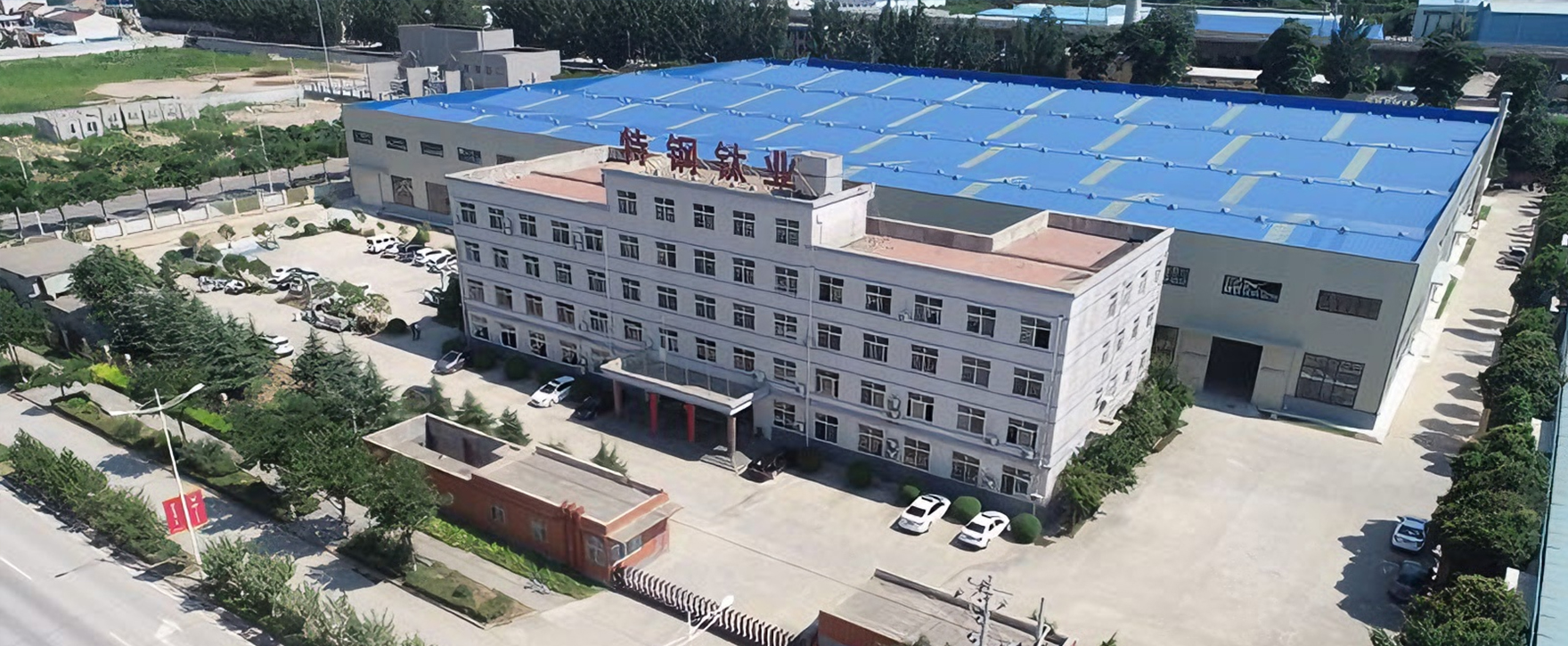
We are a joint-stock industrial enterprise specializing in the research, development, manufacturing, and sales of titanium, nickel, zirconium, and other metal pipes and metal composite materials. Founded in 1997, located in Shaanxi Baoji National High-tech Industrial Development Zone, our factory covers an area of 41,000 square meters.
 World-Class Quality
 Custom Solutions
 Global Logistics

Founded in 1997
Tons of High-Grade Metals
Square Meters Facility
Tailored Industrial Solutions
Providing advanced metallurgy and chemical engineering solutions across diverse high-stress sectors.

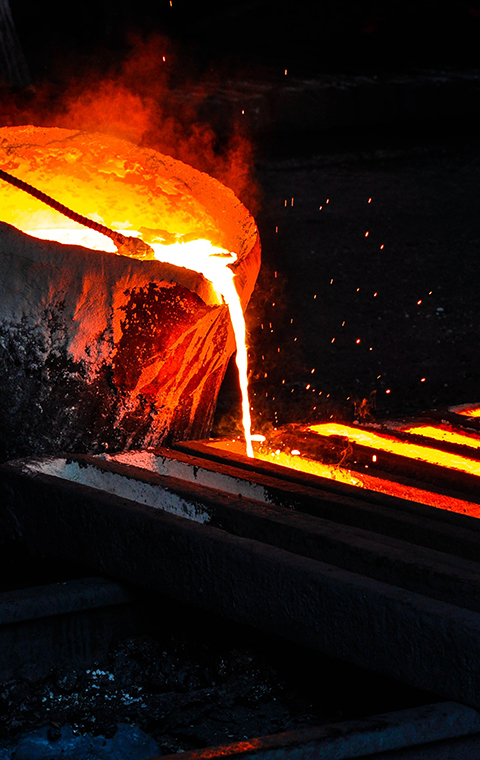
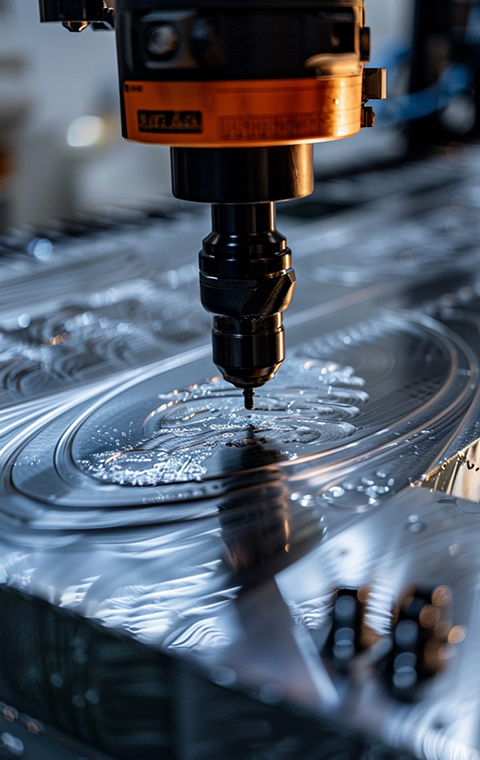

Best Practices
Stable product quality, integrity as the core of our business philosophy. Trusted by world-class industrial groups.
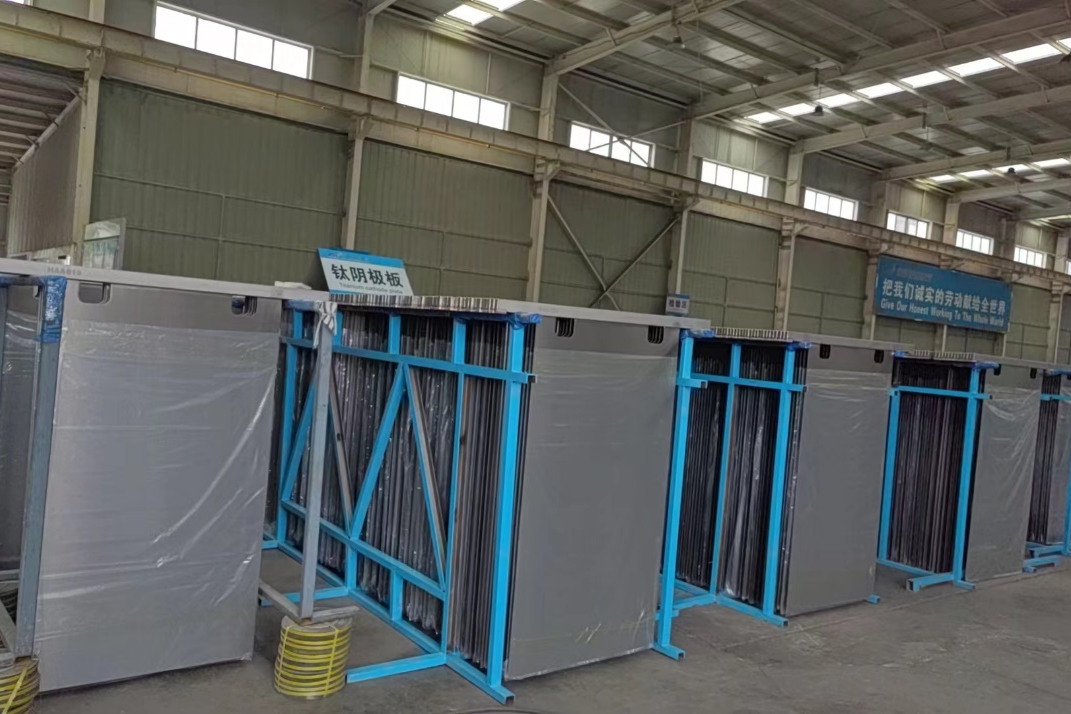
Precision Titanium Solutions for High-Output Refining.
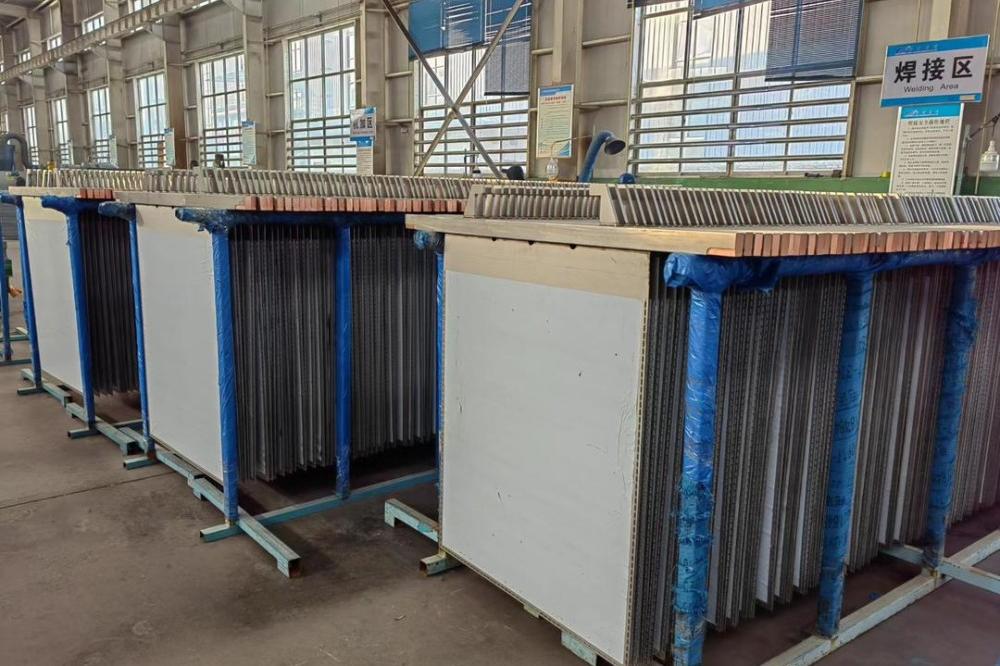
Strategic supply of high-purity titanium electro-refining rods.
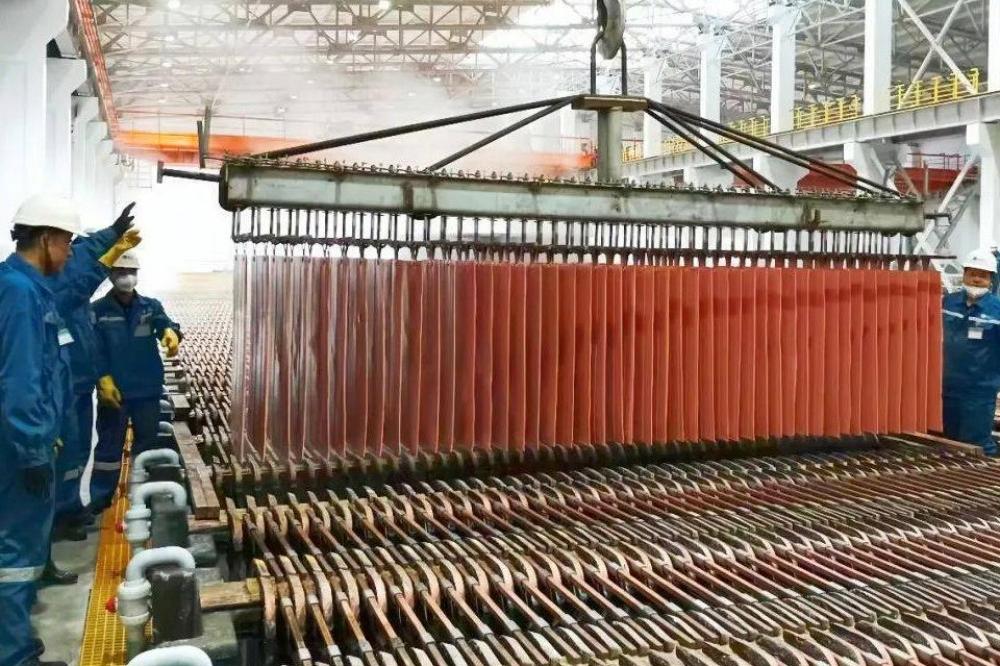
Supplying robust components for critical battery metal extraction.
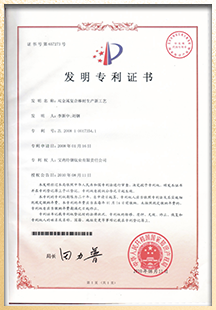
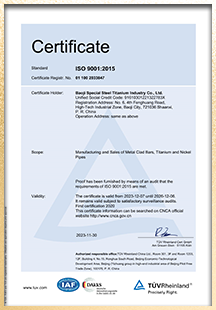
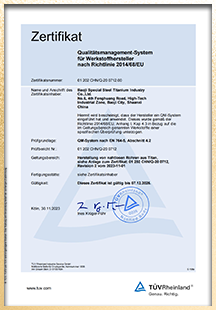
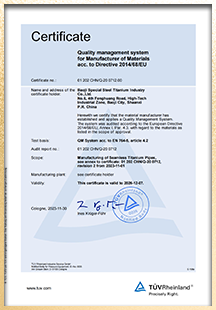
IATF 16949, CE, FMEA, PPAP, APQP, SPC and MSA 100% TEST
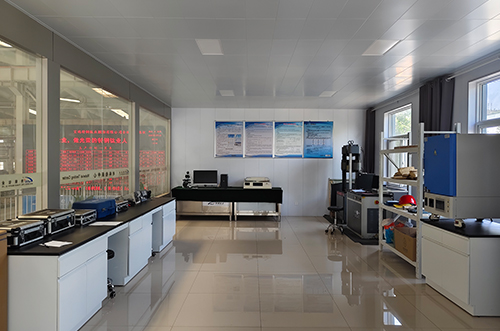
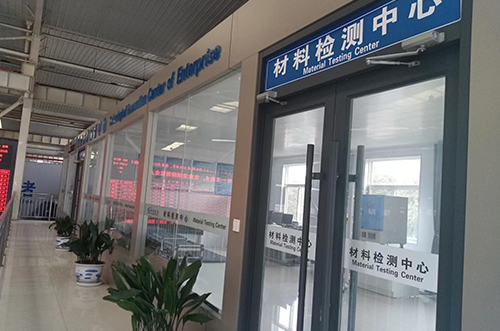
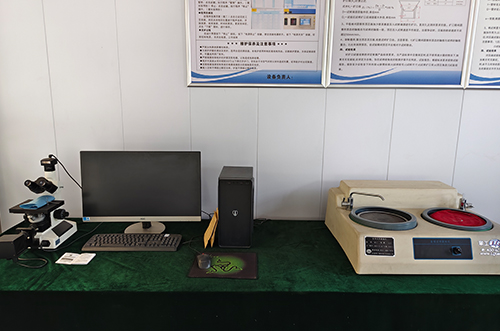
Explore our complete range of high-performance titanium products designed for demanding electrolytic nickel operations.