Leave Your Message
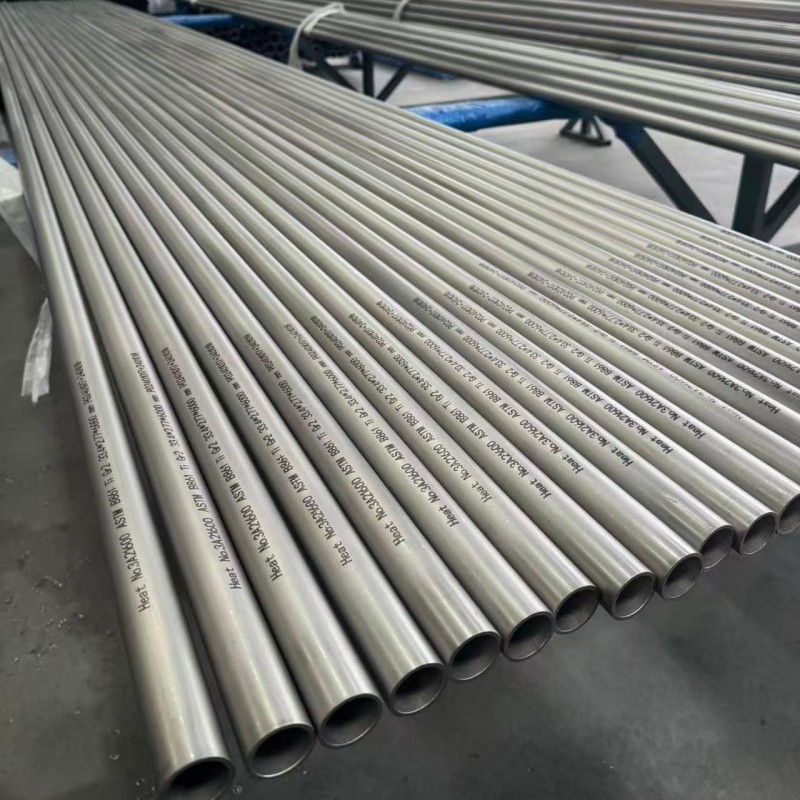
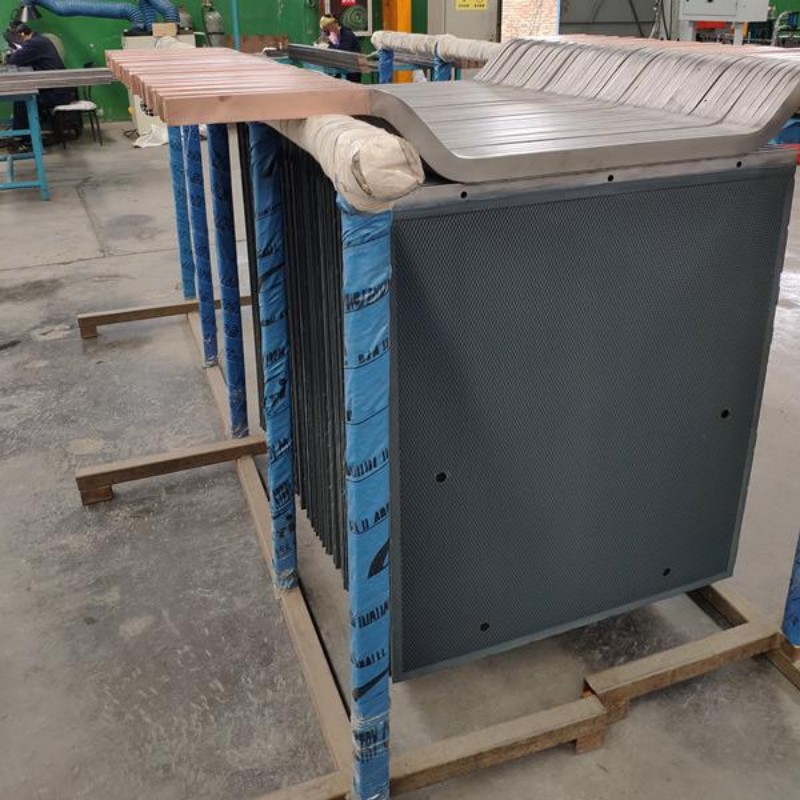
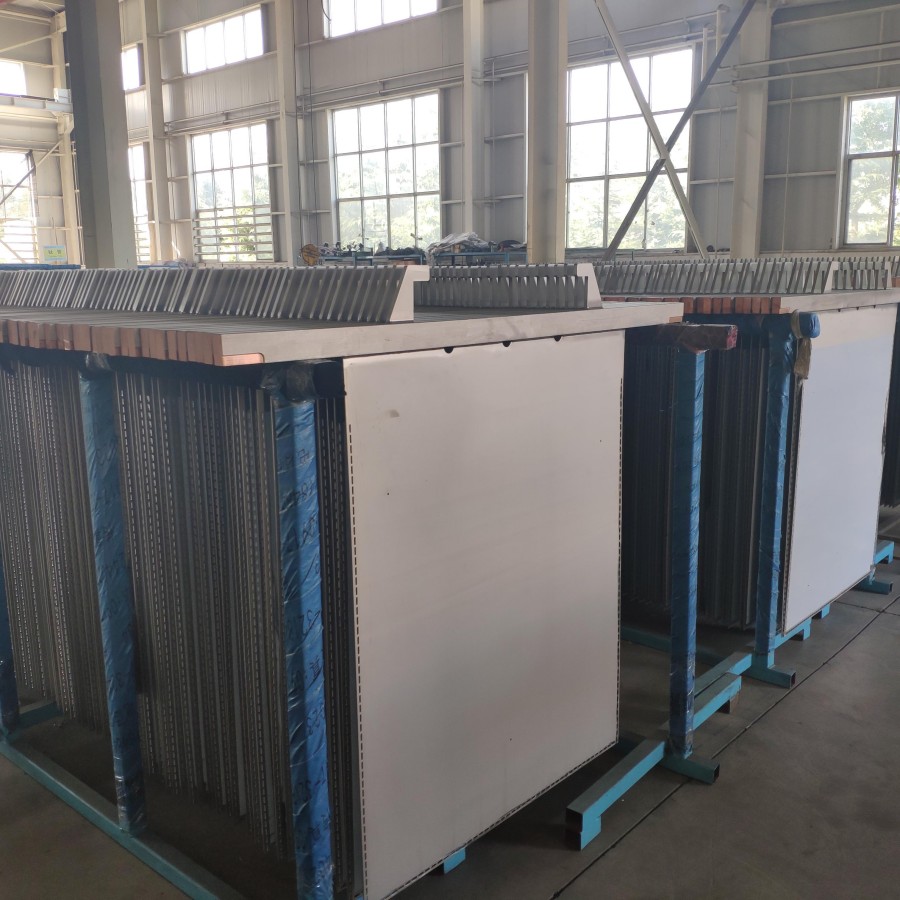
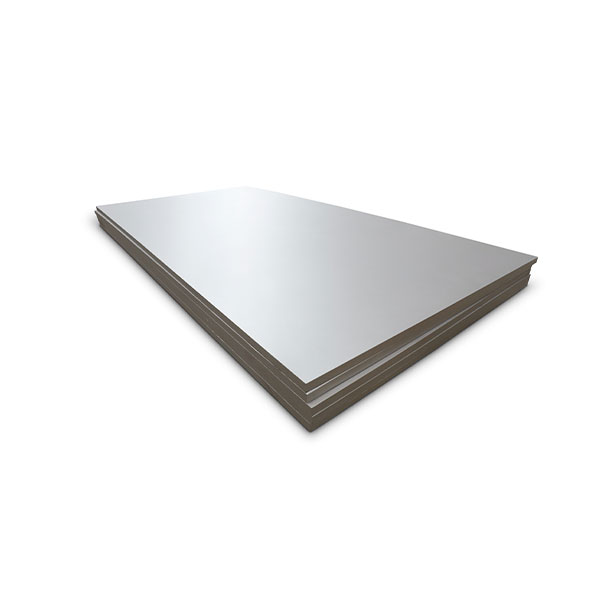
High-integrity titanium tubing, insoluble anodes, cathodes, and cold-rolled plates custom-engineered to withstand aggressive plating baths and harsh anodic environments.

Strict compliance with ASTM B348, ASTM B265, and ASTM B338. Each titanium rod exhibits ultra-low impurity levels, exceptional grain uniformity, and superior resistance to pitting in aggressive acidic and alkaline electrolytes.

Custom tailored round, square, and composite titanium rods designed specifically for busbar hangers, electroplating baskets, and auxiliary anode rods with micron-level tolerances and customized threading.

With an annual manufacturing capacity exceeding 3,000 tons and exports to over 60 countries, our streamlined supply chain guarantees rapid fulfillment for critical high-speed continuous plating line overhauls.
Baoji Special Steel Titanium Industry Co., LTD. is a premier joint-stock industrial enterprise specializing in the research, development, precision manufacturing, and international sales of titanium, nickel, zirconium, and refractory metal composites. Established in 1997 and situated in the heart of China's Titanium Valley—Shaanxi Baoji National High-tech Industrial Development Zone—our state-of-the-art production complex covers 41,000 square meters.
Our titanium bar and rod products are forged, hot rolled, and cold drawn with exacting mechanical properties to serve demanding electrochemical environments, including continuous electroplating lines, semiconductor electrodeposition systems, and hydrometallurgical extraction plants.
FIND OUT MORE


In modern industrial surface finishing, the integrity, energy efficiency, and operational lifespan of electroplating production lines hinge directly upon the electrochemical stability of their structural and conductive components. Among various structural metals, titanium rods (ASTM B348 Grade 1, Grade 2, and Grade 5 Ti-6Al-4V) and metallurgical titanium-clad copper (Ti/Cu) rods have established themselves as irreplaceable cornerstones for automated continuous electroplating, reel-to-reel plating lines, and high-precision electrolytic deposition systems.
The global surface finishing and electroplating sector is undergoing an unprecedented transformation driven by green manufacturing mandates, the rapid expansion of electric vehicle (EV) electronics, semiconductor advanced packaging, and aerospace fastener plating. Conventional plating operations historically relied on copper busbars, graphite contacts, or heavy lead-alloy anodes. However, these traditional materials suffer from severe vulnerabilities:
To overcome these challenges, automated electroplating production lines globally are standardizing on pure titanium and titanium-clad composite rods. Titanium’s innate capability to spontaneously generate an ultra-thin, highly tenacious, and self-healing titanium dioxide (TiO2) passive layer ensures almost complete immunity to electrolytic oxidation across extreme acidic and alkaline pH ranges.
Selecting the precise titanium alloy and mechanical state is vital to balancing electrical conductivity, mechanical load-bearing capability, and corrosion resistance. Below is an engineering comparison of titanium rod grades utilized in plating lines:
| Titanium Grade | Tensile Strength (MPa) | Yield Strength (MPa) | Corrosion Resistance | Typical Electroplating Application |
|---|---|---|---|---|
| CP Grade 1 (UNS R50250) | ≥ 240 | ≥ 170 | Maximum Ductility & Corrosion Resistance | Auxiliary anode fixtures, fine conductive hangers, high-purity precious metal baths. |
| CP Grade 2 (UNS R50400) | ≥ 345 | ≥ 275 | Exceptional (Industry Standard) | Primary anode basket hooks, electrolyte heater sheaths, structural busbars, and cathode supports. |
| Grade 5 (Ti-6Al-4V) | ≥ 895 | ≥ 828 | High (Good in non-fluoride baths) | Heavy-load automated hoist hanger bars, high-speed reel-to-reel tensioning rods, robotic clamp pins. |
| Ti-Clad Copper (Composite) | ≥ 130 (Cu Core) | ≥ 100 | Titanium Cladding Shell Protection | High-current busbars, main rack carrier bars, insoluble anode feeder bars requiring zero bath contamination. |
The operational scope of titanium rods within electroplating infrastructure spans multiple mission-critical functions:
Titanium anode baskets containing nickel crowns, copper nuggets, or zinc balls represent the primary method of replenishing metal ions in modern plating baths. The hooks and cross-suspension bars of these baskets are subjected to high current loads and corrosive vapors right at the liquid-gas boundary. Titanium rods, forged or hot-rolled to exact ASTM B348 specifications, provide structural rigidity without bending under tons of anode weight while resisting the aggressive mist generated by high-current aeration.
In hard chrome plating, continuous steel strip electrogalvanizing, and printed circuit board (PCB) vertical continuous plating (VCP), consumable anodes are increasingly replaced by insoluble Dimensionally Stable Anodes (DSA). Titanium rods serve as the indestructible conductive substrate coated with mixed metal oxides (MMO, IrO2-Ta2O5) or platinum. The titanium core rod provides electrical continuity, uniform current distribution across high-aspect-ratio holes, and dimensional stability over tens of thousands of operating hours.
While solid titanium exhibits excellent chemical resistance, its electrical resistivity is approximately 25 times higher than that of copper. In high-amperage plating lines (5,000A to 50,000A), using pure titanium busbars would lead to significant I²R resistive heat dissipation. Titanium-clad copper rods solve this paradox through hot extrusion or explosive bonding: the oxygen-free copper core handles massive current throughput with near-zero voltage drop, while the metallurgical bonded outer titanium shell hermetically seals the copper against acid vapors and splashes.
In high-speed reel-to-reel plating of IC lead frames, micro-connectors, and flexible printed circuits (FPC), plating speeds exceed 30 meters per minute. Titanium rods are machined into precision tension rollers, guide pins, and selective plating contactors that withstand aggressive cyanide-free gold, tin-lead, and palladium-nickel chemical baths without releasing stray metallic contaminants that could ruin sub-micron electronic deposits.
Several transformative technical trends are redefining the requirements for titanium rods in plating lines:
Our precision titanium rods and tubular components are deployed across high-demand processing lines spanning surface engineering, hydrometallurgy, and power generation.

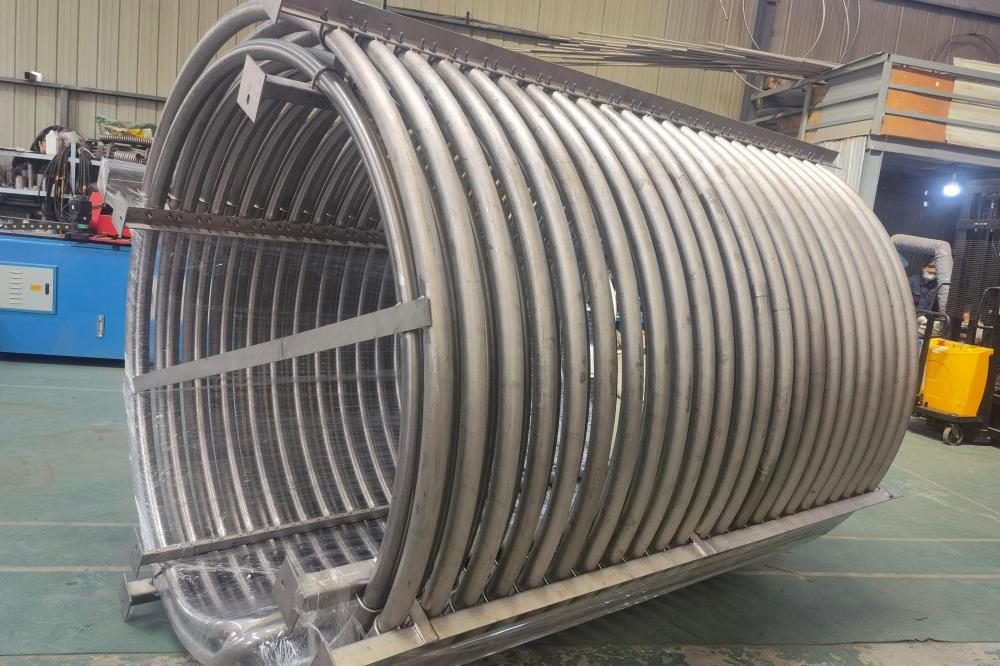
Titanium rods and piping withstand wet chlorine gas, chlorite solutions, and organic acids, preventing plant shutdowns in severe chemical reactors and column heat exchangers.
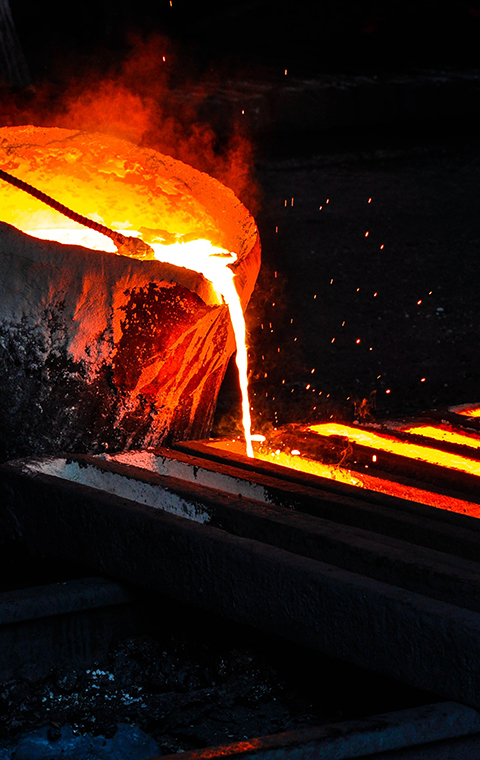
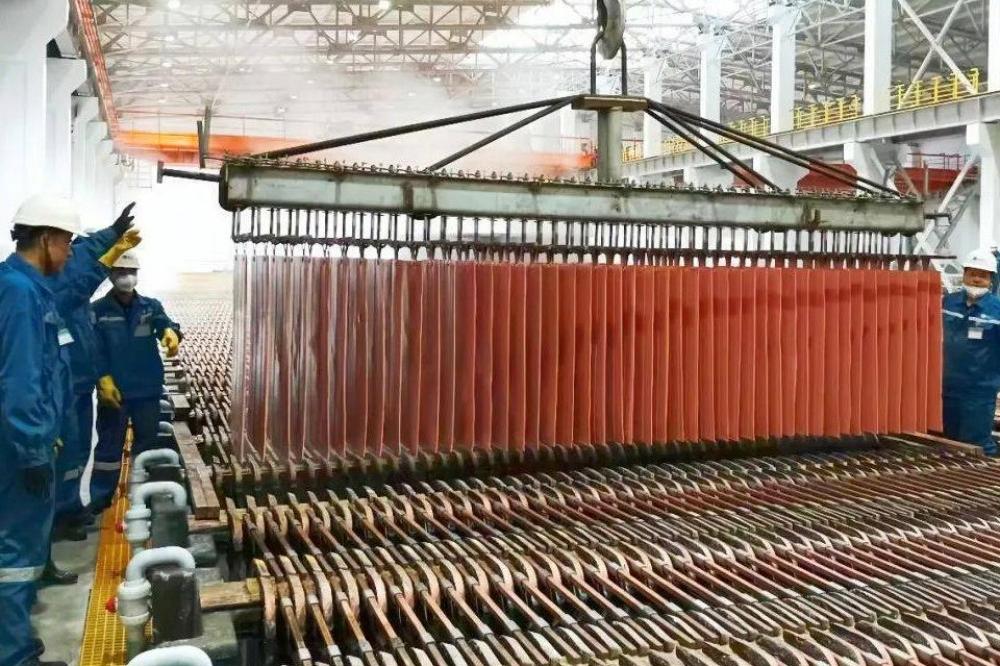
Widely applied in electrowinning and electrorefining cells for copper, nickel, and cobalt extraction, providing unbeatable durability against high sulfuric acid concentrations.
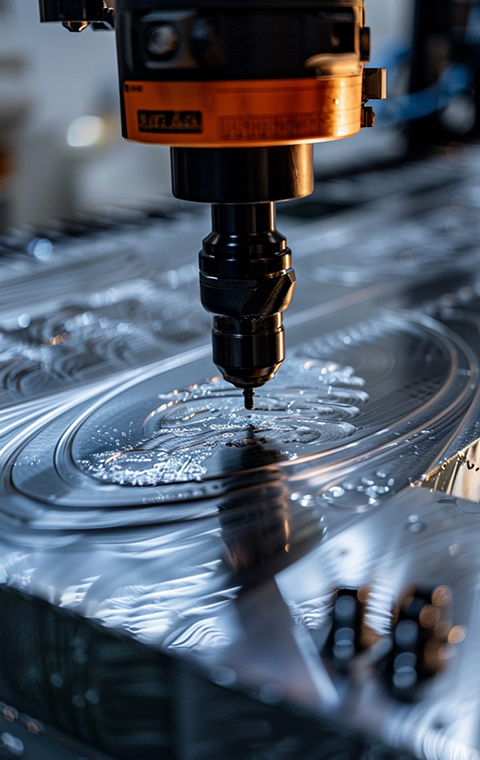
The definitive benchmark for anode hanger bars, titanium busbars, electroforming mandrels, and plating rack spines in automotive, aerospace, and PCB surface finishing.

Crucial for hydrogen electrolyzer bipolar plates, seawater cooling systems, offshore oil & gas rigs, and nuclear plant condenser structures where failure is not an option.
Explore our world-renowned customer deployment projects, international quality certifications, and precision manufacturing workshops supplying titanium rods for electroplating worldwide.
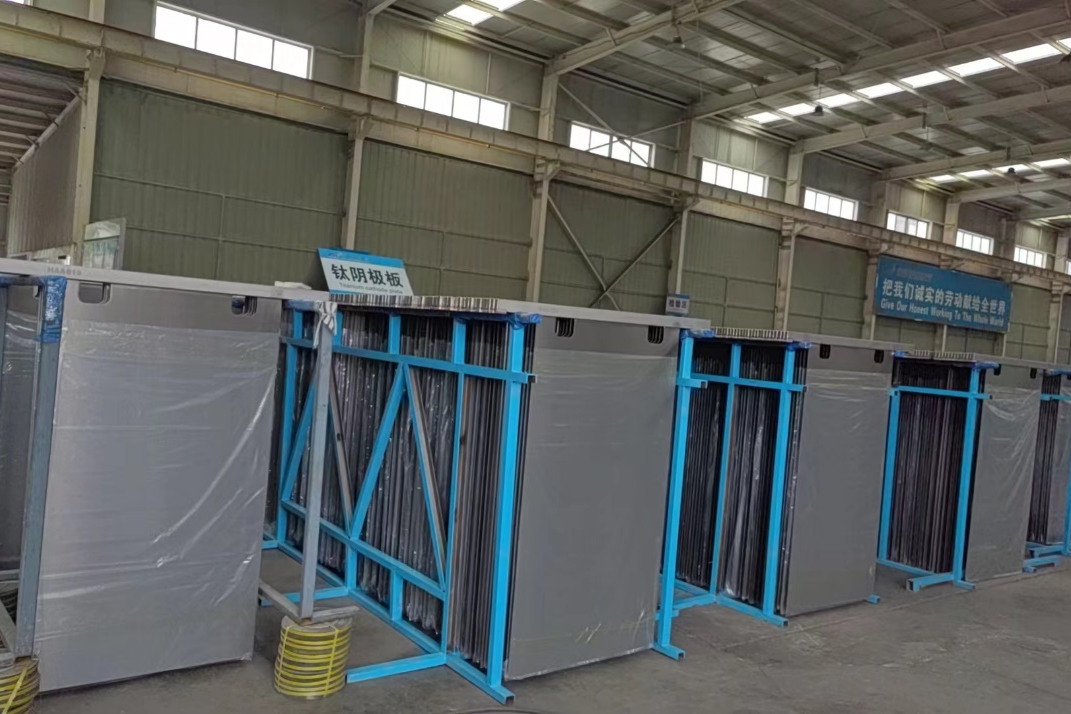
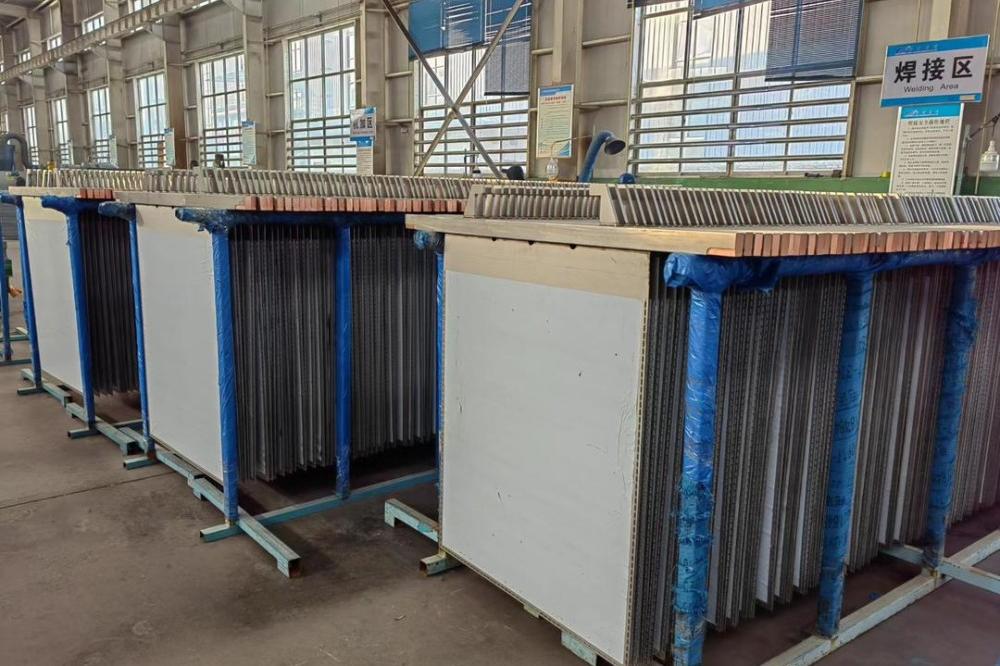
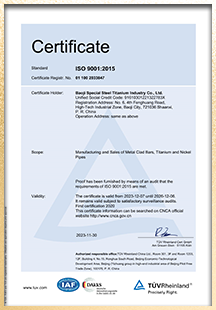
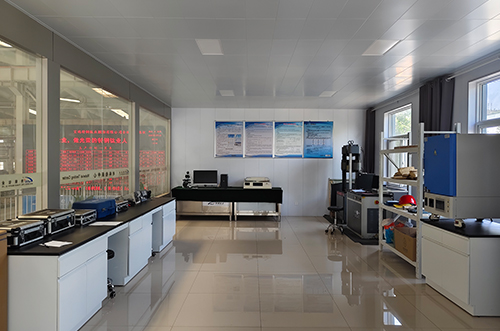
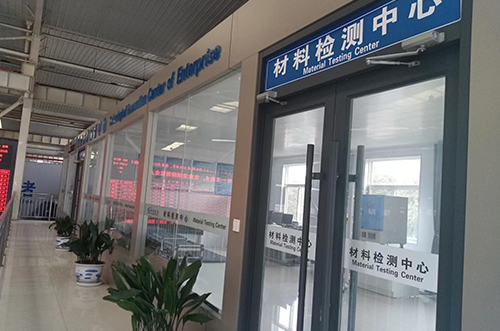
IATF 16949, CE, FMEA, PPAP, APQP, SPC AND MSA • 100% NON-DESTRUCTIVE TESTING ON ALL TITANIUM PRODUCTS