



Leave Your Message
Engineered components tailored for high-voltage transmission, electrolysis arrays, thermal heat exchange, and corrosive power environments.




Meeting the rigorous benchmarks of modern power generation, high-pressure piping networks, and renewable subsea grids.
Titanium alloy rods (Ti-6Al-4V Grade 5 and Grade 2) maintain high mechanical resilience at elevated operating temperatures, preventing structural fatigue in steam turbine blades and nuclear cooling tie-rods.
A self-healing passive titanium oxide (TiO2) layer safeguards deep-well geothermal conduits and offshore wind foundation fasteners against localized pitting, chloride cracking, and galvanic decay.
With an exceptional strength-to-density ratio (4.51 g/cm³), titanium rods eliminate massive structural deadweight in floating energy platforms and dynamic rotating components in turbine generators.
The global transition toward clean, sustainable, and high-efficiency power infrastructure has placed unprecedented demands on material science. As power plants operate under ever-escalating pressures, temperatures, and aggressive chemical environments, legacy alloys like carbon steel and standard stainless steels increasingly fail due to stress corrosion cracking, hydrogen embrittlement, and rapid oxidation. In this context, Titanium Rod for Energy and Power Projects has emerged as an indispensable cornerstone for modern engineering, offering an uncompromised balance of ultra-high yield strength, fracture toughness, low thermal expansion, and near-absolute chemical inertness.
Driven by decarbonization mandates, the global power generation sector is undergoing profound restructuring. According to industrial energy analytics, the deployment of titanium alloys in energy facilities is growing at an annual rate exceeding 6.8%. Advanced heavy-duty gas turbines, small modular reactors (SMRs), ultra-supercritical (USC) thermal generators, and offshore energy converters now routinely require titanium forging bars, billeted rods, and precision ground shafts.
Manufacturers who produce titanium rods compliant with stringent international certifications (ASTM B348, ASME SB348, AMS 4928) play a mission-critical role in stabilizing supply chains for EPC (Engineering, Procurement, and Construction) contractors operating worldwide.
In power station cooling circuits utilizing brackish water or open seawater, traditional alloys suffer rapid microbiological-induced corrosion (MIC) and crevice corrosion. Titanium bar stock, specifically Commercially Pure Titanium (Grades 1, 2, 3, 4) and specialized alpha-beta alloys (Grade 5 Ti-6Al-4V, Grade 7 Ti-0.15Pd, Grade 12 Ti-0.3Mo-0.8Ni), presents an instantaneous, spontaneously reforming passivation layer. This molecular barrier ensures maintenance-free operation across 40- to 60-year plant lifecycles, drastically curtailing unplanned shutdowns and lifecycle levelized cost of energy (LCOE).
Offshore wind farms are rapidly pushing into deep-water horizons, requiring floating substructures, mooring tethers, and high-capacity subsea power transfer hubs. Fasteners, heavy pins, tension rods, and hydraulic cylinder shafts fabricated from Grade 5 (Ti-6Al-4V) titanium rods endure continuous multi-axial cyclic fatigue in extreme marine splash zones. Unlike coated structural steels that require regular recoating and cathodic protection overhauls, titanium structural bars resist seawater immersion indefinitely without material loss or hydrogen-induced cracking.
In nuclear reactor containment, steam generation assemblies, and spent-fuel cooling ponds, material integrity is paramount. Titanium rods are heavily deployed in primary and secondary control rod mechanisms, structural spacer rods, instrumentation wells, and tie-bars. With low thermal neutron absorption cross-sections compared to several specialized high-nickel superalloys, and exceptional dimensional stability under high neutron flux irradiation, titanium rods provide nuclear operators with absolute structural reliability under severe thermal cycling.
Geothermal power tapping deep subterranean reservoirs faces some of the most destructive environments in industrial engineering, characterized by superheated acidic brines, dissolved hydrogen sulfide (H2S), carbon dioxide (CO2), and heavy metal chlorides at temperatures above 300°C. Standard corrosion-resistant alloys (CRAs) frequently fail within months due to sulfide stress cracking. Grade 7 (titanium-palladium) and Grade 12 titanium alloy rods provide exceptional resistance against localized crevice corrosion and stress corrosion cracking, functioning reliably as downhole logging tool housings, pump shafts, valve stems, and casing centralizers.
The global surge in green hydrogen production via PEM (Proton Exchange Membrane) and alkaline water electrolyzers demands electrode current feeder bars, busbars, and distribution rods that do not contaminate catalyst membranes. Titanium rods serve as the primary conductive substrate for platinum-group metal (PGM) coatings, providing continuous electrical continuity, structural stiffness under differential operating pressures, and comprehensive resistance to oxidative acidic conditions within the anode chamber.
| Alloy Grade | Tensile Strength (MPa) | Yield Strength (MPa) | Density (g/cm³) | Corrosion Resistance in Cl⁻ Brines | Primary Energy Application |
|---|---|---|---|---|---|
| Titanium Grade 2 (CP) | ≥ 345 | 275 - 450 | 4.51 | Immune to ambient & hot seawater | Chemical dosing rods, heat exchanger tie-rods |
| Titanium Grade 5 (Ti-6Al-4V) | ≥ 895 | ≥ 828 | 4.43 | Exceptional in offshore/marine environments | Turbine blades, structural subsea bolts, pump shafts |
| Titanium Grade 7 (Ti-Pd) | ≥ 345 | ≥ 275 | 4.51 | Highest resistance to boiling reducing acids | Geothermal downhole tools, FGD scrubbers |
| Super Duplex SS 2507 | 750 - 1000 | ≥ 550 | 7.80 | Susceptible to localized pitting > 60°C | General offshore piping, manifold housings |
| Nickel Alloy 625 | ≥ 827 | ≥ 414 | 8.44 | Excellent, but extreme mass weight | Flue gas desulfurization, marine exhaust systems |
As the power industry embraces Industry 4.0 and digital transformation, the manufacturing of titanium rods is increasingly optimized through vacuum arc remelting (VAR), electron beam cold hearth refining (EBCHR), and computer-controlled precision rotary forging. These advancements eradicate interstitial micro-defects, achieve ultra-fine grain structures, and deliver uniform isotropic mechanical properties throughout thick-cross-section rods.
Furthermore, the circular economy is taking center stage. Titanium's 100% recyclability with low carbon footprint reclamation aligns directly with ESG (Environmental, Social, and Governance) targets set by multinational power consortiums, positioning titanium bar products as the definitive green alloy for the modern energy transition.
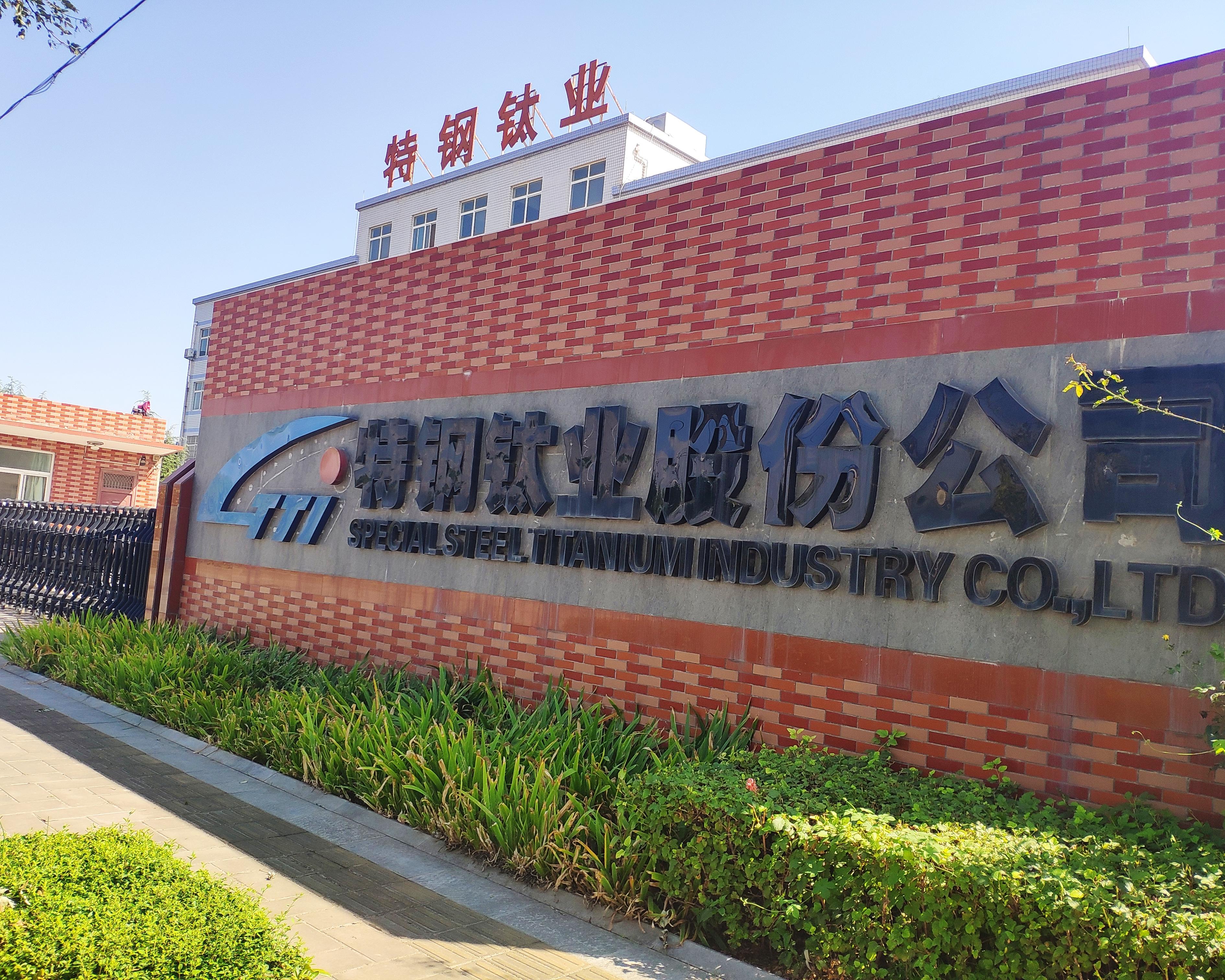
Is a joint-stock industrial enterprise specializing in the research, development, manufacturing and sales of titanium, nickel, zirconium and other metal pipes and metal composite materials. The company was founded in 1997, located in Shaanxi Baoji National High-tech Industrial development Zone, the factory covers an area of 41,000 square meters. The company has an annual production capacity of over 3000 tons of non-ferrous metal pipes, composite materials and various deep processing products such as titanium, zirconium, nickel, tantalum and copper, etc., and a series of products according to varieties and specifications have reached more than 500 kinds, the annual export accounted for more than 30% of the company's total output, is an export-oriented industrial enterprise with a strong growth momentum. The company has obtained the national high and new technology enterprise certification and has been listed in the first batch of industries encouraged to develop by the National Development and Reform Commission.


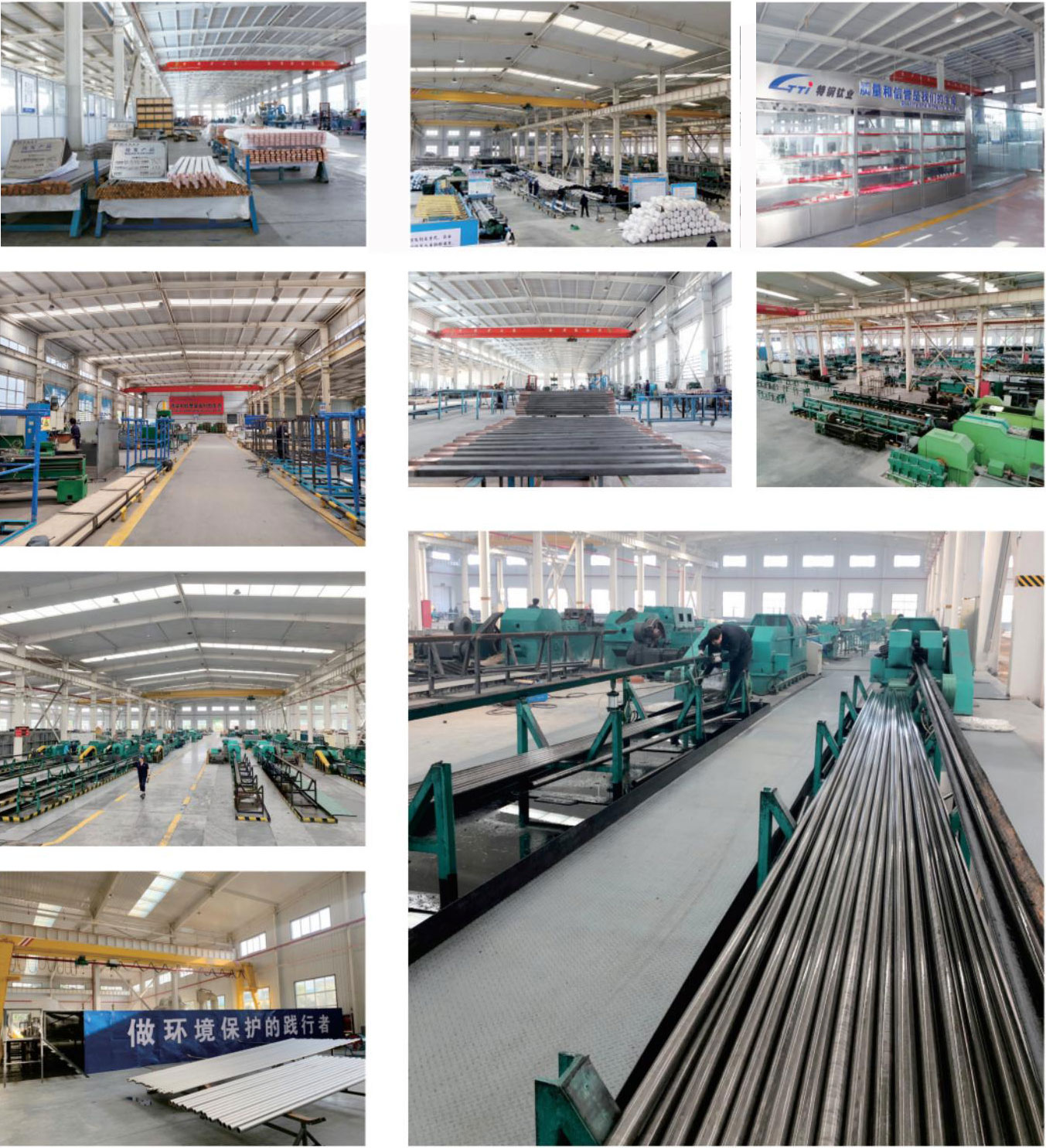
Since its establishment, the company has always adhered to the development strategy of continuous innovation and continued to expand the market with new technology and new products as the fulcrum. After more than 20 years of development and accumulation, the products have entered the markets of Germany, Japan, the United States, Norway, Finland, South Africa, Singapore, India and other countries and Taiwan regions, also have been highly praised. Stable product quality, integrity as the core of the business philosophy, by the world's customers trust.
"To build an excellent enterprise team, continuously improve the management and manufacturing methods, so that every customer can get the maximum benefit from each product" is the eternal pursuit of special steel titanium industry personnel.
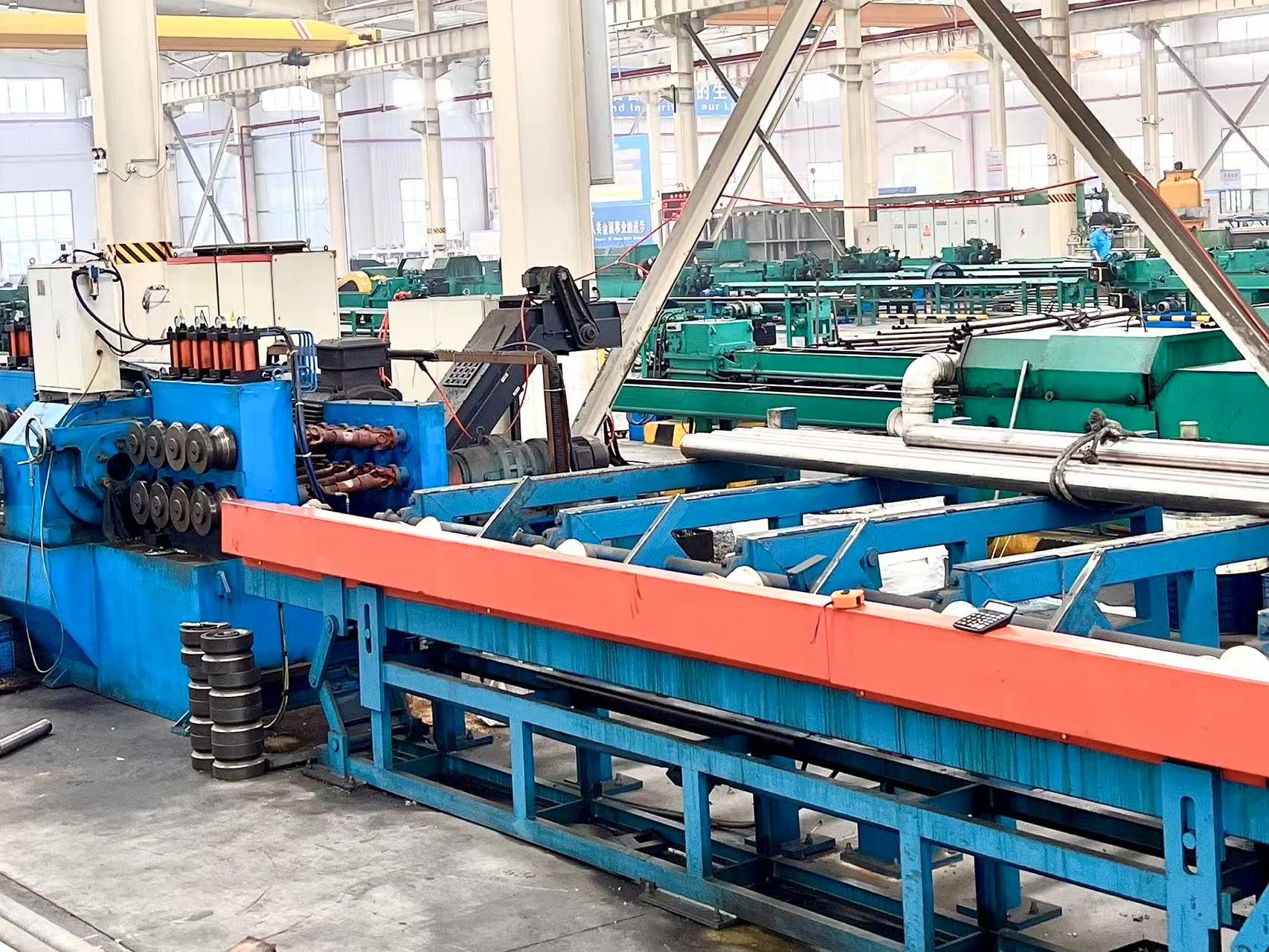
Precision hot rolling mills, cold-drawing benches, vacuum annealing furnaces, and ultrasonic non-destructive testing suites.
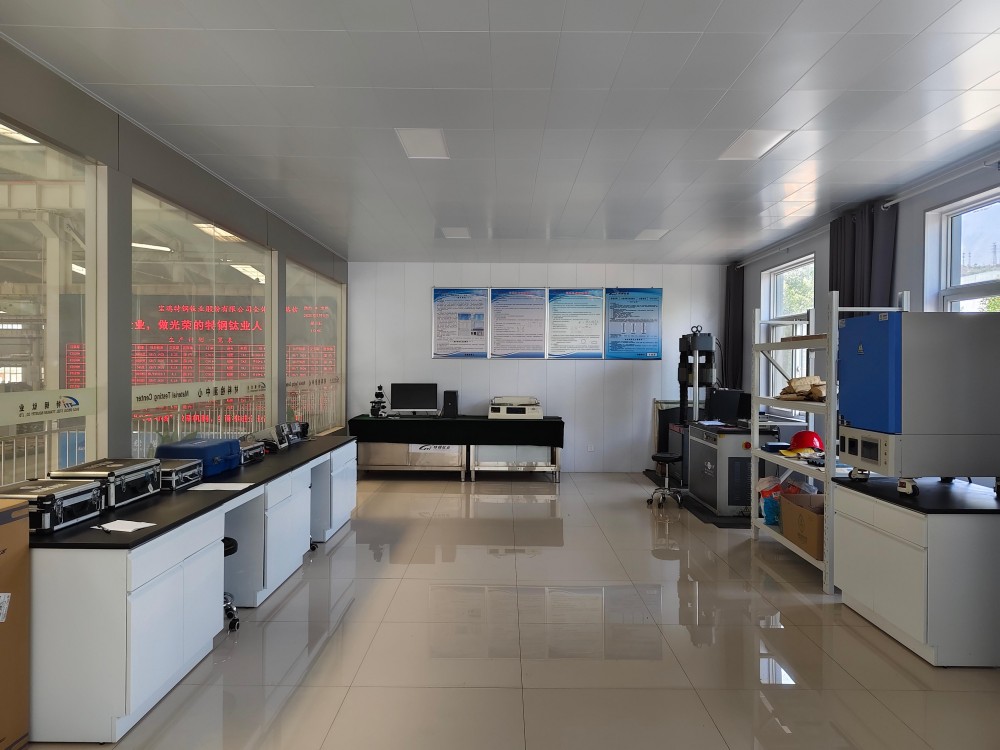
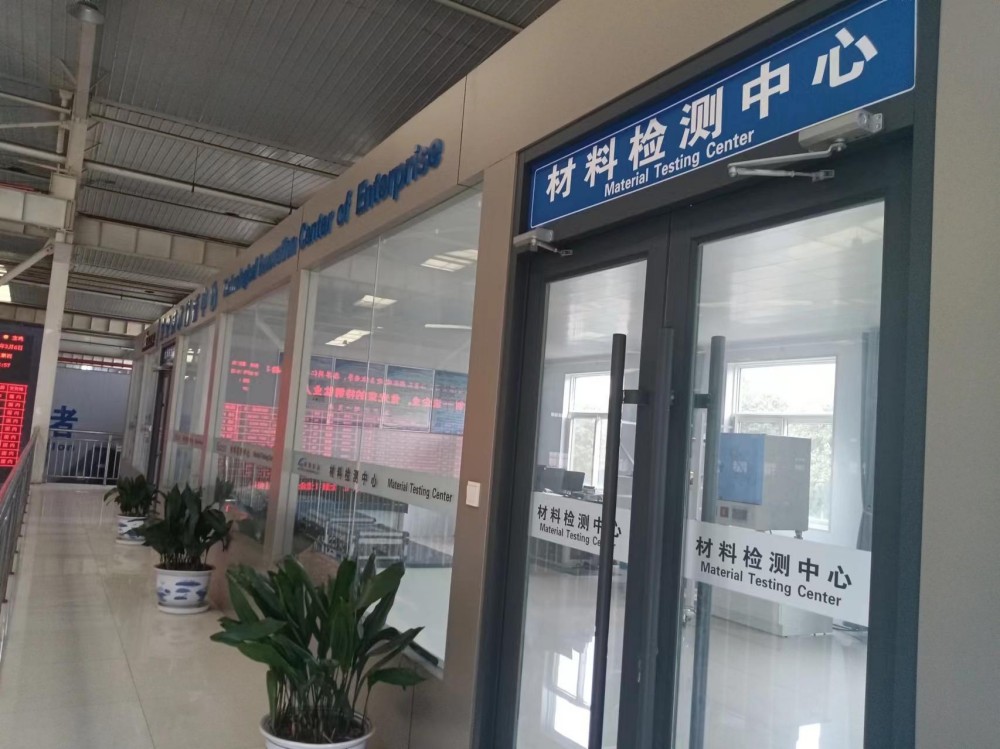
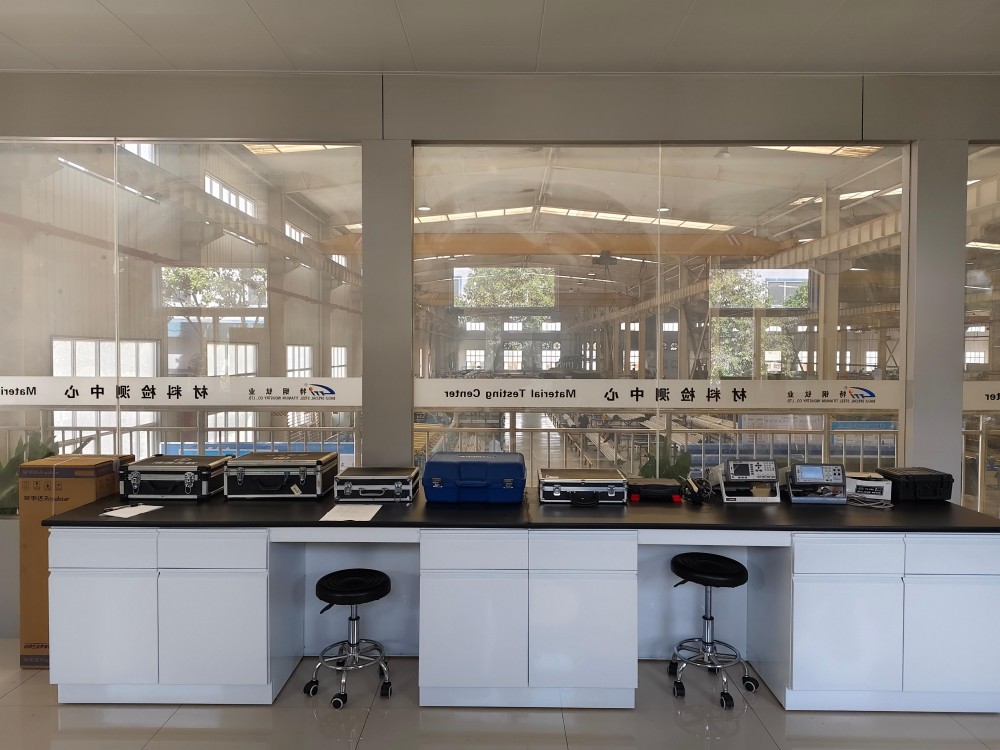
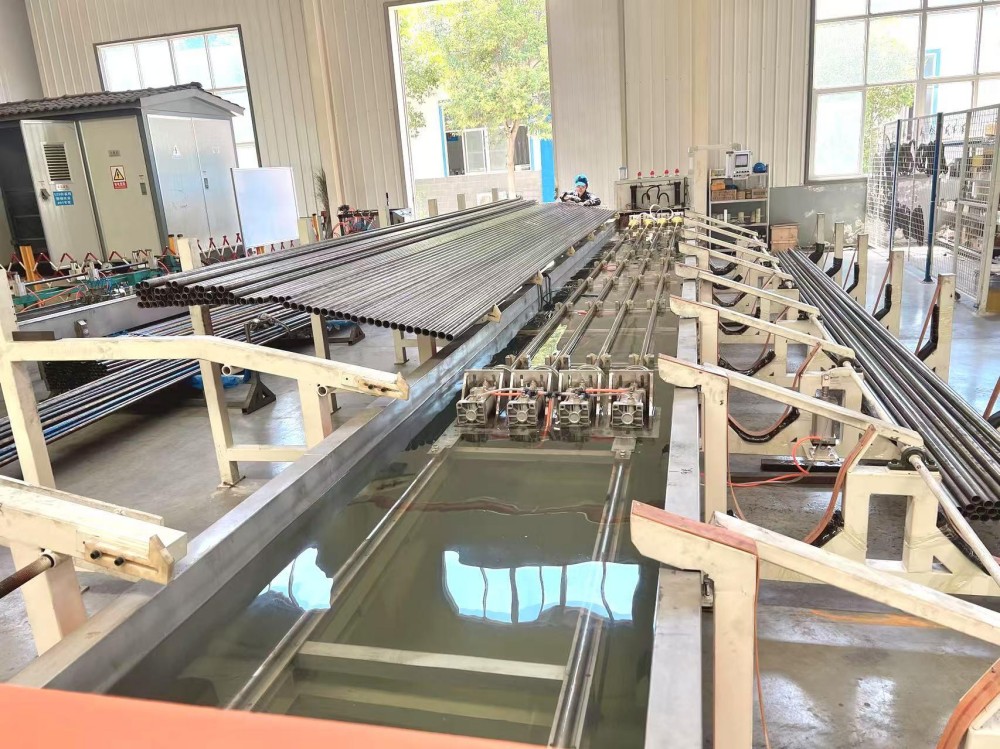
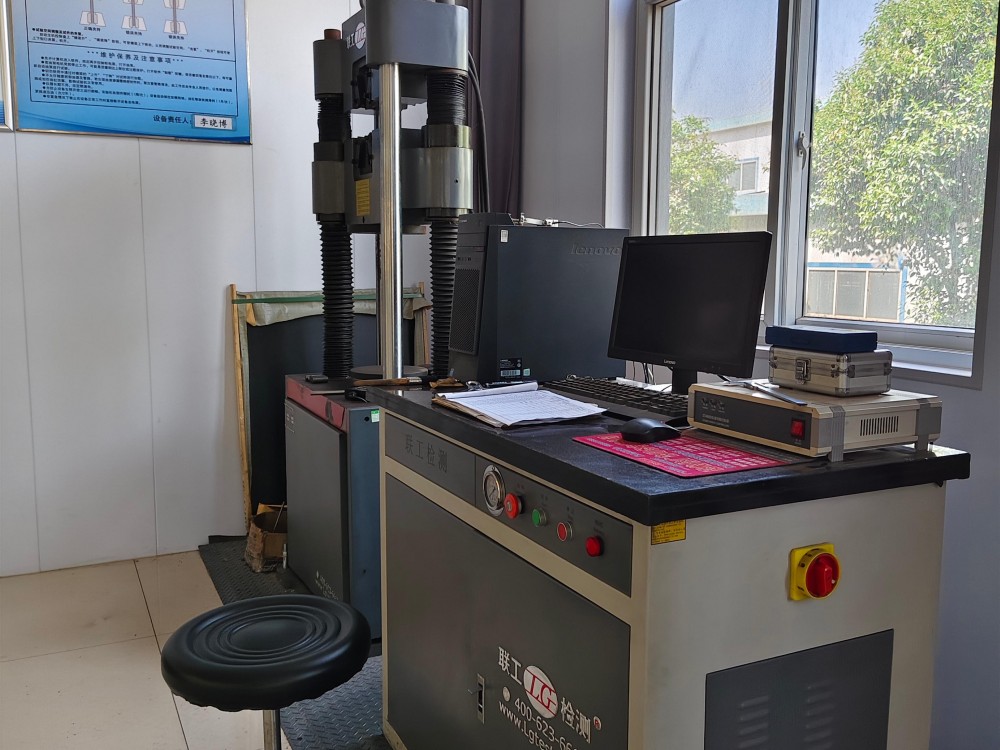
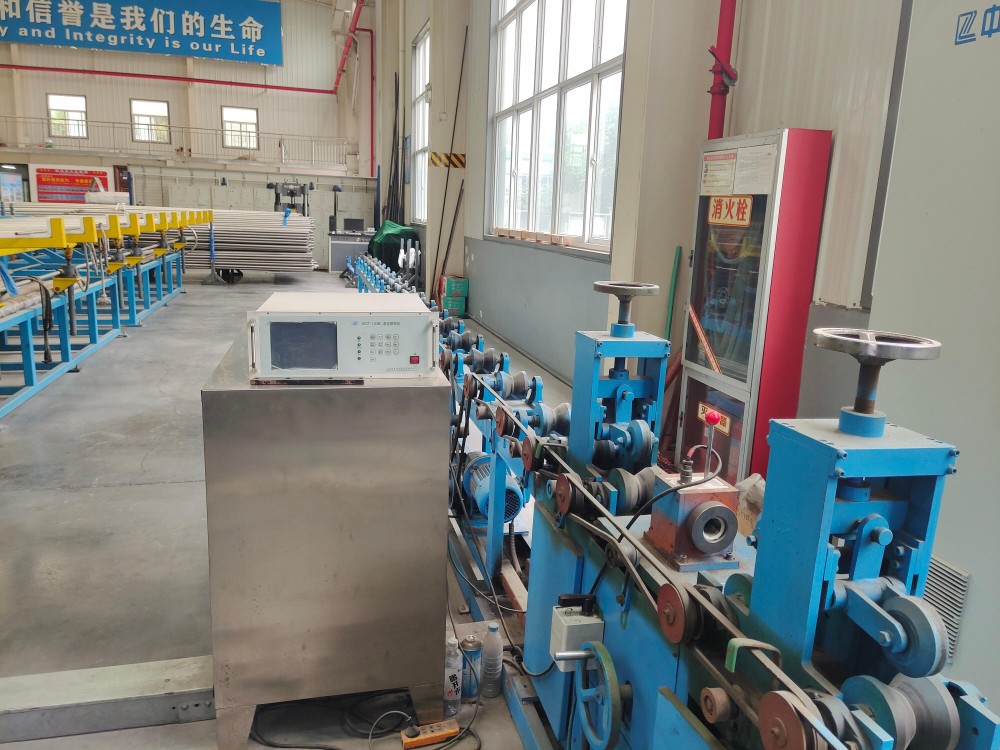
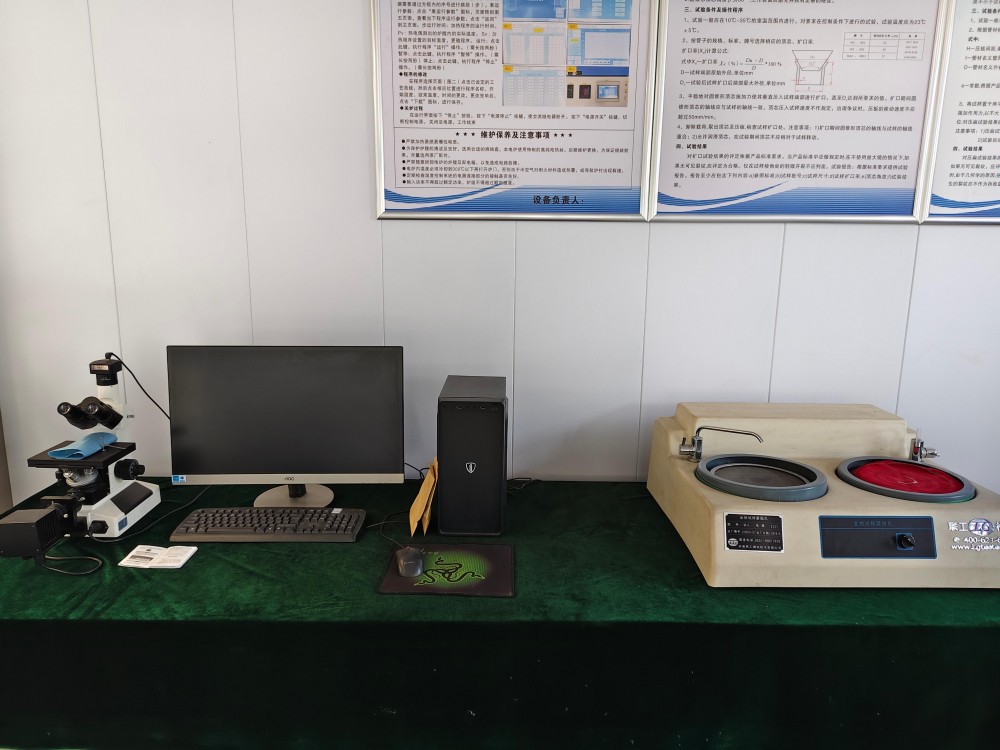
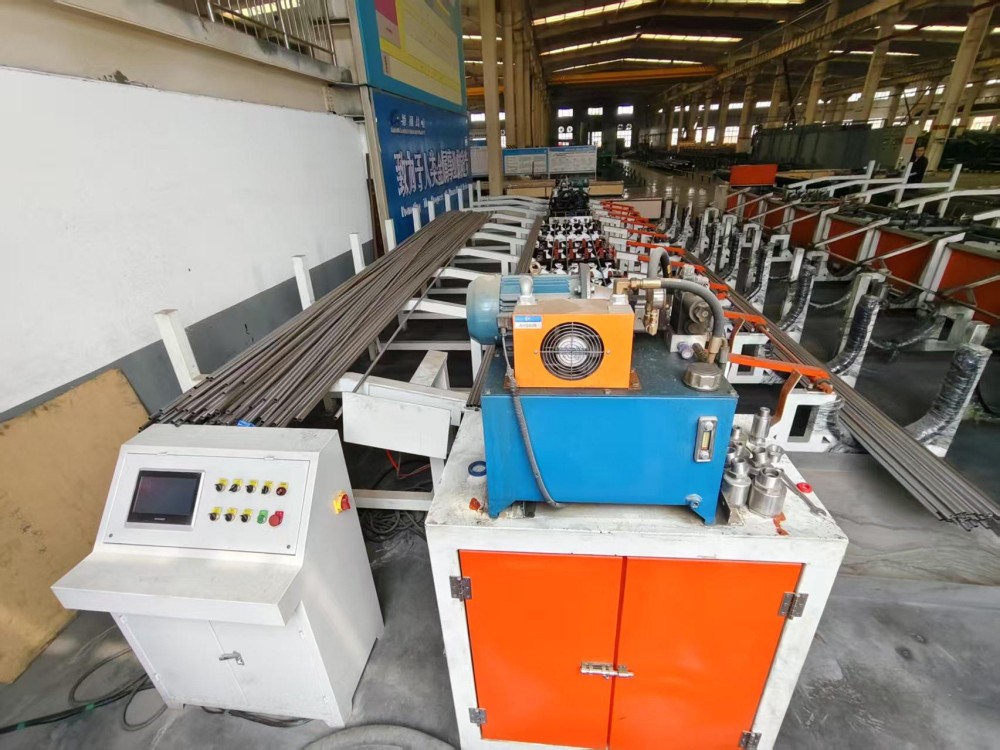
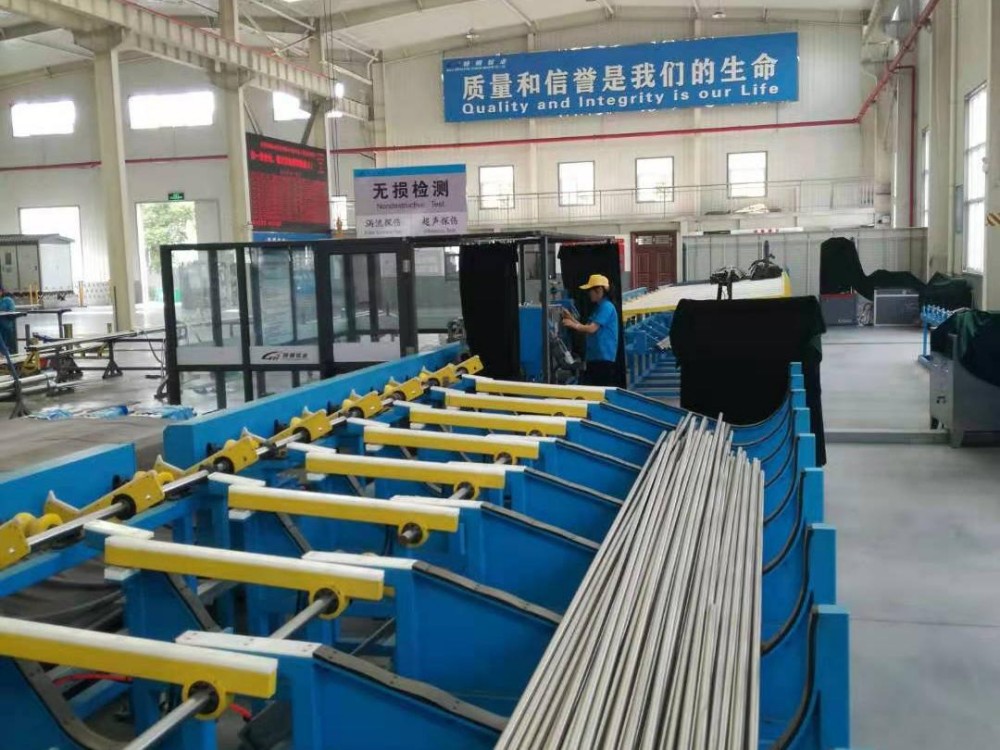
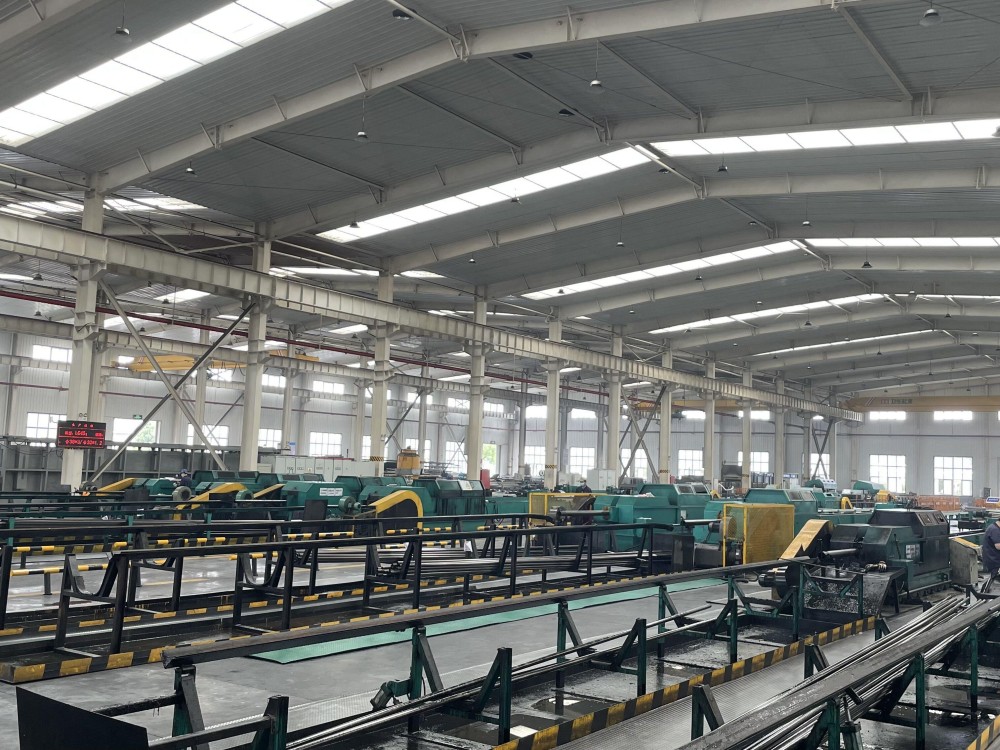
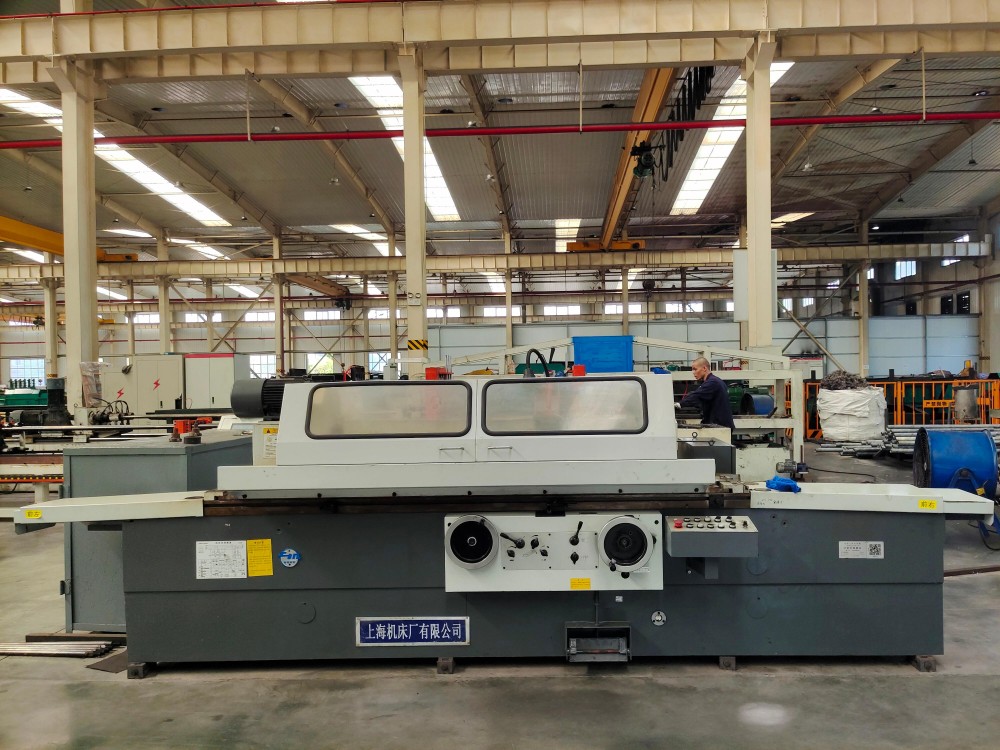
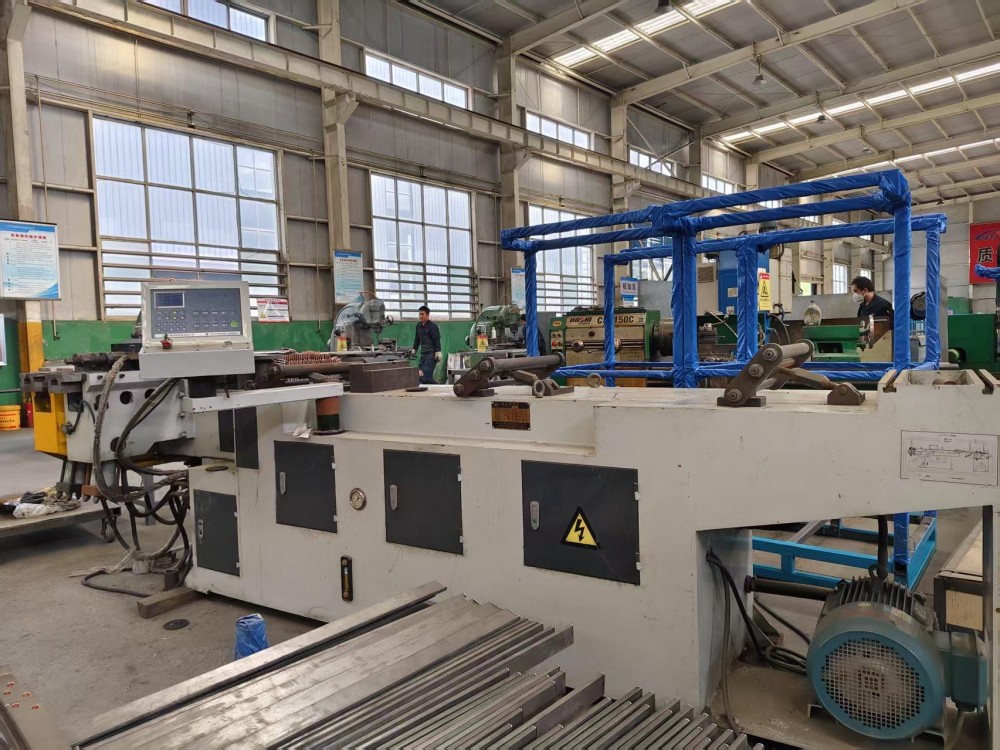
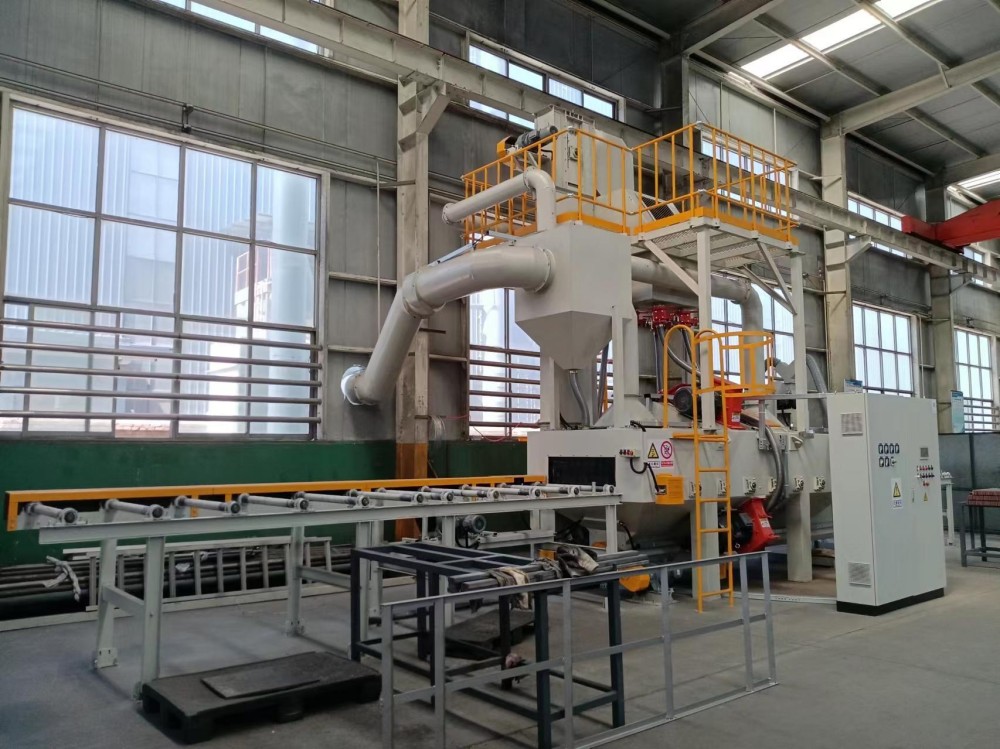
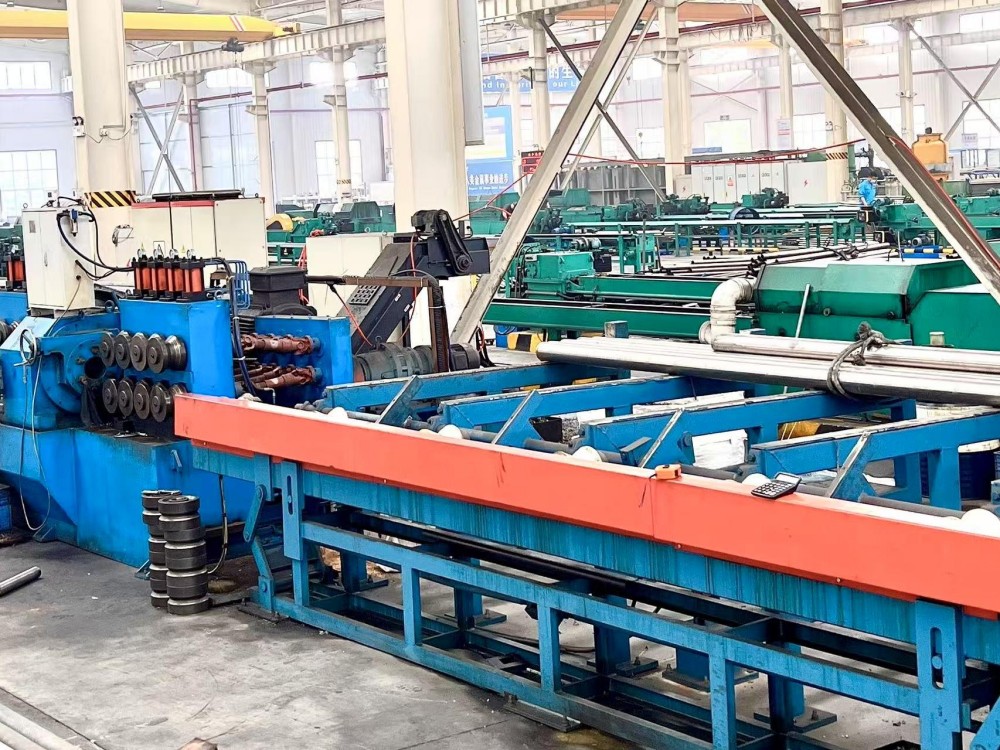
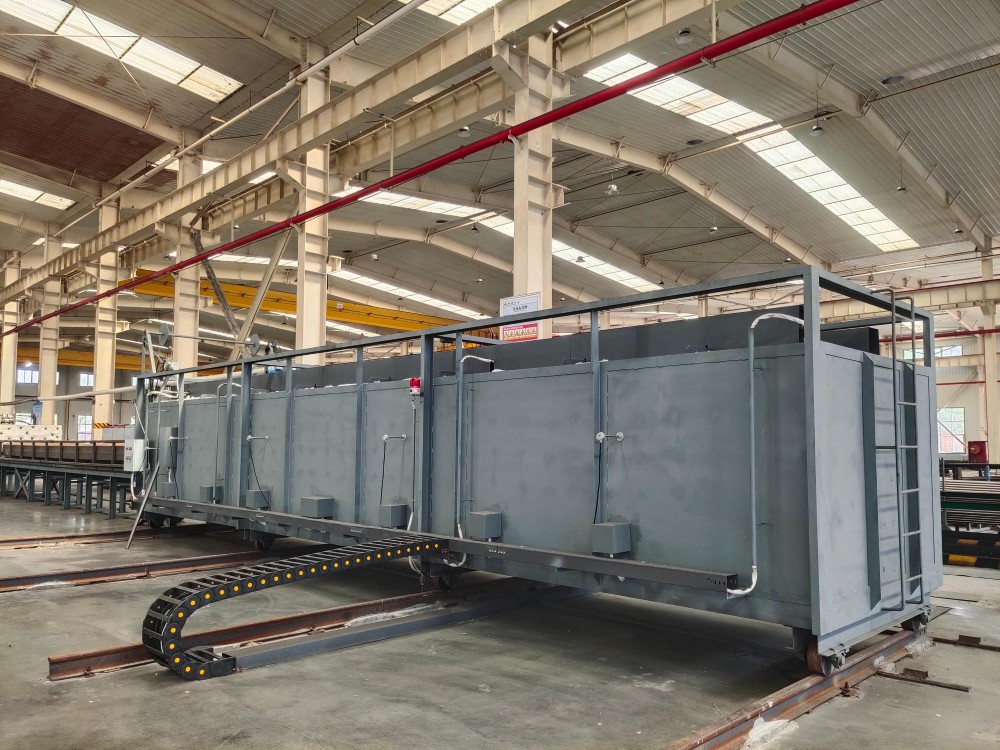
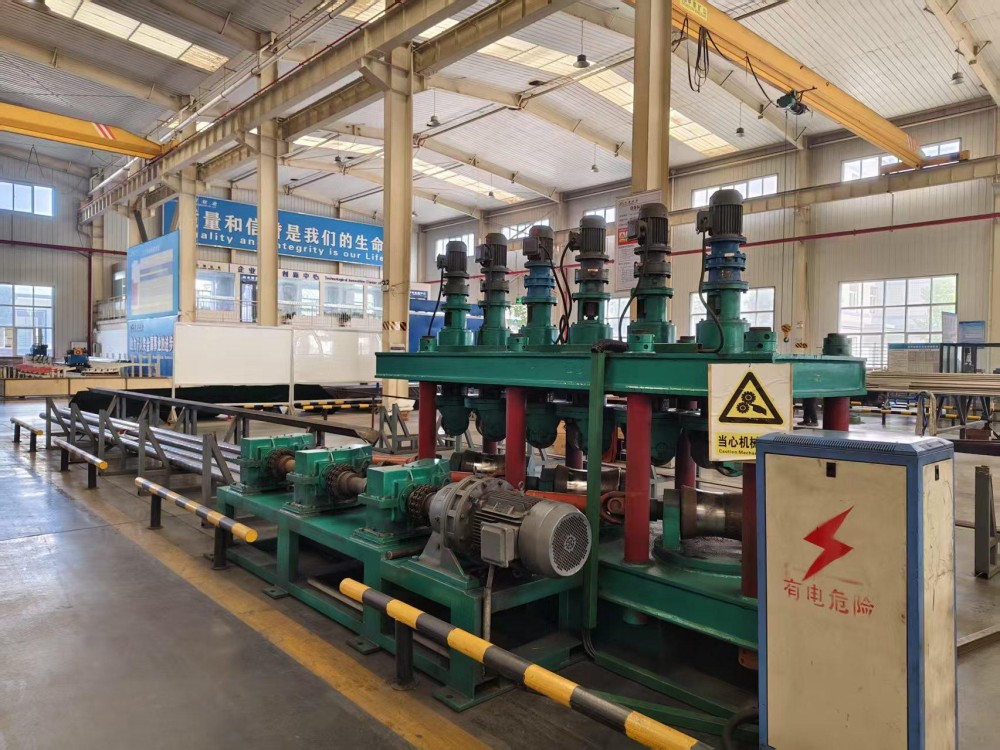
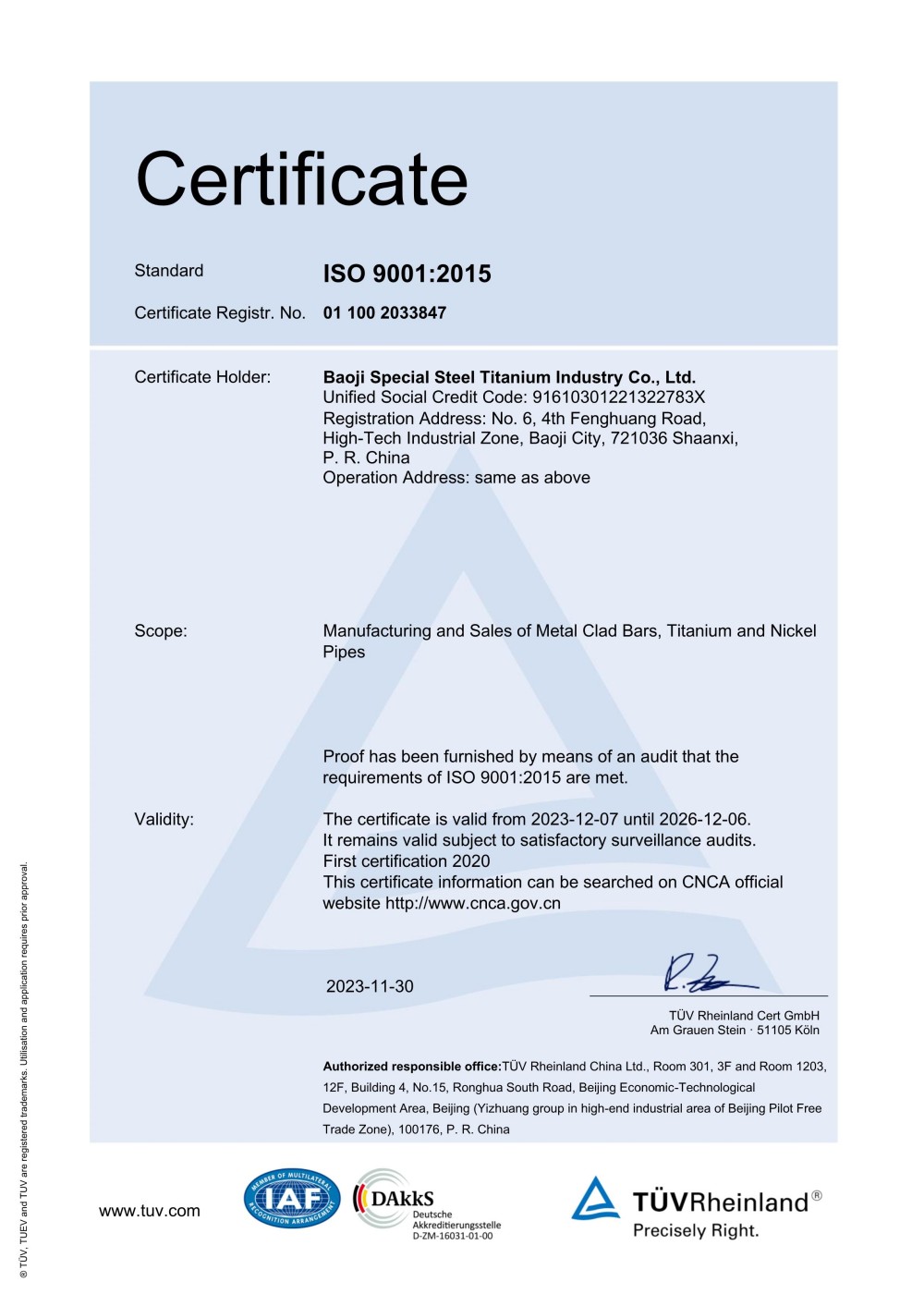
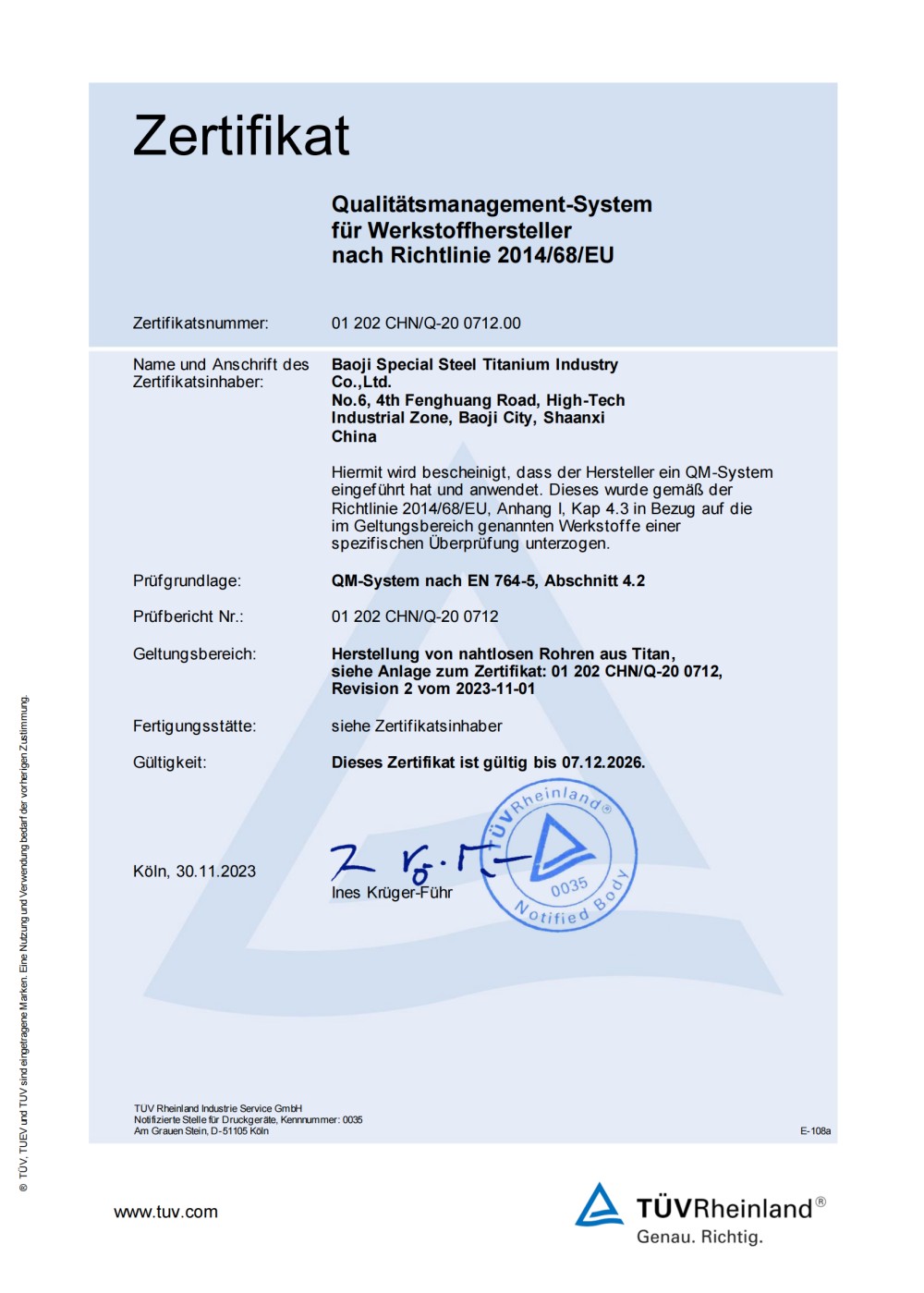
Fully compliant with ISO 9001, AS9100, PED, and global quality management certifications for critical energy applications.
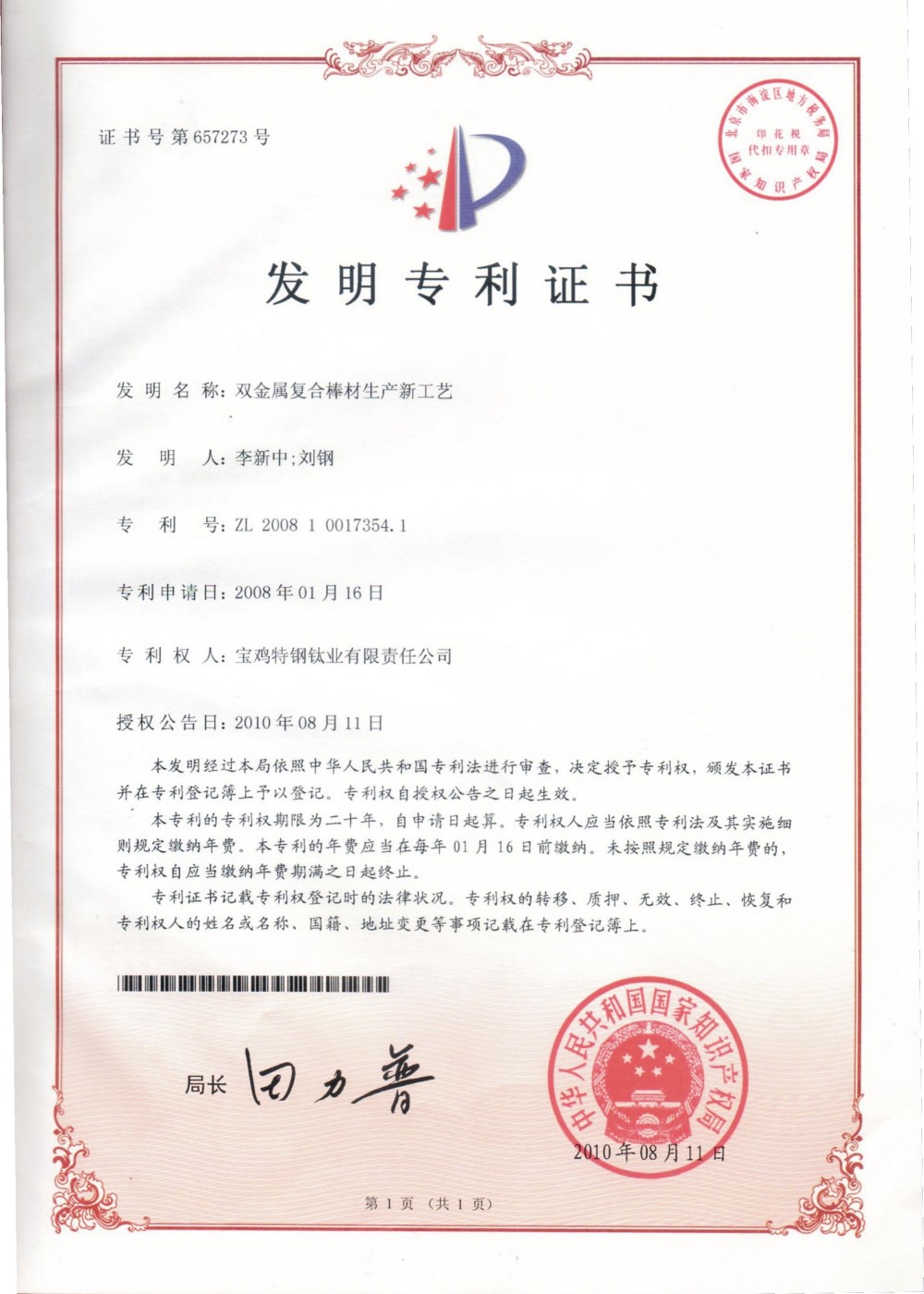
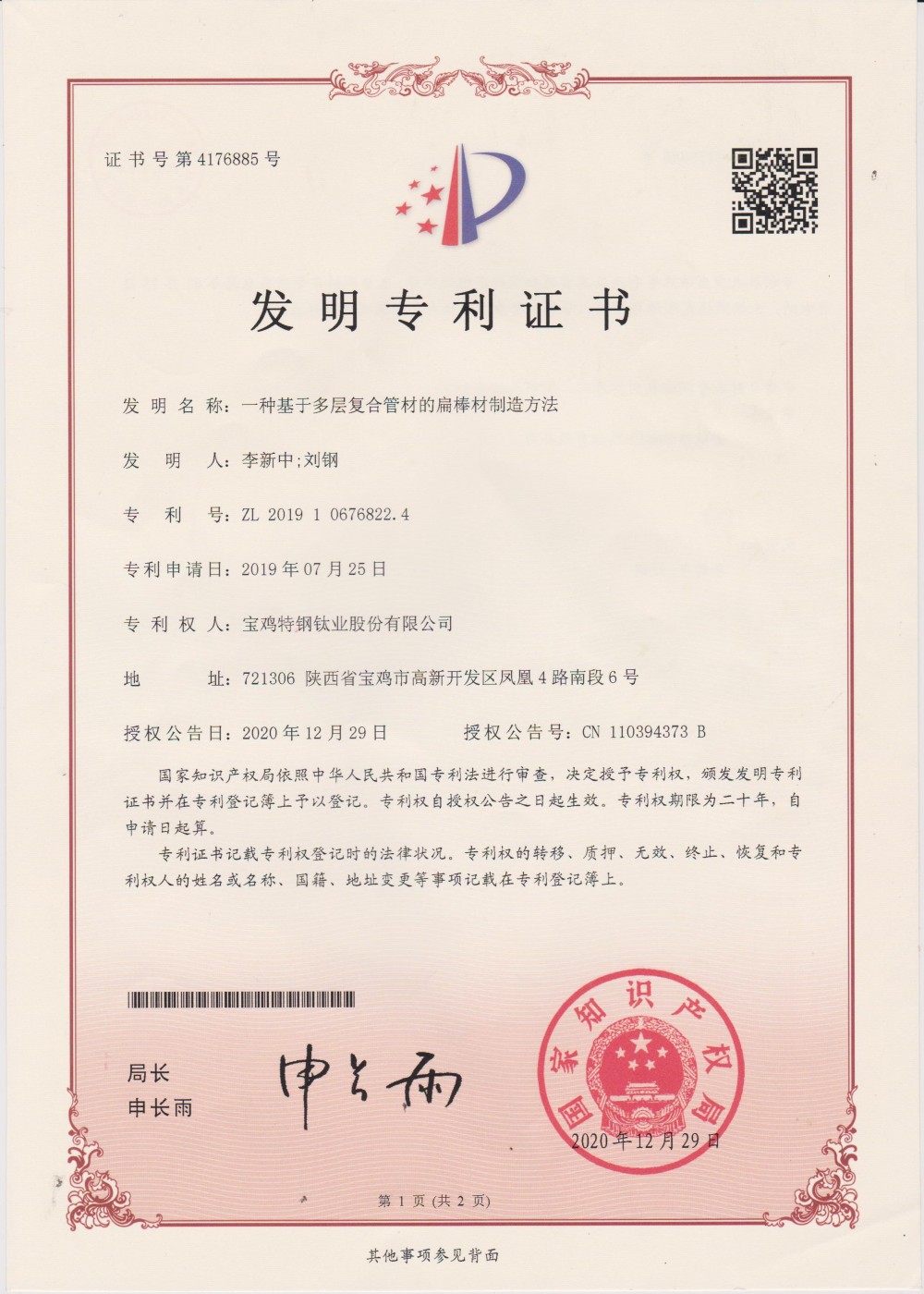
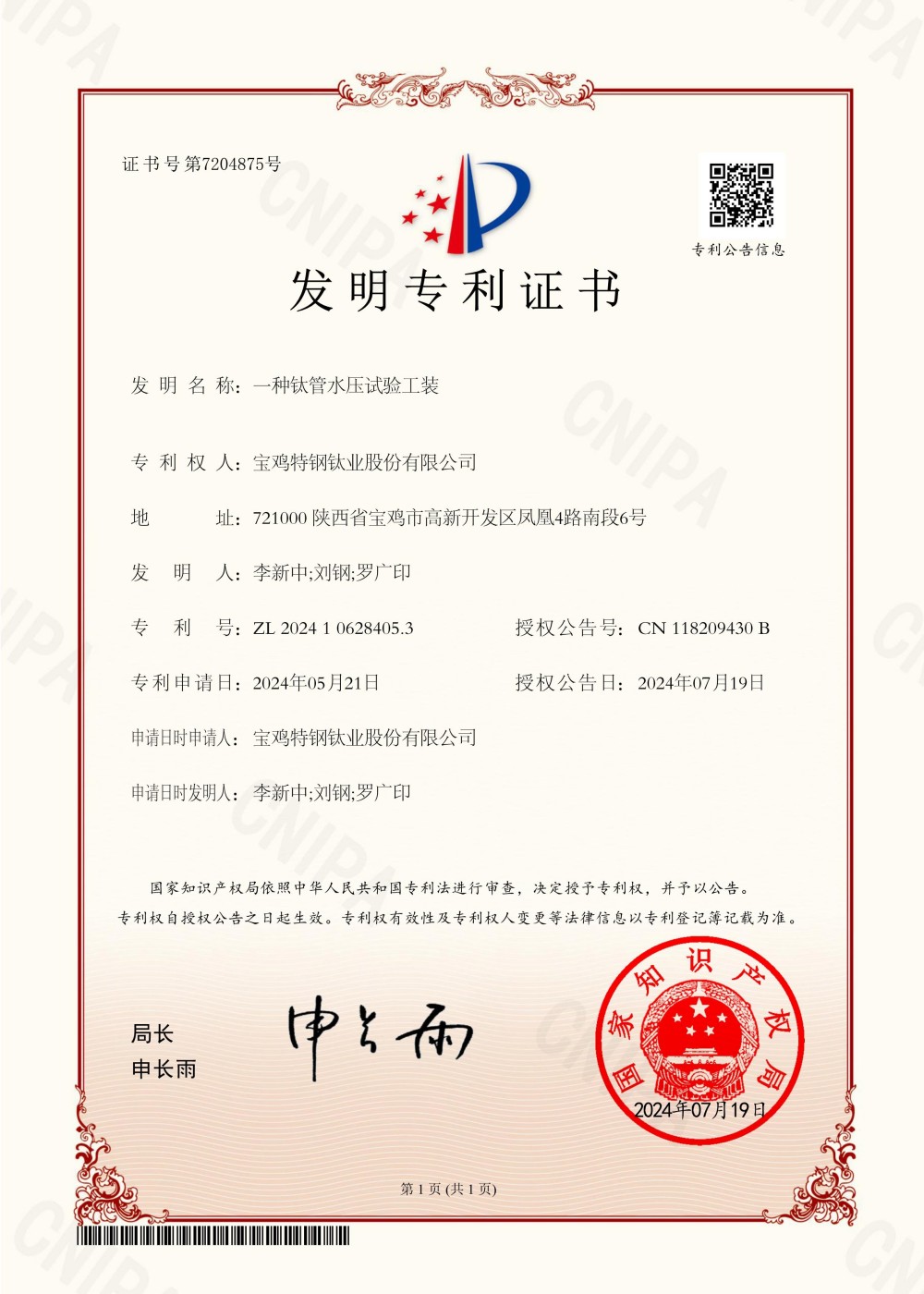
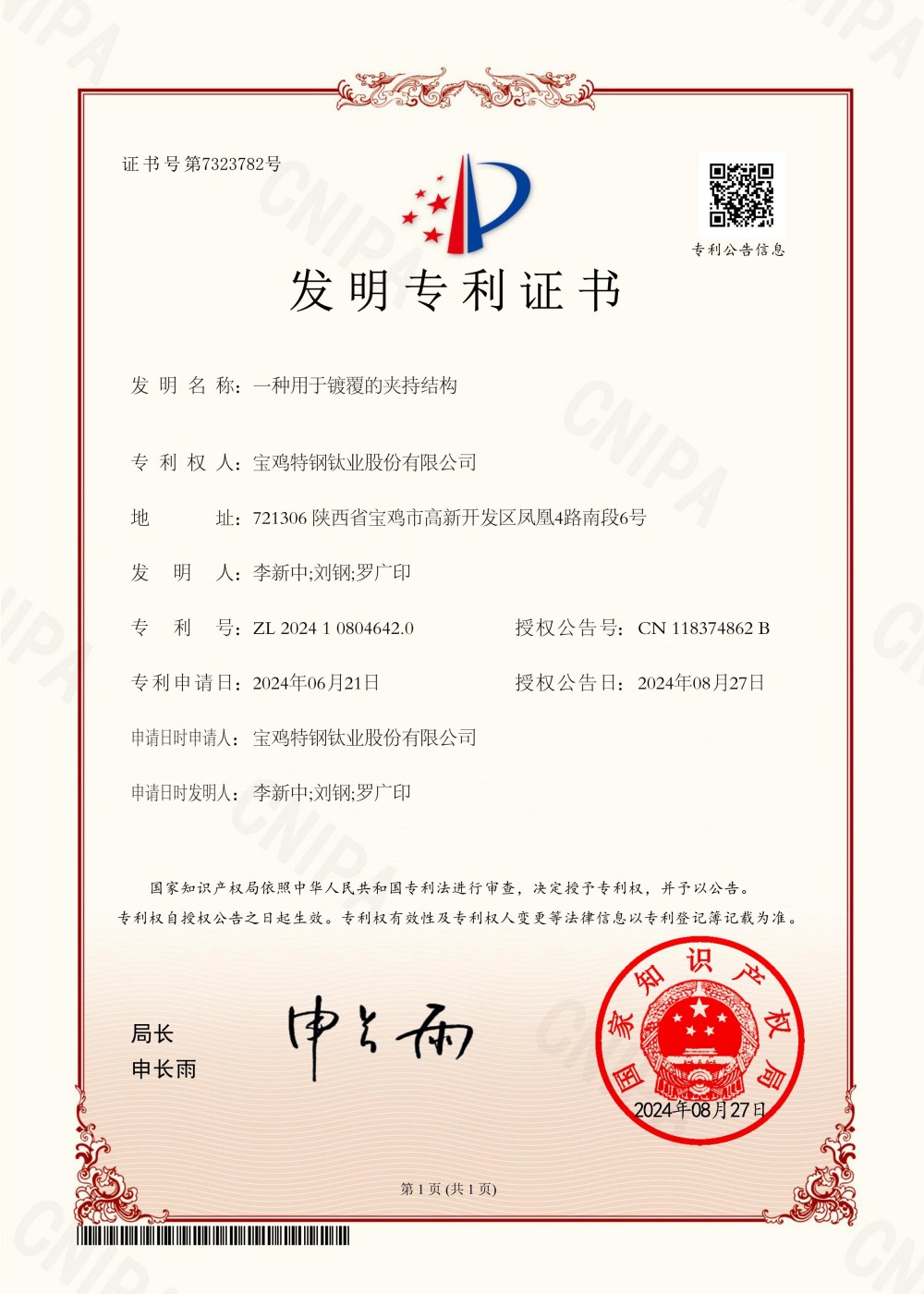
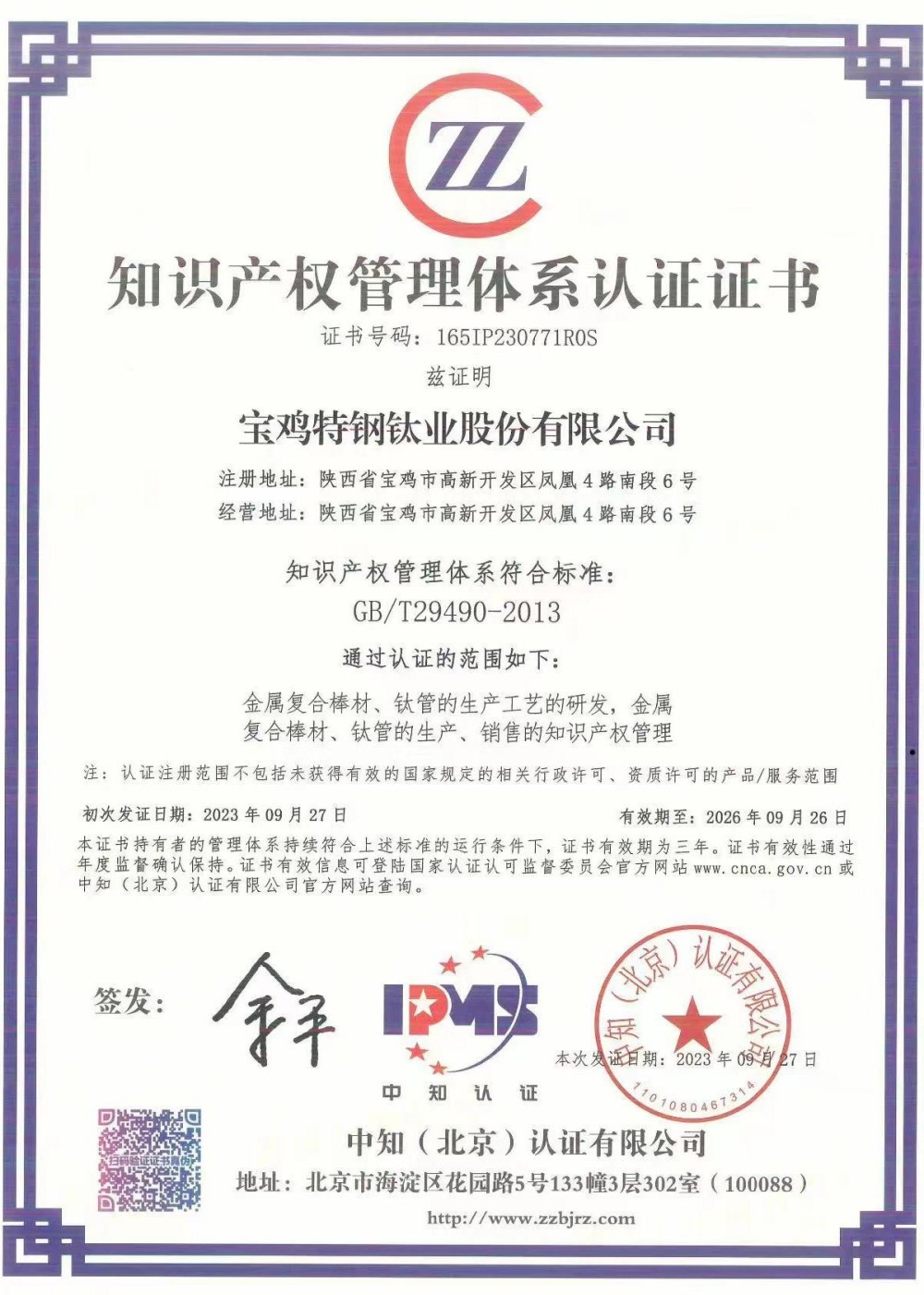
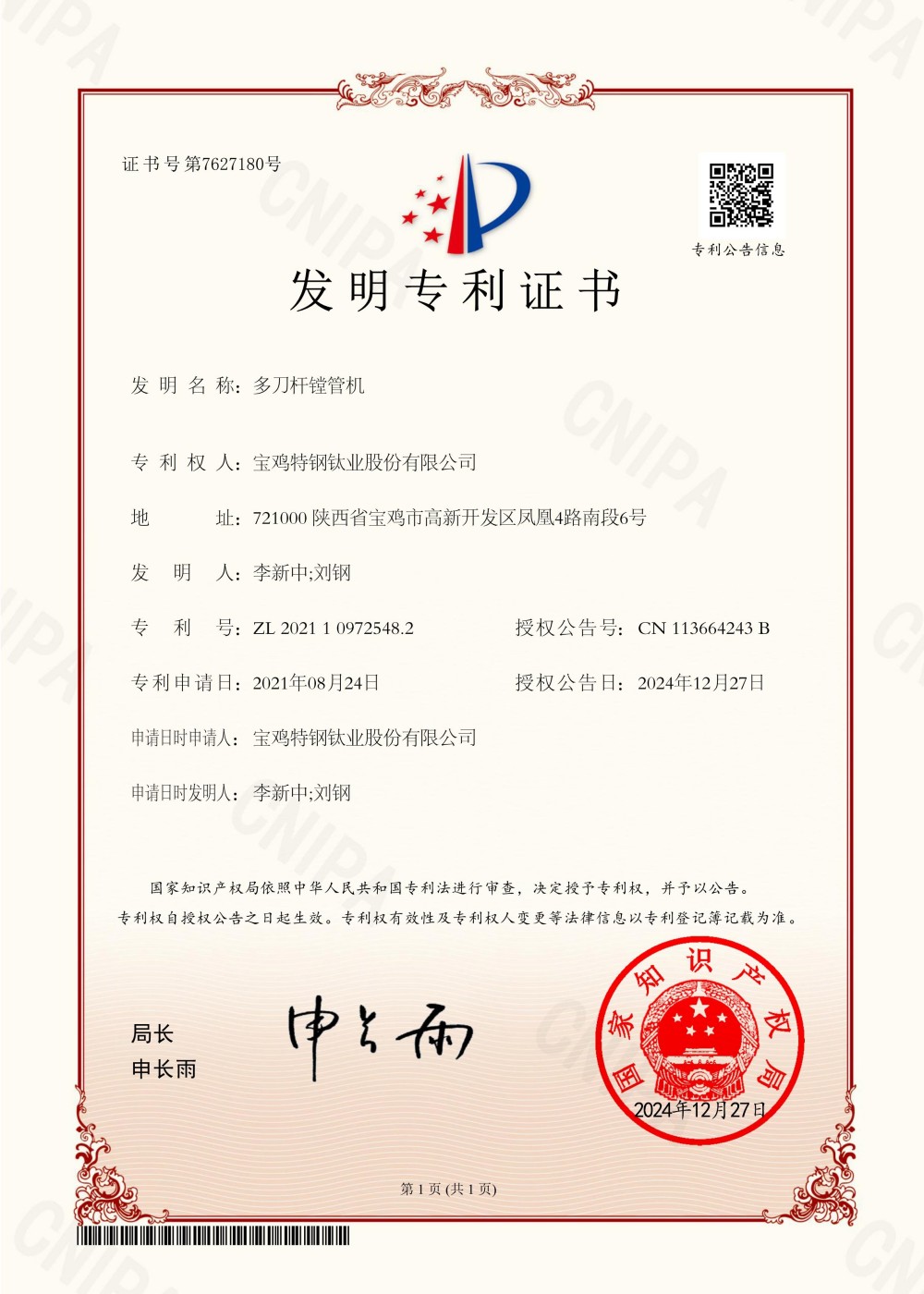
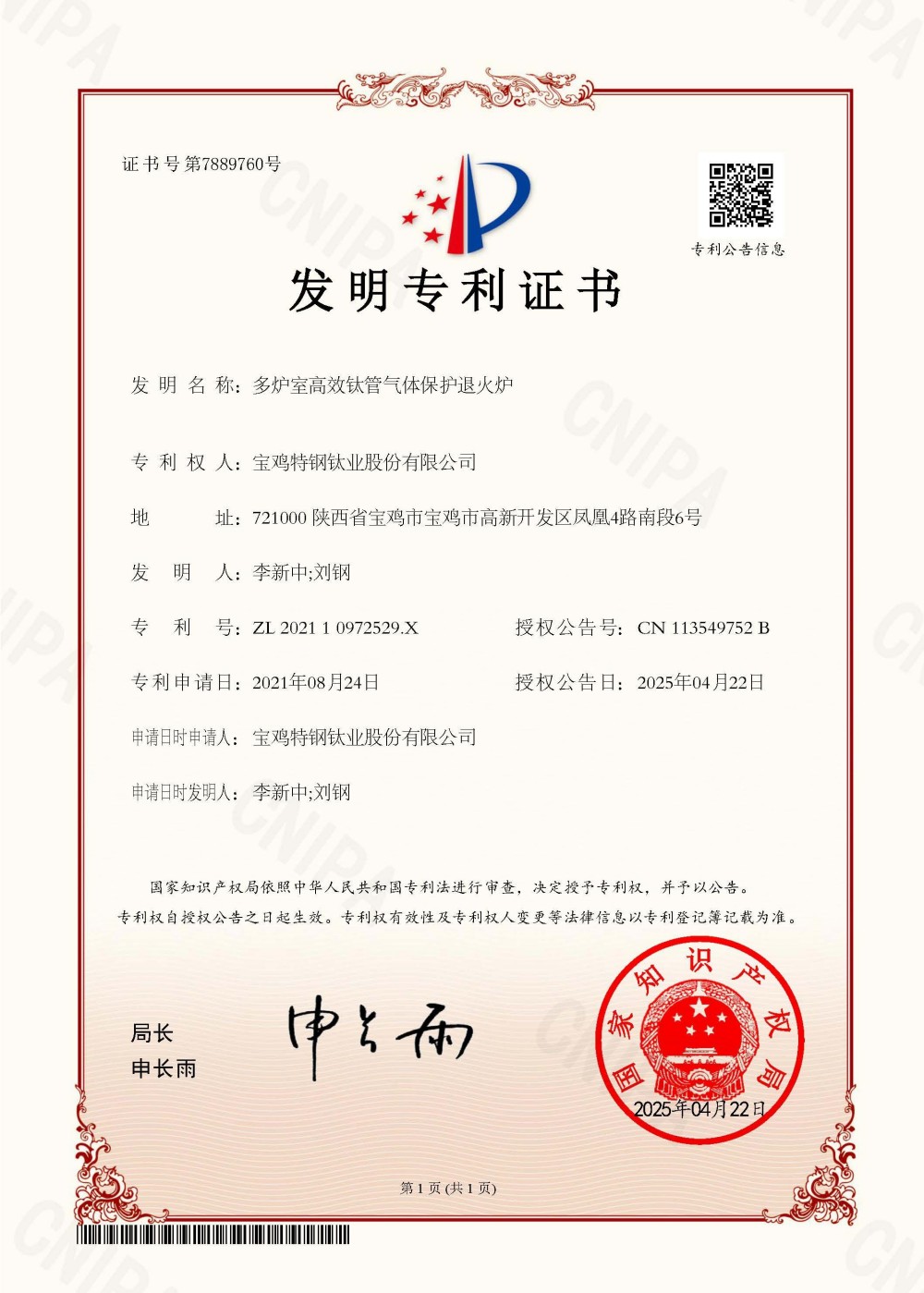
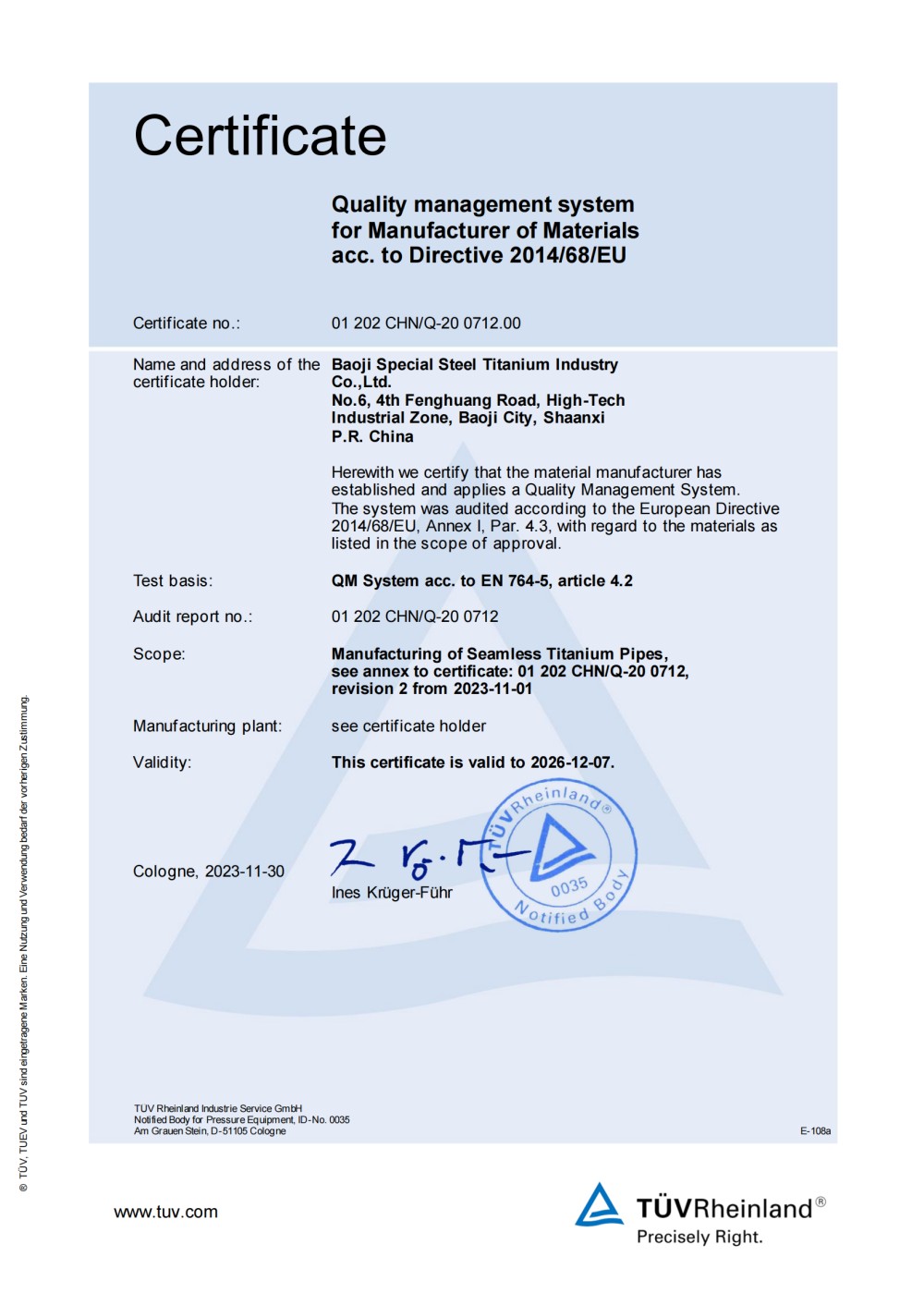
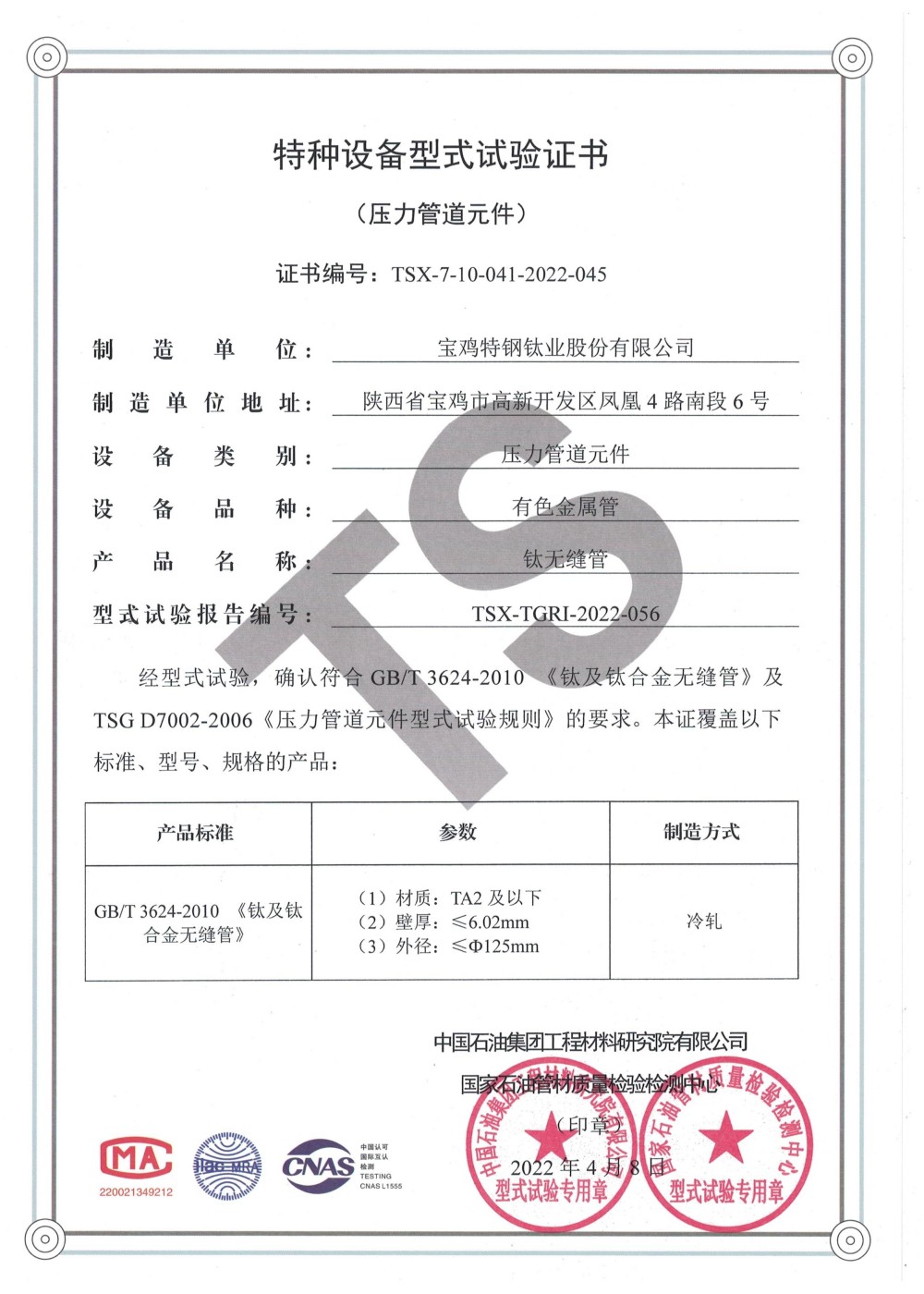
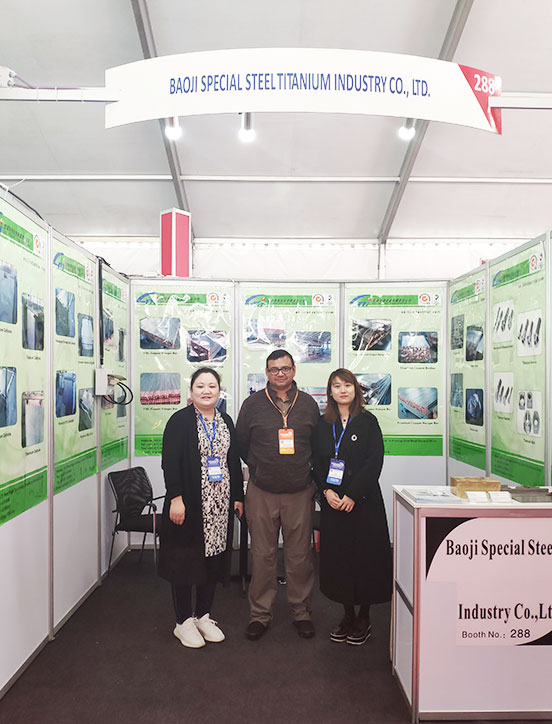
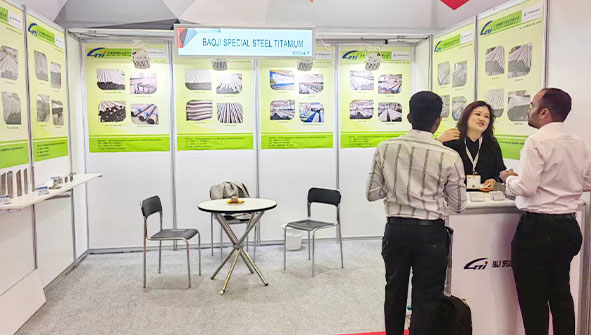
Presenting advanced titanium, zirconium, and nickel alloy technologies at premier industrial energy expos across the globe.
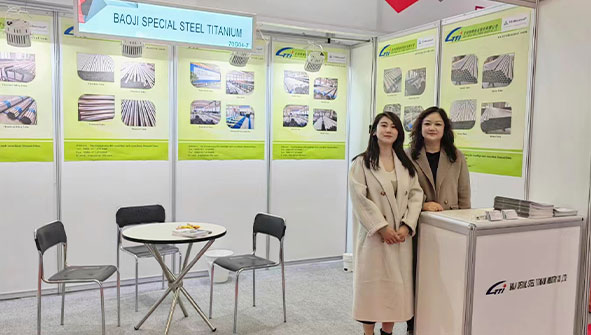
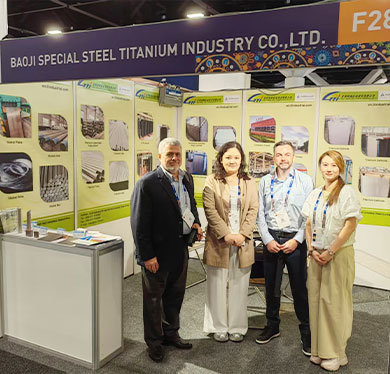
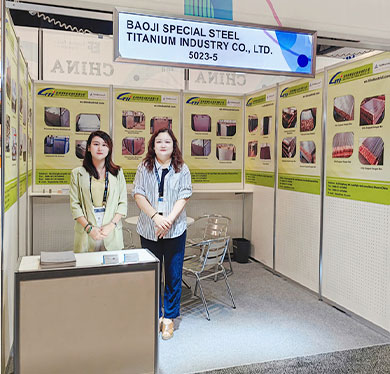
Comprehensive non-ferrous and composite metals manufactured for nuclear, fossil, and green energy applications.
High-conductivity titanium cathode arrays designed for large-scale energy electrolysis and power metallurgy.
Electrochemical • View Product
Engineered seamless and welded titanium tubes for thermal power station condensers and coastal cooling towers.
Heat Transfer • View Product
Stable dimensional lead-dioxide coated titanium anodes for electrochemical effluent recovery in power facilities.
Anodic Systems • View Product
Corrosion-proof titanium plates for pressurized reactor shells, geothermal tanks, and renewable fuel boilers.
Pressure Equipment • View Product
Permanent cathode plates delivering low cell voltage and exceptional current efficiency for energy extraction.
High Purity • View Product
Ultra-low interstitial tubular designs with precise outer diameter tolerances for reactor containment loops.
Nuclear Certified • View Product
Specialized electrode assemblies with high oxygen evolution barriers for advanced oxidation water purification.
Advanced Coating • View Product
Precision-pressed corrugated plates for high-performance plate heat exchangers (PHE) in power turbine facilities.
Thermal Efficiency • View Product