



Leave Your Message
Core non-ferrous composite, piping, and electrode elements utilized in advanced mineral processing and refining plants worldwide.
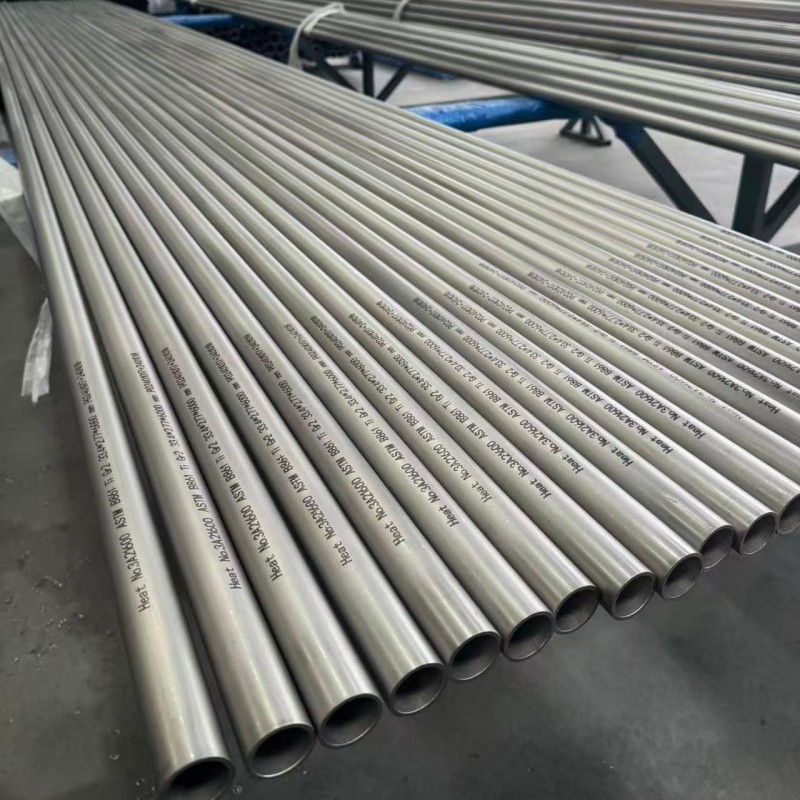
Corrosion-resistant heat exchanger tubes and slurry piping systems tailored for sulfuric and nitric acid leaching environments.
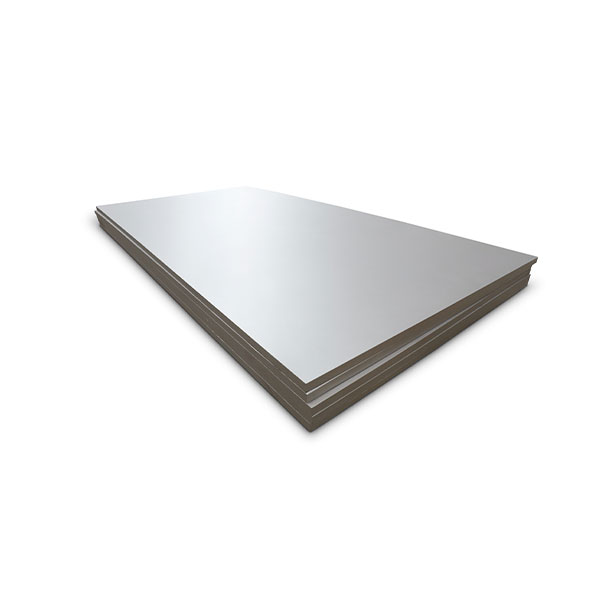
Heavy duty structural lining plates and reactor partitions capable of resisting high chloride concentrations and acidic slurries.
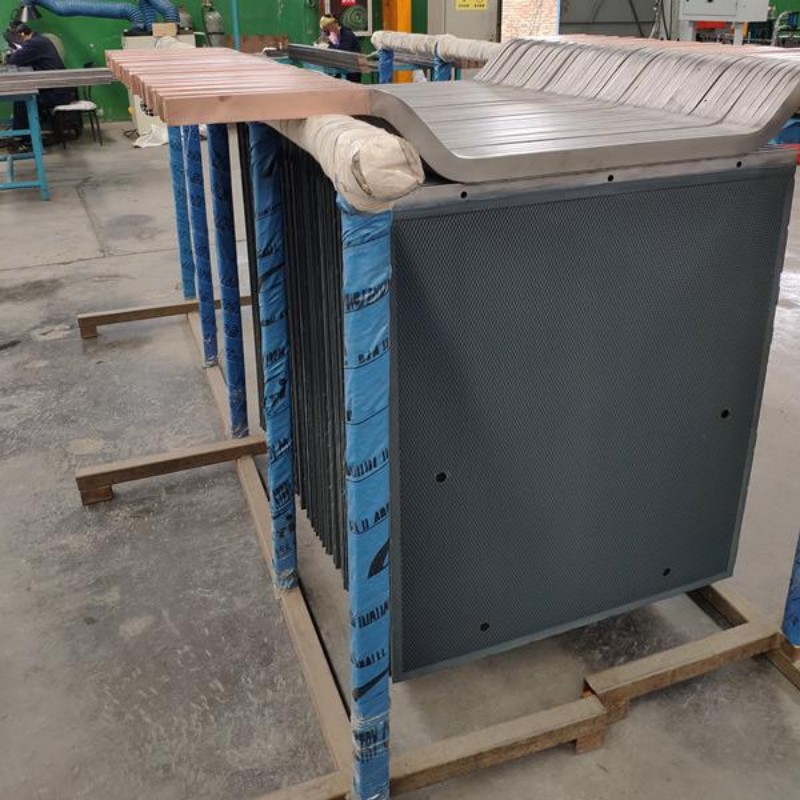
High-efficiency dimensional stable anodes (DSA) developed for copper, zinc, cobalt, and nickel electrowinning circuits.
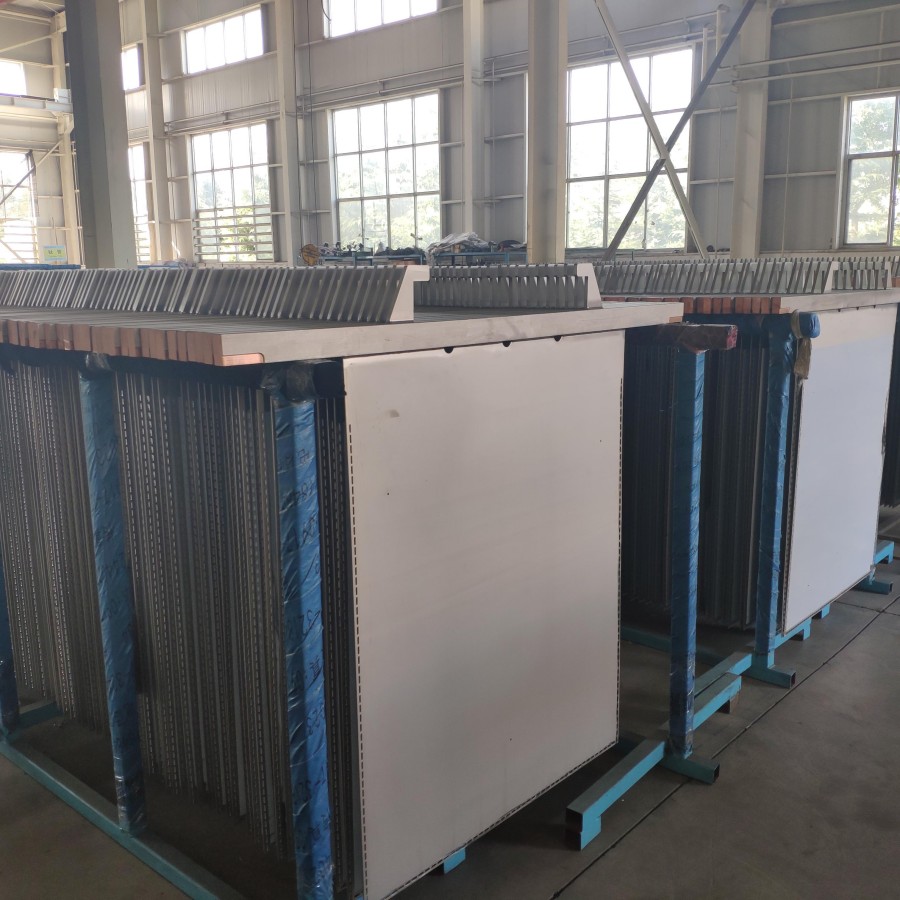
Permanent cathode mother plates offering uniform current density, rapid metal stripping cycles, and long service life.
Navigating High-Pressure Acid Leaching (HPAL), Secondary Battery Recycling, and Critical Mineral Extraction
Global demand for battery-grade nickel sulfate and cobalt hydroxide has triggered unprecedented investments in High-Pressure Acid Leaching (HPAL) facilities across Southeast Asia, Oceania, and the Americas. Operating at pressures up to 4.5–5.5 MPa and temperatures exceeding 250°C, HPAL autoclaves handle sulfuric acid slurries so aggressive that traditional nickel-chromium steels, duplex stainless alloys, and graphite fail rapidly. Titanium rods, manufactured under strict ASTM B348 specifications, deliver the precise metallurgical integrity required for drive shafts, internal baffle supports, and agitator shafts.
Hydrometallurgy leachates are rich in dissolved ferric and cupric ions, chlorides, fluorides, and sulfuric acid. Under these severe reducing and oxidizing cross-over regimes, localized pitting and crevice corrosion represent severe catastrophic failure risks. The strategic integration of Palladium-stabilized Titanium Rods (ASTM Grade 7 and Grade 11) or Ruthenium-stabilized alternatives provides an electrochemically active barrier, elevating the critical crevice corrosion temperature beyond 250°C, ensuring continuous operational uptime.
Modern commercial hydrometallurgical reactors utilize high-torque, multi-tier turbine impellers rotating within dense, solid-liquid-gas slurries. The shafts and structural tie-rods endure immense cyclic bending, torsional strain, and cavitation erosion. Grade 5 titanium rods (Ti-6Al-4V) provide tensile strengths exceeding 895 MPa, exceptional strength-to-weight ratios, and remarkable fracture toughness, dramatically lowering maintenance overheads compared to heavy clad carbon steel shafts.
From Autoclave Core Components to Electrowinning Busbar Connectors
Autoclaves used in gold pressure oxidation (POX) and laterite nickel HPAL circuits represent the pinnacle of aggressive industrial environments. Agitators must disperse high-pressure oxygen bubbles uniformly into abrasive mineral slurries while sustaining intensive multi-directional mechanical stresses.
Precision-forged titanium rods (Grade 5, Grade 7, Grade 12, and Grade 29) serve as the foundation for multi-stage shaft systems, sleeve couplings, and torque-transmission dowels. Unlike steel alloys that suffer from stress corrosion cracking (SCC) under chloride contamination, titanium forms a rapidly self-healing, chemically inert titanium dioxide (TiO2) passive layer. This ceramic-like surface film resists erosion from silica quartz and iron oxides suspended in the pregnant leach solution (PLS).
Our forged titanium round bars undergo rigorous continuous ultrasonic testing (UT) according to ASTM B348 and AMS 2631 Class A/AA specifications to guarantee zero internal porosities, inclusions, or segregations.
In modern solvent extraction-electrowinning (SX-EW) circuits producing Grade A copper cathodes, high-purity nickel, zinc, and cobalt, electrical efficiency and mechanical stability determine operating profitability. Titanium hanger bars and titanium-clad copper rods serve as the vital conductive bridge suspending heavy cathode plates directly into acidic electrolytes.
Solid titanium rods provide mechanical structural rigidity across cell tanks, resisting acid mist corrosion and eliminating the risk of structural sagging or thermal creep. Meanwhile, our explosion-bonded and co-extruded titanium-clad copper rods integrate the unmatched conductivity of electrolytic tough pitch (ETP) copper with the extreme corrosion resilience of outer Grade 1 or Grade 2 titanium cladding.
This design prevents copper dissolution in aggressive sulfuric acid baths, lowers electrical contact resistance, and minimizes energy loss across thousands of electrolytic cells.
Flow control in hydrometallurgical operations involves throttling slurries saturated with sulfuric acid, hydrochloric acid, dissolved chlorine gas, and heavy sulfates. Standard ball, butterfly, and plug valves frequently encounter stem galling, localized pitting beneath packing glands, and rapid shear fatigue.
High-precision ground titanium rods provide the dimensional tolerance, surface finish (Ra < 0.4 μm), and yield strength required for severe-service valve stems, internal thermal well wells, level sensing rods, and high-tensile reactor tie rods. Grade 12 (Ti-0.3Mo-0.8Ni) and Grade 7 (Ti-0.15Pd) round bars are especially celebrated for their resilience against crevice attack beneath PTFE and graphite gland packings.
Comparative Engineering Data for ASTM B348 Titanium Rods & Billets
| ASTM Grade | UNS Number | Nominal Composition | Tensile Strength (MPa min) | Yield Strength (MPa min) | Corrosion Environment & Application in Hydrometallurgy |
|---|---|---|---|---|---|
| Grade 1 | R50250 | Unalloyed CP Titanium | 240 | 170 | High ductility cladding, light-duty instrument probe housings, mild acid wash systems. |
| Grade 2 | R50400 | Unalloyed CP Titanium | 345 | 275 | The industry standard workhorse. Structural tank rods, electrowinning cathode support, SX piping. |
| Grade 5 | R56400 | Ti-6Al-4V (Alpha-Beta) | 895 | 828 | High mechanical strength. Massive HPAL agitator shafts, high-torque impellers, pressure vessel tie rods. |
| Grade 7 | R52400 | Ti-0.15Pd (CP-Palladium) | 345 | 275 | Supreme resistance to localized crevice corrosion in hot, low-pH reducing chlorides and acidic HPAL slurries. |
| Grade 12 | R53400 | Ti-0.3Mo-0.8Ni | 483 | 345 | Cost-effective alternative to Gr 7. Exceptional crevice corrosion resistance in hot brine and acid streams up to 200°C. |
| Grade 29 | R56404 | Ti-6Al-4V ELI + Ru | 895 | 828 | Ultra-high strength combined with enhanced crevice resistance for offshore hydrometallurgy and extreme POX reactors. |
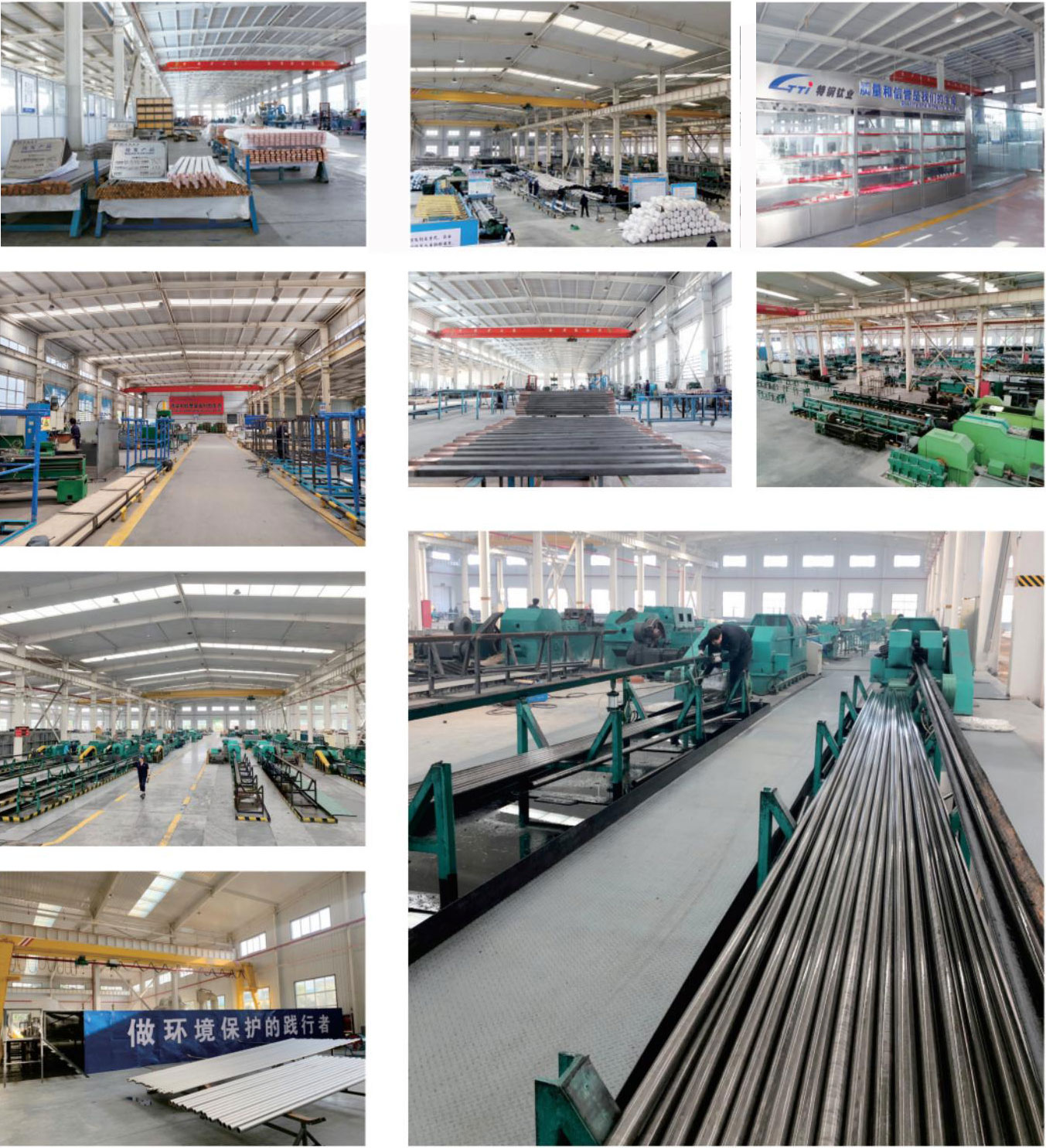
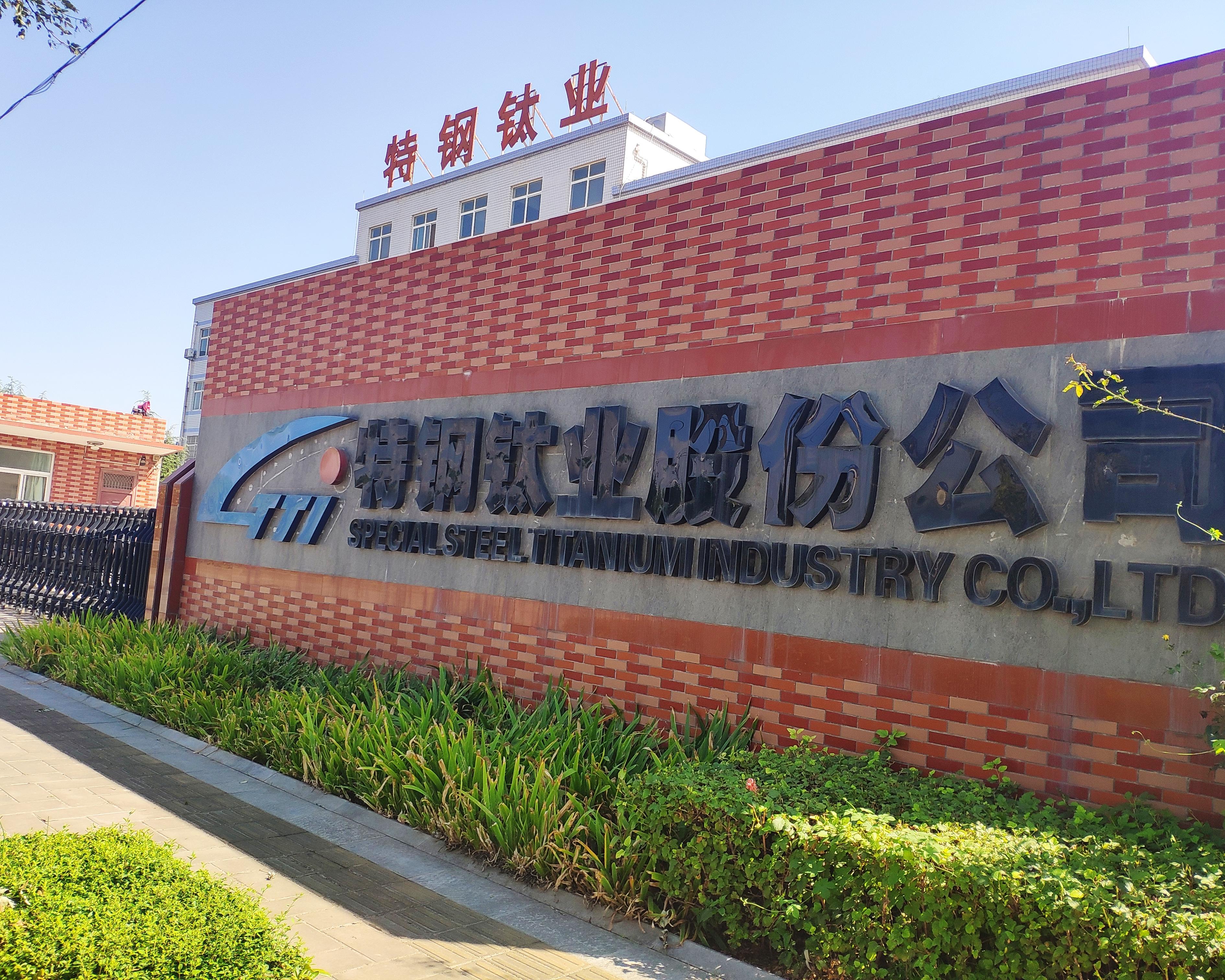
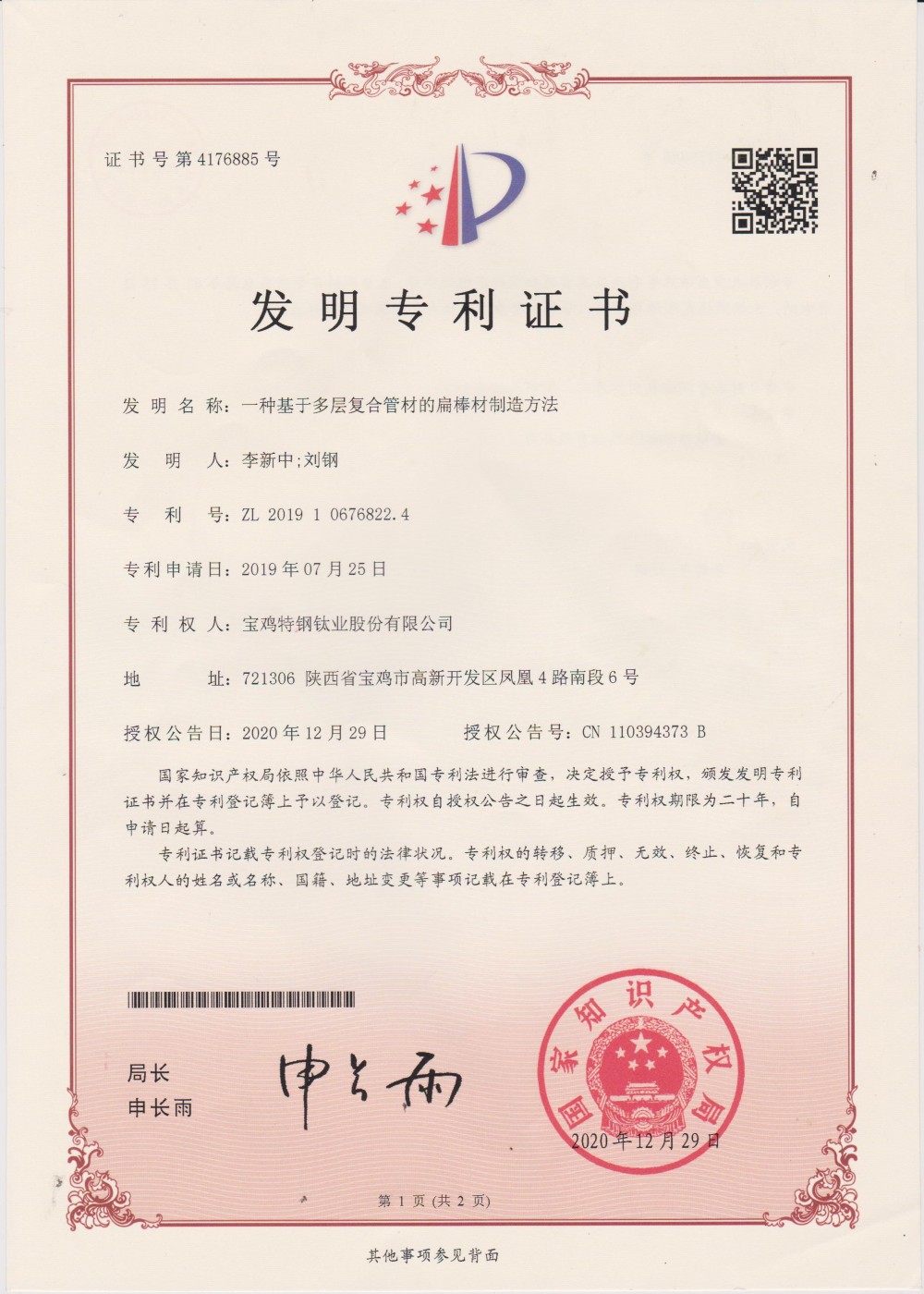
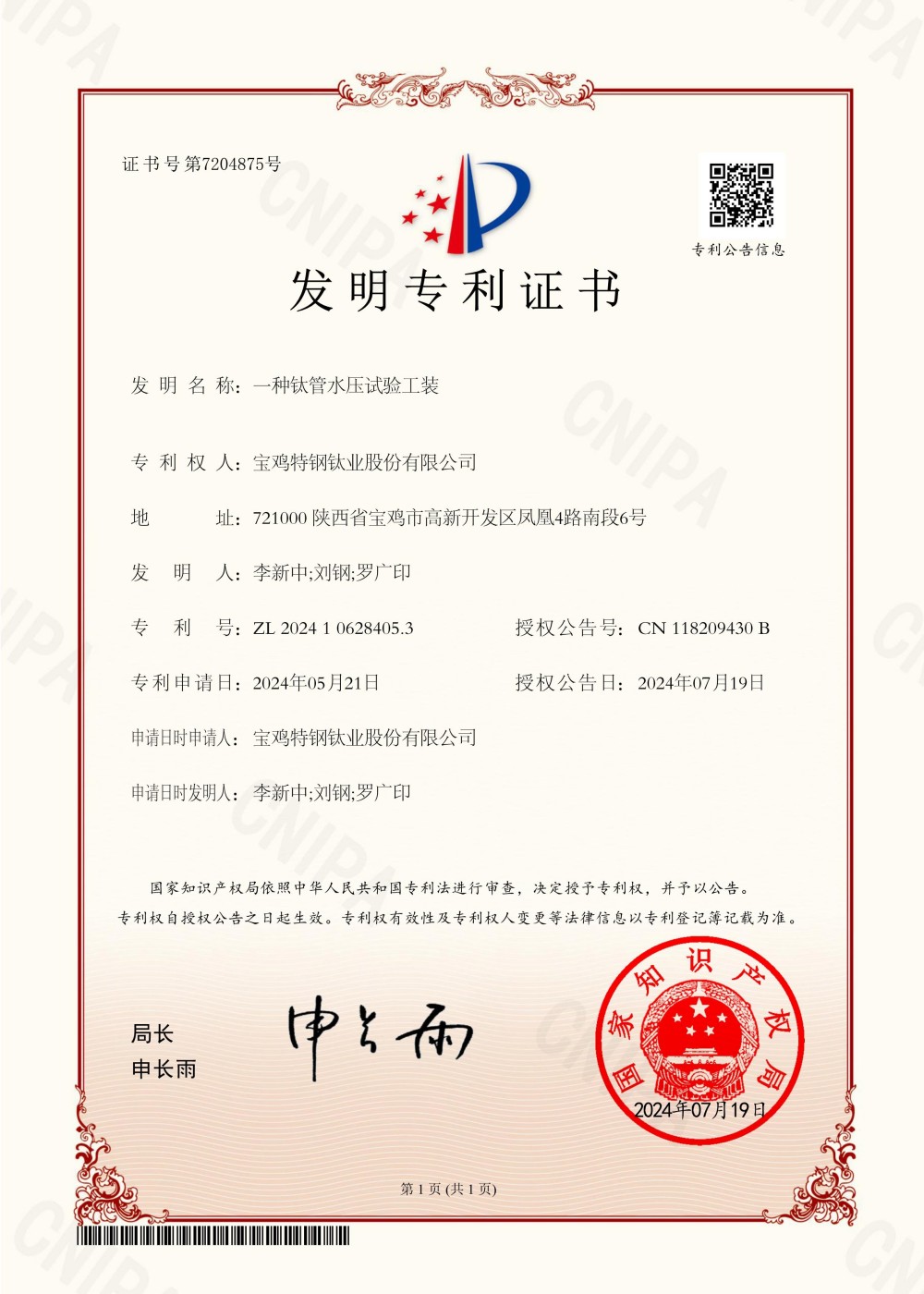
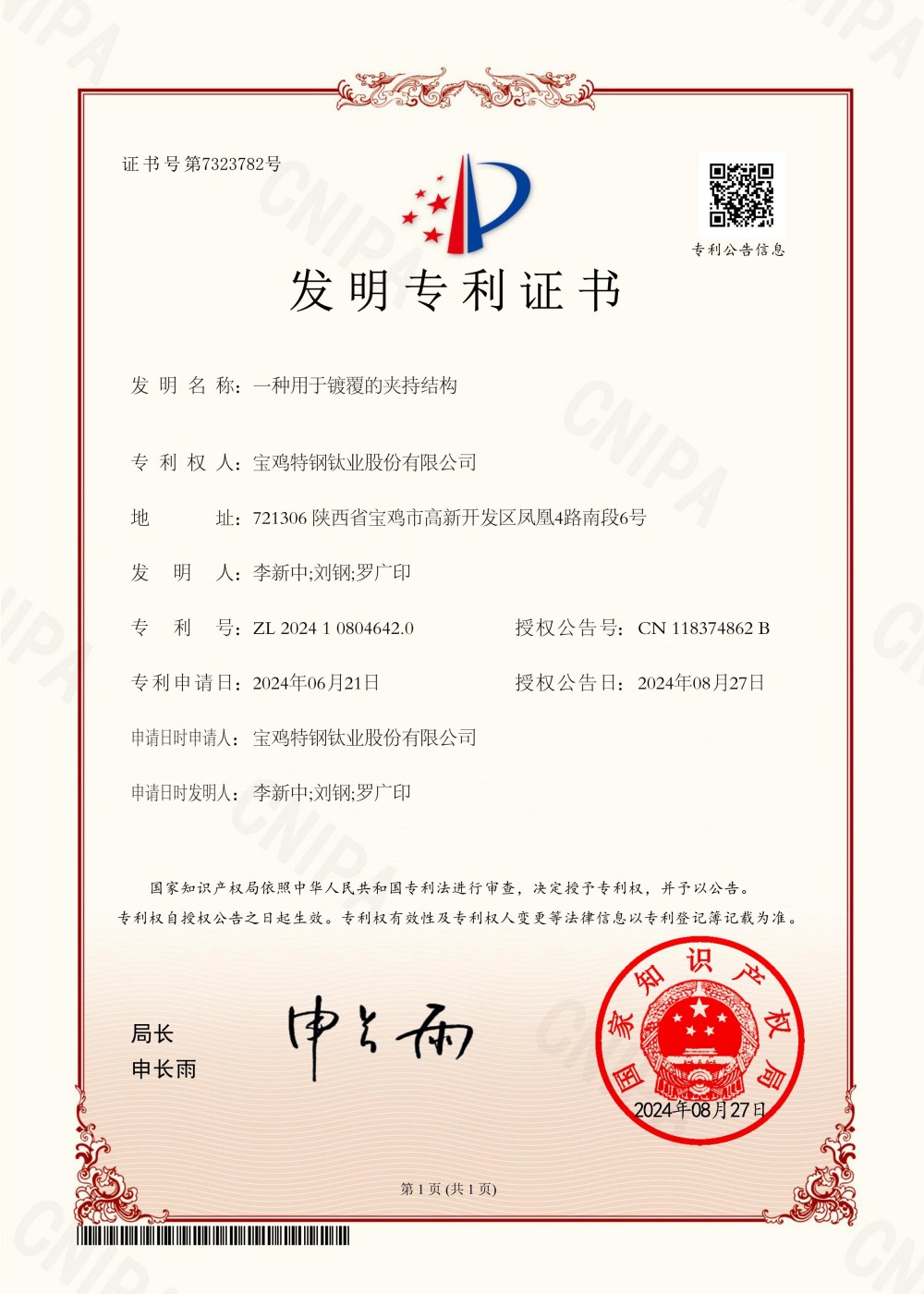
Is a joint-stock industrial enterprise specializing in the research, development, manufacturing and sales of titanium, nickel, zirconium and other metal pipes and metal composite materials. The company was founded in 1997, located in Shaanxi Baoji National High-tech Industrial development Zone, the factory covers an area of 41,000 square meters.
The company has an annual production capacity of over 3000 tons of non-ferrous metal pipes, composite materials and various deep processing products such as titanium, zirconium, nickel, tantalum and copper, etc., and a series of products according to varieties and specifications have reached more than 500 kinds, the annual export accounted for more than 30% of the company's total output, is an export-oriented industrial enterprise with a strong growth momentum. The company has obtained the national high and new technology enterprise certification and has been listed in the first batch of industries encouraged to develop by the National Development and Reform Commission.


Integrated non-ferrous metallurgical manufacturing supporting world-class chemical and metallurgical processing plants.
Titanium and titanium alloy, nickel and nickel alloy, zirconium and zirconium alloy mainly non-ferrous metal pipe and precision hot-rolled/forged rods.
Non-ferrous metal composite materials mainly composed of titanium clad copper, including: titanium clad copper, zirconium clad copper, ladle copper, composite wire, multilayer composite metal, etc.
Titanium cathode is the main product of the composite electrode series, including: titanium cathode, stainless steel permanent cathode, nickel anode, titanium-based lead dioxide anode, and so on.
A series of nickel materials products mainly consisting of nickel plates, nickel rods and nickel strips for extreme alkali and reducing environments.
Since its establishment, the company has always adhered to the development strategy of continuous innovation and continued to expand the market with new technology and new products as the fulcrum. After more than 20 years of development and accumulation, the products have entered the markets of Germany, Japan, the United States, Norway, Finland, South Africa, Singapore, India and other countries and Taiwan regions, also have been highly praised. Stable product quality, integrity as the core of the business philosophy, by the world's customers trust.
"To build an excellent enterprise team, continuously improve the management and manufacturing methods, so that every customer can get the maximum benefit from each product" is the eternal pursuit of special steel titanium industry personnel.
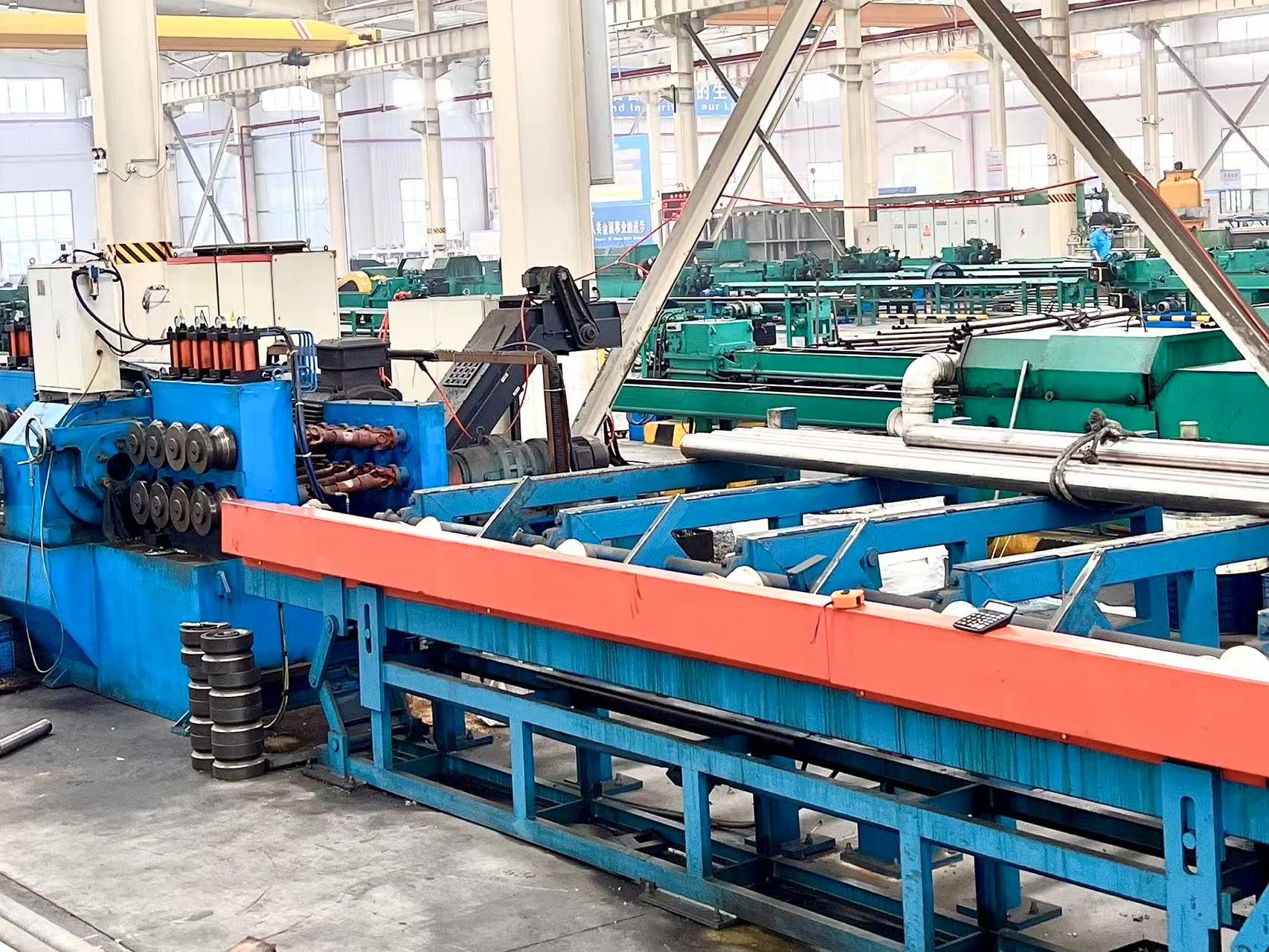
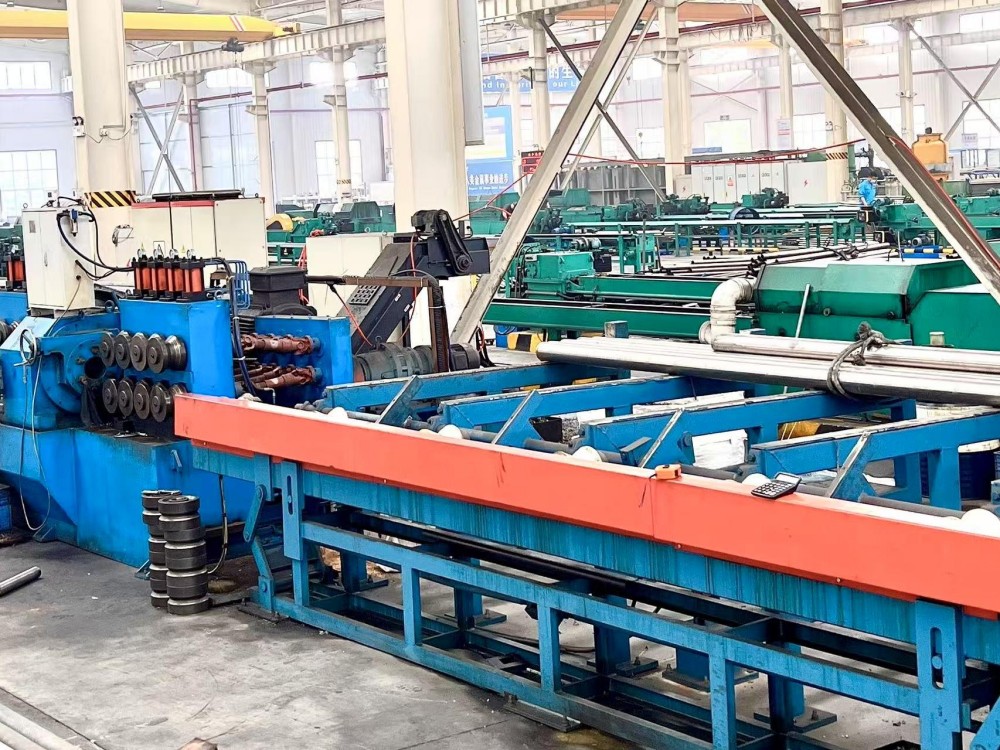
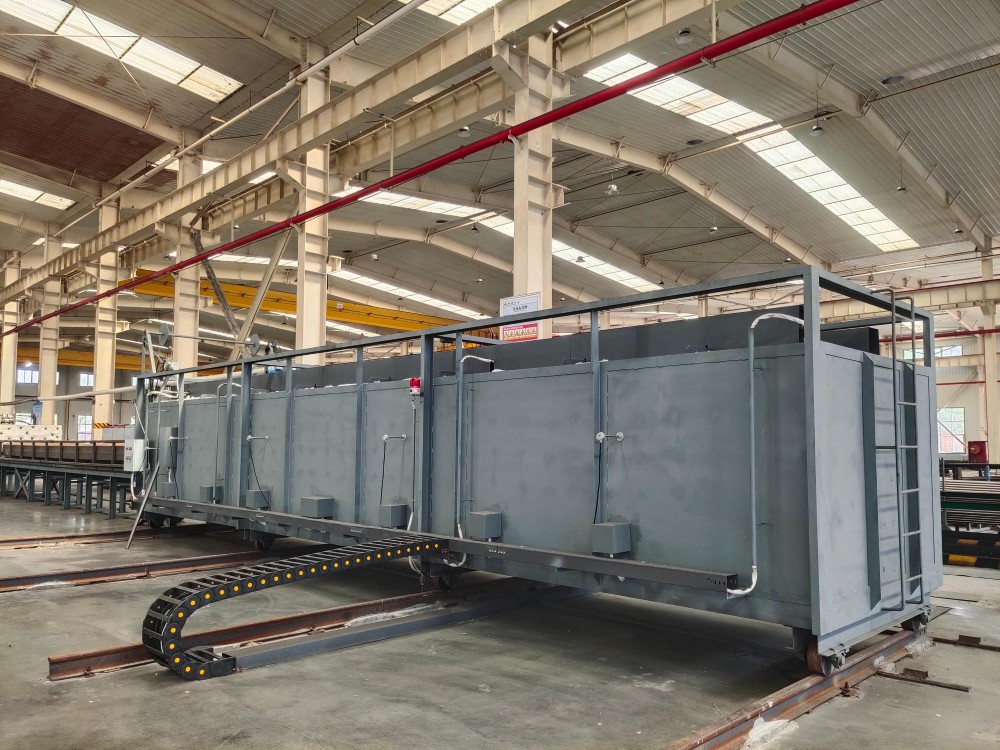
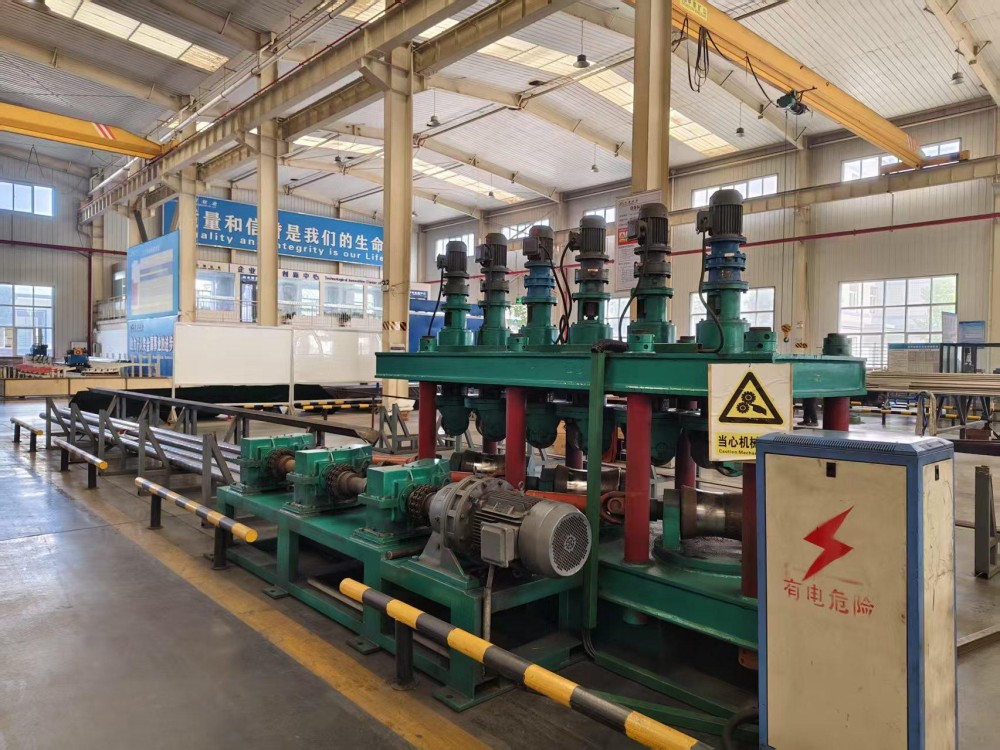
State-of-the-art cold drawing, extrusion, vacuum annealing, and computerized ultrasonic testing for titanium rods and tubes.
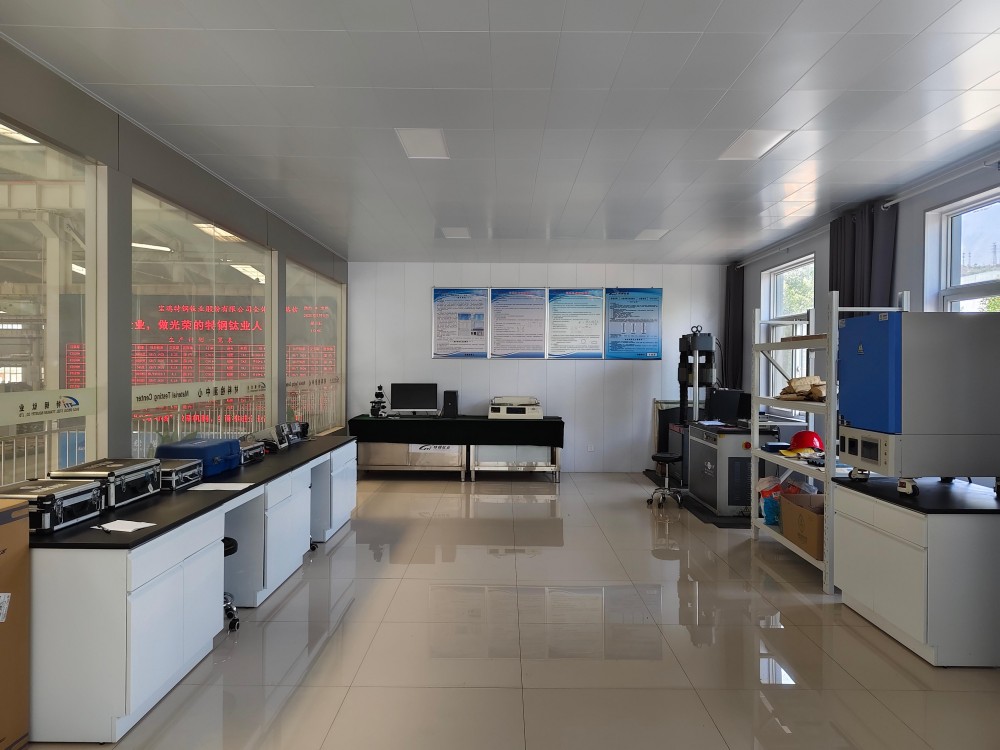
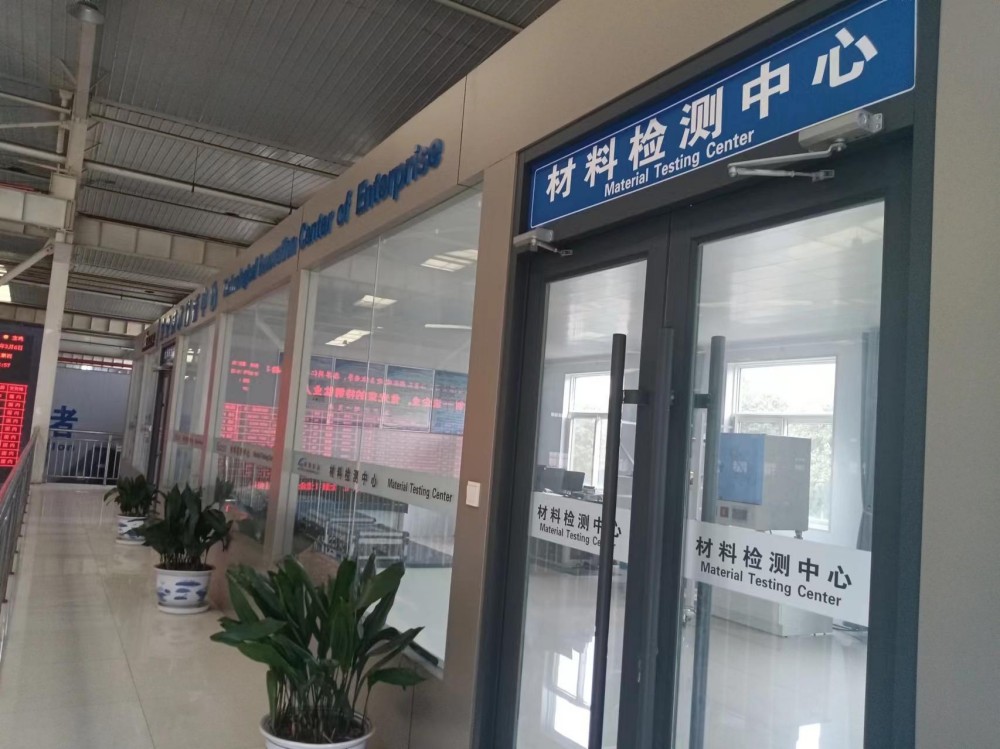
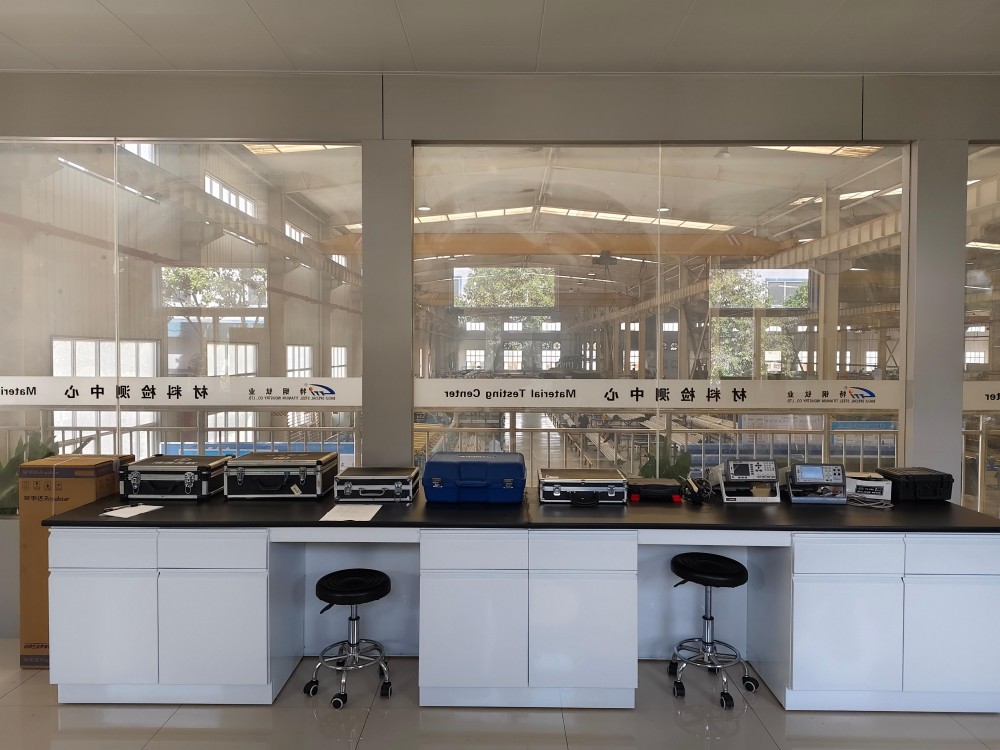
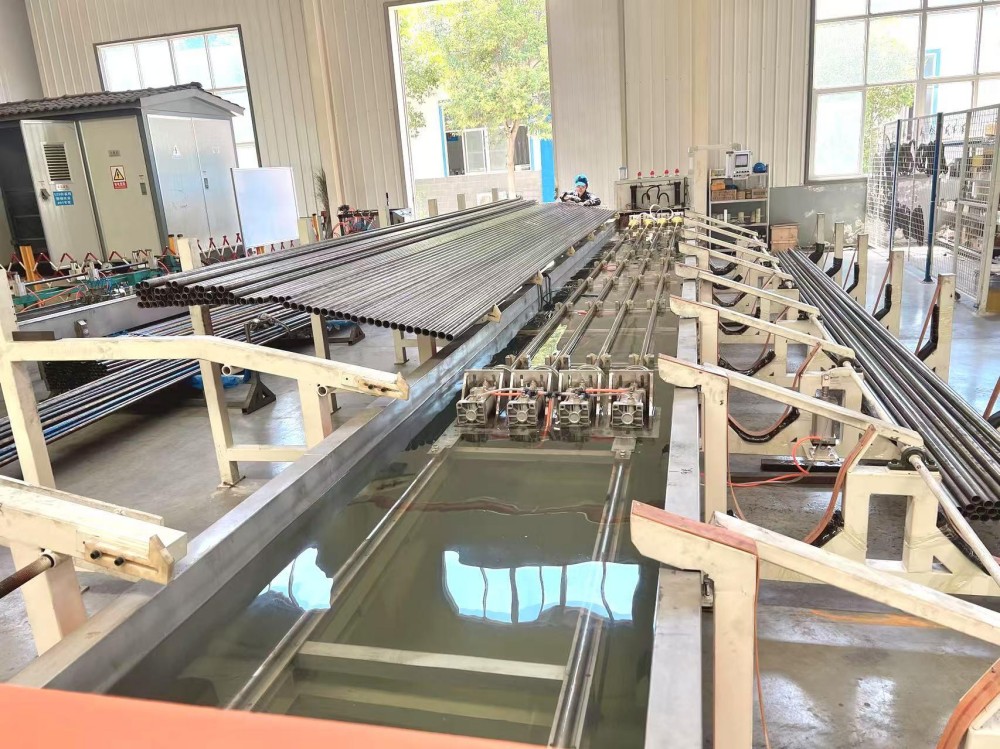
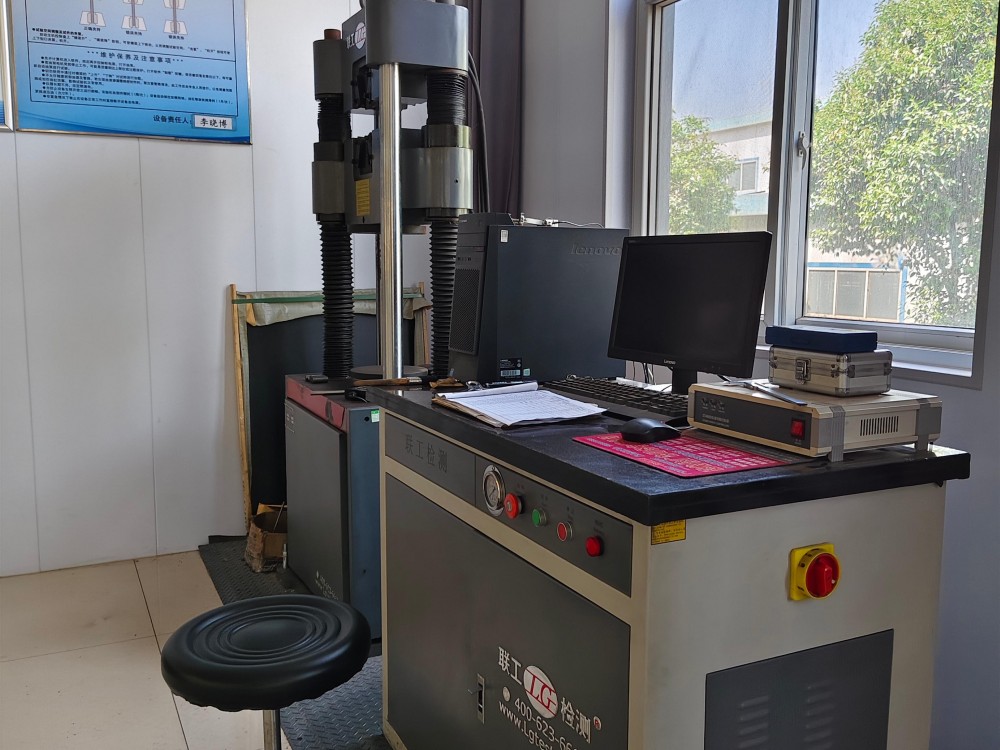
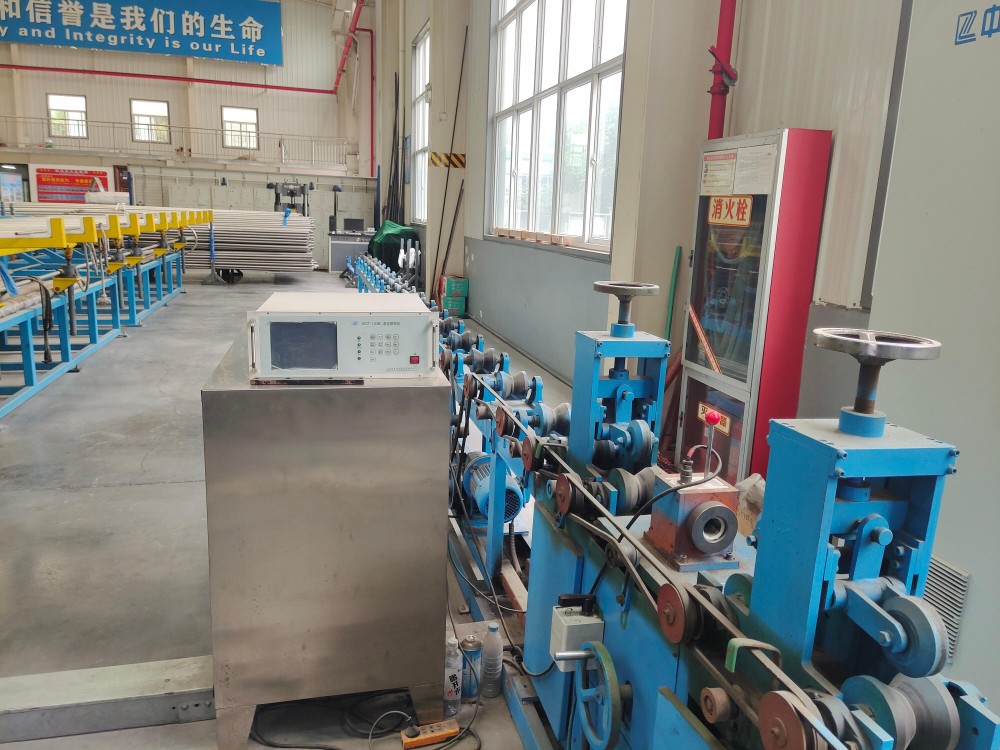
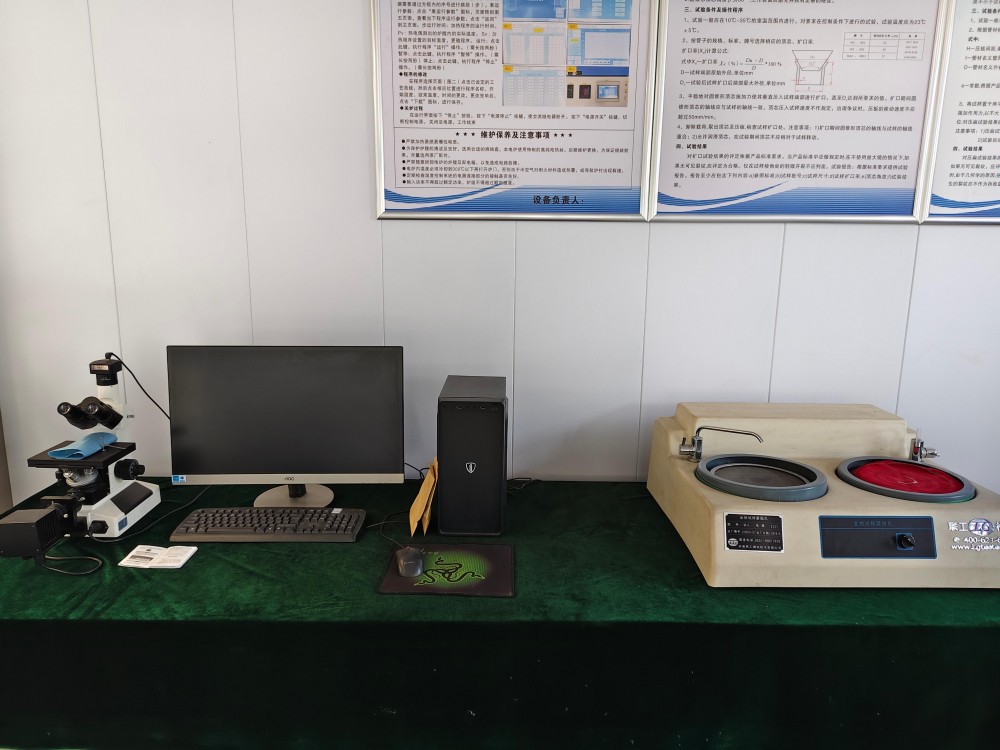
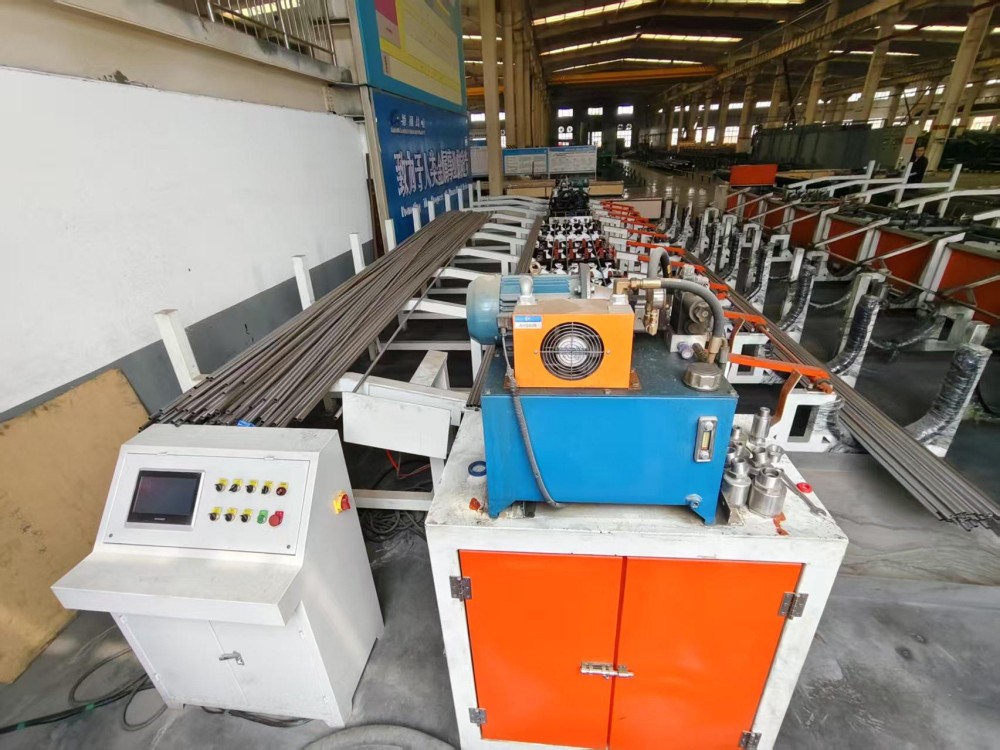
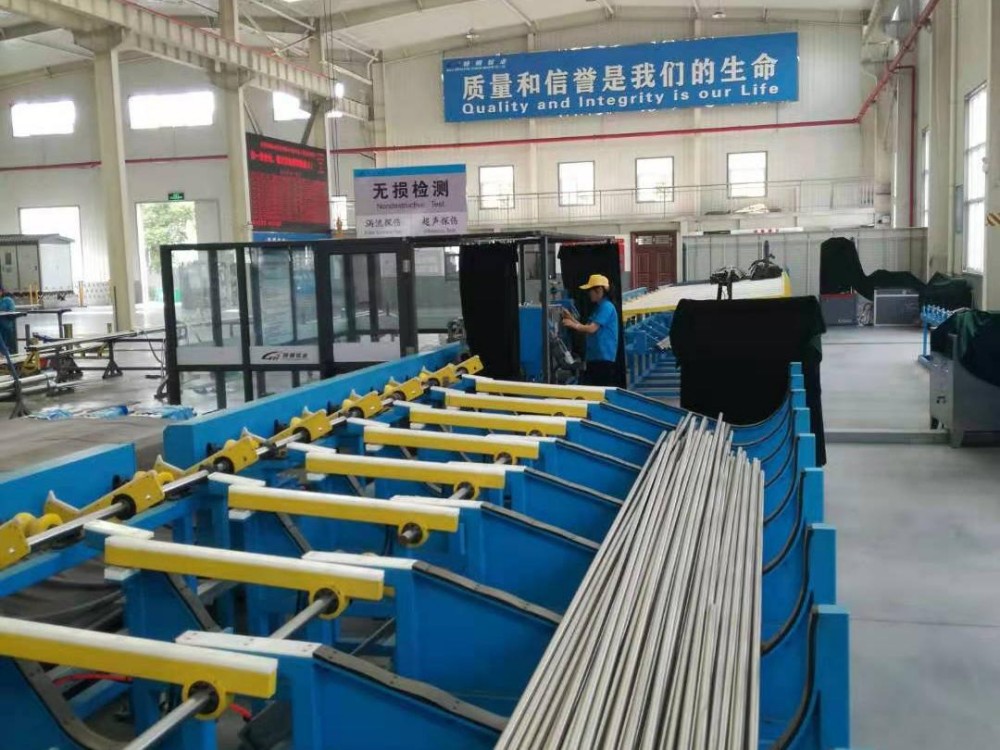
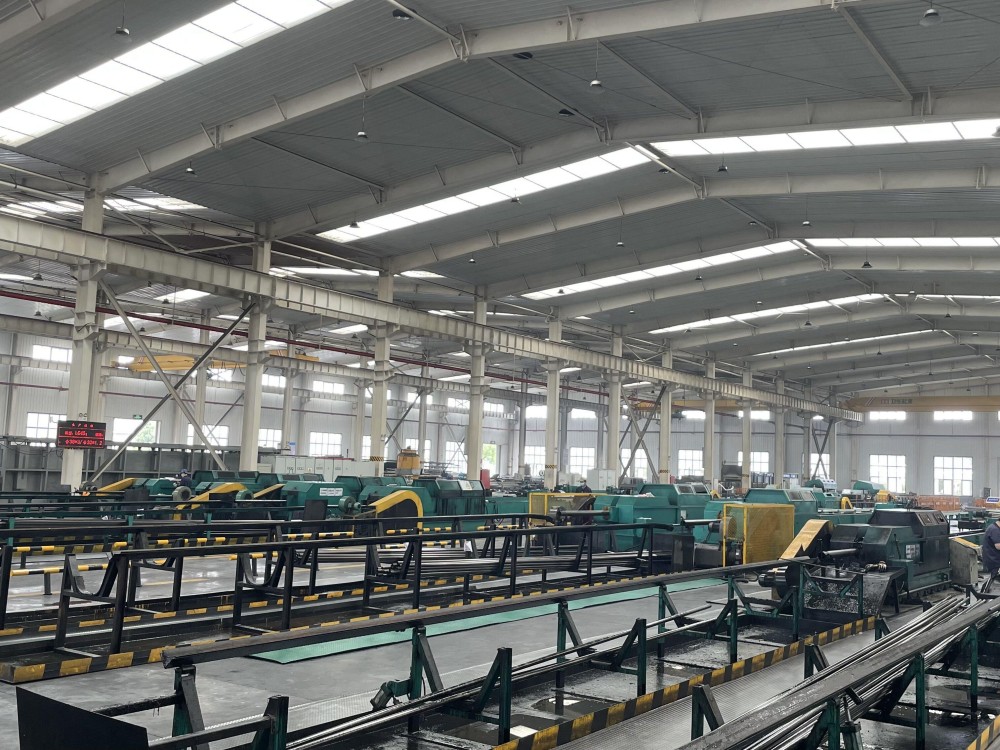
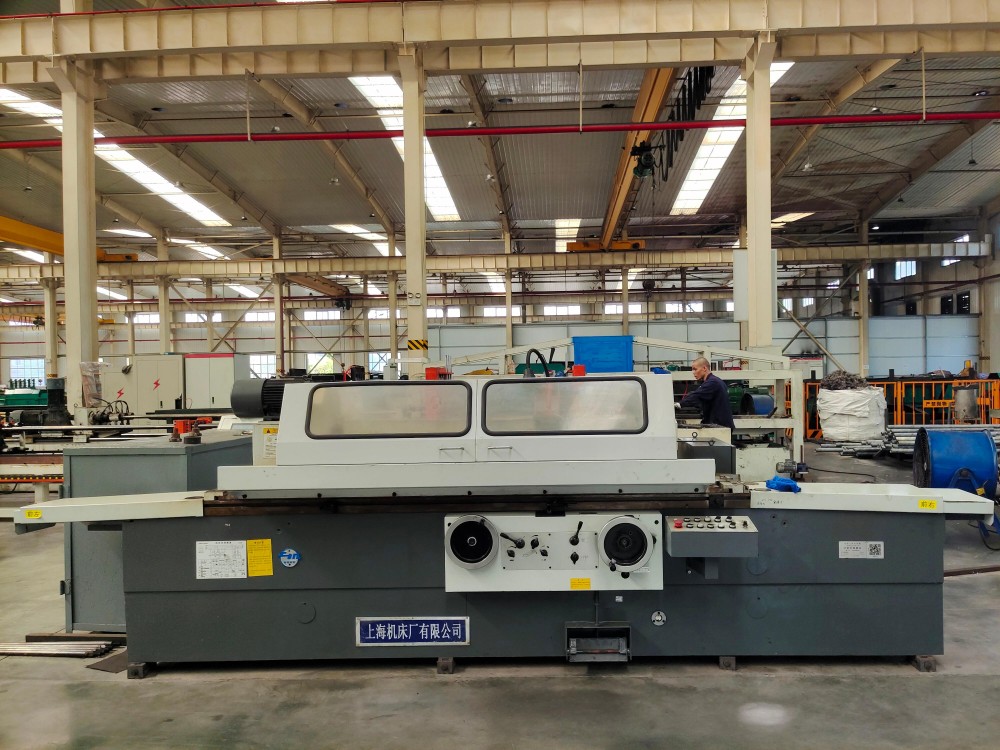
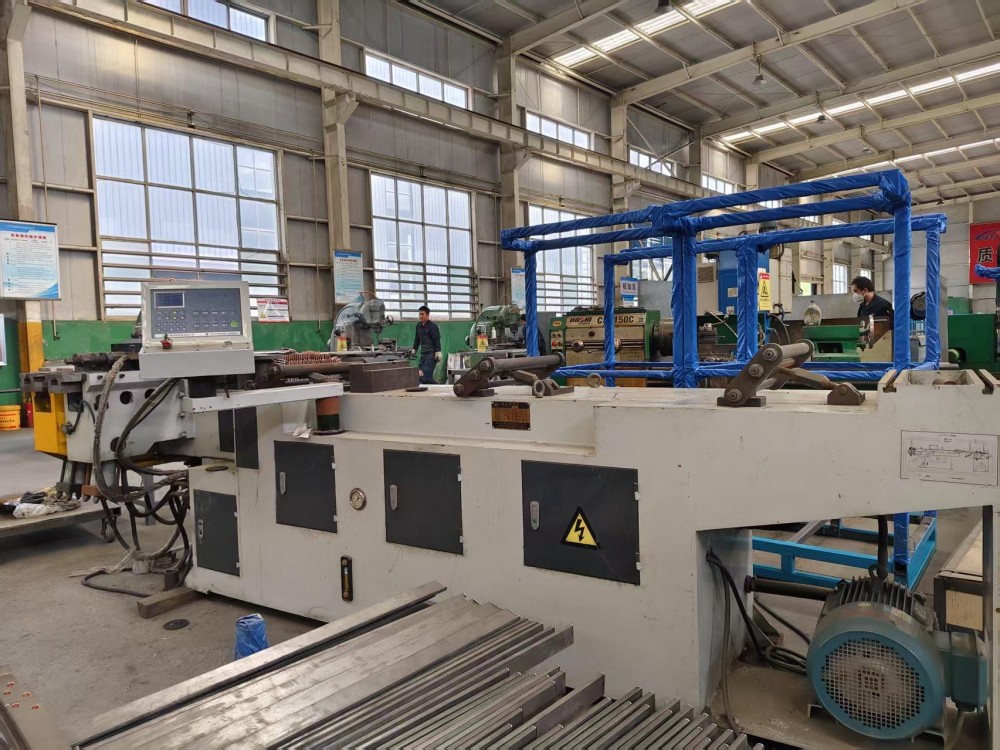
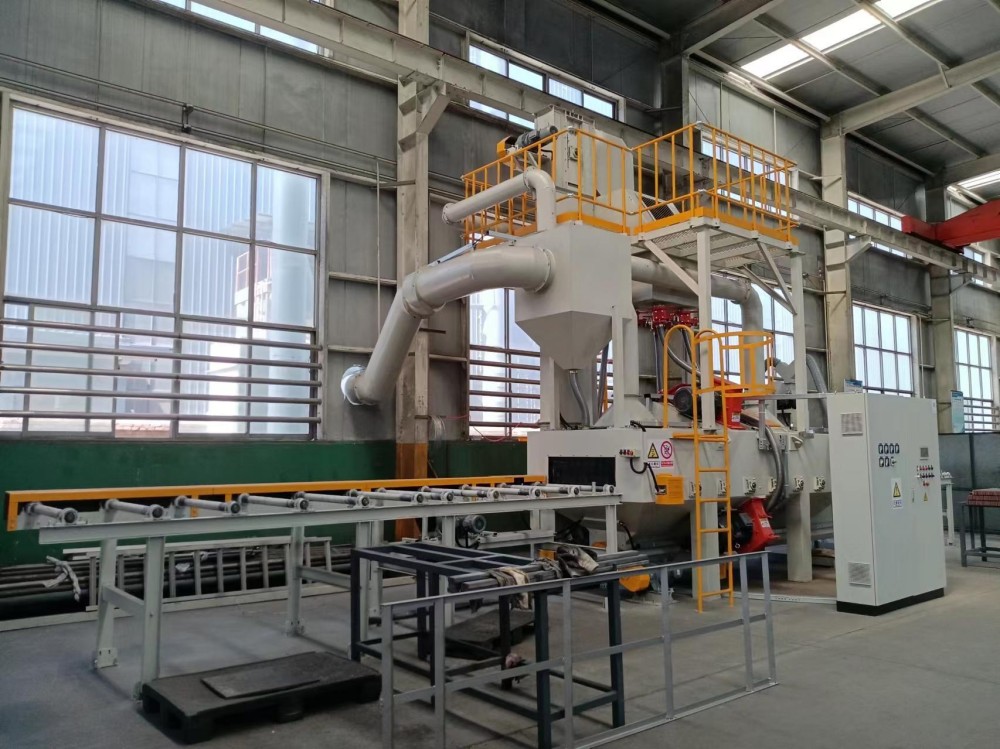
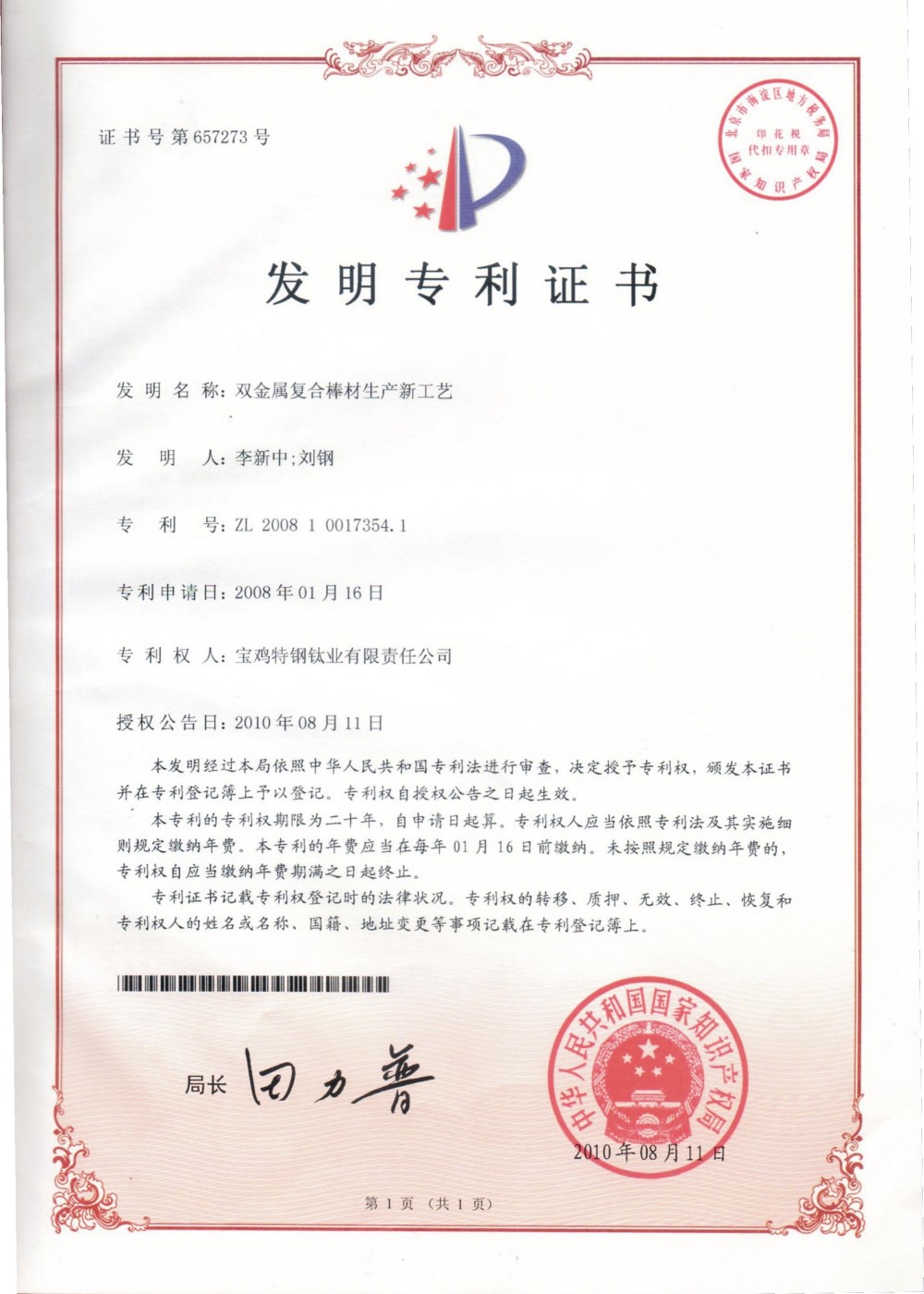
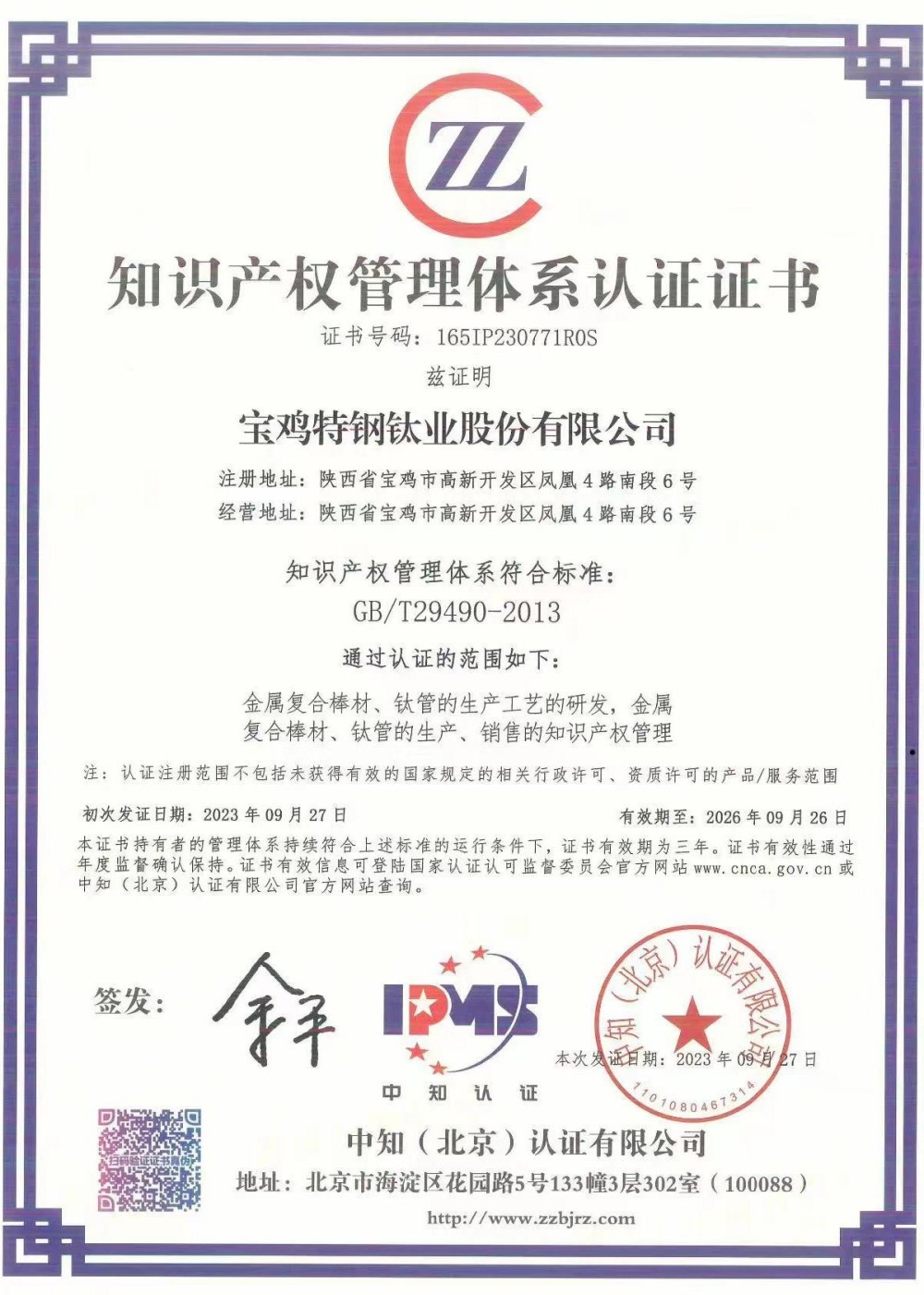
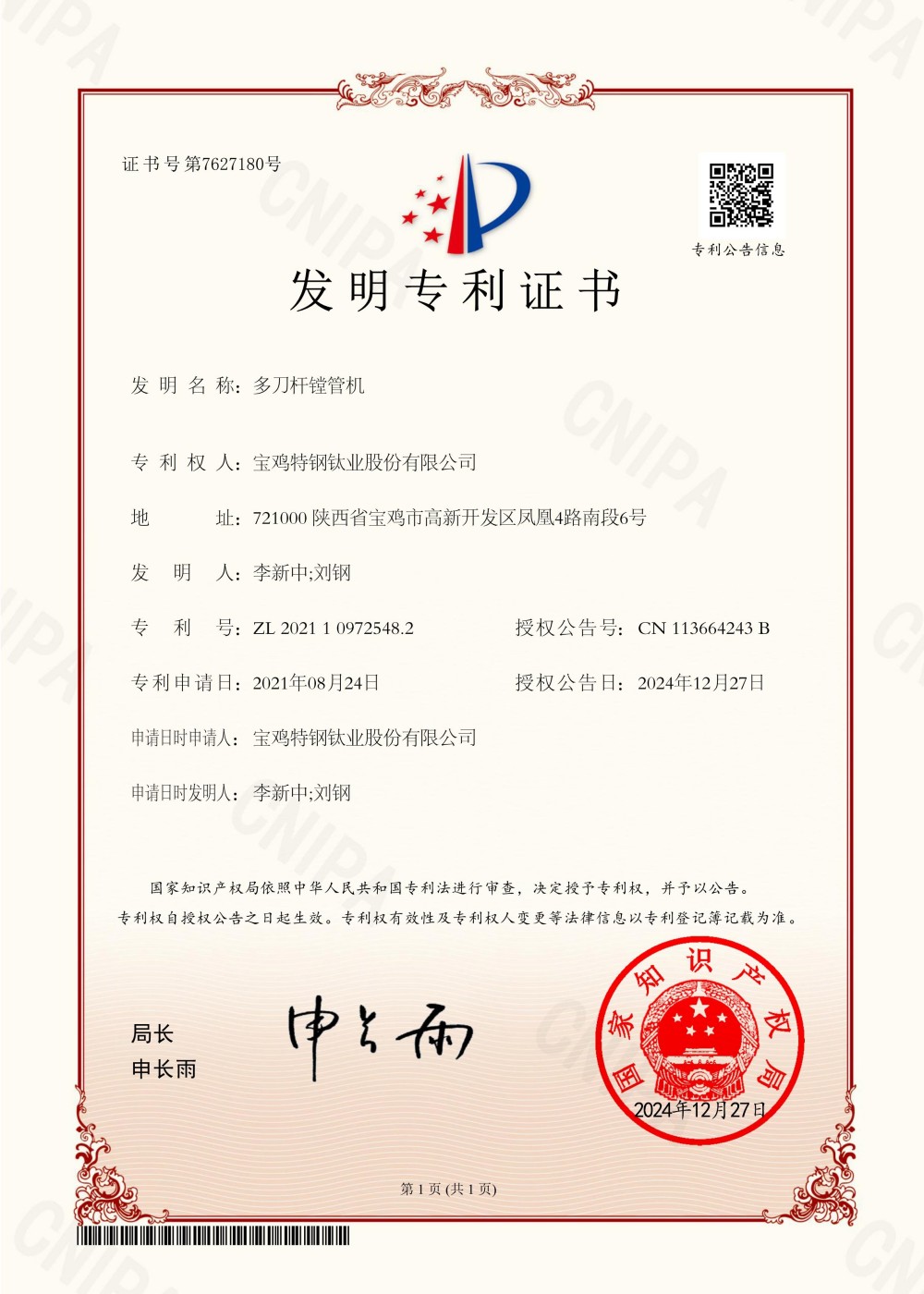
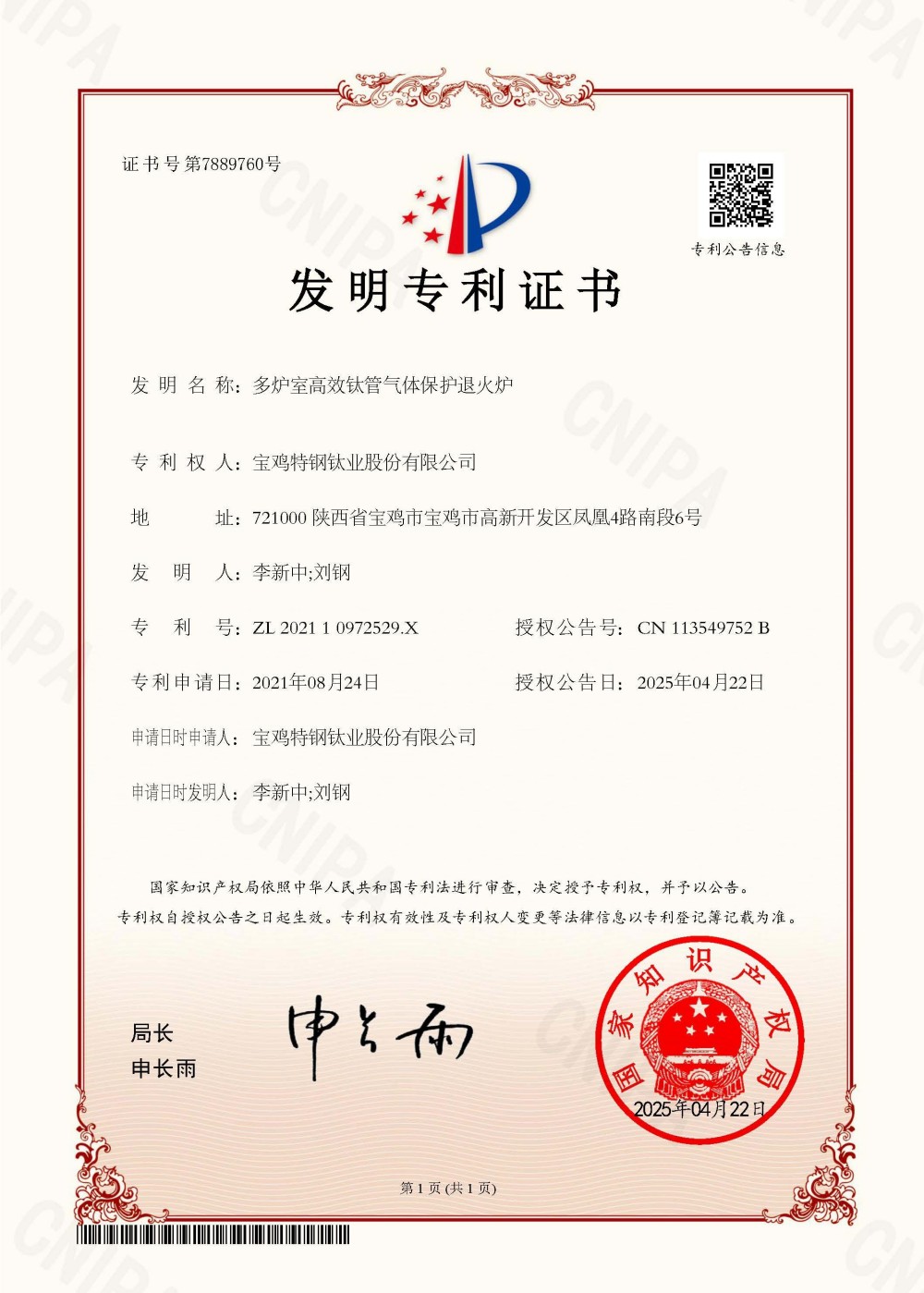
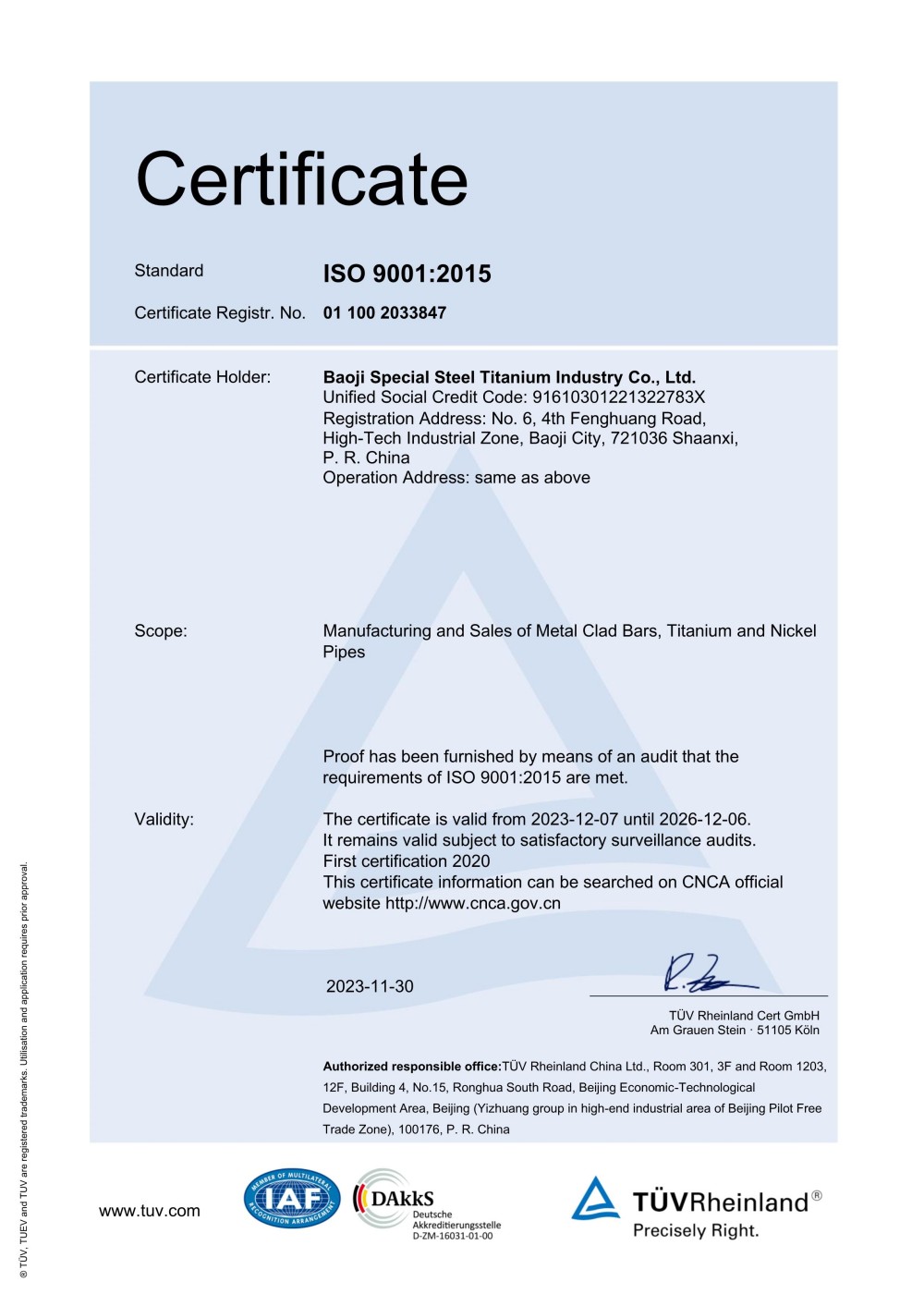
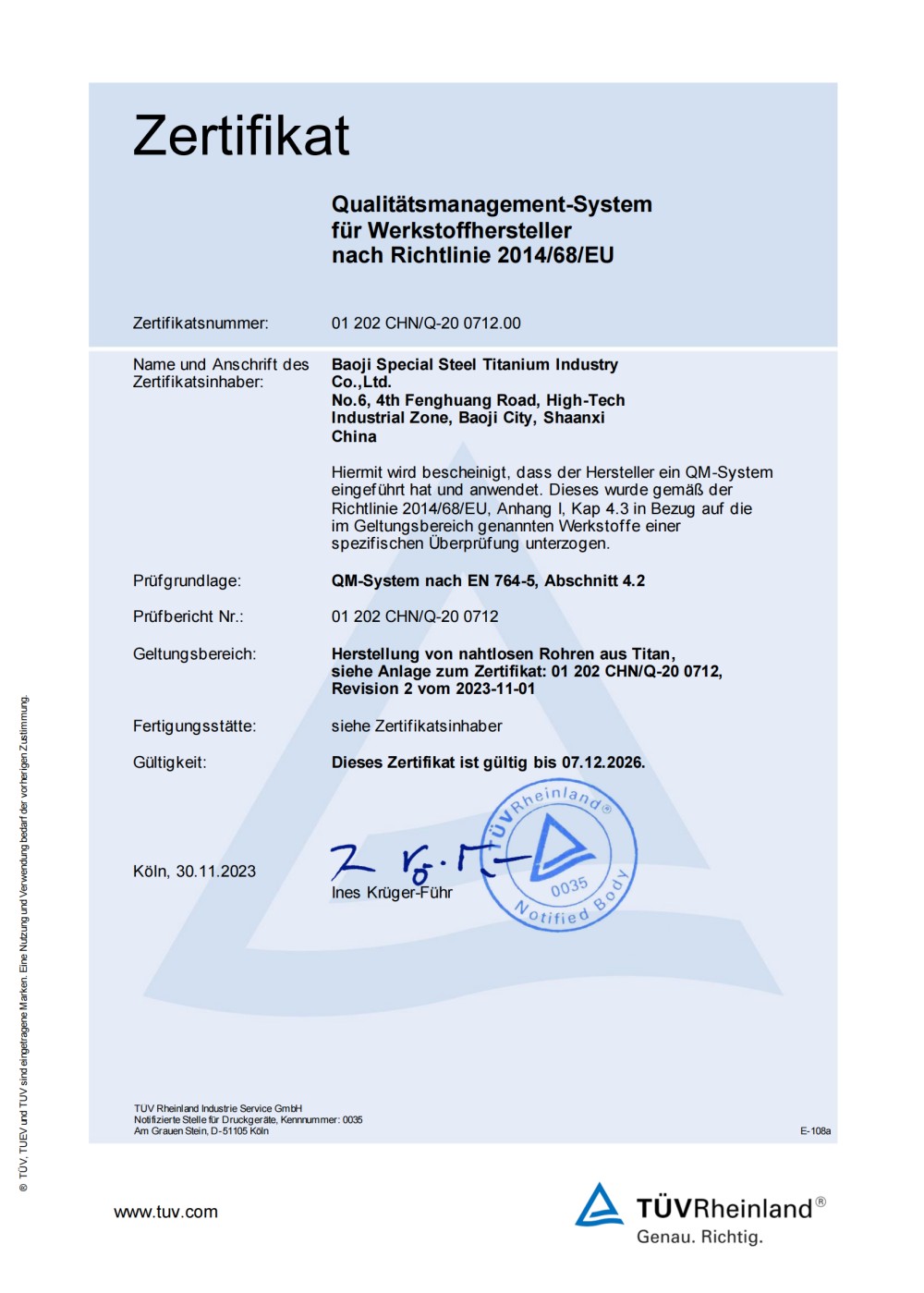
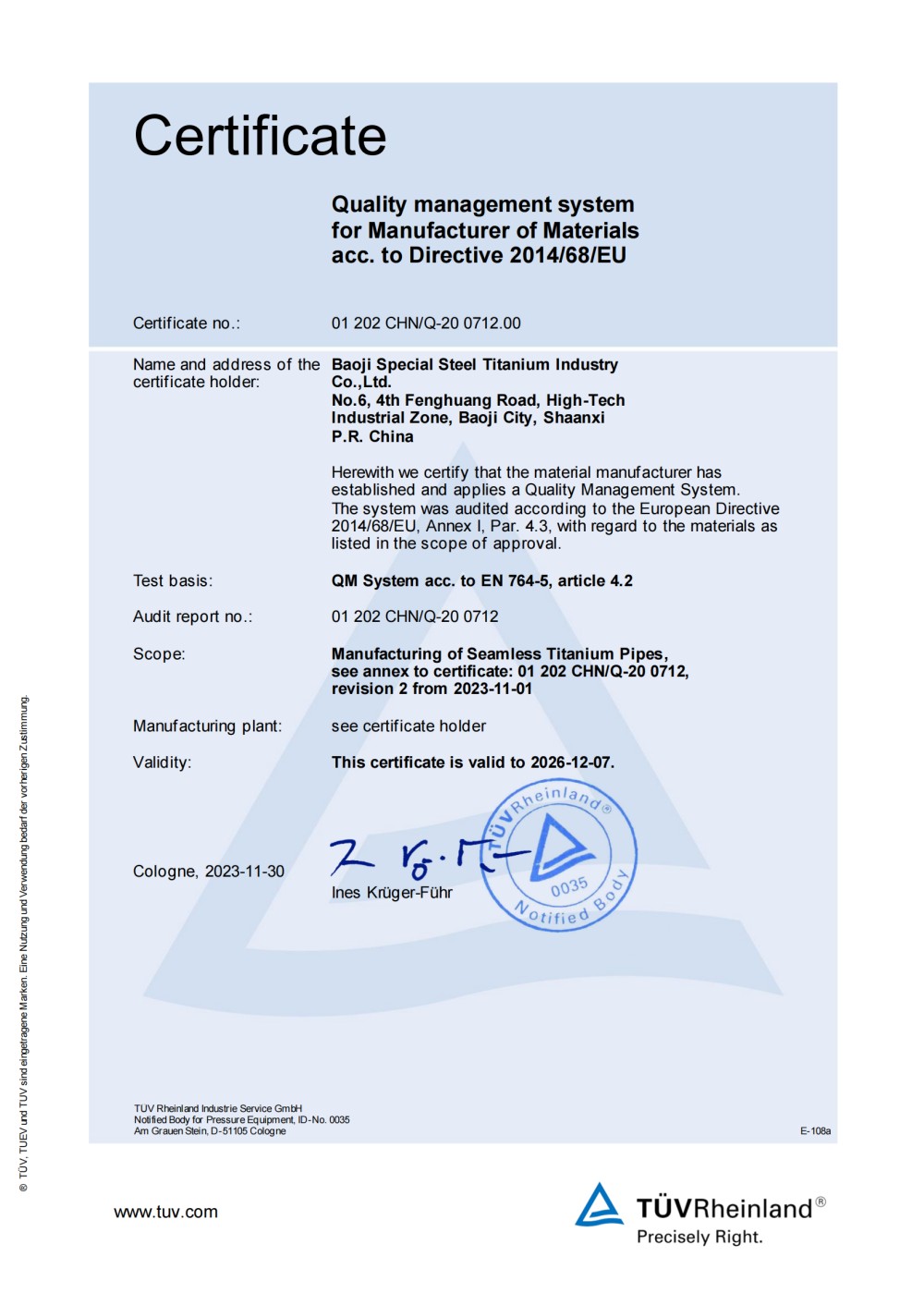
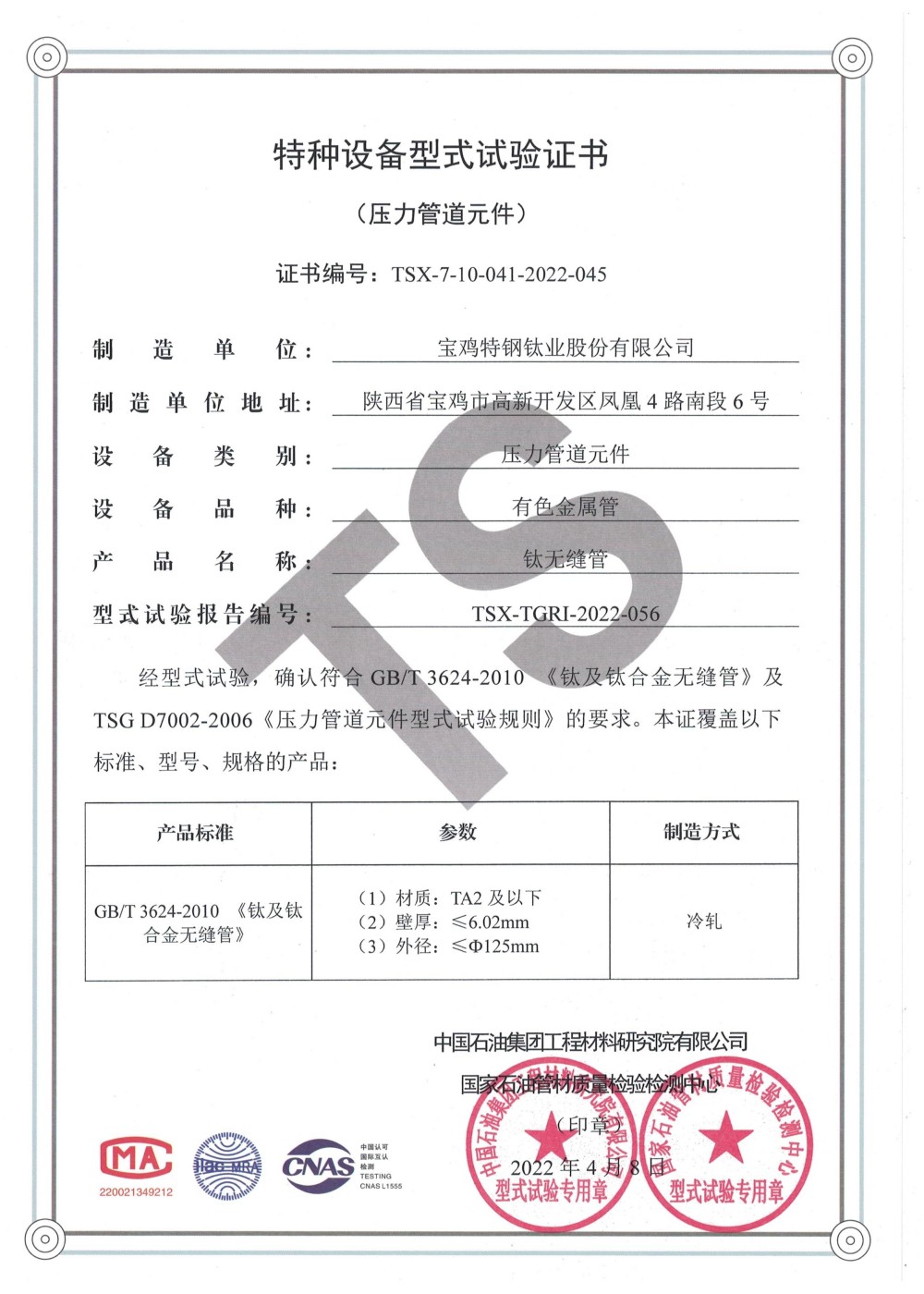
Full compliance with international standards including ISO9001, PED 2014/68/EU, and high-tech enterprise qualifications.
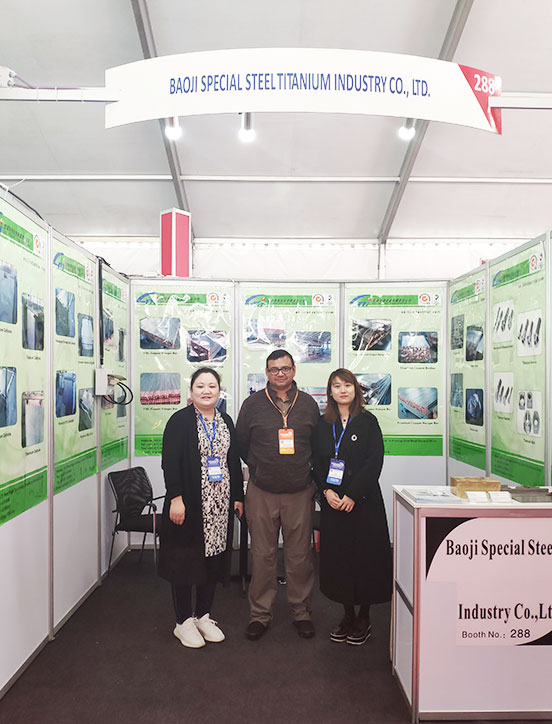
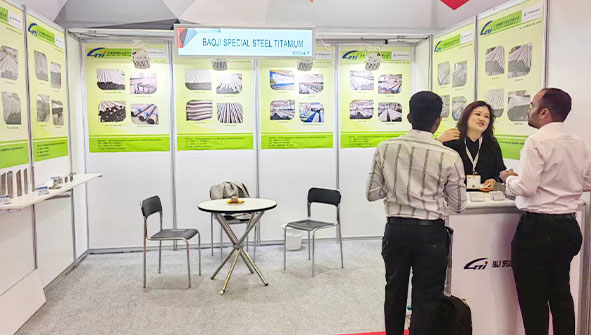
Connecting with metallurgical innovators, mining conglomerates, and chemical plant operators across the globe.
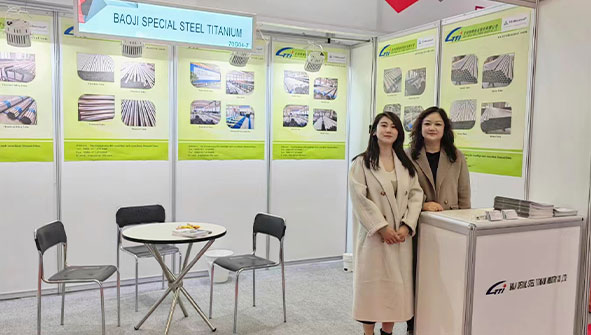
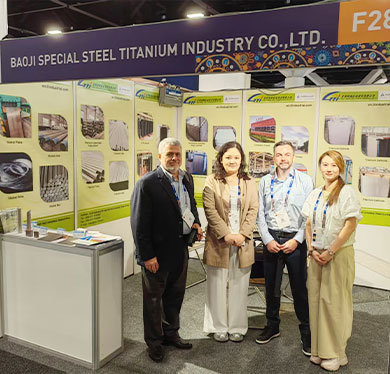
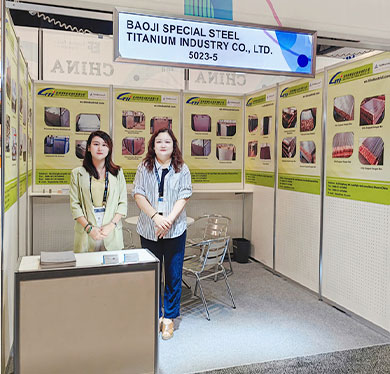
Custom fabricated rods, pipes, clad conductor bars, and electrodes customized for hydrometallurgical processing.
Heavy-duty Grade 2 and Grade 7 seamless alloy piping and hollow bars for high-pressure slurry discharge lines.
ASTM B265 corrosion-resistant structural plates engineered for lining autoclaves, pre-heaters, and flash vessels.

Advanced electrocatalytic substrate with low oxygen evolution potential for copper and zinc electrowinning.
Fitted with metallurgical bonded titanium-clad copper hanger rods ensuring ultra-low IR voltage loss across cell tanks.
ASTM B348 Grade 5 (Ti-6Al-4V) round bars machined to strict runout tolerances for deep reactor mixing systems.
Explosion bonded or multi-pass extruded clad conductor rods with 100% metallurgical interface bonding.
Iridium-Tantalum and Ruthenium coated round bar anodes for high-current cobalt electrowinning and acid recovery.
Grade 7 and Grade 12 precision-ground rods providing complete immunity to under-deposit pitting and sour gas attack.
Answers to common metallurgical and structural design questions faced by engineering procurement teams.
While Grade 2 titanium is exceptionally cost-effective and performs admirably in oxidizing nitric or neutral chloride environments, hydrometallurgical leaching autoclaves often transition between oxidizing and reducing regimes. In acidic chloride media containing high concentrations of free sulfuric acid at temperatures above 80°C, Grade 2 titanium becomes vulnerable to crevice corrosion beneath gaskets, flanges, and sediment deposits. The micro-addition of 0.12–0.25% palladium in Grade 7 acts as an electrocatalyst that shifts the mixed corrosion potential into the noble passivation zone, rendering the titanium alloy impervious to crevice attack up to 250°C+.
In electrowinning circuits (such as copper or zinc SX-EW), cell currents reach tens of thousands of amperes. Solid titanium hanger rods have relatively high electrical resistivity (approx. 53 μΩ·cm at 20°C). By explosion-bonding or hot-extruding a high-conductivity Oxygen-Free High Conductivity (OFHC) or ETP copper core inside a seamless Grade 1 or Grade 2 titanium jacket, electrical resistance drops by more than 85%. The titanium outer skin protects the inner copper from corrosion by acid mist and electrolyte splashes, while the solid metallurgical bond eliminates air gaps and intermetallic delamination.
Hydrometallurgy agitator shafts are subjected to severe continuous cyclic fatigue, torsional shock, and bending loads. In our Baoji facility, every titanium round bar intended for shaft or critical structural use is 100% ultrasonically tested (UT) in accordance with ASTM B348, AMS 2631 Class A/AA, and ASME Section V. Furthermore, liquid penetrant testing (PT) is carried out after finish machining, alongside strict chemical verification of interstitial gas elements (Oxygen < 0.15%, Hydrogen < 0.0125%, Nitrogen < 0.03%) to ensure maximum fracture toughness and eliminate hydrogen-induced embrittlement.