Leave Your Message
Premium metal pipes and composite materials designed for extreme chemical environments
In modern chemical processing plants, the choice of piping material can make the difference between a highly efficient, safe operation and a catastrophic, expensive shutdown. Corrosive media, high temperatures, and extreme pressures are commonplace in processes such as chlor-alkali production, nitric acid synthesis, organic acid manufacturing, and fertilizer production. Standard stainless steels and nickel alloys, while useful in milder environments, often succumb to localized corrosion, stress corrosion cracking (SCC), and pitting when exposed to aggressive chlorides, hot acids, and oxidizing agents.
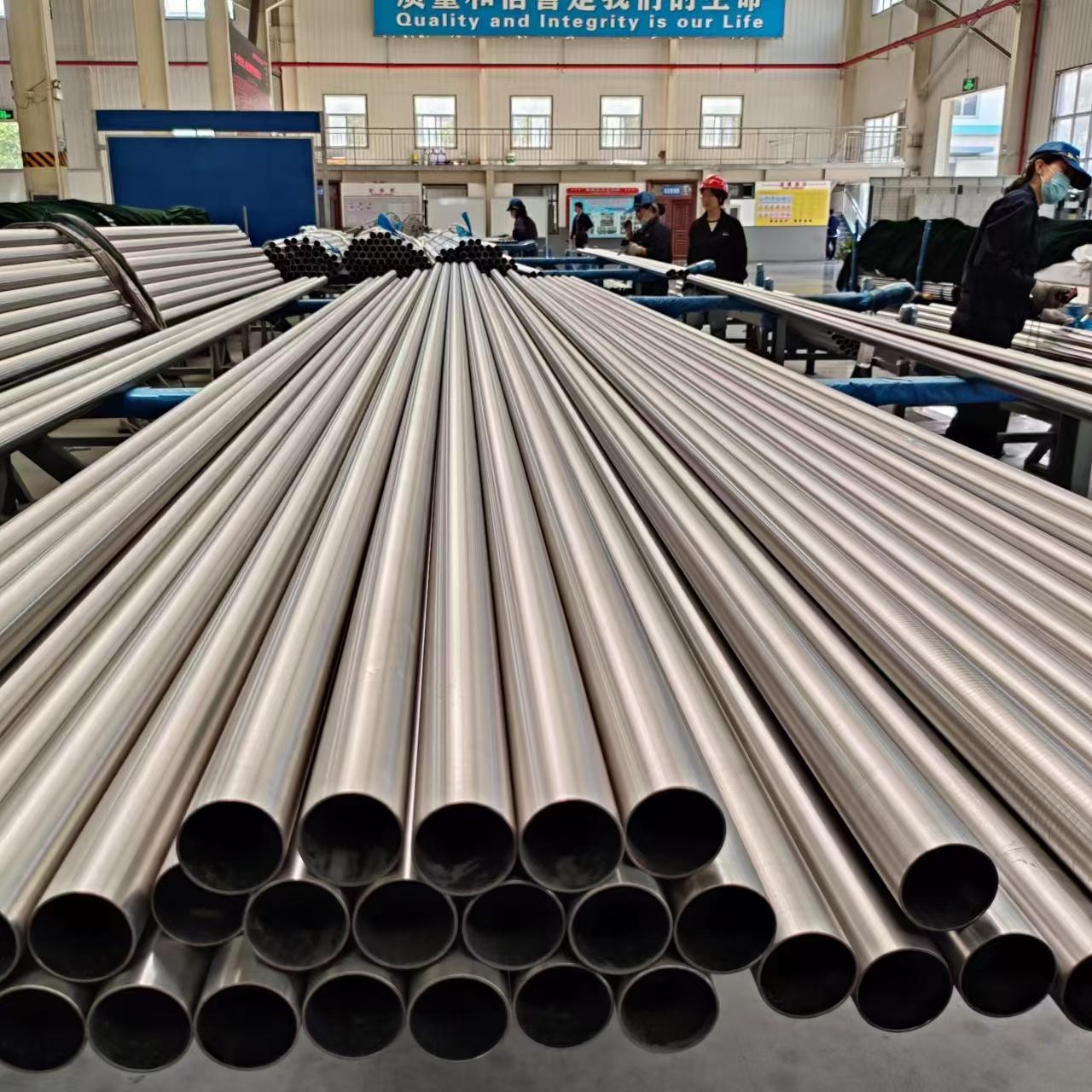
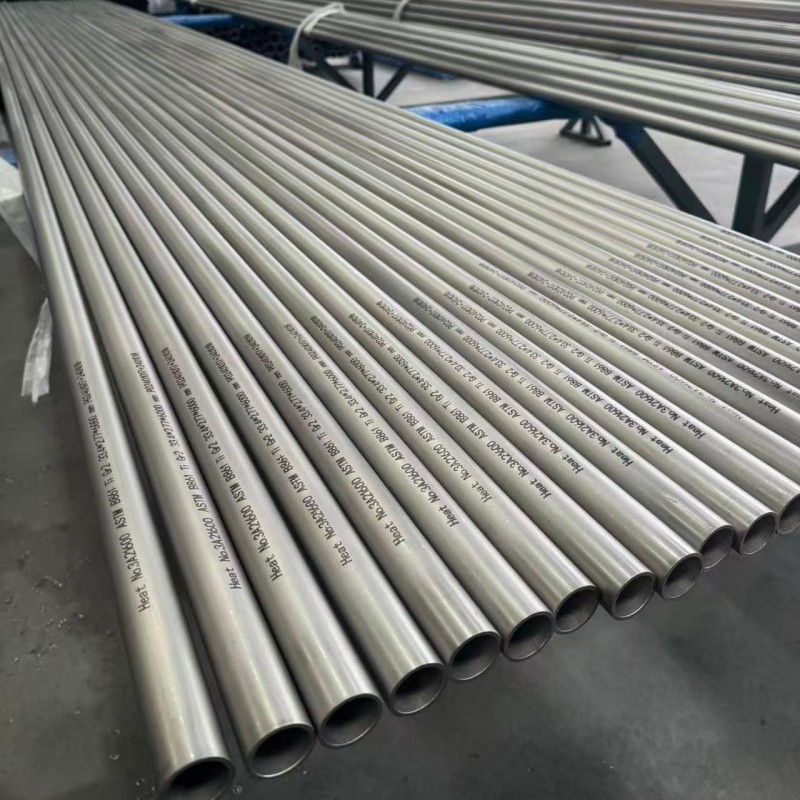
This is where titanium seamless pipes emerge as the ultimate engineering solution. Titanium possesses an exceptional, natural affinity for oxygen, which leads to the instantaneous formation of a continuous, stable, and highly protective oxide film (primarily TiO2) on its surface. When damaged, this passive film repairs itself instantly in the presence of even trace amounts of oxygen or moisture. By utilizing a seamless manufacturing process, these pipes completely eliminate the weld seam—a region historically vulnerable to chemical attack, microstructural segregation, and mechanical failure under high-pressure conditions.
SEO Insight: ASTM B338 and ASTM B861 are the primary global standards governing titanium seamless pipes for heat exchangers and general industrial piping. Ensuring strict compliance with these standards guarantees that the mechanical properties, chemical composition, and pressure tolerances are optimized for critical chemical processing equipment.
The global demand for high-grade titanium seamless pipes is experiencing significant growth, driven by several key macro-industrial trends. First, the transition towards green energy and sustainable chemical processes has led to the construction of larger, more complex chemical plants designed to operate at higher efficiencies, which in turn requires piping systems with longer life cycles and zero maintenance overheads. Second, the rapid expansion of the hydrometallurgical industry—particularly for the extraction of battery-grade metals like nickel, cobalt, and lithium—has intensified the demand for piping materials that can withstand high-pressure acid leaching (HPAL) environments.
Furthermore, chemical equipment manufacturers are increasingly shifting from welded titanium pipes to seamless variants for high-risk applications. While welded pipes are cost-effective for low-pressure utilities, seamless pipes are mandatory in systems transporting highly toxic, volatile, or flammable chemicals. The absence of a heat-affected zone (HAZ) in seamless pipes ensures uniform corrosion resistance across the entire pipe wall, dramatically reducing the risk of unexpected pinhole leaks or stress cracking.
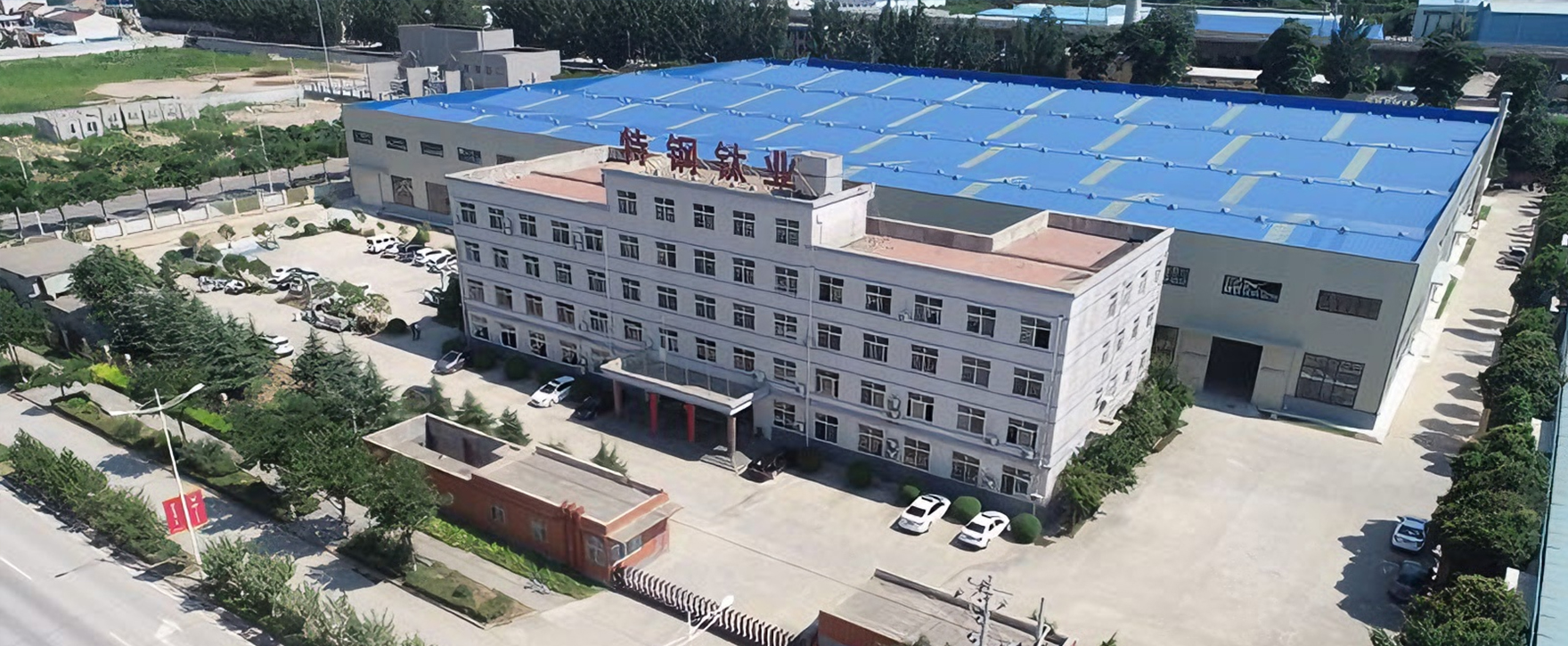
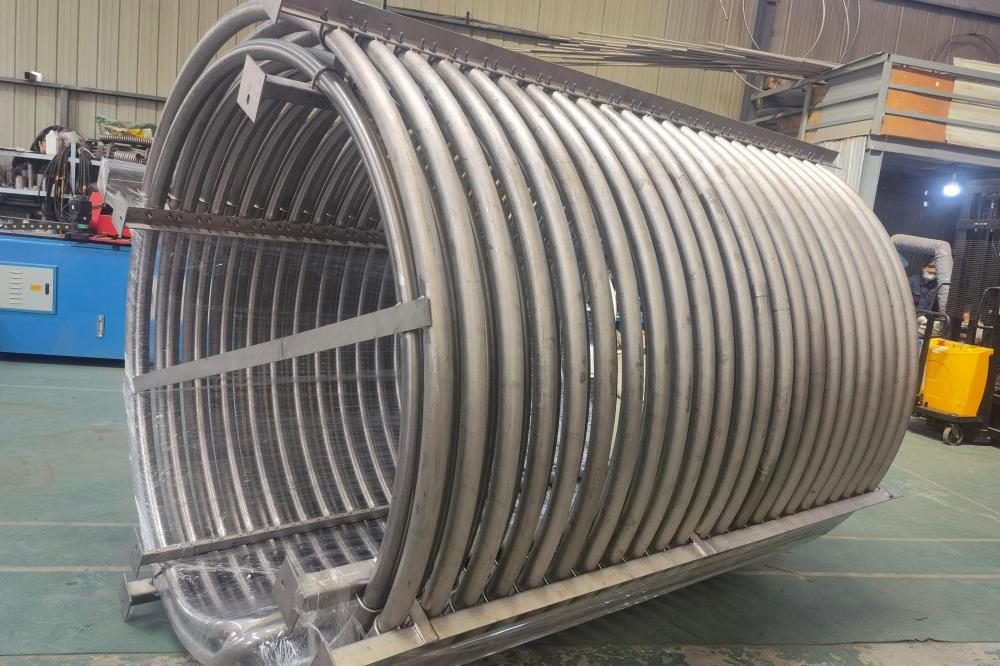
Baoji Special Steel Titanium Industry Co., LTD. is a joint-stock industrial enterprise specializing in the research, development, manufacturing, and sales of titanium, nickel, zirconium, and other metal pipes and metal composite materials. The company was founded in 1997, located in Shaanxi Baoji National High-tech Industrial Development Zone, the factory covers an area of 41,000 square meters.


Serving diverse and demanding sectors with high-integrity titanium piping systems
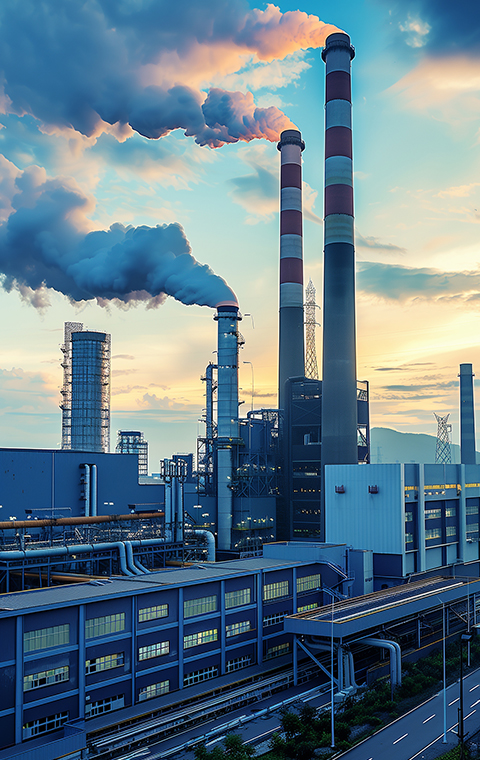
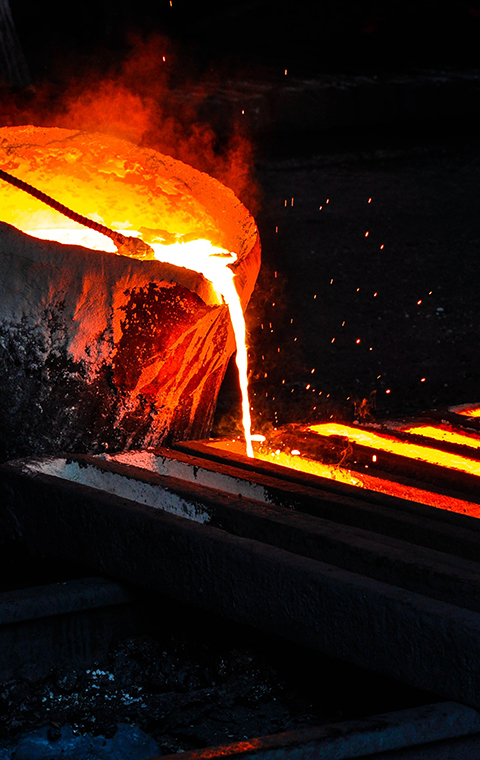
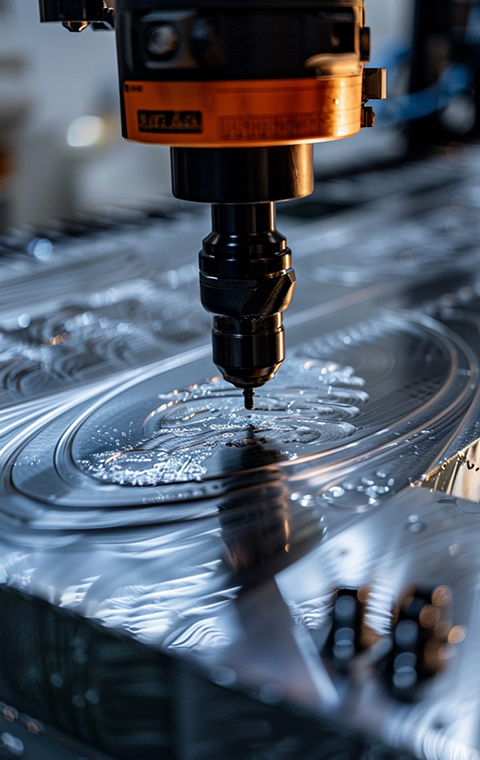

Heat exchangers are the workhorses of chemical plants, facilitating thermal transfer between highly corrosive process fluids and cooling water (often seawater or brackish water). Standard copper-nickel or stainless steel tubes suffer from galvanic corrosion, erosion-corrosion, and biofouling in marine environments. Titanium Grade 2 seamless tubes offer near-infinite lifetime durability in seawater up to 130°C. By using seamless pipes, designers can specify thinner walls (due to the absence of weld-seam thinning allowances), which significantly improves heat transfer efficiency while maintaining robust pressure boundary integrity.
Nitric acid production involves highly oxidizing environments that quickly degrade conventional alloys. Titanium exhibits outstanding resistance to nitric acid across a broad range of temperatures and concentrations (excluding fuming red nitric acid). The seamless structure ensures that no localized galvanic couples are created at weld zones, which could otherwise lead to rapid intergranular corrosion. This makes titanium seamless piping critical for nitric acid manufacturing lines, tail gas scrubbers, and reboilers.
The chlor-alkali industry relies on the electrolysis of sodium chloride to produce chlorine, sodium hydroxide, and hydrogen. Wet chlorine gas is highly corrosive to almost all metals except titanium. Titanium seamless pipes are extensively used to transport wet chlorine gas and chlorinated brines. The material's resistance to pitting and crevice corrosion in hot chloride solutions ensures that the piping network remains leak-free, preventing hazardous chlorine leaks into the atmosphere.
In the production of purified terephthalic acid (PTA)—a key precursor for polyester—the process involves highly corrosive acetic acid and bromide catalysts at elevated temperatures. Under these severe conditions, titanium is one of the very few metals that can prevent corrosion-induced product contamination. Titanium seamless pipes ensure that the high purity of the chemical products is maintained, while preventing stress corrosion cracking in the high-pressure reactor loops.
Technical Focus: Titanium Grade 7 (containing 0.12% to 0.25% palladium) and Grade 12 (alloyed with 0.3% molybdenum and 0.8% nickel) are specifically engineered to provide enhanced resistance to crevice corrosion in reducing acid environments and high-temperature chloride solutions where Grade 2 may reach its limits.
When engineering chemical processing vessels and piping systems, the choice between seamless and welded titanium pipes is a crucial safety and financial decision. While welded pipes are formed from flat sheets and joined via longitudinal welding, seamless pipes are manufactured from solid billets through extrusion, rotary piercing, and cold rolling. Here is why seamless pipes are preferred for critical chemical equipment:
Proven track record of delivering high-performance materials to global industry leaders
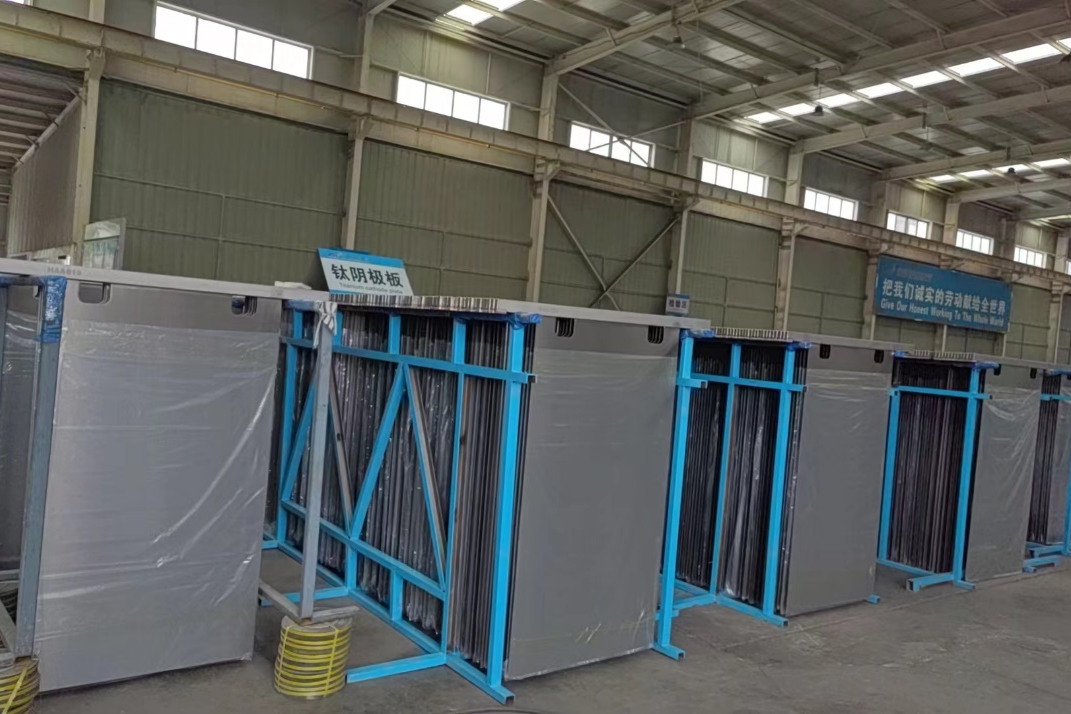
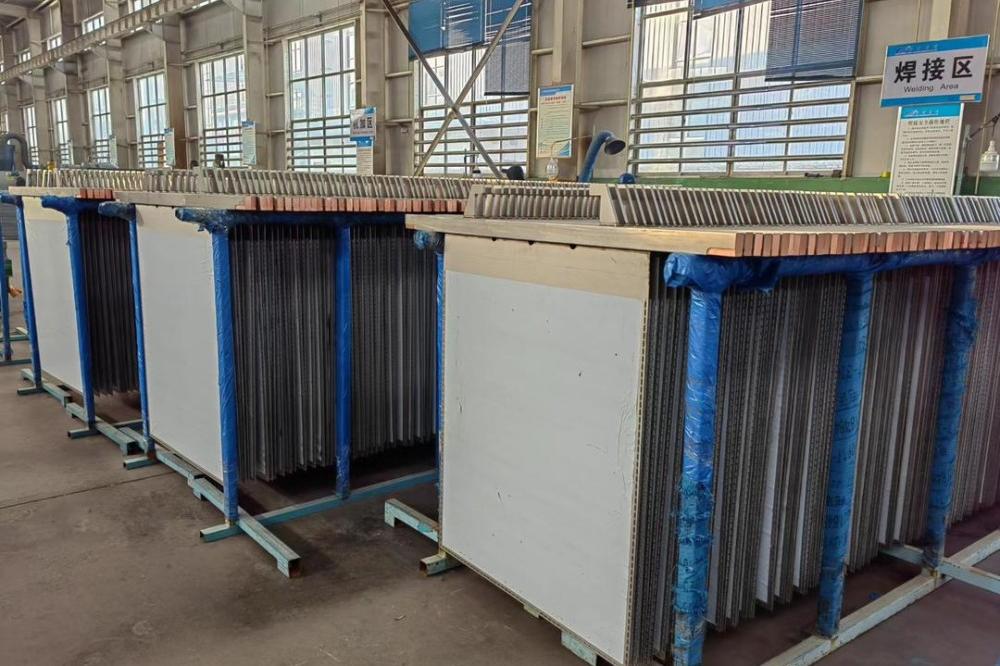
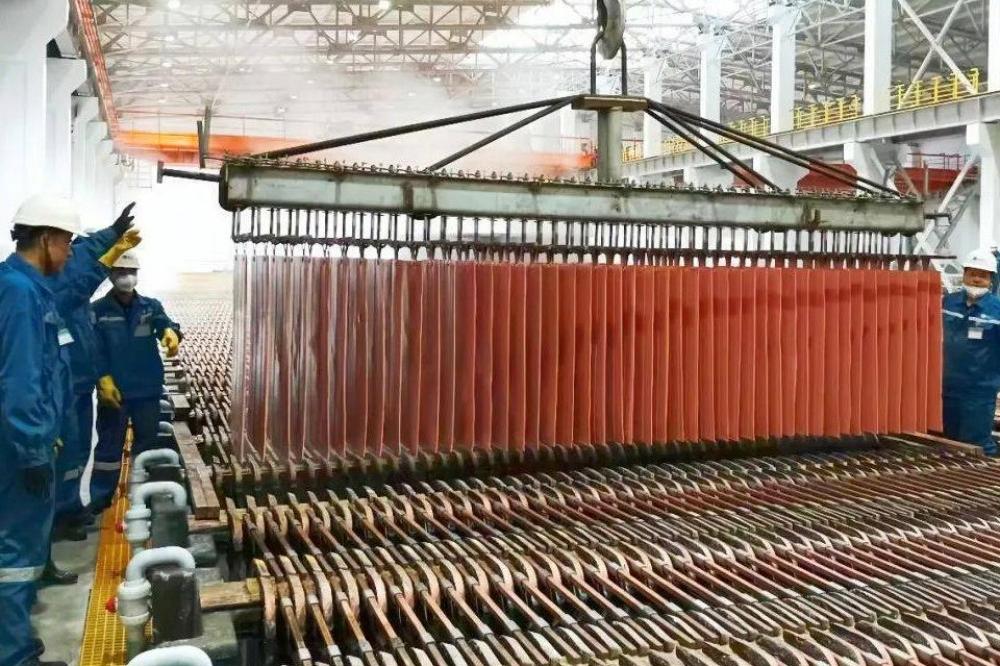
IATF 16949, CE, FMEA, PPAP, APQP, SPC AND MSA 100% TEST
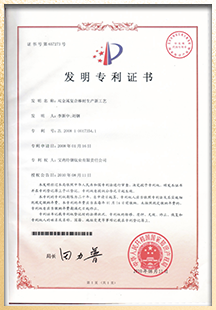
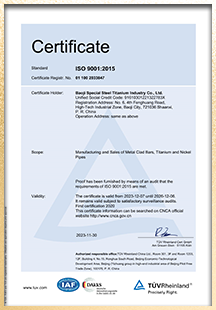
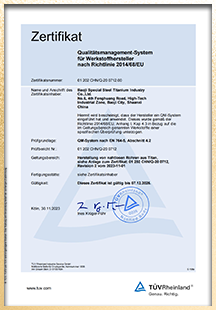
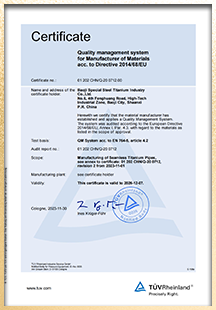
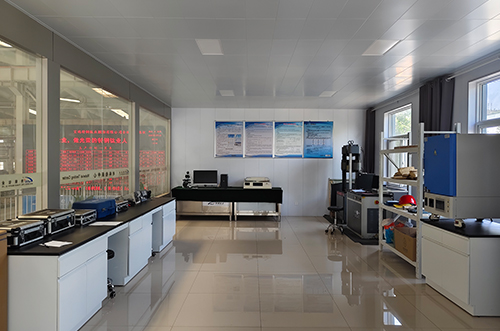
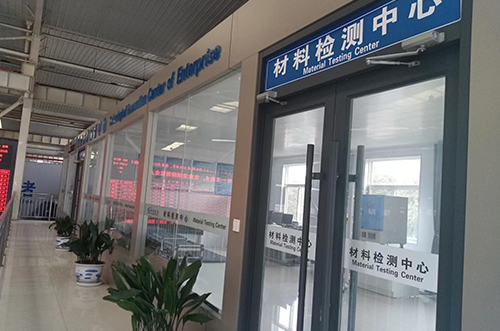
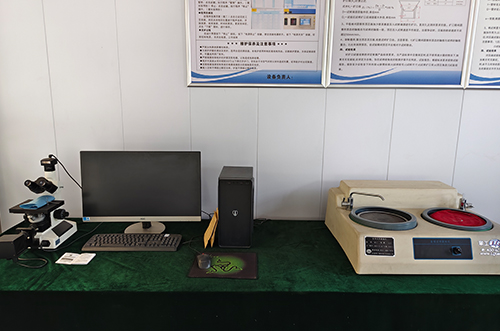
The reliability of a titanium seamless pipe in a chemical plant is heavily dependent on the purity of the raw material and the precision of the manufacturing process. At Baoji Special Steel Titanium Industry Co., LTD., the production cycle begins with premium titanium sponge. The sponge is melted via Vacuum Arc Remelting (VAR) to produce homogeneous ingots, minimizing interstitial impurities like hydrogen, nitrogen, and oxygen which can cause embrittlement.
The ingots are forged into billets, which are then hot-extruded to form the initial hollow pipe. To achieve the final dimensions and mechanical properties required by ASTM standards, the hollows undergo multiple cycles of cold rolling (pilgering) and vacuum annealing. Vacuum annealing is a critical step that restores ductility to the metal without allowing oxidation. Finally, every batch of titanium seamless pipes undergoes rigorous non-destructive testing (NDT), including ultrasonic testing (UT), eddy current testing (ET), and hydrostatic testing, ensuring 100% compliance with pressure safety regulations.
The chemical processing industry is evolving, and so is the technology behind titanium seamless pipes. Key future trends include:
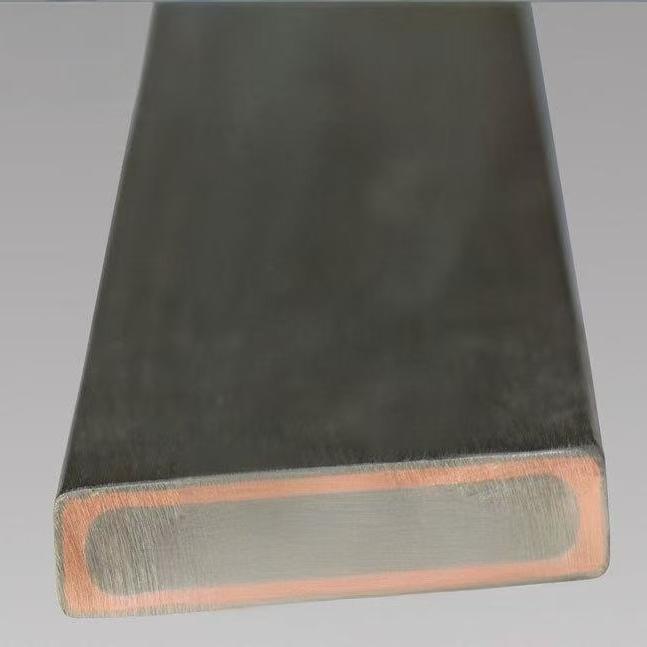
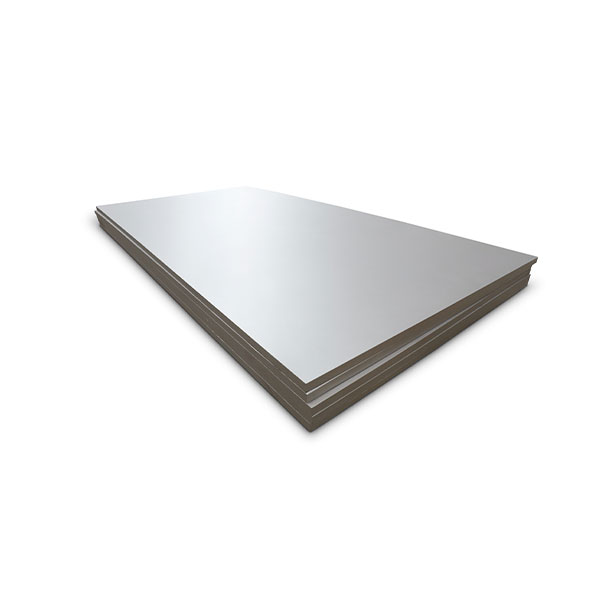
Explore our full range of industrial piping, sheets, cathodes, and composite materials