Leave Your Message
Premium Titanium Materials Engineered for Peak Performance in Corrosive Environments



The global electrolytic nickel industry plays a vital role in modern metallurgy, providing high-purity nickel essential for stainless steel production, superalloys, and the rapidly growing electric vehicle (EV) battery sector. The refinement of nickel via electrowinning or electrorefining processes requires the handling of highly aggressive chemical solutions. Typically, the electrolyte consists of nickel sulfate (NiSO₄), nickel chloride (NiCl₂), boric acid (H₃BO₃), and free sulfuric acid (H₂SO₄) or hydrochloric acid (HCl). Operating temperatures generally range between 50°C and 70°C, combined with continuous electrical currents.
In this extremely hostile environment, standard structural materials like carbon steel, copper, and even high-grade stainless steels suffer from catastrophic localized corrosion, such as pitting, crevice corrosion, and stress corrosion cracking (SCC). The degradation of piping infrastructure not only leads to frequent shutdowns and costly maintenance but also risks contaminating the electrolyte with iron, copper, or chromium ions. Such metallic impurities degrade the purity of the deposited nickel cathode, directly impacting its market value. Consequently, selecting the right piping material is a critical engineering decision that dictates the efficiency, safety, and profitability of nickel refinery operations.
Titanium and its alloys have emerged as the premier materials of choice for the electrolytic nickel industry. Specifically, Titanium Seamless Tubes offer unparalleled advantages over welded alternatives and other metal alloys. The core benefit of titanium lies in its spontaneous formation of a continuous, stable, and highly adherent protective oxide film (primarily TiO₂) when exposed to oxygen or moisture. This passive layer is self-healing; if damaged mechanically, it reforms almost instantly in the presence of even trace amounts of oxygen or water.
The preference for seamless titanium tubes over welded ones is driven by the strict safety and longevity requirements of hydrometallurgical plants. Welded tubes possess a heat-affected zone (HAZ) where the metallurgical structure is altered during the welding process. In highly acidic, chloride-rich nickel electrolytes, these weld seams can become focal points for preferential corrosion attack due to microstructural segregation or residual stresses. Titanium seamless tubes, manufactured through extrusion and cold rolling, feature a highly uniform grain structure across the entire tube body, eliminating the risk of weld-line failure and ensuring uniform mechanical properties and corrosion resistance throughout the piping network.
For the electrolytic nickel industry, specific grades of titanium are utilized based on the precise chemistry of the electrolyte and operating conditions:


Baoji Special Steel Titanium Industry Co., LTD. is a leading joint-stock industrial enterprise specializing in the research, development, manufacturing, and sales of titanium, nickel, zirconium, and other metal pipes, along with metal composite materials. Founded in 1997 and situated in the Shaanxi Baoji National High-tech Industrial Development Zone, our state-of-the-art facility spans over 41,000 square meters. We are committed to supplying high-grade titanium seamless tubes tailored for the rigorous demands of the global electrolytic nickel and hydrometallurgical industries.
FIND OUT MORE
Titanium seamless tubes are deployed across multiple critical stages of the electrolytic nickel production loop. Their unique combination of thermal efficiency, mechanical strength, and corrosion resistance makes them indispensable in the following systems:
Temperature control is vital during nickel electrowinning. The electrolyte must be maintained at a steady temperature (typically 60°C to 65°C) to optimize electrical conductivity, ensure uniform cathode deposition, and reduce energy consumption. Titanium seamless tubes are the core components of shell-and-tube heat exchangers. Because titanium has high mechanical strength, the tube walls can be manufactured thinner than those of other metals, compensating for titanium's lower thermal conductivity and achieving highly efficient heat transfer rates. Furthermore, the absence of weld seams ensures that high-pressure steam on one side and acidic electrolyte on the other do not lead to catastrophic thermal-fatigue cracking.
The distribution of fresh, nickel-rich electrolyte to the electrolytic cells must be perfectly uniform to prevent concentration polarization at the cathode surfaces. Titanium seamless piping networks transport the highly corrosive acid solutions from the purification tanks to the electrowinning cells. Unlike plastics or lined fiberglass pipes, which degrade under UV exposure, thermal fluctuations, and mechanical impacts, titanium seamless tubes offer a robust, maintenance-free piping network that can withstand high operating pressures and flow velocities without erosion-corrosion risks.
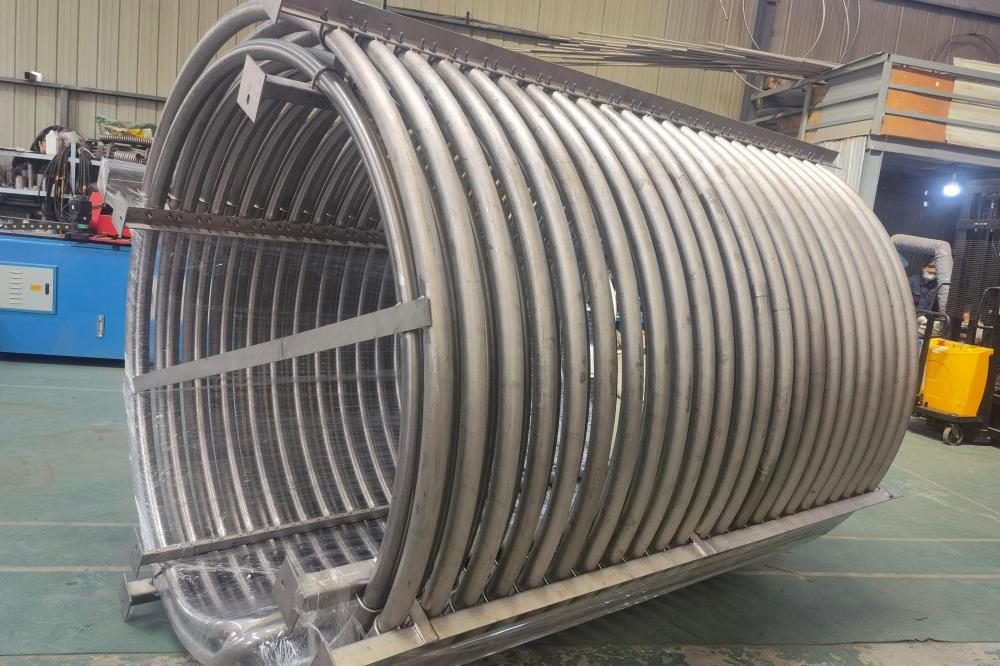
In many refineries, steam heating coils are immersed directly into the electrorefining baths to maintain the electrolyte temperature. These coils are subject to both chemical corrosion and stray electrical currents present in the cells. Stray currents can accelerate galvanic corrosion in lesser metals. Titanium, however, forms a stable anodic oxide film under these conditions, rendering it immune to stray-current corrosion, making it the safest material for direct immersion heating coils.
The electrowinning process generates acidic mists and corrosive off-gases containing chlorine and sulfuric acid vapors. Scrubbing systems and acid recovery units utilize titanium seamless tubes to condense and transport these highly aggressive fluids, protecting the refinery workers and the surrounding environment from toxic emissions while recovering valuable chemical components.
Providing Specialized Metal Solutions Across Diverse Industrial Sectors




The demand for high-quality titanium seamless tubes is closely tied to the shifting dynamics of the global nickel market. The transition toward green energy has accelerated the demand for Class 1 nickel (greater than 99.8% purity), which is the primary precursor for nickel-rich lithium-ion battery chemistries (such as NMC 622 and NMC 811). Hydrometallurgical operations, particularly High-Pressure Acid Leaching (HPAL) plants, have expanded rapidly in regions like Indonesia, Australia, and Canada to process laterite ores into battery-grade nickel intermediates.
HPAL and subsequent electrowinning processes operate under extreme pressures and temperatures, requiring massive volumes of titanium piping. As nickel producers strive to minimize downtime and maximize throughput, they are shifting away from lower-cost carbon steel and fiberglass-reinforced plastics (FRP) toward titanium. The initial capital expenditure (CAPEX) of titanium is offset by its exceptionally low operational expenditure (OPEX), as titanium systems regularly achieve service lifetimes exceeding 20 to 30 years without significant degradation. This long-term economic calculation has driven double-digit growth in the adoption of titanium seamless tubes in global hydrometallurgical projects.
To ensure that titanium seamless tubes can withstand the demanding conditions of nickel electrowinning, manufacturers must adhere to strict processing and testing protocols. The production process begins with high-purity titanium ingots, which are vacuum arc remelted (VAR) to ensure chemical homogeneity. These ingots are forged into billets, hot-extruded to form hollow shells, and subsequently cold-rolled or cold-drawn using multi-pass pilger mills to achieve the final dimensions.
Intermediate vacuum annealing steps are performed to relieve internal stresses and restore ductility. Following final sizing, the tubes undergo rigorous non-destructive testing (NDT), including:
Best Practices



Stable product quality and integrity form the core of our business philosophy. Our materials are trusted by leading global industrial enterprises to ensure safe and continuous production.
Strict Compliance with International Standards and Comprehensive Testing Protocols
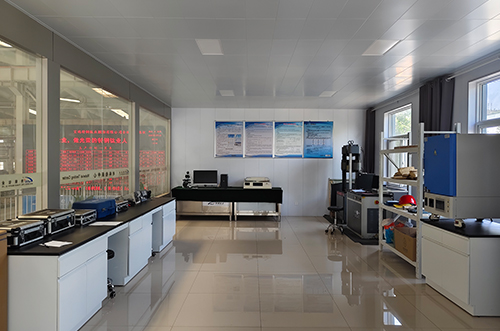
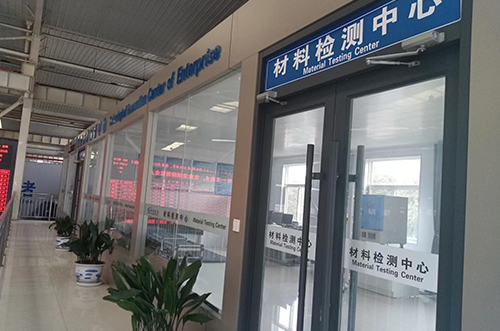
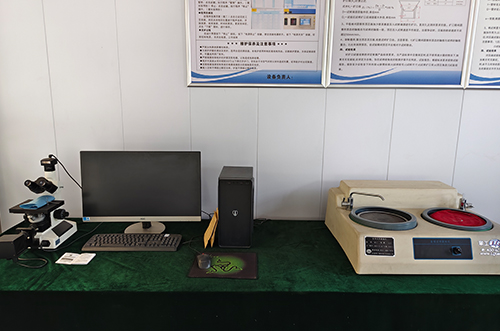
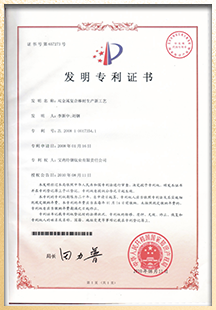
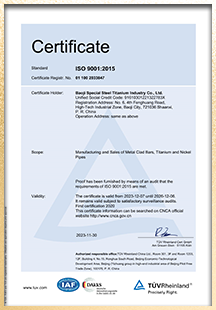
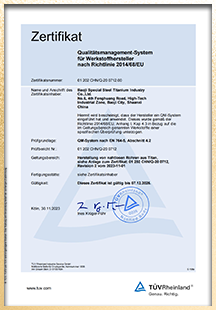
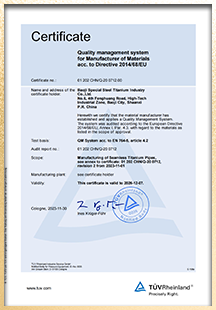
At Baoji Special Steel Titanium Industry Co., LTD., quality control is embedded in every step of our manufacturing workflow. Our facility is certified under IATF 16949 and CE standards. We utilize advanced quality management tools including FMEA (Failure Mode and Effects Analysis), PPAP (Production Part Approval Process), APQP (Advanced Product Quality Planning), SPC (Statistical Process Control), and MSA (Measurement Systems Analysis) to guarantee 100% testing compliance and ensure zero-defect delivery.
Delivering Metallurgy Excellence Globally
Explore Our Comprehensive Range of Titanium and Composite Materials