Leave Your Message
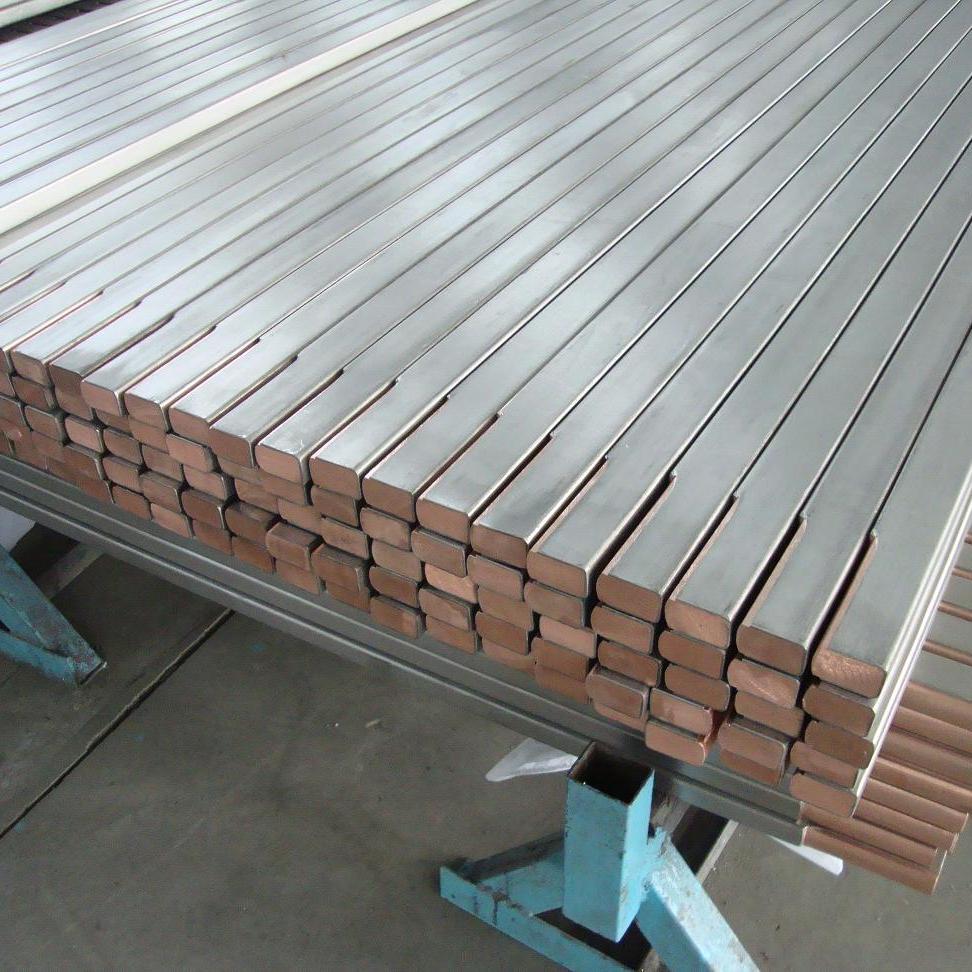
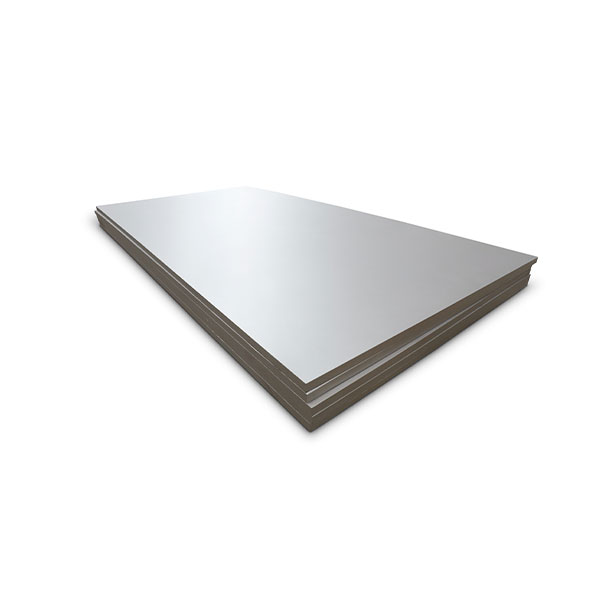
Explore our core industrial titanium sheets, composite bars, and electrodes engineered to withstand aggressive chemical media.
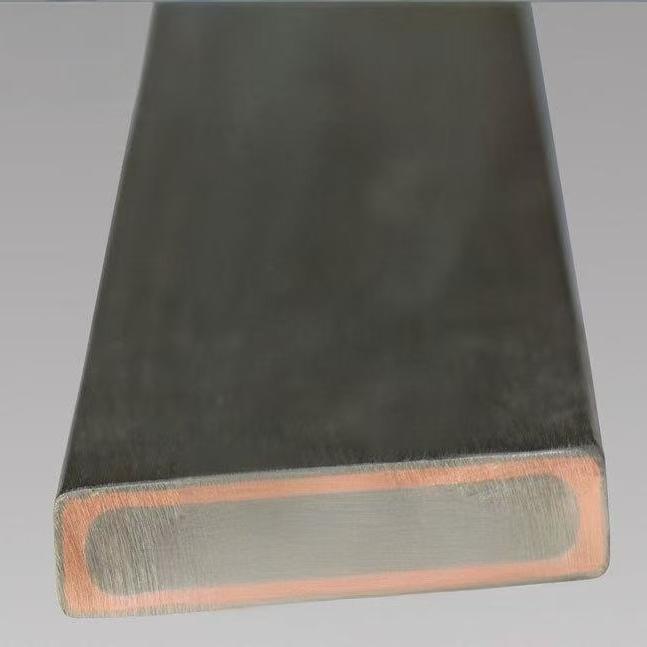
In the modern chemical processing industry, materials are constantly subjected to extreme conditions, including highly corrosive acids, high-temperature solutions, and high-pressure reactions. Traditional metals such as carbon steel and standard stainless steels often fail rapidly under these aggressive environments, leading to costly downtime, catastrophic equipment failures, and safety hazards. To address these challenges, titanium sheet for chemical processing equipment has emerged as the premier material selection.
Titanium possesses an exceptional strength-to-weight ratio and outstanding resistance to corrosion. When exposed to oxygen, titanium spontaneously forms a microscopic, highly stable, and self-healing passive oxide film (primarily TiO₂). This oxide layer acts as an impenetrable barrier against corrosive substances, such as wet chlorine, nitric acid, organic acids, and chloride solutions, making titanium sheets the standard material for constructing heat exchangers, reaction vessels, columns, and piping systems.
The global demand for high-quality titanium sheets in chemical processing equipment has grown exponentially over the past few decades. This growth is driven by the expansion of the petrochemical, chlor-alkali, pharmaceutical, and desalination industries. As environmental regulations tighten worldwide, chemical plants are compelled to run more efficient, leak-free, and long-lasting operations. Investing in titanium equipment significantly lowers the Total Cost of Ownership (TCO) by minimizing maintenance intervals and extending service life to several decades.
Currently, the industrial supply chain of titanium sheets is centered around high-precision manufacturing zones. China, particularly the Baoji region (known globally as the "Titanium Valley"), has established itself as the leading hub for titanium metallurgy and fabrication. Local manufacturers utilize advanced vacuum arc remelting (VAR) furnaces, large-scale hot/cold rolling mills, and strict quality control protocols to supply titanium sheets that conform to international standards such as ASTM B265, ASME SB265, and DIN/EN specifications.
Unlike coatings or linings that can chip, wear, or delaminate, the protective oxide film on a titanium sheet is an intrinsic property of the metal. If scratched or mechanically damaged in an oxygen-bearing environment, the oxide layer repairs itself almost instantaneously, maintaining uninterrupted protection against aggressive chemical media.
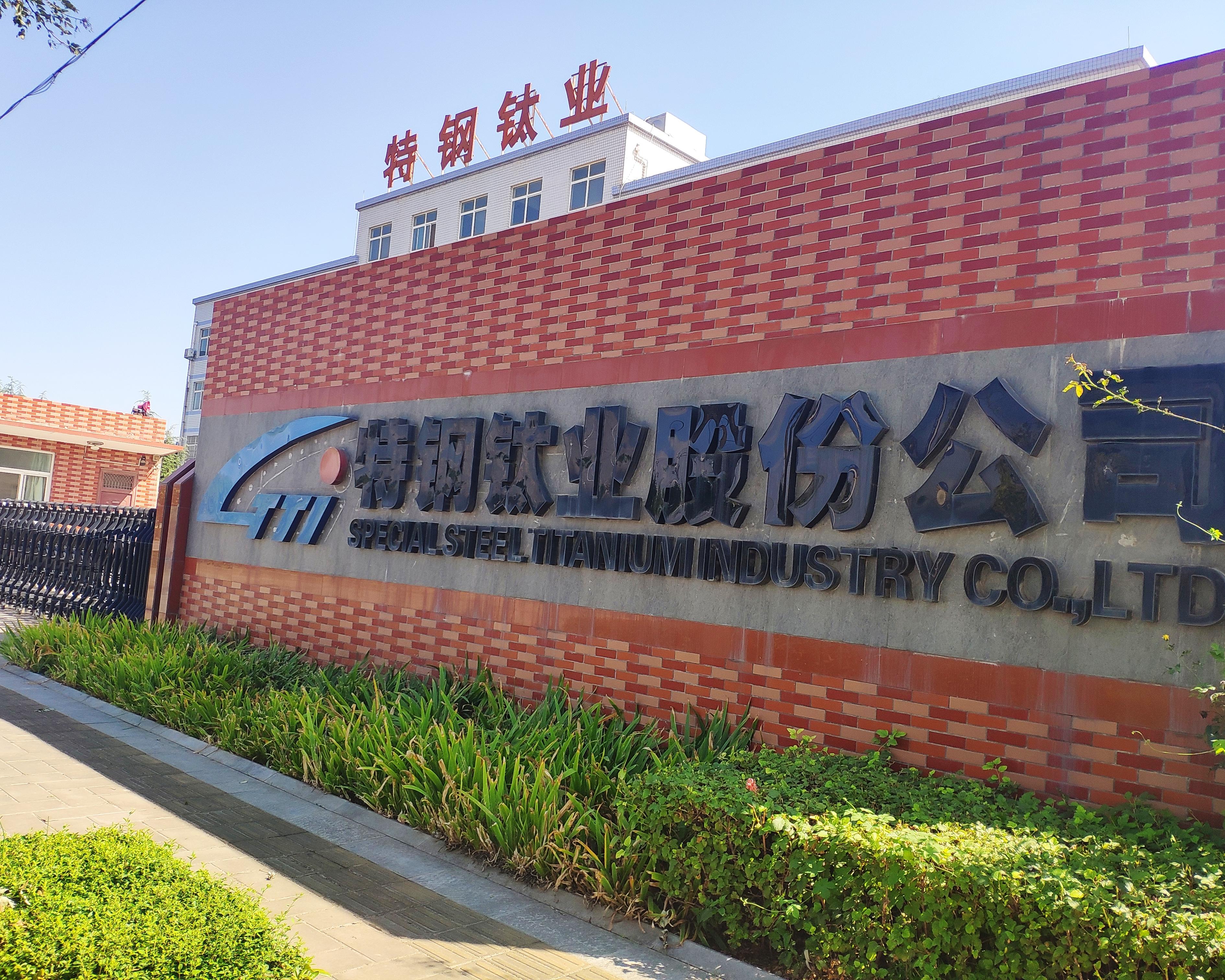
Baoji Special Steel Titanium Industry Co., Ltd.
Founded in 1997 and situated within the prestigious Shaanxi Baoji National High-tech Industrial Development Zone, Baoji Special Steel Titanium Industry Co., Ltd. is a joint-stock industrial enterprise specializing in the research, development, manufacturing, and global sales of titanium, nickel, zirconium, and other non-ferrous metal pipes and composite materials. Our state-of-the-art manufacturing facility covers an expansive area of 41,000 square meters.
With an annual production capacity exceeding 3,000 tons of non-ferrous metal products, we serve key industrial markets in Germany, Japan, the United States, Norway, Finland, South Africa, Singapore, India, and beyond. We are recognized as a national high and new technology enterprise and are listed in the first batch of industries encouraged to develop by the National Development and Reform Commission.


Titanium sheets serve as the foundational material for a vast range of critical chemical machinery. Depending on the operating temperatures, chemical concentrations, and pressures, titanium is deployed across several specialized applications:
In chemical plants, heat transfer is a continuous and energy-intensive process. Plate heat exchangers utilize thin, corrugated titanium sheets (typically 0.5mm to 0.8mm thick) to transfer heat between two fluids. The high strength of titanium allows for thinner sheets, which enhances thermal conductivity while resisting the highly corrosive action of cooling fluids like seawater, brackish water, or acidic process streams. The anti-fouling property of titanium also prevents the accumulation of scale and organic growth, ensuring optimal thermal efficiency over time.
Reactors are the heart of chemical synthesis. Titanium sheets are widely used to construct solid titanium reactors or as a protective lining in clad steel vessels (utilizing explosive or roll bonding technologies). Solid titanium reactors are preferred for high-pressure, highly corrosive reactions involving organic acids (like acetic acid production), nitric acid, or urea synthesis. The structural integrity of titanium ensures that the vessel can withstand high operating pressures without risk of stress corrosion cracking (SCC).
Distillation columns separating aggressive chemical compounds require internals that resist localized corrosion. Bubble caps, trays, and packing structures are fabricated from thin titanium sheets. Additionally, storage tanks containing highly concentrated oxidizers, bleach agents (such as sodium hypochlorite), or wet chlorine gas rely on titanium sheet construction to prevent environmental leaks and contamination of the stored chemical product.
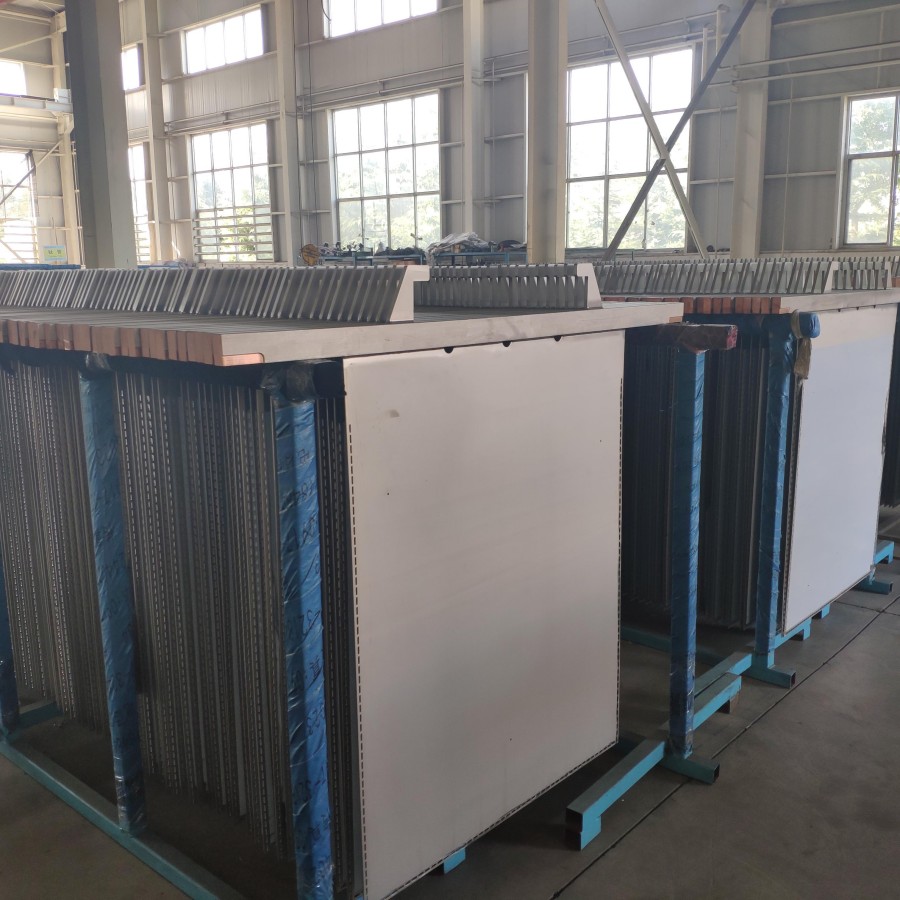
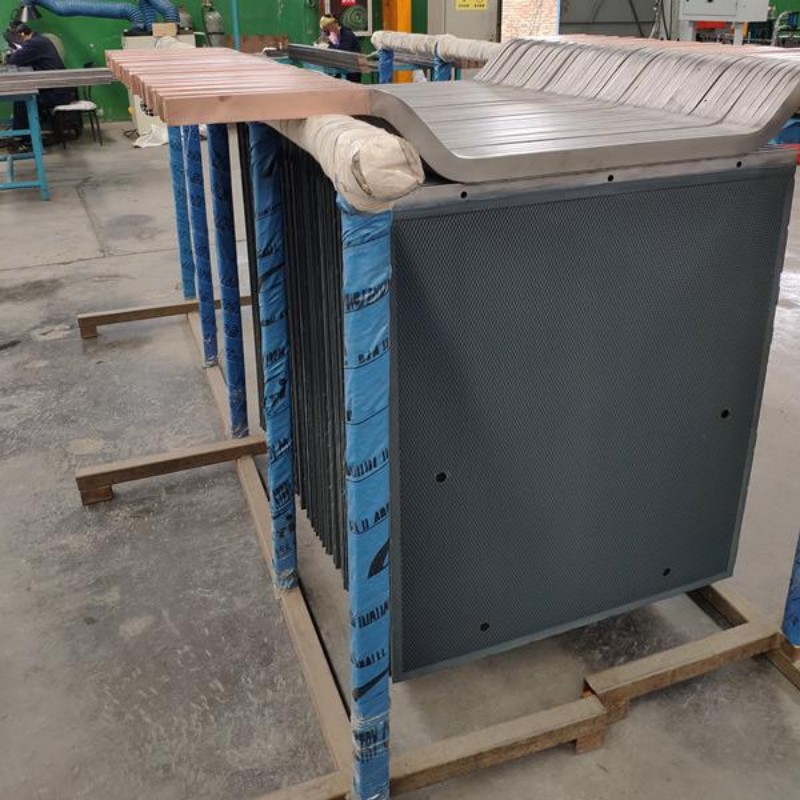
In the chlor-alkali industry, which produces chlorine gas and caustic soda, titanium sheets are the primary substrate for anodes and cathodes. Coated with Mixed Metal Oxides (MMO) or Lead Dioxide (PbO₂), these titanium electrodes offer low overpotentials, high current efficiencies, and outstanding dimensional stability under continuous electrolysis, replacing older graphite and lead anodes.
Understanding the differences between titanium grades is essential for optimizing both cost and performance in chemical processing equipment. The following table highlights the most common grades specified by the ASTM B265 standard:
| Grade (ASTM B265) | Composition Type | Key Characteristics | Primary Chemical Applications |
|---|---|---|---|
| Grade 1 | Unalloyed (CP) Titanium | Highest ductility, lowest strength, excellent cold formability. | Deep-drawn plates for heat exchangers, cladding sheet, complex formed parts. |
| Grade 2 | Unalloyed (CP) Titanium | The "workhorse" grade. Balanced strength, ductility, and weldability. | Reactors, storage tanks, piping, heat exchanger shells, and general vessel linings. |
| Grade 5 (Ti-6Al-4V) | Alpha-Beta Alloy | Extremely high strength, heat treatable, moderate corrosion resistance. | High-pressure autoclaves, rotating parts, centrifuges, and structural fasteners. |
| Grade 7 | CP Titanium + 0.12-0.25% Pd | Enhanced corrosion resistance in reducing acids and low-pH environments. | Equipment handling hydrochloric, sulfuric, or phosphoric acids at elevated temperatures. |
| Grade 12 | Ti-0.3Mo-0.8Ni | Improved strength and crevice corrosion resistance at high temperatures. | Shell and tube heat exchangers, crevice-prone joint designs in hot chloride environments. |
Our manufacturing capabilities are divided into four main industrial product lines:
Since our establishment in 1997, Baoji Special Steel Titanium Industry Co., Ltd. has remained dedicated to a development strategy centered on continuous innovation. By constantly upgrading our metallurgical processes, rolling techniques, and inspection equipment, we supply materials that fulfill the most stringent chemical industry requirements.
Over the past two decades, our products have successfully entered premium markets in Germany, Japan, the United States, Norway, Finland, South Africa, Singapore, India, and various other regions. The consistent quality of our titanium sheets, combined with our client-first service philosophy, has earned us long-term partnerships with major global engineering and chemical manufacturing corporations.
As chemical processing moves toward higher operating temperatures and pressures to achieve superior reaction yields, the demand for advanced titanium materials is evolving. Key trends include:
Titanium is 100% recyclable. Its extremely long service life reduces the carbon footprint associated with frequent equipment replacement. By preventing chemical leaks and containment breaches, titanium sheets play an indispensable role in promoting green chemistry and sustainable industrial development.
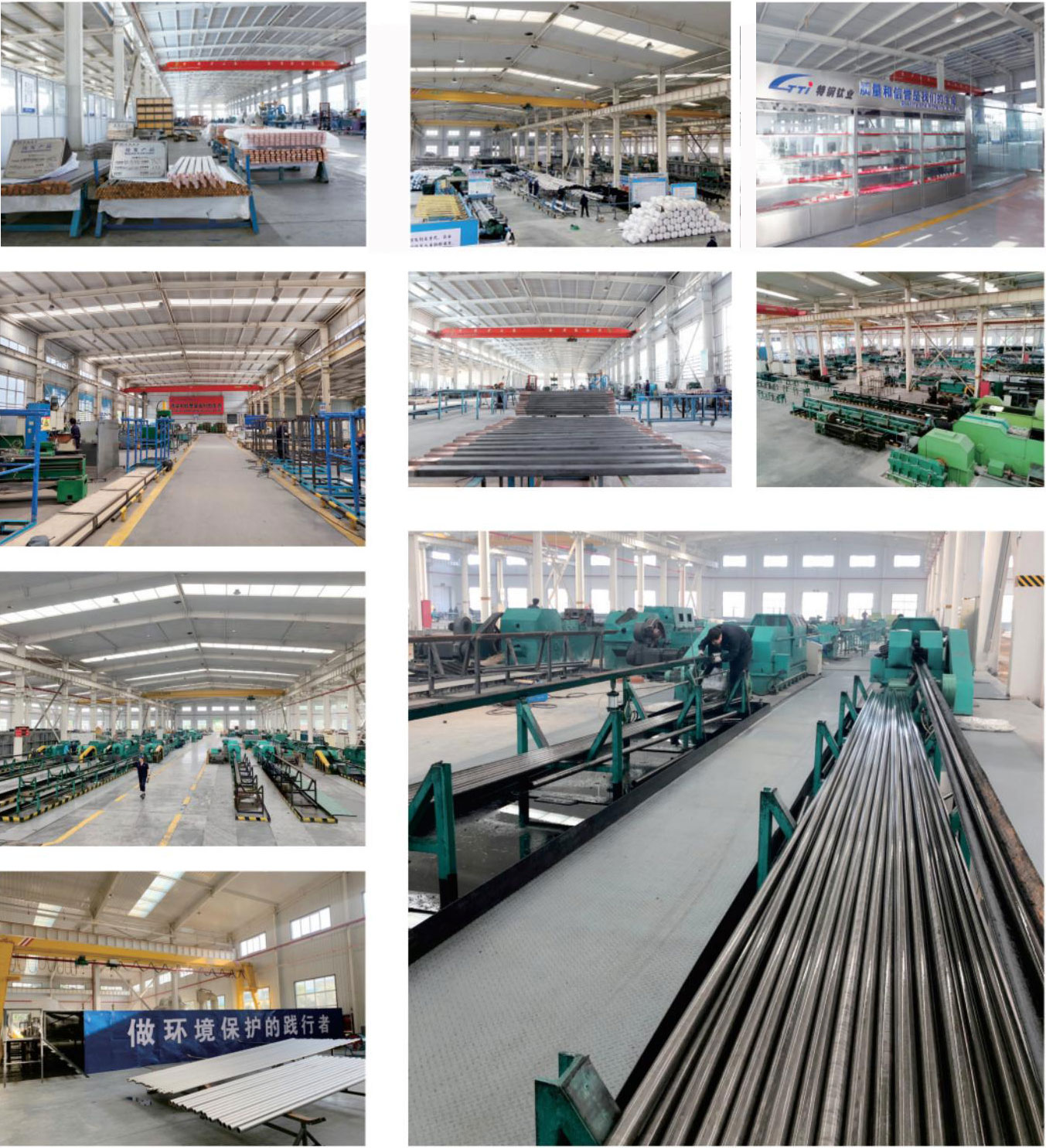
Our state-of-the-art facility in Baoji is equipped with heavy-duty rolling, extrusion, welding, and non-destructive testing machinery to guarantee premium output.
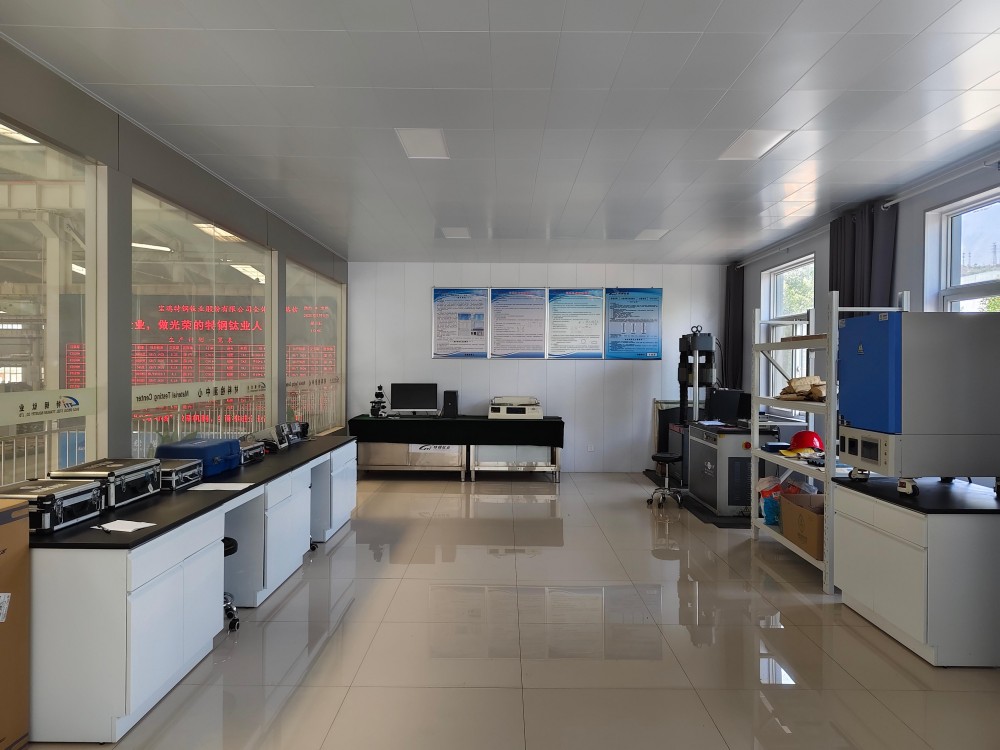
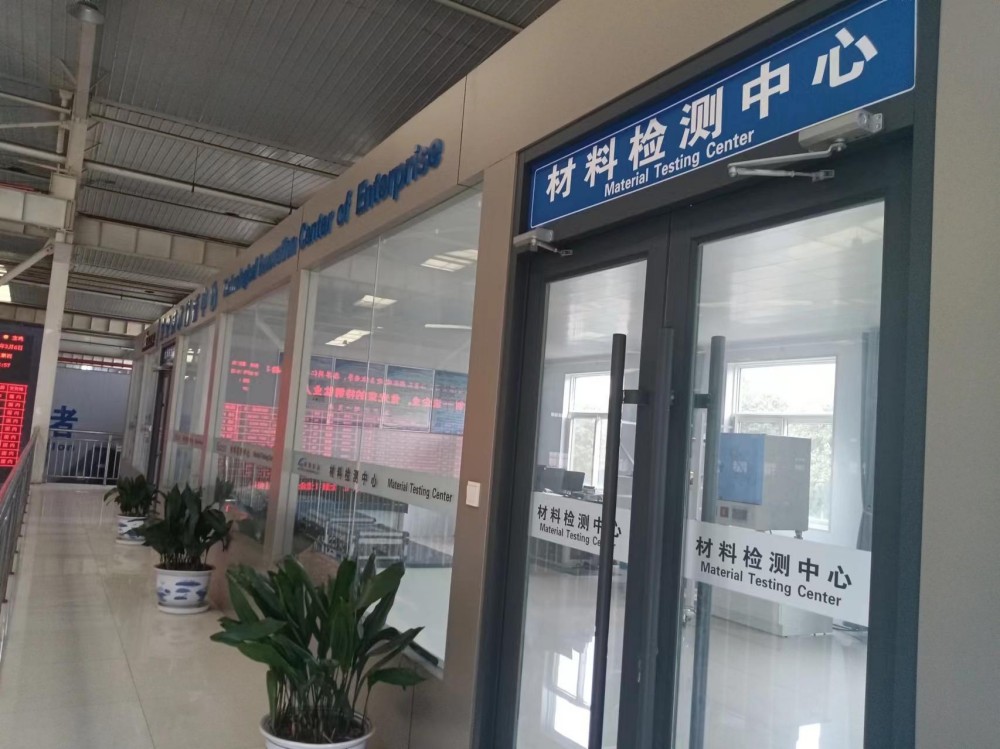
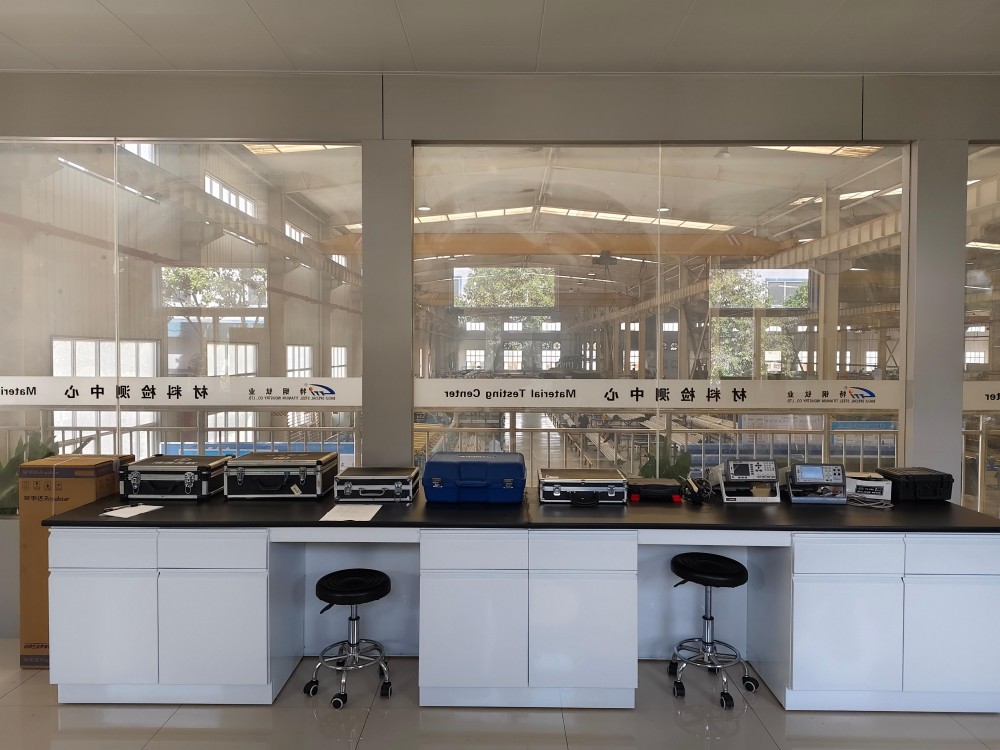
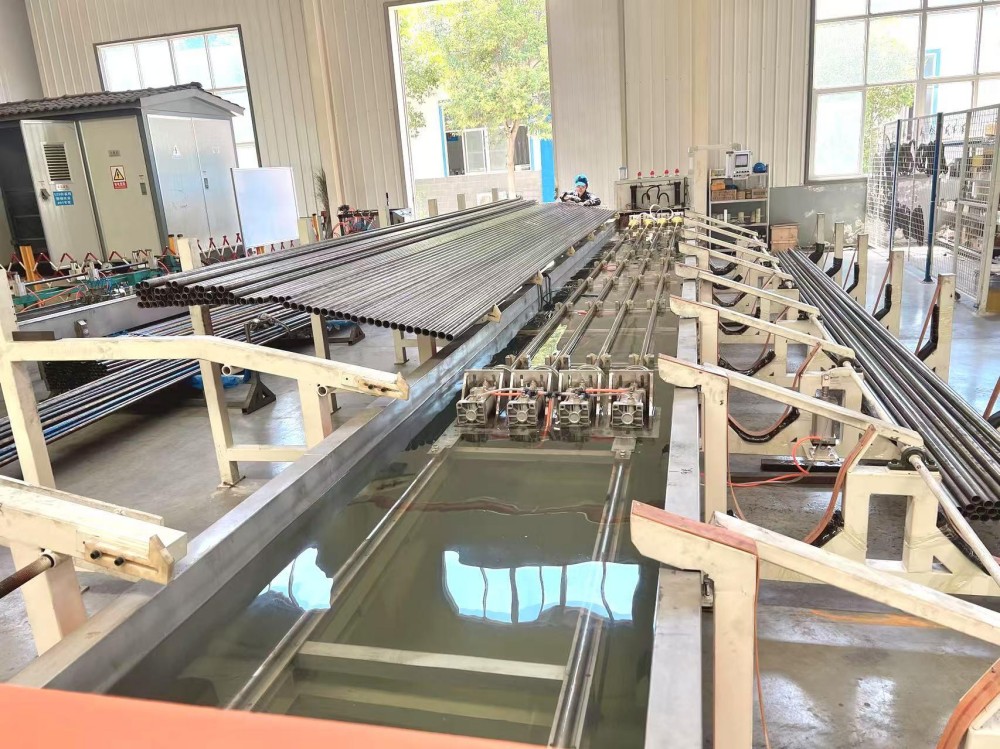
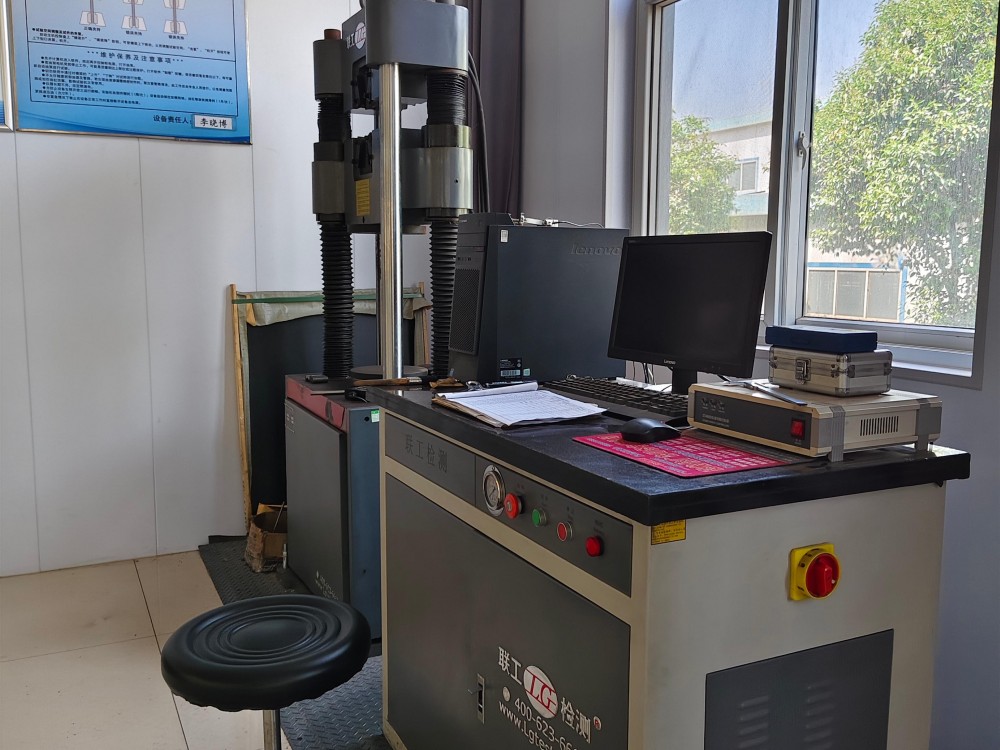
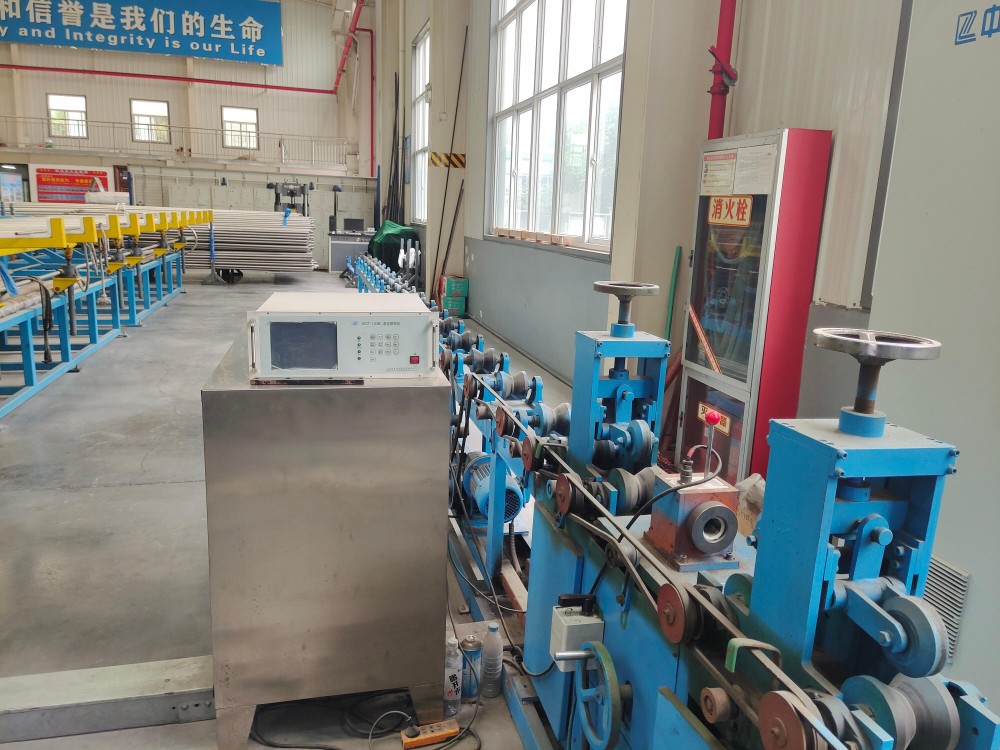
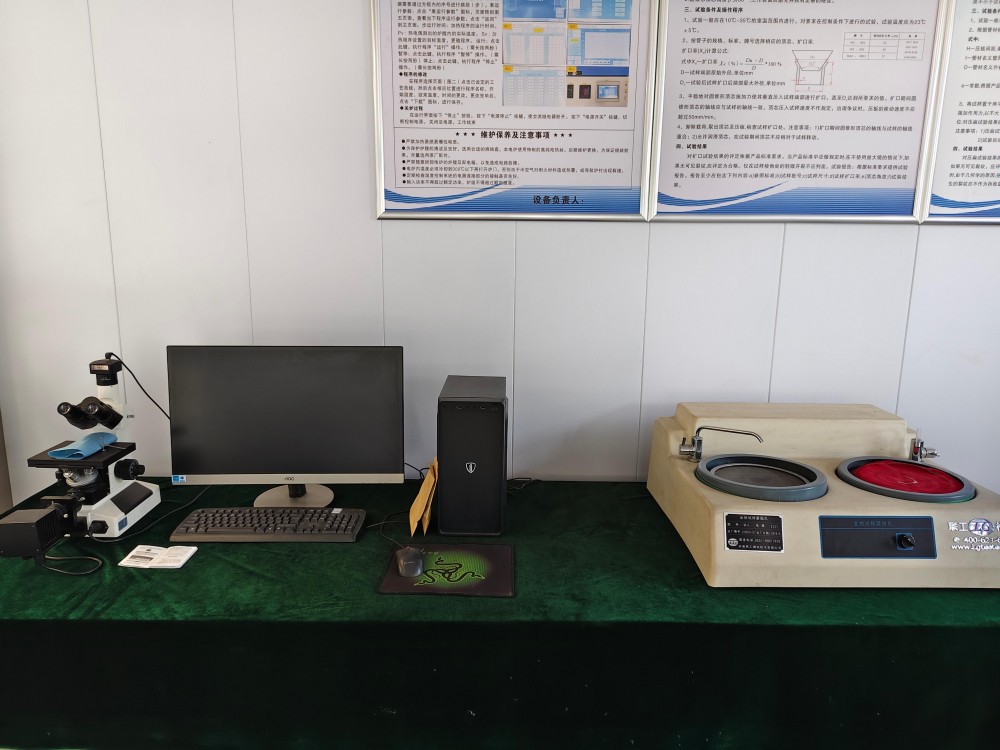
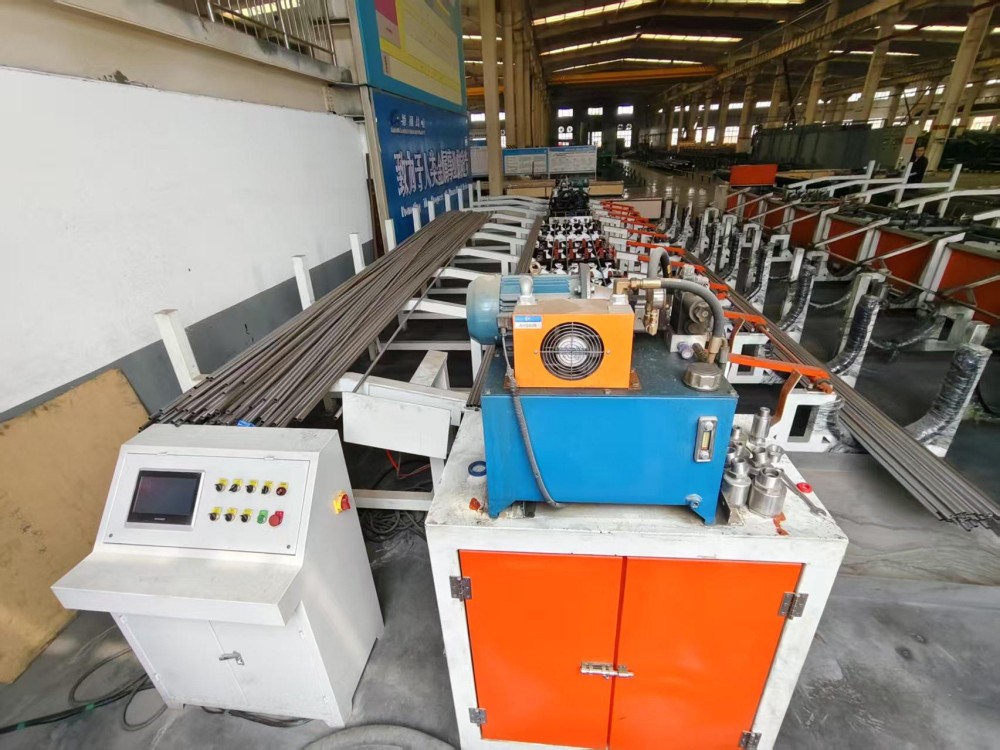
Our manufacturing processes adhere to strict international standards, ensuring reliability and traceability for chemical processing projects.
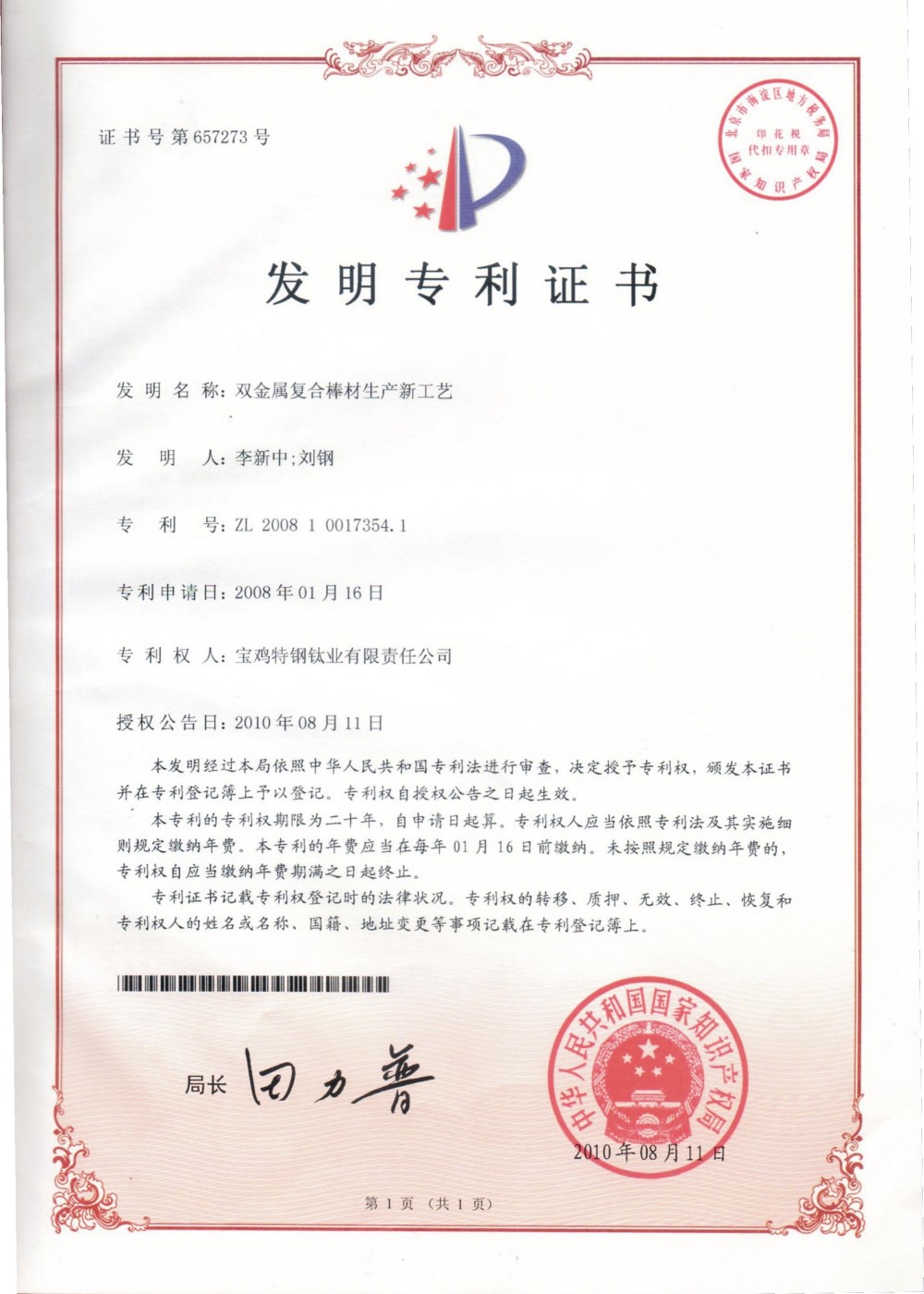
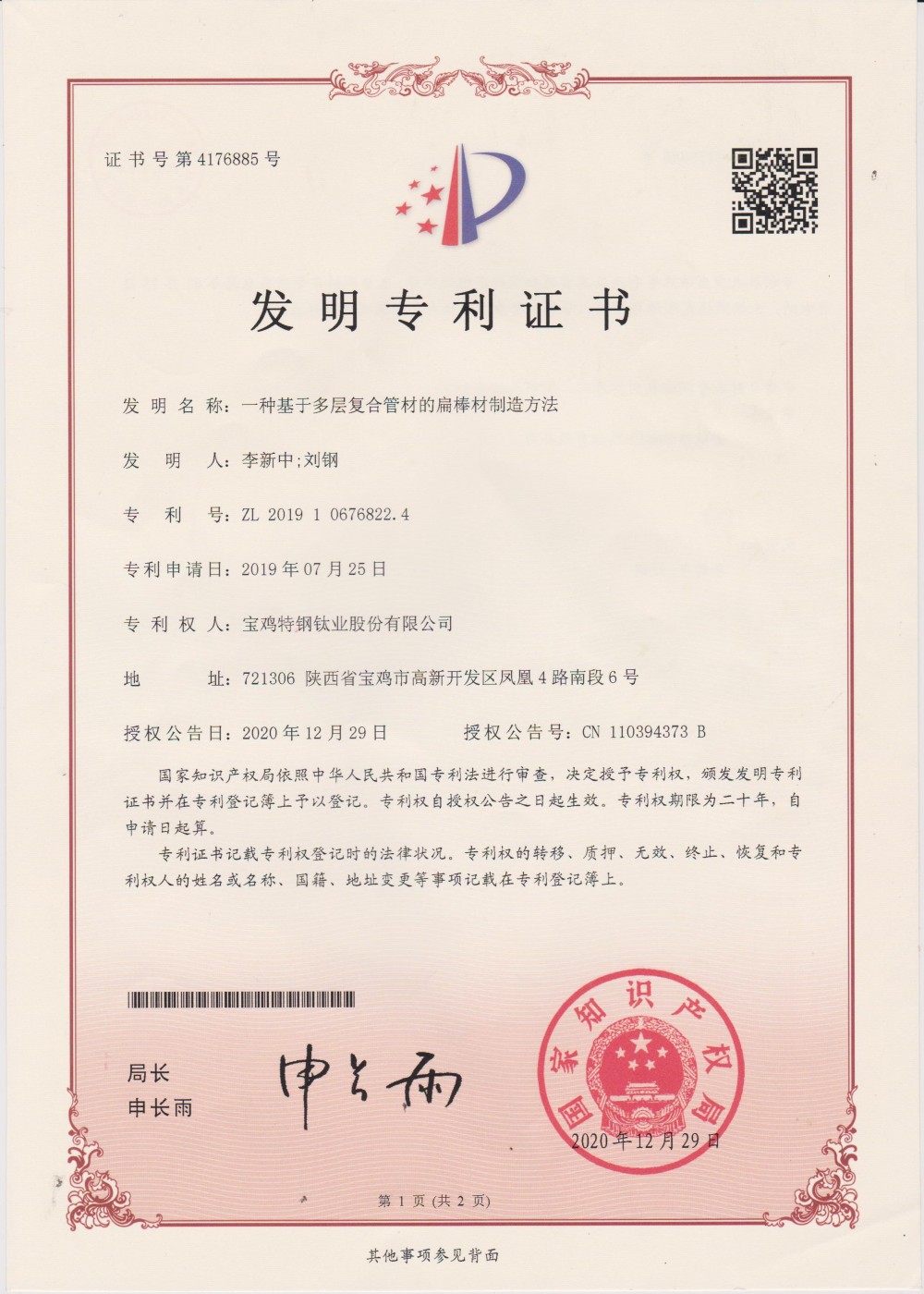
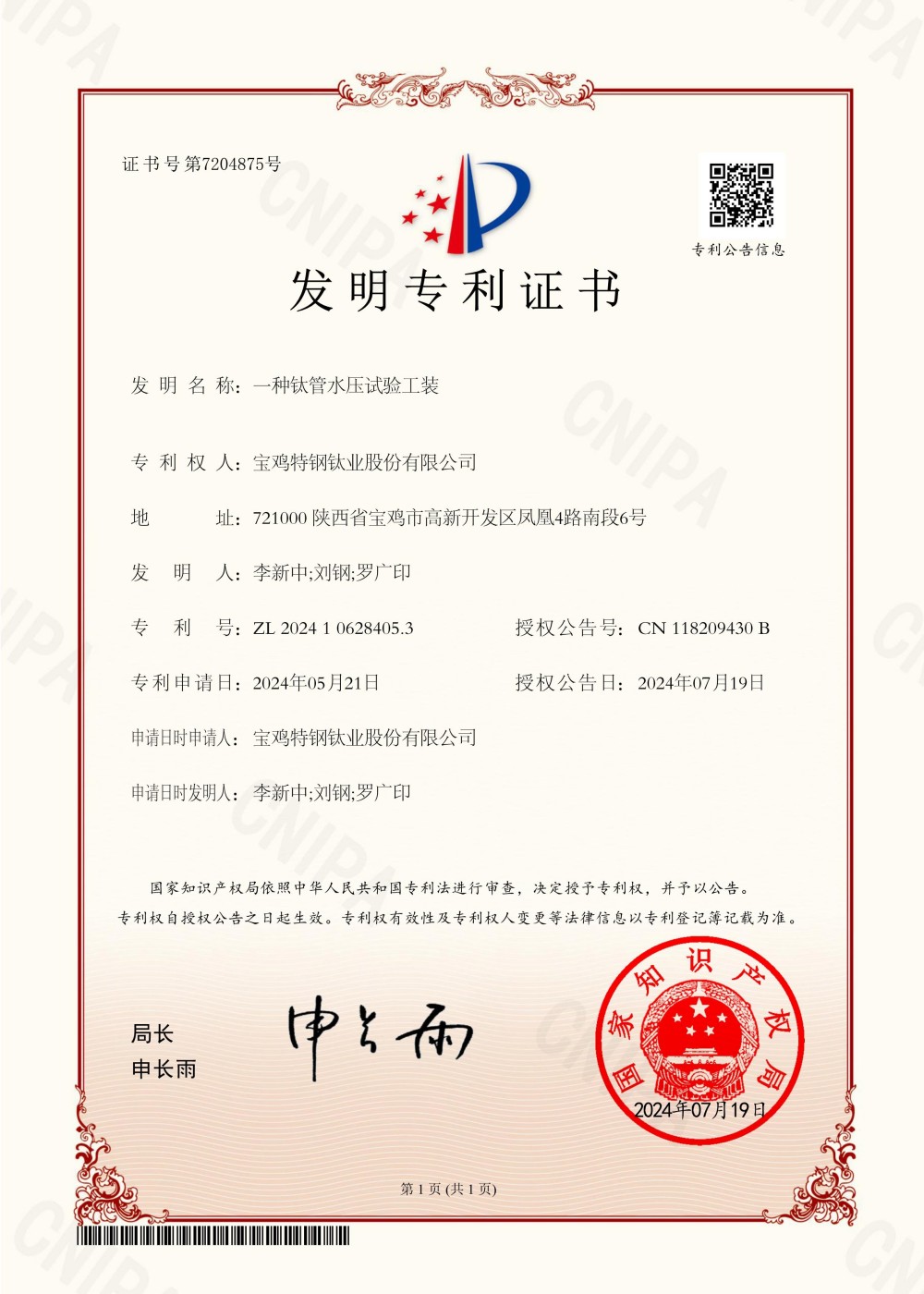
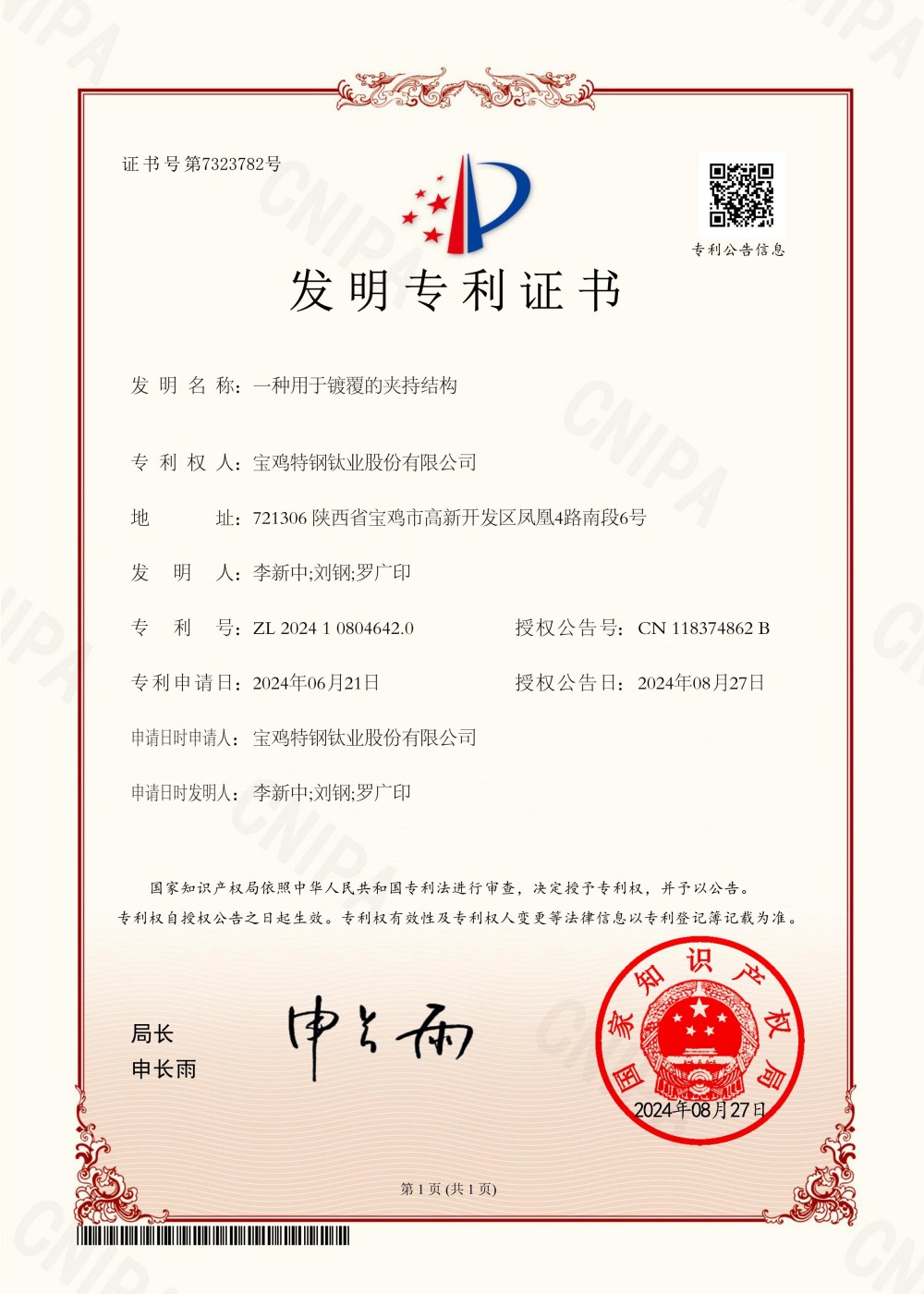
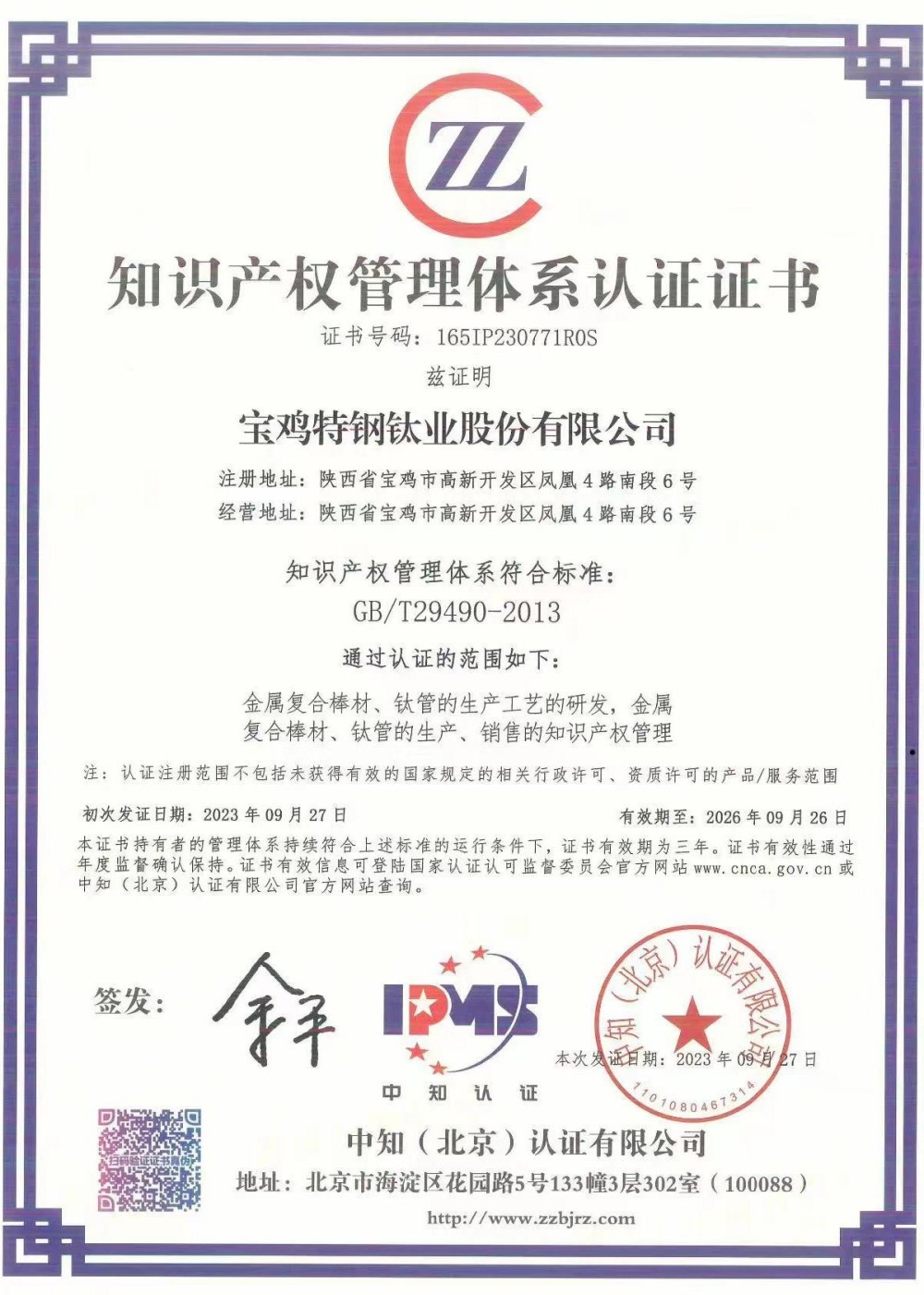
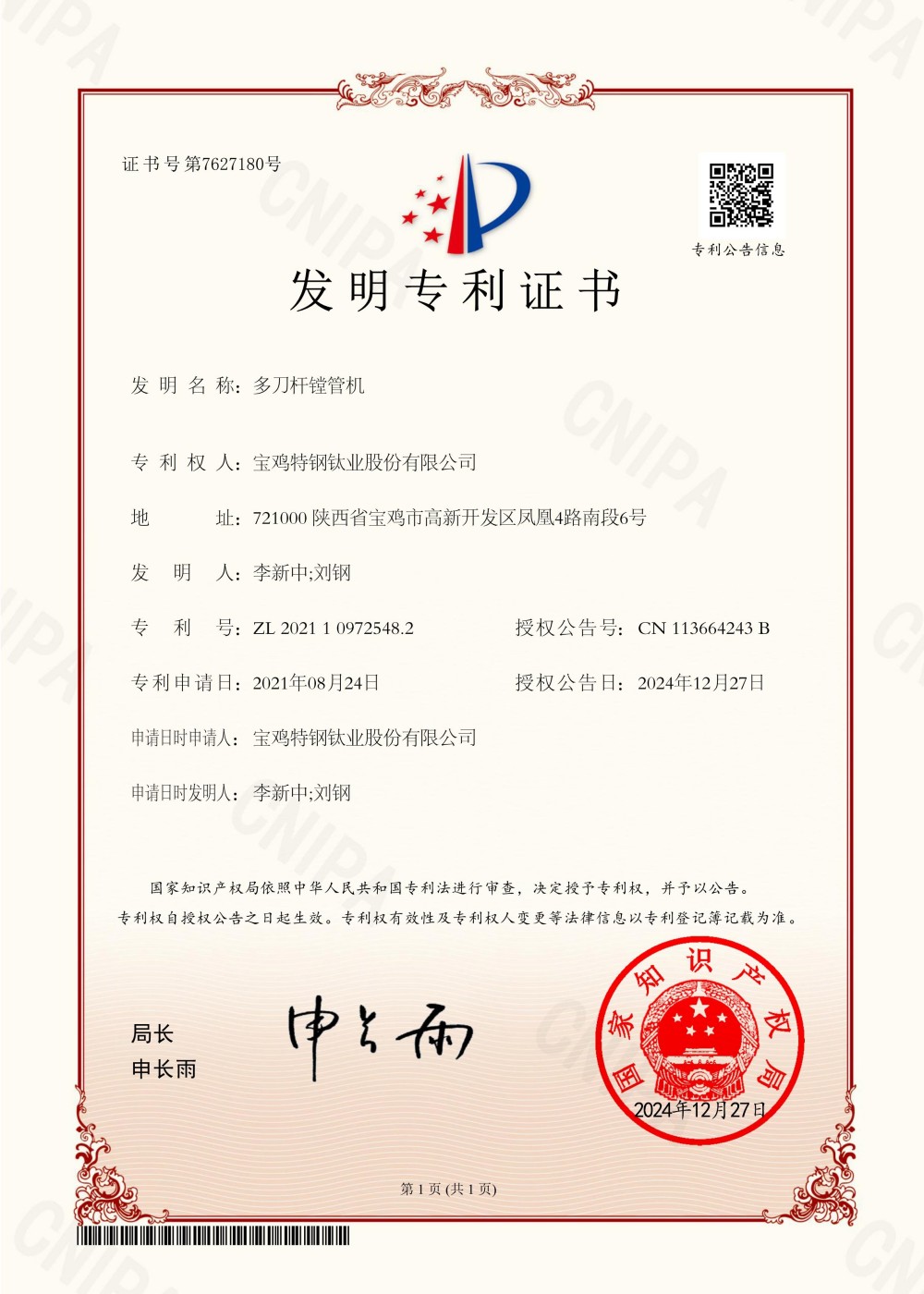
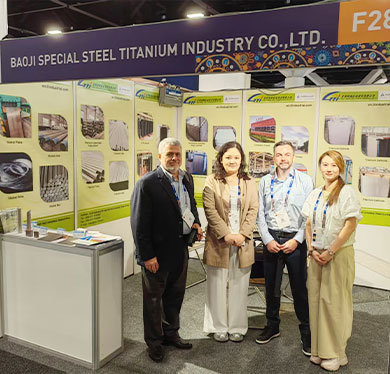
We actively showcase our latest titanium sheet fabrications and composite materials at leading international industrial exhibitions.
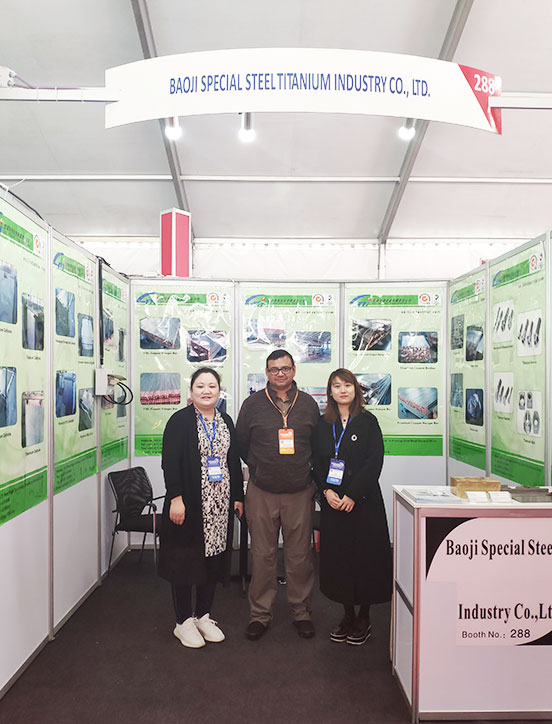
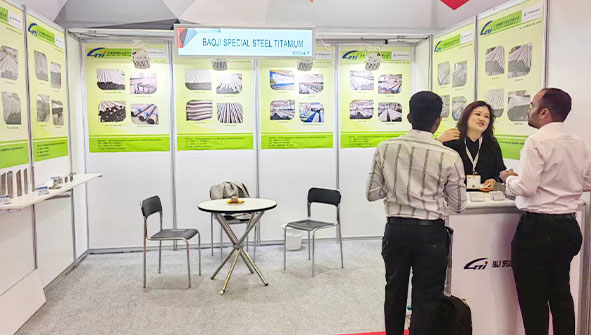
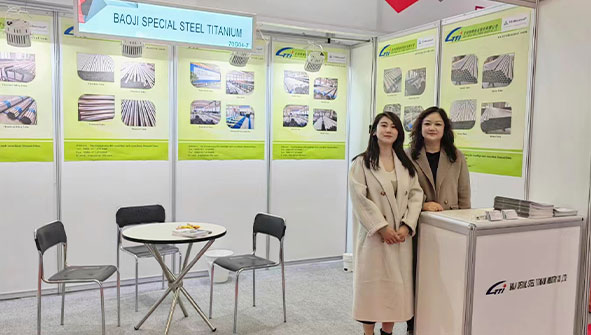

Select from our complete lineup of titanium sheets, composite bars, and electrochemical anodes designed for chemical processing equipment.