



Leave Your Message

High oxygen evolution potential anode engineered for copper electrowinning and harsh acid electrolytes.
Explore Specifications →
High-planarity permanent titanium cathode plates delivering ultra-smooth copper deposition and easy mechanical stripping.
Explore Specifications →
Corrosion-resistant heat exchanger tubes and electrolyte fluid circulation conduits for copper refineries.
Explore Specifications →
Standard ASTM B265 Gr1/Gr2 sheets customized for copper starter sheets, cell liners, and structural busbars.
Explore Specifications →As global demand for Grade-A cathode copper expands across green mobility, photovoltaic generation, and high-frequency power electronics, modern hydrometallurgical operations rely on titanium plates to overcome energy loss, metal contamination, and downtime.
In the modern electrolytic copper refining (ER) and copper electrowinning (EW) industries, the adoption of permanent cathode mother plate technology represents one of the most critical metallurgical advancements of the past five decades. Historically, copper refineries depended upon fragile, labor-intensive starter sheets prepared by plating copper onto temporary blanks. This legacy methodology suffered from severe deficiencies: uneven sheet thickness, surface irregularities, labor-heavy stripping cycles, high operational expenditure (OPEX), and substantial electrical short circuits caused by warping.
Today, the transition to high-precision titanium sheets for the electrolytic copper industry, specifically ASTM B265 Grade 1 and Grade 2 commercial pure titanium, has become the global industry standard. Titanium boasts an intrinsic, self-healing passive surface oxide film (α-TiO2 and rutile/anatase mixtures) that exhibits exceptional chemical inertness in aggressively acidic copper sulphate electrolytes (160–200 g/L H2SO4 and 40–55 g/L Cu2+) operating at elevated tankhouse temperatures between 60°C and 68°C. This oxide film provides an optimal surface tension boundary: it allows electrodeposited copper ions to nucleate and form dense, crystalline copper deposits with minimal internal stress, yet prevents chemical welding between the deposited copper and the titanium substrate. As a direct consequence, robotic or automated mechanical stripping mechanisms can detach intact copper starting sheets cleanly without damaging the permanent plate.
Compared to traditional stainless steel (316L) cathodes used in electrowinning, titanium mother sheets offer markedly superior resistance against pitting and crevice corrosion caused by chloride ion contamination (Cl-) often present in leaching circuits and industrial recycling streams. Where 316L stainless steel suffers rapid transpassive dissolution when chloride levels spike above 30 ppm, pure titanium remains completely immune to chloride attack at concentrations well exceeding 1,000 ppm at typical cell temperatures.
Lifespan: Titanium mother blanks regularly deliver over 15 to 20 years of operational service life with virtually negligible maintenance.
Current Efficiency: Extremely tight flatness tolerances (≤ 1.5 mm/m deviation) guarantee parallel anode-cathode spacing, driving cell current efficiency above 96–98% while reducing short-circuit frequencies by over 60%.
| Performance Metric | ASTM B265 Titanium Gr1/Gr2 | AISI 316L Stainless Steel |
|---|---|---|
| Chloride Resistance | Immune (>1,000 ppm at 65°C) | High pitting risk (>30-50 ppm) |
| Density & Tare Weight | ~4.51 g/cm³ (40% lighter) | ~8.00 g/cm³ |
| Adhesion Control | Native TiO2 natural separation | Requires passivation dips |
| Useful Service Life | 15 – 25+ Years | 5 – 8 Years |
| Energy Consumption | Lower IR drop via Cu-clad bar | Moderate electrical resistance |
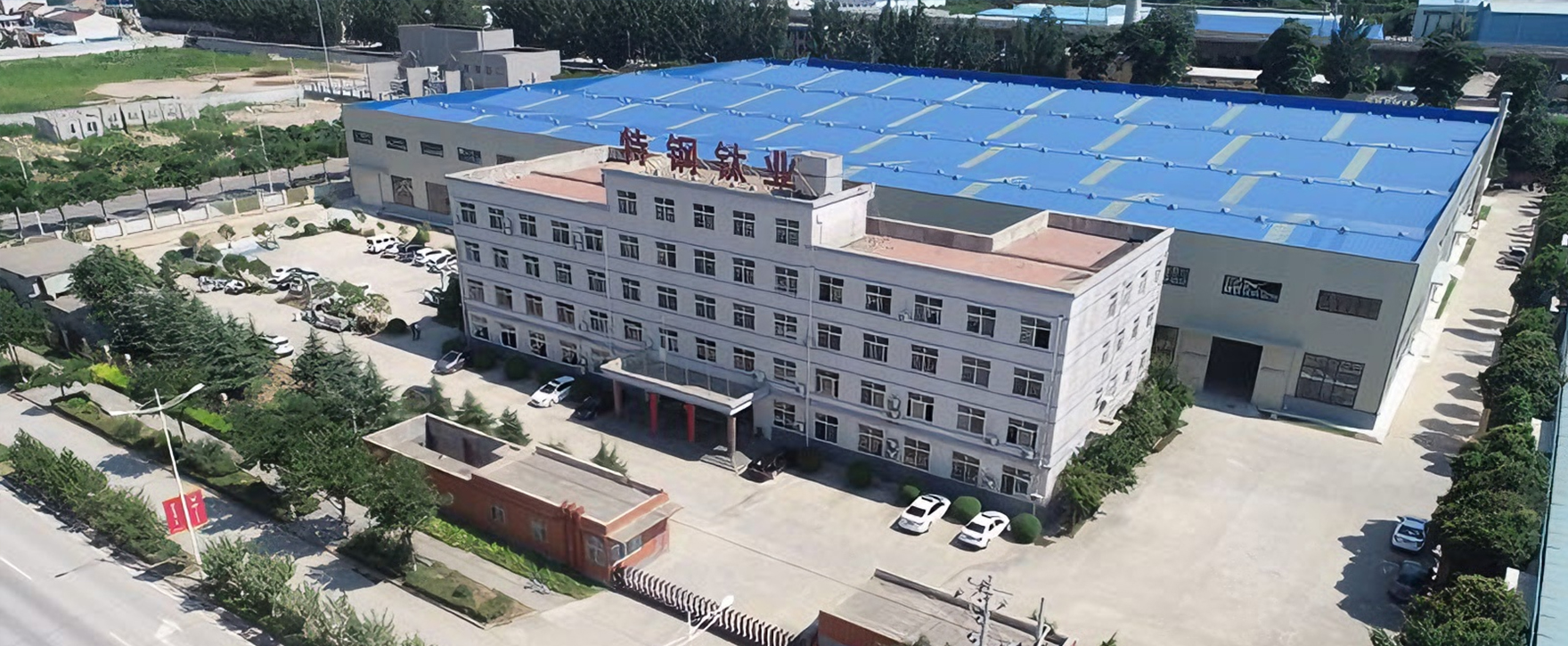


In electrolytic copper refining facilities, the detachment force required by robotic cathode stripping machines is directly dictated by the surface roughness (Ra) and crystalline morphology of the titanium sheet. Baoji Special Steel Titanium Industry Co., LTD. engineers titanium mother plates utilizing precision cold-rolling and controlled chemical passivation techniques to achieve a consistent 2B finish with a surface roughness calibrated specifically between Ra 0.30 μm and 0.60 μm.
If the surface roughness is excessively polished (Ra < 0.20 μm), premature detachment (pre-stripping) occurs under the hydrodynamic shear of electrolyte circulation, causing heavy copper deposits to detach prematurely into the cell bottom and create short circuits with anode slimes. Conversely, if the sheet surface is too coarse (Ra > 0.80 μm), mechanical interlock between the electrocrystallized copper dendrites and the titanium grain valleys prevents automated knives from releasing the copper starting sheet, causing bending, edge bar tearing, and line stoppages. Our tight vacuum annealing regimes establish a homogeneous equiaxed alpha grain structure (ASTM Grain Size 7 to 8), ensuring isotropic yield strength, exceptional flexural resilience, and resistance against mechanical stress during continuous high-cycle stripping.
A crucial vulnerability in cathode mother assemblies is electrical resistance and corrosive electrolyte ingress at the electrical junction between the suspension hanger bar and the titanium plate. Our automated production line utilizes titanium-clad copper conductive bars joined via high-vacuum explosion welding or double-sided fully sealed TIG/laser welds. This eliminates galvanic galvanic corrosion between copper and titanium, ensures ultra-low contact resistance (ΔV < 2.5 mV across the joint), and maintains exceptional mechanical rigidity capable of withstanding decades of automated gantry crane lifting.
To ensure clean, double-sided starting sheet detachment, each titanium blank incorporates precision laser-milled edge grooves or mechanically pinned insulating edge strips (extruded round-edge or v-groove modified PP, CPVC, or PVDF polymers). The retention stability prevents copper nodules from wrapping around the titanium edges, effectively mitigating manual deburring labor and safeguarding downstream automated copper melting operations.
Delivering high-integrity titanium sheets, tubes, and specialized anodes engineered to resist high current densities and chemical degradation across global heavy industries.

Titanium pressure vessels, heat exchanger cladding, and chlor-alkali reactors.
LEARN MORE
Permanent cathode blanks, starter sheets, and extraction apparatus for copper, nickel & cobalt.
LEARN MORE
Titanium anode baskets, auxiliary plating cathodes, and acid-resistant tank liners.
LEARN MORE
Offshore condensers, geothermal heat recovery systems, and nuclear power piping modules.
LEARN MORE
Headline: Powering Global Mining Operations with Precision Titanium Solutions

High-purity electrolytic nickel and copper cathode project utilizing custom ASTM B265 titanium blanks.

New energy battery precursor electrowinning and titanium acid corrosion containment systems.
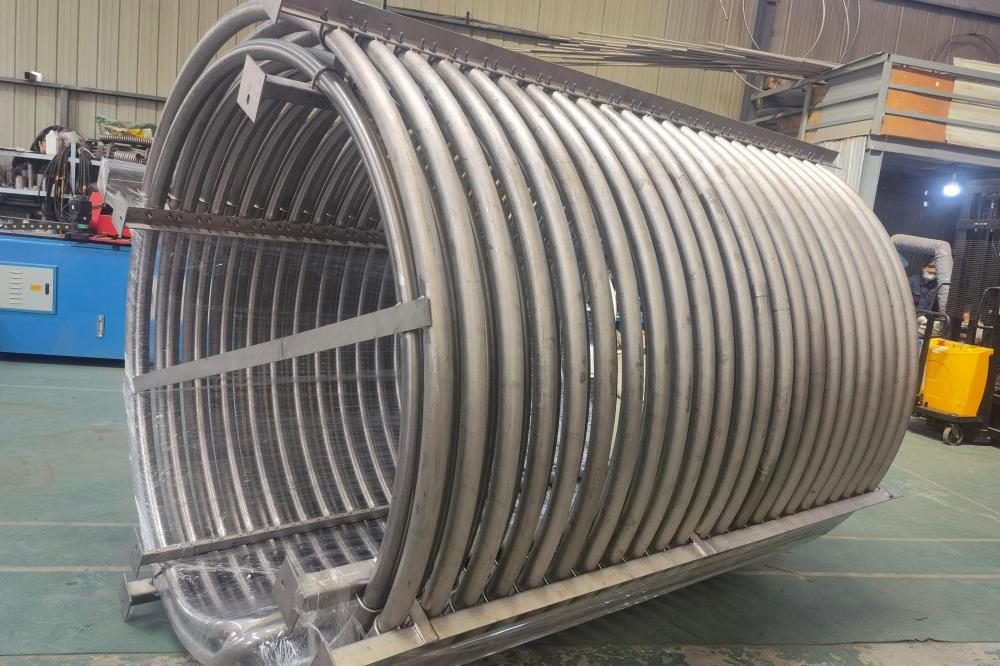
Advanced chemical engineering pipeline network, MDI plant titanium heat transfer loops.
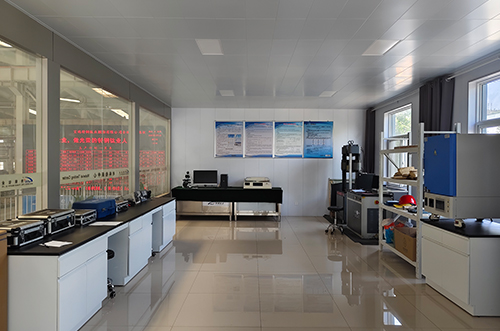
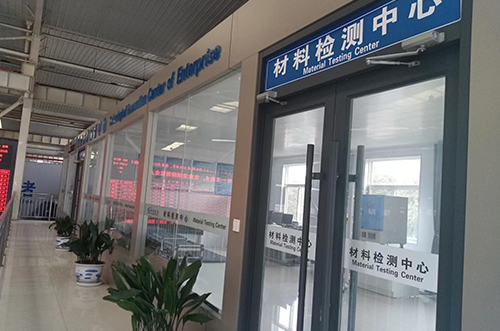
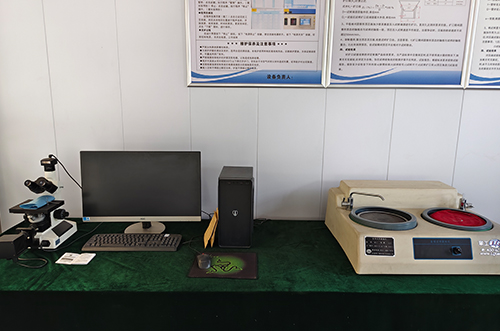
Our facility operates under rigorous international metallurgical protocols. Every batch of titanium plates undergoes ultrasonic immersion flaw testing, spectrographic chemical assays, grain size validation, and mechanical tensile elongation testing.
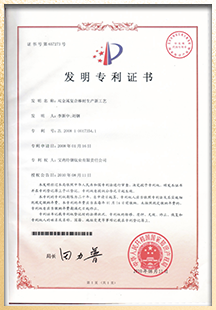
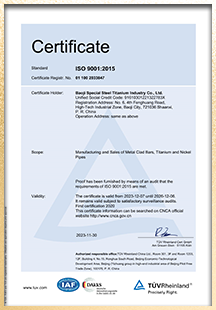
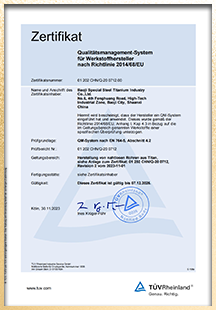
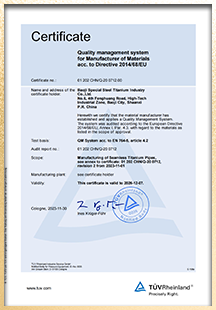
IATF 16949, CE, FMEA, PPAP, APQP, SPC AND MSA 100% TEST
Equipped with high-precision hydraulic cross-cutting straighteners, multi-axis milling machining centers, and controlled atmosphere vacuum furnaces, we guarantee zero surface micro-fissures and strict dimensional tolerancing.
The global copper refining and electrowinning sectors are experiencing unprecedented modernization fueled by ESG (Environmental, Social, and Governance) mandates and the digital transformation of tankhouses. Several prominent trends are driving the rapid specification of high-performance titanium sheets:
Traditional copper tankhouses functioned at current densities ranging between 240 and 280 A/m². Next-generation continuous hydrometallurgical extraction pushes cell current densities above 350 A/m² to maximize volumetric throughput without expanding civil footprint. Such high thermal and electrochemical loads induce severe thermal expansion stresses on cathode blanks. Titanium sheets, possessing a lower coefficient of thermal expansion (≈ 8.6 × 10⁻⁶ /°C compared to austenitic steel at 16.5 × 10⁻⁶ /°C), demonstrate zero mechanical bow or belly warping, preventing localized dendritic current hotspots and copper nodule short circuits.
Modern mega-refineries integrate artificial intelligence infrared thermography and computer-vision robots to monitor cell banks. Titanium mother blanks ensure standard planar profiles that interface flawlessly with robotic stripping arms, eliminating manual prier bar interventions. This not only decreases operational workplace injuries but also preserves the micro-finished edge strips, extending component longevity across high-speed 24-hour cycle harvesting schedules.
Every millivolt of unnecessary voltage drop across an electrolytic cell translates directly to thousands of megawatt-hours of wasted electrical energy over annual refinery operating cycles. By engineering optimized titanium-clad copper hanger bars with metallurgical solid-phase bonding, contact electrical potential drop is curtailed to ≤ 2.5 mV. When combined with the high cathode current efficiency (>97%) delivered by uniform titanium surfaces, tankhouses achieve measurable drops in carbon footprint per metric ton of cathode produced.
With electronic scrap (e-waste) and recycled copper scrap feeding an increasing portion of anode casting facilities, electrolyte impurity profiles have become markedly more aggressive. Elevated concentrations of arsenic (As), antimony (Sb), bismuth (Bi), and halogens (Cl, F) rapidly deteriorate lower-grade substrates. Titanium sheets provide unmatched resistance across wide pH spectra, ensuring that even under erratic impurity cycles, zero substrate dissolution occurs, thus maintaining the LME Grade-A copper purity standard (Cu-ETP-1 > 99.9935%).
Explore our full line of ASTM B265 titanium cathode sheets, starter mother plates, dimensionally stable anodes, and seamless corrosion-resistant piping assemblies.
Ultra-low interstitial cold-rolled titanium sheets engineered for high-ductility permanent cathode mother blanks.
View Product →
Complete cathode unit equipped with welded copper hanger bars and corrosion-resistant insulation side edge strips.
View Product →
Dimensionally stable anode providing sustained oxygen evolution catalysis in commercial hydrometallurgical EW cells.
View Product →
Seamless titanium tubes engineered for sulfuric copper electrolyte heat exchangers and aggressive fluid circulation.
View Product →
Balanced mechanical strength and corrosion endurance tailored for automated continuous harvesting lines.
View Product →
Precision leveled with optical deviation below 1.5 mm/m to guarantee uniform current distribution and high amp efficiency.
View Product →
Advanced electro-catalytic titanium mesh substrate configured to minimize acid mist formation and conserve tank energy.
View Product →
Industrial-grade piping offering absolute resistance to concentrated copper sulfate solutions and trace halogen ions.
View Product →
