Leave Your Message
The global electroplating industry has undergone a massive transformation in recent years, driven by the escalating demands of high-tech sectors such as aerospace, electric vehicles (EVs), advanced microelectronics, and medical device manufacturing. These modern applications require surface finishes that are not only aesthetically flawless but also possess extraordinary functional properties, including superior wear resistance, enhanced electrical conductivity, and absolute protection against harsh environmental degradation. However, achieving these stringent quality standards heavily relies on the stability and purity of the electroplating production lines themselves.
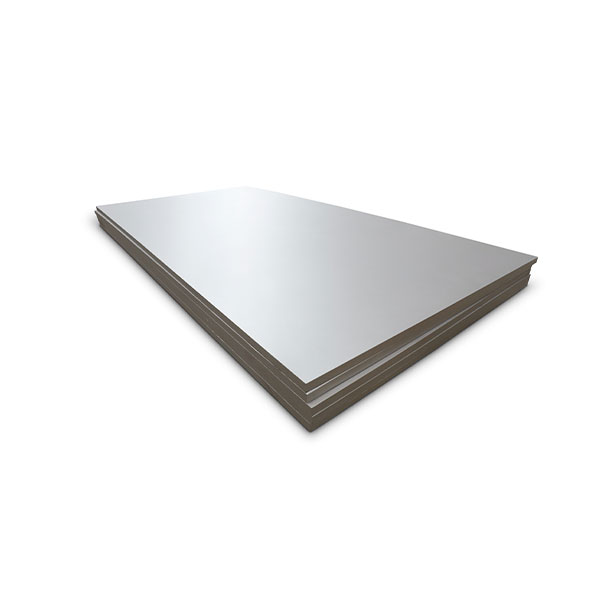
Traditionally, electroplating facilities utilized stainless steel, lead, or robust plastics for their infrastructure. Yet, as chemical baths become more aggressive—employing highly concentrated chromic acids, sulfuric acid solutions, and complex cyanide mixtures at elevated temperatures—these conventional materials rapidly deteriorate. They suffer from pitting, severe anodic dissolution, and structural warping, which inevitably leads to catastrophic bath contamination, frequent line stoppages, and unacceptable defect rates in the final plated products. This is precisely where the integration of a premium Titanium Sheet For Electroplating Production Lines becomes not just an upgrade, but an absolute industrial necessity.
Titanium, particularly commercially pure grades like ASTM B265, exhibits an unparalleled ability to form a highly tenacious, self-healing oxide film (TiO2) upon exposure to oxygen and moisture. This passive layer renders the titanium sheet virtually immune to chemical attacks across a vast spectrum of corrosive electrolytes used in modern plating. Today, leading global manufacturing hubs are retrofitting their legacy systems with titanium components. The current commercial landscape dictates that to remain competitive, minimize hazardous chemical spills, and ensure 24/7 continuous production without unexpected maintenance downtime, investing in high-grade titanium infrastructure is the gold standard.
Baoji Special Steel Titanium Industry Co., LTD. is a joint-stock industrial enterprise specializing in the research, development, manufacturing, and sales of titanium, nickel, zirconium, and other metal pipes and metal composite materials. Located in Shaanxi Baoji National High-tech Industrial Development Zone, our factory covers an expansive area of 41,000 square meters.
 World - Class Quality Unparalleled Standards
 Custom - Tailored Solutions Swift Execution
 Streamlined Logistics Global Reach
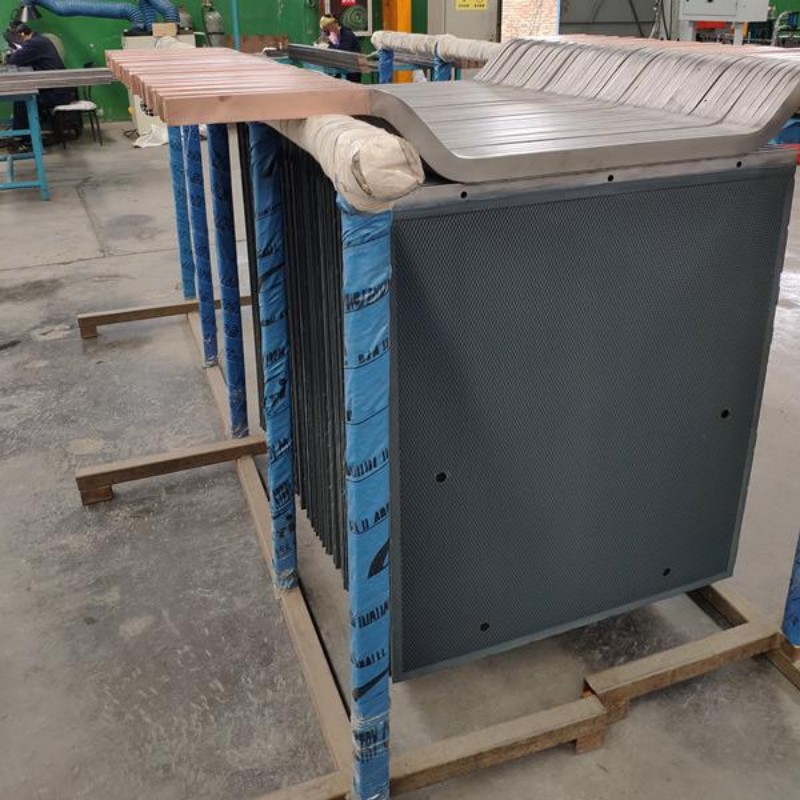
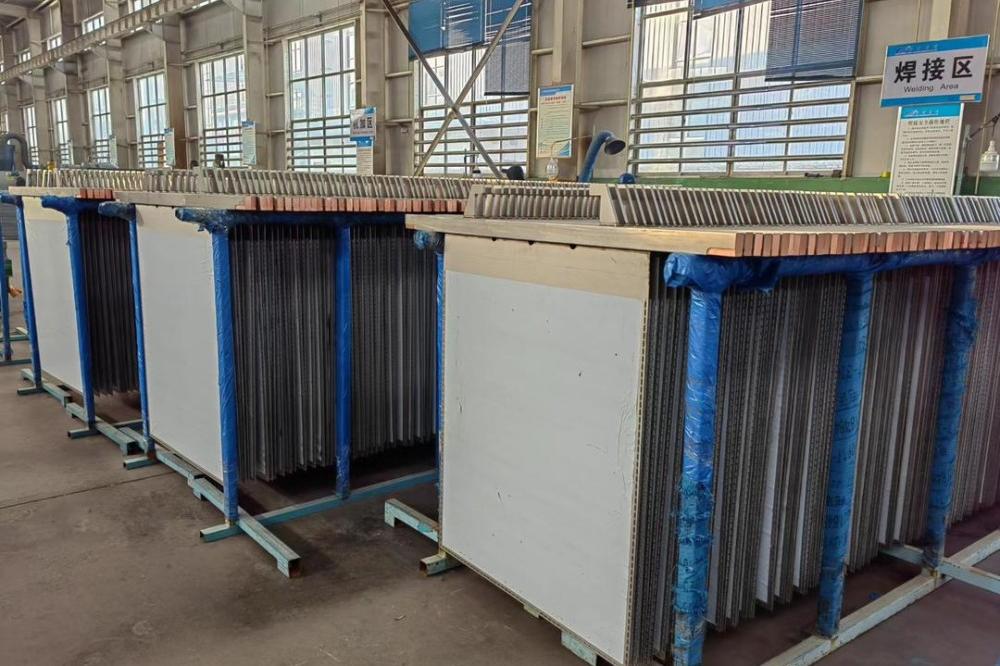
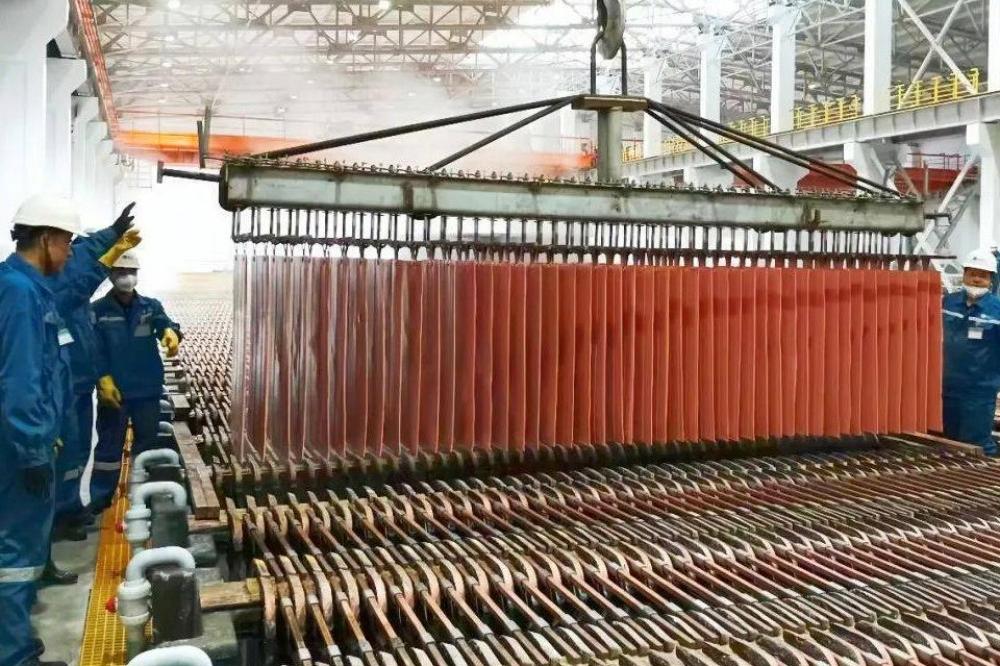
When analyzing the anatomy of a state-of-the-art electroplating production line, a Titanium Sheet For Electroplating Production Lines is meticulously fabricated into several critical components. One of the most prominent applications is the construction of titanium anode baskets. In processes like copper, zinc, or nickel plating, these baskets hold the consumable metal chunks. Titanium is uniquely suited for this because it remains completely passive while allowing the electrical current to pass seamlessly to the plating material inside. It does not dissolve into the bath, ensuring that the electrolyte chemistry remains absolutely pure, which is critical for achieving a bright, uniform, and defect-free plating layer on the final product.
Beyond anode baskets, titanium sheets are extensively utilized as structural tank liners and reactor vessels. Large-scale electroplating lines utilize massive tanks holding thousands of gallons of corrosive liquids. Coating or lining these tanks with high-grade titanium sheets guarantees decades of leak-proof operation. Unlike polymer liners that can degrade, crack, or melt under high thermal loads, a titanium-lined tank maintains its structural integrity regardless of temperature fluctuations or chemical concentration spikes.
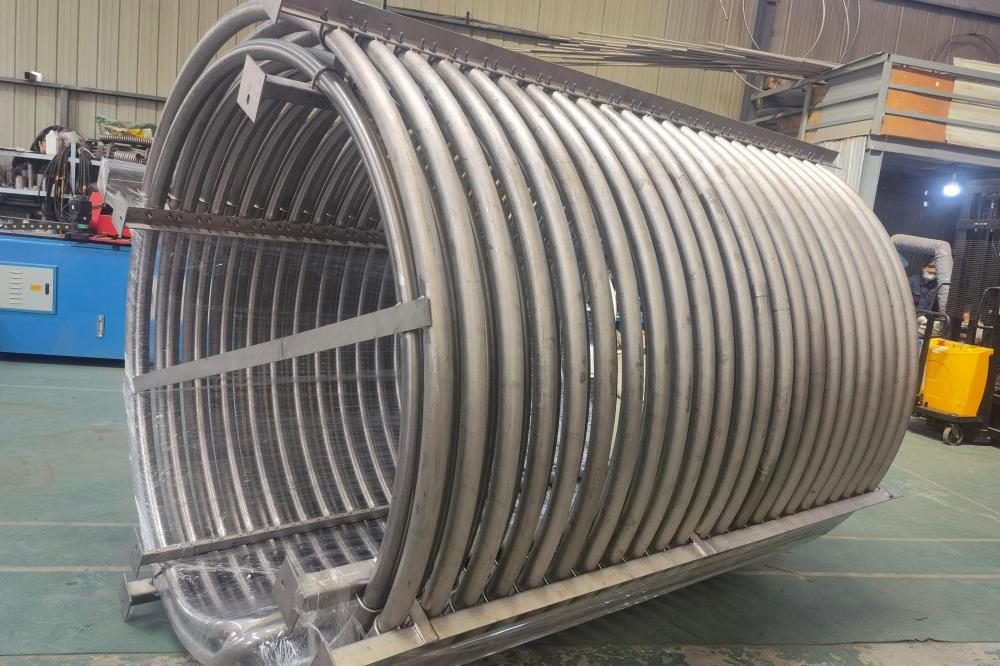
Furthermore, titanium sheets are fabricated into highly efficient heat exchangers and cooling coils submerged directly into the plating baths. Maintaining precise thermodynamic control of the electrolyte is a non-negotiable parameter for high-end electroplating. Titanium’s excellent thermal conductivity, combined with its resistance to scaling and fouling, ensures rapid heat transfer. This keeps the bath within optimal temperature windows, directly correlating to the speed of deposition and the crystalline structure of the plated metal.
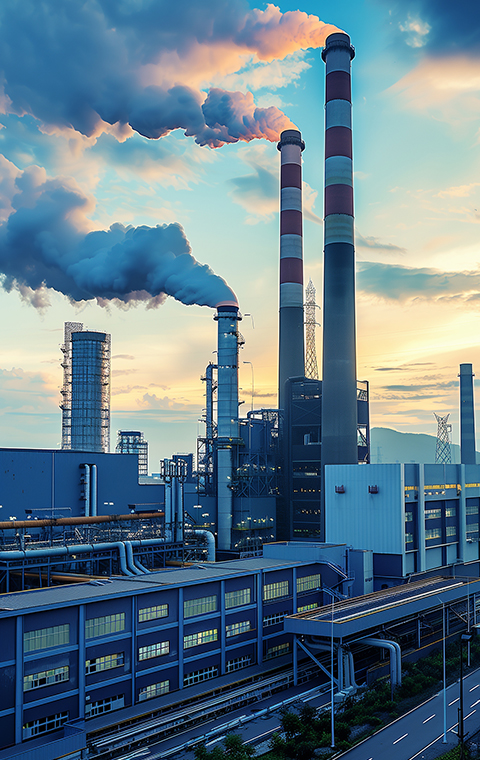
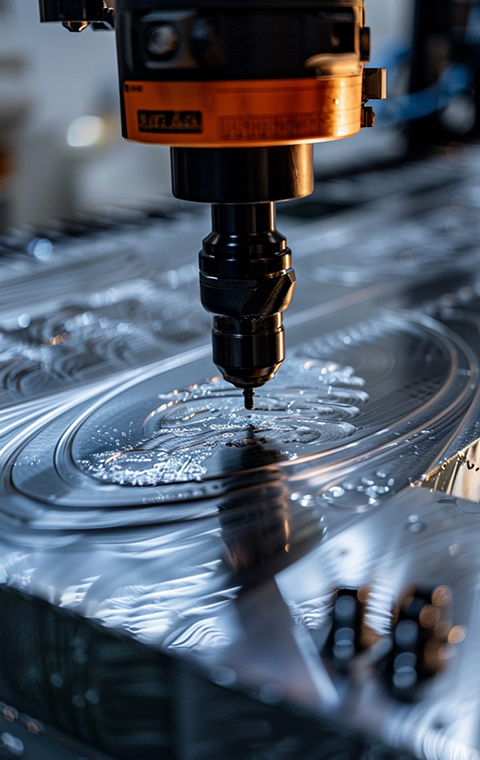

As the industrial sector marches towards Industry 4.0, the role of the Titanium Sheet For Electroplating Production Lines is evolving from a passive structural material to an active component in smart manufacturing ecosystems. One of the most significant development trends is the integration of advanced sensor technologies directly onto titanium infrastructure. Because titanium is highly stable, it serves as the perfect substrate for mounting micro-sensors that monitor real-time bath pH, temperature gradients, and chemical concentrations. This data is fed into AI-driven control systems that autonomously adjust plating parameters, drastically reducing human error and material waste.
Another major trend is the push for extreme miniaturization in the electronics and semiconductor industries. Plating micro-components requires an exceptionally stable electrical field and zero tolerance for particulate contamination. To meet this, metallurgical advancements are producing ultra-flat, highly polished titanium sheets with zero surface porosity. Additionally, the development of specialized titanium alloys (such as Grade 7 with palladium additions) is expanding the boundaries of corrosion resistance, allowing for the use of even more aggressive, yet faster-acting, eco-friendly plating chemicals.
Sustainability and the circular economy are also dictating the future of electroplating. Environmental regulations worldwide are becoming increasingly stringent regarding heavy metal discharge and hazardous waste. Traditional materials that corrode contribute to heavy metal sludge. Titanium, by virtue of its non-corrosive nature, inherently minimizes this toxic byproduct. Furthermore, titanium itself is 100% recyclable. At the end of a production line's lifecycle—which may span several decades—the titanium sheets can be fully recovered and repurposed, aligning perfectly with global green manufacturing mandates.
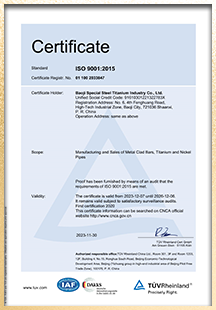
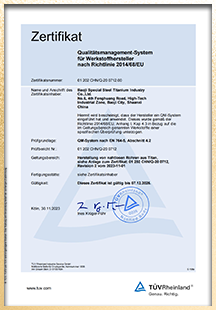
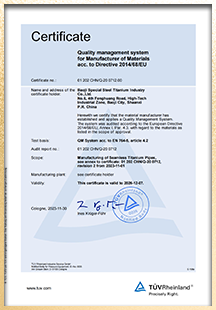
Stable product quality, integrity as the core of the business philosophy, trusted by global customers.
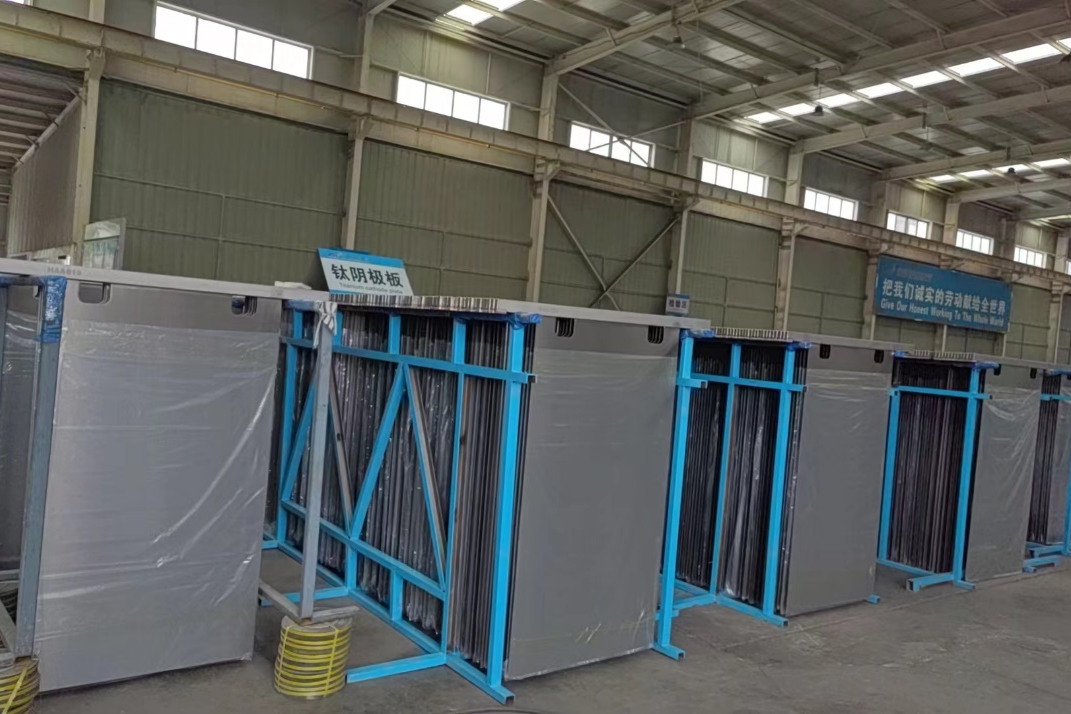
IATF 16949, CE, FMEA, PPAP, APQP, SPC AND MSA 100% TEST
From a purely financial perspective, facility managers and procurement officers often face a critical decision when upgrading their infrastructure. A Titanium Sheet For Electroplating Production Lines undeniably carries a higher initial capital expenditure compared to traditional carbon steel, stainless steel, or PVC alternatives. However, the commercial viability of titanium becomes glaringly obvious when calculating the Total Cost of Ownership (TCO) over a 5, 10, or 20-year operational horizon.
The Return on Investment (ROI) for titanium is realized through multiple compounding factors. First and foremost is the drastic reduction in maintenance-induced downtime. In a high-volume electroplating facility, shutting down a line to patch a corroded tank or replace dissolved anode baskets can cost tens of thousands of dollars per hour in lost production. Titanium eliminates these catastrophic failure points. Its longevity ensures that production lines operate continuously, meeting tight supply chain deadlines for demanding clients in the automotive and aerospace sectors.
Secondly, the chemical purity maintained by using inert titanium translates directly into a higher yield of acceptable finished products. When bath chemistry is not compromised by dissolving infrastructure, the incidence of plating defects—such as blistering, peeling, or uneven coating thickness—plummets. This reduction in scrap rates significantly boosts overall profitability. Partnering with an experienced, certified manufacturer like Baoji Special Steel Titanium Industry Co., LTD. ensures that the titanium sheets procured are of the highest metallurgical standard, fully compliant with international ASTM specifications, thereby guaranteeing the projected ROI and securing the operational future of the electroplating enterprise.