


Leave Your Message
Explore our premium titanium sheet products engineered specifically for the demanding conditions of mining and mineral processing environments.
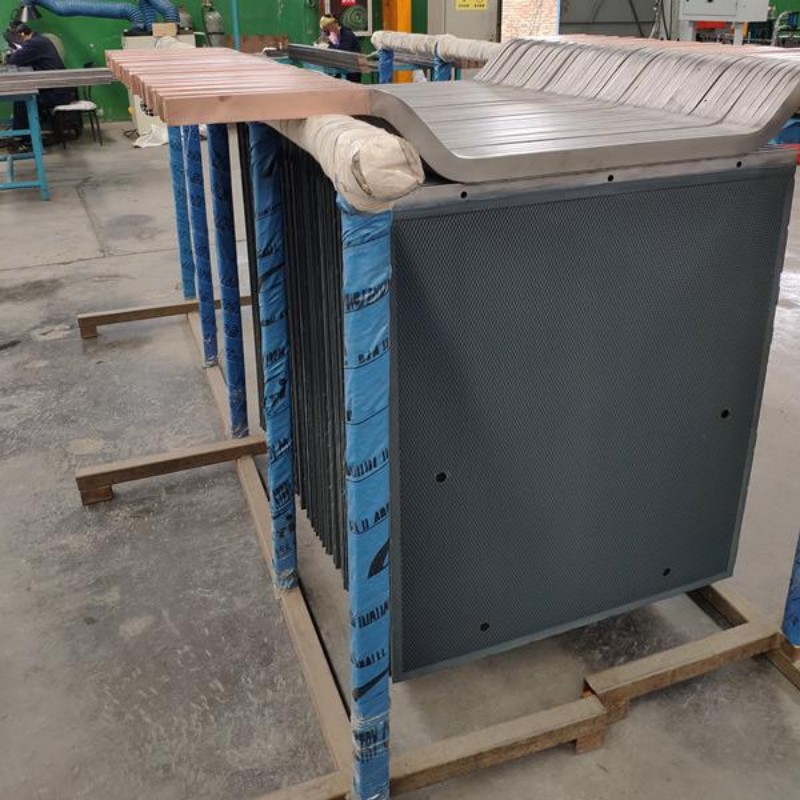
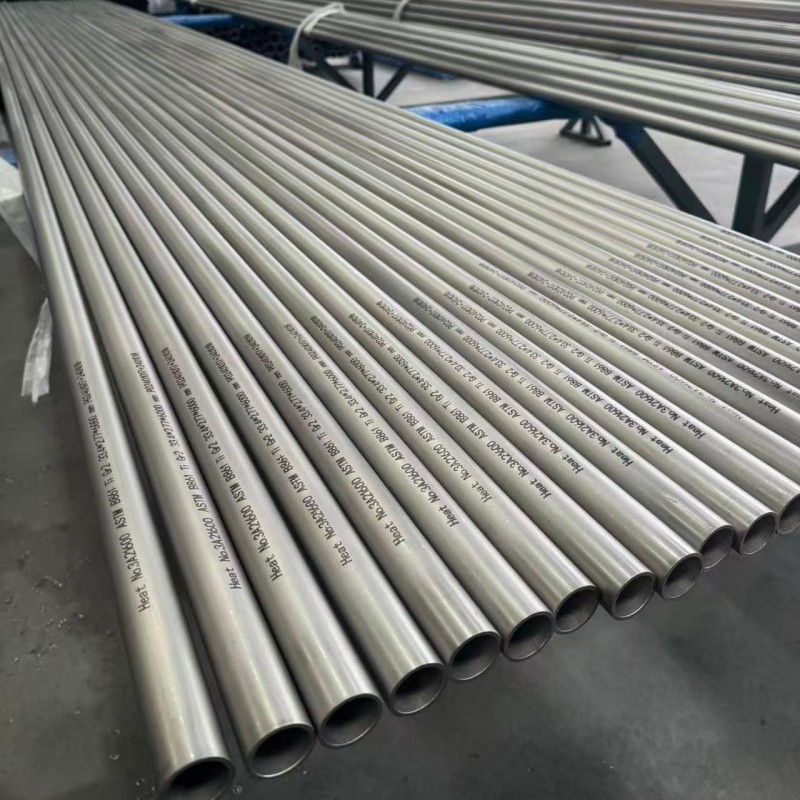
In the mining and mineral processing industries, equipment faces some of the harshest operating conditions on earth — highly acidic slurries, chloride-rich brines, abrasive ore particles, and extreme mechanical stress. Traditional materials such as stainless steel, rubber-lined carbon steel, and even high-alloy metals often fail prematurely under these conditions, leading to costly downtime and replacement cycles.
Titanium sheet has emerged as the definitive engineering material for these environments. With its exceptional corrosion resistance — particularly in sulfuric acid, hydrochloric acid, and chloride solutions that are ubiquitous in hydrometallurgy — titanium sheet delivers service lives measured in decades rather than years. Its outstanding strength-to-weight ratio means fabricated equipment is lighter, easier to install, and requires less structural support, translating directly to lower capital and operational expenditure.
From solvent extraction (SX) tanks and electrowinning cells to pressure oxidation (POX) autoclaves, heap leach piping, and flotation cell liners, titanium sheet is deployed across virtually every stage of the modern mineral processing flowsheet.
Understanding why titanium outperforms conventional materials in mining and mineral processing environments.
Titanium sheet forms a stable, self-healing TiO₂ passive film that resists attack from sulfuric acid, hydrochloric acid, chloride brines, and oxidizing media — common in leaching, SX-EW, and refinery circuits.
At roughly 60% the density of steel with comparable tensile strength, titanium sheet enables lighter, more efficient equipment designs — critical for large-scale hydrometallurgical tankage and pressure vessels.
Titanium's hardness and surface toughness make it highly resistant to erosion from abrasive ore slurries, extending equipment life in pumps, piping, and agitation tanks significantly beyond conventional materials.
Titanium sheet maintains its mechanical integrity across a broad temperature spectrum, from cryogenic conditions to over 300°C, making it suitable for both ambient leach tanks and high-temperature pressure oxidation systems.
Titanium is completely inert and does not leach metallic ions into process streams, ensuring product purity in precious metal recovery, pharmaceutical mineral extraction, and food-grade mineral processing applications.
While the initial cost of titanium sheet is higher than steel, its dramatically extended service life, near-zero maintenance requirements, and elimination of corrosion-related shutdowns deliver a far lower total cost of ownership over a plant's lifetime.
Titanium sheet is deployed across the full mineral processing flowsheet — from primary extraction to final product refining.
Titanium sheet is the preferred lining material for copper, zinc, nickel, and cobalt electrowinning cells. Its immunity to sulfuric acid electrolyte at elevated temperatures (40–65°C) and resistance to anodic dissolution ensures decades of reliable service with minimal maintenance interruption.
Mixer-settler tanks, organic/aqueous phase separators, and associated piping fabricated from titanium sheet withstand the aggressive combination of organic solvents, dilute sulfuric acid, and chloride-containing aqueous phases in copper SX-EW circuits without degradation.
In refractory gold and copper processing, titanium sheet cladding on autoclave internals — agitator blades, baffles, and flash vessel liners — withstands temperatures up to 230°C and highly acidic, oxidizing slurries where virtually no other material survives economically.
Titanium pipes and sheet-fabricated manifolds distribute acidic or alkaline leach solutions across heap pads for copper, gold, and uranium recovery. Titanium's UV stability and corrosion immunity ensure long-term integrity in outdoor, exposed environments.
Titanium sheet is used for wear-resistant liners, impeller shrouds, and launders in flotation circuits processing sulfide ores. Its resistance to the combination of abrasive pulp, reagent chemicals, and frother solutions extends maintenance intervals dramatically.
Counter-current decantation (CCD) thickeners in gold CIL/CIP circuits and uranium processing plants use titanium sheet linings to resist cyanide solutions, caustic liquors, and acidic wash streams, protecting structural integrity and preventing process contamination.
The global mining industry's evolution is creating unprecedented demand for advanced titanium sheet solutions.
The global energy transition is driving explosive growth in lithium, cobalt, nickel, and manganese mining. Processing these battery-critical minerals involves highly corrosive leach chemistries — precisely the environments where titanium sheet provides unmatched performance. Market analysts project the battery metals processing equipment sector to grow at over 12% CAGR through 2030, with titanium sheet demand accelerating in parallel.
As high-grade ore deposits are depleted, miners are processing lower-grade, more complex ores that require more aggressive leach conditions — higher acid concentrations, elevated temperatures, and longer residence times. These harsher conditions are accelerating the replacement of conventional materials with titanium sheet across the industry.
Increasing water scarcity in mining regions is driving the adoption of closed-loop water recycling systems that concentrate corrosive species over time. Titanium sheet's resistance to concentrated chloride and sulfate solutions makes it the engineering material of choice for these next-generation water management systems.
As mines automate and remote operations become standard, the cost of unplanned equipment failures escalates dramatically. Mining operators are specifying titanium sheet for critical process equipment to achieve 20–30 year service lives that align with mine plan horizons and minimize costly manual interventions in automated circuits.
Environmental, Social, and Governance (ESG) pressures are compelling mining companies to reduce chemical consumption, minimize waste streams, and lower their carbon footprint. Titanium sheet's longevity reduces the frequency of equipment replacement and associated manufacturing emissions, contributing to improved ESG metrics and sustainability reporting.
Advanced titanium-clad composite sheets — titanium bonded to carbon steel or copper substrates — are making titanium's performance accessible at lower cost for large-area applications such as tank linings and vessel cladding. This technology is rapidly expanding titanium's addressable market in the mining sector.
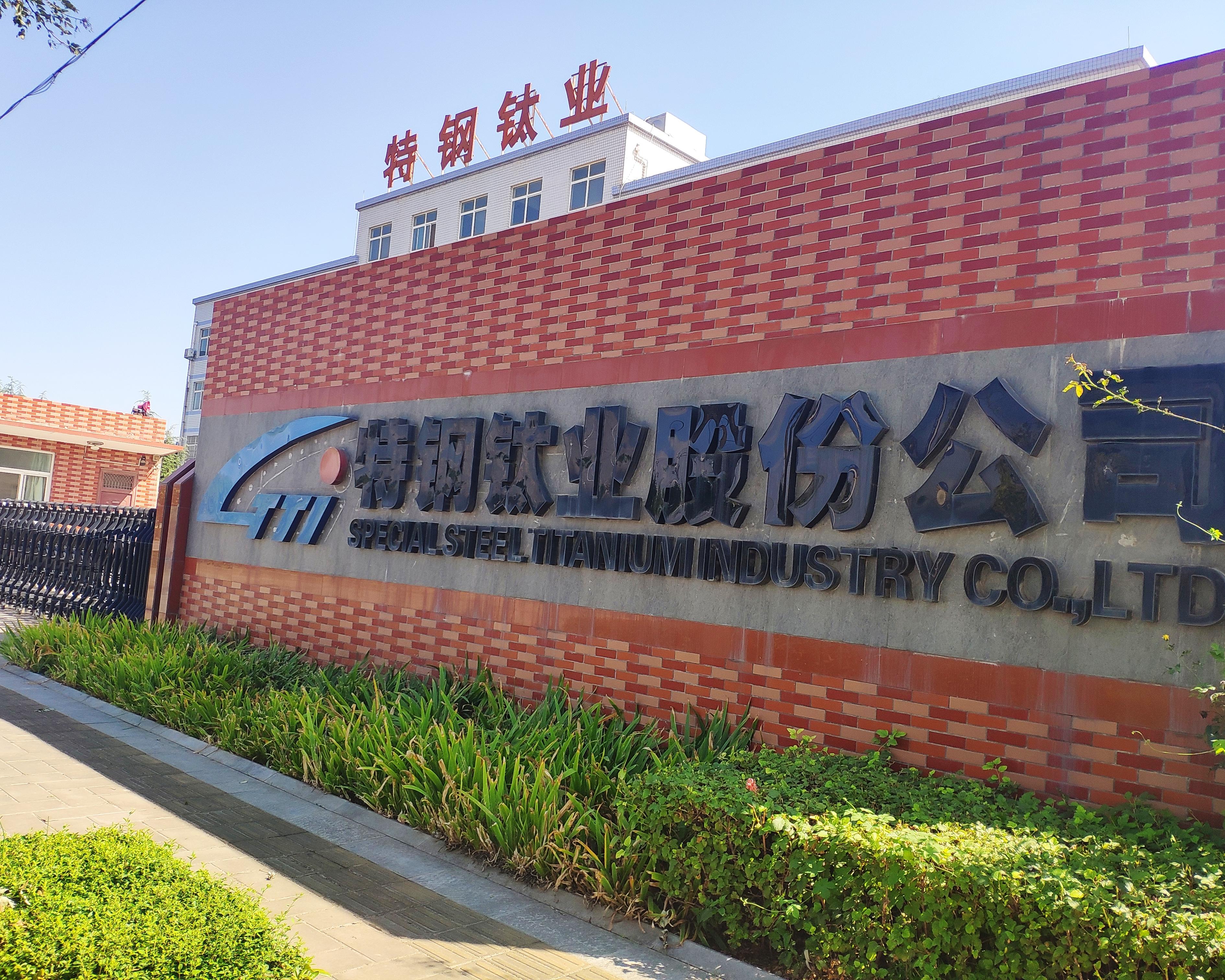
Baoji Special Steel Titanium Industry Co., Ltd. is a joint-stock industrial enterprise specializing in the research, development, manufacturing and sales of titanium, nickel, zirconium and other metal pipes and metal composite materials.
The company was founded in 1997, located in Shaanxi Baoji National High-tech Industrial Development Zone. The factory covers an area of 41,000 square meters. The company has an annual production capacity of over 3,000 tons of non-ferrous metal pipes, composite materials and various deep processing products such as titanium, zirconium, nickel, tantalum and copper.
A series of products according to varieties and specifications have reached more than 500 kinds. The annual export accounted for more than 30% of the company's total output, making it an export-oriented industrial enterprise with strong growth momentum. The company has obtained the national high and new technology enterprise certification and has been listed in the first batch of industries encouraged to develop by the National Development and Reform Commission.


Titanium and titanium alloy, nickel and nickel alloy, zirconium and zirconium alloy — mainly non-ferrous metal pipe and sheet products for corrosive process environments in mining and mineral processing.
Non-ferrous metal composite materials — primarily titanium clad copper, including: titanium clad copper, zirconium clad copper, ladle copper, composite wire, and multilayer composite metal for electrochemical applications in mining.
Composite electrode series — titanium cathode, stainless steel permanent cathode, nickel anode, and titanium-based lead dioxide anode (Ti/PbO₂) for electrowinning and electrorefining in copper, zinc, and precious metal recovery circuits.
A series of nickel materials products — mainly nickel plates, nickel rods, and nickel strips for high-temperature and corrosive process applications in mineral processing plants.
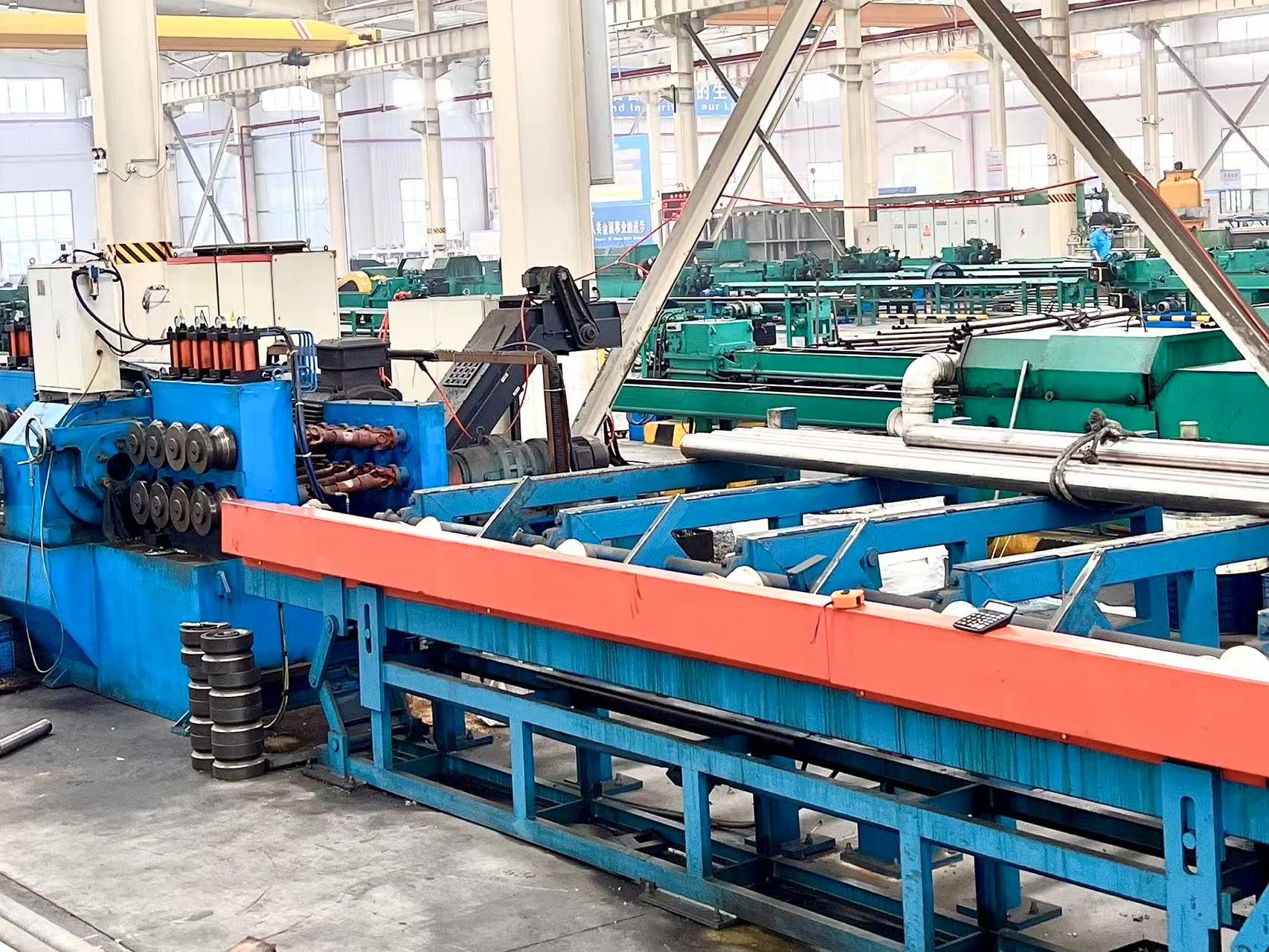
Since its establishment, the company has always adhered to the development strategy of continuous innovation and continued to expand the market with new technology and new products as the fulcrum. After more than 20 years of development and accumulation, the products have entered the markets of Germany, Japan, the United States, Norway, Finland, South Africa, Singapore, India and other countries and Taiwan regions, and have been highly praised.
Stable product quality and integrity as the core business philosophy have earned the trust of customers worldwide. Our titanium sheet products for mining applications are continuously refined through R&D investment, advanced metallurgical techniques, and close collaboration with leading mining and metallurgical engineers globally.
"To build an excellent enterprise team, continuously improve the management and manufacturing methods, so that every customer can get the maximum benefit from each product" — this is the eternal pursuit of Baoji Special Steel Titanium Industry personnel.
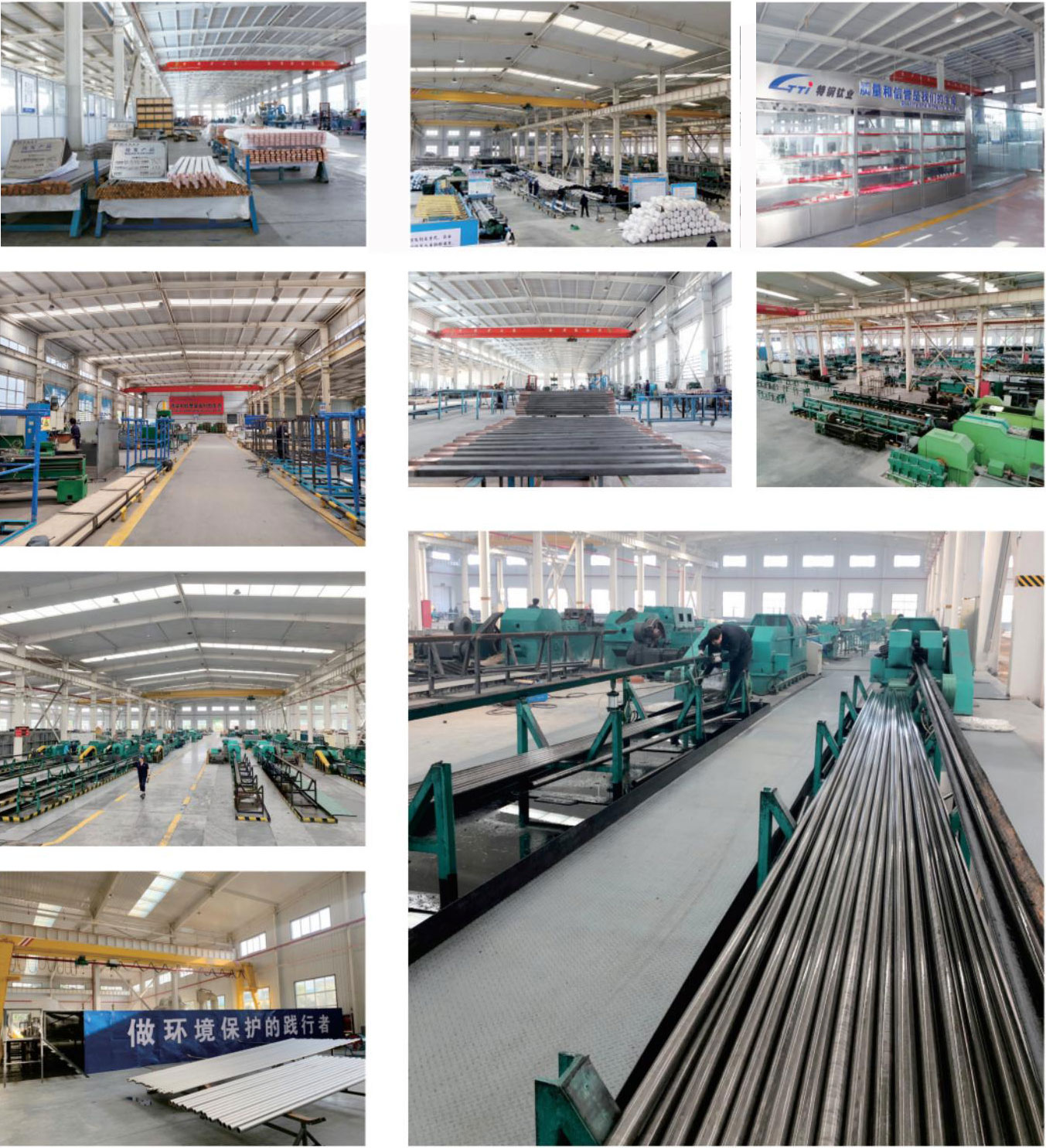
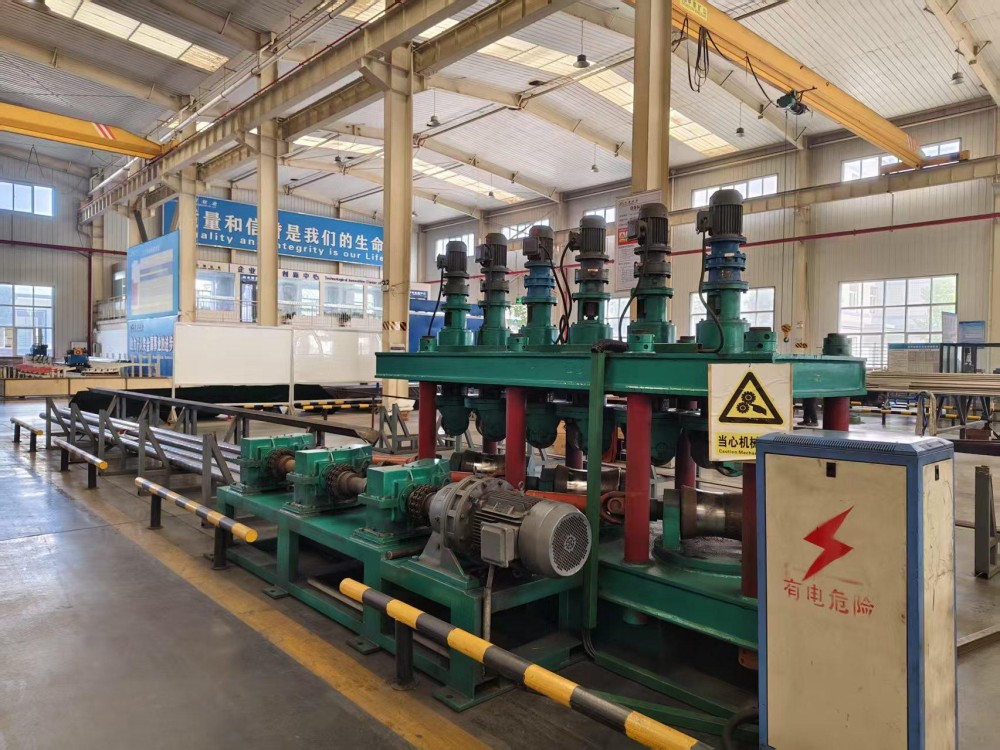
State-of-the-art facilities enabling precision titanium sheet production for mining and mineral processing applications.
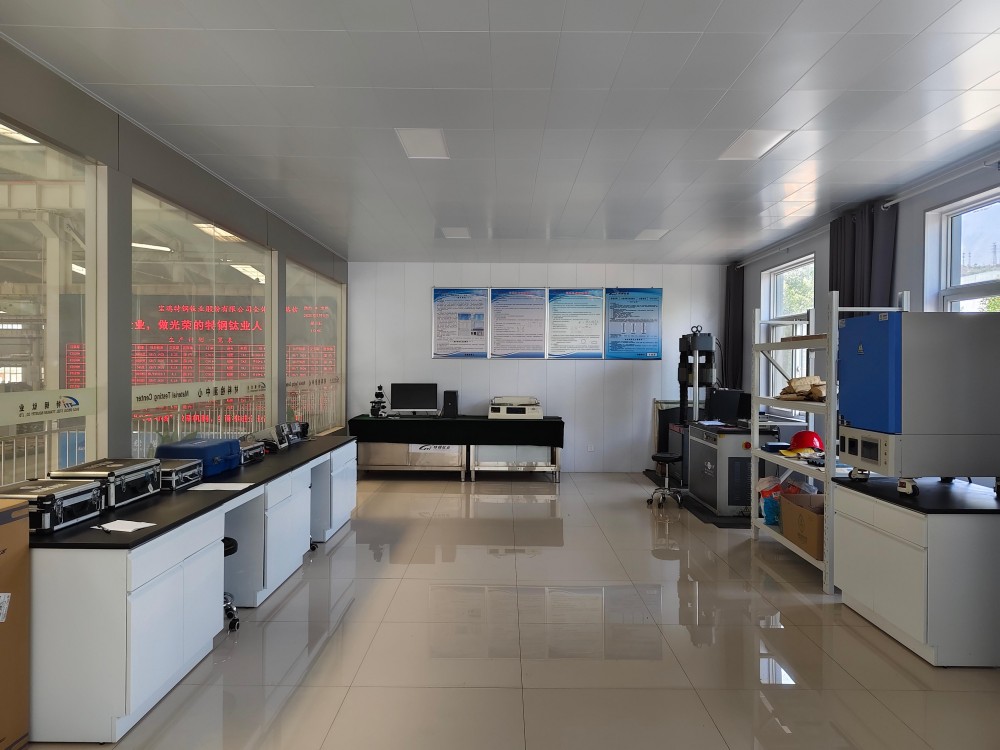
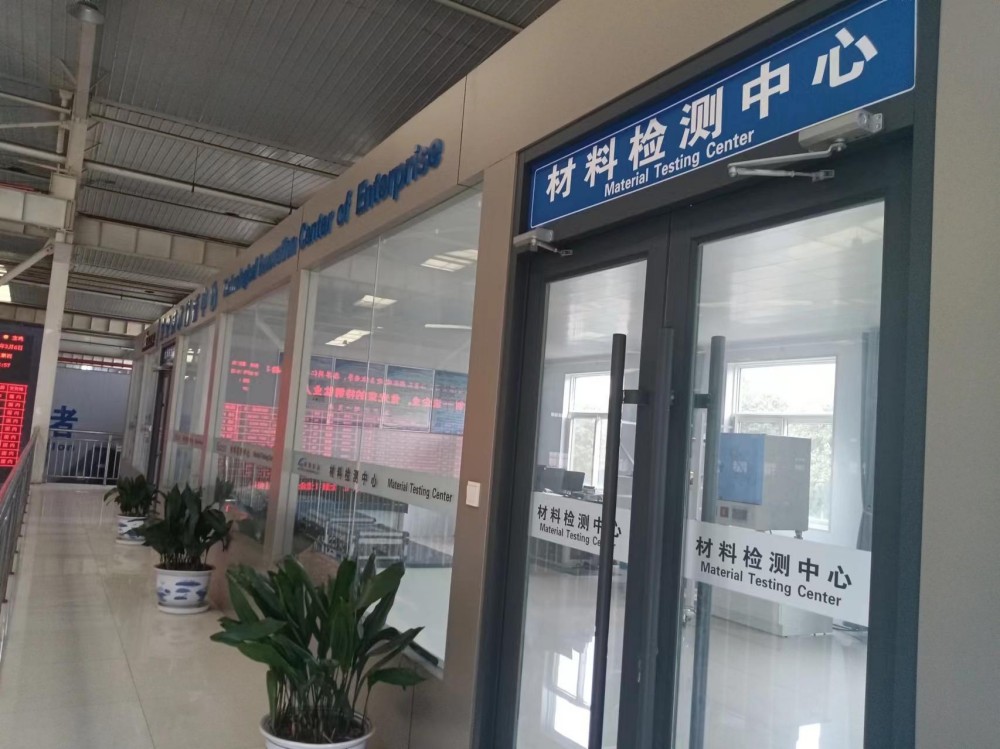
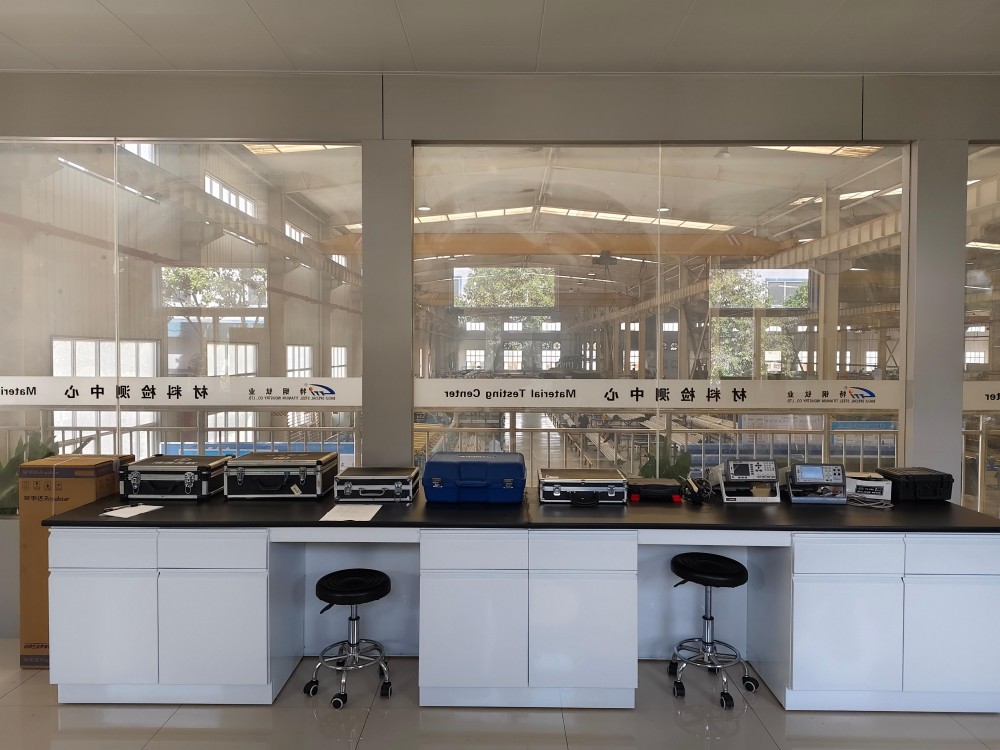
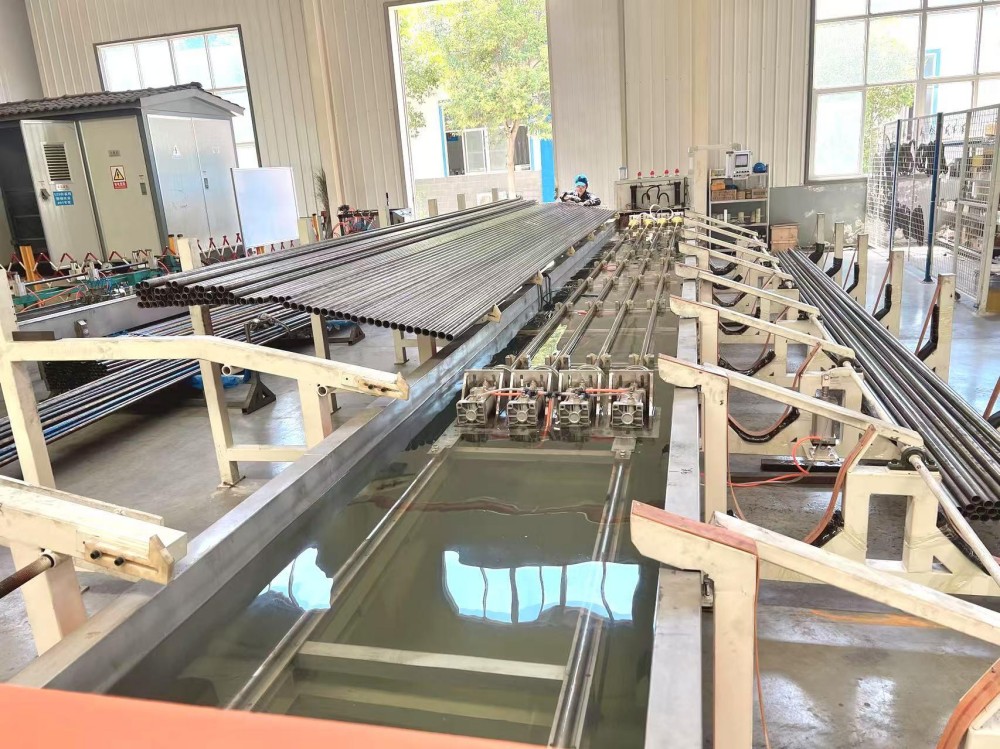
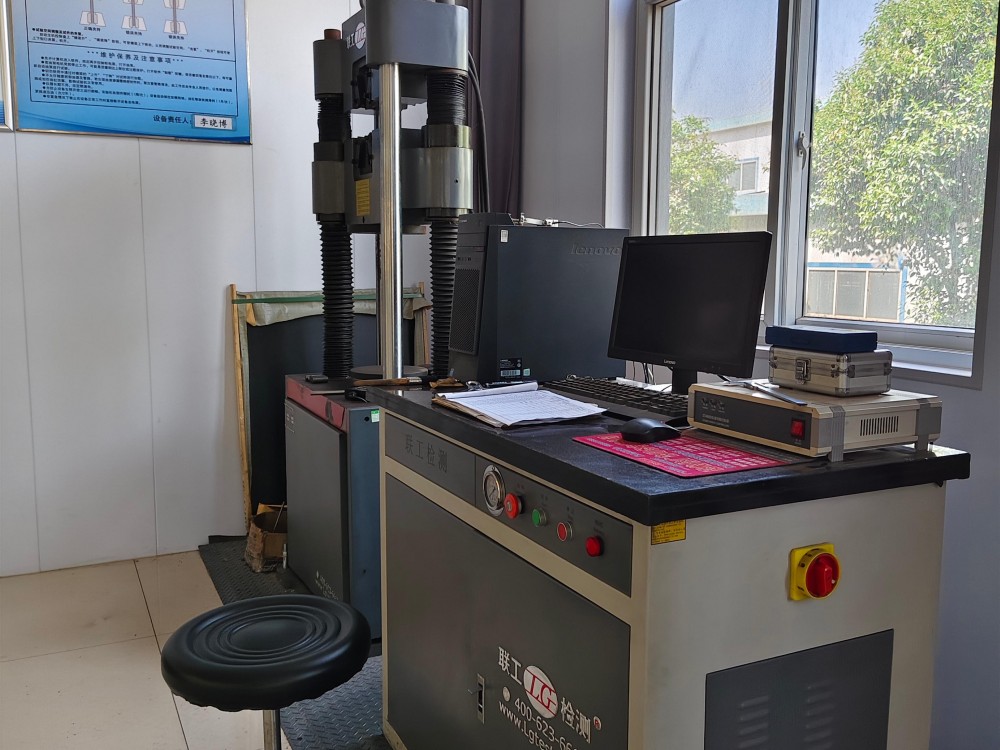
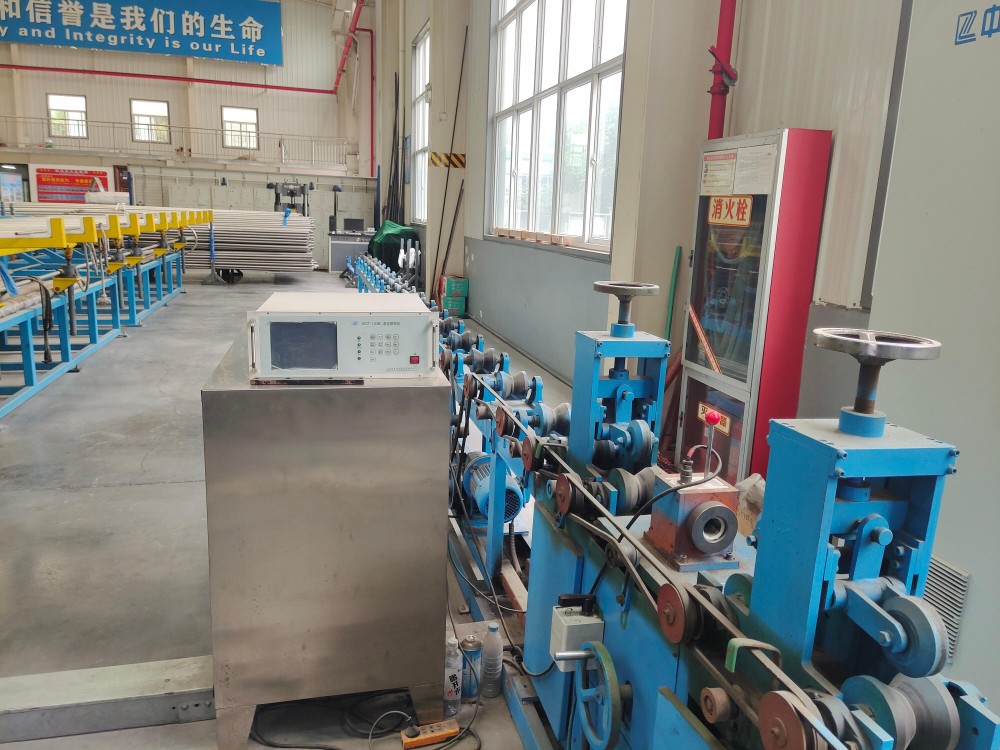
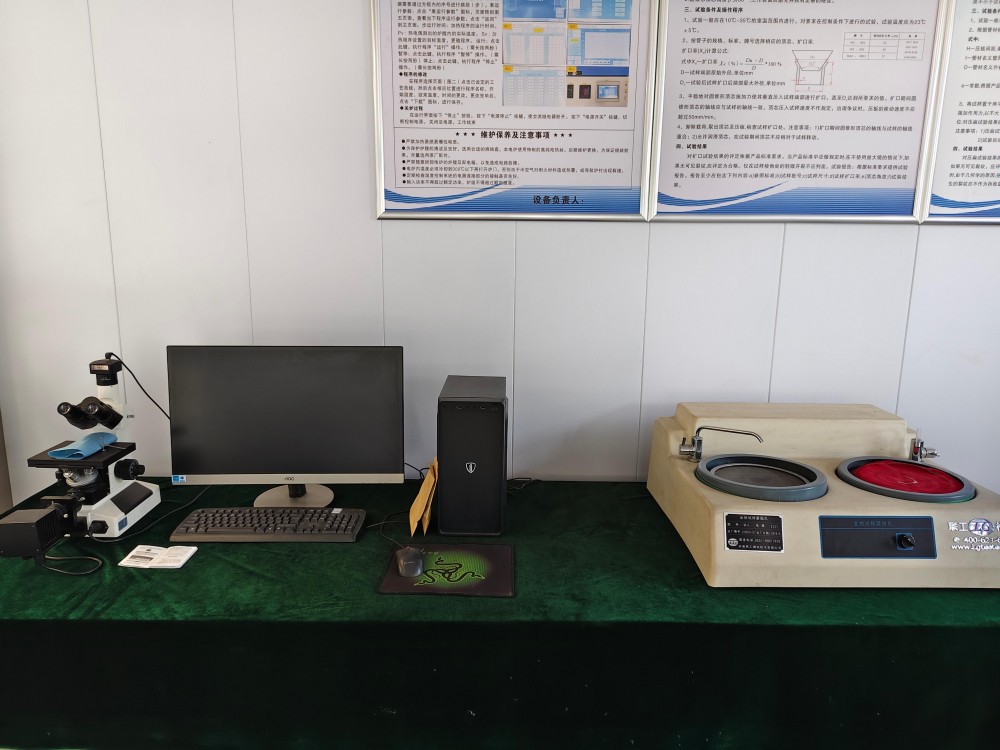
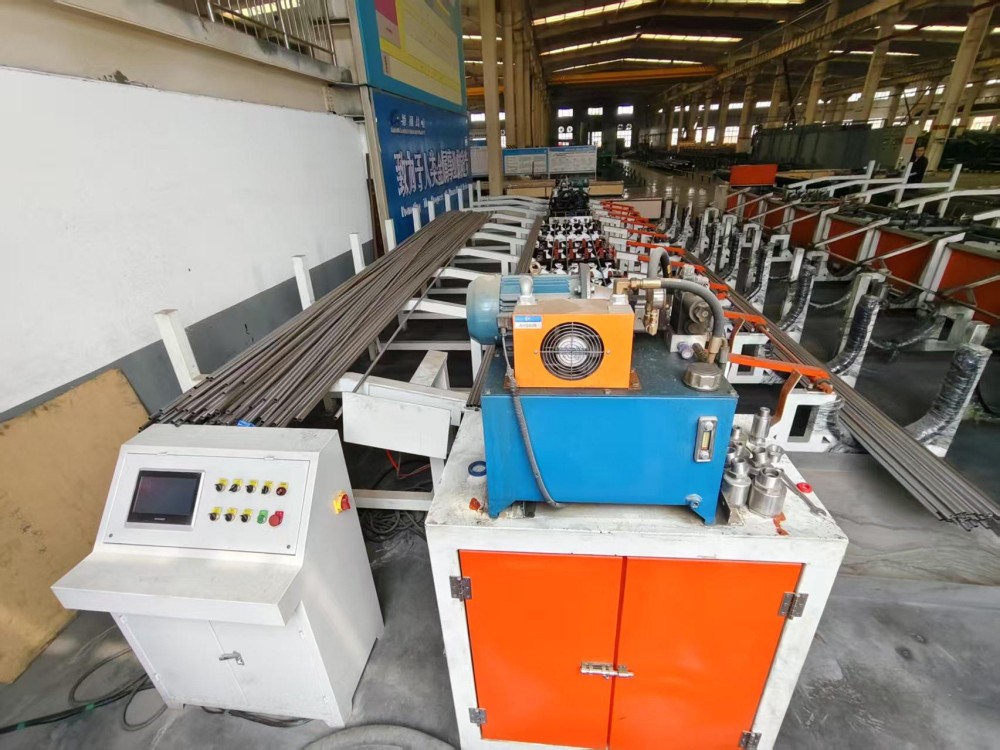
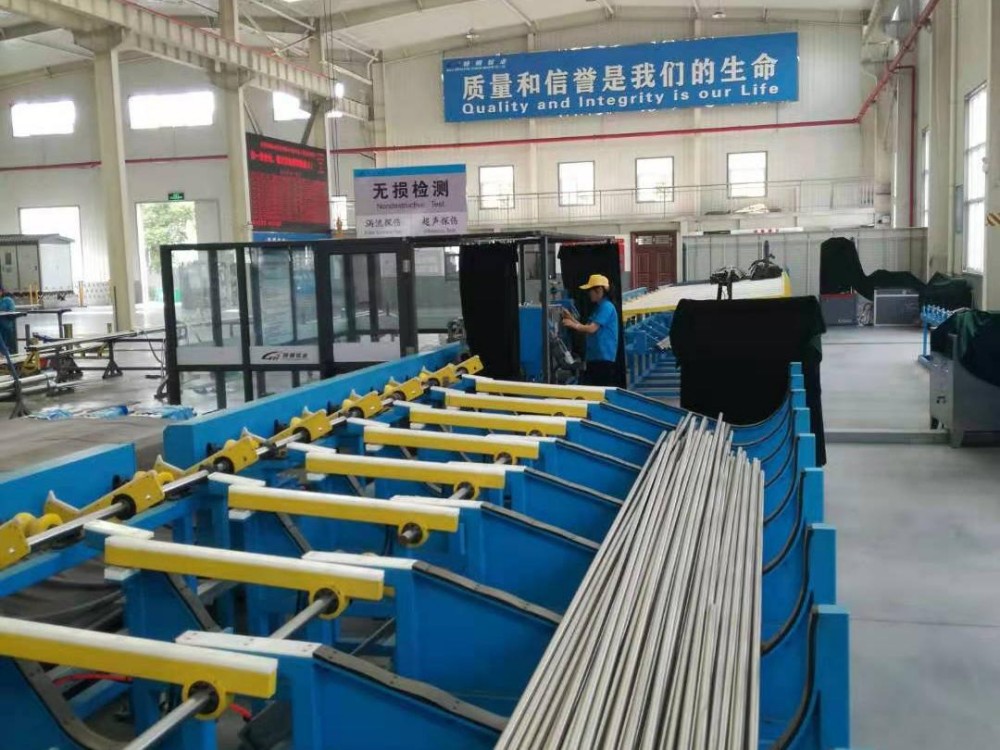
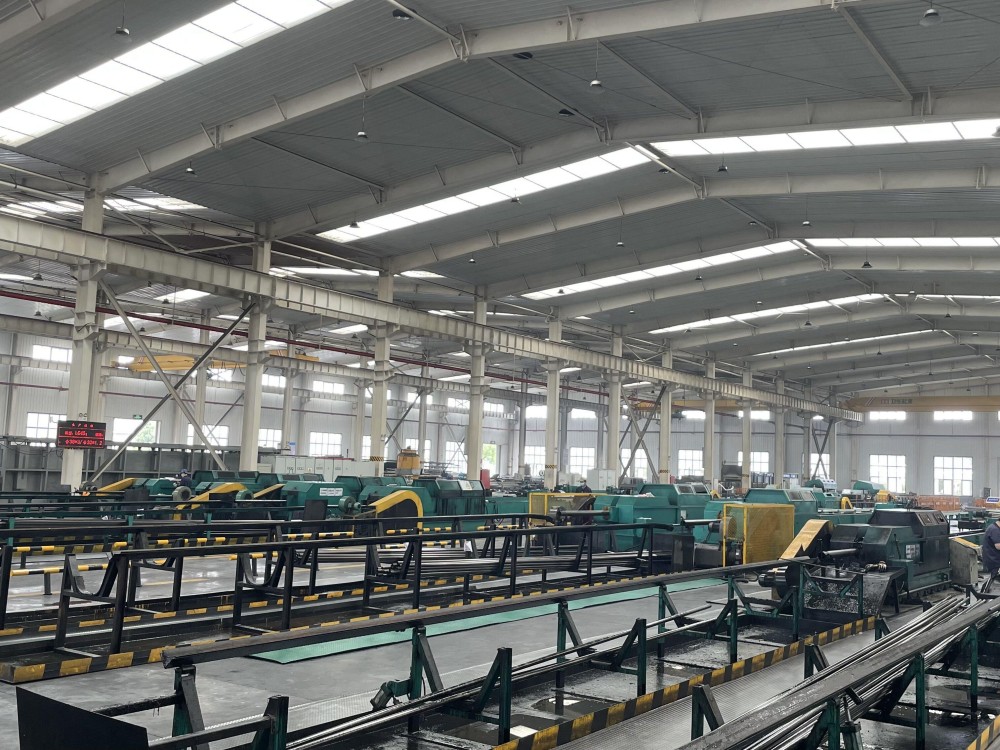
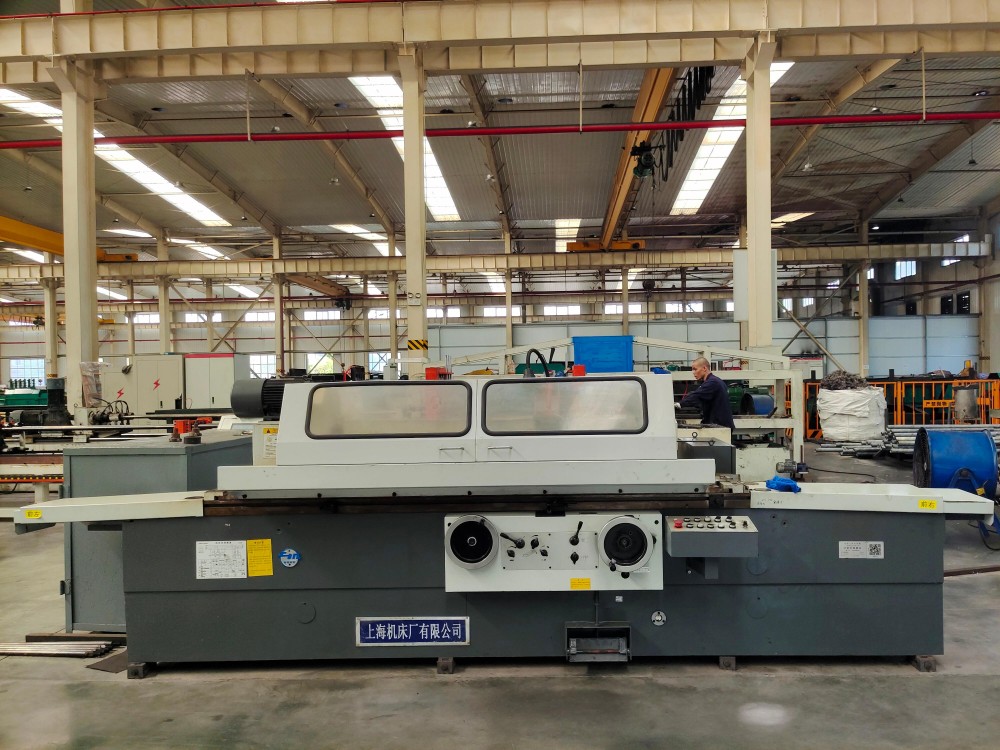
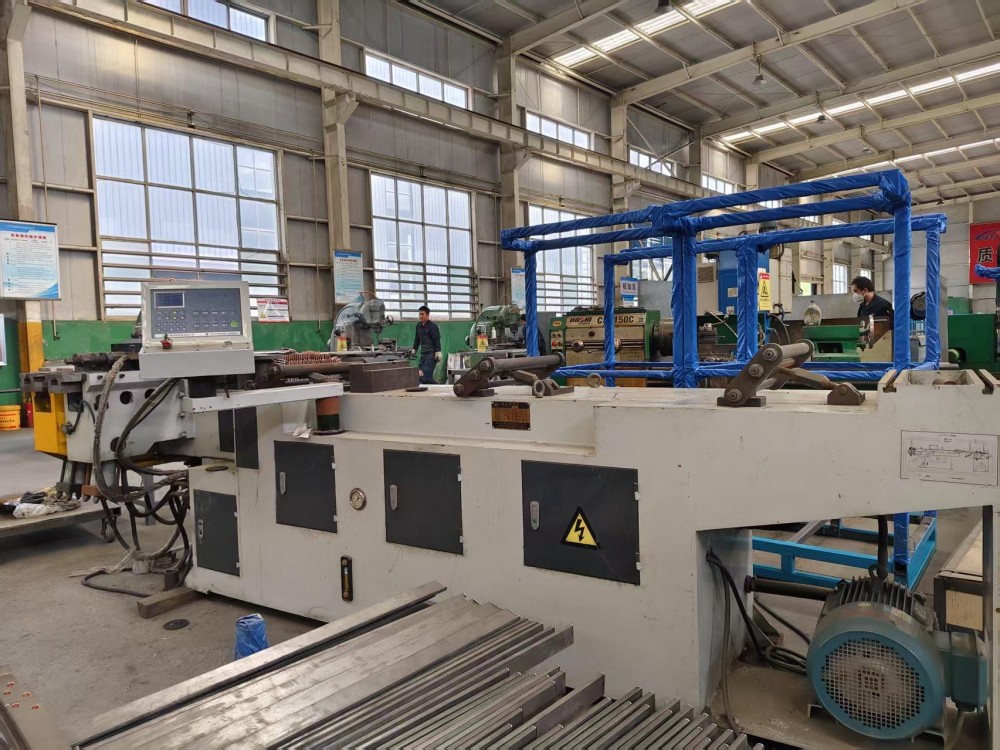
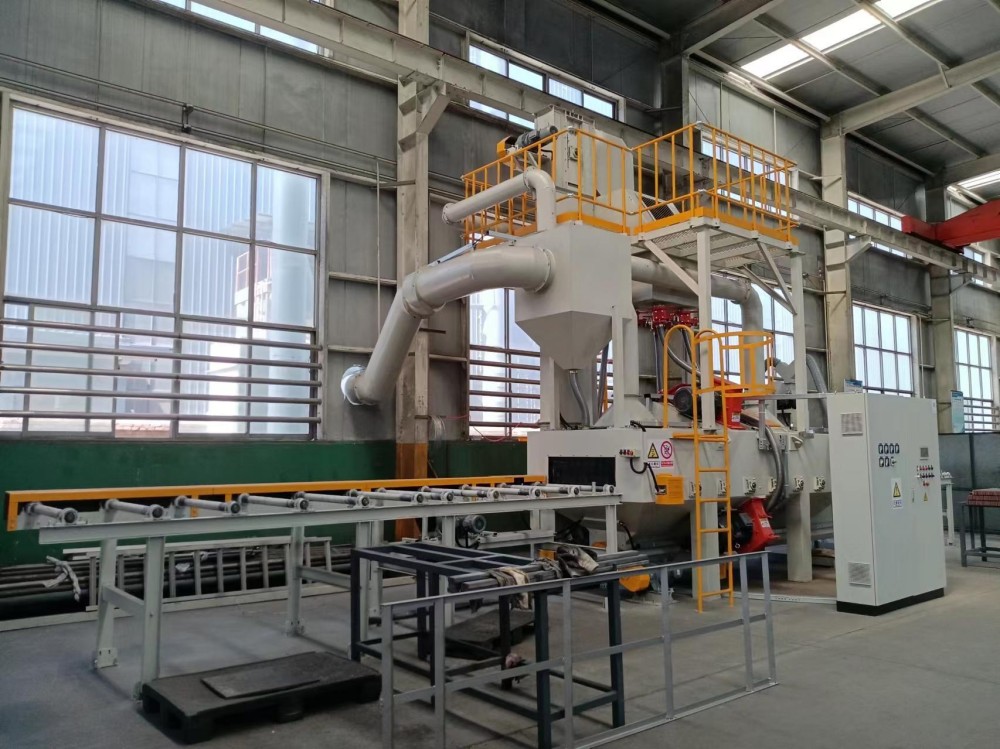
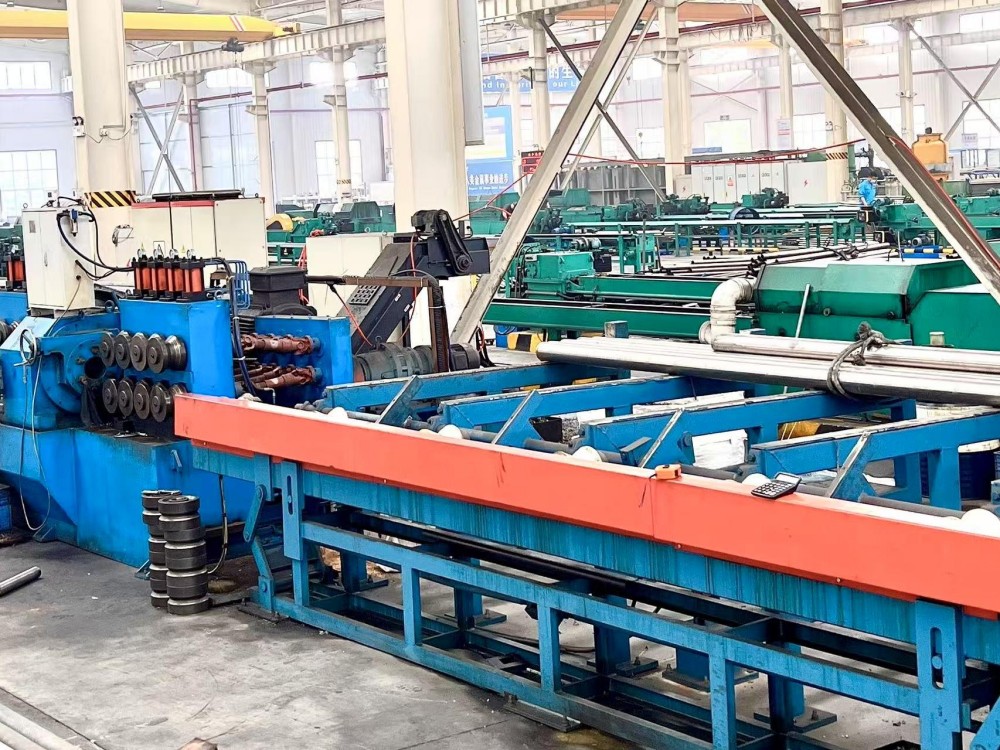
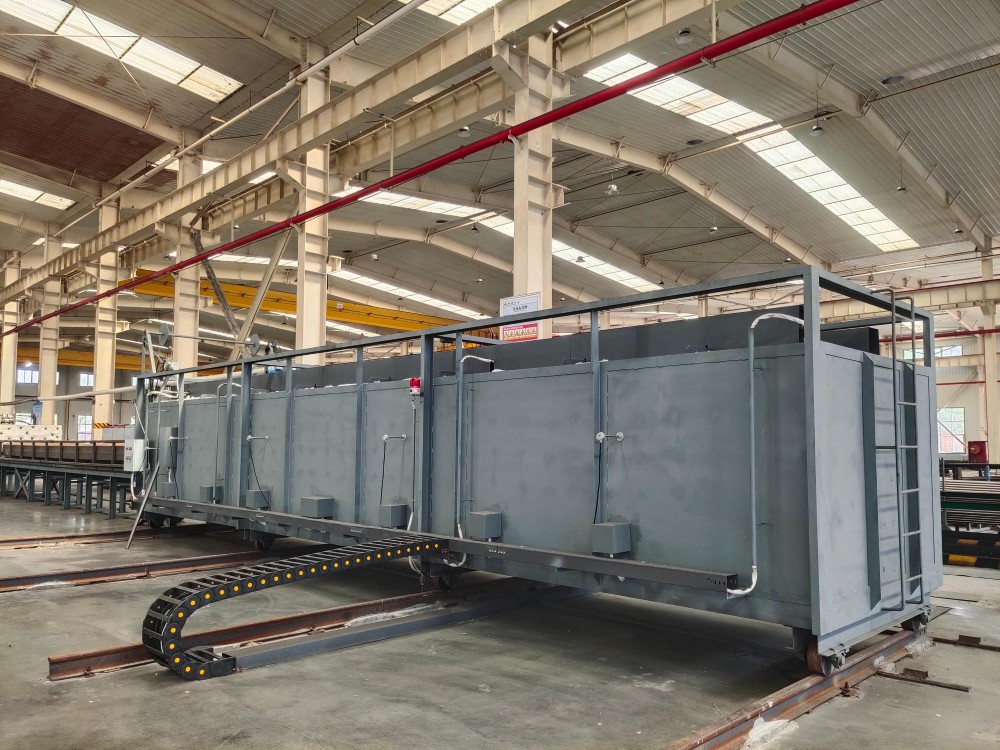
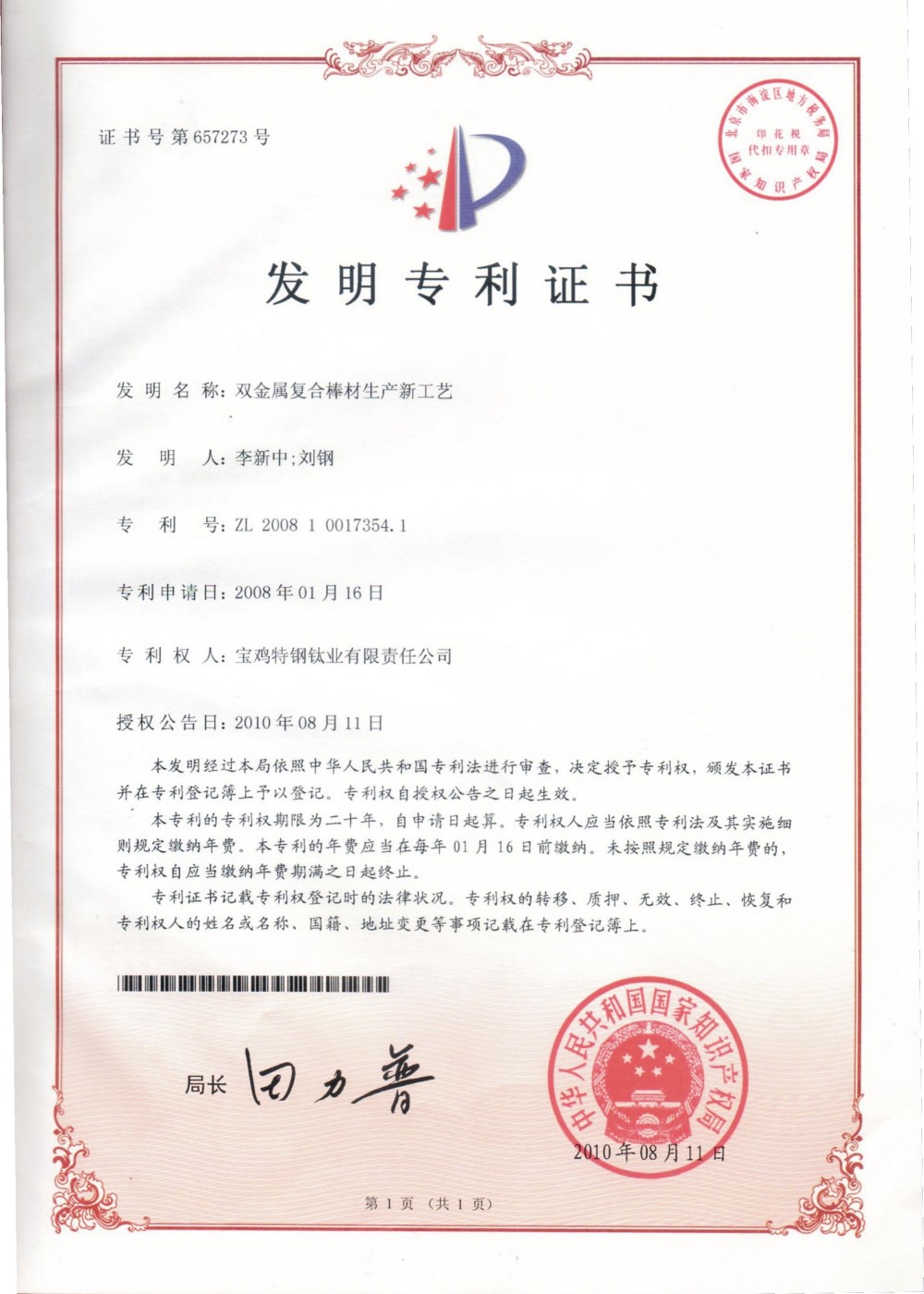
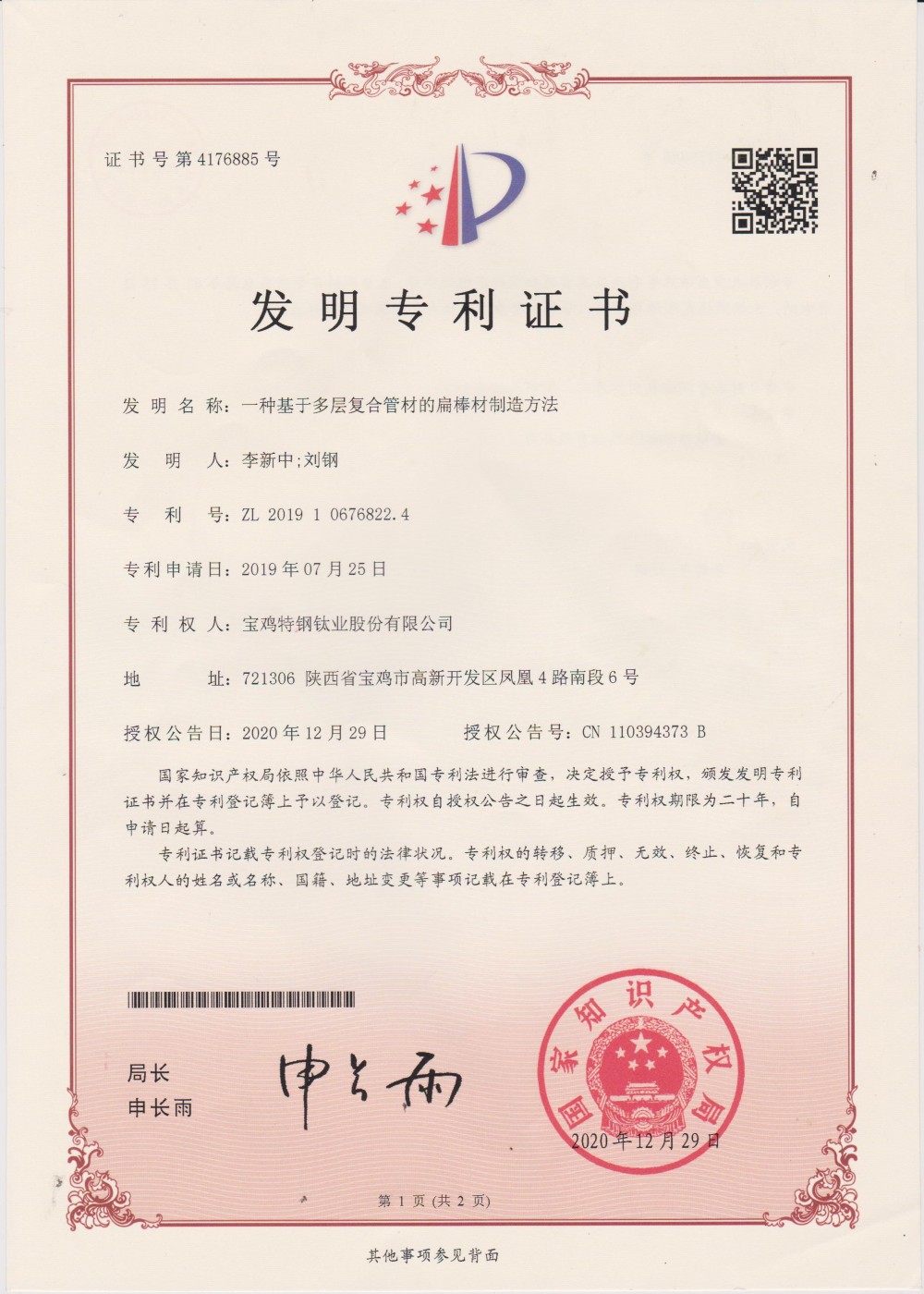
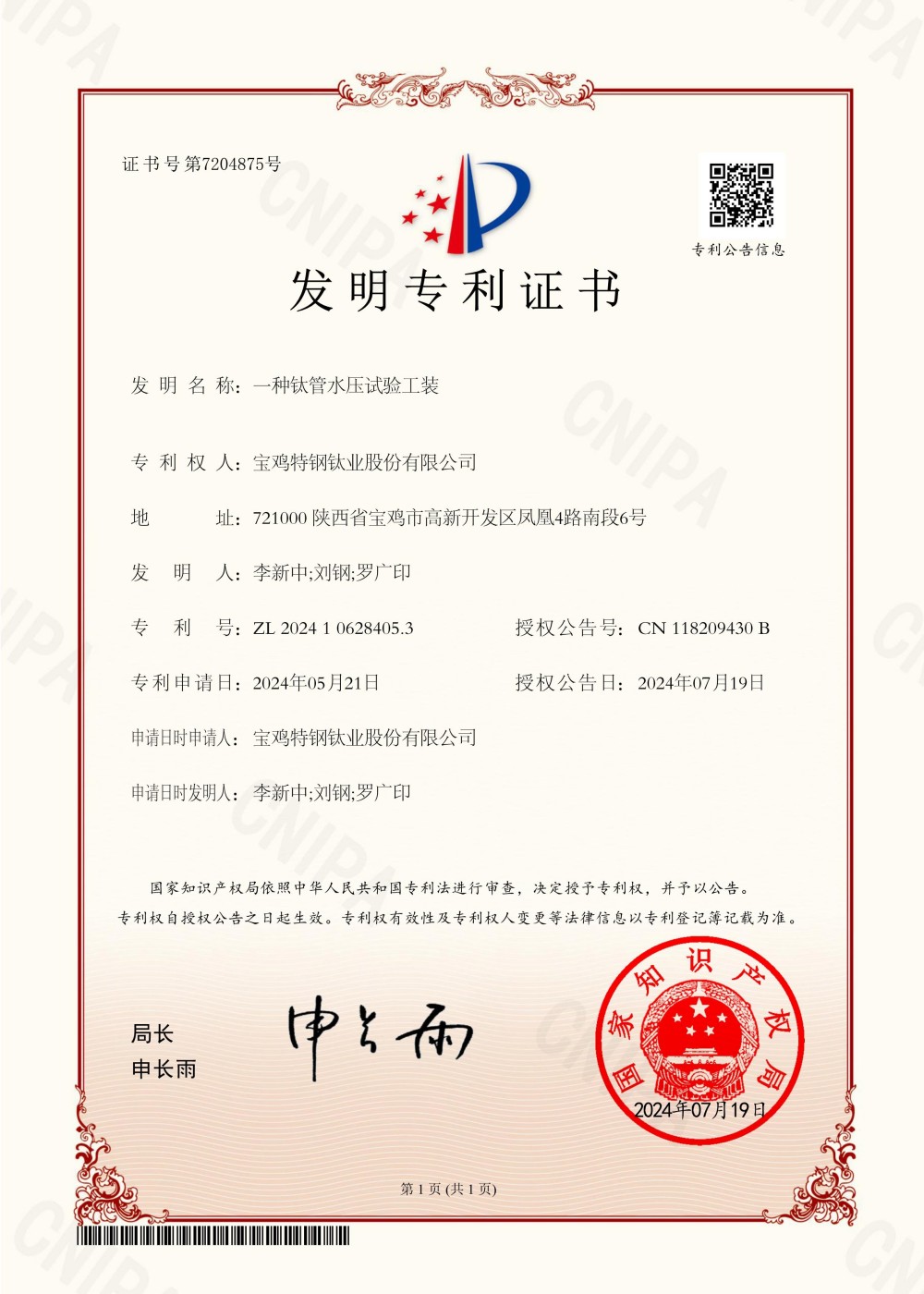
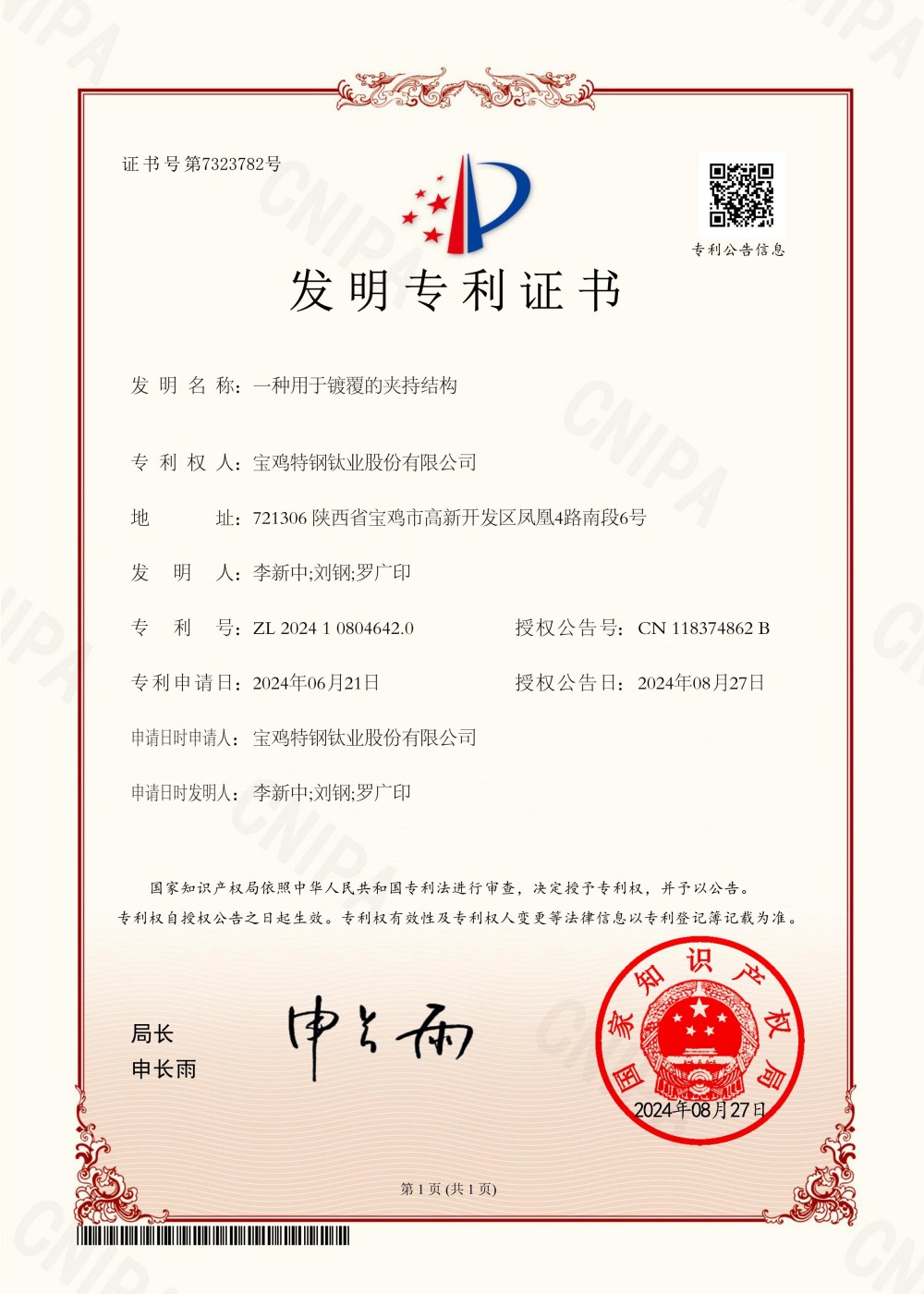
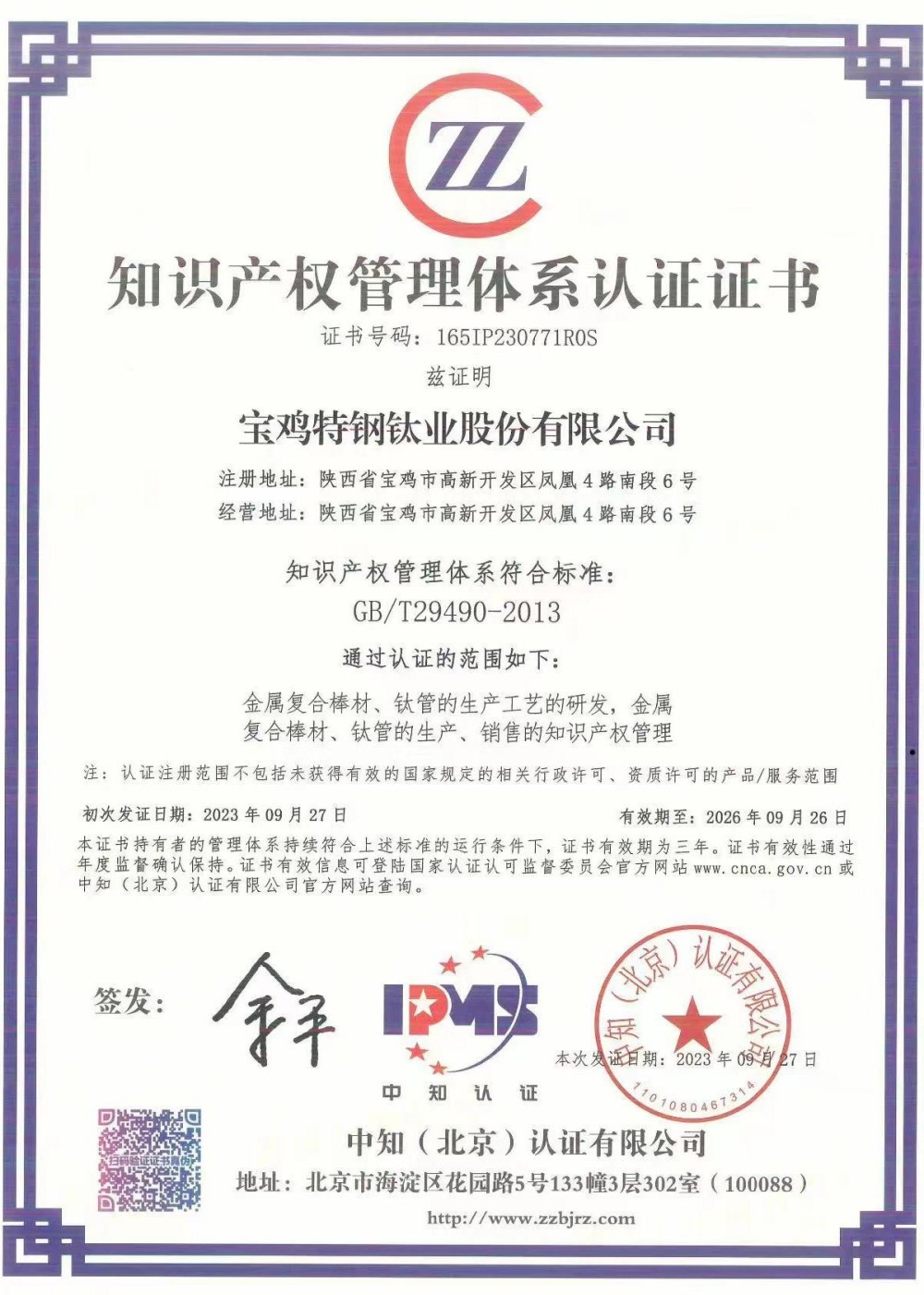
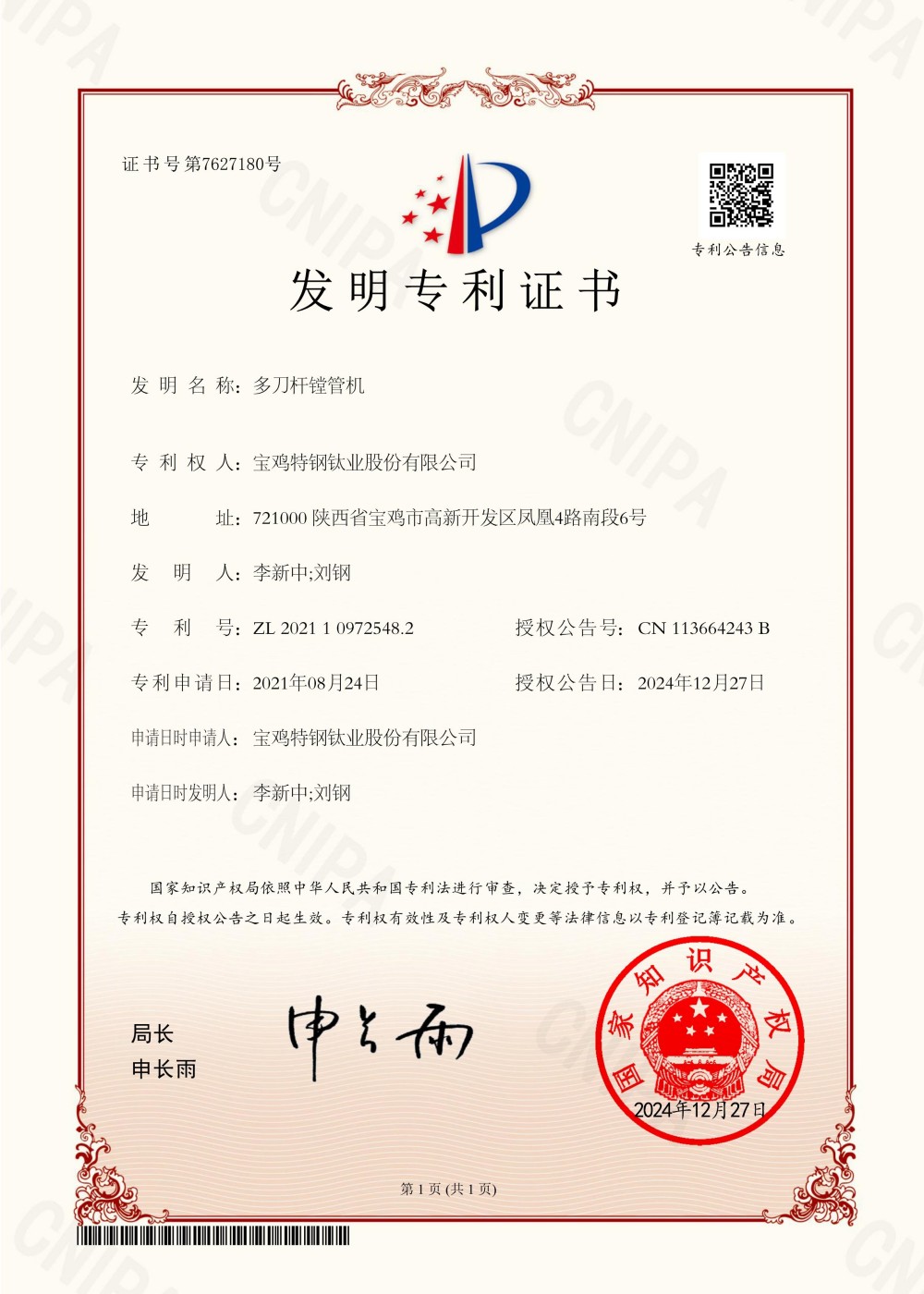
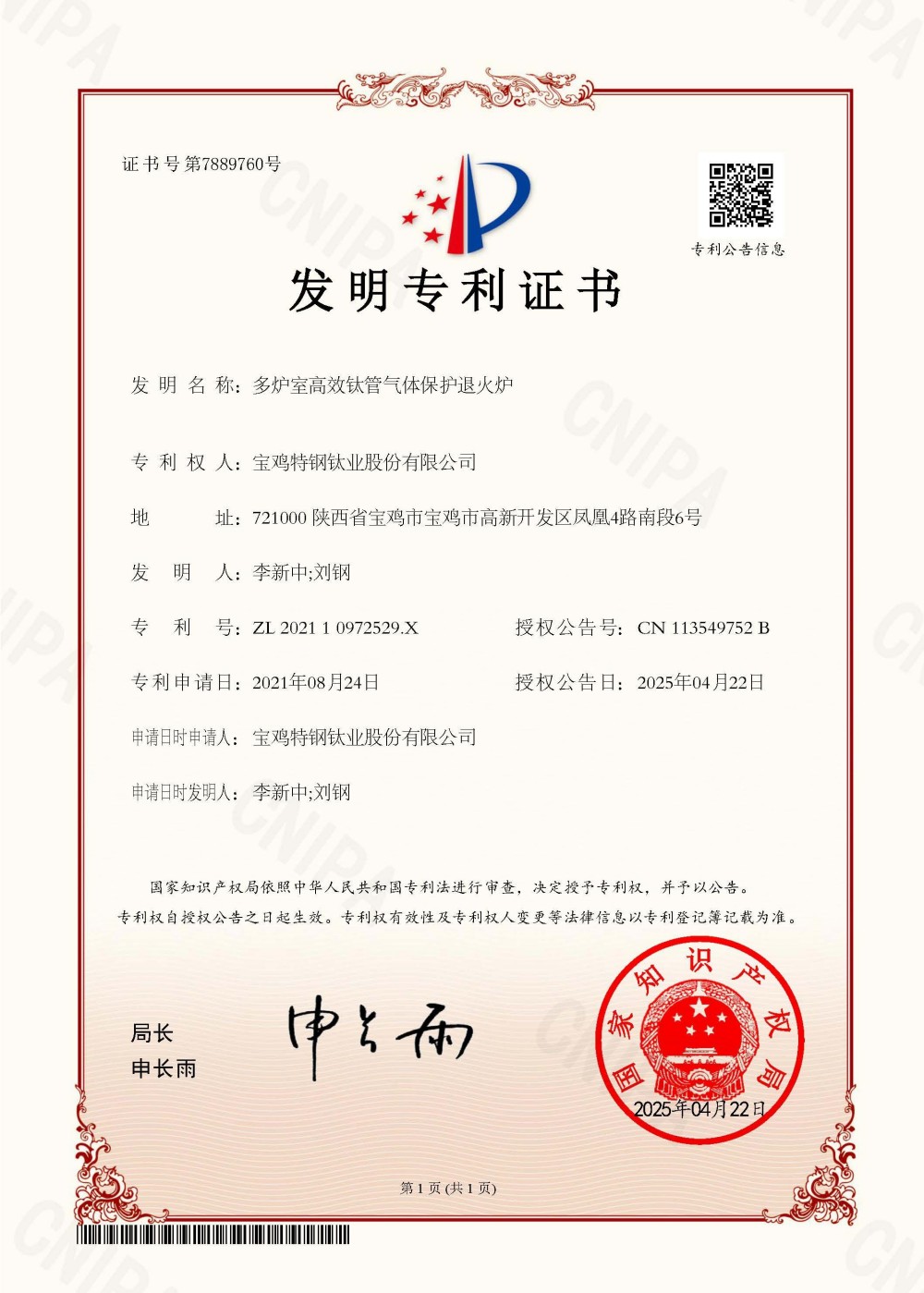
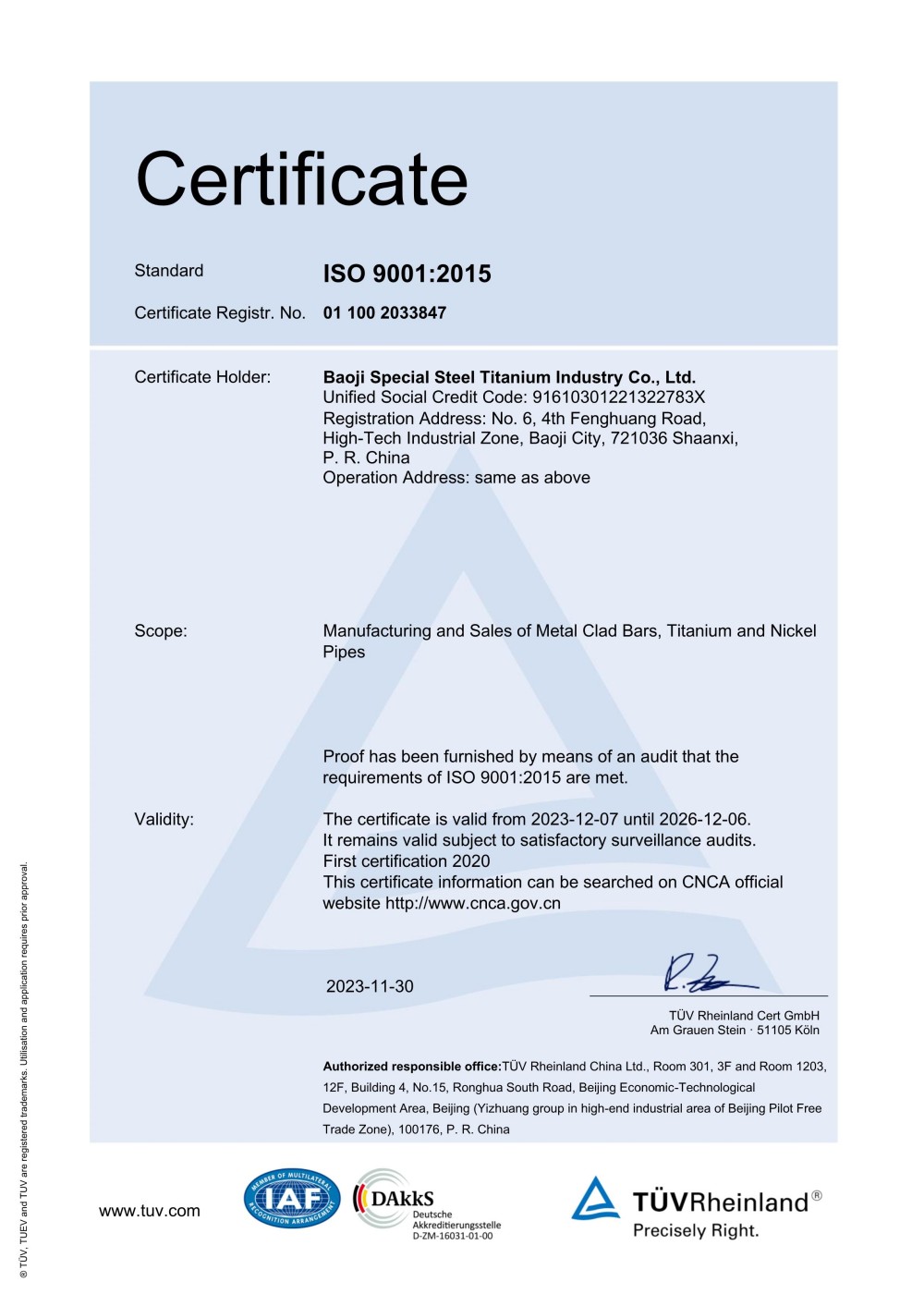
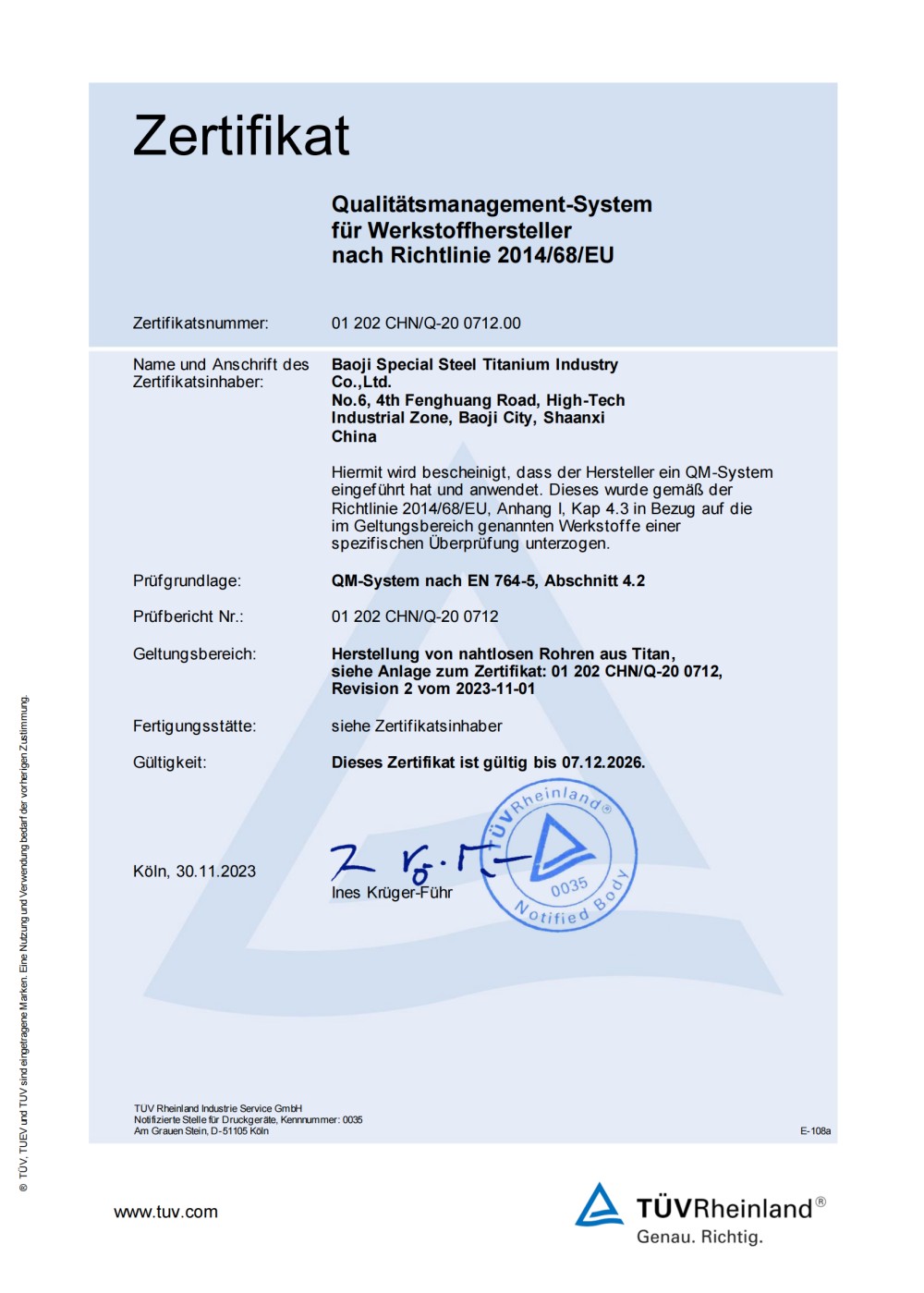
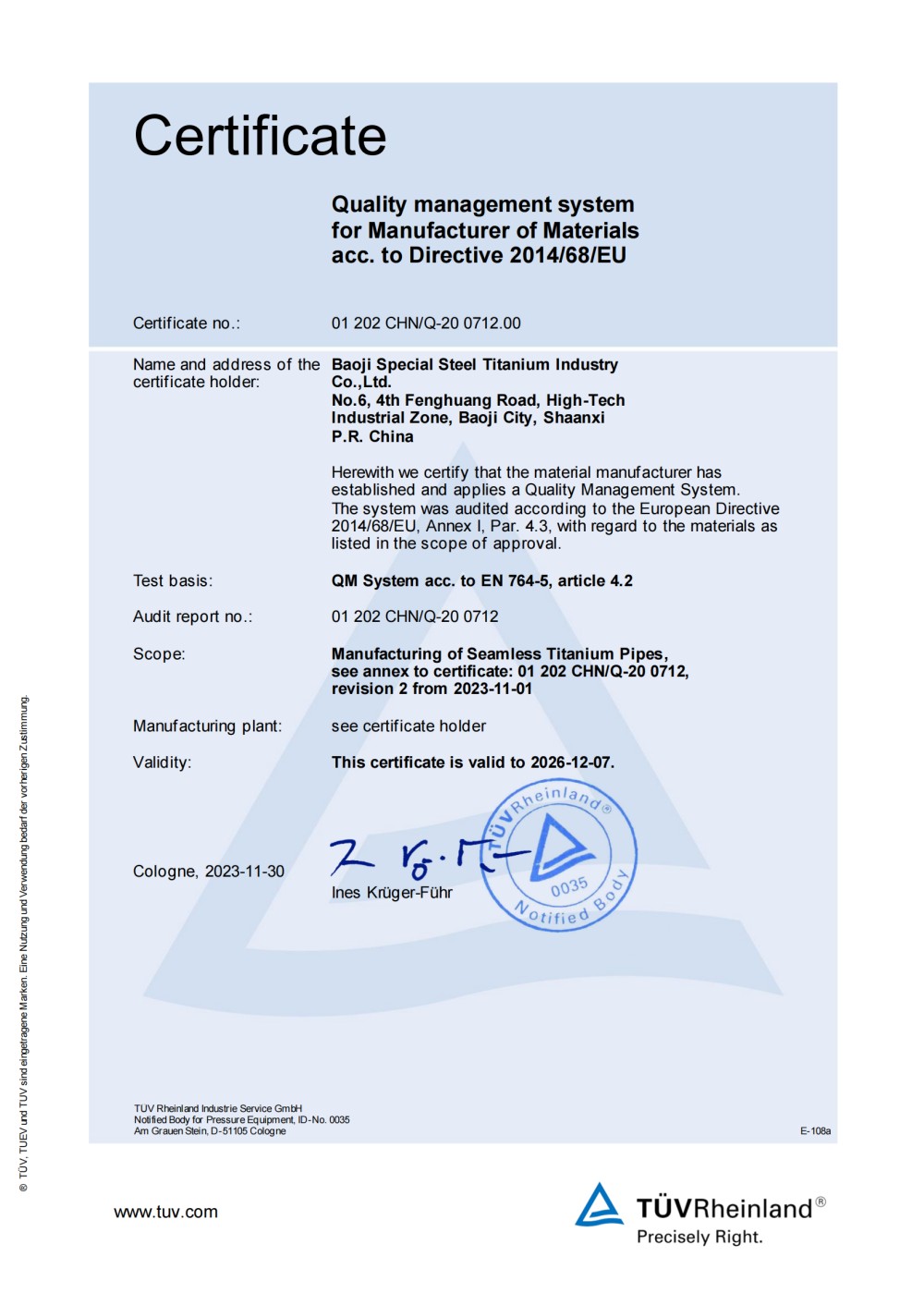
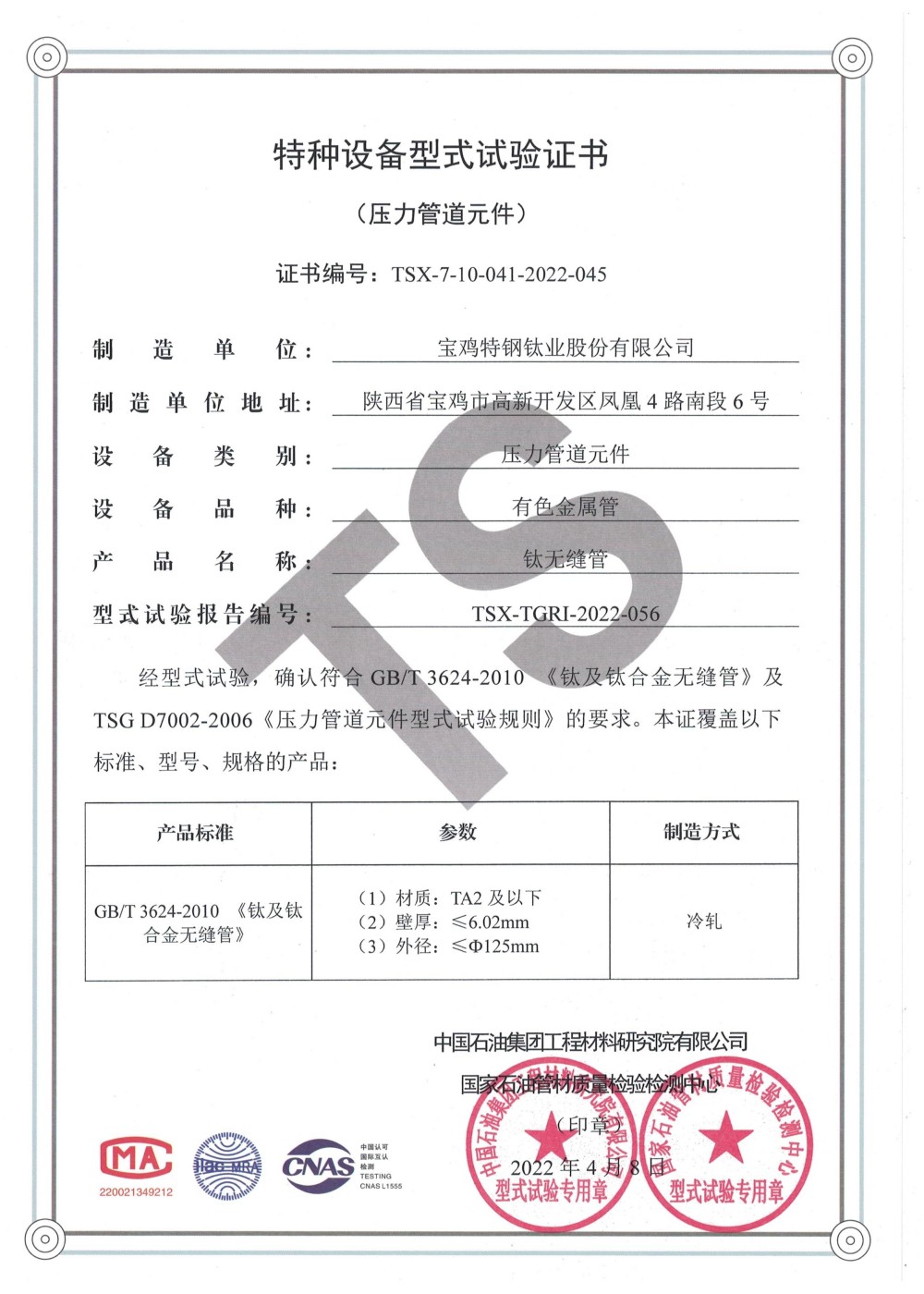
Our titanium sheet products for mining applications are backed by internationally recognized quality certifications.
SEND US A MESSAGE
© Copyright: Baoji Special Steel Titanium Industry Co., Ltd. - Sitemap - Hot Products Top Topic Global Service Top Application


