



Leave Your Message
Precision-engineered titanium tubes and related products manufactured to ASTM international standards for corrosion-resistant piping systems across global industries.
In modern industrial infrastructure, the integrity of piping systems is mission-critical. Titanium tube has emerged as the gold standard for corrosion-resistant piping systems, offering a combination of properties that no other single material can match. With an exceptional strength-to-weight ratio, near-total immunity to chloride-induced corrosion, and an operational lifespan measured in decades rather than years, titanium tubes are reshaping how engineers design fluid-handling systems across the globe.
Unlike stainless steel or duplex alloys that can suffer pitting, crevice corrosion, or stress corrosion cracking in aggressive media, titanium forms a stable, self-repairing oxide layer (TiO₂) on its surface upon exposure to oxygen or moisture. This passive film regenerates instantly even when mechanically damaged, providing continuous protection in seawater, concentrated acids, chlorinated environments, and oxidizing media at elevated temperatures.
The global market for titanium tubes in industrial piping applications is experiencing robust growth, driven by tightening environmental regulations, increasing demand from the chemical processing sector, and the rapid expansion of offshore oil & gas and desalination infrastructure. Industry analysts project the titanium tube market to surpass USD 2.8 billion by 2030, growing at a CAGR of over 5.4%.

Six key performance pillars that make titanium tubes indispensable for corrosion-resistant industrial piping systems worldwide.
Titanium's self-healing TiO₂ oxide layer provides unmatched resistance to seawater, chlorides, acids, and oxidizing environments — far exceeding stainless steel and nickel alloys in aggressive media.
At roughly 60% the density of steel with comparable tensile strength, titanium tubes enable lightweight yet robust piping systems, reducing structural load and installation costs significantly.
Titanium tubes maintain mechanical integrity from cryogenic temperatures up to 600°C (1112°F), making them suitable for heat exchangers, steam systems, and cryogenic fluid transfer lines.
Titanium piping systems routinely achieve 25–40 year service lifespans with minimal maintenance, delivering a total cost of ownership far lower than conventional materials despite higher initial cost.
Titanium is non-toxic and fully biocompatible, making titanium tubes ideal for pharmaceutical, food processing, and medical fluid systems where contamination is unacceptable.
Manufactured to ASTM B338 and ASME SB-338 standards, titanium tubes meet the most stringent international requirements for seamless and welded pipe used in heat exchangers and condensers.
Global industrial shifts and regulatory pressures are accelerating the adoption of titanium tube solutions in critical piping infrastructure.
With freshwater scarcity intensifying across the Middle East, North Africa, and Southeast Asia, large-scale desalination plant construction is booming. Titanium tubes are the preferred material for multi-stage flash (MSF) and reverse osmosis (RO) heat exchanger bundles due to their absolute resistance to seawater corrosion, even at elevated temperatures and high chloride concentrations.
The global push toward hydrogen as a clean fuel source is creating enormous demand for titanium piping in electrolyzers, fuel cells, and hydrogen transport systems. Titanium's resistance to hydrogen embrittlement under certain conditions and its compatibility with aggressive electrolyte solutions make it a frontrunner in green energy infrastructure.
Chemical plants worldwide are upgrading aging infrastructure, replacing carbon steel and stainless steel piping with titanium in processes involving sulfuric acid, hydrochloric acid, nitric acid, and chlorinated organic compounds. This trend is accelerating as process intensification demands higher operating pressures and temperatures.
Deepwater and ultra-deepwater oil & gas projects demand piping materials that can withstand extreme pressures, low temperatures, and highly corrosive produced water containing H₂S and CO₂. Titanium tubes and risers are increasingly specified in subsea production systems, replacing heavy, corrosion-prone carbon steel alternatives.
Ultra-high-purity process requirements in pharmaceutical manufacturing and semiconductor fabrication are driving adoption of titanium piping systems. Titanium's non-reactive surface prevents contamination of ultra-pure water and aggressive chemical streams, meeting FDA and international purity standards without leaching metal ions.
Coastal and nuclear power plants rely on titanium condenser tubes to handle massive volumes of seawater cooling. The material's proven 30+ year performance in power plant condensers has established titanium as the benchmark specification for new power generation projects globally, particularly in Asia-Pacific markets.
From subsea pipelines to pharmaceutical clean rooms — explore where titanium tube technology delivers irreplaceable value.
In sulfuric acid concentration plants, chlor-alkali facilities, and wet-process phosphoric acid production, titanium piping withstands media that destroy all conventional materials. Grade 2 titanium tubes handle dilute to moderately concentrated sulfuric acid, while Grade 7 (Pd-stabilized) provides protection in reducing acid environments.
Titanium tubes in desalination heat exchangers operate continuously in hot, highly saline brine without any measurable corrosion. Plants in Saudi Arabia, UAE, and Australia report titanium tube bundles exceeding 25 years of maintenance-free operation, representing significant lifecycle cost advantages over alternative materials.
Coastal power stations using once-through seawater cooling universally specify titanium condenser tubes. With wall thicknesses as thin as 0.5mm achieving 30+ year service life, titanium delivers unmatched heat transfer efficiency combined with zero corrosion allowance, reducing both capital and maintenance expenditure.
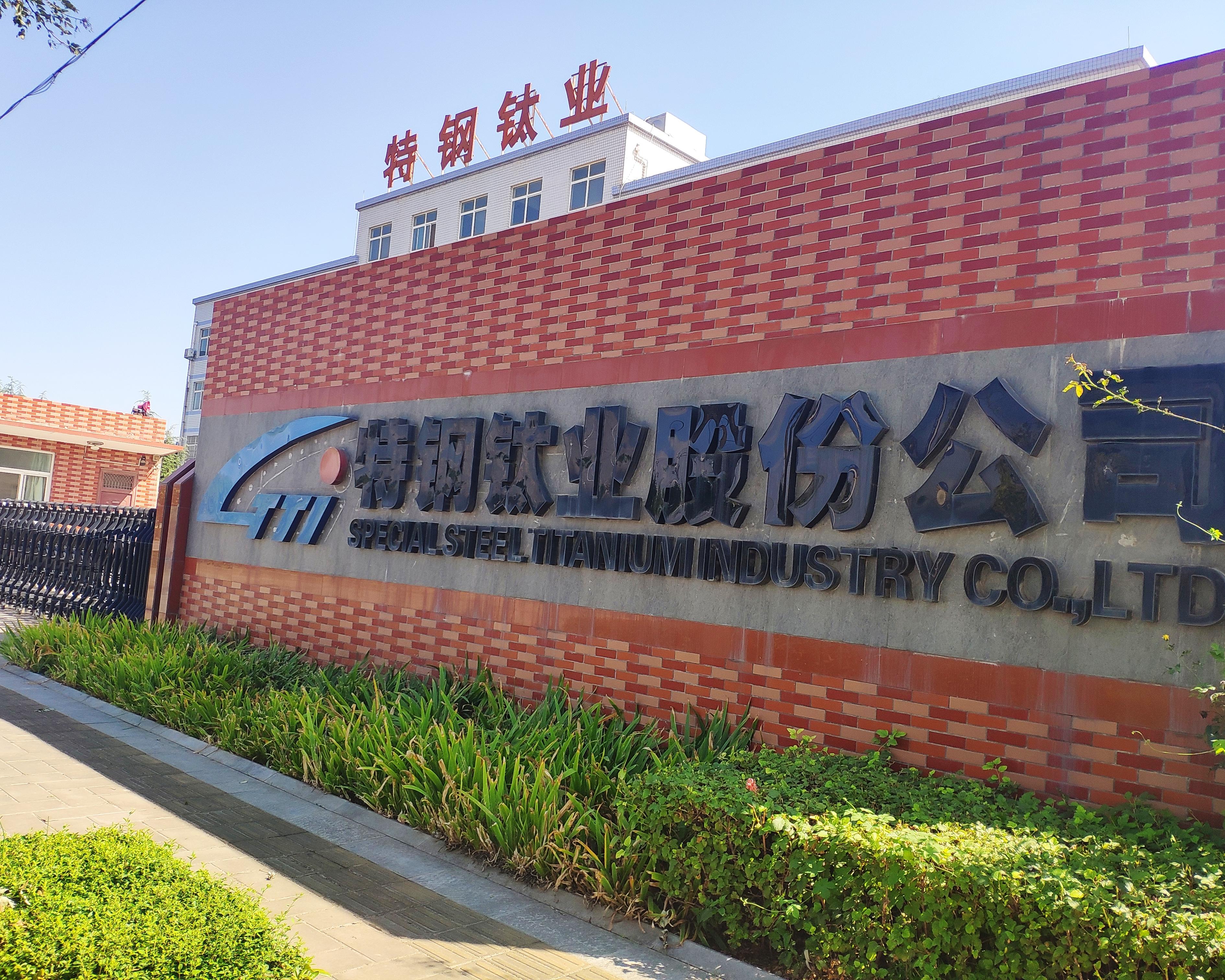
Baoji Special Steel Titanium Industry Co., Ltd. is a joint-stock industrial enterprise specializing in the research, development, manufacturing and sales of titanium, nickel, zirconium and other metal pipes and metal composite materials. The company was founded in 1997, located in Shaanxi Baoji National High-tech Industrial Development Zone, with a factory covering an area of 41,000 square meters.
The company has an annual production capacity of over 3,000 tons of non-ferrous metal pipes, composite materials and various deep processing products such as titanium, zirconium, nickel, tantalum and copper. A series of products according to varieties and specifications have reached more than 500 kinds. The annual export accounts for more than 30% of the company's total output, making it an export-oriented industrial enterprise with strong growth momentum.
The company has obtained the national high and new technology enterprise certification and has been listed in the first batch of industries encouraged to develop by the National Development and Reform Commission.
Since its establishment, the company has always adhered to the development strategy of continuous innovation and continued to expand the market with new technology and new products as the fulcrum. After more than 20 years of development and accumulation, the products have entered the markets of Germany, Japan, the United States, Norway, Finland, South Africa, Singapore, India and other countries and Taiwan regions, and have been highly praised.
Stable product quality and integrity as the core of the business philosophy have earned the trust of customers worldwide. To build an excellent enterprise team, continuously improve the management and manufacturing methods, so that every customer can get the maximum benefit from each product — this is the eternal pursuit of Baoji Special Steel Titanium Industry personnel.
Ongoing R&D investment focuses on advanced tube forming processes, alloy optimization for next-generation corrosion environments, and the development of titanium composite piping solutions that extend performance boundaries while reducing material costs for large-scale infrastructure projects.
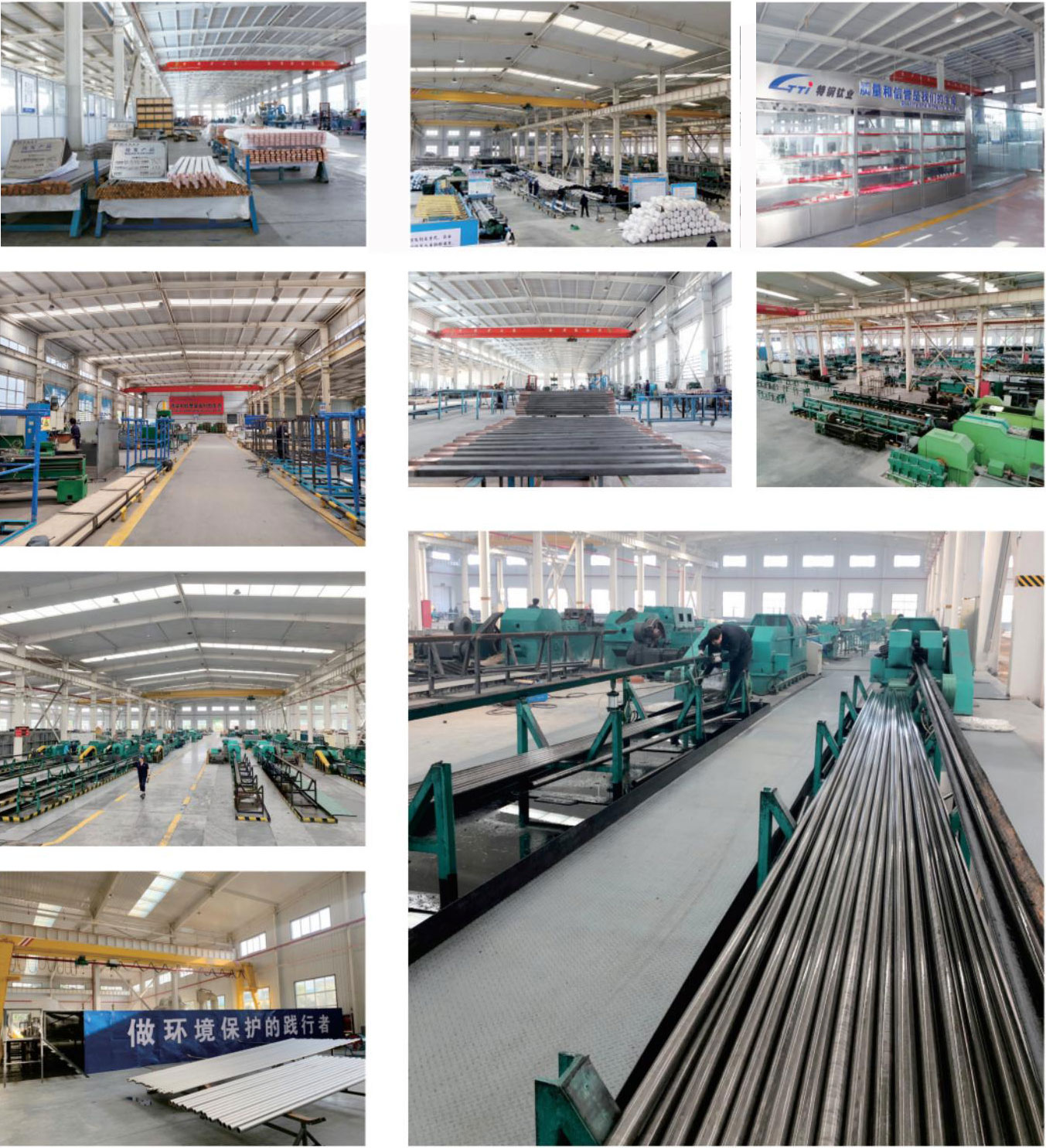
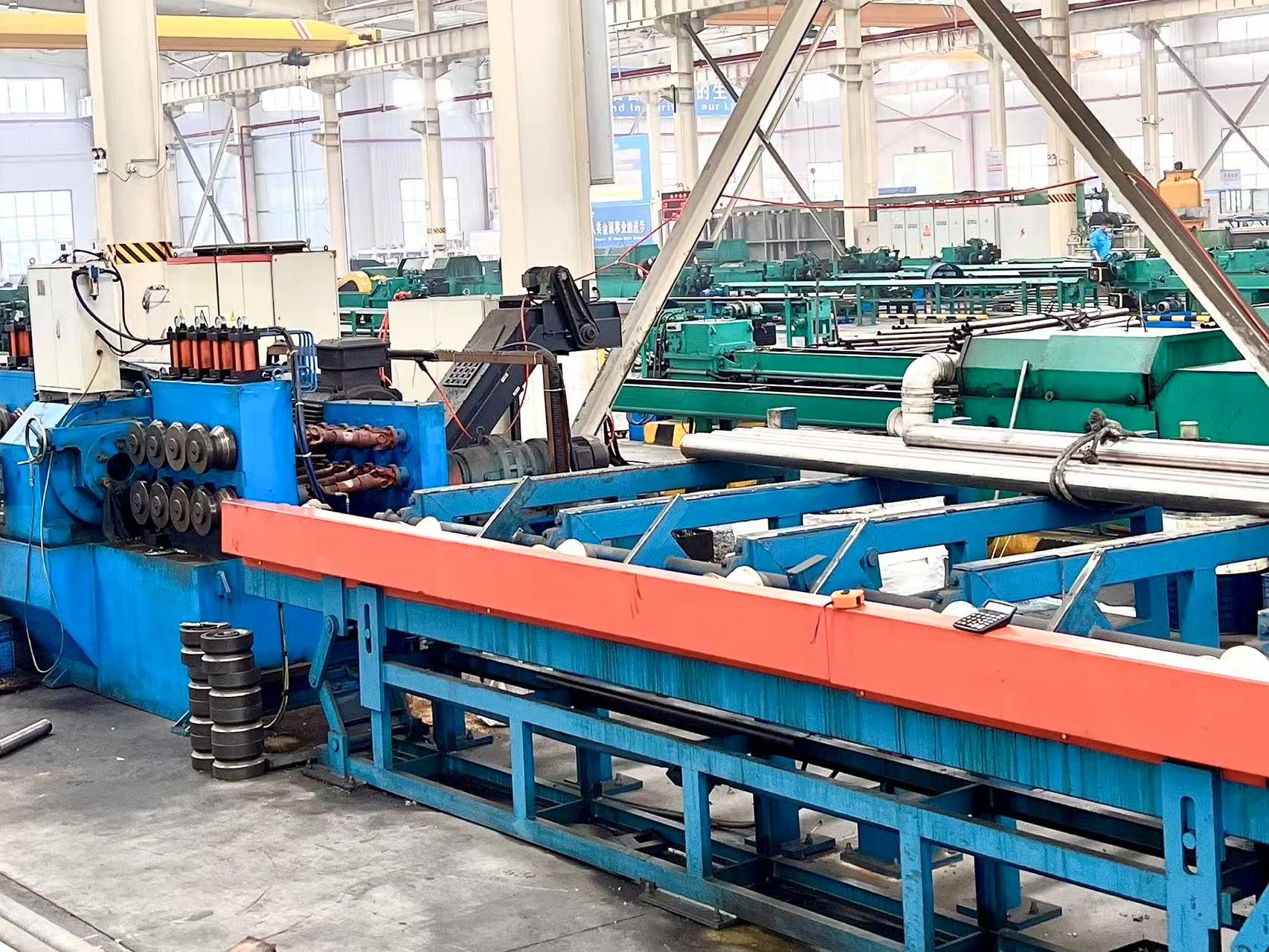
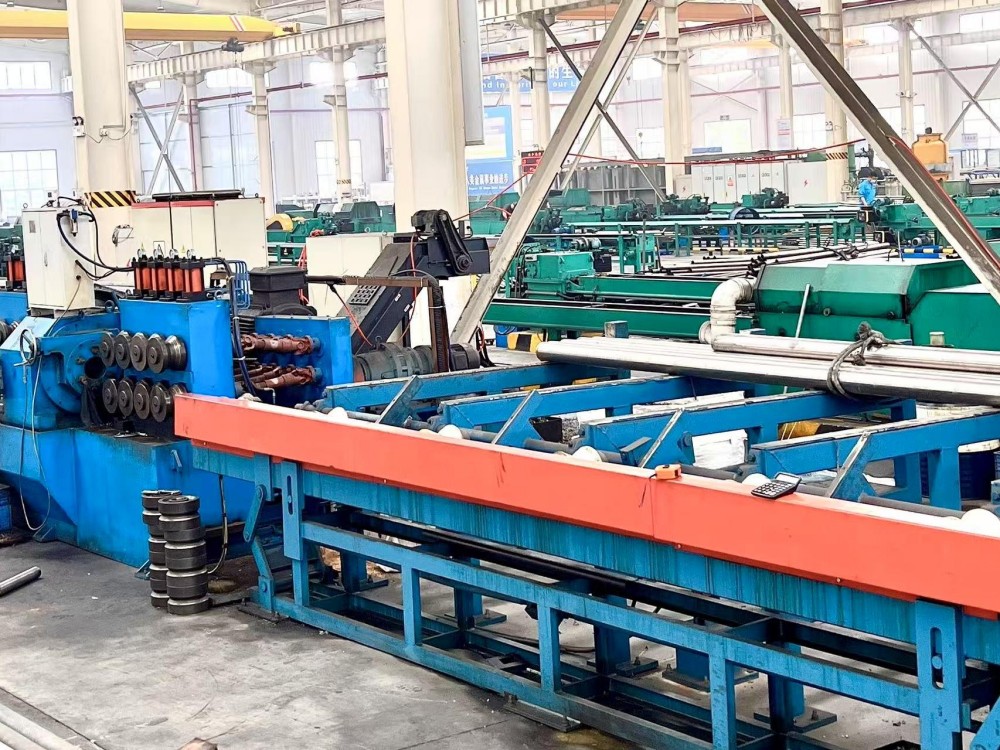
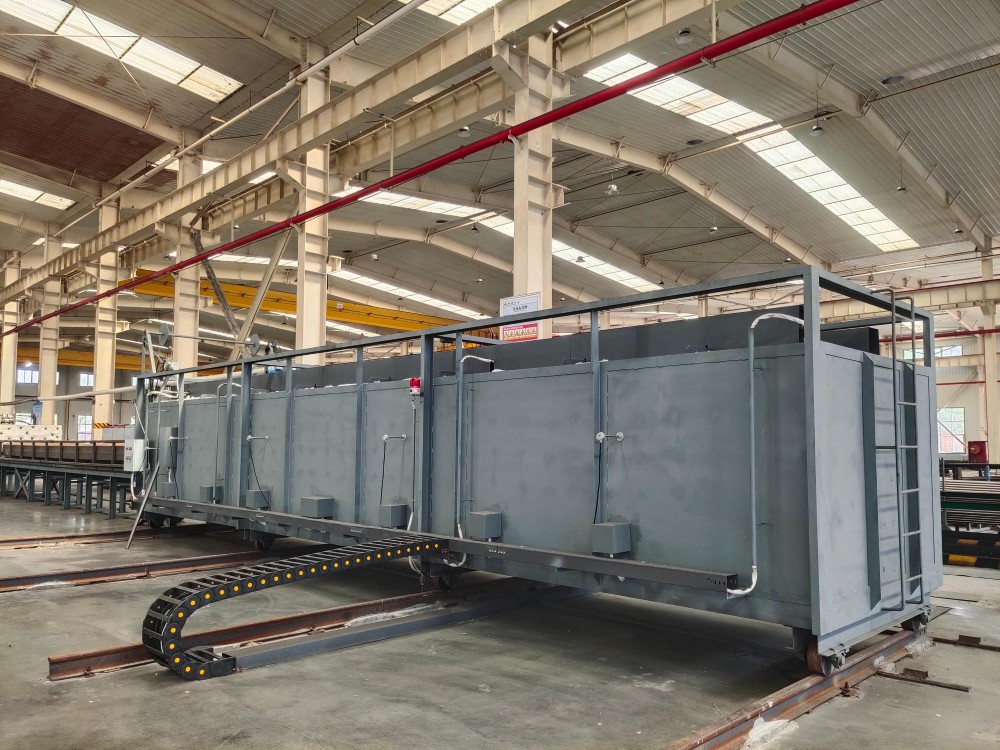
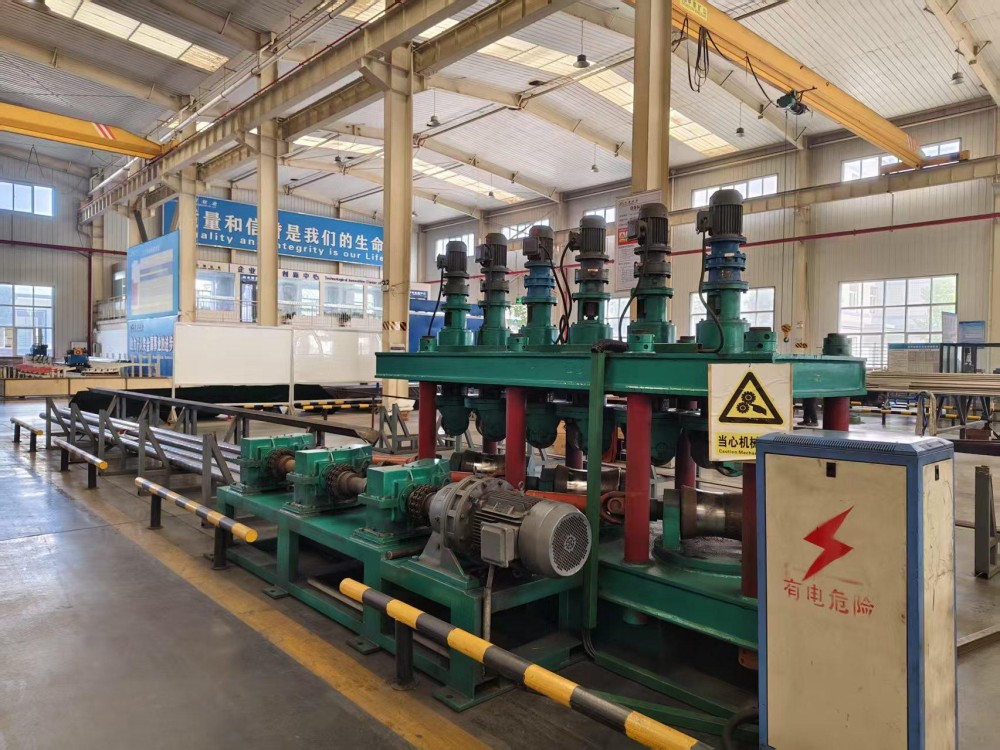
State-of-the-art production facilities ensuring precision, consistency, and quality in every titanium tube for corrosion-resistant piping systems.
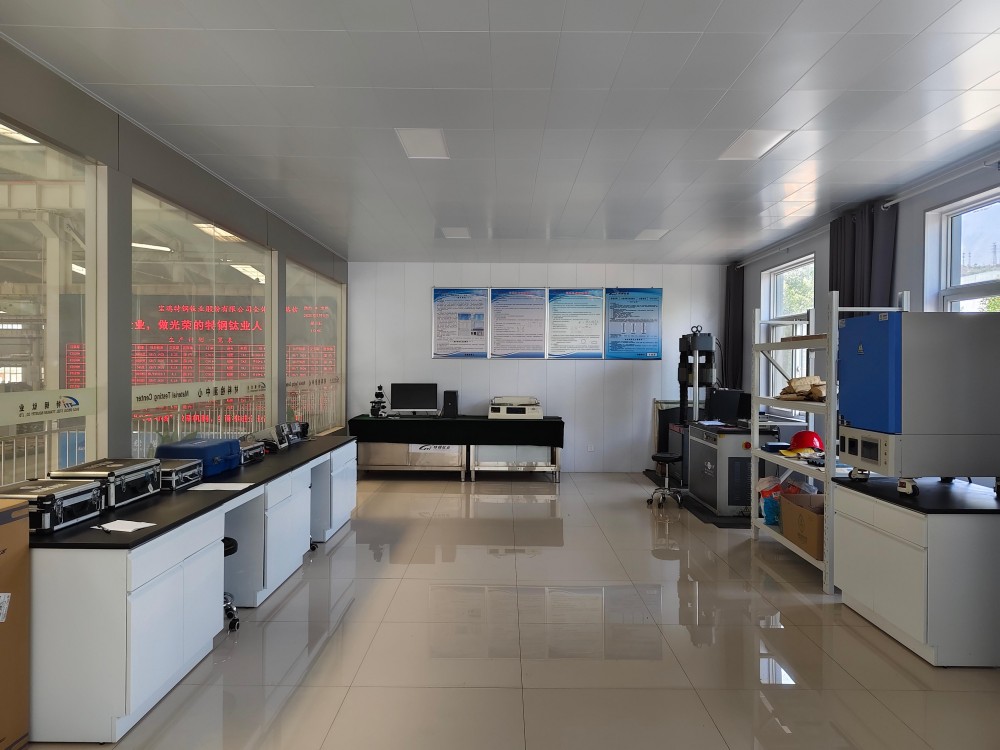
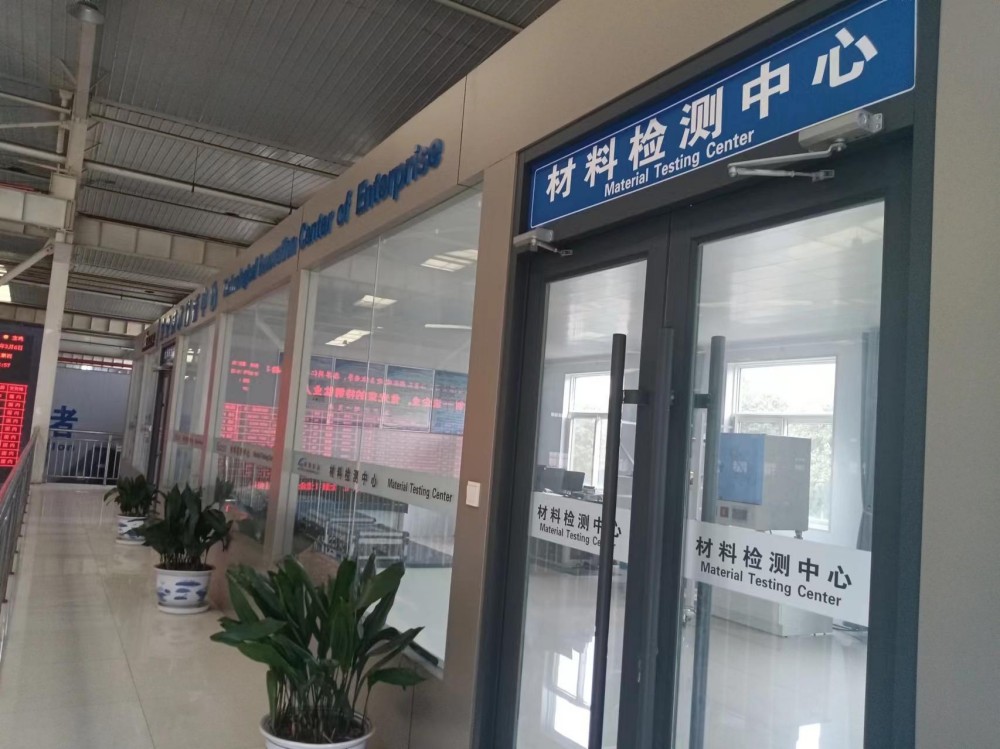
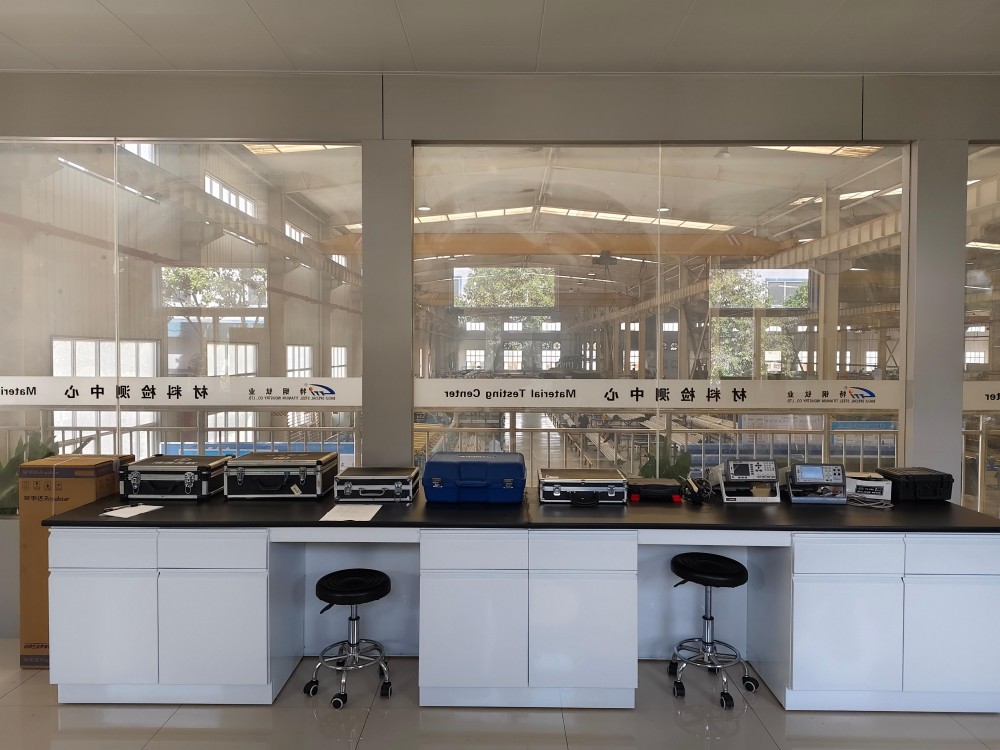
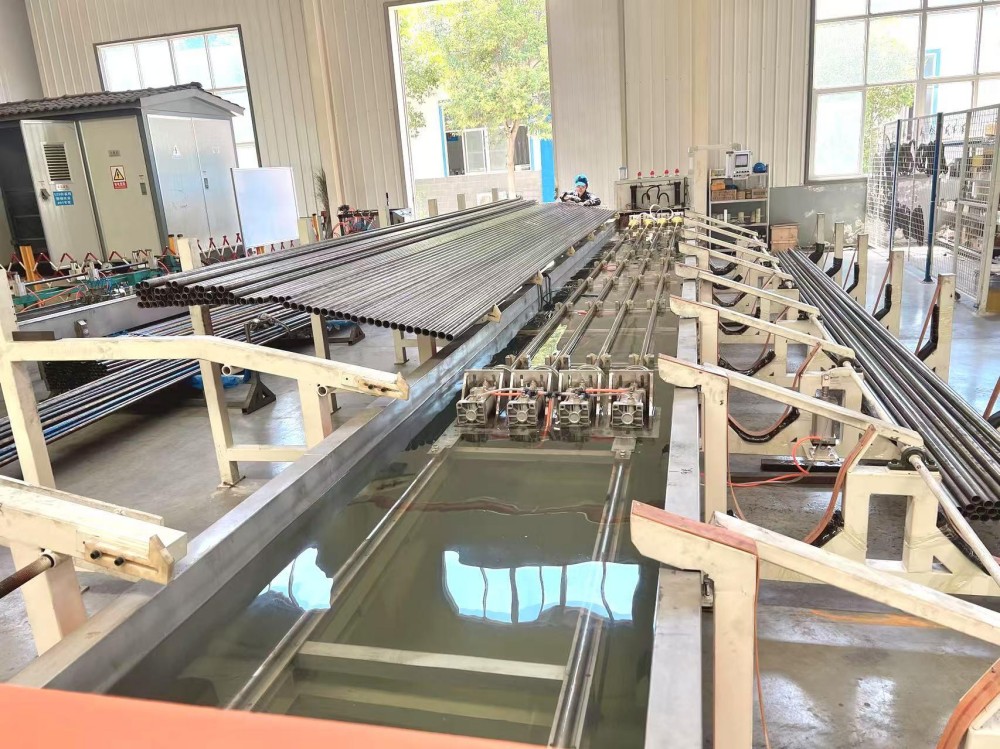
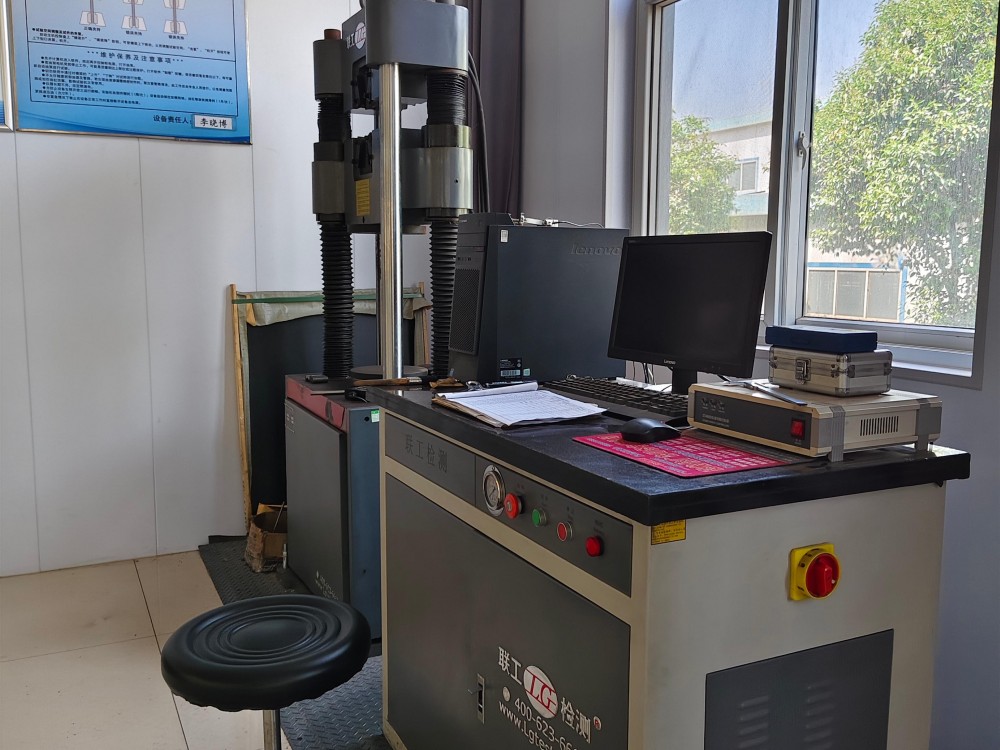
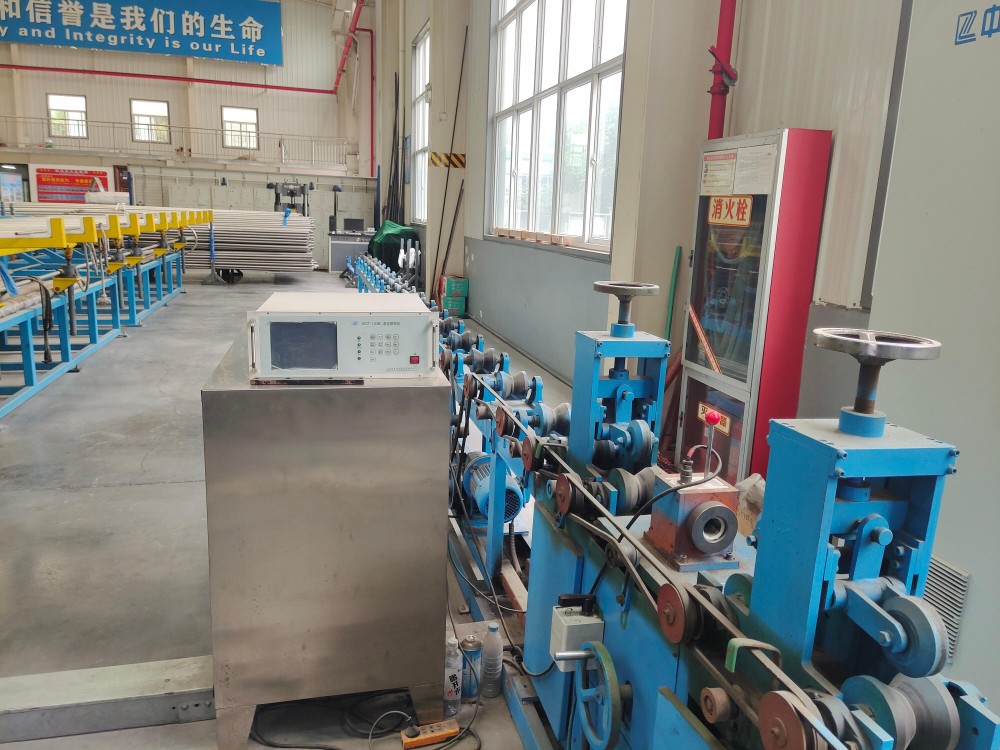
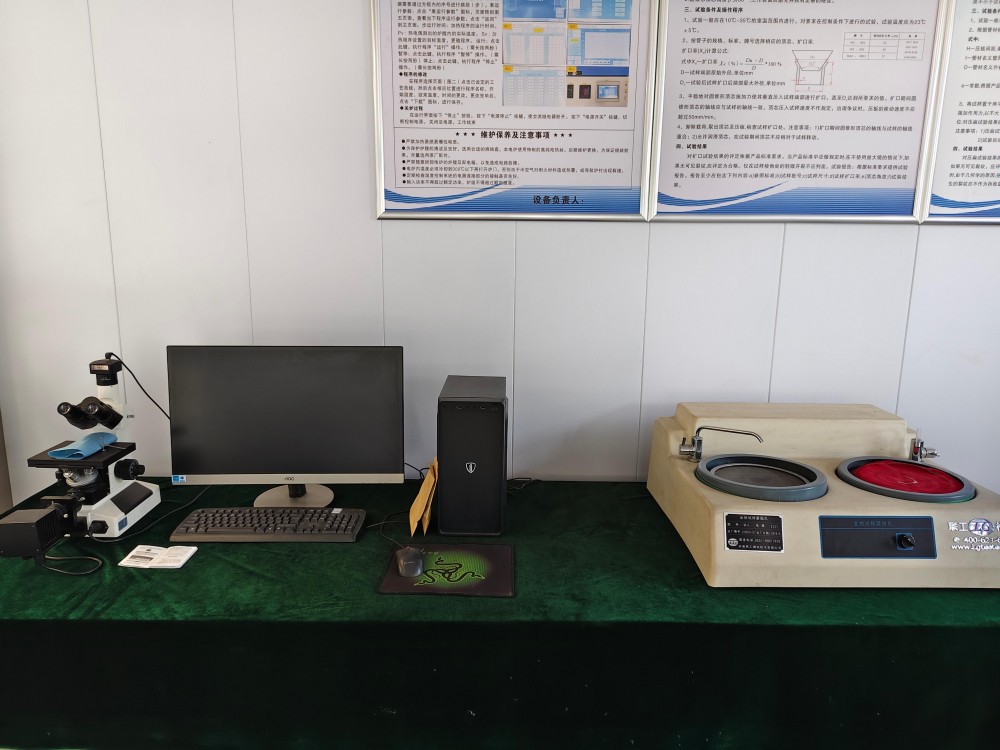
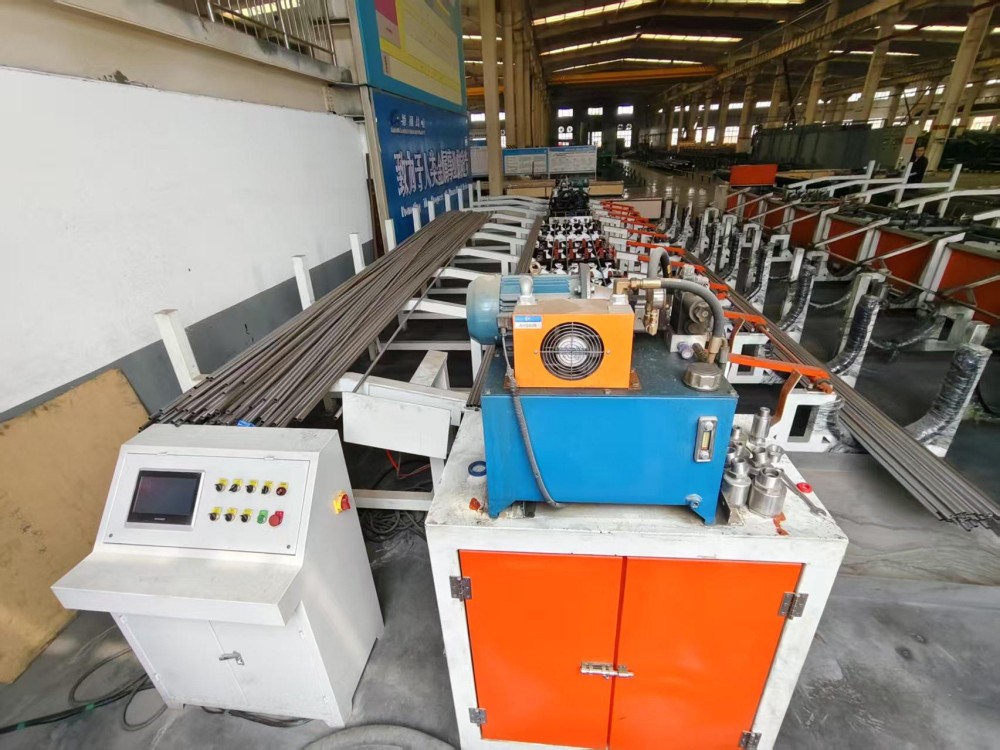
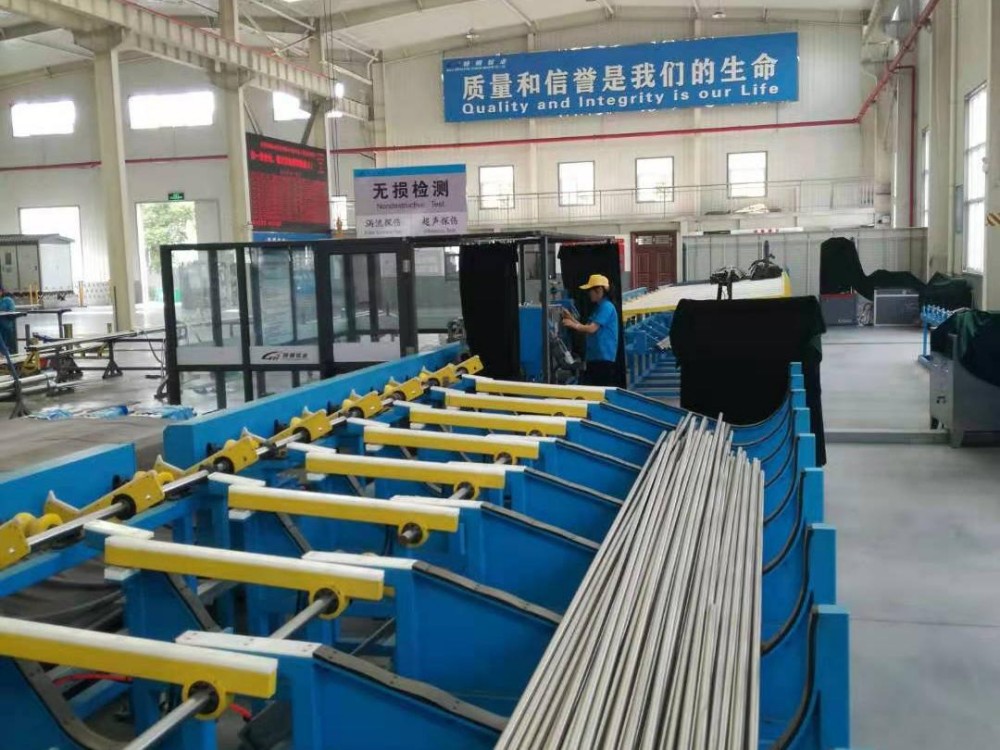
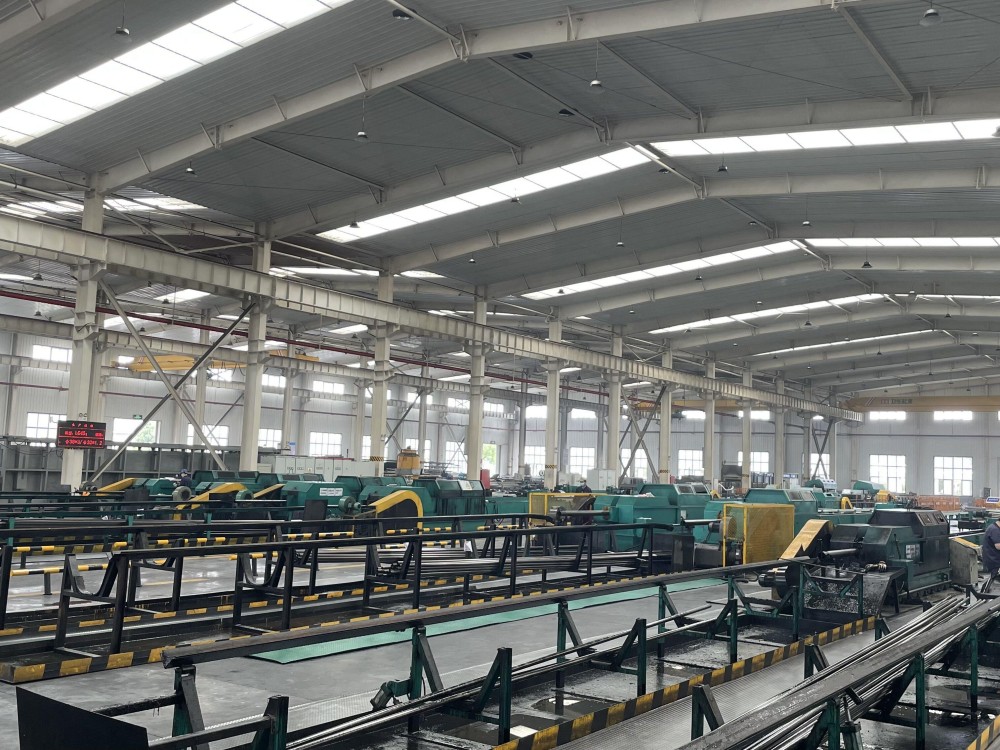
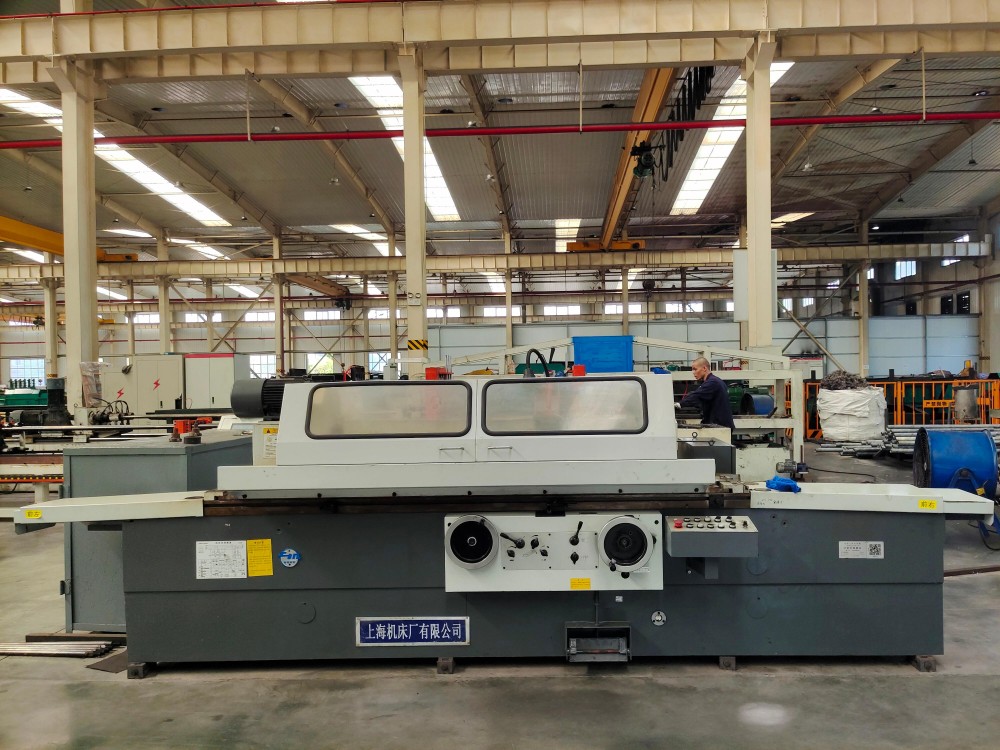
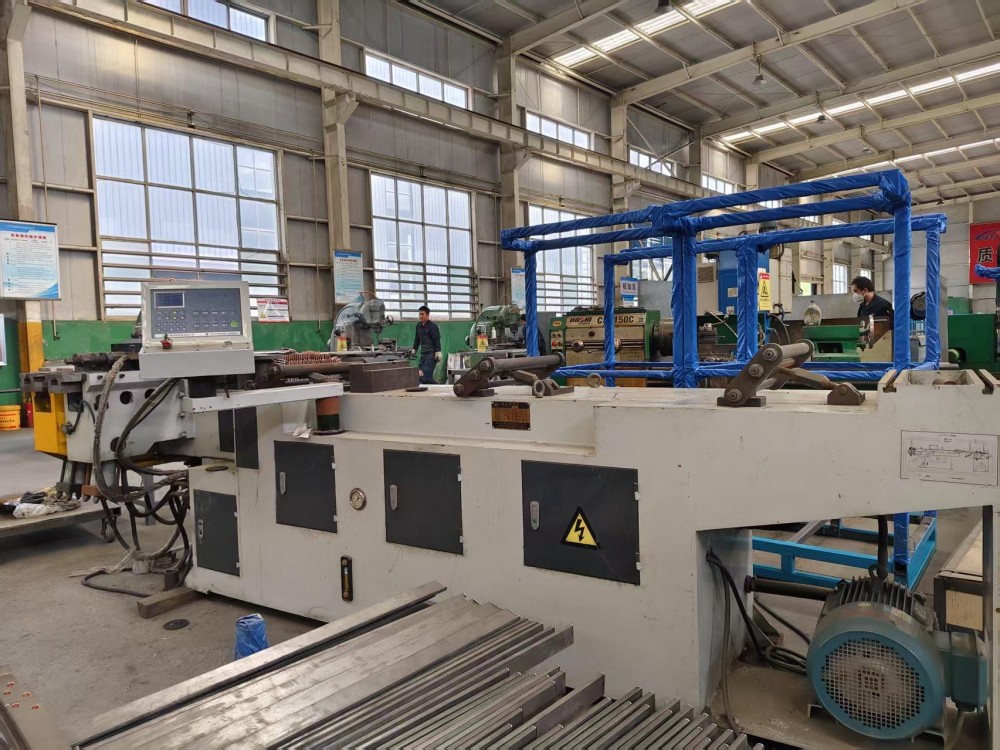
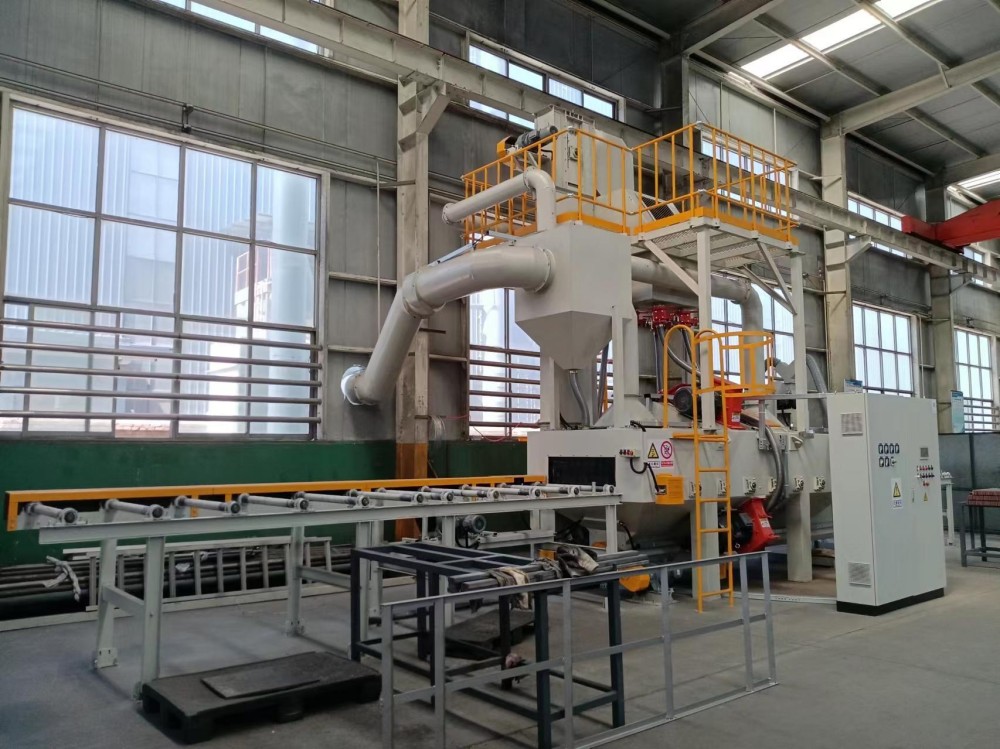
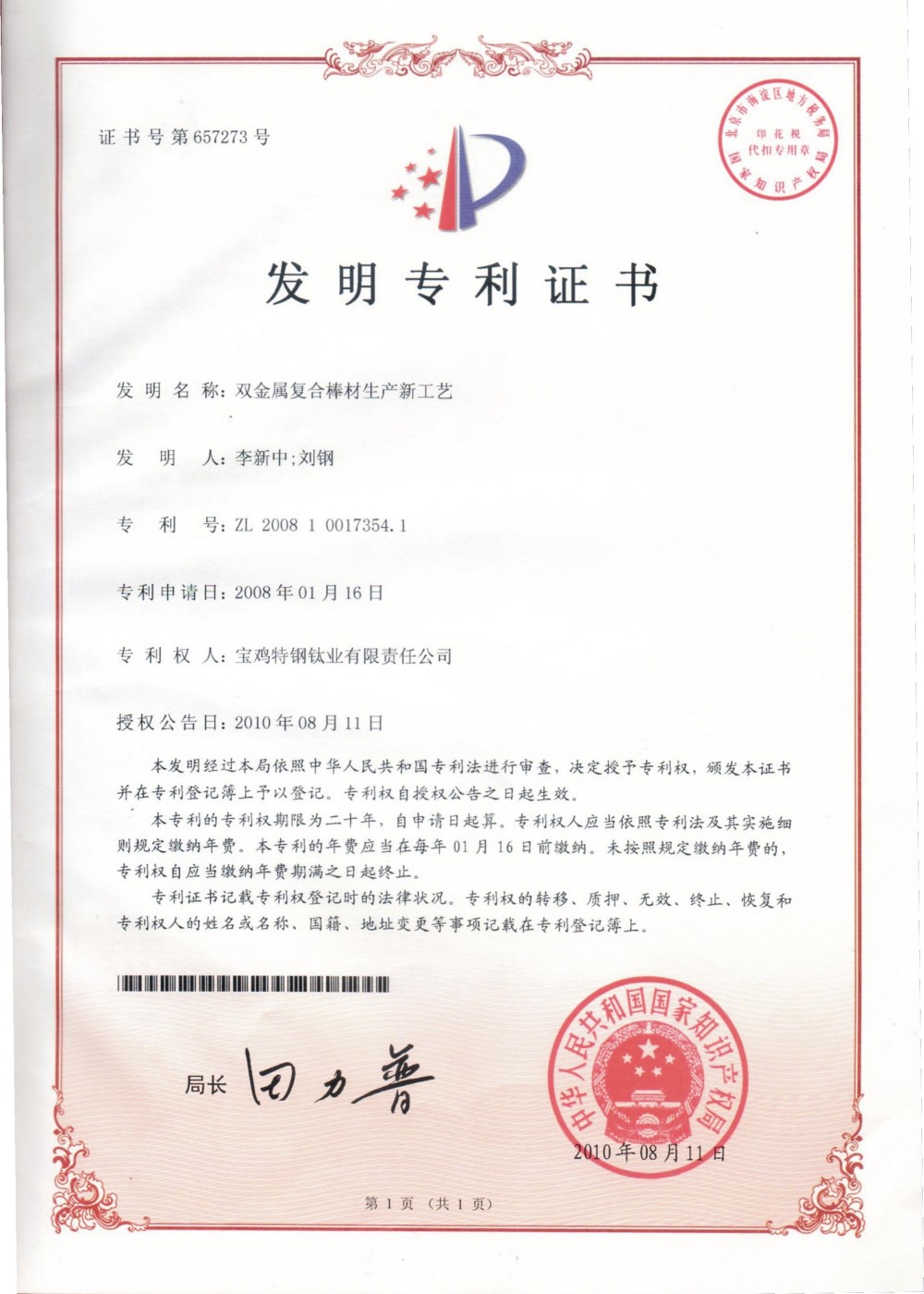
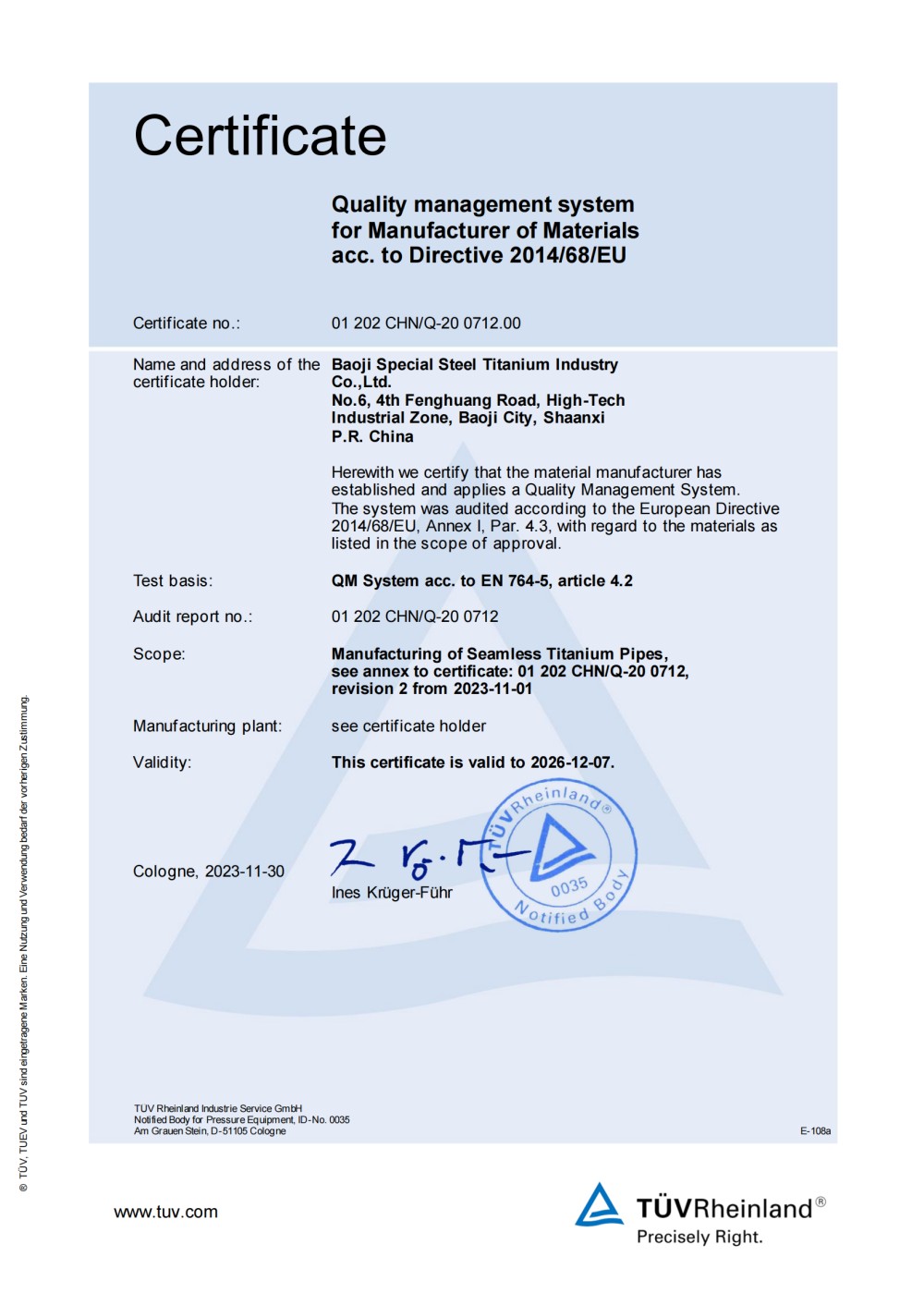
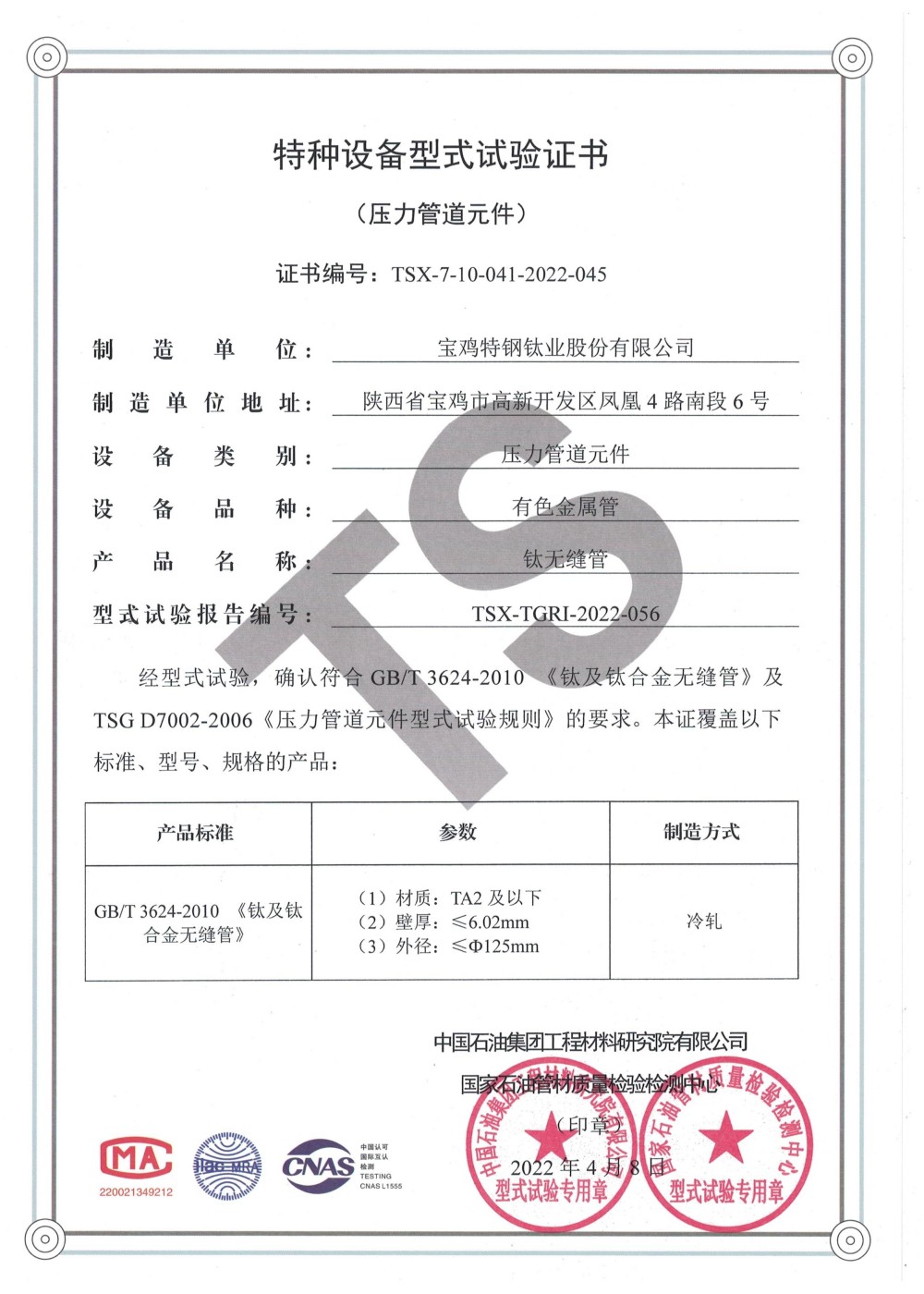
Our quality management systems, product certifications, and international compliance credentials — ensuring every titanium tube meets global standards.
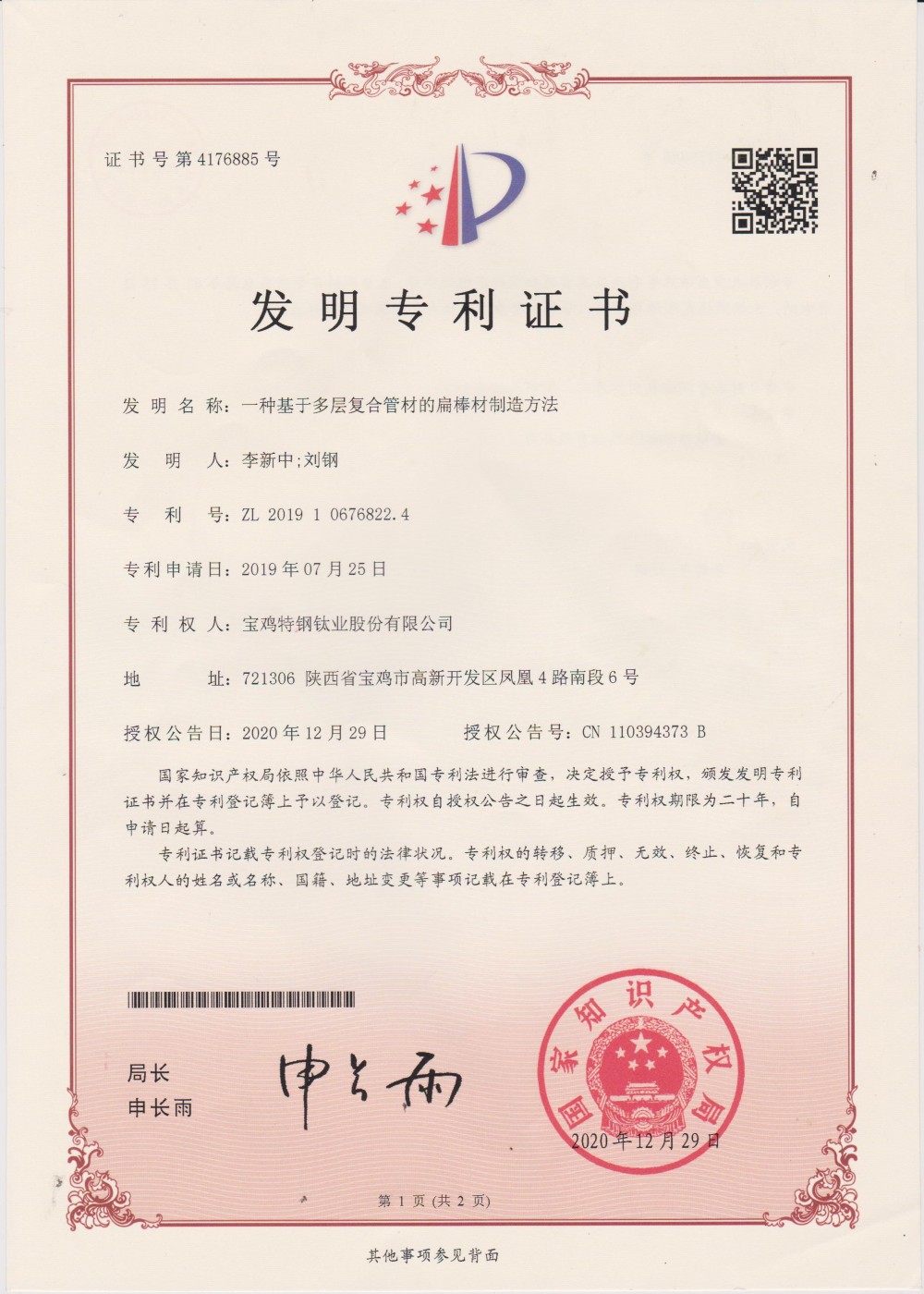
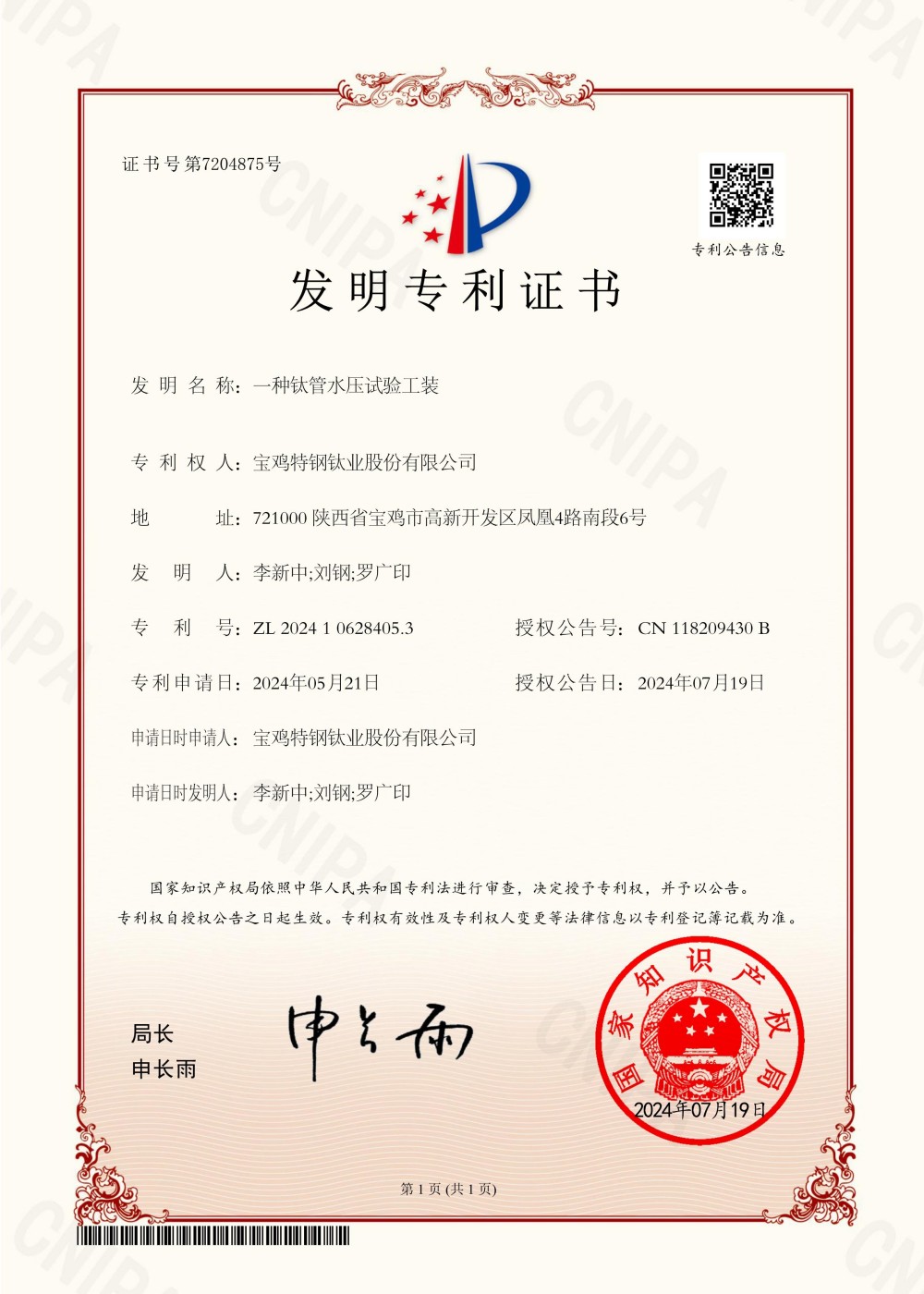
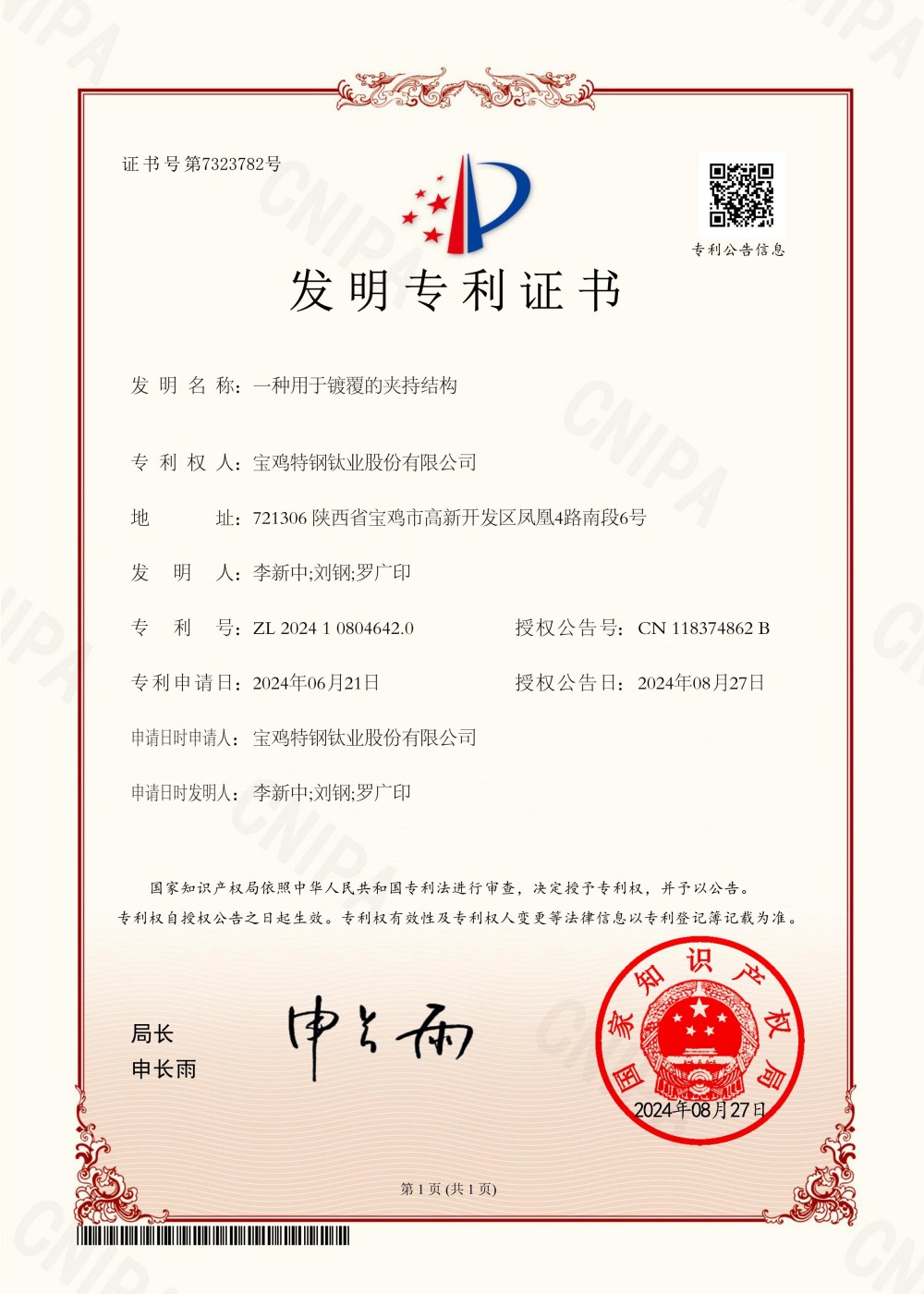
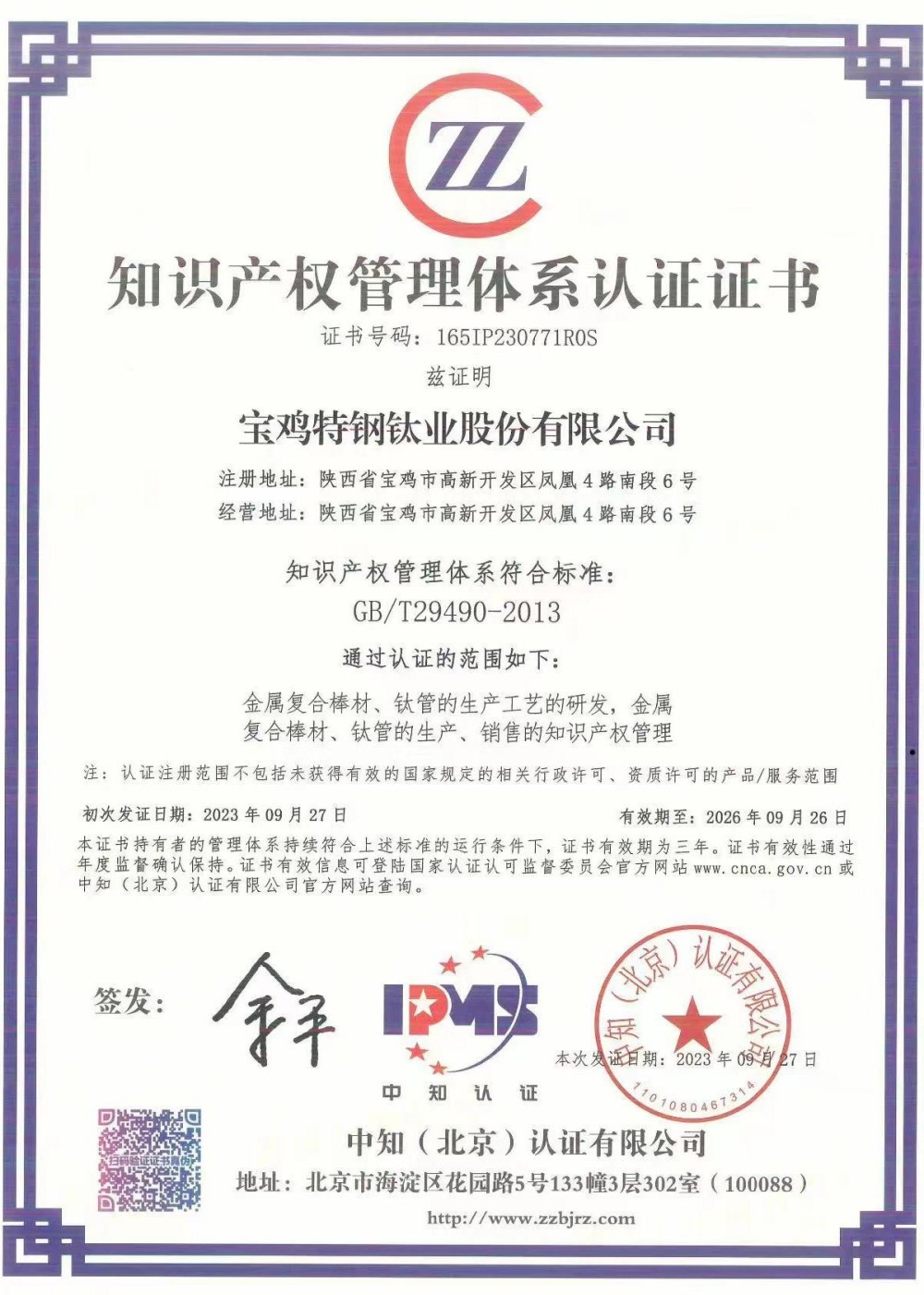
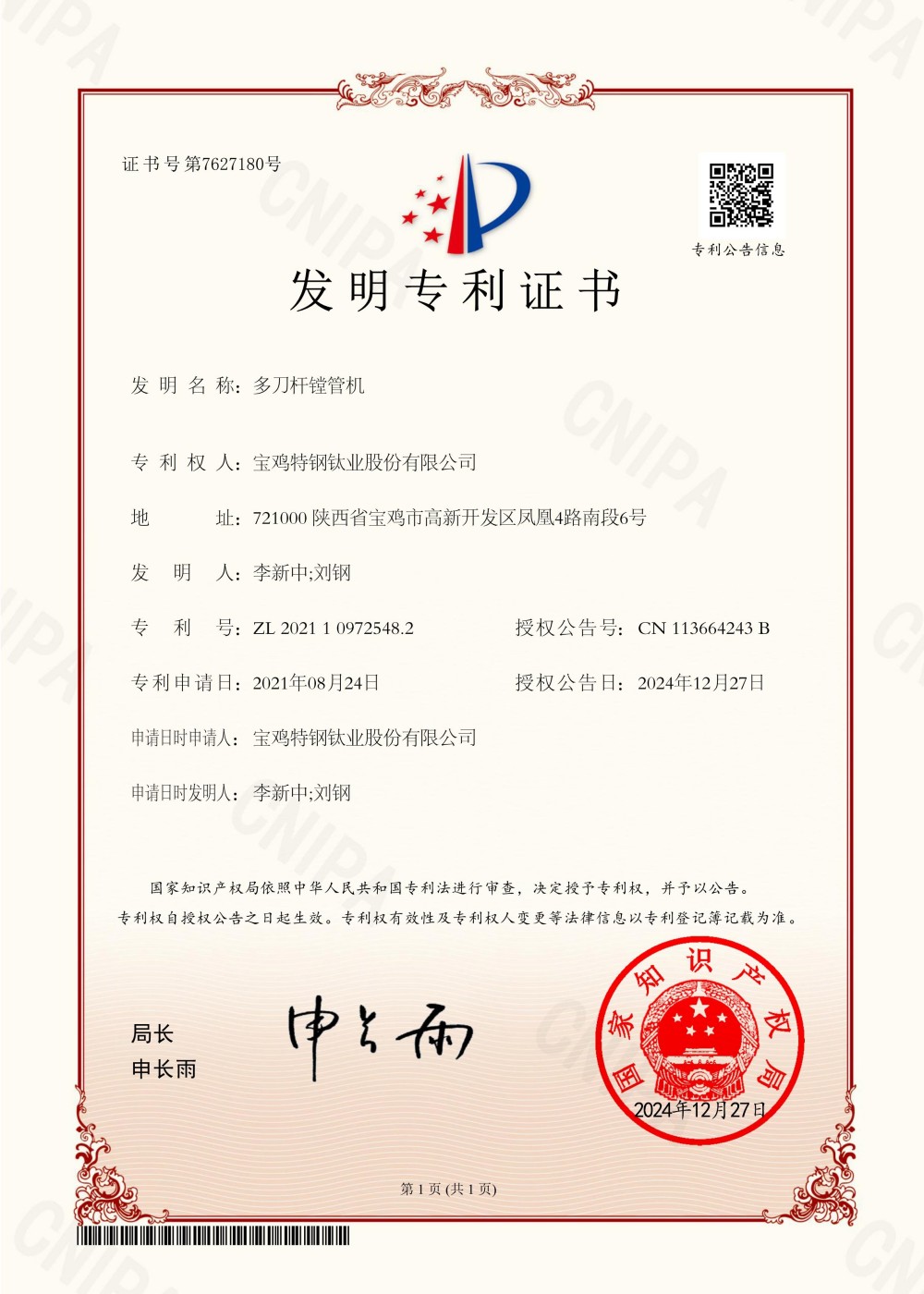
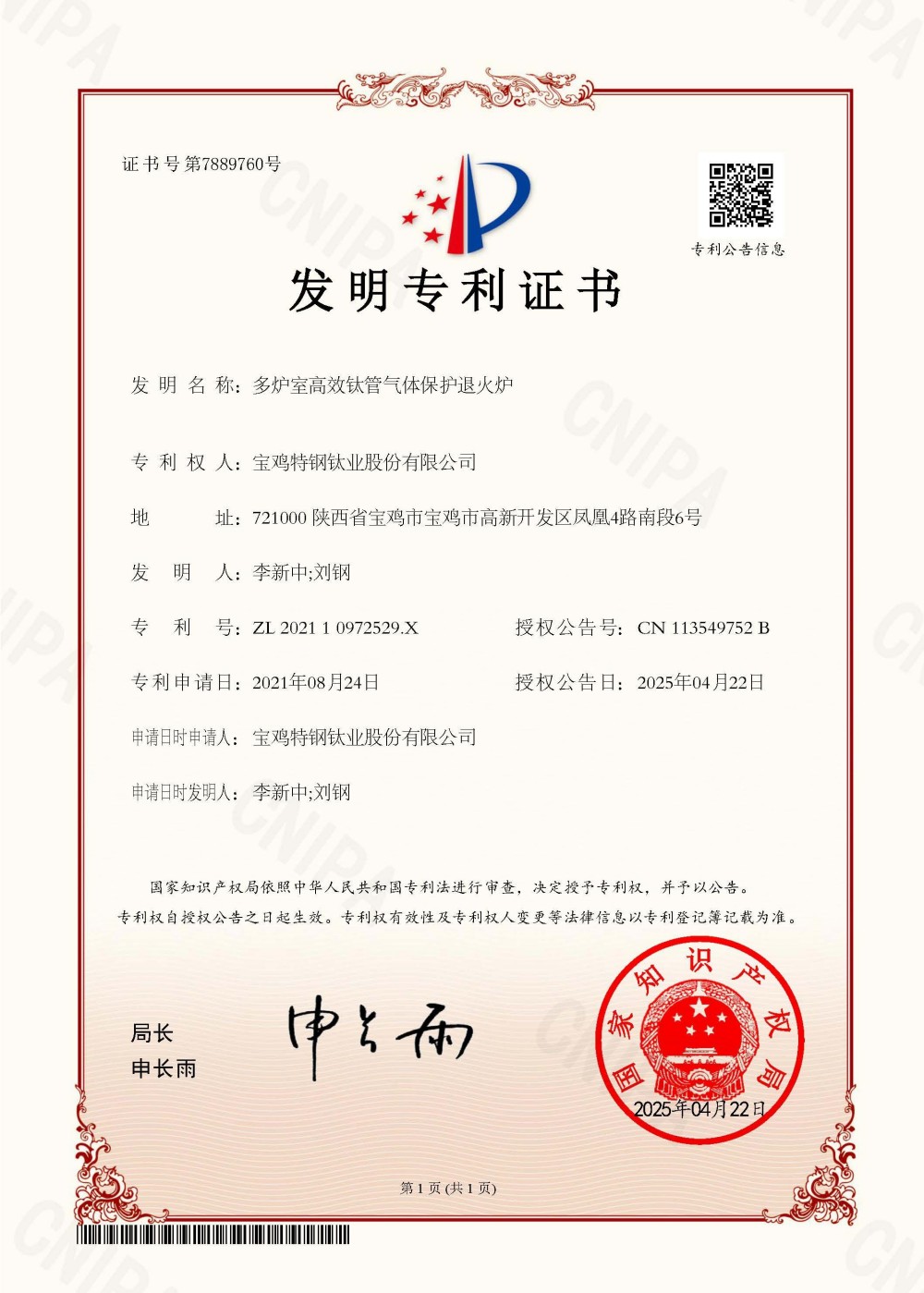
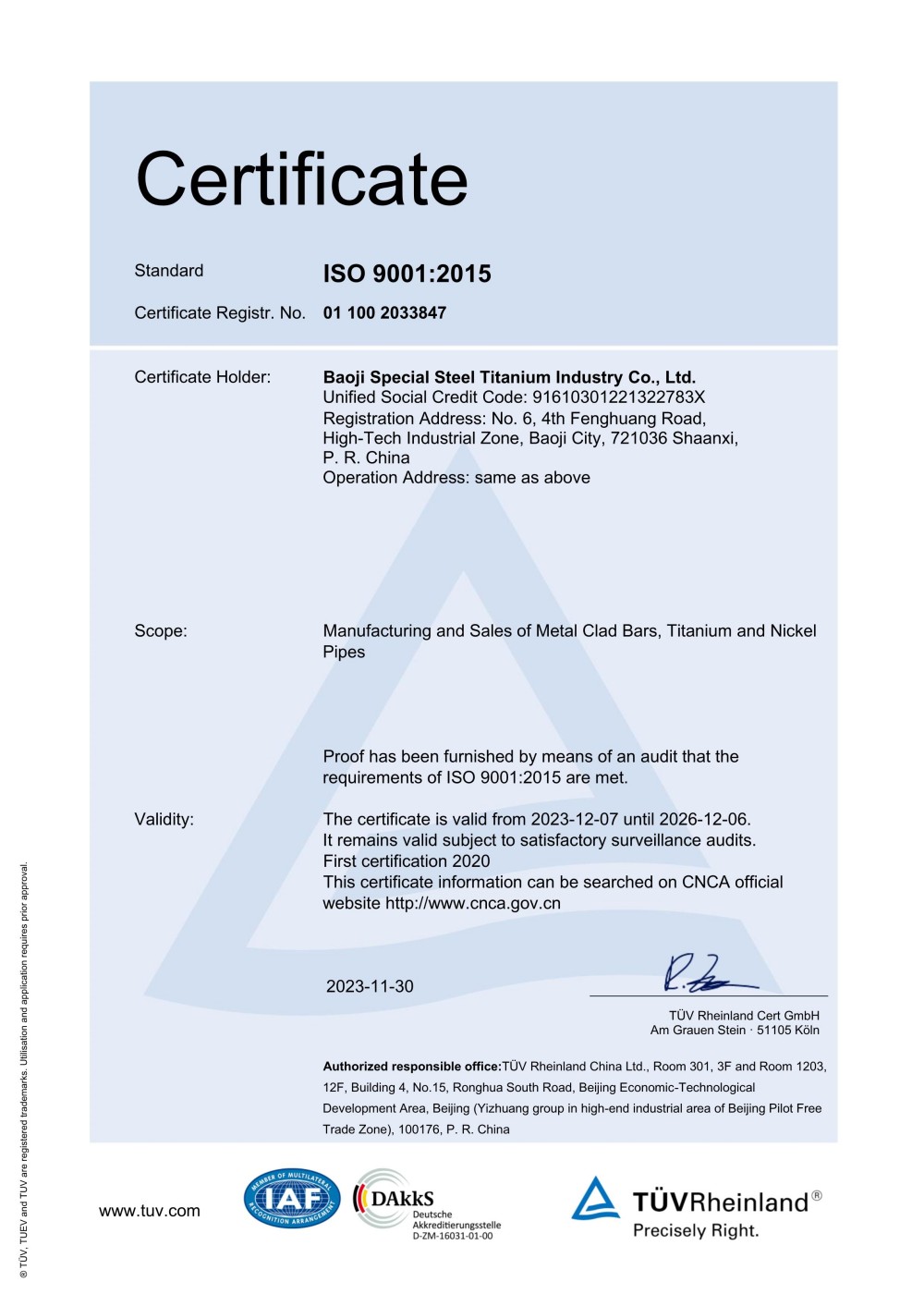
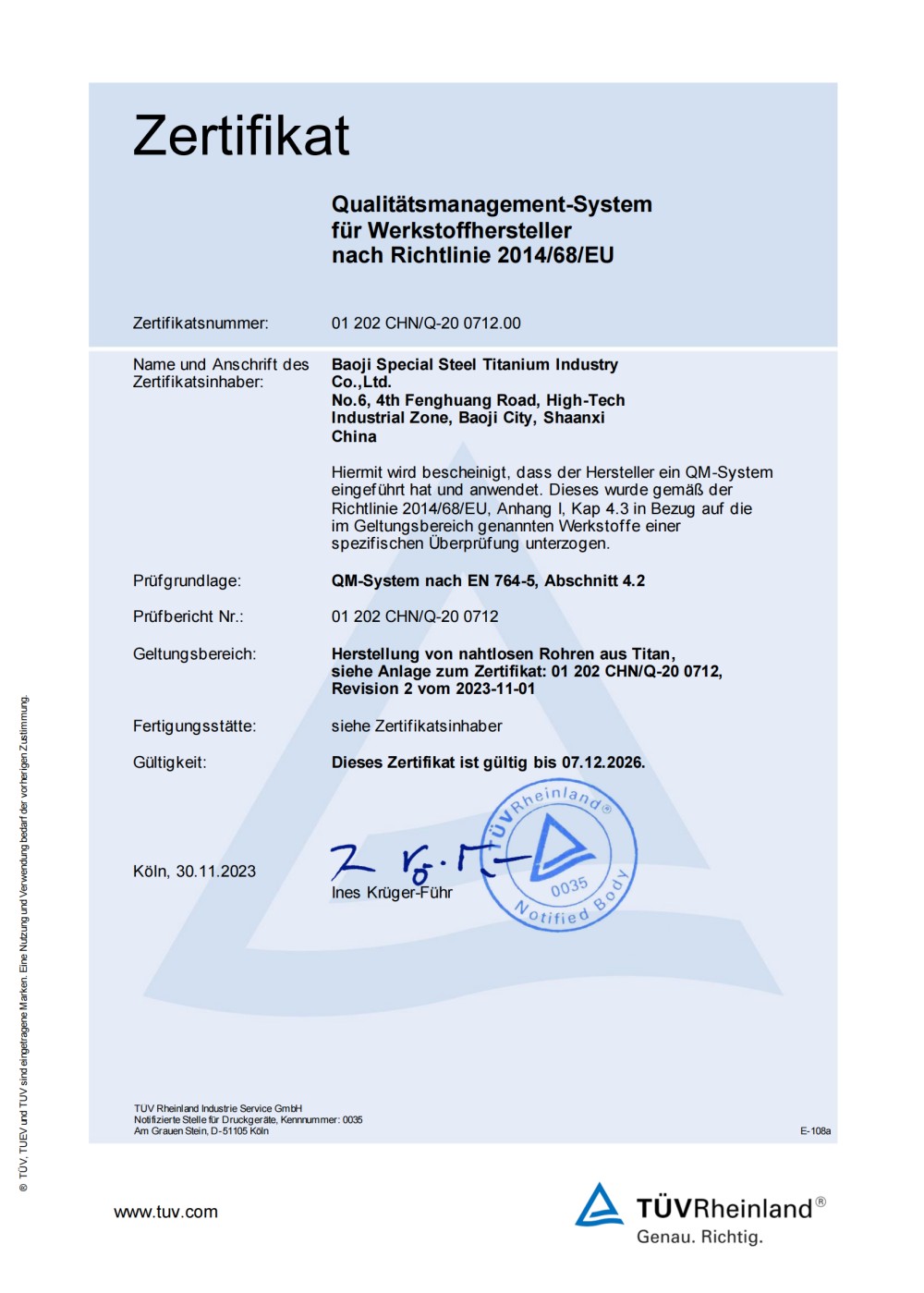
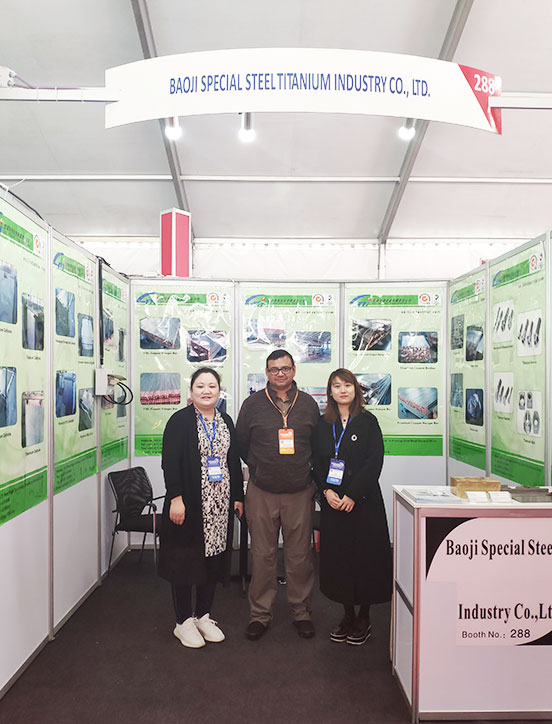
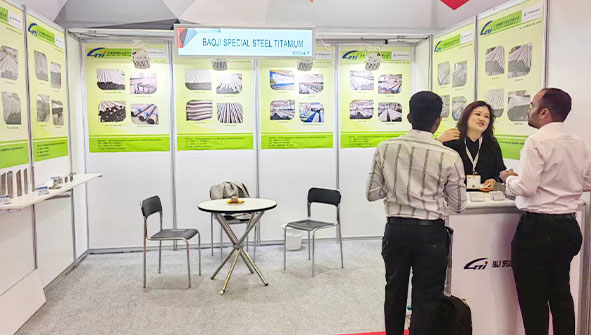
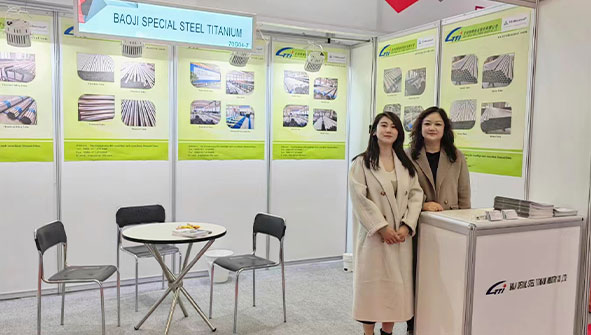
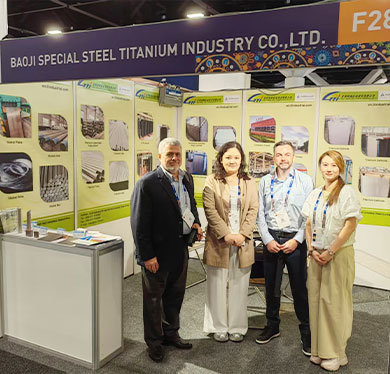
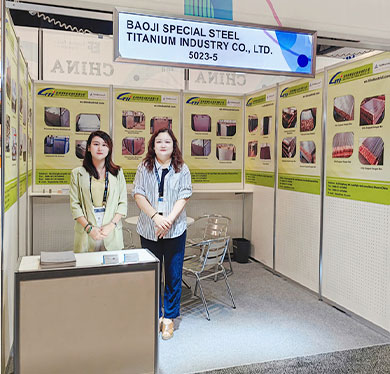
Showcasing our titanium tube products and corrosion-resistant piping solutions at leading international industry exhibitions.

Explore our full lineup of titanium tubes, plates, cathodes, and composite materials — all engineered for the most demanding corrosion-resistant applications.


