Leave Your Message
Explore our core product lines engineered specifically for demanding energy and power generation environments.



In the global energy transition era, titanium tubes have emerged as the backbone material for critical power infrastructure. Their extraordinary combination of corrosion resistance, high strength-to-weight ratio, and thermal stability makes them irreplaceable in environments where conventional steel or copper alloys fail prematurely.
From coastal power plants battling seawater corrosion to nuclear facilities demanding zero-tolerance reliability, titanium tubes deliver decades of maintenance-free performance. The global titanium tube market for energy applications is projected to exceed USD 3.8 billion by 2030, driven by accelerating investments in clean energy, desalination, and offshore oil & gas infrastructure.
ASTM B338 grade titanium tubes — the industry standard for heat exchangers and condensers — are now specified by major EPC contractors and power plant operators worldwide as the default material for seawater-cooled condensers, geothermal exchangers, and hydrogen production equipment.
Key industry figures driving demand for titanium tube solutions worldwide
Comprehensive analysis of where and why titanium tubes outperform alternatives across the energy value chain
Seawater-cooled condensers in coastal thermal power stations represent the largest single application for ASTM B338 titanium tubes. Titanium's immunity to chloride-induced stress corrosion cracking — the primary failure mode of stainless steel and copper-nickel alloys — delivers 25–30 year service lifespans with virtually zero tube failures, dramatically reducing unplanned outage costs.
Nuclear facilities demand absolute material reliability. Titanium tubes are specified for secondary-circuit heat exchangers and auxiliary cooling systems where even trace corrosion products could compromise reactor safety systems. Grade 2 and Grade 12 titanium tubes are widely used in PWR and BWR nuclear plants across the US, Europe, and Asia.
Subsea pipelines, topside heat exchangers, and firewater systems on offshore platforms operate in the world's most aggressive corrosive environments. Titanium tubes withstand H₂S, CO₂, chlorides, and high-pressure seawater simultaneously — conditions that destroy carbon steel within months. Their lightweight nature also reduces platform structural load, lowering CAPEX.
Multi-stage flash (MSF) and multi-effect distillation (MED) desalination plants rely heavily on titanium tubes for evaporator bundles and brine heaters. As freshwater scarcity drives a global desalination boom — particularly in the Middle East, North Africa, and coastal Asia — demand for seawater-grade titanium tubes is surging at double-digit annual rates.
Proton Exchange Membrane (PEM) electrolyzers — the key technology for green hydrogen production — use titanium porous transport layers and titanium tubes for fluid management in highly acidic, high-voltage environments. As governments commit trillions to hydrogen economies, titanium tube demand from this sector alone is forecast to grow 15× by 2035.
Geothermal brines are among the most chemically aggressive fluids on earth — high temperature, high salinity, and rich in dissolved gases. Titanium tubes are the only commercially viable material for geothermal heat exchangers and wellhead equipment in high-enthalpy fields. Iceland, New Zealand, Kenya, and Indonesia are major markets driving this demand.
Strategic forces accelerating titanium adoption across global energy infrastructure
As nations phase out fossil fuels and scale up renewables, new power infrastructure — offshore wind, solar thermal, tidal energy — requires corrosion-resistant materials for heat transfer and fluid handling systems. Titanium tubes are increasingly specified as the default material in next-generation clean energy plant designs.
Hundreds of coal and gas-fired power plants built in the 1970s–1990s are undergoing major condenser retubing programs. Operators are upgrading from copper-nickel or stainless steel to titanium tubes to extend plant life by 20–30 years while eliminating recurring corrosion maintenance costs — a multi-billion dollar global retrofit market.
Rapid urbanization in Southeast Asia, South Asia, and the Middle East is driving construction of new seawater-cooled power plants and industrial facilities. These projects universally specify titanium tubes for main condensers, given the long-term total cost of ownership advantage over competing alloys in saline water environments.
Continuous R&D in titanium alloy metallurgy is yielding new grades optimized for specific energy applications — higher strength for deep-sea pipelines, enhanced creep resistance for geothermal service, and ultra-thin wall tubes for compact heat exchangers. China's titanium industry, led by Baoji-based manufacturers, is at the forefront of these innovations.
Global supply chain disruptions have prompted energy companies to diversify sourcing. China's Baoji region — the world's largest titanium production hub — has become a strategic supply source for major EPC contractors and utilities seeking reliable, cost-competitive ASTM B338 titanium tubes with short lead times and full traceability documentation.
Stricter regulations on industrial wastewater, thermal discharge, and process chemical usage are pushing energy companies toward longer-lasting, lower-maintenance materials. Titanium's inertness eliminates corrosion byproduct contamination in cooling water systems, helping operators meet increasingly stringent environmental compliance requirements.
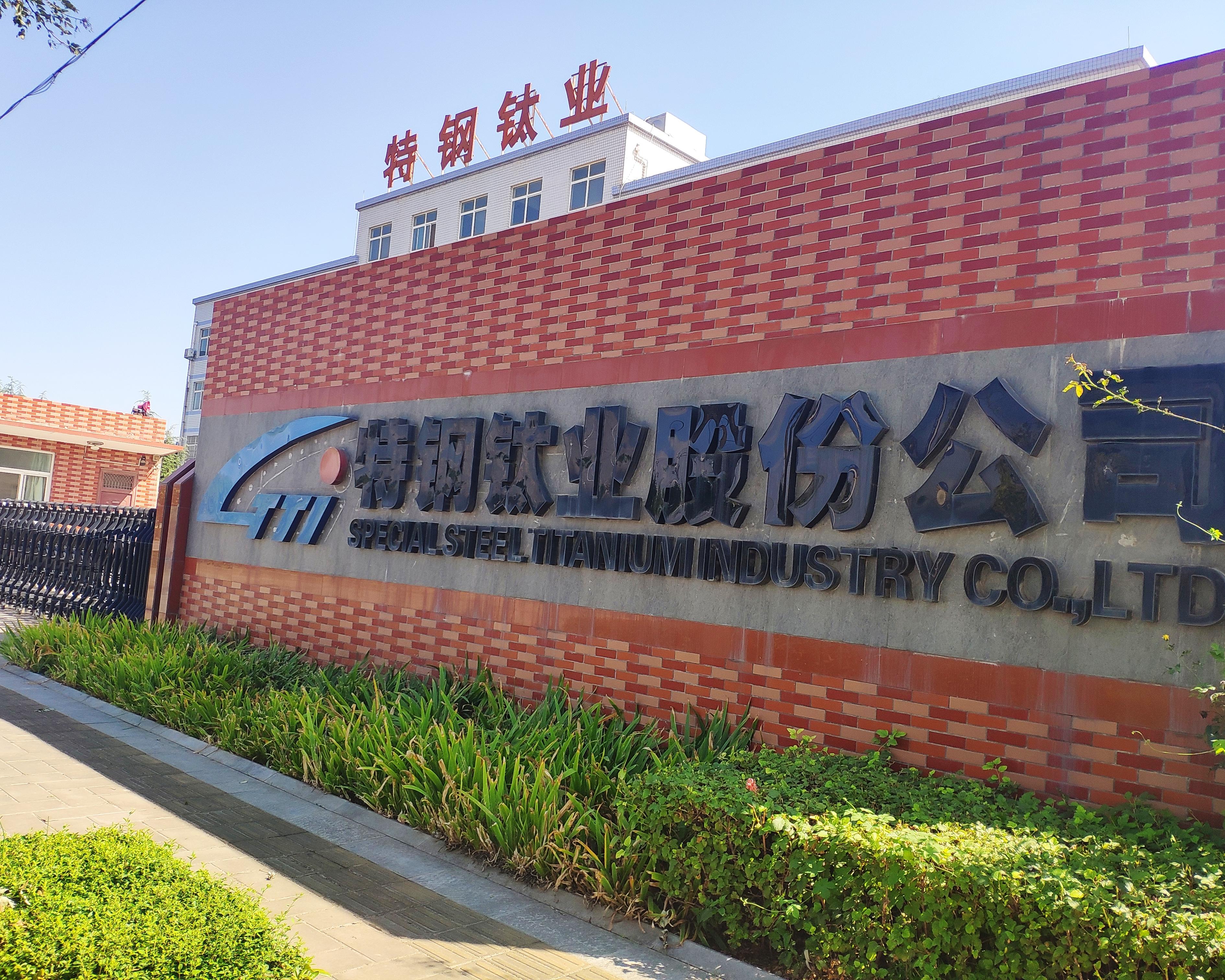
Is a joint-stock industrial enterprise specializing in the research, development, manufacturing and sales of titanium, nickel, zirconium and other metal pipes and metal composite materials. The company was founded in 1997, located in Shaanxi Baoji National High-tech Industrial development Zone, the factory covers an area of 41,000 square meters.
The company has an annual production capacity of over 3000 tons of non-ferrous metal pipes, composite materials and various deep processing products such as titanium, zirconium, nickel, tantalum and copper, etc., and a series of products according to varieties and specifications have reached more than 500 kinds, the annual export accounted for more than 30% of the company's total output, is an export-oriented industrial enterprise with a strong growth momentum.
The company has obtained the national high and new technology enterprise certification and has been listed in the first batch of industries encouraged to develop by the National Development and Reform Commission.
Titanium and titanium alloy, nickel and nickel alloy, zirconium and zirconium alloy mainly non-ferrous metal pipe — the foundation of heat exchange and fluid transfer systems in energy & power projects worldwide.
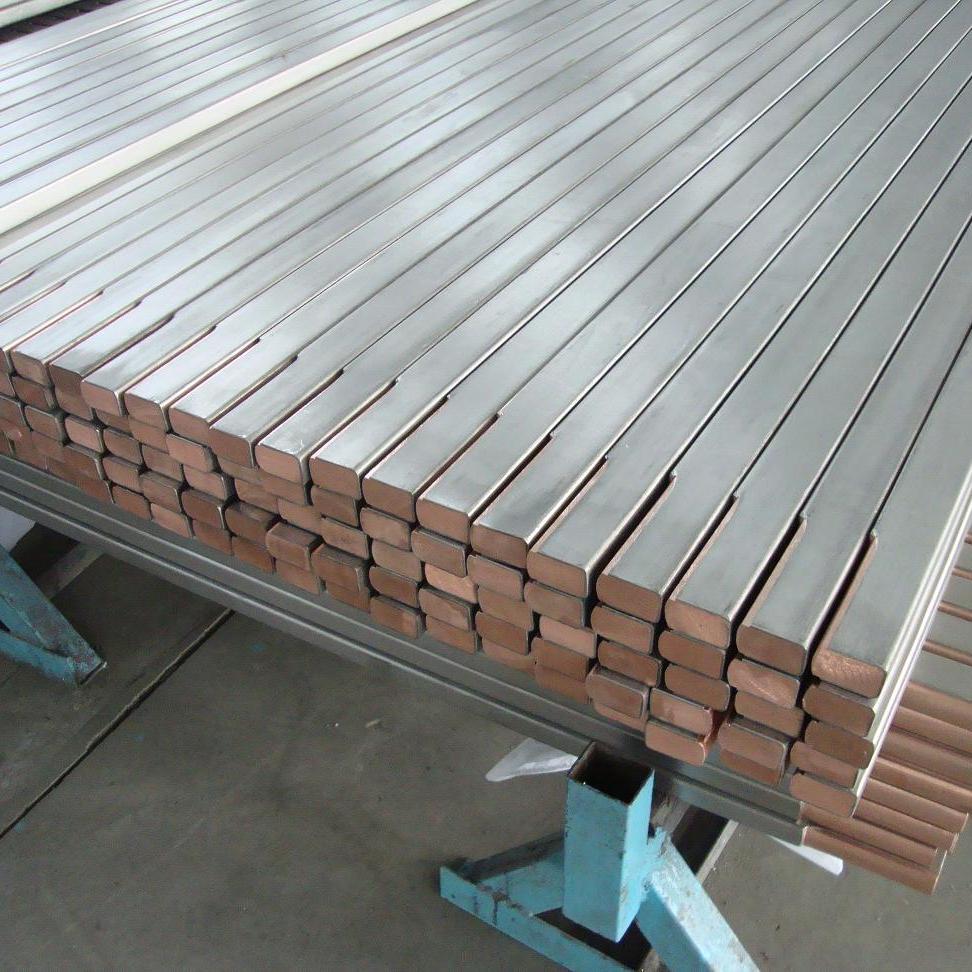
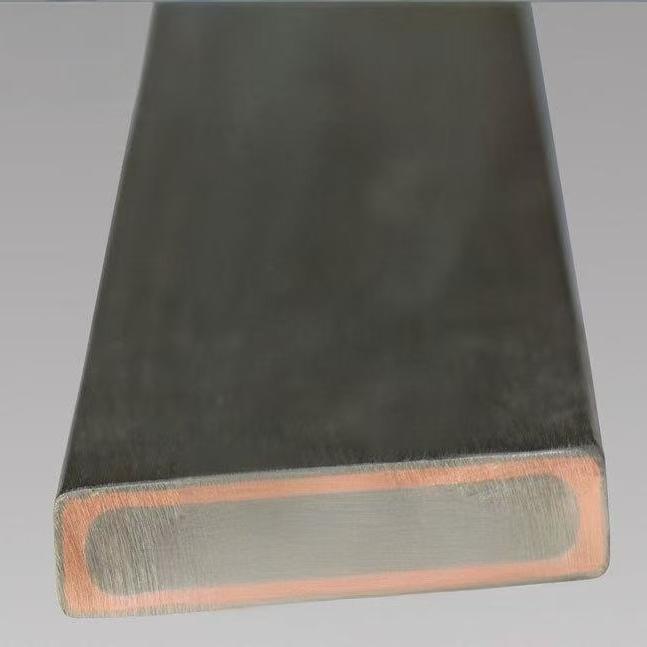
Non-ferrous metal composite materials mainly composed of titanium clad copper, including: titanium clad copper, zirconium clad copper, ladle copper, composite wire, multilayer composite metal, etc. — engineered for electrochemical and power transmission applications.
Titanium cathode is the main product of the composite electrode series, including: titanium cathode, stainless steel permanent cathode, nickel anode, titanium-based lead dioxide anode, and so on — critical components for electrolysis, green hydrogen, and electroplating power systems.
A series of nickel materials products mainly consisting of nickel plates, nickel rods and nickel strips — essential for high-temperature energy applications and battery technology.
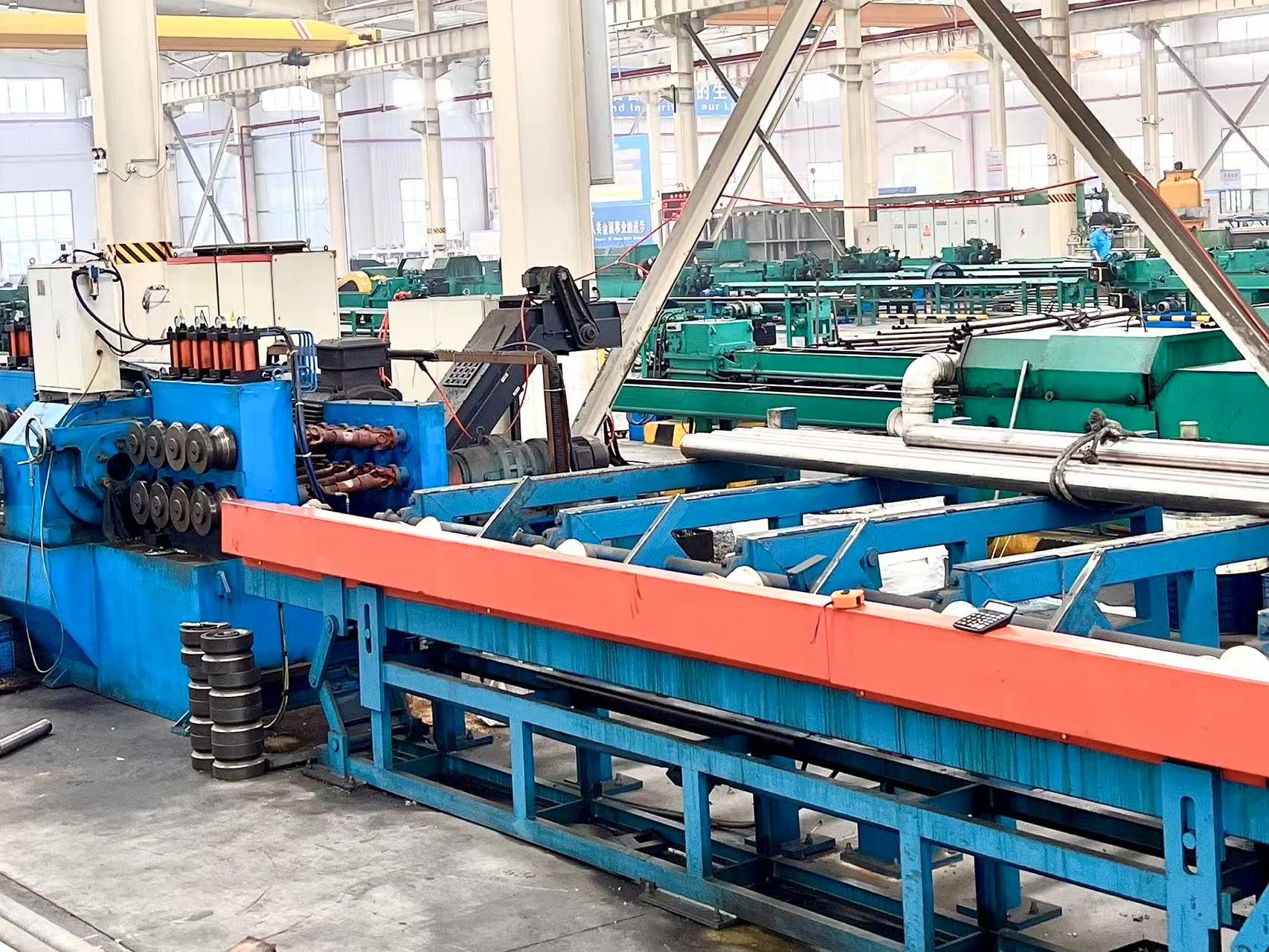
Since its establishment, the company has always adhered to the development strategy of continuous innovation and continued to expand the market with new technology and new products as the fulcrum. After more than 20 years of development and accumulation, the products have entered the markets of Germany, Japan, the United States, Norway, Finland, South Africa, Singapore, India and other countries and Taiwan regions, and have been highly praised.
Stable product quality, integrity as the core of the business philosophy, by the world's customers trust.
To build an excellent enterprise team, continuously improve the management and manufacturing methods, so that every customer can get the maximum benefit from each product — this is the eternal pursuit of special steel titanium industry personnel.
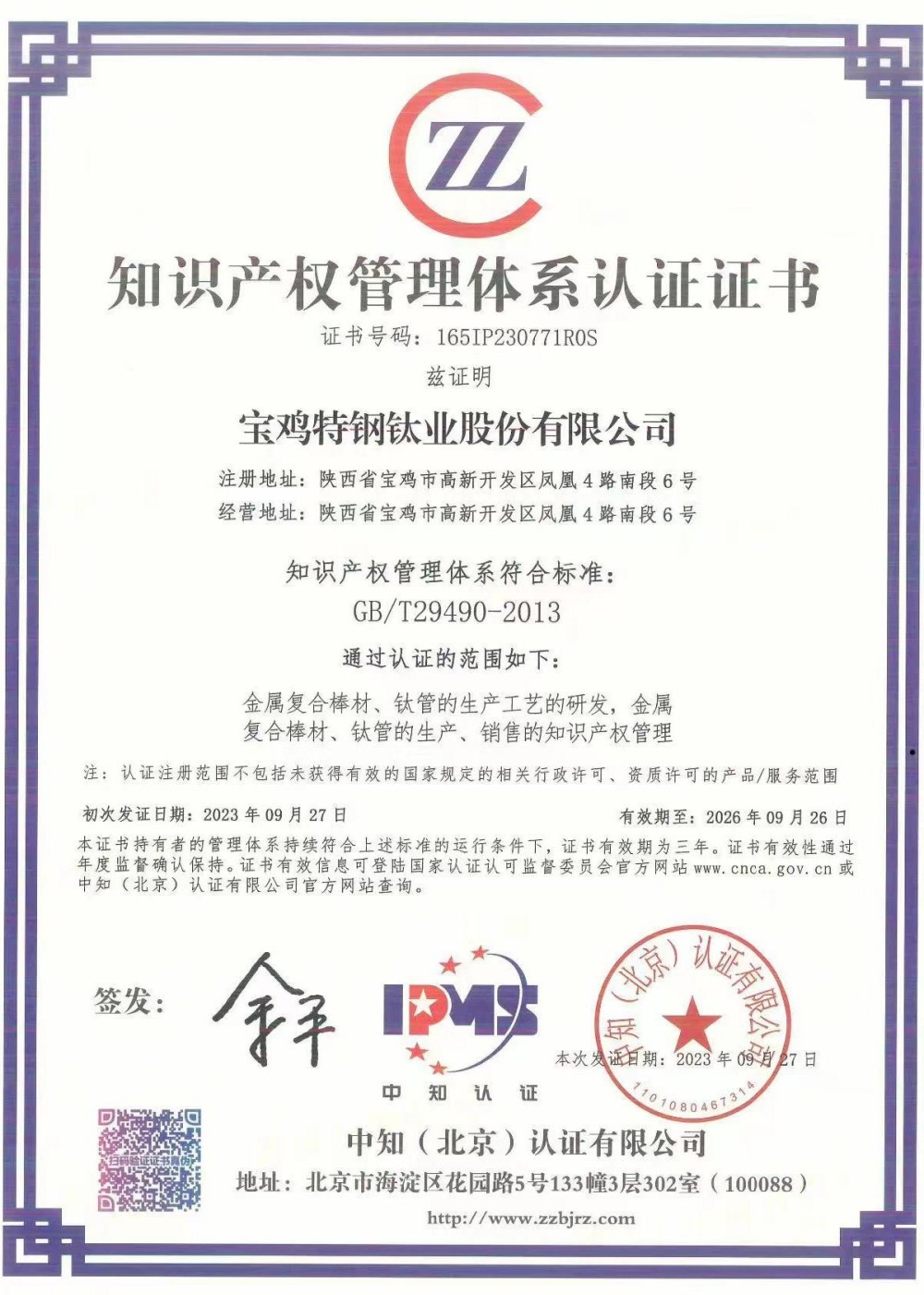
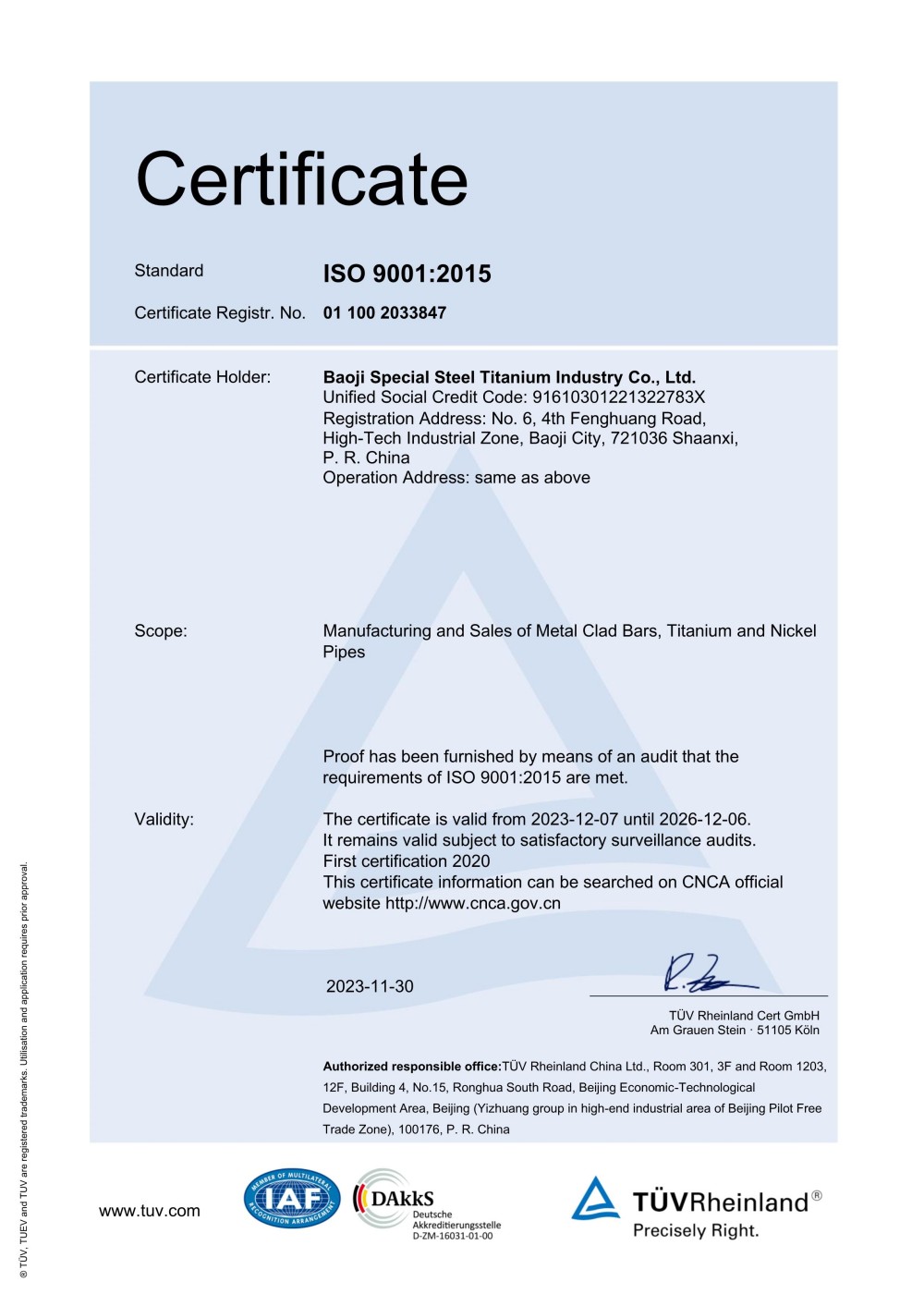
Our titanium tubes for energy and power projects are manufactured under ISO 9001-certified quality management systems, with full material traceability, third-party inspection support, and compliance with ASTM B338, ASME SB-338, and DIN standards demanded by international power plant EPC contractors.
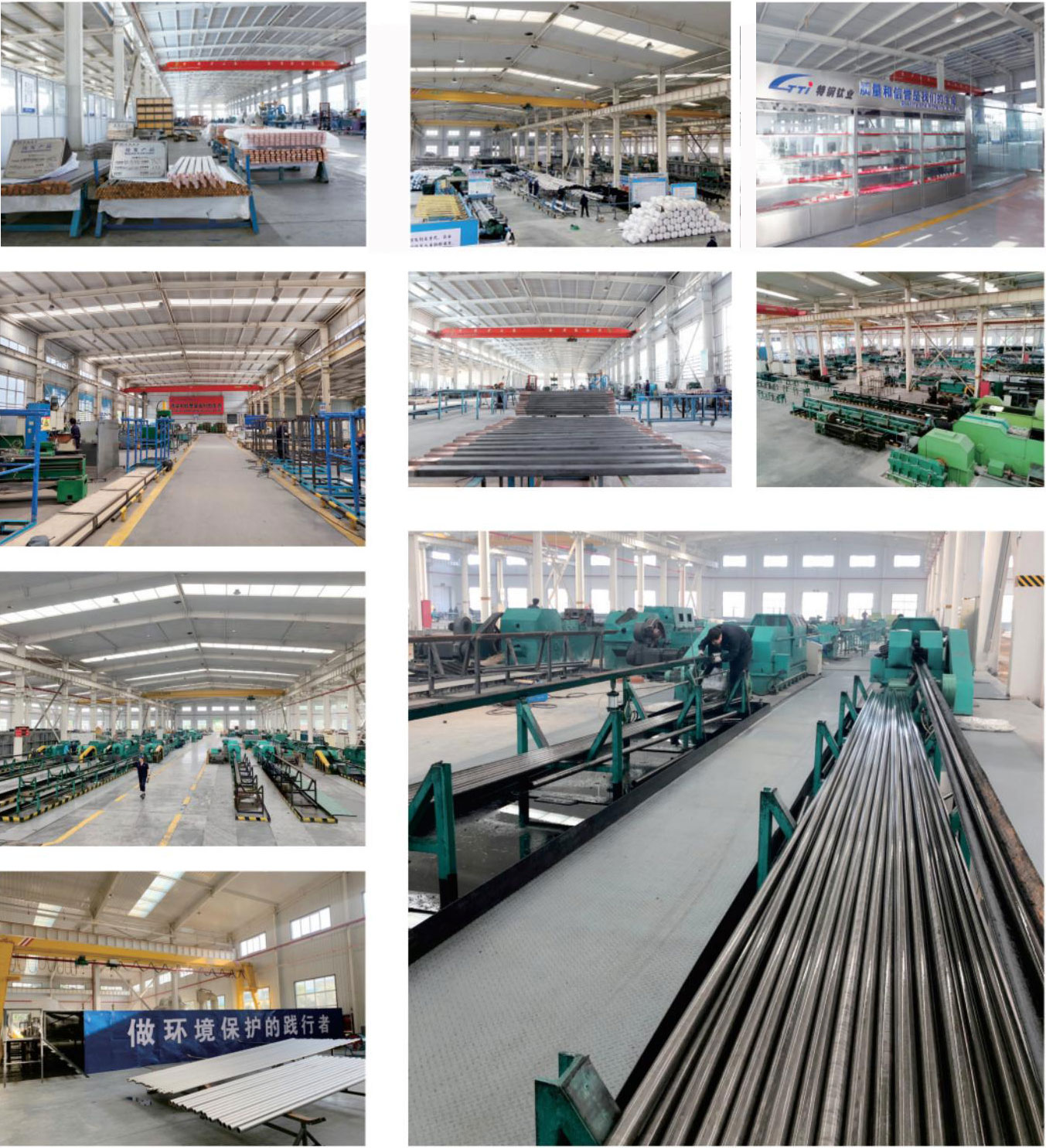
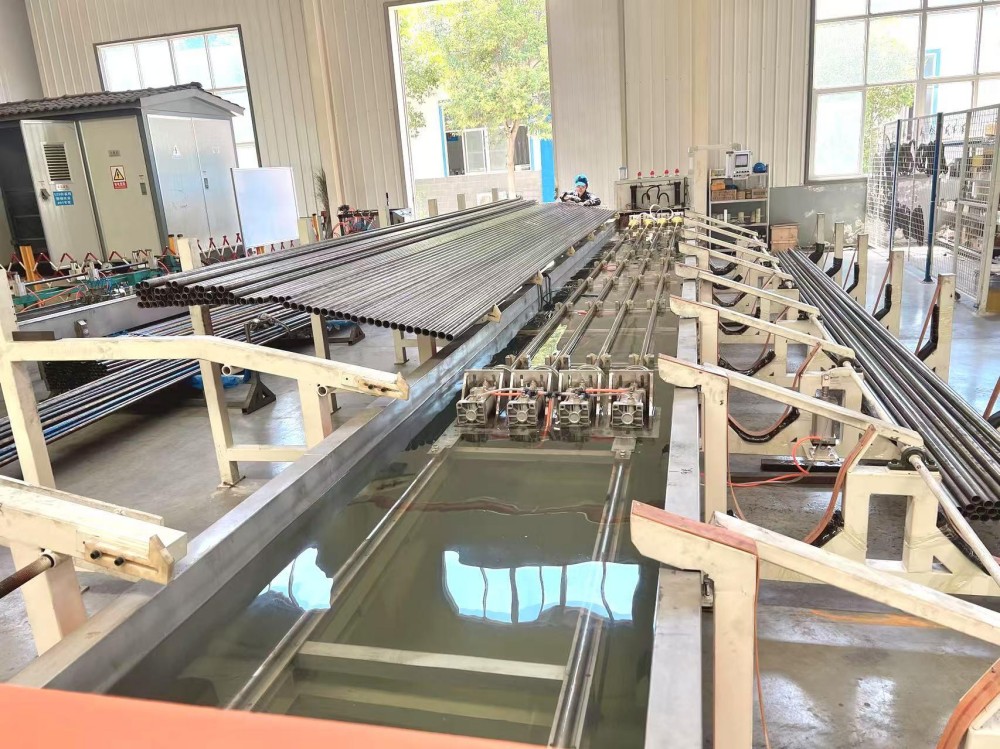
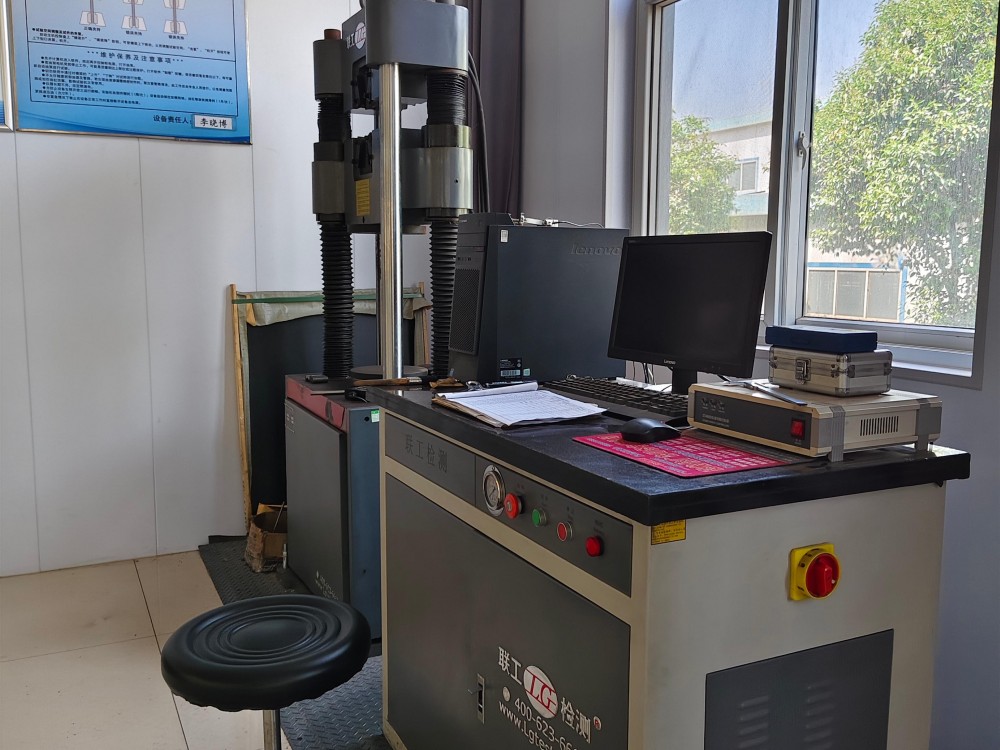
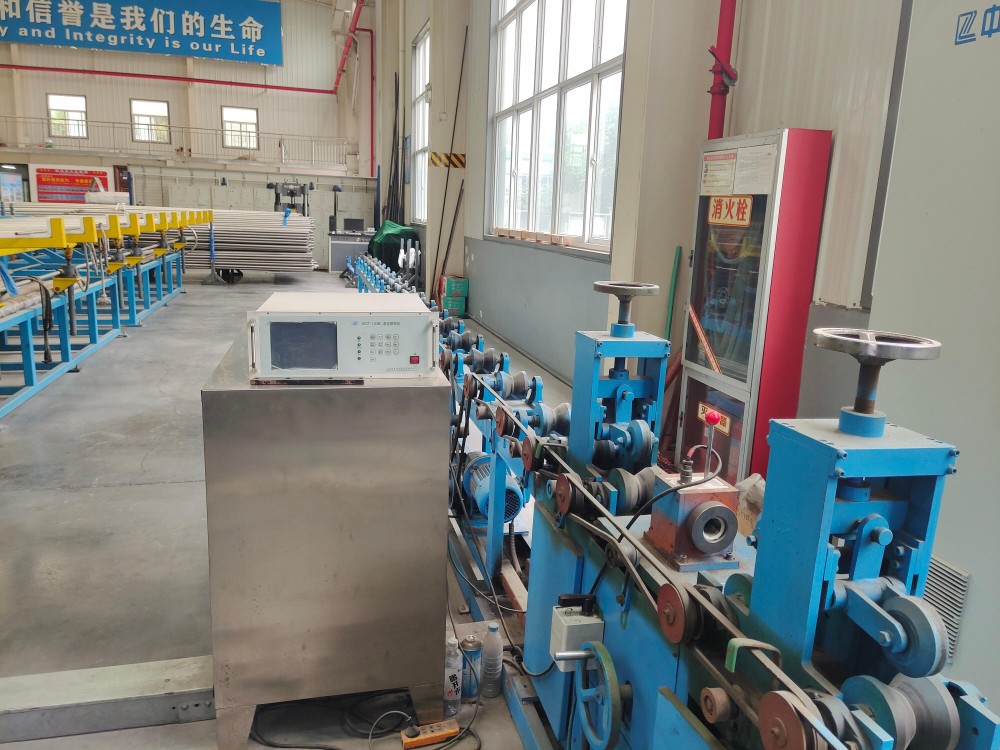
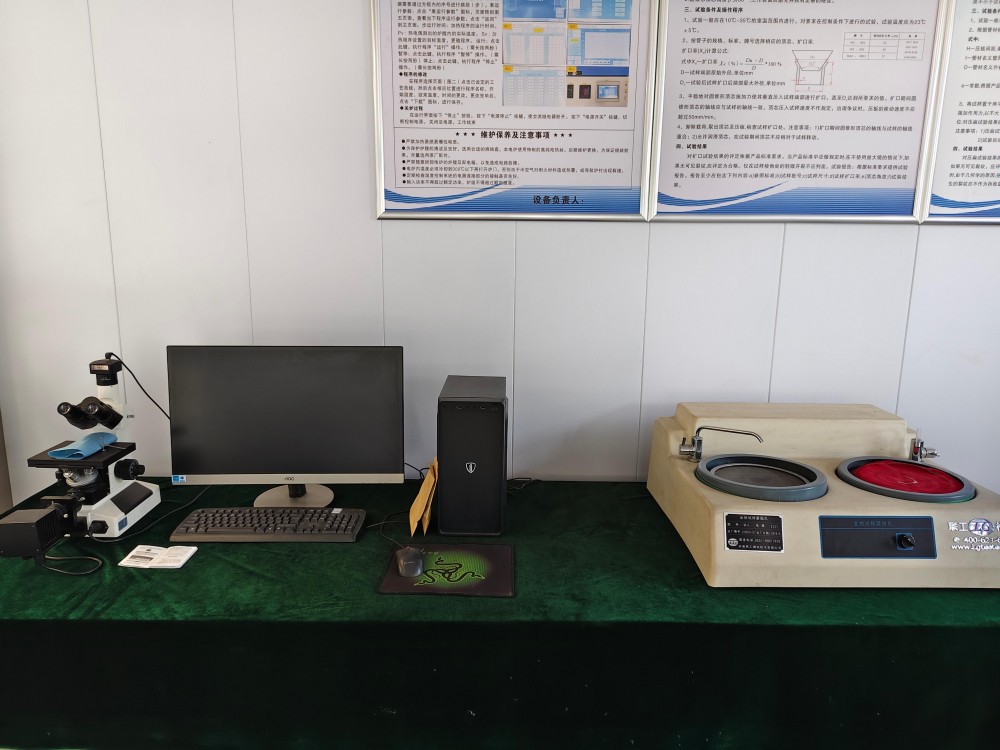
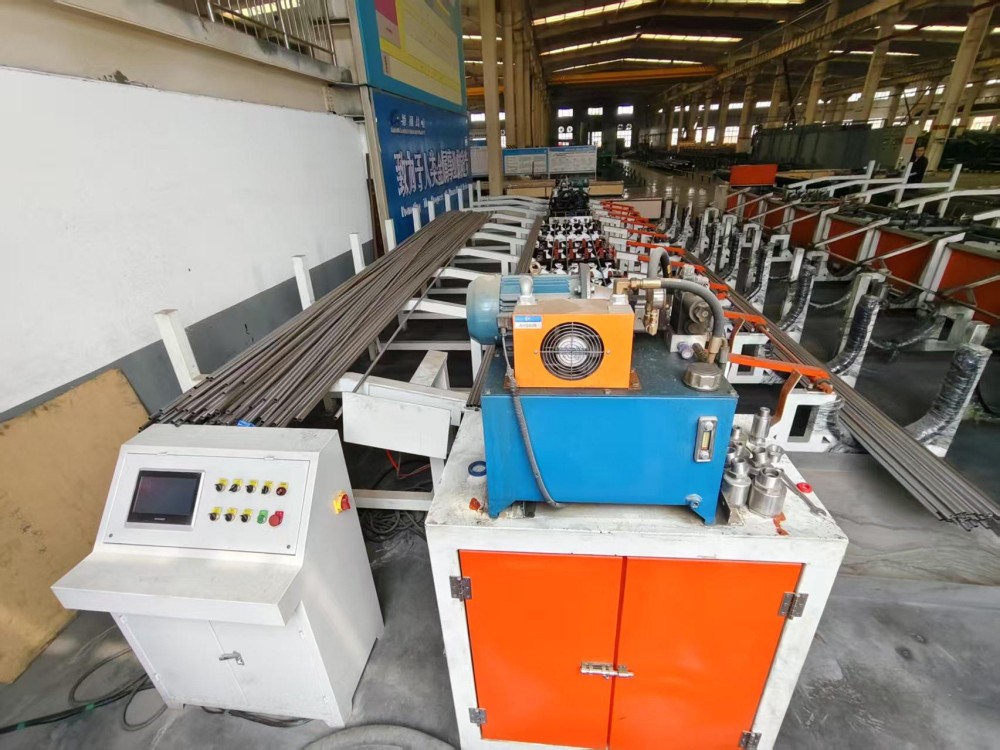
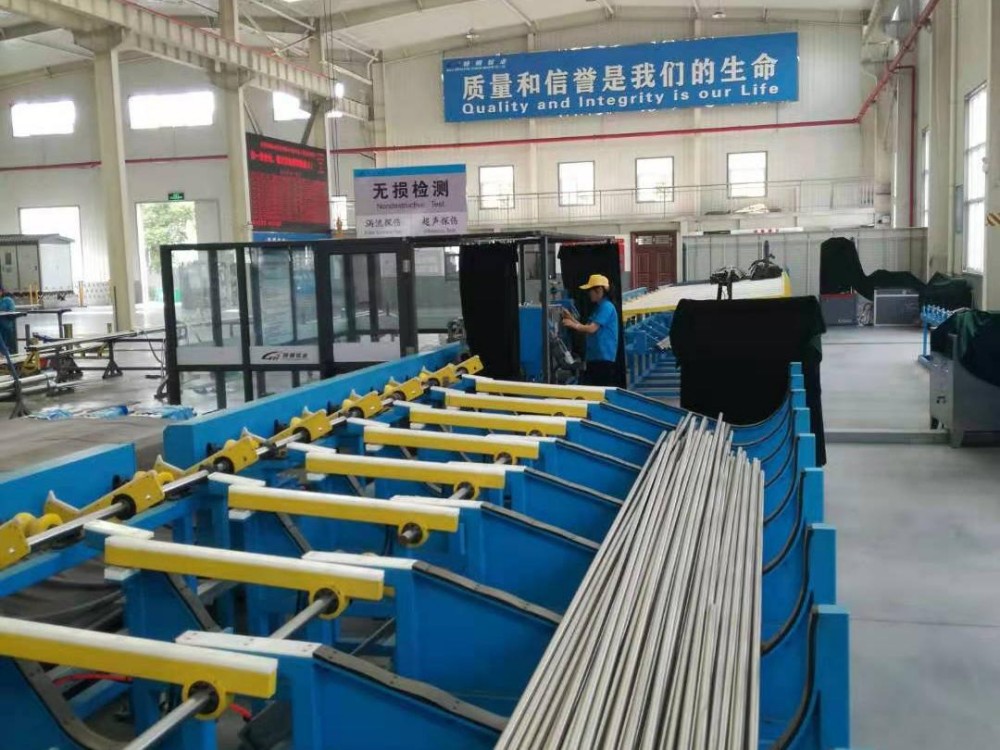
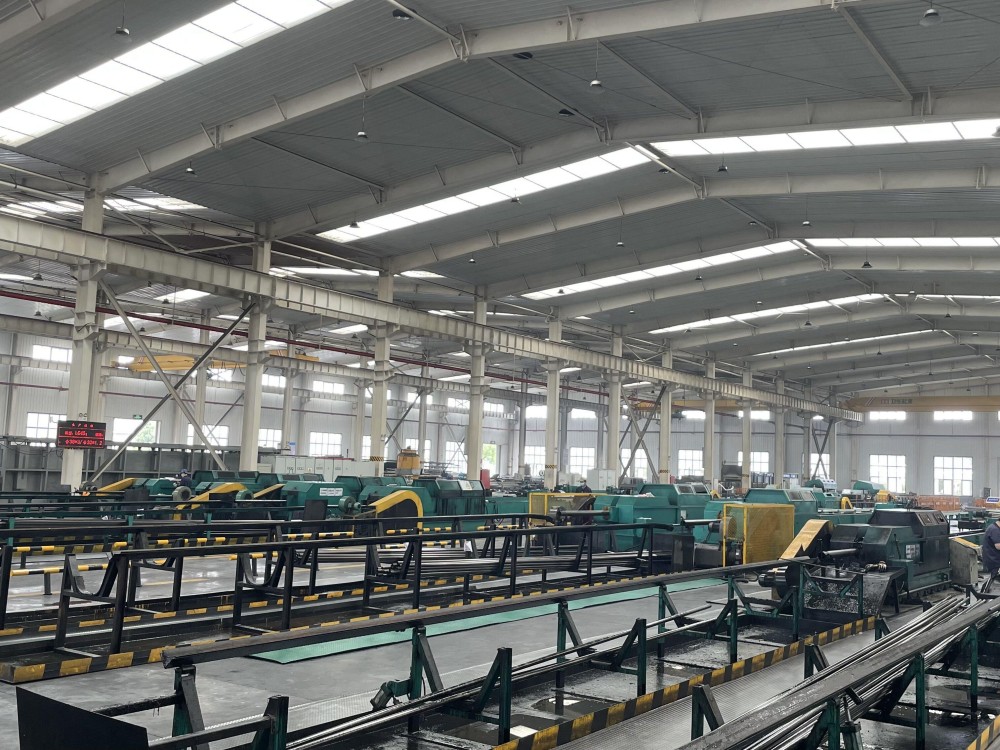
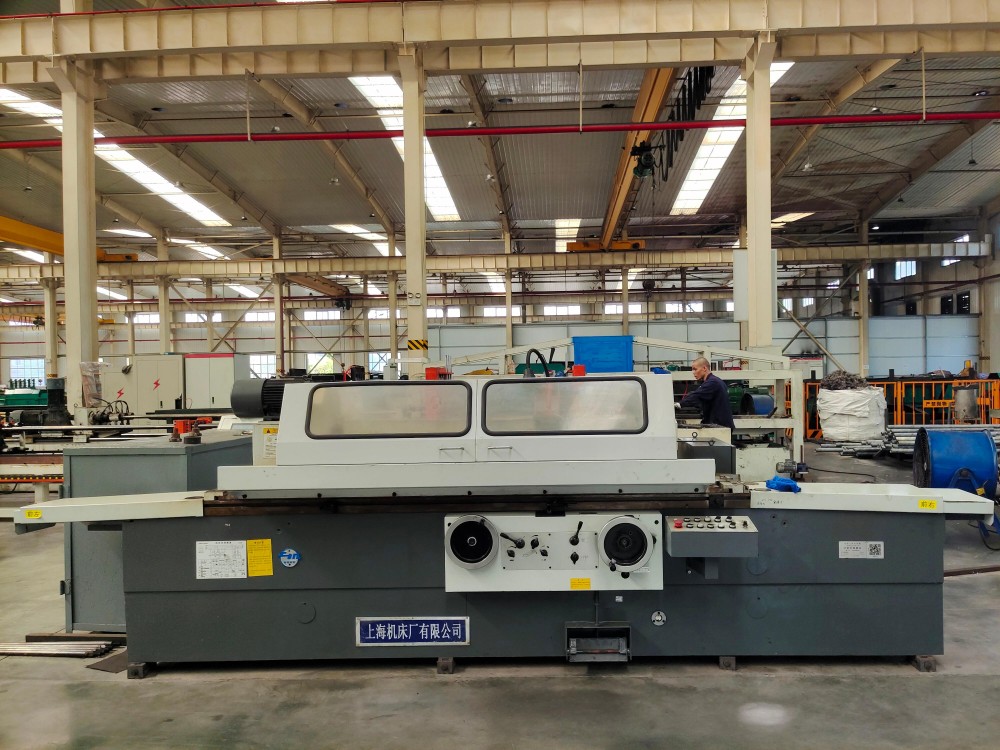
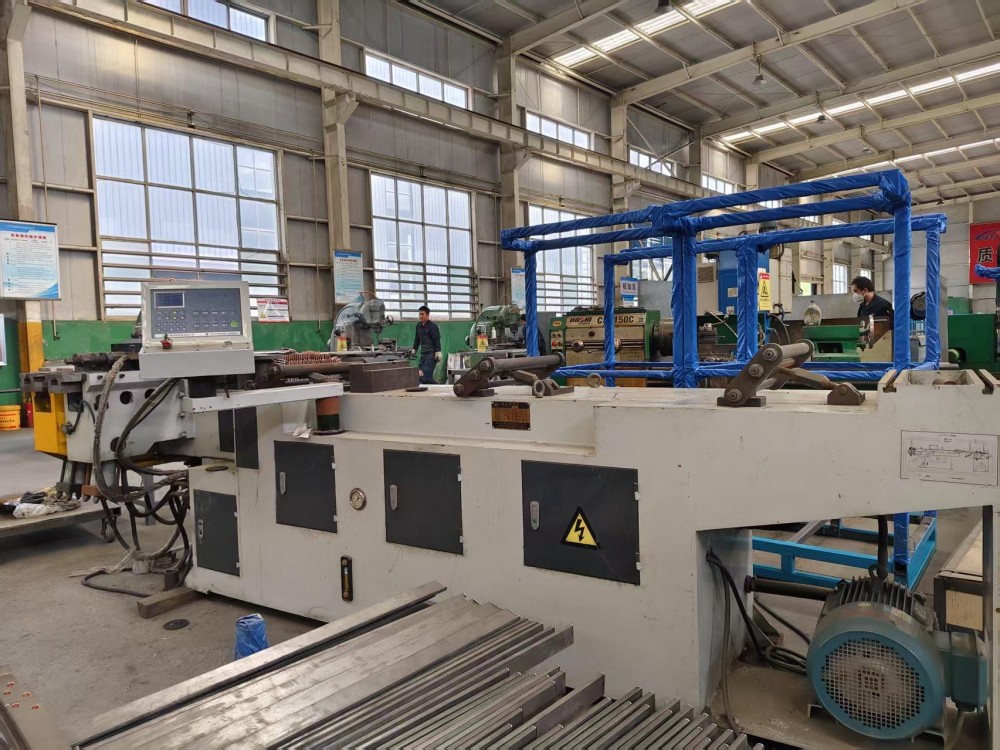
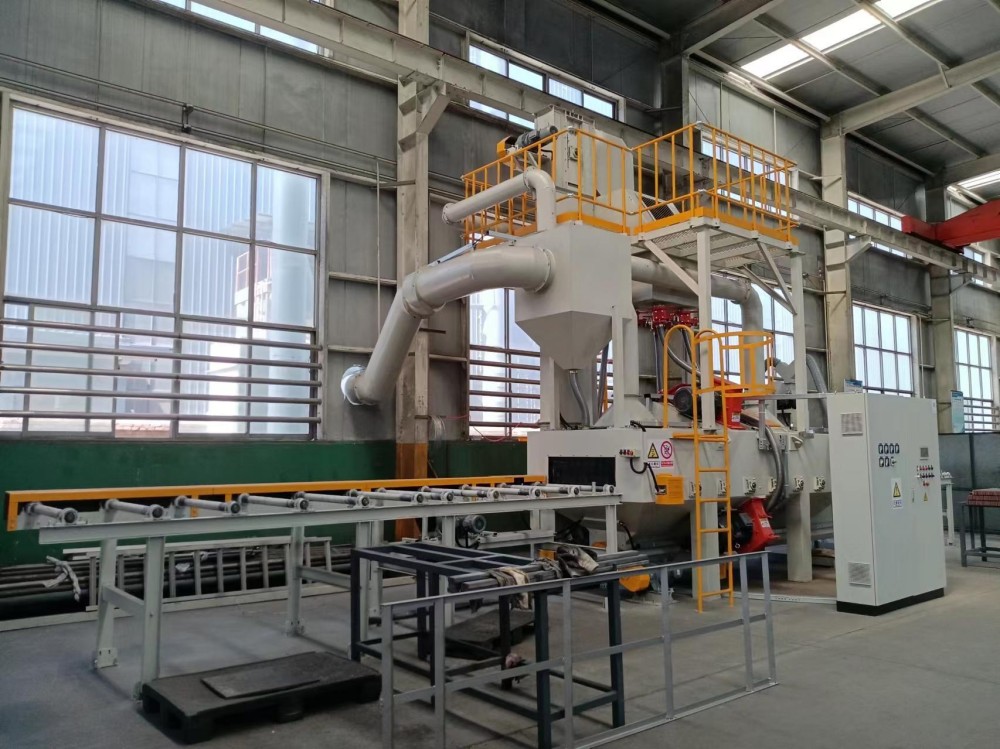
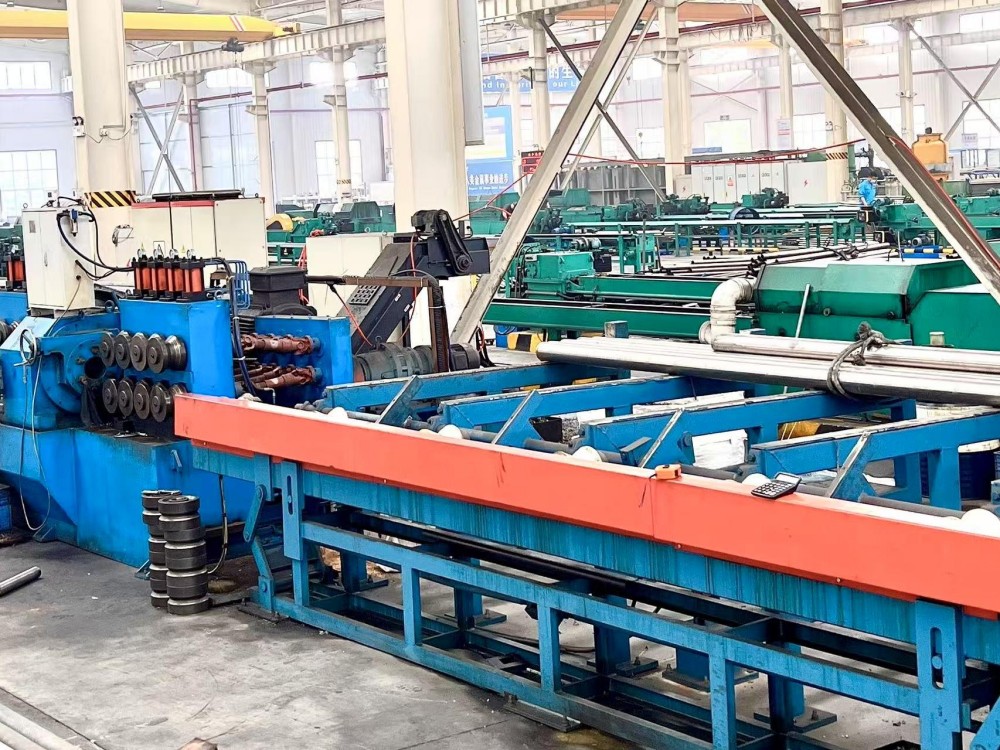
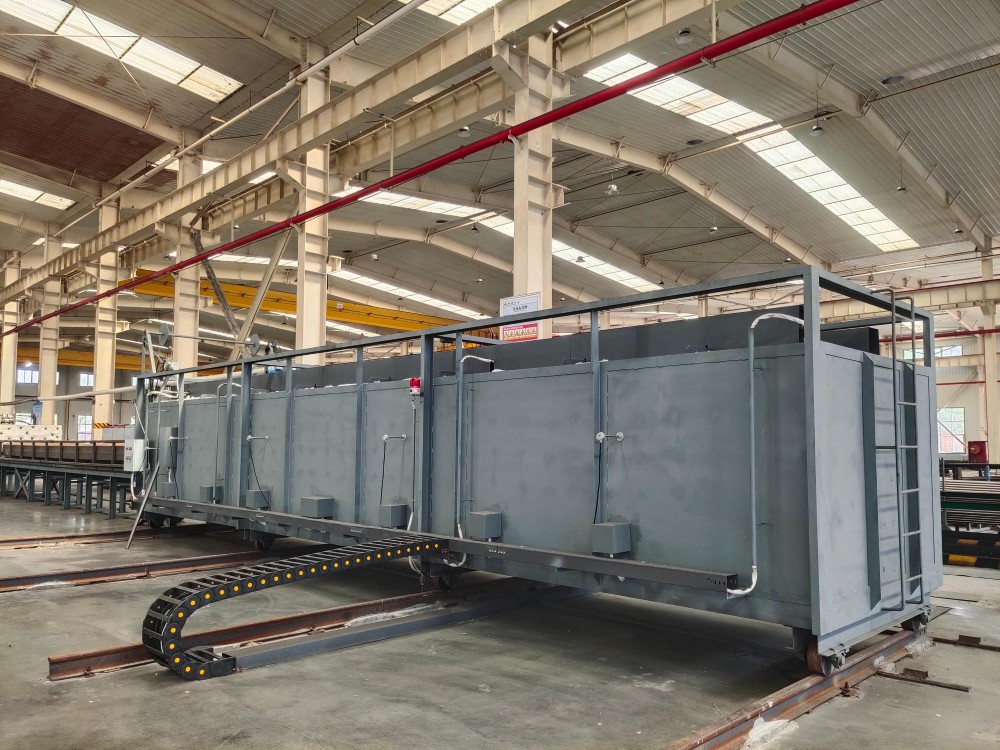
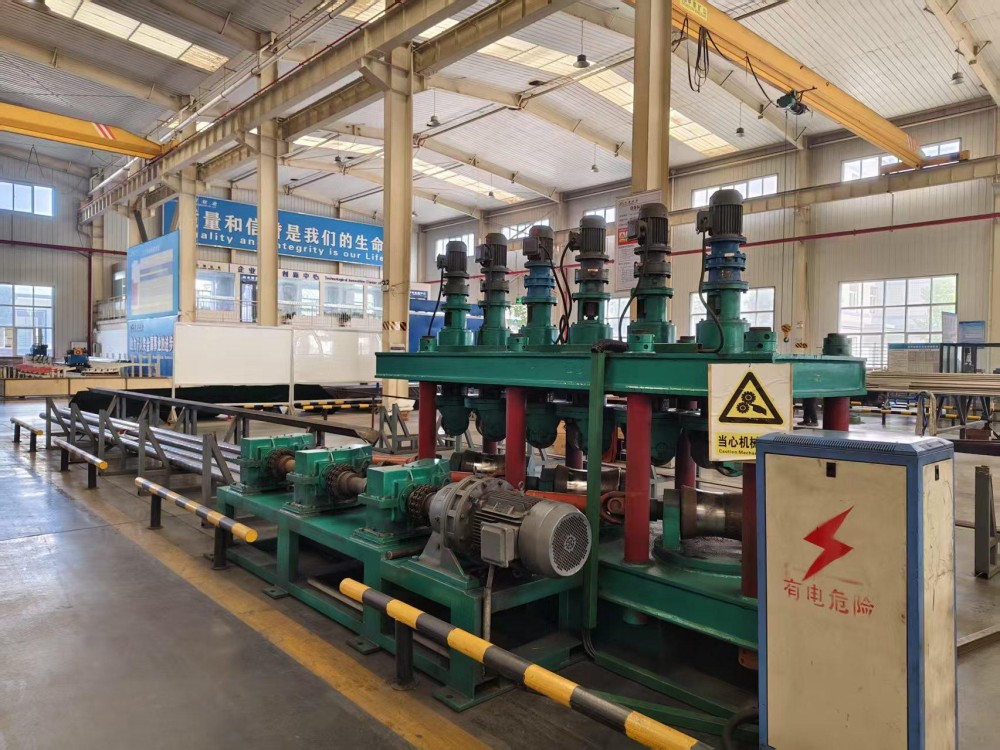
State-of-the-art manufacturing facilities ensuring precision titanium tube production for energy & power industry specifications
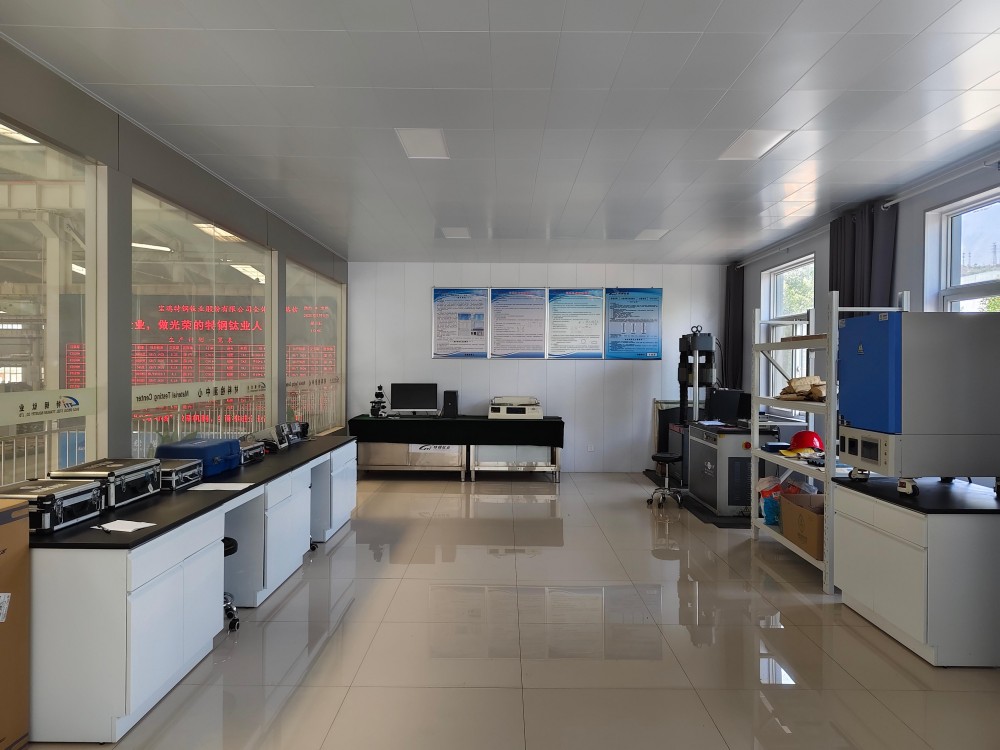
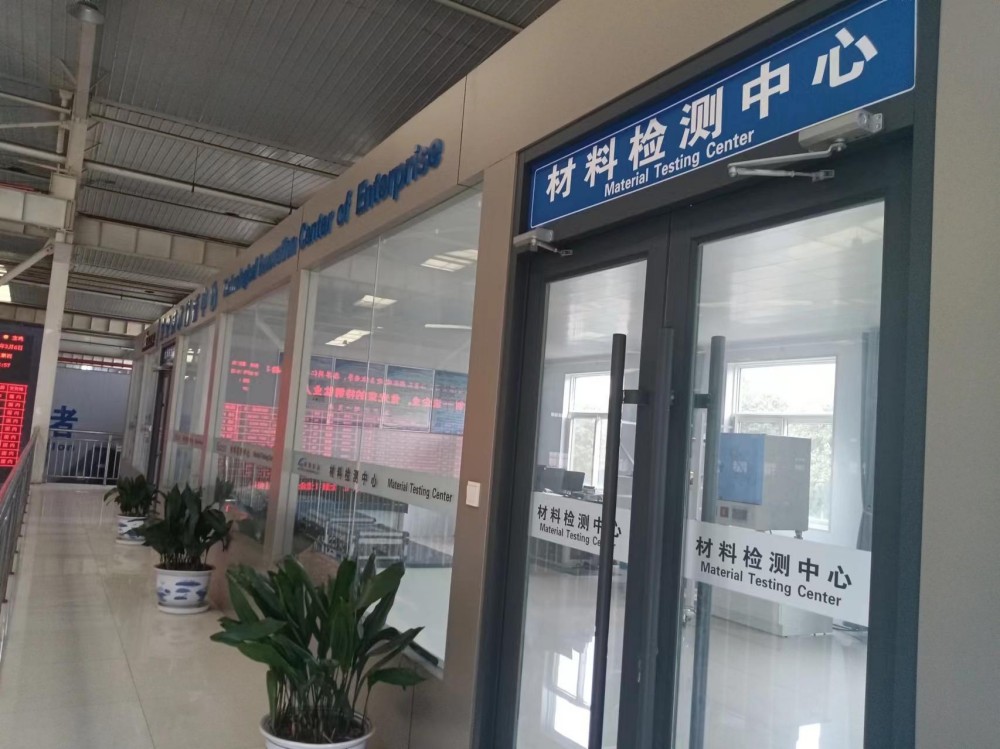
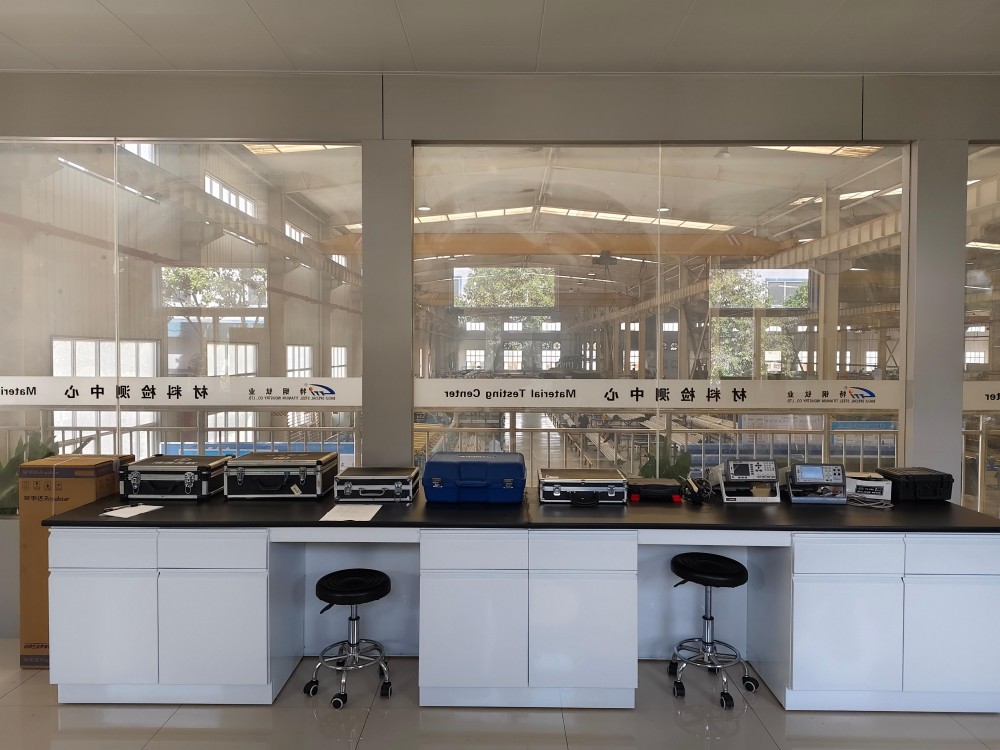
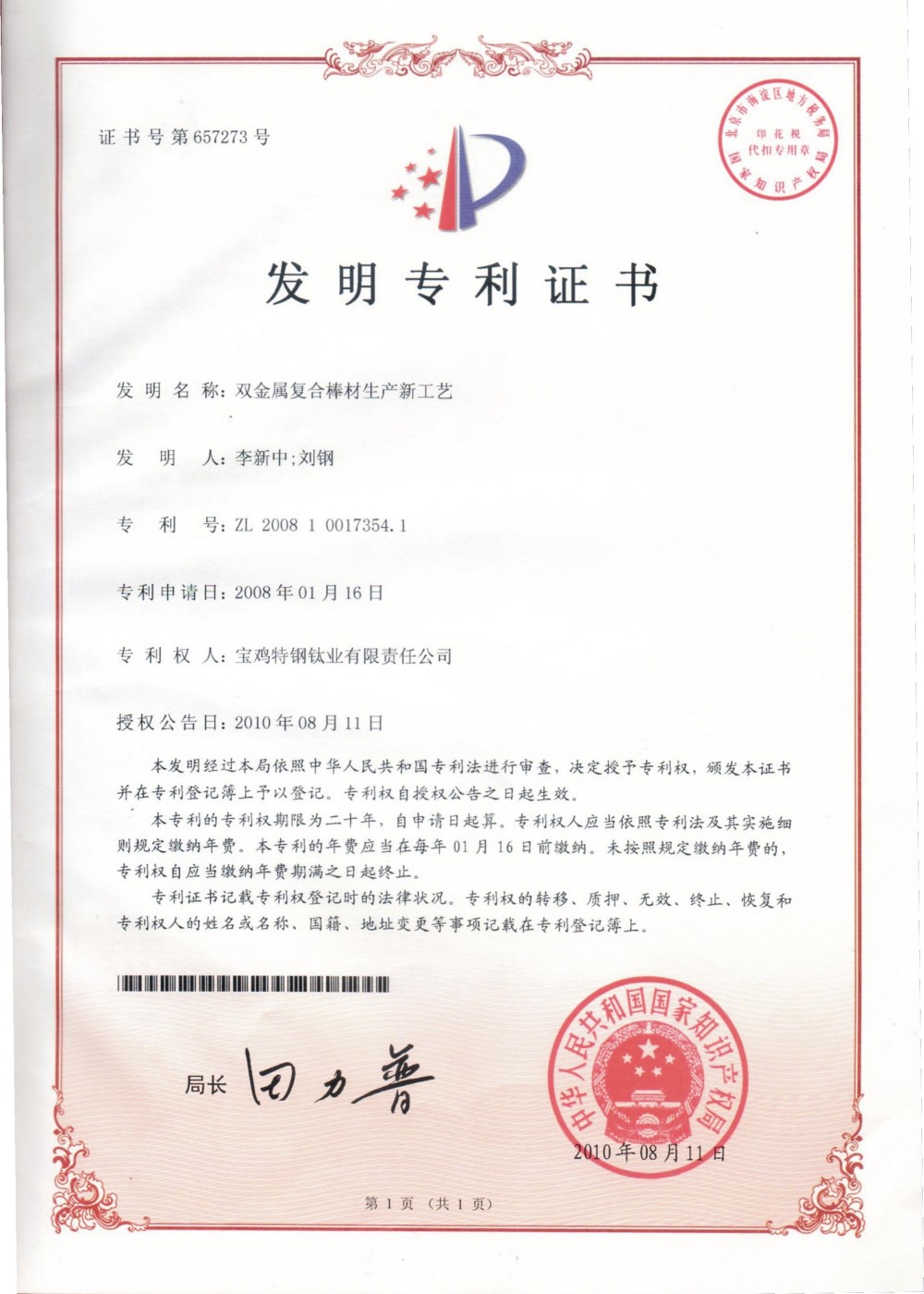
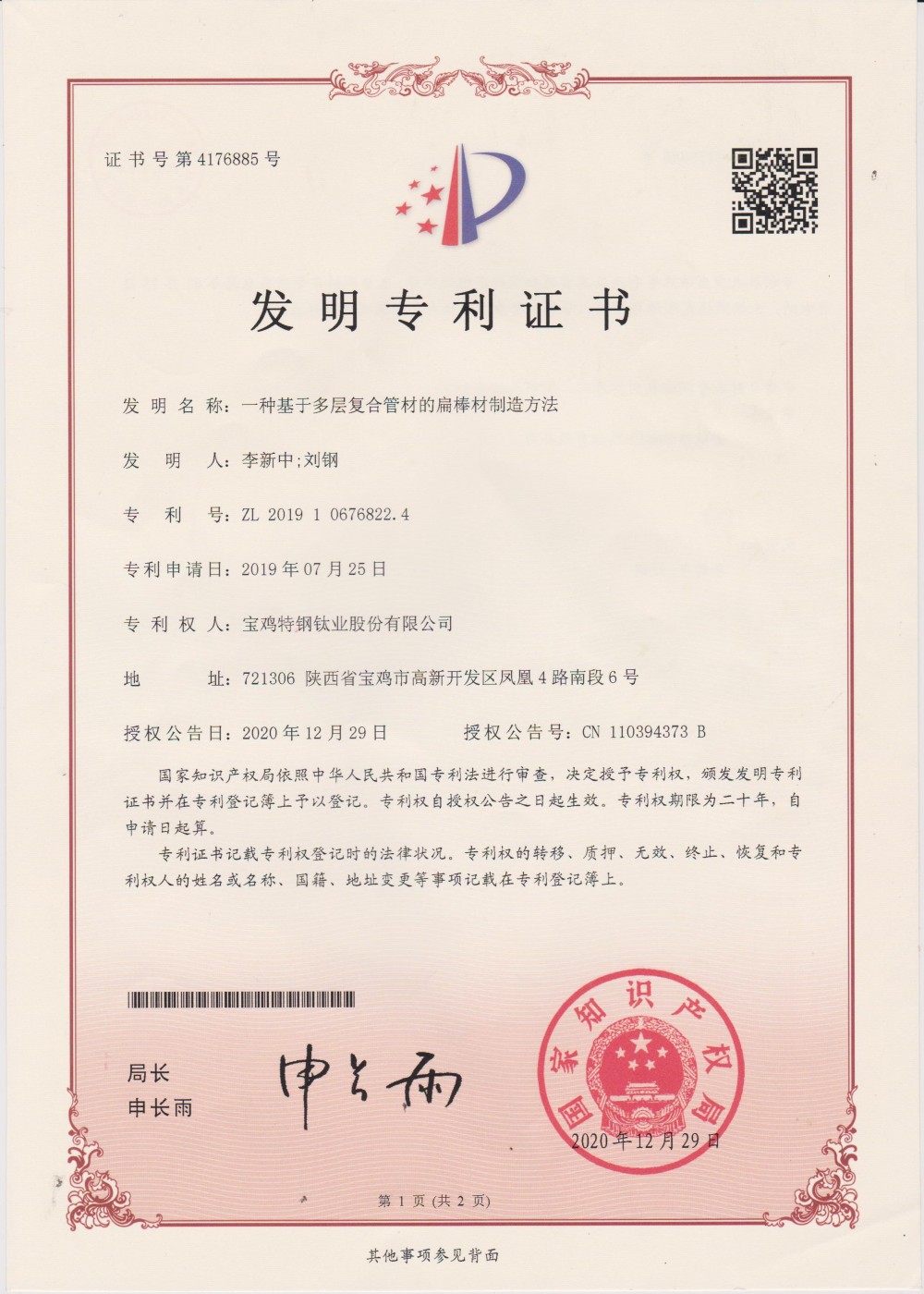
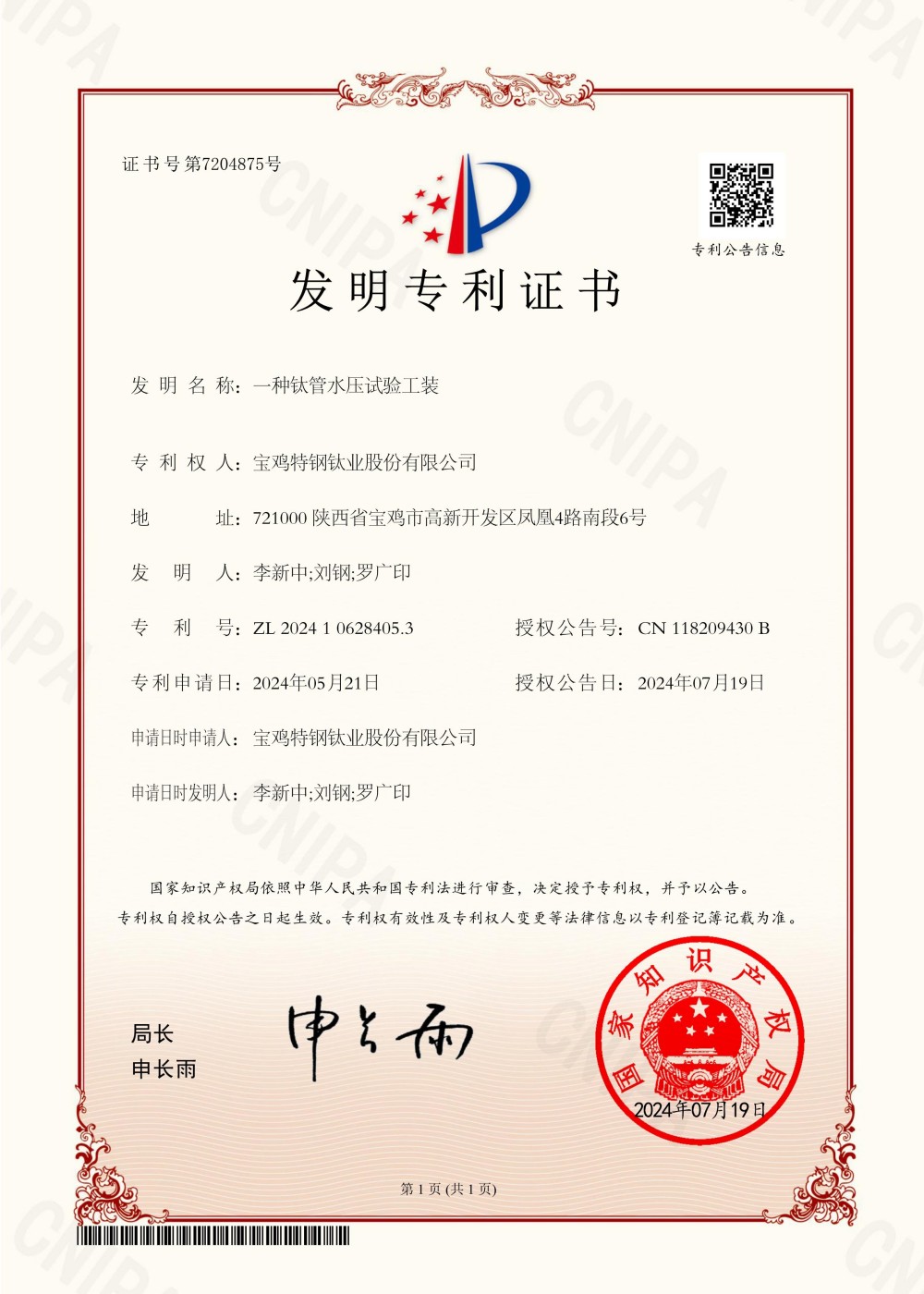
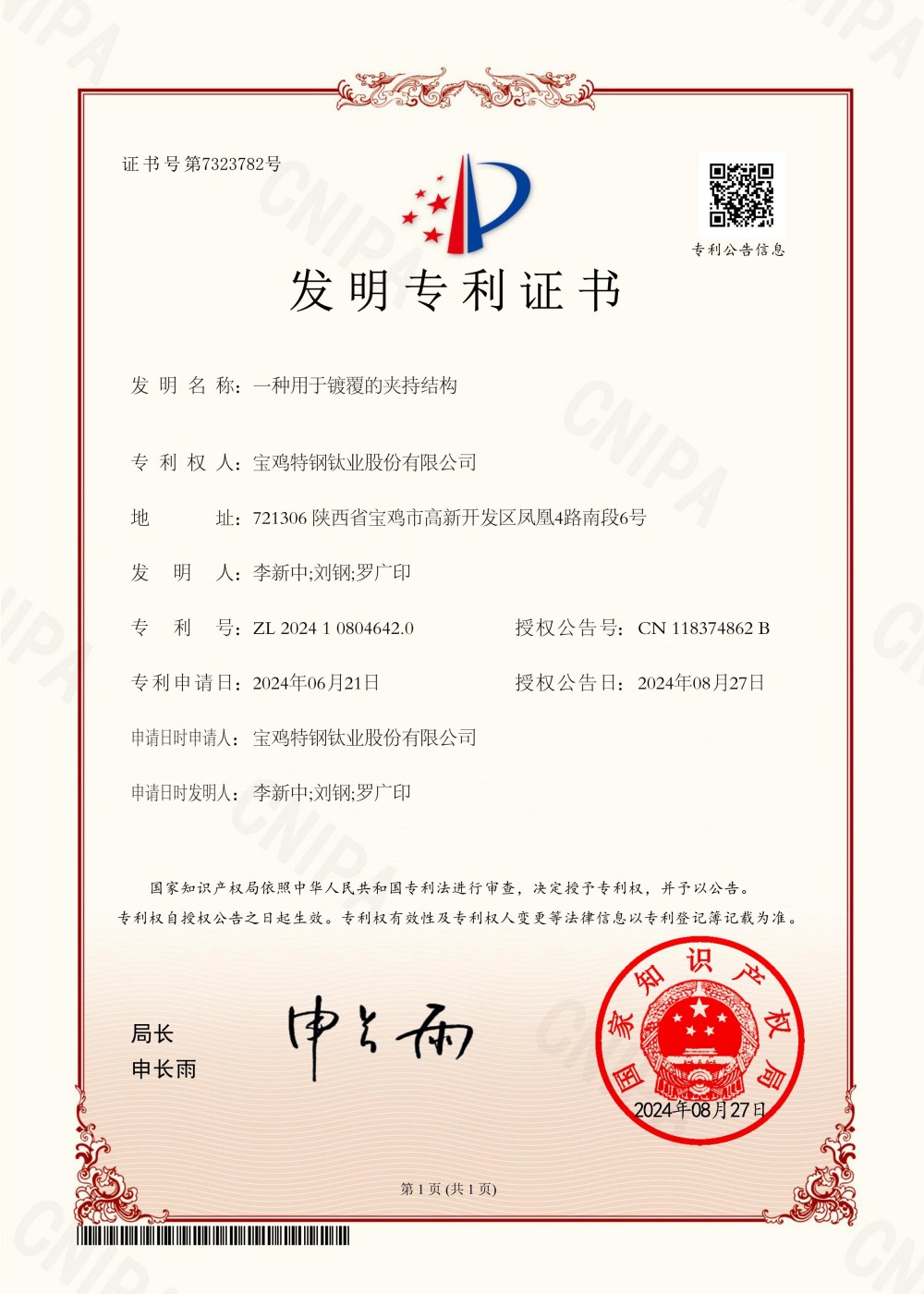
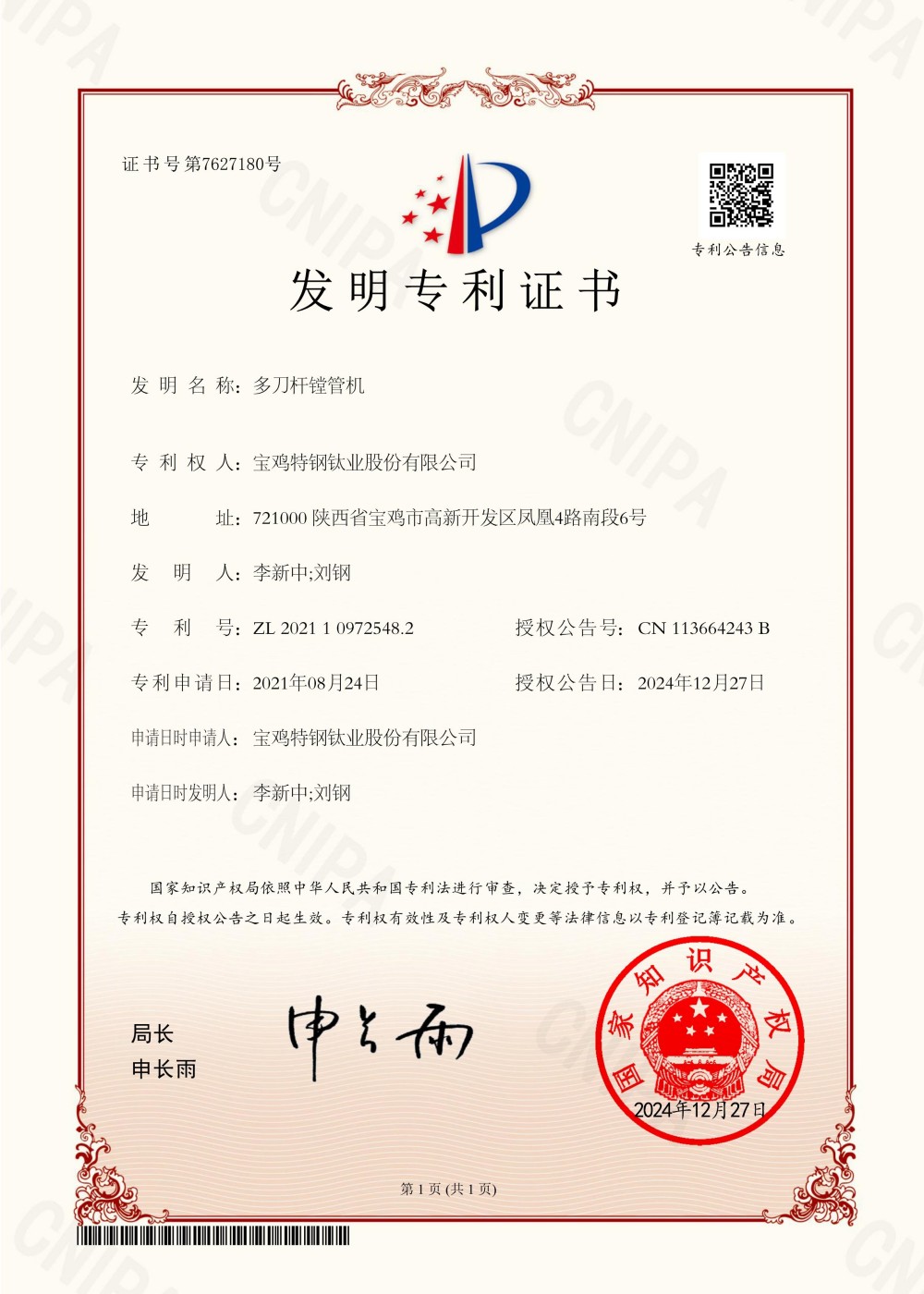
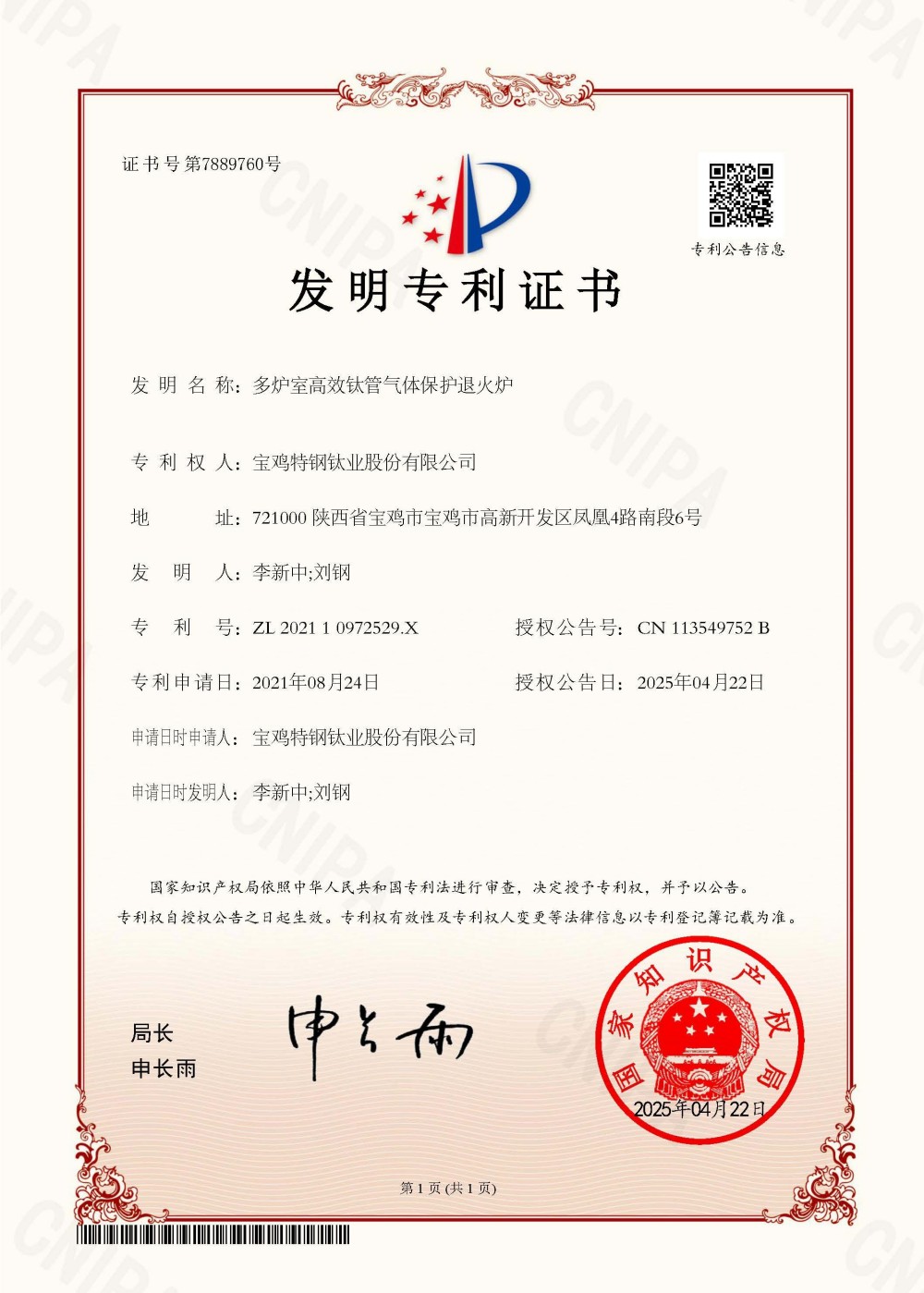
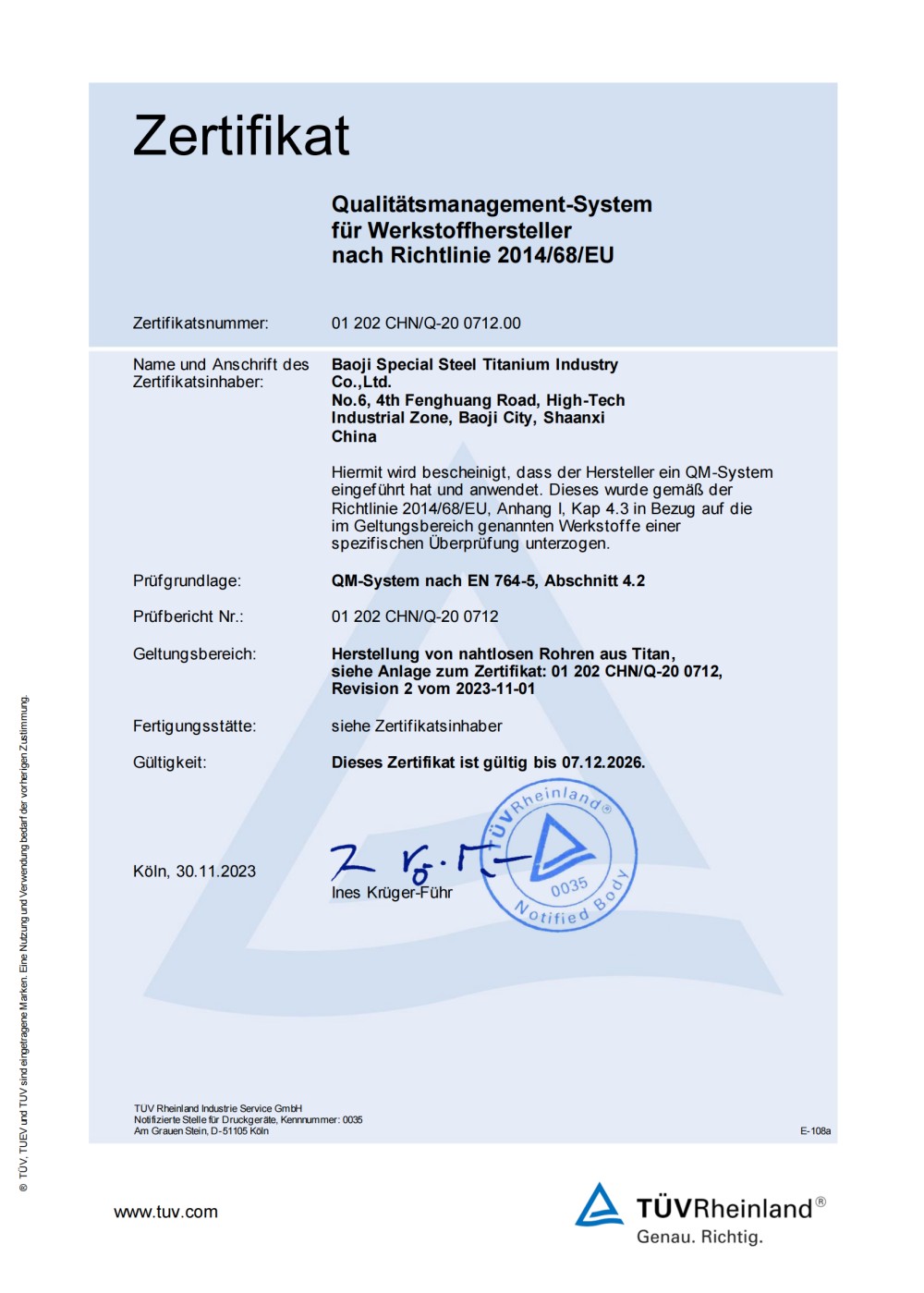
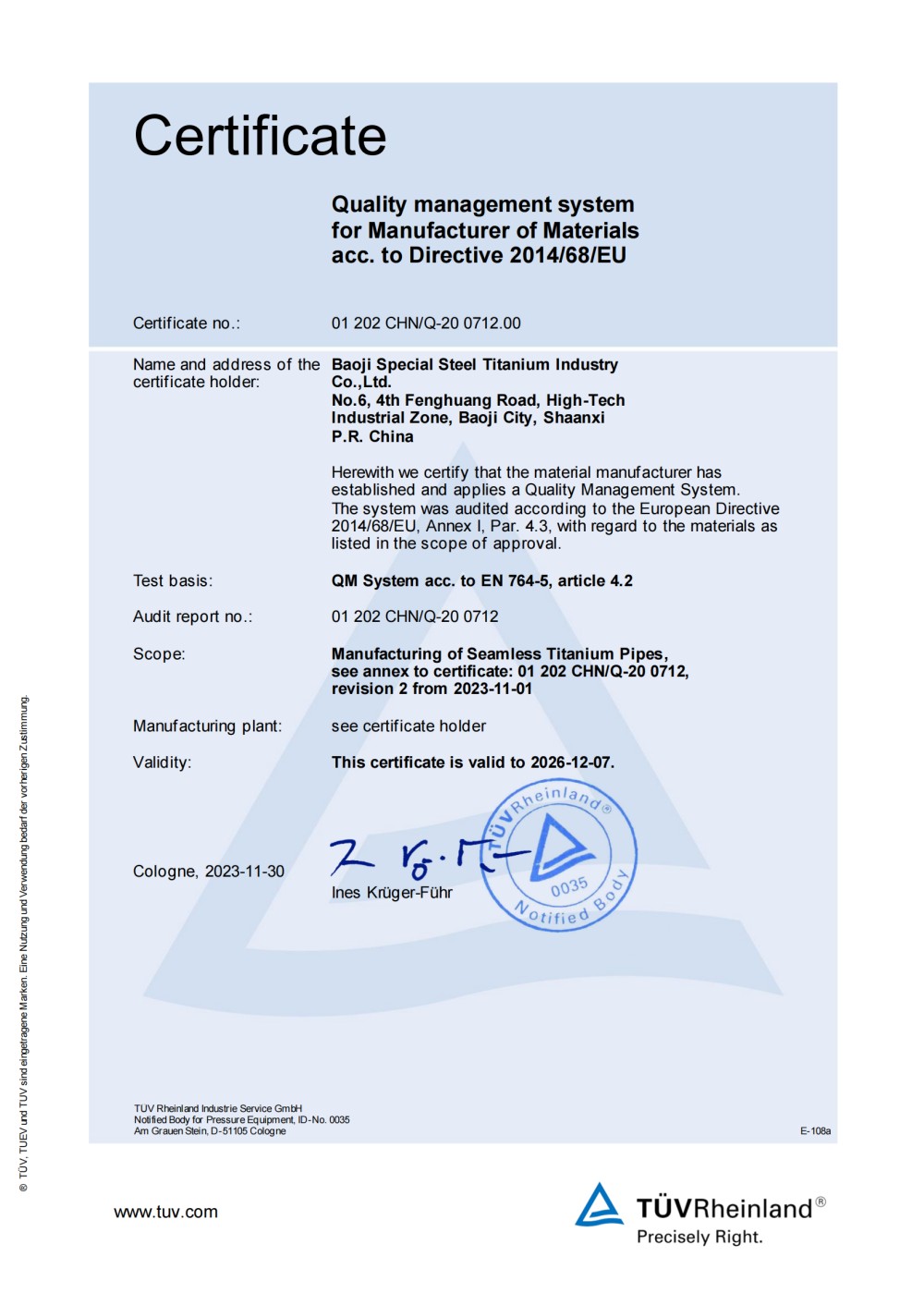
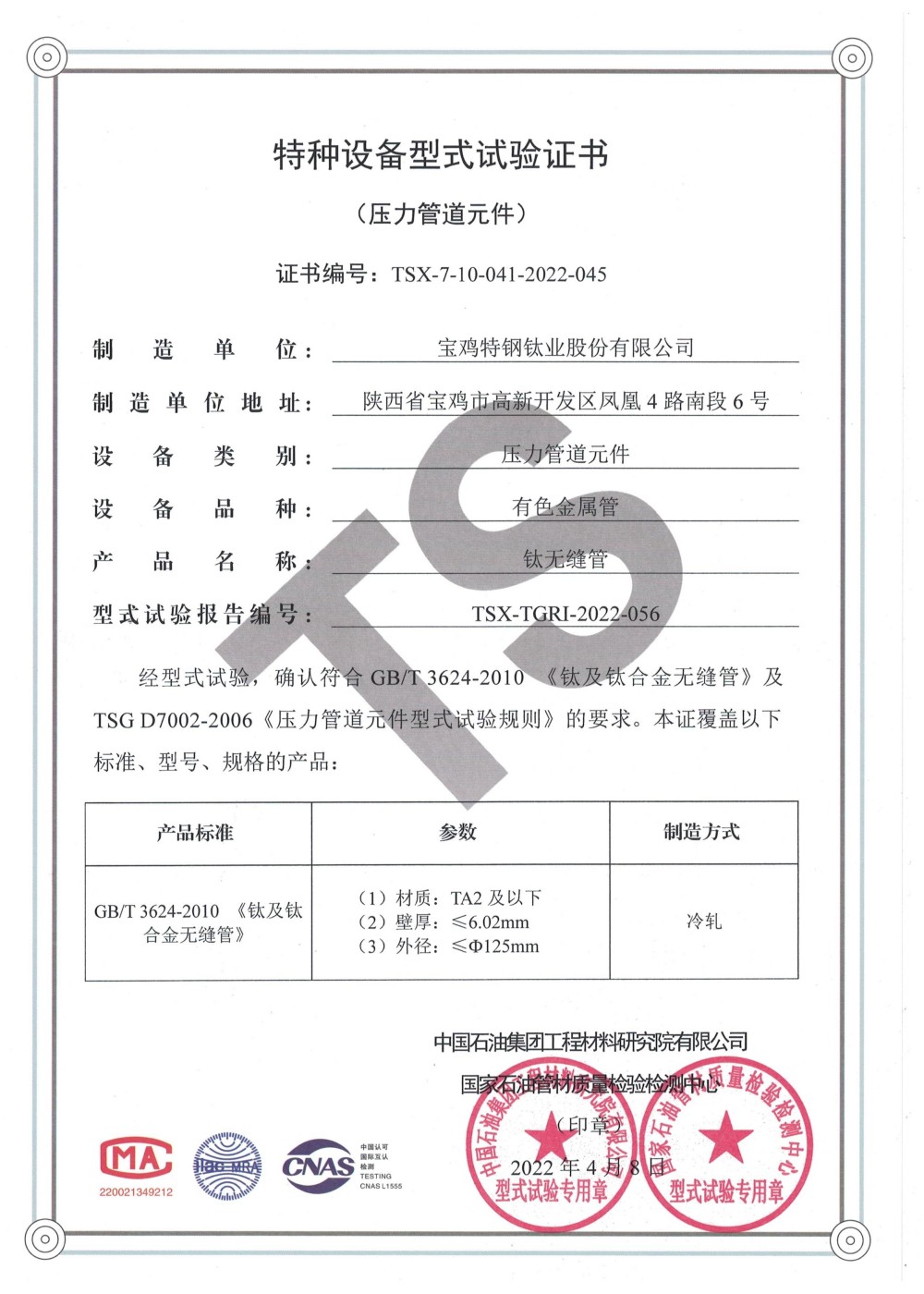
Internationally recognized quality certifications ensuring compliance for global energy & power project procurement
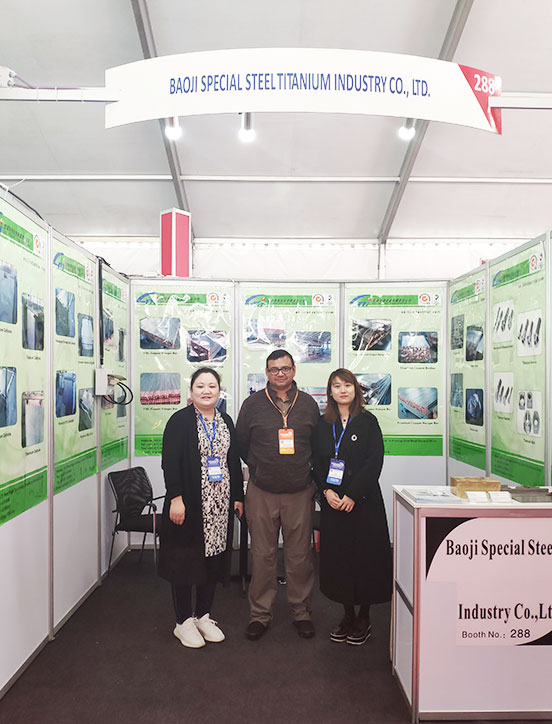
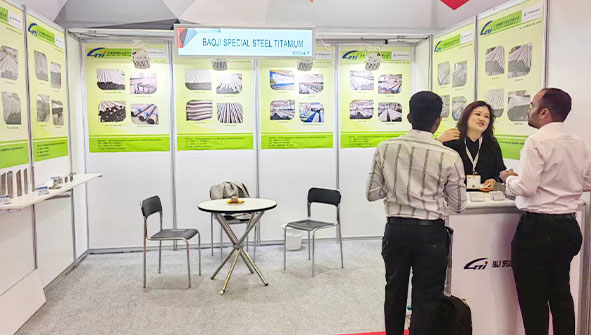
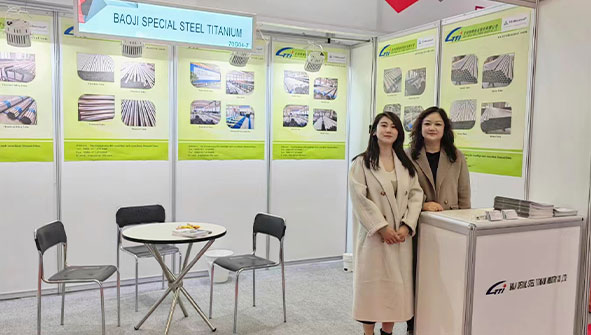
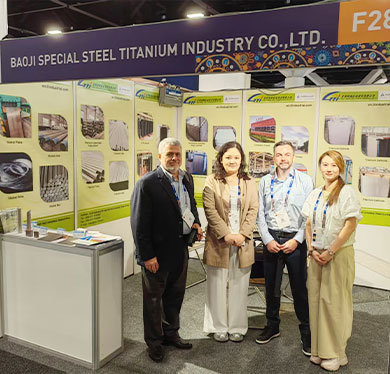
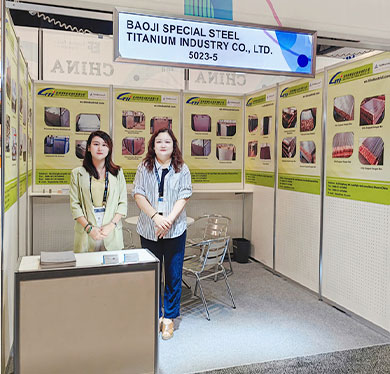
Showcasing our titanium tube products and energy solutions at leading international trade exhibitions

Comprehensive product range engineered for the full spectrum of energy industry requirements