Leave Your Message
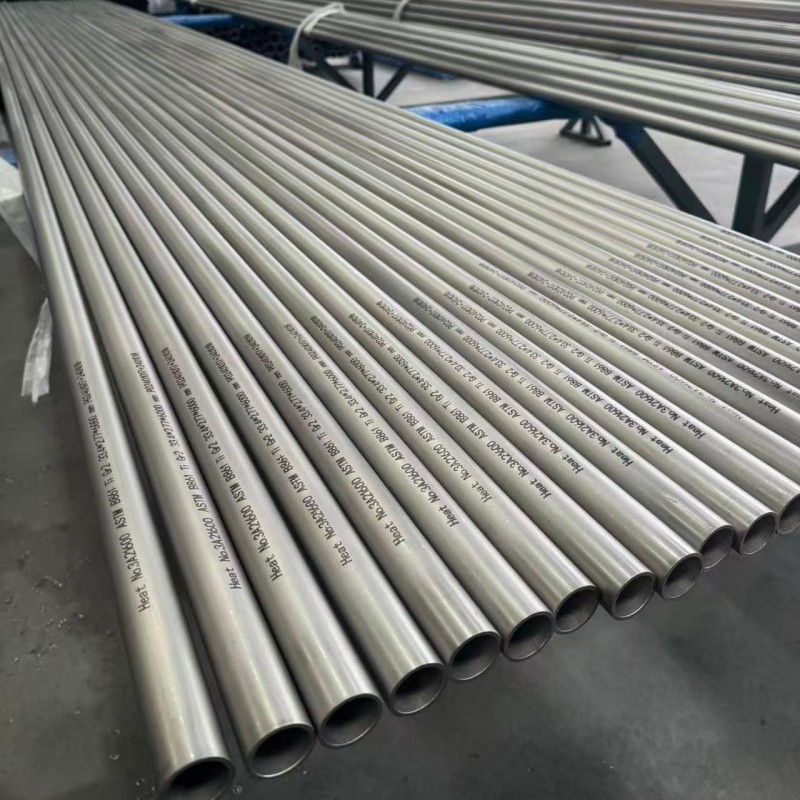
Hydrometallurgy is a highly specialized field of extractive metallurgy that involves the use of aqueous chemistry for the recovery of metals from ores, concentrates, and recycled or residual materials. This sector is notoriously demanding on processing equipment due to the aggressive nature of the chemical environments involved. Central to overcoming these extreme conditions is the Titanium Tube for Hydrometallurgy Plants. Renowned for its unparalleled corrosion resistance, high strength-to-weight ratio, and exceptional durability, titanium has emerged as the definitive material of choice for critical infrastructure within these facilities.
In modern hydrometallurgical operations, the extraction of valuable metals such as copper, nickel, cobalt, zinc, and precious metals requires processes like High-Pressure Acid Leaching (HPAL), solvent extraction, and electrowinning. These processes utilize highly concentrated acids—including sulfuric, hydrochloric, and nitric acids—often at elevated temperatures and pressures. Standard materials like carbon steel or even advanced stainless steels degrade rapidly under such punishing parameters. Titanium tubes, conforming to stringent standards like ASTM B338, form a stable, continuous oxide film (TiO2) that acts as an impenetrable shield against chemical attacks, ensuring the longevity and safety of the plant's operational matrix.
The global industrial landscape has witnessed a paradigm shift towards electric vehicles (EVs) and renewable energy storage systems. This macro-economic trend has exponentially increased the demand for battery-grade metals, particularly nickel and cobalt. Consequently, there has been a massive influx of capital into hydrometallurgical plants globally, especially in regions like Southeast Asia, Australia, and South America.
Commercially, the deployment of titanium tubes in these plants is no longer viewed merely as an operational expense, but as a strategic capital investment. While the initial procurement cost of titanium is higher than traditional alloys, the Total Cost of Ownership (TCO) is significantly lower. The drastic reduction in maintenance downtime, equipment replacement cycles, and catastrophic failure risks makes titanium tubing an economically sound imperative for modern metallurgical enterprises.
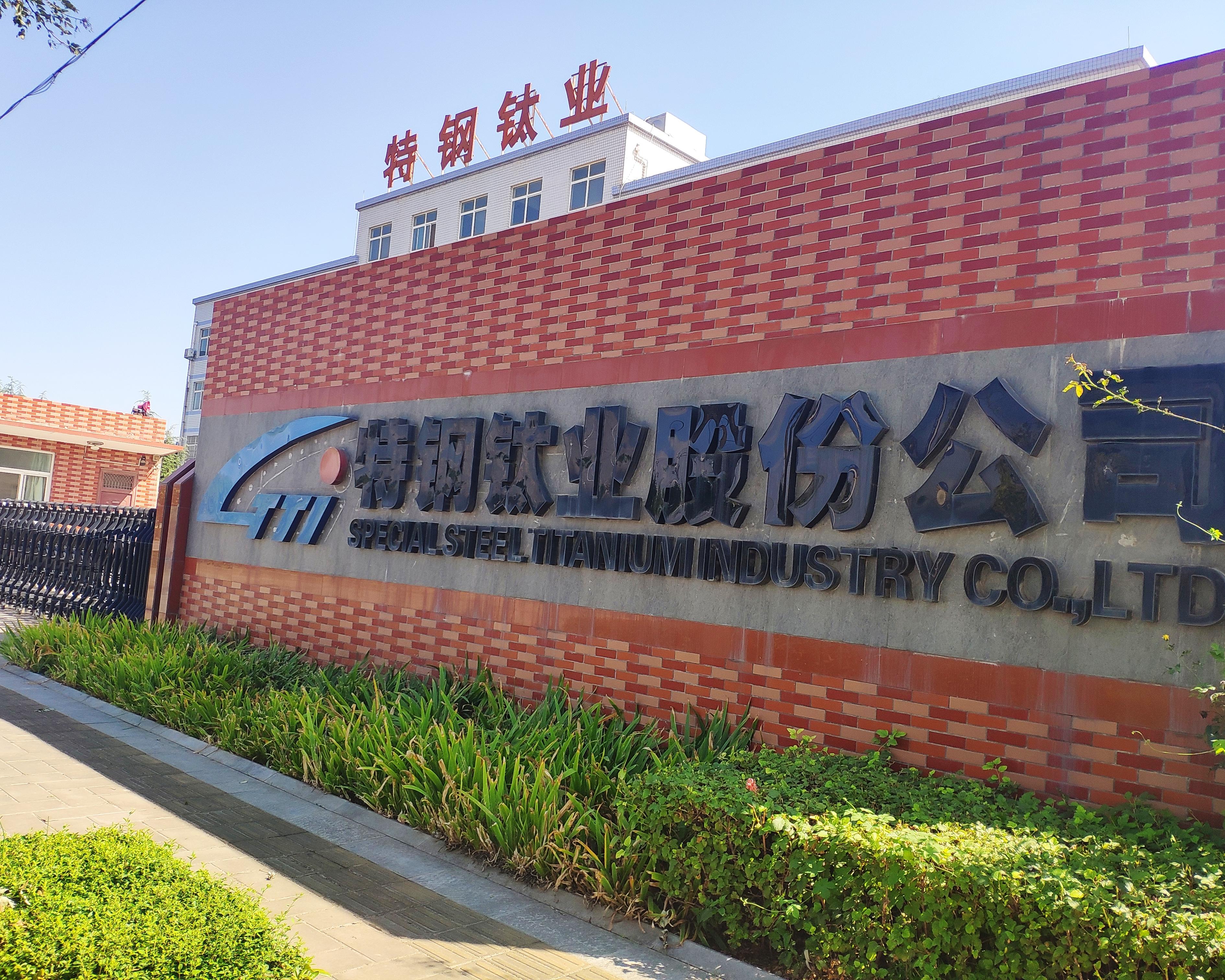
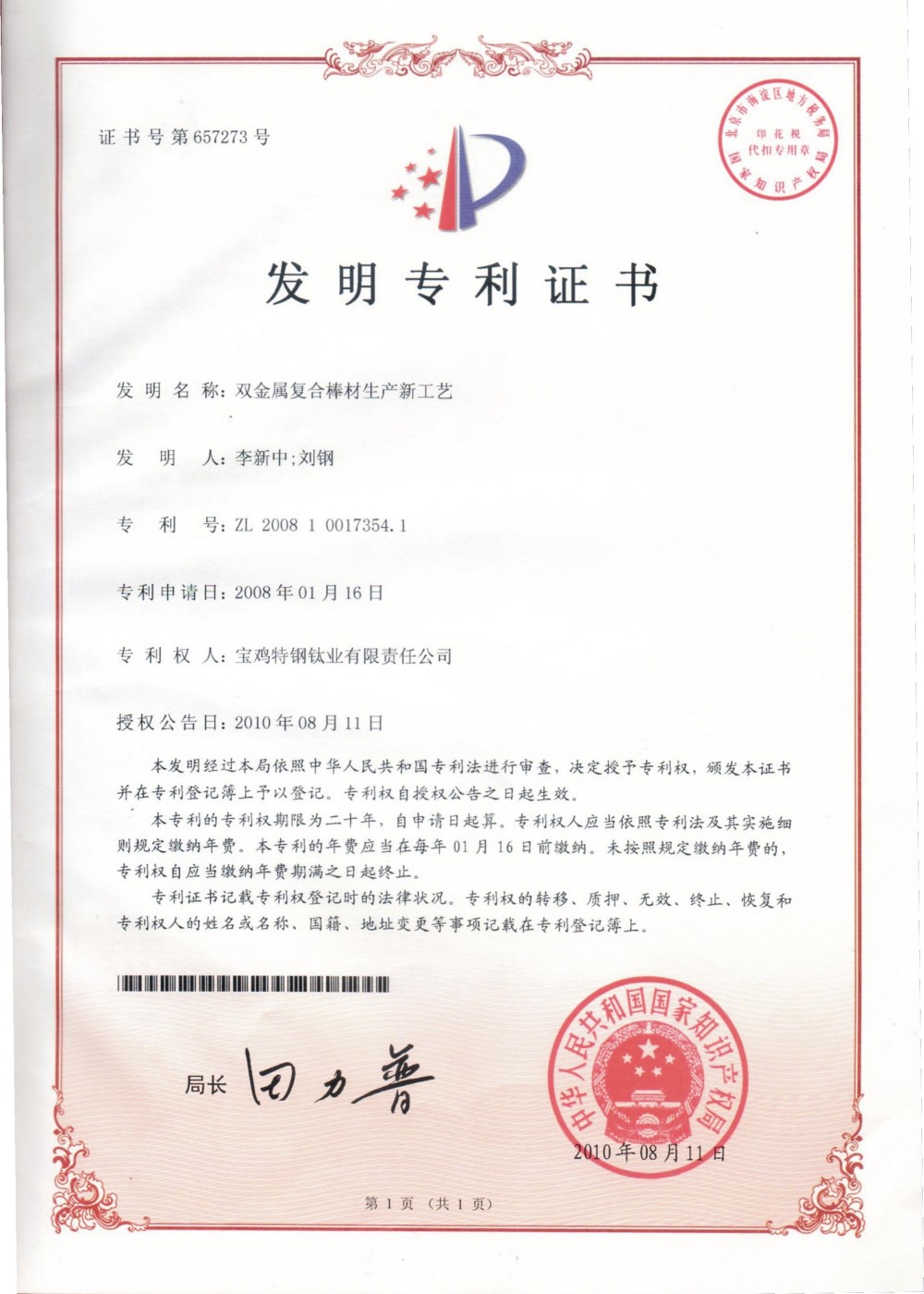
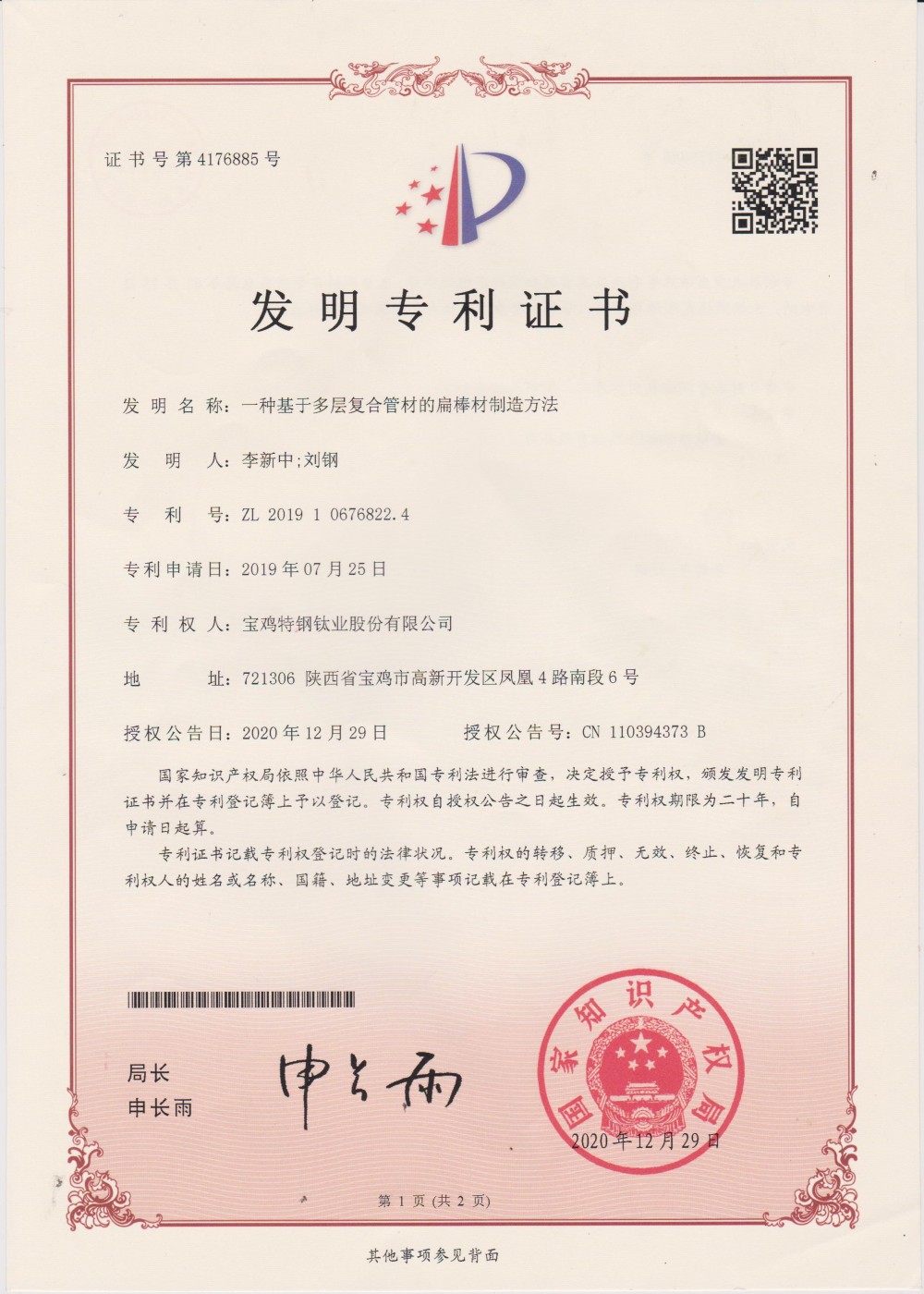
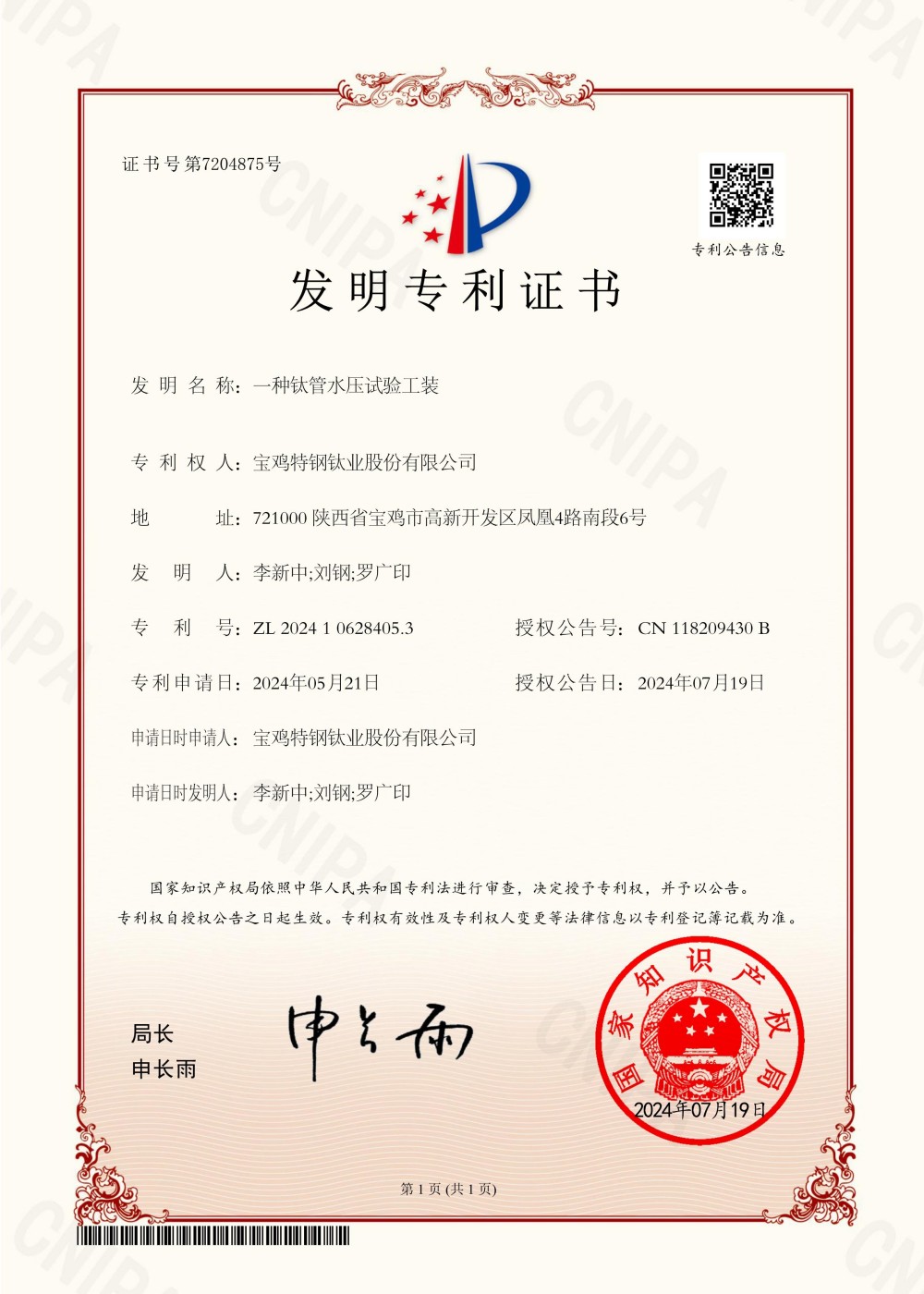
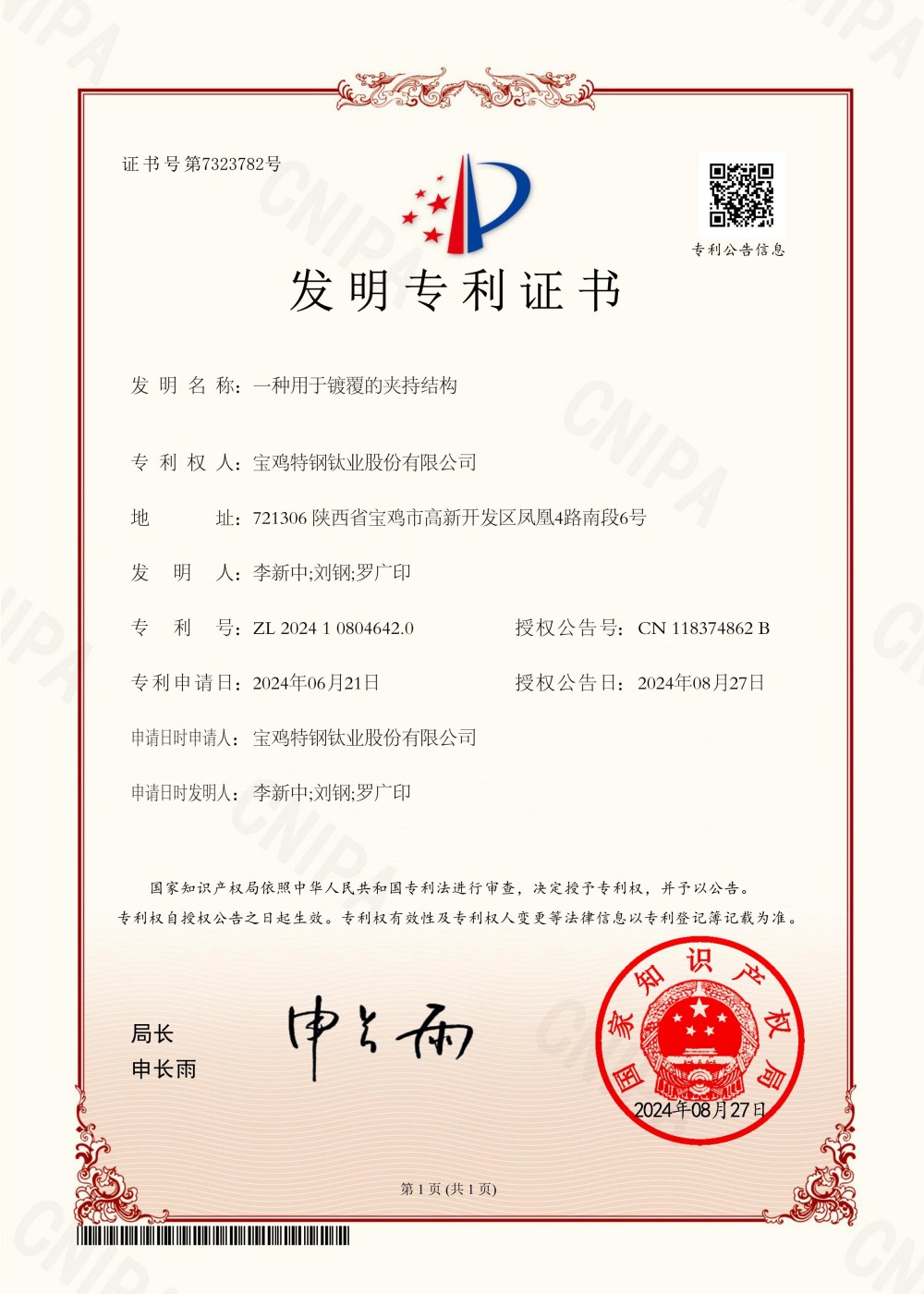
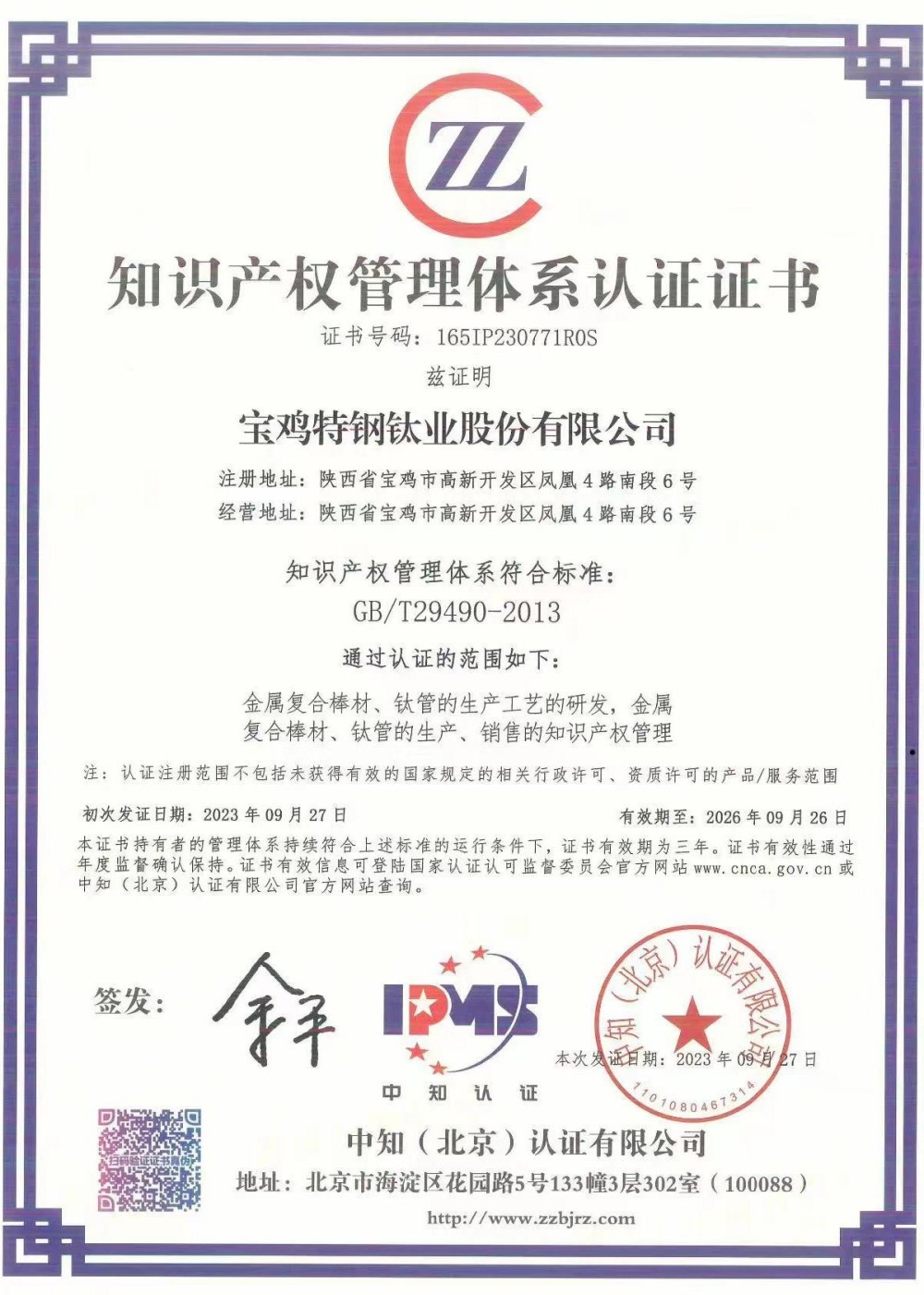
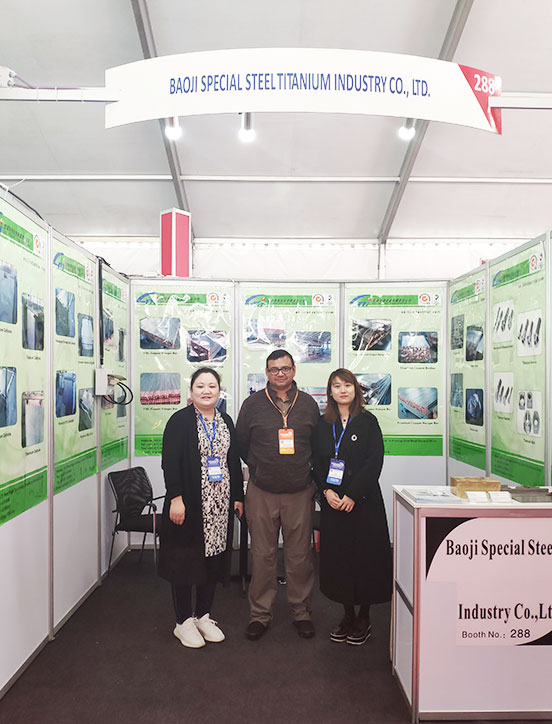
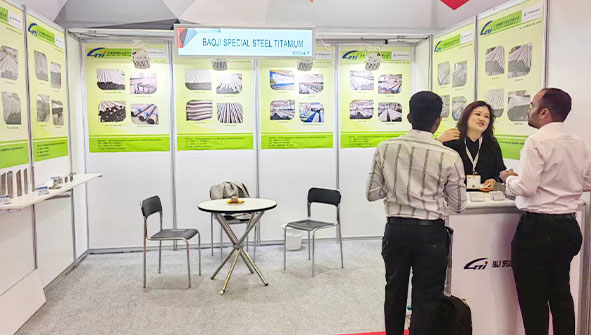
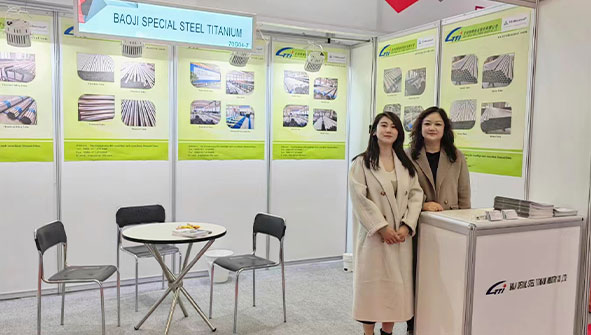
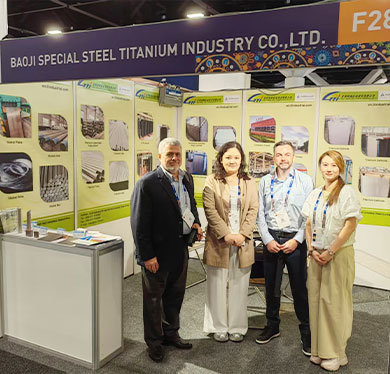
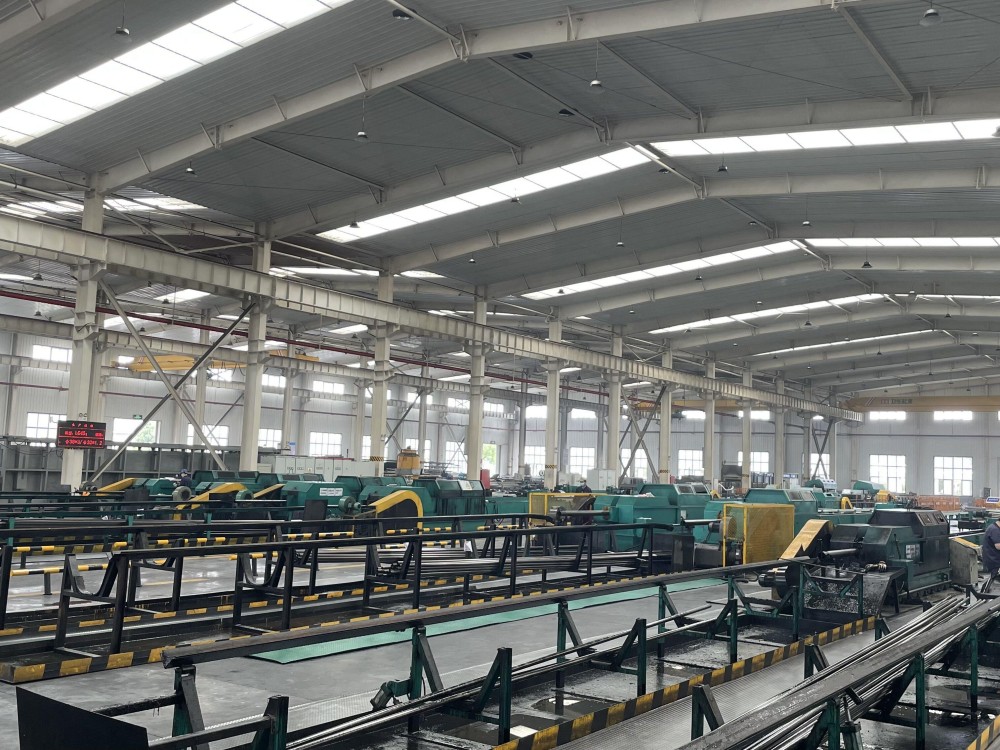
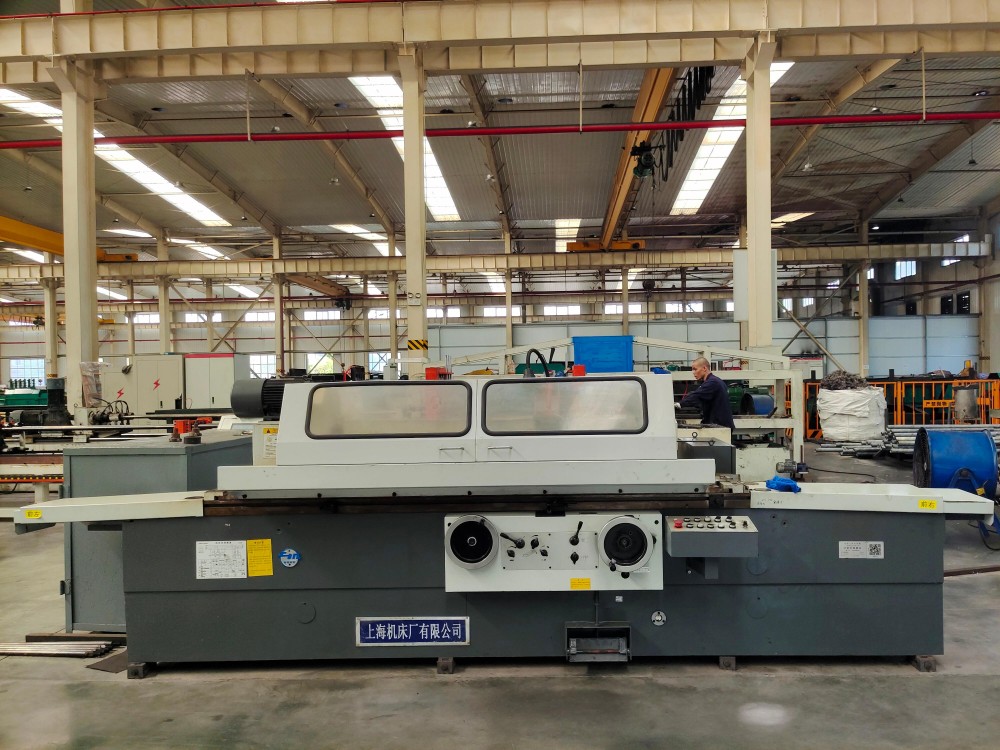
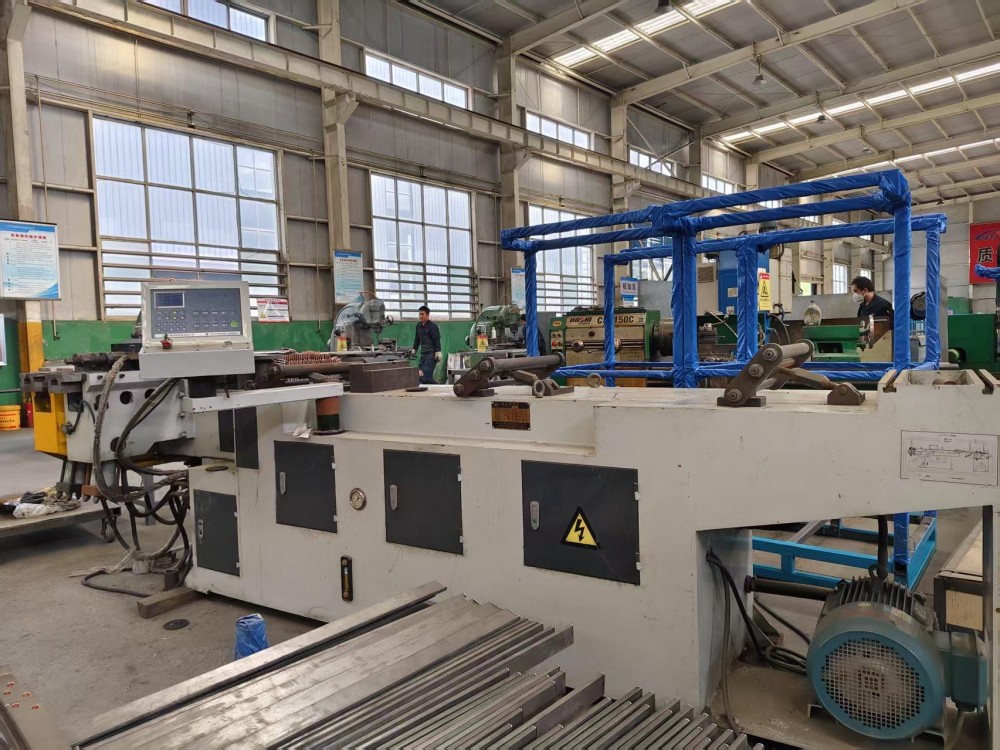
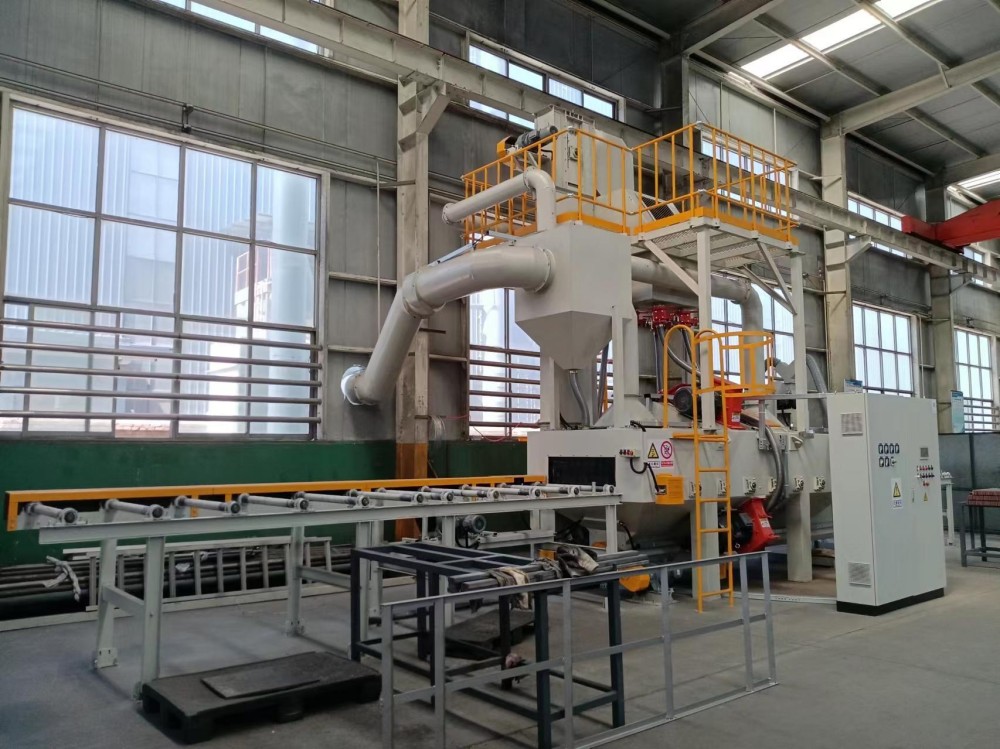
Is a joint-stock industrial enterprise specializing in the research, development, manufacturing and sales of titanium, nickel, zirconium and other metal pipes and metal composite materials. The company was founded in 1997, located in Shaanxi Baoji National High-tech Industrial development Zone, the factory covers an area of 41,000 square meters.
The company has an annual production capacity of over 3000 tons of non-ferrous metal pipes, composite materials and various deep processing products such as titanium, zirconium, nickel, tantalum and copper, etc., and a series of products according to varieties and specifications have reached more than 500 kinds, the annual export accounted for more than 30% of the company's total output, is an export-oriented industrial enterprise with a strong growth momentum.
The company has obtained the national high and new technology enterprise certification and has been listed in the first batch of industries encouraged to develop by the National Development and Reform Commission.


To truly understand the value proposition of the Titanium Tube for Hydrometallurgy Plants, one must dissect its application across the various rigorous stages of metal extraction. Each stage presents unique chemical and thermal challenges that titanium is uniquely equipped to handle.
In the processing of laterite nickel ores, the HPAL process is the industry standard. This involves subjecting the ore slurry to concentrated sulfuric acid at temperatures exceeding 250°C and pressures up to 50 bar. Titanium tubes are extensively used in the heat exchangers, flash vessels, and piping systems of HPAL circuits. Grade 7 and Grade 12 titanium alloys, which incorporate palladium or molybdenum/nickel additions, are frequently deployed here to prevent crevice corrosion and withstand the highly abrasive, acidic slurry. The thermal conductivity of titanium ensures efficient heat transfer, which is critical for maintaining the energy balance of the HPAL autoclave systems.
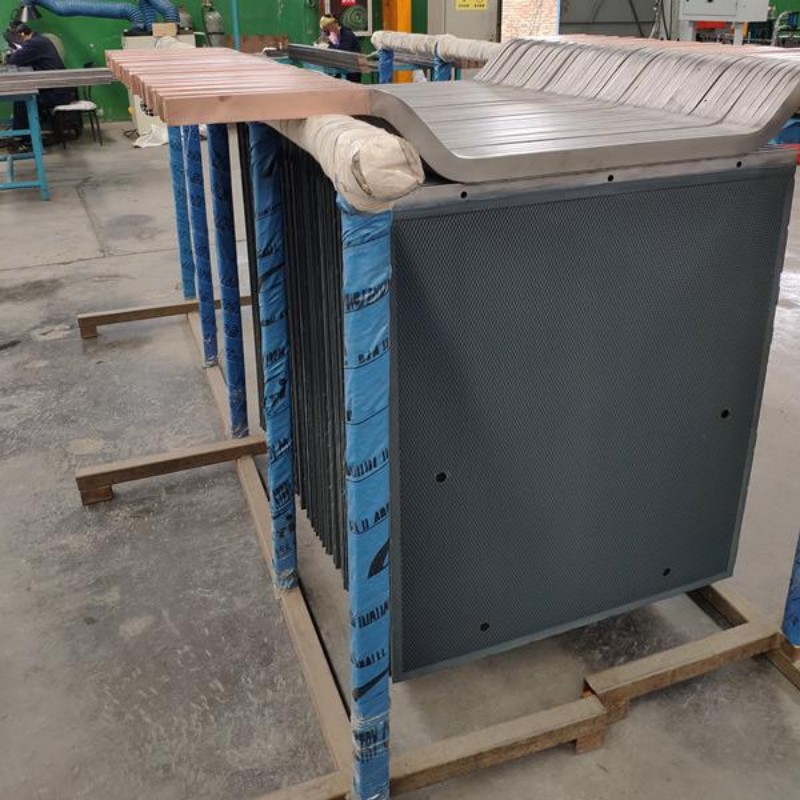
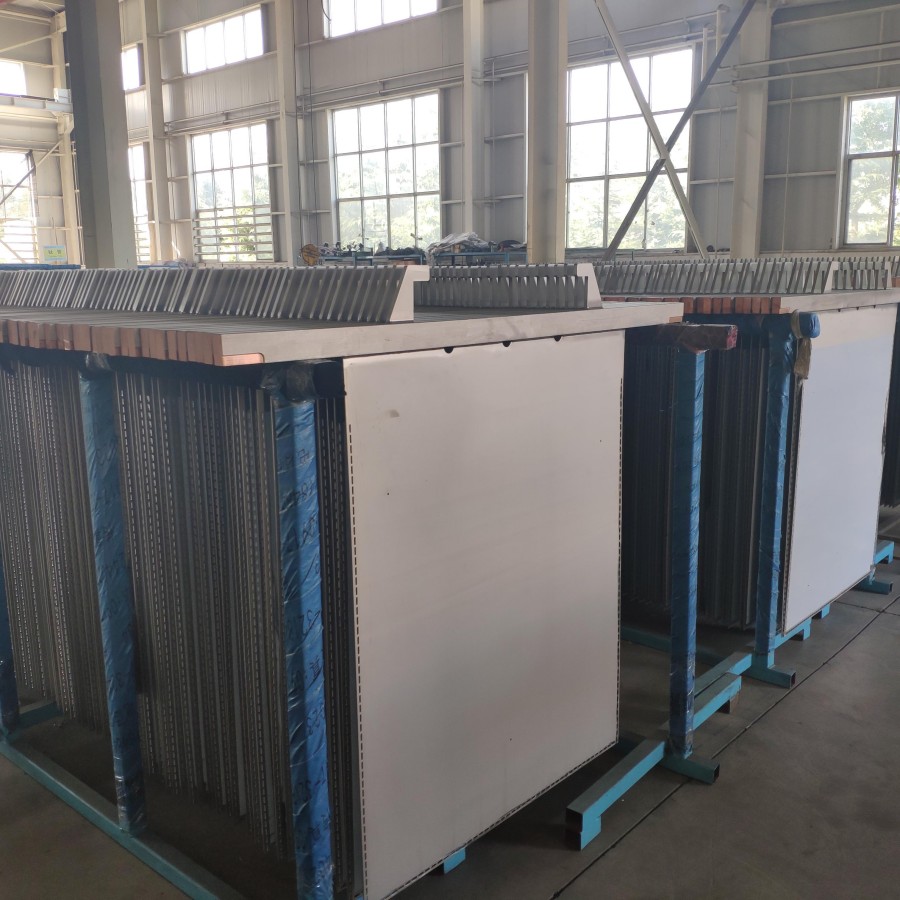
Following leaching, the pregnant leach solution (PLS) is purified and concentrated via solvent extraction. The acidic aqueous solutions, often laden with chlorides and fluorides, are then transferred to the electrowinning circuit. Titanium tubes serve as the primary conduits for these corrosive electrolytes. Furthermore, titanium is the foundational substrate for Dimensionally Stable Anodes (DSA) and permanent cathodes used in the electrowinning tanks. The structural integrity of titanium ensures that the tubes do not contaminate the high-purity metal being plated, a crucial factor in producing LME-grade copper or battery-grade nickel.
Beyond these primary circuits, titanium tubes are also integral to tailings treatment and acid recovery systems. Modern hydrometallurgical plants are under strict environmental regulations to achieve zero liquid discharge (ZLD) and maximize reagent recycling. Titanium evaporators and condensers are utilized to boil off excess water and recover concentrated sulfuric or hydrochloric acid from waste streams. The immune nature of titanium to chloride stress corrosion cracking makes it vastly superior to austenitic stainless steels in these recovery applications.
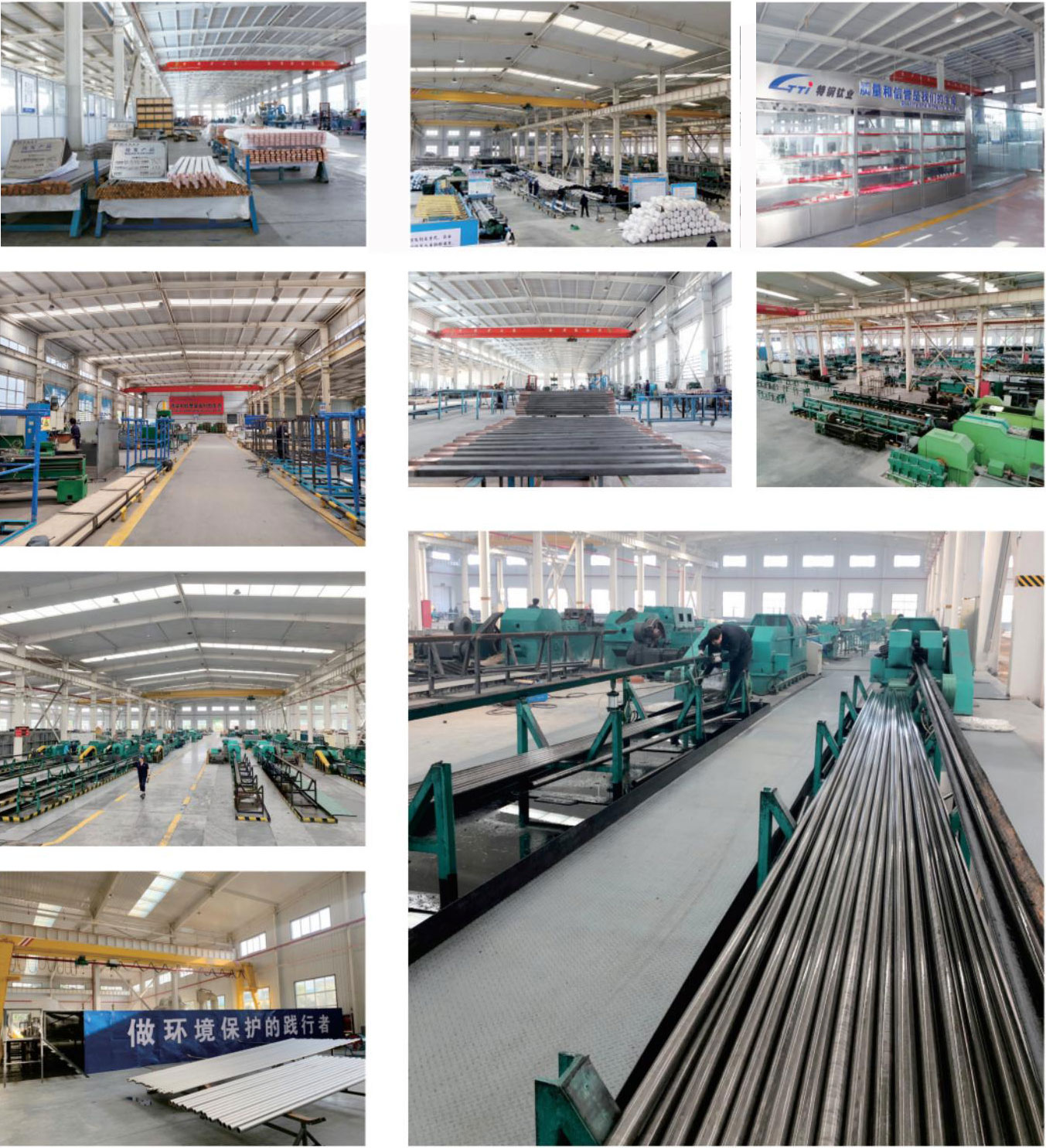
Titanium and titanium alloy, nickel and nickel alloy, zirconium and zirconium alloy mainly non-ferrous metal pipe;
Non-ferrous metal composite materials mainly composed of titanium clad copper, including: titanium clad copper, zirconium clad copper, ladle copper, composite wire, multilayer composite metal, etc.;
Titanium cathode is the main product of the composite electrode series, including: titanium cathode, stainless steel permanent cathode, nickel anode, titanium-based lead dioxide anode, and so on.
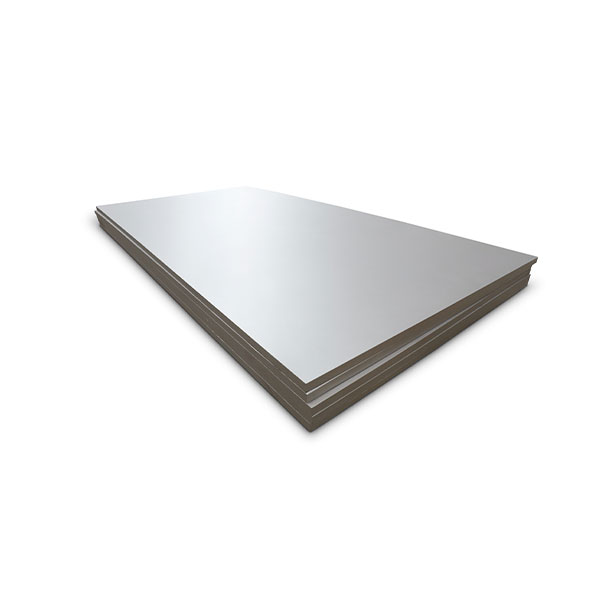
A series of nickel materials products mainly consisting of nickel plates, nickel rods and nickel strips.
The manufacturing and application of the Titanium Tube for Hydrometallurgy Plants are currently undergoing a technological renaissance, driven by the dual mandates of efficiency optimization and environmental sustainability. As ore grades decline globally, hydrometallurgical facilities are forced to process higher volumes of complex, polymetallic ores. This necessitates more aggressive leaching agents and higher operating temperatures, thereby pushing the metallurgical limits of plant equipment.
One of the most profound trends is the integration of Artificial Intelligence (AI) and Machine Learning (ML) in the production of titanium tubes. AI-driven predictive modeling is now being used to optimize the extrusion and annealing parameters during tube manufacturing, ensuring a flawless microstructural grain boundary that maximizes corrosion resistance. Furthermore, in the hydrometallurgy plants themselves, AI IoT sensors are integrated alongside titanium piping systems to monitor wall thinning, flow rates, and thermal stress in real-time. This synergistic relationship between advanced materials like titanium and AI technology creates a "smart plant" ecosystem, drastically minimizing unplanned outages and catastrophic chemical spills.
Another significant trend is the development of novel titanium alloys and composite structures. While Grade 2 commercially pure titanium remains the workhorse, there is a growing shift towards titanium-clad composites. By utilizing explosive bonding or advanced roll-cladding techniques, manufacturers can combine the structural strength and lower cost of a carbon steel backing with the supreme corrosion resistance of a titanium inner liner. This bimetallic approach is particularly advantageous for large-diameter pipelines and massive pressure vessels in the HPAL circuits, offering a highly economical solution without compromising the chemical integrity of the system.
Green processing is also dictating material choices. With global mining conglomerates committing to net-zero carbon emissions, the recyclability of plant materials is under scrutiny. Titanium is 100% recyclable. At the end of a hydrometallurgical plant's lifecycle, the titanium tubes can be reclaimed, melted down, and repurposed without any degradation in material properties. This circular economy aspect significantly lowers the overall carbon footprint of the mining and refining operations.
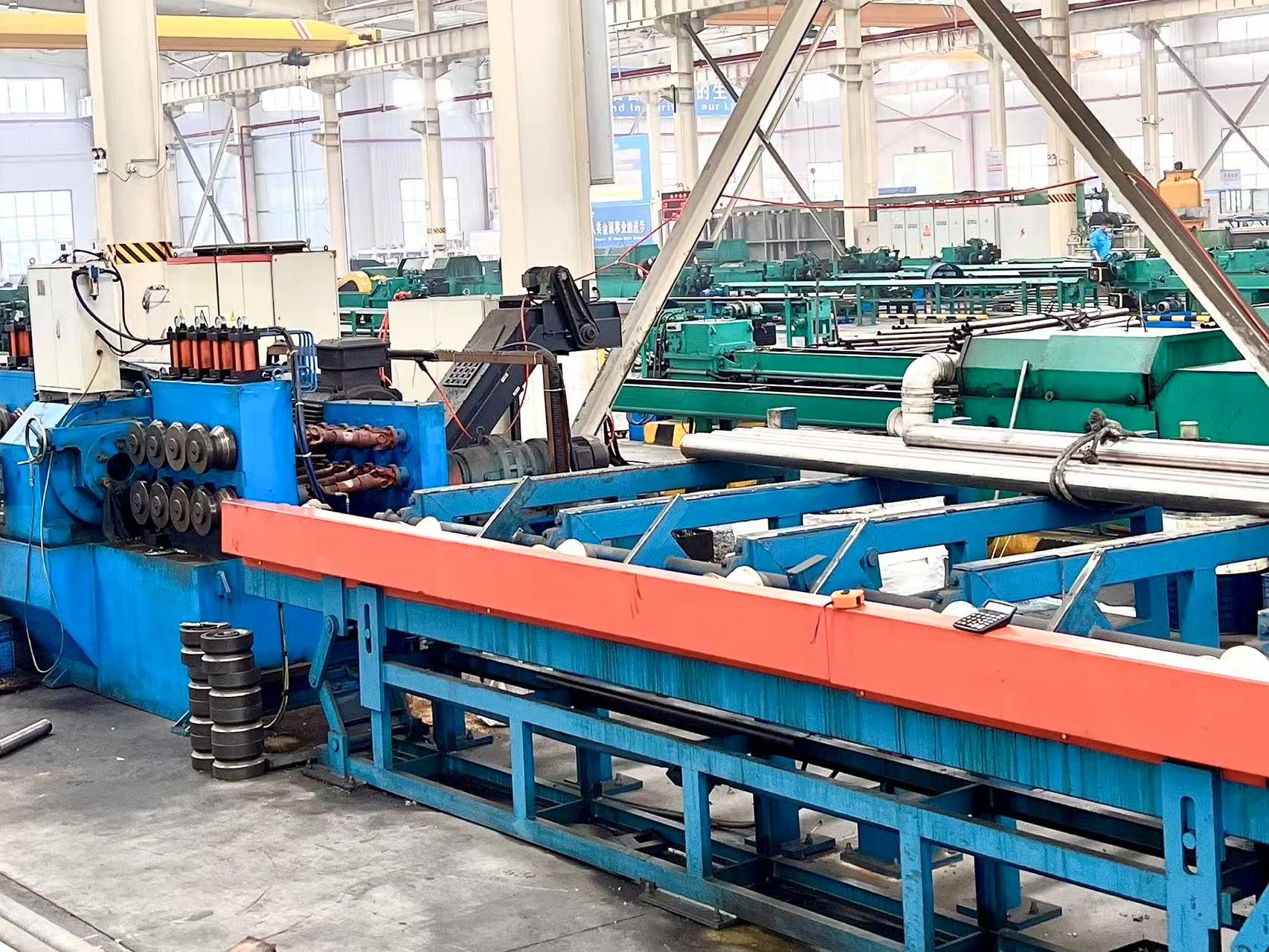
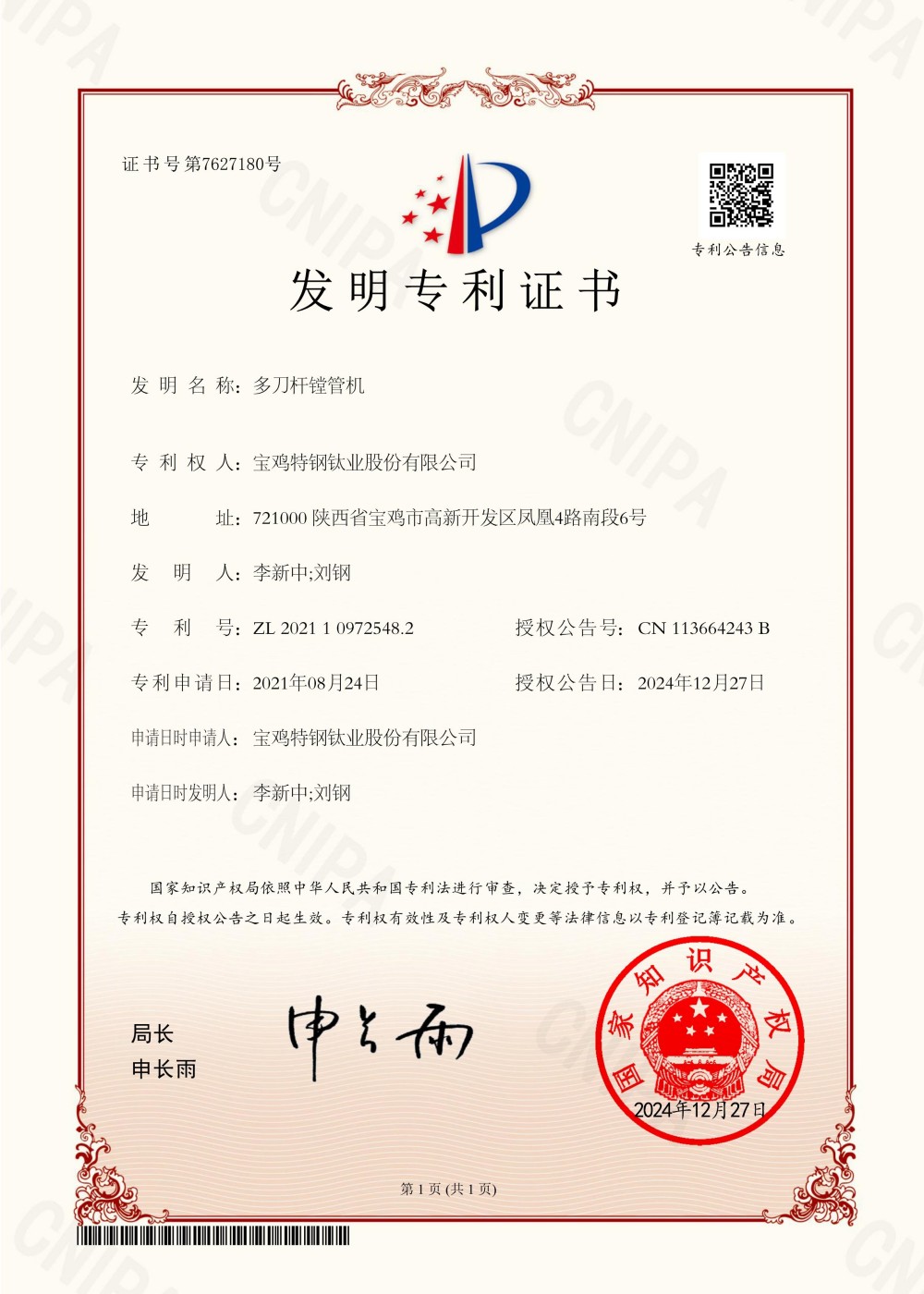
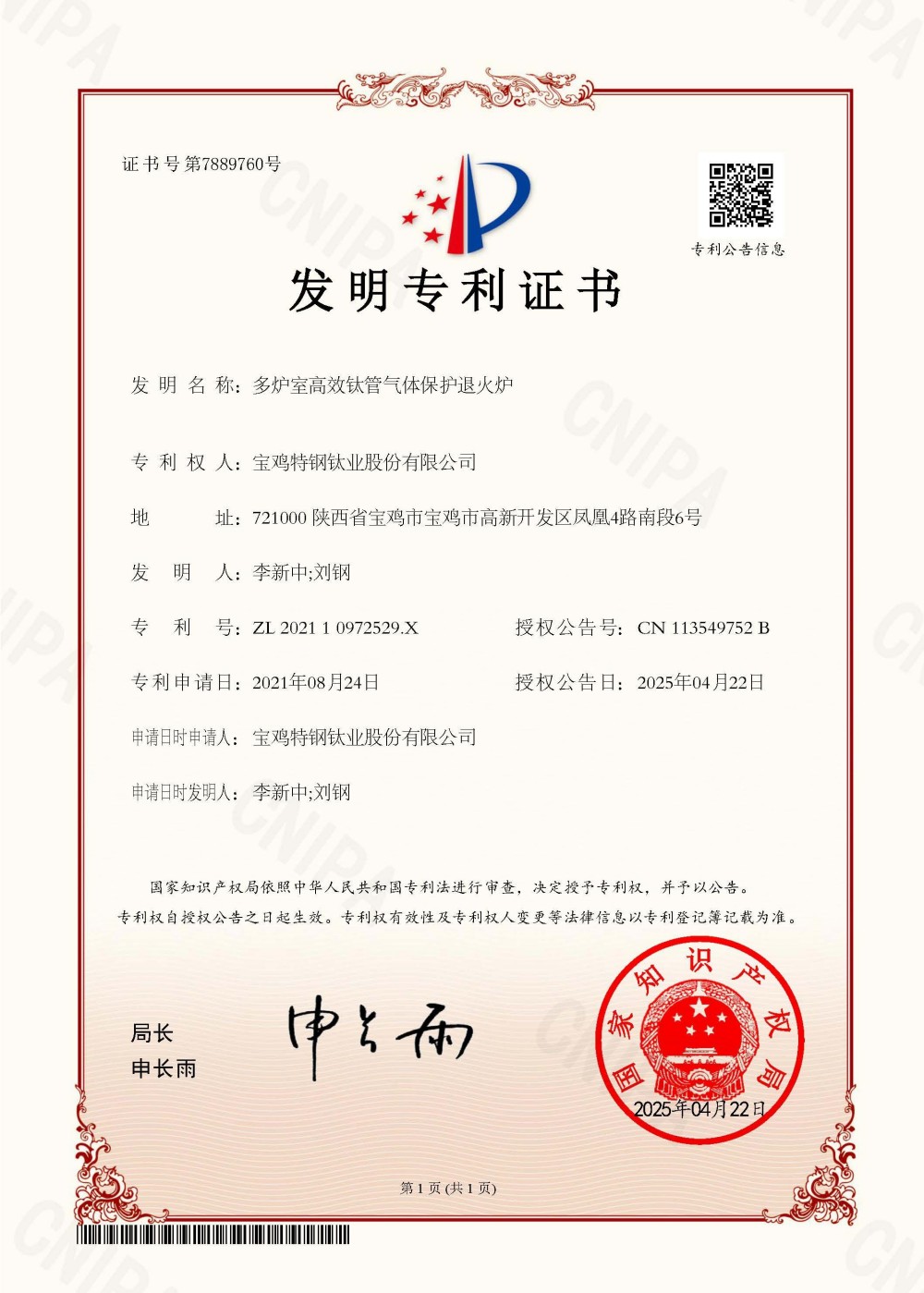
Since its establishment, the company has always adhered to the development strategy of continuous innovation and continued to expand the market with new technology and new products as the fulcrum. After more than 20 years of development and accumulation, the products have entered the markets of Germany, Japan, the United States, Norway, Finland, South Africa, Singapore, India and other countries and Taiwan regions, also have been highly praised.
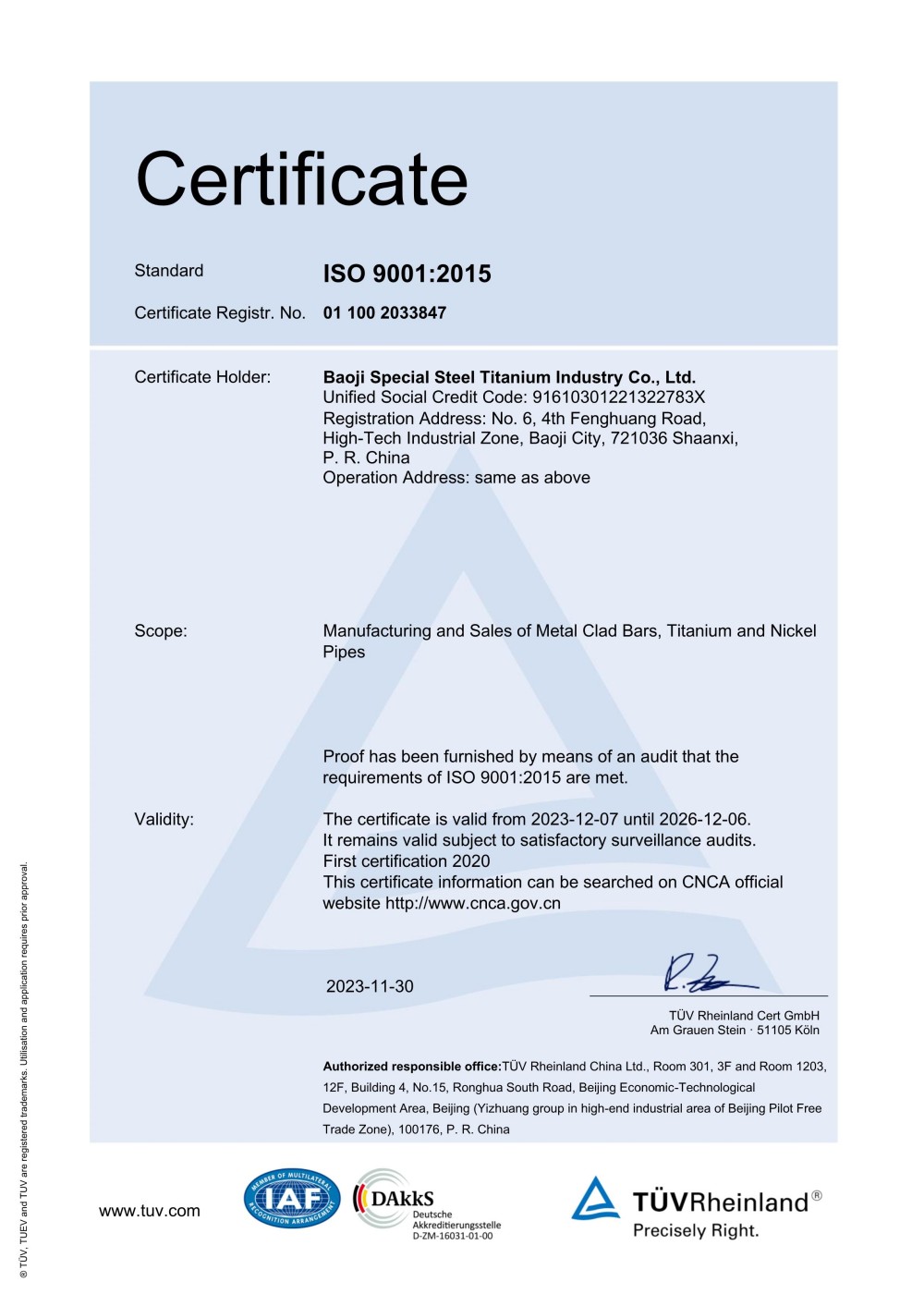
Stable product quality, integrity as the core of the business philosophy, by the world's customers trust. "To build an excellent enterprise team, continuously improve the management and manufacturing methods, so that every customer can get the maximum benefit from each product" is the eternal pursuit of special steel titanium industry personnel.
The reliance on the Titanium Tube for Hydrometallurgy Plants is projected to grow at an unprecedented CAGR over the next decade. As the electrification of the global transport fleet accelerates, the extraction of battery precursor materials must scale accordingly. Hydrometallurgical extraction is favored over pyrometallurgy due to its lower energy consumption and ability to process lower-grade ores effectively. This inherently means more chemical processing, more acidic environments, and consequently, a higher volume of titanium tubing required per ton of metal produced.
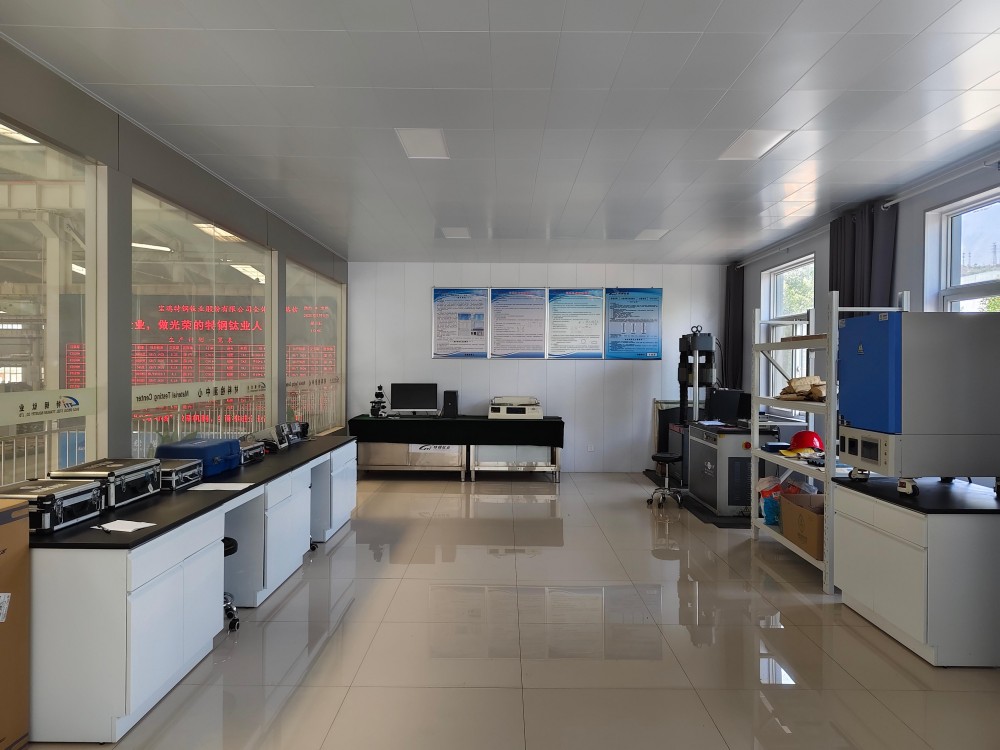
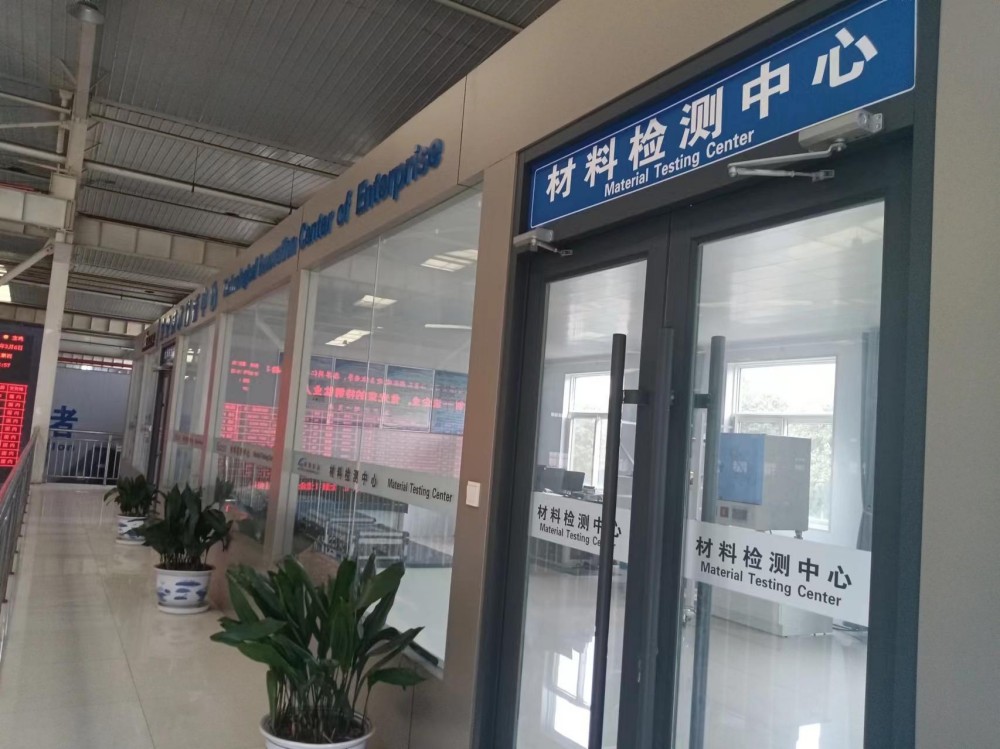
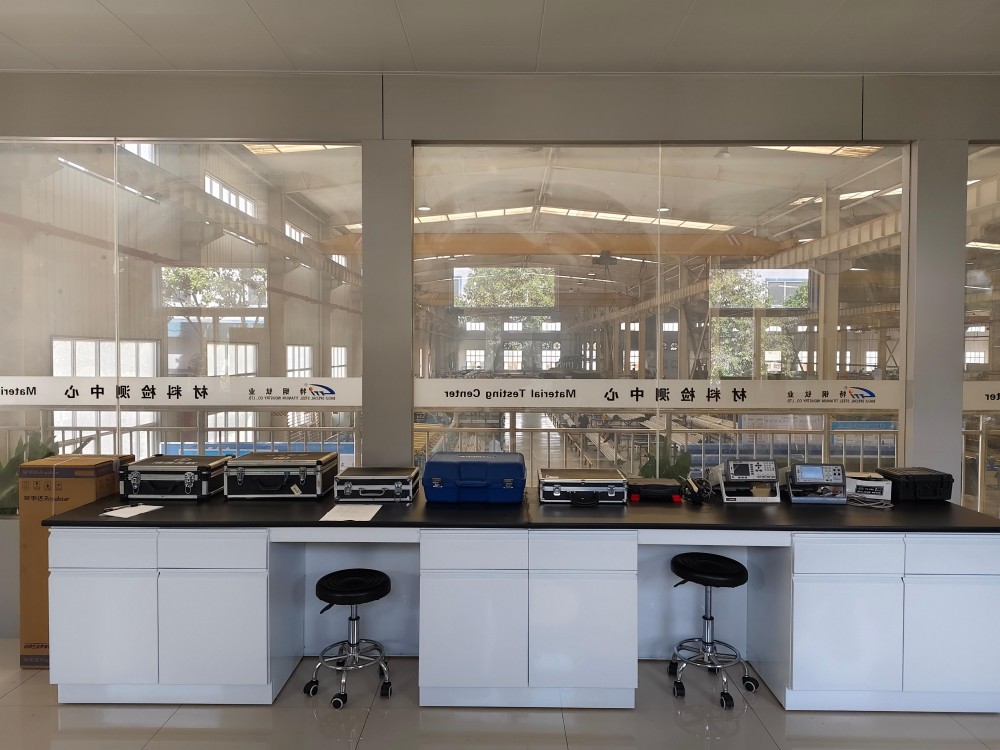
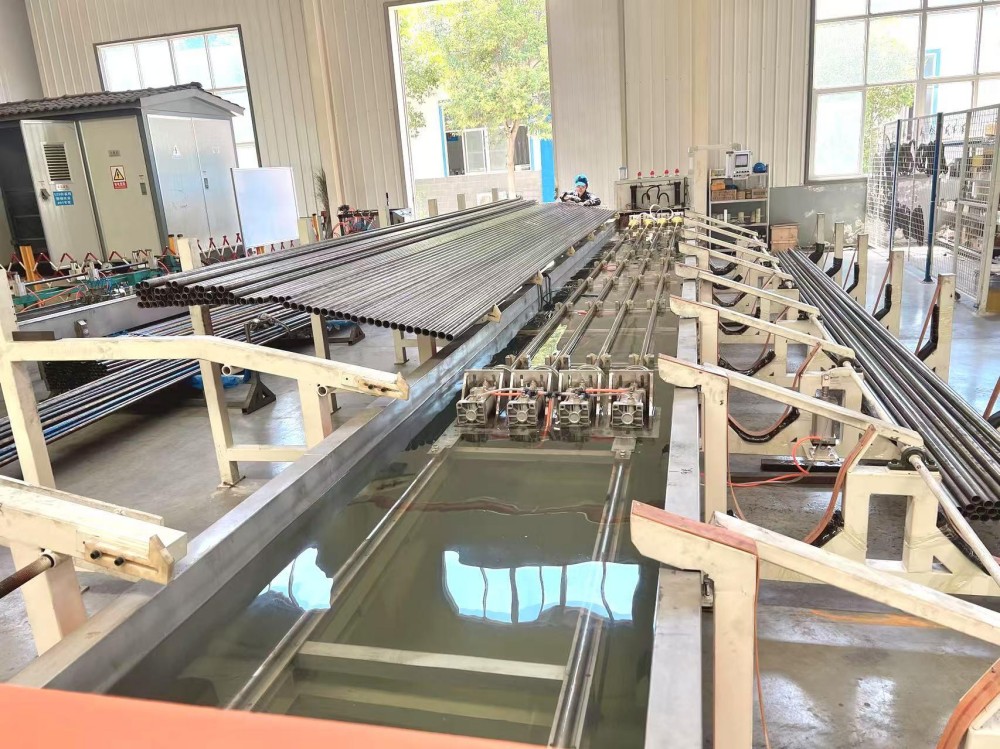
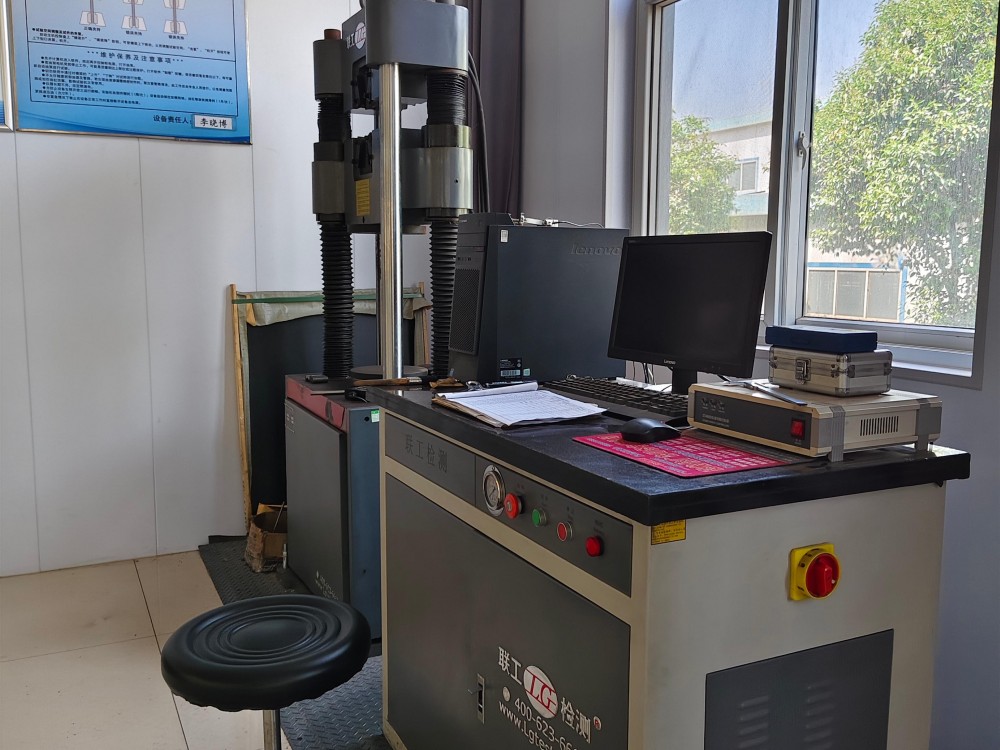
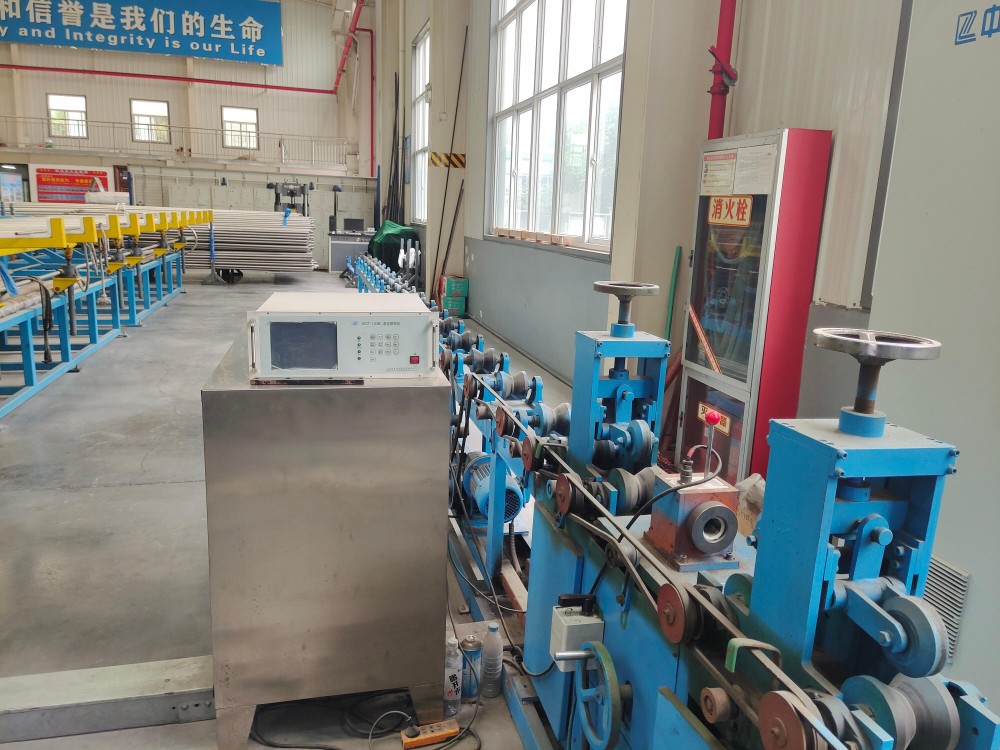
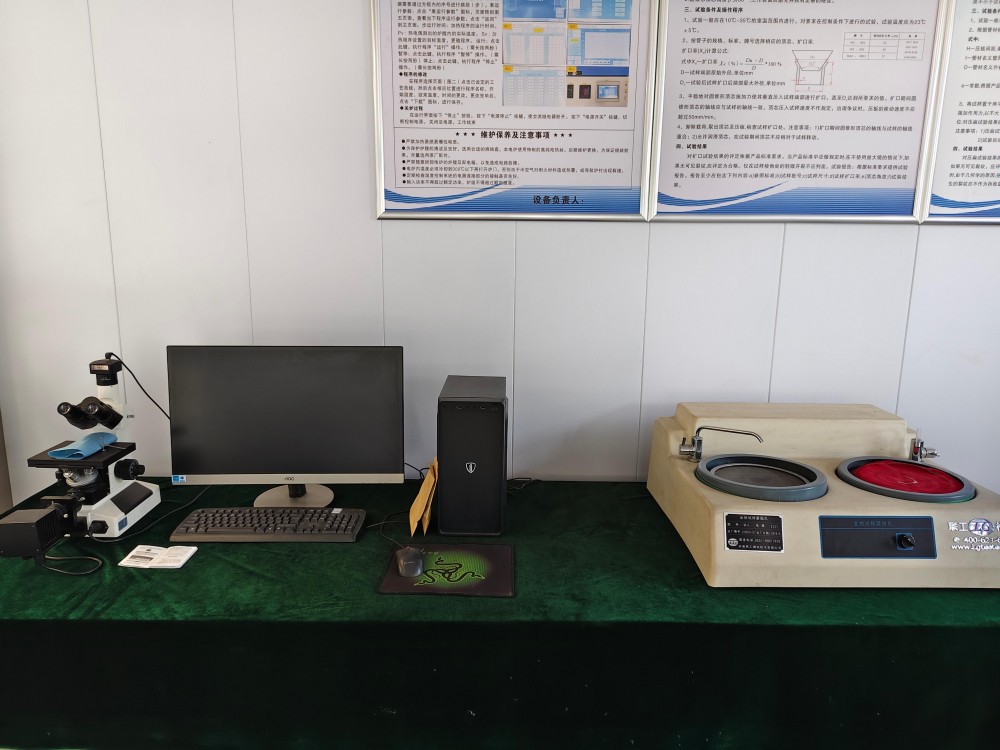
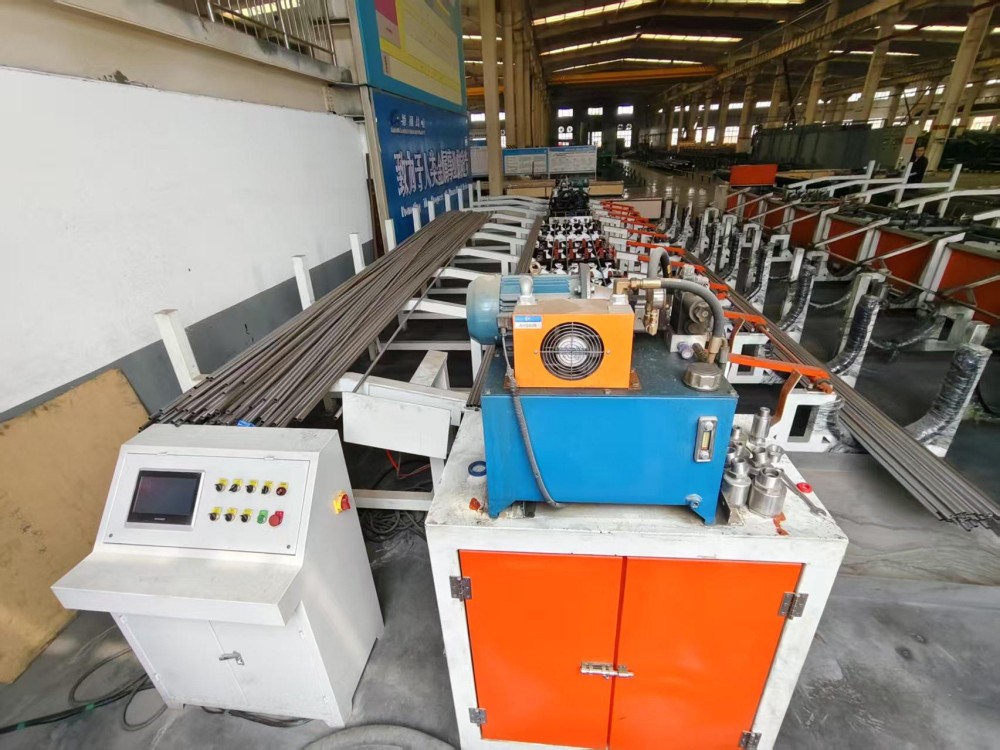
Compliance with international standards is non-negotiable in this high-stakes industrial environment. Tubes must strictly adhere to specifications such as ASTM B338 (Standard Specification for Seamless and Welded Titanium and Titanium Alloy Tubes for Condensers and Heat Exchangers) and ASME SB-338. These standards dictate rigorous testing protocols, including ultrasonic testing, eddy current testing, pneumatic testing, and hydrostatic testing, ensuring that every millimeter of the tube is free from metallurgical defects. Only manufacturers with robust quality assurance frameworks and state-of-the-art non-destructive testing (NDT) capabilities can supply these critical components to tier-one mining houses.
In conclusion, the intersection of advanced metallurgy, chemical engineering, and modern manufacturing has solidified titanium as the backbone of contemporary extractive industries. Investing in high-quality titanium infrastructure is not merely a technical decision; it is a strategic maneuver that guarantees operational continuity, maximizes yield, and ensures the sustainable extraction of the critical minerals that will power the future of our planet.