Leave Your Message
Engineered to withstand extreme corrosive environments while delivering superior electrical conductivity.
In modern electrochemical manufacturing, electrometallurgy (such as copper, nickel, zinc, and cobalt electrowinning), and chlor-alkali production, the demand for highly efficient, extremely durable, and energy-saving conductive components has surged. Historically, industrial facilities relied heavily on copper and steel for conductive bars and cathode support structures. However, in highly corrosive acidic environments, bare copper degrades rapidly, causing frequent maintenance shutdowns, loss of electrical efficiency, and contamination of the metal deposits. The introduction of titanium tubes and titanium-clad copper composite bars revolutionized this space, providing an impenetrable barrier against chemical attacks while preserving the core electrical conductivity of the copper.
Today, the commercial market for titanium tubes used in conductive bars and cathode systems is experiencing a massive growth phase. Driven by global initiatives for green energy, decarbonization, and resource optimization, industrial plants are aggressively upgrading their tankhouse equipment. The incorporation of high-grade titanium tubes (specifically ASTM B338 Grade 1 and Grade 2) ensures that cathode hanger bars and structural frames achieve a lifespan exceeding 15 to 20 years. This longevity minimizes capital expenditure over the life cycle of the metallurgical plant, making titanium-clad systems the standard benchmark for new engineering projects worldwide.
Key Market Insight: The global shift toward sustainable hydrometallurgy has made the efficiency of electrical transmission in electrowinning cells a critical operational KPI. Titanium-clad copper bars utilizing premium-grade titanium tubes reduce voltage drop across contacts, directly lowering energy consumption by up to 5% to 8% compared to traditional hanger bars.
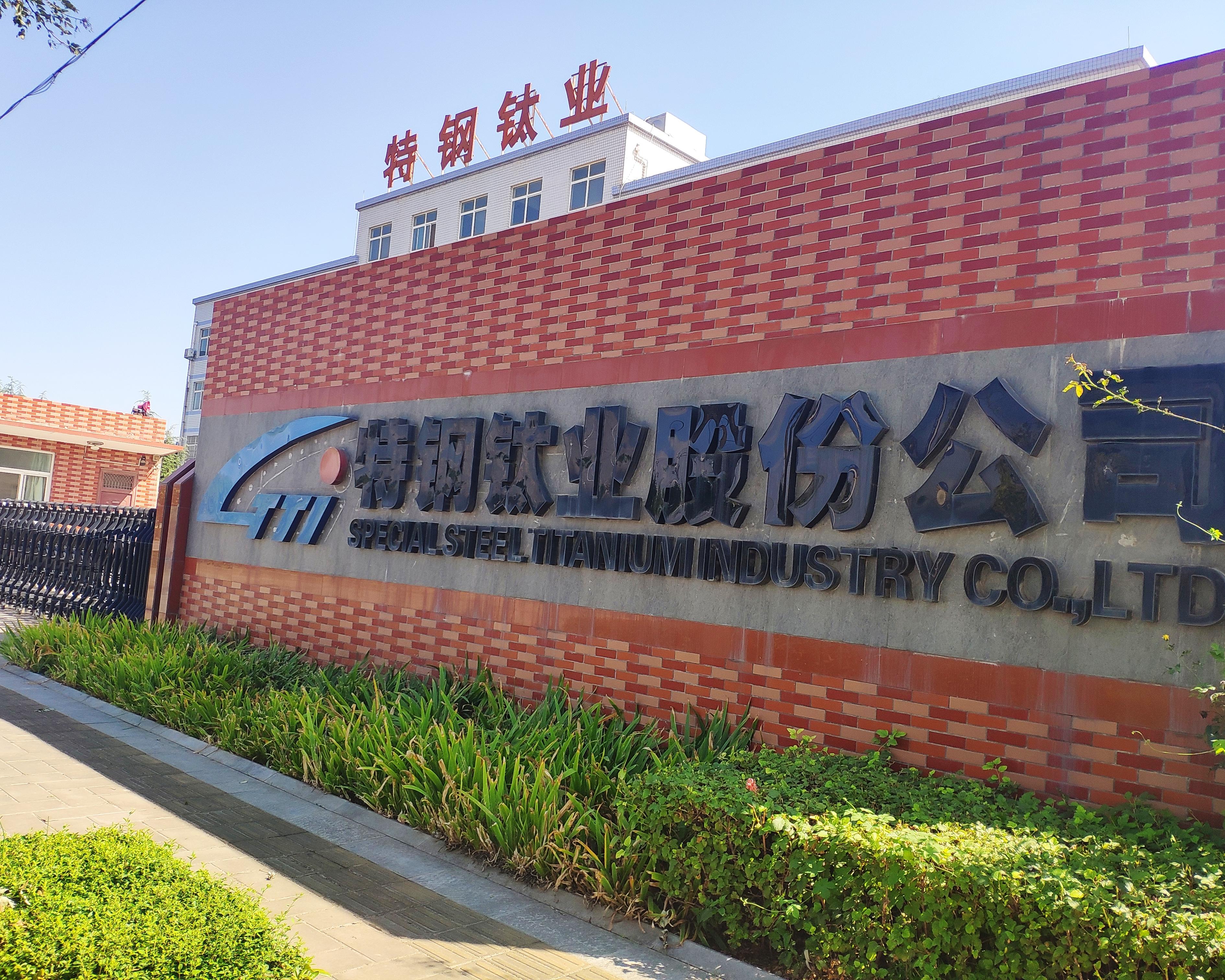
Baoji Special Steel Titanium Industry Co., Ltd. is a joint-stock industrial enterprise specializing in the research, development, manufacturing, and sales of titanium, nickel, zirconium, and other metal pipes and metal composite materials. The company was founded in 1997, located in Shaanxi Baoji National High-tech Industrial Development Zone, the factory covers an area of 41,000 square meters.
The company has an annual production capacity of over 3000 tons of non-ferrous metal pipes, composite materials, and various deep processing products such as titanium, zirconium, nickel, tantalum, and copper, etc. A series of products according to varieties and specifications have reached more than 500 kinds. The annual export accounts for more than 30% of the company's total output, making us an export-oriented industrial enterprise with a strong growth momentum. The company has obtained the national high and new technology enterprise certification and has been listed in the first batch of industries encouraged to develop by the National Development and Reform Commission.


The integration of titanium tubes into conductive bars and cathode systems is a sophisticated engineering process. To understand its value, we must analyze the exact mechanics of these electrochemical systems:
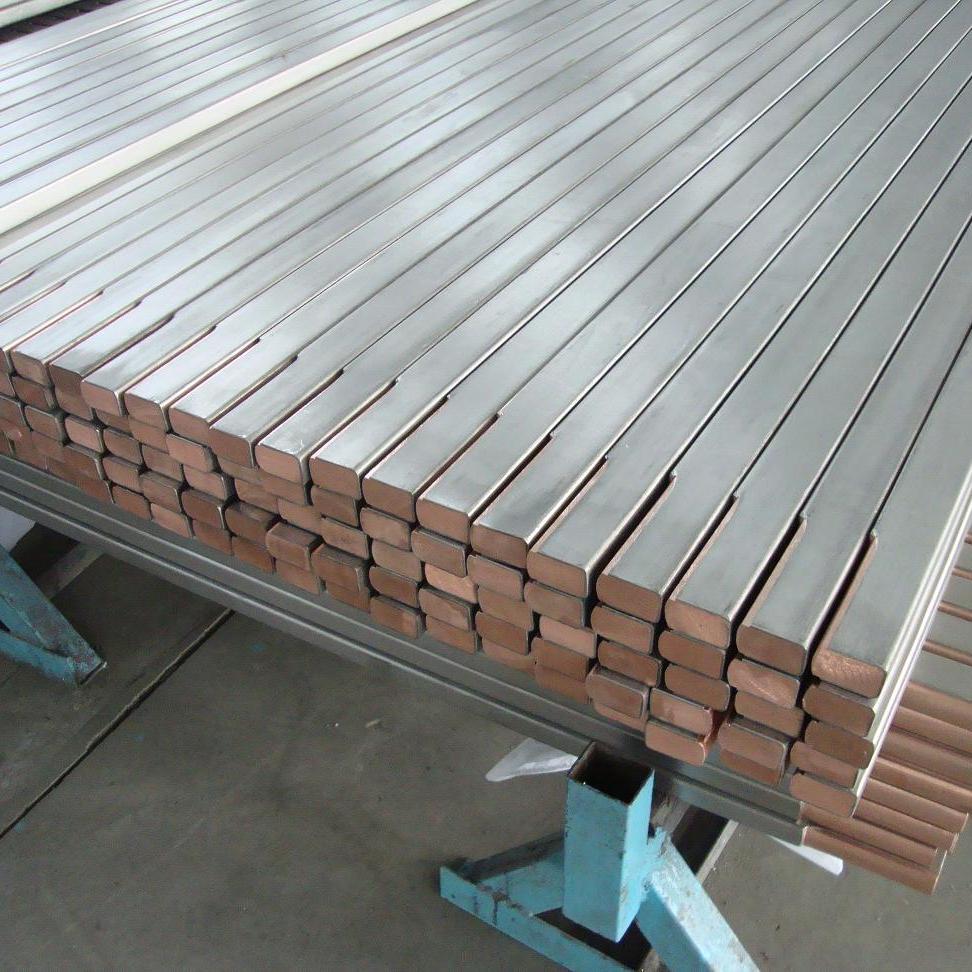
In electrowinning cells, the hanger bar is responsible for suspending the cathode sheet into the electrolyte solution and passing massive amounts of electrical current (often tens of thousands of Amperes). A standard copper bar would quickly corrode due to the acidic mist rising from the bath, leading to contact resistance and extreme heat generation. By utilizing a high-precision titanium tube as an outer protective sleeve, and co-extruding or metallurgically bonding it with a solid copper core, we create a composite bar. The titanium outer layer provides absolute corrosion resistance, while the copper core maintains optimal electrical conductivity. This co-extrusion process requires high-quality titanium tubes with consistent wall thickness and zero defects to prevent any acidic penetration.
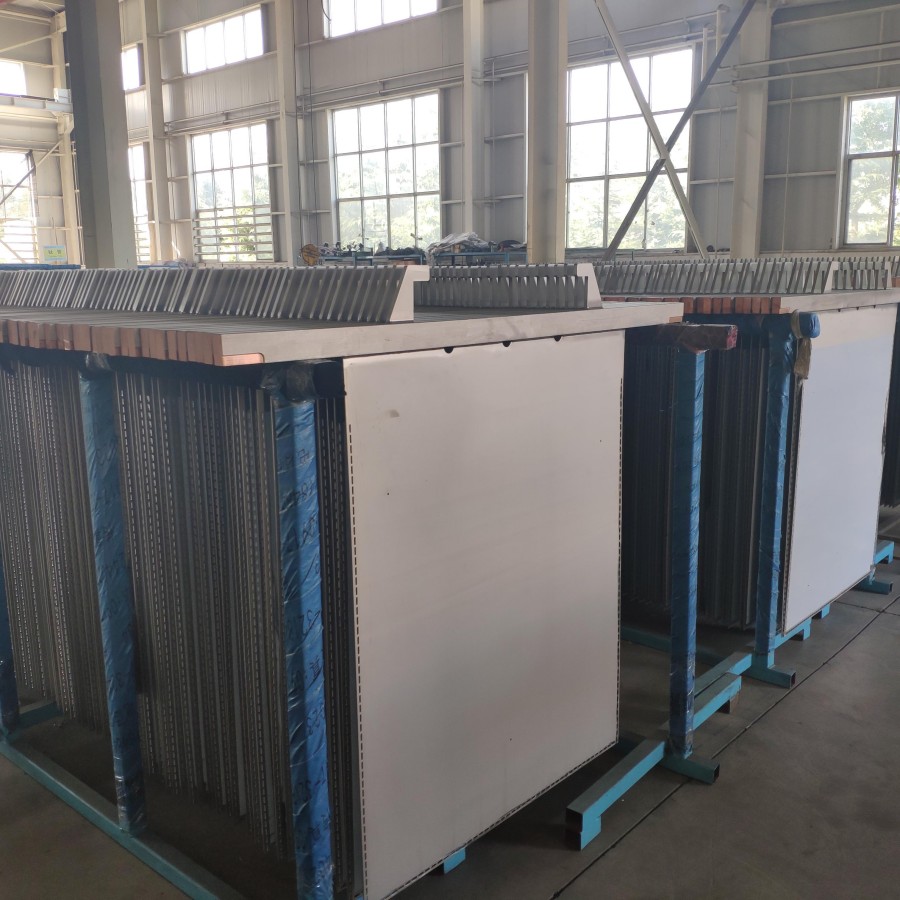
In modern copper electrowinning, permanent stainless steel or titanium cathodes have replaced traditional starter sheets. Titanium cathode plates, supported by titanium-clad copper hanger bars, offer superior stripping characteristics for the deposited copper. The structural frame of these cathode assemblies often utilizes hollow titanium tubes to reinforce the plate's rigidity without adding excessive weight. These tubes must withstand high mechanical stress during the automated stripping process, where robotic hammers detach the deposited metal sheets from the cathode.
For specialized electroplating and water treatment applications, titanium tubes serve as the base substrate for MMO (Mixed Metal Oxide) coated anodes and cathodes. The cylindrical shape of the titanium tube provides an optimal surface-area-to-volume ratio, facilitating uniform current distribution and efficient gas release (chlorine or oxygen) during electrolysis. This prevents localized overheating and extends the overall operating lifespan of the system.
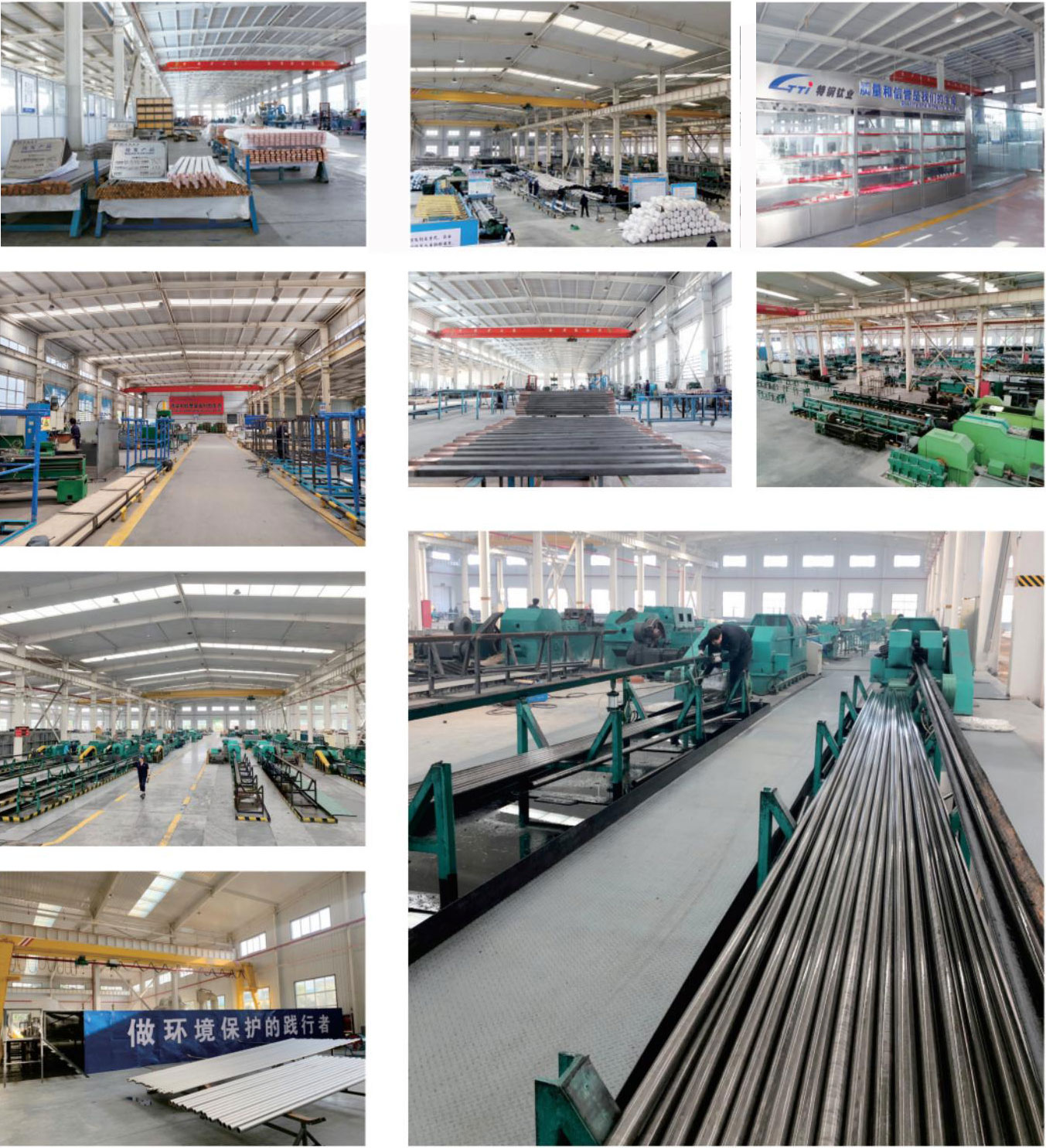
We leverage advanced metallurgical technology to manufacture high-performance non-ferrous products tailored for global industrial applications.
The industrial landscape is shifting rapidly toward automation, higher current densities, and reduced carbon footprints. These shifts are driving several key trends in the design and application of titanium tubes and conductive bars:
As the global demand for green hydrogen escalates, PEM (Proton Exchange Membrane) and Alkaline electrolyzers are being scaled up to multi-megawatt capacities. These electrolyzers require massive conductive systems and flow field plates. High-grade titanium tubes are increasingly used in the internal piping, distribution manifolds, and electrode supports within electrolyzer stacks due to their resistance to hydrogen embrittlement and high-pressure performance.
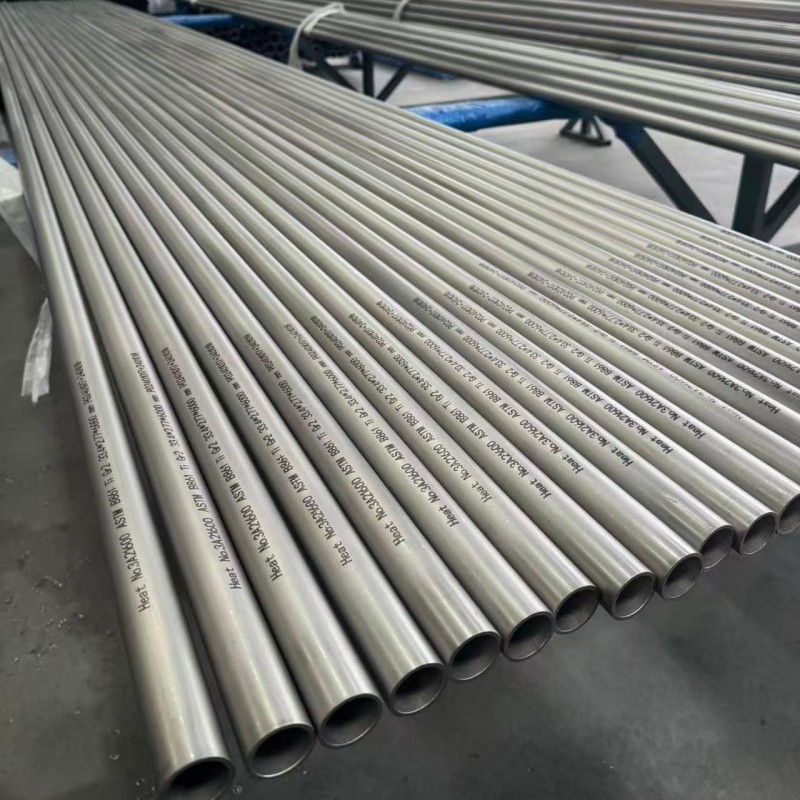
While welded titanium tubes are suitable for many low-pressure applications, the corrosive environment of electrowinning tankhouses is pushing engineers to specify seamless ASTM B338 Grade 2 titanium tubes. Seamless tubes eliminate the heat-affected zone (HAZ) associated with welding, ensuring uniform corrosion resistance and mechanical strength throughout the entire length of the conductive bar sleeve.
The quality of the bond between the titanium tube sleeve and the copper core is critical. Any air gaps or delamination between the two metals will drastically increase electrical resistance, leading to localized heating and energy loss. Advanced manufacturing techniques, such as hot extrusion, explosion bonding, and rolling, are being continuously refined to guarantee a 100% metallurgical bond, ensuring maximum current transfer efficiency.
Since its establishment, the company has always adhered to the development strategy of continuous innovation and continued to expand the market with new technology and new products as the fulcrum. After more than 20 years of development and accumulation, our products have successfully entered the markets of Germany, Japan, the United States, Norway, Finland, South Africa, Singapore, India, and other countries and Taiwan regions, receiving high praise and trust.
To build an excellent enterprise team, continuously improve management and manufacturing methods, so that every customer can get the maximum benefit from each product is the eternal pursuit of Special Steel Titanium Industry personnel.
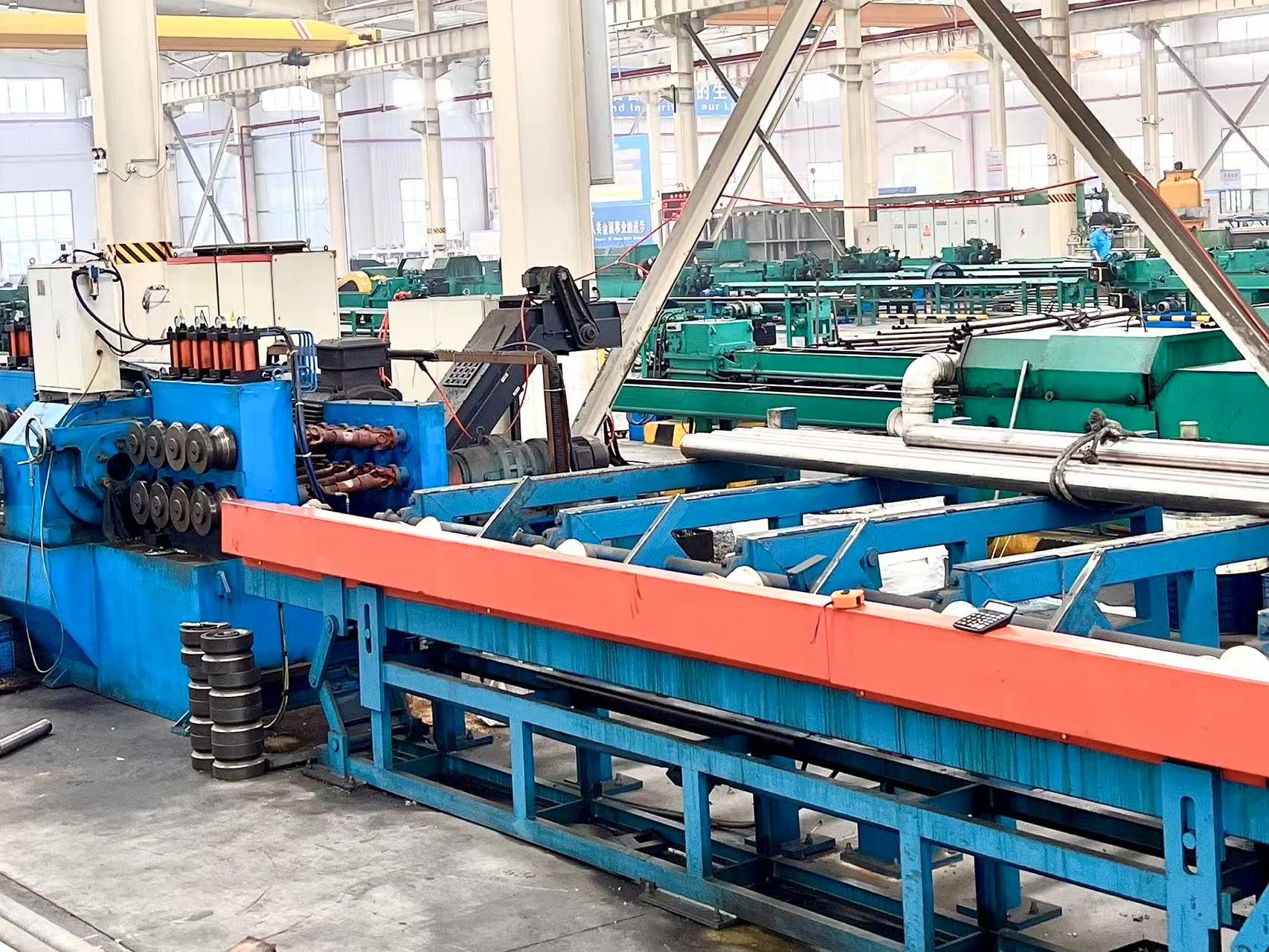
Equipped with state-of-the-art extrusion, rolling, and testing machinery to ensure unmatched product precision.
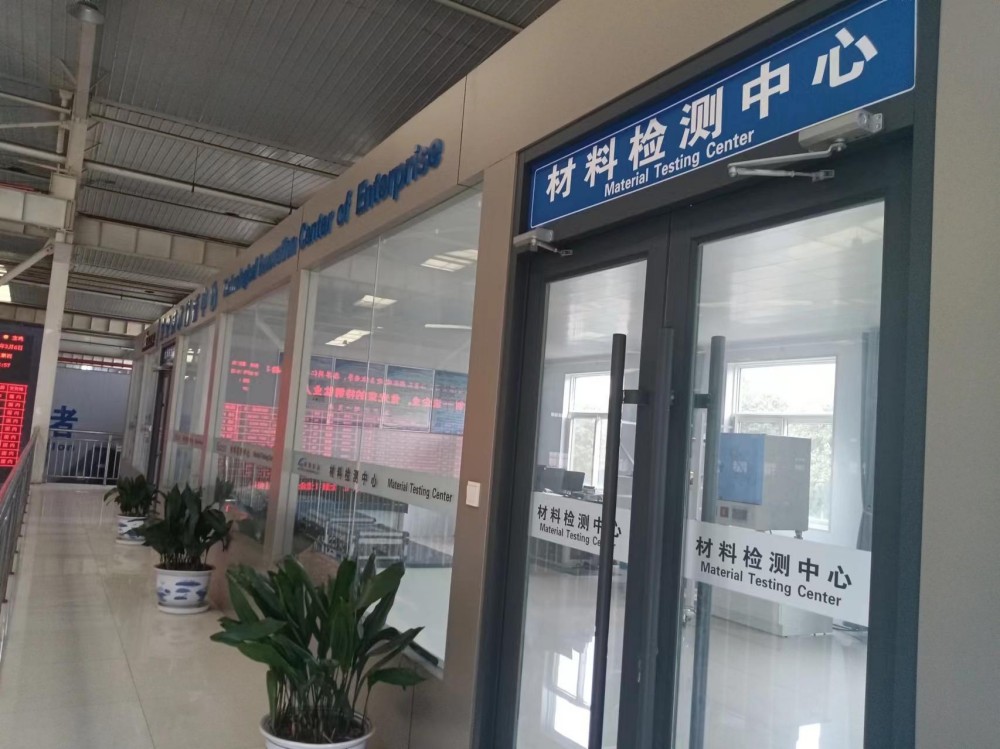
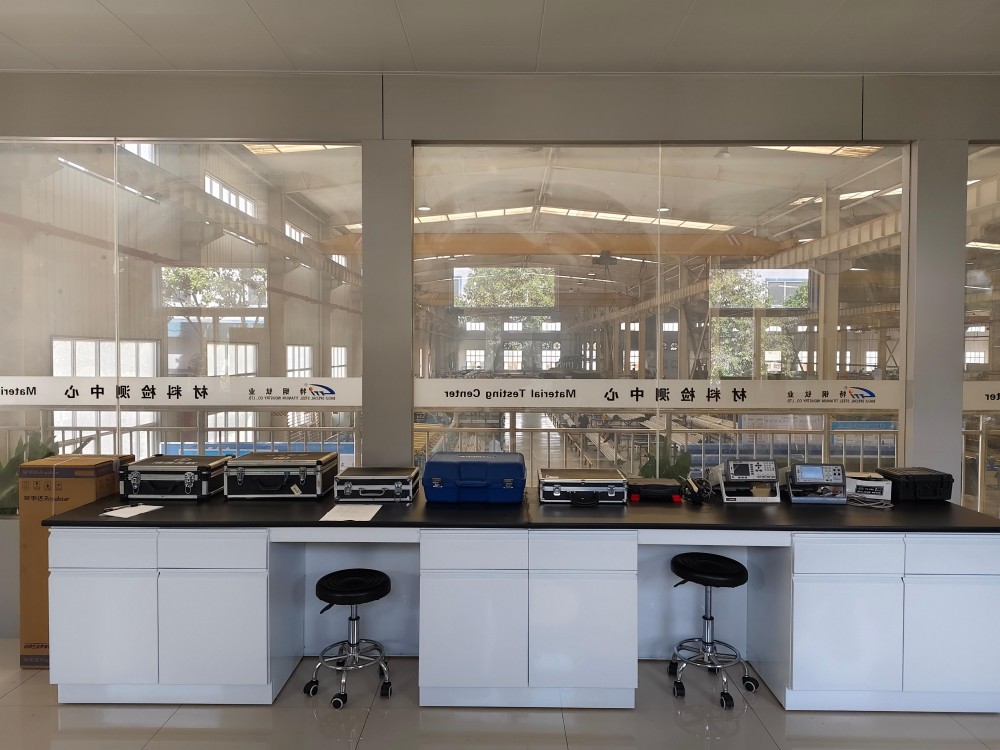
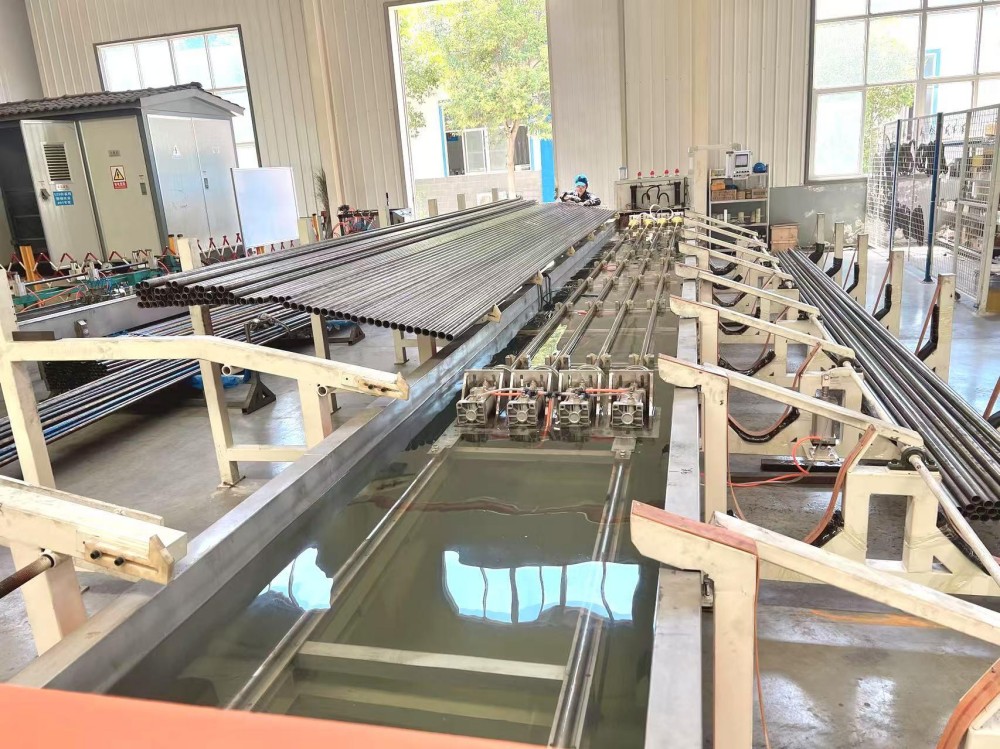
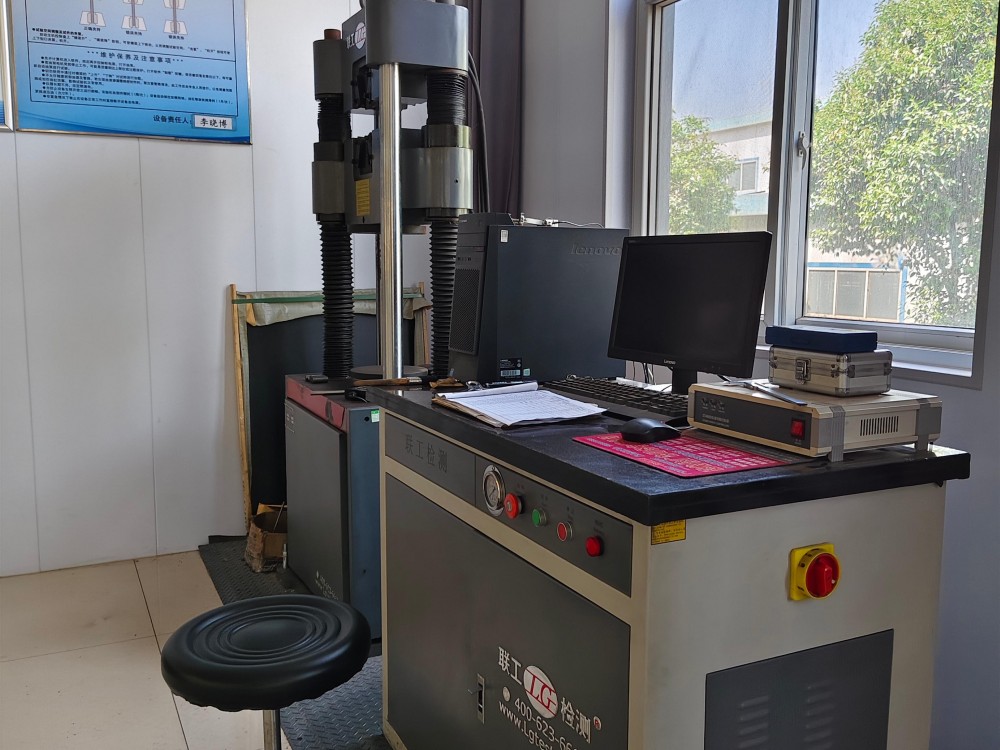
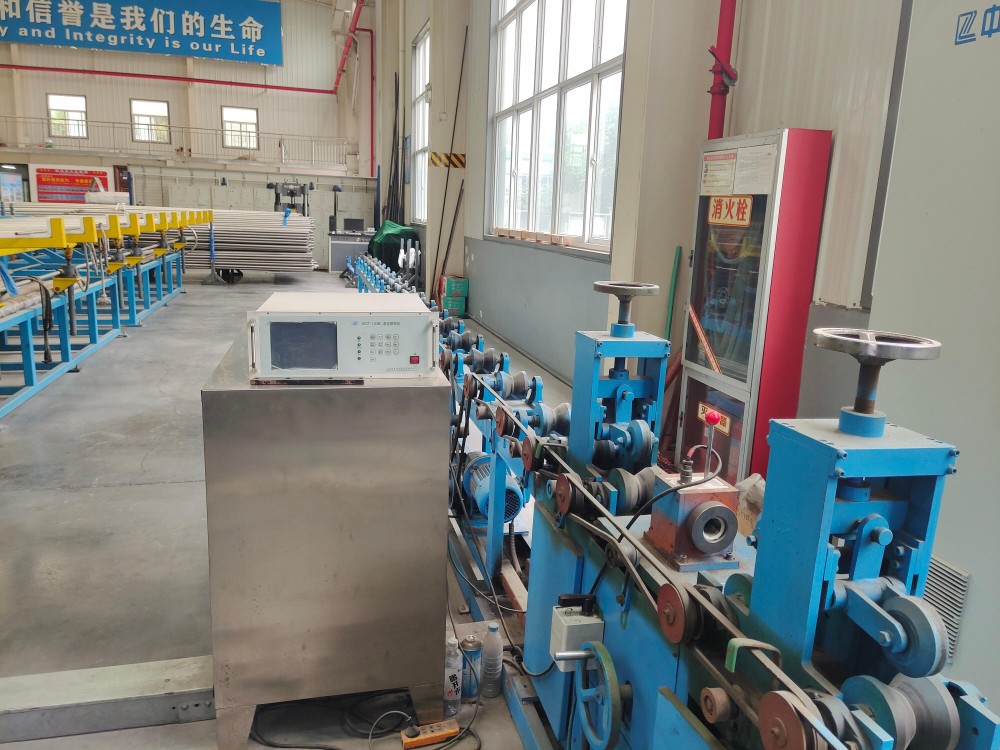
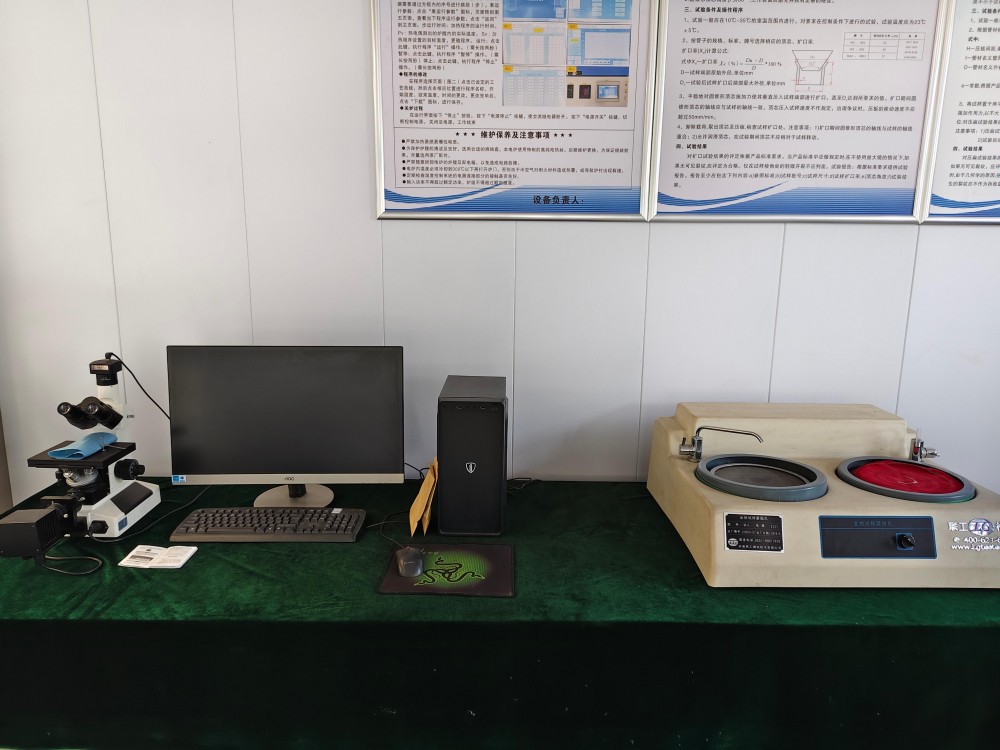
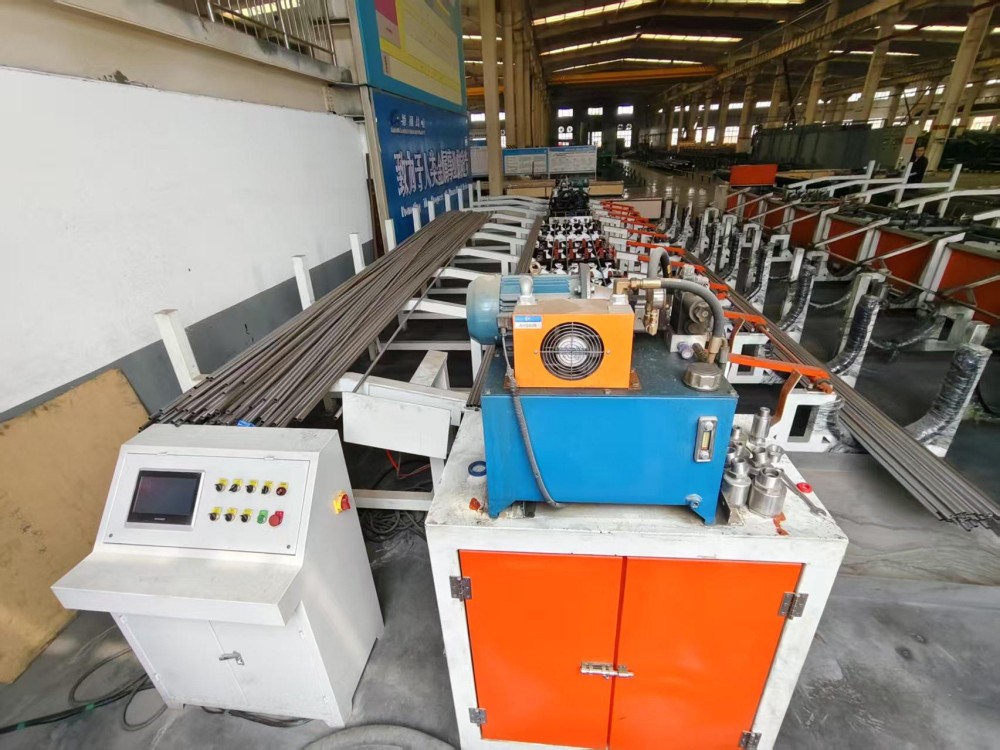
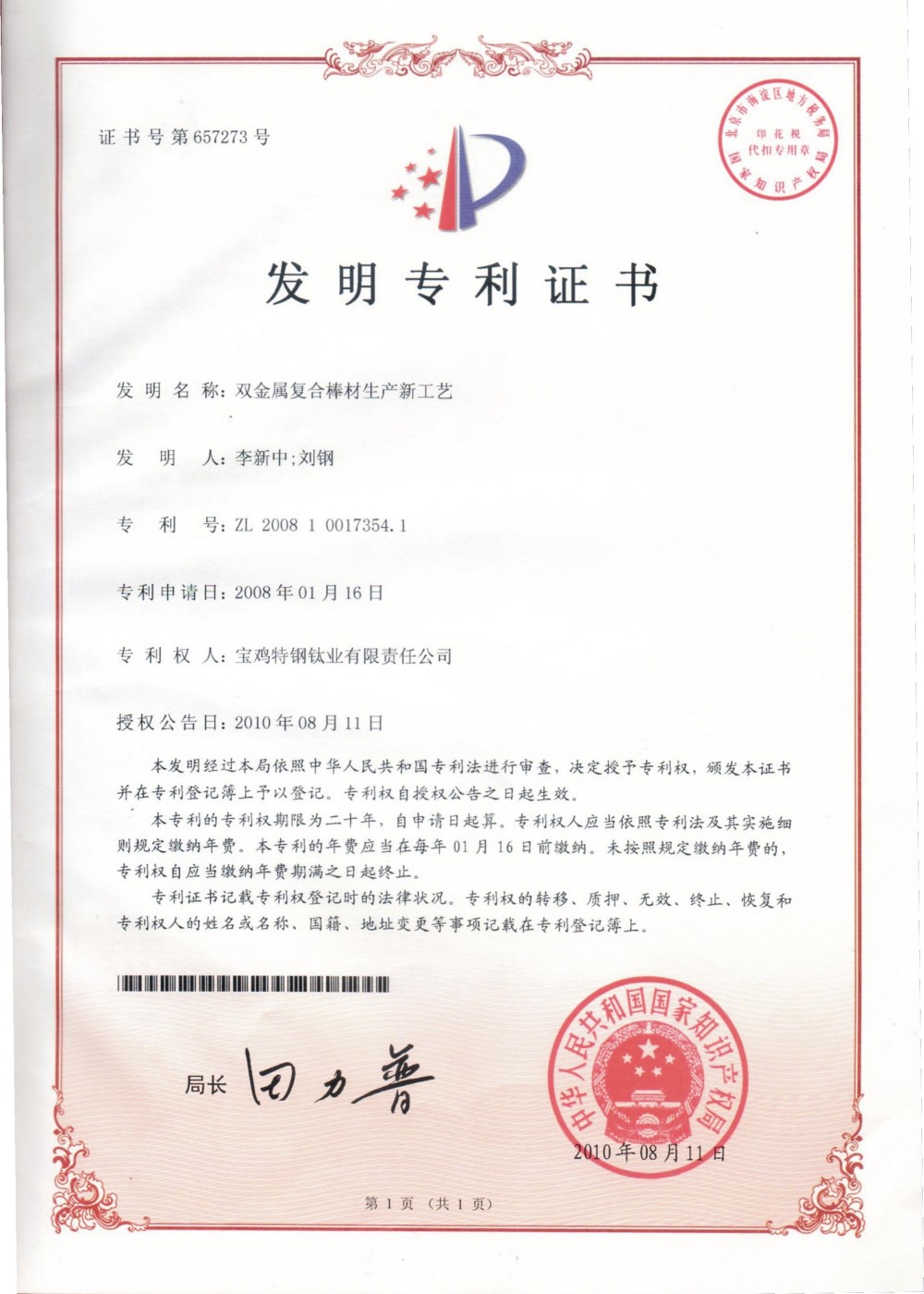
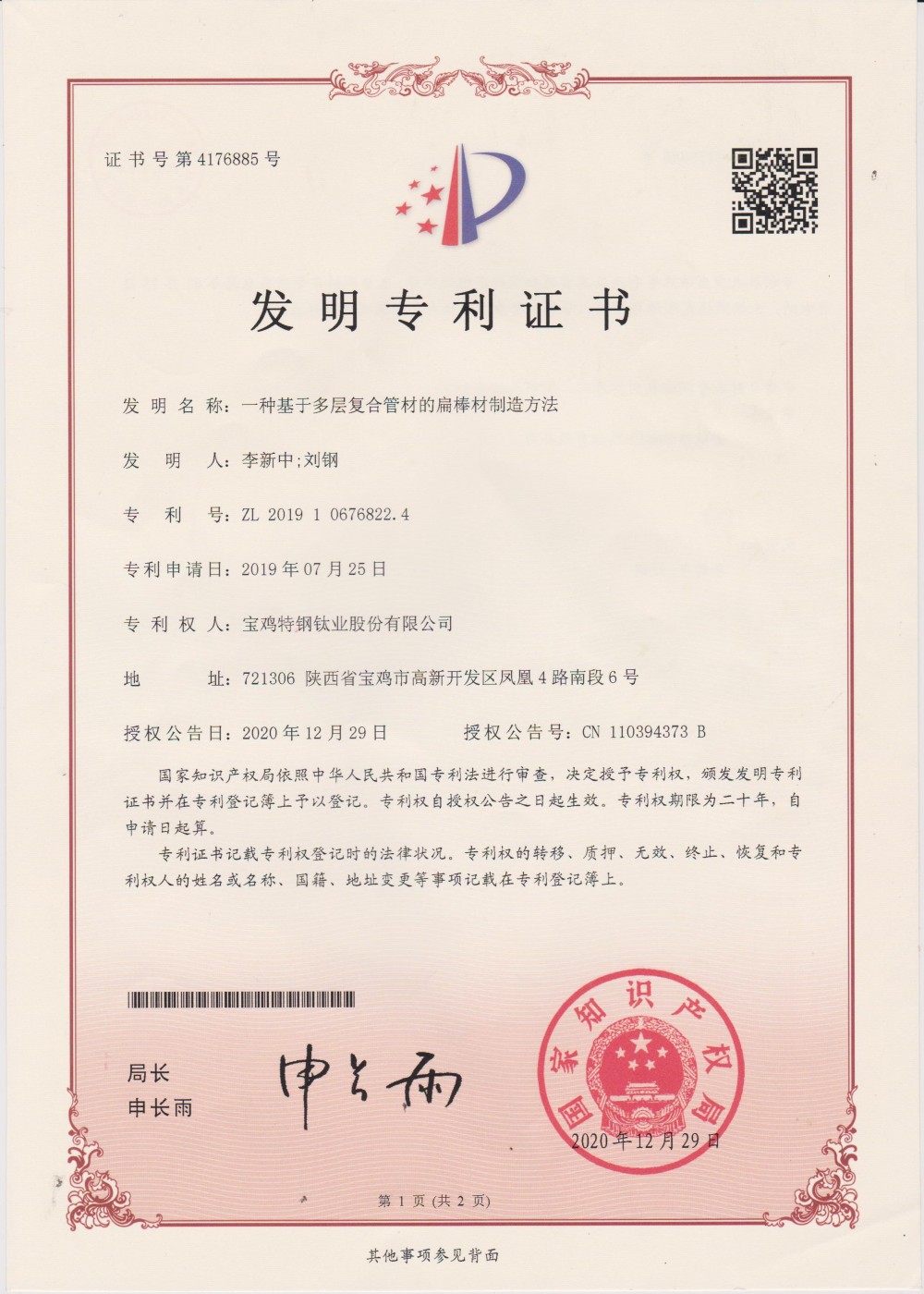
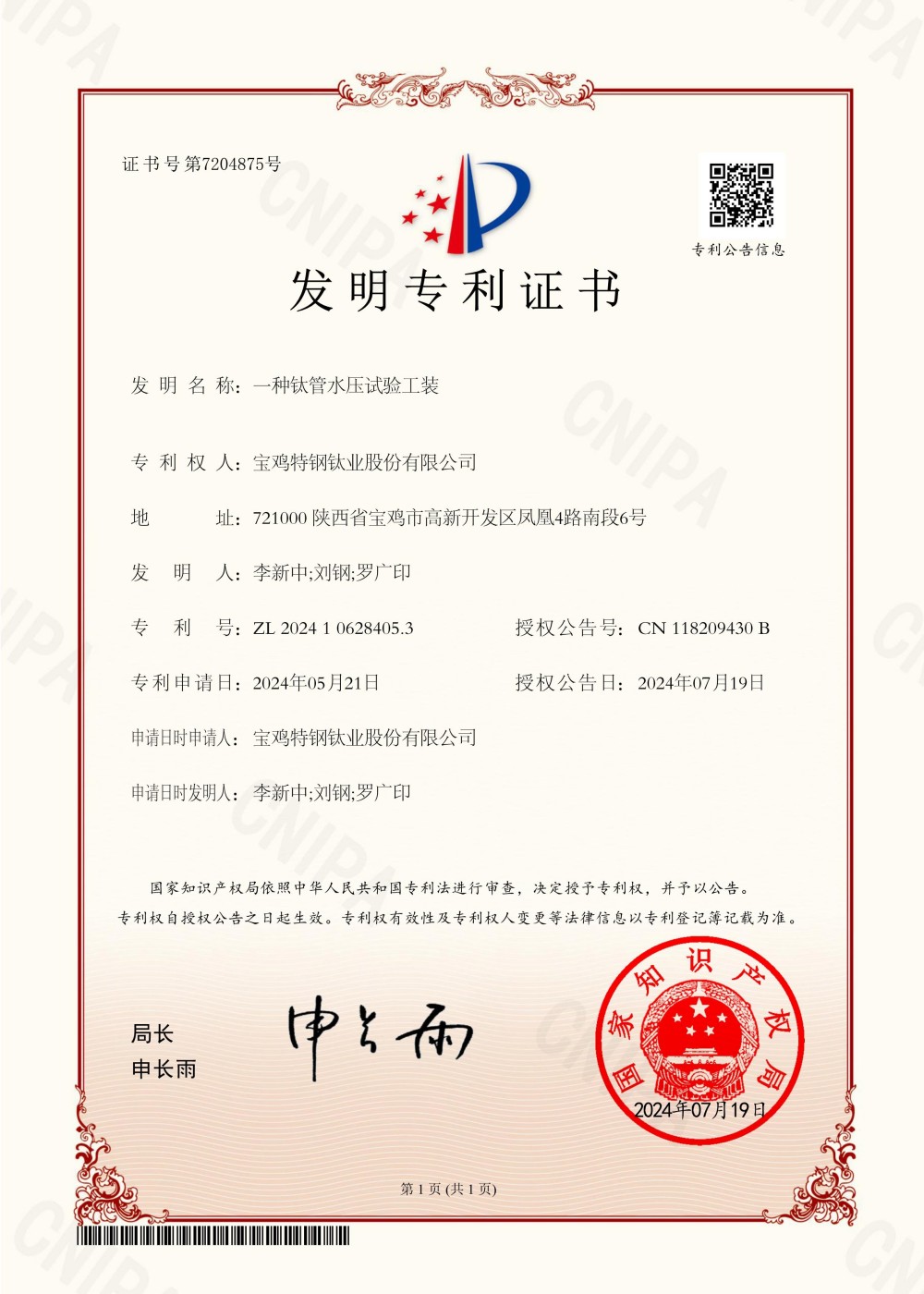
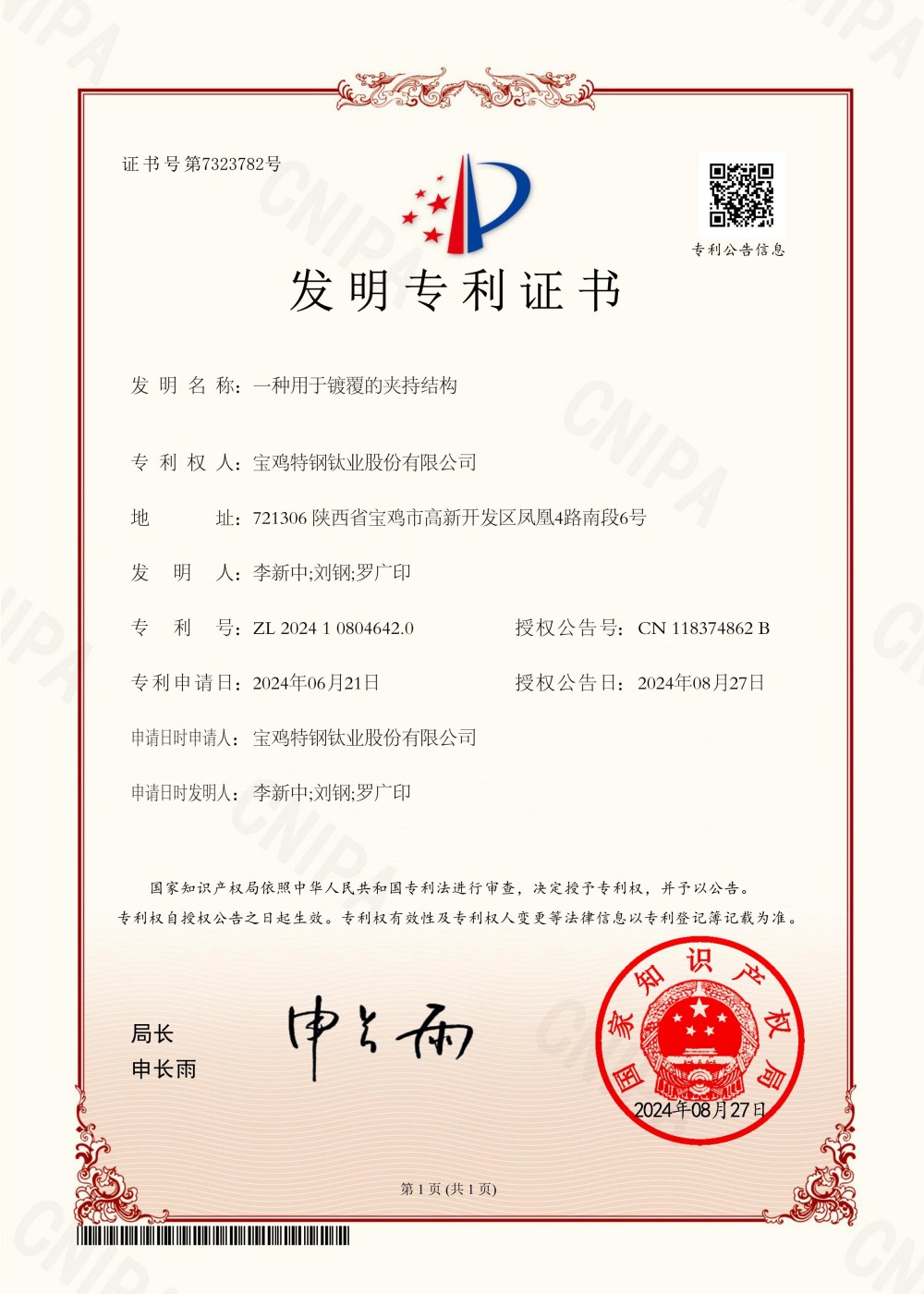
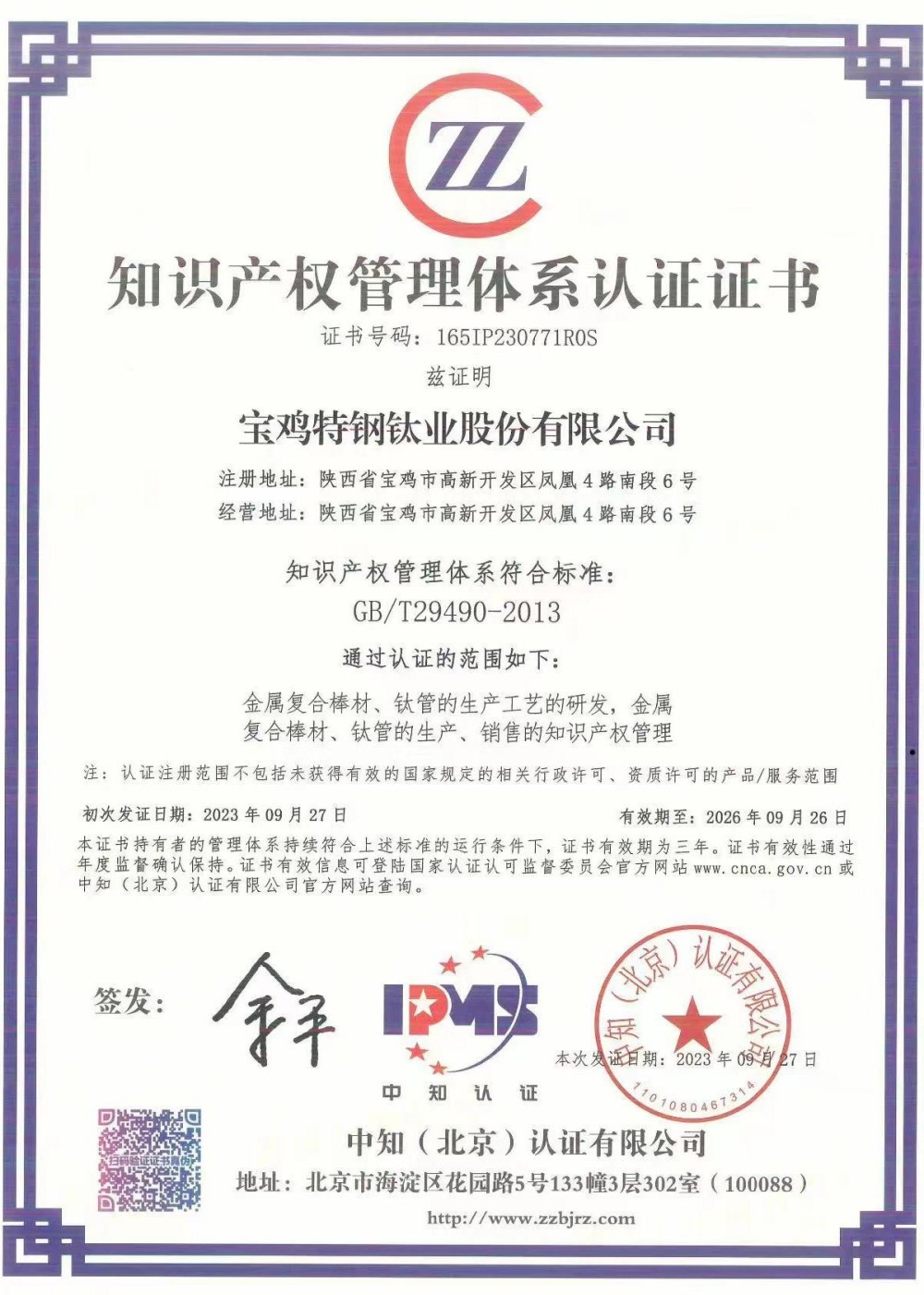
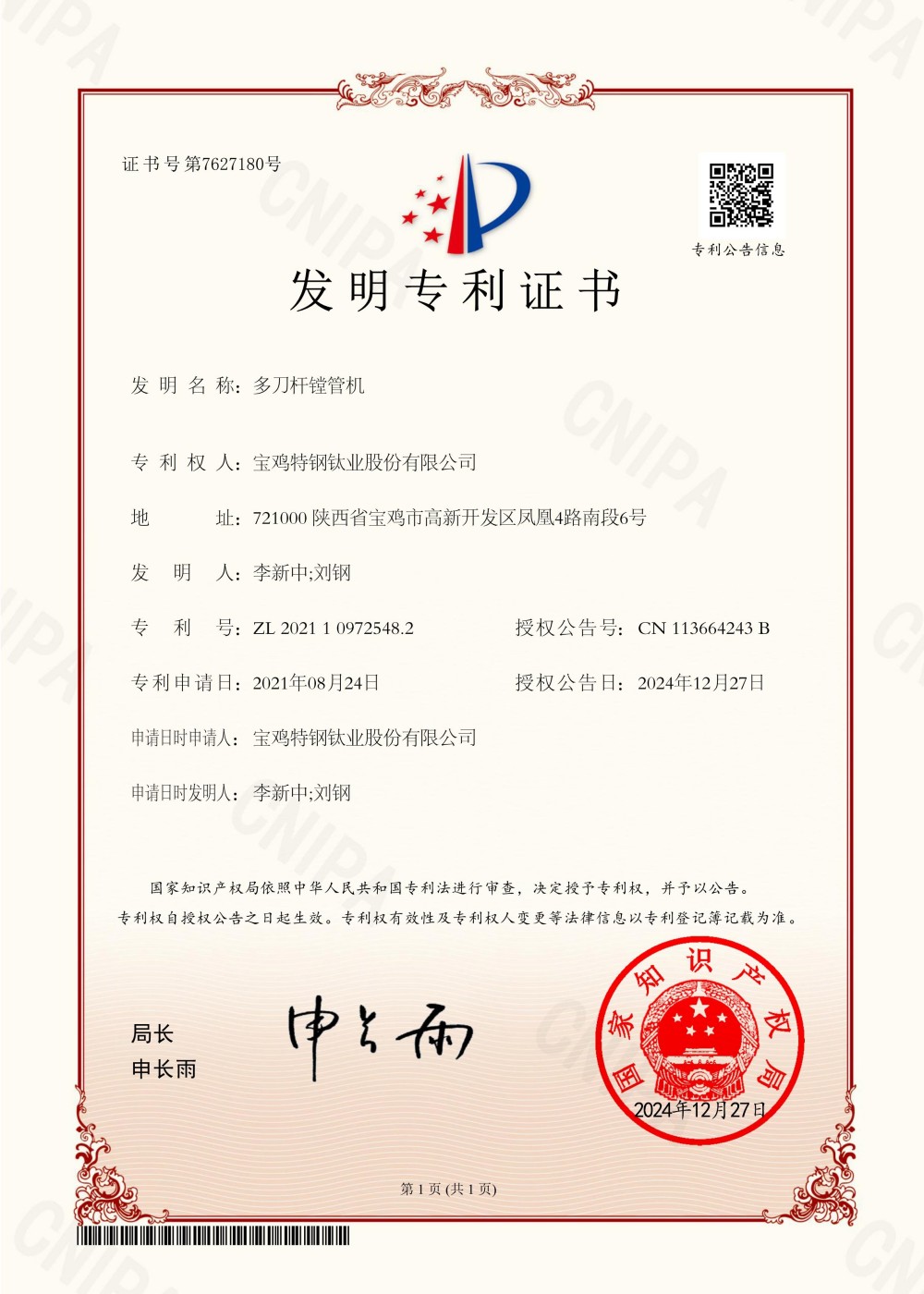
Our commitment to quality is backed by rigorous international standard certifications.
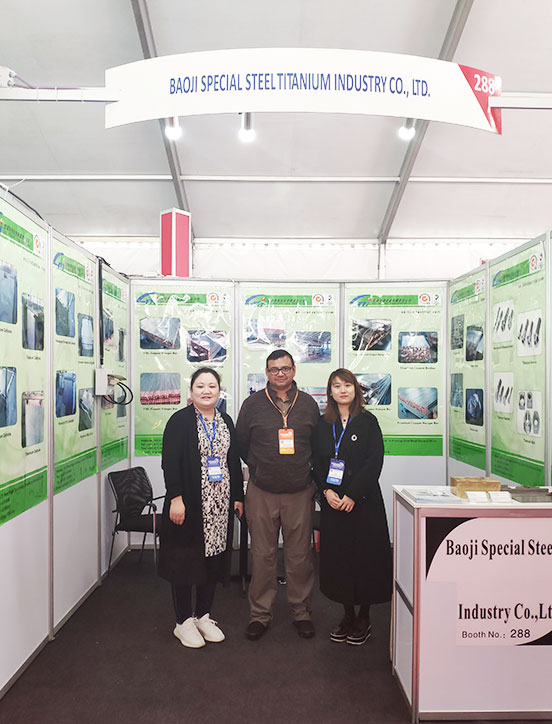
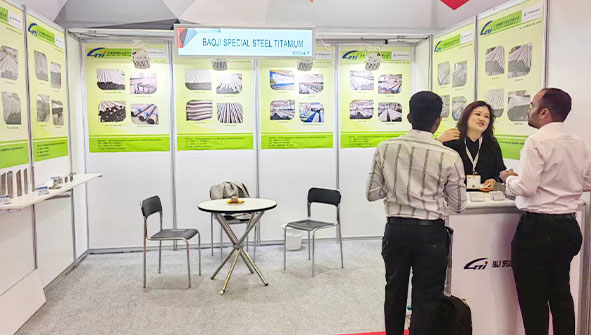
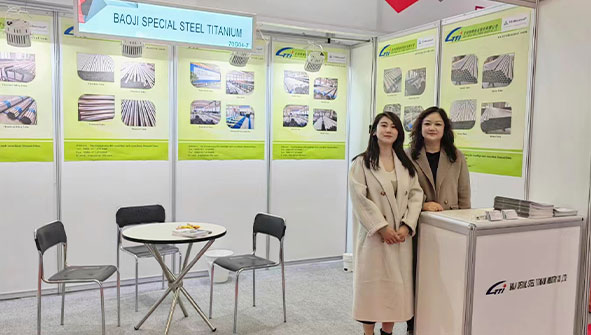
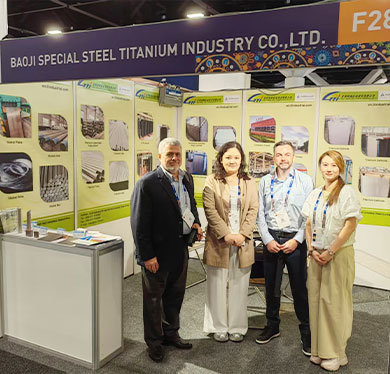
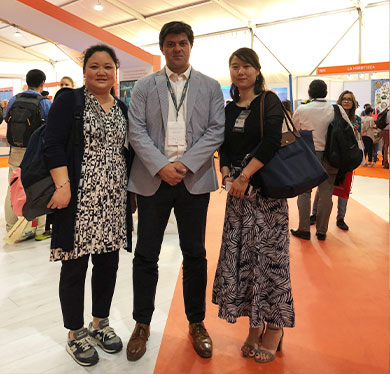
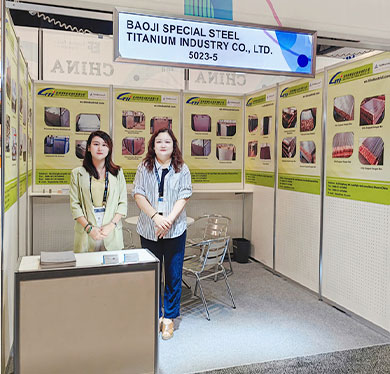
Active participation in international trade shows, showcasing our innovations to global industrial partners.
To guarantee the safety and mechanical integrity of cathode systems in corrosive environments, all titanium tubes must strictly conform to international standards, primarily ASTM B338 (Standard Specification for Seamless and Welded Titanium and Titanium Alloy Tubes for Condensers and Heat Exchangers) or ASTM B861 (Titanium and Titanium Alloy Seamless Pipe).
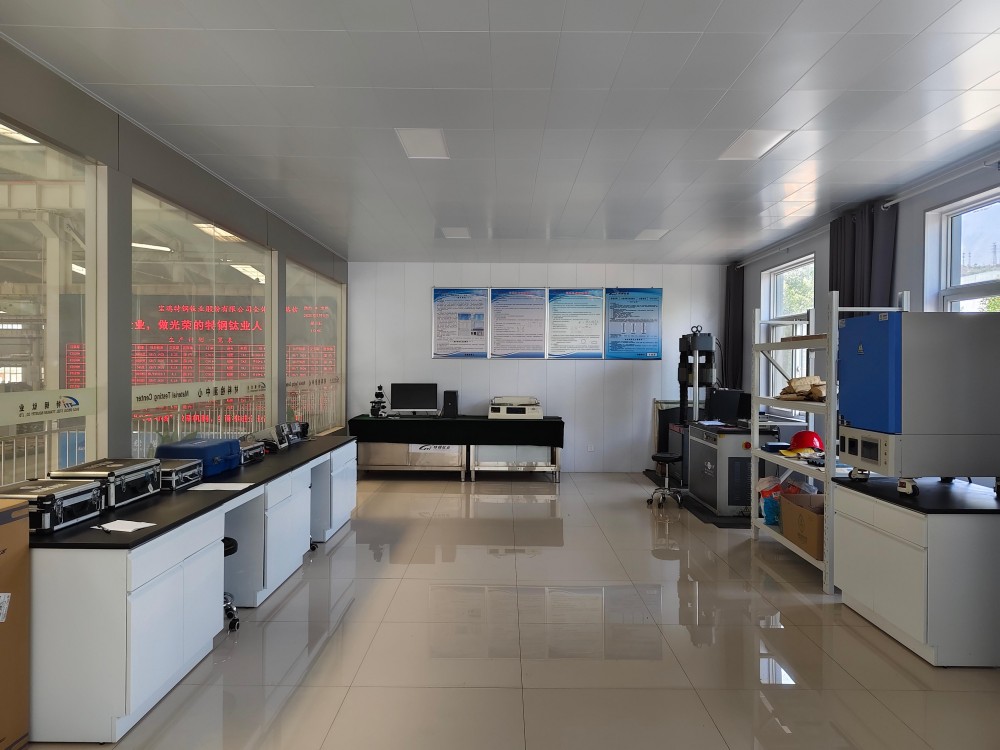
Each batch of titanium tubes destined for conductive systems undergoes strict non-destructive testing (NDT), including:
Browse our extensive selection of titanium plates, tubes, composite clad bars, and cathode assemblies.