Leave Your Message
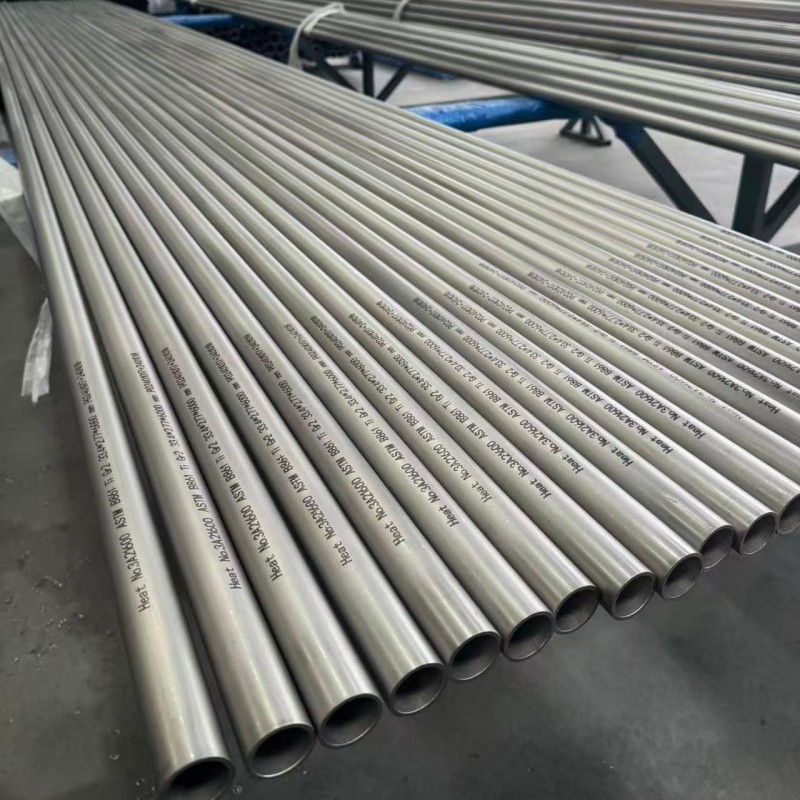
In the unforgiving environment of the ocean, materials are constantly subjected to extreme challenges: intense hydrostatic pressure, highly corrosive chloride ions, bio-fouling from marine organisms, and dynamic mechanical stress from waves and currents. Traditional materials such as carbon steel and even advanced stainless steel often succumb to pitting, crevice corrosion, and stress corrosion cracking over time. This is precisely where the Titanium Tube For Marine Engineering Applications emerges as the ultimate metallurgical solution.
Titanium boasts an extraordinary strength-to-weight ratio and a naturally occurring, highly adherent titanium dioxide (TiO2) passivation layer. This microscopic film instantly self-heals in the presence of oxygen or moisture, rendering titanium virtually immune to seawater corrosion. Consequently, titanium pipes and tubes have revolutionized the design, longevity, and safety protocols of modern marine infrastructure, driving operational costs down by eliminating the need for frequent maintenance and replacement.
The versatility of titanium tubing extends far beyond simple fluid transport. Its thermal, mechanical, and chemical properties are leveraged across several high-stakes marine engineering domains.
As global freshwater scarcity intensifies, Multi-Stage Flash (MSF) and Multiple Effect Distillation (MED) desalination plants rely heavily on titanium tubes. The material's excellent thermal conductivity, combined with its resistance to high-temperature brine and erosion-corrosion, allows for thinner tube walls. This maximizes heat transfer efficiency while ensuring a lifespan that often exceeds 40 years, far outperforming copper-nickel alloys.
In deep-sea drilling, High-Pressure/High-Temperature (HPHT) conditions are the norm. Titanium pipes are utilized in drilling risers, subsea umbilicals, heat exchangers, and ballast water systems. Their low density significantly reduces the topside weight of floating production storage and offloading (FPSO) units and tension-leg platforms (TLPs), enhancing overall buoyancy and structural stability.
For deep-sea submersibles and military submarines, the pressure hull and internal piping systems must withstand immense crushing forces. Titanium alloys (such as Ti-6Al-4V) provide the necessary yield strength without adding excessive weight. Furthermore, titanium's non-magnetic properties are crucial for naval vessels seeking to evade magnetic anomaly detectors.
Coastal nuclear and thermal power plants use billions of gallons of seawater for cooling. Titanium condenser tubes prevent the leakage of radioactive or contaminated materials into the environment. They resist the impingement attack of fast-flowing seawater and are impervious to the chlorination treatments used to prevent marine bio-fouling.
The global market for titanium in marine engineering is experiencing a robust upward trajectory. Historically, the widespread adoption of titanium was hindered by the high cost of raw sponge titanium and the complex, energy-intensive Kroll process required for its extraction. Furthermore, machining, welding, and extruding titanium demand specialized environments (such as argon shielding) to prevent embrittlement. However, the paradigm has shifted significantly over the past decade.
Advancements in metallurgical processing, coupled with economies of scale, have optimized the supply chain. Today, the total lifecycle cost (LCC) of titanium—factoring in installation, maintenance, downtime, and replacement—is proven to be substantially lower than that of competing materials. The Asia-Pacific region, spearheaded by massive investments in offshore wind farms, deep-sea mining exploration, and large-scale desalination projects, has become the epicenter of marine titanium consumption.
Industrial stakeholders are increasingly forming strategic alliances. Raw material suppliers, precision tube manufacturers, and marine engineering contractors are collaborating to develop customized alloy compositions. For instance, the addition of small amounts of palladium or ruthenium (as seen in Grade 7 or Grade 11 titanium) pushes the corrosion resistance boundary even further, specifically targeting crevice corrosion in high-temperature, low-pH chloride environments.
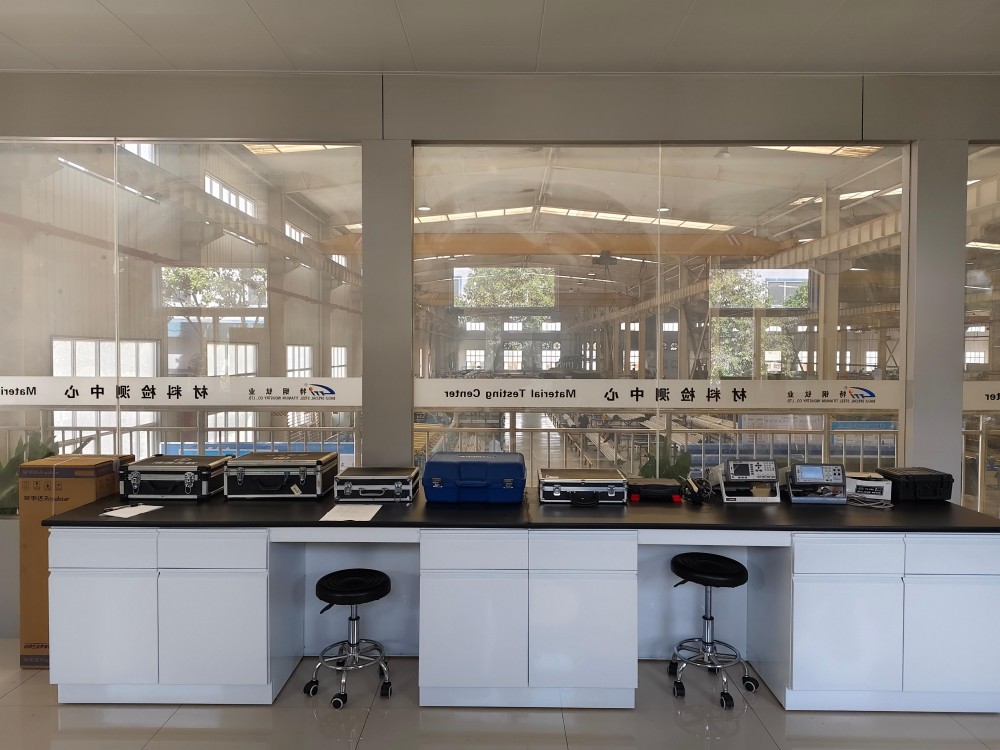
Future Trends and Technological Advancements: The intersection of AI and manufacturing is transforming how titanium tubes are produced. AI-driven predictive modeling is now used to optimize the extrusion and annealing processes, minimizing material waste and ensuring uniform grain structure. Automated ultrasonic and eddy-current testing, guided by machine learning algorithms, guarantees zero-defect tolerance for mission-critical marine applications. Furthermore, the industry is exploring eco-friendly extraction methods and 3D printing (Additive Manufacturing) of complex titanium joints and fittings, promising a more sustainable and agile future for marine engineering.
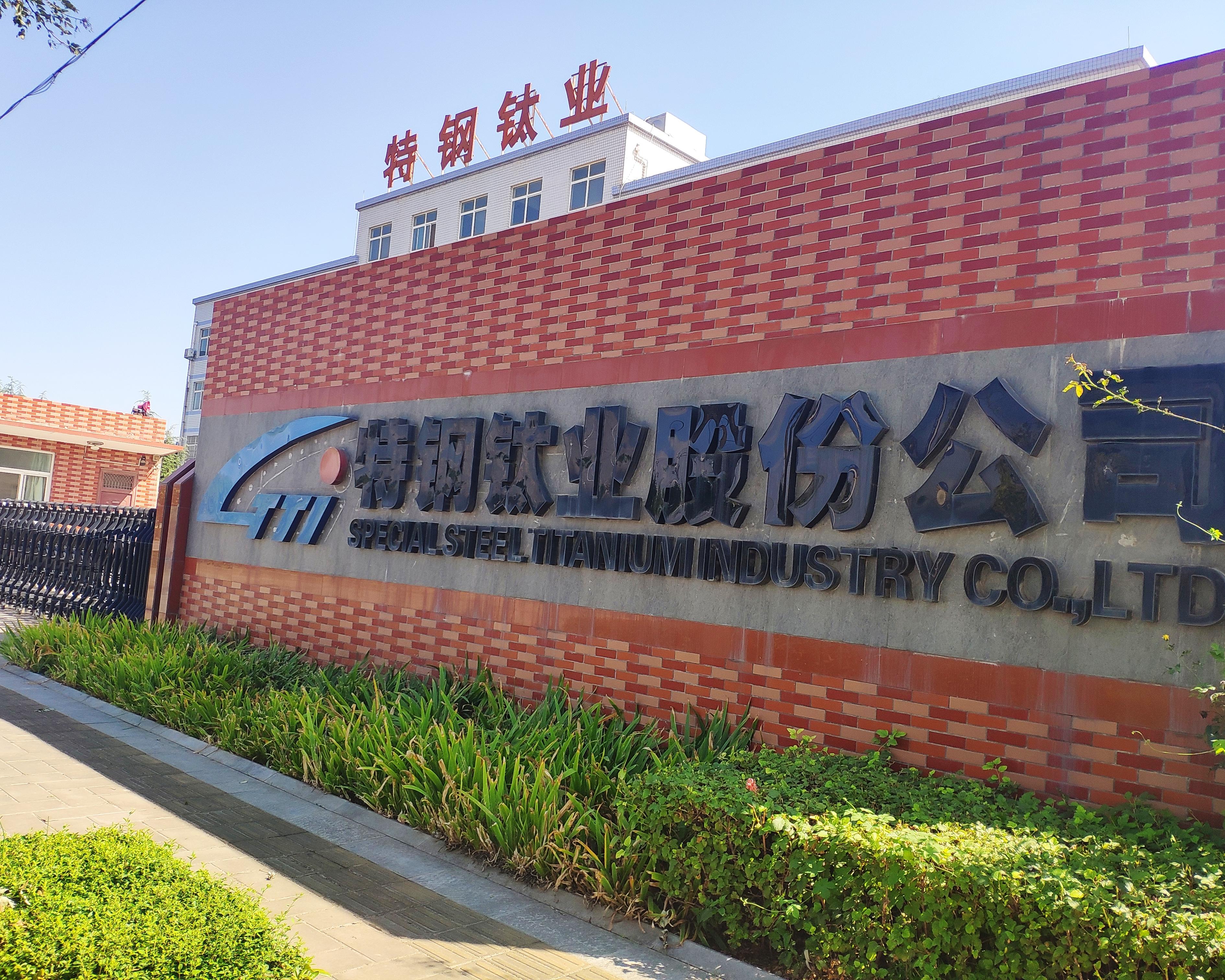
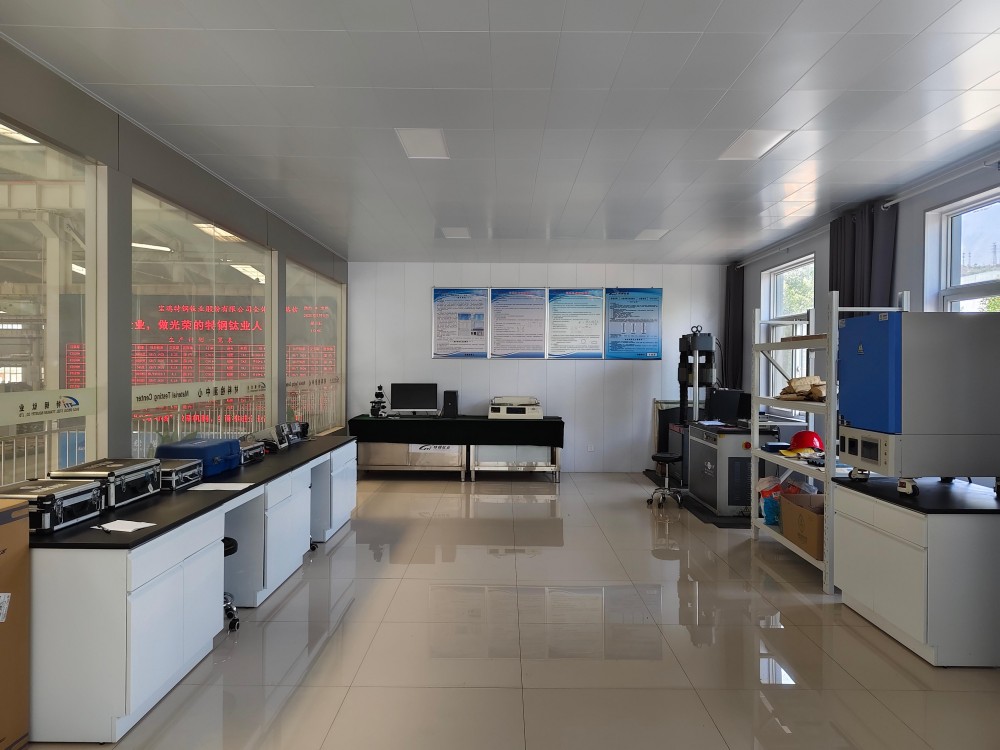
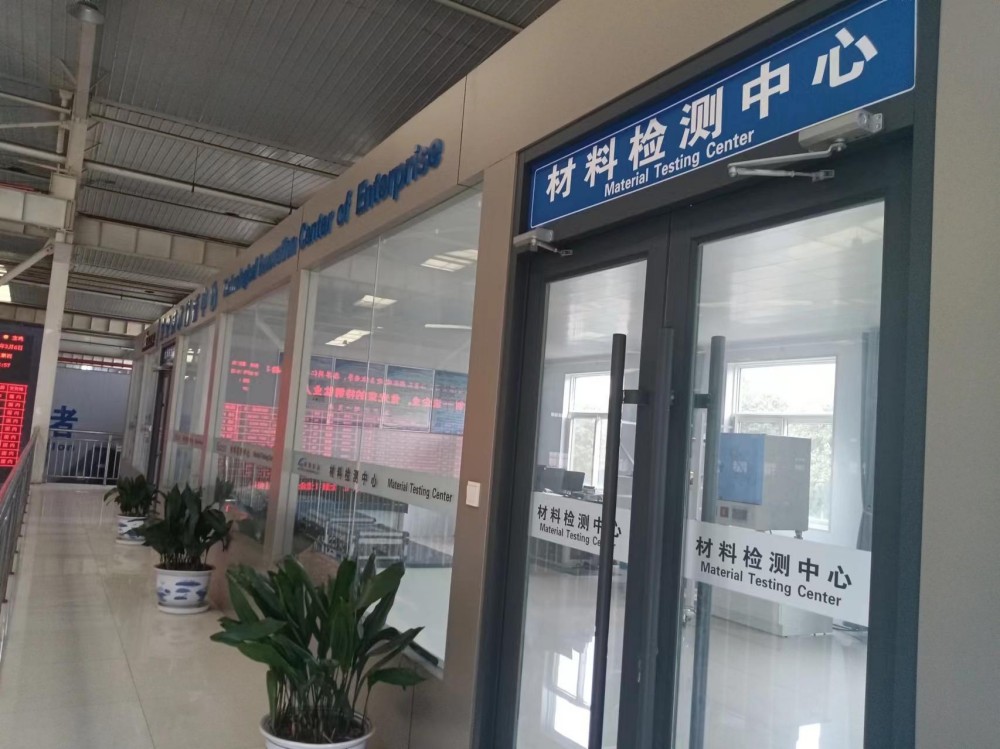
Is a joint-stock industrial enterprise specializing in the research, development, manufacturing and sales of titanium, nickel, zirconium and other metal pipes and metal composite materials. The company was founded in 1997, located in Shaanxi Baoji National High-tech Industrial development Zone, the factory covers an area of 41,000 square meters.
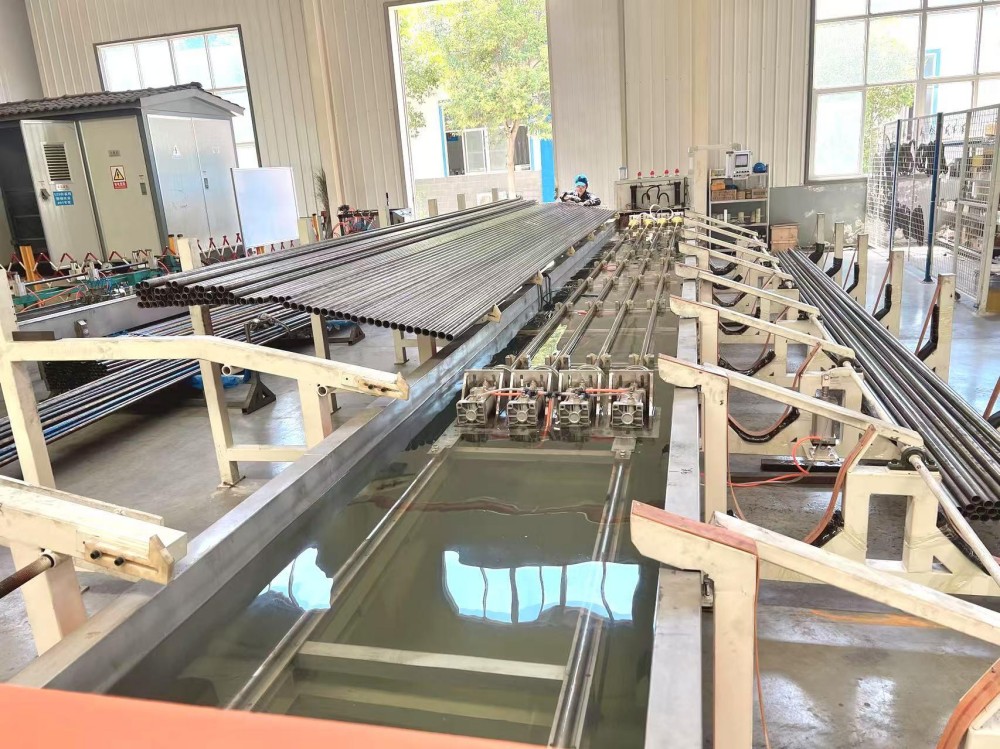
The company has an annual production capacity of over 3000 tons of non-ferrous metal pipes, composite materials and various deep processing products such as titanium, zirconium, nickel, tantalum and copper, etc., and a series of products according to varieties and specifications have reached more than 500 kinds, the annual export accounted for more than 30% of the company's total output, is an export-oriented industrial enterprise with a strong growth momentum.
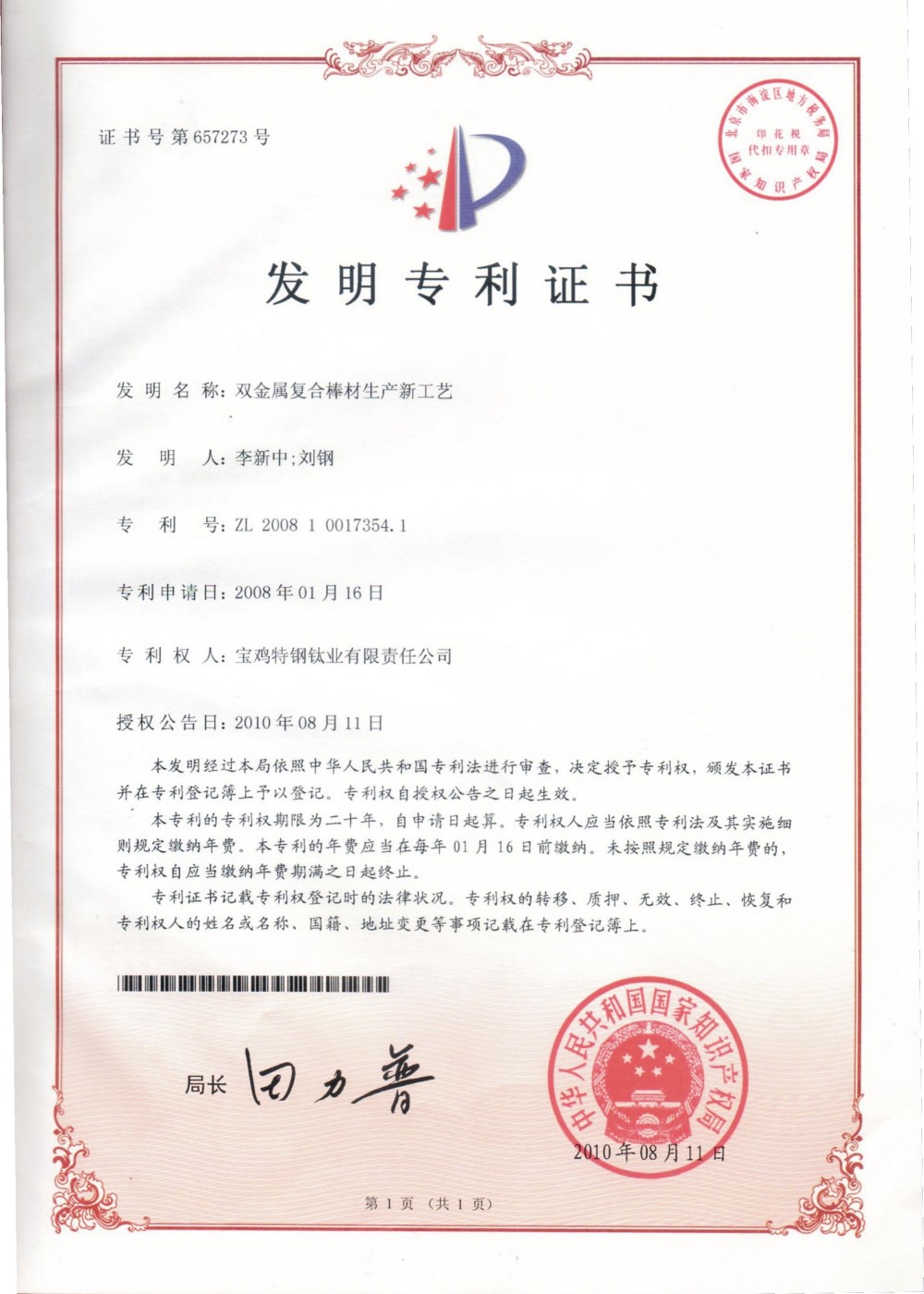
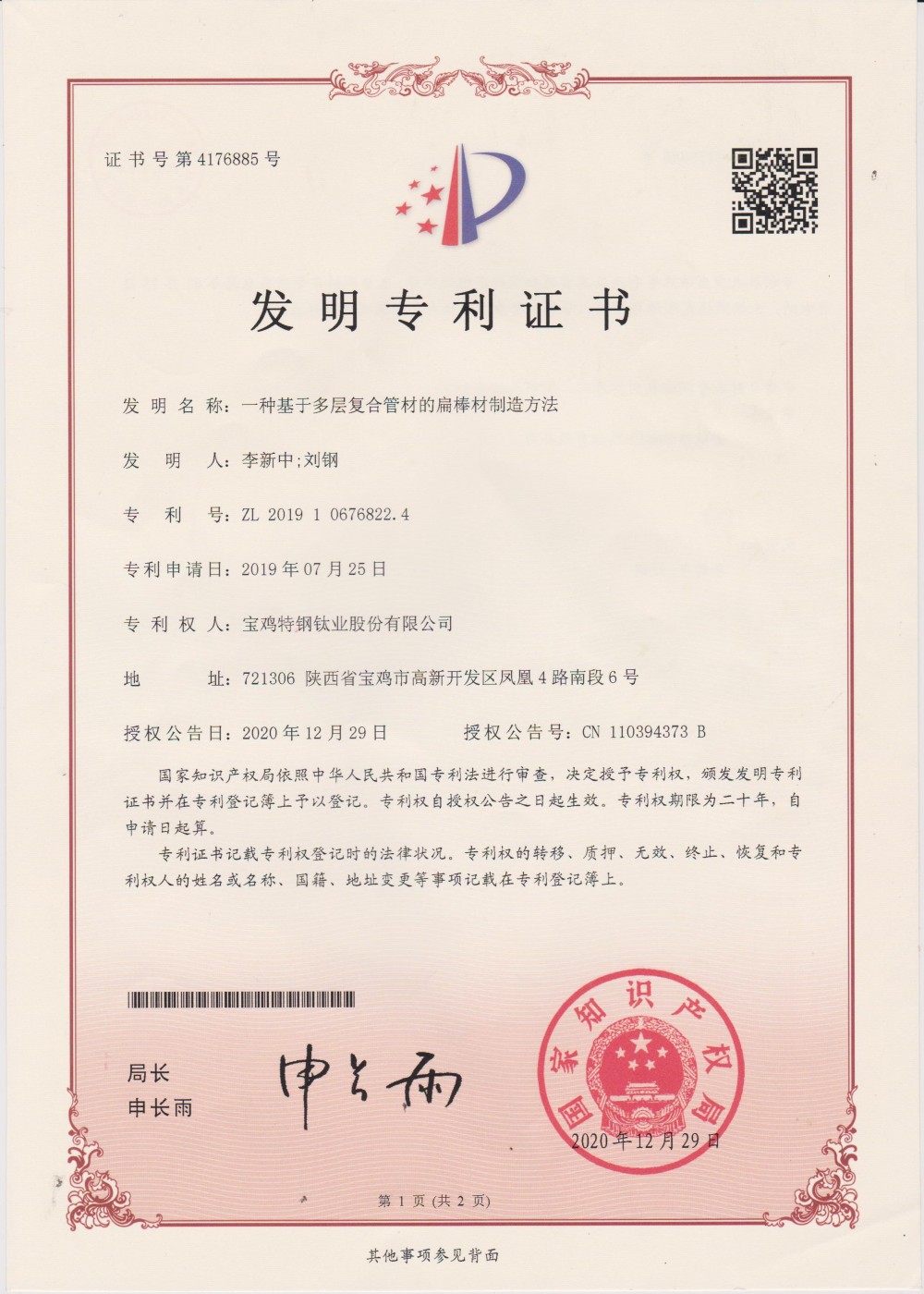
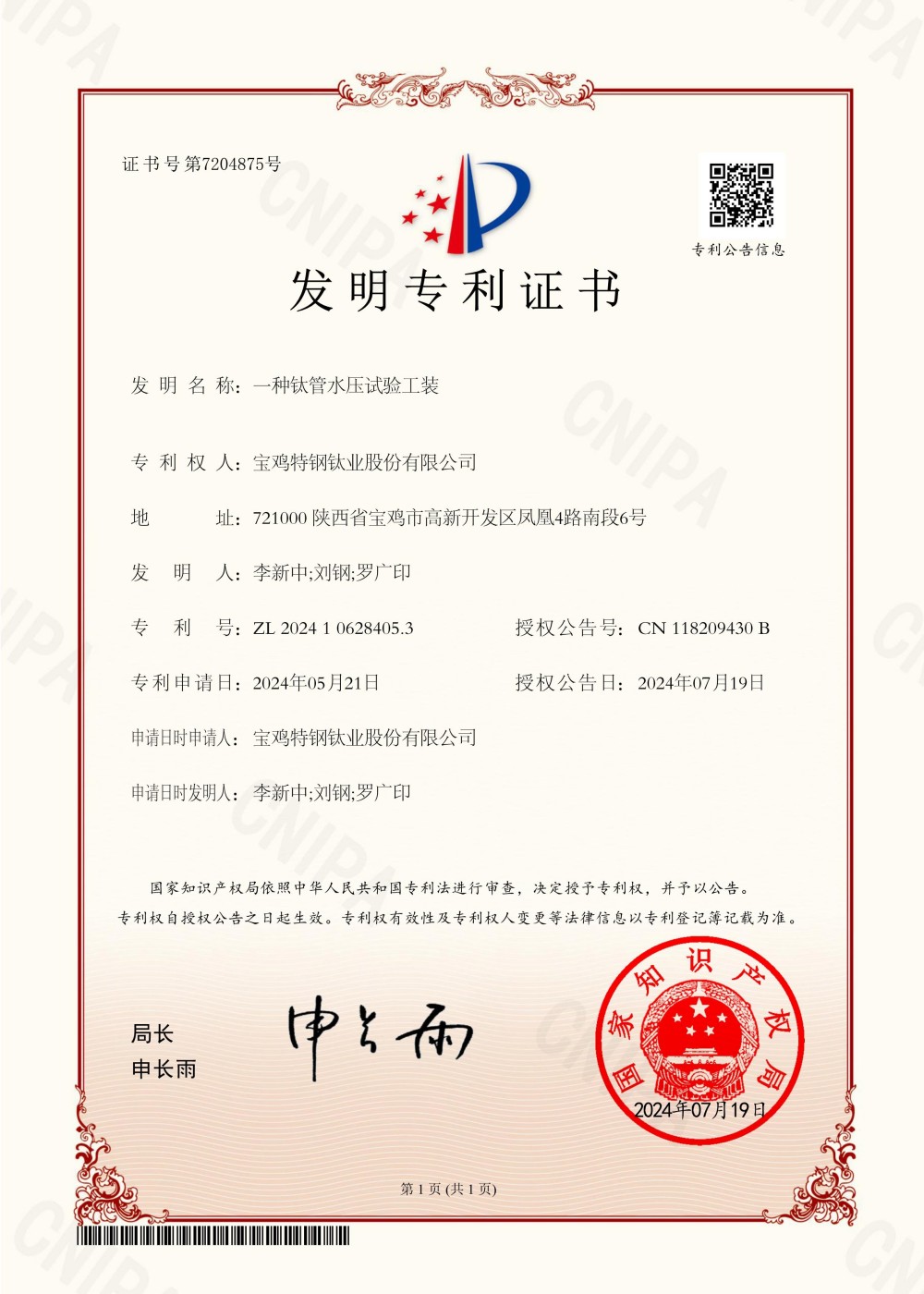
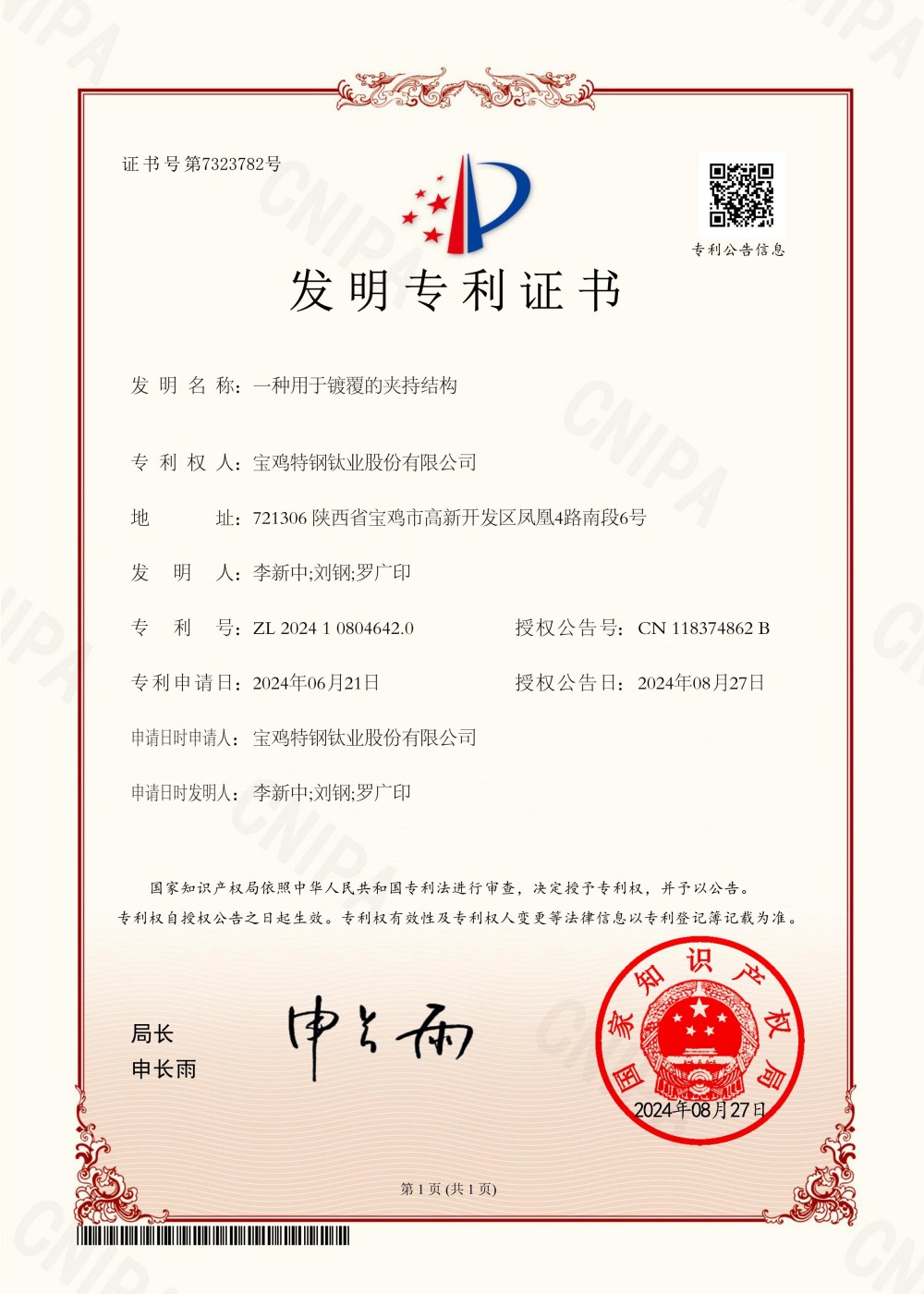
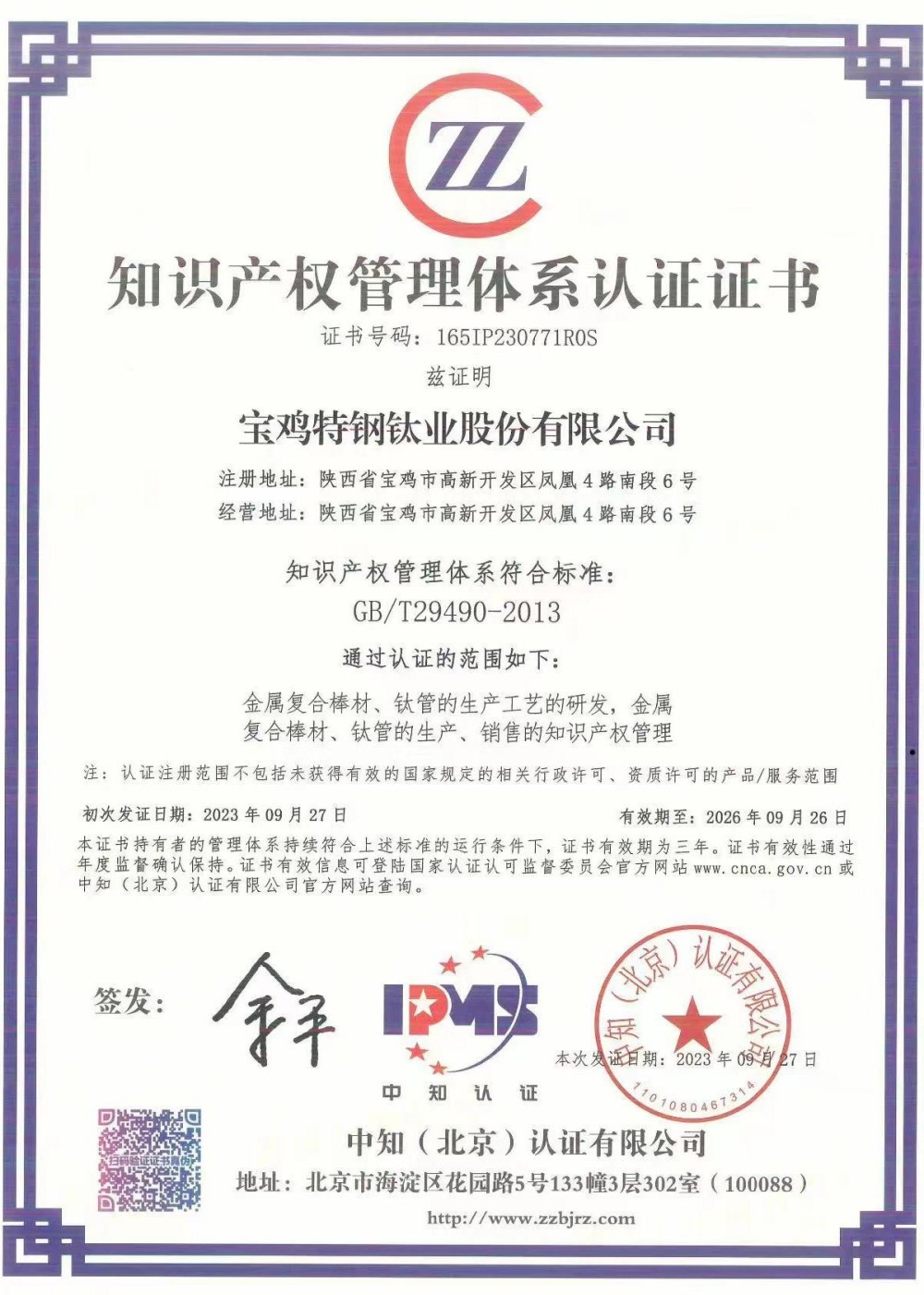
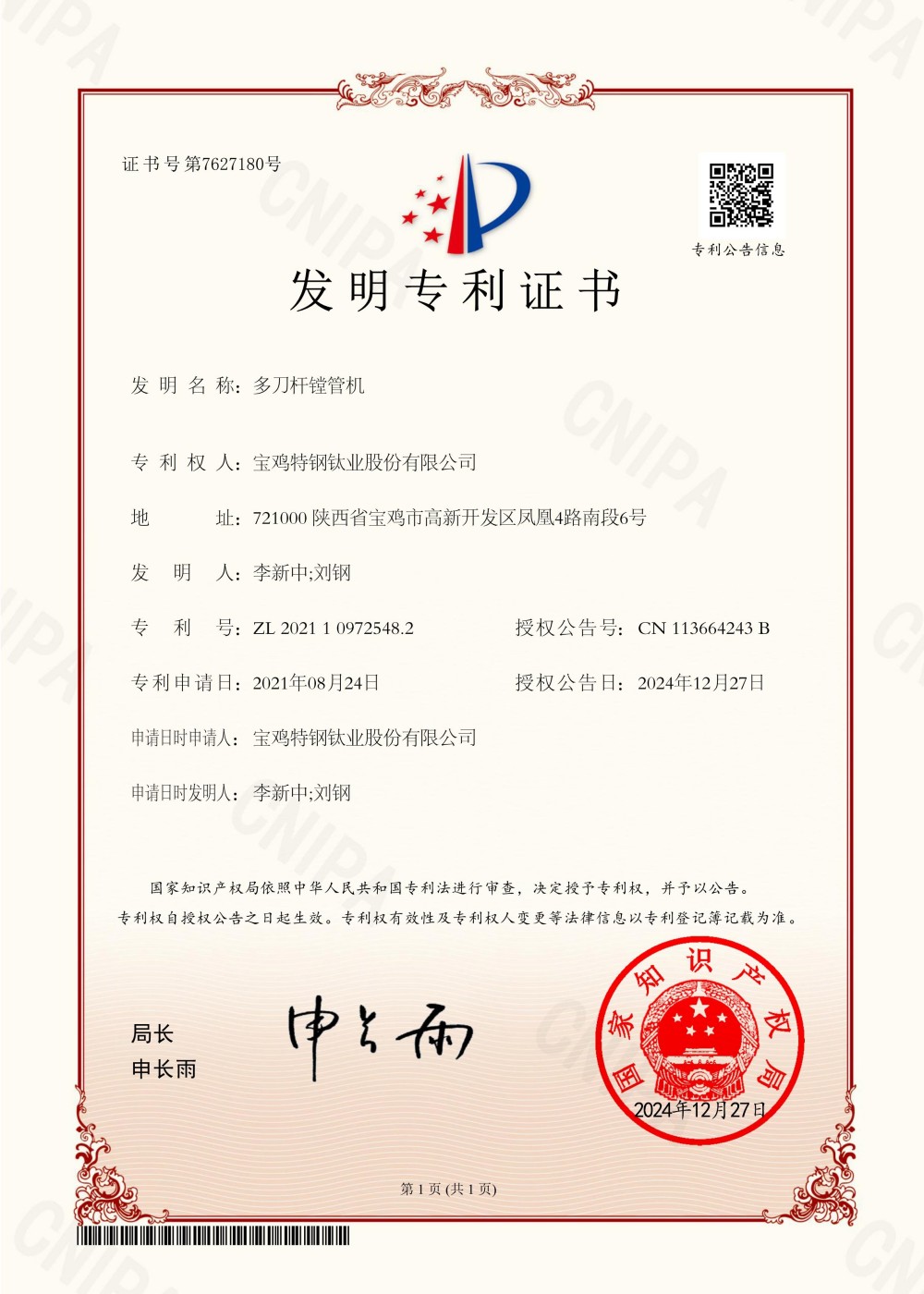
The company has obtained the national high and new technology enterprise certification and has been listed in the first batch of industries encouraged to develop by the National Development and Reform Commission.
Titanium and titanium alloy, nickel and nickel alloy, zirconium and zirconium alloy mainly non-ferrous metal pipe;
Non-ferrous metal composite materials mainly composed of titanium clad copper, including: titanium clad copper, zirconium clad copper, ladle copper, composite wire, multilayer composite metal, etc.;
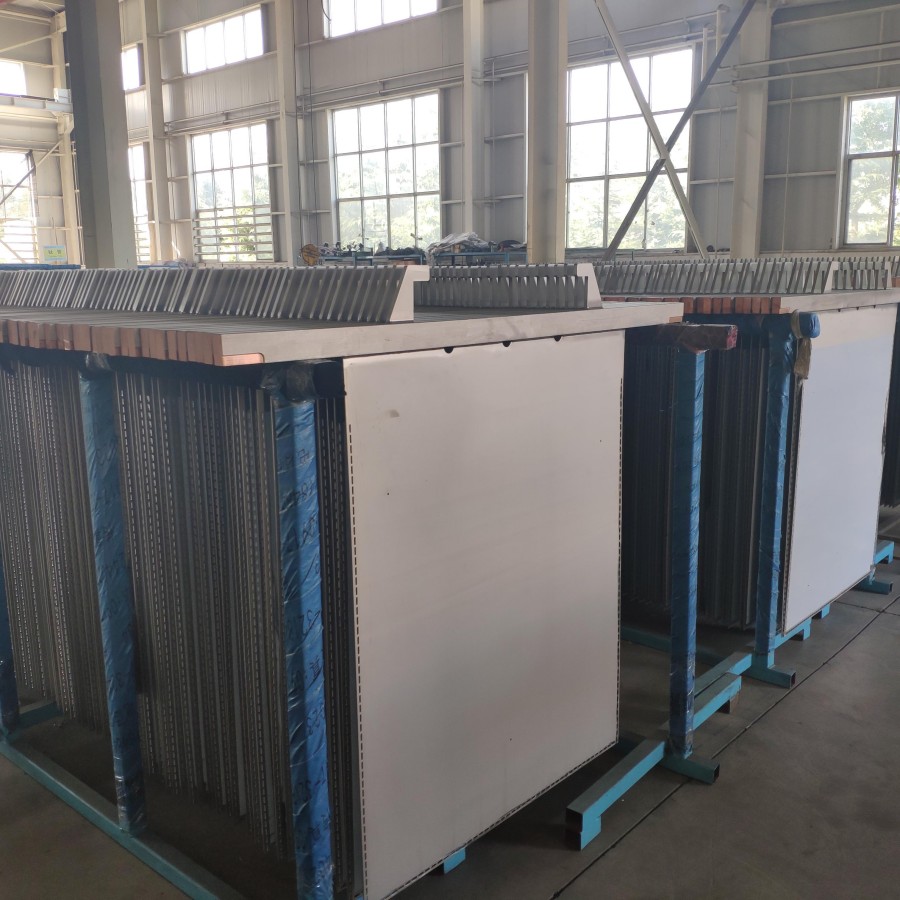
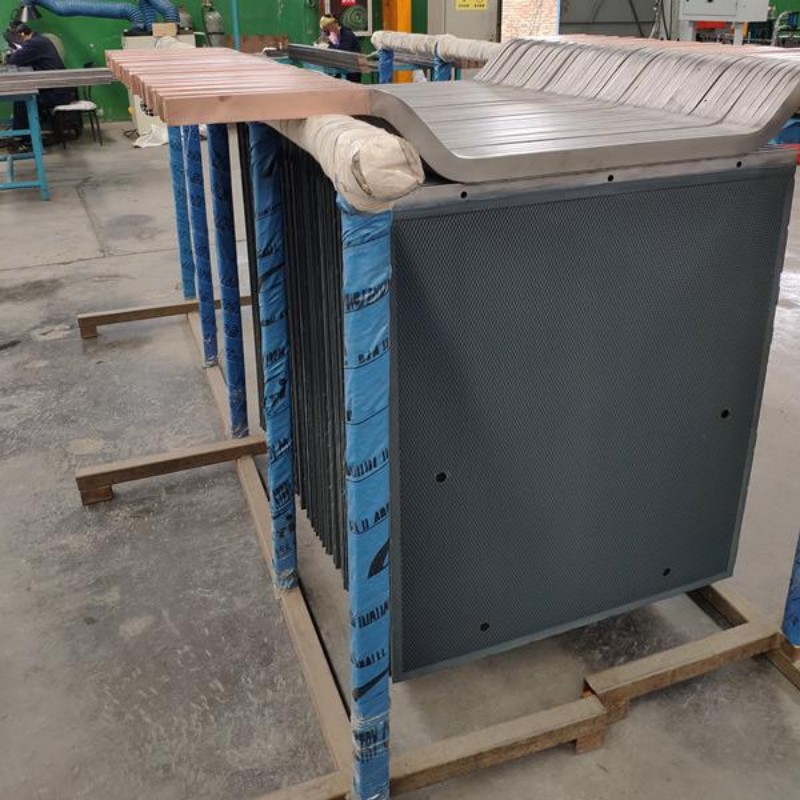
Titanium cathode is the main product of the composite electrode series, including: titanium cathode, stainless steel permanent cathode, nickel anode, titanium-based lead dioxide anode, and so on.
A series of nickel materials products mainly consisting of nickel plates, nickel rods and nickel strips.
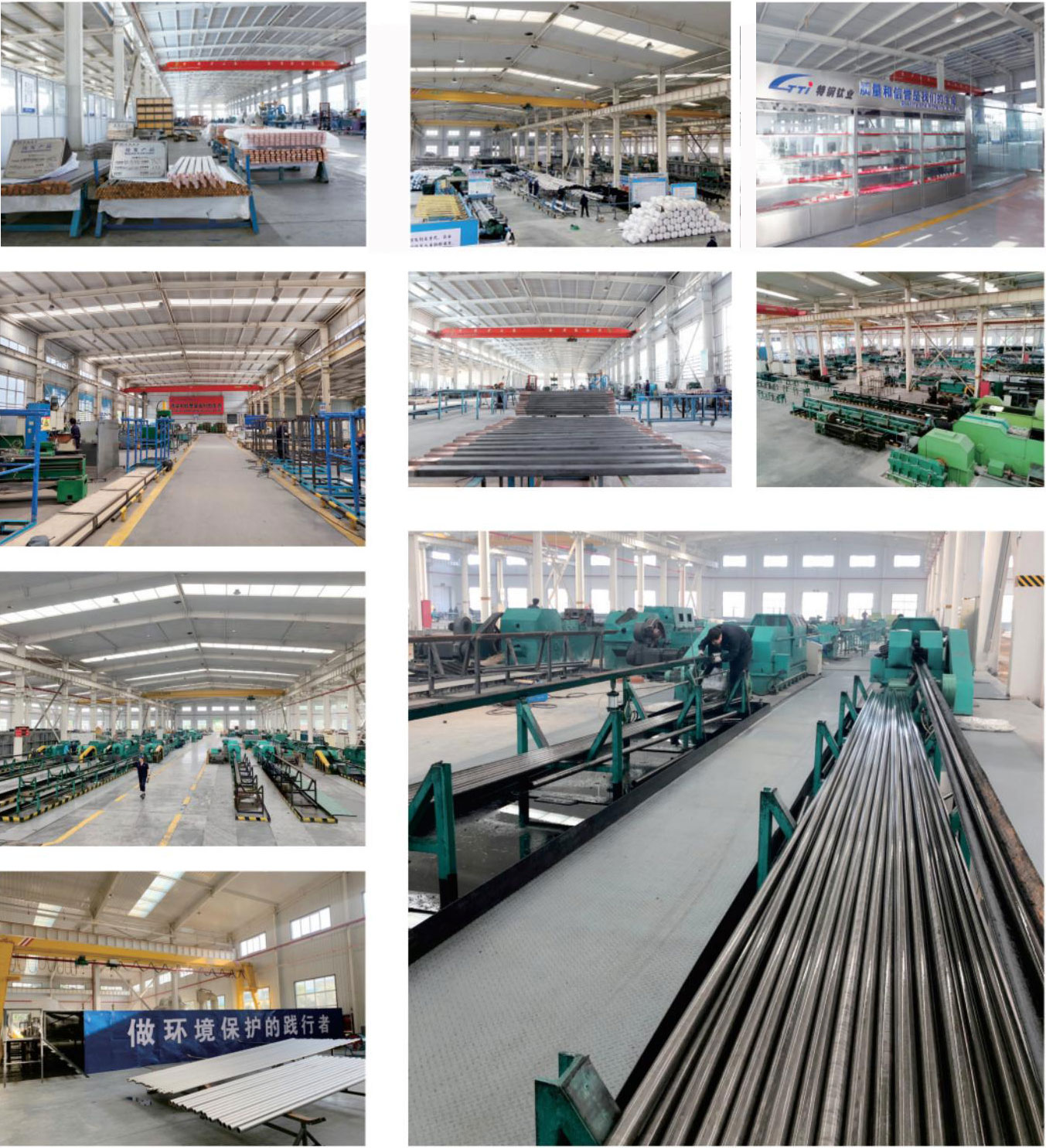
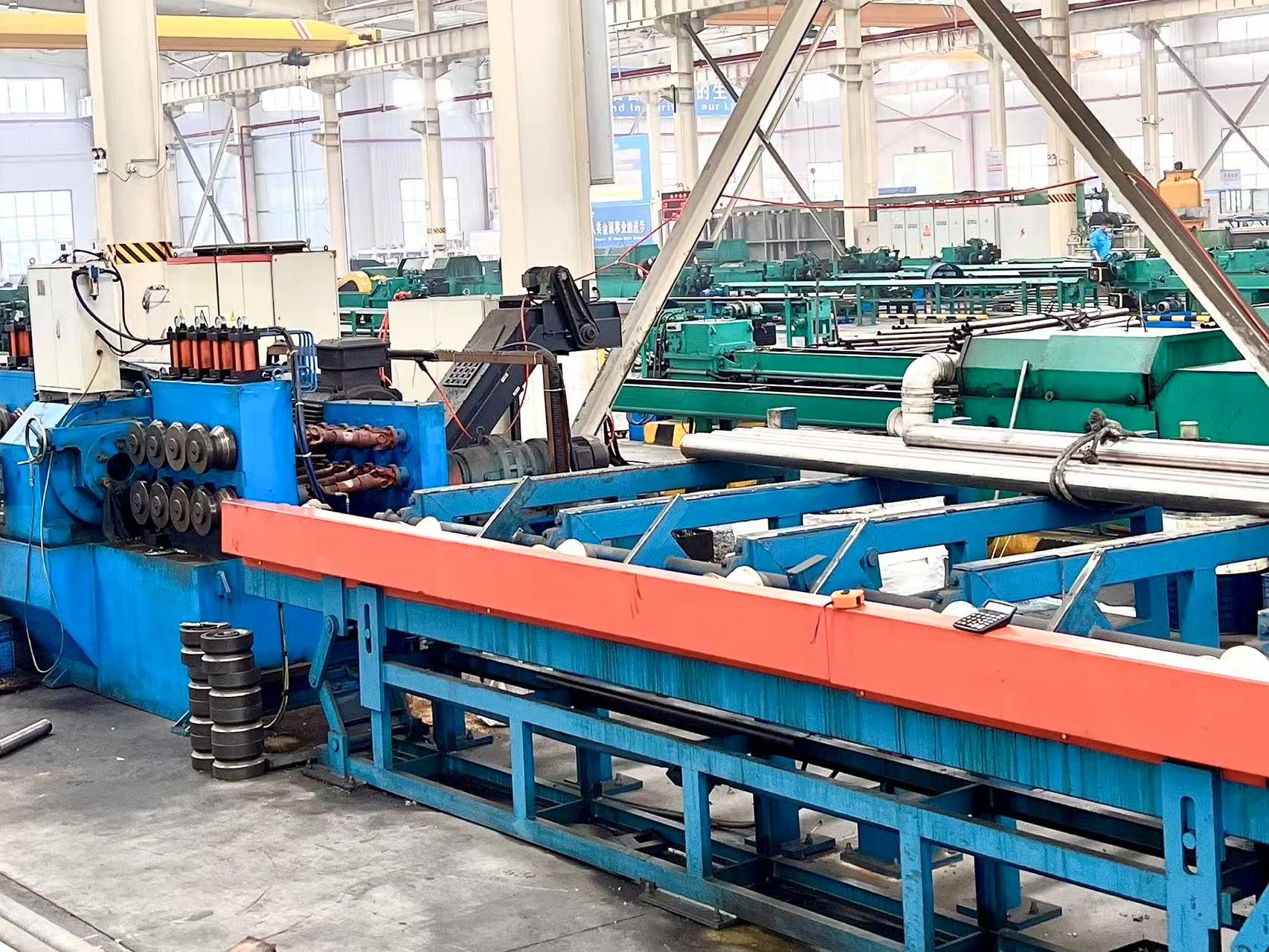
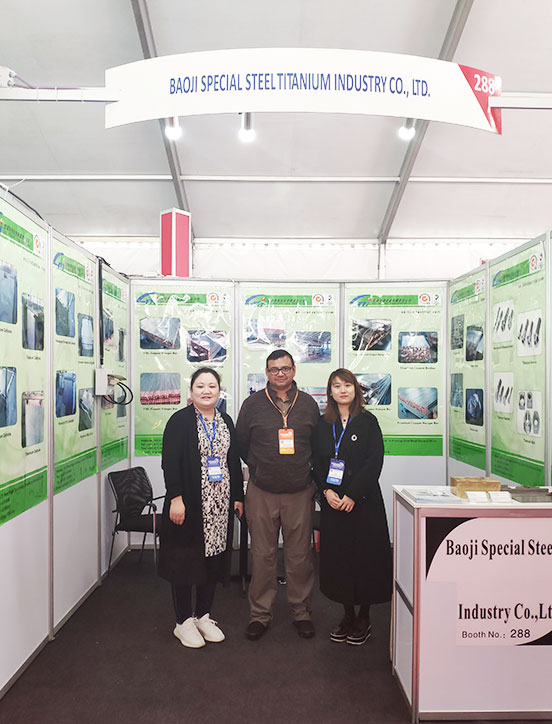
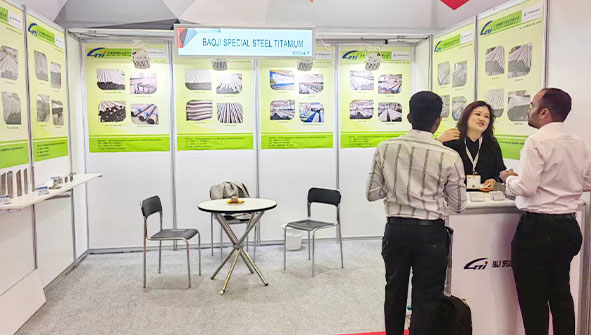
Since its establishment, the company has always adhered to the development strategy of continuous innovation and continued to expand the market with new technology and new products as the fulcrum. After more than 20 years of development and accumulation, the products have entered the markets of Germany, Japan, the United States, Norway, Finland, South Africa, Singapore, India and other countries and Taiwan regions, also have been highly praised. Stable product quality, integrity as the core of the business philosophy, by the world's customers trust.
To build an excellent enterprise team, continuously improve the management and manufacturing methods, so that every customer can get the maximum benefit from each product" is the eternal pursuit of special steel titanium industry personnel.