



Leave Your Message
Founded in 1997, Baoji Special Steel Titanium Industry Co., LTD. is a leading joint-stock industrial enterprise specializing in the research, development, and manufacturing of titanium, nickel, zirconium, and other high-performance metal pipes. Our 41,000 square meter facility in the Shaanxi Baoji National High-tech Industrial Development Zone is the heart of our innovation.
In the demanding world of chemical processing, the integrity of piping systems is paramount. Titanium welding pipes have emerged as the gold standard for transporting corrosive fluids, managing high-pressure reactions, and ensuring long-term operational safety. Unlike traditional stainless steel, titanium offers an unparalleled strength-to-weight ratio and an extraordinary resistance to a vast array of chemical agents, including chlorides, oxidizing acids, and organic salts.
The application of titanium welding pipes is not limited to simple fluid transport. They are integral components in complex chemical systems:
The global market for titanium welding pipes is witnessing a significant shift towards "Welded over Seamless" options. Historically, seamless pipes were preferred for high-pressure applications. However, modern Automatic TIG (Tungsten Inert Gas) and Plasma welding technologies, combined with rigorous Non-Destructive Testing (NDT), have made welded titanium pipes equally reliable and more cost-effective.
Current trends include the integration of AI-driven quality monitoring during the welding process. By analyzing arc stability and weld pool dimensions in real-time, manufacturers can ensure 100% weld penetration and zero defects, which is crucial for chemical equipment that must operate 24/7 for decades.
For chemical processing equipment, titanium pipes must adhere to strict international standards such as ASTM B862 (Welded Titanium Alloy Pipe) and ASTM B338 (Welded Tube for Condensers). Key quality metrics include:
While the initial capital expenditure (CAPEX) for titanium welding pipes is higher than stainless steel or carbon steel, the operational expenditure (OPEX) savings are massive. Titanium equipment often lasts 30 to 50 years with minimal maintenance. In the chemical industry, where a single day of downtime can cost millions, the reliability of titanium pipes translates directly into profitability. Furthermore, titanium is 100% recyclable, aligning with the global push for sustainable "Green Chemical" manufacturing.
As the chemical industry pivots towards hydrogen production and carbon capture, titanium welding pipes will play a critical role. Electrolyzers for green hydrogen production require the corrosion resistance of titanium to handle acidic electrolytes. Our company is at the forefront of this transition, developing specialized titanium piping solutions for the next generation of clean energy chemical plants.
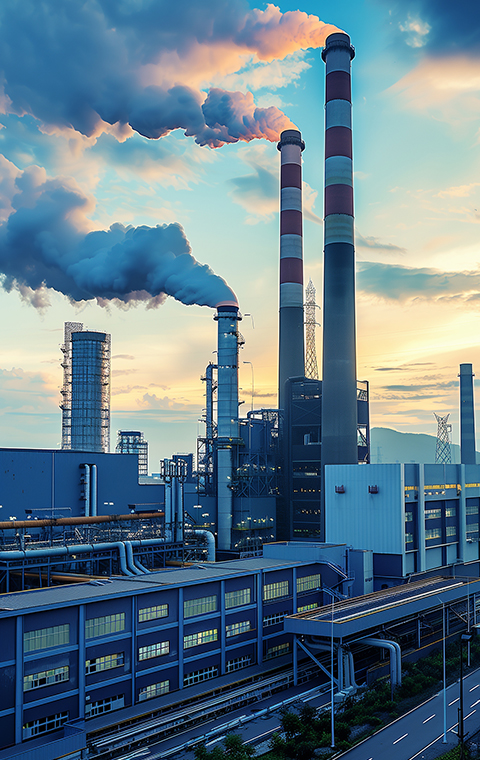
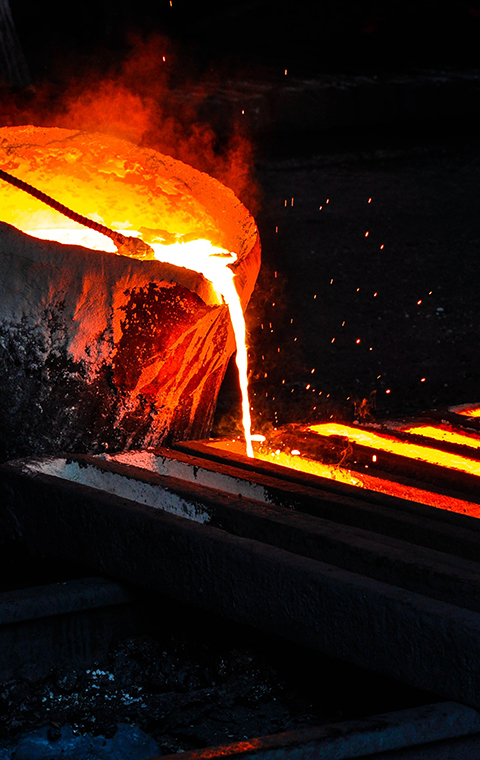
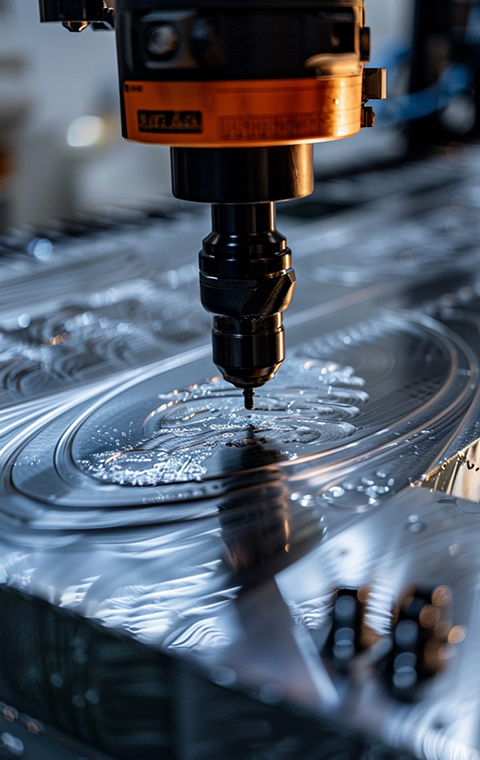

Implemented large-scale titanium piping for nickel refining, increasing uptime by 40%.
Custom titanium welding pipes for high-pressure acid leaching systems.
Global leader in MDI production utilizing our ASTM B862 titanium solutions.
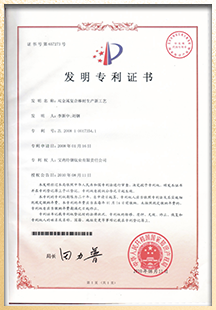
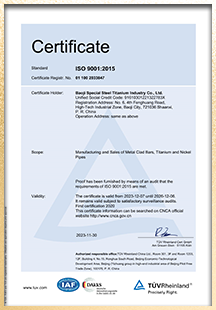
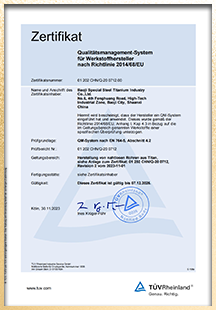
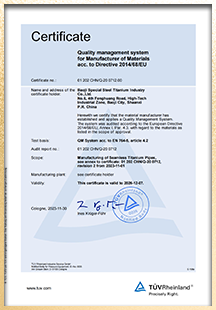
Our commitment to quality is backed by international certifications and 100% testing protocols.
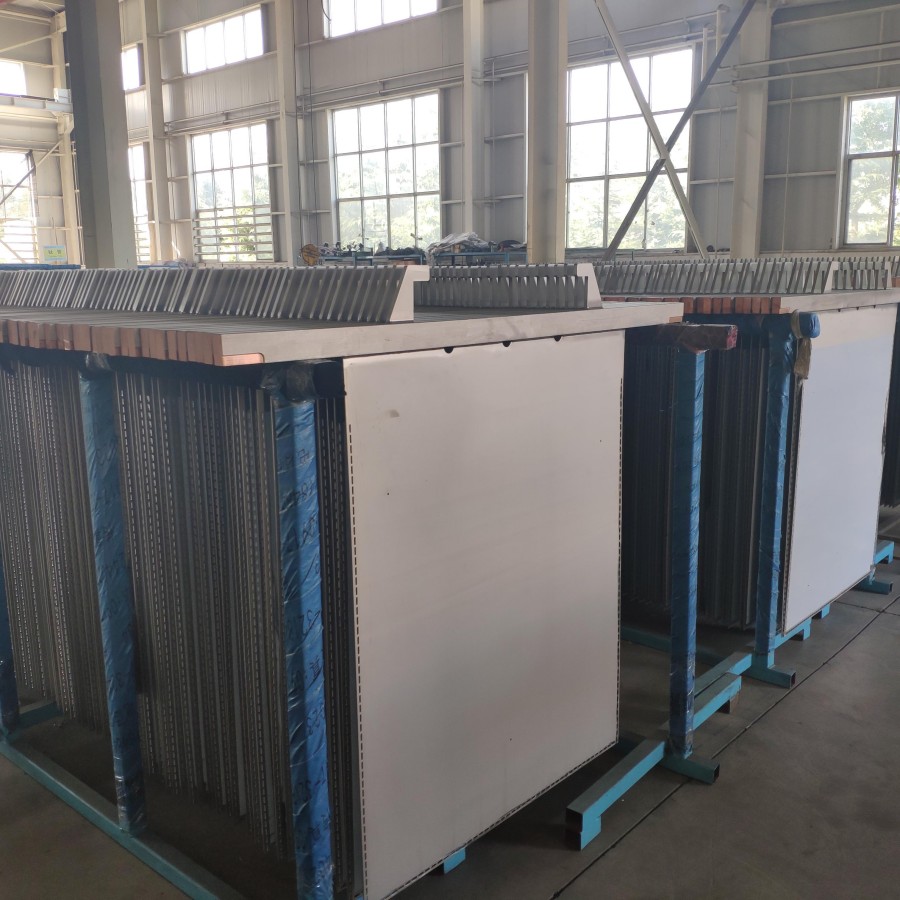 Titanium Cathodes & Clad Hanger Bars
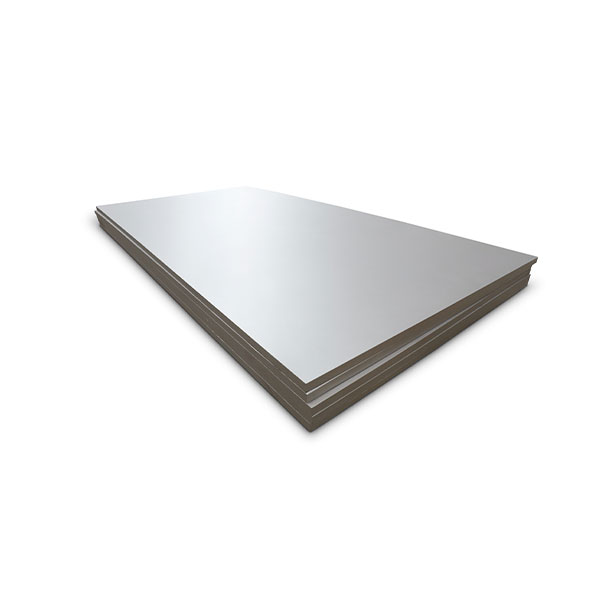 High Quality Titanium Plate ASTM B265
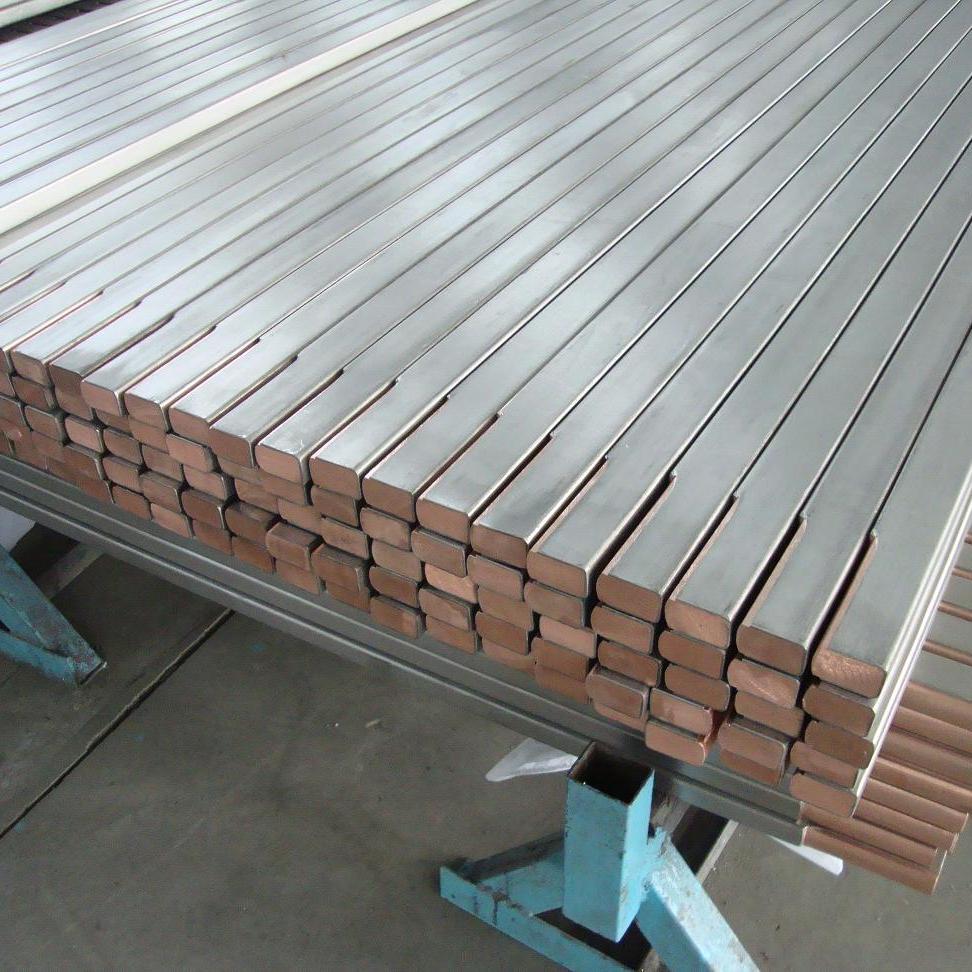 Double-layer Metal Composite Bars
Titanium/Copper/Zirconium Composite Solutions
Factory Direct ASTM B265 Titanium Plates
Leading Titanium Sheet Suppliers in China
Trusted ASTM B265 Titanium Factory
Comprehensive Titanium Plate Solutions