



Leave Your Message
Explore our core titanium product lines, purpose-built for hydrometallurgy plant applications with ASTM-compliant standards and factory-direct pricing.

Titanium Welding Pipe for Hydrometallurgy Plants — ASTM B338 High Quality Titanium Tube and Pipe
ASTM B338Hydrometallurgy Grade Titanium Welded Pipe — China Suppliers ASTM B338 Factory Direct
Factory Direct
Premium Titanium Cathodes for Hydrometallurgy — Titanium Clad Copper Hanger Bars & Plates
Hydrometallurgy
Titanium Plate & Sheet for Hydrometallurgy Processing — ASTM B265 China Suppliers
ASTM B265Hydrometallurgy — the process of extracting metals from ores using aqueous chemistry — is one of the most chemically aggressive industrial environments on earth. Leaching circuits, solvent extraction systems, electrowinning cells, and acid recovery units continuously expose pipework to concentrated sulfuric acid, hydrochloric acid, chloride ions, elevated temperatures, and oxidizing agents. In this context, conventional carbon steel or even stainless steel piping systems simply cannot deliver the lifespan and reliability that modern operations demand.
Titanium welding pipe has emerged as the definitive solution. Thanks to its exceptional corrosion resistance across a broad spectrum of chemical media, superior strength-to-weight ratio, and outstanding fatigue properties, titanium pipe has become the material of choice for engineers designing fluid-handling systems in copper, cobalt, nickel, zinc, lithium, and rare earth hydrometallurgy plants worldwide.
⚡ Key Insight: Studies across multiple large-scale copper SX-EW operations have shown that titanium welded pipe systems reduce unplanned maintenance shutdowns by over 60% compared to rubber-lined steel alternatives, delivering a compelling return on investment within 3–5 years of operation.
A typical hydrometallurgy plant routes dozens of different process streams through its pipeline infrastructure. From dilute leach liquors at ambient temperature to hot concentrated acid solutions near 90°C, every section of pipe must maintain absolute integrity. A single leak in a solvent extraction circuit can contaminate organic phases, disrupt metal recovery, and create significant environmental and safety hazards.
Titanium's passive oxide film (TiO₂) forms spontaneously in oxidizing and mildly reducing environments, providing a self-healing barrier against corrosion. This means titanium welded pipe not only resists attack from sulfuric acid concentrations typical in leach circuits (5–30% H₂SO₄) but also maintains structural integrity when exposed to chloride-rich process waters that would cause rapid pitting in stainless steel.
Resists concentrated H₂SO₄, HCl, chloride media, and oxidizing acids — the backbone of hydrometallurgy circuits.
Titanium offers steel-like strength at 40% less weight — reducing structural support costs and simplifying installation.
20+ year operational lifespan in aggressive hydrometallurgical environments — dramatically lowering total cost of ownership.
The global hydrometallurgy market is experiencing robust growth, driven by surging demand for battery metals — lithium, cobalt, nickel, and manganese — as the electric vehicle revolution accelerates. According to industry analysts, the hydrometallurgy sector is projected to grow at a CAGR of over 7% through 2030, with Asia-Pacific, Latin America, and Sub-Saharan Africa leading expansion. This growth is directly translating into increased procurement of high-performance titanium pipe systems.
China, home to the world's most advanced titanium manufacturing ecosystem, has become the primary global supplier of ASTM-grade titanium welded pipe for hydrometallurgy applications. Leading manufacturers based in Baoji — China's "Titanium Valley" — produce pipe assemblies that meet or exceed ASTM B338, ASTM B861, and international equivalents, supplying major mining groups across Chile, Peru, Democratic Republic of Congo, Indonesia, Australia, and beyond.
| Application Sector | Primary Metals Processed | Titanium Pipe Demand Driver |
|---|---|---|
| Copper SX-EW Plants | Copper | H₂SO₄ leach & electrowinning circuits |
| Battery Metals Refining | Cobalt, Nickel, Lithium | Mixed acid leach, pressure oxidation |
| Zinc Hydrometallurgy | Zinc | Sulfuric acid roast-leach circuits |
| Rare Earth Processing | REEs | HCl/HNO₃ leaching stages |
| Gold & Silver Refining | Precious Metals | Chloride & cyanide media handling |
Modern copper heap leach operations pump millions of liters of dilute sulfuric acid per day through distribution systems that cover hundreds of hectares. The drip emitters, header pipes, and pump manifolds must resist not only chemical attack but also UV degradation and mechanical abrasion from particulate-laden solutions. Titanium welded pipe, particularly Grade 2 per ASTM B338, provides the optimal combination of corrosion immunity, UV resistance, and weldability for these large-scale field installations.
Pressure oxidation autoclaves — used extensively in refractory gold and cobalt processing — generate extremely corrosive hot acid slurries (pH 0–1, temperatures 180–230°C, oxygen partial pressures up to 700 kPa). The discharge lines from POX vessels and the flash tank circuits represent some of the most demanding pipe applications in all of industrial processing. Grade 7 titanium (Pd-alloyed) welded pipe is the established material for these services, offering resistance to reducing acid attack that even Grade 2 cannot match.
In copper and cobalt SX circuits, titanium pipe is used for the aqueous raffinate and PLS (pregnant leach solution) transfer lines, where the combination of copper sulfate, sulfuric acid, and trace organic contamination creates a uniquely corrosive environment. Titanium's inertness to these mixed media, combined with its excellent cleanliness (no iron contamination that would poison organic extractants), makes it the preferred piping material for premium SX operations.
Electrowinning tankhouses operate with hot copper or cobalt sulfate electrolyte (typically 40–60°C, acidic pH) circulating continuously between cells and storage tanks. The recirculation piping, including pump suction and discharge lines, heat exchanger connections, and cell manifolds, must combine corrosion resistance with dimensional accuracy for balanced flow distribution. Titanium welded pipe with precision end tolerances ensures equal electrolyte distribution across all cells, maximizing current efficiency and cathode quality.
Spent acid recovery systems and neutralization stages handle highly concentrated sulfuric acid streams (often 70–98% H₂SO₄) at elevated temperatures. While concentrated sulfuric acid actually passivates titanium effectively above ~70% concentration, the transition zones between dilute and concentrated acid — particularly in dynamic flow conditions — can be corrosive. Grade 12 titanium (Mo+Ni alloyed) welded pipe is increasingly specified for these transition service conditions.
Several macro-level trends are reshaping how titanium welding pipe is specified and applied in hydrometallurgy plants globally:
📈 Market Projection: Global demand for titanium welded pipe in hydrometallurgy applications is forecast to exceed 18,000 metric tons annually by 2028, with China-based manufacturers supplying approximately 55% of global volume due to integrated supply chains from sponge to finished pipe.
Our titanium welding pipe for hydrometallurgy plants is manufactured in strict compliance with ASTM B338 (Standard Specification for Seamless and Welded Titanium and Titanium Alloy Tubes for Condensers and Heat Exchangers) and equivalent ASME SB-338 requirements. Key technical parameters include:
| Parameter | Grade 2 (Commercially Pure) | Grade 7 (Pd-Alloyed) | Grade 12 (Mo+Ni) |
|---|---|---|---|
| UTS (MPa) | ≥345 | ≥345 | ≥483 |
| Yield Strength (MPa) | ≥275 | ≥275 | ≥345 |
| Elongation (%) | ≥20 | ≥20 | ≥18 |
| Max Operating Temp (°C) | 315 | 315 | 315 |
| Acid Resistance | Oxidizing acids | Reducing + Oxidizing | Reducing medium |
| Chloride Resistance | Excellent | Excellent | Excellent |
| OD Range (mm) | 6–610 | 6–610 | 6–400 |
| Wall Thickness (mm) | 0.5–20 | 0.5–20 | 1.0–15 |
The production of titanium welded pipe for hydrometallurgy applications demands rigorous process control at every stage. At Baoji Special Steel Titanium Industry Co., Ltd., our manufacturing sequence includes:
Your trusted partner for premium titanium solutions in hydrometallurgy and beyond.


Baoji Special Steel Titanium Industry Co., Ltd. is a joint-stock industrial enterprise specializing in the research, development, manufacturing and sales of titanium, nickel, zirconium and other metal pipes and metal composite materials. The company was founded in 1997, located in Shaanxi Baoji National High-tech Industrial Development Zone, the factory covers an area of 41,000 square meters.
With over 28 years of accumulated expertise and an annual production capacity of 3,000 tons, we serve global hydrometallurgy, chemical engineering, electroplating, and energy sector clients with over 500 product categories — all manufactured to international standards.

Titanium welding pipe solutions engineered for demanding industrial environments across multiple sectors.




Best Practices
Stable product quality, integrity as the core of the business philosophy, trusted by customers worldwide.

Powering Global Mining Operations with Precision Titanium Solutions: how our ASTM B338 titanium welded pipe reduced maintenance downtime by 62% at a major copper electrowinning facility.

Delivering precision titanium welded pipe assemblies to one of China's largest nickel and cobalt refining operations, supporting acid leach and electrowinning circuits.

Custom titanium welding pipe systems engineered for Huayou Cobalt's hydrometallurgical processing lines, handling aggressive mixed-acid leach liquors in battery metal production.
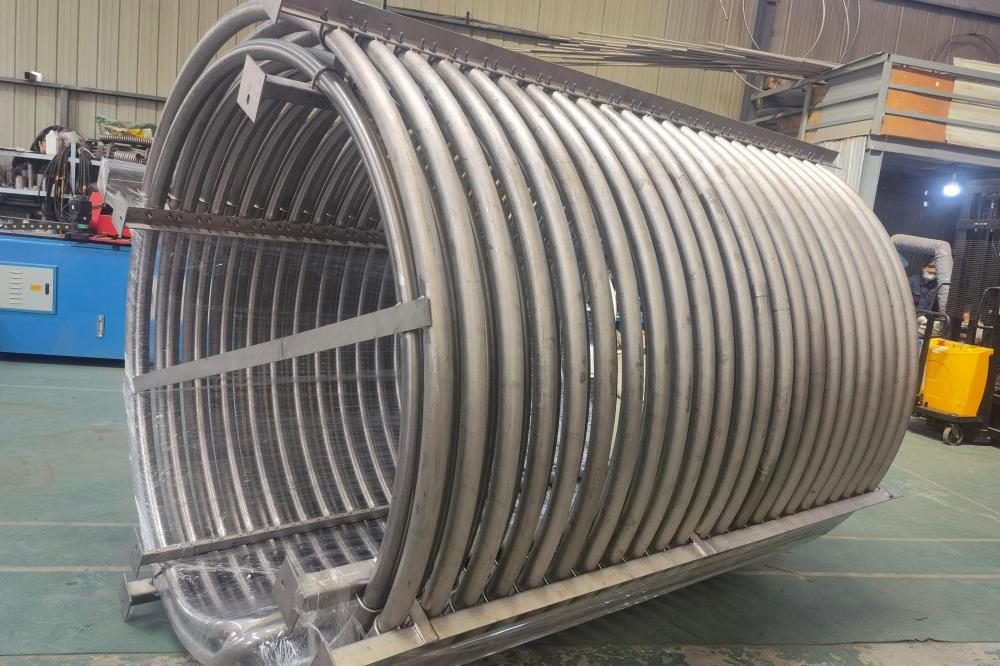
High-specification titanium welded pipe supply for Wanhua Chemical's chemical engineering applications, demonstrating our capability to serve world-class industrial clients at scale.
IATF 16949 · CE · FMEA · PPAP · APQP · SPC · MSA — 100% Test on every titanium welding pipe we produce.
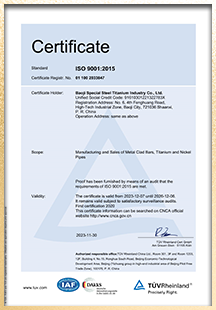
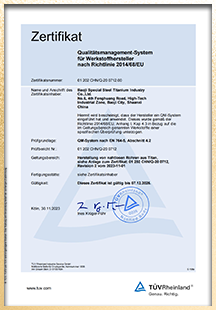
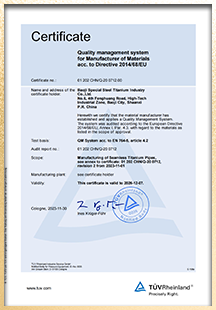
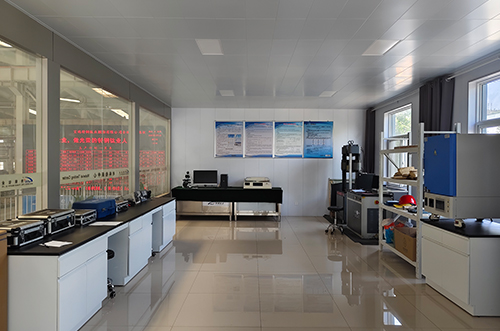
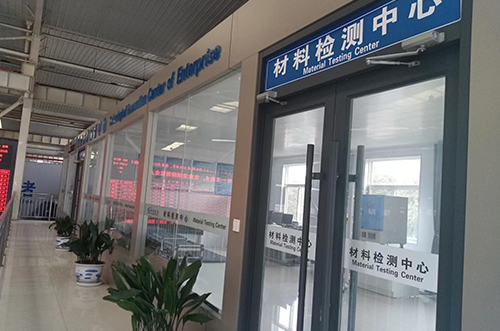
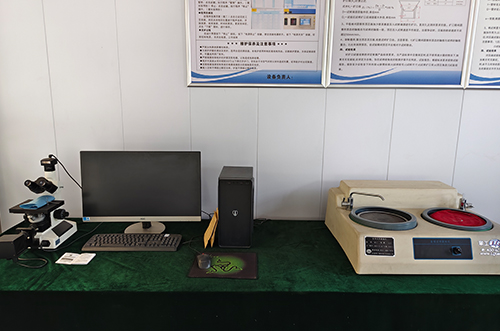
Hydrometallurgy plant operators require documented material traceability and process certification to satisfy insurance, environmental permitting, and operational safety requirements. Our comprehensive quality management system — certified to international standards — provides the documentation trail that global project engineers demand, including material test reports (MTRs), weld procedure specifications (WPS), and procedure qualification records (PQR).
Selecting the correct titanium pipe grade and specification for a hydrometallurgy application requires careful consideration of the chemical environment, operating temperature, pressure rating, and fabrication requirements. The following framework provides a structured approach for procurement engineers and plant designers:
Document the complete fluid chemistry including all acids, oxidizers, chloride concentrations, pH range, and temperature extremes. For most hydrometallurgy services, Grade 2 titanium offers excellent value, but reducing acid conditions (especially H₂SO₄ at low concentrations and elevated temperatures) may necessitate Grade 7 or Grade 12 alloys.
Calculate the design pressure and temperature for each service, applying appropriate safety factors per ASME B31.3 Process Piping Code. Titanium's allowable stress values are well-established in ASME Section II, Part D, facilitating straightforward wall thickness calculations.
Define OD, wall thickness, and length requirements in accordance with ASTM B338 schedule designations. For heat exchanger tube applications, ASTM B338 provides preferred OD/wall combinations that optimize heat transfer and pressure drop performance.
Specify the required testing protocol (eddy current, hydrostatic, or both), surface finish requirements, and documentation package (MTR, WPS, PQR, dimensional reports). Our team can assist in preparing Material Requisition (MR) documents aligned with your project's engineering standards.
📌 Pro Tip: Request ASTM B338 compliant MTRs with full chemical composition, mechanical properties, and heat/lot traceability for every titanium pipe order destined for hydrometallurgy service. This documentation is essential for third-party inspection approval and long-term asset integrity management.
China's Baoji region produces approximately 60% of the world's industrial titanium products, underpinned by vertically integrated supply chains from titanium sponge production through to finished pipe fabrication. Chinese manufacturers have invested heavily in advanced TIG welding equipment, automated inspection systems, and quality management infrastructure, achieving technical capabilities that rival — and often exceed — Western competitors at significantly more competitive pricing.
Our factory-direct supply model eliminates intermediary markups while providing full engineering support, custom fabrication capabilities, and responsive global logistics. With a 3,000-ton annual production capacity and 500+ product categories in our portfolio, we can fulfill both standard catalog requirements and highly customized project-specific orders for titanium welding pipe in hydrometallurgy plant applications.
Contact our engineering team today for technical specifications, competitive pricing, and fast delivery on ASTM B338 titanium welded pipe — factory direct from Baoji, China.
GET A QUOTE TODAYExplore our complete product range — all manufactured to international standards, available factory direct.
Premium Quality Titanium Cathodes — Factory Direct Titanium Clad Copper Hanger Bars & Plates
Hydrometallurgy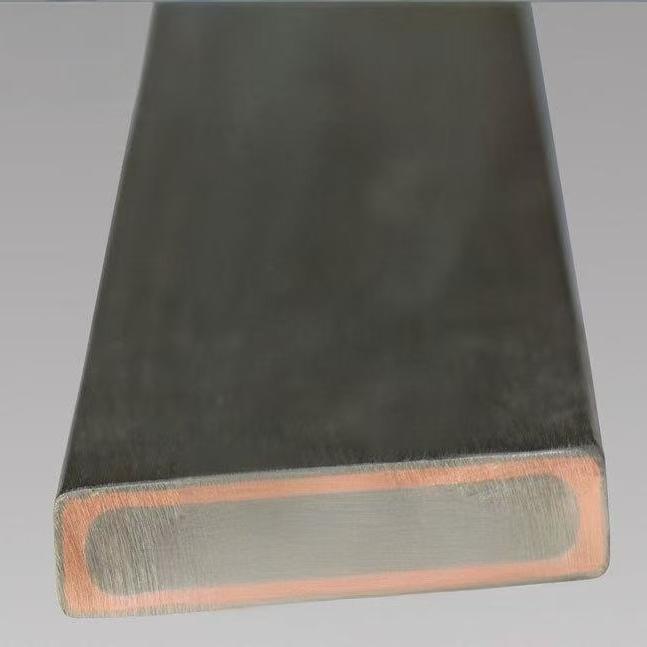
China Multilayer Metal Composite Bar Material — Titanium Clad Copper & Stainless Steel
CompositeTitanium Welding Pipe for Hydrometallurgy — High Quality ASTM B338 Titanium Tube & Pipe
ASTM B338High Quality Titanium Tube and Pipe Suppliers in China — ASTM B338 Factory Direct
Factory DirectHigh Quality Titanium Plate and Sheet ASTM B265 — China Suppliers and Factory
ASTM B265Premium Quality Titanium Cathodes — Factory Direct Titanium Clad Copper Hanger Bars and Plates
Electrowinning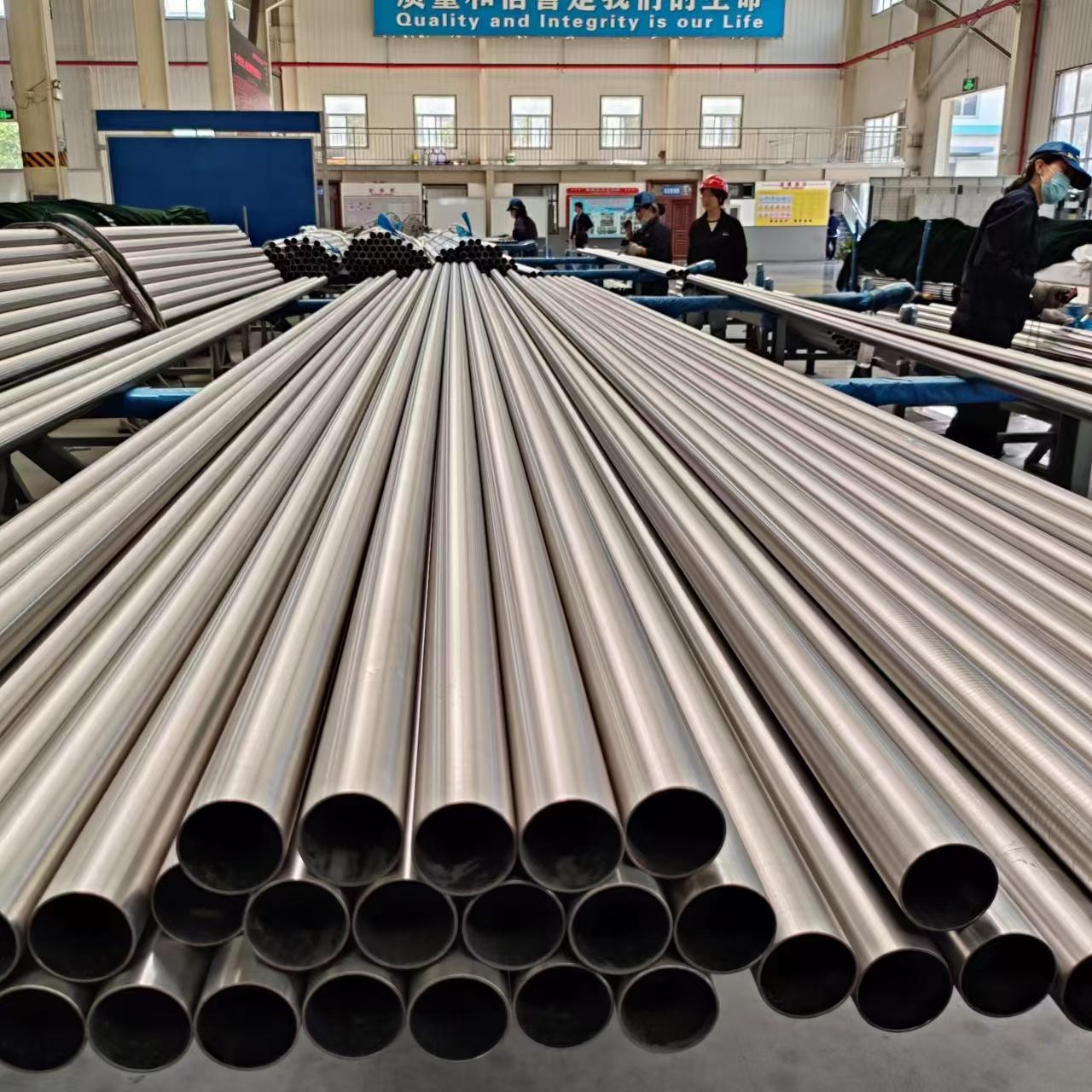
High-Quality Nickel Pipe Manufacture in China — Leading Suppliers for Nickel 200 & 201
Nickel AlloyMultilayer Metal Composite Bar Material — China Suppliers & Factory for Titanium, Copper, and Steel
Composite