Leave Your Message
The global industrial landscape is undergoing a massive transformation, with extreme demands placed on materials used in highly corrosive environments. Titanium welding tubes for corrosion-resistant piping systems have emerged as the gold standard across multiple sectors, including chemical processing, offshore oil and gas, desalination, and power generation. Unlike traditional steel or nickel alloys, titanium exhibits extraordinary resistance to pitting, crevice corrosion, and stress corrosion cracking, primarily due to its stable, highly adherent, and protective oxide film. This inherent characteristic makes titanium welding tubes indispensable in handling aggressive media such as wet chlorine, nitric acid, and seawater.
Commercially, the shift towards titanium piping solutions is driven by the total lifecycle cost perspective. While the initial capital expenditure for titanium components may be higher than that of conventional materials, the drastic reduction in maintenance downtime, replacement costs, and catastrophic failure risks ensures a significantly lower Total Cost of Ownership (TCO). As global environmental regulations become more stringent, preventing hazardous leaks in chemical plants and offshore platforms is not merely an operational goal but a strict legal compliance requirement. Consequently, engineering firms and plant operators are increasingly specifying ASTM B338 compliant titanium welding tubes for critical infrastructure, propelling the market into a phase of robust, sustained growth.
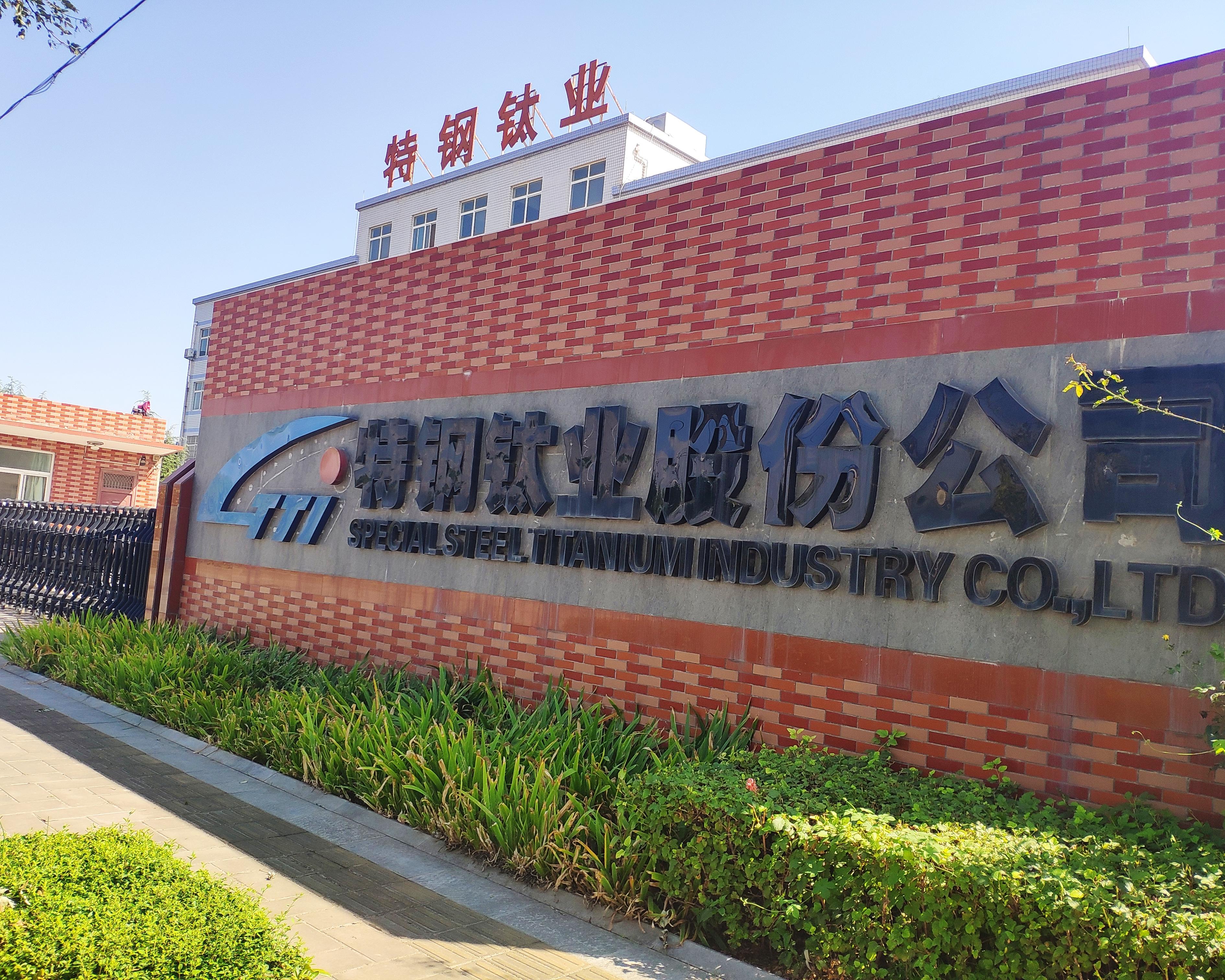
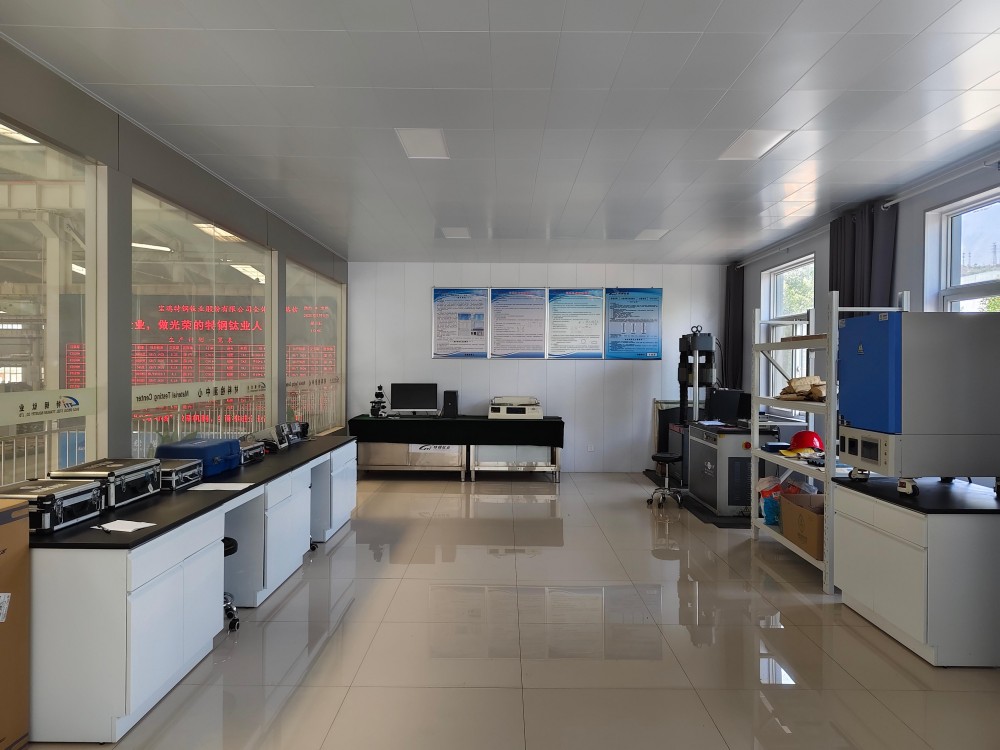
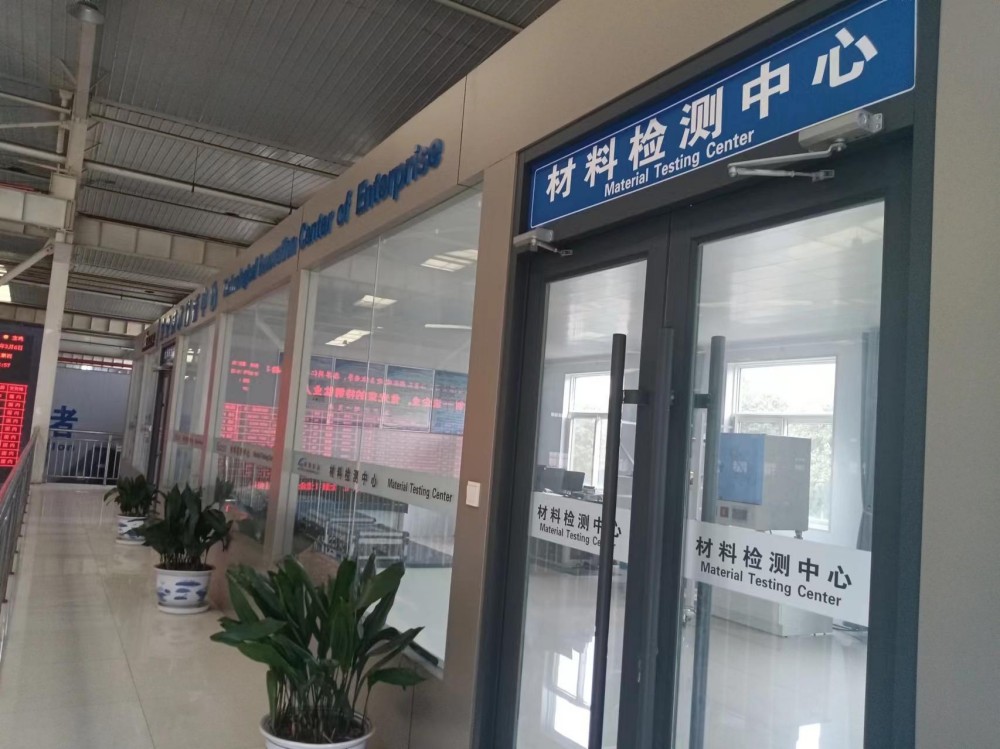
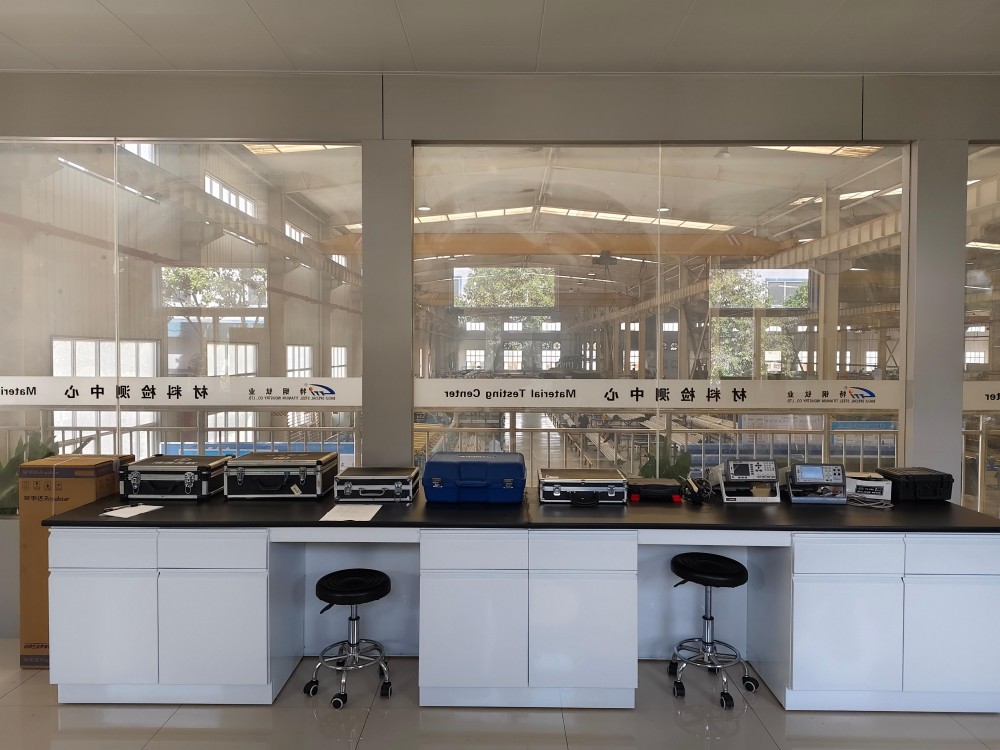
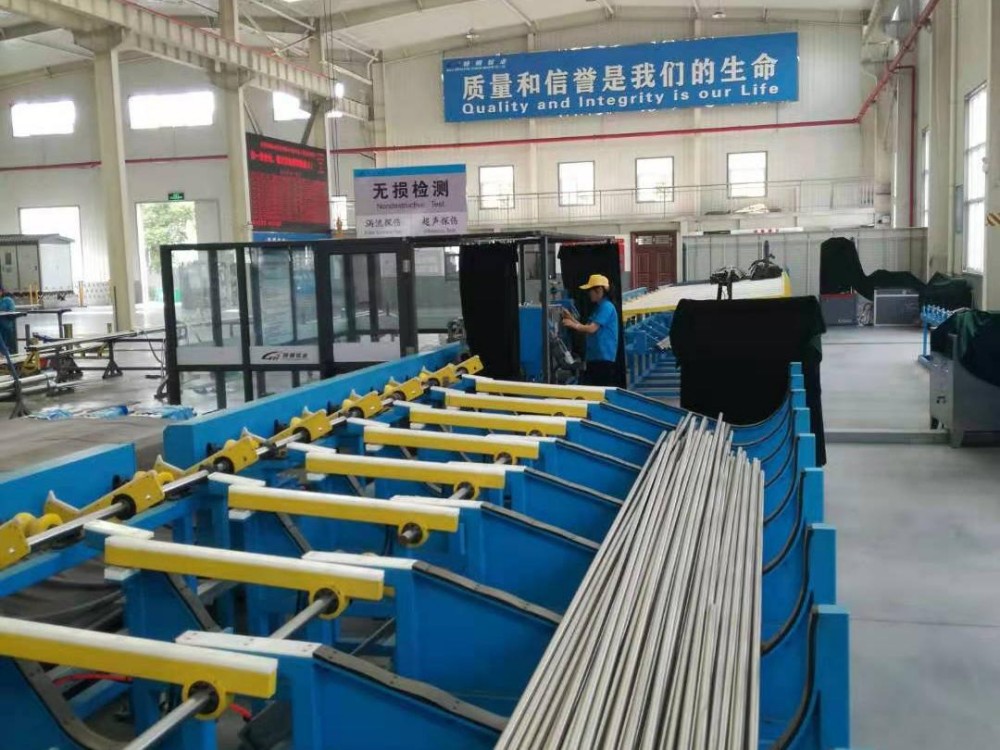
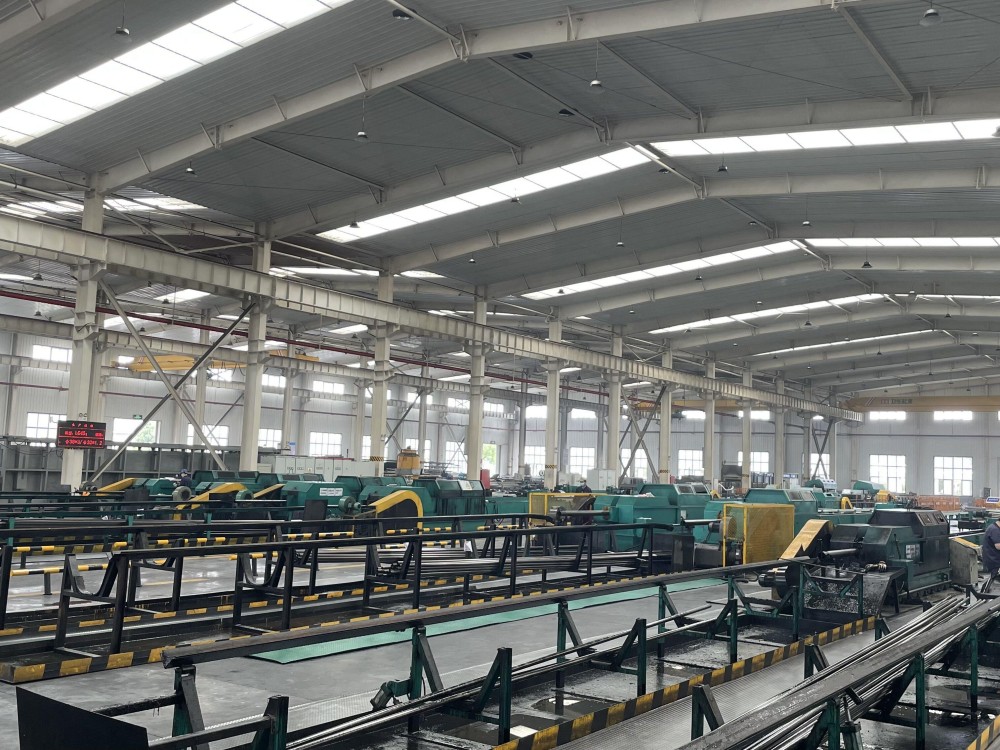
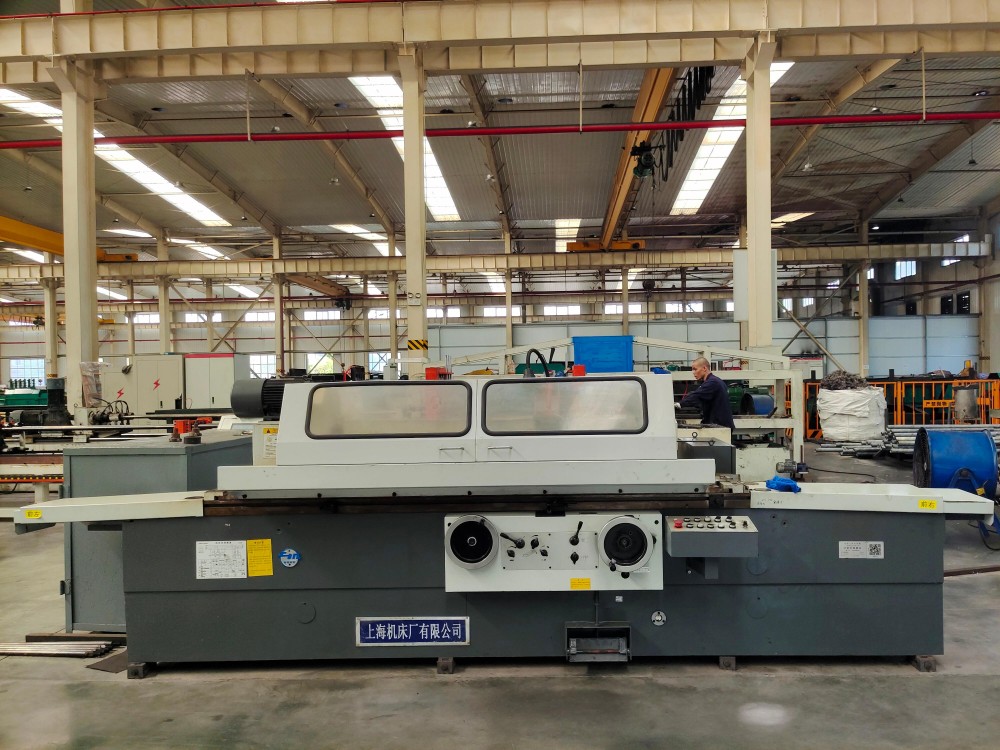
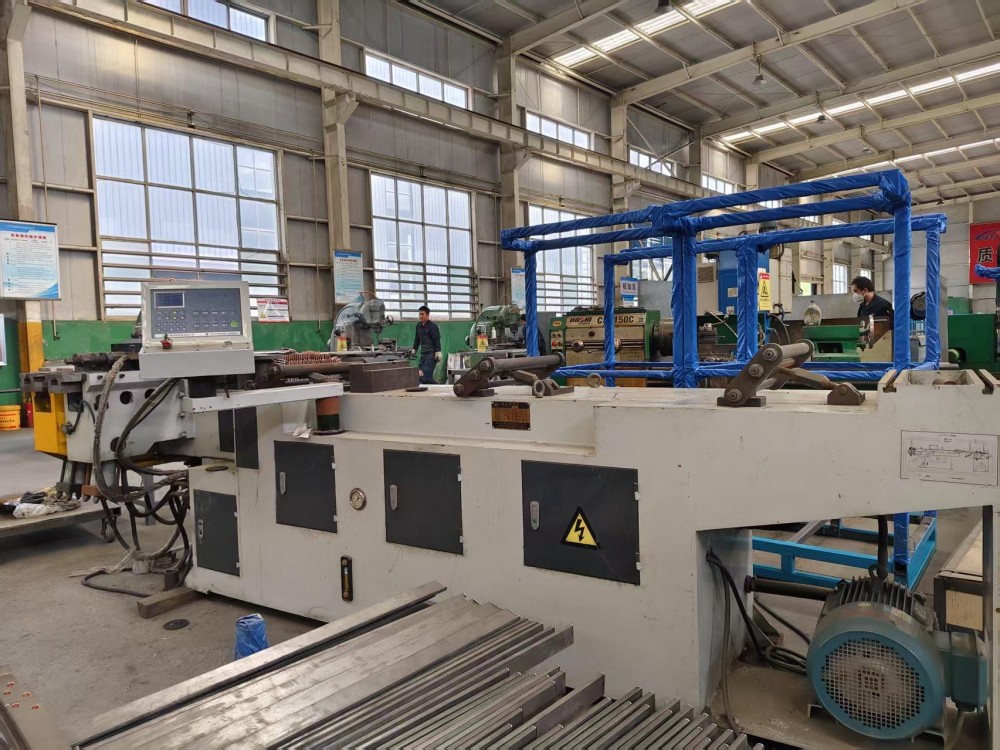
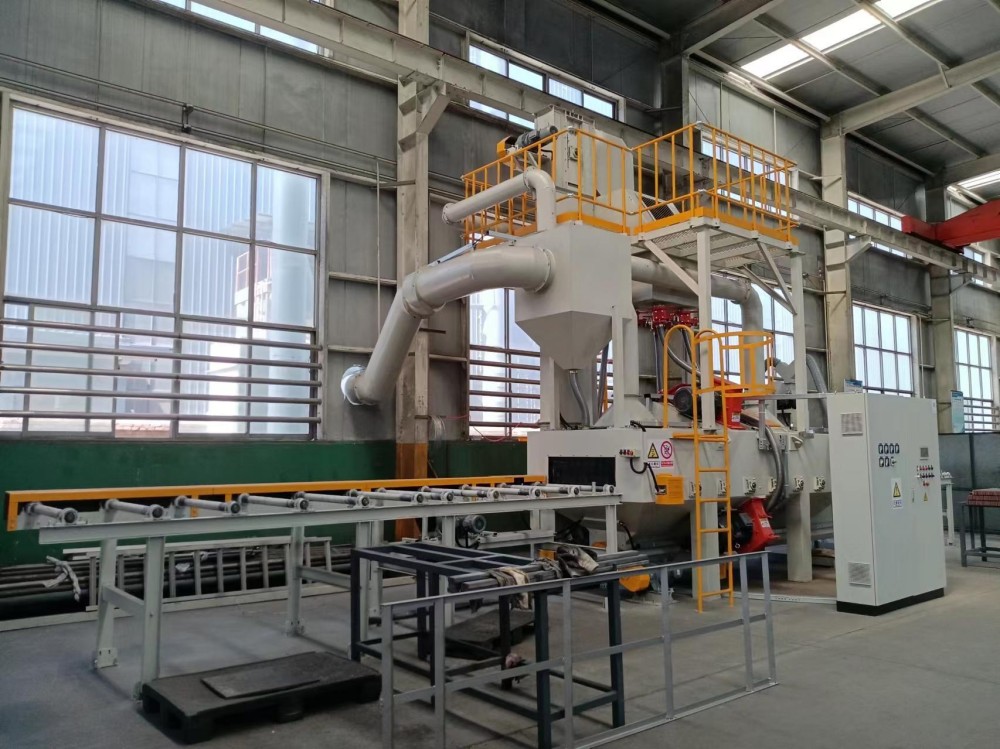
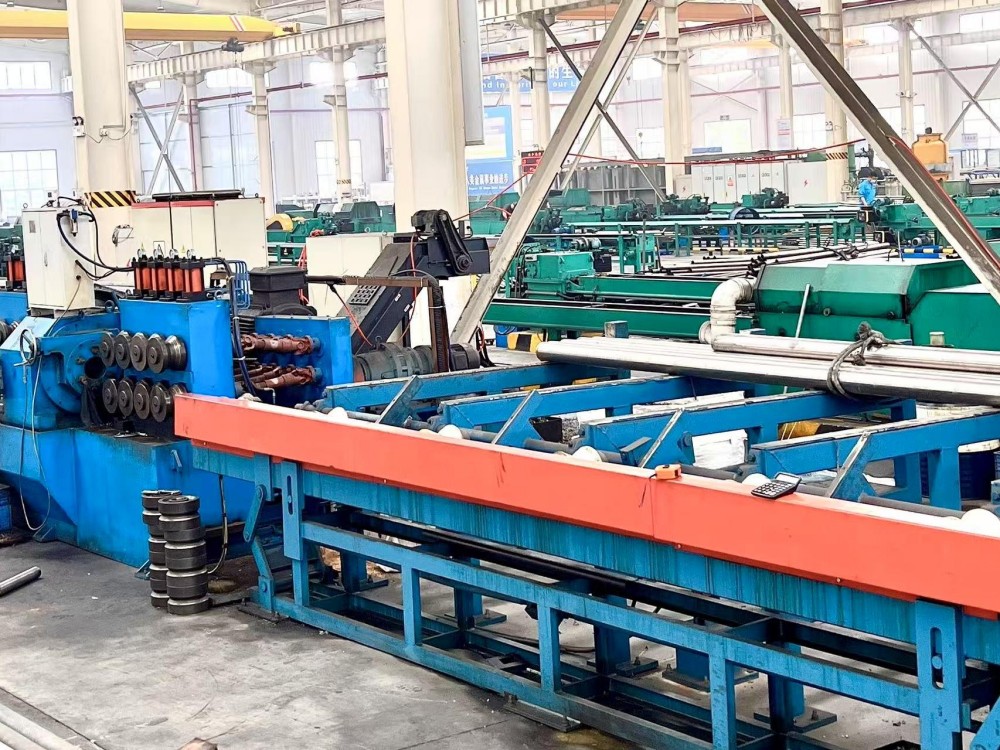
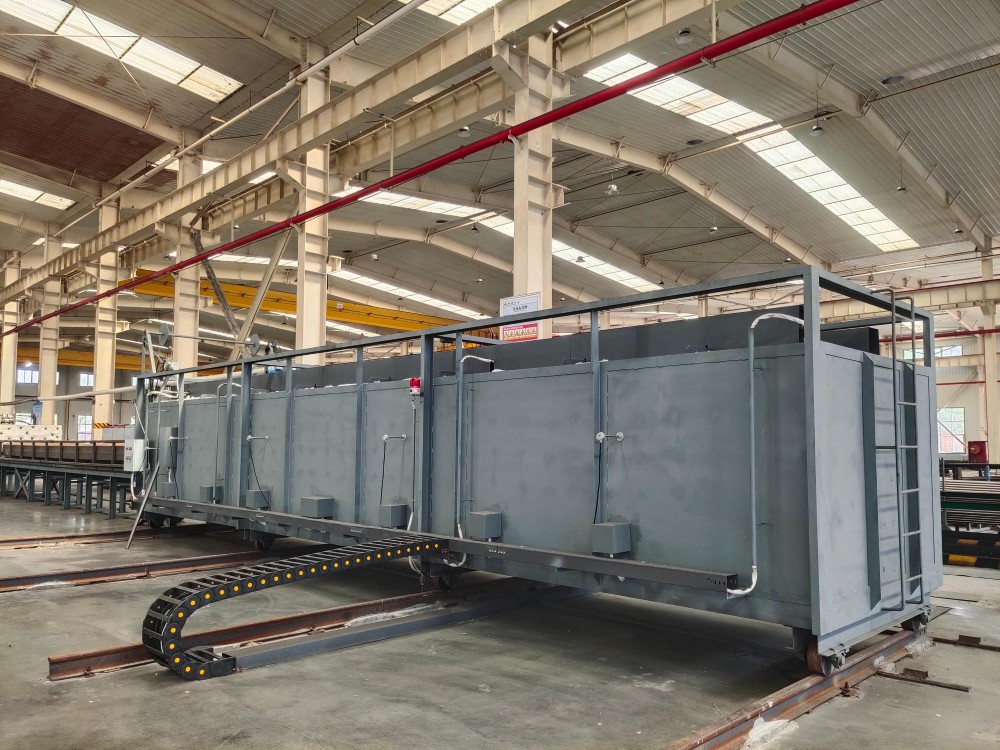
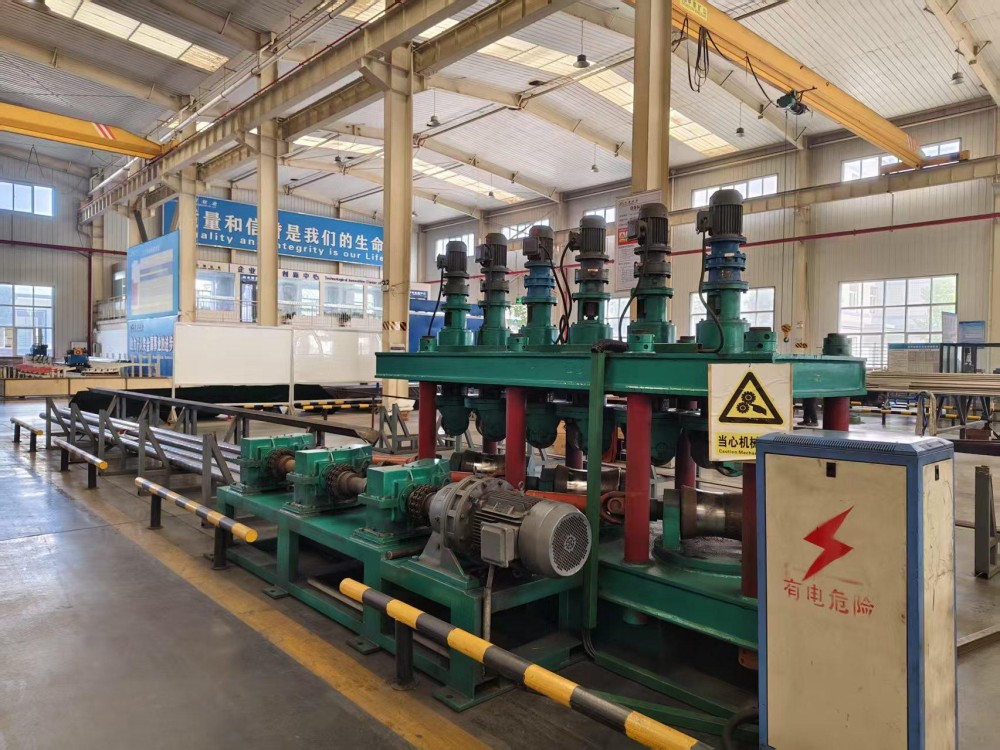
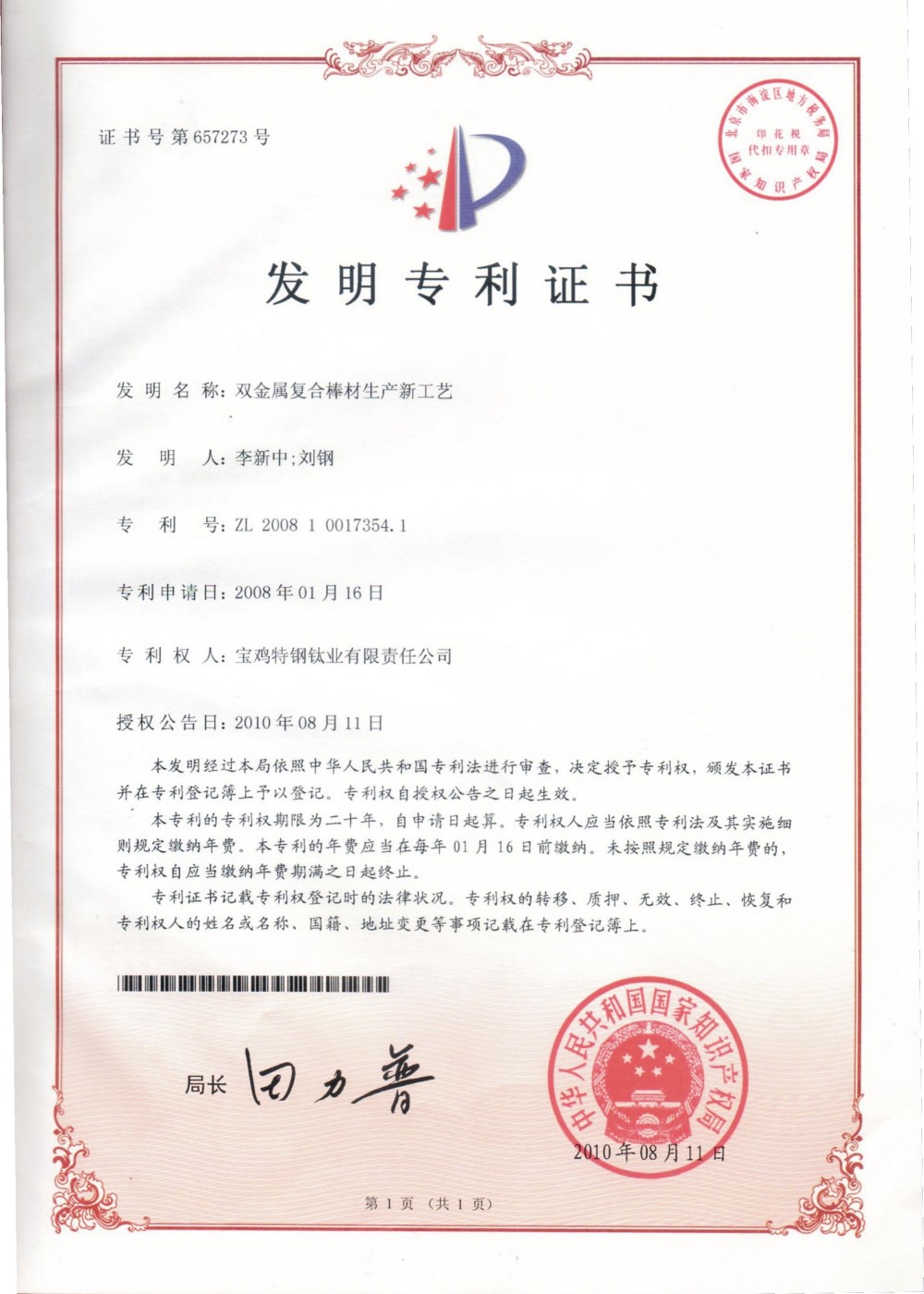
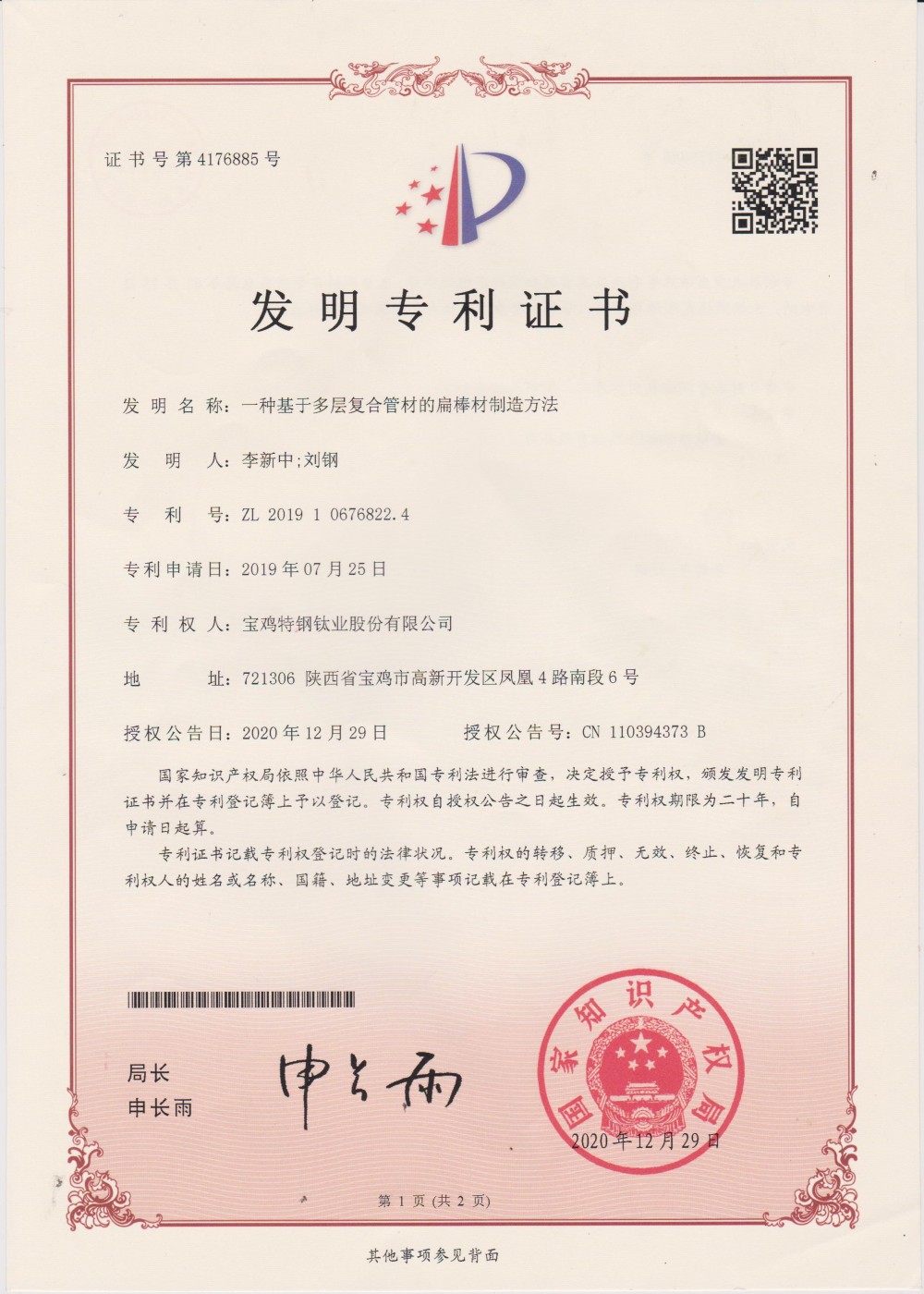
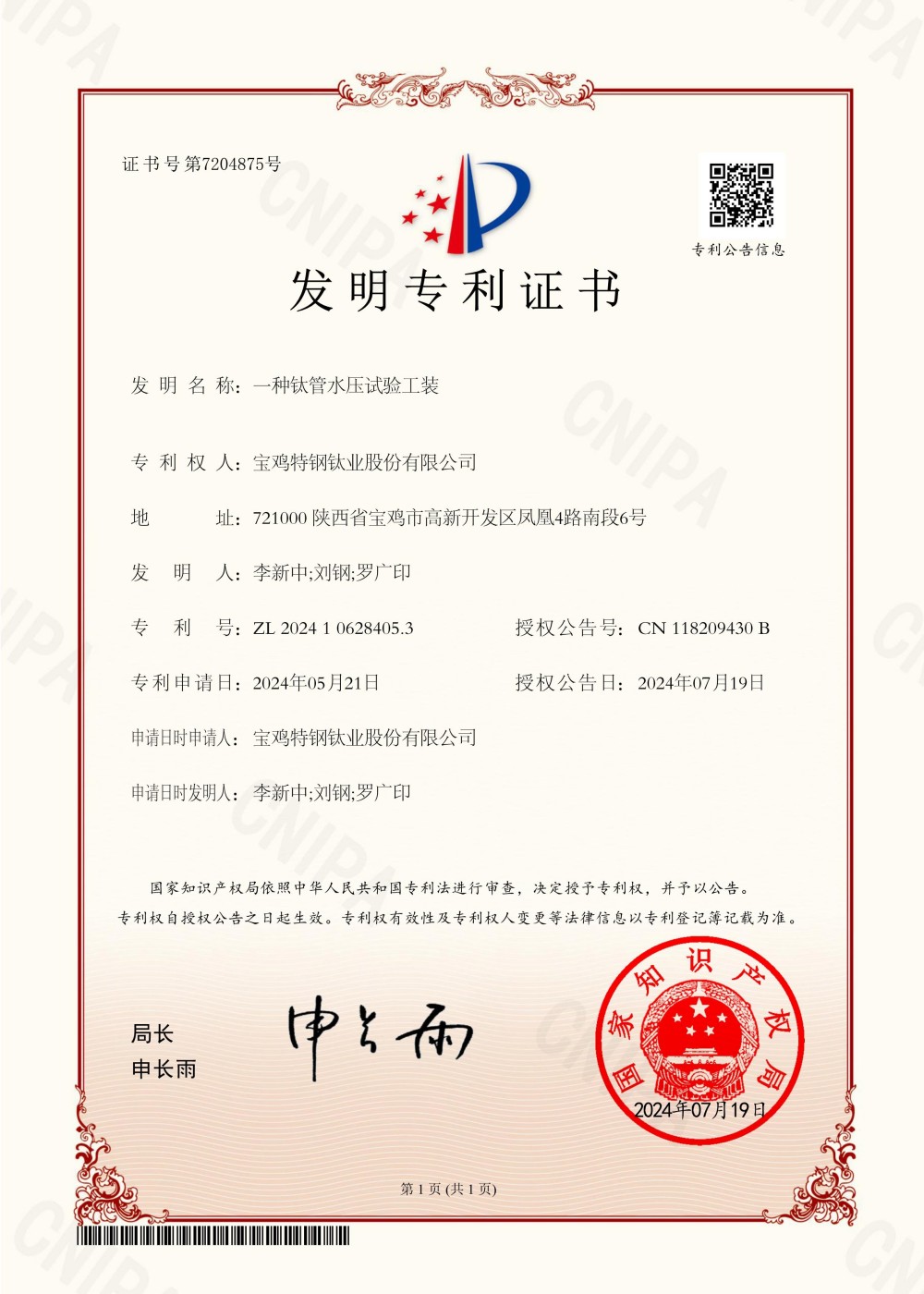
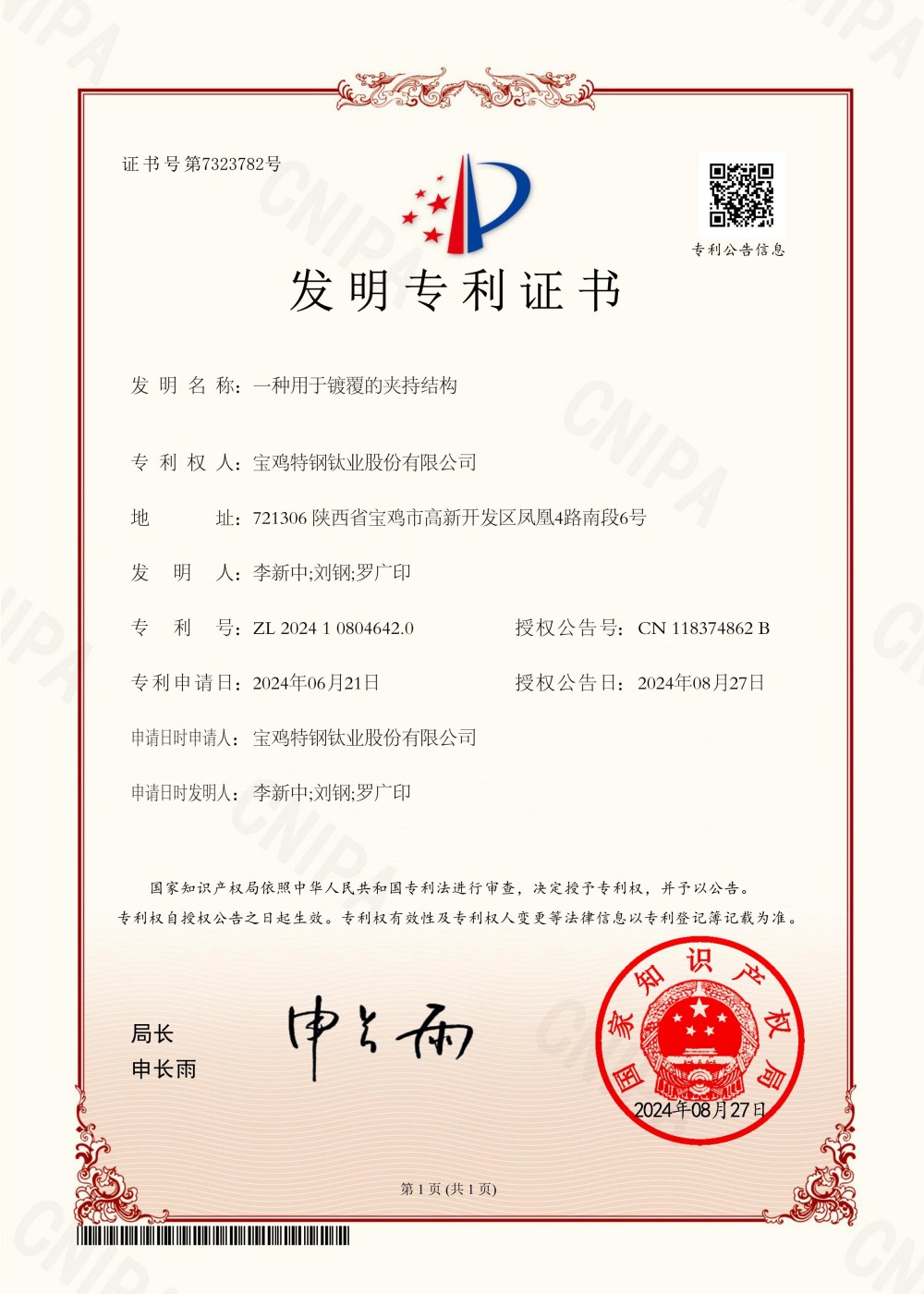
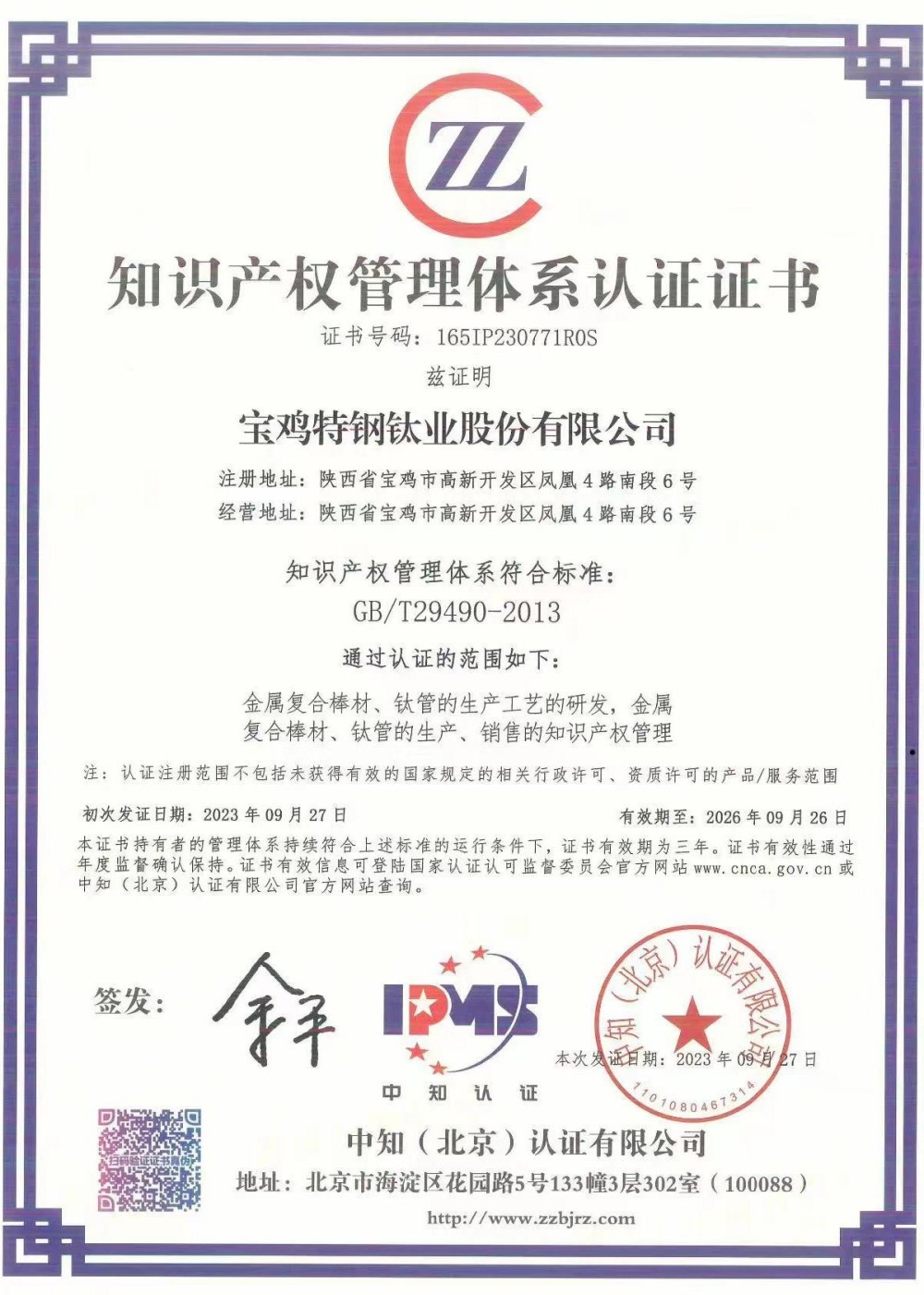
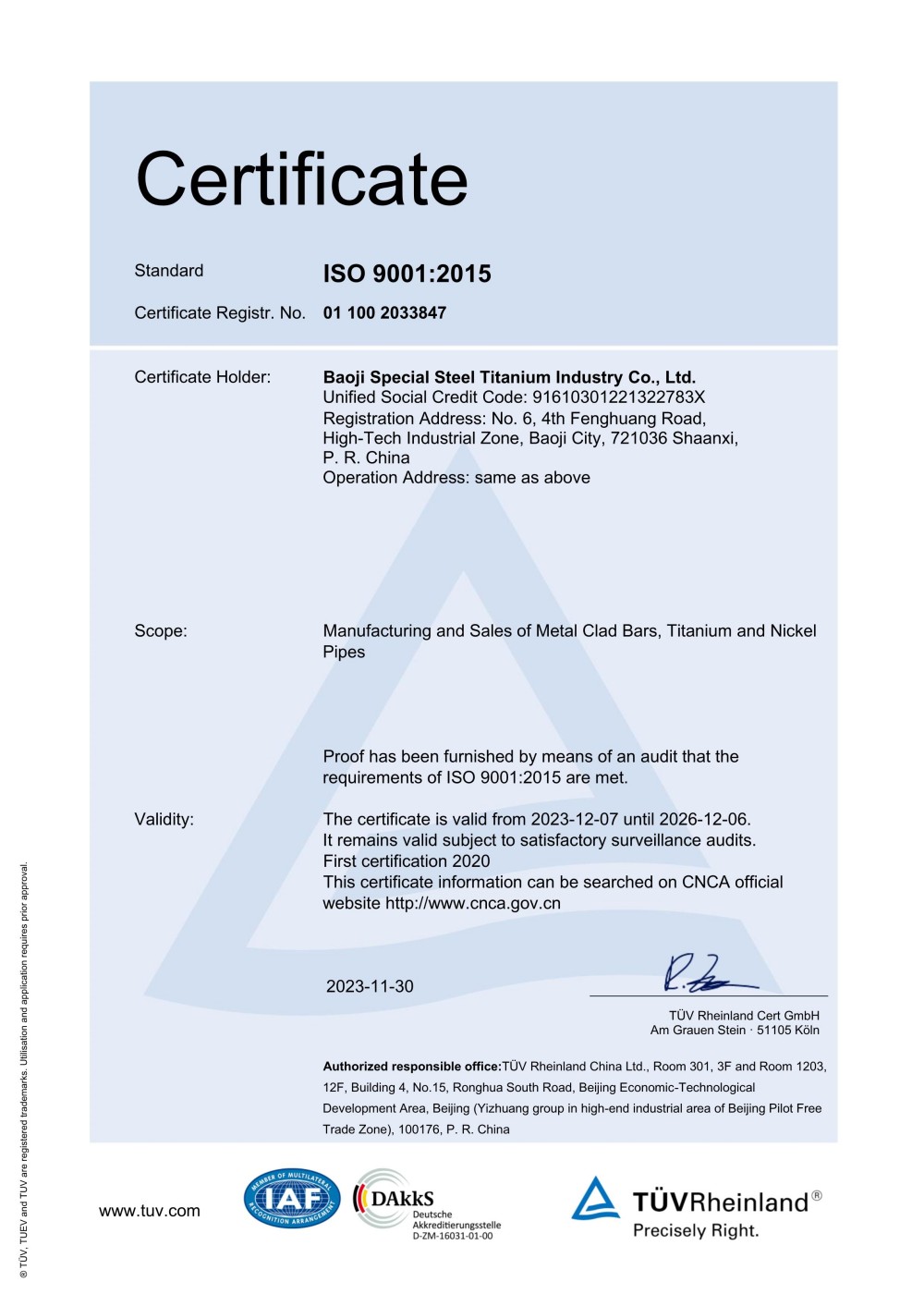
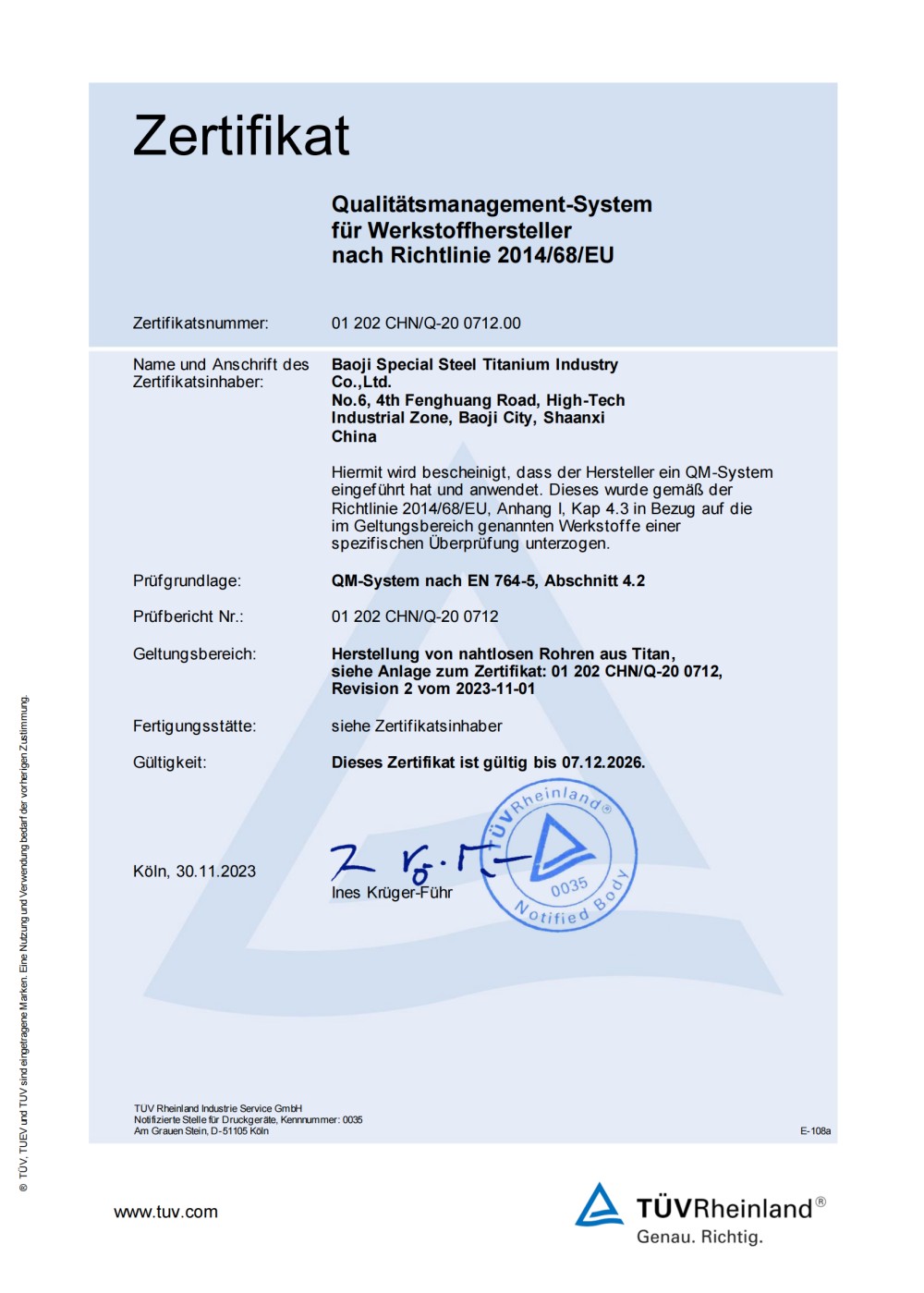
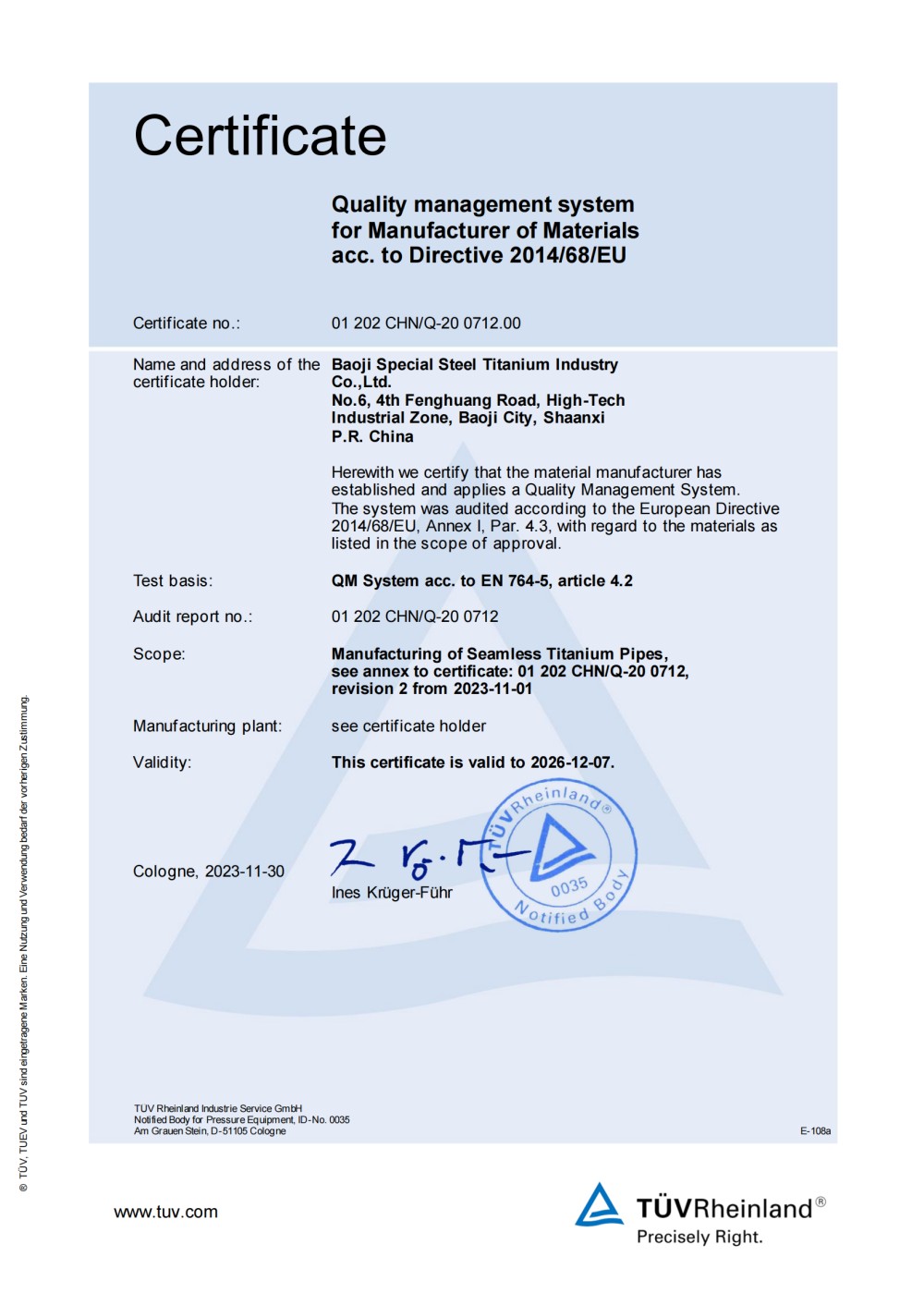
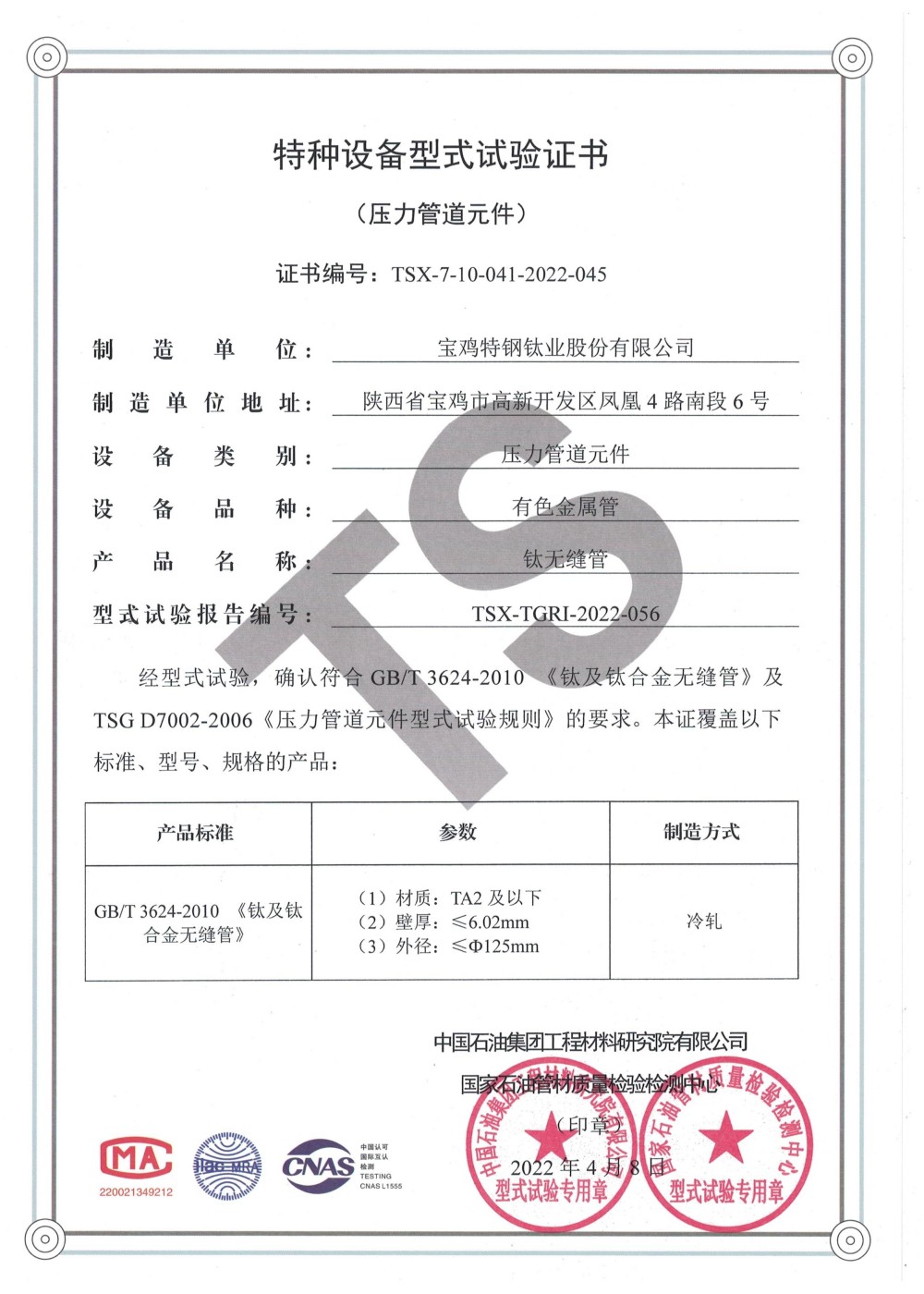
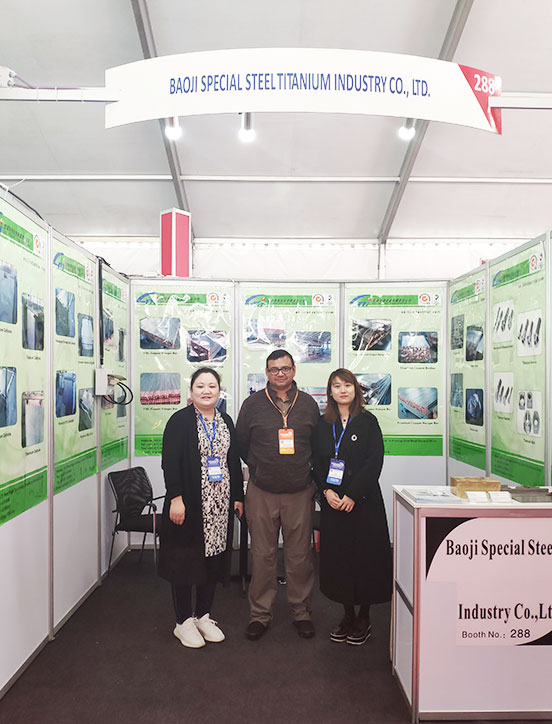
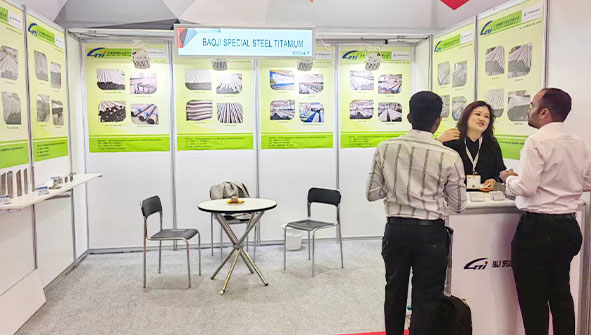
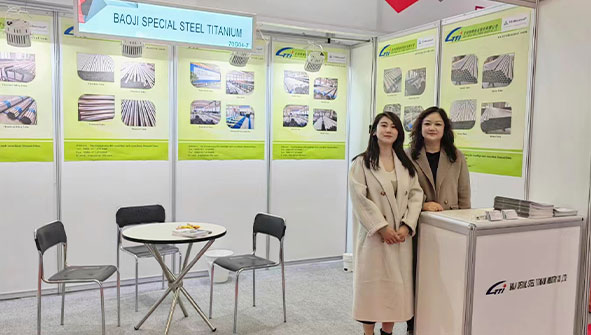
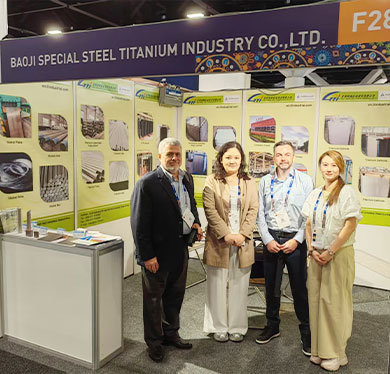
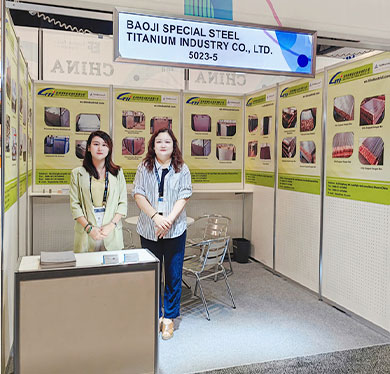
Is a joint-stock industrial enterprise specializing in the research, development, manufacturing and sales of titanium, nickel, zirconium and other metal pipes and metal composite materials. The company was founded in 1997, located in Shaanxi Baoji National High-tech Industrial development Zone, the factory covers an area of 41,000 square meters.
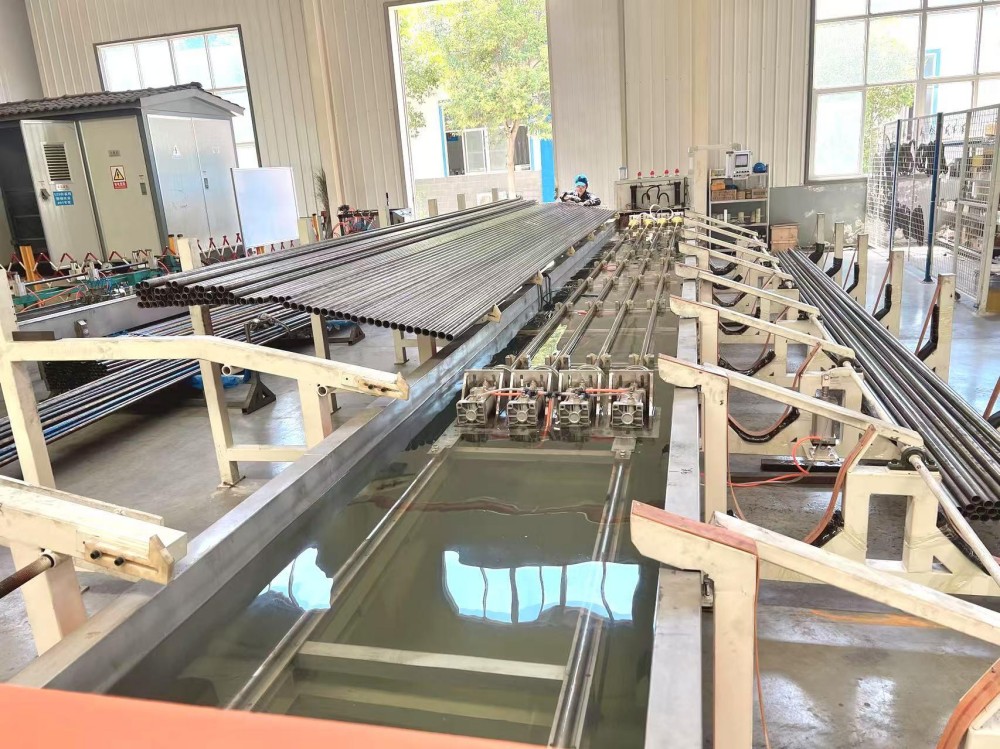
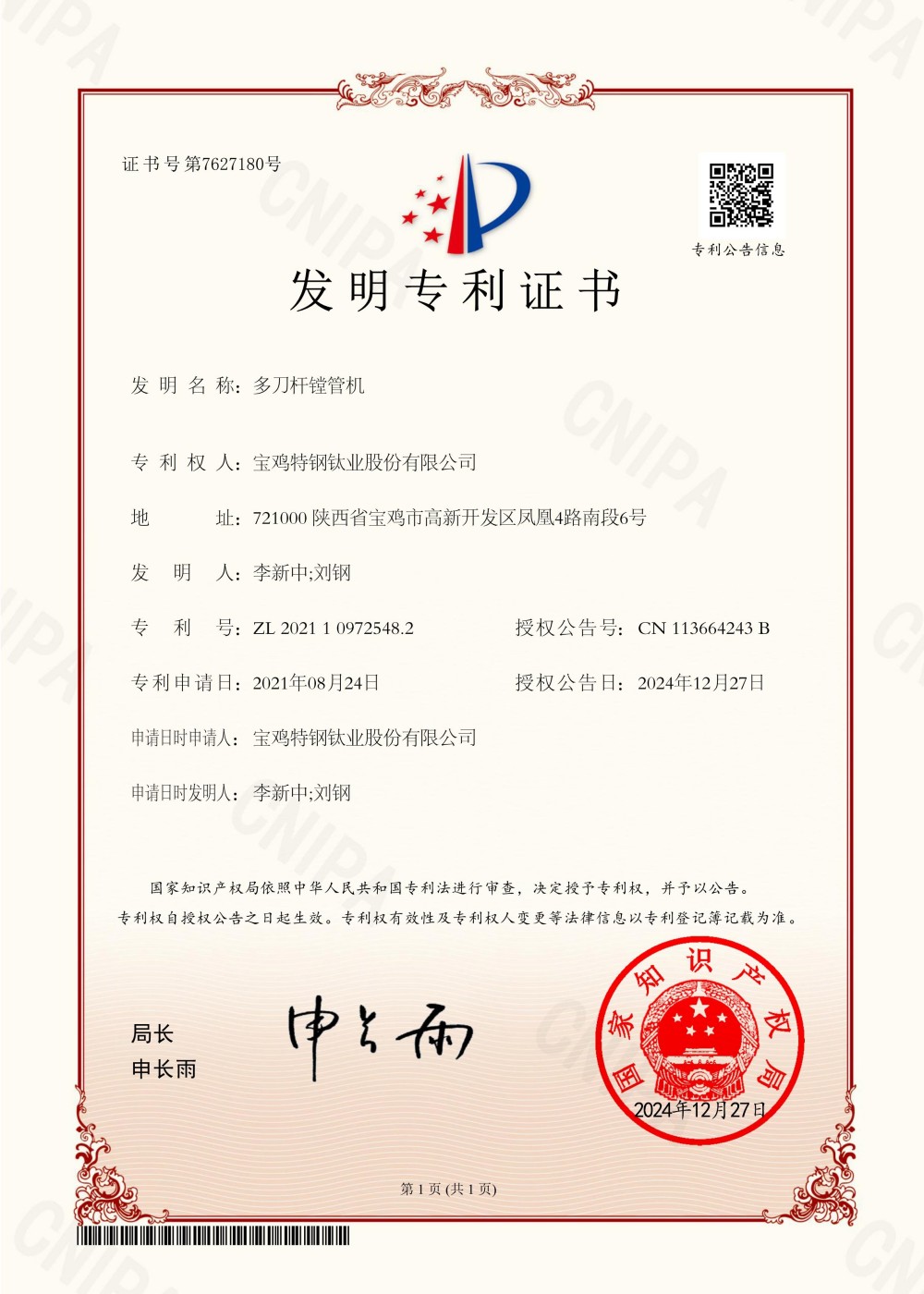
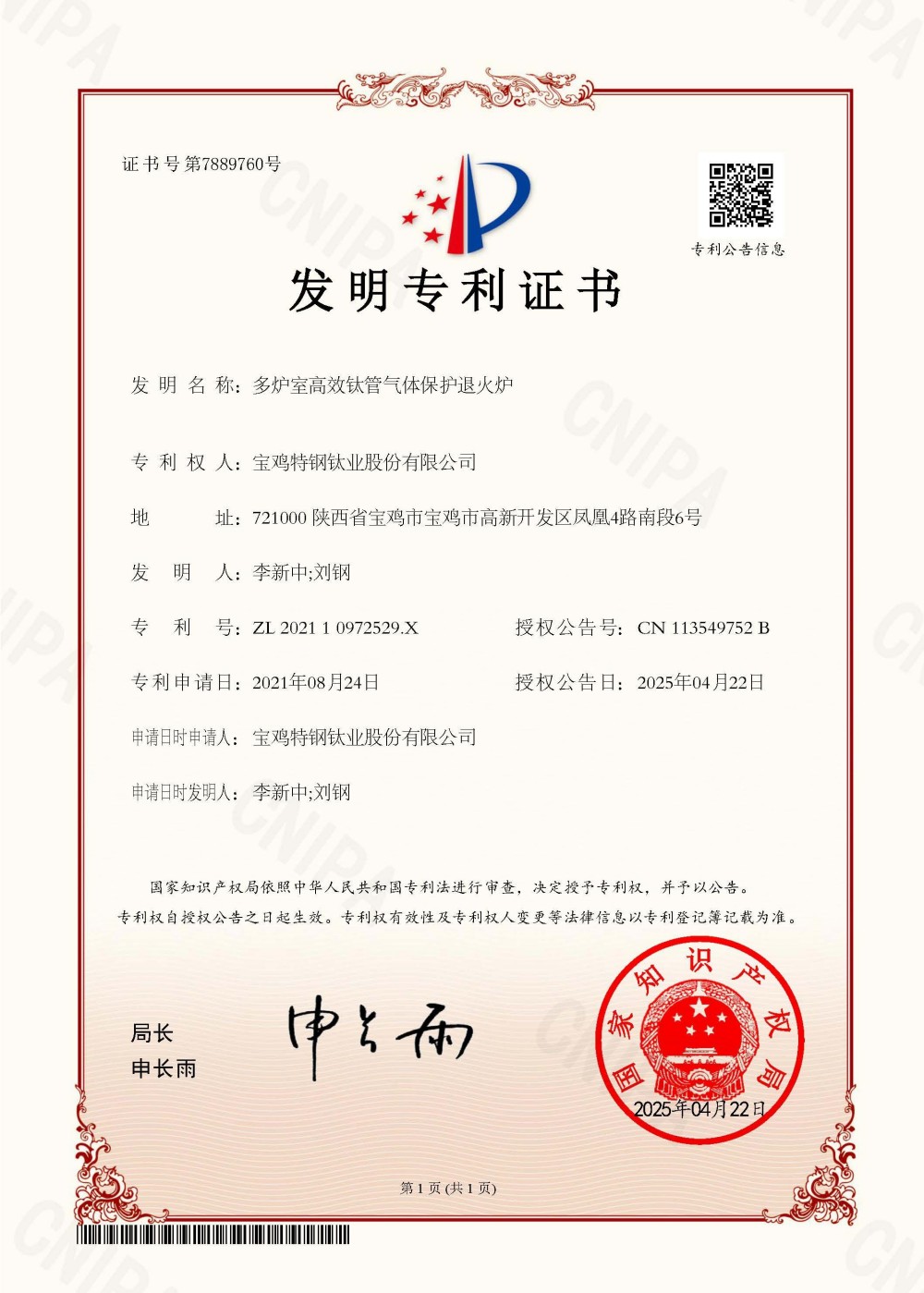
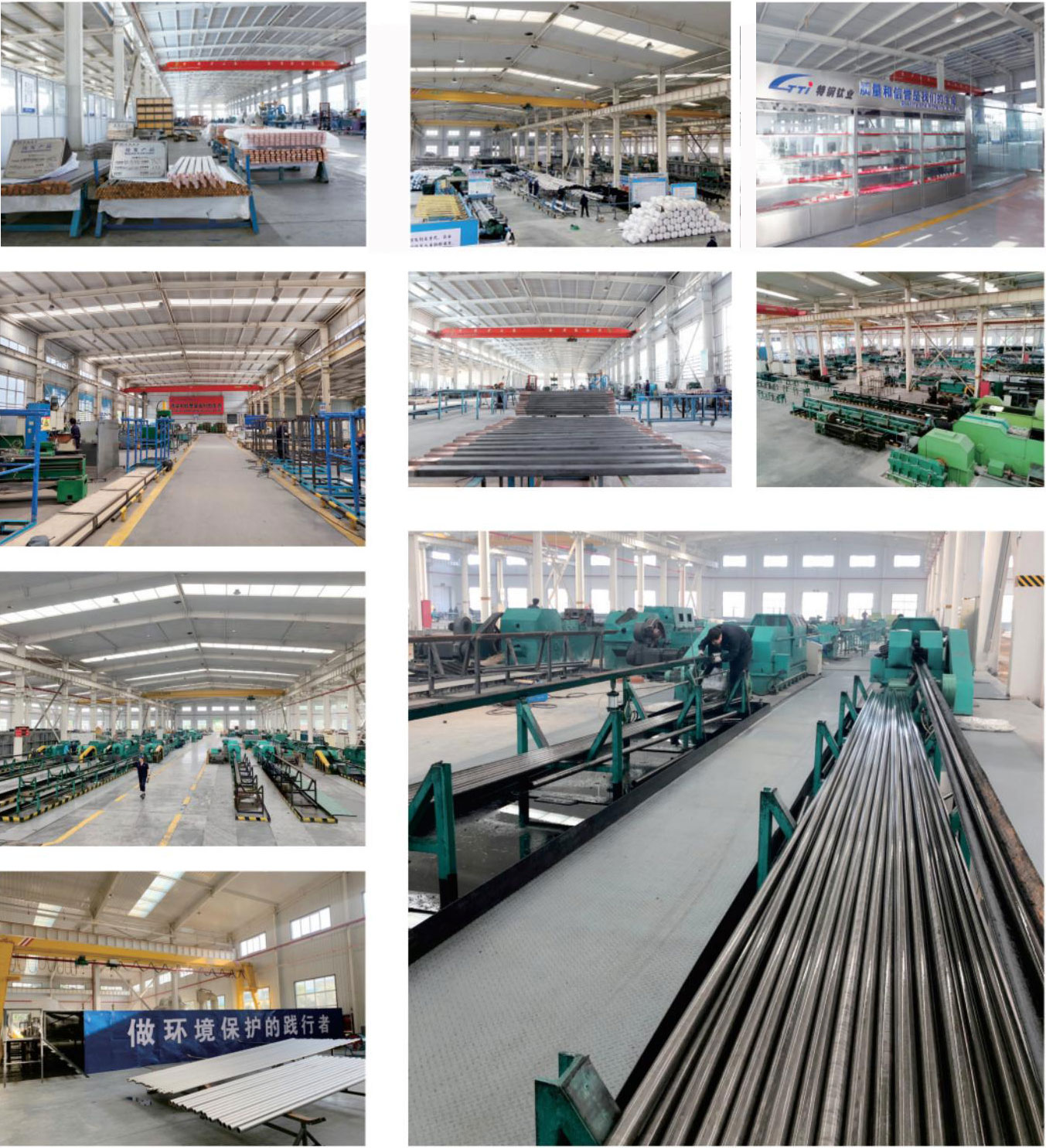
The company has an annual production capacity of over 3000 tons of non-ferrous metal pipes, composite materials and various deep processing products such as titanium, zirconium, nickel, tantalum and copper, etc., and a series of products according to varieties and specifications have reached more than 500 kinds, the annual export accounted for more than 30% of the company's total output, is an export-oriented industrial enterprise with a strong growth momentum. The company has obtained the national high and new technology enterprise certification and has been listed in the first batch of industries encouraged to develop by the National Development and Reform Commission.


In the chemical processing industry, the transportation of highly reactive and corrosive fluids is a daily operational challenge. Titanium welding tubes are extensively utilized in heat exchangers, reactors, and piping systems that handle aggressive chlorides, sulfuric acid, and organic acids. The superior weldability of advanced titanium alloys ensures seamless joints, eliminating potential weak points where localized corrosion typically initiates. This reliability translates to uninterrupted chemical synthesis processes, safeguarding both personnel and the environment from toxic exposures.
The marine environment is notoriously unforgiving. Saltwater, high pressures, and fluctuating temperatures accelerate the degradation of conventional piping. Titanium welding tubes offer an unparalleled strength-to-weight ratio combined with absolute immunity to seawater corrosion. In offshore drilling rigs, subsea manifolds, and desalination plants, these titanium pipes dramatically reduce the structural load on floating platforms while providing decades of maintenance-free service. The integration of titanium in these corrosion-resistant piping systems is a pivotal advancement in deep-water exploration technologies.
Modern power generation, including nuclear and geothermal plants, relies heavily on efficient heat transfer and robust fluid containment. Titanium condenser tubes and cooling water piping systems prevent the bio-fouling and erosion-corrosion often experienced with copper-nickel alloys. By utilizing high-grade titanium welding tubes, power plants achieve higher thermal efficiencies and extend the operational lifespan of critical cooling infrastructure, ensuring stable energy production for the grid.
As we look toward the future of industrial manufacturing, the fabrication of titanium welding tubes for corrosion-resistant piping systems is being revolutionized by Industry 4.0 technologies. The implementation of automated orbital welding systems equipped with real-time AI-driven quality control is drastically improving weld consistency and reducing defect rates. These smart welding systems monitor parameters such as shielding gas flow, arc voltage, and travel speed in milliseconds, ensuring that the metallurgical integrity of the titanium joint perfectly matches the base material.
Furthermore, the push towards green manufacturing is influencing titanium production. Advanced recycling techniques for titanium scrap and the utilization of renewable energy in the smelting and extrusion processes are lowering the carbon footprint of titanium piping systems. Innovations in alloy compositions, introducing trace elements to enhance high-temperature creep resistance without compromising corrosion immunity, are expanding the operational boundaries of titanium tubes. This continuous evolution guarantees that titanium will remain at the forefront of advanced materials engineering for decades to come.
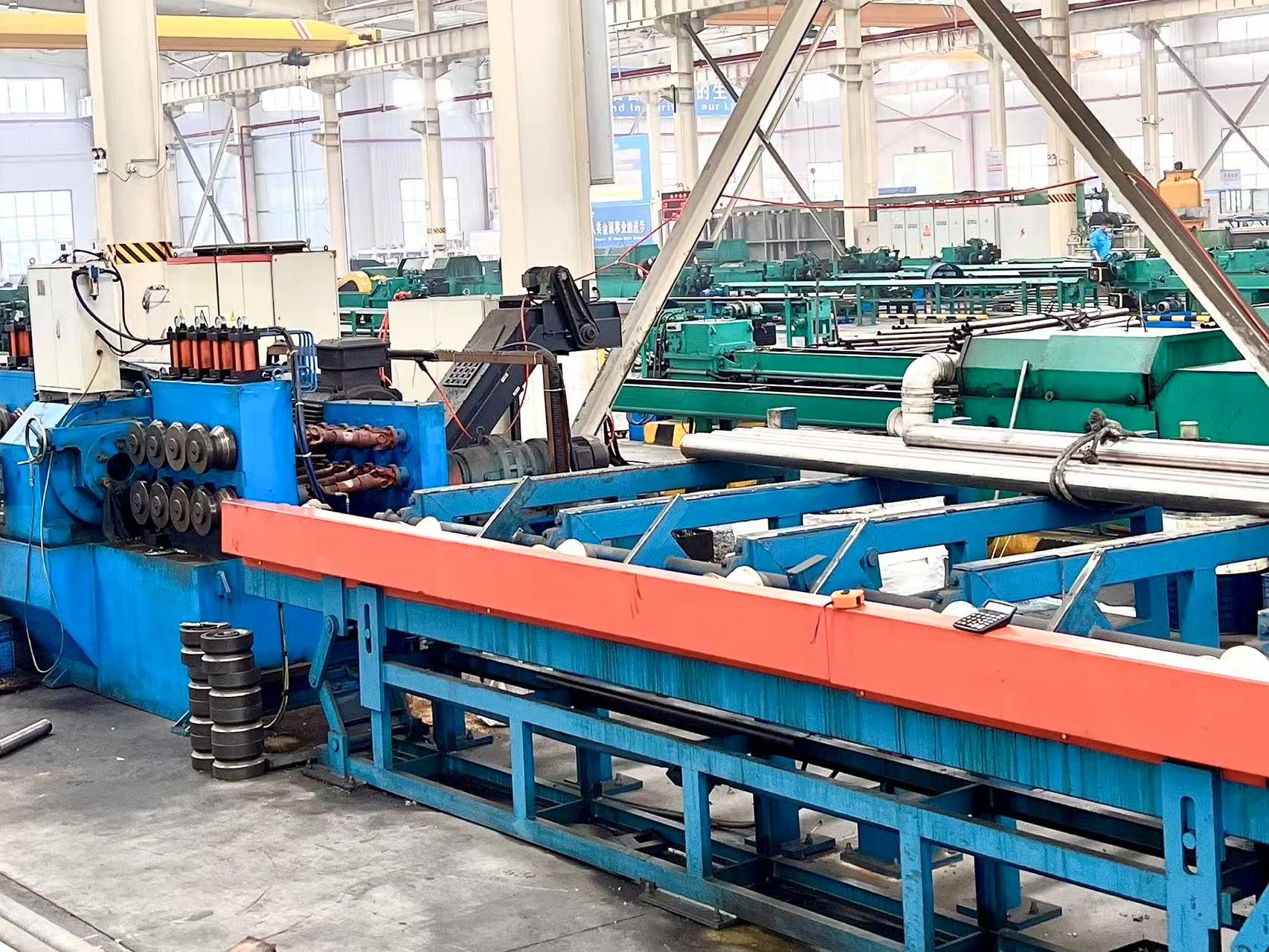
Since its establishment, the company has always adhered to the development strategy of continuous innovation and continued to expand the market with new technology and new products as the fulcrum. After more than 20 years of development and accumulation, the products have entered the markets of Germany, Japan, the United States, Norway, Finland, South Africa, Singapore, India and other countries and Taiwan regions, also have been highly praised. Stable product quality, integrity as the core of the business philosophy, by the world's customers trust.
"To build an excellent enterprise team, continuously improve the management and manufacturing methods, so that every customer can get the maximum benefit from each product" is the eternal pursuit of special steel titanium industry personnel.
The economic implications of integrating titanium welding tubes into large-scale industrial frameworks are profound. The global market for corrosion-resistant alloys is expanding rapidly, fueled by the industrialization of emerging economies and the modernization of aging infrastructure in developed nations. Titanium piping systems play a critical role in this economic matrix by preventing costly industrial accidents and minimizing the environmental liabilities associated with chemical spills.
Moreover, the strategic importance of titanium supply chains cannot be overstated. As a critical material for aerospace, defense, and advanced energy sectors, the continuous refinement of titanium tube manufacturing techniques ensures supply chain resilience. By investing in high-quality ASTM B338 titanium tubes, industries are effectively future-proofing their operations against the volatility of maintenance costs and regulatory penalties, thereby securing long-term profitability and sustainable operational excellence.