



Leave Your Message
Precision manufactured under ASTM B338 / ASTM B265 standards to optimize electrical efficiency and thermal conductivity in aggressive electrowinning cellhouses.
Unlocking continuous operation, lowering energy consumption, and preventing contamination in modern electrowinning and electrorefining operations.
The global electrolytic nickel industry operates under some of the most severely corrosive conditions found in non-ferrous hydrometallurgy. During both electrowinning (EW) and electrorefining (ER) processes, crude nickel anodes or purified leach solutions are transformed into high-purity (99.99%) nickel cathodes. The circulating electrolyte consists of concentrated nickel sulfate ($NiSO_4$), high chloride ion concentrations ($NiCl_2$ and $NaCl$ ranging from 50 to 150 g/L), and free boric acid ($H_3BO_3$), maintained at aggressive temperatures of 60°C to 85°C with a low pH environment (1.5–2.5).
Under these extreme combined thermal and chemical stresses, traditional austenitic stainless steels (such as AISI 316L or 904L) suffer catastrophic failures due to rapid pitting corrosion, stress corrosion cracking (SCC), and severe crevice attack triggered by chloride ion accumulation. Titanium welded tubing (specifically ASTM B338 Grade 1 and Grade 2, as well as palladium-stabilized Grade 7 and ruthenium-enhanced Grade 12) has established itself as the indispensable material benchmark. The spontaneous formation of an ultra-dense, self-healing titanium dioxide ($TiO_2$) passivation film provides an impenetrable barrier against acidic chloride leaching, guaranteeing process purity without contaminating the electrolytic bath with unwanted heavy metal ions.
Our titanium welded tubes utilize high-precision continuous tungsten inert gas (GTAW/TIG) and fiber laser welding technologies. Continuous micro-eddy current testing and 100% pneumatic/hydrostatic verification ensure weld seam grain boundaries exhibit identical mechanical resilience and anti-corrosive characteristics to parent metal strip feedstock.
In electrolytic nickel cellhouses, maintaining exact electrolyte temperature is critical for smooth cathode crystal morphology. Titanium welded tubes serve as the backbone for shell-and-tube, plate-fin, and immersed serpentine heat exchangers, resisting steam condensation fatigue and corrosive scaling.
Precision perforated titanium welded pipes are strategically installed at the bottom of electrowinning cells to guarantee uniform catholyte laminar distribution, rapid hydrogen degassing, and consistent current density across huge multi-cathode bays.



How the demand for Class 1 nickel in lithium-ion battery chemistry (NMC/NCA) is accelerating the adoption of titanium welded tube systems across worldwide refineries.
The global energy transition has dramatically redirected industrial nickel demand from traditional stainless steel manufacturing toward high-purity battery-grade nickel sulfate ($NiSO_4\cdot 6H_2O$) and high-grade electrolytic nickel cathodes. As electric vehicle (EV) adoption surges, hydrometallurgical processing of nickel laterite ores via High-Pressure Acid Leaching (HPAL) in autoclaves has expanded at an unprecedented CAGR.
In HPAL and subsequent Mixed Hydroxide Precipitate (MHP) refining circuits, massive solvent extraction (SX) and electrowinning (EW) plants rely on titanium welded tubes for anolyte cooling coils, stripping solution pre-heaters, autoclave flash vessels piping, and chlorine gas scrubbing lines. Titanium’s remarkable strength-to-weight ratio and resilience against chlorine stress cracking make it the premier choice for mega-scale operations across Indonesia, Australia, Canada, and China.
Historically, seamless titanium tubes dominated early hydrometallurgical installations due to conservative pressure ratings. However, modern automated plasma and laser welding processes combined with strict ASTM B338 / ASME SB338 compliance have made welded titanium tubes the preferred industrial solution. Welded titanium tubing delivers exceptionally uniform wall thickness, smoother internal surfaces (yielding lower hydraulic drag), improved heat transfer coefficients, and a 20% to 35% cost reduction compared to seamless counterparts.
Over a standard 20-year refinery lifecycle, deploying high-grade titanium welded tubes completely eradicates unforeseen plant shutdowns, costly electrolyte fluid replacements, and expensive hazardous waste handling caused by corroded vessel walls.
Delivering high-integrity titanium tubing and fabricated composite solutions across demanding mission-critical sectors worldwide.




Stable product quality, integrity as the core of our business philosophy, earning long-term trust from premier industrial enterprises worldwide.

Powering Global Mining Operations with Precision Titanium Solutions

Continuous supply of Titanium Tubing for Electrolytic Nickel & Cobalt Refining

High-Pressure Acid Leach & Electrowinning Titanium Piping Infrastructure
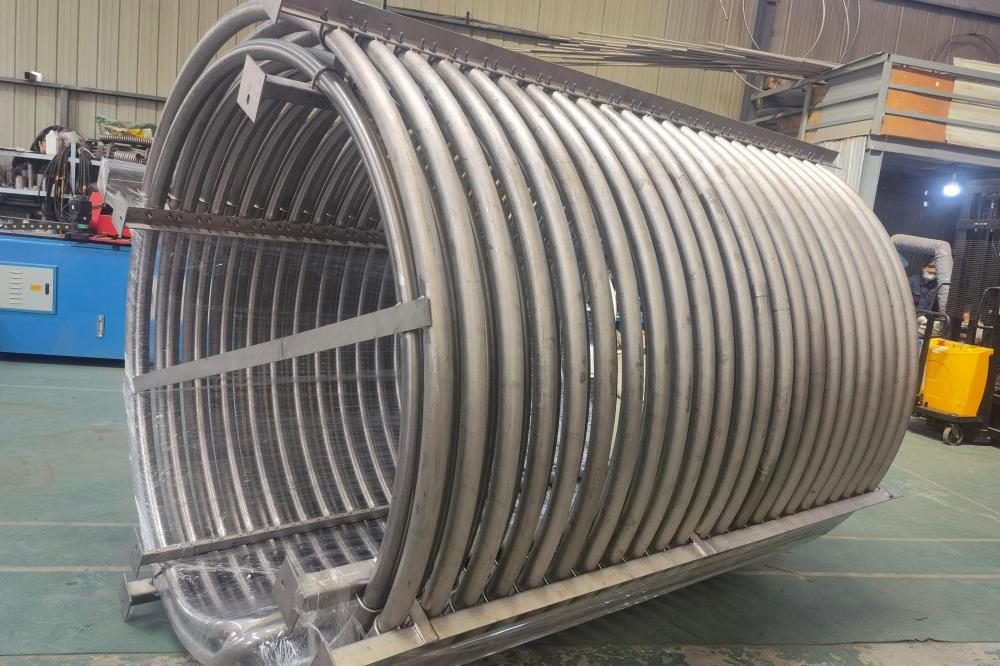
Corrosion-resistant Titanium Shell & Tube Exchangers for Specialty Chemical Lines
Strict adherence to IATF 16949, CE, FMEA, PPAP, APQP, SPC, and MSA with 100% Non-Destructive Testing (NDT).
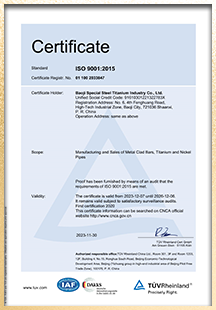
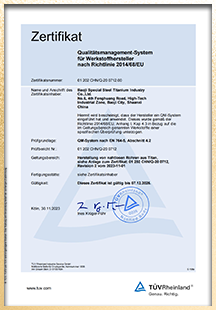
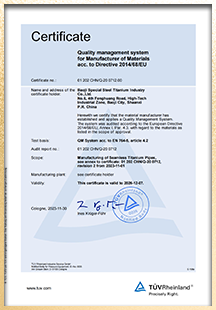
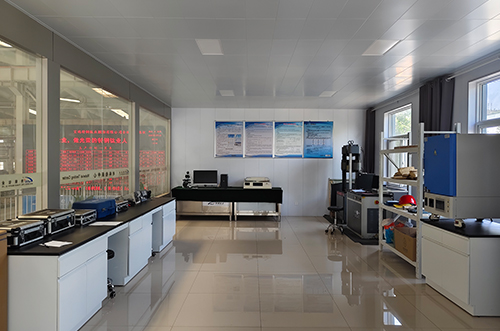
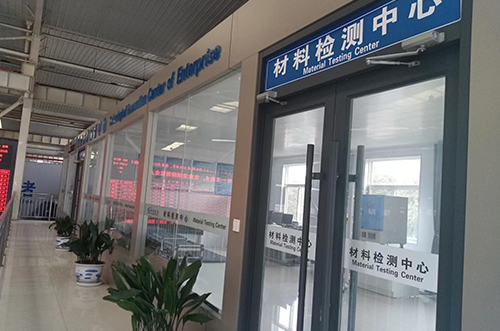
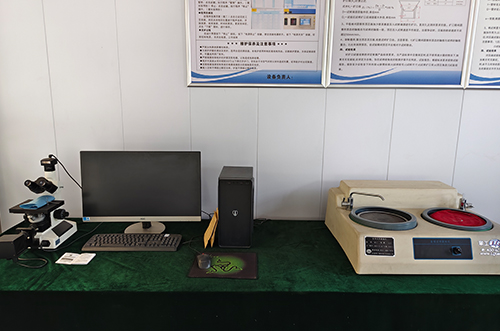
Detailed mechanical parameters, chemical composition controls, and non-destructive inspection workflows for electrolytic nickel applications.
Depending on the operating temperature, concentration of free hydrochloric acid ($HCl$), and dissolved oxygen level within the electrowinning cellhouse, selecting the appropriate titanium grade is critical:
Every single titanium welded tube intended for hydrometallurgical service undergoes stringent quality assurance:
Explore our full line of ASTM B338 titanium welding tubes, coated MMO electrodes, titanium cathode sheets, and auxiliary cellhouse hardware.




