



Leave Your Message
In the modern manufacturing ecosystem, electroplating serves as a foundational process that enhances the durability, conductivity, and aesthetic appeal of countless components. From microelectronics and automotive parts to heavy machinery and aerospace components, the electroplating production line is a harsh environment characterized by highly corrosive chemicals, extreme pH levels, and fluctuating thermal conditions. Within this demanding setting, the Titanium Welding Tube For Electroplating Production Lines emerges as an indispensable technological asset.
Traditional materials used in electroplating infrastructure, such as stainless steel or polymer-based piping, often fall short when exposed to aggressive electrolytes like chromic acid, sulfuric acid, and hydrochloric acid. Polymers degrade under high temperatures, while standard metals succumb to rapid pitting and crevice corrosion. Titanium, however, possesses a unique metallurgical profile. When exposed to oxygen, it instantly forms a stable, continuous, and highly adherent oxide film (TiO2) on its surface. This passive layer provides extraordinary resistance to chemical attacks, making titanium welding tubes the gold standard for fluid transport, heating, and cooling coils within electroplating baths.
The global surface treatment and electroplating market is experiencing a paradigm shift. As environmental regulations become more stringent and the demand for zero-defect manufacturing rises, facility operators are forced to rethink their infrastructure investments. The initial capital expenditure for a Titanium Welding Tube is higher than that of conventional materials; however, the Total Cost of Ownership (TCO) presents a highly compelling commercial case.
Economic Viability & ROI: In a standard high-volume electroplating production line, the replacement cycle for non-titanium heating/cooling coils can be as short as 6 to 12 months. This not only incurs direct replacement costs but also results in devastating production downtime and potential chemical contamination of the plating bath. Titanium welding tubes, engineered to ASTM B338 standards, boast an operational lifespan that frequently exceeds a decade. This exceptional longevity translates to uninterrupted production, stabilized bath chemistry, and a rapid Return on Investment (ROI).
Furthermore, the industrial status of titanium in this sector is heavily bolstered by the rise of precision manufacturing. Industries such as semiconductor fabrication and high-density Printed Circuit Board (PCB) manufacturing require ultra-pure plating environments. Any metallic leaching from degraded pipes can ruin microscopic circuitry. Titanium welding tubes guarantee zero contamination, securing their position as a non-negotiable requirement in high-tech electroplating production lines.
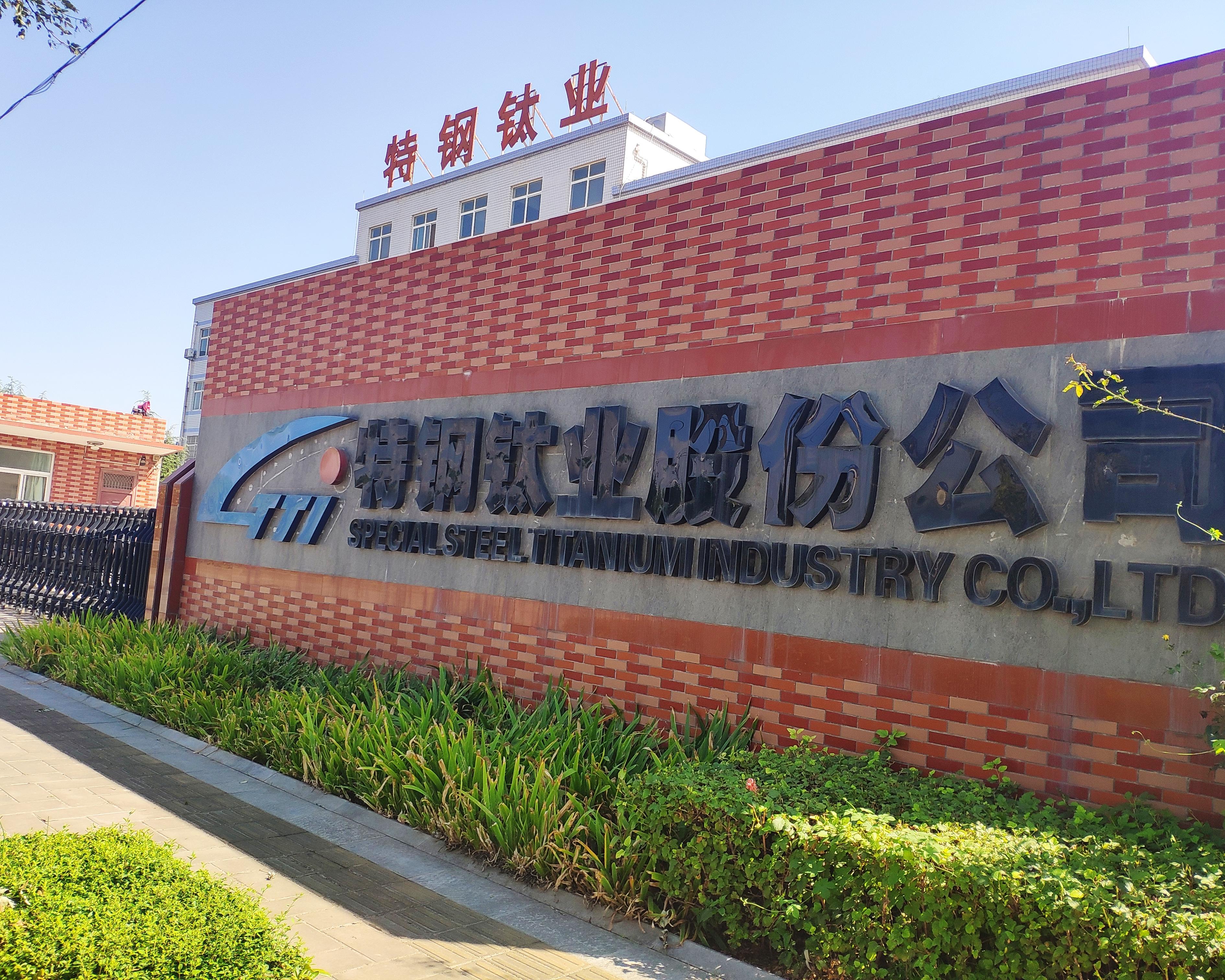
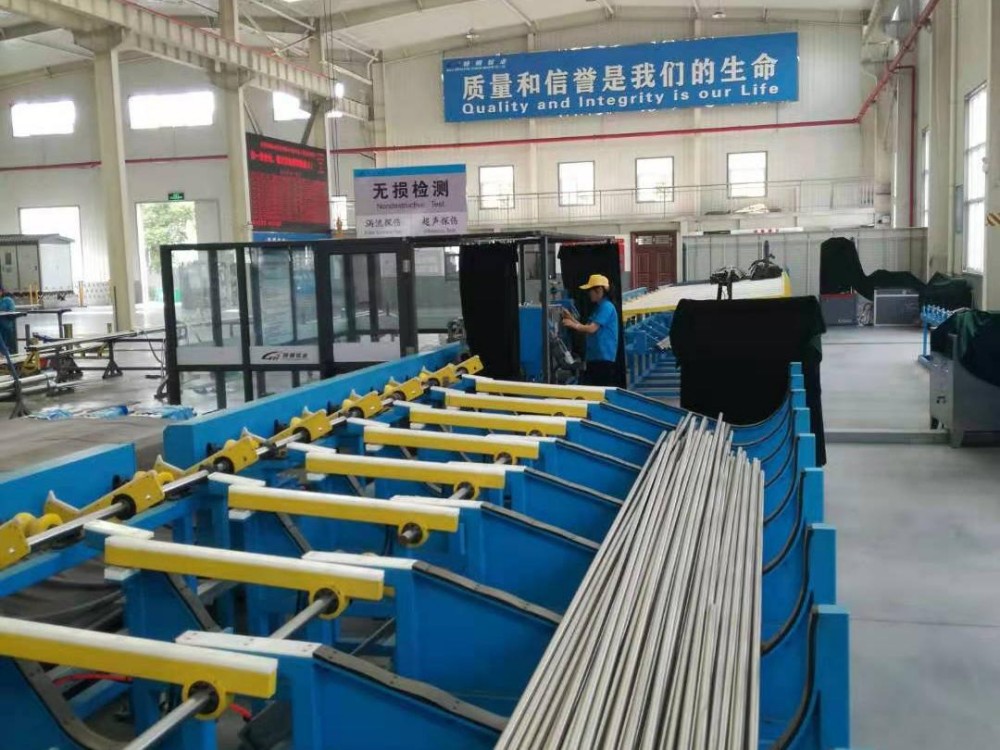
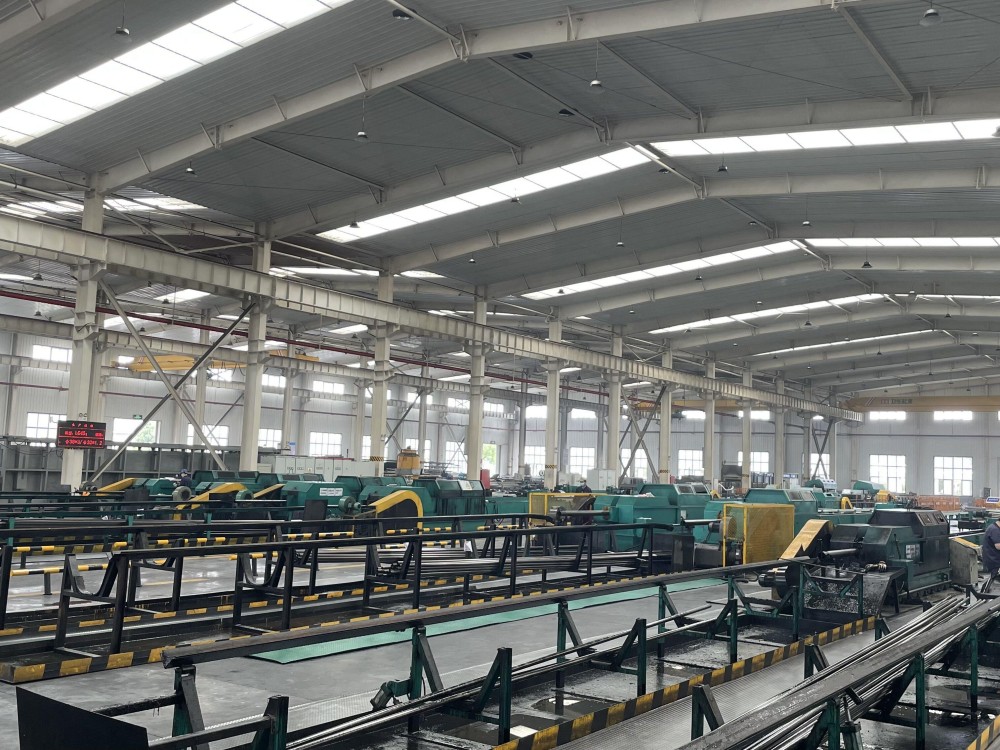
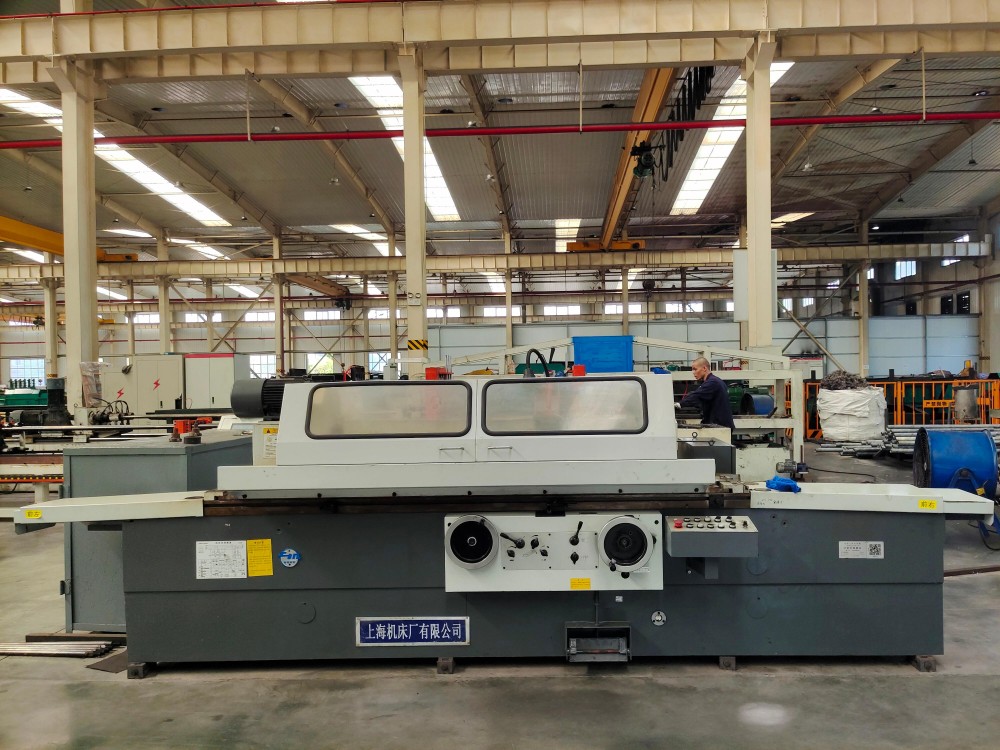
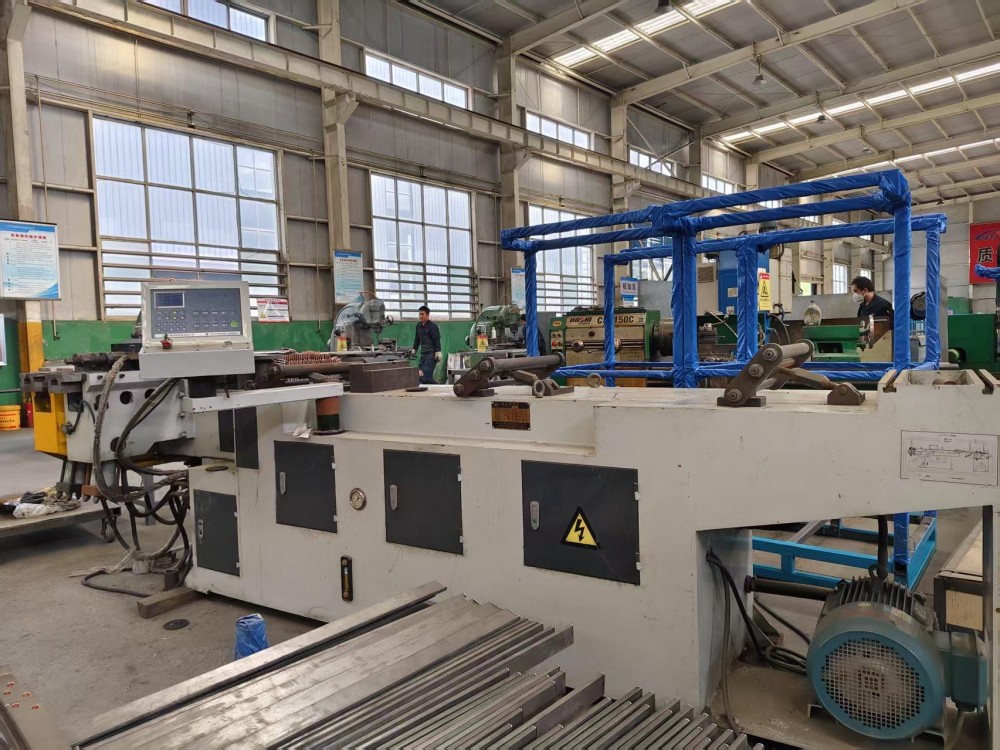
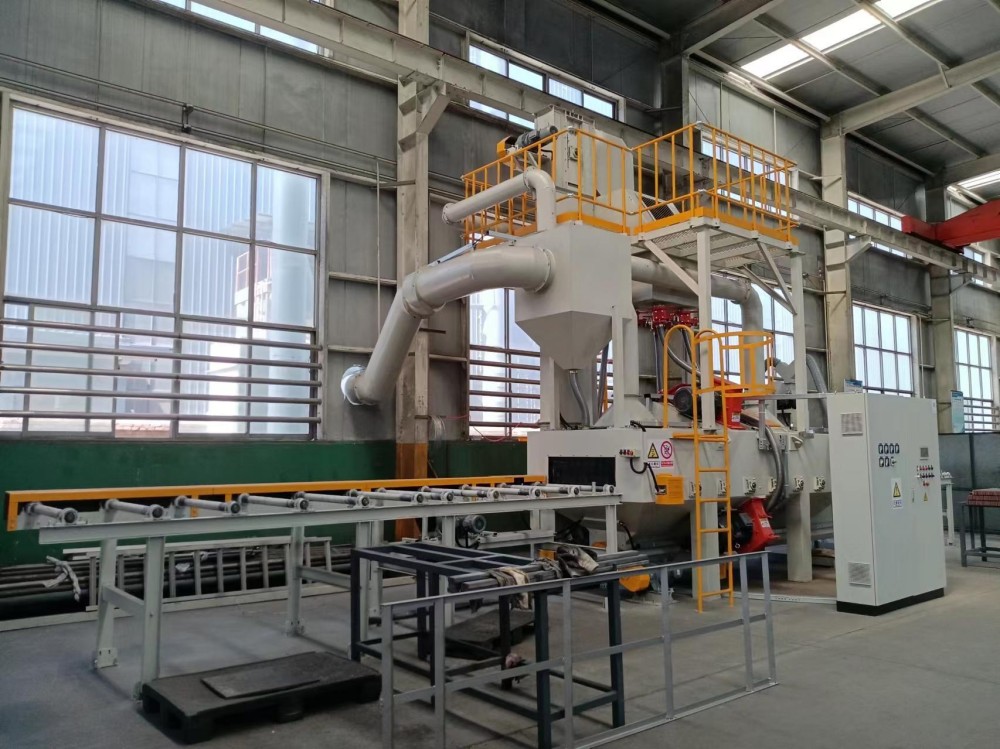
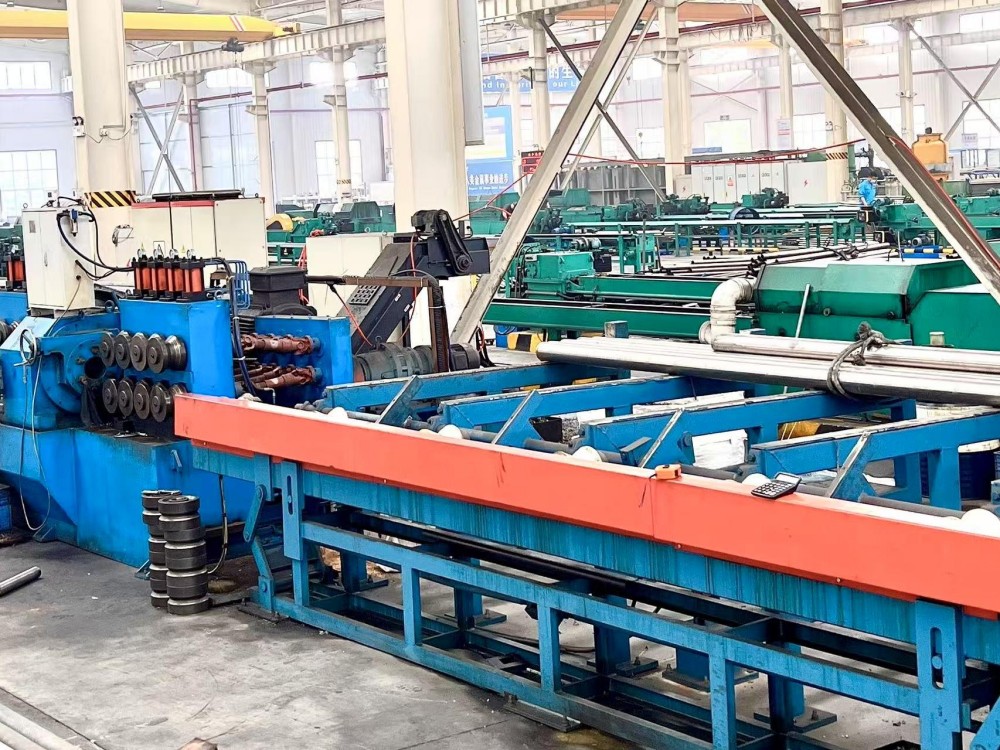
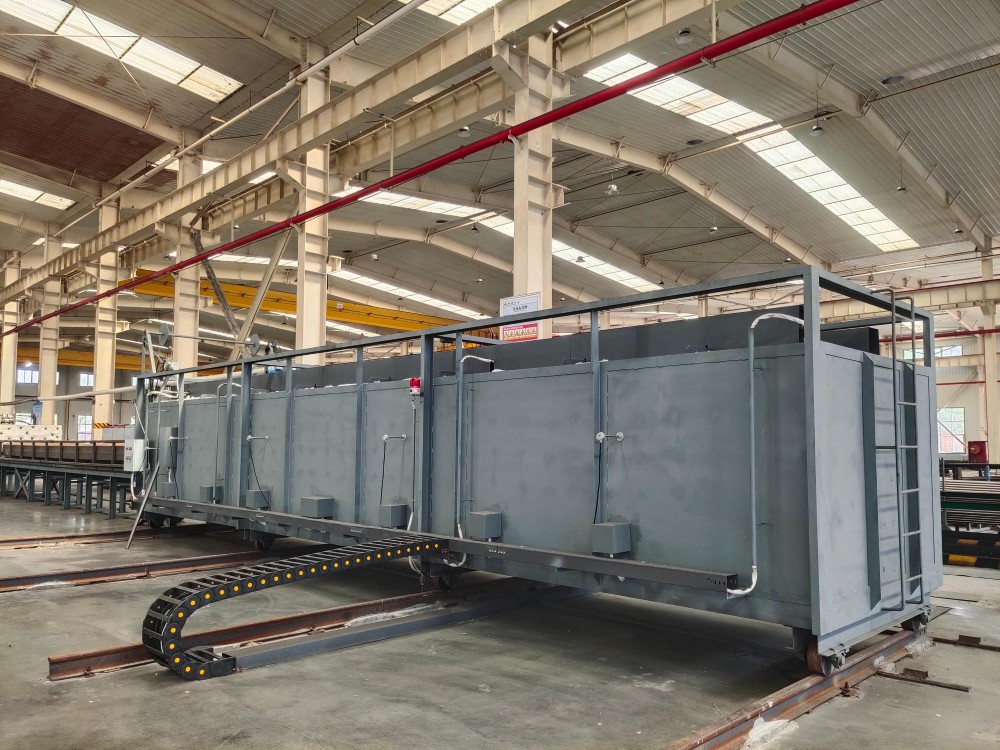
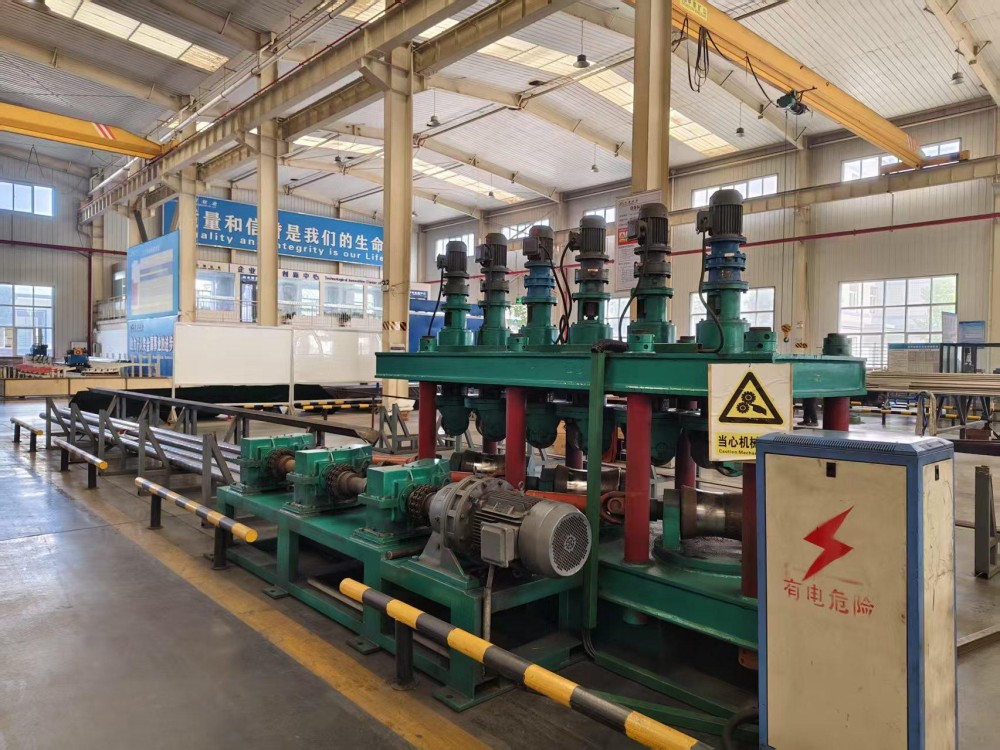
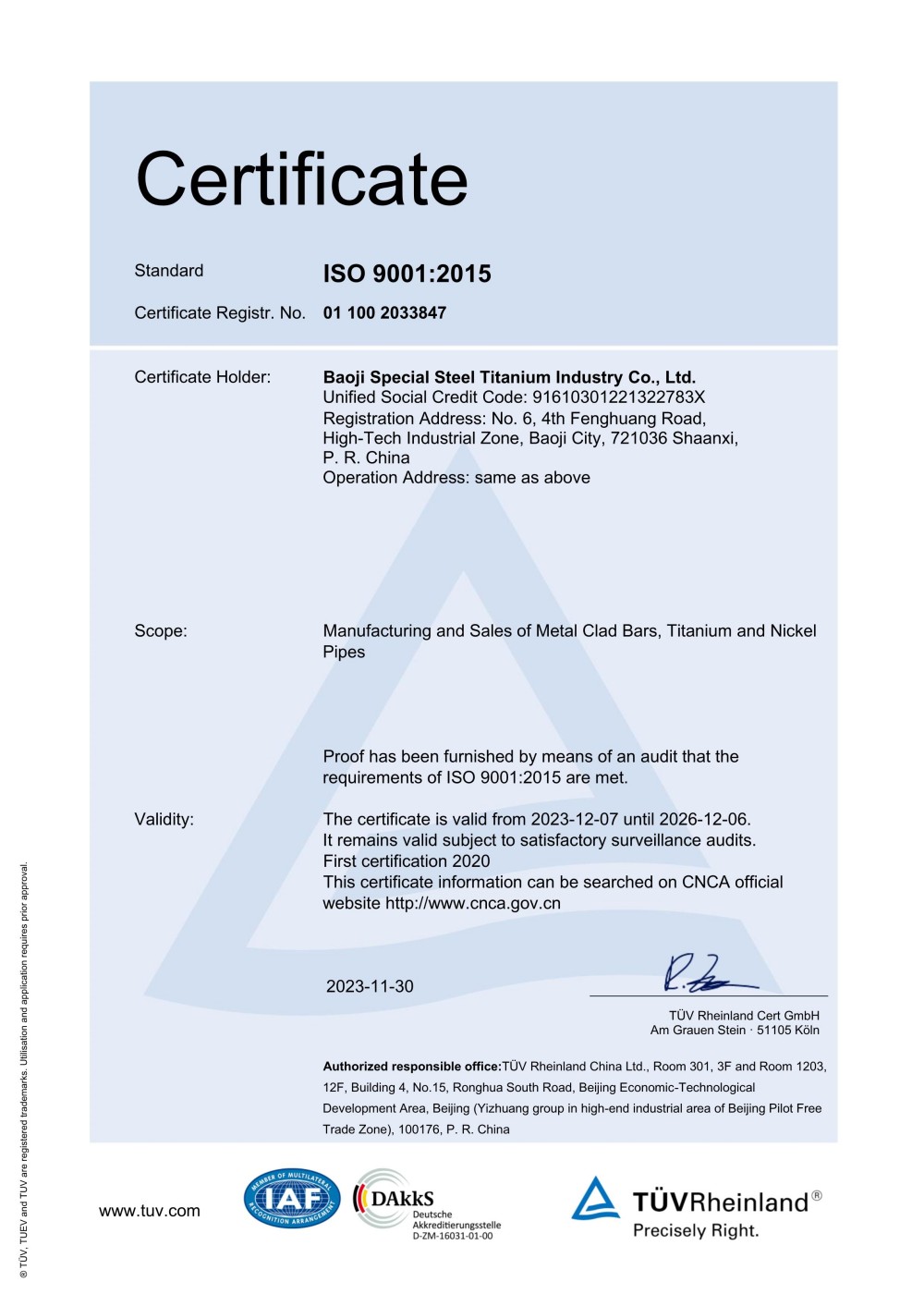
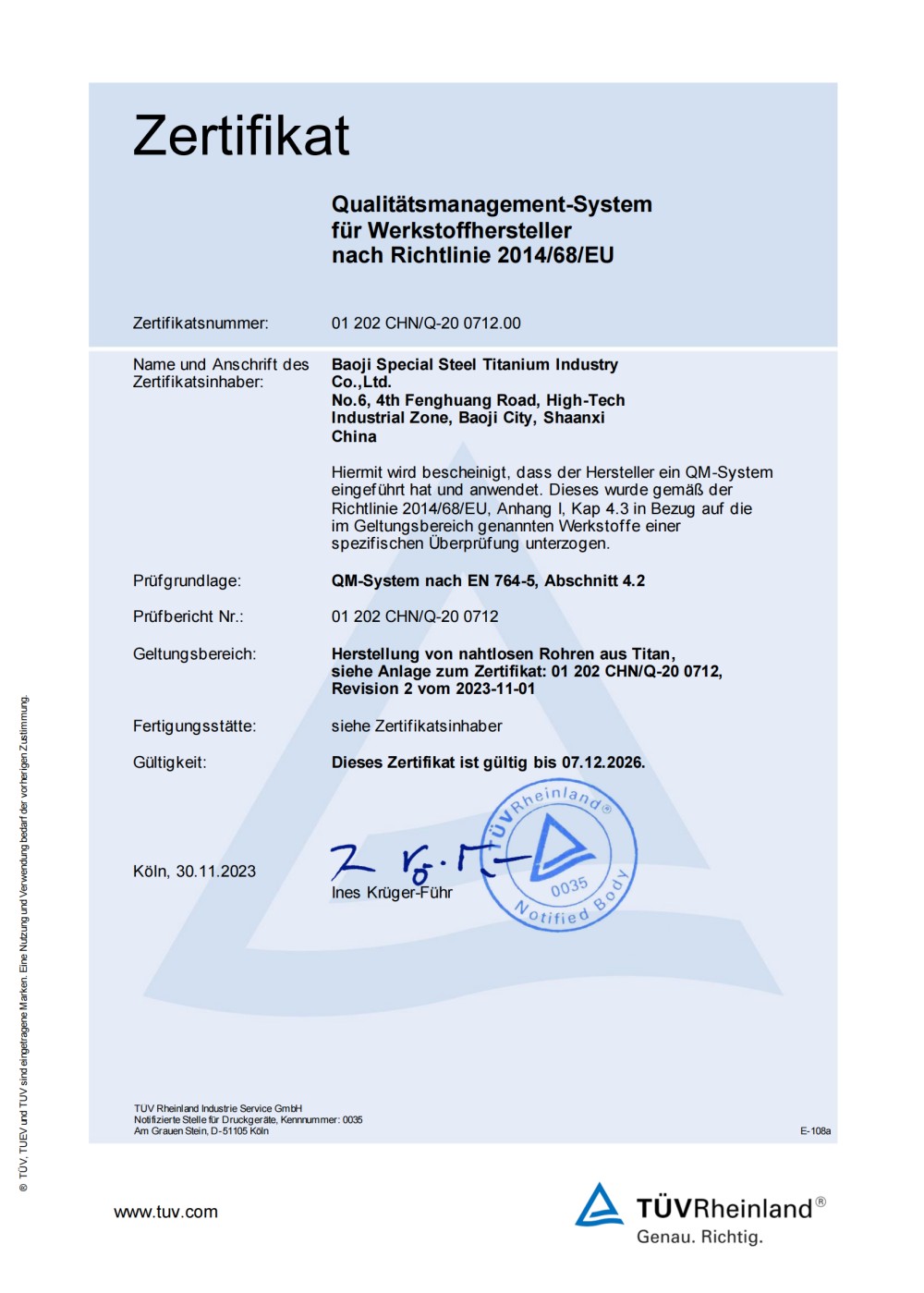
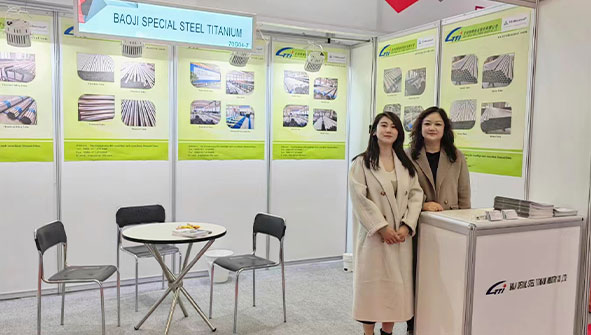
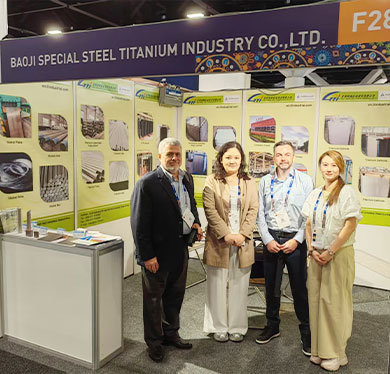
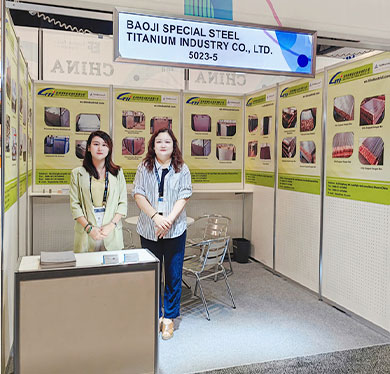
Is a joint-stock industrial enterprise specializing in the research, development, manufacturing and sales of titanium, nickel, zirconium and other metal pipes and metal composite materials. The company was founded in 1997, located in Shaanxi Baoji National High-tech Industrial development Zone, the factory covers an area of 41,000 square meters.
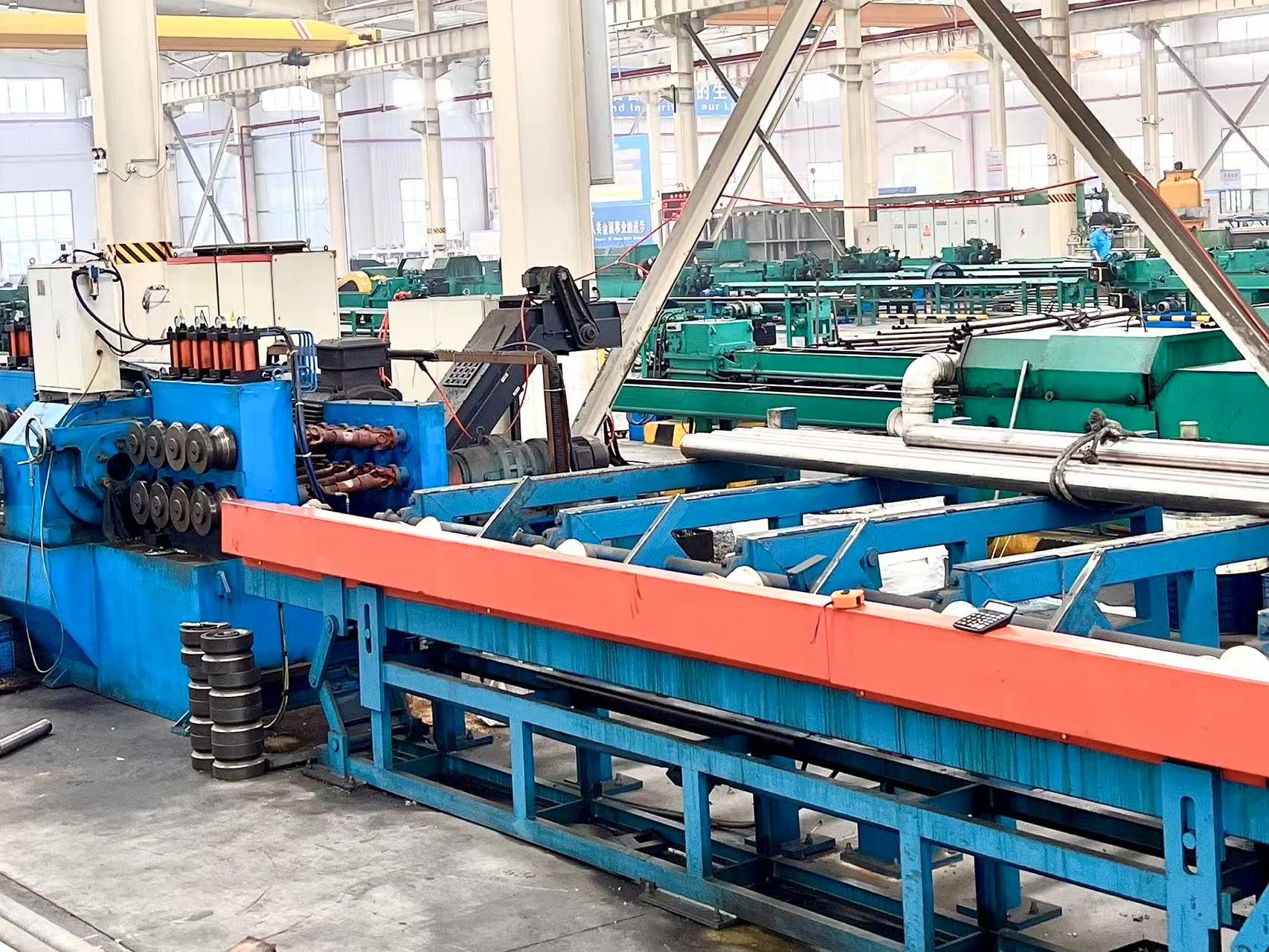
The company has an annual production capacity of over 3000 tons of non-ferrous metal pipes, composite materials and various deep processing products such as titanium, zirconium, nickel, tantalum and copper, etc., and a series of products according to varieties and specifications have reached more than 500 kinds, the annual export accounted for more than 30% of the company's total output, is an export-oriented industrial enterprise with a strong growth momentum.
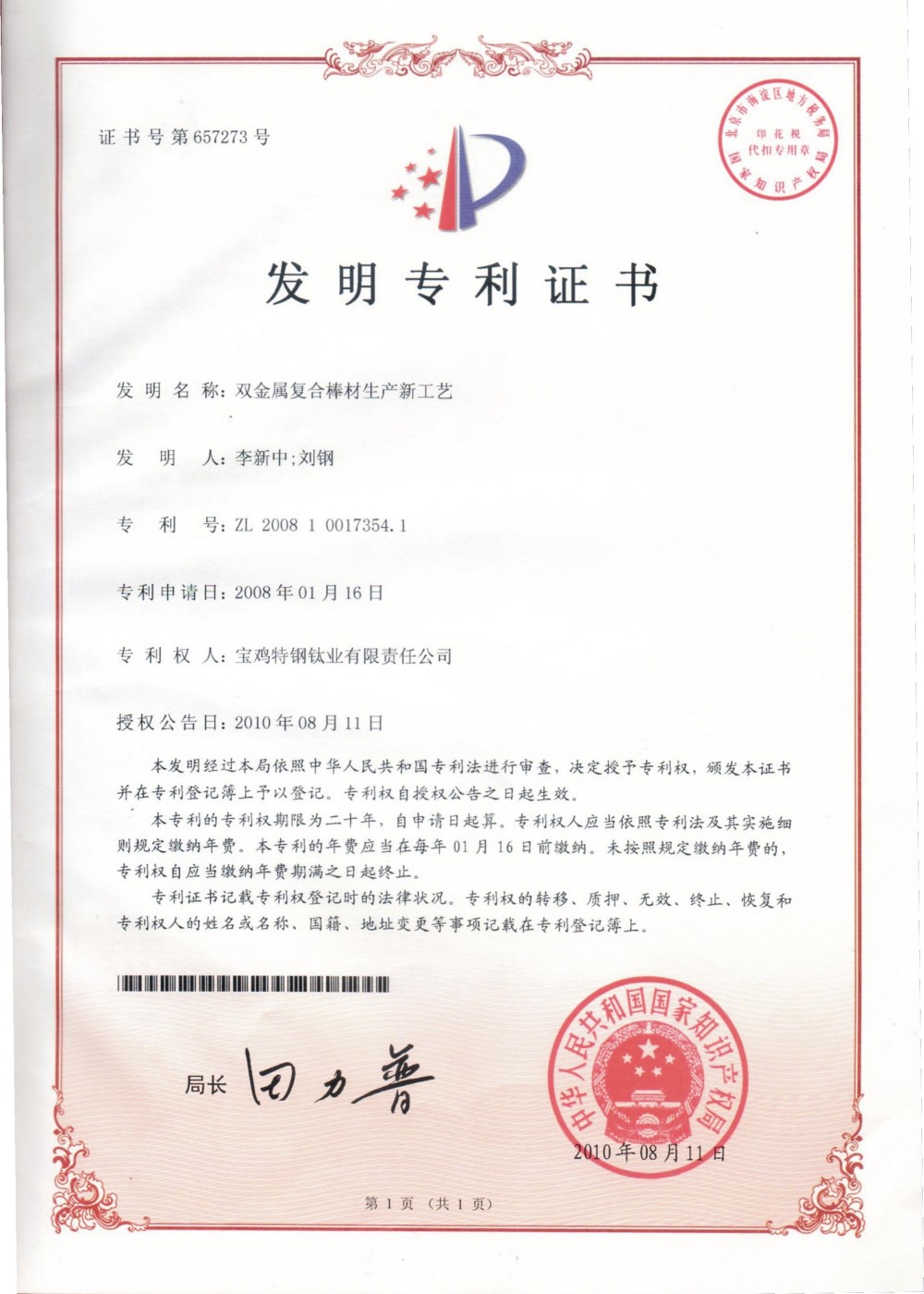
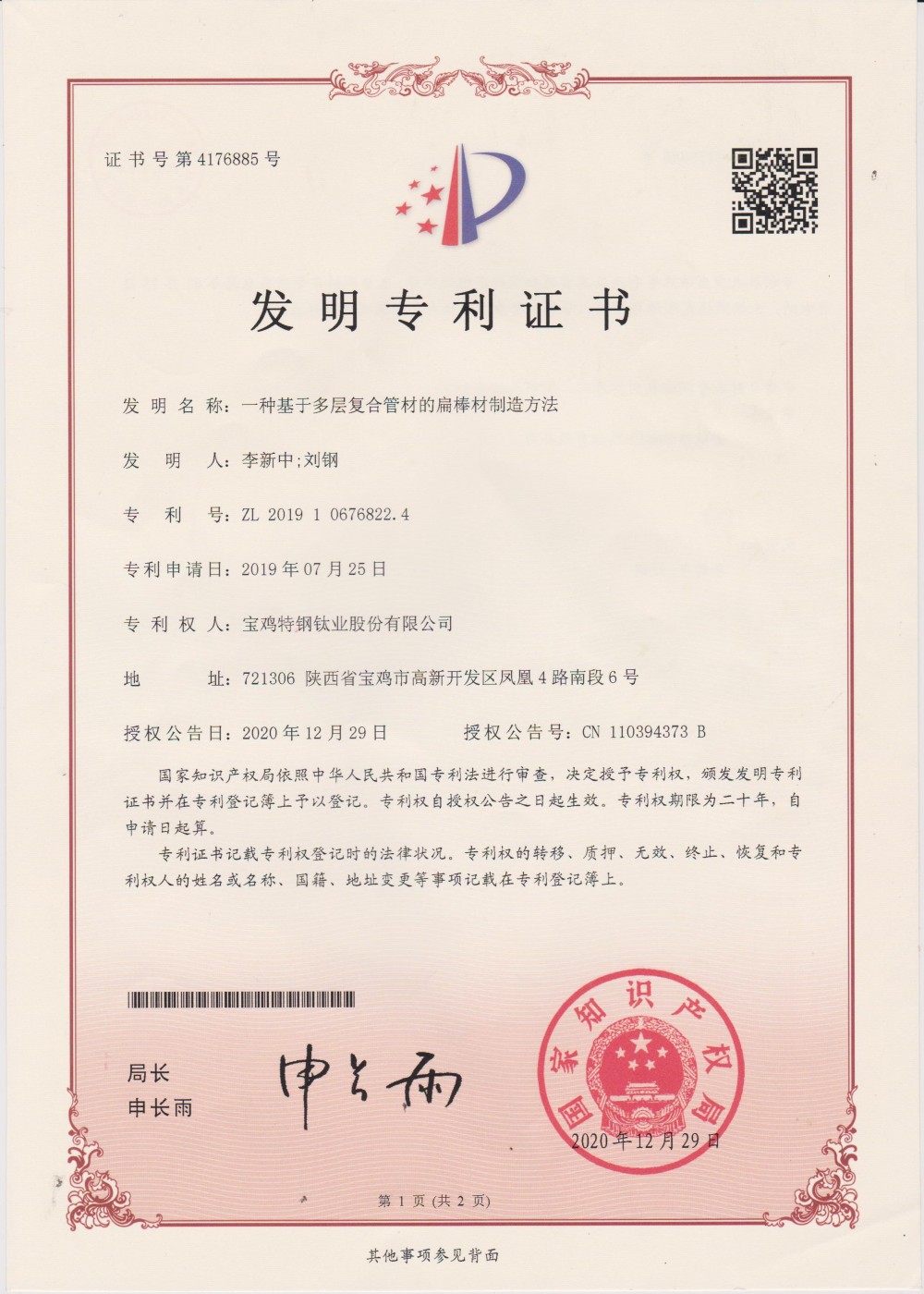
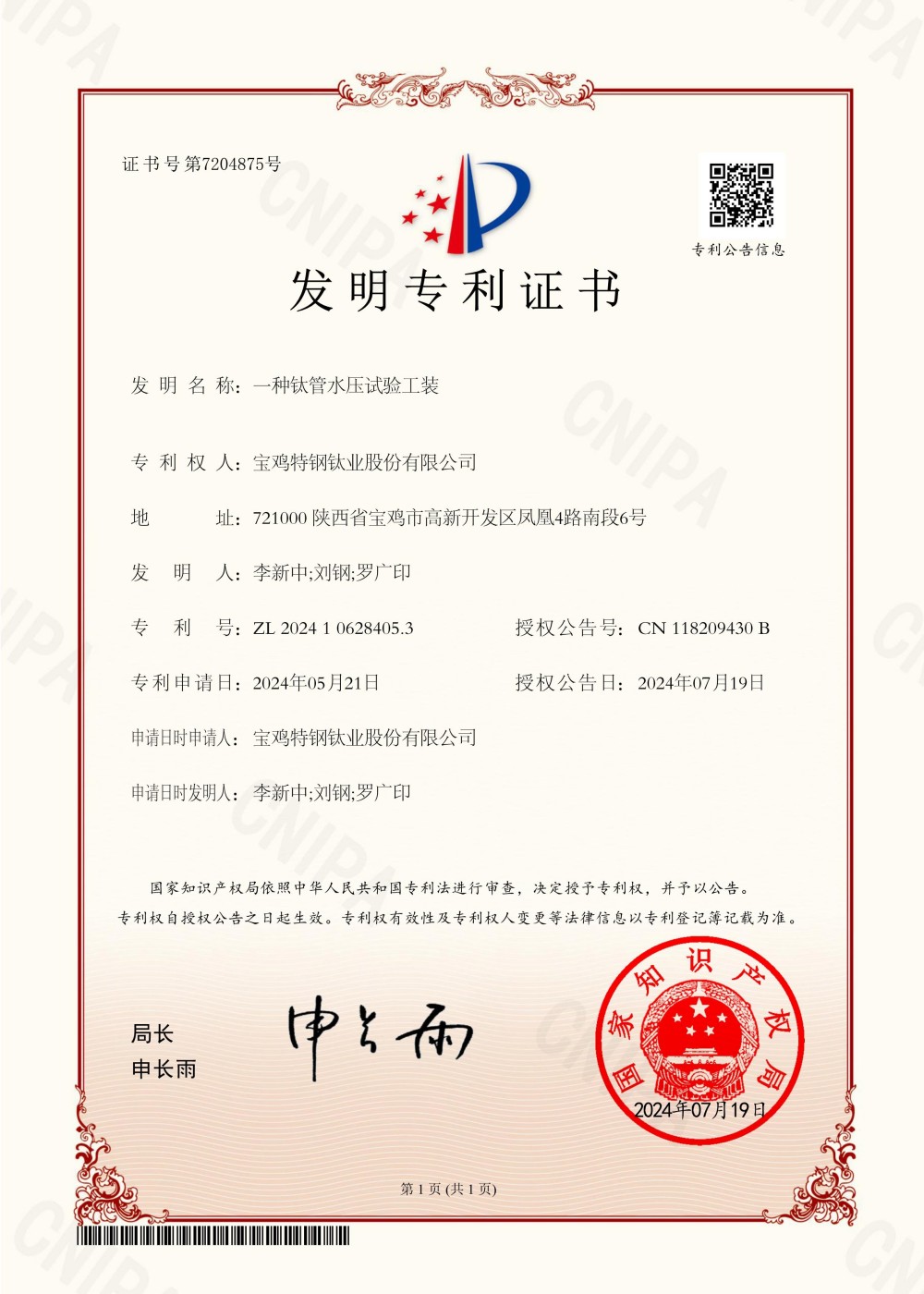
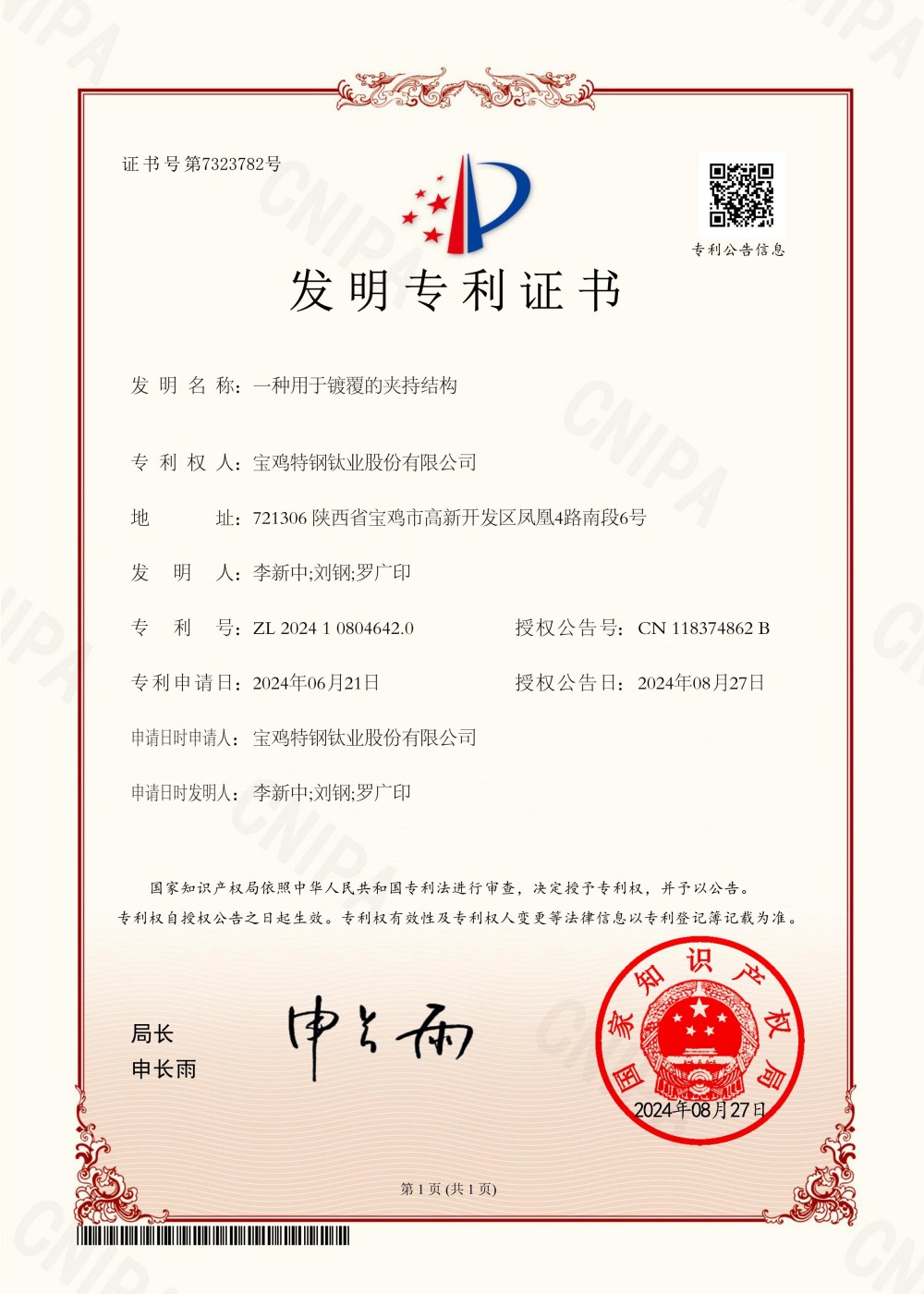
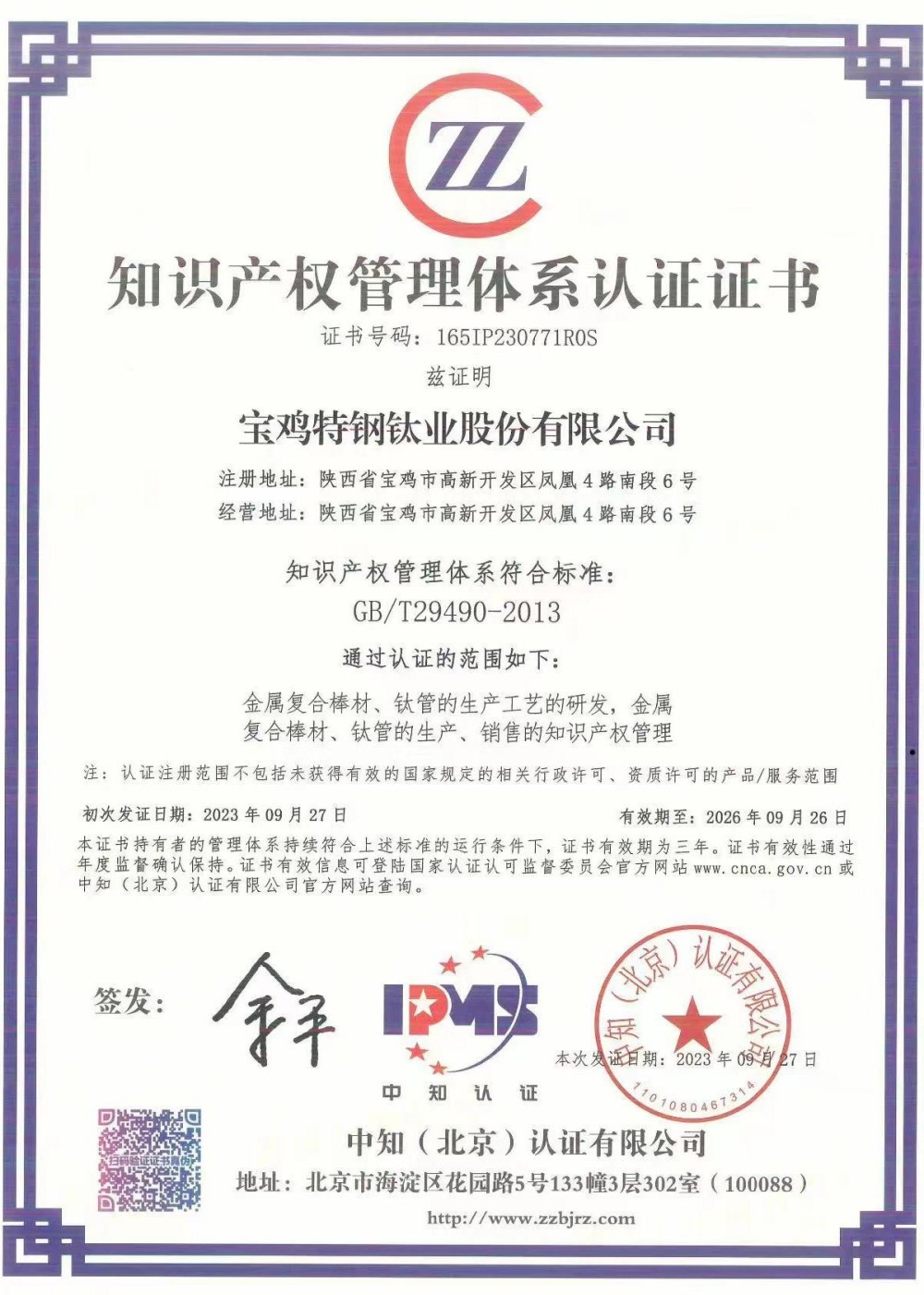
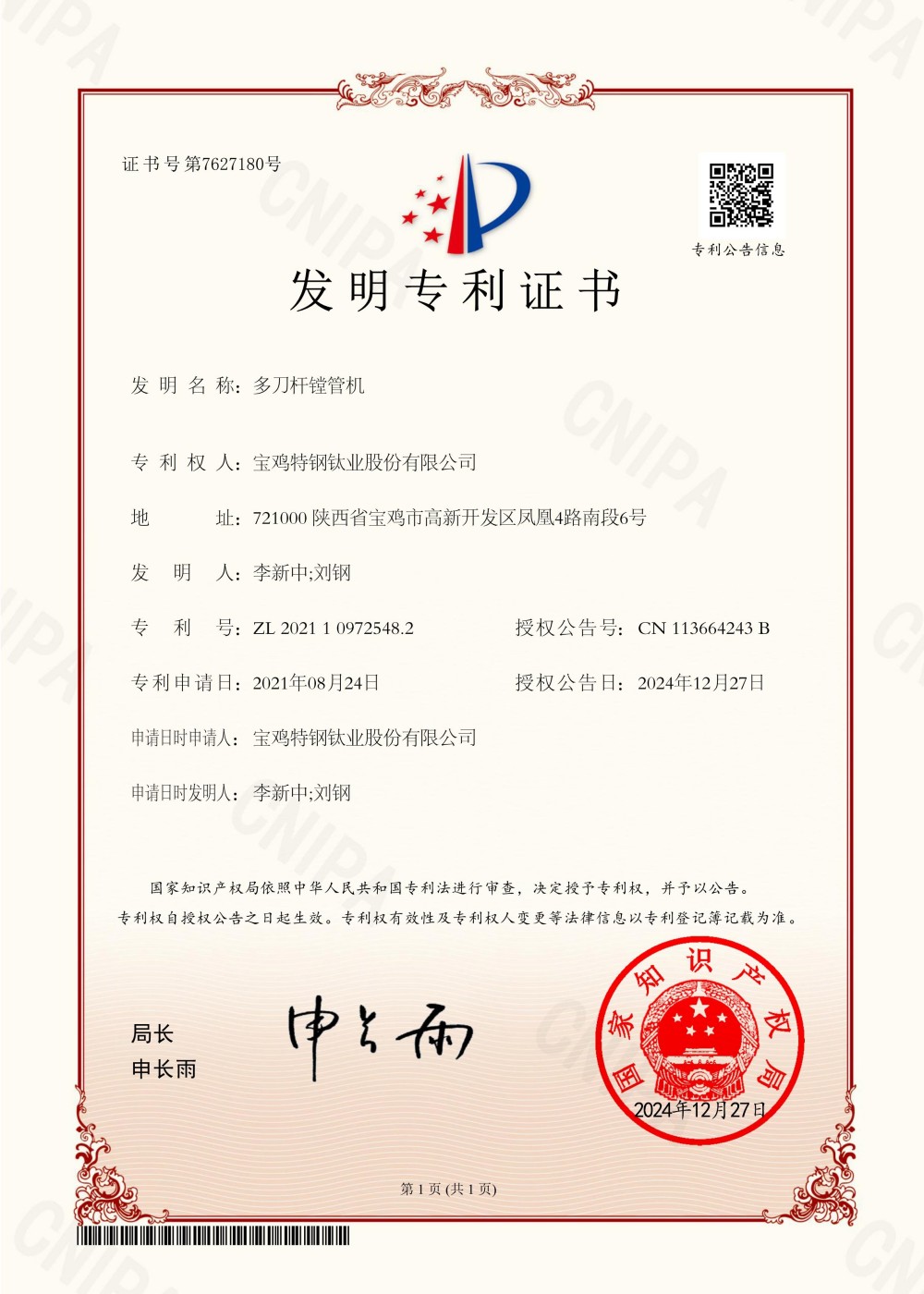
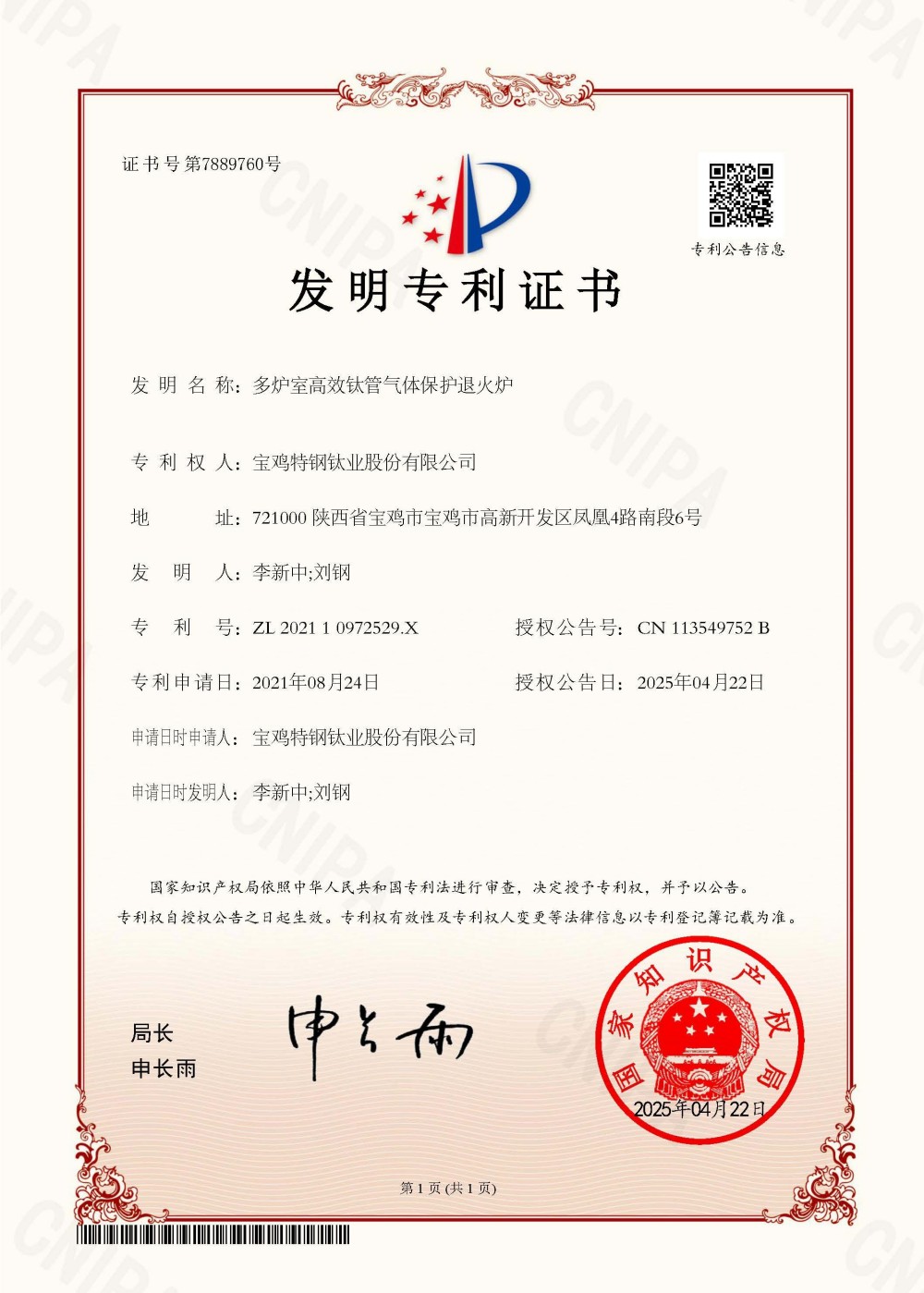
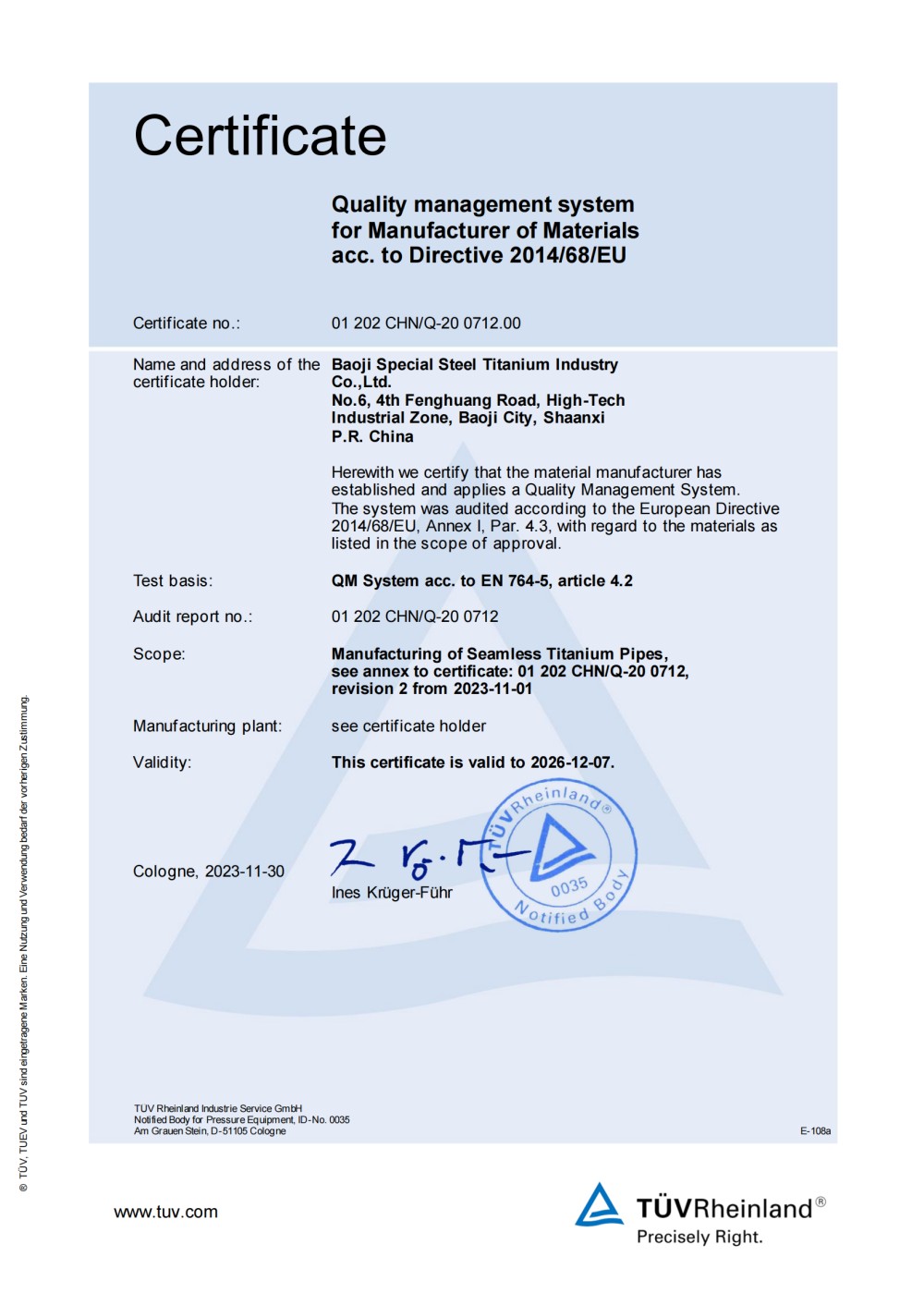
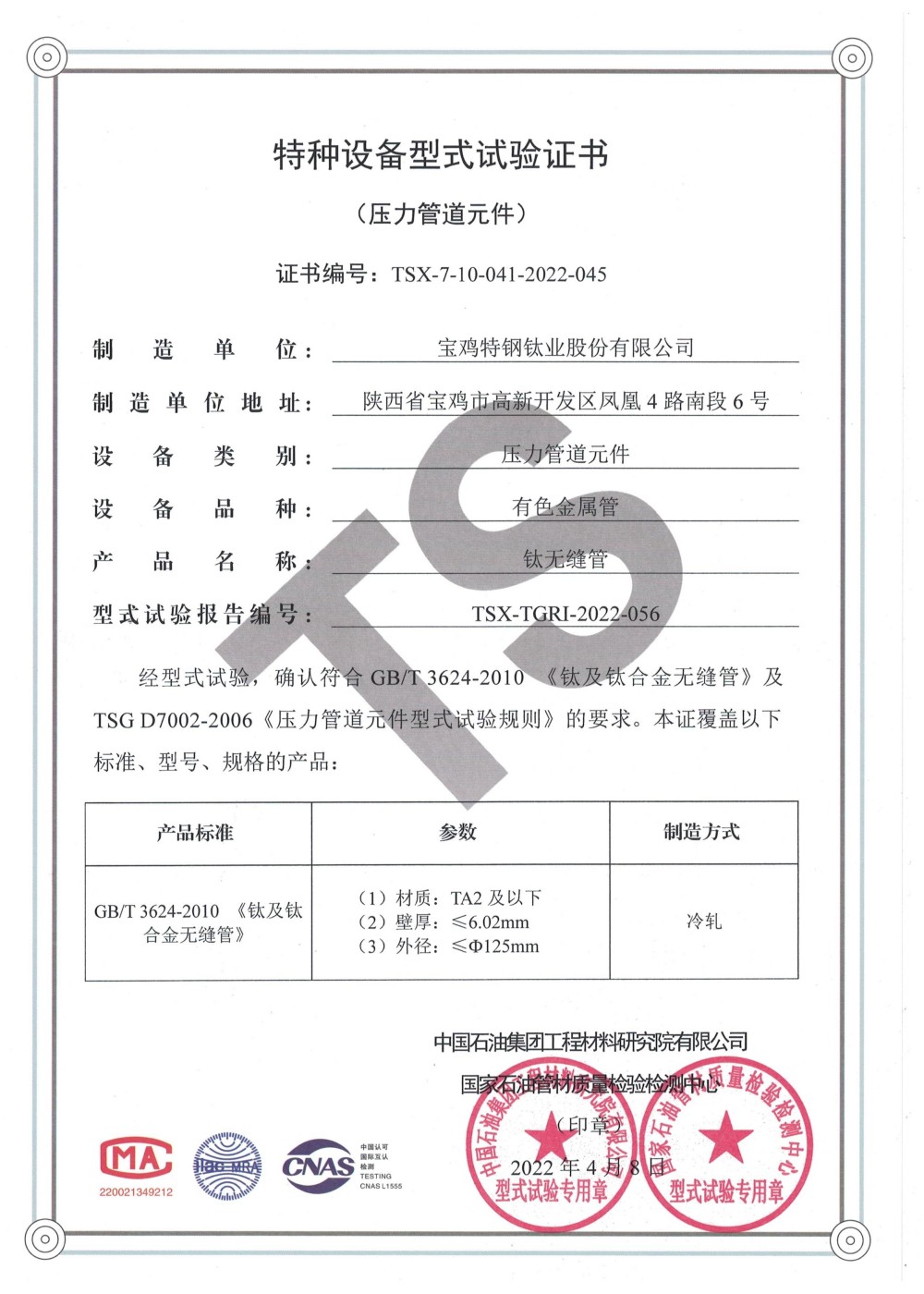
The company has obtained the national high and new technology enterprise certification and has been listed in the first batch of industries encouraged to develop by the National Development and Reform Commission.


The versatility of the Titanium Welding Tube For Electroplating Production Lines is best understood by examining its deployment across specialized industrial sectors. Each sector presents unique electrochemical challenges that only advanced titanium metallurgy can solve.
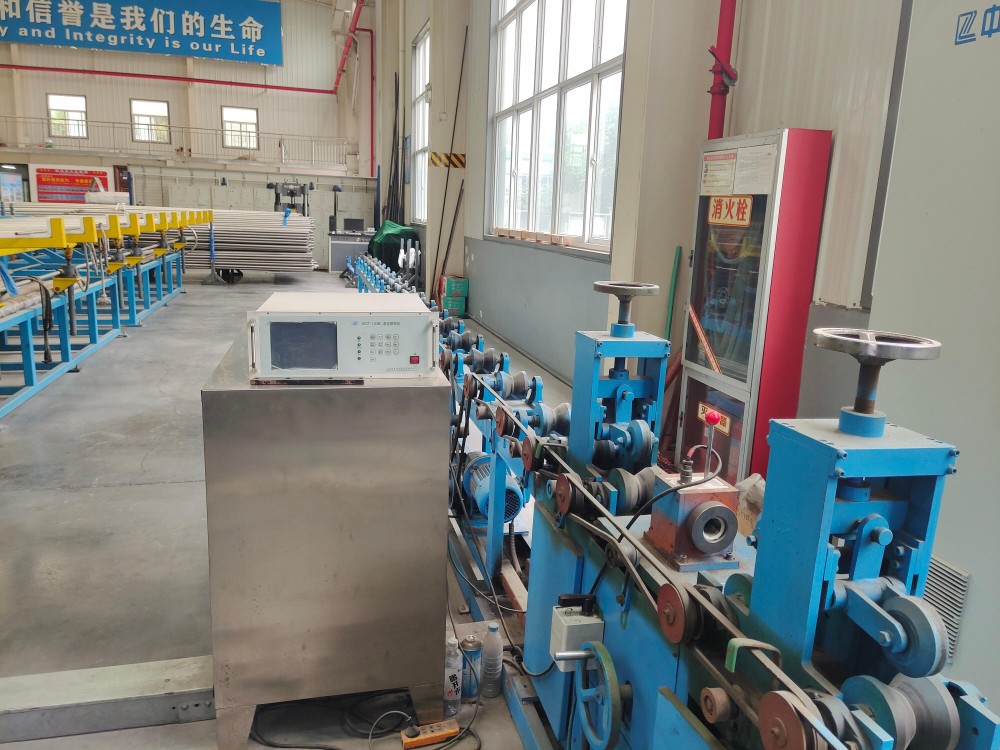
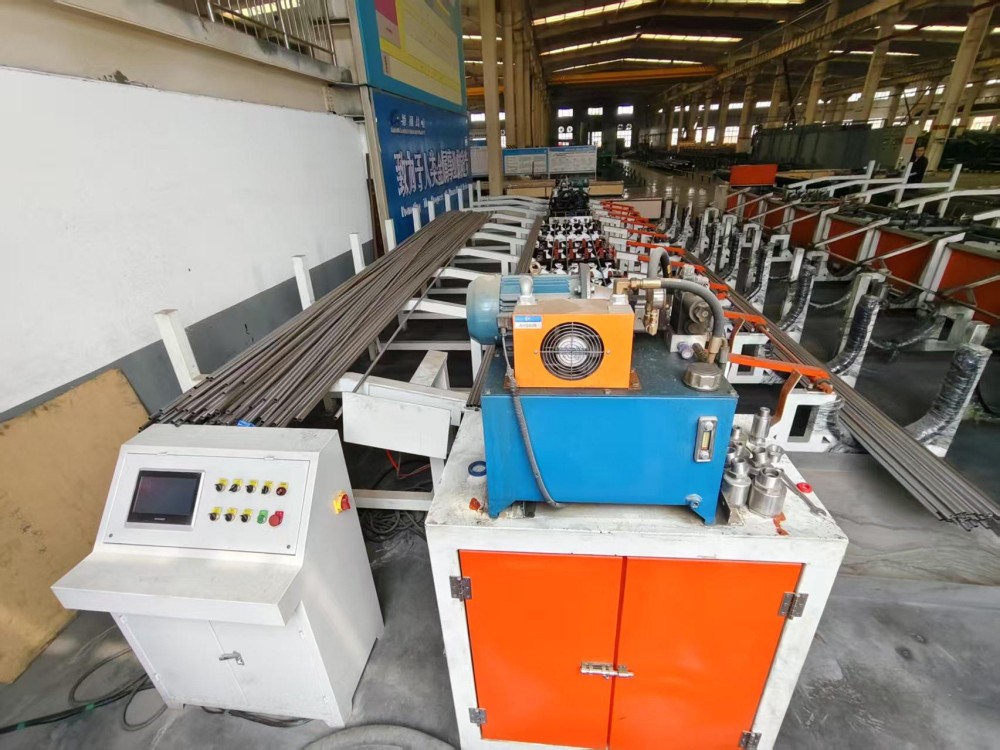
The manufacturing process of these tubes—specifically the precision welding—is critical. Utilizing advanced TIG (Tungsten Inert Gas) welding under strict argon shielding ensures that the weld seam exhibits the exact same corrosion resistance and mechanical properties as the base metal. This seamless integration is vital for pressurized applications within the electroplating lines.
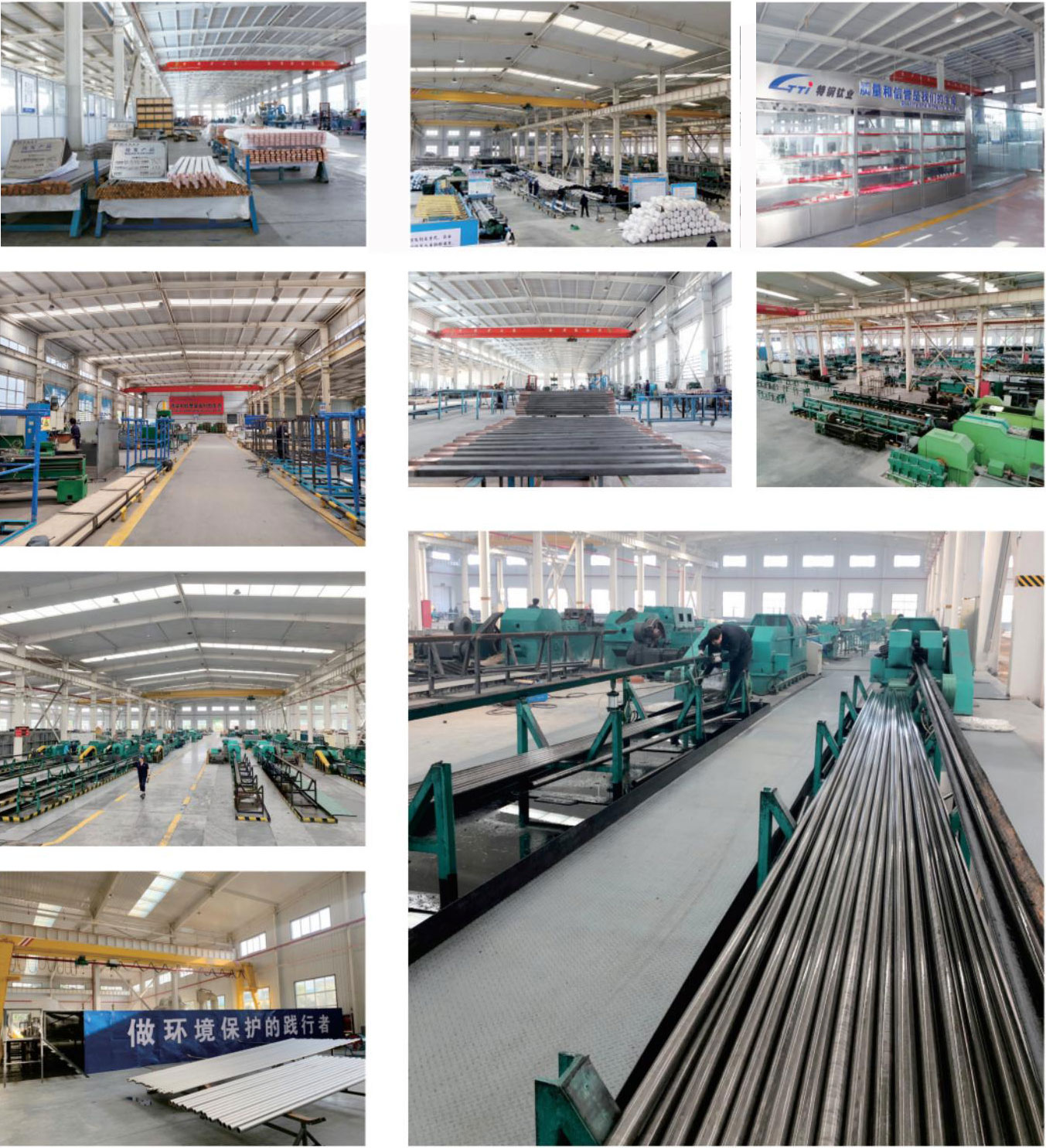
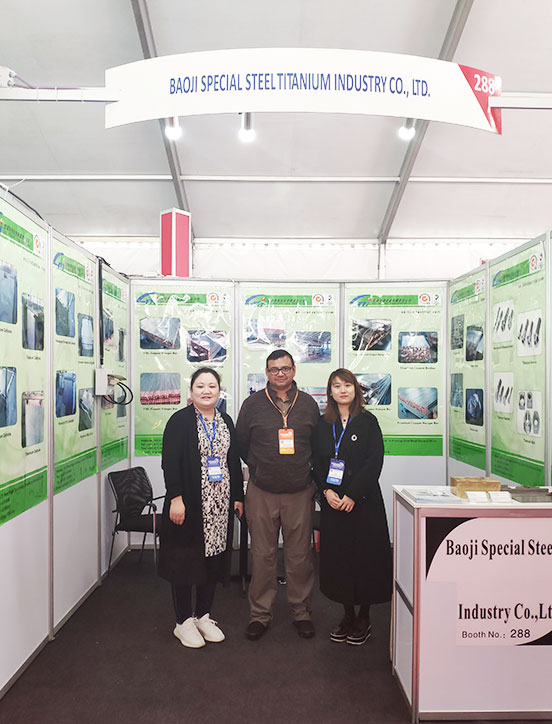
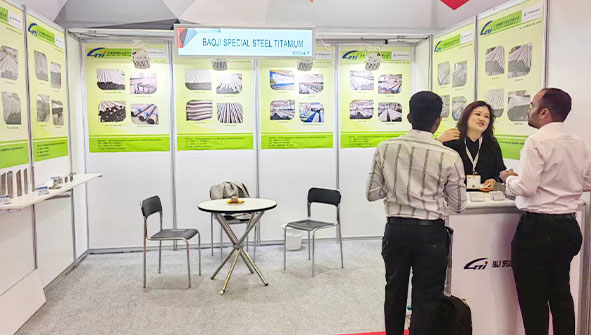
Since its establishment, the company has always adhered to the development strategy of continuous innovation and continued to expand the market with new technology and new products as the fulcrum. After more than 20 years of development and accumulation, the products have entered the markets of Germany, Japan, the United States, Norway, Finland, South Africa, Singapore, India and other countries and Taiwan regions, also have been highly praised. Stable product quality, integrity as the core of the business philosophy, by the world's customers trust.
To build an excellent enterprise team, continuously improve the management and manufacturing methods, so that every customer can get the maximum benefit from each product" is the eternal pursuit of special steel titanium industry personnel.
The future of the Titanium Welding Tube For Electroplating Production Lines is intrinsically linked to the broader trends of Industry 4.0 and sustainable manufacturing. As the electroplating industry faces intense pressure to reduce its environmental footprint, closed-loop systems and Zero Liquid Discharge (ZLD) technologies are becoming the norm. These systems require highly complex evaporation and condensation units to recover water and chemicals. Titanium welding tubes are the foundational building blocks of these recovery systems due to their ability to handle highly concentrated, boiling corrosive effluents without degrading.
Furthermore, the integration of Artificial Intelligence (AI) and the Internet of Things (IoT) is revolutionizing how electroplating lines operate. Next-generation titanium tubes are being designed to accommodate smart sensors that monitor fluid dynamics, thermal transfer efficiency, and micro-vibrations in real-time. AI algorithms analyze this data to perform predictive maintenance, alerting operators to potential flow blockages or pressure anomalies before they result in system failures. This technological synergy ensures that the electroplating process remains hyper-efficient, reducing energy consumption and minimizing chemical waste.
Green Manufacturing & Sustainability: The exceptional durability of titanium significantly reduces the carbon footprint associated with the frequent manufacturing, transportation, and disposal of replacement parts. By utilizing high-quality titanium welding tubes, electroplating facilities align themselves with global ESG (Environmental, Social, and Governance) goals, achieving greater energy efficiency through optimal heat transfer while preventing toxic chemical leaks that threaten local ecosystems.
In conclusion, the application of titanium welding tubes in electroplating is not merely a material substitution; it is a strategic upgrade. It empowers manufacturers to push the boundaries of chemical processing, achieve unprecedented levels of product quality, and operate within the strict parameters of modern environmental stewardship. As new electroplating technologies emerge, particularly for advanced battery materials and next-generation semiconductors, the reliance on high-grade titanium infrastructure will only intensify.
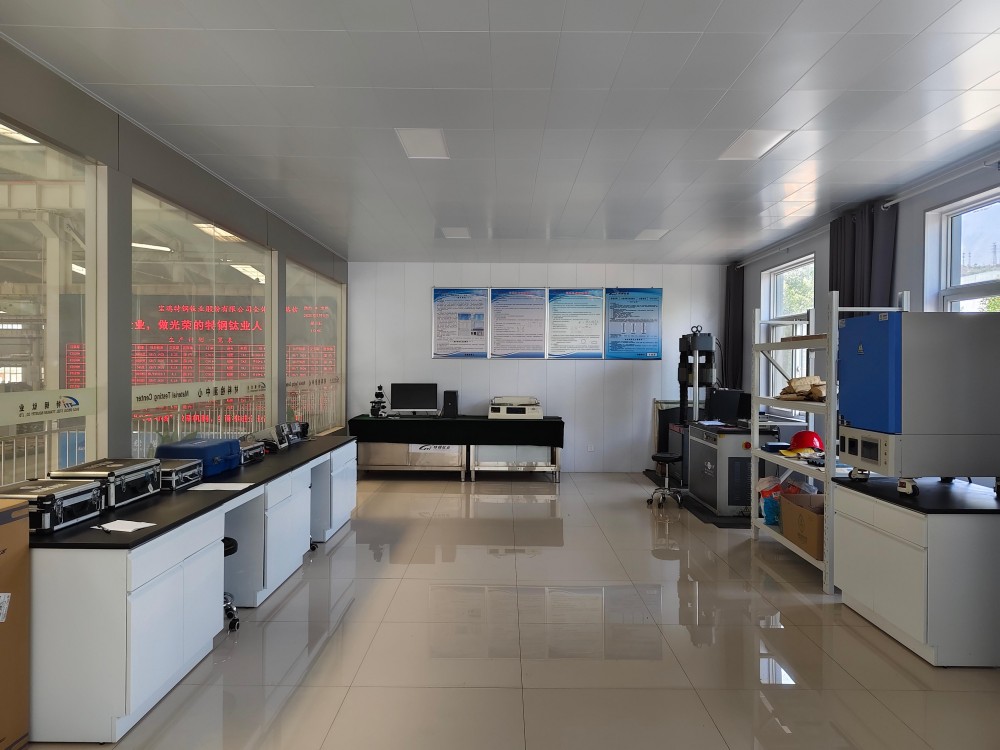
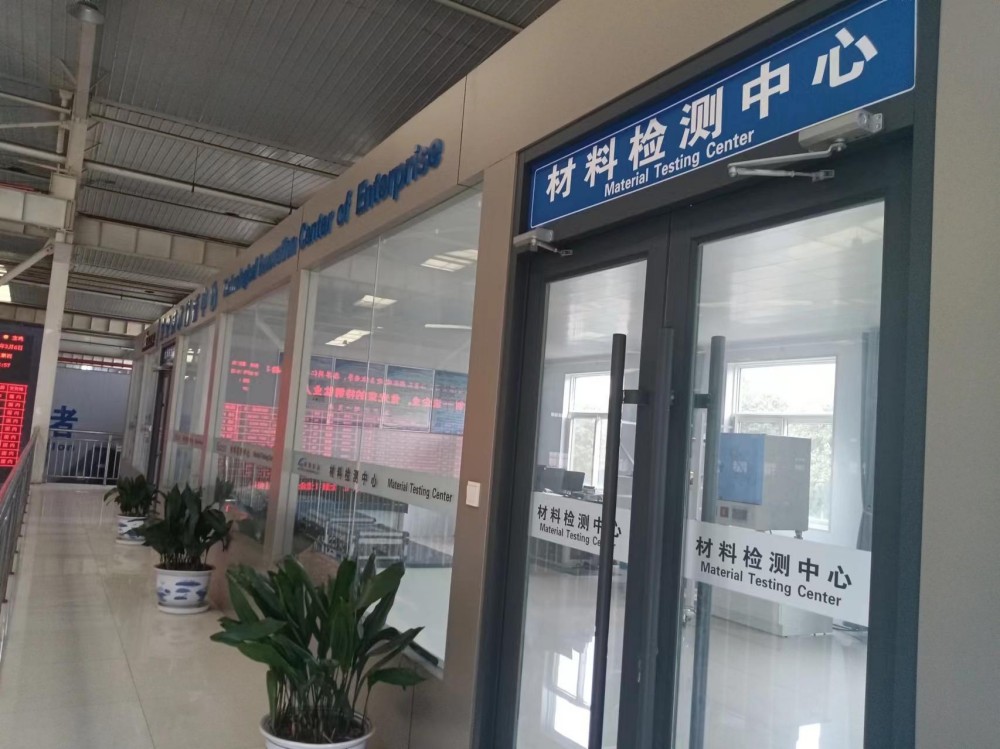
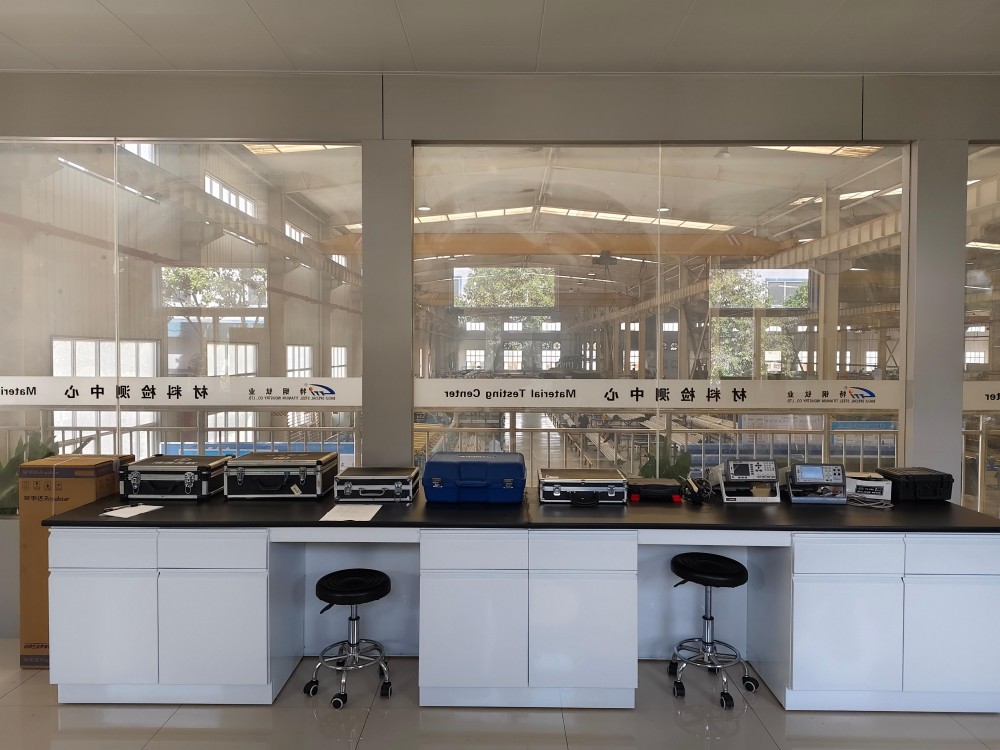
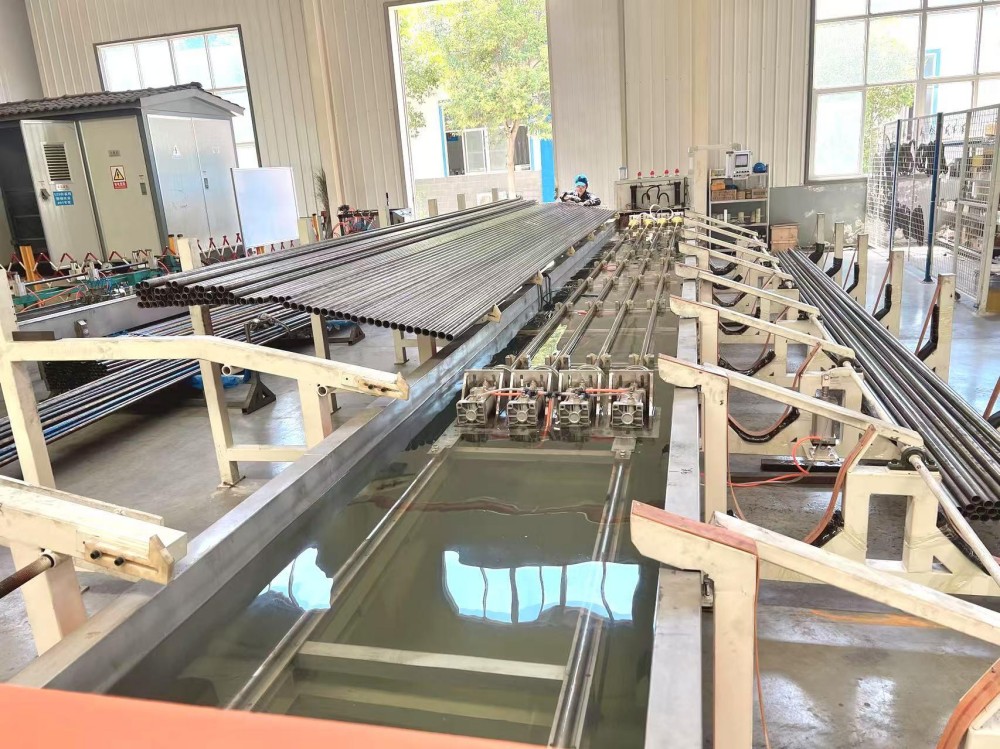
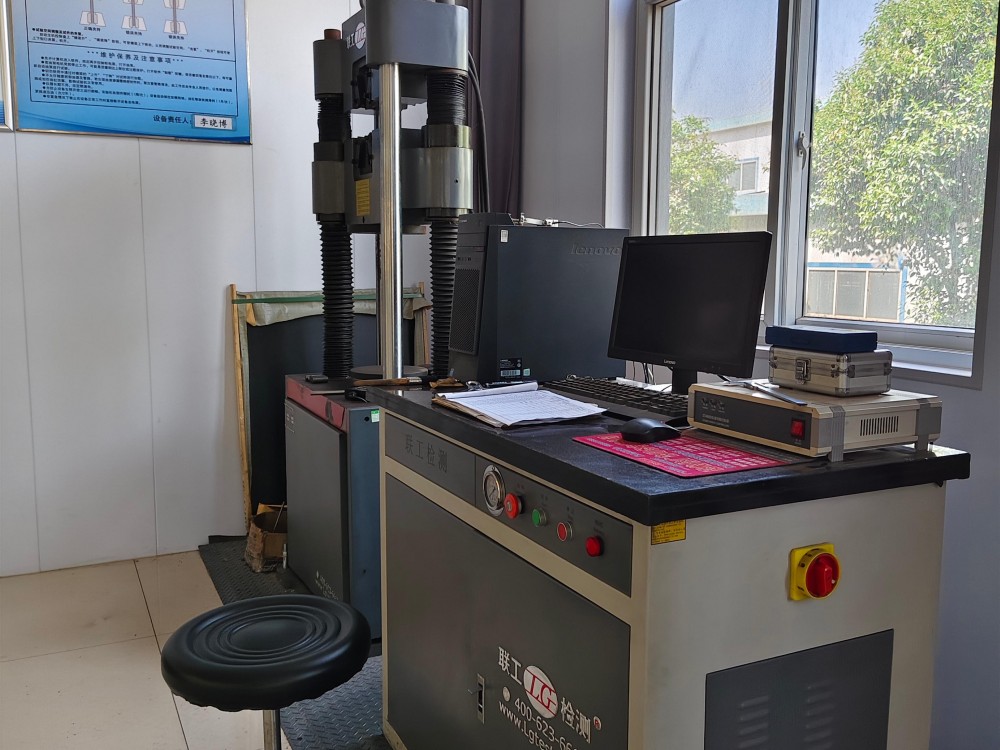
 High quality Titanium tube and pipe ASTM B338 for Electroplating
 High quality Titanium plate and sheet ASTM B265 for Electroplating
 Premium Quality Titanium Cathodes for Electroplating Lines
 Titanium-based lead dioxide Anode for Electroplating
Advanced Titanium tube ASTM B338 for Plating Baths
Industrial Titanium plate ASTM B265 for Surface Treatment
High-Efficiency Titanium Cathodes for Metal Recovery
Durable Titanium-based Anode for Chemical Processing