Leave Your Message
In the contemporary landscape of global energy production, the demand for materials that can withstand extreme environments is at an all-time high. Titanium welding tubes have emerged as the cornerstone for high-performance thermal and nuclear power plants, as well as renewable energy systems. Unlike traditional stainless steel, titanium offers an unparalleled strength-to-weight ratio and exceptional resistance to localized corrosion, particularly in seawater cooling systems.
Currently, the industrial status of titanium welding tubes is shifting from a "premium alternative" to a "mandatory standard" for critical infrastructure. As energy projects move toward longer lifecycles (often exceeding 40-50 years), the total cost of ownership (TCO) favors titanium due to its minimal maintenance requirements and high reliability. Baoji Special Steel Titanium Industry Co., LTD. stands at the forefront of this transition, providing ASTM B338 compliant tubes that meet the rigorous safety standards of the modern power industry.

Ideal for salt-water cooling and chemical processing units in power plants.

Superior heat transfer properties for condensers and heat exchangers.

Maintains structural stability under high pressure and temperature fluctuations.
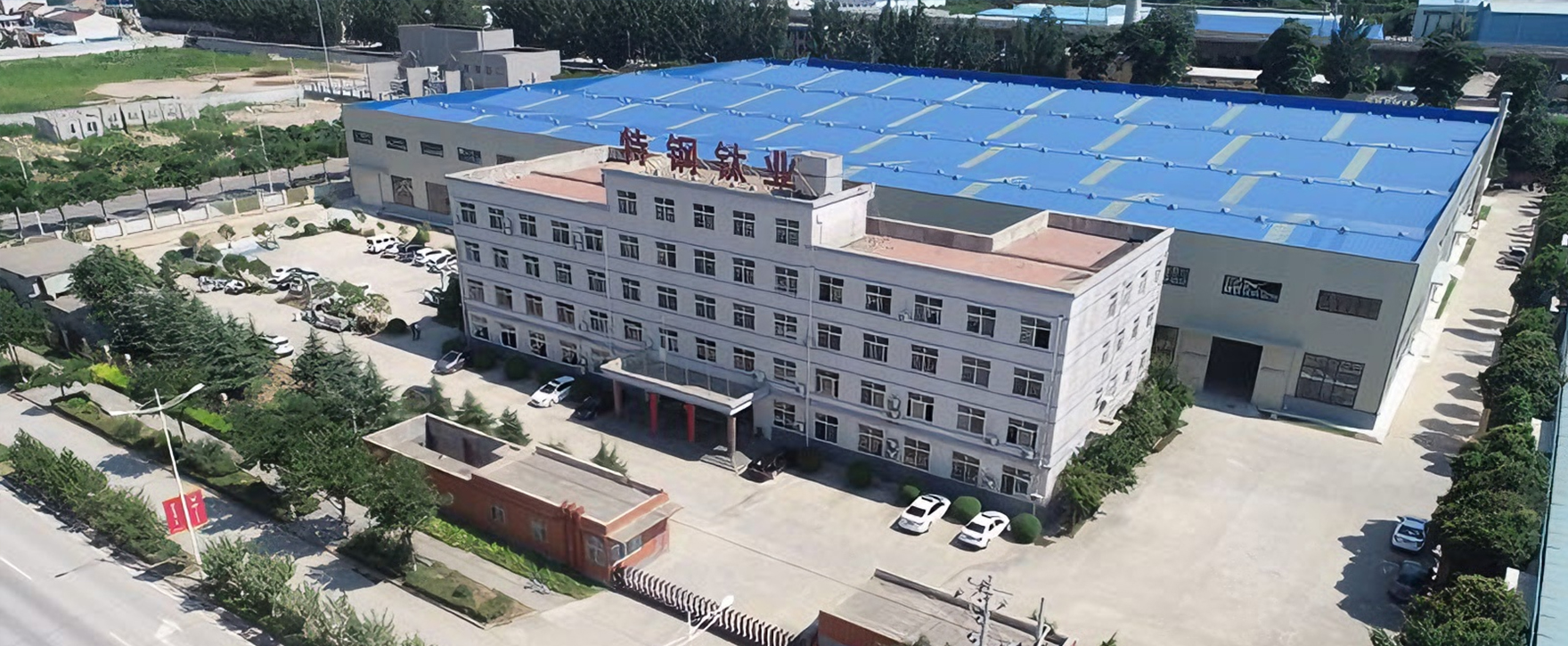
Baoji Special Steel Titanium Industry Co., LTD. is a joint-stock industrial enterprise specializing in the research, development, manufacturing and sales of titanium, nickel, zirconium and other metal pipes and metal composite materials. The company was founded in 1997, located in Shaanxi Baoji National High-tech Industrial development Zone, the factory covers an area of 41,000 square meters.
Years of Excellence
Annual Tons Capacity
Square Meters Factory
Product Categories
In nuclear power generation, the condenser is a vital component where steam is cooled back into water. The use of titanium welding tubes ensures that brackish or sea water used for cooling does not corrode the tubing, which could lead to catastrophic leaks and radioactive contamination. Titanium's resistance to erosion-corrosion and vibration fatigue makes it the safest choice for nuclear energy projects.
Geothermal fluids are often highly corrosive, containing high concentrations of chlorides, silica, and hydrogen sulfide. Standard alloys fail rapidly in these environments. Titanium welding tubes provide the necessary durability for downhole heat exchangers and piping systems, enabling efficient energy harvest from the earth's core without frequent equipment replacement.
As the world pivots toward a hydrogen economy, titanium plays a critical role in PEM (Proton Exchange Membrane) electrolyzers. Titanium tubes are used to transport high-purity hydrogen and oxygen, ensuring that the material does not embrittle or contaminate the gas stream, thus maintaining the efficiency of the energy conversion process.
Offshore wind farms face constant exposure to salt spray and high humidity. Titanium components within the electrical substations and cooling loops of offshore platforms provide the longevity required for these remote installations where maintenance is extremely costly.
 Chemical Engineering
 Hydrometallurgy
 Electroplating
 Energy & Power
The future of titanium welding tubes in energy projects is being shaped by three major trends: Precision Automation, Thin-Wall Optimization, and Advanced Coating Integration.
Firstly, the adoption of automated TIG (Tungsten Inert Gas) and Laser welding ensures 100% weld penetration and consistency, which is critical for high-pressure energy applications. Secondly, engineers are pushing for thinner-walled titanium tubes that maintain high strength while reducing material weight and cost, further improving heat exchange efficiency. Finally, the integration of titanium with composite materials (clad piping) is expanding, allowing for the structural benefits of steel combined with the corrosion resistance of titanium.
At TGTI Industrial, we are investing heavily in R&D to align our production with these global trends, ensuring our clients in the power sector receive the most advanced metallurgical solutions available.
Stable product quality and integrity are the core of our business philosophy, trusted by global customers including Jinchuan Group, Huayou Cobalt, and Wanhua Chemical.
 Powering Global Mining Operations
 Jinchuan Group Co., Ltd.
 Huayou Cobalt Projects
 Wanhua Chemical Group
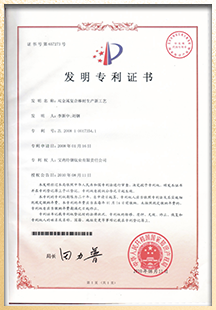
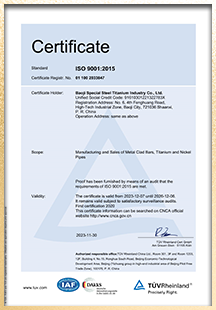
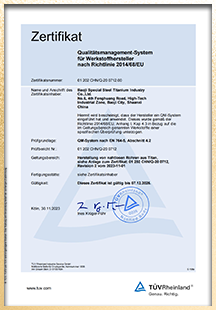
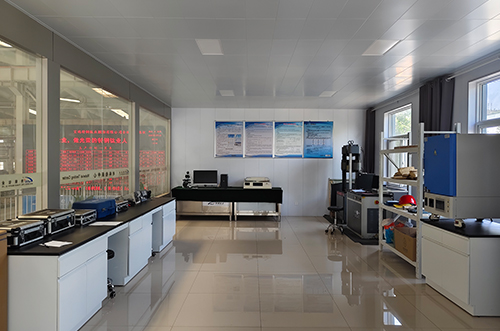
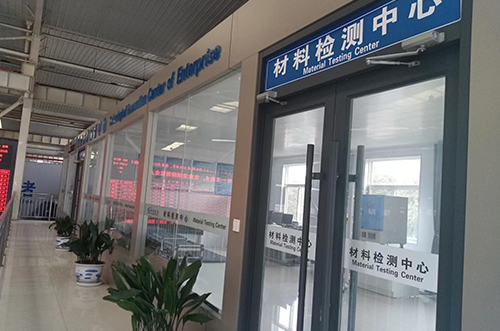
Our manufacturing processes adhere to the strictest international standards, including IATF 16949, CE, FMEA, PPAP, APQP, SPC, and MSA. We perform 100% testing on all titanium welding tubes destined for energy and power projects.
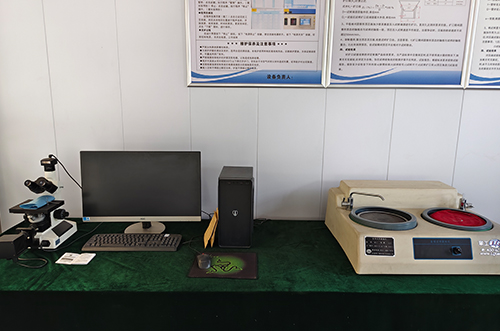
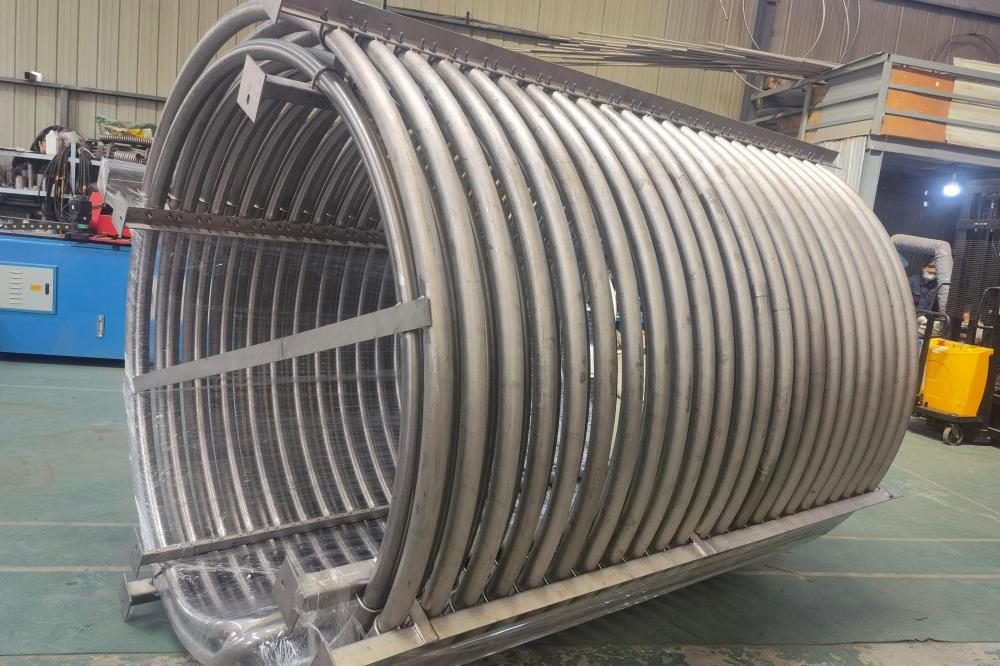
The manufacturing of Titanium Welding Tube for Energy and Power Projects is not merely a mechanical process but a sophisticated metallurgical science. Titanium alloys, particularly Grade 2 and Grade 7, are selected based on their specific resistance to oxidizing and reducing environments. Grade 2 titanium is the workhorse of the power industry, offering a balance of moderate strength and excellent ductility, essential for the intricate bending and welding required in condenser systems.
During the welding process, titanium’s high reactivity with oxygen and nitrogen at elevated temperatures requires a pristine inert gas shield. Our facility utilizes advanced vacuum-purged chambers and secondary shielding to ensure the weld zone remains free of embrittlement. This level of precision is why our tubes are preferred for high-stakes energy infrastructure where a single weld failure could result in millions of dollars in downtime.
While the initial capital expenditure (CAPEX) for titanium welding tubes may be higher than copper-nickel or stainless steel alternatives, the operational expenditure (OPEX) is significantly lower. In a typical 1000MW power plant, the use of titanium condensers can eliminate the need for tube replacements for the entire 40-year life of the plant. Furthermore, titanium's smooth surface resists biofouling, which maintains higher heat transfer efficiency over time, leading to lower fuel consumption and reduced carbon emissions.
As the global community moves toward "Net Zero," the energy industry is under pressure to improve efficiency. Titanium is 100% recyclable and has a lower environmental footprint over its lifecycle compared to metals that require frequent replacement and chemical cleaning. By using our titanium welding tubes, power projects contribute to a circular economy while ensuring the safety and reliability of green energy technologies such as Concentrated Solar Power (CSP) and Ocean Thermal Energy Conversion (OTEC).
Baoji Special Steel Titanium Industry Co., LTD. understands that energy projects are often located in remote or challenging geographical areas. Our streamlined logistics and global reach ensure that our high-quality titanium products arrive on-site, on-time, and ready for installation. We offer custom-tailored solutions, including specific lengths, diameters, and wall thicknesses to meet the unique engineering requirements of every project, from the deserts of the Middle East to the offshore platforms of the North Sea.