Leave Your Message
Premium titanium and metal composite materials optimized for mining, refining, and hydrometallurgical operations.
Modern mining and mineral processing operations are undergoing a massive technological evolution. As high-grade ore reserves deplete globally, mining firms are forced to process lower-grade, highly complex ores. This shift requires aggressive chemical extraction techniques, particularly hydrometallurgical processes involving high temperatures, high pressures, and highly corrosive reagents like sulfuric acid, hydrochloric acid, and chloride-rich process water.
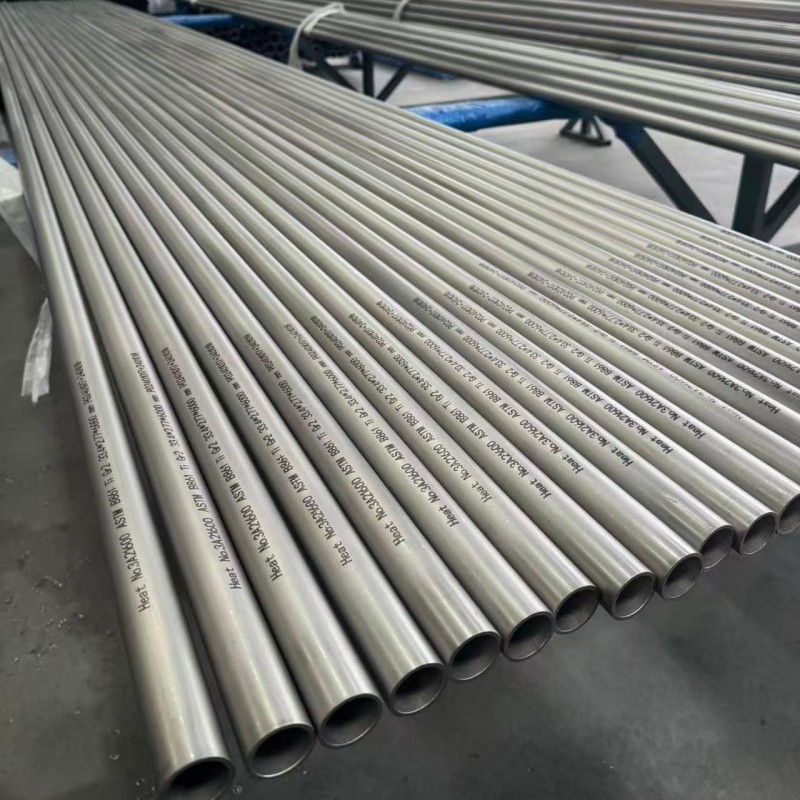
Under these extreme conditions, traditional piping materials like carbon steel, stainless steel, and even specialized duplex alloys rapidly fail. The result is catastrophic corrosion, abrasive wear, frequent piping failures, and costly operational downtime. To address these challenges, the global mining industry has increasingly turned to Titanium Welding Tubes as the gold standard for fluid transmission, heat exchange, and autoclave piping systems.
Titanium’s exceptional corrosion resistance is due to its high affinity for oxygen. When exposed to moisture or air, a highly stable, continuous, and self-healing titanium dioxide (TiO2) protective oxide film forms instantly on its surface. This passive film protects the underlying metal from aggressive chemical attacks in acidic and high-chloride environments common to mineral leaching circuits.
Historically, the higher initial Capital Expenditure (CAPEX) of titanium piping systems compared to stainless steel or lined carbon steel prevented widespread adoption. However, a modern lifecycle cost analysis (LCCA) reveals that titanium provides a much lower Operating Expenditure (OPEX) over the project lifespan. In aggressive mining operations, standard steel pipelines may require replacement every 12 to 24 months. In contrast, titanium welding tubes routinely operate for decades without degradation, eliminating maintenance costs and avoiding production halts that can cost operators millions of dollars per day.

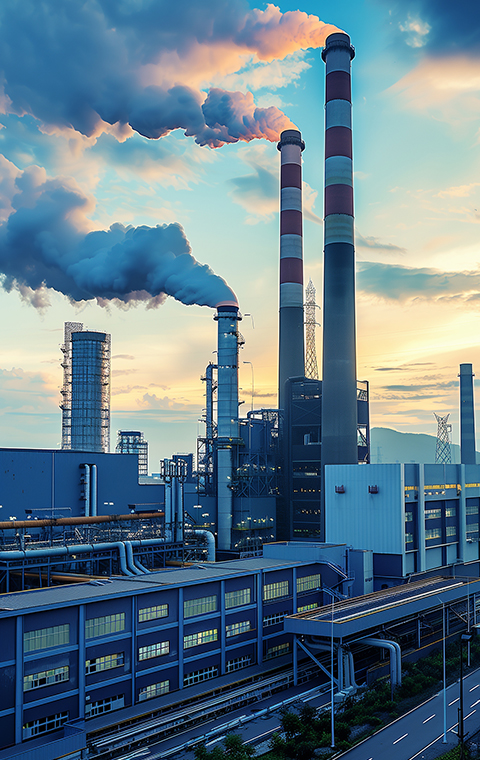
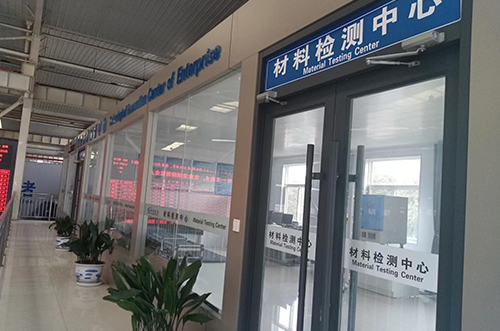
Baoji Special Steel Titanium Industry Co., LTD. (TGTI) is a leading joint-stock industrial enterprise specializing in the research, development, manufacturing, and sales of titanium, nickel, zirconium, and other metal pipes and metal composite materials. Founded in 1997, the company is located in the Shaanxi Baoji National High-tech Industrial Development Zone, with a state-of-the-art factory covering an area of 41,000 square meters.


Delivering high-performance titanium solutions across demanding industrial sectors.
High-Pressure Acid Leaching (HPAL) is widely used to extract nickel and cobalt from low-grade laterite ore deposits. The HPAL autoclave operates under severe conditions: temperatures ranging from 240°C to 270°C, pressures up to 50 bar, and sulfuric acid concentrations exceeding 50 g/L. This environment is highly corrosive to most metals.
In HPAL processes, titanium welding tubes (primarily Grade 2, Grade 7, or Grade 12) are used for autoclave internals, acid injection lines, slurry feed preheaters, and flash vessel piping. Grade 7 titanium, which contains palladium, provides excellent resistance to crevice corrosion in high-temperature chloride environments, making it ideal for these critical applications.
In the solvent extraction and electrowinning circuits of copper, nickel, cobalt, and zinc refineries, acidic electrolytes must be continuously pumped and heated. The electrolyte solutions typically contain high levels of sulfuric acid and chloride ions.
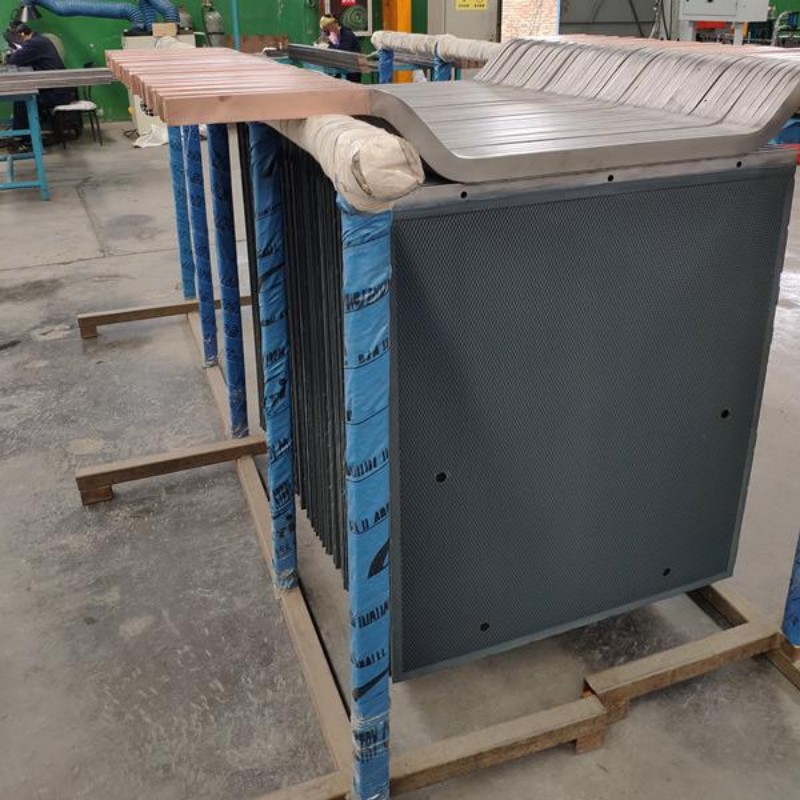
Titanium welding tubes are used to construct heat exchangers, cooling coils, and distribution manifolds in SX-EW plants. The high thermal conductivity of titanium, combined with its resistance to pitting and crevice corrosion, ensures efficient heat transfer and prevents contamination of the electrolyte solution, protecting the quality of the refined metal cathodes.
Transporting abrasive mineral slurries containing corrosive chemicals poses a dual challenge of erosion and corrosion. Standard steel pipes fail rapidly due to this combined wear mechanism, where corrosion continuously strips away the protective oxide layer and erosion washes away the exposed metal.
Titanium welding tubes exhibit excellent erosion-corrosion resistance. The rapid regeneration rate of the titanium dioxide film ensures that even when the surface is abraded by slurry particles, the protective layer reforms almost instantly, preventing accelerated material loss.
Gold processing plants utilize cyanidation to dissolve gold from ore. The process solutions contain sodium cyanide, lime, and various dissolved minerals. Piping systems in these circuits must withstand both chemical corrosion and mechanical wear from activated carbon particles. Titanium welding tubes ensure leak-free operation, preventing environmental contamination and ensuring process safety.
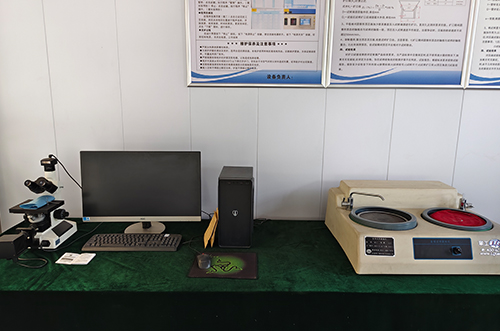
To perform reliably in mining operations, titanium welding tubes must be manufactured to stringent international standards, such as ASTM B338. This specification covers seamless and welded titanium and titanium alloy tubes for condensers and heat exchangers. Welded titanium tubes are produced from flat-rolled strip using automated gas tungsten arc welding (GTAW). The weld seam undergoes 100% non-destructive testing (NDT), including eddy current and ultrasonic testing, to ensure its strength matches the parent metal.
As the mining industry moves toward zero-emission and sustainable processing, hydrometallurgical routes are increasingly favored over pyrometallurgical smelting due to their lower carbon footprint. This trend is driving demand for advanced materials like titanium. Additionally, the development of intelligent mining technologies requires piping systems with integrated sensors to monitor pressure, temperature, and corrosion rates in real time. Titanium’s compatibility with smart monitoring systems makes it a key material for modern, automated mineral processing plants.
Stable product quality and integrity are the core of our business philosophy, trusted by global mining and refining leaders.
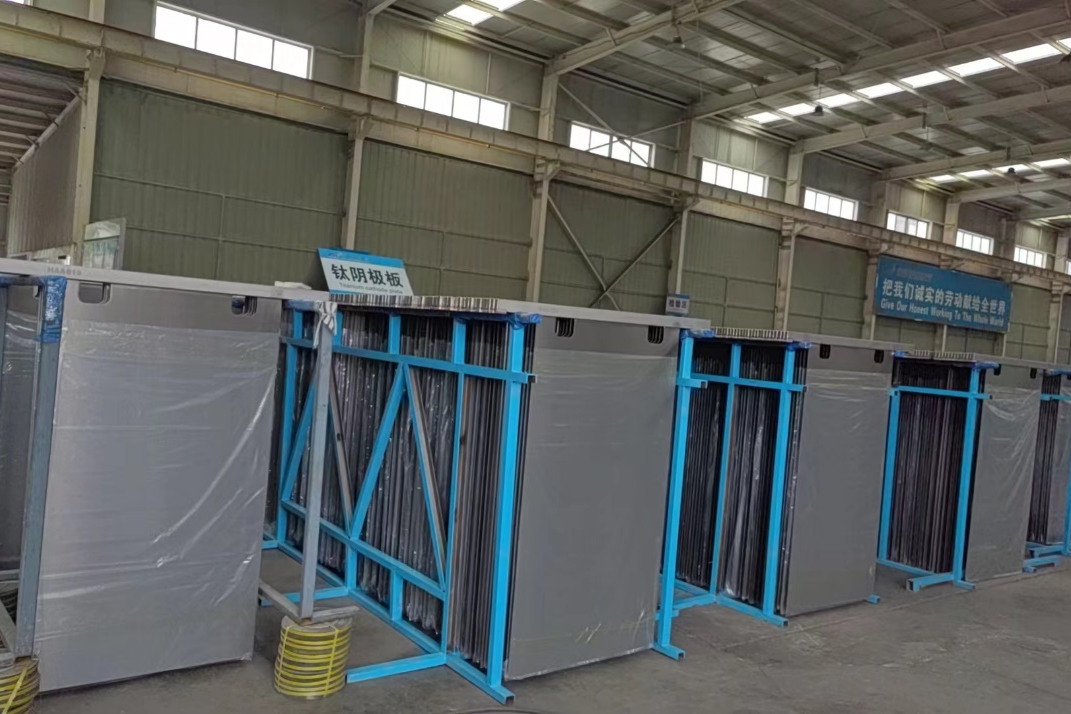
Powering Global Mining Operations with Precision Titanium Solutions.
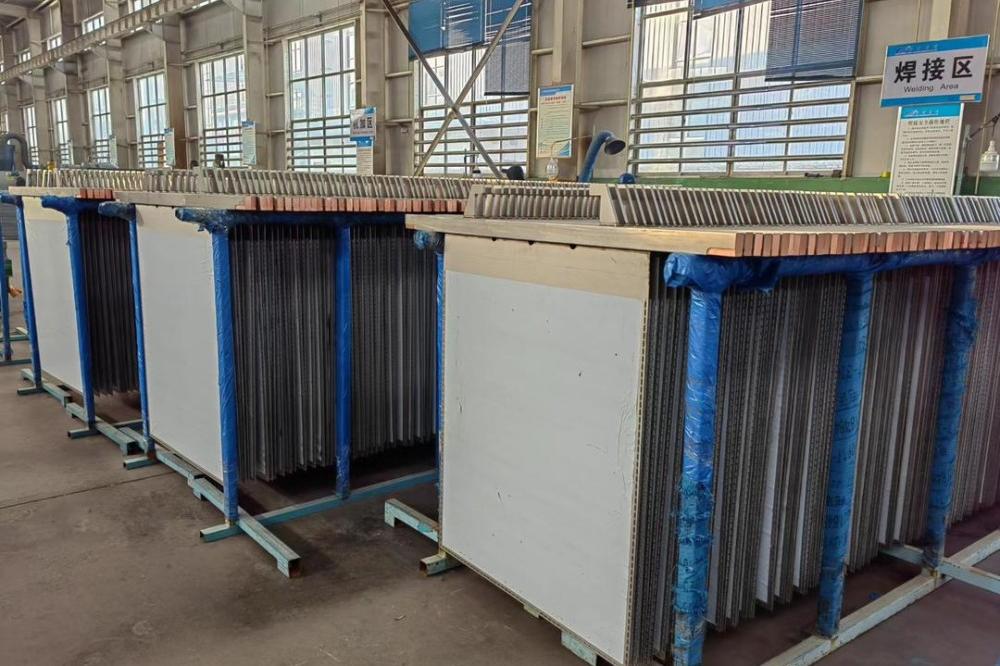
Providing high-performance titanium piping and plate components for nickel and cobalt extraction.
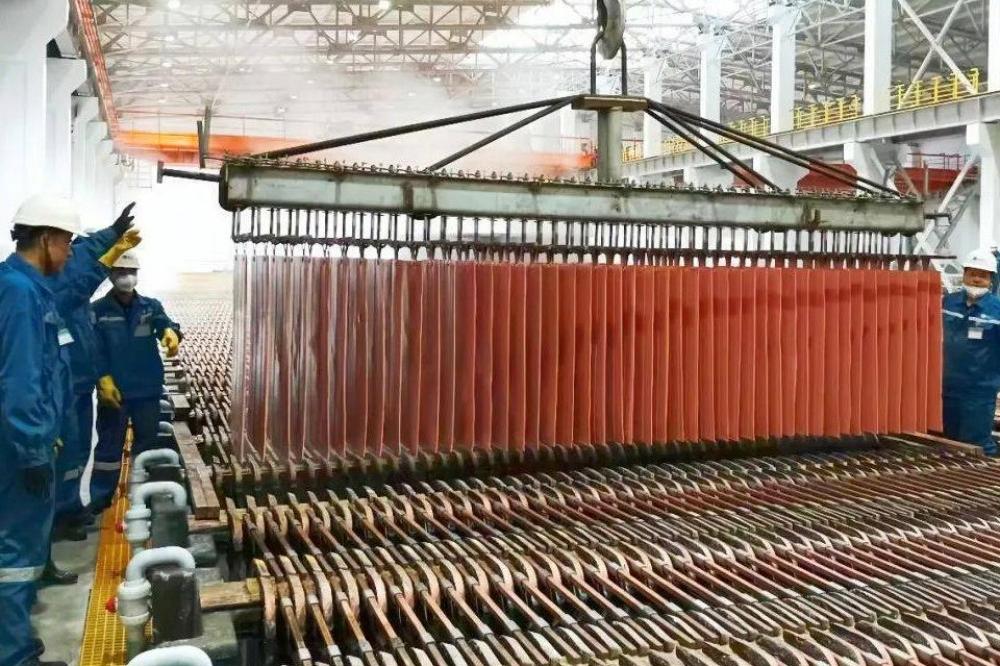
Supporting precursor production lines with corrosion-resistant titanium heat exchangers.
Since
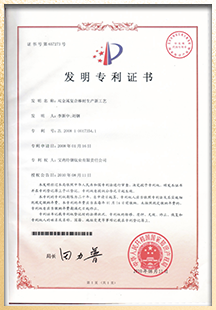
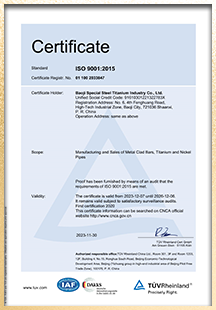
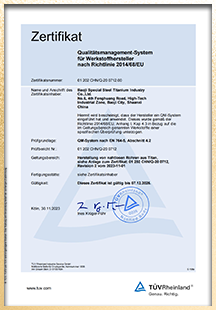
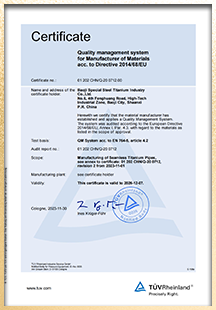
IATF 16949, CE, FMEA, PPAP, APQP, SPC AND MSA 100% TEST
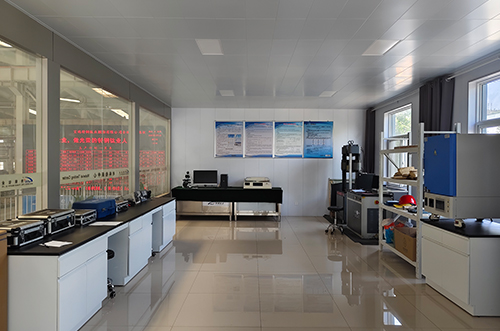
Explore our specialized range of titanium components, plates, and tubes designed for hydrometallurgy and mineral processing.