Leave Your Message

Blog

5 Best Electrolysis Plates for Global Buyers?

5 Best Electrolysis Plates for Global Buyers?

Picking the 5 best electrolysis plates for global buyers? It’s not just about price, coating, or thickness. An electrolysis plate has to handle heat, pressure, electrolyte exposure, and repeated electrical loading. And small differences in material can throw off voltage efficiency, corrosion resistance, maintenance intervals, and overall operating cost. The International Energy Agency’s Global Hydrogen Review 2024 says global installed electrolyzer capacity reached almost 2 gigawatts by the end of 2023. It also points out that manufacturing capacity has grown way beyond what’s actually being deployed. That gap gives buyers more choices—but more choices don’t always mean better decisions. You still need to look at current density, plate flatness, sealing compatibility, surface treatment, and traceable quality records. Nickel-based materials are still common in alkaline systems. But here’s a curveball: the spelling “Nickle Plate” sometimes pops up in supplier listings, which can cause confusion when you’re searching for technical specs. Professor Ad van Wijk, a hydrogen-energy specialist at Delft University of Technology, put it well: “Hydrogen is not an energy source; it is an energy carrier.” That distinction matters. An electrolysis plate needs to support efficient conversion—not just look tough in a product photo. The U.S. Department of Energy’s Hydrogen and Fuel Cell Technologies Office also stresses durability, efficiency, and cost reduction as key electrolyzer priorities. Honestly, there’s no universal winner. A plate that works great for a compact lab stack might struggle in a high-throughput plant. Some suppliers list amazing specs but have little long-term field evidence to back them up. That’s a weakness worth paying attention to. This guide compares five electrolysis plate options based on material quality, coating performance, manufacturing consistency, supplier reliability, and how well they fit global procurement.
Read more »
Sophia By:Sophia - October 12, 2026
China Top Nickel Welding Wire Manufacturers and Suppliers

China Top Nickel Welding Wire Manufacturers and Suppliers

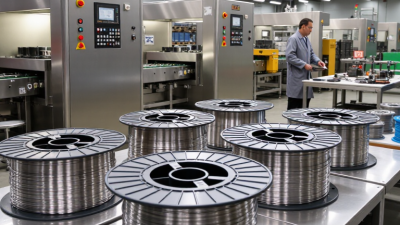
China has turned into a pretty important sourcing market for Nickel Welding Wire, and it's not just for one industry—petrochemical, power generation, marine, and chemical-processing projects all rely on it. Manufacturers there offer nickel alloy wires for corrosion resistance, heat stability, and those tricky dissimilar-metal joints. But let's be honest: price isn't the only thing that matters. A supplier you can trust should be able to show alloy certificates, batch traceability, wire diameter tolerance, and controlled packaging. Depending on project specs, buyers should also review AWS, ASME, and ISO compliance. And when a spool arrives, it should be clean, sealed, and clearly labeled. Moisture, mixed batches, or unclear heat numbers? Those can create serious welding risks. Dr. John C. Lippold—a respected welding metallurgy specialist—defines weldability as “the capacity of a material to be welded under the fabrication conditions imposed into a specific, suitably designed structure.” His point still matters a lot when you're selecting Nickel Welding Wire. The wire quality has to match the base metals, shielding gas, welding process, and service environment. This guide takes a practical look at China-based manufacturers and suppliers. It considers alloy availability, production experience, inspection procedures, technical support, and export reliability. Companies like Lincoln Electric and ESAB can be useful global benchmarks, sure, but regional suppliers can offer competitive customization and shorter communication paths. No supplier is perfect. That's just reality. Some product pages provide only limited technical evidence, and that weakness deserves attention. Before placing large orders, buyers should request mill test certificates, sample welds, packaging photographs, and independent inspection options. Factory audits can reveal details that catalogs often hide—including storage conditions and labeling discipline. The following overview helps engineers, distributors, and procurement teams compare suppliers with greater confidence. It also encourages careful verification, because a low quotation can't compensate for unstable welding performance.
Read more »
Olivia By:Olivia - October 8, 2026
What Is the Best Titanium Hanger Bar for Global Buyers?

What Is the Best Titanium Hanger Bar for Global Buyers?

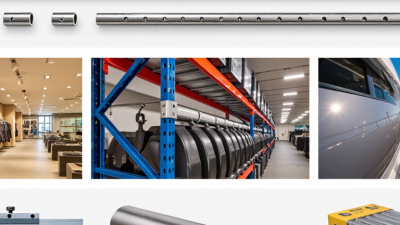
Choosing the best Titanium Hanger Bar for buyers around the world isn't just about comparing prices. Honestly, the right pick depends on a bunch of factors like load capacity, diameter, alloy type, surface finish, and where you'll actually use it. I mean, a bar holding up clothes in a retail shop faces totally different conditions than one used in a marine setting or industrial storage—so, yeah, one size definitely doesn’t fit all. Dr. David H. Alexander, who’s quite the independent expert on titanium materials, once said, “A trustworthy titanium part starts with verified materials, not just slick marketing pitch.” And honestly, that’s the kind of advice we should pay attention to. Buyers really need to ask for things like mill certificates, chemical reports, inspection records, and traceability details. Sure, companies like Baoji Titanium Valley New Material Co., Ltd., might offer Grade 2 or Grade 5 titanium, but just knowing the grade isn't enough. Things like welding quality, straightness, hole precision, and how smooth the edges are matter just as much. And a super strong bar isn’t always the best one either. Sometimes, it’s about finding that sweet spot where strength meets the specific needs of your project. If you’re purchasing globally, it’s worth comparing things like how much experience the manufacturer has, their testing methods, how well they pack their products (especially for long overseas trips), lead times, and how reliable their communication is. Packaging should protect the bar from scratches, bending, or moisture—none of us want surprises on arrival. Also, clear drawings and confirming both metric and imperial sizes before production can save a lot of headaches down the line. Here’s a tough pill to swallow—some buyers only focus on titanium’s impressive corrosion resistance and overlook whether the bar can handle actual installation loads. That’s a mistake. Even a lightweight bar might need sturdier brackets, different spacing, or a revamped mounting plan to work properly. This article aims to help you evaluate Titanium Hanger Bars with real-world evidence, technical insights, and practical buying tips—not to push any particular supplier. The goal? To steer you towards safer, smarter decisions on a global scale.
Read more »
Sophia By:Sophia - October 1, 2026
10 Best Pure Nickel Metal Suppliers for Global Buyers

10 Best Pure Nickel Metal Suppliers for Global Buyers

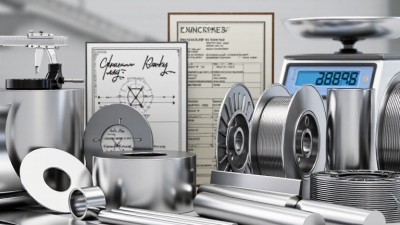
Picking a supplier for Pure Nickel Metal isn’t just about crunching the numbers and comparing prices. You really need to dig into things like grade, chemistry, size, documentation, and whether they can deliver on time. Sure, a slick product page is helpful, but it doesn't replace seeing a current material certificate — those small details can make a big difference. There's a handy rule from materials expert Michael F. Ashby that I like to keep in mind, which is basically: match the material’s properties to the actual conditions where it’ll be used. For nickel, that means double-checking whether options like Nickel 200 or Nickel 201 are suitable for your specific application, and then verifying the supplier's info on composition and available forms. Keep in mind, sheet, plate, rod, strip, and wire usually have different minimum order quantities and lead times, so it’s best to ask for clear specifics upfront. This guide’s here to compare ten different suppliers of Pure Nickel Metal from around the world. We look at their product ranges, technical docs, quality control measures, customization options, and export support. These points can help you create a shortlist, but they don’t guarantee the perfect match. Things change — supplier details get updated, catalogs might leave out important info, and sometimes specifications need a double-check, especially if you’re working with tight tolerances, traceability, or tight delivery schedules. Remember, a lower price isn’t always a deal if the dimensions are off or the paperwork’s incomplete. Think of this as a good starting point — nothing replaces testing samples or reviewing your exact purchasing needs in detail.
Read more »
Isabella By:Isabella - September 28, 2026
2026 Top Nickel Sheet Suppliers and Manufacturers?

2026 Top Nickel Sheet Suppliers and Manufacturers?

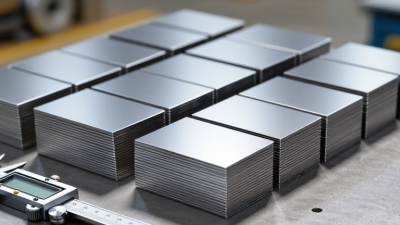
Picking the right nickel sheet supplier in 2026 isn’t just about crunching price lists — there’s a lot more to consider. Things like the material grade, how tight the thickness tolerances are, surface finish, and how reliable their delivery is can really throw off your entire production schedule if they’re not up to snuff. I’ve put together a guide that looks at some of the big names out there—like Special Metals, VDM Metals, Haynes International, Aperam, and Nippon Yakin—and what they bring to the table. Keep in mind, their capabilities can vary depending on where you’re based, the specific alloy you need, and how much you’re ordering. When it comes to quality, don’t just take their word for it. Always ask for mill test certificates, traceability back to heat numbers, and check if they’re compliant with standards like ASTM or ASME. Having a clear inspection process in place is also a good indicator that they keep quality in check. For tougher environments, pure nickel sheets can be a good choice—they tend to resist corrosion pretty well and handle heat like a champ—but they’re not automatically the best fit for every job. Picking the right alloy really depends on the specifics—like operating temperature, chemicals involved, forming needs, and pressure conditions. And if the supplier offers technical support, that can save you a lot of headaches and money by preventing costly trial and error. Availability? That can change pretty fast, so it’s something you want to keep an eye on. My overview touches on things like how much experience a manufacturer has, whether they have solid quality systems documented, their production capacity, and how well they support customers. But heads up—there’s no one-size-fits-all ranking here. A big, well-established mill might give you more consistency, but a smaller, specialized distributor could be quicker when it comes to smaller orders. Local stock, customs, and minimum order quantities also play a super important role in your decision. Always verify their current certifications, product dimensions, and lead times directly with each company—public info can get outdated pretty quickly. That’s why it’s so important to do your homework and compare thoroughly rather than just going by their marketing hype."
Read more »
Sophia By:Sophia - September 23, 2026
What Is the Best China Electroplating Equipment Supplier?

What Is the Best China Electroplating Equipment Supplier?

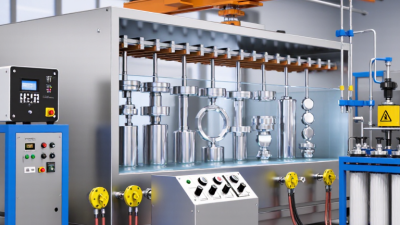
So, you're wondering what makes for the best electroplating equipment supplier in China? Honestly, picking the right one isn’t just about scoping out the lowest prices online. The real deal is about more than that — think process stability, engineering know-how, and long-term support. A dependable supplier should really get what you need — your plating chemistry, how much you produce, the size of your workpieces, and the quality of surface finish you're aiming for. They should also be able to provide clear drawings, load calculations, guidance on installation, and maintenance history. I remember Dr. Abner Brenner, a respected researcher in electrodeposition, saying, “The quality of an electrodeposit depends upon the conditions under which it’s produced.” That’s still so true today. Things like a stable rectifier, precise temperature control, good filtration, and proper ventilation all play a big role in getting great results. When you visit a factory, it’s a good idea to check out the busbars, tank linings, pump seals, control cabinets, and even how easily you can get spare parts. Sometimes, it’s those small details that really tell you a lot about a supplier. Big players like Jiangsu Huaxin Environmental Protection Equipment Co., Ltd., or companies that meet Atotech-level standards, are ones I’d trust for testing before you buy. Don’t be shy about asking for sample plating, energy consumption data, coating thickness results, and references from similar factories. And communication’s key — if they take forever to reply, that could end up costing you a lot once everything’s installed. Honestly, the cheapest option isn’t always the best one in the long run. Sounds obvious, right? But surprisingly, many folks overlook the importance of training and after-sales support. And watch out for overly ambitious claims like 'zero maintenance' or guaranteed results for every single metal — nobody can control every variable in the process. A good, trustworthy partner will be honest about what limits there are, share clear documentation, and work with you to improve the system over time. This article digs into those practical differences and highlights what really makes a supplier dependable when it comes to China’s electroplating equipment. It’s all about finding someone who’s experienced, transparent, and committed to supporting your success.
Read more »
Isabella By:Isabella - September 18, 2026
China Top Titanium Welding Pipe Manufacturers for Global Buyers

China Top Titanium Welding Pipe Manufacturers for Global Buyers

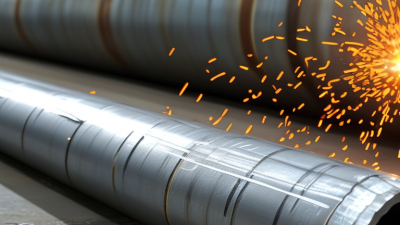
China has really stepped up as a major hub for producing titanium products, thanks to their strong capacity for making sponge titanium and their growing experience in exporting it. According to the USGS Mineral Commodity Summaries 2025, China is actually the top producer of titanium sponge — but keep in mind, the reporting isn’t complete at the country level. That’s kind of a big deal. Just because a country leads in raw material production doesn’t mean their finished pipes are all of the same quality. It’s a common misconception. If you’re buying globally, finding a trustworthy Titanium Welding Pipe supplier isn’t just about getting the best price. You really need to dig into their process — check their welding procedures, look at heat numbers, review dimensional records, and see their non-destructive testing results. ASTM B862 is the go-to standard for welded titanium pipes, by the way. Also, having ISO 9001 certification helps show they’re serious about process control, but that doesn’t mean you can skip inspection. Little things matter — so before they ship, make sure you verify weld bead consistency, look for any oval shape issues, check for surface discoloration, and see if the ends are properly protected. This guide takes a look at well-established Chinese manufacturers like Baoji Titanium Industry Co., Ltd. (BaoTi) and Western Metal Materials Co., Ltd. It covers important factors such as the material grades they offer, how well they control wall thickness, their production capacity, export paperwork, and how responsive they are when you need support. Industry forecasts from sources like Grand View Research and MarketsandMarkets keep pointing to steady growth in the global titanium market — especially with sectors like aerospace, chemicals, desalination plants, and energy behind the demand. But, don’t get too carried away thinking that means every supplier is a total winner. Sometimes, a supplier might look great online but don’t perform as consistently in production. That’s why doing factory audits, testing samples, and going through traceable inspection records is so important. This overview gives you a good starting point, but it’s no substitute for thorough technical checks and due diligence — always do your homework before making any decisions.
Read more »
Isabella By:Isabella - September 14, 2026
China Best Stainless Steel Clad Copper Manufacturers?

China Best Stainless Steel Clad Copper Manufacturers?

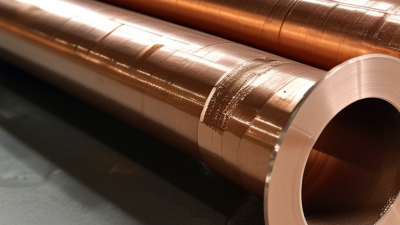
Picking the best stainless steel clad copper manufacturers in China isn’t just about comparing prices or peeking at shiny websites. You really need some solid proof of their experience in manufacturing, how well they control their materials, and whether they keep their quality consistent. You see, stainless steel clad copper is this cool combo — copper’s great for electrical conductivity, while stainless steel gives you strength and resistance to corrosion. But hitting that perfect balance depends on the quality of bonding, the thickness of the cladding, how well the surface is prepared, and precise control over dimensions. Reputable manufacturers should be upfront about their production methods — things like explosion bonding, hot rolling, or other specialized metallurgical techniques. Plus, you’ll want to see reports on chemical composition, test results for mechanical properties, dimensional measurements, and certificates that trace back to the actual mills they work with. For example, if you’re looking at a stainless steel clad copper hanger bar, details like hole spacing, flatness, edge finishing, and load capacity really matter — because even if a product looks smooth and perfect, it could still give out during installation. That’s a stressful and costly scenario you want to avoid. And don’t just rely on brochures or shiny websites. It’s a good idea to do factory visits whenever possible. Check out their cutting equipment, ultrasonic inspection setups, welding procedures, and how they package their products. Certifications like ISO 9001 can give some peace of mind, but honestly, having certifications alone doesn’t guarantee every shipment is spot-on. Independent testing is pretty valuable too, especially if you’re using these materials for electrical, marine, construction, or industrial work. Just make sure to verify standards like ASTM, EN, or any specific specs your project demands well before the stuff goes into production. Remember, there’s no one-size-fits-all “best” supplier out there. The right partner depends on what you need — whether it’s conductivity, resistance to corrosion, order size, tight tolerances, or how quickly they can deliver. Trying out samples helps, but don’t assume that one good sample means every batch will be perfect. It’s smart to compare their production records, how they communicate, how fast they rectify issues, and what kind of support they offer afterward. Taking the time to do your homework isn’t just about being cautious; it can save you from costly surprises down the line.
Read more »
Isabella By:Isabella - September 11, 2026
What Are the Top 10 Types of Nickel Bar?

What Are the Top 10 Types of Nickel Bar?

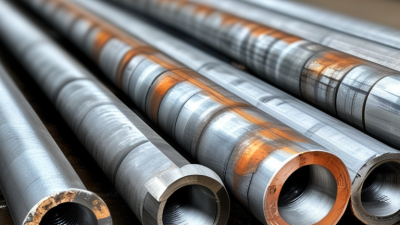
Nickel bars are pretty essential when it comes to demanding applications—stuff that requires resistance to corrosion, good heat stability, and strong mechanical properties. In this guide, we’ll take a look at the top 10 types commonly used in areas like chemical processing, marine gear, aerospace parts, and power systems. You might notice the term “Nickle Bar” popping up a lot, but just so you know, the correct spelling is “Nickel Bar.” Small detail, but it can actually make a difference when you're researching products. The overview covers the familiar grades, such as Nickel 200, Nickel 201, Monel 400, Inconel 600, 625, and 718. It also looks at some nickel alloys mixed with chromium, copper, or iron. Each of these behaves differently during welding, machining, forming, and when exposed to heat or seawater. For example, a round bar might be perfect for a machined shaft, while a flat bar can make things like brackets or supports much easier. You’ve probably come across the term “Nickle Polish Bar” online, which refers to a finished, polished surface. But remember, polishing is great for looks, yet it’s no substitute for selecting the right alloy from the start. When you're buying, don’t just go by shiny surfaces or pretty pictures in a catalog. It’s crucial to check material certificates, heat numbers, and dimensional tolerances, along with the relevant ASTM or ASME specs. Plus, experienced engineers will always consider factors like operating temperature, pressure, chlorides, and how the material will be fabricated before making a choice. There’s no one-size-fits-all answer here—that’s a key thing to keep in mind. Sometimes, a less expensive alloy will work just fine in mild conditions, but in more severe environments, a premium grade can save you the headache and early replacement costs. In the following sections, we’ll compare these different bar types, highlighting their strengths, typical uses, and what you should keep in mind when selecting the right one for your project.
Read more »
Isabella By:Isabella - September 6, 2026
Top Cold Rolling Mill Machines for Efficient Production?

Top Cold Rolling Mill Machines for Efficient Production?

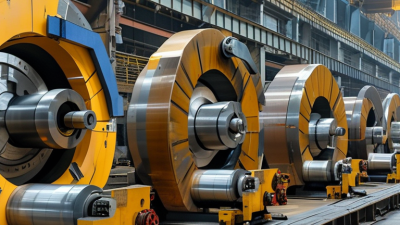
You know, with how competitive the metal processing industry has become, there's always this push to make production more efficient. That's why Cold Rolling Mill tech has seen some serious upgrades lately. These machines are pretty much the backbone when it comes to making steel and aluminum products. Big players like ArcelorMittal and Tata Steel are pouring tons of money into the latest Cold Rolling Mill systems, trying to boost their output and improve the quality of their materials. Honestly, in today’s market, getting your Cold Rolling Mills working at peak performance isn’t just a nice-to-have — it’s essential. When these machines run better, you waste less material and produce more in the same amount of time. But here’s the tricky part: picking the right machine isn’t exactly a walk in the park. Each one has its own quirks and capabilities, and those little differences can really make a difference in your overall production. So, understanding what makes different Cold Rolling Mills tick is super important. Some models come with smarter automation and better control features, while others are designed to be more energy-efficient. It’s a bit like shopping for a new gadget — you gotta weigh the options carefully to get the best bang for your buck. Ultimately, choosing the right Cold Rolling Mill can really level up your manufacturing game, making things more efficient while also bumping up product quality.
Read more »
Olivia By:Olivia - September 1, 2026
2026 How to Choose Stainless Steel Permanent Cathode for Procurement?

2026 How to Choose Stainless Steel Permanent Cathode for Procurement?

When you're choosing a stainless steel permanent cathode, it’s super important to make informed decisions. Dr. Emily Parker, a well-known expert in electrochemistry, points out that “the quality of the cathode really affects how efficient and long-lasting your electrolysis process will be.” Her insights remind us that you’ve gotta look closely at these key components before buying them. There are quite a few factors that can influence how well a stainless steel cathode performs—things like the material itself, how smooth or rough the surface is, and how it’s made. It’s really worth taking the time to vet your suppliers thoroughly. Picking a good one can boost your productivity, but going with a poor choice might just end up costing you more in the long run. And yeah, it’s crucial to ask yourself if the cathode you’re eyeing fits your specific operational needs. Knowing the industry standards is pretty much just as important. Certifications can help guide your buying decisions, but beware—some suppliers might not always play it straight. You’ve got to be ready to ask tough questions and evaluate both how well the product performs and how reliable it really is. Choosing a stainless steel permanent cathode isn’t just a technical decision; it’s also a strategic move that takes a good bit of thinking and accountability. Getting a deeper understanding of what you’re buying can really lead your organization to better results.
Read more »
Isabella By:Isabella - August 27, 2026